
Category Archives: Uncategorized
UCP BOOKS
[vc_row fullwidth=”true” css=”.vc_custom_1490224714943{padding-top: 0px !important;padding-right: 0px !important;padding-bottom: 0px !important;padding-left: 0px !important;}”][vc_column][vc_single_image image=”30795″ img_size=”full” alignment=”center”][/vc_column][/vc_row][vc_row][vc_column][vc_column_text][/vc_column_text][/vc_column][/vc_row][vc_row fullwidth=”true” css=”.vc_custom_1490225468623{padding-top: 0px !important;padding-right: 0px !important;padding-bottom: 0px !important;padding-left: 0px !important;}”][vc_column width=”1/12″ css=”.vc_custom_1490225195470{margin-right: 10px !important;}” offset=”vc_hidden-sm vc_hidden-xs”][vc_column_text]
SHARE
[/vc_column_text][mk_image src=”http://www.asortest.org/wp-content/uploads/2017/01/social-fb-icon4.jpg” image_width=”42″ image_height=”42″ hover=”false” custom_url=”https://www.facebook.com/ASOResearch/” margin_bottom=”0″][mk_image src=”http://www.asortest.org/wp-content/uploads/2017/01/social-tw-icon4.jpg” image_width=”42″ image_height=”42″ hover=”false” custom_url=”https://twitter.com/ASOResearch?ref_src=twsrc%5Egoogle%7Ctwcamp%5Eserp%7Ctwgr%5Eauthor” margin_bottom=”0″][mk_image src=”http://www.asortest.org/wp-content/uploads/2017/01/social-in-icon4.jpg” image_width=”42″ image_height=”42″ hover=”false” custom_url=”https://www.linkedin.com/company/american-schools-of-oriental-research” margin_bottom=”0″][mk_image src=”http://www.asortest.org/wp-content/uploads/2017/01/social-ml-icon_7.jpg” image_width=”42″ image_height=”42″ hover=”false” custom_url=”mailto:info@asor.org” margin_bottom=”0″][mk_image src=”http://www.asortest.org/wp-content/uploads/2017/01/blog-icon3.jpg” image_width=”42″ image_height=”42″ hover=”false” custom_url=”http://asor.org/blog” margin_bottom=”0″][/vc_column][vc_column border_color=”rgba(255,255,255,0.01)” width=”1/6″ css=”.vc_custom_1490365673198{margin-right: 20px !important;border-left-width: 2px !important;padding-right: 20px !important;padding-left: 20px !important;border-left-color: #99422f !important;}” el_class=”sticky-sidenav”][mk_divider divider_color=”rgba(255,255,255,0.01)” thickness=”1″ margin_top=”3″ margin_bottom=”3″][vc_widget_sidebar sidebar_id=”ca-sidebar-60550″ el_class=”.widget { overflow: hidden; margin-bottom: 0; }”][/vc_column][vc_column border_color=”rgba(170,170,170,0.01)” width=”8/12″ css=”.vc_custom_1490225606852{margin-right: 10px !important;margin-bottom: 30px !important;border-right-width: 2px !important;border-bottom-width: 2px !important;padding-top: 30px !important;padding-right: 30px !important;padding-left: 20px !important;background-color: #ffffff !important;border-right-color: rgba(227,228,228,0.75) !important;border-bottom-color: rgba(227,228,228,0.75) !important;}”][vc_row_inner][vc_column_inner width=”1/4″ css=”.vc_custom_1589911379206{margin-right: 10px !important;}”][vc_single_image image=”61117″ img_size=”full”][/vc_column_inner][vc_column_inner width=”3/4″][vc_wp_text]MEMBER RESOURCES
UCP BOOKS & E-BOOKS
[/vc_wp_text][/vc_column_inner][/vc_row_inner][mk_divider thickness=”1″ margin_top=”10″][vc_column_text responsive_align=”left”]University of Chicago Press E-Books are 30% off right now! Use the code “EBOOK30” at checkout.-
- Anthropology: Cultural & Social Anthropology Books
- Archaeology Books
- Architecture: Middle Eastern, African and Asian Books
- Classical Studies Books
- Folklore & Mythology Books
- History: Ancient and Classical Books
- History: Middle Eastern Books
- Jewish Studies Books
- Middle Eastern Studies Books
- Religion: Christianity Books
- Religion: Comparative Studies and History of Religion Books
- Religion: Islam Books
- Religion: Judaism Books
Libyan Museum Suitcase Update: Derj



Museum Suitcase Caravan Welcomed in Derj

Derj is in western Libya, between Nalut and Ghadames. It is marked on the map in red box.
Even in more stable times, a spring road trip into the Libya desert could be hazardous. The gibli winds of March, blowing north from the heart of the Sahara, caused sand dunes to shift in unpredictable ways, stretching and accumulating in new patterns over a matter of hours. In the worst cases, a driver discovered the road ahead was closed by sand. By the time they turned around and retraced their route, they found that another errant dune had closed the road behind them as well, trapping them until they found an alternate way around or through. Under such conditions, careful planning and patience have always been necessary.
Given the current dysfunction of Libyan public services, the roads have become even worse as all maintenance has ceased. A drive that would normally take half an hour now takes an hour and a half. As the Museum in a Suitcase team packed to travel to the UNESCO World Heritage site of Ghadames to host another in our series of cultural heritage outreach events, we knew that we had a long road trip in front of us. At the last possible moment, we received an invitation from the residents of Derj, a small oasis town at the crossroads between Ghadames and the central desert. They had heard about our project and wanted to find a way for the people of Derj to benefit from and join us in our efforts to protect Libyan heritage. After weighing the risks with the team, we all agreed. We couldn’t turn down such an invitation even though it would delay us on our route.
We arrived in Derj with a convoy of five cars, and we needed gas. For years now, there have been fuel shortages around the country, and it has become normal to wait in line for hours to fill up. It wasn’t surprising to find that there were already ten or fifteen cars assembled in front of the only gas station in town, so we decided to join the back of the line and begin our wait before we went to the city offices to meet our hosts. As soon as the residents in Derj heard about our mission, they waved us forward to front of the line and we filled our tanks immediately.
This was just the beginning of our welcome. The mayor greeted us in his office, offering us each a cup of milk and a serving of dates, traditional oasis hospitality. Their sweetness perked us up after a long morning on the road. He then invited us to join him and the rest of the municipal council for a large lunch consisting of lamb and vegetables served over couscous and ftat, a traditional flat bread soaked in oil.
During the meal, Mohammed Harb, a local Scout leader, explained that Derj needed our help. According to him, the historic sites of the city, including the Diab Kasbah, which dates back to the eleventh century A.D., and Taigha Square, which is surrounded by ancient mud brick buildings and has long served as the heart of town, are as important as any historic site in Ghadames but they have never enjoyed the same kind of attention.
He asked for our assistance in building up a community of support for historic Derj by joining the Suitcase Museum project and then assisting the community to connect the historic sites of the city to local and international resources that could help protect them. We saw the hope in his eyes and so we couldn’t refuse.
Though we have now distributed all of the project Suitcases (they are currently active in seventeen cities around Libya) and we had no extra material for Derj, our team member from Zliten decided to gift his suitcase to the city to help jumpstart their program. There is no stronger example of the camaraderie of our team. We intended to present a longer program in Derj on our way back from Ghadames, but the coronavirus pandemic intervened. We will return to this remarkable oasis town as soon as it is written in our fate.

Mud brick buildings surround Taigha Square in Derj.

This historic tower, part of the Diab Kasbah, stands 12m tall and is one of the most prominent landmarks of old Derj.

Members of ASOR’s Museum Suitcase team were welcomed by local officials and community members.
A History of ASOR: The First Decades
[vc_row fullwidth=”true” attached=”true” css=”.vc_custom_1496247803139{padding-top: 0px !important;padding-right: 0px !important;padding-bottom: 0px !important;padding-left: 0px !important;}”][vc_column][vc_single_image image=”28188″ img_size=”1920×400″ alignment=”center”][/vc_column][/vc_row][vc_row fullwidth=”true” css=”.vc_custom_1496682730308{padding-top: 10px !important;padding-right: 0px !important;padding-bottom: 0px !important;padding-left: 0px !important;}”][vc_column width=”1/12″ css=”.vc_custom_1496683820796{margin-right: 10px !important;}” offset=”vc_hidden-md vc_hidden-sm vc_hidden-xs”][vc_column_text]
SHARE
[/vc_column_text][mk_image src=”http://www.asortest.org/wp-content/uploads/2017/01/social-fb-icon4.jpg” image_width=”42″ image_height=”42″ hover=”false” custom_url=”https://www.facebook.com/ASOResearch/” margin_bottom=”0″][mk_image src=”http://www.asortest.org/wp-content/uploads/2017/01/social-tw-icon4.jpg” image_width=”42″ image_height=”42″ hover=”false” custom_url=”https://twitter.com/ASOResearch?ref_src=twsrc%5Egoogle%7Ctwcamp%5Eserp%7Ctwgr%5Eauthor” margin_bottom=”0″][mk_image src=”http://www.asortest.org/wp-content/uploads/2017/01/social-in-icon4.jpg” image_width=”42″ image_height=”42″ hover=”false” custom_url=”https://www.linkedin.com/company/american-schools-of-oriental-research” margin_bottom=”0″][mk_image src=”http://www.asortest.org/wp-content/uploads/2017/01/social-ml-icon_7.jpg” image_width=”42″ image_height=”42″ hover=”false” custom_url=”mailto:info@asor.org” margin_bottom=”0″][mk_image src=”http://www.asortest.org/wp-content/uploads/2017/01/blog-icon3.jpg” image_width=”42″ image_height=”42″ hover=”false” custom_url=”http://asor.org/blog” margin_bottom=”0″][/vc_column][vc_column border_color=”rgba(255,255,255,0.01)” width=”1/6″ css=”.vc_custom_1496683923840{margin-right: 20px !important;border-left-width: 2px !important;padding-right: 20px !important;padding-left: 20px !important;border-left-color: #99422f !important;}”][mk_divider divider_color=”rgba(255,255,255,0.01)” thickness=”1″ margin_top=”3″ margin_bottom=”3″][vc_column_text]
[/vc_column_text][/vc_column][vc_column border_color=”rgba(170,170,170,0.01)” width=”1/2″ css=”.vc_custom_1487276122024{margin-right: 10px !important;margin-bottom: 30px !important;border-right-width: 2px !important;border-bottom-width: 2px !important;padding-top: 30px !important;padding-right: 30px !important;padding-left: 20px !important;background-color: #ffffff !important;border-right-color: rgba(227,228,228,0.75) !important;border-bottom-color: rgba(227,228,228,0.75) !important;}”][vc_column_text responsive_align=”left”]
A HISTORY OF ASOR: THE FIRST DECADES
[/vc_column_text][mk_divider][vc_wp_text]ASOR celebrates 120 years in 2020. In honor of this anniversary, throughout the year we will be posting a history of ASOR, from its foundation to the present. This will include the many accomplishments and activities of ASOR members and ASOR as an organization. Join us as we delve deeper into ASOR’s history with images and anecdotes from the ASOR archives.

Imperial Firman issued to the American Schools of Oriental Research by the Ottoman Empire.
The foundation of ASOR can be traced to the late Nineteenth Century, when multiple academic organizations recognized the need for “establishing an overseas research center in the Near East” (Meyers 2001; 4). With the help of the Archaeological Institute of America (AIA), American Oriental Society (AOS), and the Society for Biblical Literature (SBL), ASOR was founded as the American School of Oriental Study and Research in Palestine. Originally intended as an organization to study scripture in the Holy Land, its parameters were expanded to include “linguistic, archaeological, historical, and other kindred studies and researches” within the Levant (From Founding Resolutions, 1900 in Meyers 200; 3). With support from 21 academic institutions, the scope of the American School of Oriental Study and Research in Palestine began to include research from different time periods and cultures throughout the Near East.
With the research goals established, ASOR needed a physical home from which to conduct business and research. Under leadership from the first Director, Charles C. Torrey, an Imperial Firman from the Ottoman Empire was granted for the formation of offices in Jerusalem. Beginning at the Grand New Hotel near the Jaffa Gate, the American School of Oriental Study and Research in Palestine led a nomadic existence for the next 24 years. There was no permanent home for the organization until 1924 when under the direction of William F. Albright, the Jerusalem School was constructed.

Sarcophagus from excavation at Sidon.
Throughout the first two-decades of ASOR’s existence, research took place at an inconsistent pace due to the instability of the region, the First World War and the collapse of the Ottoman Empire. Despite this, the first archaeological excavation, led by Torrey, began in 1901 at the tombs at Sidon. Further excavations were led to Samaria in 1908 through the funding of Reverend James B. Nies, PhD., a regular and generous donor to ASOR during its first years. A significant step for ASOR was the publication of first issue of Bulletin of the American School of Oriental Research (BASOR) in 1919. Publication of this annual journal has occurred for the past 101 years, detailing research in the Near East.
The most significant moment in ASOR’s early decades was the legal incorporation of the organization in the United States in 1921. These articles formally changed the name to the American Schools of Oriental Research, which “was suggestive of the expansion of geographical interests and the development of other research institutes” (Meyers 2001; 11). This marked a turning point for ASOR in which the organization broadened its research interests and capabilities.
Sources:
Meyers, Eric M. and Joe D. Seger. 2001. ASOR: A History of the American Schools of Oriental Research. In An ASOR Mosaic, edited by Joe D. Seger, pp. 2-103. American Schools of Oriental Research, Boston.[/vc_wp_text][/vc_column][vc_column border_color=”rgba(170,170,170,0.01)” width=”1/6″ css=”.vc_custom_1496684098866{margin-right: 5px !important;margin-bottom: 20px !important;border-right-width: 2px !important;border-bottom-width: 2px !important;padding-top: 30px !important;padding-right: 10px !important;padding-left: 10px !important;background-color: #ffffff !important;border-right-color: rgba(227,228,228,0.75) !important;border-bottom-color: rgba(227,228,228,0.75) !important;}”][vc_wp_posts title=”BROWSE THE NEWS ARCHIVE” number=”4″][/vc_column][vc_column border_color=”rgba(170,170,170,0.01)” width=”1/6″ css=”.vc_custom_1496684008271{margin-right: 10px !important;margin-bottom: 30px !important;border-right-width: 2px !important;border-bottom-width: 2px !important;padding-top: 30px !important;padding-right: 20px !important;padding-left: 20px !important;background-color: #ffffff !important;border-right-color: rgba(227,228,228,0.75) !important;border-bottom-color: rgba(227,228,228,0.75) !important;}”][vc_column_text]Tweets by ASOResearch [/vc_column_text][/vc_column][/vc_row]
Updated Letter on ASOR’s Responses to COVID-19
[vc_row fullwidth=”true” attached=”true” css=”.vc_custom_1496247803139{padding-top: 0px !important;padding-right: 0px !important;padding-bottom: 0px !important;padding-left: 0px !important;}”][vc_column][vc_single_image image=”55191″ img_size=”full” alignment=”center”][/vc_column][/vc_row][vc_row fullwidth=”true” css=”.vc_custom_1496682730308{padding-top: 10px !important;padding-right: 0px !important;padding-bottom: 0px !important;padding-left: 0px !important;}”][vc_column width=”1/12″ css=”.vc_custom_1496683820796{margin-right: 10px !important;}” offset=”vc_hidden-md vc_hidden-sm vc_hidden-xs”][vc_column_text]
SHARE
[/vc_column_text][mk_image src=”http://www.asortest.org/wp-content/uploads/2017/01/social-fb-icon4.jpg” image_width=”42″ image_height=”42″ hover=”false” custom_url=”https://www.facebook.com/ASOResearch/” margin_bottom=”0″][mk_image src=”http://www.asortest.org/wp-content/uploads/2017/01/social-tw-icon4.jpg” image_width=”42″ image_height=”42″ hover=”false” custom_url=”https://twitter.com/ASOResearch?ref_src=twsrc%5Egoogle%7Ctwcamp%5Eserp%7Ctwgr%5Eauthor” margin_bottom=”0″][mk_image src=”http://www.asortest.org/wp-content/uploads/2017/01/social-in-icon4.jpg” image_width=”42″ image_height=”42″ hover=”false” custom_url=”https://www.linkedin.com/company/american-schools-of-oriental-research” margin_bottom=”0″][mk_image src=”http://www.asortest.org/wp-content/uploads/2017/01/social-ml-icon_7.jpg” image_width=”42″ image_height=”42″ hover=”false” custom_url=”mailto:info@asor.org” margin_bottom=”0″][mk_image src=”http://www.asortest.org/wp-content/uploads/2017/01/blog-icon3.jpg” image_width=”42″ image_height=”42″ hover=”false” custom_url=”http://asor.org/blog” margin_bottom=”0″][/vc_column][vc_column border_color=”rgba(255,255,255,0.01)” width=”1/6″ css=”.vc_custom_1496683923840{margin-right: 20px !important;border-left-width: 2px !important;padding-right: 20px !important;padding-left: 20px !important;border-left-color: #99422f !important;}”][mk_divider divider_color=”rgba(255,255,255,0.01)” thickness=”1″ margin_top=”3″ margin_bottom=”3″][vc_column_text]
[/vc_column_text][/vc_column][vc_column border_color=”rgba(170,170,170,0.01)” width=”1/2″ css=”.vc_custom_1487276122024{margin-right: 10px !important;margin-bottom: 30px !important;border-right-width: 2px !important;border-bottom-width: 2px !important;padding-top: 30px !important;padding-right: 30px !important;padding-left: 20px !important;background-color: #ffffff !important;border-right-color: rgba(227,228,228,0.75) !important;border-bottom-color: rgba(227,228,228,0.75) !important;}”][vc_column_text responsive_align=”left”]
UPDATED LETTER ON ASOR’S RESPONSES TO COVID-19
[/vc_column_text][mk_divider][vc_wp_text]
April 22, 2020
Dear Fellow ASOR Members,
The ASOR family is a strong and close one, and that fact has never been more evident than in these challenging and stressful times. Due to the rapidly changing situation with the COVID-19 crisis, we plan to update this letter at least bi-monthly.
Please know that we at ASOR are doing all that we can to serve our constituents, while keeping the safety and health of our members, volunteers, officers, and employees as our highest priority.
First, we want to share (and in some cases repeat) the things we are doing to ensure that everyone is as safe as possible:
- Health and Safety of ASOR members and staff—To date, no ASOR full-time staff have experienced a COVID-19 illness. One former part-time staff member was presumptively positive, and fortunately that person has now recovered. Related, we learned that one member contracted the virus, and fortunately that member also has recovered. We are sad to report that one parent of a member passed away from a COVID-19 illness. If you are aware of anyone who has experienced an illness and if ASOR might provide assistance, please e-mail Andy Vaughn.
- The ASOR Office—The James F. Strange Center—in Old Town Alexandria is operating on remote-only work schedule. The staff is staying in touch with frequent messaging and video conferencing. No layoffs have occurred, and we have received word that we have been approved for a SBA Paycheck Protection Program (PPP) Loan that was made available through the CARES Act. Pending finalization of the loan and receipt of funds, we anticipate that much of this loan will be forgiven and effectively become a “grant.” Our dedicated staff has been, and continues to be, outstanding.
- Physical Mail Delivery—ASOR’s ability to receive and to process physical mail has been greatly reduced. Please consider making membership payments and gifts via our secure online store. Please e-mail info@asor.org if you have questions or need help. You may also send us a phone number by e-mail if you would like us to call you to make a credit card payment over the phone (please do not send credit card information by e-mail).
- The ASOR Board Meeting: We have rescheduled the meeting for May 14th, and it will be held as a virtual meeting. ASOR continues to test our new Zoom subscription, which we are using this platform more and more to carry out essential business.
- Dig Scholarships, Excavation Grants, and Research Fellowships—After much consideration, ASOR decided to postpone all dig scholarships for excavation participants until 2021. We did not reach this decision lightly. We heard that more than 80% of ASOR-affiliated excavations have canceled their summer field work, and the remainder of the projects will most likely cancel as well. We anticipate deciding about excavation grants and research fellowships in late April or early May. We will segregate endowment distributions and gifts already received for awards in 2021, if necessary. Calendar year 2020 was shaping up to be our largest year ever for scholarships, grants, and fellowships, for which we are grateful to all of our supporters. We hope that the segregated funds will enable a 50% increase in funding over 2019 levels in 2021.
Second, we want to share some of the things that we are doing to support you, our members, while many are practicing social and physical distancing:
- Membership Scholarships Available—If you have experienced a financial challenge because of the COVID-19 crisis (or if you know of an ASOR member who has a need), please ask about a membership scholarship. Some generous members of the ASOR family have pledged funds to pay the membership dues for anyone who has lost employment or substantial income because of this crisis. To date, we have awarded four such scholarships, and have pledges to support the anticipated need through June. Please contact Felice Herman or Andy Vaughn for more information.
- Online Resources—The ASOR office staff (led by Marta Ostovich) has launched webpages to share resources supporting students, professors, and teachers at all levels who are participating in online education with little advance notice. These pages are expanding daily; we invite you to participate so that we can help each other by sharing ideas and expertise.
- Online access to ASOR journals—The full-text and enhanced online access to ASOR journals have never been more important. Members with online access to journals can not only view the full text of articles, but all illustrations and figures may be downloaded seamlessly into Powerpoint. Click here for a webpage that outlines all of these features. Please e-mail Felice Herman if you have questions.
- Publications—Thanks to the excellent work of our editorial teams, the ASOR staff, and our partnerships with University of Chicago Press and ISD, the production and distribution of ASOR journals and books continue without interruption. Everyone is working remotely as much as possible, and we do not anticipate any interruptions in fulfilling this vital member service.
- Annual Meeting—We continue to prepare for our largest and best Annual Meeting in Boston in November. We expect more than 1,200 attendees; as of April 20, 2020, we already have 700 registrants. Because of the uncertainty of travel, we have extended the Early Bird registration rate until July 8, 2020. In late June, we will re-evaluate the situation and determine if a further extension is warranted. The Program Committee and ASOR staff are working remotely to ensure that the Annual Meeting program will be the strongest ever. We, of course, will keep the health of all participants as our highest priority.
- General Operations—The ASOR staff and our volunteers continue to respond to e-mails and phone calls. With our staff working remotely, answering phones and voicemail may be delayed. Please consider sending an e-mail if you are able.
- Shepard Urgent Action Grants—In the midst of so many things being postponed, we are thrilled to announce a new initiative that we hope to implement in spite of social distancing and self-quarantining efforts. Launched on April 2, 2020, these new grants are designed to address urgent needs for cultural heritage site mitigation and stabilization. Funding may be available in as little as 4-6 weeks following an application. Please check out the webpage and announcement.
Third, we need to share some challenges. We will continue to update you on these items. If you are aware of other issues that we should communicate in subsequent member correspondence, please let us know.
- The programs at our Overseas Research Centers in Amman, Jerusalem, and Nicosia are suffering from travel restrictions and cutbacks in fieldwork. Significant portions of their income derive from visits to and work on ASOR field projects and other research, for which they provide essential support and services. For the most part, these projects have been cancelled for 2020. We have been in touch with all the directors. They are coping effectively with the changing circumstances. The Albright in Jerusalem has been particularly hit hard.
- ASOR’s Endowment Accounts—Like many institutions, ASOR has invested our endowment accounts using an 80/20 allocation—80% in equities and 20% in bonds and cash. We have thus experienced a significant correction over the first quarter of 2020. As of March 31, 2020, most of our endowment accounts were down 12.1% for the fiscal year (July 1 – June 30). Because we maintain a 20% allocation in bonds and cash, we re-balanced our portfolios in April 2020, per our investment guidelines. We also make quarterly distributions based on averages from the last 12 quarters, so we will continue to be conservative in distributing funds from endowments. In addition, the Finance Committee voted unanimously to forego distributions from endowment accounts for excavation grants and dig scholarships for the 1st and 2nd quarters of 2020 in order to allow our accounts to recover some of their market losses. We have taken our normal distribution from our endowment for operations account, and we continue to use a conservative 3.5% withdraw rate.
- ASOR’s Annual Fund (unrestricted giving)—While ASOR remains in sound financial shape, while we anticipate receiving a Paycheck Protection Program Loan to assist with staff salaries, and while we have modest accumulated funds to see us through a challenging year, we need members to consider unrestricted contributions and gifts. To date in this fiscal year (ends June 30, 2020), we have received less than half of the $125,000 that we budgeted for unrestricted giving. Click here to make a gift online.
Finally, we want to conclude as we began—your health and well-being is our highest concern. We are grateful for your continued support of ASOR and of your fellow members. You are, and continue to be, amazing.
Best regards,
Sharon Herbert, ASOR President (president@asor.org)
Richard Coffman, ASOR Board Chair (RCoffman@coffmanlawfirm.com)
Andy Vaughn, ASOR Executive Director (executive-director@asor.org)[/vc_wp_text][/vc_column][vc_column border_color=”rgba(170,170,170,0.01)” width=”1/6″ css=”.vc_custom_1496684098866{margin-right: 5px !important;margin-bottom: 20px !important;border-right-width: 2px !important;border-bottom-width: 2px !important;padding-top: 30px !important;padding-right: 10px !important;padding-left: 10px !important;background-color: #ffffff !important;border-right-color: rgba(227,228,228,0.75) !important;border-bottom-color: rgba(227,228,228,0.75) !important;}”][vc_wp_posts title=”BROWSE THE NEWS ARCHIVE” number=”4″][/vc_column][vc_column border_color=”rgba(170,170,170,0.01)” width=”1/6″ css=”.vc_custom_1496684008271{margin-right: 10px !important;margin-bottom: 30px !important;border-right-width: 2px !important;border-bottom-width: 2px !important;padding-top: 30px !important;padding-right: 20px !important;padding-left: 20px !important;background-color: #ffffff !important;border-right-color: rgba(227,228,228,0.75) !important;border-bottom-color: rgba(227,228,228,0.75) !important;}”][vc_column_text]Tweets by ASOResearch [/vc_column_text][/vc_column][/vc_row]
Annual Meeting 2020: Early Bird Rate Extended
[vc_row fullwidth=”true” attached=”true” css=”.vc_custom_1496247803139{padding-top: 0px !important;padding-right: 0px !important;padding-bottom: 0px !important;padding-left: 0px !important;}”][vc_column][vc_single_image image=”59444″ img_size=”full” alignment=”center”][/vc_column][/vc_row][vc_row fullwidth=”true” css=”.vc_custom_1496682730308{padding-top: 10px !important;padding-right: 0px !important;padding-bottom: 0px !important;padding-left: 0px !important;}”][vc_column width=”1/12″ css=”.vc_custom_1496683820796{margin-right: 10px !important;}” offset=”vc_hidden-md vc_hidden-sm vc_hidden-xs”][vc_column_text]
SHARE
[/vc_column_text][mk_image src=”http://www.asortest.org/wp-content/uploads/2017/01/social-fb-icon4.jpg” image_width=”42″ image_height=”42″ hover=”false” custom_url=”https://www.facebook.com/ASOResearch/” margin_bottom=”0″][mk_image src=”http://www.asortest.org/wp-content/uploads/2017/01/social-tw-icon4.jpg” image_width=”42″ image_height=”42″ hover=”false” custom_url=”https://twitter.com/ASOResearch?ref_src=twsrc%5Egoogle%7Ctwcamp%5Eserp%7Ctwgr%5Eauthor” margin_bottom=”0″][mk_image src=”http://www.asortest.org/wp-content/uploads/2017/01/social-in-icon4.jpg” image_width=”42″ image_height=”42″ hover=”false” custom_url=”https://www.linkedin.com/company/american-schools-of-oriental-research” margin_bottom=”0″][mk_image src=”http://www.asortest.org/wp-content/uploads/2017/01/social-ml-icon_7.jpg” image_width=”42″ image_height=”42″ hover=”false” custom_url=”mailto:info@asor.org” margin_bottom=”0″][mk_image src=”http://www.asortest.org/wp-content/uploads/2017/01/blog-icon3.jpg” image_width=”42″ image_height=”42″ hover=”false” custom_url=”http://asor.org/blog” margin_bottom=”0″][/vc_column][vc_column border_color=”rgba(255,255,255,0.01)” width=”1/6″ css=”.vc_custom_1496683923840{margin-right: 20px !important;border-left-width: 2px !important;padding-right: 20px !important;padding-left: 20px !important;border-left-color: #99422f !important;}”][mk_divider divider_color=”rgba(255,255,255,0.01)” thickness=”1″ margin_top=”3″ margin_bottom=”3″][vc_column_text]
[/vc_column_text][/vc_column][vc_column border_color=”rgba(170,170,170,0.01)” width=”1/2″ css=”.vc_custom_1487276122024{margin-right: 10px !important;margin-bottom: 30px !important;border-right-width: 2px !important;border-bottom-width: 2px !important;padding-top: 30px !important;padding-right: 30px !important;padding-left: 20px !important;background-color: #ffffff !important;border-right-color: rgba(227,228,228,0.75) !important;border-bottom-color: rgba(227,228,228,0.75) !important;}”][vc_column_text responsive_align=”left”]
DEADLINE FOR EARLY-BIRD REGISTRATION EXTENDED TO JULY 8
[/vc_column_text][mk_divider][vc_wp_text]The ASOR staff and our many volunteers continue to prepare for our best Annual Meeting to date. At this point, we expect more than 1,200 attendees, and we are thrilled that we already have more than 700 registrants. Additionally, we are exploring ways that we might enhance the Annual Meeting with prerecorded online presentations and discussions.
Because of the uncertainty of travel during the ongoing COVID-19 pandemic, and because of the changing situation for many of our members, we have extended the Early Bird registration rate until July 8, 2020. In late June, we will re-evaluate the situation and see if a further extension seems warranted. The Program Committee and ASOR staff are working remotely to ensure that the program will be the strongest ever.
During a time when so much is uncertain due to the COVID-19 pandemic, everyone at ASOR will do our best to provide information and answers in a timely manner. We, of course, will keep the health of all participants as our highest priority. If you have any questions, please contact Arlene Press, ASOR’s Director of Meetings and Events, at meetings@asor.org.[/vc_wp_text][/vc_column][vc_column border_color=”rgba(170,170,170,0.01)” width=”1/6″ css=”.vc_custom_1496684098866{margin-right: 5px !important;margin-bottom: 20px !important;border-right-width: 2px !important;border-bottom-width: 2px !important;padding-top: 30px !important;padding-right: 10px !important;padding-left: 10px !important;background-color: #ffffff !important;border-right-color: rgba(227,228,228,0.75) !important;border-bottom-color: rgba(227,228,228,0.75) !important;}”][vc_wp_posts title=”BROWSE THE NEWS ARCHIVE” number=”4″][/vc_column][vc_column border_color=”rgba(170,170,170,0.01)” width=”1/6″ css=”.vc_custom_1496684008271{margin-right: 10px !important;margin-bottom: 30px !important;border-right-width: 2px !important;border-bottom-width: 2px !important;padding-top: 30px !important;padding-right: 20px !important;padding-left: 20px !important;background-color: #ffffff !important;border-right-color: rgba(227,228,228,0.75) !important;border-bottom-color: rgba(227,228,228,0.75) !important;}”][vc_column_text]Tweets by ASOResearch [/vc_column_text][/vc_column][/vc_row]
Libyan Update: Nalut
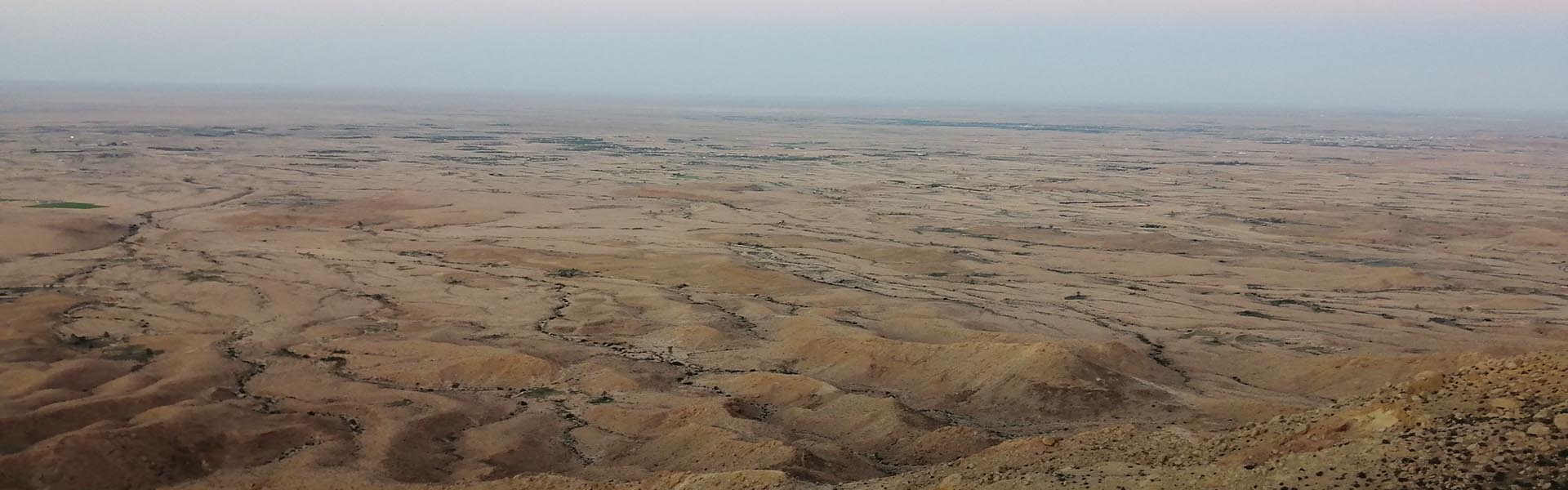


الحقيبة المتحفية الليبية : ورشة عمل ليوم واحد في طرابلس
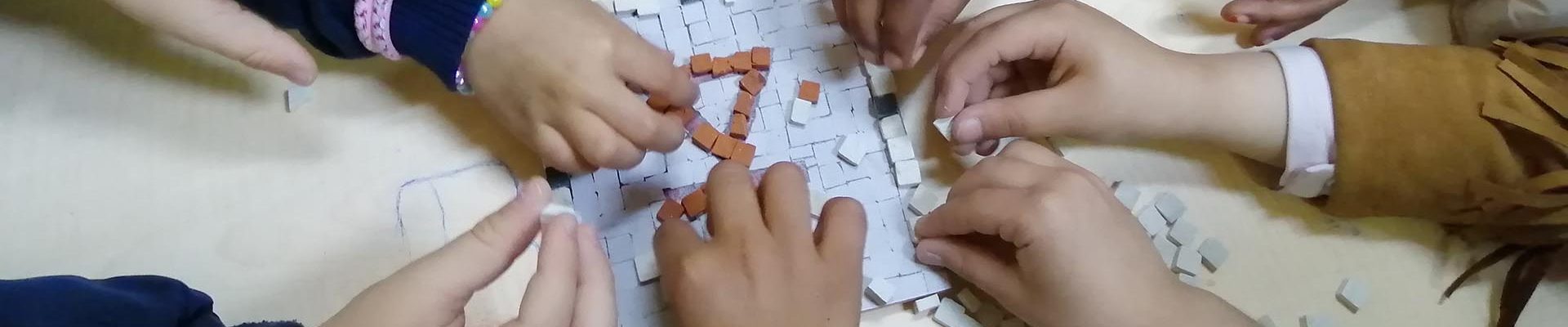
ألعاب الفسيفساء للأطفال : أنشطة تعليمية ممتعة لحماية التراث الليبي
قبل بداية الإغلاق الوطني الليبىى لدرء الوباء العالمي ، صاغ زملاؤنا في ليبيا أرضية جديدة في مشروع اسور الحالي “الحقائب المتحفية المتنقلة”. بتمويل من سفارة الولايات المتحدة في ليبيا ووزارة الخارجية الأمريكية ، دفعت شعبية ونجاح البرنامج الفريق إلى ابتكار أنشطة توعية إضافية لتعريف التلاميذ والطلاب من مختلف الأعمار بثراء وغنى التراث الثقافي الليبي
تعد الفسيفساء ، مثل لوحة الفصول الأربعة فورسيزونز الشهيرة في موقع التراث العالمي لليونسكو شحات سيريني ، من بين الأعمال الأكثر تميزًا للفن القديم في ليبيا ، ولكن من الصعب غالبًا زيارتها و رؤيتها عن قرب بسبب هشاشتها وحساسيتها ، لذلك فهى محمية فى مكان مغلق ويصعب الإقتراب منها . عليه واستيحاءاً من مجموعة “اصنع الفسيفساء الخاصة بك” في متحف باردو في تونس ، قام الفريق بتكييف هذه المواد مع السياق الليبي ودمجها مع الحقائب المتحفية الـ 23 في 18 مدينة ليبية ، لمساعدة وترغيب وتحفيز الأطفال على فهم كيفية صنع الفسيفساء ومنحهم فرصة لتجربتها بأنفسهم
أعطى الفريق هذه المواد الجديدة ، فرصة تجريبية في نشاط التوعية بالمحافظة على التراث للتراث الثقافي في 4 مارس 2020 لتلاميذ الصف الأول والصف الرابع في مدرسة غرناطة الابتدائية في طرابلس. بعد شرح موجز للتاريخ الليبى ولتاريخ الفسيفساء وانتشارها في ليبيا ، تم تقسيم الأطفال إلى مجموعات صغيرة وأتيحت لهم الفرصة لتجميع الفسيفساء
ووفقاً لرأى المعلمة أحلام الوفللي ومساعدتها المعلمة ريما ، كانت النتائج مذهلة. مرت ساعة ونصف الساعة بسرعة ، حيث انغمس جميع التلاميذ في اختيار القطع الصغيرة المناسبة لتتناسب مع لوحة الفسيفساء المزمع تركيبها . وفقًا لطلال بريون ، مندوب إيسور في ليبيا ، “كان الجو في صالة المسرح هادئًا ومنسجماً ومتناغمًا حيث عمل التلاميذ معًا أضاءت عيون الأطفال وهم فى طريقهم للنجاح في تجميع قطع صغيرة من الحجر في فسيفساء جميلة جدا
قدمت لعبة الفسيفساء طريقة عملية لتعليم التاريخ والحضارة وعلم الآثار وبالتأكيد على أهمية الحفاظ على التراث الثقافي

تصف انتصار العريبي ، عضو فريق الحقيبة المتحفية ، تاريخ وفنون إبداع الفسيفساء لتلاميذ الصف الرابع في طرابلس


تلاميذ يستطلعون بعض المواد من محتويات الحقيبة المتحفية


تلاميذ يعملون على تجميع الفسيفساء في مجموعات صغيرة


المشاركون في نشاط التوعية التثقيفي في مدرسة غرناطة بطرابلس
Libyan Museum Suitcase Update: Tripoli
Mosaic Games for Children: Fun and Engaging Educational Activities to Protect Libyan Heritage
Prior to the onset of a national lockdown in response to the global pandemic, our colleagues in Libya forged new ground in ASOR’s ongoing “Museum in a Suitcase” project. Funded by the U.S. Embassy to Libya, the U.S. Department of State’s Ambassadors Fund for Cultural Preservation (AFCP), and the Cultural Antiquities Task Force (CATF), the program’s popularity has driven the team to devise additional outreach activities familiarizing students of diverse ages with the richness of Libyan cultural heritage.
Mosaics like the famous Four Seasons panel at the UNESCO World Heritage site of Cyrene are among the most distinctive works of ancient art in Libya, yet are often difficult to appreciate up close due to their fragility. Inspired by a “Make Your Own Mosaic” kit at the Bardo Museum in Tunis, the team has adapted these materials to the Libyan context and incorporated them into the 23 museum bags in 18 Libyan cities, helping children understand how mosaics are made and giving them a chance to try it themselves.
The team gave these new materials a trial run at the Cultural Heritage Outreach and Awareness event on March 4, 2020 for the fourth grade students at the Granada Elementary School in Tripoli. After a brief explanation of the history of mosaics and their prevalence in Libya, the children were divided into small groups and given the opportunity to assemble a mosaic.
According to the teacher, Ahlam al Waflai, and her aide Reema, the results were amazing. An hour and a half passed quickly, as all of the students were engrossed in selecting the right tesserae to match the pattern. According to Talal Bariun, ASOR’s liaison in Libya, “the atmosphere in the room was calm and harmonious as the students worked together. The students’ eyes lit up as they succeeded in assembling small pieces of stone into very beautiful mosaics.” The mosaic game offered a hands-on way to teach history, civilization, and archaeology and emphasize the importance of preserving cultural heritage.
Museum in a Suitcase team member Intisar al Arebi describes the history of mosaics and the artistry of their creation to fourth graders in Tripoli.
Students studying materials from the Museum in a Suitcase.
Students working on mosaics in small groups.
Participants in the Cultural Heritage Outreach and Awareness Event at the Granada School in Tripoli.
More updates on Outreach and Awareness One-Day Events will be featured in forthcoming News@ASOR and ANE Today.
ASOR JOURNALS—ONLINE FEATURES
MEMBER RESOURCES
ONLINE FEATURES OF ASOR JOURNALS
Did you know that online access with an ASOR Academic Membership includes access to all three ASOR journals? Did you know that Associate and Contributing members get access to NEA online as well as print delivery? Did you know that all the back issues of ASOR journals are available to view online? Or that you can view any issue using special features on the University of Chicago Press Journals platform?
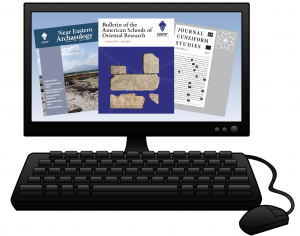
VIEWING ARTICLES ONLINE
Once you log into your UCP account (click here for directions), search for an ASOR journal (Near Eastern Archaeology, Bulletin of ASOR, or Journal of Cuneiform Studies). Then you can use these features to view articles:
- Full Text Articles: This easy-to-use feature reveals the entire text of the article as well as downloadable images and figures! Use the images for slides for lectures or online learning or to archive them for later research.
- Go To Button: Use this link to skip to certain sections of the Full Text view such as the conclusions or the references.
- As you scroll through the text, each citation has an embedded link in the year that enables the reader to jump to the reference at the end of the article.

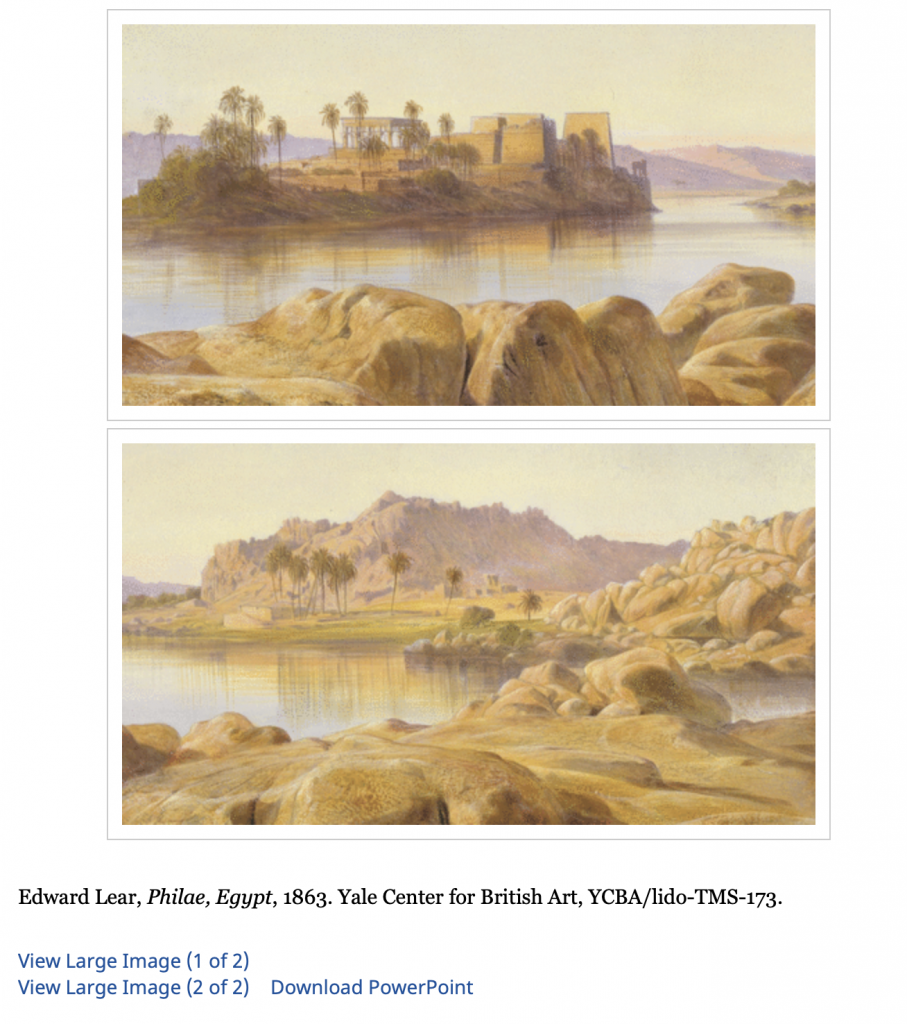
- Each figure or image is also a link that pulls up the image.
- After you select an image, click on the links at the bottom of the images to download into a PowerPoint slide containing the image. The View Large Image link, by contrast, downloads an actual high-res image that the user could import into a PowerPoint document.

- Abstracts of Articles: Preview articles by reading the abstracts for each article from the table of contents or when you click on the article itself.
- PDF Articles: View each article as a PDF that can be downloaded and read offline or printed. There are no downloadable images when using this view.
- Previous/Next Article or Issue: Use these buttons to easily navigate to the previous or next article in a single issue. You can also click between issues from a journal from a TOC page.
- Search Features: The quick search form at the top of every page allows searching across the entire site (including all 3 ASOR publications) or limited to a single journal. Search results page includes several filters for refining a search.
- Free Articles: The “Free” icon on TOC pages identifies articles that are free to read without a subscription.

REFERENCES/CITATIONS
When you are ready to start typing up your research, UCP also provides easy to use citation tools:
- Downloadable citations and bibliographies.
- Specific article citation prominently displayed in the right-hand sidebar navigation in the Full Text view.
- Each item in an article’s reference list is followed by useful links: First Citation in Article, Google Scholar, OpenURL, and a link to the online cited article itself.
- Other tools available for each article include “Email A Friend” (sends anyone you specify a link to the article) and “Track Citation” (sends you an alert when the article is cited by new publications). These article tools can be applied to several articles at once by using the checkboxes on the TOC pages.
E-BOOKS OF EACH ISSUE OF ASOR JOURNALS
If you would like to read the entire journal issue on your mobile device you can always download the e-book version of the issue! Entire issues are available for individual members to download and read on their iPad, iPhone, Kindle, Android, or desktop computer. Click here for more e-Book FAQs from UCP. Look for this box on the right-hand side of the table of contents of each issue:

ASOR MEMBERSHIP & ONLINE ACCESS
As always, you can contact Regan Baker (membership@asor.org) if you have questions about which type of membership you have (print delivery, online access, or both). If you would like to switch to online-only or add online access to your print delivery membership, please email membership@asor.org.
Click here for the different ASOR Membership levels and their associated benefits. Please note that online access is available as an option within every membership level and sometimes it is the only option to read the journals (student and Early Career), but some members have the ability to choose online access, print delivery, or both (Regular & Retired). Other levels have access to only Near Eastern Archaeology online and in print (Associate & Contributing).
SUGGESTIONS
Are there features that you use on the UCP website that are not listed here? Do you have other suggestions or comments? Let us know!
University of Chicago Press Journals is also committed to keeping its readers and users updated with their developments, especially during the COVID-19 crisis. Click here for their page of resources.