ONLINE RESOURCES

 ONLINE RESOURCES

Online Library | Educational Materials | Photo Collection | Virtual Archaeology Initiative | Membership Resources | ASOR Archives

Over the past month, the ASOR staff has been assembling online resources to aid our members and friends who have been asked to adapt to online teaching. We encourage you to share online resources, websites, teaching aids, guidelines, or advice that you feel could be useful to ASOR members or the public. Please email Marta Ostovich (programs@asor.org) with any resource links you would like to share. We also welcome your suggestions and offers to volunteer in helping us set up these resources (webinars, tutorials, etc.). The following page is a work in progress and we are extremely grateful to all of you who have already contributed!

Archaeology in the Community-ASOR Ancient Nubia Curriculum

FEATURED RESOURCE

Over the last couple of years, ASOR has partnered with Archaeology in the Community (AITC), a local D.C.-based organization specializing in archaeological education, to produce a series of educational videos and lesson plans on Ancient Nubia featuring black scholars who work in this area. The videos are designed for 6th grade teachers to use in fulfillment of Social Studies, Civics, and Geography requirements.

The videos feature interviews with Dr. Solange Ashby (Egyptology-Nubiology), Debora Heard (Archaeology), Jenail Marshall (Bioarchaeology), and Dr. Shayla Monroe (Zooarchaeology). They were produced by Sydney A. Pickens, Ali Bavugamenshi, and Dr. Alexandra Jones. Music was provided by 2 Nice Guys Music Production (Teddy Burgh and Teddy Thompson).
ASOR ONLINE LIBRARY

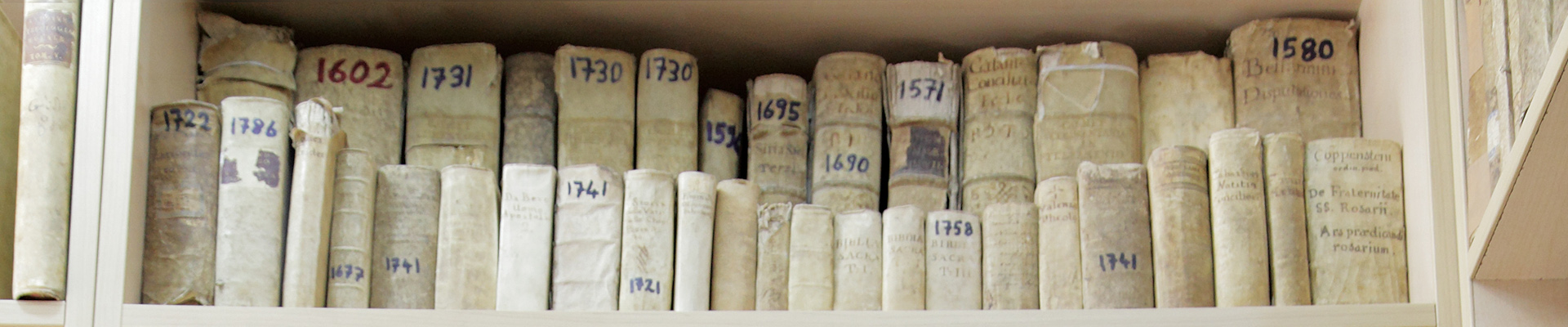
ASOR’s Online Library is an exclusive resource for scholars, students, and enthusiasts who want a master portal into the world of the ancient Near East and wider Mediterranean. The Online Library brings together presentations, posters, and virtual museum tours from the 2020-25 Annual Meetings, and the entire archive of Friends of ASOR’s monthly webinar series.

The Online Library provides access to:

 500+ sessions and workshops
2300+ paper and poster presentations
Virtual poster gallery
Virtual exhibit hall
70+ FOA webinars
Annual Meeting attendees and registrants have access to the platform through June 30, 2026. If you did not attend the 2025 Annual Meeting and do not plan to attend the 2026 Annual Meeting, you can still purchase access to the Online Library in the ASOR Store.

EDUCATIONAL MATERIALS

ASOR is pleased to provide numerous tools for educators

PHOTO COLLECTION

The ASOR Photo Collection is designed as a resource for the ASOR community to share images of the Middle East, North Africa, and the wider Mediterranean world. The photos in this Collection have been submitted by ASOR members and celebrate the rich heritage of the regions in which the ASOR community works. ASOR is providing open access to these images for use in lectures and presentations.

BROWSE THE PHOTO COLLECTION BY:
Country | Period | Category
VIRTUAL ARCHAEOLOGY INITIATIVE

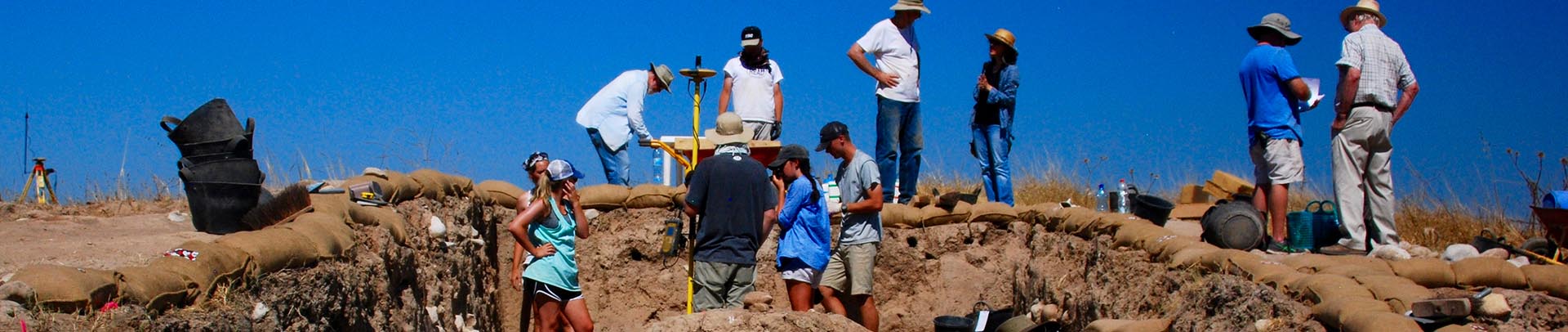
ASOR is committed to creating teaching tools that will both benefit students/teachers and generate interest in archaeology. As part of this commitment, ASOR’s Membership & Outreach Committee is building the Virtual Archaeology Initiative and would like to request that you consider contributing to this initiative as part of your scholarship. One of the main purposes of the Virtual Archaeology Initiative is to allow people who cannot or would not participate in actual excavations to feel as if they still can. To this end, we are looking to create digital assets that illustrate or teach various steps involved in the archaeological process. As such, we are asking for volunteers to submit any of the following digital resources, which should be coordinated with your project director(s) to ensure their permission:

1) a short teaching video that explains a specific process or element of an excavation/survey, how that element fits within the overall objective of the project, and/or how it fulfills some responsibility that we as archaeologists have to study, preserve, document, and make accessible the materials we excavate;
2) a video field diary recording in which you discuss research questions for your given project/season along with progress reports throughout the season to show how those research questions are met and/or how they change;
3) a digital image with explanation of the pictured stratigraphy/object/etc. We are also open to other kinds of virtual assets, so if you have a great idea, please feel free to share it with us.

Please check out our current submissions on YouTube or TikTok.

We hope that you choose to join us in developing Virtual Archaeology at ASOR. Submissions and questions about this initiative can be directed to info@asor.org.

ASOR ARCHIVES

The ASOR Archives house materials documenting the long history of ASOR’s contributions to archaeology
American Palestine Exploration Society Photograph Collection
Bulletin of the American School of Oriental Research Collection
A. The Henry Detweiler Papers
The Nelson Glueck Papers

Much of the content for these online resources came from H.Dixon, “What’s Already Out There? Online Resources for Teaching Ancient Near Eastern Studies and Cognate Fields,” Creative Pedagogies for Teaching the Ancient Near East and Egypt session (M. Ameri and H. Dixon, chairs), 2019 ASOR Annual Meeting, San Diego.”

EDUCATIONAL MATERIALS

ONLINE RESOURCES

Educational Materials

Over the past few months, the ASOR staff has been assembling online resources to aid our members and friends who have been asked to adapt to online teaching. We encourage you to share online resources, websites, teaching aids, guidelines, or advice that you feel could be useful to ASOR members or the public. Please email Marta Ostovich (programs@asor.org) with any resource links you would like to share. We also welcome your suggestions and offers to volunteer in helping us set up these resources (webinars, tutorials, etc.). The following page is a work in progress and we are extremely grateful to all of you who have already contributed!


K-5 Resources

Activities | Lesson Plans | Resources


6-12 Resources

Activities | Lesson Plans | Resources


Postsecondary Resources (in progress)

Syllabi | Lectures & Videos | Resources


Other Resources

 Images & 3D Models | Museum Resources | Podcasts & Audio Resources | Teaching Aides | Zoom Tips | Libraries


Stay tuned for more to come!

Much of the inspiration as well as the initial content for these online resources came from H.Dixon, “What’s Already Out There? Online Resources for Teaching Ancient Near Eastern Studies and Cognate Fields,” Creative Pedagogies for Teaching the Ancient Near East and Egypt session (M. Ameri and H. Dixon, chairs), 2019 ASOR Annual Meeting, San Diego.”
Most Popular ASOR Summer Posts

[vc_row fullwidth=”true” css=”.vc_custom_1486761987223{padding-top: 0px !important;padding-right: 0px !important;padding-bottom: 0px !important;padding-left: 0px !important;}”][vc_column][vc_single_image image=”39757″ img_size=”full”][/vc_column][/vc_row][vc_row fullwidth=”true” css=”.vc_custom_1487275830783{padding-top: 10px !important;padding-right: 0px !important;padding-bottom: 0px !important;padding-left: 0px !important;}”][vc_column width=”1/12″ css=”.vc_custom_1493002455400{margin-right: 10px !important;}” offset=”vc_hidden-md vc_hidden-sm vc_hidden-xs”][vc_column_text]

 SHARE

[/vc_column_text][mk_image src=”http://www.asortest.org/wp-content/uploads/2017/01/social-fb-icon4.jpg” image_width=”42″ image_height=”42″ hover=”false” custom_url=”https://www.facebook.com/ASOResearch/” margin_bottom=”0″][mk_image src=”http://www.asortest.org/wp-content/uploads/2017/01/social-tw-icon4.jpg” image_width=”42″ image_height=”42″ hover=”false” custom_url=”https://twitter.com/ASOResearch?ref_src=twsrc%5Egoogle%7Ctwcamp%5Eserp%7Ctwgr%5Eauthor” margin_bottom=”0″][mk_image src=”http://www.asortest.org/wp-content/uploads/2017/01/social-in-icon4.jpg” image_width=”42″ image_height=”42″ hover=”false” custom_url=”https://www.linkedin.com/company/american-schools-of-oriental-research” margin_bottom=”0″][mk_image src=”http://www.asortest.org/wp-content/uploads/2017/01/social-ml-icon_7.jpg” image_width=”42″ image_height=”42″ hover=”false” custom_url=”mailto:asor@bu.edu” margin_bottom=”0″][mk_image src=”http://www.asortest.org/wp-content/uploads/2017/01/blog-icon3.jpg” image_width=”42″ image_height=”42″ hover=”false” custom_url=”http://asorblog.org/” margin_bottom=”0″][/vc_column][vc_column border_color=”rgba(255,255,255,0.01)” width=”1/6″ css=”.vc_custom_1493004112151{margin-right: 20px !important;border-left-width: 2px !important;padding-right: 20px !important;padding-left: 20px !important;border-left-color: #99422f !important;}”][mk_divider divider_color=”rgba(255,255,255,0.01)” thickness=”1″ margin_top=”3″ margin_bottom=”3″][vc_widget_sidebar sidebar_id=”ca-sidebar-38125″ el_class=”.widget { overflow: hidden; margin-bottom: 0; }”][/vc_column][vc_column border_color=”rgba(170,170,170,0.01)” width=”8/12″ css=”.vc_custom_1487276122024{margin-right: 10px !important;margin-bottom: 30px !important;border-right-width: 2px !important;border-bottom-width: 2px !important;padding-top: 30px !important;padding-right: 30px !important;padding-left: 20px !important;background-color: #ffffff !important;border-right-color: rgba(227,228,228,0.75) !important;border-bottom-color: rgba(227,228,228,0.75) !important;}”][vc_column_text]

WELCOME TO THE ASOR BLOG

The American Schools of Oriental Research (ASOR) is the preeminent society for individuals interested in the archaeology of the eastern Mediterranean and the Biblical Lands. This blog is intended to facilitate ASOR’s mission “to initiate, encourage and support research into, and public understanding of, the cultures and history of the Near East from the earliest times.”[/vc_column_text][mk_divider thickness=”1″ margin_top=”10″][vc_row_inner][vc_column_inner][vc_column_text]

Most Popular ASOR Summer Posts

[Recap]

[/vc_column_text][vc_column_text]Summer is coming to an end, and students and teachers are getting back into the groove of the classroom. So, we thought we’d answer that age-old question, “What did you do this summer?” with a look back at the five most popular blog posts on the ASOR Blog.

We had a lot of really great authors contribute to our blog over the last few months. Now the “votes” are in–here are the most clicked on and viewed articles on the ASOR Blog from this summer …[/vc_column_text][vc_column_text]

Hiding in Plain Sight: The Discovery of a New Monumental Structure at Petra, Jordan, Using WorldView-1 and WorldView-2 Satellite Imagery

[/vc_column_text][vc_single_image image=”41332″ img_size=”full” add_caption=”yes” alignment=”center”][vc_column_text]For the past decades, absolute (calendrical) dates for the Middle Bronze Age of the southern and central Levant and its connections with Egypt were hotly debated among archaeologists, Egyptologists, and Biblical scholars. Some researchers, such as William Dever, argued for a high or traditional chronology, that connected the Middle Bronze I period with the 12th Dynasty, the Middle Bronze II with the 13th Dynasty, and the Middle Bronze III with the 15th (or Hyksos) Dynasty. According to this chronological framework, the Middle Bronze I/II transition would fall to c. 1775 BC.

The traditional (high) chronology has been challenged by Manfred Bietak who proposed significant lower calendrical dates for the Middle Bronze Age. Bietak directed the long-term excavations of the Austrian Archaeological Institute Cairo at Tell el-Dab’a, ancient Avaris, the capital of Egypt’s Second Intermediate Period, when northern Egypt was ruled by the Hyksos Dynasty. His excavations revealed a substantial amount of artefacts of Near Eastern provenance and thus, Bietak used the Egyptian historical chronology and the archaeological stratigraphy of Tell el-Dab’a for dating the Middle Bronze Age phases of the southern Levant. According to his (low) chronology, the Middle Bronze I would last until the mid-13th Dynasty, the Middle Bronze II until the mid-15th (Hyksos) Dynasty, and the Middle Bronze III until the early New Kingdom. According to this chronological framework, the Middle Bronze I/II transition would fall to c. 1700 BC, some 75 years later than according to the high chronology.

In recent years, radiocarbon dating has increasingly been used to test the proposed chronologies of the ancient Near East. While scholars from the University of Oxford (Christopher Bronk Ramsey and colleagues) could show that absolute calendrical dates for the Egyptian historical chronology are approximately correct, new radiocarbon sequences from several sites in Egypt and the southern and central Levant now challenge the traditional as well as the low chronological framework.[/vc_column_text][vc_single_image image=”41334″ img_size=”full” add_caption=”yes” alignment=”center” onclick=”custom_link”][/vc_column_inner][/vc_row_inner][vc_column_text]In their current article, Felix Höflmayer and his colleagues present new radiocarbon dating evidence for the Middle Bronze Age site of Tell el-Burak (Lebanon), where a team from the University of Tübingen and the American University of Beirut excavated a monumental mud-brick structure that can be dated to the late Middle Bronze I period. The archaeologists discovered a distinct type of pottery in the layers of the mud-brick building (so-called ridged-neck pithoi) that is also known from the excavations at Tell el-Dab’a and Ashkelon, and according to these excavations, suggested an absolute date in the second half of the 18th century BC.

However, radiocarbon dating of organic samples retrieved from the layers of the mud-brick building provide substantially higher calendrical dates and date the building to the 19th century BC, about 100 years earlier than what could have been expected according to the archaeological parallels at Tell el-Dab’a. But the high dates for Tell el-Burak are not an exception, on the contrary, significantly higher radiocarbon dates have also been produced for the Middle Bronze Age site of Tel Ifshar (modern Israel) and Tell el-Dab’a itself. In fact, all of these sites produced coherent radiocarbon results that challenge the c. 1775 BC or c. 1700 BC date for the transition from Middle Bronze I to Middle Bronze II and suggest a significant higher chronology, where this transition would fall into the 19thcentury BC.[/vc_column_text][vc_single_image image=”41335″ img_size=”full” add_caption=”yes” alignment=”center” onclick=”custom_link”][vc_column_text]The preliminary results presented in the study challenge the current picture of the Middle Bronze Age eastern Mediterranean and much more data is needed to corroborate the preliminary conclusions outlined in the article by Felix Höflmayer and his colleagues. Future studies will assemble more evidence on this crucial period and once a secure and transparent chronological framework has been achieved, archaeologists, Egyptologists, and Biblical specialists will be able to revise the current narrative of Middle Bronze Age eastern Mediterranean interconnections.[/vc_column_text][vc_single_image image=”41337″ img_size=”full” add_caption=”yes” alignment=”center” onclick=”custom_link” link=”https://www.jstor.org/stable/10.5615/bullamerschoorie.375.0053?seq=1#page_scan_tab_contents”][vc_column_text]All content provided on this blog is for informational purposes only. The American Schools of Oriental Research (ASOR) makes no representations as to the accuracy or completeness of any information on this blog or found by following any link on this blog. ASOR will not be liable for any errors or omissions in this information. ASOR will not be liable for any losses, injuries, or damages from the display or use of this information. The opinions expressed by Bloggers and those providing comments are theirs alone, and do not reflect the opinions of ASOR or any employee thereof.[/vc_column_text][/vc_column][/vc_row]

2018 ANNUAL MEETING PHOTO GALLERY

[vc_row fullwidth=”true” css=”.vc_custom_1490224714943{padding-top: 0px !important;padding-right: 0px !important;padding-bottom: 0px !important;padding-left: 0px !important;}”][vc_column][mk_edge_slider slides=”27133″ full_height=”false” height=”400″ parallax=”true”][/vc_column][/vc_row][vc_row][vc_column][vc_column_text][/vc_column_text][/vc_column][/vc_row][vc_row fullwidth=”true” css=”.vc_custom_1490225468623{padding-top: 0px !important;padding-right: 0px !important;padding-bottom: 0px !important;padding-left: 0px !important;}”][vc_column width=”1/12″ css=”.vc_custom_1490225195470{margin-right: 10px !important;}” offset=”vc_hidden-sm vc_hidden-xs”][vc_column_text]

  SHARE

[/vc_column_text][mk_image src=”http://www.asortest.org/wp-content/uploads/2017/01/social-fb-icon4.jpg” image_width=”42″ image_height=”42″ hover=”false” custom_url=”https://www.facebook.com/ASOResearch/” margin_bottom=”0″][mk_image src=”http://www.asortest.org/wp-content/uploads/2017/01/social-tw-icon4.jpg” image_width=”42″ image_height=”42″ hover=”false” custom_url=”https://twitter.com/ASOResearch?ref_src=twsrc%5Egoogle%7Ctwcamp%5Eserp%7Ctwgr%5Eauthor” margin_bottom=”0″][mk_image src=”http://www.asortest.org/wp-content/uploads/2017/01/social-in-icon4.jpg” image_width=”42″ image_height=”42″ hover=”false” custom_url=”https://www.linkedin.com/company/american-schools-of-oriental-research” margin_bottom=”0″][mk_image src=”http://www.asortest.org/wp-content/uploads/2017/01/social-ml-icon_7.jpg” image_width=”42″ image_height=”42″ hover=”false” custom_url=”mailto:asor@bu.edu” margin_bottom=”0″][mk_image src=”http://www.asortest.org/wp-content/uploads/2017/01/blog-icon3.jpg” image_width=”42″ image_height=”42″ hover=”false” custom_url=”http://asorblog.org/” margin_bottom=”0″][/vc_column][vc_column border_color=”rgba(170,170,170,0.01)” width=”1/2″ css=”.vc_custom_1543939761761{margin-right: 10px !important;margin-bottom: 30px !important;border-right-width: 2px !important;border-bottom-width: 2px !important;padding-top: 30px !important;padding-right: 30px !important;padding-left: 20px !important;background-color: #ffffff !important;border-right-color: rgba(227,228,228,0.75) !important;border-bottom-color: rgba(227,228,228,0.75) !important;}”][vc_column_text responsive_align=”left”]

2018 ANNUAL MEETING PHOTO GALLERY

Take a moment to enjoy these photos of friends, colleagues, academic sessions, and social events at the Annual Meeting in Denver.

Please use the link below to view the remaining photos.

2018 ASOR Annual Meeting

[/vc_column_text][mk_divider divider_color=”rgba(255,255,255,0.01)” thickness=”10″ margin_top=”5″ margin_bottom=”5″][/vc_column][vc_column border_color=”rgba(170,170,170,0.01)” width=”1/6″ css=”.vc_custom_1490571214409{margin-right: 10px !important;margin-bottom: 30px !important;border-right-width: 2px !important;border-bottom-width: 2px !important;padding-top: 30px !important;padding-right: 20px !important;padding-left: 20px !important;background-color: #ffffff !important;border-right-color: rgba(227,228,228,0.75) !important;border-bottom-color: rgba(227,228,228,0.75) !important;}”][vc_wp_posts title=”BROWSE THE NEWS ARCHIVE” number=”4″][/vc_column][vc_column border_color=”rgba(170,170,170,0.01)” width=”1/6″ css=”.vc_custom_1490225688999{margin-right: 10px !important;margin-bottom: 30px !important;border-right-width: 2px !important;border-bottom-width: 2px !important;padding-top: 30px !important;padding-right: 30px !important;padding-left: 20px !important;background-color: #ffffff !important;border-right-color: rgba(227,228,228,0.75) !important;border-bottom-color: rgba(227,228,228,0.75) !important;}”][vc_column_text] [/vc_column_text][/vc_column][/vc_row][vc_row][vc_column][vc_column_text]

[/vc_column_text][/vc_column][/vc_row]

Ad Hoc Committee on a Code of Conduct for the ASOR Annual Meeting

[vc_row fullwidth=”true” css=”.vc_custom_1490224714943{padding-top: 0px !important;padding-right: 0px !important;padding-bottom: 0px !important;padding-left: 0px !important;}”][vc_column][vc_single_image image=”30785″ img_size=”full” alignment=”center”][/vc_column][/vc_row][vc_row][vc_column][vc_column_text][/vc_column_text][/vc_column][/vc_row][vc_row fullwidth=”true” css=”.vc_custom_1490225468623{padding-top: 0px !important;padding-right: 0px !important;padding-bottom: 0px !important;padding-left: 0px !important;}”][vc_column width=”1/12″ css=”.vc_custom_1490225195470{margin-right: 10px !important;}” offset=”vc_hidden-sm vc_hidden-xs”][vc_column_text]

  SHARE

[/vc_column_text][mk_image src=”http://www.asortest.org/wp-content/uploads/2017/01/social-fb-icon4.jpg” image_width=”42″ image_height=”42″ hover=”false” custom_url=”https://www.facebook.com/ASOResearch/” margin_bottom=”0″][mk_image src=”http://www.asortest.org/wp-content/uploads/2017/01/social-tw-icon4.jpg” image_width=”42″ image_height=”42″ hover=”false” custom_url=”https://twitter.com/ASOResearch?ref_src=twsrc%5Egoogle%7Ctwcamp%5Eserp%7Ctwgr%5Eauthor” margin_bottom=”0″][mk_image src=”http://www.asortest.org/wp-content/uploads/2017/01/social-in-icon4.jpg” image_width=”42″ image_height=”42″ hover=”false” custom_url=”https://www.linkedin.com/company/american-schools-of-oriental-research” margin_bottom=”0″][mk_image src=”http://www.asortest.org/wp-content/uploads/2017/01/social-ml-icon_7.jpg” image_width=”42″ image_height=”42″ hover=”false” custom_url=”mailto:asor@bu.edu” margin_bottom=”0″][mk_image src=”http://www.asortest.org/wp-content/uploads/2017/01/blog-icon3.jpg” image_width=”42″ image_height=”42″ hover=”false” custom_url=”http://asorblog.org/” margin_bottom=”0″][/vc_column][vc_column border_color=”rgba(255,255,255,0.01)” width=”1/6″ css=”.vc_custom_1490365673198{margin-right: 20px !important;border-left-width: 2px !important;padding-right: 20px !important;padding-left: 20px !important;border-left-color: #99422f !important;}” el_class=”sticky-sidenav”][mk_divider divider_color=”rgba(255,255,255,0.01)” thickness=”1″ margin_top=”3″ margin_bottom=”3″][vc_widget_sidebar sidebar_id=”ca-sidebar-37292″ el_class=”.widget { overflow: hidden; margin-bottom: 0; }”][/vc_column][vc_column border_color=”rgba(170,170,170,0.01)” width=”1/2″ css=”.vc_custom_1490225606852{margin-right: 10px !important;margin-bottom: 30px !important;border-right-width: 2px !important;border-bottom-width: 2px !important;padding-top: 30px !important;padding-right: 30px !important;padding-left: 20px !important;background-color: #ffffff !important;border-right-color: rgba(227,228,228,0.75) !important;border-bottom-color: rgba(227,228,228,0.75) !important;}”][vc_column_text responsive_align=”left”]

AD HOC COMMITTEE ON A CODE OF CONDUCT FOR THE ASOR ANNUAL MEETING

The Ad hoc Committee on a Code of Conduct for the ASOR Annual Meeting is charged with coming up with a code that will address multiple issues concerning the safety and well-being of participants at the ASOR Annual Meeting including but not limited to (1) discrimination based on sex, gender, gender identity, sexual orientation, race, ethnicity, age, and religion; (2) harassment, including (a) sexual harassment, (b) harassment that creates a hostile or intimidating environment, (c) harassment that demeans a person or group of persons and that the person responsible knew or reasonably ought to have known would cause the target to be humiliated, intimidated, or otherwise gratuitously harmed; and (d) harassment that functions implicitly or explicitly to limit others’ participation in the Annual Meeting’s program and associated activities; (3) assault, including sexual assault. The code should also include plans for emergency management of such incidents at the Annual Meeting.

More specifically, we hope an ASOR Code of Conduct for the Annual Meeting can set forward a series of principles for respectful and professional behavior to which every participant at the ASOR Annual Meeting should aspire, as well as a series of best practices that ASOR should strive to enact.

  • Emily Miller Bonney, chair
  • Helen Dixon
  • Emily Hammer
  • Mara Horowitz
  • Ian Jones
  • Scott Moore
  • Tine Rassalle
  • Alison Thomason
  • Lynn Welton
  • Vanessa Workman

[/vc_column_text][vc_empty_space height=”100px”][/vc_column][vc_column border_color=”rgba(170,170,170,0.01)” width=”1/6″ css=”.vc_custom_1490571214409{margin-right: 10px !important;margin-bottom: 30px !important;border-right-width: 2px !important;border-bottom-width: 2px !important;padding-top: 30px !important;padding-right: 20px !important;padding-left: 20px !important;background-color: #ffffff !important;border-right-color: rgba(227,228,228,0.75) !important;border-bottom-color: rgba(227,228,228,0.75) !important;}”][vc_wp_posts title=”BROWSE THE NEWS ARCHIVE” number=”4″][/vc_column][vc_column border_color=”rgba(170,170,170,0.01)” width=”1/6″ css=”.vc_custom_1490225688999{margin-right: 10px !important;margin-bottom: 30px !important;border-right-width: 2px !important;border-bottom-width: 2px !important;padding-top: 30px !important;padding-right: 30px !important;padding-left: 20px !important;background-color: #ffffff !important;border-right-color: rgba(227,228,228,0.75) !important;border-bottom-color: rgba(227,228,228,0.75) !important;}”][vc_column_text] [/vc_column_text][/vc_column][/vc_row][vc_row][vc_column][vc_column_text]

[/vc_column_text][/vc_column][/vc_row]

Ad Hoc Committee on ASOR’s Name

[vc_row fullwidth=”true” css=”.vc_custom_1490224714943{padding-top: 0px !important;padding-right: 0px !important;padding-bottom: 0px !important;padding-left: 0px !important;}”][vc_column][vc_single_image image=”50487″ img_size=”full” alignment=”center”][/vc_column][/vc_row][vc_row][vc_column][vc_column_text][/vc_column_text][/vc_column][/vc_row][vc_row fullwidth=”true” css=”.vc_custom_1490225468623{padding-top: 0px !important;padding-right: 0px !important;padding-bottom: 0px !important;padding-left: 0px !important;}”][vc_column width=”1/12″ css=”.vc_custom_1490225195470{margin-right: 10px !important;}” offset=”vc_hidden-sm vc_hidden-xs”][vc_column_text]

  SHARE

[/vc_column_text][mk_image src=”http://www.asortest.org/wp-content/uploads/2017/01/social-fb-icon4.jpg” image_width=”42″ image_height=”42″ hover=”false” custom_url=”https://www.facebook.com/ASOResearch/” margin_bottom=”0″][mk_image src=”http://www.asortest.org/wp-content/uploads/2017/01/social-tw-icon4.jpg” image_width=”42″ image_height=”42″ hover=”false” custom_url=”https://twitter.com/ASOResearch?ref_src=twsrc%5Egoogle%7Ctwcamp%5Eserp%7Ctwgr%5Eauthor” margin_bottom=”0″][mk_image src=”http://www.asortest.org/wp-content/uploads/2017/01/social-in-icon4.jpg” image_width=”42″ image_height=”42″ hover=”false” custom_url=”https://www.linkedin.com/company/american-schools-of-oriental-research” margin_bottom=”0″][mk_image src=”http://www.asortest.org/wp-content/uploads/2017/01/social-ml-icon_7.jpg” image_width=”42″ image_height=”42″ hover=”false” custom_url=”mailto:asor@bu.edu” margin_bottom=”0″][mk_image src=”http://www.asortest.org/wp-content/uploads/2017/01/blog-icon3.jpg” image_width=”42″ image_height=”42″ hover=”false” custom_url=”http://asorblog.org/” margin_bottom=”0″][/vc_column][vc_column border_color=”rgba(255,255,255,0.01)” width=”1/6″ css=”.vc_custom_1490365673198{margin-right: 20px !important;border-left-width: 2px !important;padding-right: 20px !important;padding-left: 20px !important;border-left-color: #99422f !important;}” el_class=”sticky-sidenav”][mk_divider divider_color=”rgba(255,255,255,0.01)” thickness=”1″ margin_top=”3″ margin_bottom=”3″][vc_widget_sidebar sidebar_id=”ca-sidebar-37292″ el_class=”.widget { overflow: hidden; margin-bottom: 0; }”][/vc_column][vc_column border_color=”rgba(170,170,170,0.01)” width=”1/2″ css=”.vc_custom_1490225606852{margin-right: 10px !important;margin-bottom: 30px !important;border-right-width: 2px !important;border-bottom-width: 2px !important;padding-top: 30px !important;padding-right: 30px !important;padding-left: 20px !important;background-color: #ffffff !important;border-right-color: rgba(227,228,228,0.75) !important;border-bottom-color: rgba(227,228,228,0.75) !important;}”][vc_column_text responsive_align=”left”]

AD HOC COMMITTEE ON ASOR’S NAME

ASOR members have been discussing the possibility of changing the organization’s name since at least 1982. Most recently, a workshop was offered at the 2018 ASOR Annual Meeting in Denver on “What’s in a Name? Re-assessing the Oriental in the American Schools of Oriental Research.” The workshop was very well attended, and the presentations and discussion were both thoughtful and provocative. As a result, the organizers created a summary of the workshop’s conversations and forwarded them to various governing bodies within ASOR, including the ASOR Board of Trustees. That summary was delivered in Fall 2019.

After considering this summary, the ASOR Board voted, at its November 2019 meeting, to continue the discussion by forming an ad hoc committee to study ASOR’s name.

The Ad Hoc Committee on ASOR’s Name is charged with evaluating whether ASOR’s name is still appropriate for the organization and, if not, to recommend to the Board of Trustees a new name, or a modified name, or some selection of new or modified names that ASOR might adopt instead.

The committee will (1) review previous discussions about ASOR’s name; (2) review discussions other “O” organizations have had about their names and the decisions they have made, for example, the Oriental Institute at the University of Chicago and the School of Oriental and African Studies at the University of London; (3) review the experiences of other learned societies that have changed their names or have decided not to, including these learned societies’ discussions regarding the names of their publications; and (4) actively solicit and carefully consider input from the ASOR membership about ASOR’s current name and any possible name change.

  • Peyton Randy Helm, Chair
  • Lisa Ackerman
  • Emily Miller Bonney
  • Eric Cline
  • Emily Hammer
  • Kiersten Neumann
  • Eric Welch

[/vc_column_text][vc_empty_space height=”100px”][/vc_column][vc_column border_color=”rgba(170,170,170,0.01)” width=”1/6″ css=”.vc_custom_1490571214409{margin-right: 10px !important;margin-bottom: 30px !important;border-right-width: 2px !important;border-bottom-width: 2px !important;padding-top: 30px !important;padding-right: 20px !important;padding-left: 20px !important;background-color: #ffffff !important;border-right-color: rgba(227,228,228,0.75) !important;border-bottom-color: rgba(227,228,228,0.75) !important;}”][vc_wp_posts title=”BROWSE THE NEWS ARCHIVE” number=”4″][/vc_column][vc_column border_color=”rgba(170,170,170,0.01)” width=”1/6″ css=”.vc_custom_1490225688999{margin-right: 10px !important;margin-bottom: 30px !important;border-right-width: 2px !important;border-bottom-width: 2px !important;padding-top: 30px !important;padding-right: 30px !important;padding-left: 20px !important;background-color: #ffffff !important;border-right-color: rgba(227,228,228,0.75) !important;border-bottom-color: rgba(227,228,228,0.75) !important;}”][vc_column_text] [/vc_column_text][/vc_column][/vc_row][vc_row][vc_column][vc_column_text]

[/vc_column_text][/vc_column][/vc_row]

Facilities Committee

[vc_row fullwidth=”true” css=”.vc_custom_1490224714943{padding-top: 0px !important;padding-right: 0px !important;padding-bottom: 0px !important;padding-left: 0px !important;}”][vc_column][vc_single_image image=”53240″ img_size=”full” alignment=”center”][/vc_column][/vc_row][vc_row][vc_column][vc_column_text][/vc_column_text][/vc_column][/vc_row][vc_row fullwidth=”true” css=”.vc_custom_1490225468623{padding-top: 0px !important;padding-right: 0px !important;padding-bottom: 0px !important;padding-left: 0px !important;}”][vc_column width=”1/12″ css=”.vc_custom_1490225195470{margin-right: 10px !important;}” offset=”vc_hidden-sm vc_hidden-xs”][vc_column_text]

  SHARE

[/vc_column_text][mk_image src=”http://www.asortest.org/wp-content/uploads/2017/01/social-fb-icon4.jpg” image_width=”42″ image_height=”42″ hover=”false” custom_url=”https://www.facebook.com/ASOResearch/” margin_bottom=”0″][mk_image src=”http://www.asortest.org/wp-content/uploads/2017/01/social-tw-icon4.jpg” image_width=”42″ image_height=”42″ hover=”false” custom_url=”https://twitter.com/ASOResearch?ref_src=twsrc%5Egoogle%7Ctwcamp%5Eserp%7Ctwgr%5Eauthor” margin_bottom=”0″][mk_image src=”http://www.asortest.org/wp-content/uploads/2017/01/social-in-icon4.jpg” image_width=”42″ image_height=”42″ hover=”false” custom_url=”https://www.linkedin.com/company/american-schools-of-oriental-research” margin_bottom=”0″][mk_image src=”http://www.asortest.org/wp-content/uploads/2017/01/social-ml-icon_7.jpg” image_width=”42″ image_height=”42″ hover=”false” custom_url=”mailto:asor@bu.edu” margin_bottom=”0″][mk_image src=”http://www.asortest.org/wp-content/uploads/2017/01/blog-icon3.jpg” image_width=”42″ image_height=”42″ hover=”false” custom_url=”http://asorblog.org/” margin_bottom=”0″][/vc_column][vc_column border_color=”rgba(255,255,255,0.01)” width=”1/6″ css=”.vc_custom_1490365673198{margin-right: 20px !important;border-left-width: 2px !important;padding-right: 20px !important;padding-left: 20px !important;border-left-color: #99422f !important;}” el_class=”sticky-sidenav”][mk_divider divider_color=”rgba(255,255,255,0.01)” thickness=”1″ margin_top=”3″ margin_bottom=”3″][vc_widget_sidebar sidebar_id=”ca-sidebar-37292″ el_class=”.widget { overflow: hidden; margin-bottom: 0; }”][/vc_column][vc_column border_color=”rgba(170,170,170,0.01)” width=”1/2″ css=”.vc_custom_1490225606852{margin-right: 10px !important;margin-bottom: 30px !important;border-right-width: 2px !important;border-bottom-width: 2px !important;padding-top: 30px !important;padding-right: 30px !important;padding-left: 20px !important;background-color: #ffffff !important;border-right-color: rgba(227,228,228,0.75) !important;border-bottom-color: rgba(227,228,228,0.75) !important;}”][vc_column_text responsive_align=”left”]

FACILITIES COMMITTEE

The Facilities Committee formulates and makes recommendations to the Executive Committee and the Board regarding the repair and maintenance of ASOR facilities and improvements and renovations to ASOR facilities, including proposed improvement and renovation expenditures.

  • Richard Coffman, Chair
  • Michael Hasel
  • Alex MacAllister
  • Vacant
  • Sharon Herbert (ex officio)
  • Andrew G. Vaughn (ex officio, non-voting)

[/vc_column_text][vc_empty_space height=”300px”][/vc_column][vc_column border_color=”rgba(170,170,170,0.01)” width=”1/6″ css=”.vc_custom_1490571214409{margin-right: 10px !important;margin-bottom: 30px !important;border-right-width: 2px !important;border-bottom-width: 2px !important;padding-top: 30px !important;padding-right: 20px !important;padding-left: 20px !important;background-color: #ffffff !important;border-right-color: rgba(227,228,228,0.75) !important;border-bottom-color: rgba(227,228,228,0.75) !important;}”][vc_wp_posts title=”BROWSE THE NEWS ARCHIVE” number=”4″][/vc_column][vc_column border_color=”rgba(170,170,170,0.01)” width=”1/6″ css=”.vc_custom_1490225688999{margin-right: 10px !important;margin-bottom: 30px !important;border-right-width: 2px !important;border-bottom-width: 2px !important;padding-top: 30px !important;padding-right: 30px !important;padding-left: 20px !important;background-color: #ffffff !important;border-right-color: rgba(227,228,228,0.75) !important;border-bottom-color: rgba(227,228,228,0.75) !important;}”][vc_column_text] [/vc_column_text][/vc_column][/vc_row][vc_row][vc_column][vc_column_text]

[/vc_column_text][/vc_column][/vc_row]

Hidden Page: Board Information

[vc_row fullwidth=”true” css=”.vc_custom_1486761987223{padding-top: 0px !important;padding-right: 0px !important;padding-bottom: 0px !important;padding-left: 0px !important;}”][vc_column][vc_single_image image=”57583″ img_size=”full” alignment=”center”][/vc_column][/vc_row][vc_row fullwidth=”true” css=”.vc_custom_1487275830783{padding-top: 10px !important;padding-right: 0px !important;padding-bottom: 0px !important;padding-left: 0px !important;}”][vc_column width=”1/12″ css=”.vc_custom_1493004544340{margin-right: 10px !important;}” offset=”vc_hidden-md vc_hidden-sm vc_hidden-xs”][vc_column_text]

 SHARE

[/vc_column_text][mk_image src=”http://www.asortest.org/wp-content/uploads/2017/01/social-fb-icon4.jpg” image_width=”42″ image_height=”42″ hover=”false” custom_url=”https://www.facebook.com/ASOResearch/” margin_bottom=”0″][mk_image src=”http://www.asortest.org/wp-content/uploads/2017/01/social-tw-icon4.jpg” image_width=”42″ image_height=”42″ hover=”false” custom_url=”https://twitter.com/ASOResearch?ref_src=twsrc%5Egoogle%7Ctwcamp%5Eserp%7Ctwgr%5Eauthor” margin_bottom=”0″][mk_image src=”http://www.asortest.org/wp-content/uploads/2017/01/social-in-icon4.jpg” image_width=”42″ image_height=”42″ hover=”false” custom_url=”https://www.linkedin.com/company/american-schools-of-oriental-research” margin_bottom=”0″][mk_image src=”http://www.asortest.org/wp-content/uploads/2017/01/social-ml-icon_7.jpg” image_width=”42″ image_height=”42″ hover=”false” custom_url=”mailto:asor@bu.edu” margin_bottom=”0″][mk_image src=”http://www.asortest.org/wp-content/uploads/2017/01/blog-icon3.jpg” image_width=”42″ image_height=”42″ hover=”false” custom_url=”http://asorblog.org/” margin_bottom=”0″][/vc_column][vc_column border_color=”rgba(255,255,255,0.01)” width=”1/6″ css=”.vc_custom_1493004651056{margin-right: 20px !important;border-left-width: 2px !important;padding-right: 20px !important;padding-left: 20px !important;border-left-color: #99422f !important;}”][mk_divider divider_color=”rgba(255,255,255,0.01)” thickness=”1″ margin_top=”3″ margin_bottom=”3″][vc_column_text]

WHO WE ARE

WELCOME FROM ASOR’S OFFICERS

FACTS & FIGURES

MISSION, BYLAWS, & STRATEGIC PLAN

HISTORY

COMMITTEES

POLICIES

FINANCIAL DOCUMENTS

ASOR’S HONORS & AWARDS

ASOR-AFFILIATED OVERSEAS RESEARCH CENTERS

CONTACT US

DONATE NOW

[/vc_column_text][/vc_column][vc_column border_color=”rgba(170,170,170,0.01)” width=”1/2″ css=”.vc_custom_1487276122024{margin-right: 10px !important;margin-bottom: 30px !important;border-right-width: 2px !important;border-bottom-width: 2px !important;padding-top: 30px !important;padding-right: 30px !important;padding-left: 20px !important;background-color: #ffffff !important;border-right-color: rgba(227,228,228,0.75) !important;border-bottom-color: rgba(227,228,228,0.75) !important;}”][vc_column_text responsive_align=”left”]

ASOR TRUSTEE INFORMATION PAGE

Upcoming meetings

Winter-Spring 2026

  • Spring 2026 Executive Committee Meeting, Saturday May 2, Alexandria, VA
  • Spring 2026 Broad Meeting, Saturday May 2-Sunday May 3, Alexandria, VA

The Trustee Pledge

Archived reports for previous Board and EC meetings

Lists of Board members and Committees

ByLaws

Articles of Incorporation

All new and continuing Trustees are expected to fulfill the ASOR Trustee Pledge.

The Trustee’s Pledge
              • I fully affirm and support the mission of the American Schools of Oriental Research as here set forth (see Mission below).
              • I agree to be a vigorous spokesperson and advocate for ASOR’s work both for and on behalf of its purposes and members.
              • I pledge myself to regularly attend ASOR Board of Trustees meetings and to participate in the development of policy and plans for ASOR, working to remain current in understanding of all its work and activities.
              • I plan to make annual financial contributions to ASOR and to solicit others for ASOR support.
              • I agree to work actively on committees and to carry forth other assigned tasks as participation on the Board requires.
The Mission of ASOR

ASOR’s mission is to initiate, encourage and support research into, and public understanding of, the cultures and history of the Near East from the earliest times:

              • By fostering original research, archaeological excavations, and explorations.
              • By encouraging scholarship in the basic languages, cultural histories and traditions of the Near Eastern world.
              • By maintaining an active program of timely dissemination of research results and conclusions.
              • By maintaining the highest ethical standards of scholarship and public discourse.
              • By promoting and advocating the highest academic standards in teaching about the Near East and in interdisciplinary research.
              • And by offering educational opportunities in Near Eastern history and archaeology to undergraduates and graduates in North American colleges and universities, and through outreach activities to the general public.
A Vision for ASOR in the 21st Century

ASOR affirms its historic mission and the priorities that have guided it as an organization since its inception in 1900. Central to these priorities have been ASOR’s emerging identity as a knowledge-based organization, or ‘learned society’ (ASOR only became a member of the ACLS in 1998), and a constituency with a shared interest in and deep commitment to the study and public understanding of the cultures and history of the Near East. These core values unite ASOR, and they will serve to guide the organization as it looks to the future and develops new strategies and initiatives to better achieve its core mission as the leading organization committed to the dissemination of knowledge and understanding of the Near Eastern world.

[/vc_column_text][/vc_column][vc_column border_color=”rgba(170,170,170,0.01)” width=”1/6″ css=”.vc_custom_1493004582602{margin-right: 10px !important;margin-bottom: 30px !important;border-right-width: 2px !important;border-bottom-width: 2px !important;padding-top: 30px !important;padding-right: 20px !important;padding-left: 20px !important;background-color: #ffffff !important;border-right-color: rgba(227,228,228,0.75) !important;border-bottom-color: rgba(227,228,228,0.75) !important;}”][vc_wp_posts title=”BROWSE THE NEWS ARCHIVE” number=”4″][/vc_column][vc_column border_color=”rgba(170,170,170,0.01)” width=”1/6″ css=”.vc_custom_1493004529944{padding: 30px !important;background-color: #ffffff !important;}”][vc_widget_sidebar sidebar_id=”ca-sidebar-99363″][/vc_column][/vc_row]

MISSION, BYLAWS, & STRATEGIC PLAN

[vc_row fullwidth=”true” css=”.vc_custom_1490224714943{padding-top: 0px !important;padding-right: 0px !important;padding-bottom: 0px !important;padding-left: 0px !important;}”][vc_column][mk_edge_slider slides=”28202″ full_height=”false” height=”400″ parallax=”true”][/vc_column][/vc_row][vc_row][vc_column][vc_column_text][/vc_column_text][/vc_column][/vc_row][vc_row fullwidth=”true” css=”.vc_custom_1490225468623{padding-top: 0px !important;padding-right: 0px !important;padding-bottom: 0px !important;padding-left: 0px !important;}”][vc_column width=”1/12″ css=”.vc_custom_1490225195470{margin-right: 10px !important;}” offset=”vc_hidden-sm vc_hidden-xs”][vc_column_text]

  SHARE

[/vc_column_text][mk_image src=”http://www.asortest.org/wp-content/uploads/2017/01/social-fb-icon4.jpg” image_width=”42″ image_height=”42″ hover=”false” custom_url=”https://www.facebook.com/ASOResearch/” margin_bottom=”0″][mk_image src=”http://www.asortest.org/wp-content/uploads/2017/01/social-tw-icon4.jpg” image_width=”42″ image_height=”42″ hover=”false” custom_url=”https://twitter.com/ASOResearch?ref_src=twsrc%5Egoogle%7Ctwcamp%5Eserp%7Ctwgr%5Eauthor” margin_bottom=”0″][mk_image src=”http://www.asortest.org/wp-content/uploads/2017/01/social-in-icon4.jpg” image_width=”42″ image_height=”42″ hover=”false” custom_url=”https://www.linkedin.com/company/american-schools-of-oriental-research” margin_bottom=”0″][mk_image src=”http://www.asortest.org/wp-content/uploads/2017/01/social-ml-icon_7.jpg” image_width=”42″ image_height=”42″ hover=”false” custom_url=”mailto:asor@bu.edu” margin_bottom=”0″][mk_image src=”http://www.asortest.org/wp-content/uploads/2017/01/blog-icon3.jpg” image_width=”42″ image_height=”42″ hover=”false” custom_url=”http://asorblog.org/” margin_bottom=”0″][/vc_column][vc_column border_color=”rgba(255,255,255,0.01)” width=”1/6″ css=”.vc_custom_1490365673198{margin-right: 20px !important;border-left-width: 2px !important;padding-right: 20px !important;padding-left: 20px !important;border-left-color: #99422f !important;}” el_class=”sticky-sidenav”][mk_divider divider_color=”rgba(255,255,255,0.01)” thickness=”1″ margin_top=”3″ margin_bottom=”3″][vc_column_text]

ASOR’s Mission

ASOR Bylaws

ASOR Articles of Incorporation

ASOR Strategic Plan

[/vc_column_text][mk_header menu_location=”second-menu” show_logo=”false” show_search=”false” show_cart=”false”][/vc_column][vc_column border_color=”rgba(170,170,170,0.01)” width=”1/2″ css=”.vc_custom_1490225606852{margin-right: 10px !important;margin-bottom: 30px !important;border-right-width: 2px !important;border-bottom-width: 2px !important;padding-top: 30px !important;padding-right: 30px !important;padding-left: 20px !important;background-color: #ffffff !important;border-right-color: rgba(227,228,228,0.75) !important;border-bottom-color: rgba(227,228,228,0.75) !important;}”][vc_column_text responsive_align=”left”]

ASOR MISSION STATEMENT

ASOR, founded in 1900, is an international organization whose mission is to initiate, encourage, and support research into, and public understanding of, the history and cultures of the Near East and wider Mediterranean, from the earliest times, by:

  • Fostering original research, exploration, and archaeological fieldwork;
  • Encouraging scholarship in the region’s languages, texts, traditions, and histories;
  • Disseminating research results and conclusions in a timely manner, through a robust publication program, annual meeting, and other venues;
  • Adhering to the highest ethical standards of scholarship and public discourse;
  • Upholding the highest academic standards in interdisciplinary research and teaching;
  • Promoting educational opportunities for undergraduates and graduates in institutions of higher education around the world;
  • Developing engaging programs of outreach for the general public;
  • Supporting and participating in efforts to protect, preserve, and present to the public the historic and cultural heritage of the Near East and the wider Mediterranean and to raise awareness of its degradation.

[/vc_column_text][vc_empty_space height=”300px”][/vc_column][vc_column border_color=”rgba(170,170,170,0.01)” width=”1/6″ css=”.vc_custom_1490571214409{margin-right: 10px !important;margin-bottom: 30px !important;border-right-width: 2px !important;border-bottom-width: 2px !important;padding-top: 30px !important;padding-right: 20px !important;padding-left: 20px !important;background-color: #ffffff !important;border-right-color: rgba(227,228,228,0.75) !important;border-bottom-color: rgba(227,228,228,0.75) !important;}”][vc_wp_posts title=”BROWSE THE NEWS ARCHIVE” number=”4″][/vc_column][vc_column border_color=”rgba(170,170,170,0.01)” width=”1/6″ css=”.vc_custom_1490225688999{margin-right: 10px !important;margin-bottom: 30px !important;border-right-width: 2px !important;border-bottom-width: 2px !important;padding-top: 30px !important;padding-right: 30px !important;padding-left: 20px !important;background-color: #ffffff !important;border-right-color: rgba(227,228,228,0.75) !important;border-bottom-color: rgba(227,228,228,0.75) !important;}”][vc_column_text] [/vc_column_text][/vc_column][/vc_row][vc_row][vc_column][vc_column_text]

[/vc_column_text][/vc_column][/vc_row]

Libyan Update: Sabratha

[vc_row fullwidth=”true” css=”.vc_custom_1486761987223{padding-top: 0px !important;padding-right: 0px !important;padding-bottom: 0px !important;padding-left: 0px !important;}”][vc_column][vc_single_image image=”58233″ img_size=”full” alignment=”center”][/vc_column][/vc_row][vc_row fullwidth=”true” css=”.vc_custom_1567017609884{margin-top: 20px !important;padding-top: 0px !important;padding-right: 0px !important;padding-bottom: 0px !important;padding-left: 0px !important;}”][vc_column width=”1/12″ css=”.vc_custom_1493002455400{margin-right: 10px !important;}” offset=”vc_hidden-md vc_hidden-sm vc_hidden-xs”][vc_column_text]

 SHARE

[/vc_column_text][mk_image src=”http://www.asortest.org/wp-content/uploads/2017/01/social-fb-icon4.jpg” image_width=”42″ image_height=”42″ hover=”false” custom_url=”https://www.facebook.com/ASOResearch/” margin_bottom=”0″][mk_image src=”http://www.asortest.org/wp-content/uploads/2017/01/social-tw-icon4.jpg” image_width=”42″ image_height=”42″ hover=”false” custom_url=”https://twitter.com/ASOResearch?ref_src=twsrc%5Egoogle%7Ctwcamp%5Eserp%7Ctwgr%5Eauthor” margin_bottom=”0″][mk_image src=”http://www.asortest.org/wp-content/uploads/2017/01/social-in-icon4.jpg” image_width=”42″ image_height=”42″ hover=”false” custom_url=”https://www.linkedin.com/company/american-schools-of-oriental-research” margin_bottom=”0″][mk_image src=”http://www.asortest.org/wp-content/uploads/2017/01/social-ml-icon_7.jpg” image_width=”42″ image_height=”42″ hover=”false” custom_url=”mailto:info@asor.org” margin_bottom=”0″][mk_image src=”http://www.asortest.org/wp-content/uploads/2017/01/blog-icon3.jpg” image_width=”42″ image_height=”42″ hover=”false” custom_url=”http://asor.org/blog” margin_bottom=”0″][/vc_column][vc_column border_color=”rgba(255,255,255,0.01)” width=”1/6″ css=”.vc_custom_1493004112151{margin-right: 20px !important;border-left-width: 2px !important;padding-right: 20px !important;padding-left: 20px !important;border-left-color: #99422f !important;}”][mk_divider divider_color=”rgba(255,255,255,0.01)” thickness=”1″ margin_top=”3″ margin_bottom=”3″][vc_widget_sidebar sidebar_id=”ca-sidebar-50561″][/vc_column][vc_column border_color=”rgba(170,170,170,0.01)” width=”8/12″ css=”.vc_custom_1487276122024{margin-right: 10px !important;margin-bottom: 30px !important;border-right-width: 2px !important;border-bottom-width: 2px !important;padding-top: 30px !important;padding-right: 30px !important;padding-left: 20px !important;background-color: #ffffff !important;border-right-color: rgba(227,228,228,0.75) !important;border-bottom-color: rgba(227,228,228,0.75) !important;}”][vc_row_inner][vc_column_inner width=”1/3″ css=”.vc_custom_1588121605761{padding-right: 10px !important;padding-bottom: 10px !important;}”][mk_image src=”http://www.asor.org/wp-content/uploads/2020/04/united-states-of-america-fl.jpg” image_width=”190″ image_height=”100″ crop=”false” hover=”false”][/vc_column_inner][vc_column_inner width=”1/3″ css=”.vc_custom_1588121614013{padding-right: 10px !important;padding-bottom: 10px !important;}”][mk_image src=”http://www.asor.org/wp-content/uploads/2019/08/asor-chi-logo_100.jpg” image_width=”186″ image_height=”100″ crop=”false” hover=”false”][/vc_column_inner][vc_column_inner width=”1/3″ css=”.vc_custom_1588121620876{padding-bottom: 10px !important;}”][mk_image src=”http://www.asor.org/wp-content/uploads/2020/04/libya-flag_200x100.jpg” image_width=”200″ image_height=”100″ crop=”false” hover=”false”][/vc_column_inner][/vc_row_inner][vc_column_text]

5-Day Cultural Heritage Event in Sabratha, Libya

[/vc_column_text][mk_divider thickness=”1″ margin_top=”0″ margin_bottom=”10″][vc_wp_text]Click here for the Arabic version of this article. [/vc_wp_text][mk_divider thickness=”1″ margin_top=”0″ margin_bottom=”10″][vc_wp_text]

In partnership with our Libyan colleagues, and with support from the U.S. Department of State’s Ambassadors Fund for Cultural Preservation (AFCP) and the Cultural Antiquities Task Force (CATF), ASOR is bringing a message of hope through Cultural Heritage Volunteer Weekends (“pop-up” events).

The most recent gathering took place over February 11–15 in Sabratha, Libya—an ancient port city founded in Punic times and later conquered by Rome. The city is now one of Libya’s five UNESCO World Heritage sites. Located along the western coast of Libya, Sabratha has been a haven for Libyan smugglers and human traffickers. Just four years ago, it was the site of executions by ISIS.

Fighting continues in the nearby capital of Tripoli, and Libya remains in a tumultuous state in the West. Despite these challenging circumstances, ASOR and our Libyan colleagues continue to foster a sense of shared heritage and the idea that it is the responsibility of the whole community to care for this heritage.

These Cultural Heritage Volunteer Multi-day Events include workshops, lectures, site visits, and site maintenance and cleaning. In Sabratha, 145 participants attended the lectures, and many more participated in the site visit(s) and cleaning portions of the event.

ASOR’s Museum Suitcase Project featured prominently in the program. The event benefited from 18 specialized trainers, teachers, and professors. Attendees included students and faculty from the University of Sabratha, members of the Libyan Boy Scouts and Girl Guides, officers of the Tourist Police, and archaeologists working for the Libyan Department of Antiquities. In addition, seven journalists and one regional television crew attended.

The event organization was led by the University of Sabratha, which was a vital partner by providing both facilities and financial assistance. Other institutional partners included the Municipality of Sabratha, the Sabratha Inspectorate of Antiquities, and the Organization of Libyan World Heritage Cities. We also benefited from the cooperation and participation of the Libyan Scouts and Guides and the Tourist Police and Antiquities Protection Authority. While the event focused on local volunteer action to protect Libyan heritage, participants came from far and wide, including Al-Qayrat Al-Jarmah, Al-Fakhfakh Jarma, Hon, Sirte, Benghazi, Bani Walid, Ghadames, Nalut, Zuwara, Sabratha, and Tripoli. The success of the event would not have been possible without the amazing support of all of these partners who came from around the country to volunteer together. This broad cooperation attests to the wide-spread support cultural heritage programs are receiving even during difficult times.


Workshop welcome banner.


Visit to the archaeological site of Sabratha.


Pottery restoration.


Site cleaning at Sabratha.


Cleaning mosaics.


Workshops and lectures at the Sabratha Library Hall.


Participants in the Museum Suitcase Project with one of the suitcases.


Certificate of participation.


The next Cultural Heritage Volunteer Weekend Event will take place March 12-18 in Ghadames and Nalut and these events will be featured in forthcoming News@ASOR and ANE Today. [/vc_wp_text][/vc_column][/vc_row][vc_row][vc_column][vc_column_text]

[/vc_column_text][/vc_column][/vc_row]