BULLETIN OF THE AMERICAN SOCEITY OF OVERSEAS RESEARCH (BASOR) COLLECTION

ASOR RESOURCES

ASOR Archives

BULLETIN OF THE AMERICAN SCHOOLS OF ORIENTAL RESEARCH (BASOR) COLLECTION, 1919-2010

By Janine Hefferin and Cynthia Rufo

Collection Overview
Title: Bulletin of the American Schools of Oriental Research (BASOR) Collection, 1919- 2010

Creator: American Schools of Oriental Research

Extent: 7.0 Boxes

Arrangement: The collection is organized into two series. Series 1. Pre-Publication Materials; Series 2. Bulletin of the American Schools of Oriental Research.

Languages: English

Scope and Contents
This collection contains original materials submitted for publication in BASOR, and copied of published bulletins. The collection is organized into two series. Series 1. Pre-Publication Materials contains submitted articles, correspondence, illustrations, and photographs. Series 2. Bulletin of the American Schools of Oriental Research contains published bulletins.


 Box and Folder List

Series 1: Pre-Publication Materials, 1931-1968
This series contains drafts of scholarly articles considered for publication, drafts of notices about ASOR activities, letters from the president of ASOR, correspondence, and illustrations and photographs.
Box 1
Folder 1-91: BASOR 41-97; General Materials and Photographs, 1931-1945
Box 2
Folder 1-93: BASOR 98-151; General Materials and Photographs, 1945-1958
Box 3
Folder 1-43: BASOR 152-175; General Materials and Photographs, 1958-1968

Series 2: Bulletin of the American Schools of Oriental Research, 1919-2009
This series contains published copies of BASOR. The BASOR Index is a subject index for issues 1-184.
Box 4
Folder 1: BASOR Index, 1919-1966
Folder 2-48: Bulletins, 1919-1977
Box 5
Folder 1-24: Bulletins, 1978-1994
Box 6
Folder 1-24: Bulletins, 1994-2006
Box 7
Folder 1-8: Bulletins, 2007-2010

ASOR BOARD OF TRUSTEES RECORDS

[vc_row fullwidth=”true” css=”.vc_custom_1490224714943{padding-top: 0px !important;padding-right: 0px !important;padding-bottom: 0px !important;padding-left: 0px !important;}”][vc_column][vc_single_image image=”28174″ img_size=”full” alignment=”center”][/vc_column][/vc_row][vc_row][vc_column][vc_column_text][/vc_column_text][/vc_column][/vc_row][vc_row fullwidth=”true” css=”.vc_custom_1490225468623{padding-top: 0px !important;padding-right: 0px !important;padding-bottom: 0px !important;padding-left: 0px !important;}”][vc_column width=”1/12″ css=”.vc_custom_1490225195470{margin-right: 10px !important;}” offset=”vc_hidden-sm vc_hidden-xs”][vc_column_text]

  SHARE

[/vc_column_text][mk_image src=”http://www.asortest.org/wp-content/uploads/2017/01/social-fb-icon4.jpg” image_width=”42″ image_height=”42″ hover=”false” custom_url=”https://www.facebook.com/ASOResearch/” margin_bottom=”0″][mk_image src=”http://www.asortest.org/wp-content/uploads/2017/01/social-tw-icon4.jpg” image_width=”42″ image_height=”42″ hover=”false” custom_url=”https://twitter.com/ASOResearch?ref_src=twsrc%5Egoogle%7Ctwcamp%5Eserp%7Ctwgr%5Eauthor” margin_bottom=”0″][mk_image src=”http://www.asortest.org/wp-content/uploads/2017/01/social-in-icon4.jpg” image_width=”42″ image_height=”42″ hover=”false” custom_url=”https://www.linkedin.com/company/american-schools-of-oriental-research” margin_bottom=”0″][mk_image src=”http://www.asortest.org/wp-content/uploads/2017/01/social-ml-icon_7.jpg” image_width=”42″ image_height=”42″ hover=”false” custom_url=”mailto:asor@bu.edu” margin_bottom=”0″][mk_image src=”http://www.asortest.org/wp-content/uploads/2017/01/blog-icon3.jpg” image_width=”42″ image_height=”42″ hover=”false” custom_url=”http://asorblog.org/” margin_bottom=”0″][/vc_column][vc_column border_color=”rgba(255,255,255,0.01)” width=”1/6″ css=”.vc_custom_1490365673198{margin-right: 20px !important;border-left-width: 2px !important;padding-right: 20px !important;padding-left: 20px !important;border-left-color: #99422f !important;}” el_class=”sticky-sidenav”][mk_divider divider_color=”rgba(255,255,255,0.01)” thickness=”1″ margin_top=”3″ margin_bottom=”3″][vc_column_text]

About the ASOR Archives

Browse the collections

Learn about using the archive

Featured materials

Development News

Ask the archivist a question

[/vc_column_text][mk_header menu_location=”second-menu” show_logo=”false” show_search=”false” show_cart=”false”][/vc_column][vc_column border_color=”rgba(170,170,170,0.01)” width=”1/2″ css=”.vc_custom_1490225606852{margin-right: 10px !important;margin-bottom: 30px !important;border-right-width: 2px !important;border-bottom-width: 2px !important;padding-top: 30px !important;padding-right: 30px !important;padding-left: 20px !important;background-color: #ffffff !important;border-right-color: rgba(227,228,228,0.75) !important;border-bottom-color: rgba(227,228,228,0.75) !important;}”][vc_row_inner][vc_column_inner width=”1/4″ css=”.vc_custom_1589916106932{margin-right: 10px !important;}”][vc_single_image image=”61117″ img_size=”full”][/vc_column_inner][vc_column_inner width=”3/4″][vc_wp_text]

ASOR RESOURCES

ASOR Archives

[/vc_wp_text][/vc_column_inner][/vc_row_inner][mk_divider thickness=”1″ margin_top=”10″][vc_column_text responsive_align=”left”]

ASOR BOARD OF TRUSTEES RECORDS, 1921-1993

By Cynthia Rufo

Collection Overview
Title: ASOR Board of Trustees Records, 1921-1993

Creator: American Schools of Oriental Research

Extent: 1.0 Boxes

Arrangement: The collection is arranged chronologically.

Scope and Contents
This collection contains meeting minutes and reports.[/vc_column_text][vc_column_text] Box and Folder List

Box 1:
Folder 1: Minutes, 1921-1934
Folder 2: Minutes, 1934-1951
Folder 3: Minutes, 1950-1959
Folder 4: Minutes, 1960-1968
Folder 5: Minutes, 1968-1976
Folder 6: Minutes, 1976-1986

Drawer 1:
Folder 1: Minutes, 1987
Folder 2: Minutes, 1988
Folder 3: Minutes, 1989
Folder 4: Minutes, 1990
Folder 5: Minutes, 1991
Folder 6: Minutes, 1992
Folder 7: Minutes, 1993

Item 1: Minutes, 1999-Present
Minutes from 1999 to the present can be found on the ASOR website.[/vc_column_text][/vc_column][vc_column width=”1/6″ css=”.vc_custom_1708975124116{margin-right: 10px !important;margin-bottom: 30px !important;border-bottom-width: 2px !important;padding-top: 30px !important;padding-right: 30px !important;padding-left: 20px !important;background-color: #ffffff !important;}”][vc_wp_posts number=”4″][vc_widget_sidebar sidebar_id=”ca-sidebar-99363″][/vc_column][/vc_row][vc_row][vc_column][vc_column_text]

[/vc_column_text][/vc_column][/vc_row]

ASOR PHOTOGRAPH COLLECTION

[vc_row fullwidth=”true” css=”.vc_custom_1490224714943{padding-top: 0px !important;padding-right: 0px !important;padding-bottom: 0px !important;padding-left: 0px !important;}”][vc_column][vc_single_image image=”28174″ img_size=”full” alignment=”center”][/vc_column][/vc_row][vc_row][vc_column][vc_column_text][/vc_column_text][/vc_column][/vc_row][vc_row fullwidth=”true” css=”.vc_custom_1490225468623{padding-top: 0px !important;padding-right: 0px !important;padding-bottom: 0px !important;padding-left: 0px !important;}”][vc_column width=”1/12″ css=”.vc_custom_1490225195470{margin-right: 10px !important;}” offset=”vc_hidden-sm vc_hidden-xs”][vc_column_text]

  SHARE

[/vc_column_text][mk_image src=”http://www.asortest.org/wp-content/uploads/2017/01/social-fb-icon4.jpg” image_width=”42″ image_height=”42″ hover=”false” custom_url=”https://www.facebook.com/ASOResearch/” margin_bottom=”0″][mk_image src=”http://www.asortest.org/wp-content/uploads/2017/01/social-tw-icon4.jpg” image_width=”42″ image_height=”42″ hover=”false” custom_url=”https://twitter.com/ASOResearch?ref_src=twsrc%5Egoogle%7Ctwcamp%5Eserp%7Ctwgr%5Eauthor” margin_bottom=”0″][mk_image src=”http://www.asortest.org/wp-content/uploads/2017/01/social-in-icon4.jpg” image_width=”42″ image_height=”42″ hover=”false” custom_url=”https://www.linkedin.com/company/american-schools-of-oriental-research” margin_bottom=”0″][mk_image src=”http://www.asortest.org/wp-content/uploads/2017/01/social-ml-icon_7.jpg” image_width=”42″ image_height=”42″ hover=”false” custom_url=”mailto:asor@bu.edu” margin_bottom=”0″][mk_image src=”http://www.asortest.org/wp-content/uploads/2017/01/blog-icon3.jpg” image_width=”42″ image_height=”42″ hover=”false” custom_url=”http://asorblog.org/” margin_bottom=”0″][/vc_column][vc_column border_color=”rgba(255,255,255,0.01)” width=”1/6″ css=”.vc_custom_1490365673198{margin-right: 20px !important;border-left-width: 2px !important;padding-right: 20px !important;padding-left: 20px !important;border-left-color: #99422f !important;}” el_class=”sticky-sidenav”][mk_divider divider_color=”rgba(255,255,255,0.01)” thickness=”1″ margin_top=”3″ margin_bottom=”3″][vc_column_text]

About the ASOR Archives

Browse the collections

Learn about using the archive

Featured materials

Development News

Ask the archivist a question

[/vc_column_text][mk_header menu_location=”second-menu” show_logo=”false” show_search=”false” show_cart=”false”][/vc_column][vc_column border_color=”rgba(170,170,170,0.01)” width=”1/2″ css=”.vc_custom_1490225606852{margin-right: 10px !important;margin-bottom: 30px !important;border-right-width: 2px !important;border-bottom-width: 2px !important;padding-top: 30px !important;padding-right: 30px !important;padding-left: 20px !important;background-color: #ffffff !important;border-right-color: rgba(227,228,228,0.75) !important;border-bottom-color: rgba(227,228,228,0.75) !important;}”][vc_column_text responsive_align=”left”]

ASOR PHOTOGRAPH COLLECTION, 1936-2000

By Ona Coughlan

Collection Overview
Title: ASOR Photograph Collection, 1936-2000

Predominant Dates:1978-1989

Creator: American Schools of Oriental Research

Extent: 1.0 Boxes

Arrangement: The photographs are arranged alphabetically by subject.

Languages: English

Scope and Contents
This collection contains miscellaneous photographs that are not associated with other collections. The collection contains both black and white and color photographs of the people, events, and excavations associated with ASOR, AIAR, ACOR, and CAARI, and other subjects.[/vc_column_text][vc_column_text] Box and Folder List

Box 1:
Folder 1-2: General, n.d., 1985-1986
Folder 3-4: ACOR, n.d., 1985
Folder 5: AIAR: Interior, n.d., 1969-1978
Folder 6: AIAR: Exterior, n.d., 1978
Folder 7-9: AIAR: People, n.d., 1936, 1983-1989
Folder 10: AIAR: Events, n.d., 1999
Folder 11: CAARI, n.d.
Folder 12: Centennial, 2000
Folder 13: Excavations: General, n.d., 1936, 1979-1987
Folder 14: Excavations: Lehav, 1979
Folder 15: Excavations: Jerash, 1982
Folder 16: Excavations: Jerusalem, n.d., 1987 Tell Miqne-Ekron and Tell el-Hesi
Folder 17: Excavations: Tell Hesban, n.d.
Folder 18: Excavations: Wadi al Khaniq, 1982
Folder 19: Excavations: Qumran Caves, 1952 This file contains photographs taken at Qumran soon after the initial discovery of the Dead Sea Scrolls. The photos document the exploration of the caves, and the discovery of the Copper Scroll. Photograph captions have been transcribed from an index contemporary with the photographs.
Folder 20: International Congress on Biblical Archaeology, 1984
Folder 21: Philadelphia Office, n.d., 1982-1983
Folder 22: Semitic Museum, 1983
Folder 23: Unidentified People, n.d.[/vc_column_text][/vc_column][vc_column border_color=”rgba(170,170,170,0.01)” width=”1/6″ css=”.vc_custom_1490571214409{margin-right: 10px !important;margin-bottom: 30px !important;border-right-width: 2px !important;border-bottom-width: 2px !important;padding-top: 30px !important;padding-right: 20px !important;padding-left: 20px !important;background-color: #ffffff !important;border-right-color: rgba(227,228,228,0.75) !important;border-bottom-color: rgba(227,228,228,0.75) !important;}”][vc_wp_posts title=”BROWSE THE NEWS ARCHIVE” number=”4″][vc_widget_sidebar sidebar_id=”ca-sidebar-99363″][/vc_column][/vc_row][vc_row][vc_column][vc_column_text]

[/vc_column_text][/vc_column][/vc_row]

AMERICAN PALESTINE EXPLORATION SOCIETY (APES) PHOTOGRAPH COLLECTION

ASOR RESOURCES

ASOR Archives

AMERICAN PALESTINE EXPLORATION SOCIETY (APES) PHOTOGRAPH COLLECTION

By Cynthia Rufo

Collection Overview
Title: American Palestine Exploration Society (APES) Photograph Collection

Creator: Dumas, Tancrede (1830-1905)

Extent: 1.0 Boxes

Arrangement: The photographs are arranged according to the original numerical order determined by the A.P.E.S. Photographs 100 – 165 were not included in the original A.P.E.S. inventory. These photographs have been numbered according to the inventory in The Photographs of the American Palestine Exploration Society (Hallote, Rachel).

Scope and Contents
The collection contains oversize albumin prints. The photographs document ruins, architecture, and landscapes in Israel, Palestine, Lebanon, and Malta.


 Box and Folder List

Box 1:
Photograph 2: Baruk, “The Great Cedar”, 1875
Photograph 5: Mount Hermon (Jezebel es-Sheikh), 1875
Photograph 8: Rukleh: Wing, 1875
Photograph 10: Banias, Entrance, 1875
Photograph 13: Banias, Niche with Inscription, 1875
Photograph 59: Jerash, Oval Colonnade, 1875
Photograph 88: Qasr el Mushatta, Tower, 1875
Photograph 100: Jericho, Quarantine Mountain, 1875
Photograph 101: Jericho, Quarantine Mountain, 1875
Photograph 103: Jerusalem (Panoramic View, Left-Hand Image), 1875
Photograph 104: Jerusalem (Panoramic View, Center Image), 1875
Photograph 105: Panorama of Jerusalem (Right-Hand Image), 1875
Photograph 106: Jerusalem, Alcedama (Field of Blood), 1875
Photograph 107: Jerusalem, Tomb of David on Mount Zion, 1875
Photograph 108: Jerusalem, Jaffa Gate, 1875
Photograph 109: Jerusalem, Golden Gate and Eastern Wall of Temple Mount / Haram al-Sharif, 1875
Photograph 110: Jerusalem, Golden Gate, 1875
Photograph 111: Jerusalem, St. Stephen’s Gate, (Lions’ Gate), 1875
Photograph 112: Jerusalem, Dome of the Rock (Qubbat al-Sakra), 1875
Photograph 113: Jerusalem, Dome of the Rock (Qubbat al-Sakra), 1875
Photograph 115: Jerusalem, the Via Dolorosa, Antonia Fortress, 1875
Photograph 116: Jerusalem, Pool of Hezekiah, 1875
Photograph 118: Jerusalem, Tomb of the Kings, 1875
Photograph 119: Jerusalem, Kidron Valley, Tomb of the Sons of Hazir (left) and Zachariah’s Tomb (right), 1875
Photograph 121: Jerusalem, Church of the Holy Sepulchre, 1875
Photograph 125: Bethlehem, 1875
Photograph 126: Bethlehem, 1875
Photograph 127: Hebron Vicinity, Abraham’s Oak, 1875
Photograph 128: Ramlah, the White Tower, also known as Tower of the Forty Martyrs, 1875
Photograph 129: Samaria, “Well of the Samaritan Woman”, 1875
Photograph 130: Mount Gerizim, 1875
Photograph 131: Nazareth
Photograph 132: Zachleh, 1875
Photograph 133: Baalbek, General View, 1875
Photograph 134: Baalbek, Ruins, General View, 1875
Photograph 135: Baalbek, Temple of Bacchus and Temple of Jupiter, from the Northeast, 1875
Photograph 136: Baalbek, Temple of Jupiter, 1875
Photograph 137: Baalbek, Temple of Bacchus, Outer Area, from the East, 1875
Photograph 138: Baalbek, Temple of Jupiter, Six Standing Columns, from the East-Southeast, 1875
Photograph 139: Baalbek, Temple of Jupiter, the Six Columns, with the Temple of Bacchus in the Background, 1875
Photograph 140: Baalbek, Temple of Jupiter, Six Standing Columns, from the South, 1875
Photograph 141: Baalbek, Temple of Jupiter, Propylaeum, 1875
Photograph 142: Baalbek, Temple of Jupiter, Fallen Columns, 1875
Photograph 143: Baalbek, Temple of Bacchus, General View from the SouthSoutheast, 1875
Photograph 144: Baalbek, Temple of Bacchus, Southern Wall, Leaning Column at Center-Right, 1875
Photograph 145: Baalbek, Temple of Bacchus, Southern Wall from the East, 1875
Photograph 146: Baalbek, Temple of Bacchus, Full View from the WestNorthwest, 1875
Photograph 147: Baalbek, Temple of Bacchus, Peristyle, 1875
Photograph 148: Baalbek, Temple of Bacchus, Eastern End, from the NorthNortheast, 1875
Photograph 149: Baalbek, Temple of Bacchus, Columns of the Portico, 1875
Photograph 150: Baalbek, Temple of Bacchus, Southeast Corner, 1875
Photograph 151: Baalbek, Temple of Bacchus, Portico, View of Ceiling, 1875
Photograph 152: Baalbek, Temple of Bacchus, Eastern Side, Portal with Slipped Keystone, from East-Northeast, 1875
Photograph 153: Baalbek, Temple of Bacchus, Eastern Side, Portal with Slipped Keystone, from the East, 1875
Photograph 154: Baalbek, Temple of Bacchus, Detail, 1875
Photograph 155: Baalbek, Temple of Bacchus, Interior, 1875
Photograph 156: Baalbek, Temple of Venus, View from the West, 1875
Photograph 157: Baalbek, The Great Mosque, 1875
Photograph 158: Baalbek, Mamluk Fortifications, 1875
Photograph 159: Baalbek, Entrance to the South Tower, Adjacent to the Temple of Bacchus, 1875
Photograph 160: Tripoli, Lebanon, General View of Town, 1875
Photograph 161: Damascus, Khan As’ad Pasha al-Azem, Portal, Detail, 1875
Photograph 162: Malta, Panoramic View, (Left-Hand Image), 1875
Photograph 163: Malta, Panoramic View, (Center-Left Image), 1875
Photograph 164: Malta, Panoramic View, (Center-Right Image), 1875
Photograph 165: Malta, Panoramic View, (Right-Hand Image), 1875

ANCIENT MANUSCRIPTS COMMITTEE RECORDS

[vc_row fullwidth=”true” css=”.vc_custom_1490224714943{padding-top: 0px !important;padding-right: 0px !important;padding-bottom: 0px !important;padding-left: 0px !important;}”][vc_column][vc_single_image image=”28174″ img_size=”full” alignment=”center”][/vc_column][/vc_row][vc_row][vc_column][vc_column_text][/vc_column_text][/vc_column][/vc_row][vc_row fullwidth=”true” css=”.vc_custom_1490225468623{padding-top: 0px !important;padding-right: 0px !important;padding-bottom: 0px !important;padding-left: 0px !important;}”][vc_column width=”1/12″ css=”.vc_custom_1490225195470{margin-right: 10px !important;}” offset=”vc_hidden-sm vc_hidden-xs”][vc_column_text]

  SHARE

[/vc_column_text][mk_image src=”http://www.asortest.org/wp-content/uploads/2017/01/social-fb-icon4.jpg” image_width=”42″ image_height=”42″ hover=”false” custom_url=”https://www.facebook.com/ASOResearch/” margin_bottom=”0″][mk_image src=”http://www.asortest.org/wp-content/uploads/2017/01/social-tw-icon4.jpg” image_width=”42″ image_height=”42″ hover=”false” custom_url=”https://twitter.com/ASOResearch?ref_src=twsrc%5Egoogle%7Ctwcamp%5Eserp%7Ctwgr%5Eauthor” margin_bottom=”0″][mk_image src=”http://www.asortest.org/wp-content/uploads/2017/01/social-in-icon4.jpg” image_width=”42″ image_height=”42″ hover=”false” custom_url=”https://www.linkedin.com/company/american-schools-of-oriental-research” margin_bottom=”0″][mk_image src=”http://www.asortest.org/wp-content/uploads/2017/01/social-ml-icon_7.jpg” image_width=”42″ image_height=”42″ hover=”false” custom_url=”mailto:asor@bu.edu” margin_bottom=”0″][mk_image src=”http://www.asortest.org/wp-content/uploads/2017/01/blog-icon3.jpg” image_width=”42″ image_height=”42″ hover=”false” custom_url=”http://asorblog.org/” margin_bottom=”0″][/vc_column][vc_column border_color=”rgba(255,255,255,0.01)” width=”1/6″ css=”.vc_custom_1490365673198{margin-right: 20px !important;border-left-width: 2px !important;padding-right: 20px !important;padding-left: 20px !important;border-left-color: #99422f !important;}” el_class=”sticky-sidenav”][mk_divider divider_color=”rgba(255,255,255,0.01)” thickness=”1″ margin_top=”3″ margin_bottom=”3″][vc_widget_sidebar sidebar_id=”ca-sidebar-60550″ el_class=”.widget { overflow: hidden; margin-bottom: 0; }”][/vc_column][vc_column border_color=”rgba(170,170,170,0.01)” width=”8/12″ css=”.vc_custom_1490225606852{margin-right: 10px !important;margin-bottom: 30px !important;border-right-width: 2px !important;border-bottom-width: 2px !important;padding-top: 30px !important;padding-right: 30px !important;padding-left: 20px !important;background-color: #ffffff !important;border-right-color: rgba(227,228,228,0.75) !important;border-bottom-color: rgba(227,228,228,0.75) !important;}”][vc_row_inner][vc_column_inner width=”1/4″ css=”.vc_custom_1589915688510{margin-right: 10px !important;}”][vc_single_image image=”61117″ img_size=”full”][/vc_column_inner][vc_column_inner width=”3/4″][vc_wp_text]

ASOR RESOURCES

ASOR Archives

[/vc_wp_text][/vc_column_inner][/vc_row_inner][mk_divider thickness=”1″ margin_top=”10″][vc_column_text responsive_align=”left”]

ANCIENT MANUSCRIPTS COMMITTEE RECORDS, 1963-1981

By Cynthia Rufo

Collection Overview
Title: Ancient Manuscripts Committee Records, 1963-1981

Creator: American Schools of Oriental Research Ancient Manuscripts Committee

Extent: 1.0 Boxes

Arrangement: The collection is arranged in one alphabetical series by subject.

Languages: English

Scope and Contents
The majority of the collection is correspondence regarding the study, publication rights, and preservation of the Dead Sea Scrolls, and the funding of the Committee. The correspondence also documents the discovery and purchase of manuscripts by other organizations. A significant portion of the letters were written by, or contain information about Elizabeth Hay Bechtel and John Trever. The Ancient Biblical Manuscript Center file contains administrative materials for that organization, which, though separate from ASOR, aided ASOR in the acquisition of manuscripts. As with the correspondence, many of the materials were created by, or pertain to Elizabeth Hay Bechtel, who served as president of the organization.[/vc_column_text][vc_column_text] Box and Folder List

Box 1:
Folder 1: General, n.d., 1969-1980
Folder 2: Ancient Biblical Manuscripts Center, 1978-1981
Folder 3: Correspondence, 1961-1964
Folder 4: Correspondence, 1964-1968
Folder 5: Correspondence, 1968-1974
Folder 6: Correspondence, 1974-1979
Folder 7: Correspondence, 1979-1981
Folder 8: Correspondence, 1981-1986
Folder 9: Correspondence: Elizabeth Bechtel Hay, 1961-1981
Folder 10: Financial, n.d., 1967
Folder 11: Legal, 1963-1966
Folder 12: Legal, 1961-1963
Folder 13: Press, 1967-1980[/vc_column_text][/vc_column][/vc_row][vc_row][vc_column][vc_column_text]

[/vc_column_text][/vc_column][/vc_row]

ASOR NEWSLETTER COLLECTION

ASOR RESOURCES

ASOR Archives

ASOR NEWSLETTER COLLECTION, 1939-2010

By Cynthia Rufo

Collection Overview
Title: ASOR Newsletter Collection, 1939-2010

Creator: American Schools of Oriental Research

Extent: 2.0 Boxes

Arrangement: Chronological.

Languages: English

Scope and Contents
This collection contains newsletters published by the American Schools of Oriental Research, from 1939-2010 with some gaps.


 Box and Folder List

Box 1: ASOR Newsletters 1939-1993

Box 2: ASOR Newsletters 1994-2010

WILLIAM F. ALBRIGHT PAPERS

ASOR RESOURCES

ASOR Archives

WILLIAM F. ALBRIGHT PAPERS, 1936- 1964

By Cynthia Rufo

Collection Overview
Title: William F. Albright Papers, 1936-1964
Creator: Albright, William Foxwell (1891-1971)
Extent: 4.0 Boxes
Arrangement: The collection is arranged in one alphabetical sequence.
Languages: English, Hebrew, Arabic

Scope and Contents
The collection primarily contains correspondence with other archaeologists and ASOR colleagues regarding research, excavations, new archaeological methods, and logistical aspects of publishing ASOR bulletins, journals, scholarly papers and monographs. Of particular interest is correspondence with Nelson Glueck, prominent biblical archaeologist and director of the Jerusalem School throughout the 1930s and 1940s. The letters also describe the political events in Jerusalem, the Arab Revolt (1936-1939) and ongoing tensions between the city’s religious communities.


Box and Folder List

Box 1:
Folder 1: General, 1955-1964 Oversized materials located in Box 4.
Folder 2: Baghdad School Committee, 1953-1961 This file contains memoranda and meeting notes documenting research projects, excavations, and joint expeditions in Iraq.
Folder 3: Board of Trustees, 1939-1964 This file contains memoranda, meeting agendas and minutes.
Folder 4: Corporation, 1949-1964 This file contains memoranda, meeting agendas and minutes.
Folder 5-33: Correspondence, 1938-1957 Additional correspondence located in Boxes 2, 3, and 4. Oversized materials located in Box 4.

Box 2:
Folder 1-9: Correspondence, 1957-1959 Additional correspondence located in Boxes 1, 3, and 4. Oversized materials located in Box 4.

Box 3:
Folder 1-5: Correspondence, 1960-1964 Additional correspondence located in Boxes 1, 2, and 4. Oversized materials located in Box 4.
Folder 6: Financial, 1938-1965 This file contains budgets and annual reports. Oversize materials located in Box 4.
Folder 7: Newman School of Missions, 1935
Folder 8: Press, n.d., 1953
Folder 9: Photographs, n.d.
Folder 10-13: BASOR Correspondence, 1959-1961

Box 4:
Folder 1: General, 1955-1964 This folder contains oversized materials. Additional materials located in Box 1.
Folder 2: Correspondence, 1936-1964 This folder contains oversized correspondence. Additional correspondence located in Boxes 1, 2, and 3.
Folder 3-5: Financial, 1938-1965 This file contains oversize budgets and annual reports.

ARCHIVES FINDING AID TEMPLATE

[vc_row fullwidth=”true” css=”.vc_custom_1490224714943{padding-top: 0px !important;padding-right: 0px !important;padding-bottom: 0px !important;padding-left: 0px !important;}”][vc_column][mk_edge_slider slides=”28173″ full_height=”false” height=”400″ parallax=”true”][/vc_column][/vc_row][vc_row][vc_column][vc_column_text][/vc_column_text][/vc_column][/vc_row][vc_row fullwidth=”true” css=”.vc_custom_1490225468623{padding-top: 0px !important;padding-right: 0px !important;padding-bottom: 0px !important;padding-left: 0px !important;}”][vc_column width=”1/12″ css=”.vc_custom_1490225195470{margin-right: 10px !important;}” offset=”vc_hidden-sm vc_hidden-xs”][vc_column_text]

  SHARE

[/vc_column_text][mk_image src=”http://www.asortest.org/wp-content/uploads/2017/01/social-fb-icon4.jpg” image_width=”42″ image_height=”42″ hover=”false” custom_url=”https://www.facebook.com/ASOResearch/” margin_bottom=”0″][mk_image src=”http://www.asortest.org/wp-content/uploads/2017/01/social-tw-icon4.jpg” image_width=”42″ image_height=”42″ hover=”false” custom_url=”https://twitter.com/ASOResearch?ref_src=twsrc%5Egoogle%7Ctwcamp%5Eserp%7Ctwgr%5Eauthor” margin_bottom=”0″][mk_image src=”http://www.asortest.org/wp-content/uploads/2017/01/social-in-icon4.jpg” image_width=”42″ image_height=”42″ hover=”false” custom_url=”https://www.linkedin.com/company/american-schools-of-oriental-research” margin_bottom=”0″][mk_image src=”http://www.asortest.org/wp-content/uploads/2017/01/social-ml-icon_7.jpg” image_width=”42″ image_height=”42″ hover=”false” custom_url=”mailto:asor@bu.edu” margin_bottom=”0″][mk_image src=”http://www.asortest.org/wp-content/uploads/2017/01/blog-icon3.jpg” image_width=”42″ image_height=”42″ hover=”false” custom_url=”http://asorblog.org/” margin_bottom=”0″][/vc_column][vc_column border_color=”rgba(255,255,255,0.01)” width=”1/6″ css=”.vc_custom_1490365673198{margin-right: 20px !important;border-left-width: 2px !important;padding-right: 20px !important;padding-left: 20px !important;border-left-color: #99422f !important;}” el_class=”sticky-sidenav”][mk_divider divider_color=”rgba(255,255,255,0.01)” thickness=”1″ margin_top=”3″ margin_bottom=”3″][vc_column_text]

About the ASOR Archives

Browse the collections

Learn about using the archive

Featured materials

Development News

Ask the archivist a question

[/vc_column_text][mk_header menu_location=”second-menu” show_logo=”false” show_search=”false” show_cart=”false”][/vc_column][vc_column border_color=”rgba(170,170,170,0.01)” width=”1/2″ css=”.vc_custom_1490225606852{margin-right: 10px !important;margin-bottom: 30px !important;border-right-width: 2px !important;border-bottom-width: 2px !important;padding-top: 30px !important;padding-right: 30px !important;padding-left: 20px !important;background-color: #ffffff !important;border-right-color: rgba(227,228,228,0.75) !important;border-bottom-color: rgba(227,228,228,0.75) !important;}”][vc_column_text responsive_align=”left”]

NAME OF COLLECTION

By Author

Collection Overview
Text

Scope and Contents
Text

[/vc_column_text][vc_column_text] Box and Folder List

Much text[/vc_column_text][/vc_column][vc_column border_color=”rgba(170,170,170,0.01)” width=”1/6″ css=”.vc_custom_1490571214409{margin-right: 10px !important;margin-bottom: 30px !important;border-right-width: 2px !important;border-bottom-width: 2px !important;padding-top: 30px !important;padding-right: 20px !important;padding-left: 20px !important;background-color: #ffffff !important;border-right-color: rgba(227,228,228,0.75) !important;border-bottom-color: rgba(227,228,228,0.75) !important;}”][vc_wp_posts title=”BROWSE THE NEWS ARCHIVE” number=”4″][/vc_column][vc_column border_color=”rgba(170,170,170,0.01)” width=”1/6″ css=”.vc_custom_1490225688999{margin-right: 10px !important;margin-bottom: 30px !important;border-right-width: 2px !important;border-bottom-width: 2px !important;padding-top: 30px !important;padding-right: 30px !important;padding-left: 20px !important;background-color: #ffffff !important;border-right-color: rgba(227,228,228,0.75) !important;border-bottom-color: rgba(227,228,228,0.75) !important;}”][vc_column_text] [/vc_column_text][/vc_column][/vc_row][vc_row][vc_column][vc_column_text]

[/vc_column_text][/vc_column][/vc_row]

ANE TODAY VOL VI n02 (2018)

[vc_row fullwidth=”true” css=”.vc_custom_1486761987223{padding-top: 0px !important;padding-right: 0px !important;padding-bottom: 0px !important;padding-left: 0px !important;}”][vc_column][vc_single_image image=”33901″ img_size=”full”][/vc_column][/vc_row][vc_row fullwidth=”true” css=”.vc_custom_1487275830783{padding-top: 10px !important;padding-right: 0px !important;padding-bottom: 0px !important;padding-left: 0px !important;}”][vc_column width=”1/12″ css=”.vc_custom_1493002455400{margin-right: 10px !important;}” offset=”vc_hidden-md vc_hidden-sm vc_hidden-xs”][vc_column_text]

 SHARE

[/vc_column_text][mk_image src=”http://www.asortest.org/wp-content/uploads/2017/01/social-fb-icon4.jpg” image_width=”42″ image_height=”42″ hover=”false” custom_url=”https://www.facebook.com/ASOResearch/” margin_bottom=”0″][mk_image src=”http://www.asortest.org/wp-content/uploads/2017/01/social-tw-icon4.jpg” image_width=”42″ image_height=”42″ hover=”false” custom_url=”https://twitter.com/ASOResearch?ref_src=twsrc%5Egoogle%7Ctwcamp%5Eserp%7Ctwgr%5Eauthor” margin_bottom=”0″][mk_image src=”http://www.asortest.org/wp-content/uploads/2017/01/social-in-icon4.jpg” image_width=”42″ image_height=”42″ hover=”false” custom_url=”https://www.linkedin.com/company/american-schools-of-oriental-research” margin_bottom=”0″][mk_image src=”http://www.asortest.org/wp-content/uploads/2017/01/social-ml-icon_7.jpg” image_width=”42″ image_height=”42″ hover=”false” custom_url=”mailto:asor@bu.edu” margin_bottom=”0″][mk_image src=”http://www.asortest.org/wp-content/uploads/2017/01/blog-icon3.jpg” image_width=”42″ image_height=”42″ hover=”false” custom_url=”http://asorblog.org/” margin_bottom=”0″][/vc_column][vc_column border_color=”rgba(255,255,255,0.01)” width=”1/6″ css=”.vc_custom_1493004112151{margin-right: 20px !important;border-left-width: 2px !important;padding-right: 20px !important;padding-left: 20px !important;border-left-color: #99422f !important;}”][mk_divider divider_color=”rgba(255,255,255,0.01)” thickness=”1″ margin_top=”3″ margin_bottom=”3″][vc_widget_sidebar sidebar_id=”sidebar-16″ el_class=”.widget { overflow: hidden; margin-bottom: 0; }”][/vc_column][vc_column border_color=”rgba(170,170,170,0.01)” width=”8/12″ css=”.vc_custom_1487276122024{margin-right: 10px !important;margin-bottom: 30px !important;border-right-width: 2px !important;border-bottom-width: 2px !important;padding-top: 30px !important;padding-right: 30px !important;padding-left: 20px !important;background-color: #ffffff !important;border-right-color: rgba(227,228,228,0.75) !important;border-bottom-color: rgba(227,228,228,0.75) !important;}”][vc_row_inner][vc_column_inner width=”1/3″ css=”.vc_custom_1515087305797{padding-right: 20px !important;}”][mk_image src=”http://www.asor.org/wp-content/uploads/2017/12/foa-reduced-100.png” image_width=”190″ image_height=”100″ crop=”false” hover=”false”][/vc_column_inner][vc_column_inner width=”2/3″][vc_column_text responsive_align=”left”]

February 2018

Vol. 6, No. 2

[/vc_column_text][/vc_column_inner][/vc_row_inner][mk_divider thickness=”1″ margin_top=”0″][vc_row_inner][vc_column_inner][vc_column_text]

The New Excavations of Beth She’arim

By Adi Erlich

Few Jewish sites in Israel are as renowned as Beit She’arim, which today receives many thousands of visitors a year. But while best known for its catacombs and tombs, Beit She’arim was much more than a cemetery. New excavations are bringing that living dimension into focus for the first time, and refining our understanding of the Jewish Galilee as a whole.

READ MORE

[/vc_column_text][mk_divider thickness=”1″ margin_top=”10″][vc_column_text]

Understanding Tophets: A Short Introduction

By Adriano Orsingher

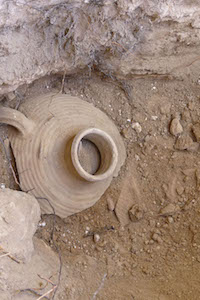
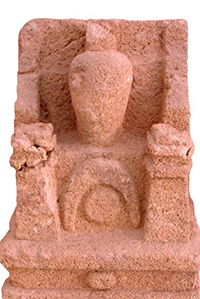
Few historical issues are as controversial as child sacrifice in the ancient Mediterranean and Biblical worlds. The Biblical term Tophet is conventionally used to refer to a type of open-air cremation sanctuary. The common element characterising Tophets is the presence of an open space where urns containing cremated remains of animals and/or children were deposited.

READ MORE

[/vc_column_text][mk_divider thickness=”1″ margin_top=”10″][vc_column_text]

Sumer and the Modern Paradigm

By Pedro Azara

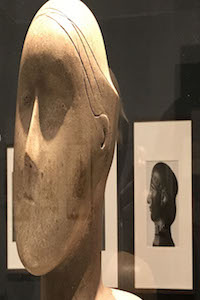
Joan Miró used Son Boter, a 17th century mansion at Palma de Mallorca (Balearic Islands, Spain) as his studio for sculptures. On its walls were images of what most most scholars believed were ethnographic or traditional art. But in reality these were Sumerian masterpieces from the National Museum of Iraq in Baghdad.

READ MORE

[/vc_column_text][mk_divider thickness=”1″ margin_top=”10″][vc_column_text]

Echoes of Nabataean Seafaring

By Ralph Pedersen

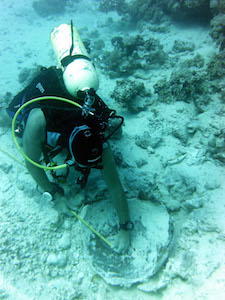
When one thinks of the Nabataeans, the desert comes to mind, with wind-blown sands, the red rock-cut architecture of their capital of Petra, and trade routes carrying incense from Arabia to the Mediterranean. There is, however, another aspect of the Nabataeans, one that is only now coming into focus: Seafaring.

READ MORE

[/vc_column_text][mk_divider thickness=”1″ margin_top=”10″][vc_column_text]

The Missing Shade of Blue

By Shiyanthi Thavaplan

There are no ancient Near Eastern treatises that explain the nature of color. Did people think color was an immutable part of substances like stones and metals? Could it vary when subjected to forces like heat or light? We do not know. And yet, written documents suggest beyond any doubt that color was recognized as an essential aspect of natural and artificial substances.

READ MORE

[/vc_column_text][mk_divider thickness=”1″ margin_top=”10″][/vc_column_inner][/vc_row_inner][/vc_column][/vc_row]

ASOR POLICY ON PRESERVATION AND PROTECTION OF ARCHAEOLOGICAL RESOURCES

ASOR POLICY ON PRESERVATION AND PROTECTION OF ARCHAEOLOGICAL RESOURCES

Introduction

by Joe D. Seger, past ASOR President

The degradation of archaeological resources through the looting of sites, theft of artifacts, and illicit international trade in antiquities has become an increasing concern worldwide among archaeological professionals and their friends since the 1970s. In 1983 the United States ratified the UNESCO Convention of the Means of Prohibiting and Preventing Illicit Import, Export, and Transfer of Ownership of Cultural Property, joining an international effort to discourage artifact theft and looting. In 1987 the ASOR Board of Trustees recorded a resolution in general support of the UNESCO accord.

However, events during the Gulf War in 1991 generated increased awareness of the vulnerability of Middle Eastern archaeological resources. At that time ASOR’s Board of Trustees asked its Committee on Archaeological Research and Policy (CAP) to undertake a more thorough review of its policy position with respect to this matter. Under the leadership of Dr. Ellen Herscher, a subcommittee of CAP labored for three years in the study of the issues involved. In the fall of 1994 the subcommittee presented CAP with a draft of a new and more deliberate policy statement. Comments on this draft were solicited from the ASOR constituency via the Winter 1994 ASOR Newsletter (Vol. 44, 4: 3-4). Though comments in response were very limited, the subcommittee gave all those it received considered attention. In its subsequent meeting, on 16 November 1995, CAP approved the draft of the policy statement as previously presented and moved to recommend it to the ASOR Board. The statement was made the official policy of ASOR by unanimous vote of the Board of Trustees at its meeting 18 November 1995. With this action ASOR more fully joined ranks with the other major American societies of professional archaeologists, including the Archaeological Institute of America (AIA) and the Society for American Archaeology (SAA), each of which had previously published a similar detailed policy position statement on these matters.

Along with its recommendation of the statement to the ASOR Board, CAP advised its prompt and wide circulation. While CAP itself has subsequently included it with the statement of standards and other information regularly distributed to all ASOR-affiliated excavations and publication projects, presentation of the statement here represents its first formal publication as official ASOR policy. We believe that the statement represents a fair and balanced approach to what are complex matters of ethical, cultural, and economic practice relating to the protection and preservation of archaeological resources. It sets forth minimum expectations for standards that should be observed by all those professionally involved or otherwise seriously concerned with proper treatment of archaeological sites and related cultural resources.

We hope that it will also increase awareness among the general public with respect to the cultural liabilities incurred by improper treatment of the archaeological heritage. We urge everyone to give the statement a careful reading and encourage thoughtful consideration of the issues and concerns involved.

Statement of ASOR Policy on Preservation and Protection of Archaeological Resources

As passed by the ASOR Board of Trustees
18 Nov. 1995; revised 22 Nov. 2003 (sentences in italics added)

I. Preamble

A. ASOR’s policy is based upon and derived from the principle that its primary responsibility is one of stewardship of the archaeological record. Stewards act as both caretakers and advocates. The archaeological record consists of archaeological sites, archaeological collections, records, and reports. It should be used for the benefit of all people, and not be treated as a commodity to be exploited for private enjoyment or profit. ASOR and its members work for the perpetual preservation and protection of the archaeological record, and actively promote public understanding and support for these goals.

B. In furthering these goals, ASOR works in close cooperation with other archaeological and related groups that share these principles.

II. Preservation of Sites

Archaeological sites are a nonrenewable resource, each containing unique information about the human past. The loss of sites presents part of the world’s cultural heritage that can never be recovered.

A. There is an urgent need worldwide to document the endangered archaeological record before it is lost forever. ASOR supports and encourages its members to undertake efforts to document the archaeological record through surveys, inventories, and other means.

B. Directors of excavations should plan for appropriate post-excavation site protection in their initial research designs. Such plans must take into account the natural conditions affecting the site and the demands of multiple uses.

C. Unplanned development poses a threat to archaeological sites worldwide. ASOR encourages a partnership among governments, archaeologists and developers to make and execute proper plans to preserve the archaeological record. ASOR urges the United States government, UNESCO, and the United Nations to play a leadership role in efforts to protect the world’s cultural heritage from unnecessary destruction through development.

D. Warfare threatens the archaeological record in many parts of the world. ASOR urges all governments to adhere to the terms of the “Convention for the Protection of Cultural Property in the Event of Armed Conflict” (the “Hague Convention,” 1954) and its Protocol. It further urges that the United States ratify this Convention at the earliest possible opportunity. ASOR members should take every precaution to insure that parts of the archaeological record for which they are responsible are fully documented and, to the extent possible, protected from the eventuality of warfare.

III. Trade in Antiquities

Trade in antiquities, especially illicit trade, encourages the looting of archaeological sites and thus is a direct cause of the destruction of sites and the loss of the information they contain. ASOR supports all efforts–that are in accordance with international law–to prohibit and prevent the looting of archaeological sites and to disrupt the illicit trade of antiquities.

A. ASOR members should not participate, directly or indirectly, in the buying and selling of artifacts illegally excavated or exported from the country of origin after 1970, the date of the adoption of the UNESCO Convention on the Means of Prohibiting and Preventing the Illicit Import, Export and Transfer of Ownership of Cultural Property.

B. ASOR members should refrain from activities that enhance the commercial value of such artifacts and thus contribute indirectly to the illicit market, for example, publication, authentication, or exhibition. ASOR publications and its annual meeting will not be used for presentations of such illicit material.

C. ASOR urges all governments, including the United States, to establish and enforce a legal framework effective for deterring the illicit trade in antiquities.

D. ASOR will continue to explore innovative strategies and support legislation designed to eliminate the illicit trade of antiquities and enhance the protection of the world’s archaeological and cultural heritage.

IV. Excavation Standards

Archaeological excavation is, by nature, a destructive procedure. ASOR seeks to insure, through the review process of its Committee on Archaeological Research and Policy and any other means available, that excavations are conducted according to the highest possible professional standards. Such standards demand that all individuals participating in the excavation are fully qualified to carry out their responsibilities, that final publication of the results is prompt and complete, and that the resulting collections and records are properly curated.

V. Responsibility to the Public

As stewards of the archaeological record, ASOR and its members have a responsibility to communicate with and act for the benefit of the public, while recognizing that the public is a diverse one.

A. ASOR and its members are active in educating the general public regarding archaeological interpretations of the past and the methods used in archaeology to understand human behavior and culture. They should also actively enlist public support for the preservation and scientific study of the archaeological record.

B. ASOR and its members will at all times show sensitivity toward and respect for groups affected by their research, and make every effort to act cooperatively with them.