GCI-ASOR CONSERVATION AND ARCHAEOLOGY WORKSHOP AT THE 2019 ANNUAL MEETING
[/vc_column_text][mk_divider][vc_wp_text]The Getty Conservation Institute (GCI), in collaboration with the American Schools of Oriental Research (ASOR), organized a workshop on conservation and archaeology for selected directors of excavations and members of ASOR following its Annual Meeting in November 2019 in San Diego, CA.
Photograph by Juliette Raffaelli. Image copyright J. Paul Getty Trust.
The workshop grew out of the Archaeology and Conservation Education Roundtable organized by the GCI and hosted by the Getty Villa and the GCI in 2017, an initiative itself rooted in the Institute’s long-term work in archaeological conservation. During the roundtable, the invited faculty in archaeology and conservation, from universities where both fields are taught, identified the need for better knowledge of conservation by archaeologists and better knowledge of archaeology by conservators, to improve collaboration and best practices in fieldwork. One proposed action coming out of the roundtable was delivering workshops or “boot camps” on conservation for archaeologists, and on archaeology for conservators, in association with their respective professional meetings. This GCI-ASOR collaboration was the first of the proposed workshops to be conducted.
Photograph by Juliette Raffaelli. Image copyright J. Paul Getty Trust.
The one-day workshop was attended by twenty-four midcareer and senior excavation directors in the ASOR region and selected staff from the American Center for Oriental Research in Amman, Jordan. It included an introduction to archaeological materials and their deterioration causes and mechanisms, followed by a discussion of ethics in archaeology and conservation. Subsequent presentations by conservators with extensive experience on archaeological excavations focused on the conservation process and the importance of pre-excavation planning. Case studies of best practices in collaborative fieldwork were presented, forming the basis for discussions on planning, budgeting, and funding. This last topic was of particular importance to some participants, who identified it as a primary obstacle to integrating conservation in their research and excavation plans. One potential follow-up of the workshop will be for the GCI to convene a meeting of archaeological organizations and principal funders of archaeological research to advocate for including funding for conservation and a conservator in their research grants.
The Jewish Cultural Heritage Initiative Completes Initial Assessment of Jewish Heritage in Iraq and Syria
Darren P. Ashby
ADDENDUM 6/14/20: JCHI is pleased to report that the Alliance for the Restoration of Cultural Heritage (ARCH) has made significant progress on the restoration of the Shrine of the Prophet Nahum since the drafting of the initial report on the condition of Jewish built heritage in Iraq and Syria. In light of this work, the Shrine of the Prophet Nahum no longer requires the level of intervention called for in the report. For more on ARCH’s work and their current needs, go here.
Over the last three months, the work has focused on two main priorities. The first, and most urgent, has been repairing a damaged enclosure wall at the southeastern corner of the site. The 50-meter breach in the wall made the property vulnerable, giving direct access to damaged storerooms and other sensitive parts of the museum.
The Jewish Cultural Heritage Initiative is a joint project of ASOR and the Foundation for Jewish Heritage. JCHI thanks the Thomas S. Kaplan and Daphne Recanati Family for their generous support of the work discussed here. JCHI also extends its deep gratitude to Dr. Zvi Yehuda, Director of Research at the Babylonian Jewry Heritage Center, and his assistant Limor Kattan for their support and feedback throughout the project. Click here to read the press release for the project.
Jewish communities have lived in Iraq and Syria for 2,600 years. During a time when cultural heritage reflecting the ethnic and religious diversity of the Middle East is under attack, the documentation and preservation of Jewish sites as one strand in the region’s rich cultural tapestry has never been more important. These sites bear witness to a past of greater coexistence and cooperation, and calls from across the region for their preservation provide hope for the future.
However, in the aftermath of the departure of the majority of the Jewish communities during the second half of the 20th century, the physical remains of Jewish heritage in both Iraq and Syria have deteriorated rapidly. Without urgent intervention, this once-rich heritage stands to be almost entirely lost in the near future. But where to begin?
In order to establish the current status of Jewish heritage in both countries, ASOR and the Foundation for Jewish Heritage launched the Jewish Cultural Heritage Initiative (JCHI)—a joint project made possible through the generous support given by the Thomas S. Kaplan and Daphne Recanati family to the Foundation for Jewish Heritage. JCHI utilized satellite imagery, desk-based assessment, and collaboration with in-country sources to assemble a list of the most significant Jewish heritage sites in Iraq and Syria from antiquity to the present day, assess their history and condition, and identify priority emergency relief and stabilization projects.
The JCHI record for the Bandara Synagogue in Aleppo.
Recently, JCHI completed its initial assessment of Jewish heritage in the two countries. The project documented 368 heritage sites ranging from settlements to individual graves. The majority of these (81%) are located in Iraq—a disparity that primarily originates from the more systematic publication of Jewish heritage in Iraq rather than from any major differences in the size or significance of the two communities.
The geographic distribution of sites in the JCHI database at settlement level.
Iraq and Syria show distinct differences in the patterns of preservation of Jewish heritage. In Iraq, only 30 of the 297 documented sites are confirmed to still exist. Of these 30 sites, 21 are in Poor or Very Bad condition, the two ranks immediately above No Return. Although the ratio of extant to destroyed sites in Iraq is exaggerated by the inclusion of many ancient settlements, this number of badly deteriorated sites still stands in stark contrast to Syria where, despite the ongoing civil war, 27 of the 33 sites identified as extant are listed as in Fair or Good condition, the highest two ranks in the assessment hierarchy. JCHI did not explore in detail the potential causes for this disparity; however, possible reasons include the later emigration of the Syrian Jewish community and different policies of state repression in the two countries.
The distribution of documented heritage types in Iraq and Syria.
After assembling our list of sites, JCHI identified four candidates for priority emergency relief projects on the basis of their significance, condition, and project viability. Due to the current conditions in Syria, all four are located in Iraq. These sites are:
Meir Tweig Synagogue in Baghdad
Al-Habibiyah Jewish Cemetery in Baghdad
Sasson Synagogue in Mosul
Shrine of the Prophet Nahum in al-Qosh
Two of these sites—Meir Tweig Synagogue and the Al-Habibiyah Jewish Cemetery—are the last “living” Jewish heritage in Iraq. Built in the early 1940s, Meir Tweig Synagogue is one of the last synagogues constructed in Iraq before the majority of the Iraqi Jewish community emigrated in the early 1950s. As the community continued to dwindle in the following decades, Meir Tweig became the sole synagogue for the entire Iraqi Jewish community. Similarly, the Al-Habibiyah Jewish Cemetery was founded in the early 20th century and subsequently became the main burial ground for the Jewish community. The cemetery contains many Iraqi Jewish notables and remains active to the present day.
Although very small, the Jewish community in Baghdad continues to actively preserve its cultural property to the best of its ability. However, additional work is necessary. The community has expressed interest in help to fix damage at these two sites and conduct preventative maintenance so that the two locations can be kept in good condition for future generations.
The other two sites—Sasson Synagogue and the Shrine of the Prophet Nahum—represent important historical locations that have now fallen into ruin. Both are the legacy of the large Jewish community that lived in Mosul, the Nineveh Plains, and Iraqi Kurdistan. Located in Mosul, the Sasson Synagogue became the city’s main synagogue during the 20th century due to its central location in the Jewish Quarter in the Old City. In the decades since the Jewish community’s departure, the building has deteriorated significantly. The roof of the synagogue has collapsed in several places, exposing the interior decoration—including wall paintings—to weathering and increasing the risk that the rest of the standing architecture will fall. The property has also become a dumping ground for trash from the surrounding community.
Until recently, the Shrine of the Prophet Nahum in al-Qosh was in a similar condition. Located ca. 40 km north of Mosul, the shrine—which consists of a synagogue with the prophet’s tomb and a series of subsidiary buildings, all arrayed around a courtyard—dates back to at least the 12th century CE. The shrine was an important pilgrimage location for the Jewish community in Mosul and the surrounding region during Shavuot. Despite attempts by the local Christian community to maintain the site, the building had badly deteriorated by the early 2000s, resulting in the collapse of the southeastern corner of the synagogue as well as parts of the subsidiary buildings. In 2008, the US Army conducted a thorough condition assessment, which led to the construction of a large metal roof over the synagogue. More recently, the Alliance for the Restoration of Cultural Heritage, in collaboration with GEMA ART International, conducted stabilization work at the site and is now in the midst of a larger restoration project funded by the U.S. Department of State that is nearing completion.
JCHI’s assessment work represents a substantial contribution to ongoing attempts to preserve the rich multicultural history of Iraq and Syria. Although far from comprehensive, this project’s results provide valuable baseline data on the location and condition of some of the most significant built Jewish heritage in Iraq and Syria, and recommendations for where stabilization projects can have the most immediate impact. In order to help with future project planning, JCHI is in the process of making its data set publicly available. Additional information on its location will be posted on this page soon. For more on the project, its methods, and results, JCHI’s final report can be found here on the Foundation for Jewish Heritage’s website.
ENDANGERED CULTURAL HERITAGE OF THE MIDDLE EAST—THE JEWISH HERITAGE OF IRAQ AND SYRIA
[/vc_column_text][mk_divider][vc_column_text responsive_align=”left”]ADDENDUM 6/14/20: JCHI is pleased to report that the Alliance for the Restoration of Cultural Heritage (ARCH) has made significant progress on the restoration of the Shrine of the Prophet Nahum since the drafting of the initial report on the condition of Jewish built heritage in Iraq and Syria. In light of this work, the Shrine of the Prophet Nahum no longer requires the level of intervention called for in the report. For more on ARCH’s work and their current needs, go here[/vc_column_text][mk_divider][vc_wp_text]The Jewish Cultural Heritage Initiative (JCHI)—a joint project of the London-based Foundation for Jewish Heritage and the American Schools of Oriental Research (ASOR)—has completed its initial assessment of present and past Jewish heritage sites in Iraq and Syria. Thanks to the generous sponsorship provided by the Thomas S. Kaplan and Daphne Recanati Family to the Foundation for Jewish Heritage, this work has identified the location and condition of 368 settlements and heritage sites from antiquity to the present day in this once vibrant center of Jewish life.
The geographic distribution of sites in the JCHI database at settlement level.
After 2,600 years of continuous Jewish settlement going back to the time of Babylon, the Jewish community in Iraq and Syria largely came to an abrupt end in the second half of the 20th century. Yet, a significant physical heritage remains. Working remotely and with in-country partners, JCHI gathered the history and significance of Jewish sites in both countries, assessed their condition, and made recommendations for priority emergency relief and preservation projects.
The research identified 27 sites that are still extant and in danger, being in poor or very bad condition. Of these, JCHI selected four significant sites as priority candidates for emergency relief because it was determined that urgent intervention could substantially improve their condition. Due to the infeasibility of carrying out stabilization projects during the ongoing Syrian Civil War, all four are in Iraq. These candidates are:
[/vc_wp_text][vc_column_text]
the Meir Tweig Synagogue in Baghdad—the last surviving ‘functioning’ synagogue in Iraq;
the Al-Habibiyah Jewish Cemetery in Baghdad – created during the early 20th century and the main location for Jewish burial in the city, with many local Jewish notables interred there;
the Sasson Synagogue in Mosul—the main synagogue in the city during the 20th century due to its central location in the Jewish Quarter, it represents the best-preserved Jewish heritage in Mosul;
the Shrine of the Prophet Nahum in al-Qosh—the Shrine dates back to at least the 12th century CE and was an important pilgrimage site for the Jewish community. It consists of a central synagogue with the Prophet’s tomb as well as a series of subsidiary buildings situated around a courtyard.
[/vc_column_text][vc_wp_text]
Video still of the interior courtyard of the Sasson Synagogue in Mosul. (Source: France 24)
JCHI is currently exploring ways to help protect these sites, either through new initiatives or in collaboration with ongoing projects active at some of the sites. JCHI hopes to revisit candidates in Syria when conditions are more stable. The Foundation for Jewish Heritage and ASOR emphasize the importance of documenting and preserving the physical traces of Jewish heritage alongside that of the many other ethnic and religious groups that have lived side-by-side in the Middle East for millennia.
Michael Mail, Foundation Chief Executive stated, “at a time when there is so much attention on saving heritage in danger across the Middle East, this unique research has shone a light on a forgotten aspect – the remarkable ancient Jewish heritage of the region. The Jewish community made a profound contribution and we need to ensure its heritage, and this story, is not erased.”
Andrew Vaughn, Executive Director of ASOR remarked, “During a time when cultural heritage that reflects the ethnic and religious diversity of the Middle East is under attack, the documentation and preservation of Jewish sites as one strand in the region’s rich cultural tapestry has never been more important. These sites bear witness to a past of greater coexistence and cooperation, and calls from across the region for their preservation provide hope for the future.”
Al-Habibiyah Jewish Cemetery in Baghdad.
Dame Helen Hyde, the Chair of the Foundation for Jewish Heritage commented, “We were delighted to partner with ASOR in undertaking this ground-breaking work, and are especially grateful to the Thomas S. Kaplan and Daphne Recanati Kaplan family for their support, which made all this possible.“
Sharon Herbert, ASOR’s President said, “Preservation of antiquities and exploration of the lessons we can glean from them today is at the heart of ASOR’s mission. We are honoured to partner with Foundation for Jewish Heritage in identifying these important monuments of Jewish achievement in the Middle East. We hope this is a first step in protecting them for posterity.”
JCHI is currently assessing ways to make its data on Jewish heritage sites in Iraq and Syria publicly accessible. It is hoped that the research will draw attention to this neglected dimension of Iraqi and Syrian heritage and ensure its protection. Intervention now will save these sites for the appreciation of future generations of Iraqis, Syrians, and international visitors, and preserve a profound legacy of millennia of Jewish life.[/vc_wp_text][mk_divider][vc_wp_text]For further information, please contact Michael Mail, the Chief Executive of the Foundation for Jewish Heritage, at michaelmail@foundationforjewishheritage.com; or Andrew Vaughn, ASOR Executive Director, at executive-director@asor.org.
The mission of the American Schools of Oriental Research is to promote research into, and public understanding of, the history and cultures of the Near East and wider Mediterranean world, and its website is http://www.asor.org/.
ASOR AFFIRMS ACLS’ STATEMENT ON FOSTERING EQUITY AND JUSTICE
[/vc_column_text][mk_divider][vc_wp_text]The American Council of Learned Societies, an organization of which ASOR is member, issued a statement this past week on the role humanistic studies play in fostering equity and justice in society (ACLS Statement Link). ASOR applauds and supports the ACLS statement. As a collective of humanistic scholars and seekers of knowledge about societies in areas far removed from our own time and place, ASOR adheres to the fundamental humanitarian values of fostering equity and justice as it is eloquently formulated by the ACLS. Black lives matter everywhere and always. ASOR deplores racial injustice in all its forms and actively seeks to foster an atmosphere of inclusivity in all our endeavors both in the U.S. and abroad. To that end this past February as we were formulating the goals of our post 2020 strategic plan, we agreed to form an ad hoc committee on issues of diversity, equity and inclusion. More news on this committee will follow on this page as we develop our program.[/vc_wp_text][/vc_column][vc_column border_color=”rgba(170,170,170,0.01)” width=”1/6″ css=”.vc_custom_1496684098866{margin-right: 5px !important;margin-bottom: 20px !important;border-right-width: 2px !important;border-bottom-width: 2px !important;padding-top: 30px !important;padding-right: 10px !important;padding-left: 10px !important;background-color: #ffffff !important;border-right-color: rgba(227,228,228,0.75) !important;border-bottom-color: rgba(227,228,228,0.75) !important;}”][vc_wp_posts title=”BROWSE THE NEWS ARCHIVE” number=”4″][/vc_column][vc_column border_color=”rgba(170,170,170,0.01)” width=”1/6″ css=”.vc_custom_1496684008271{margin-right: 10px !important;margin-bottom: 30px !important;border-right-width: 2px !important;border-bottom-width: 2px !important;padding-top: 30px !important;padding-right: 20px !important;padding-left: 20px !important;background-color: #ffffff !important;border-right-color: rgba(227,228,228,0.75) !important;border-bottom-color: rgba(227,228,228,0.75) !important;}”][vc_column_text]Tweets by ASOResearch [/vc_column_text][/vc_column][/vc_row]
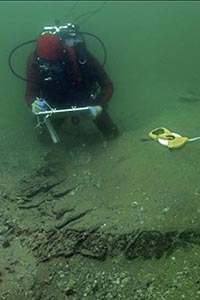
What happens to a ship at the end of its life? Underwater archaeology at an Egyptian port near Alexandria provides a vivid picture of very different fates. Read More[/vc_column_text][mk_divider thickness=”1″ margin_top=”10″][vc_column_text]
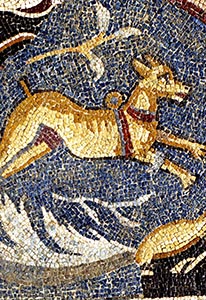
Many cultures hunt with animals. Roman mosaics give us insights about different techniques for restraining animals but also about the ideologies of their patrons. Read More[/vc_column_text][mk_divider thickness=”1″ margin_top=”10″][vc_column_text]
There are 235 non-Semitic loanwords in the Hebrew Bible from languages ranging from Egyptian, Greek, Hittite, Luvian, Hurrian, Old Indic, to Old Iranian. What do these tell us about the writers and their society? Read More[/vc_column_text][mk_divider thickness=”1″ margin_top=”10″][vc_column_text]
The southern Mesopotamian city of Uruk is approximately five kilometers in diameter. Even after a century of work, excavations have barely scratched the surface. But new techniques now look far below the surface. Read More[/vc_column_text][mk_divider thickness=”1″ margin_top=”10″][/vc_column_inner][/vc_row_inner][/vc_column][/vc_row]
I usually begin my annual fiscal year-end fundraising missive with a pithy observation about life in the world of ASOR. But not this year. There’s too much uncertainty and unrest.
So, I will gratefully report that even during the COVID-19 pandemic, ASOR has stayed on course and on mission. To our members and donors who have already made gifts this fiscal year, thank you. Your generosity has enabled us to continue to operate at a high level.
For example, we have continued to publish and distribute our journals without interruption. Their quality is at an all-time high—to the point that they are now receiving external rankings and impact factors, a new development in 2020.
We also have continued to preserve and protect cultural heritage as an ideal uniting peoples and promoting diversity—such as digitizing manuscripts of the trans-Saharan trade, assessing Jewish heritage in Iraq and Syria, and conducting cultural heritage education and stewardship programs in Libya.
But we have another financial gap to close. Early in the pandemic, we shifted our focus to you. We zigged when others zagged. We pledged to support our members by dramatically increasing online resources and providing membership scholarships to anyone financially impacted by the coronavirus. While we’ve lived up to our commitment in a big way, there is much work to be done. And we need your help to do it.
Any gift will be gratefully accepted and wonderfully acknowledged—$25, $50, $100, or even $1,000. In fact, the more individual donations we receive, regardless of the amount, the better positioned we will be to attract gifts from donors and foundations. So, please join me in standing in the gap for our members who need ASOR the most during the current prevailing madness.
Best regards,
Richard L. Coffman Chairman of the Board of Trustees
CODE OF CONDUCT FOR THE ASOR ANNUAL MEETING AND OTHER ASOR SPONSORED EVENTS
May 2020
I. Introduction
In 2015 the Board of Trustees for ASOR approved a Policy on Professional Conduct that laid out the basic principles ASOR members are expected to follow in their professional activities. Subsequently ASOR adopted the Code of Conduct for Fieldwork Projects. While these documents address most professional activities, they do not provide specific guidance for behavior at the ASOR Annual Meeting. While this silence may have been predicated on the assumption that the aforementioned policies should suffice, events at other professional conferences in 2018 and 2019, including the promulgation of codes of conduct for such events, suggested to the ASOR Board that the organization should follow these other professional organizations such as SCS, SAA, and the European Association of Archaeologists and adopt a policy on conduct at the ASOR Annual Meeting or other ASOR sponsored events.
II. Statement on Harassment
The annual meeting and other ASOR sponsored events provide opportunities for ASOR members to engage in the active exchange of ideas both within and outside formal sessions and to interact and network with colleagues. This policy does not seek to limit the subjects of inquiry or in any way to constrain robust debate and dialogue. Participants in the annual meeting must feel free to explore the ideas that are raised in and out of the formal sessions. At the same time this activity should always occur within an atmosphere of mutual respect, recognizing the diversity of ASOR membership and of those who participate in the conference. Attendees, participants, speakers, volunteers, exhibitors and vendors (hereinafter attendees) at any ASOR-sponsored event, including online venues and official or unofficial social events occurring at ASOR-sponsored meetings, are entitled to expect an atmosphere that is free from any kind of disrespect and are expected to adhere to the provisions of this code irrespective of whether they are members of ASOR.
To that end, ASOR will not tolerate harassment in any form. The policies referenced above, as well as ASOR’s non-discrimination policy, emphasize the organization’s commitment to a professional environment in which the dignity of every individual is recognized and valued and individuals are not subjected to discrimination based on categories such as gender, which includes real or perceived gender identity, religion, age, race, disability, and sexual orientation and adds the other federally-protected categories of familial status (i.e., marital and parental situation, including pregnancy), color, and national origin.
This means that harassment, intimidation, and bullying of any kind have no place at the ASOR Annual Meeting. For purposes of this policy harassment includes, but is not limited to, sexual harassment such as unwelcome sexual advances, or other verbal or physical contact of a sexual nature. Harassment also pertains to activities/behaviors such as stalking, queer/trans bullying, or hostility or abuse based on age, disability, religion, race or ethnicity. Such conduct is harmful, disrespectful, and unprofessional. Attendees at the Annual Meeting shall not engage in harassment, bullying, or intimidation of other attendees whether in person or online or through other forms of media, such as unwanted photography/recording whether in or outside a session, or through sustained disruption of talks or other events, and their attendance at the meeting is an express acceptance of the obligation to follow the directives of this policy. Attendees should be mindful that they are bound by the codes of conduct at their own institutions and. as applicable, the provisions of Title IX, and that this policy reinforces those codes.
In the event that an ASOR attendee experiences or witnesses harassment, bullying, or intimidation at the meeting that is inconsistent with the values articulated in ASOR’s Policy on Professional Conduct, the attendee should contact ASOR’s Executive Director or other member of the Executive Committee or such other third party as the Executive Committee shall have identified and is encouraged to make a report in writing or electronically to them immediately or as soon as is practicable. The Executive Committee will delegate two members of that body to work together to investigate the reported behavior, to contact the person who has reported the behavior, and, if warranted, to contact the person about whom the complaint has been made. Pursuant to that determination the Executive Committee or its delegate(s) may take further and immediate action at the annual meeting, including notifying the individual that he/she is barred from attending any further events at the meeting without providing any refund of registration or membership fees, if complaints are made onsite and such a response is deemed necessary. The Executive Committee or its delegate(s) may, if circumstances warrant it, bar the individual from attending one or more subsequent meetings or revoke the individual’s membership in ASOR depending on the severity of the matter. The Executive Committee or its delegate(s) may also exclude from the Annual Meeting or other ASOR sponsored events any individual censured by his or her home institution for harassment of any kind as described above if the Executive Committee learns of such censure prior to the commencement of the Annual Meeting or other ASOR sponsored event. In order to facilitate the process for giving notice of harassment ASOR shall provide attendees with a flyer or other handout or badge identifying the members of the Executive Committee or such other persons as attendees should contact in the event of an incident of harassment. Placards with the text of this policy and contact information shall be posted in the venue of the Annual Meeting.
In partnership with the Ghadames Society for Heritage and Manuscripts, and with the support of the Whiting Foundation and the Hill Museum and Manuscript Library, ASOR continues to facilitate the digitization of an important collection of manuscripts within the UNESCO World Heritage site of Ghadames, Libya.
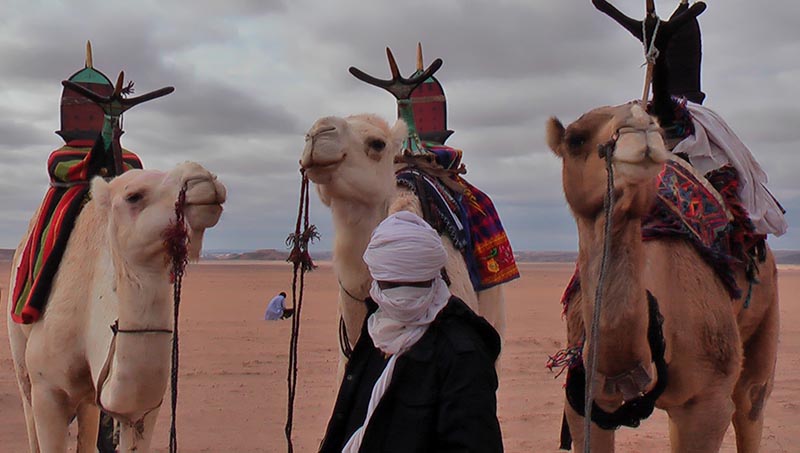
For more than fifteen centuries, camel caravans stopped to rest and resupply in the oasis of Ghadames, near the point where Libya now intersects the borders of Tunisia and Algeria. This ancient crossroads connected an east-west route running from Egypt to Mauritania, and a north-south route linking the Mediterranean coast to Kano and the polities of the Niger River valley on the far side of the Sahara desert.
Along with goods piled high on camel saddles, the caravan trade facilitated the flow of religion and scientific concepts, shaping the culture of the entire region. This flow, as well as the network of people which sustained it over vast distances, depended on a sophisticated system of documentation and accounting in several languages. Ghadames was one of the brightest nodes along this network and became an important repository of manuscripts documenting these relationships which managed to thrive across inhospitable stretches of sand. Economic and political dealings, taxes and protection fees, scientific manuscripts, the successes and disappointments of individual seasons, and efforts to wage war and build peace over years–all found their way into the archives maintained by the merchant and juridical families of Ghadames.
While the caravans have stopped, camels still thrive in Ghadames.
Building on the efforts of his father, Mr. Qasim Yushaa has been working tirelessly to catalog and digitize these collections. In 2013, he founded the Ghadames Society for Heritage and Manuscripts, the first Libyan NGO working in this field. The all-volunteer membership of the Society gathers to collect, document and preserve the city’s manuscripts. “We started with just a few people and an idea,” Mr. Yushaa recalled, “then, bit by bit, we gathered donated equipment and assembled a team of volunteers with diverse experience to lend to the project.”
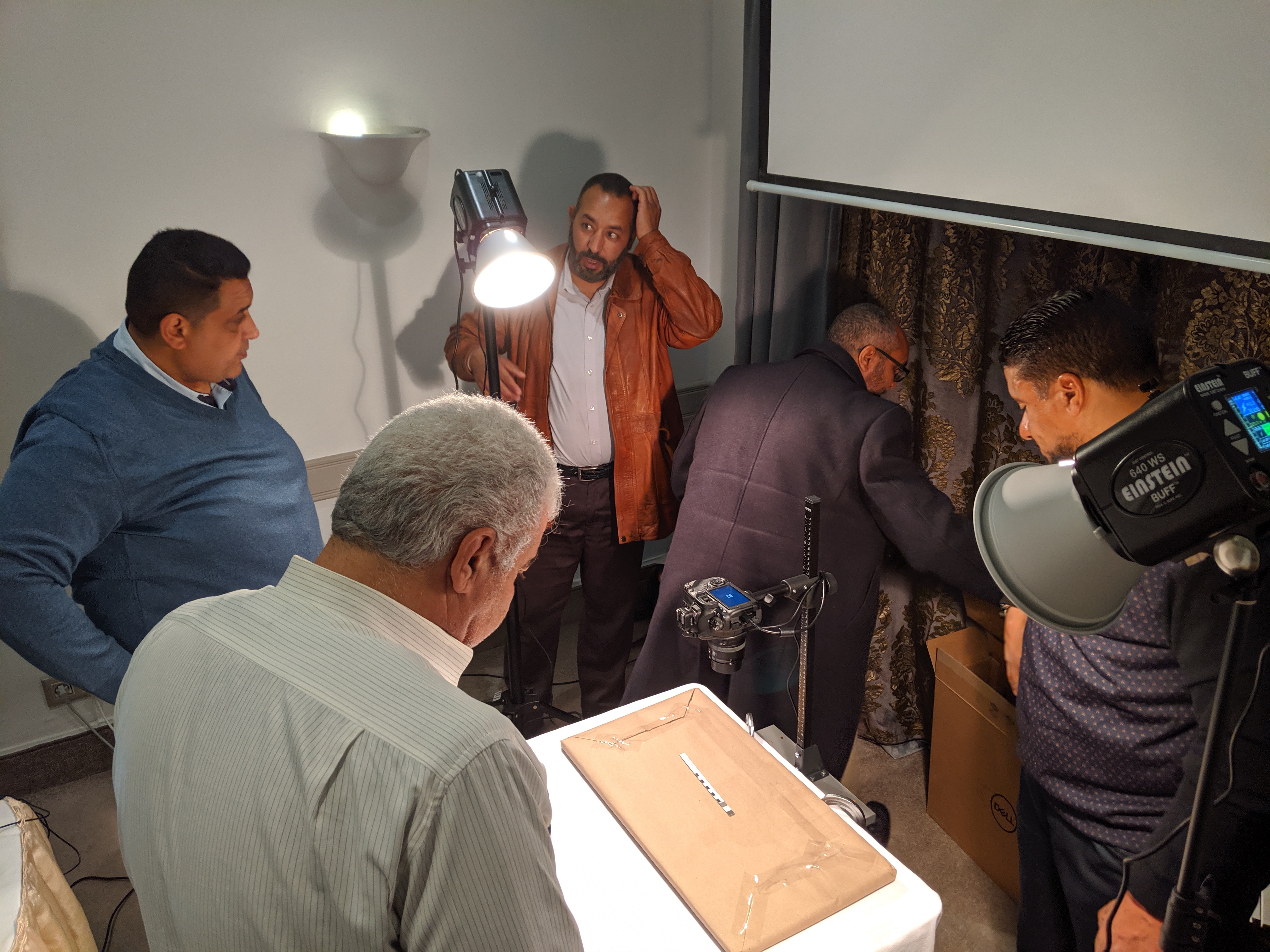
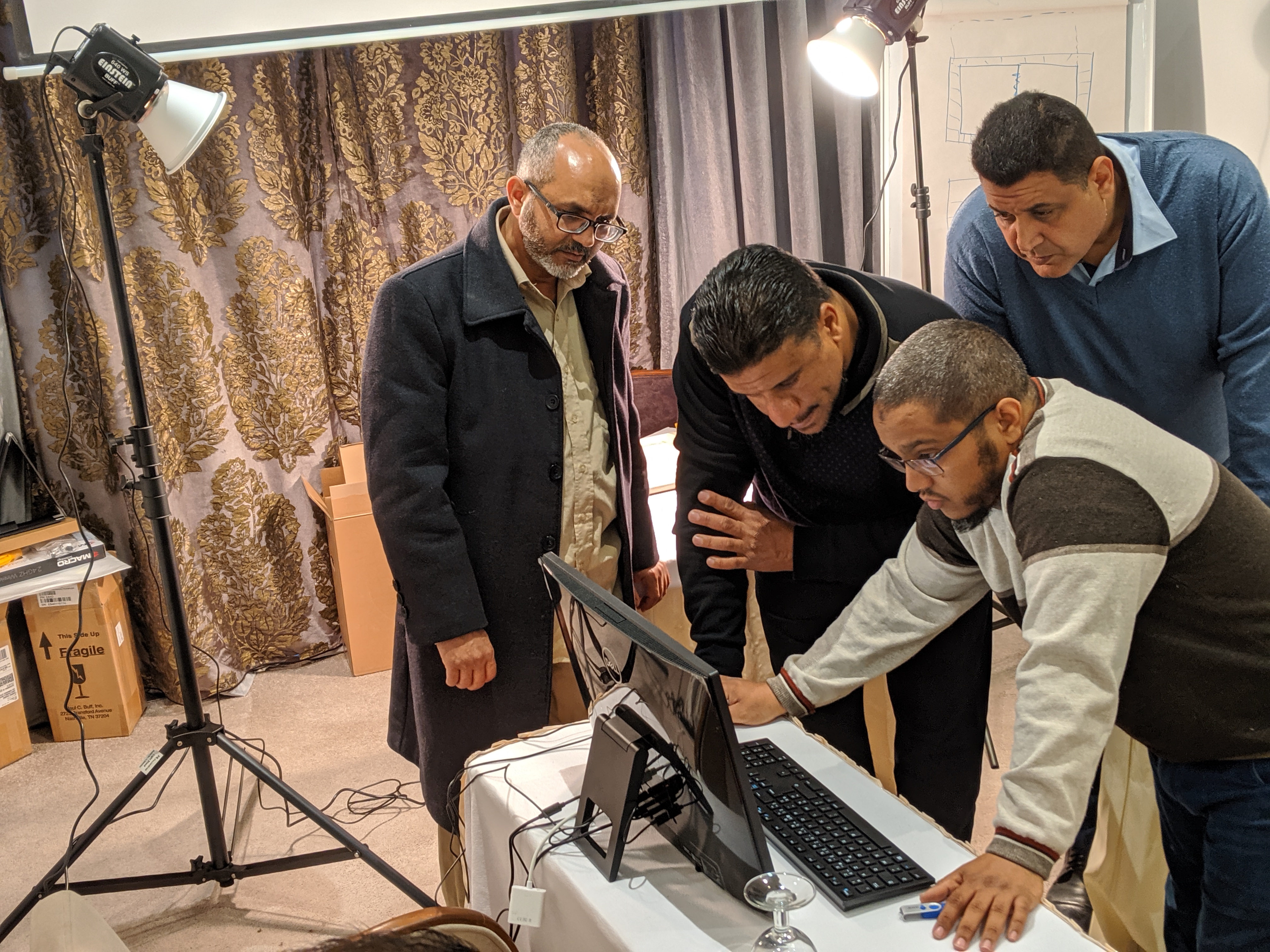
Nearly two years ago, Mr. Yushaa contacted ASOR seeking assistance. With the financial support of the Whiting Foundation and the expertise of the Hill Museum and Manuscript Library (HMML), ASOR embarked on this new partnership with a digitization training workshop in Tunis in February. Mr. Walid Mourad, field director and master trainer at HMML, led the workshop for five members of the Ghadames group, who learned to use high quality equipment and rigorous standards to support their ongoing digitization work. According to Mr. Yushaa, “Before the workshop, we only had a scanner in our office, and work proceeded very slowly as we scanned page after page. The tethered camera set up that Walid introduced us to has been a dramatic improvement, and we are grateful that ASOR sent us back to Ghadames with all of the equipment we used during training.”
Qasim Yushaa and other members of the team prepare for digitization.
The team from Ghadames trains on the digitization system developed by HMML.
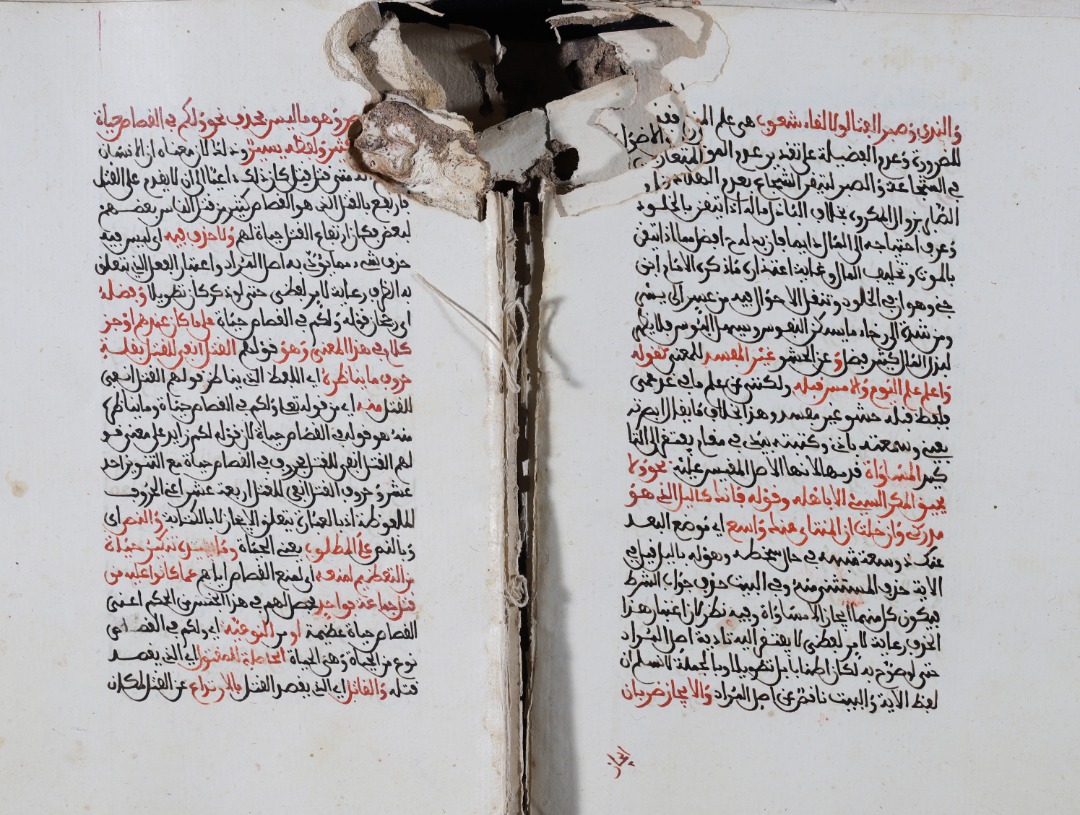
The team from Ghadames returned with the equipment and installed the digitization studio in their office. While progress has been delayed during the COVID-19 pandemic, they have digitized a number of manuscripts and rare books, which they share via their Facebook page and website. While the arid environment of Ghadames has helped large collections of manuscripts survive through the centuries, many of these documents are now in fragile condition and require conservation. The association lacks the expertise to treat the manuscripts but is working to gradually organize them according to topic and begin the long term project of digitization.
Mr. Yushaa encourages volunteers and others in the community to spend time in the office by offering free high-speed internet and coffee and tea. He has offered computer literacy courses for older residents of the city as a way to draw them in, providing them basic skills which they might use to contribute to the Society as well as encouraging their participation in the Society’s ongoing work to record oral histories of the city.
Many manuscripts in the collection require conservation treatment and proper storage.
A page from the Quran handwritten in Ghadames by Sheikh Mukhtar Madawr Ghadamisi
Immediately prior to the pandemic, ASOR hosted a multi-day volunteer event in Ghadames. We visited the headquarters of the Society, guided by Mr. Yushaa, and the work impressed all who attended. Beyond manuscripts, the Society has also been digitizing rare tape recordings of music festivals in Ghadames and producing cultural videos for its YouTube channel. Mr. Yushaa emphasized that beyond digitization, the Society has a great need for the relevant conservation expertise and storage supplies to enable them to properly preserve their collections. “We hope that as we grow as an organization, we will eventually be able to hire a staff with the right expertise. For now, we rely on volunteers fueled by fast internet and free coffee,” he explained.
In the meantime, the Society continues to share the results of their digitization with HMML, one of the great global repositories of digitized manuscripts. Despite the current constraints on travel, Walid Mourad from HMML remains in regular contact with the team in Ghadames, providing encouragement and assistance as needed. According to Father Columba Stewart, Executive Director of HMML, “Thanks to the Whiting-ASOR project in Ghadames, we’re able to provide access to an historic but inaccessible collection of manuscripts with intellectual ties to HMML’s work in Mali and in the Middle East. The courage of the local team as their country is torn apart in war inspires us at HMML in our own commitment to preserving heritage wherever and however it is endangered.”
Mr. Yushaa explains the digitization process during the ASOR volunteer workshop.
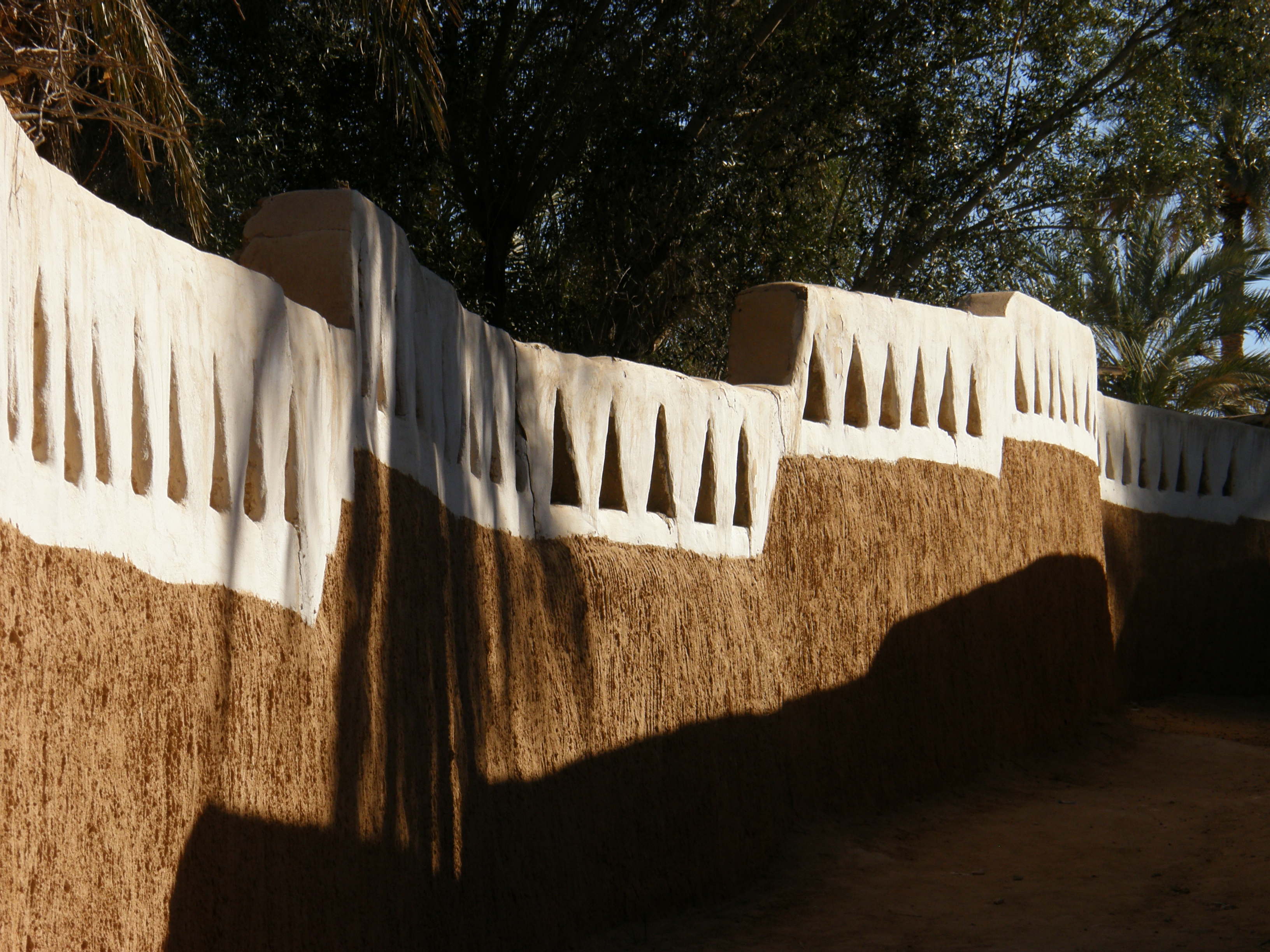
Elegant mud brick walls line the streets of the old city of Ghadames.
بالشراكة مع زملائنا الليبيين ، وبدعم من صندوق سفراء وزارة الخارجية الأمريكية للحفاظ على الثقافة ، وفرقة العمل المعنية بالآثار الثقافية ، والمكتب الخارجي للسفارة الأمريكية في ليبيا ، فإن مؤسسة اسور تنقل رسالة الأمل من خلال عطلات نهاية الأسبوع التطوعية للتراث الثقافي (ورش العمل الميدانية التفاعلية) وكذلك من خلال ورش العمل التراثية ليوم واحد. يتبع هذا المقال مقال سابق يوضح اليومين الأولين من ورشة عمل نالوت للتراث الثقافي
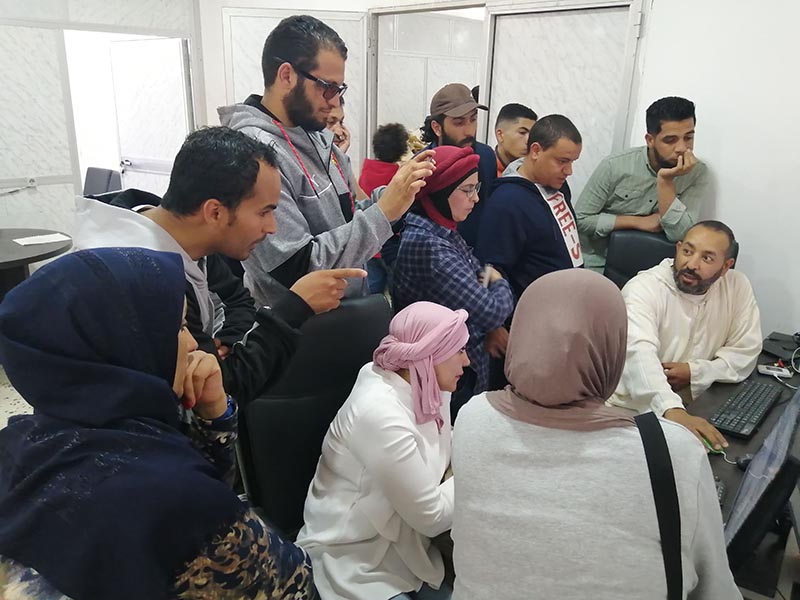
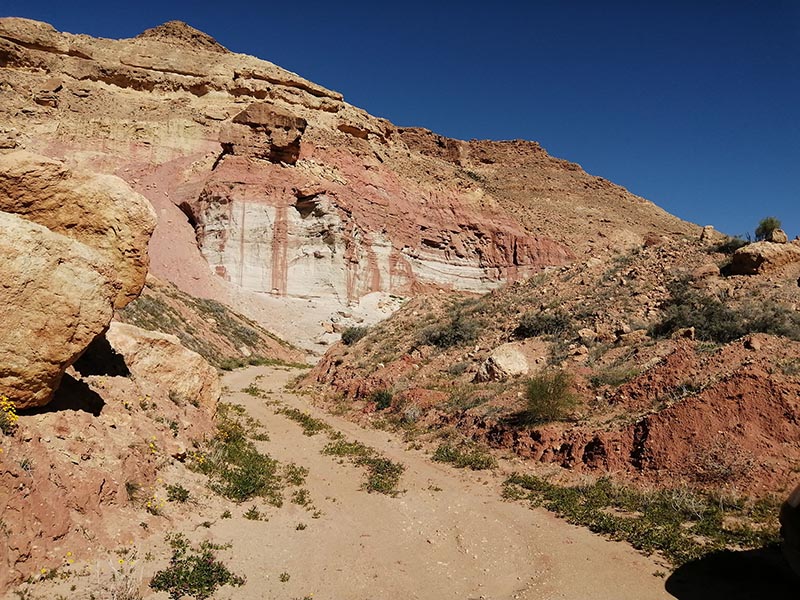
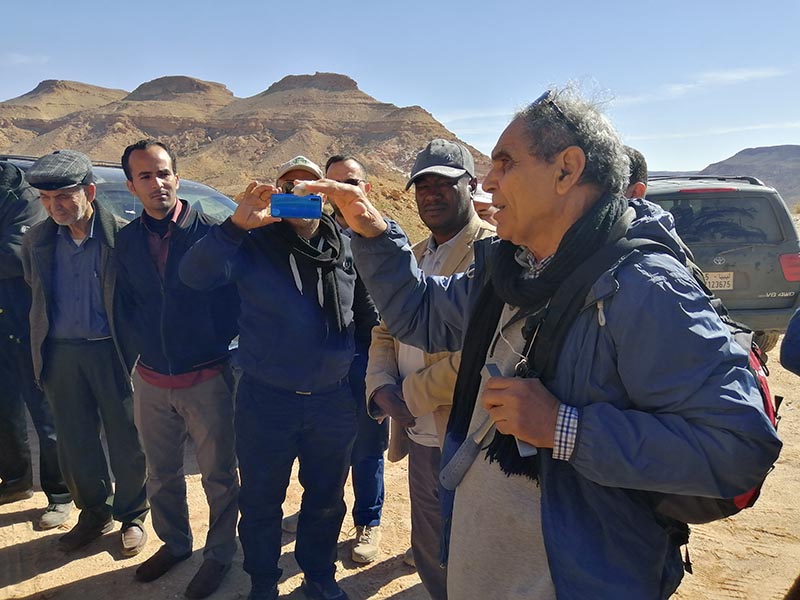
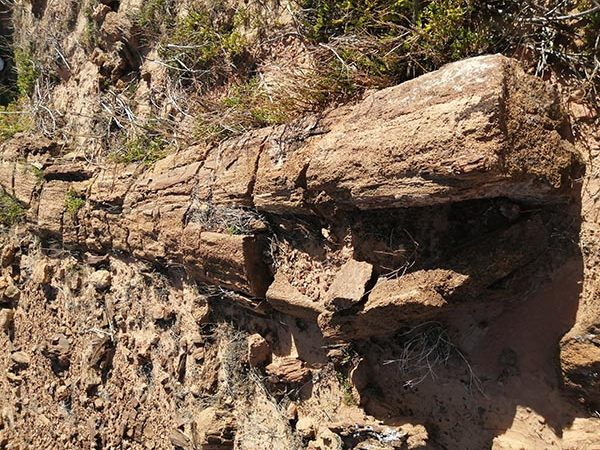
حيث وقفنا ، شاهدنا بوضوح أرتفاع لطبقات من الحجر الرملي الأحمر والأصفر فوق رؤوسنا بثلاثين متراً. كان هذا هو حجر الأساس المكشوف لتكوين كاباو ، الذي تم إيداعه خلال العصر الطباشيري منذ حوالي 120-125 مليون سنة. بتوجيه من االبروفيسور مصطفى سالم من قسم الجيولوجيا بجامعة طرابلس ، تمكنا من تمييز طبقات متبادلة من الرواسب البحرية والرواسب الأرضية لجرف جبل نفوسة وطبقاته المختلفة
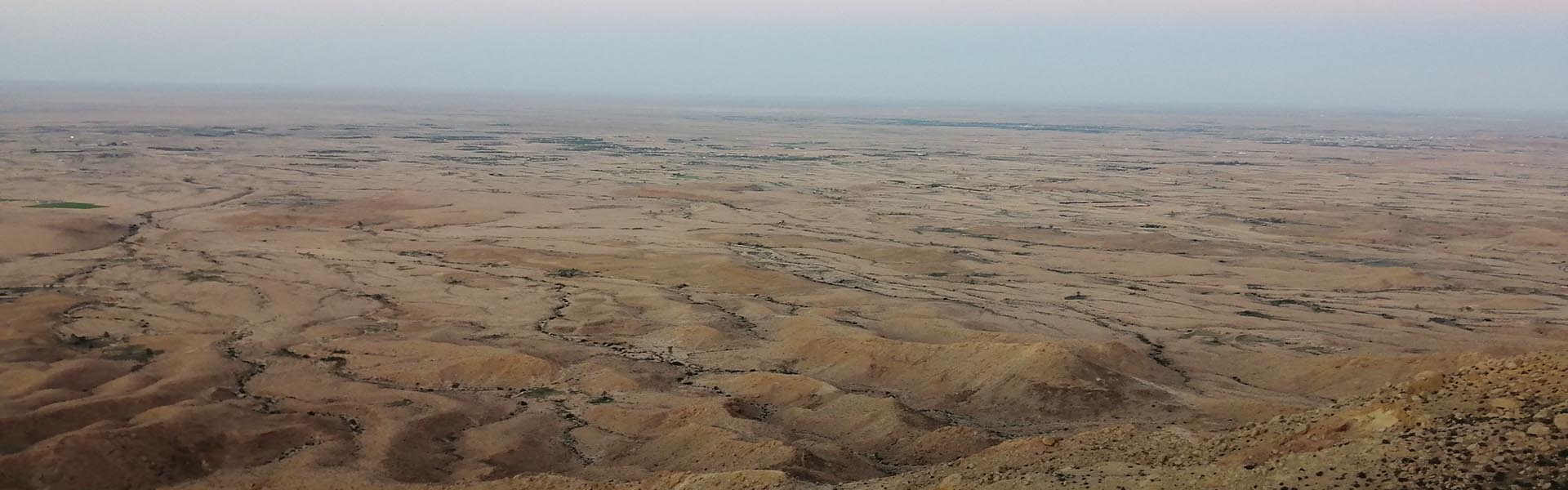
كان هذا الجزء من ليبيا ، الذي يبعد الآن 150 كم عن الساحل ، في قاع بحر تيتس العظيم
كانت مجموعتنا مكونة من مشاركين من مدن ليبية مختلفة للتعرف على حماية الموارد الثقافية والطبيعية ، على الرغم من أن القليل منا سمع مثل هذا الوصف العلمى والحي لماضي أرضنا الطويل. فقد حاولنا بذل أقصى جهدنا لفهم المقياس الزمني الشاسع والتغيرات الجذرية التي يمكن قراءتها في الجرف الذى يحيط بنا. وفقا للبروفيسور مصطفى ، خلال الفترات التي ظهرت فيها الأرض فوق الماء ، ازدهرت الديناصورات داخل غابة ساحلية. في عام 1994 ، في المنطقة التي نقف فيها الآن ، تم اكتشاف مقلع عظام ديناصور. بينما قمنا بمسح قاعدة المنحدر بحثًا عن أي جزء من العظم المكشوف حديثًا ، وجدنا قطعًا من الخشب المتحجر تبرز الصخور. بناءً على حجمها ، يبدو أنها تنتمي إلى شجرة عملاقة ذات جذع أكبر بكثير من أي شيء ينمو في هذه المنطقة اليوم. كان أقوى دليل مادي اكتشفته مجموعتنا حتى الآن بشأن التغيرات المناخية الهائلة التي وصفها البروفيسور مصطفى فى محاضرته وشروحاته الميدانية المستفيضة
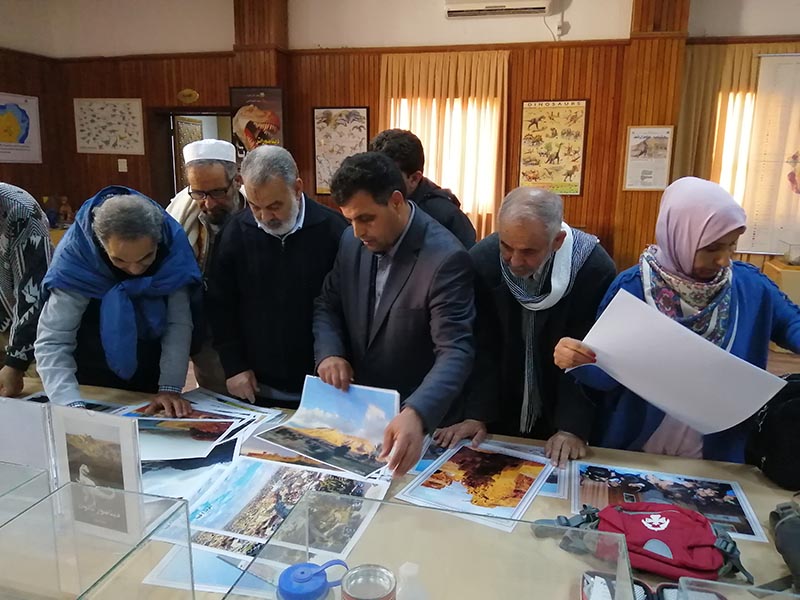
يستضيف متحف نالوت القريب للديناصورات والتاريخ الطبيعي ، أكبر مجموعة للتاريخ الطبيعي في ليبيا. أحمد عسكر ، الذي يعمل كمدير للمتحف ومراقب أثار جبل نفوسة التابعة لمصلحة الأثار فى ليبيا ، أظهر لنا بفخر أفضل الحفريات التي تم الكشف عليها من المحجر. بدعم من فريق من جامعة شيكاغو وشركة إينى قاز الإيطالية ، تمكن المتحف من إنشاء مساحة للمعروضات. ومع ذلك ، وفقًا للسيد عسكر ، مازالت الأف من القطع في مجموعته تحتاج الى التوثيق والتسجيل والدراسة
في مصر المجاورة ، تنقسم إدارة التاريخ الطبيعي بين عدة هيئات تابعة للحكومة ، فمثلاً المتحف الجيولوجي المصري بالمعادي ، هو تحت إدارة الجمعية الجيولوجية المصرية وهيئة التعدين وموقع التراث العالمي لليونسكو لوادى الحيتان ، وهذا الوادى تعتبر الموقع التاريخي الطبيعي الأول في الدولة المصرية ، وتديره وزارة البيئة
بالنسبة لليبيا ، تقع مسؤولية تحديد التاريخ الطبيعي للبلاد وحمايته وإدارته على كاهل مصلحة الآثار. في الواقع ، ووفقًا للقانون الليبي ، فإن أي شيء يزيد عمره عن 100 عام يخضع لحماية الدولة عن طريق مصلحة الأثار، وبالتالي فإن مسؤوليات المصلحة تتزايد بشكل أكبر مع مرور كل عام. بالنظر إلى الطبيعة المتزايدة لهذه الأثار بمرور السنوات والنزاع المستمر ، فإنه ليس من المستغرب أن يكون هناك عدد قليل من الموظفين الموارد المتاحة لحماية التاريخ الطبيعي للبلاد
يعتقد البروفيسور مصطفى سالم على أن هذه المجموعات لها أهمية تتجاوز نطاق العلماء المتخصصين. إن دراسة التاريخ الطويل لليبيا يساعد في توفير سياق لفترة بدايات الاستيطان البشري. على مدى العشرة آلاف سنة الماضية ، حول تغير المناخ الإقليمي للمنطقة الشاسعة جنوب نالوت من بيئة البحيرات المتناثرة والسافانا إلى الصحراء الكبرى اليوم. يوفر التراث الثقافي والطبيعي الغني في ليبيا ، بما في ذلك موقع اليونسكو للتراث العالمي في تدرارات أكاكوس وموقع كهف هوا فطيح ، بعضًا من أفضل المختبرات الحية في العالم للتحقيق والتعلم حول الاستجابة البشرية لفترات سابقة للتغيرات المناخية
يواصل آلاف الأشخاص الوصول إلى ليبيا كلاجئين من بلدان جنوب الصحراء ، مدفوعين جزئياً بظروف أكثر جفافاً وفقراً في بلدانهم الأصلية ، ورغبة فى عبور البحر نحو أوروبا. يعتمد العديد من الليبيين حاليًا على المياه الجوفية الأحفورية التي يتم استنفادها كل يوم
في هذا السياق ، تعتبر حماية الموارد الثقافية والطبيعية لليبيا ، وإجراء المزيد من البحوث ، وزيادة الفهم العام الأوسع للتغيير المناخي على المدى الطويل ، أكثر أهمية من أي وقت مضى
U. S. DEPT. COOPERATION AGREEMENT NUMBER: S-IZ-100-17-CA021
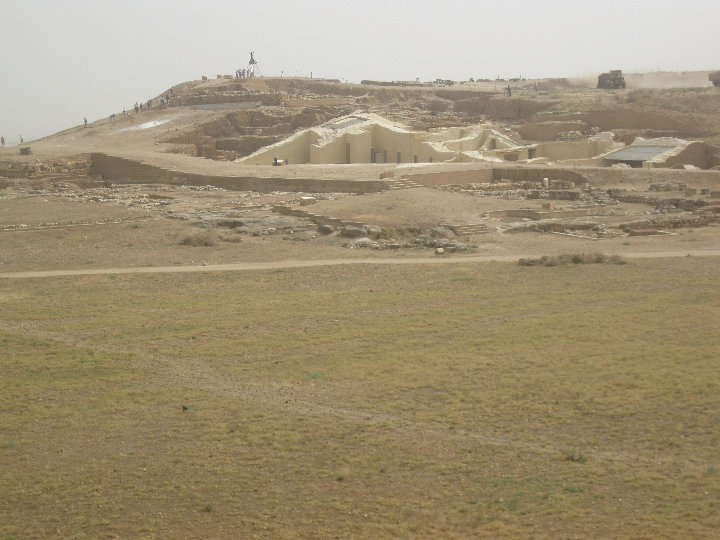
BY By Kyra Kaercher, Susan Penacho, Katherine Burge, Jamie O’Connell, and Marina Gabriel[/vc_column_text][/vc_column_inner][/vc_row_inner][vc_column_text]* This report is based on research conducted by the “Safeguarding the Heritage of the Near East Initiative,” funded by the US Department of State. Monthly reports reflect reporting from a variety of sources and may contain unverified material. As such, they should be treated as preliminary and subject to change.[/vc_column_text][mk_divider thickness=”1″][vc_row_inner][vc_column_inner][vc_wp_text]Ebla (Tell Mardikh) is located 55 km southwest of Aleppo in Idlib Governorate. Occupied from the Early Bronze Age (ca. 3500 BCE) until the 7th century CE, the site consists of a central high mound/acropolis surrounded by a lower mound comprising the Bronze Age lower town, which is in turn encircled by the remains of a large Middle Bronze Age earth, a stone fortification wall, and a rampart with four gates. The site was excavated by the Italian Archaeological Expedition of the University La Sapienza under the direction of Paolo Matthiae from 1964 until the onset of the Syrian Civil War in 2011 [1]. Since 2011, the site has been subjected to illicit digging and looting. The site is well-known locally and internationally due to its long history of excavation and publication of finds. Artifacts recovered from the palaces located on the site include furniture and composite statues inlaid with precious stones, while the royal tombs have yielded jewelry and other precious grave goods. A large corpus of cuneiform tablets found within the Early Bronze Age Royal Palace (Palace G) constitutes one of the oldest archives and libraries ever found. Ebla is moreover historically significant as the capital of an early Syrian centralized state, which is considered by some as constituting one of the earliest empires [2].
Ebla became an urbanized center in ca. 3000-2400 BCE, but truly began to flourish as a regional power in ca. 2400-2300 BCE [3]. During this period, the Early Bronze Age Royal Palace (Palace G) was built over the western slope of the acropolis. Excavations in the palace revealed mudbrick walls preserved to a height of seven meters and a number of precious raw materials and finely crafted finished pieces, some of which were very similar to the elite objet d’art found in the Royal Cemetery at Ur. Important cuneiform archives were also found in situ on collapsed shelves in a number of rooms in the palace, totaling more than 18,000 tablets dated to around 2350 BCE and written in Sumerian and Eblaite [4]. At this time, Ebla appears to have established political and military dominance over neighboring Syrian city-states, all of whom are mentioned in the archives, gaining control of an area roughly half the size of modern Syria [5].
The acropolis of Ebla pre-war showing the Royal Palace (Palace G) and Archives in white (Photo courtesy of Kyra Kaercher; June 2010)
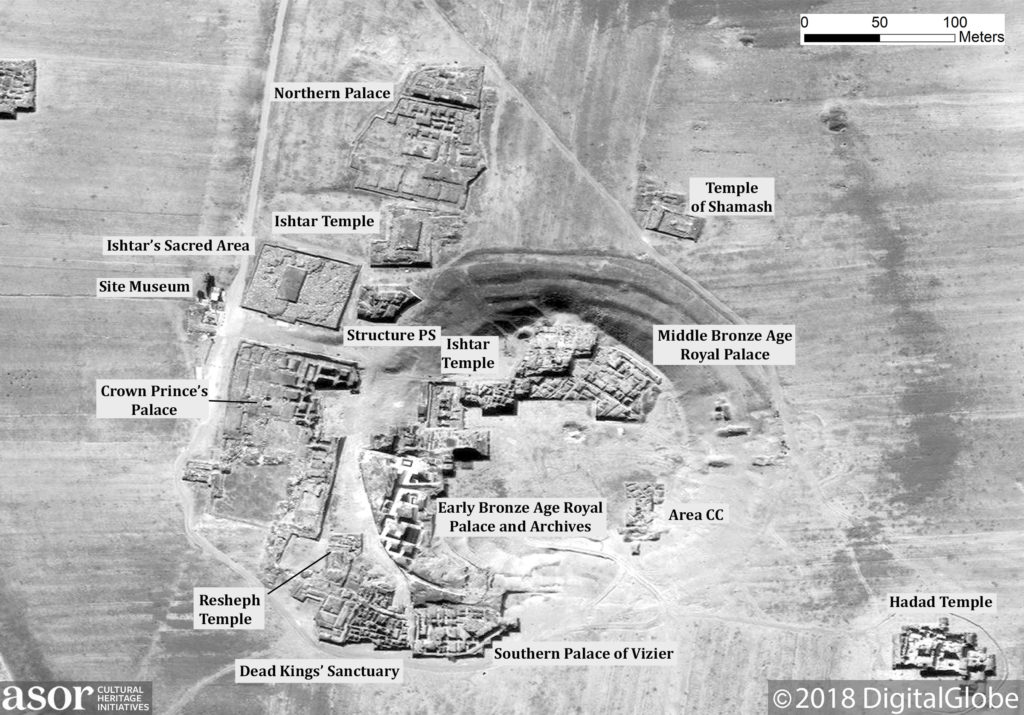
The Middle Bronze Age Royal Palace (Palace E) was built on the newly fortified acropolis, and a temple to Ishtar was constructed over the earlier Temple D [6]. Also built to the northeast of the acropolis was The Temple of Shamash (Temple N), and to the northwest, a second Ishtar Temple (Temple P2) [7]. The Vizier Palace was built to the south of the acropolis, while the Crown Prince’s Palace (Palace Q) was constructed to the west; the Temple of Resheph (Temple B1) and the Dead Kings’ Sanctuary (B2) were erected in between [8].
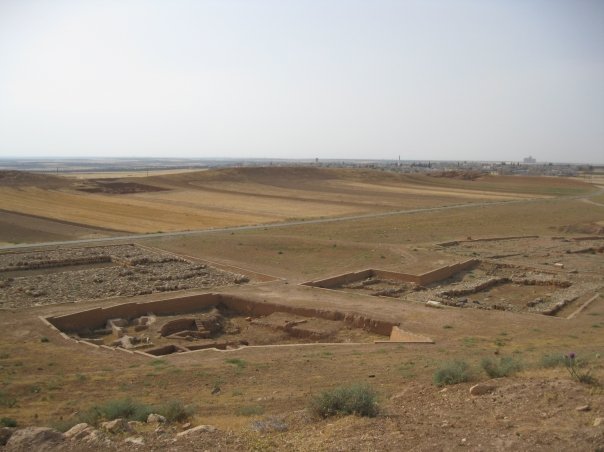
Ishtar’s sacred area and temple (Photo courtesy of Kyra Kaercher; June 2009)
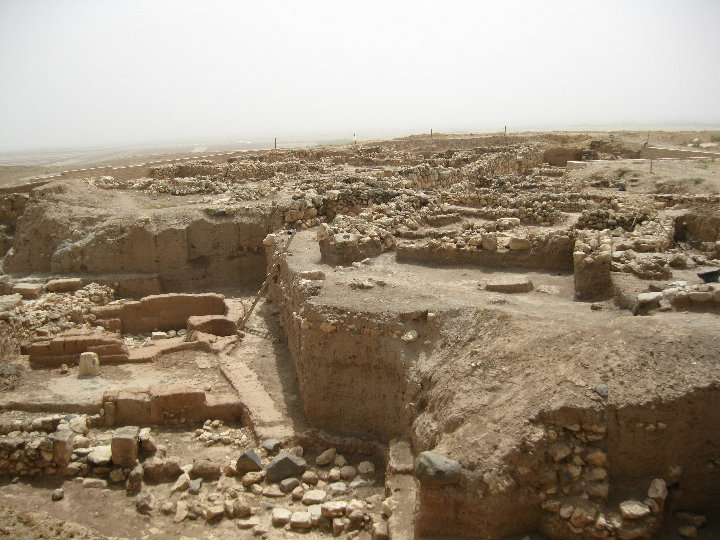
The excavated Middle Bronze Age Palace (Photo courtesy of Kyra Kaercher; June 2010)
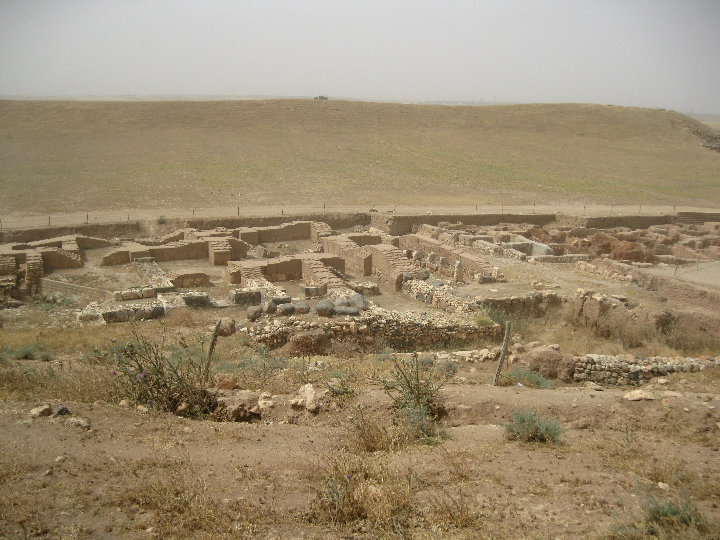
Dead Kings sanctuary and Resheph Temple pre-War (Photo courtesy of Kyra Kaercher; June 2010)
The royal necropolis for this period was discovered beneath Palace Q; it contains many hypogea, formed from natural caves in the bedrock of the palace’s foundation and dating to the 19th and 18th centuries BCE. Three have been excavated and were found to contain precious jewelry and funerary objects, some of which were imported from Egypt [9]. This new kingdom was founded by an Amorite dynasty and served as vassal to the kingdom of Yamhad until the city’s final destruction ca. 1600 BCE by the Hittite king Mursili I [10]. Ebla never recovered from the Hittite destruction, though small occupations continued to appear at the site (Mardikh IV, V, VII), until its final abandonment in the 7th-century CE [11].
The Acropolis at Ebla prior to the conflict (ASOR CHI/DigitalGlobe NextView License; December 16, 2008)
From the start of the Syrian conflict, opposition groups began forming in Idlib Governorate. From late January to early February 2012, the Free Syrian Army (FSA) began to capture territory in Idlib Governorate. In September 2014, the US-led coalition began conducting airstrikes against Al Nusra Front targets (known then as the Khorasan Group and later as Hayat Tahrir al-Sham) in Idlib Governorate. In November 2014, Al Nusra Front began targeting other opposition groups in Idlib, accusing some of collaborating with western forces. Al Nusra Front captured the city of Idlib in April 2015. By June 2015, the organization had reportedly gained control of over 90% of Idlib Governorate, along with other Islamist opposition groups, including the Fattah Army Coalition. ISIS also held areas of Idlib from August 2011 until January 2014, before being forced out by opposition forces. At present, opposition forces led by Hayat Tahrir al-Sham (formerly Al Nusra Front) continue to maintain control over the majority of the region. As a result, between late-September 2015 and mid-2017, Russian and SARG forces carried out intensive aerial bombardment over Idlib Governorate. In 2017, much of Idlib Governorate was included in a so-called “de-escalation zones,” brokered by Russia, Iran, and Turkey, and aerial bombardment over the area largely ceased. However, 2018 brought renewed aerial bombardment over the area by both Russian and Syrian forces as the Syrian regime renewed it offensive against opposition forces. Aerial bombardment continues over much of Idlib Governorate on a near daily basis.
Damage to Ebla
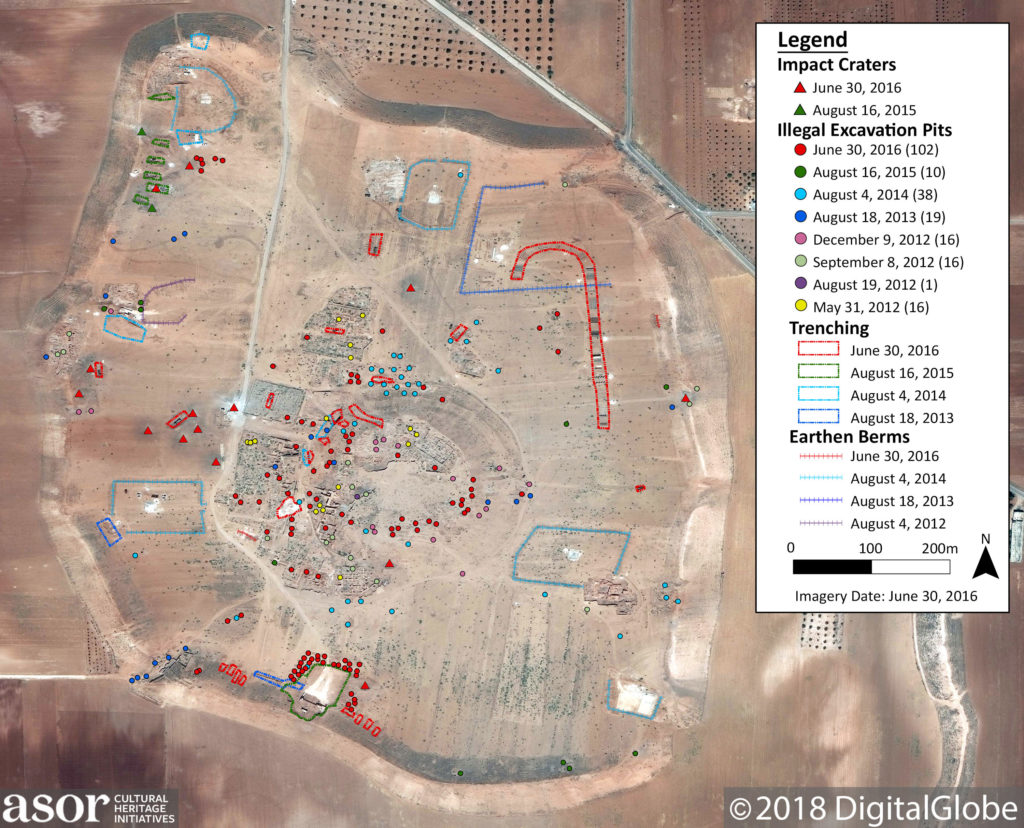
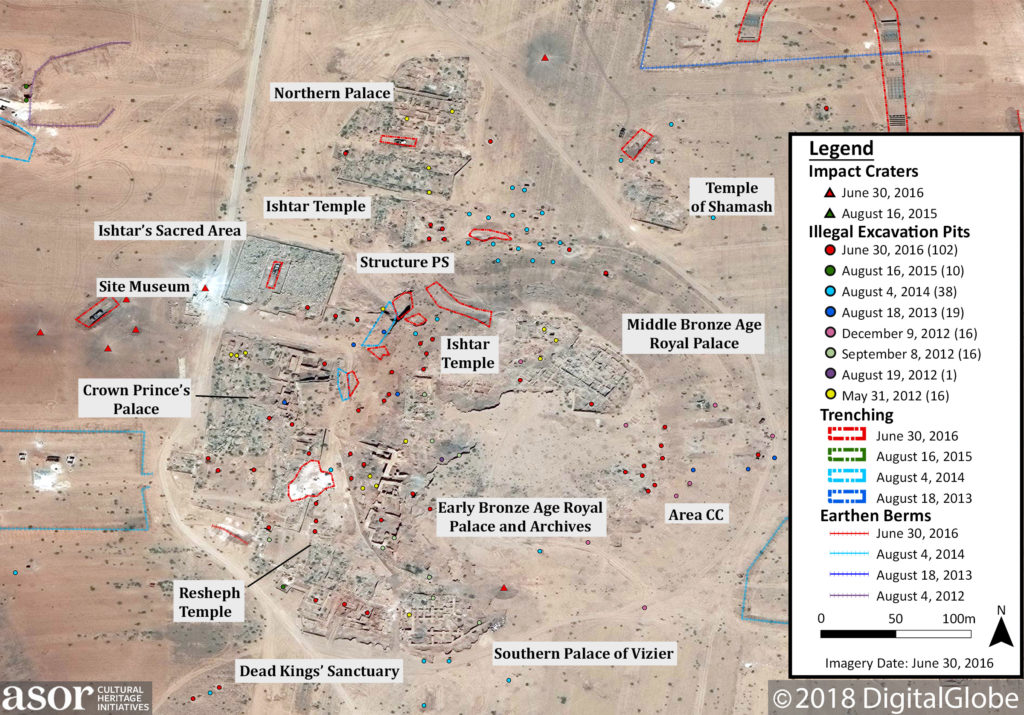
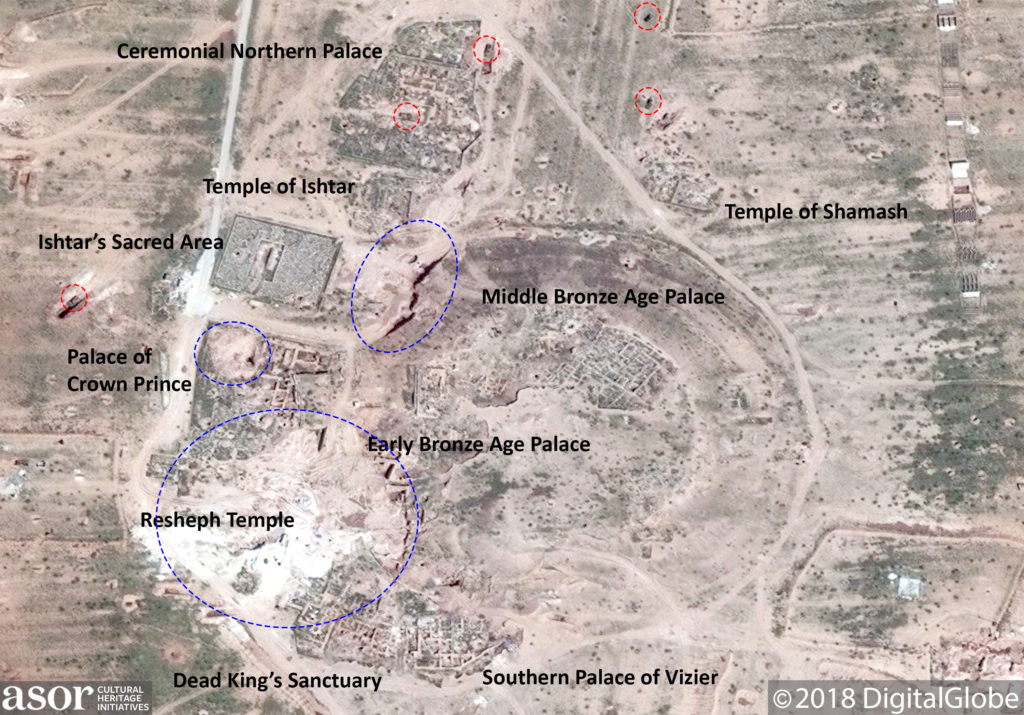
Annotated satellite image of damage to Ebla, separated by date first visible. Not all the looting pits are noted as they were not clear in available images (ASOR CHI/DigitalGlobe NextView License; June 30, 2016)
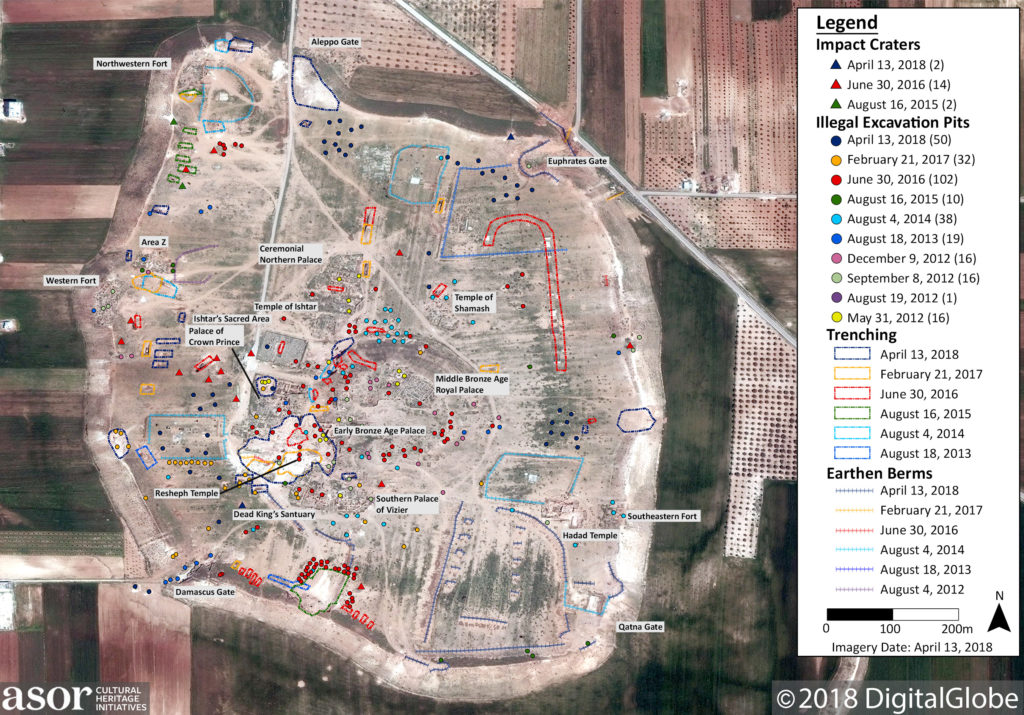
ASOR CHI analysis of ongoing damage to Ebla through April 13, 2018 (ASOR CHI/DigitalGlobe NextView License; April 13, 2018)
Illegal Excavation/Vandalism
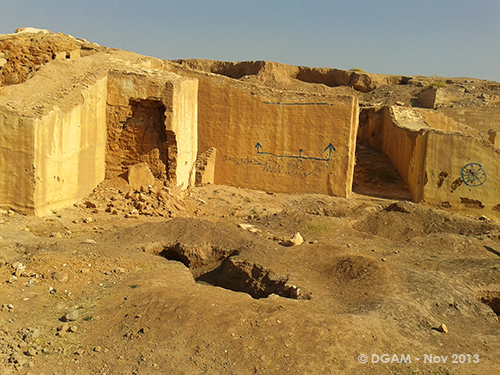
In April 2012, the Association for the Protection of Syrian Archaeology (APSA) reported that looting was occuring at the site of Ebla. DigitalGlobe satellite images from May 31, 2012 show looting pits in previously excavated areas on the Acropolis. The DGAM reported that illegal excavations had occurred at the Early Bronze Age Royal Palace and Archives, and the Middle Bronze Age Royal Palace on the Acropolis, as well as areas south and southeast of the Acropolis.
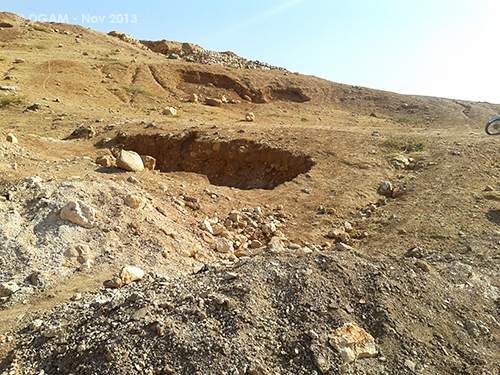
In November 2013, the DGAM reported that they met with officials and locals at Ebla to discuss ways to combat the looting. However, looting continued at the site with the use of heavy machinery. DigitalGlobe satellite imagery from August 18, 2013 shows increased looting on the Acropolis and the Damascus Gate. On November 12, 2013 DGAM representatives again visited the site and published photographs confirming reports of looting on the Acropolis and on the northwest slope below the Acropolis area.
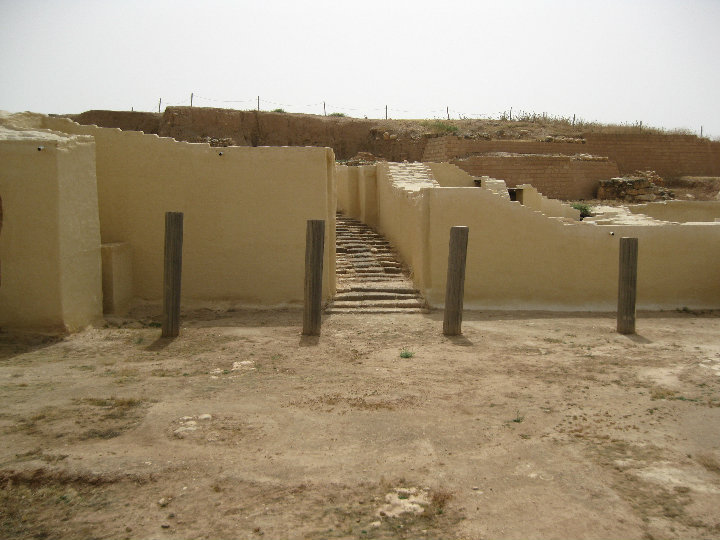
The Early Bronze Age Royal Palace at Ebla pre-conflict (Photo courtesy of Kyra Kaercher; June 2010)
Vandalism and looting at Ebla (DGAM; Published December 11, 2013)
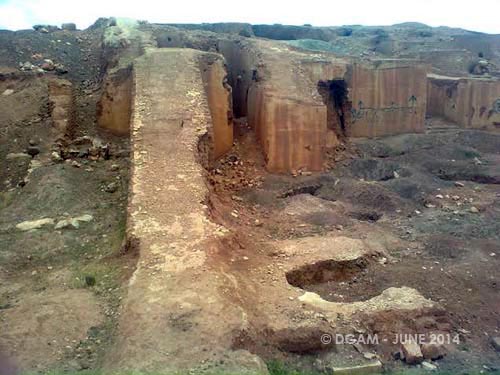
The Early Bronze Age Royal Palace showing damage due to the elements, vandalism, and illegal excavation (DGAM; June 15, 2014)
Looting pit near the eastern fortification wall on the Acropolis (DGAM; November 12, 2013)
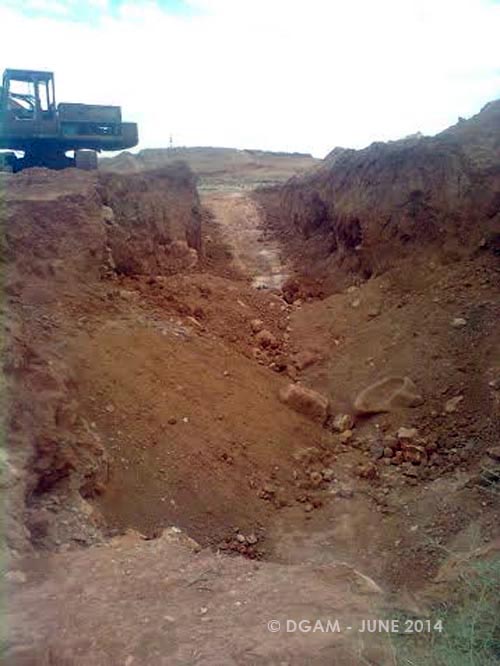
In February 2014, the DGAM reported that the looting had stopped and Ebla was now occupied by an unnamed “armed group.” The date of the incident would suggest that Syrian opposition forces, possibly including elements of then-called Al Nusra Front, controlled the site at this time. DGAM officials visited the site in June 2014 and published photographs showing numerous looting pits, including some that were “down to the foundations of the walls,” as well as evidence of the use of heavy machinery (ASOR CHI Incident Report SHI 14-0101 in Weekly Report 20). UNITAR published a report that identified looting between 2008 and 2014, resulting in severe damage and destruction at the site, including in Area CC, Area F, the Great Temple of Ishtar, the Dead Kings’ Sanctuary, the Qatna Gate, the Temple of Resheph, the South-Eastern Fort, and the site museum, as well as moderate or possible damage elsewhere on the site.
Evidence of looting and heavy machinery on the Acropolis (DGAM; June 14, 2014)
On May 31, 2015 an ASOR CHI in-country source visited Ebla and reported seeing a number of illegal, unregulated excavations. They also saw unspecified damage at several areas of the site, especially in the Early Bronze Age Royal Library, the Temple of Shamash, the Temple of Ishtar, and the Early Bronze Age Royal Palace. New looting pits and expansion of previously excavated areas were visible, primarily around the Northwestern Fort. Many of the previously excavated areas looked to have degraded, with vegetation and soil infilling over time. Based on DigitalGlobe satellite imagery between August 16, 2015 and June 30, 2016 additional looting occured at Ebla and focused mainly on the northeastern side of the Acropolis. Area CC is no longer visible and looting pits cover the area where it once was. Structure PS has been destroyed using heavy machinery. New bulldozer tracks are visible up the acropolis on the western side of the Middle Bronze Age Palace. Excavations have also taken place on the southeastern edge of the Palace of the Crown Prince.
Annotated satellite image of damage to the Acropolis of Ebla, separated by date first visible. Not all the looting pits are noted as they were not clear in available images (ASOR CHI/DigitalGlobe NextView License; June 30, 2016)
Since June 30, 2016 illegal excavations have increased, specifically on the southwestern side of the acropolis near the Resheph Temple and Early Bronze Age Royal Palace. Some of these structures’ walls were excavated to a depth of seven feet, but all have been re-plastered and in some cases reconstructed. Between February 21, 2017 and April 13, 2018 the remains of the Resheph Temple and the Early Bronze Age Royal Palace disappeared. In addition to these illegal excavations, there was an expansion of the bulldozing at the base of the acropolis mound on the northwestern corner close to the Middle Bronze Age Royal Palace. The northwestern corner of the Palace of the Crown Prince was also disturbed by illegal excavations. Bulldozing can be seen around the northern corner of the mound near the Aleppo Gate.
Severe damage to Ebla due to ongoing illegal excavations (outlined in blue) (DigitalGlobe NextView License; April 13, 2018)
Military Construction
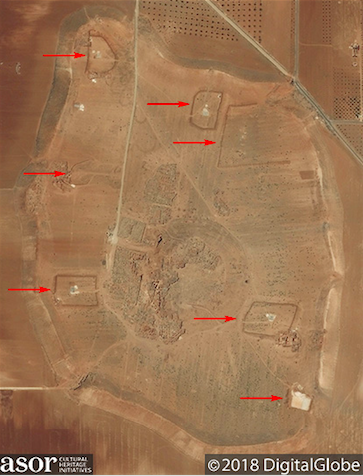
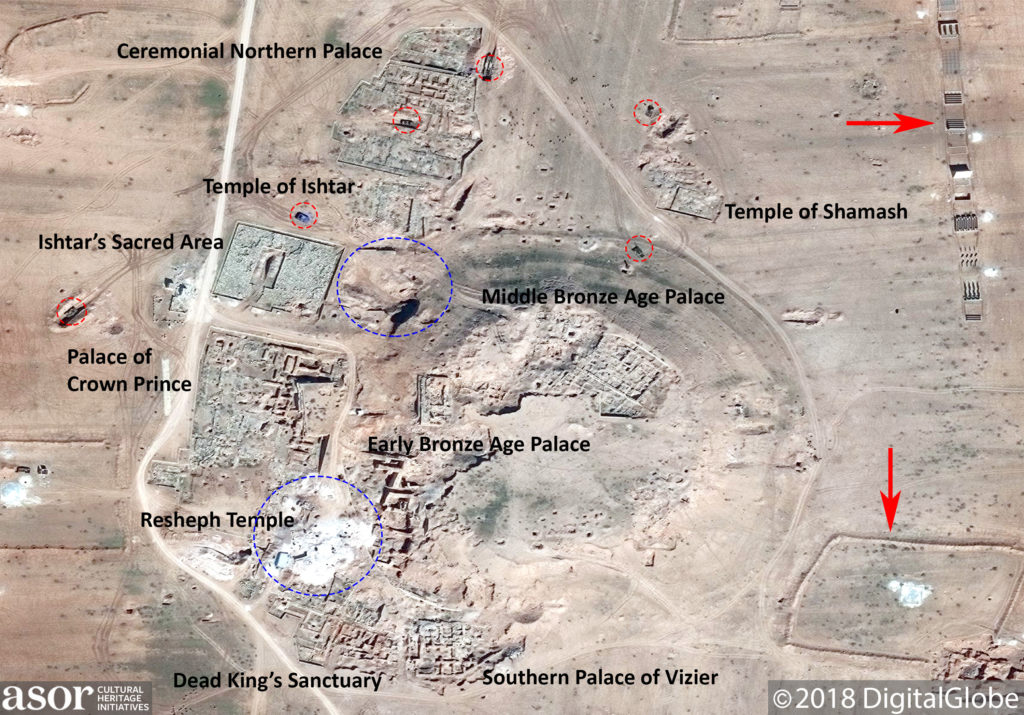
Between June 27, 2012 and August 4, 2012 a military outpost was erected on the western side of the site. By September 8, 2012 an earthen berm was constructed around these structures. An August 4, 2014 DigitalGlobe satellite image shows an increased number of earthen berms set up around the site. By August 16, 2015 Ebla was occupied by an opposition force and new constructions (including trenching into the mound to fortify positions) were built at the northwest corner and the southern edge of the site. By 2016, the military force occupying the site dug trenches into the mound to create fortified positions for armored vehicles, some of which can be seen in place on satellite imagery. Some of these vehicles are parked on archaeological material, including the Northern Palace and Ishtar’s Sacred Area. A possible military training ground also appears on the western side of the site, as well as new looting pits, primarily on the Acropolis and the southern edge of the mound. Between February 21, 2017 and April 13, 2018 new earthworks were constructed on the southeastern area of the mound and in the northeastern corner near the Euphrates Gate.
Earthen berms constructed at Ebla (DigitalGlobe NextView License; August 4, 2014)
Military vehicles (red outlines) and a military training course and earthen berms (red arrows) on the mound of Ebla in addition to the ongoing illegal excavations (outlined in blue) (DigitalGlobe NextView License; February 21, 2017)
Airstrikes
On October 1, 2015, a Russian Air Force bombing campaign reportedly damaged the sites of Shinshara, Serjilla, and Ebla. On November 18, 2015 an ASOR CHI source visited Ebla to confirm damage from this incident and another airstrike that occurred the week of November 9, 2015 (ASOR CHI Incident Report 15-0137 in Weekly Report 61-62and Incident Report 15-0150 in Weekly Report 69-70). The ASOR CHI in-country source confirmed that Ebla was in fact hit by these strikes.
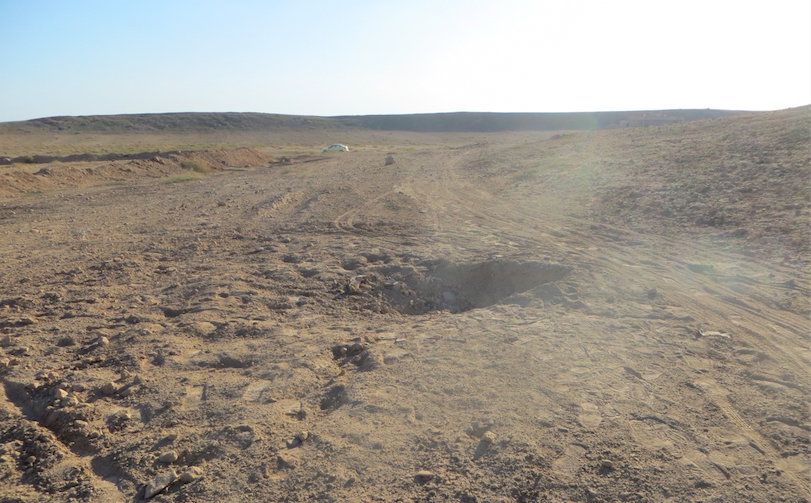
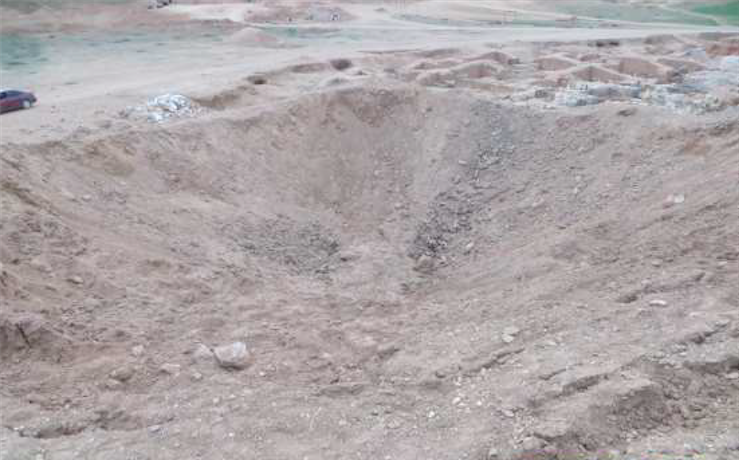
The Day After Heritage Protection Initiative (TDA-HPI) produced a report which indicates that Russian airstrikes struck the eastern side of the acropolis, causing damage and leaving a hole in the acropolis slope. Images in the TDA-HPI report detail damage to the acropolis, as well as damage to the eastern slope. On February 25, 2016 the Russian Air Force reportedly carried out five air strikes targeting the eastern side of Ebla. Another five air strikes were carried out the next day, causing severe damage to the western and southern sides of the archeological site. DigitalGlobe satellite imagery confirms multiple impact craters on the mound, often located close to a military trench or vehicle. In the image from June 30, 2016 impact craters surround a vehicle trench where the vehicle is still visible. The nearby site museum was also struck during this time.
Airstrike crater at Ebla (TDA-HPI; November 13, 2015)
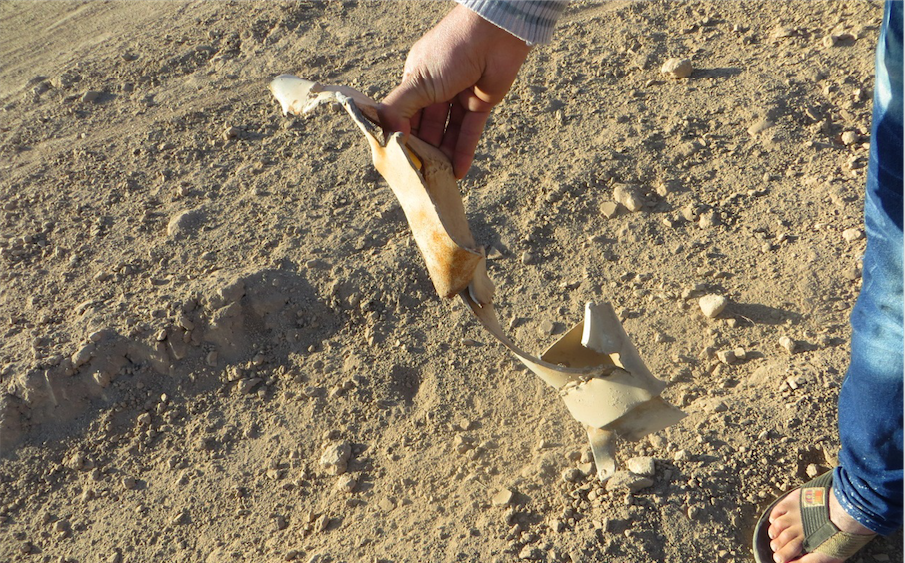
Remains of a rocket found near crater (TDA-HPI; November 13, 2015)
An airstrike crater at Ebla (TDA-HPI; March 2, 2016)
An airstrike crater at Ebla (TDA-HPI; March 2, 2016)
Remains of a weapon, possibly a mortar (TDA-HPI; March 2, 2016)
Conclusion
Ebla has been severely damaged during the conflict. Illegal excavations have damaged the integrity of exposed architecture on the site, causing it to collapse, and these illegal excavations are ongoing. The construction of military outposts and training grounds by Syrian opposition forces have led to Ebla being targeted by airstrikes and bombing campaigns for the past three years. As of the release of this report, the site is still controlled by opposition groups. Threats continue at the site including illegal excavation, theft, vandalism, illegal construction of military outposts, and airstrikes/bombing campaigns in the region.
[1] Matthiae, Paolo (2013). “A Long Journey. Fifty Years of Research on the Bronze Age at Tell Mardikh/Ebla”. In Matthiae, Paolo; Marchetti, Nicolò. Ebla and its Landscape: Early State Formation in the Ancient Near East. Left Coast Press, p. 37.
[2] Liverani, Mario (2009). “Imperialism”. In Pollock, Susan; Bernbeck, Reinhard. Archaeologies of the Middle East: Critical Perspectives. John Wiley & Sons, p. 228.
[3] Matthiae (2013), p. 37.
[4] Akkermans, P. M., & Schwartz, G. M. (2003). The archaeology of Syria: from complex hunter-gatherers to early urban societies (c. 16,000-300 BC). Cambridge University Press, pp. 235, 240.
[5] Idem, p. 239.
[6] Idem, pp. 300-301.
[7] Idem, p. 301.
[8] Idem, p. 301.
[9] Akkermans & Schwartz (2003), pp. 299-300.
[10] Matthiae (2013), p. 106.
[11] Pettinato, Giovanni (1991). Ebla, a new look at history. Johns Hopkins University Press, p. 16.