

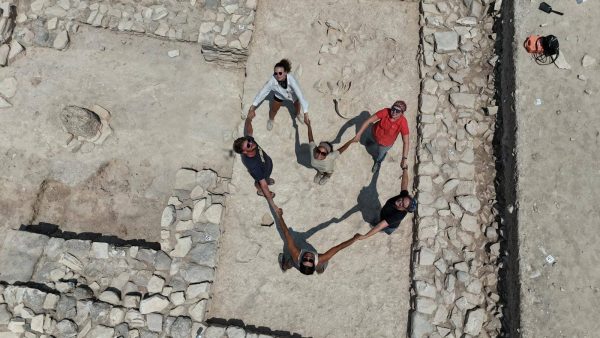
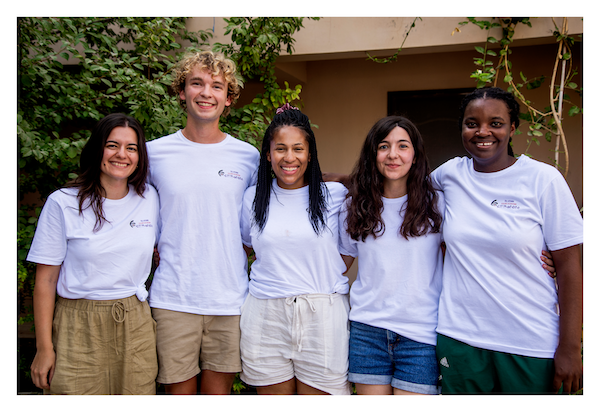
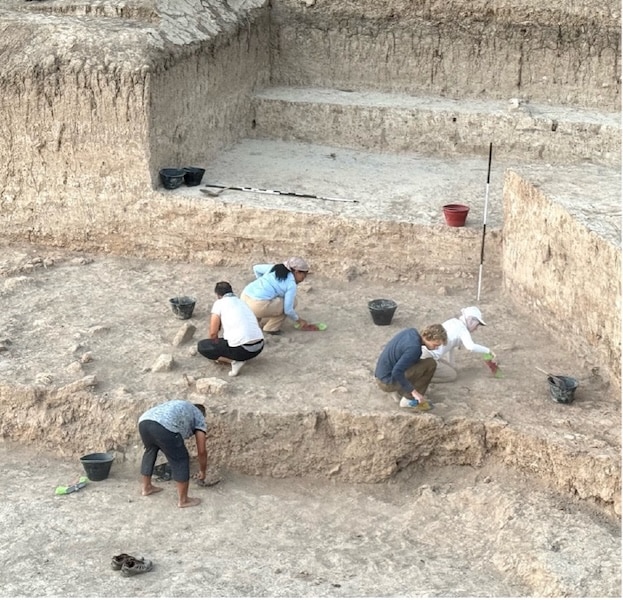
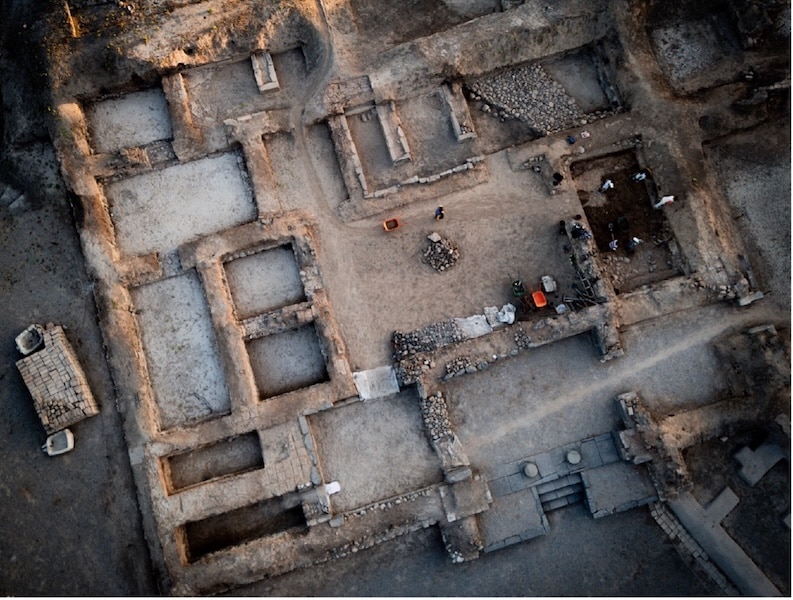
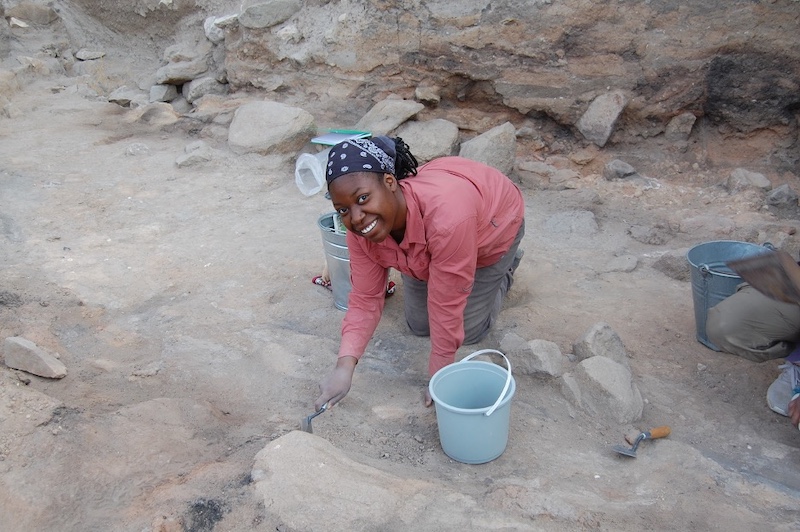
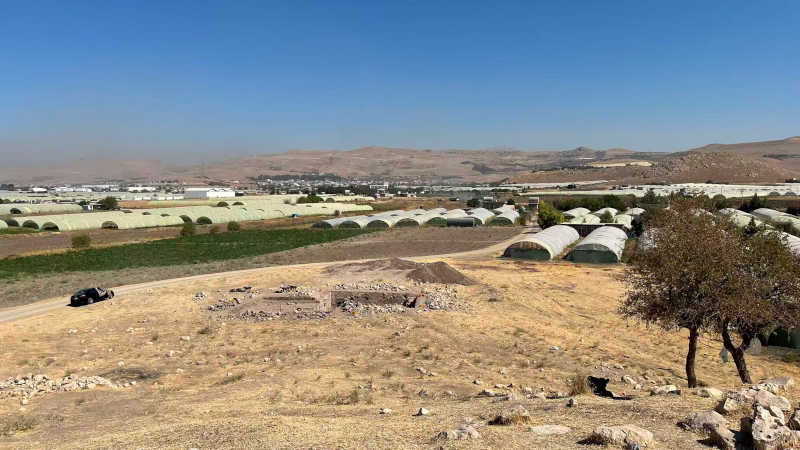
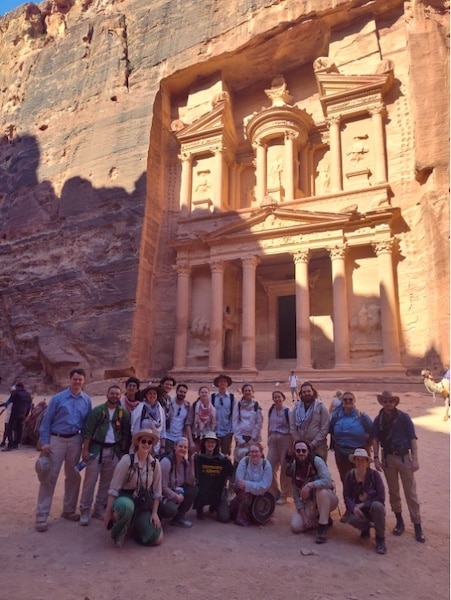
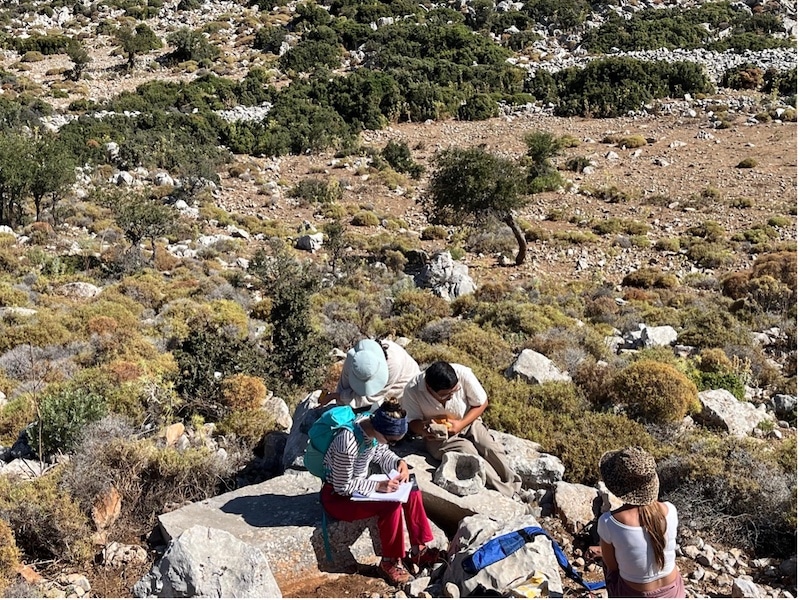
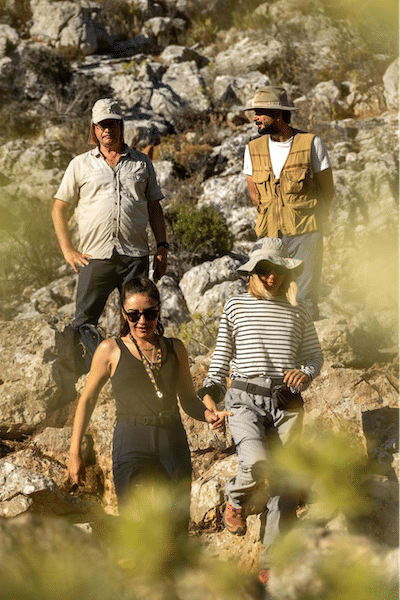
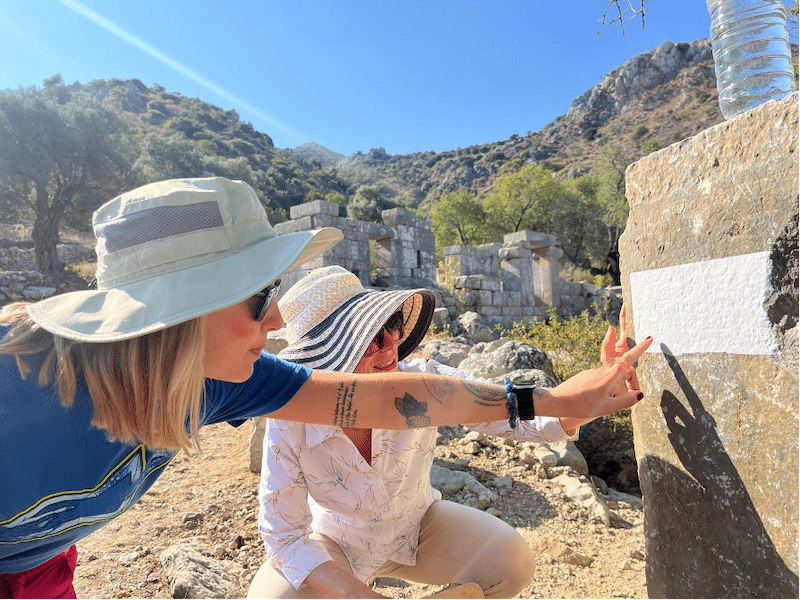
Team members at Çadır Höyük, Turkey.
Are you a student or volunteer looking to join an ASOR-affiliated project for fieldwork? The projects below all have fieldwork planned for 2026. Check out the project websites to find the one that is right for you.
Once you’ve found a project, we encourage you to apply for a 2026 Scholarship for Fieldwork Participation. These scholarships are $2,000 and support your travel and participation on an ASOR-afilliated project.
If you’re a project director or specialist on an ASOR-affiliated project, you are invited to apply for 2026 Project Grants. Project grants vary from $2,500 to $5,000. If you’d like your project listed below, please email programs@asor.org.
The deadline for both Fieldwork Scholarships and Project Grants is February 23, 2026.
Note: while some projects may be conducting fieldwork in 2026, not all of them are taking students or new team members. Please check with the project director and staff. The full list of ASOR-affiliated projects can be found here.

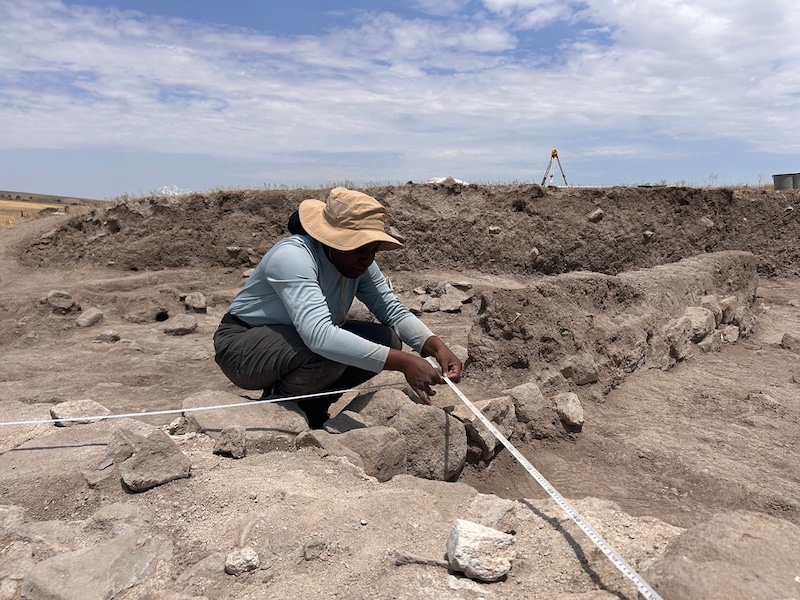
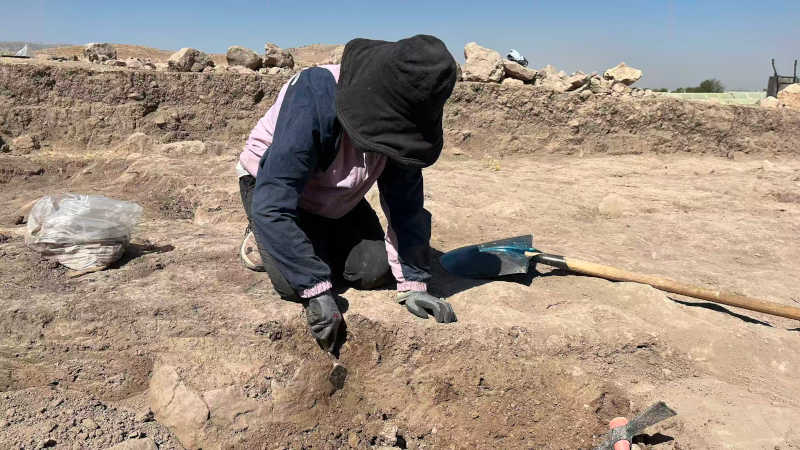
Gabrielle Puckett excavating with the Makounta-Voules Project in 2025.

Lorenzo Guardiano and the 2024 Egyptian Italian Mission at West Aswan team.

Syeda Sukena Zehra working with the Gadachrili Gora Regional Archaeological Project Expedition in Georgia.

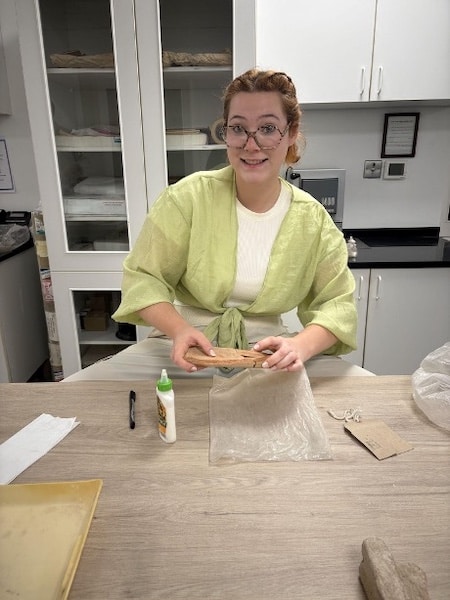
Hannah Borotsik laying out tile from the Athenian Agora excavations. Photo by James Razumoff.

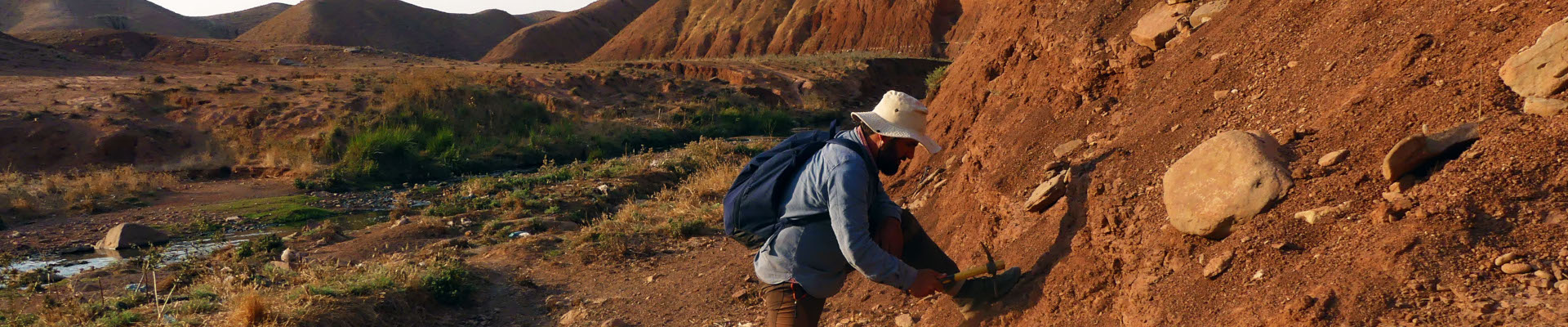
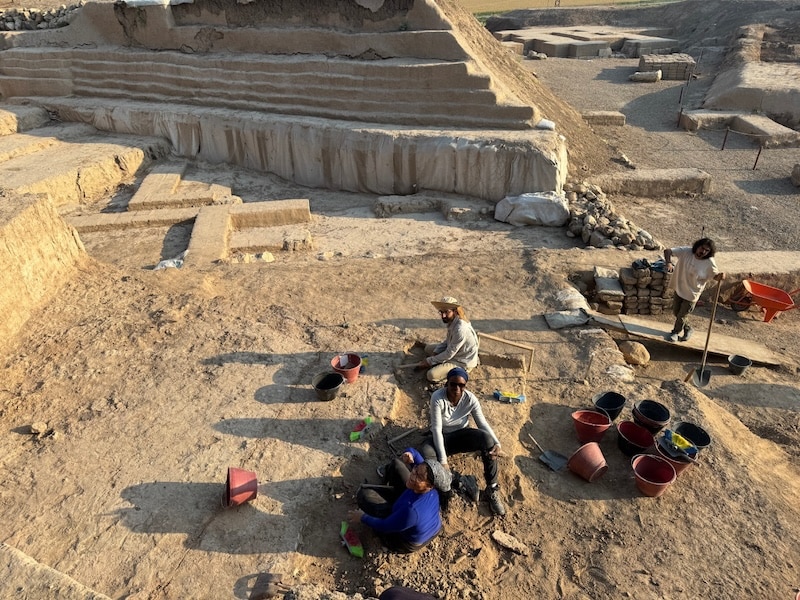
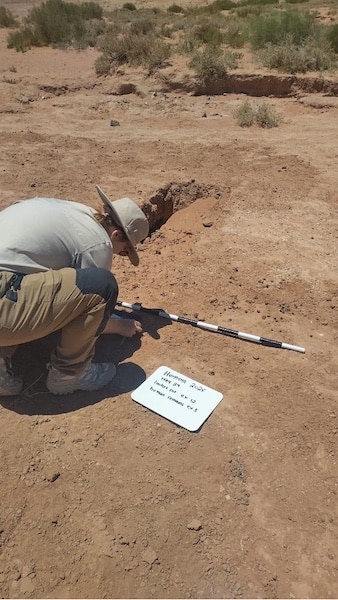
Anna Taibi recording a looting pit with the ReLand Project in 2025.

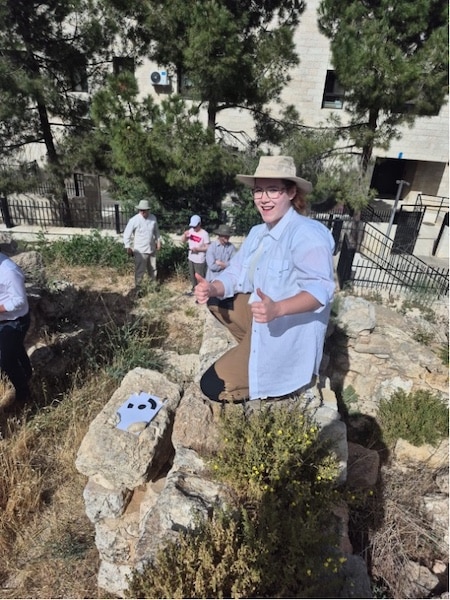
Juan Camilo Bonilla Hurtado working with the Selz Foundation Hazor Excavations.

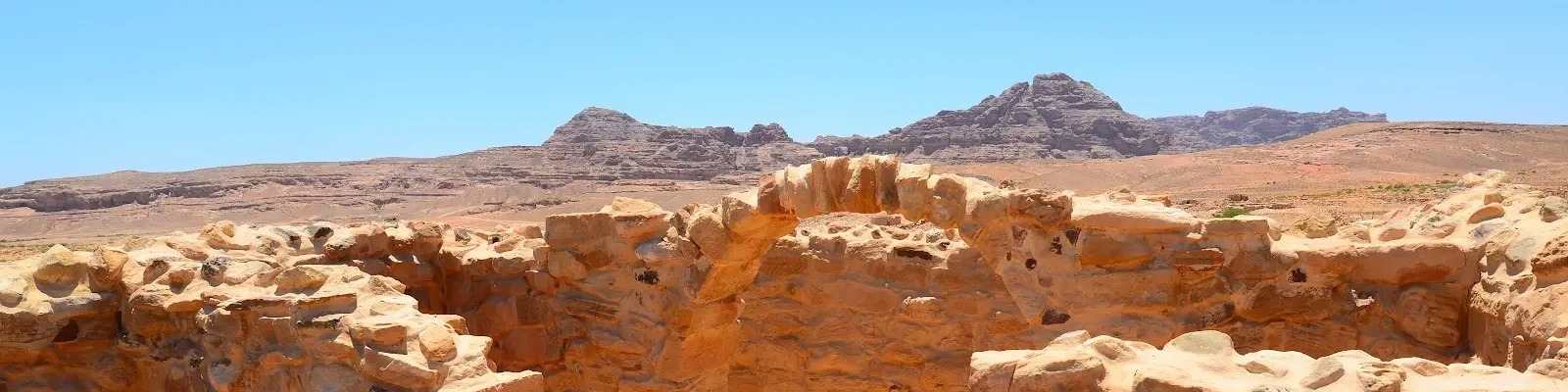
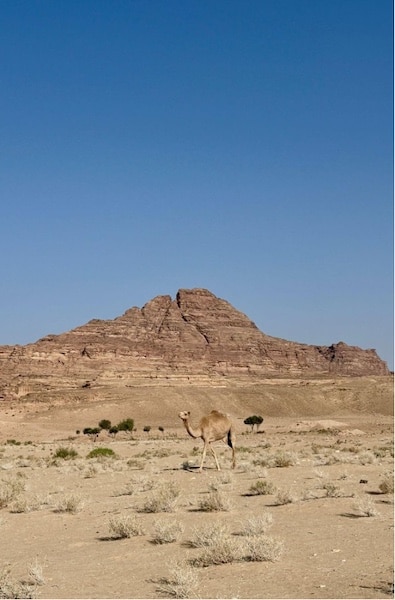
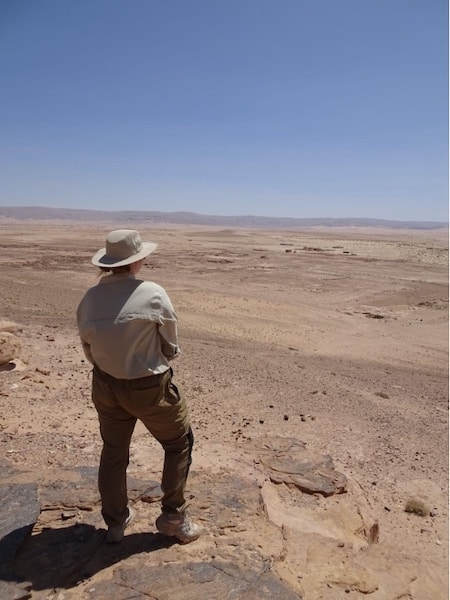
Megan Nishida working with the Kites in Context team in Jordan.

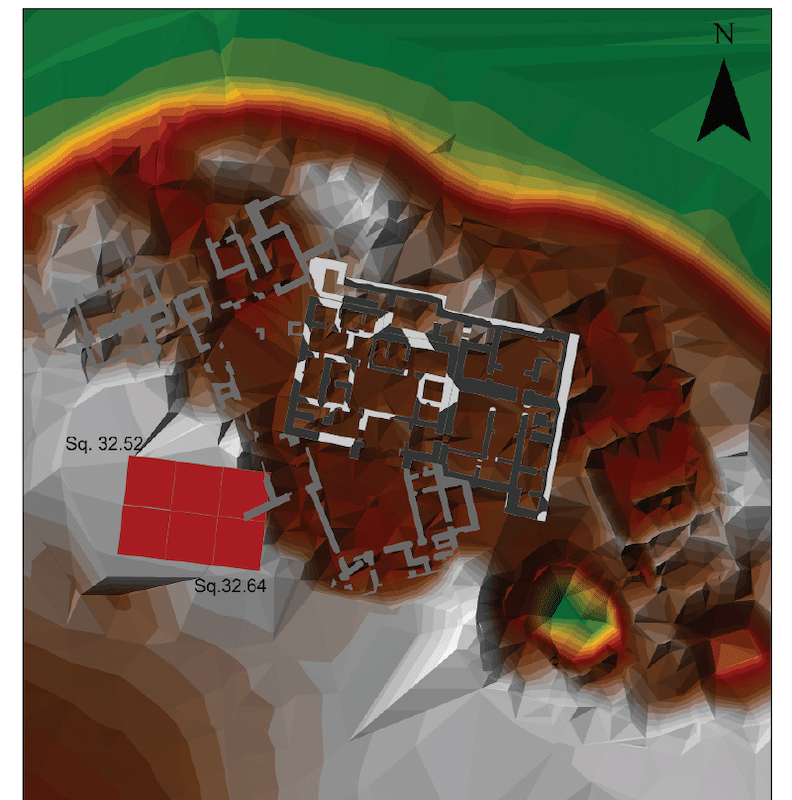
Menorca Archaeological Project team at Torre d’en Galmes in 2024. Photo credit A. Smith

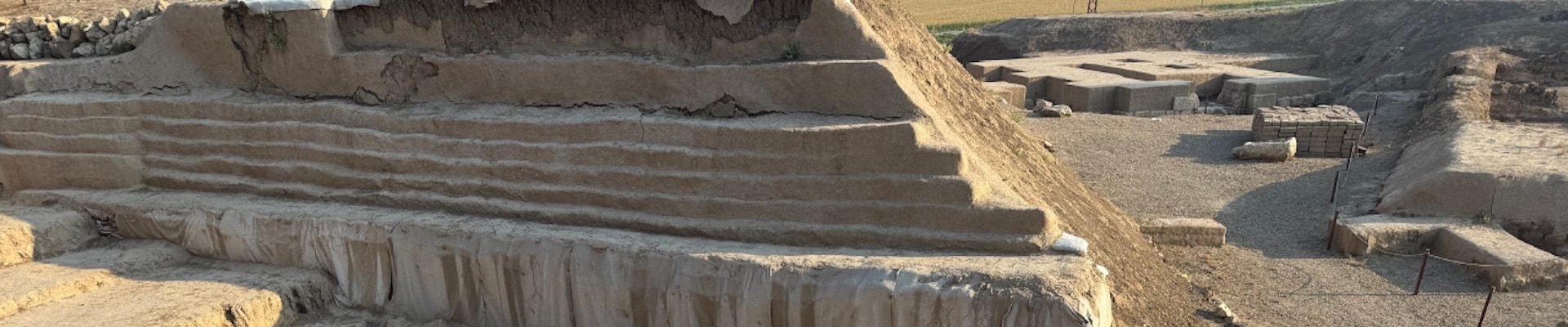
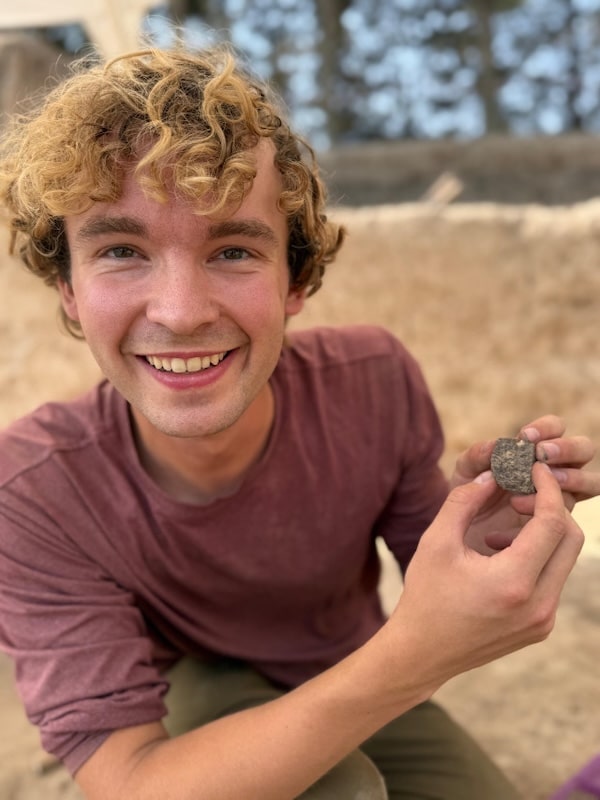
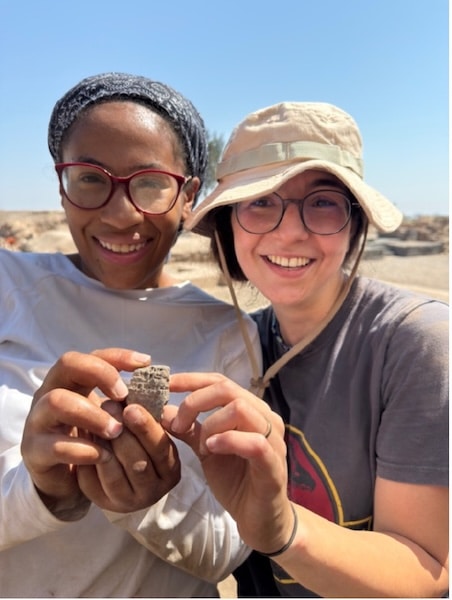
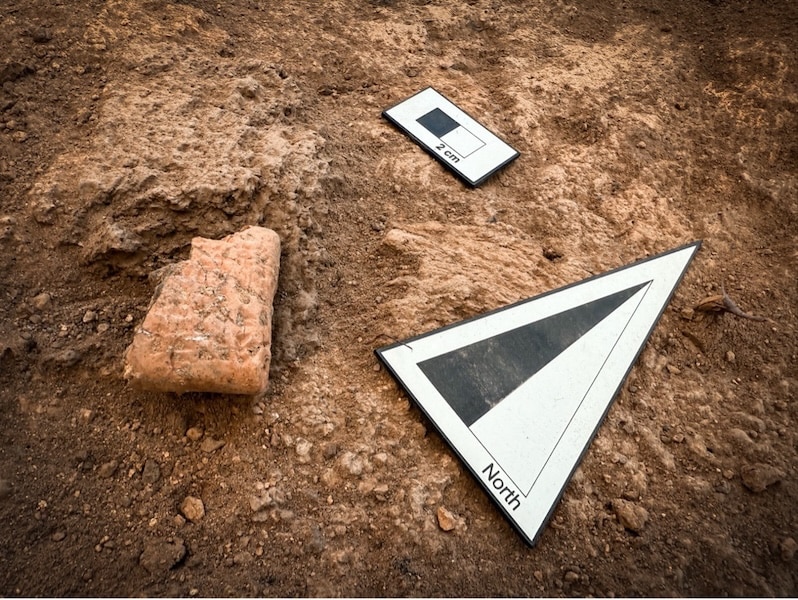
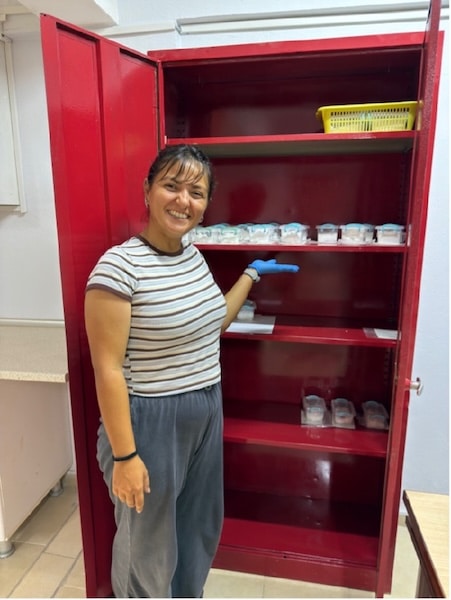
Lauren Cook and Zeynep Türker, holding a cuneiform tablet at Alalakh/Tell Atchana.
Want to help more students and early career archaeologists get into the field? Donate to the cause today by selecting “Fieldwork Scholarships” as your gift purpose!

Want to help more students and early career archaeologists get into the field? Donate to the cause today by selecting “Fieldwork Scholarships” as your gift purpose!

Want to help more students and early career archaeologists get into the field? Donate to the cause today by selecting “Fieldwork Scholarships” as your gift purpose!

Want to help more students and early career archaeologists get into the field? Donate to the cause today by selecting “Fieldwork Scholarships” as your gift purpose!


 The Richard J. Scheuer Medal. This award honors an individual who has provided truly outstanding, long-term support and service contributions to ASOR (this medal is awarded when such an individual is identified).
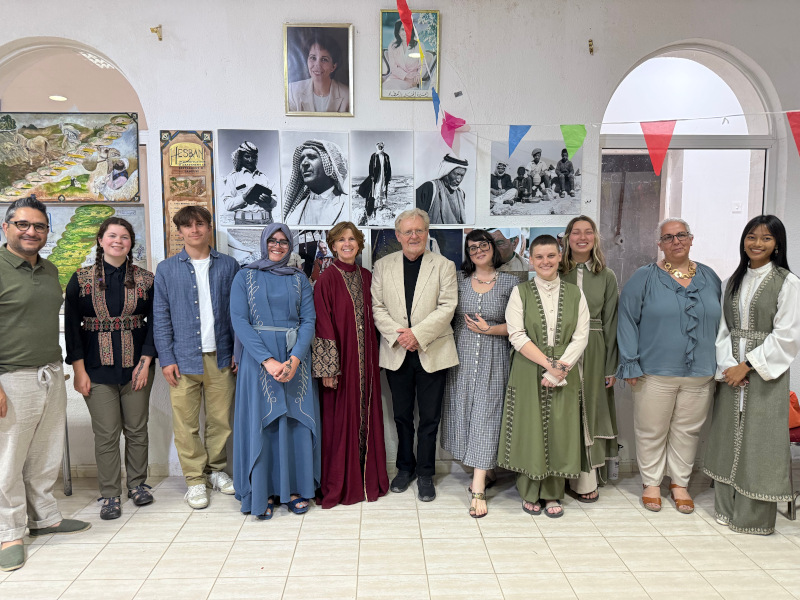
Awarded to Sharon Herbert, for her exceptional contributions and guidance during her two terms as both Vice President and President of ASOR.
 The Charles U. Harris Service Award. This award is given in recognition of long-term and/or special service as an ASOR officer or Trustee (one award is given annually).
Awarded to Charles E. Jones, Tombros Librarian for Classics and Humanities at Pennsylvania State University, for his time as ASOR Vice President from 2020-2025, most prominently his work with the Chairs Coordinating Council (CCC).
 The P. E. MacAllister Field Archaeology Award. This award honors an archaeologist who, during his/her/their career, has made outstanding contributions to ancient Near Eastern and eastern Mediterranean archaeology (one award is given annually).
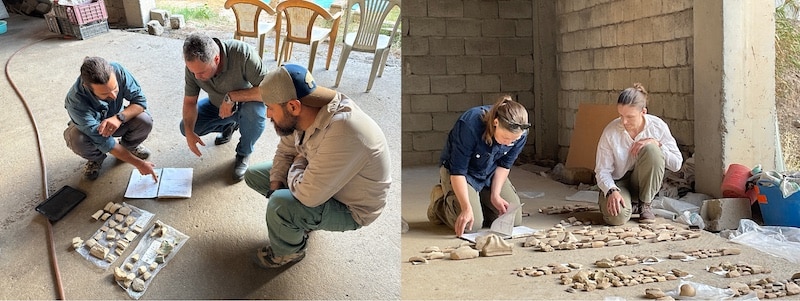
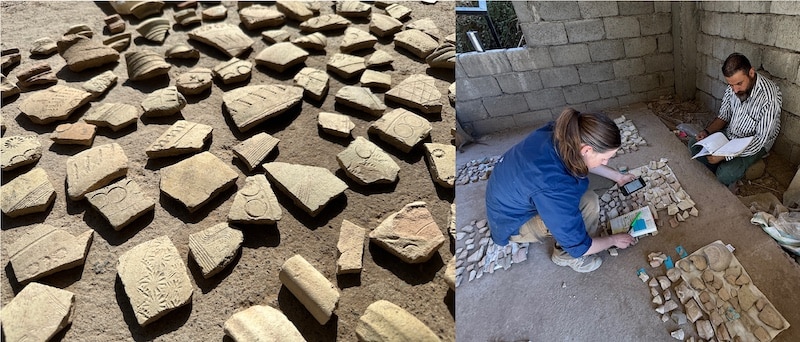
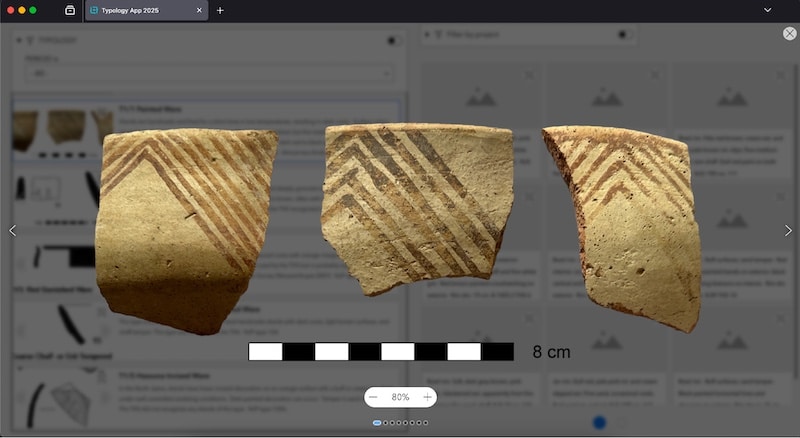
Awarded to Yorke Rowan, Research Professor, Institute for the Study of Ancient Cultures at the University of Chicago, for his impactful contributions to the archaeology of Eastern Badia, Wadi al-Qattafi, and major Chalcolithic sites.
 Community Engagement and Public Outreach Award. This award recognizes individuals, teams, and organizations who have initiated outstanding educational, informational, or practical projects (including but not limited to classes, programs, exhibits, resources, events, and platforms) with the goal of making subjects and information about the ancient world accessible to wider (particularly non-academic) audiences.
Awarded to Chad Spigel (Trinity University) and Paul Flesher (University of Wyoming), for their development of the website for the Duke University Galilee Database, which makes publicly available all of the original field records for the 1970-1981 excavations of four synagogues of Upper Galilee: Meiron, Gush Halav, Khirbet Shema, and Nabratein. The database provides a searchable presentation of all field notes: from locus sheets and top plans to pottery readings and object lists, from daily notes to weekly and end-of-season reports.
ASOR Membership Service Award. This award recognizes individuals who have made special contributions on behalf of the ASOR membership, through committee, editorial, or office services.
 Awarded to: Theodore W. Burgh, Professor, University of North Carolina Wilmington, has been an exemplary leader for ASOR’s Membership and Outreach Committee during his two terms as its chair, from 2020 through 2025.
 Awarded to Allison Thomason, Professor, Southern Illinois University, Edwardsville, for her work as Co-Chair of the Program Committee for the last six years and compassionate approach to her service to ASOR.
 Awarded to Vanessa Workman, University of Pennsylvania, who has served on the Early Career Scholars (ECS) Committee since 2017 and became its Co-Chair in 2023.
 The W. F. Albright Service Award. This award honors an individual who has shown special support or made outstanding service contributions to one of the overseas centers (AIAR, CAARI), or to one of the overseas committees – the Baghdad Committee and the Damascus Committee. This award is given when such an individual is identified.
Awarded to Matthew J. Adams, Director of the Center for the Mediterranean World, who served as Director of the W. F. Albright Institute of Archaeological Research from 2014 to 2022, revitalizing its facilities, programs, finances, and global reach.
 The G. Ernest Wright Award. This award is given to the editor/author of the most substantial volume(s) dealing with archaeological material, excavation reports and material culture from the ancient Near East and eastern Mediterranean. This work must be the result of original research published within the past two years (one award is given annually).
Awarded to Kevin D. Fisher, Associate Professor of Eastern Mediterranean Archaeology, University of British Columbia, for his substantial contribution to the archaeology of Cyprus in Monumentality, Place-Making and Social Interaction on Late Bronze Age Cyprus (Equinox Publishing).
 The Frank Moore Cross Award. This award is presented to the author/editor of the most substantial volume(s) related to the history and/or religion of the ancient Near East and Eastern Mediterranean. Primary consideration will be given to historical, epigraphic, textual, and comparative literary studies; or to works that advance and/or evaluate new methodological approaches to the literary record(s). This work must be the result of original research published during the past two years (one award is given annually).
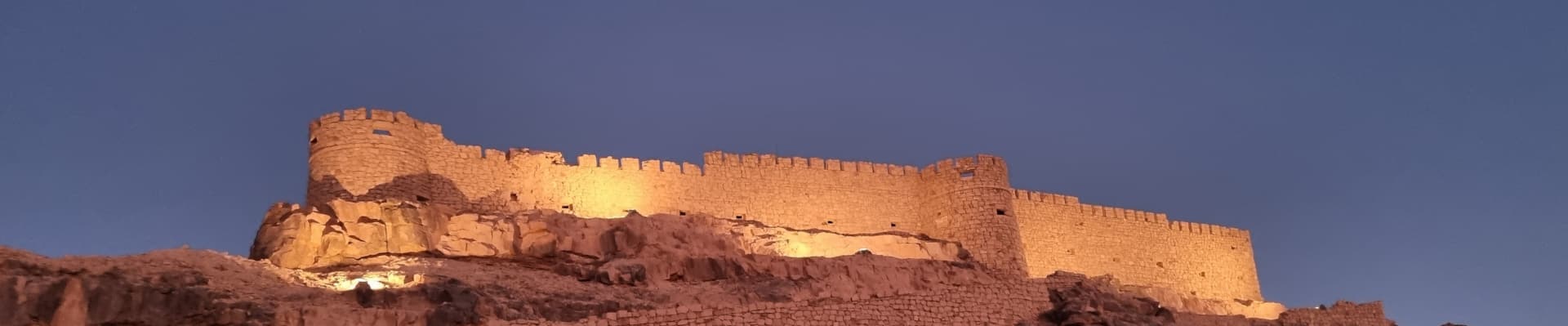
Awarded to Tiffany Earley-Spadoni, Associate Professor, University of Central Florida, for the novel analysis of Urartu as a decentralized non-urban empire with a political organization constructed around a dispersed fortified regional network in Landscapes of Warfare: Urartu and Assyria in the Ancient Middle East (University Press of Colorado).
 The Nancy Lapp Popular Book Award. This award is presented to the author/editor of a book published in the last two years that offers a new synthesis of archaeological or textual evidence intended to reach an audience of scholars as well as students and the broader public (one award is given annually).
Awarded to Tate Paulette, Associate Professor at North Carolina State University, for In the Land of Ninkasi: A History of Beer in Ancient Mesopotamia (Oxford University Press), which synthesizes the long and colorful history of Mesopotamian beer.
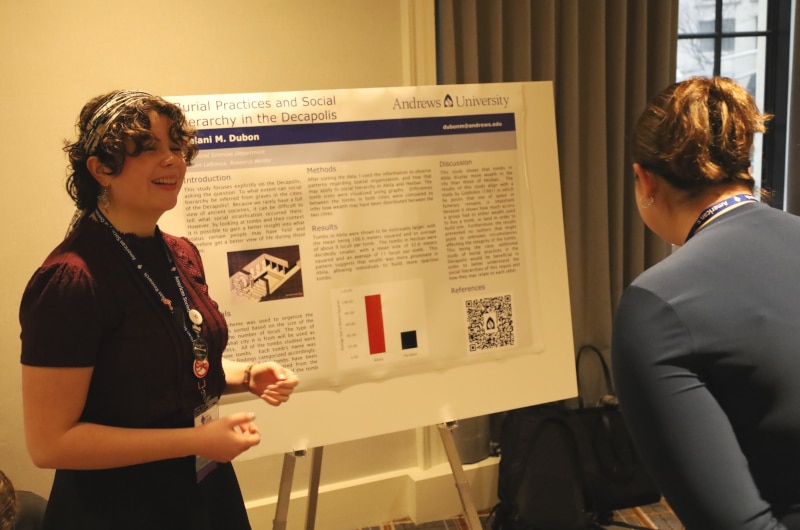
 The Joy Ungerleider Poster Award. This award is conferred upon the author(s) of the poster presenting the results of a study about ancient Near Eastern societies in a clear, legible fashion using original graphic content. Subject matter may be based in archaeological sciences, history, anthropology, epigraphy, ethnography, heritage or other scholarly approaches to understanding ancient people in the areas covered by ASOR (one award is given annually).
Awarded to Defne Bilgili, Johns Hopkins University, for the poster: “Preservation and Public Engagement at Tell Atchana, Alalakh: A Digital Reconstruction of the Middle Bronze Age Gate Complex.”
 Student Paper Award. This award is conferred upon the author(s) of a paper presented during the Annual Meeting that conveys the results of a study about ancient Near Eastern and wider Mediterranean societies in a clear, understandable, and convincing fashion. The first author and presenter of the paper must be a registered student at the time of presentation in order to be eligible for consideration for this award.
Awarded to Aaren (Zhengfang) Zhou, New York University, for her paper “Cooking Pots and Negotiating Identity: Material Culture and Adaptive Agency During the Egyptian Occupation of Beth She’an.”

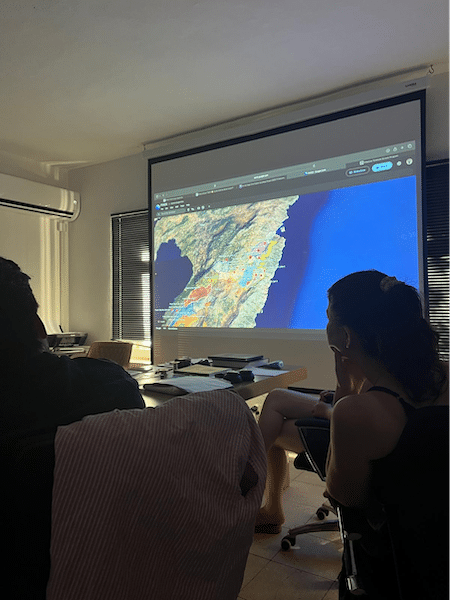
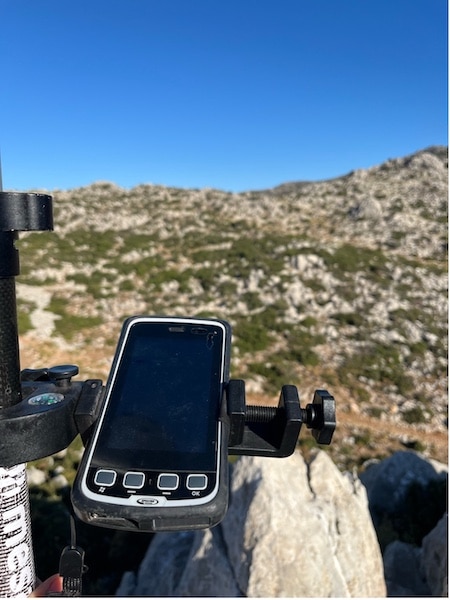
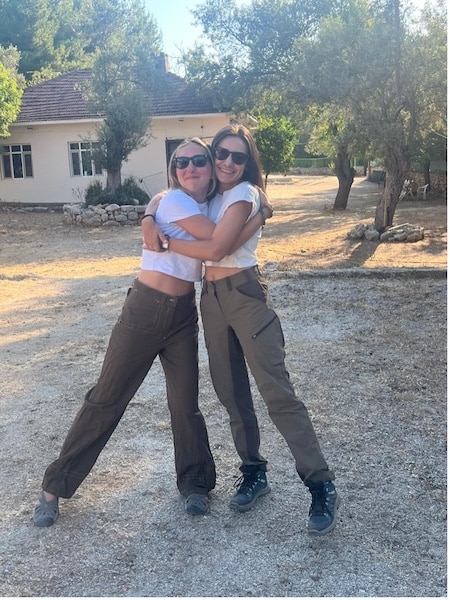
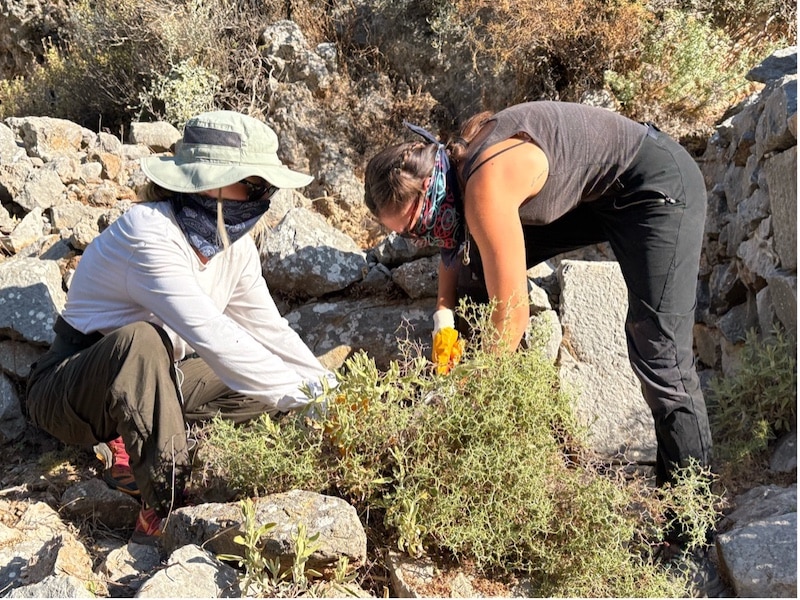
Want to help more students and early career archaeologists get into the field? Donate to the cause today by selecting “Fieldwork Scholarships” as your gift purpose!

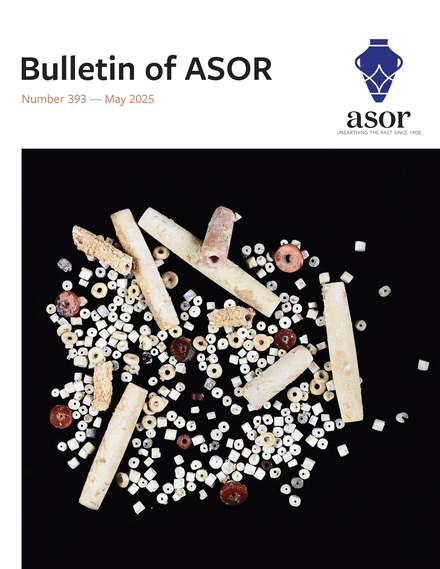 ASOR welcomes Jason Ur as a new interim co-editor of TheBulletin of the American Society of Overseas Research (BASOR). This co-editor appointment was unanimously approved by the Executive Committee on recommendation from the Committee on Publications. Ur will serve an interim term, ending December 31, 2026, alongside one of the current co-editors, Marwan Kilani. The Committee on Publications thanks the three outgoing editors, Susan Cohen, Jana Mynářová, and Regine Pruzsinszky, for their dedication, professionalism, and service.
Jason Ur is Stephen Phillips Professor of Archaeology and Ethnology in the Department of Anthropology at Harvard University. He specializes in early urbanism, landscape archaeology, and remote sensing. He was trained in Anthropology at the University of Pennsylvania (BA 1994) and in Near Eastern Languages and Civilizations at the University of Chicago (PhD 2004). He has directed field surveys in Syria, Iraq, Turkey, and Iran. He is the author of Urbanism and Cultural Landscapes in Northeastern Syria: The Tell Hamoukar Survey, 1999-2001 (2010). Since 2012, he has directed the Erbil Plain Archaeological Survey, an archaeological survey in the Kurdistan Region of northern Iraq. In 2014, he was the plenary speaker at the 2014 ASOR Annual Meeting with his talk, “The Renaissance of Archaeology in Iraq and its Kurdistan Region.”
Marwan Kilani is an Egyptologist and linguist working on cultural and linguistic interactions between Egypt and the Levant. He has a strong interest in methodological questions, and in digital humanities and computational methods applied to the study of the ancient world. He is currently a postdoctoral researcher at the University of Basel and has served as BASOR co-editor since January 1, 2021.
Those interested in publishing in BASOR should continue to submit manuscripts through the online submission system.
 Italy