UNEARTHING THE PAST SINCE 1900

CHI – ASOR Cultural Heritage in the News

[vc_row fullwidth=”true” css=”.vc_custom_1486761987223{padding-top: 0px !important;padding-right: 0px !important;padding-bottom: 0px !important;padding-left: 0px !important;}”][vc_column][vc_single_image image=”50700″ img_size=”full”][/vc_column][/vc_row][vc_row fullwidth=”true” css=”.vc_custom_1567018214583{margin-top: 20px !important;padding-top: 0px !important;padding-right: 0px !important;padding-bottom: 0px !important;padding-left: 0px !important;}”][vc_column width=”1/12″ css=”.vc_custom_1493002455400{margin-right: 10px !important;}” offset=”vc_hidden-md vc_hidden-sm vc_hidden-xs”][vc_column_text]

 SHARE

[/vc_column_text][mk_image src=”http://www.asortest.org/wp-content/uploads/2017/01/social-fb-icon4.jpg” image_width=”42″ image_height=”42″ hover=”false” custom_url=”https://www.facebook.com/ASOResearch/” margin_bottom=”0″][mk_image src=”http://www.asortest.org/wp-content/uploads/2017/01/social-tw-icon4.jpg” image_width=”42″ image_height=”42″ hover=”false” custom_url=”https://twitter.com/ASOResearch?ref_src=twsrc%5Egoogle%7Ctwcamp%5Eserp%7Ctwgr%5Eauthor” margin_bottom=”0″][mk_image src=”http://www.asortest.org/wp-content/uploads/2017/01/social-in-icon4.jpg” image_width=”42″ image_height=”42″ hover=”false” custom_url=”https://www.linkedin.com/company/american-schools-of-oriental-research” margin_bottom=”0″][mk_image src=”http://www.asortest.org/wp-content/uploads/2017/01/social-ml-icon_7.jpg” image_width=”42″ image_height=”42″ hover=”false” custom_url=”mailto:asor@bu.edu” margin_bottom=”0″][mk_image src=”http://www.asortest.org/wp-content/uploads/2017/01/blog-icon3.jpg” image_width=”42″ image_height=”42″ hover=”false” custom_url=”http://asorblog.org/” margin_bottom=”0″][/vc_column][vc_column border_color=”rgba(255,255,255,0.01)” width=”1/6″ css=”.vc_custom_1493004112151{margin-right: 20px !important;border-left-width: 2px !important;padding-right: 20px !important;padding-left: 20px !important;border-left-color: #99422f !important;}”][mk_divider divider_color=”rgba(255,255,255,0.01)” thickness=”1″ margin_top=”3″ margin_bottom=”3″][vc_widget_sidebar sidebar_id=”ca-sidebar-50561″][/vc_column][vc_column border_color=”rgba(170,170,170,0.01)” width=”8/12″ css=”.vc_custom_1487276122024{margin-right: 10px !important;margin-bottom: 30px !important;border-right-width: 2px !important;border-bottom-width: 2px !important;padding-top: 30px !important;padding-right: 30px !important;padding-left: 20px !important;background-color: #ffffff !important;border-right-color: rgba(227,228,228,0.75) !important;border-bottom-color: rgba(227,228,228,0.75) !important;}”][vc_row_inner][vc_column_inner width=”1/4″ css=”.vc_custom_1567043207298{padding-right: 10px !important;}”][mk_image src=”http://www.asor.org/wp-content/uploads/2019/08/asor-chi-logo_100.jpg” image_width=”186″ image_height=”100″ crop=”false” hover=”false”][/vc_column_inner][vc_column_inner width=”3/4″][vc_column_text responsive_align=”left”]

ASOR Cultural Heritage in the News

[/vc_column_text][/vc_column_inner][/vc_row_inner][mk_divider thickness=”1″ margin_top=”10″][vc_row_inner][vc_column_inner css=”.vc_custom_1567043207298{padding-right: 10px !important;}”][vc_column_text responsive_align=”left”]

Featured News

[/vc_column_text][/vc_column_inner][/vc_row_inner][mk_divider thickness=”1″ margin_top=”10″][vc_row_inner][vc_column_inner width=”1/4″ css=”.vc_custom_1568646645218{padding-right: 20px !important;}”][mk_image src=”http://www.asor.org/wp-content/uploads/2019/09/Article-Iconic-Ancient-Temple-Is-Latest-Victim-in-Civil-War_250x350.jpg” image_width=”250″ crop=”false” hover=”false”][/vc_column_inner][vc_column_inner width=”3/4″][vc_column_text]

Iconic Ancient Temple is Latest Victim in Civil War

National Geographic

Michael Danti, Academic Director of ASOR CHI contributes to this article about the devastating attack on the 3000-year-old Ain Dara that destroyed much of the temple.

Read the article

[/vc_column_text][mk_padding_divider size=”15″][/vc_column_inner][/vc_row_inner][mk_divider thickness=”1″ margin_top=”10″][vc_row_inner][vc_column_inner css=”.vc_custom_1567043207298{padding-right: 10px !important;}”][vc_column_text responsive_align=”left”]

More News Stories

[/vc_column_text][/vc_column_inner][/vc_row_inner][mk_divider thickness=”1″ margin_top=”10″][vc_row_inner][vc_column_inner width=”1/4″ css=”.vc_custom_1566332401349{padding-right: 10px !important;}”][mk_padding_divider size=”25″][vc_column_text]
March 29, 2018
[/vc_column_text][/vc_column_inner][vc_column_inner width=”3/4″][vc_column_text]

Suspected Traders of Ancient Art Linked to Islamic State Are Detained

The Wall Street Journal

Michael Danti, Academic Director of ASOR CHI contributes to this article about two men suspected of trading in antiquities looted by groups linked to Islamic State, the first publicly announced detentions by Western authorities working to dismantle the terrorist group’s trade in looted art.

Read the article

[/vc_column_text][/vc_column_inner][/vc_row_inner][mk_divider thickness=”1″ margin_top=”10″][vc_row_inner][vc_column_inner width=”1/4″ css=”.vc_custom_1566332401349{padding-right: 10px !important;}”][mk_padding_divider size=”25″][vc_column_text]
March 21, 2018
[/vc_column_text][/vc_column_inner][vc_column_inner width=”3/4″][vc_column_text]

Hebrew prophet’s tomb in Iraq saved from collapse

Al Monitor

Allison Cuneo of ASOR CHI contributes to this article about the Alliance for the Restoration of Cultural Heritage’s efforts to secure the tomb of Nahum in January before it fully collapsed.

Read the article[/vc_column_text][/vc_column_inner][/vc_row_inner][mk_divider thickness=”1″ margin_top=”10″][vc_row_inner][vc_column_inner width=”1/4″ css=”.vc_custom_1566332401349{padding-right: 10px !important;}”][mk_padding_divider size=”25″][vc_column_text]

March 11, 2018
[/vc_column_text][/vc_column_inner][vc_column_inner width=”3/4″][vc_column_text]

Dogs trained to sniff out ancient treasures looted from Syria

The Guardian

Michael Danti, Academic Director of ASOR CHI interviewed for an article about the potential for Special K-9 units to assist law-enforcement in the fight against terrorists and criminals looting artefacts from war zones.

Read the article[/vc_column_text][/vc_column_inner][/vc_row_inner][mk_divider thickness=”1″ margin_top=”10″][vc_row_inner][vc_column_inner width=”1/4″ css=”.vc_custom_1566332401349{padding-right: 10px !important;}”][mk_padding_divider size=”25″][vc_column_text]

January 30, 2018
[/vc_column_text][/vc_column_inner][vc_column_inner width=”3/4″][vc_column_text]

Turkish Forces Nearly Destroy the Ancient Syrian Temple of Ain Dara

news.artnet.com

Michael Danti, Academic Director of ASOR CHI contributes to this article about the devastating attack on the Iron Age complex is being compared to ISIS’s destruction of the Temple of Bel in Palmyra.

Read the article

[/vc_column_text][/vc_column_inner][/vc_row_inner][mk_divider thickness=”1″ margin_top=”10″][vc_row_inner][vc_column_inner width=”1/4″ css=”.vc_custom_1566332401349{padding-right: 10px !important;}”][mk_padding_divider size=”25″][vc_column_text]
December 6, 2017
[/vc_column_text][/vc_column_inner][vc_column_inner width=”3/4″][vc_column_text]

U.S. Files Suit to Seize Antiquities Looted by Islamic State Militants

The Wall Street Journal

Michael Danti, Academic Director of ASOR CHI interviewed for an article about officials seeking court permission to recover a stolen ring sold in Turkey for $250,000 and other ancient items.

Read the article[/vc_column_text][/vc_column_inner][/vc_row_inner][mk_divider thickness=”1″ margin_top=”10″][vc_row_inner][vc_column_inner width=”1/4″ css=”.vc_custom_1566332401349{padding-right: 10px !important;}”][mk_padding_divider size=”25″][vc_column_text]

August 19, 2017
[/vc_column_text][/vc_column_inner][vc_column_inner width=”3/4″][vc_column_text]

War in the Arab World Has Devastated the Region’s Heritage

The Economist

Michael Danti, Academic Director of ASOR CHI interviewed for an article the desolation of the past three years to the cultural heritage of Syria and Iraq.

Read the article[/vc_column_text][/vc_column_inner][/vc_row_inner][mk_divider thickness=”1″ margin_top=”10″][vc_row_inner][vc_column_inner width=”1/4″ css=”.vc_custom_1566332401349{padding-right: 10px !important;}”][mk_padding_divider size=”25″][vc_column_text]

August 6, 2017
[/vc_column_text][/vc_column_inner][vc_column_inner width=”3/4″][vc_column_text]

The Men Who Trade ISIS Loot

The Wall Street Journal

Article about how the middlemen who buy and sell antiquities looted by Islamic State from Syria and Iraq explain how the smuggling supply chain works

Read the article[/vc_column_text][/vc_column_inner][/vc_row_inner][mk_divider thickness=”1″ margin_top=”10″][vc_row_inner][vc_column_inner width=”1/4″ css=”.vc_custom_1566332401349{padding-right: 10px !important;}”][mk_padding_divider size=”25″][vc_column_text]

June 23, 2017
[/vc_column_text][/vc_column_inner][vc_column_inner width=”3/4″][vc_column_text]

Satellite Images Reveal Mosul’s Cultural Destruction

National Geographic

Michael Danti, Academic Director of ASOR CHI, and Marina Gabriel, ASOR CHI Program Manager discuss the destruction of the al-Nuri Mosque and 150-foot-high brick minaret that has loomed over the ancient city in northern Iraq since 1172. Exclusive satellite images provided to National Geographic by ASOR CHI show the extent of the destruction in Mosul’s Old City.

Read the article[/vc_column_text][/vc_column_inner][/vc_row_inner][mk_divider thickness=”1″ margin_top=”10″][vc_row_inner][vc_column_inner width=”1/4″ css=”.vc_custom_1566332401349{padding-right: 10px !important;}”][mk_padding_divider size=”25″][vc_column_text]

June 22, 2017
[/vc_column_text][/vc_column_inner][vc_column_inner width=”3/4″][vc_column_text]

The Landmark al-Nuri Mosque of Mosul and its Leaning Minaret Have Been Destroyed in Iraq

Al Jazeera

Michael Danti, Academic Director of ASOR CHI, and Amr Al-Azm, Associate Professor of Middle East History and Anthropology at Shawnee State University in Ohio, US, discuss the cultural relevance and historical context of the al-Nuri Mosque of Mosul and its leaning minaret, which was recently destroyed in Iraq.

Watch the report

[/vc_column_text][/vc_column_inner][/vc_row_inner][mk_divider thickness=”1″ margin_top=”10″][vc_row_inner][vc_column_inner width=”1/4″ css=”.vc_custom_1566332401349{padding-right: 10px !important;}”][mk_padding_divider size=”25″][vc_column_text]
April 12, 2017
[/vc_column_text][/vc_column_inner][vc_column_inner width=”3/4″][vc_column_text]

Reduced to Rubble by ISIS, Archaeologists See a New Day for Ancient City of Nimrud

PBS Newshour

PBS Newshour visited the ancient Assyrian capital city of Nimrud and detailed the damage wrought by the so-called Islamic State (ISIL). The report detailed the alarming condition of the now leveled Ziggurat and the severely damaged Northwest Palace of King Assurnasirpal II (9th century BC) destroyed by ISIL. Local Iraqis recounted their memories of the site. PBS Newshour consulted with ASOR CHI to provide background information and area expertise, as well as many of the featured photographs. The ASOR CIH team first reported the destruction of the Ziggurat and the damage to the Ishtar Temple in November 2016, the deliberate destruction of the Northwest Palace in May 2015, and the Nabu Temple in June 2016. A recently announced partnership between the U.S. Department of State and the Smithsonian Institution will assist Iraqis in emergency cultural heritage work at the site.

Watch the report

[/vc_column_text][/vc_column_inner][/vc_row_inner][mk_divider thickness=”1″ margin_top=”10″][vc_row_inner][vc_column_inner width=”1/4″ css=”.vc_custom_1566332401349{padding-right: 10px !important;}”][mk_padding_divider size=”25″][vc_column_text]
January 7, 2017
[/vc_column_text][/vc_column_inner][vc_column_inner width=”3/4″][vc_column_text]

Nimrud was One of the Capitals of the Assyrian Empire

Travel+Leisure

Academic Director, Michael Danti, speaks to Travel + Leisure about why looting is taking place in Iraq and ISIL’s motivation for attacking sites like Nimrud.

Read the article

[/vc_column_text][/vc_column_inner][/vc_row_inner][mk_divider thickness=”1″ margin_top=”10″][vc_row_inner][vc_column_inner width=”1/4″ css=”.vc_custom_1566332401349{padding-right: 10px !important;}”][mk_padding_divider size=”25″][vc_column_text]
December 21, 2016
[/vc_column_text][/vc_column_inner][vc_column_inner width=”3/4″][vc_column_text]

The View from Space of a Country’s Disappearing Culture

Nature Middle East

Team members Dr. Michael Danti, Dr. Susan Penacho, and Allison Cuneo discuss how damage in Syria is documented by ASOR CHI and Syrian colleagues on the ground, and why heritage destruction is both a cultural and humanitarian issue.

Read the article

[/vc_column_text][/vc_column_inner][/vc_row_inner][mk_divider thickness=”1″ margin_top=”10″][vc_row_inner][vc_column_inner width=”1/4″ css=”.vc_custom_1566332401349{padding-right: 10px !important;}”][mk_padding_divider size=”25″][vc_column_text]
December 16, 2016
[/vc_column_text][/vc_column_inner][vc_column_inner width=”3/4″][vc_column_text]

Remote Sensing Applied to War-Torn Regions

GeoDataPoint

Prof. Jesse Casana describes how satellite imagery assists archaeologists document archaeological sites, historical buildings, museums, mosques and other religious sites that have been damaged by war activity.

Read the article[/vc_column_text][/vc_column_inner][/vc_row_inner][mk_divider thickness=”1″ margin_top=”10″][vc_row_inner][vc_column_inner width=”1/4″ css=”.vc_custom_1566332401349{padding-right: 10px !important;}”][mk_padding_divider size=”25″][vc_column_text]

December 4, 2016
[/vc_column_text][/vc_column_inner][vc_column_inner width=”3/4″][vc_column_text]

Canada is Using Art to Build Bridges with Syrian Refugees, while the Rest of the World Builds Walls to Keep Them Out

Quartz

Michael Danti speaks with Canada’s Aga Khan Museum on the value of the museum’s new exhibition “Syria: A Living History,” stating that exhibitions with works like this are essential because they call attention to the traditions and culture under threat in Syria.

Read the Article[/vc_column_text][/vc_column_inner][/vc_row_inner][mk_divider thickness=”1″ margin_top=”10″][vc_row_inner][vc_column_inner width=”1/4″ css=”.vc_custom_1566332401349{padding-right: 10px !important;}”][mk_padding_divider size=”25″][vc_column_text]

December 1, 2016
[/vc_column_text][/vc_column_inner][vc_column_inner width=”3/4″][vc_column_text]

How ISIL Destroyed Nimrud

Al Jazeera

ASOR CHI’s Allison Cuneo discusses the situation in Iraq following the recent destruction at Nimrud.

Read the article[/vc_column_text][/vc_column_inner][/vc_row_inner][mk_divider thickness=”1″ margin_top=”10″][vc_row_inner][vc_column_inner width=”1/4″ css=”.vc_custom_1566332401349{padding-right: 10px !important;}”][mk_padding_divider size=”25″][vc_column_text]

November 10, 2016
[/vc_column_text][/vc_column_inner][vc_column_inner width=”3/4″][vc_column_text]

Iconic Ancient Sites Ravaged in ISIS’s Last Stand in Iraq

National Geographic

National Geographic reports on the Recently released satellite imagery of archaeological sites around the northern Iraqi city of Mosul that has revealed extensive destruction at two capital cities of ancient Mesopotamia, as discovered by researchers with the American Schools of Oriental Research Cultural Heritage Initiatives (ASOR CHI).

Read the article[/vc_column_text][/vc_column_inner][/vc_row_inner][mk_divider thickness=”1″ margin_top=”10″][vc_row_inner][vc_column_inner width=”1/4″ css=”.vc_custom_1566332401349{padding-right: 10px !important;}”][mk_padding_divider size=”25″][vc_column_text]

September 19, 2016
[/vc_column_text][/vc_column_inner][vc_column_inner width=”3/4″][vc_column_text]

Looting? $283 Million Flow of Artifacts to US Revealed

Live Science

ASOR CHI Academic Director, Michael Danti, and Co-Investigator, Amr al-Azm, discuss the connection between political instability and the illicit trafficking of cultural objects.

Read the article[/vc_column_text][/vc_column_inner][/vc_row_inner][mk_divider thickness=”1″ margin_top=”10″][vc_row_inner][vc_column_inner width=”1/4″ css=”.vc_custom_1566332401349{padding-right: 10px !important;}”][mk_padding_divider size=”25″][vc_column_text]

September 9, 2016
[/vc_column_text][/vc_column_inner][vc_column_inner width=”3/4″][vc_column_text]

Article about US-Russian Military Agreement in Syria references data complied by ASOR CHI

USA Today

ASOR CHI research learns that Syrian government forces and Russian airstrikes were responsible for attacks on dozens of mosques.

Read the article[/vc_column_text][/vc_column_inner][/vc_row_inner][mk_divider thickness=”1″ margin_top=”10″][vc_row_inner][vc_column_inner width=”1/4″ css=”.vc_custom_1566332401349{padding-right: 10px !important;}”][mk_padding_divider size=”25″][vc_column_text]

December 11, 2015
[/vc_column_text][/vc_column_inner][vc_column_inner width=”3/4″][vc_column_text]

How ISIS turns artifacts into cash

CNN Anderson Cooper 360

ASOR CHI Academic Director discusses the role of technology to document monuments and sites with high accuracy, and how vulnerable objects can be tracked globally.

Watch the video[/vc_column_text][/vc_column_inner][/vc_row_inner][mk_divider thickness=”1″ margin_top=”10″][vc_row_inner][vc_column_inner width=”1/4″ css=”.vc_custom_1566332401349{padding-right: 10px !important;}”][mk_padding_divider size=”25″][vc_column_text]

September 7, 2015
[/vc_column_text][/vc_column_inner][vc_column_inner width=”3/4″][vc_column_text]

Safeguarding the world’s archaeological treasures

The Guardian. Science Weekly Podcast

ASOR CHI Academic Director discusses the role of technology to document monuments and sites with high accuracy, and how vulnerable objects can be tracked globally.

Listen to the podcast[/vc_column_text][/vc_column_inner][/vc_row_inner][mk_divider thickness=”1″ margin_top=”10″][vc_row_inner][vc_column_inner width=”1/4″ css=”.vc_custom_1566332401349{padding-right: 10px !important;}”][mk_padding_divider size=”25″][vc_column_text]

September 4, 2015
[/vc_column_text][/vc_column_inner][vc_column_inner width=”3/4″][vc_column_text]

Satellite imagery of 6 tower tombs in Palmyra destroyed by ISIL

Directorate-General of Antiquities and Museums in Syria (DGAM)

“The American Schools of Oriental Research (ASOR), located in Boston University, published an update last night on the situation in Palmyra, which included satellite imagery showing 6 tower tombs in Palmyra, destroyed completely, by the terrorist militants of ISIS.”

Read the article

[/vc_column_text][/vc_column_inner][/vc_row_inner][mk_divider thickness=”1″ margin_top=”10″][vc_row_inner][vc_column_inner width=”1/4″ css=”.vc_custom_1566332401349{padding-right: 10px !important;}”][mk_padding_divider size=”25″][vc_column_text]
September 4, 2015
[/vc_column_text][/vc_column_inner][vc_column_inner width=”3/4″][vc_column_text]

Islamic State ‘blows up Palmyra funerary towers’

BBC

Maamoun Abdul Karim, Syrian Director of Antiquities used satellite imagery provided by the ASOR Cultural Heritage Initiative to confirm damage to seven tower tombs in the Western Necropolis of Palmyra.

Read the article[/vc_column_text][/vc_column_inner][/vc_row_inner][mk_divider thickness=”1″ margin_top=”10″][vc_row_inner][vc_column_inner width=”1/4″ css=”.vc_custom_1566332401349{padding-right: 10px !important;}”][mk_padding_divider size=”25″][vc_column_text]

September 4, 2015
[/vc_column_text][/vc_column_inner][vc_column_inner width=”3/4″][vc_column_text]

Islamic State militants destroy ancient tombs in Palmyra, says Syrian official

CTV News

“The ASOR Syrian Heritage Initiative report, the most detailed on the recent damage caused by the IS group.”

Read the article[/vc_column_text][/vc_column_inner][/vc_row_inner][mk_divider thickness=”1″ margin_top=”10″][vc_row_inner][vc_column_inner width=”1/4″ css=”.vc_custom_1566332401349{padding-right: 10px !important;}”][mk_padding_divider size=”25″][vc_column_text]

September 4, 2015
[/vc_column_text][/vc_column_inner][vc_column_inner width=”3/4″][vc_column_text]

Islamic State militants destroy ancient tombs in Palmyra, Syria

USA Today

Project Manager Allison Cuneo discusses the recent destruction of the Tower Tombs in Palmyra.

Read the article[/vc_column_text][/vc_column_inner][/vc_row_inner][mk_divider thickness=”1″ margin_top=”10″][vc_row_inner][vc_column_inner width=”1/4″ css=”.vc_custom_1566332401349{padding-right: 10px !important;}”][mk_padding_divider size=”25″][vc_column_text]

September 4, 2015
[/vc_column_text][/vc_column_inner][vc_column_inner width=”3/4″][vc_column_text]

Islamic State Militants Continue Destruction

US News and World Report

“In a report issued Thursday, the ASOR Syrian Heritage initiative said the IS group has destroyed seven tower tombs since the end of June over two phases. The last round of destruction occurred between August 27 and September 2, including the destruction of the Tower of Elahbel, the most prominent example of Palmyra’s distinct funerary monuments. Earlier, the Tomb of Iamliku and that of Atenaten were also destroyed.”

Read the article[/vc_column_text][/vc_column_inner][/vc_row_inner][mk_divider thickness=”1″ margin_top=”10″][vc_row_inner][vc_column_inner width=”1/4″ css=”.vc_custom_1566332401349{padding-right: 10px !important;}”][mk_padding_divider size=”25″][vc_column_text]

September 2, 2015
[/vc_column_text][/vc_column_inner][vc_column_inner width=”3/4″][vc_column_text]

Palmyra, where East met West, is symbolic target for Islamic State

PBS Newshour

Interview by Jeffrey Brown

Read the article[/vc_column_text][/vc_column_inner][/vc_row_inner][mk_divider thickness=”1″ margin_top=”10″][vc_row_inner][vc_column_inner width=”1/4″ css=”.vc_custom_1566332401349{padding-right: 10px !important;}”][mk_padding_divider size=”25″][vc_column_text]

August 31, 2015
[/vc_column_text][/vc_column_inner][vc_column_inner width=”3/4″][vc_column_text]

Archaeologist Works To Track The Islamic State’s War On Culture

NPR

Listen to Academic Director, Michael Danti, discuss the situation in Palmyra with Robert Siegel on All Things Considered

Listen to the interview[/vc_column_text][/vc_column_inner][/vc_row_inner][mk_divider thickness=”1″ margin_top=”10″][vc_row_inner][vc_column_inner width=”1/4″ css=”.vc_custom_1566332401349{padding-right: 10px !important;}”][mk_padding_divider size=”25″][vc_column_text]

August 27, 2015
[/vc_column_text][/vc_column_inner][vc_column_inner width=”3/4″][vc_column_text]

Why ISIS wants to erase Palmyra’s history

CNN

Sturt Manning (Chair of the ASOR Cultural Heritage Committee) discusses the work of the ASOR Cultural Heritage Initiative

Read the article

[/vc_column_text][/vc_column_inner][/vc_row_inner][mk_divider thickness=”1″ margin_top=”10″][vc_row_inner][vc_column_inner width=”1/4″ css=”.vc_custom_1566332401349{padding-right: 10px !important;}”][mk_padding_divider size=”25″][vc_column_text]
August 24, 2015
[/vc_column_text][/vc_column_inner][vc_column_inner width=”3/4″][vc_column_text]

LeeAnn Barnes Gordon discusses the situation in Palmyra

BBC Radio Scotland

Interview begins at 1:52:06.

Listen to the interview[/vc_column_text][/vc_column_inner][/vc_row_inner][mk_divider thickness=”1″ margin_top=”10″][vc_row_inner][vc_column_inner width=”1/4″ css=”.vc_custom_1566332401349{padding-right: 10px !important;}”][mk_padding_divider size=”25″][vc_column_text]

August 19, 2015
[/vc_column_text][/vc_column_inner][vc_column_inner width=”3/4″][vc_column_text]

Abdalrazzaq Moaz remembers his friend and colleague, Khalid al-Asa’ad, in a series of interviews

CNN: Read the article
BBC: Read the article[/vc_column_text][/vc_column_inner][/vc_row_inner][mk_divider thickness=”1″ margin_top=”10″][vc_row_inner][vc_column_inner width=”1/4″ css=”.vc_custom_1566332401349{padding-right: 10px !important;}”][mk_padding_divider size=”25″][vc_column_text]

July 30, 2015
[/vc_column_text][/vc_column_inner][vc_column_inner width=”3/4″][vc_column_text]

Inside the Underground Trade to Sell Off Syria’s History

Buzzfeed News

Michael Danti (Academic Director, ASOR Cultural Heritage Initiatives) discusses the trade in stolen antiquities from Syria along Turkey’s porous border.

Read the article

[/vc_column_text][/vc_column_inner][/vc_row_inner][mk_divider thickness=”1″ margin_top=”10″][vc_row_inner][vc_column_inner width=”1/4″ css=”.vc_custom_1566332401349{padding-right: 10px !important;}”][mk_padding_divider size=”25″][vc_column_text]
July 13, 2015
[/vc_column_text][/vc_column_inner][vc_column_inner width=”3/4″][vc_column_text]

Museums are using virtual reality to preserve the past – before it’s too late

The Conversation

Virtual museums and technologies are being used to digitally preserve sites and artifacts in Iraq and Syria. The article includes commentary by Michael Danti (Academic Director, ASOR Cultural Heritage Initiatives).

Read the article[/vc_column_text][/vc_column_inner][/vc_row_inner][mk_divider thickness=”1″ margin_top=”10″][vc_row_inner][vc_column_inner width=”1/4″ css=”.vc_custom_1566332401349{padding-right: 10px !important;}”][mk_padding_divider size=”25″][vc_column_text]

July 2, 2015
[/vc_column_text][/vc_column_inner][vc_column_inner width=”3/4″][vc_column_text]

ISIS Destruction of Ancient Sites Hits Mostly Muslim Targets

National Geographic

The article looks at the systematic destruction of Islamic sites by ISIL and the ideology behind it with contributions from Michael Danti (Academic Director, ASOR Cultural Heritage Initiatives).

Read the article

[/vc_column_text][/vc_column_inner][/vc_row_inner][mk_divider thickness=”1″ margin_top=”10″][vc_row_inner][vc_column_inner width=”1/4″ css=”.vc_custom_1566332401349{padding-right: 10px !important;}”][mk_padding_divider size=”25″][vc_column_text]
June 28, 2015
[/vc_column_text][/vc_column_inner][vc_column_inner width=”3/4″][vc_column_text]

Islamic State is Selling Looted Art Online for Needed Cash

Bloomberg

Michael Danti (Academic Director, ASOR Cultural Heritage Initiatives) is interviewed for an article that looks at what types of antiquities are being looted in Syria and how they are being trafficked.

Read the article

[/vc_column_text][/vc_column_inner][/vc_row_inner][mk_divider thickness=”1″ margin_top=”10″][vc_row_inner][vc_column_inner width=”1/4″ css=”.vc_custom_1566332401349{padding-right: 10px !important;}”][mk_padding_divider size=”25″][vc_column_text]
June 24, 2015
[/vc_column_text][/vc_column_inner][vc_column_inner width=”3/4″][vc_column_text]

Syria needs a museum in exile… and quickly

The National

The article discusses ISIL’s illicit excavation and looting of archaeological sites, with commentary provided by Michael Danti (Academic Director, ASOR Cultural Heritage Initiatives).

Read the article

[/vc_column_text][/vc_column_inner][/vc_row_inner][mk_divider thickness=”1″ margin_top=”10″][vc_row_inner][vc_column_inner width=”1/4″ css=”.vc_custom_1566332401349{padding-right: 10px !important;}”][mk_padding_divider size=”25″][vc_column_text]
June 22, 2015
[/vc_column_text][/vc_column_inner][vc_column_inner width=”3/4″][vc_column_text]

Rebels, Syrian government work together to protect antiquities

USA Today

The article highlights the efforts of local community groups to protect cultural heritage, including in particular, reference to protection and restoration work done at Bosra. It includes commentary by Jesse Casana.

Read the article

[/vc_column_text][/vc_column_inner][/vc_row_inner][mk_divider thickness=”1″ margin_top=”10″][vc_row_inner][vc_column_inner width=”1/4″ css=”.vc_custom_1566332401349{padding-right: 10px !important;}”][mk_padding_divider size=”25″][vc_column_text]
June 8, 2015
[/vc_column_text][/vc_column_inner][vc_column_inner width=”3/4″][vc_column_text]

Islamic State isn’t just destroying ancient artifacts — it’s selling them

The Washington Post

Michael Danti (Academic Director, ASOR Cultural Heritage Initiatives) comments on ISIL’s increasing efforts to draw revenue from the looting and sale of antiquities.

Read the article

[/vc_column_text][/vc_column_inner][/vc_row_inner][mk_divider thickness=”1″ margin_top=”10″][vc_row_inner][vc_column_inner width=”1/4″ css=”.vc_custom_1566332401349{padding-right: 10px !important;}”][mk_padding_divider size=”25″][vc_column_text]
June 3, 2015
[/vc_column_text][/vc_column_inner][vc_column_inner width=”3/4″][vc_column_text]

Syrian ‘Monuments Men’ Race to Save Art from ISIS

Huffpost Live

The live segment discusses responses to cultural heritage destruction and looting by ISIL. It includes commentary by Michael Danti (Academic Director, ASOR Cultural Heritage Initiatives).

Read the article

[/vc_column_text][/vc_column_inner][/vc_row_inner][mk_divider thickness=”1″ margin_top=”10″][vc_row_inner][vc_column_inner width=”1/4″ css=”.vc_custom_1566332401349{padding-right: 10px !important;}”][mk_padding_divider size=”25″][vc_column_text]
May 29, 2015
[/vc_column_text][/vc_column_inner][vc_column_inner width=”3/4″][vc_column_text]

Why the Islamic State’s annihilation of ancient cultures matters (by Michael Danti)

The Washington Post

Michael Danti (Academic Director, ASOR Cultural Heritage Initiatives) discusses ISIL’s recent capture of the site of Palmyra and responds to those who suggest that cultural heritage experts have been placing “ancient stones” ahead of human lives.

Read the article[/vc_column_text][/vc_column_inner][/vc_row_inner][mk_divider thickness=”1″ margin_top=”10″][vc_row_inner][vc_column_inner width=”1/4″ css=”.vc_custom_1566332401349{padding-right: 10px !important;}”][mk_padding_divider size=”25″][vc_column_text]

May 28, 2015
[/vc_column_text][/vc_column_inner][vc_column_inner width=”3/4″][vc_column_text]

In Syria, Islamic State group apparently spares Palmyra’s stunning ruins—for now

Science Magazine

Michael Danti (Academic Director, ASOR Cultural Heritage Initiatives) comments on the current situation at the site of Palmyra and ISIL’s broader campaign of cultural cleansing.

Read the article[/vc_column_text][/vc_column_inner][/vc_row_inner][mk_divider thickness=”1″ margin_top=”10″][vc_row_inner][vc_column_inner width=”1/4″ css=”.vc_custom_1566332401349{padding-right: 10px !important;}”][mk_padding_divider size=”25″][vc_column_text]

May 28, 2015
[/vc_column_text][/vc_column_inner][vc_column_inner width=”3/4″][vc_column_text]

Prophet and profit

World Archaeology

Michael Danti (Academic Director, ASOR Cultural Heritage Initiatives) and John MacGinnis (University of Cambridge) discuss the the intentional destruction of cultural heritage in Syria and Iraq, the widespread and systematic looting of archaeological sites across the region, and the global market in illicit antiquities.

Read the article[/vc_column_text][/vc_column_inner][/vc_row_inner][mk_divider thickness=”1″ margin_top=”10″][vc_row_inner][vc_column_inner width=”1/4″ css=”.vc_custom_1566332401349{padding-right: 10px !important;}”][mk_padding_divider size=”25″][vc_column_text]

May 26, 2015
[/vc_column_text][/vc_column_inner][vc_column_inner width=”3/4″][vc_column_text]

PERÚ: Extremistas venden joyas arqueológicas en el mercado negro

Entorno Inteligente

Read the article[/vc_column_text][/vc_column_inner][/vc_row_inner][mk_divider thickness=”1″ margin_top=”10″][vc_row_inner][vc_column_inner width=”1/4″ css=”.vc_custom_1566332401349{padding-right: 10px !important;}”][mk_padding_divider size=”25″][vc_column_text]

May 26, 2015
[/vc_column_text][/vc_column_inner][vc_column_inner width=”3/4″][vc_column_text]

Yihadistas arrasan tesoros culturales

El Peruano

Read the article

[/vc_column_text][/vc_column_inner][/vc_row_inner][mk_divider thickness=”1″ margin_top=”10″][vc_row_inner][vc_column_inner width=”1/4″ css=”.vc_custom_1566332401349{padding-right: 10px !important;}”][mk_padding_divider size=”25″][vc_column_text]
May 22, 2015
[/vc_column_text][/vc_column_inner][vc_column_inner width=”3/4″][vc_column_text]

Is it time to rethink our ideas about preserving world heritage?

The Financial Times

Michael Danti (Academic Director, ASOR Cultural Heritage Initiatives) comments on the motivations driving ISIL’s intentional destruction of both pre-Islamic and Islamic cultural heritage, alongside the large-scale and systematic looting of archaeological sites.

Read the article

[/vc_column_text][/vc_column_inner][/vc_row_inner][mk_divider thickness=”1″ margin_top=”10″][vc_row_inner][vc_column_inner width=”1/4″ css=”.vc_custom_1566332401349{padding-right: 10px !important;}”][mk_padding_divider size=”25″][vc_column_text]
May 20, 2015
[/vc_column_text][/vc_column_inner][vc_column_inner width=”3/4″][vc_column_text]

Open Source Software to Catalogue Cultural Heritage Before a Crisis

Hyperallergic

Susan Penacho (Associate Director of Geospatial Initiatives, ASOR Cultural Heritage Initiatives) comments on the Arches database system and its value as a tool for integrating many different types of data related to cultural heritage protection.

Read the article[/vc_column_text][/vc_column_inner][/vc_row_inner][mk_divider thickness=”1″ margin_top=”10″][vc_row_inner][vc_column_inner width=”1/4″ css=”.vc_custom_1566332401349{padding-right: 10px !important;}”][mk_padding_divider size=”25″][vc_column_text]

May 15, 2015
[/vc_column_text][/vc_column_inner][vc_column_inner width=”3/4″][vc_column_text]

Interview with Stephennie Mulder

BBC Radio 5 (Up All Night)

Listen to the interview[/vc_column_text][/vc_column_inner][/vc_row_inner][mk_divider thickness=”1″ margin_top=”10″][vc_row_inner][vc_column_inner width=”1/4″ css=”.vc_custom_1566332401349{padding-right: 10px !important;}”][mk_padding_divider size=”25″][vc_column_text]

May 11, 2015
[/vc_column_text][/vc_column_inner][vc_column_inner width=”3/4″][vc_column_text]

Cultural Preservation in Disasters, War Zones Presents Big Challenges

The Chronicle of Philanthropy

Read the article[/vc_column_text][/vc_column_inner][/vc_row_inner][mk_divider thickness=”1″ margin_top=”10″][vc_row_inner][vc_column_inner width=”1/4″ css=”.vc_custom_1566332401349{padding-right: 10px !important;}”][mk_padding_divider size=”25″][vc_column_text]

April 29, 2015
[/vc_column_text][/vc_column_inner][vc_column_inner width=”3/4″][vc_column_text]

ISIL smuggles artifacts through Turkey

Hürriyet Daily News

Read the article

[/vc_column_text][/vc_column_inner][/vc_row_inner][mk_divider thickness=”1″ margin_top=”10″][vc_row_inner][vc_column_inner width=”1/4″ css=”.vc_custom_1566332401349{padding-right: 10px !important;}”][mk_padding_divider size=”25″][vc_column_text]
April 28, 2015
[/vc_column_text][/vc_column_inner][vc_column_inner width=”3/4″][vc_column_text]

Getty Conservation Institute and World Monuments Fund Launch Latest Version of Arches Heritage Inventory and Management System

Directions Magazine

Scott Branting (Co-Director, ASOR Cultural Heritage Initiatives) comments on the release of a new version of the Arches heritage inventory and management system, drawing particular attention to its value for “distributed” projects (like ASOR Cultural Heritage Initiatives) that need to share data among experts located in countries around the world.

Read the article

[/vc_column_text][/vc_column_inner][/vc_row_inner][mk_divider thickness=”1″ margin_top=”10″][vc_row_inner][vc_column_inner width=”1/4″ css=”.vc_custom_1566332401349{padding-right: 10px !important;}”][mk_padding_divider size=”25″][vc_column_text]
April 28, 2015
[/vc_column_text][/vc_column_inner][vc_column_inner width=”3/4″][vc_column_text]

Museums in Europe and US draw up rescue plans for ravaged sites in Iraq

The Art Newspaper

Jesse Casana (Co-Director, ASOR Cultural Heritage Initiatives) comments briefly on James Cuno’s call to re-introduce the system of partage and emphasizes the importance of finding a political solution to the conflict in Syria.

Read the article[/vc_column_text][/vc_column_inner][/vc_row_inner][mk_divider thickness=”1″ margin_top=”10″][vc_row_inner][vc_column_inner width=”1/4″ css=”.vc_custom_1566332401349{padding-right: 10px !important;}”][mk_padding_divider size=”25″][vc_column_text]

April 28, 2015
[/vc_column_text][/vc_column_inner][vc_column_inner width=”3/4″][vc_column_text]

ISIS isn’t randomly destroying art – it’s another form of terrorism

Texas Standard

In a radio interview, Stephennie Mulder (University of Texas at Austin; Advisory Board, ASOR Cultural Heritage Initiatives) discusses the destruction of cultural heritage in Syria and Iraq, with a particular focus on ISIL’s campaign of “heritage terror.” She also draws attention to the groups of “Monuments Men” who are working remotely and on-the-ground in Syria to protect and preserve cultural heritage.

Listen to the interview

[/vc_column_text][/vc_column_inner][/vc_row_inner][mk_divider thickness=”1″ margin_top=”10″][vc_row_inner][vc_column_inner width=”1/4″ css=”.vc_custom_1566332401349{padding-right: 10px !important;}”][mk_padding_divider size=”25″][vc_column_text]
April 26, 2015
[/vc_column_text][/vc_column_inner][vc_column_inner width=”3/4″][vc_column_text]

Syria conflict: The illicit art trade that is a major source of income for today’s terror groups is nothing new

The Independent

Michael Danti (Co-Director, ASOR Cultural Heritage Initiatives) comments on the logistics of antiquities trafficking in Syria and draws particular attention to the ongoing humanitarian crisis and its connection to cultural property crime.

Read the article

[/vc_column_text][/vc_column_inner][/vc_row_inner][mk_divider thickness=”1″ margin_top=”10″][vc_row_inner][vc_column_inner width=”1/4″ css=”.vc_custom_1566332401349{padding-right: 10px !important;}”][mk_padding_divider size=”25″][vc_column_text]
April 20, 2015
[/vc_column_text][/vc_column_inner][vc_column_inner width=”3/4″][vc_column_text]

Amid the Destruction of Syrian Antiquities, Some Restoration

Al-Fanar Media

Cheikhmous Ali (Co-Investigator, ASOR Cultural Heritage Initiatives) comments on the destruction of cultural heritage by the Syrian regime and on the cost of reconstructing and restoring the city of Aleppo once fighting subsides.

Read the article

[/vc_column_text][/vc_column_inner][/vc_row_inner][mk_divider thickness=”1″ margin_top=”10″][vc_row_inner][vc_column_inner width=”1/4″ css=”.vc_custom_1566332401349{padding-right: 10px !important;}”][mk_padding_divider size=”25″][vc_column_text]
April 14, 2015
[/vc_column_text][/vc_column_inner][vc_column_inner width=”3/4″][vc_column_text]

Why ISIS Hates Archaeology and Blew Up Ancient Iraqi Palace

National Geographic

Michael Danti (Co-Director, ASOR Cultural Heritage Initiatives) comments on the motivations driving ISIL’s deliberate destruction of cultural heritage.

Read the article

[/vc_column_text][/vc_column_inner][/vc_row_inner][mk_divider thickness=”1″ margin_top=”10″][vc_row_inner][vc_column_inner width=”1/4″ css=”.vc_custom_1566332401349{padding-right: 10px !important;}”][mk_padding_divider size=”25″][vc_column_text]
April 13, 2015
[/vc_column_text][/vc_column_inner][vc_column_inner width=”3/4″][vc_column_text]

Islamic State’s war on history and the multimillion dollar global antiquities trade

International Business Times

Michael Danti (Co-Director, ASOR Cultural Heritage Initiatives) comments on ISIL’s carefully considered campaign of looting and destruction, their effort to justify the sale of antiquities with reference to Islamic law, and the operation of the global antiquities trade.

Read the article

[/vc_column_text][/vc_column_inner][/vc_row_inner][mk_divider thickness=”1″ margin_top=”10″][vc_row_inner][vc_column_inner width=”1/4″ css=”.vc_custom_1566332401349{padding-right: 10px !important;}”][mk_padding_divider size=”25″][vc_column_text]
April 3, 2015
[/vc_column_text][/vc_column_inner][vc_column_inner width=”3/4″][vc_column_text]

Use Force to Stop ISIS’ Destruction of Art and History

The New York Times

Michael Danti (Co-Director, ASOR Cultural Heritage Initiatives) comments on ISIL’s campaign of deliberate destruction and efforts by the ASOR Syrian Heritage Initiative to document the destruction.

Read the article

[/vc_column_text][/vc_column_inner][/vc_row_inner][mk_divider thickness=”1″ margin_top=”10″][vc_row_inner][vc_column_inner width=”1/4″ css=”.vc_custom_1566332401349{padding-right: 10px !important;}”][mk_padding_divider size=”25″][vc_column_text]
March 30, 2015
[/vc_column_text][/vc_column_inner][vc_column_inner width=”3/4″][vc_column_text]

واحة تدمر التاريخية.. الموت بين المنشار والمدافع

الغربال (Al-Gherbal)

In this article, Cheikhmous Ali (Co-Investigator, ASOR Cultural Heritage Initiatives) and Salim Ali document damage to the UNESCO World Heritage Site of Palmyra.

Read the article[/vc_column_text][/vc_column_inner][/vc_row_inner][mk_divider thickness=”1″ margin_top=”10″][vc_row_inner][vc_column_inner width=”1/4″ css=”.vc_custom_1566332401349{padding-right: 10px !important;}”][mk_padding_divider size=”25″][vc_column_text]

March 26, 2015
[/vc_column_text][/vc_column_inner][vc_column_inner width=”3/4″][vc_column_text]

Experts struggle to confirm archaeological damage in Iraq: Satellites offer clues to true scope of destruction by terrorist group ISIS

Nature

Jesse Casana (Co-Director, ASOR Cultural Heritage Initiatives) comments on the ASOR Syrian Heritage Initiative’s use of satellite imagery to document looting and the destruction of cultural heritage in Syria and Iraq.

Read the article

[/vc_column_text][/vc_column_inner][/vc_row_inner][mk_divider thickness=”1″ margin_top=”10″][vc_row_inner][vc_column_inner width=”1/4″ css=”.vc_custom_1566332401349{padding-right: 10px !important;}”][mk_padding_divider size=”25″][vc_column_text]
March 11, 2015
[/vc_column_text][/vc_column_inner][vc_column_inner width=”3/4″][vc_column_text]

Can we save history from ISIS vandals?

New Scientist

Michael Danti (Academic Director, ASOR Cultural Heritage Initiatives) provides analysis on the looting and trafficking of antiquities taking place throughout the conflict in Syria and Iraq.

Read the article

[/vc_column_text][/vc_column_inner][/vc_row_inner][mk_divider thickness=”1″ margin_top=”10″][vc_row_inner][vc_column_inner width=”1/4″ css=”.vc_custom_1566332401349{padding-right: 10px !important;}”][mk_padding_divider size=”25″][vc_column_text]
March 10, 2015
[/vc_column_text][/vc_column_inner][vc_column_inner width=”3/4″][vc_column_text]

Video shows ISIS destroying cultural sites

MSNBC

In a televised interview, Michael Danti (Co-Director, ASOR Cultural Heritage Initiatives) outlines the historical importance of the ancient cities of Nimrud, Khorsabad, and Hatra, all of which have reportedly been attacked by ISIL. He also draws attention to the intentional destruction of cultural heritage that is taking place on a much broader scale across Syria and northern Iraq — calling these acts a form of “cultural warfare.”

Watch the interview

[/vc_column_text][/vc_column_inner][/vc_row_inner][mk_divider thickness=”1″ margin_top=”10″][vc_row_inner][vc_column_inner width=”1/4″ css=”.vc_custom_1566332401349{padding-right: 10px !important;}”][mk_padding_divider size=”25″][vc_column_text]
March 6, 2015
[/vc_column_text][/vc_column_inner][vc_column_inner width=”3/4″][vc_column_text]

En Syrie et en Irak, un crime contre le patrimoine de l’humanité

Arte

In this article and associated video clip, Cheikhmous Ali (Co-Investigator, ASOR Cultural Heritage Initiatives) comments on the deliberate destruction of cultural heritage in Syria and Iraq.

Read the article

[/vc_column_text][/vc_column_inner][/vc_row_inner][mk_divider thickness=”1″ margin_top=”10″][vc_row_inner][vc_column_inner width=”1/4″ css=”.vc_custom_1566332401349{padding-right: 10px !important;}”][mk_padding_divider size=”25″][vc_column_text]
March 3, 2015
[/vc_column_text][/vc_column_inner][vc_column_inner width=”3/4″][vc_column_text]

سورية: مئات المواقع الأثرية مدمرة ومنهوبة… ودول الجوار معبر المهربين

الحياة (Al-Hayat)‎

In an article reviewing the state of cultural heritage in Syria, Cheikhmous Ali (Co-Investigator, ASOR Cultural Heritage Initiatives) comments on the long-term effects of bombardment, militarization, and plunder on Syria’s heritage landscape.

Read the article

[/vc_column_text][/vc_column_inner][/vc_row_inner][mk_divider thickness=”1″ margin_top=”10″][vc_row_inner][vc_column_inner width=”1/4″ css=”.vc_custom_1566332401349{padding-right: 10px !important;}”][mk_padding_divider size=”25″][vc_column_text]
March 1, 2015
[/vc_column_text][/vc_column_inner][vc_column_inner width=”3/4″][vc_column_text]

In Iraq, Syria, Battling to Preserve Cultural Heritage Under Siege

Voice of America‎

Michael Danti (Co-Director, ASOR Cultural Heritage Initiatives) comments on efforts to combat the illegal trade in antiquities and the ongoing destruction of cultural heritage in Iraq and Syria.

Read the article

[/vc_column_text][/vc_column_inner][/vc_row_inner][mk_divider thickness=”1″ margin_top=”10″][vc_row_inner][vc_column_inner width=”1/4″ css=”.vc_custom_1566332401349{padding-right: 10px !important;}”][mk_padding_divider size=”25″][vc_column_text]
February 27, 2015
[/vc_column_text][/vc_column_inner][vc_column_inner width=”3/4″][vc_column_text]

Archaeology expert Michael Danti talks about ISIS taking on history

WABC Morning Radio (Boston)

In this radio interview (the story starts at minute 9:25), Michael Danti (Co-Director, ASOR Cultural Heritage Initiatives) discusses the the calculated destruction of cultural heritage, calling it a form of “psychological warfare.”

Listen to the interview

[/vc_column_text][/vc_column_inner][/vc_row_inner][mk_divider thickness=”1″ margin_top=”10″][vc_row_inner][vc_column_inner width=”1/4″ css=”.vc_custom_1566332401349{padding-right: 10px !important;}”][mk_padding_divider size=”25″][vc_column_text]
February 27, 2015
[/vc_column_text][/vc_column_inner][vc_column_inner width=”3/4″][vc_column_text]

What Islamic State gains by destroying antiquities in Iraq

PBS Newshour

In this televised interview, Michael Danti (Co-Director, ASOR Cultural Heritage Initiatives) discusses the deliberate destruction of cultural heritage by ISIL and the theatricality of the videos in which these acts of destruction were released to the global public. He also contextualizes the destructions within ISIL propaganda strategies more broadly and within the doctrinal positions that they have adopted, as well as within the ongoing patterns of heritage destruction used as a tactic of terror by ISIL and related groups.

Watch the interview[/vc_column_text][/vc_column_inner][/vc_row_inner][mk_divider thickness=”1″ margin_top=”10″][vc_row_inner][vc_column_inner width=”1/4″ css=”.vc_custom_1566332401349{padding-right: 10px !important;}”][mk_padding_divider size=”25″][vc_column_text]

February 26, 2015
[/vc_column_text][/vc_column_inner][vc_column_inner width=”3/4″][vc_column_text]

Joint Statement on Cultural Destruction in Iraq

The Association of Art Museum Directors (AAMD), the Archaeological Institute of America (AIA), the Society for American Archaeology (SAA), and the American Schools of Oriental Research (ASOR) released a joint statement condemning the destruction of works of art held in the Mosul Museum and urging action by their members, the authorities, and museums and archaeological communities around the world.

Read the statement[/vc_column_text][/vc_column_inner][/vc_row_inner][mk_divider thickness=”1″ margin_top=”10″][vc_row_inner][vc_column_inner width=”1/4″ css=”.vc_custom_1566332401349{padding-right: 10px !important;}”][mk_padding_divider size=”25″][vc_column_text]

February 26, 2015
[/vc_column_text][/vc_column_inner][vc_column_inner width=”3/4″][vc_column_text]

Priceless Iraqi Artifacts Destroyed by ISIS

NBC News

In a brief televised interview, Michael Danti (Co-Director, ASOR Cultural Heritage Initiatives) comments on ISIL’s war on culture and cultural diversity.

Watch the interview

[/vc_column_text][/vc_column_inner][/vc_row_inner][mk_divider thickness=”1″ margin_top=”10″][vc_row_inner][vc_column_inner width=”1/4″ css=”.vc_custom_1566332401349{padding-right: 10px !important;}”][mk_padding_divider size=”25″][vc_column_text]
February 23, 2015
[/vc_column_text][/vc_column_inner][vc_column_inner width=”3/4″][vc_column_text]

Turkish Troops Relocate Historic Tomb in Syria

Live Science

Michael Danti (Co-Director, ASOR Cultural Heritage Initiatives) comments on the Turkish government’s decision to send troops into Syria to relocate the remains of Suleyman Shah in response to fears that the tomb might become a target within ISIL’s campaign of deliberate destruction.

Watch the interview

[/vc_column_text][/vc_column_inner][/vc_row_inner][mk_divider thickness=”1″ margin_top=”10″][vc_row_inner][vc_column_inner width=”1/4″ css=”.vc_custom_1566332401349{padding-right: 10px !important;}”][mk_padding_divider size=”25″][vc_column_text]
February 14, 2015
[/vc_column_text][/vc_column_inner][vc_column_inner width=”3/4″][vc_column_text]

McCallie graduate Dr. Vaughn talks about ISIS looting, civil war erasing Syria, Iraq’s cultural history

Chattanooga Times Free Press

Andy Vaughn, Michael Danti, and Scott Branting (Co-Directors, ASOR Cultural Heritage Initiatives) comment on the ASOR Syrian Heritage Initiative’s efforts to document, protect, and preserve cultural heritage in Syria and Iraq.

Read the article[/vc_column_text][/vc_column_inner][/vc_row_inner][mk_divider thickness=”1″ margin_top=”10″][vc_row_inner][vc_column_inner width=”1/4″ css=”.vc_custom_1566332401349{padding-right: 10px !important;}”][mk_padding_divider size=”25″][vc_column_text]

January 2015
[/vc_column_text][/vc_column_inner][vc_column_inner width=”3/4″][vc_column_text]

Heritage in Peril: Syria and Iraq

Metropolitan Museum of Art

Secretary of State John Kerry and Michael Danti (Co-director, ASOR Cultural Heritage Initiatives) spoke about the destruction of cultural heritage in Syria and northern Iraq.

Watch the video

[/vc_column_text][/vc_column_inner][/vc_row_inner][mk_divider thickness=”1″ margin_top=”10″][vc_row_inner][vc_column_inner width=”1/4″ css=”.vc_custom_1566332401349{padding-right: 10px !important;}”][mk_padding_divider size=”25″][vc_column_text]
December 2014
[/vc_column_text][/vc_column_inner][vc_column_inner width=”3/4″][vc_column_text]

Satellites track heritage loss across Syria and Iraq

Science Magazine

The work of the ASOR Syrian Heritage Initiative was highlighted in the December 2014 issue of Science Magazine.

Read the article[/vc_column_text][/vc_column_inner][/vc_row_inner][mk_divider thickness=”1″ margin_top=”10″][vc_row_inner][vc_column_inner width=”1/4″ css=”.vc_custom_1566332401349{padding-right: 10px !important;}”][mk_padding_divider size=”25″][vc_column_text]

October 9, 2014
[/vc_column_text][/vc_column_inner][vc_column_inner width=”3/4″][vc_column_text]

Only an End to the Civil War in Syria Will Solve the Problem

The New York Times

As part of a “Room for Debate” forum, Jesse Casana and Abdalrazzaq Moaz (Co-Directors, ASOR Cultural Heritage Initiatives) discuss potential solutions to the cultural heritage crisis in Syria and Iraq.

Read the article

[/vc_column_text][/vc_column_inner][/vc_row_inner][mk_divider thickness=”1″ margin_top=”10″][vc_row_inner][vc_column_inner width=”1/4″ css=”.vc_custom_1566332401349{padding-right: 10px !important;}”][mk_padding_divider size=”25″][vc_column_text]
September 29, 2014
[/vc_column_text][/vc_column_inner][vc_column_inner width=”3/4″][vc_column_text]

Looting Antiquities, A Fundamental Part Of ISIS’ Revenue Stream

NPR, All Things Considered

Michael Danti (Co-Director, ASOR Cultural Heritage Initiatives) speaks with Rachel Martin of NPR’s All Things Considered about ISIL’s efforts to generate revenue through looting and the illegal sale of antiquities.

Listen to the interview

[/vc_column_text][/vc_column_inner][/vc_row_inner][/vc_column][/vc_row]

CHI – Incident Report Feature – al-Sa´a “Clock” Church

[vc_row fullwidth=”true” css=”.vc_custom_1486761987223{padding-top: 0px !important;padding-right: 0px !important;padding-bottom: 0px !important;padding-left: 0px !important;}”][vc_column][vc_single_image image=”50747″ img_size=”full”][/vc_column][/vc_row][vc_row fullwidth=”true” css=”.vc_custom_1567017609884{margin-top: 20px !important;padding-top: 0px !important;padding-right: 0px !important;padding-bottom: 0px !important;padding-left: 0px !important;}”][vc_column width=”1/12″ css=”.vc_custom_1493002455400{margin-right: 10px !important;}” offset=”vc_hidden-md vc_hidden-sm vc_hidden-xs”][vc_column_text]

 SHARE

[/vc_column_text][mk_image src=”http://www.asortest.org/wp-content/uploads/2017/01/social-fb-icon4.jpg” image_width=”42″ image_height=”42″ hover=”false” custom_url=”https://www.facebook.com/ASOResearch/” margin_bottom=”0″][mk_image src=”http://www.asortest.org/wp-content/uploads/2017/01/social-tw-icon4.jpg” image_width=”42″ image_height=”42″ hover=”false” custom_url=”https://twitter.com/ASOResearch?ref_src=twsrc%5Egoogle%7Ctwcamp%5Eserp%7Ctwgr%5Eauthor” margin_bottom=”0″][mk_image src=”http://www.asortest.org/wp-content/uploads/2017/01/social-in-icon4.jpg” image_width=”42″ image_height=”42″ hover=”false” custom_url=”https://www.linkedin.com/company/american-schools-of-oriental-research” margin_bottom=”0″][mk_image src=”http://www.asortest.org/wp-content/uploads/2017/01/social-ml-icon_7.jpg” image_width=”42″ image_height=”42″ hover=”false” custom_url=”mailto:asor@bu.edu” margin_bottom=”0″][mk_image src=”http://www.asortest.org/wp-content/uploads/2017/01/blog-icon3.jpg” image_width=”42″ image_height=”42″ hover=”false” custom_url=”http://asorblog.org/” margin_bottom=”0″][/vc_column][vc_column border_color=”rgba(255,255,255,0.01)” width=”1/6″ css=”.vc_custom_1493004112151{margin-right: 20px !important;border-left-width: 2px !important;padding-right: 20px !important;padding-left: 20px !important;border-left-color: #99422f !important;}”][mk_divider divider_color=”rgba(255,255,255,0.01)” thickness=”1″ margin_top=”3″ margin_bottom=”3″][vc_widget_sidebar sidebar_id=”ca-sidebar-50561″][/vc_column][vc_column border_color=”rgba(170,170,170,0.01)” width=”8/12″ css=”.vc_custom_1487276122024{margin-right: 10px !important;margin-bottom: 30px !important;border-right-width: 2px !important;border-bottom-width: 2px !important;padding-top: 30px !important;padding-right: 30px !important;padding-left: 20px !important;background-color: #ffffff !important;border-right-color: rgba(227,228,228,0.75) !important;border-bottom-color: rgba(227,228,228,0.75) !important;}”][vc_row_inner][vc_column_inner width=”1/4″ css=”.vc_custom_1567043392838{padding-right: 10px !important;}”][mk_image src=”https://www.asor.org/wp-content/uploads/2025/07/CHI-terracotta.png” image_width=”186″ image_height=”100″ crop=”false” hover=”false”][/vc_column_inner][vc_column_inner width=”3/4″][vc_column_text]

INCIDENT REPORT FEATURE: AL-SA’ A “CLOCK” CHURCH

[/vc_column_text][/vc_column_inner][/vc_row_inner][mk_divider thickness=”1″ margin_top=”0″ margin_bottom=”10″][vc_row_inner][vc_column_inner][vc_column_text responsive_align=”left”]
U. S. DEPT. COOPERATION AGREEMENT NUMBER: S-IZ-100-17-CA021

New video footage shows damage to the al-Sa´a “Clock” Church, a mid-19th century Roman Catholic church in the Old City of Mosul. [/vc_column_text][/vc_column_inner][/vc_row_inner][vc_column_text]* This report is based on research conducted by the “Safeguarding the Heritage of the Near East Initiative,” funded by the US Department of State. Monthly reports reflect reporting from a variety of sources and may contain unverified material. As such, they should be treated as preliminary and subject to change.[/vc_column_text][mk_divider thickness=”1″][vc_row_inner][vc_column_inner][mk_image src=”http://www.asor.org/wp-content/uploads/2019/09/1-17.jpg” image_width=”1200″ image_height=”1084″ crop=”false” hover=”false” align=”center” margin_bottom=”20″][vc_column_text]

Mosul’s Clock Church pictured in the 1920s (Lebrecht Photo Library/Telegraph)
[/vc_column_text][mk_padding_divider size=”30″][/vc_column_inner][/vc_row_inner][vc_column_text]

Our Lady of the Hour Roman Catholic Church, popularly known as al-Sa´a (“Clock”) Church or Latin Church, was constructed by Dominican friars 1862–1873 CE. [1] In 1882, the Empress Eugenie, wife of Napolean III, donated the famous Clock Tower in recognition of the Dominican monks’ service to the people of Mosul during a typhoid epidemic in the 1870s. The neighborhood surrounding the church subsequently became known as al-Sa’a.

The church building consists of two wings of equal size, each with a large dome, and a large central courtyard. Inside, the church contains a large organ opposite the altar, as well as stained glass windows and fine marble. The clock tower stands at 27 meters high and is visible throughout the Old City of Mosul. It is adorned with four clock faces. The original clocks were maintained by hand until the 1980s, when they were replaced by mechanized versions.

In 2006, an explosion outside the church destroyed windows and three sets of doors. In 2008, another explosion damaged the church’s front gates and clock tower. No party took responsibility for either explosions.

The church and clock tower have been reported destroyed on at least three occasions. In September 2015, a Niqash article reported that ISIS militants had demolished the clock tower in February of that year.

In April 2016 rumors surfaced that ISIS militants had blown up the church. Many media outlets, including Le Figaro and The Telegraph, picked up on the story and reported it as fact despite lack of substantial evidence. In October 2016, Bellingcat, a network of investigators using open source evidence and social media, published an article that determined this report of destruction to be false.

[/vc_column_text][vc_row_inner][vc_column_inner width=”1/2″][mk_image src=”http://www.asor.org/wp-content/uploads/2019/09/2-18.jpg” image_width=”1000″ image_height=”1045″ crop=”false” hover=”false” align=”center” margin_bottom=”20″][vc_column_text]
Video still showing damage to facade and clock tower of the Clock Church, seen from west (Al-Mosuliya; June 29, 2017)
[/vc_column_text][mk_padding_divider size=”30″][/vc_column_inner][vc_column_inner width=”1/2″][mk_image src=”http://www.asor.org/wp-content/uploads/2019/09/3-16.jpg” image_width=”1000″ image_height=”1045″ crop=”false” hover=”false” align=”center” margin_bottom=”20″][vc_column_text]
Photograph of graffiti indicating church has been checked for explosives (Stars and Stripes; July 22, 2017)
[/vc_column_text][mk_padding_divider size=”30″][/vc_column_inner][/vc_row_inner][vc_column_text]

On November 4, 2016, it was reported that ISIS militants had begun demolishing the Clock Church using “demolition machines” and “hydraulic hammers.” DigitalGlobe satellite imagery corroborated this report. Damage to the church is first seen in an image from November 4, 2016, but the damage was isolated to the southern portion of the church building. The clock tower appeared undamaged.

On June 29, 2017 al-Mosuliya released a video showing extensive damage to the Clock Church. The facing is missing from much of the building and evidence of military activity such as explosions and gunfire/shrapnel is apparent.

Stars and Stripes later posted new photographs of the interior of the church, which show damage and evidence of of ISIS occupation of the site, including bulletproof vests. According to Iraqi Sgt. Bassam Nadhim Ibrahim, the church was used as a base by ISIS for a unit known as the “Devil’s Battalion.” Graffiti on a wall suggests the area had to be cleared of explosive devices by Iraqi forces.

[/vc_column_text][vc_row_inner][vc_column_inner width=”1/2″][mk_image src=”http://www.asor.org/wp-content/uploads/2019/09/4-17.jpg” image_width=”1000″ image_height=”1045″ crop=”false” hover=”false” align=”center” margin_bottom=”20″][vc_column_text]

Video still of damage to western exterior wall of Clock Church (Al-Aan Arabic Television; August 14, 2017)
[/vc_column_text][mk_padding_divider size=”30″][/vc_column_inner][vc_column_inner width=”1/2″][mk_image src=”http://www.asor.org/wp-content/uploads/2019/09/5-17.jpg” image_width=”1000″ image_height=”1045″ crop=”false” hover=”false” align=”center” margin_bottom=”20″][vc_column_text]
Video still of damage to interior courtyard of Clock Church (Al-Aan Arabic Television; August 14, 2017)
[/vc_column_text][mk_padding_divider size=”30″][/vc_column_inner][/vc_row_inner][vc_row_inner][vc_column_inner][mk_image src=”http://www.asor.org/wp-content/uploads/2019/09/6-16.jpg” image_width=”1200″ image_height=”1084″ crop=”false” hover=”false” align=”center” margin_bottom=”20″][vc_column_text]
Photograph showing severe damage to interior courtyard of Clock Church and clock tower, with at least one clock face now missing (Stars and Stripes; July 22, 2017)
[/vc_column_text][mk_padding_divider size=”30″][/vc_column_inner][/vc_row_inner][vc_column_text]

In August 2017, al-Aan Arabic Television and al-Mosuliyapublished footage of the Clock Church. An ISIS militant captured by Iraqi forces and interviewed by al-Aan states that the basement of the church had been used as a headquarters and training camp for newly enrolled ISIS members. Signs on the walls of the basement state the church was the location of the “Saad al-Ansari Camp,” with inscriptions dating back to 2015. Based on items found amongst  the debris in the basement, children and/or women had been held in the church at an undetermined time.

[/vc_column_text][vc_row_inner][vc_column_inner][mk_image src=”http://www.asor.org/wp-content/uploads/2019/09/7-15.jpg” image_width=”1200″ image_height=”1084″ crop=”false” hover=”false” align=”center” margin_bottom=”20″][vc_column_text]

Video still of a child’s shoe found in the basement of the church (Al-Aan Arabic Television; August 14, 2017)
[/vc_column_text][mk_padding_divider size=”30″][/vc_column_inner][/vc_row_inner][vc_column_text]

For the full Incident Report see ASOR CHI August 2017 Monthly Report.

[/vc_column_text][/vc_column][/vc_row]

CHI – Incident Report Feature – Ma’ara Museum

[vc_row fullwidth=”true” css=”.vc_custom_1486761987223{padding-top: 0px !important;padding-right: 0px !important;padding-bottom: 0px !important;padding-left: 0px !important;}”][vc_column][vc_single_image image=”50747″ img_size=”full”][/vc_column][/vc_row][vc_row fullwidth=”true” css=”.vc_custom_1567017609884{margin-top: 20px !important;padding-top: 0px !important;padding-right: 0px !important;padding-bottom: 0px !important;padding-left: 0px !important;}”][vc_column width=”1/12″ css=”.vc_custom_1493002455400{margin-right: 10px !important;}” offset=”vc_hidden-md vc_hidden-sm vc_hidden-xs”][vc_column_text]

 SHARE

[/vc_column_text][mk_image src=”http://www.asortest.org/wp-content/uploads/2017/01/social-fb-icon4.jpg” image_width=”42″ image_height=”42″ hover=”false” custom_url=”https://www.facebook.com/ASOResearch/” margin_bottom=”0″][mk_image src=”http://www.asortest.org/wp-content/uploads/2017/01/social-tw-icon4.jpg” image_width=”42″ image_height=”42″ hover=”false” custom_url=”https://twitter.com/ASOResearch?ref_src=twsrc%5Egoogle%7Ctwcamp%5Eserp%7Ctwgr%5Eauthor” margin_bottom=”0″][mk_image src=”http://www.asortest.org/wp-content/uploads/2017/01/social-in-icon4.jpg” image_width=”42″ image_height=”42″ hover=”false” custom_url=”https://www.linkedin.com/company/american-schools-of-oriental-research” margin_bottom=”0″][mk_image src=”http://www.asortest.org/wp-content/uploads/2017/01/social-ml-icon_7.jpg” image_width=”42″ image_height=”42″ hover=”false” custom_url=”mailto:asor@bu.edu” margin_bottom=”0″][mk_image src=”http://www.asortest.org/wp-content/uploads/2017/01/blog-icon3.jpg” image_width=”42″ image_height=”42″ hover=”false” custom_url=”http://asorblog.org/” margin_bottom=”0″][/vc_column][vc_column border_color=”rgba(255,255,255,0.01)” width=”1/6″ css=”.vc_custom_1493004112151{margin-right: 20px !important;border-left-width: 2px !important;padding-right: 20px !important;padding-left: 20px !important;border-left-color: #99422f !important;}”][mk_divider divider_color=”rgba(255,255,255,0.01)” thickness=”1″ margin_top=”3″ margin_bottom=”3″][vc_widget_sidebar sidebar_id=”ca-sidebar-50561″][/vc_column][vc_column border_color=”rgba(170,170,170,0.01)” width=”8/12″ css=”.vc_custom_1487276122024{margin-right: 10px !important;margin-bottom: 30px !important;border-right-width: 2px !important;border-bottom-width: 2px !important;padding-top: 30px !important;padding-right: 30px !important;padding-left: 20px !important;background-color: #ffffff !important;border-right-color: rgba(227,228,228,0.75) !important;border-bottom-color: rgba(227,228,228,0.75) !important;}”][vc_row_inner][vc_column_inner width=”1/4″ css=”.vc_custom_1567043392838{padding-right: 10px !important;}”][mk_image src=”https://www.asor.org/wp-content/uploads/2025/07/CHI-terracotta.png” image_width=”186″ image_height=”100″ crop=”false” hover=”false”][/vc_column_inner][vc_column_inner width=”3/4″][vc_column_text]

INCIDENT REPORT FEATURE: MA’ARA MUSEUM

[/vc_column_text][/vc_column_inner][/vc_row_inner][mk_divider thickness=”1″ margin_top=”0″ margin_bottom=”10″][vc_row_inner][vc_column_inner][vc_column_text responsive_align=”left”]
U. S. DEPT. COOPERATION AGREEMENT NUMBER: S-IZ-100-17-CA021

BY Jamie O’Connell

An airstrike causes severe damage to the Ma’ara Museum[/vc_column_text][/vc_column_inner][/vc_row_inner][vc_column_text]* This report is based on research conducted by the “Safeguarding the Heritage of the Near East Initiative,” funded by the US Department of State. Monthly reports reflect reporting from a variety of sources and may contain unverified material. As such, they should be treated as preliminary and subject to change.[/vc_column_text][mk_divider thickness=”1″][vc_column_text]The Ma’ara Museum (or the Murad Pasha Caravansary; متحف معرة النعما), located in the town of Ma’arat al-Numan, represents one of the premiere cultural sites in the region. The museum is comprised of four sections with cross-beamed ceilings connected by arched hallways to service facilities [1]. A mosque and a restaurant are located in the center of the complex, and a marketplace, bathhouse, bakery, grain storage area, and water station that supplies the facility occupy its west side.

The caravansary (built in 1565 CE) was converted into a museum in 1987 to preserve and display historically significant collections of mosaics from the nearby Roman and Byzantine-era Dead Cities, as well as Ebla, Tell Afis, and Tell al-Karkh.[/vc_column_text][vc_row_inner][vc_column_inner][mk_image src=”http://www.asor.org/wp-content/uploads/2019/09/1-7.jpg” image_width=”1200″ image_height=”1084″ crop=”false” hover=”false” align=”center” margin_bottom=”20″][vc_column_text]

Pre-damage photograph of central courtyard containing artifacts (Wikipedia; November 2, 2009)
[/vc_column_text][mk_padding_divider size=”30″][/vc_column_inner][/vc_row_inner][vc_column_text]

Syrian opposition forces, including a group known as the Martyrs’ Brigade of Ma’arat al-Numan, captured Ma’arat al-Numan from regime forces in October 2012. A commander from the FSA-affiliate group Jabhat Ansar al-Islam claimed that when the museum was under regime control, SARG officers used the museum as a headquarters and “robbed most of the contents, especially those easy to carry.”  When opposition forces took the city in 2012, they “collected all the archeological pieces in the museum and rearranged them in one place in secrecy…to protect those pieces from regime bombardment and theft.”

The Ma’ara Museum has been damaged in multiple incidents beginning in March 2014, when the Syrian Directorate-General of Antiquities & Museums (DGAM) reported that the museum had been looted and damaged by opposition forces. In June 2015, ASOR CHI sources reported that a Syrian Army helicopter dropped two barrel bombs on the museum, causing severe structural damage to the eastern wing of the complex (along with several ancient columns and mosaics), as well as the mosque and tekkiye (pilgrim’s residence) located in the central courtyard.

[/vc_column_text][vc_row_inner][vc_column_inner][mk_image src=”http://www.asor.org/wp-content/uploads/2019/09/2-8.jpg” image_width=”800″ image_height=”1272″ crop=”false” hover=”false” align=”center” margin_bottom=”20″][vc_column_text]

Collapse of a section of the eastern arcade, containing mosaic panels and other artifacts (TDA-HPI; June 16, 2015)
[/vc_column_text][mk_padding_divider size=”30″][/vc_column_inner][/vc_row_inner][vc_row_inner][vc_column_inner width=”1/2″][mk_image src=”http://www.asor.org/wp-content/uploads/2019/09/3-6.jpg” image_width=”800″ image_height=”1273″ crop=”false” hover=”false” align=”center” margin_bottom=”20″][vc_column_text]
Severe damage to the mosque and tekkiye located in the museum courtyard (TDA-HPI; June 16, 2015)
[/vc_column_text][mk_padding_divider size=”30″][/vc_column_inner][vc_column_inner width=”1/2″][mk_image src=”http://www.asor.org/wp-content/uploads/2019/09/4-7.jpg” image_width=”800″ image_height=”1273″ crop=”false” hover=”false” align=”center” margin_bottom=”20″][vc_column_text]
Damage to the interior of the tekkiye, which also contained a library (TDA-HPI; June 16, 2015)
[/vc_column_text][mk_padding_divider size=”30″][/vc_column_inner][/vc_row_inner][vc_column_text]

In March 2016, efforts were undertaken to protect the thousands of square meters of mosaics located at the museum. Volunteers worked to sort between antiquities and debris, and removed debris from the wings of the museum. Archaeologists from the Syrian Heritage Center aided in the collecting of pieces of pottery left in the debris, which were later moved to another wing of the museum for preservation. Mosaics damaged by the airstrike were moved and sandbagged for protection. Column capitals were also relocated into the wings of the museum. The rest of the antiquities on display in the museum halls were moved inside the wings of the site.

[/vc_column_text][vc_row_inner][vc_column_inner width=”1/2″][mk_image src=”http://www.asor.org/wp-content/uploads/2019/09/5-7.jpg” image_width=”800″ image_height=”1273″ crop=”false” hover=”false” align=”center” margin_bottom=”20″][vc_column_text]

Workers placed sandbags in front of mosaic panels for protection (TDA – HPI; March 16, 2016)
[/vc_column_text][mk_padding_divider size=”30″][/vc_column_inner][vc_column_inner width=”1/2″][mk_image src=”http://www.asor.org/wp-content/uploads/2019/09/6-7.jpg” image_width=”800″ image_height=”1273″ crop=”false” hover=”false” align=”center” margin_bottom=”20″][vc_column_text]
Mosaics in outdoor areas were moved into the wings of the museum for protection (TDA-HPI; March 16, 2016)
[/vc_column_text][mk_padding_divider size=”30″][/vc_column_inner][/vc_row_inner][vc_column_text]

On May 9, 2016 ASOR CHI sources reported that Syrian regime airstrikes had struck the museum for a second time. This strike caused severe damage, particularly in the bathhouse area of the museum complex. Mosaics, sandbagged in previous preservation efforts, were covered in rubble. The exterior of the northwestern wall, which separated the caravansary from the bathhouse, collapsed into the narrow corridor.

[/vc_column_text][vc_row_inner][vc_column_inner width=”1/2″][mk_image src=”http://www.asor.org/wp-content/uploads/2019/09/7-7.jpg” image_width=”800″ image_height=”1273″ crop=”false” hover=”false” align=”center” margin_bottom=”20″][vc_column_text]

Collapse of part of an interior wall in the west wing of the museum (TDA – HPI; May 9, 2016)
[/vc_column_text][mk_padding_divider size=”30″][/vc_column_inner][vc_column_inner width=”1/2″][mk_image src=”http://www.asor.org/wp-content/uploads/2019/09/8-4.jpg” image_width=”800″ image_height=”1273″ crop=”false” hover=”false” align=”center” margin_bottom=”20″][vc_column_text]
Collapse of an external wall in the northwest area separating the museum from the hammam (TDA-HPI; May 9, 2016)
[/vc_column_text][mk_padding_divider size=”30″][/vc_column_inner][/vc_row_inner][vc_column_text]

Site monitors from the Heritage Preservation Center in Idlib, in conjunction with The Day After – Heritage Protection Initiative (TDA-HPI), conducted a physical assessment of the site and documented structural damage. Site monitors noted that the right/east wall of the hallway leading to the lavatories (modern era) had deviated by 32 cm. Severe damage due to weather erosion and heavy snowfall was also noted. As a result of the site visit, the Heritage Preservation Center and TDA-HPI recommended that urgent repairs take place.

[/vc_column_text][vc_row_inner][vc_column_inner width=”1/2″][mk_image src=”http://www.asor.org/wp-content/uploads/2019/09/9-5.jpg” image_width=”800″ image_height=”1273″ crop=”false” hover=”false” align=”center” margin_bottom=”20″][vc_column_text]

Clean-up efforts in the museum after the May 9, 2016 airstrike (TDA-HPI; May 10, 2016)
[/vc_column_text][mk_padding_divider size=”30″][/vc_column_inner][vc_column_inner width=”1/2″][mk_image src=”http://www.asor.org/wp-content/uploads/2019/09/10-3.jpg” image_width=”800″ image_height=”1273″ crop=”false” hover=”false” align=”center” margin_bottom=”20″][vc_column_text]
A deviated wall in western section of museum (ASOR CHI; May 2016)
[/vc_column_text][mk_padding_divider size=”30″][/vc_column_inner][/vc_row_inner][vc_column_text]

In June 2017, the Day After Heritage Protection Initiative (TDA-HPI), in partnership with the Syrian Heritage Center (SHP), began a mitigation project to repair the deviated wall within the museum in order to protect the building from collapse. The work concluded successfully in August 2017.

[/vc_column_text][vc_row_inner][vc_column_inner][mk_image src=”http://www.asor.org/wp-content/uploads/2019/09/11-3.jpg” image_width=”1000″ image_height=”1045″ crop=”false” hover=”false” align=”center” margin_bottom=”20″][vc_column_text]

Workers dismantled and rebuilt the damaged wall using the original stone bricks (ASOR CHI; August 2017)
[/vc_column_text][mk_padding_divider size=”30″][/vc_column_inner][/vc_row_inner][vc_column_text]

On January 2, 2018 the Idlib Antiquities Center reported that Russian warplanes bombed the Ma’ara Museum, causing severe damage to the museum’s galleries. ASOR CHI Co-Investigator Amr al-Azm received a report from on-the-ground sources that the airstrike caused severe damage to the museum’s west wing and gallery, which was confirmed by local reporting groups.

[/vc_column_text][vc_row_inner][vc_column_inner width=”1/2″][mk_image src=”http://www.asor.org/wp-content/uploads/2019/09/12-3.jpg” image_width=”800″ image_height=”1273″ crop=”false” hover=”false” align=”center” margin_bottom=”20″][vc_column_text]

Damage to northwestern corner of the arcade in the Ma’ara Museum courtyard (Maara Media Center/Twitter; January 2, 2018)
[/vc_column_text][mk_padding_divider size=”30″][/vc_column_inner][vc_column_inner width=”1/2″][mk_image src=”http://www.asor.org/wp-content/uploads/2019/09/13-2.jpg” image_width=”800″ image_height=”1273″ crop=”false” hover=”false” align=”center” margin_bottom=”20″][vc_column_text]
Damage to an interior hallway of the Ma’ara Museum (Maara Media Center/Twitter; January 2, 2018)
[/vc_column_text][mk_padding_divider size=”30″][/vc_column_inner][/vc_row_inner][vc_row_inner][vc_column_inner width=”1/2″][mk_image src=”http://www.asor.org/wp-content/uploads/2019/09/14-3.jpg” image_width=”800″ image_height=”1273″ crop=”false” hover=”false” align=”center” margin_bottom=”20″][vc_column_text]
Damage to interior of the tekkiye (Maara Media Center/Twitter; January 2, 2018)
[/vc_column_text][mk_padding_divider size=”30″][/vc_column_inner][vc_column_inner width=”1/2″][mk_image src=”http://www.asor.org/wp-content/uploads/2019/09/15-3.jpg” image_width=”800″ image_height=”1273″ crop=”false” hover=”false” align=”center” margin_bottom=”20″][vc_column_text]
Collapse of the same wall, with damaged Byzantine-era mosaics (Maara Media Center/Twitter; January 2, 2018)
[/vc_column_text][mk_padding_divider size=”30″][/vc_column_inner][/vc_row_inner][vc_row_inner][vc_column_inner width=”1/2″][mk_image src=”http://www.asor.org/wp-content/uploads/2019/09/16-3.jpg” image_width=”800″ image_height=”1273″ crop=”false” hover=”false” align=”center” margin_bottom=”20″][vc_column_text]
Byzantine-era basket-style column capital or base, in damaged western arcade of Ma’ara Museum (Maara Media Center/Twitter; January 2, 2018)
[/vc_column_text][mk_padding_divider size=”30″][/vc_column_inner][vc_column_inner width=”1/2″][mk_image src=”http://www.asor.org/wp-content/uploads/2019/09/17-3.jpg” image_width=”800″ image_height=”1273″ crop=”false” hover=”false” align=”center” margin_bottom=”20″][vc_column_text]
Roman column with Greek inscription from Cyrrhus in damaged northern arcade (Maara Media Center/Twitter; January 2, 2018)
[/vc_column_text][mk_padding_divider size=”30″][/vc_column_inner][/vc_row_inner][vc_column_text]

Many artifacts displayed in the courtyard had been moved following previous incidents of damage to the museum, and thus most of the damage was limited to the building itself. Several of the artifacts that were too heavy to move, including two Byzantine-era sarcophagi, sustained damage in the latest incident. One of the sarcophagi had already been damaged by a previous airstrike and repaired by TDA-HPI workers in August 2015.

[/vc_column_text][vc_row_inner][vc_column_inner][mk_image src=”http://www.asor.org/wp-content/uploads/2019/09/18-2.jpg” image_width=”1000″ image_height=”1045″ crop=”false” hover=”false” align=”center” margin_bottom=”20″][vc_column_text]

Repairing a sarcophagus against the northern wall of the tekkiye in the museum courtyard (TDA-HPI; August 5, 2015)
[/vc_column_text][mk_padding_divider size=”30″][/vc_column_inner][/vc_row_inner][vc_row_inner][vc_column_inner width=”1/2″][mk_image src=”http://www.asor.org/wp-content/uploads/2019/09/19-2.jpg” image_width=”800″ image_height=”1273″ crop=”false” hover=”false” align=”center” margin_bottom=”20″][vc_column_text]
Destruction present after the January 2018 airstrike (TDA-HPI; January 2, 2018)
[/vc_column_text][mk_padding_divider size=”30″][/vc_column_inner][vc_column_inner width=”1/2″][mk_image src=”http://www.asor.org/wp-content/uploads/2019/09/20-2.jpg” image_width=”800″ image_height=”1273″ crop=”false” hover=”false” align=”center” margin_bottom=”20″][vc_column_text]
Damage to Byzantine-era sarcophagus against the northern wall of the tekkiye in the museum courtyard (TDA-HPI; January 2, 2018)
[/vc_column_text][mk_padding_divider size=”30″][/vc_column_inner][/vc_row_inner][vc_row_inner][vc_column_inner width=”1/2″][mk_image src=”http://www.asor.org/wp-content/uploads/2019/09/21-2.jpg” image_width=”800″ image_height=”1273″ crop=”false” hover=”false” align=”center” margin_bottom=”20″][vc_column_text]
Damaged amphorae in the interior of the Ma’arra Museum (Orient News; January 4, 2018)
[/vc_column_text][mk_padding_divider size=”30″][/vc_column_inner][vc_column_inner width=”1/2″][mk_image src=”http://www.asor.org/wp-content/uploads/2019/09/22-2.jpg” image_width=”800″ image_height=”1273″ crop=”false” hover=”false” align=”center” margin_bottom=”20″][vc_column_text]
Photograph of damage to mosaic panels following June 2015 barrel bombing (APSA; June 2015)
[/vc_column_text][mk_padding_divider size=”30″][/vc_column_inner][/vc_row_inner][vc_column_text]

Between January 1–3, 2018 at least three vital facilities in Ma’arat al-Numan, including the museum, were heavily damaged by aerial bombardment. Aerial bombardment has increased in Idlib Governorate, following months of relative quiet resulting from a so-called “de-escalation agreement” reached by Russia and the Syrian regime. The town of Ma’arat al-Numan is currently under the control of Hayat Tahrir al-Sham. The Syrian regime has vowed to retake Idlib Governorate in 2018.

[/vc_column_text][mk_divider thickness=”1″ margin_top=”0″ margin_bottom=”10″][vc_column_text]

Sources:

[1] Burns, Ross (2009) The Monuments of Syria: A Guide. I. B. Tauris. 195.

[/vc_column_text][/vc_column][/vc_row]

ANNUAL MEETING SCHEDULES – DRAFT 2019

[vc_row fullwidth=”true” css=”.vc_custom_1490224714943{padding-top: 0px !important;padding-right: 0px !important;padding-bottom: 0px !important;padding-left: 0px !important;}”][vc_column][vc_single_image image=”34910″ img_size=”full” alignment=”center”][/vc_column][/vc_row][vc_row][vc_column][vc_column_text][/vc_column_text][/vc_column][/vc_row][vc_row fullwidth=”true” css=”.vc_custom_1490225468623{padding-top: 0px !important;padding-right: 0px !important;padding-bottom: 0px !important;padding-left: 0px !important;}”][vc_column width=”1/12″ css=”.vc_custom_1490225195470{margin-right: 10px !important;}” offset=”vc_hidden-sm vc_hidden-xs”][vc_column_text]

  SHARE

[/vc_column_text][mk_image src=”http://www.asortest.org/wp-content/uploads/2017/01/social-fb-icon4.jpg” image_width=”42″ image_height=”42″ hover=”false” custom_url=”https://www.facebook.com/ASOResearch/” margin_bottom=”0″][mk_image src=”http://www.asortest.org/wp-content/uploads/2017/01/social-tw-icon4.jpg” image_width=”42″ image_height=”42″ hover=”false” custom_url=”https://twitter.com/ASOResearch?ref_src=twsrc%5Egoogle%7Ctwcamp%5Eserp%7Ctwgr%5Eauthor” margin_bottom=”0″][mk_image src=”http://www.asortest.org/wp-content/uploads/2017/01/social-in-icon4.jpg” image_width=”42″ image_height=”42″ hover=”false” custom_url=”https://www.linkedin.com/company/american-schools-of-oriental-research” margin_bottom=”0″][mk_image src=”http://www.asortest.org/wp-content/uploads/2017/01/social-ml-icon_7.jpg” image_width=”42″ image_height=”42″ hover=”false” custom_url=”mailto:asor@bu.edu” margin_bottom=”0″][mk_image src=”http://www.asortest.org/wp-content/uploads/2017/01/blog-icon3.jpg” image_width=”42″ image_height=”42″ hover=”false” custom_url=”http://asorblog.org/” margin_bottom=”0″][/vc_column][vc_column border_color=”rgba(255,255,255,0.01)” width=”1/6″ css=”.vc_custom_1490365673198{margin-right: 20px !important;border-left-width: 2px !important;padding-right: 20px !important;padding-left: 20px !important;border-left-color: #99422f !important;}” el_class=”sticky-sidenav”][mk_divider divider_color=”rgba(255,255,255,0.01)” thickness=”1″ margin_top=”3″ margin_bottom=”3″][vc_widget_sidebar sidebar_id=”ca-sidebar-38526″ el_class=”.widget { overflow: hidden; margin-bottom: 0; }”][/vc_column][vc_column border_color=”rgba(170,170,170,0.01)” width=”1/2″ css=”.vc_custom_1490225606852{margin-right: 10px !important;margin-bottom: 30px !important;border-right-width: 2px !important;border-bottom-width: 2px !important;padding-top: 30px !important;padding-right: 30px !important;padding-left: 20px !important;background-color: #ffffff !important;border-right-color: rgba(227,228,228,0.75) !important;border-bottom-color: rgba(227,228,228,0.75) !important;}”][vc_column_text responsive_align=”left”]

ANNUAL MEETING SCHEDULES – DRAFT

UPDATE: This page is obsolete after September 20, 2019. Please visit the Annual Meeting Schedule page. Changes may still be submitted to meetings@asor.org that can be printed as an addendum to the program book if necessary.

*This page is for Session Chairs, Presenters, Co-Authors, Discussants, Poster Presenters, and anyone else who appears on ASOR’s 2019 Academic Program.

Below you will find links to the copy-edited 2019 Academic Program and Abstract Book, as well as the copy-edited Poster Session documents. Please check the schedule listing(s) and abstract(s) that pertain to your paper or poster, or to the session/workshop that you are chairing.  If any urgent/necessary changes are needed, please e-mail Arlene Press at meetings@asor.org before Thursday, September 19.  It may not be possible to make changes after September 19.

Instructions: When you click on the links for the documents below the PDF files will open in a separate tab or as a download (depending on your browser settings).  Once you have opened the Academic Program and Abstract Book, search (ctrl-F) for your name and check all occurrences to make sure everything looks correct. Poster presenters should check the Poster List and Poster Abstract documents. If a correction is necessary, please email the change to meetings@asor.org by Thursday, September 19.

[/vc_column_text][mk_divider divider_color=”#ffffff” margin_bottom=”500″][/vc_column][vc_column border_color=”rgba(170,170,170,0.01)” width=”1/6″ css=”.vc_custom_1490571214409{margin-right: 10px !important;margin-bottom: 30px !important;border-right-width: 2px !important;border-bottom-width: 2px !important;padding-top: 30px !important;padding-right: 20px !important;padding-left: 20px !important;background-color: #ffffff !important;border-right-color: rgba(227,228,228,0.75) !important;border-bottom-color: rgba(227,228,228,0.75) !important;}”][vc_wp_posts title=”BROWSE THE NEWS ARCHIVE” number=”4″][/vc_column][vc_column border_color=”rgba(170,170,170,0.01)” width=”1/6″ css=”.vc_custom_1490225688999{margin-right: 10px !important;margin-bottom: 30px !important;border-right-width: 2px !important;border-bottom-width: 2px !important;padding-top: 30px !important;padding-right: 30px !important;padding-left: 20px !important;background-color: #ffffff !important;border-right-color: rgba(227,228,228,0.75) !important;border-bottom-color: rgba(227,228,228,0.75) !important;}”][vc_column_text] [/vc_column_text][/vc_column][/vc_row][vc_row][vc_column][vc_column_text] [/vc_column_text][/vc_column][/vc_row]

ANE TODAY VOL VII n09 (2019)

[vc_row fullwidth=”true” css=”.vc_custom_1486761987223{padding-top: 0px !important;padding-right: 0px !important;padding-bottom: 0px !important;padding-left: 0px !important;}”][vc_column][vc_single_image image=”33901″ img_size=”full”][/vc_column][/vc_row][vc_row fullwidth=”true” css=”.vc_custom_1487275830783{padding-top: 10px !important;padding-right: 0px !important;padding-bottom: 0px !important;padding-left: 0px !important;}”][vc_column width=”1/12″ css=”.vc_custom_1493002455400{margin-right: 10px !important;}” offset=”vc_hidden-md vc_hidden-sm vc_hidden-xs”][vc_column_text]

 SHARE

[/vc_column_text][mk_image src=”http://www.asortest.org/wp-content/uploads/2017/01/social-fb-icon4.jpg” image_width=”42″ image_height=”42″ hover=”false” custom_url=”https://www.facebook.com/ASOResearch/” margin_bottom=”0″][mk_image src=”http://www.asortest.org/wp-content/uploads/2017/01/social-tw-icon4.jpg” image_width=”42″ image_height=”42″ hover=”false” custom_url=”https://twitter.com/ASOResearch?ref_src=twsrc%5Egoogle%7Ctwcamp%5Eserp%7Ctwgr%5Eauthor” margin_bottom=”0″][mk_image src=”http://www.asortest.org/wp-content/uploads/2017/01/social-in-icon4.jpg” image_width=”42″ image_height=”42″ hover=”false” custom_url=”https://www.linkedin.com/company/american-schools-of-oriental-research” margin_bottom=”0″][mk_image src=”http://www.asortest.org/wp-content/uploads/2017/01/social-ml-icon_7.jpg” image_width=”42″ image_height=”42″ hover=”false” custom_url=”mailto:info@asor.org” margin_bottom=”0″][mk_image src=”http://www.asortest.org/wp-content/uploads/2017/01/blog-icon3.jpg” image_width=”42″ image_height=”42″ hover=”false” custom_url=”http://asor.org/blog” margin_bottom=”0″][/vc_column][vc_column border_color=”rgba(255,255,255,0.01)” width=”1/6″ css=”.vc_custom_1493004112151{margin-right: 20px !important;border-left-width: 2px !important;padding-right: 20px !important;padding-left: 20px !important;border-left-color: #99422f !important;}”][mk_divider divider_color=”rgba(255,255,255,0.01)” thickness=”1″ margin_top=”3″ margin_bottom=”3″][vc_widget_sidebar sidebar_id=”sidebar-16″ el_class=”.widget { overflow: hidden; margin-bottom: 0; }”][/vc_column][vc_column border_color=”rgba(170,170,170,0.01)” width=”8/12″ css=”.vc_custom_1487276122024{margin-right: 10px !important;margin-bottom: 30px !important;border-right-width: 2px !important;border-bottom-width: 2px !important;padding-top: 30px !important;padding-right: 30px !important;padding-left: 20px !important;background-color: #ffffff !important;border-right-color: rgba(227,228,228,0.75) !important;border-bottom-color: rgba(227,228,228,0.75) !important;}”][vc_row_inner][vc_column_inner width=”1/3″ css=”.vc_custom_1515087305797{padding-right: 20px !important;}”][mk_image src=”http://www.asor.org/wp-content/uploads/2017/12/foa-reduced-100.png” image_width=”190″ image_height=”100″ crop=”false” hover=”false”][/vc_column_inner][vc_column_inner width=”2/3″][vc_column_text responsive_align=”left”]

September 2019

Vol. 7, No. 9
[/vc_column_text][/vc_column_inner][/vc_row_inner][vc_row_inner][vc_column_inner][mk_divider thickness=”1″ margin_top=”10″][vc_column_text]

What’s in a Style? Minoanizing Paintings in the Eastern Mediterranean

By Constance von Rüden

Do similarities in style mean a shared set of styles, craftsmen, or a network? The mid-second millennium BCE case of Minoan-like paintings in Near Eastern palaces shows the problem is more complicated. Read More[/vc_column_text][mk_divider thickness=”1″ margin_top=”10″][vc_column_text]

Pilgrimages and Expeditions to the Holy Land, Egypt and Rome: The Spanish Experience

By María Luz Mangado Alonso and Amándio Teixeira-Pinto

Spanish travel to biblical places has been constant since the first centuries of Christianity. A particularly rich literature tells of 19th and 20th century interest in pilgrimages and missionizing from acr0ss the Spanish Empire. Read More[/vc_column_text][mk_divider thickness=”1″ margin_top=”10″][vc_column_text]

Sinai’s Century: The Photographs of the Library of Congress

By Ahmed Shams

Photographs capture the contradictions of the Sinai Peninsula, sometimes open for visitors and other times restricted. A recent project with Library of Congress brings the landscapes to life as never before. Read More[/vc_column_text][mk_divider thickness=”1″ margin_top=”10″][vc_column_text]

Translating Job as Befits a Great Ancient Work

By Edward L. Greenstein

No biblical text challenges the interpreter more than the Book of Job, with its unusual vocabulary, phrases, and grammar. Translating Job requires an equally unusual range of skills and insights. Read More[/vc_column_text][mk_divider thickness=”1″ margin_top=”10″][/vc_column_inner][/vc_row_inner][/vc_column][/vc_row]

PAST ASOR NEWS, MONTH BY MONTH

PAST ASOR NEWS

MONTH BY MONTH

Click here for past issues of News@ASOR

October 2026

September 2026

 August 2026

July 2026

June 2026

May 2026

April 2026

March 2026

February 2026

January 2026

December 2025

November 2025

October 2025

September 2025

August 2025

July 2025

June 2025

May 2025

April 2025

March 2025

February 2025

January 2025

December 2024

November 2024

October 2024

September 2024

August 2024

July 2024

June 2024

May 2024

April 2024

March 2024

February 2024

January 2024

December 2023

November 2023

October 2023

September 2023

August 2023

July 2023

June 2023

May 2023

April 2023

March 2023

February 2023

[

January 2023

[

December 2022

November 2022

[/

October 2022

[

September 2022

August 2022

[/

July 2022

[

June 2022

[

May 2022

April 2022

March 2022

February 2022

January 2022

December 2021

November 2021

October 2021

September 2021

August 2021

July 2021

June 2021

May 2021

April 2021

March 2021

February 2021

January 2021

December 2020

November 2020

October 2020

September 2020

August 2020

July 2020

June 2020

May 2020

April 2020

March 2020

February 2020

January 2020

December 2019

November 2019

October 2019

September 2019

August 2019

July 2019

June 2019

May 2019

April 2019

March 2019

February 2019

January 2019

December 2018

November 2018

October 2018

September 2018

August 2018

July 2018

June 2018

May 2018

April 2018

March 2018

February 2018

January 2018

December 2017

November 2017

October 2017

September 2017

August 2017

July 2017

June 2017

May 2017

April 2017

March 2017

February 2017

January 2017

December 2016

November 2016

October 2016

September 2016

August 2016

July 2016

June 2016

May 2016

April 2016

March 2016

February 2016

January 2016

December 2015

November 2015

October 2015

September 2015

August 2015

July 2015

June 2015

May 2015

April 2015

March 2015

February 2015

January 2015

March 2014

February 2014

January 2014

December 2013

November 2013

October 2013

September 2013

August 2013

July 2013

June 2013

May 2013

April 2013

March 2013

February 2013

January 2013

CHI – Reports – Special Reports

SPECIAL REPORTS

Initiated in 2014, ASOR’s Cultural Heritage Initiatives (ASOR CHI) is an international collaboration of scholars and institutions who work under the auspices of ASOR. Through two cooperative agreements with the U.S. Department of State and with the generous support of non-federal organizations and donors (especially the Getty Conservation Institute, The Whiting Foundation, and the Kaplan Fund), ASOR CHI undertakes projects to document, protect, and preserve the cultural heritage of war-torn Syria, northern Iraq, and Libya. Hundreds of significant heritage sites have been damaged since fighting began in 2011. Although the destruction of cultural property represents only part of the humanitarian crisis, these harmful actions threaten our common world heritage and cultural diversity. We have an ethical obligation to respond, and our project is part of an international effort to work with Syrians, Iraqis, and Libyans (and other peoples) to protect their heritage and cultural identity.

Current Status of the Tell Ain Dara Temple

ASOR CHI geospatial analysis indicates that an explosion damaged the Ain Dara temple in northwest Syria on or before January 22, 2018. The Ain Dara temple is the best-preserved example of Syro-Hittite religious architecture from the late second and early first millennia BCE. It is elaborately decorated with basalt sculpture and reliefs. Larger-than-life human footprints carved into the temple’s stone thresholds are unique to the building. It is also considered to be a close parallel to the contemporary Temple of Solomon, which is known from descriptions in the Old Testament.

Read the Report

Current Status of the Raqqa Museum

The Raqqa Museum and its storerooms in nearby Heraqla are dedicated to the preservation and exhibition of the cultural heritage of Raqqa Governorate. Though small in comparison to the museums in Damascus and Aleppo, the Raqqa Museum contains an important collection of excavated remains that date from prehistory to the modern day. Prior to the start of the Syrian conflict in 2011, the museum was an important local employer and a symbol of civic pride and Raqqawi identity.

Read the Report

The Recapture of Palmyra

The region of Palmyra and modern Tadmor was taken from ISIL militants by a coalition of Syrian, Russian, and Iranian military forces on March 24, 2016. This report will provide a summary of what is known to have taken place in the area since September 2015, including a synopsis of the humanitarian and military situation since then and the effects the conflict has had on the cultural heritage of ancient and modern Palmyra. This report is a preliminary analysis of a rapidly developing event, and initial findings may be subject to change as further information is revealed. For a more complete summary of the situation in Palmyra, please refer to the upcoming Weekly Report 85–86 (reporting period ending March 29, 2016) and Weekly Report 87–88(reporting period ending April 12, 2016).

Read the Report

Update on the Situation in Palmyra

Since its capture by ISIL militants in May 2015, the region around the ancient city of Palmyra (modern Tadmor) has been in the midst of a humanitarian crisis, which has escalated dramatically in recent weeks. This report will provide a summary of the current situation in Palmyra and the effects of the conflict on its people and cultural heritage. Atrocities include attacks on civilians and mass abductions. Intentional damage to the cultural materials of the local populations is widespread, including the destruction of Islamic and Christian religious sites, as well as severe damage to the architectural remains within the UNESCO World Heritage Site of Palmyra. Confirmed damage at this archaeological site includes the destruction of the Baalshamin Temple, the Temple of Bel, and at least seven tower tombs within the Valley of the Tombs.

Read the Report

Palmyra: Heritage Adrift

This special report by Cheikhmous Ali (Association for the Protection of Syrian Archaeology) provides a detailed account of damage done to the UNESCO World Heritage Site of Palmyra between February 2012 and June 2015.

Read the Report

Special Report on the Importance of Palmyra

The ancient city of Palmyra stands out as one of the most remarkable archaeological sites in Syria and, indeed, the world. Following the takeover of the site and the adjacent town of Tadmor by ISIL, Palmyra has been in the news daily. The purpose of this report is to provide a concise introduction to the site and its importance so that the international community can better understand why it should be saved.

Read the Report

Report on the Destruction of the NW Palace at Nimrud

A video released by ISIL on April 11, 2015, provided vivid and shocking documentation of the deliberate destruction of relief sculpture and standing architecture at the famous archaeological site of Nimrud, located in northern Iraq near the city of Mosul. The video documents ISIL militants vandalizing, smashing, and piling up relief slabs using hand tools, power tools, and vehicles; it then shows the detonation of the relief slabs and large parts of the Northwest Palace using a series of barrel bombs. This report provides a brief introduction to the site of Nimrud and summarizes the current state of knowledge regarding the destruction of the Northwest Palace.

Read the Report

CHI – ARCHES

[vc_row fullwidth=”true” css=”.vc_custom_1486761987223{padding-top: 0px !important;padding-right: 0px !important;padding-bottom: 0px !important;padding-left: 0px !important;}”][vc_column][vc_single_image image=”50609″ img_size=”full”][/vc_column][/vc_row][vc_row fullwidth=”true” css=”.vc_custom_1567017690952{margin-top: 20px !important;padding-top: 0px !important;padding-right: 0px !important;padding-bottom: 0px !important;padding-left: 0px !important;}”][vc_column width=”1/12″ css=”.vc_custom_1493002455400{margin-right: 10px !important;}” offset=”vc_hidden-md vc_hidden-sm vc_hidden-xs”][vc_column_text]

 SHARE

[/vc_column_text][mk_image src=”http://www.asortest.org/wp-content/uploads/2017/01/social-fb-icon4.jpg” image_width=”42″ image_height=”42″ hover=”false” custom_url=”https://www.facebook.com/ASOResearch/” margin_bottom=”0″][mk_image src=”http://www.asortest.org/wp-content/uploads/2017/01/social-tw-icon4.jpg” image_width=”42″ image_height=”42″ hover=”false” custom_url=”https://twitter.com/ASOResearch?ref_src=twsrc%5Egoogle%7Ctwcamp%5Eserp%7Ctwgr%5Eauthor” margin_bottom=”0″][mk_image src=”http://www.asortest.org/wp-content/uploads/2017/01/social-in-icon4.jpg” image_width=”42″ image_height=”42″ hover=”false” custom_url=”https://www.linkedin.com/company/american-schools-of-oriental-research” margin_bottom=”0″][mk_image src=”http://www.asortest.org/wp-content/uploads/2017/01/social-ml-icon_7.jpg” image_width=”42″ image_height=”42″ hover=”false” custom_url=”mailto:asor@bu.edu” margin_bottom=”0″][mk_image src=”http://www.asortest.org/wp-content/uploads/2017/01/blog-icon3.jpg” image_width=”42″ image_height=”42″ hover=”false” custom_url=”http://asorblog.org/” margin_bottom=”0″][/vc_column][vc_column border_color=”rgba(255,255,255,0.01)” width=”1/6″ css=”.vc_custom_1493004112151{margin-right: 20px !important;border-left-width: 2px !important;padding-right: 20px !important;padding-left: 20px !important;border-left-color: #99422f !important;}”][mk_divider divider_color=”rgba(255,255,255,0.01)” thickness=”1″ margin_top=”3″ margin_bottom=”3″][vc_widget_sidebar sidebar_id=”ca-sidebar-50561″][/vc_column][vc_column border_color=”rgba(170,170,170,0.01)” width=”8/12″ css=”.vc_custom_1487276122024{margin-right: 10px !important;margin-bottom: 30px !important;border-right-width: 2px !important;border-bottom-width: 2px !important;padding-top: 30px !important;padding-right: 30px !important;padding-left: 20px !important;background-color: #ffffff !important;border-right-color: rgba(227,228,228,0.75) !important;border-bottom-color: rgba(227,228,228,0.75) !important;}”][vc_row_inner][vc_column_inner width=”1/4″ css=”.vc_custom_1567045179136{padding-right: 10px !important;}”][mk_image src=”http://www.asor.org/wp-content/uploads/2019/08/asor-chi-logo_100.jpg” image_width=”186″ image_height=”100″ crop=”false” hover=”false”][/vc_column_inner][vc_column_inner width=”3/4″][vc_column_text]

ARCHES

[/vc_column_text][/vc_column_inner][/vc_row_inner][vc_row_inner][vc_column_inner][mk_divider thickness=”1″ margin_top=”0″][vc_column_text]

A major activity for 2017-2018 will be the export of large amounts of information from the ASOR CHI database to the ARCHES platform. ASOR CHI is developing the ARCHES system with the Getty Conservation Institute to share data with our in-country partners and with our other partners around the globe using a secure platform for access.

[/vc_column_text][mk_padding_divider size=”30″][mk_image src=”http://www.asor.org/wp-content/uploads/2019/08/Image7.jpg” image_width=”432″ image_height=”288″ crop=”false” hover=”false”][vc_column_text]

The ARCHES database system will host our data online in 2017-2018.

[/vc_column_text][/vc_column_inner][/vc_row_inner][/vc_column][/vc_row]

CHI – Media Index

[vc_row fullwidth=”true” css=”.vc_custom_1486761987223{padding-top: 0px !important;padding-right: 0px !important;padding-bottom: 0px !important;padding-left: 0px !important;}”][vc_column][vc_single_image image=”50609″ img_size=”full”][/vc_column][/vc_row][vc_row fullwidth=”true” css=”.vc_custom_1567017701706{margin-top: 20px !important;padding-top: 0px !important;padding-right: 0px !important;padding-bottom: 0px !important;padding-left: 0px !important;}”][vc_column width=”1/12″ css=”.vc_custom_1493002455400{margin-right: 10px !important;}” offset=”vc_hidden-md vc_hidden-sm vc_hidden-xs”][vc_column_text]

 SHARE

[/vc_column_text][mk_image src=”http://www.asortest.org/wp-content/uploads/2017/01/social-fb-icon4.jpg” image_width=”42″ image_height=”42″ hover=”false” custom_url=”https://www.facebook.com/ASOResearch/” margin_bottom=”0″][mk_image src=”http://www.asortest.org/wp-content/uploads/2017/01/social-tw-icon4.jpg” image_width=”42″ image_height=”42″ hover=”false” custom_url=”https://twitter.com/ASOResearch?ref_src=twsrc%5Egoogle%7Ctwcamp%5Eserp%7Ctwgr%5Eauthor” margin_bottom=”0″][mk_image src=”http://www.asortest.org/wp-content/uploads/2017/01/social-in-icon4.jpg” image_width=”42″ image_height=”42″ hover=”false” custom_url=”https://www.linkedin.com/company/american-schools-of-oriental-research” margin_bottom=”0″][mk_image src=”http://www.asortest.org/wp-content/uploads/2017/01/social-ml-icon_7.jpg” image_width=”42″ image_height=”42″ hover=”false” custom_url=”mailto:asor@bu.edu” margin_bottom=”0″][mk_image src=”http://www.asortest.org/wp-content/uploads/2017/01/blog-icon3.jpg” image_width=”42″ image_height=”42″ hover=”false” custom_url=”http://asorblog.org/” margin_bottom=”0″][/vc_column][vc_column border_color=”rgba(255,255,255,0.01)” width=”1/6″ css=”.vc_custom_1493004112151{margin-right: 20px !important;border-left-width: 2px !important;padding-right: 20px !important;padding-left: 20px !important;border-left-color: #99422f !important;}”][mk_divider divider_color=”rgba(255,255,255,0.01)” thickness=”1″ margin_top=”3″ margin_bottom=”3″][vc_widget_sidebar sidebar_id=”ca-sidebar-50561″][/vc_column][vc_column border_color=”rgba(170,170,170,0.01)” width=”8/12″ css=”.vc_custom_1487276122024{margin-right: 10px !important;margin-bottom: 30px !important;border-right-width: 2px !important;border-bottom-width: 2px !important;padding-top: 30px !important;padding-right: 30px !important;padding-left: 20px !important;background-color: #ffffff !important;border-right-color: rgba(227,228,228,0.75) !important;border-bottom-color: rgba(227,228,228,0.75) !important;}”][vc_row_inner][vc_column_inner width=”1/4″ css=”.vc_custom_1567045216035{padding-right: 10px !important;}”][mk_image src=”http://www.asor.org/wp-content/uploads/2019/08/asor-chi-logo_100.jpg” image_width=”186″ image_height=”100″ crop=”false” hover=”false”][/vc_column_inner][vc_column_inner width=”3/4″][vc_column_text]

MEDIA INDEX

[/vc_column_text][/vc_column_inner][/vc_row_inner][vc_row_inner][vc_column_inner][mk_divider thickness=”1″ margin_top=”0″][vc_column_text]ASOR CHI has created a database of over 10,000 media files related to cultural heritage incidents in the conflict zones of Syria and northern Iraq, including photographs, videos, and video stills. Such media is collected from open-source outlets such as online new stories, blogs, and other web posts as well as individuals on the ground and site assessment teams supported by ASOR CHI. ASOR CHI hopes to expand our media database through the mobile app cultural heritage monitor, where users in northern Iraq and Syria can anonymously share photographs of sites.[/vc_column_text][mk_padding_divider size=”30″][mk_image src=”http://www.asor.org/wp-content/uploads/2019/08/Image6_sm.jpg” image_width=”432″ image_height=”288″ crop=”false” hover=”false”][vc_column_text]

ASOR CHI catalogues photographs and video to assist in documenting damage.

[/vc_column_text][/vc_column_inner][/vc_row_inner][/vc_column][/vc_row]
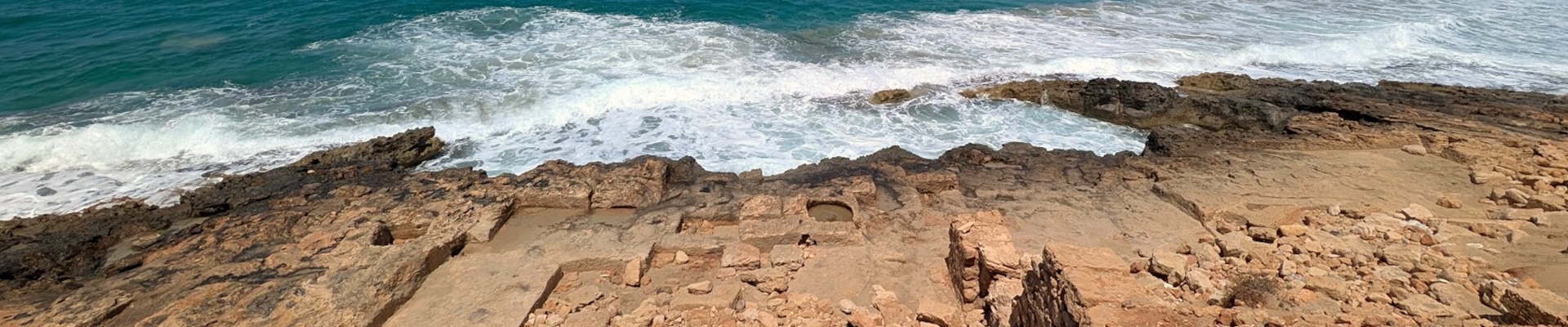
CHI – Satellite Assessment

[vc_row fullwidth=”true” css=”.vc_custom_1486761987223{padding-top: 0px !important;padding-right: 0px !important;padding-bottom: 0px !important;padding-left: 0px !important;}”][vc_column][vc_single_image image=”50609″ img_size=”full”][/vc_column][/vc_row][vc_row fullwidth=”true” css=”.vc_custom_1567017711298{margin-top: 20px !important;padding-top: 0px !important;padding-right: 0px !important;padding-bottom: 0px !important;padding-left: 0px !important;}”][vc_column width=”1/12″ css=”.vc_custom_1493002455400{margin-right: 10px !important;}” offset=”vc_hidden-md vc_hidden-sm vc_hidden-xs”][vc_column_text]

 SHARE

[/vc_column_text][mk_image src=”http://www.asortest.org/wp-content/uploads/2017/01/social-fb-icon4.jpg” image_width=”42″ image_height=”42″ hover=”false” custom_url=”https://www.facebook.com/ASOResearch/” margin_bottom=”0″][mk_image src=”http://www.asortest.org/wp-content/uploads/2017/01/social-tw-icon4.jpg” image_width=”42″ image_height=”42″ hover=”false” custom_url=”https://twitter.com/ASOResearch?ref_src=twsrc%5Egoogle%7Ctwcamp%5Eserp%7Ctwgr%5Eauthor” margin_bottom=”0″][mk_image src=”http://www.asortest.org/wp-content/uploads/2017/01/social-in-icon4.jpg” image_width=”42″ image_height=”42″ hover=”false” custom_url=”https://www.linkedin.com/company/american-schools-of-oriental-research” margin_bottom=”0″][mk_image src=”http://www.asortest.org/wp-content/uploads/2017/01/social-ml-icon_7.jpg” image_width=”42″ image_height=”42″ hover=”false” custom_url=”mailto:asor@bu.edu” margin_bottom=”0″][mk_image src=”http://www.asortest.org/wp-content/uploads/2017/01/blog-icon3.jpg” image_width=”42″ image_height=”42″ hover=”false” custom_url=”http://asorblog.org/” margin_bottom=”0″][/vc_column][vc_column border_color=”rgba(255,255,255,0.01)” width=”1/6″ css=”.vc_custom_1493004112151{margin-right: 20px !important;border-left-width: 2px !important;padding-right: 20px !important;padding-left: 20px !important;border-left-color: #99422f !important;}”][mk_divider divider_color=”rgba(255,255,255,0.01)” thickness=”1″ margin_top=”3″ margin_bottom=”3″][vc_widget_sidebar sidebar_id=”ca-sidebar-50561″][/vc_column][vc_column border_color=”rgba(170,170,170,0.01)” width=”8/12″ css=”.vc_custom_1487276122024{margin-right: 10px !important;margin-bottom: 30px !important;border-right-width: 2px !important;border-bottom-width: 2px !important;padding-top: 30px !important;padding-right: 30px !important;padding-left: 20px !important;background-color: #ffffff !important;border-right-color: rgba(227,228,228,0.75) !important;border-bottom-color: rgba(227,228,228,0.75) !important;}”][vc_row_inner][vc_column_inner width=”1/4″ css=”.vc_custom_1567045251626{padding-right: 10px !important;}”][mk_image src=”http://www.asor.org/wp-content/uploads/2019/08/asor-chi-logo_100.jpg” image_width=”186″ image_height=”100″ crop=”false” hover=”false”][/vc_column_inner][vc_column_inner width=”3/4″][vc_column_text]

SATELLITE ASSESSMENT

[/vc_column_text][/vc_column_inner][/vc_row_inner][vc_row_inner][vc_column_inner][mk_divider thickness=”1″ margin_top=”0″][vc_column_text]The ASOR CHI Geospatial Team assesses and monitors heritage sites using available high resolution satellite images. Each heritage site is often assessed multiple times using multiple images to build a timeline of visible damage. Satellite imagery is important in corroborating ground-based damage reports as well as identifying damage before it is noted in the media.[/vc_column_text][mk_padding_divider size=”30″][mk_image src=”http://www.asor.org/wp-content/uploads/2019/08/Image5_sm.jpg” image_width=”432″ image_height=”288″ crop=”false” hover=”false”][vc_column_text]

ASOR CHI monitors and assesses damage using high resolution satellite imagery.

[/vc_column_text][/vc_column_inner][/vc_row_inner][/vc_column][/vc_row]