President’s Report to ASOR Members
May 18, 2026
Dear ASOR Friends,
May was an exceptionally busy month for ASOR’s Board and Committees. I write this letter as part of an on-going plan to keep you up to date on decisions made by the ASOR Board of Trustees and Executive Committee, a request made by many of our members who wish to have a broader understanding of ASOR’s focus and accomplishments. Going forward, you can expect to hear from me on a regular basis.
One of the more important decisions we made was to adopt a Values Statement and a Strategic Plan, which were drafted by the Taskforce on the Strategic Plan and passed unanimously by the Board. In a complex and sometimes chaotic world, it is important to state our shared values and strategic direction as an organization. I really appreciate the members of the Taskforce and Trustees who worked creatively over the course of a year to crystallize our shared sense of purpose. While you can find both the Values Statement and the Strategic Plan prominently displayed on the website, you can get a sense of both below, even as I urge you to read the statements in full.
Values Statement
ASOR is a broad community of individuals who are committed to upholding the following values with integrity as we pursue ASOR’s mission.
Curiosity: To sustain ASOR’s intellectual vitality by advancing excellence, exploring new ideas, skills and methods of research, and disseminating evidence-based knowledge.
Collaboration: To create a welcoming, open environment that respects disparate viewpoints while fostering a sharing of opportunities and resources.
Stewardship: To work with all stakeholders with dignity, courtesy, and fairness; to maintain financial discipline; and to support the responsible management, preservation, and protection of cultural heritage and the communities we work with and within.
Transparency: To communicate openly and honestly; to share conscientiously and often with stakeholders across the scholarly and public landscape.
Strategic Plan 2026 – 2030
ASOR’s Place in the World: ASOR encourages the study of the past through archaeological, historical, art historical, linguistic, and cultural research, along with conservation by fostering conversations about our members’ research and the impact of our studies on the contemporary world. ASOR members promote the preservation of cultural heritage as it relates to global history. Over the next five to ten years, ASOR will undertake the following initiatives to demonstrate our conception of our role in the world.
1. Support high-quality academic research in various venues, giving space for innovative, paradigm-shifting contributions, for example in ASOR’s publications, annual meeting sessions and workshops, and early career scholars and Friends of ASOR activities.
2. Cultivate partnerships in all educational and outreach efforts through the work of ASOR committees and overseas centers.
3. Further develop relationships and collaborative research with local stakeholders and especially affiliated overseas centers, in order to enhance the understanding, preservation, and viability of cultural heritage related to our members’ research and local needs.
4. Assist members in the practical and financial aspects of international research through enlargement of our ongoing grants programs as well as creating and furnishing venues for providing expert information and counsel.
Looking Outward: We aspire to be a leader, communicator, and supporter of innovative, high-quality, forward-thinking scholarship, education, and partnerships related to the study of the Mediterranean to the Indian Ocean, from Europe to the African Sahel.
1. Strengthen existing platforms and media and activate new fora for scholars and the public alike to enlarge the impact of our members’ contributions to the study of the past as an essential aspect of solutions to issues of today.
2. Increase collaborative educational initiatives geared towards the public and primary and secondary education classroom settings.
3. Develop clear strategies and policies for public-facing outreach and clear communication strategies for access, including translations of materials, for members and other interested parties.
Preparation for the Future: ASOR seeks to continue to expand the audience for its work beyond traditional academics to enhance public understanding of the past and its impact on the present. We aim to support question-based research in the production and preservation of knowledge in the world. ASOR supports diversity that broadens the fields of archaeology, history, art history, linguistics, cultural research and conservation beyond traditional academic careers, by mentoring and supporting early career scholars and scholars in partner countries, and by providing archaeological and technical training for a broad range of interested individuals. ASOR will continue to create and foster support from a broad range of sources to maintain ASOR’s financial stability and resources for our growing membership.
1. Continue expanding and engaging ASOR’s membership, including efforts to increase membership and engagement from groups underrepresented in the field.
2. Foster opportunities through mentorship and skills development to prepare members for diverse fields in a rapidly-shifting social and economic environment. Harness the experience of ASOR’s membership to guide members along their chosen paths.
3. Enhance funding relationships to accomplish our mission and strategic goals.
New Board Trustees
Kiersten Neumann, a Membership-Elected Trustee, was elected an Institutional Trustee, class of 2026, moving into a slot vacated by Eric Cline, President of the W.F. Albright Institute for Archaeological Research (AIAR), who retained his other seat as Overseas Institute Trustee.
Sarah Costello became a Membership-Elected Trustee, class of 2026.
Cultural Heritage
ASOR has an extraordinary ability to bring together scholars from archaeology, art history, history, science and other fields to protect and study cultural heritage and share its importance with the public. This is especially important as sites are being threatened or destroyed.
ASOR has become an organization that our overseas partners look to as they seek to begin, enhance or find help for their cultural heritage work. Through the hard work of our CH staff, ASOR has been the recipient of several grants, some through the US Department of State, to:
- partner with Libya’s Department of Antiquities to document and repair flood damage at the archaeological sites of Cyrene, Ptolemais and Tocra;
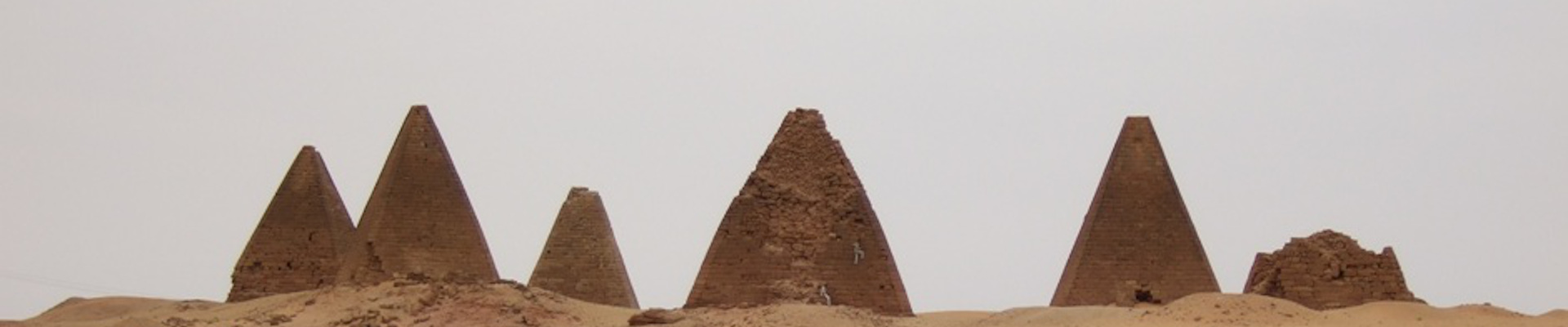
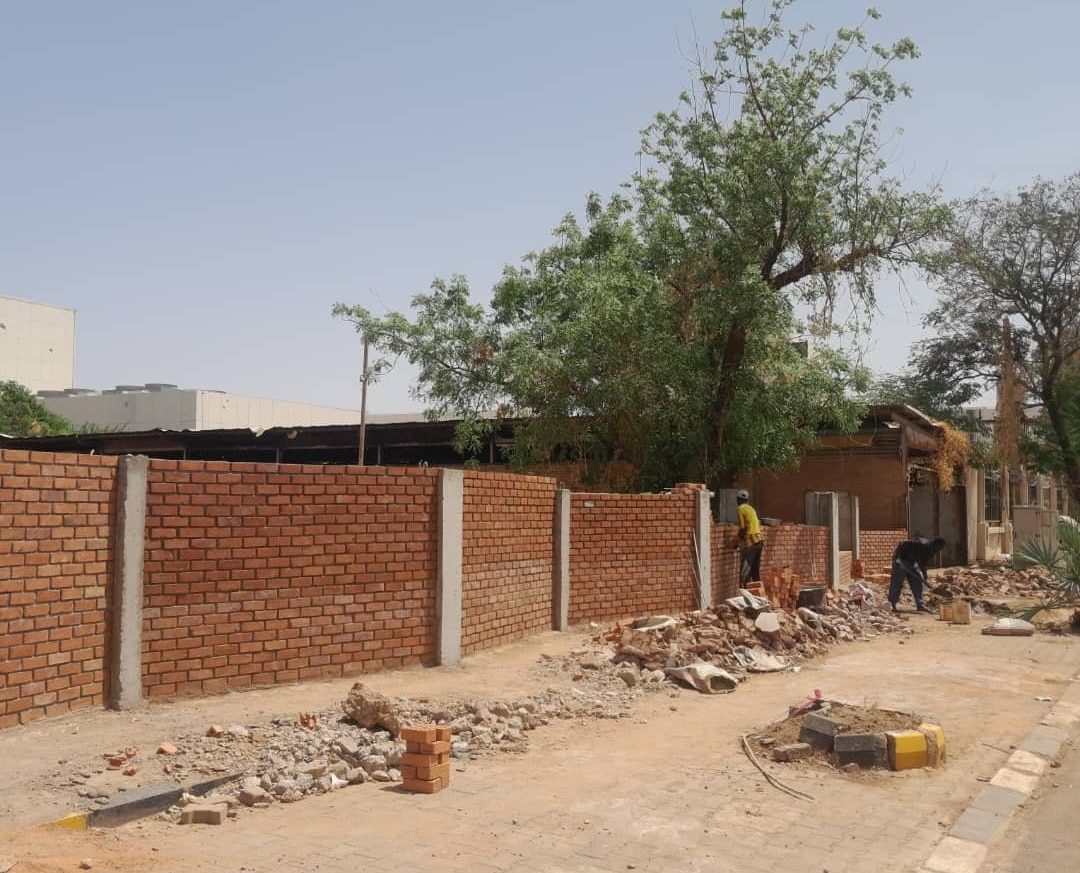
- work collaboratively with the Department of Antiquities of Sudan to strengthen site security and rebuild infrastructure at the Sudan National Museum in Khartoum;
- sign Memoranda of Understanding with the National Heritage Institute (INP) in Tunisia for work in-country, the University of Lausanne for work in Syria, and the U.S. Committee of the Blue Shield for protection of cultural heritage world-wide.
Policy Discussions
Over the past year, the Programs Committee, the Committee on Archaeological Research and Policy, and the Committee on Publications have asked the Executive Committee and Board for guidance on issues outlined in ASOR’s current Code of Professional Conduct. The Board, after much deliberation and discussion, concurred that some of the language should be updated and revised. I have convened a taskforce to re-examine and rewrite the Code to provide clearer direction for members and committees. This taskforce is in the earliest stages of work, which will be complex and guided by ASOR’s recently approved Values Statement. Trustees would like to hear from you and I would appreciate your help by participating in a committee or contact me at president@asor.org.
As a corollary to this discussion, the Board affirmed that, as an apolitical organization, ASOR will not publish political statements coming officially from the Board.
Committee Participation
To make your voice heard, please consider joining a committee to help shape ASOR’s future. Reach out to the chair of the committee you are interested in serving on; get to know committee members at the Annual Meeting; watch the announcements for committee openings. Much of ASOR’s work is accomplished through committees – ASOR is you!
Best regards,
Jane DeRose Evans
President



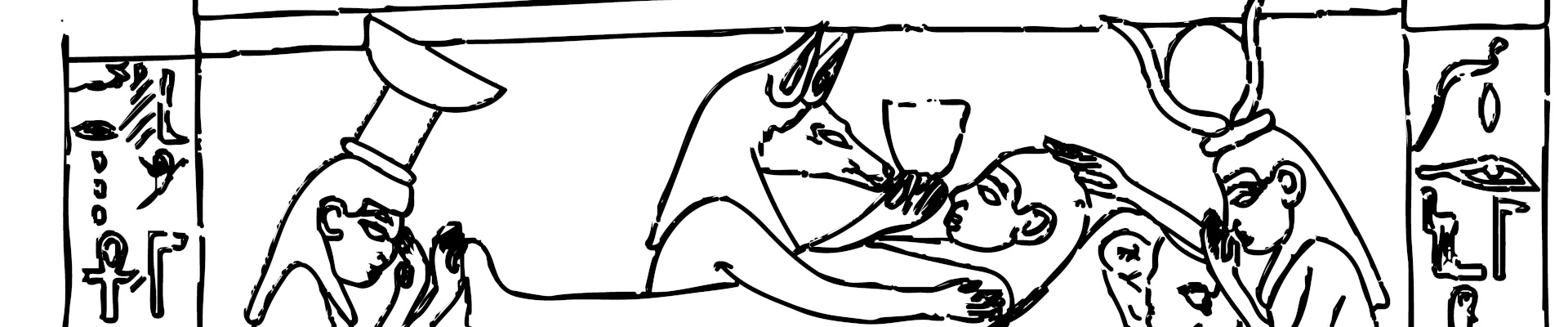
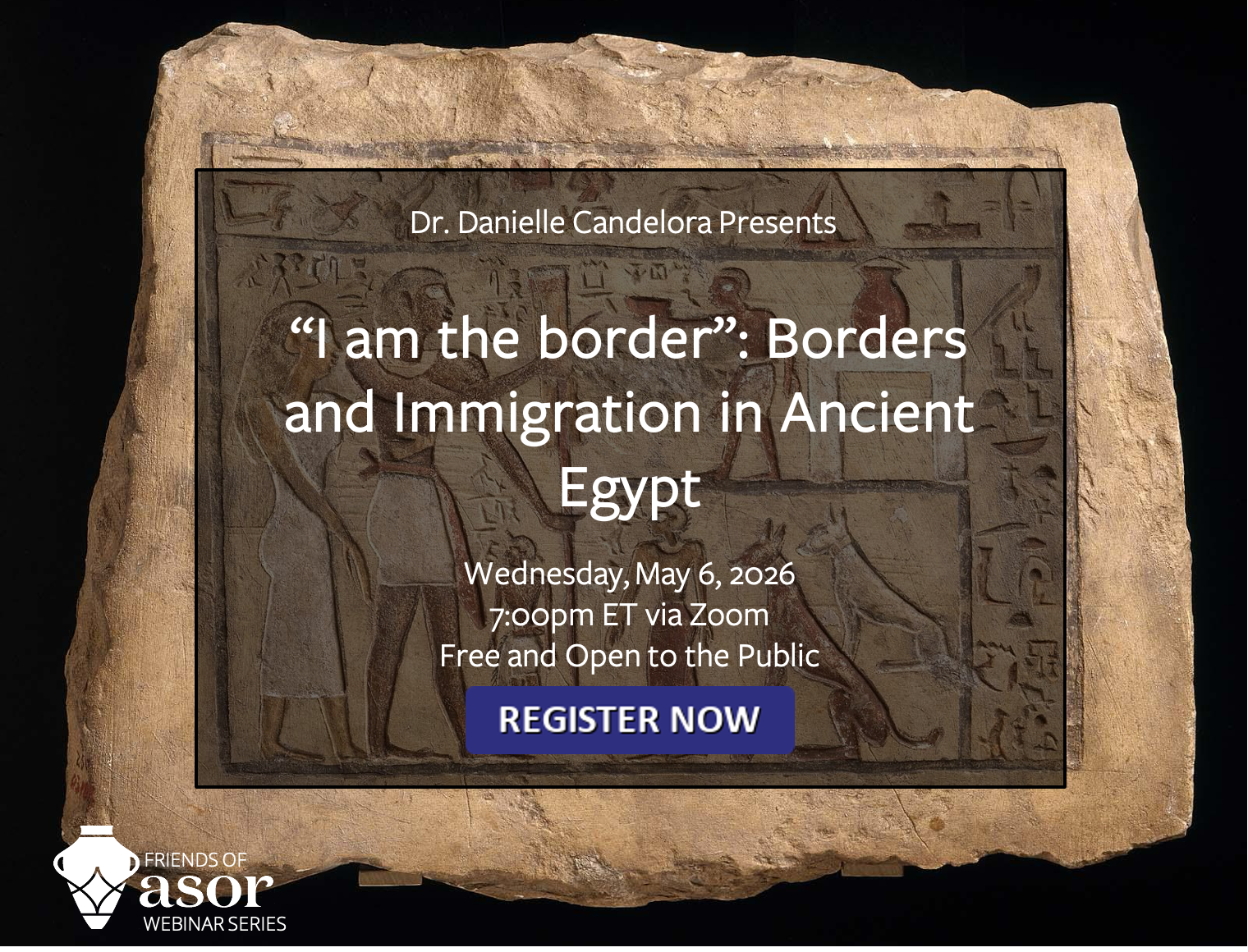
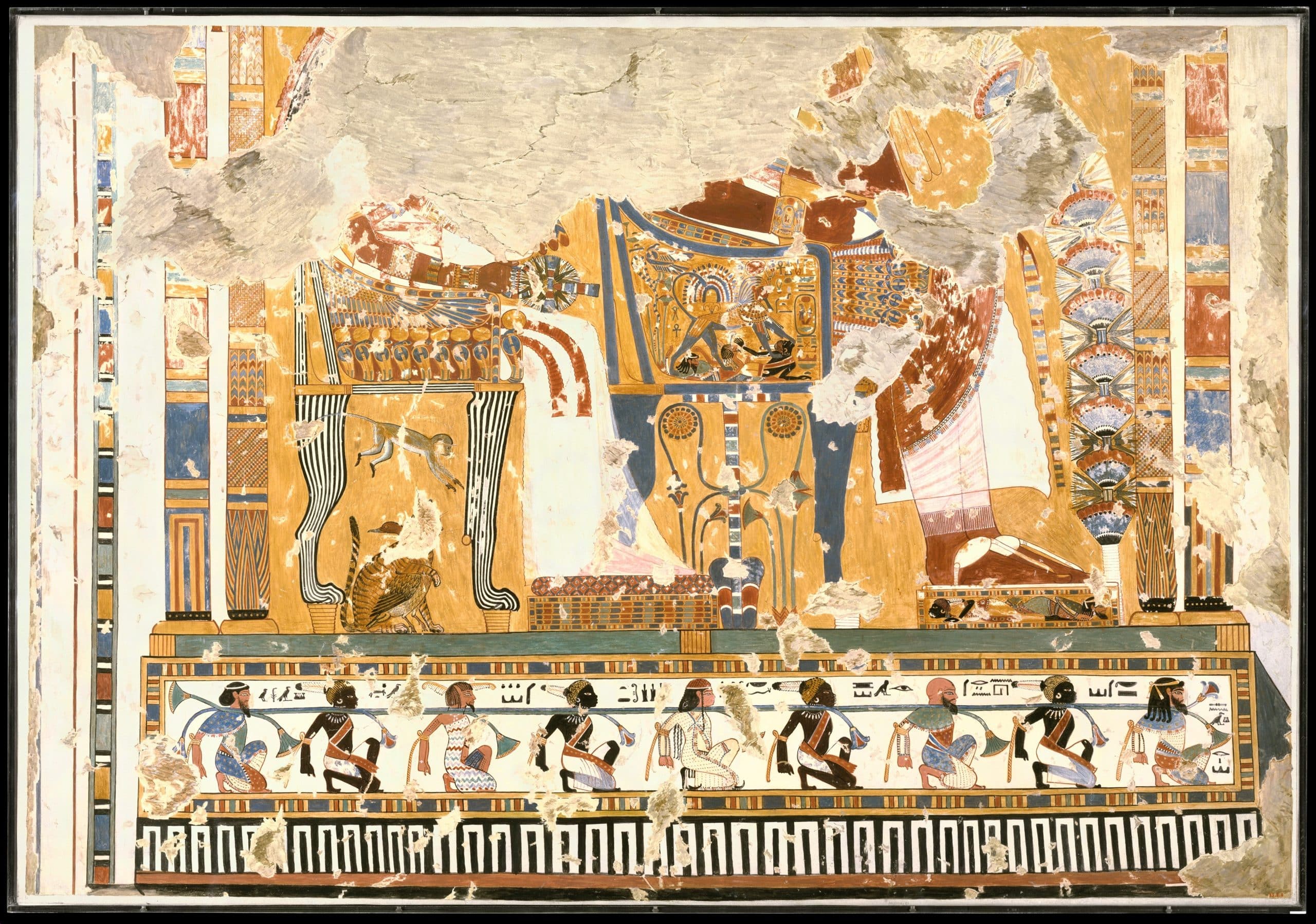 From Tex-Mex cuisine to the use of Hinglish (mixed Hindi/English) in Bollywood movies, the influence of borderlands is ubiquitous in modern culture. Issues of borders, citizenship, and immigration are at the forefront of media headlines around the globe, and are examined across fields as diverse as Political Science and Sociology to Comparative Literature and the Visual Arts. Exploring these multiple approaches allows for new insights into the entangled concepts of borders, immigration, and identity in ancient Egypt. By treating borders not as fixed lines demarcating sovereignty and territorial control, but as processes that define differences and belonging, it is possible to focus more on lived experience and local expressions of identity. Common refrains in scholarship suggest that immigrants to Egypt would have quickly shed any indications of foreignness and tried to act, and therefore to be, as Egyptian as they could. Yet in these borderland zones, which could occur both along the boundaries of the Egyptian state and within it, there was social capital to be gained by preserving and advertising aspects of foreignness alongside Egyptian cultural adaptations. Some border communities, like those in the Eastern Delta or the oases of the Western Desert, had particular practices, traditions, and lifeways specific to their borderland homes. In other cases, personal examples can demonstrate how immigrant or borderland individuals developed and performed personal identities unique to the borderland.
 Danielle Candelora is an Egyptian archaeologist and an Assistant Professor of Classics and Egyptology at the College of the Holy Cross. She earned her Ph.D. in Near Eastern Languages and Cultures from UCLA, and her research investigates the multivariate processes of identity negotiation in contexts of immigration in ancient Egypt, including the Second Intermediate Period, New Kingdom, and Late Period. She has published extensively on the concept of borders and foreigners in ancient Egypt, how immigrants integrated into and influenced Egyptian society, as well as the cultural blending which resulted. Danielle is the co-director of both the Osiris Ptah Nebankh Research Project at South Karnak and the Museology Field School at the Museo Egizio di Torino.
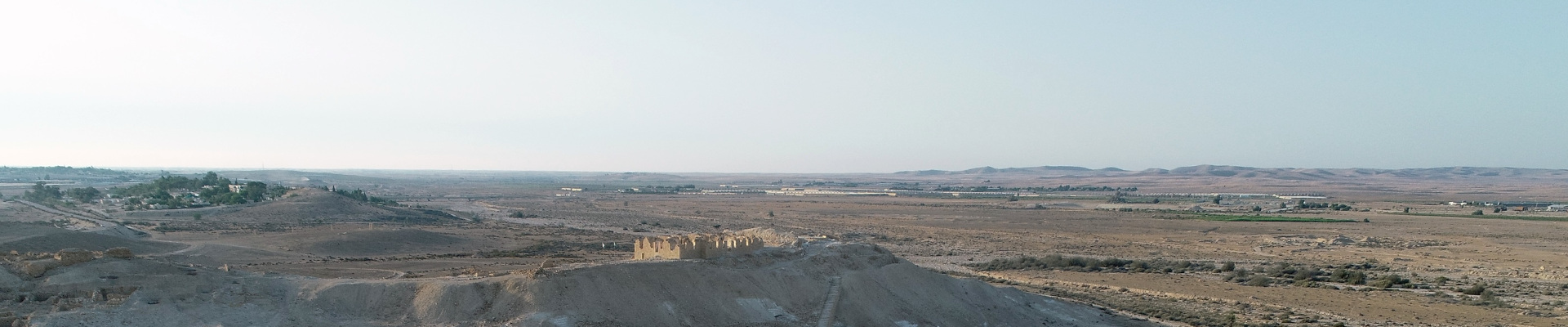
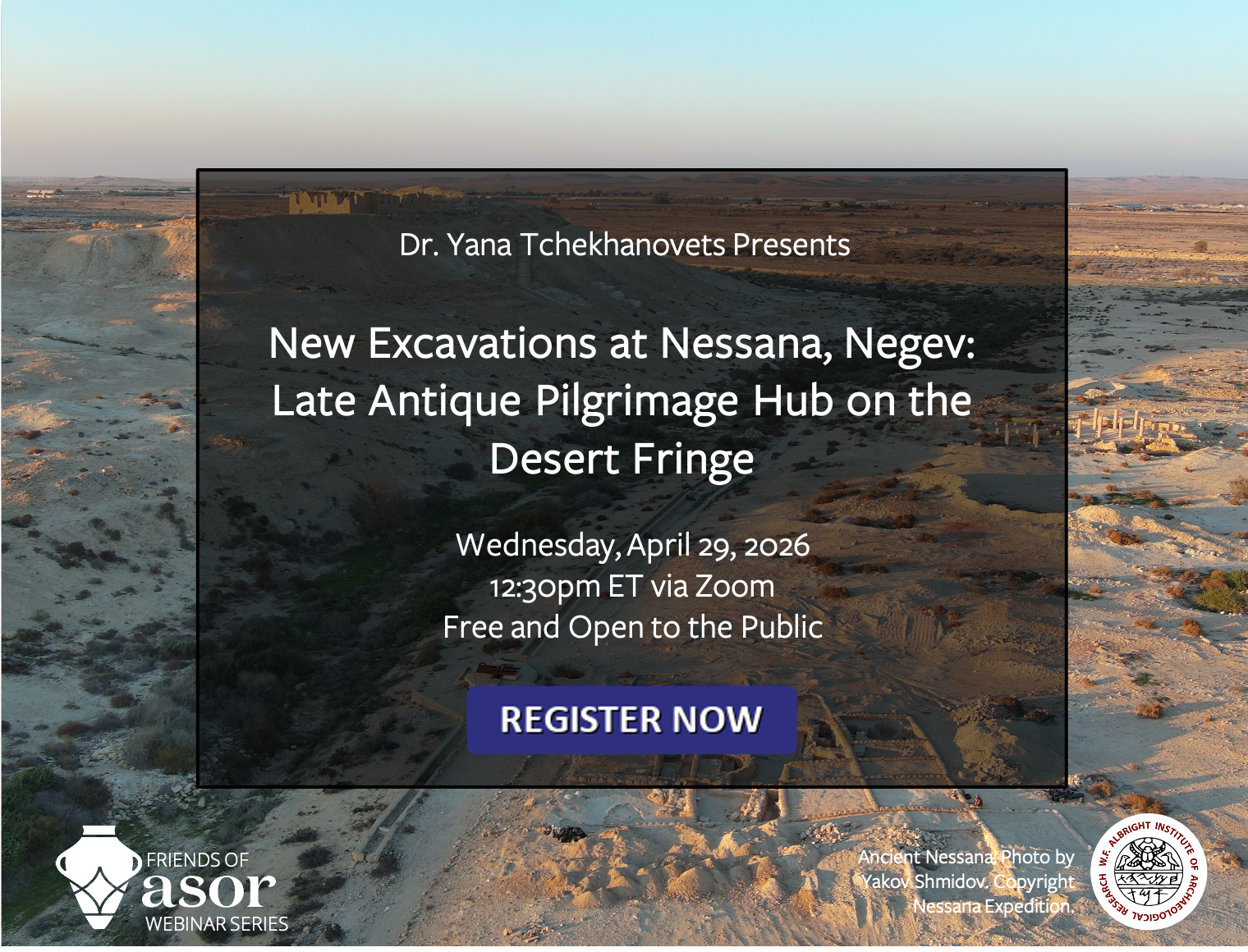
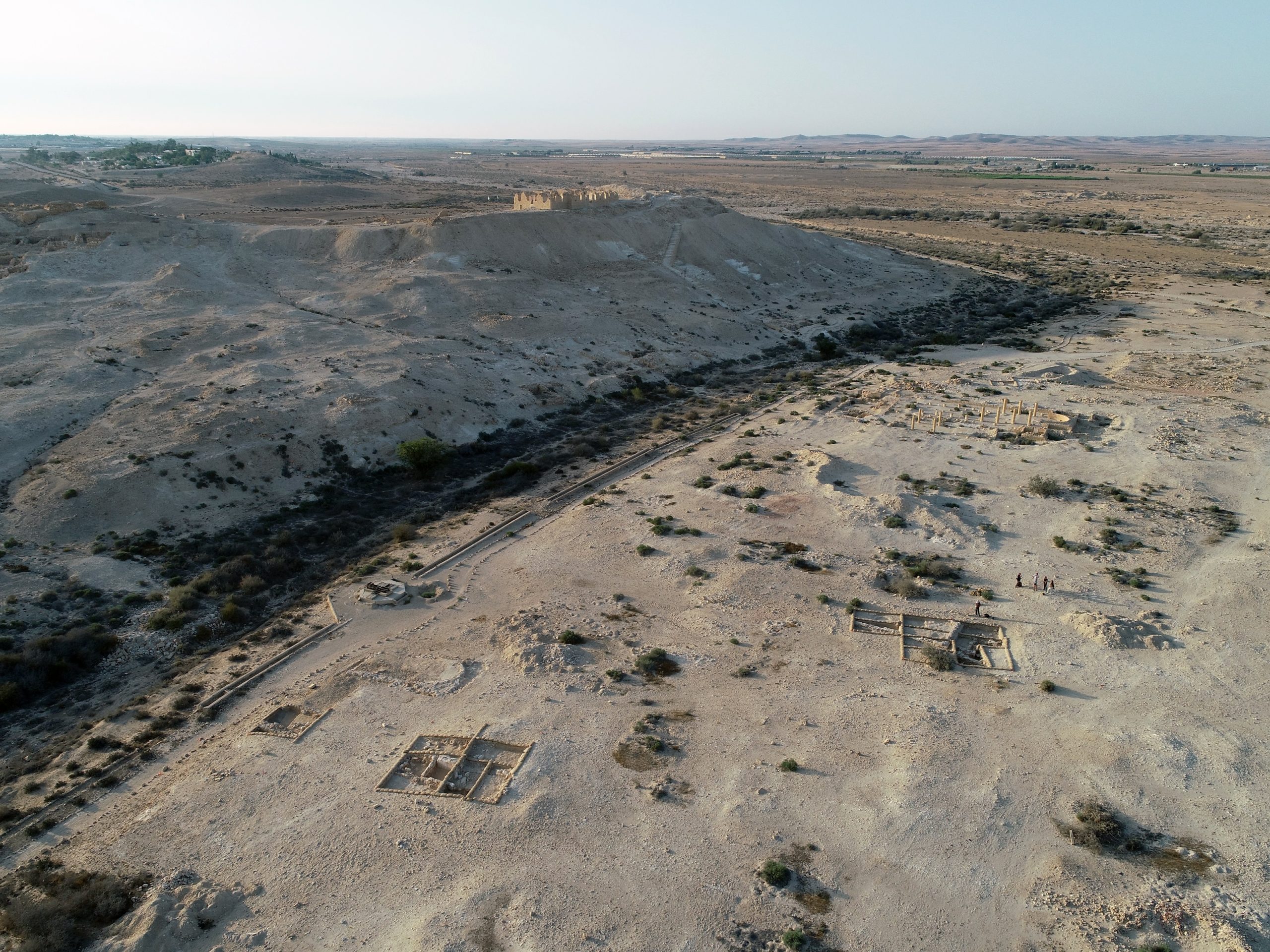 The ancient settlement of Nessana, located in the southwestern Negev, on the modern Israeli–Egyptian border, is a key site for the study of early Christian pilgrimage. Serving as the main caravan hub on the Christian pilgrimage road from the Holy Land to Sinai, Nessana enjoys all the economic benefits of the sacred route and develops into a flourishing urbanized village with caravanserais and numerous churches. This lecture will present the preliminary results of the first four seasons of renewed excavations at the site.
 Yana Tchekhanovets is an archaeologist and professor at the Department of Archaeology at the Ben-Gurion University of the Negev. She specializes in late antique archaeology, Caucasian Christian communities of Byzantine Palestine, and the archaeology of pilgrimage. After many years of fieldwork in Jerusalem, Yana is now a director of the new archaeological project at ancient Nessana, Negev.

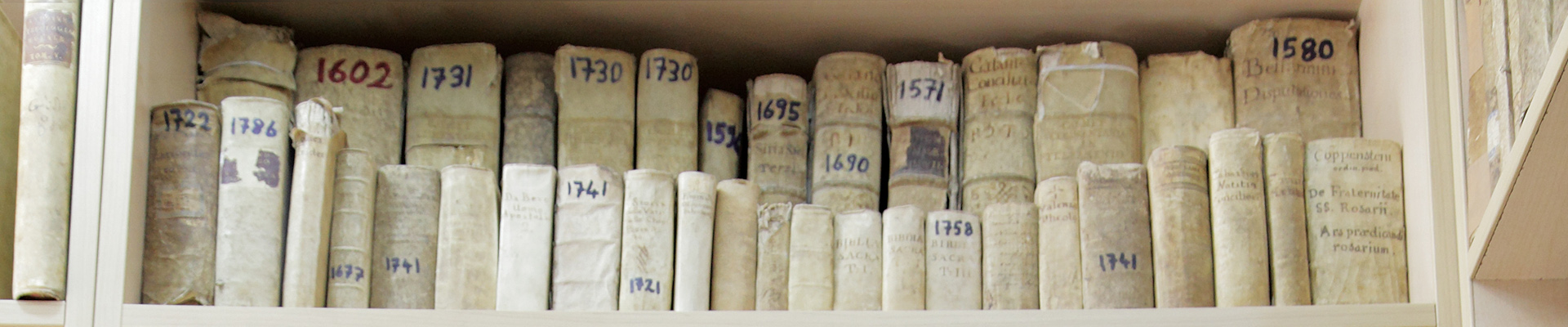
 Spring is in the air, and ASOR is pleased to be holding a spring book sale for publications 2+ years old. All proceeds from book sales will go to supporting membership scholarships!