Fieldwork Report: Sofia Kane

A Typical Day with the Vayots Dzor Fortress Landscapes Project

Sofia Kane, 2022 Strange-Midkiff Scholarship Recipient

Thanks to the support of the Strange-Midkiff Scholarship for Fieldwork Participation, I was able to travel to Vayots Dzor, Armenia, in July of 2022 to participate in archaeological fieldwork. I joined the Vayots Dzor Fortress Landscapes Project, directed by Dr. Tiffany Earley-Spadoni, Dr. Arthur Petrosyan, and Dr. Boris Gasparyan.

The Vayots Dzor Fortress Landscapes Project is a multi-period project consisting both of survey and excavation, with concentrations of material from the Late Bronze/Early Iron Age as well as the medieval period.

This was my first field season in Armenia. For four weeks in July, I lived in the town of Areni while surveying and excavating. I greatly enjoyed working on a multi-period excavation, since my own focus is the late medieval period. It was interesting to collaborate with students focusing on other time periods and to discover more about the landscape from a diachronic perspective.

So, what does a typical day with the Vayots Dzor Fortress Landscapes Project look like?
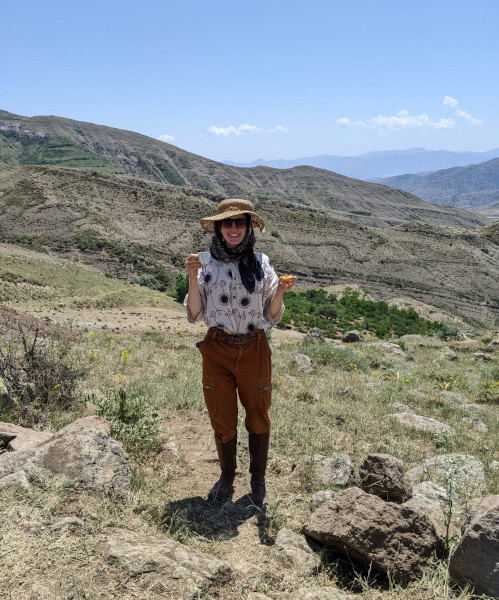
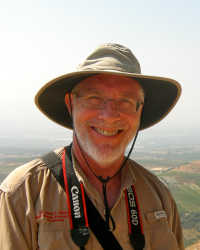
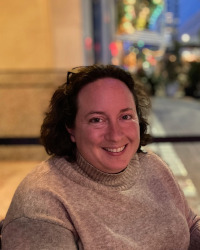
Sofia Kane participating on the Vayots Dzor Fortress Landscapes Project in Armenia.

In the morning, we would wake up and have a filling breakfast prepared by our host. This started with lavash (soft flatbread), cheese, and fresh herbs such as basil and chives, which were combined together into a rolled sandwich. This staple of Armenian cuisine was accompanied by eggs, tea, and honey.

Next, we would split into two teams: one for the excavation, and one for survey. I was usually excavating, although on some days, I stayed at the dig house to illustrate finds, and on other days, I joined the survey team. The drive to the excavation featured beautiful glimpses of the Armenian countryside and a winding final stretch up into the hills. At the end of the drive, we unloaded the van and carried picks, buckets, trowels, and other tools up to the trench.

Once we got to the site, my role was to record sketches of the trench and daily summaries on the record-keeping sheets, and to excavate with pick and trowel. The area we were excavating had already been excavated in a previous season; our goal was to expand the pre-existing trench and to reach bedrock, thereby documenting all layers of habitation of the site.

Lorem ipsum dolor sit amet, consectetur adipiscing elit. Ut elit tellus, luctus nec ullamcorper mattis, pulvinar dapibus leo.
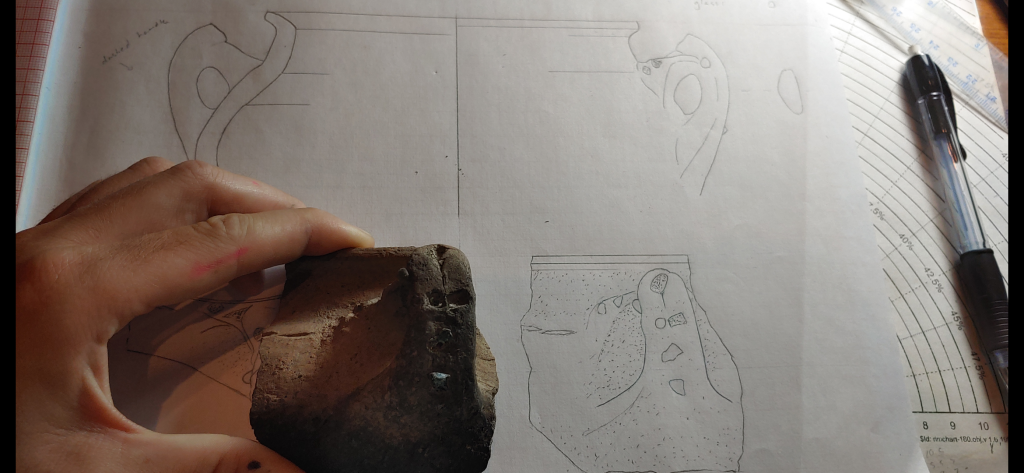
We ate lunch in the field and ended fieldwork in the mid-afternoon. After returning to the dig house and having our daily break, lab work commenced. My lab job was to illustrate the artifacts, mostly ceramics. I illustrated new ceramic finds by pencil, and digitally inked scans of penciled drawings from a previous season. I also had the opportunity to teach other students how to illustrate archaeological artifacts.

One question I am often asked is, why illustrate artifacts at all, when photography is faster? One answer is that illustration makes it possible to show objects in section. If one were to slice a vessel from top to bottom, the section is what the slice would look like. The section makes it easier to compare vessels from multiple sites and publications to see whether they are similar. Trying to record a vessel’s section with a photograph would result in a distorted image, and it would require damaging the vessel.

Illustration also makes it possible to re-create what a complete, or nearly complete, vessel would look like from only a few sherds. If one were to simply photograph a sherd, it would not reveal much about what the vessel looked like as a whole.

Meanwhile, photography has complementary uses: it can show the colors of glazes and surface decorations, and close-up photographs are able to show the composition of the clay. Together, photography and illustration create a balanced visual record of an archaeological artifact.
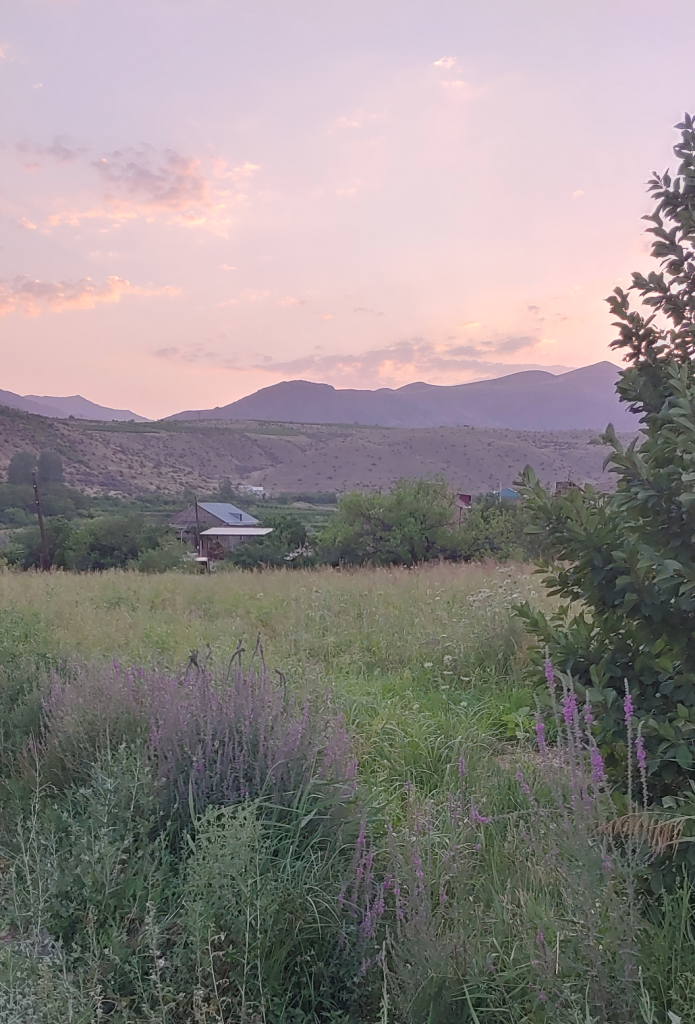
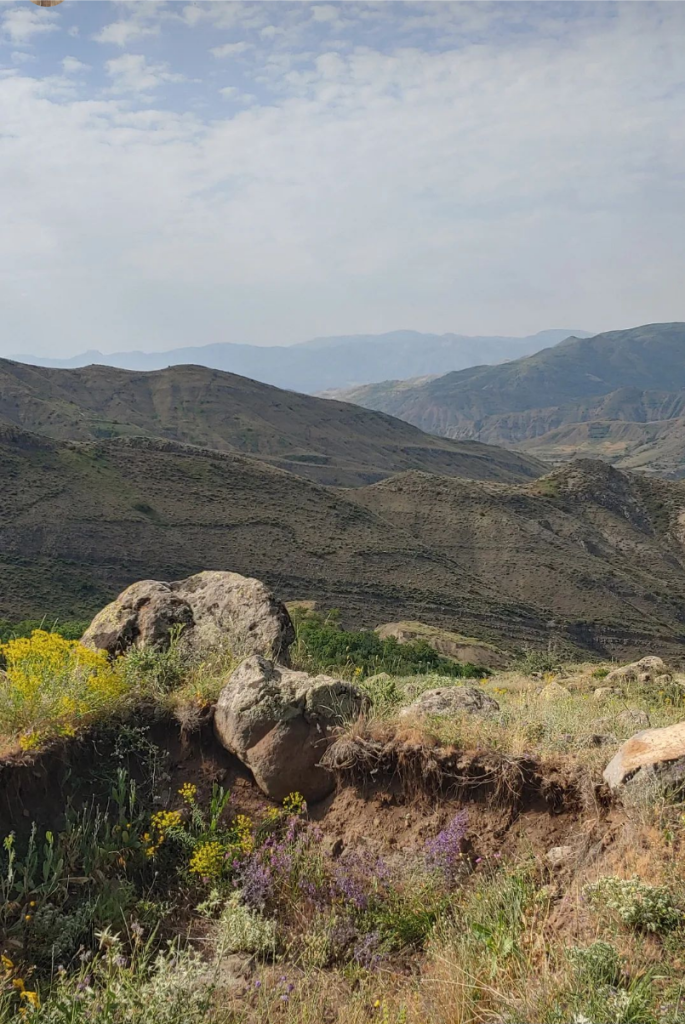
Towards the end of the season, we took final photos of the trench in the early-morning light, and I drew a top-plan of the trench. Drawing the top plan required about five hours of carefully measuring and sketching, because every rock and other feature of the trench needed to be plotted accurately in relation to the rest of the trench.

After wrapping up fieldwork, we carefully packed the artifacts for storage, transported them to the storage facility, and left for the capital city of Yerevan. Although this was my first summer in Armenia, I certainly hope it will not be my last.

Sofia Kane is a master’s student at the University of Crete in Rethymno, Crete in the Department of History and Archaeology, supervised by Dr. Antonis Anastasopoulos. Her research interests include archaeological illustration, medieval through Ottoman material culture, and the Ottoman-European scientific and intellectual networks of the 16th century.

Read more about Vayots Dzor Fortress Landscapes Project here.

Want to help more students and early career archaeologists get into the field? Donate to the cause today by selecting “Student Support” as your gift purpose!
Harris Grant Report: Khirbat al-Balu‘a, Jordan

2022 Harris Grant Report: Khirbat al-Balu‘a, Jordan

The ASOR Charles Harris Project Grant helped to fund the first season of excavations in the Islamic period village at Khirbat al-Balu‘a on the northern Karak Plateau in central Jordan. This excavation is part of the Balu‘a Regional Archaeology Project (BRAP), directed by Kent Bramlett, Monique Roddy, and Friedbert Ninow.

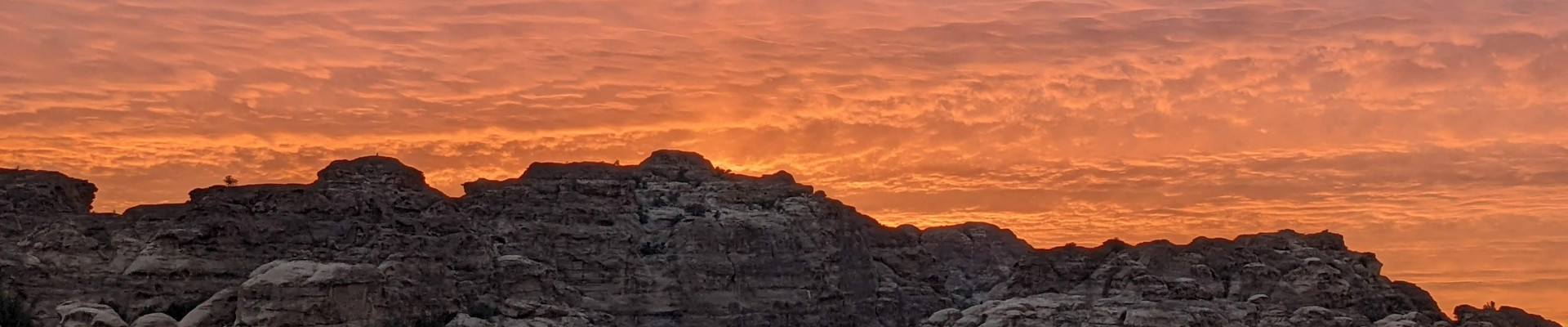
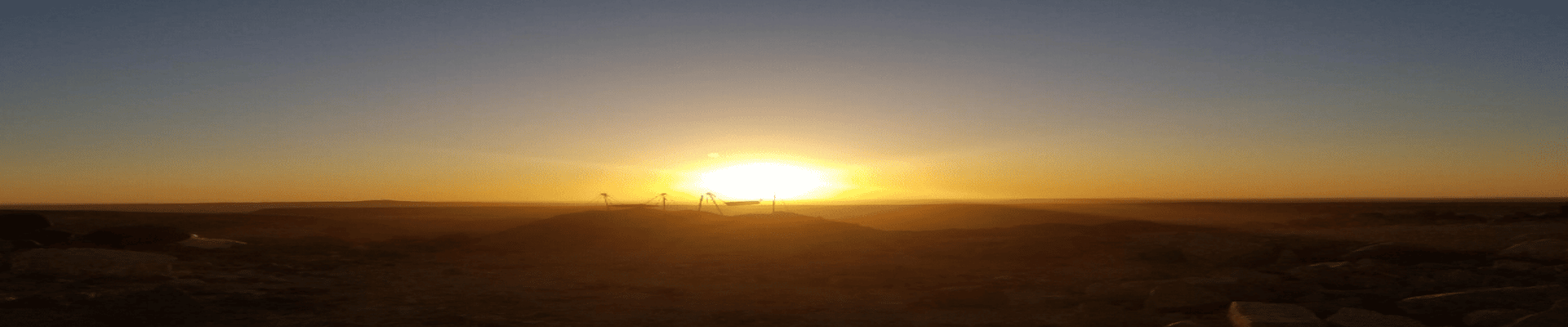
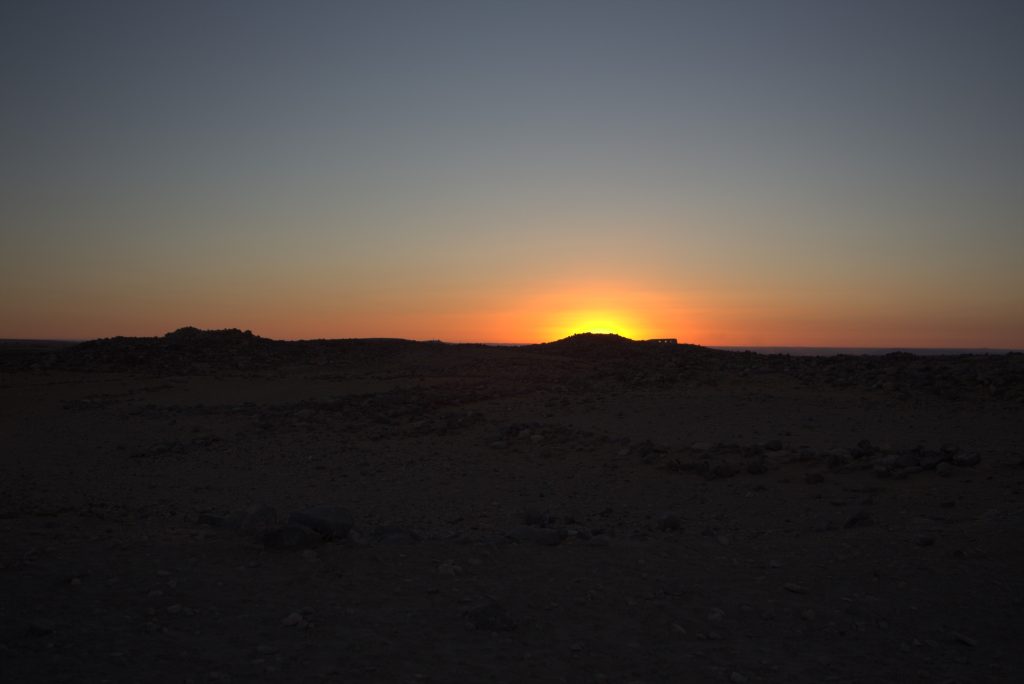
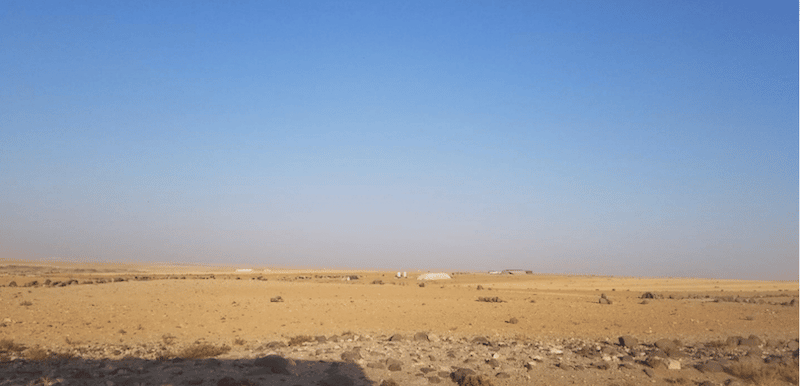
Morning arrival at Khirbat al-Balu‘a, looking east from the Khan
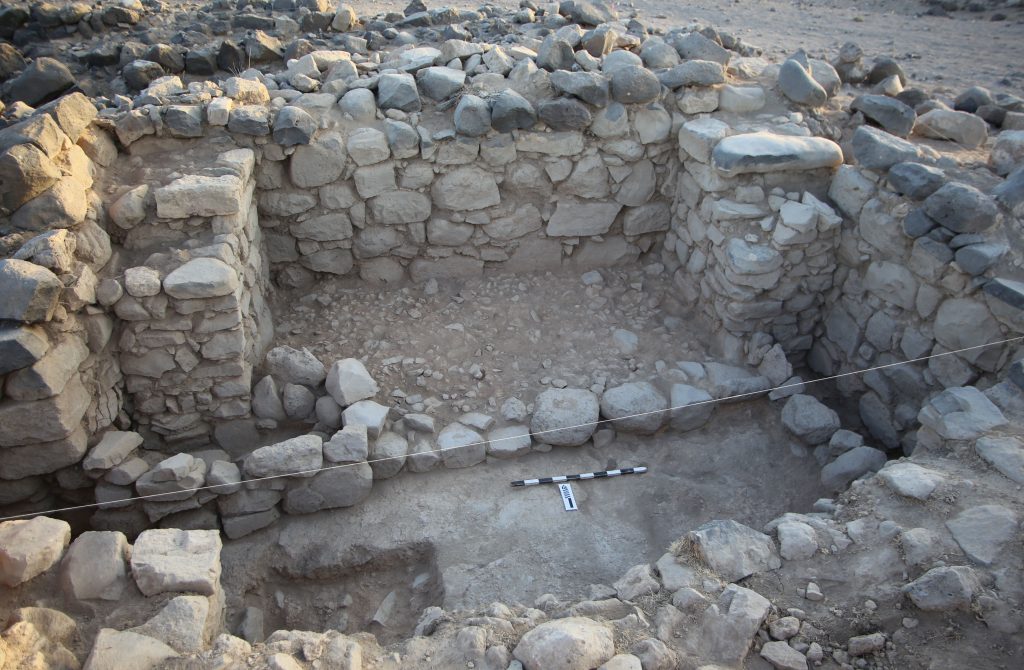
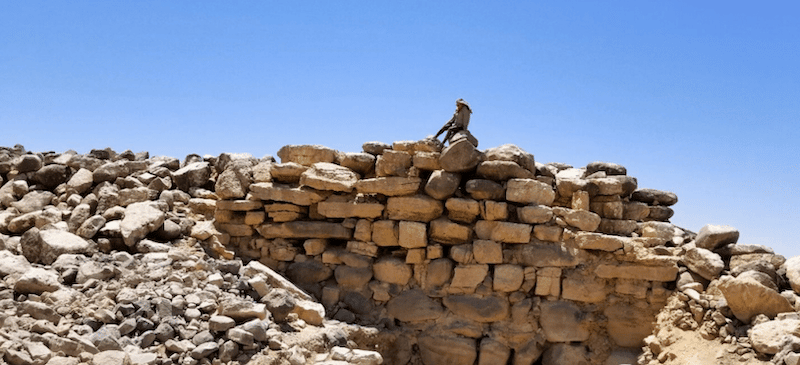
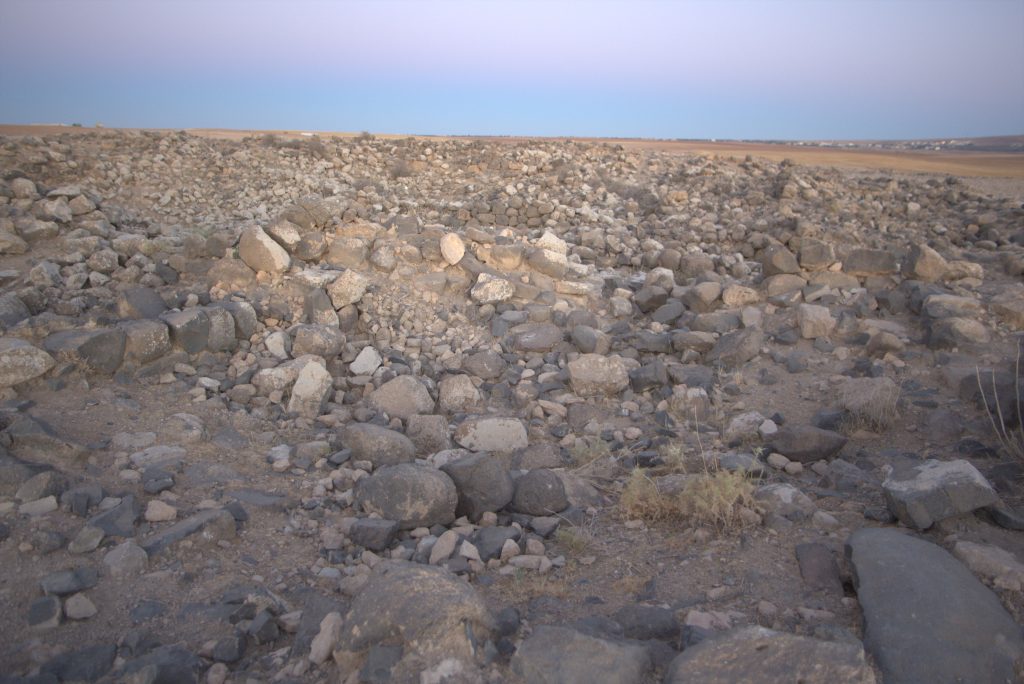
The Khan prior to excavation

Prior to this season, BRAP has focused on investigation of the impressive Iron Age remains in the northern and eastern portions of the site, which remain a research priority. This season, the Harris Grant allowed the project to expand investigations to the Middle (ca. 1000-1400 AD) and Late (post-1400 AD) Islamic period village in the southwestern portion of the site. Much remains unknown about the village, including its name and the exact chronology of its occupation. Its location and the presence of a large (ca. 40 x 40 m) square structure, which we tentatively identify as a khan/road inn, on its western edge, however, seem to suggest that it served as a stopping point for people travelling to and from the regional capital of Karak, perhaps including caravans of hajj pilgrims during the Middle Islamic period. Other features identifiable on the surface of the village, including grain threshing floors and a small olive press, point to the village’s agricultural economy.

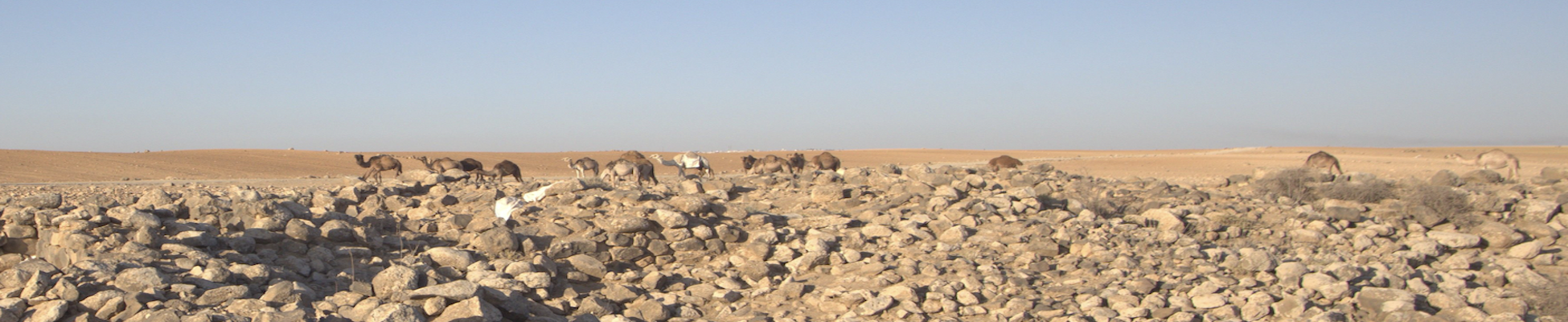
Taking a break to watch a herd of camels cross the road near the Khan.

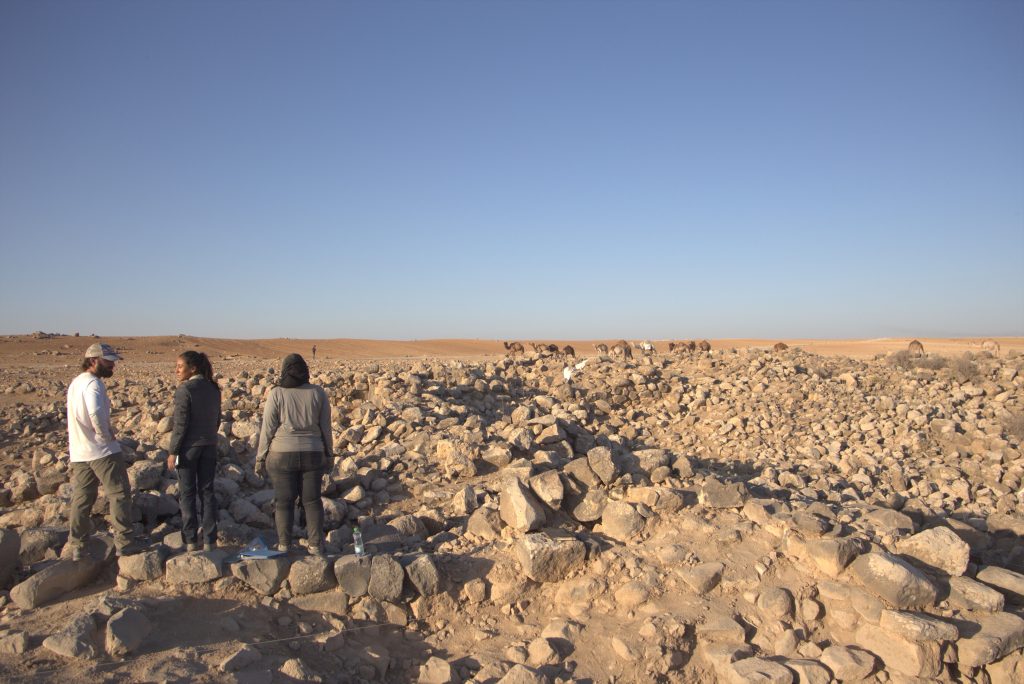
Team Khan (Jadah Ryan, Peter Tucci, Saraa Myran, London Perlis, Roma Aatifi, and ‘Ammar Hijazin) hard at work

The BRAP Islamic Village Excavations will investigate these economic aspects of the site, as well as the social structure of the village, the daily lives of the site’s residents, and the environment of the Karak Plateau. We chose to begin our work in the Khan, however, in order to more accurately determine the original function of the building and to better understand its relationship to the village itself. The excavations this season revealed remodeling and reuse of the Khan early in the Late Islamic period (probably the 16th or 17th century AD) as a living space, storeroom, or both. The Khan may have gone out of use as a result of the eastward shift of the hajj route under the Ottomans in the 16th century, but its reuse not long after this shows that the village maintained a thriving agricultural economy.

The Late Islamic reuse phase of the Khan at the end of the season.

We plan to continue investigating this economic transition in future BRAP season, and we thank ASOR for supporting the establishment of our long-term research into the Islamic period on the Karak Plateau, an important but understudied facet of the archaeology of Jordan.

-Ian Jones, Field Director of the Middle Islamic Village,
University of California, San Diego

2022 ASOR Honors & Awards

2022 ASOR HONORS & AWARDS


Each year at the Annual Meeting, ASOR recognizes individuals who have performed outstanding service for the organization, those who have published exceptional academic work, and those who made significant contributions to our field. The following award recipients were honored at the 2022 Annual Meeting in Boston. Awards were presented by Lynn Welton, Chair of ASOR’s Honors and Awards Committee.

The W. F. Albright Award. This award honors an individual who has shown special support or made outstanding service contributions to one of the overseas centers, ACOR, AIAR, CAARI, or to one of the overseas committees – the Baghdad Committee and the Damascus Committee. This award is given when such an individual is identified.

ACOR: Awarded to John P. Oleson, Distinguished Professor Emeritus at University of Victoria; Member of ACOR’s Board of Trustees.

The Charles U. Harris Service Award. This award is given in recognition of long term and/or special service as an ASOR officer or Trustee (one award is given annually).

Awarded to Richard L. Coffman, Managing Director at the Coffman Law Firm; outgoing Chair of ASOR’s Board of Trustees.

The P. E. MacAllister Field Archaeology Award. This award honors an archaeologist who, during his/her career, has made outstanding contributions to ancient Near Eastern and eastern Mediterranean archaeology (one award is given annually).

Awarded to Glenn Schwartz, Whiting Professor of Archaeology at Johns Hopkins University.

ASOR Membership Service Award. This award recognizes individuals who have made special contributions on behalf of the ASOR membership, through committee, editorial, or office services.

Awarded to Helen Dixon, Assistant Professor of History, East Carolina University; outgoing Co-Chair of the ASOR Program Committee.


Awarded to Ann-Marie Knoblauch, Associate Professor of Art History and Associate Director of the School of Visual Arts, Virginia Tech University; Secretary, ASOR’s Board of Trustees and Executive Committee.

ASOR Community Outreach and Public Engagement. This award recognizes individuals, teams, and organizations who have initiated outstanding educational, informational, or practical projects (including but not limited to classes, programs, exhibits, resources, events, platforms) with the goal of making subjects and information about the ancient world accessible to wider (particularly non-academic) audiences.

Awarded to Melissa Cradic and Samuel Pfister, for their virtual exhibit, Unsilencing the Archives: Laborers of the Tell en-Nasbeh Excavations (1926-1935).

To view the virtual exhibit, click here.

The G. Ernest Wright Award. This award is given to the editor/author of the most substantial volume(s) dealing with archaeological material, excavation reports and material culture from the ancient Near East and eastern Mediterranean. This work must be the result of original research published within the past two years (one award is given annually).

Awarded to Andrea De Giorgi, Associate Professor, Florida State University; and Asa Eger, Associate Professor, University of North Carolina at Greensboro; for Antioch: A History.

The Frank Moore Cross Award. This award is presented to the author/editor of the most substantial volume(s) related to the history and/or religion of the ancient Near East and Eastern Mediterranean. Primary consideration will be given to historical, epigraphic, textual, and comparative literary studies; or to works that advance and/or evaluate new methodological approaches to the literary record(s). This work must be the result of original research published during the past two years (one award is given annually).

Awarded to Carolina López Ruíz, Professor, University of Chicago Divinity School and Department of Classics, for Phoenicians and the Making of the Mediterranean. 

The Nancy Lapp Popular Book Award. This award is presented to the author/editor of a book published in the last two years that offers a new synthesis of archaeological or textual evidence intended to reach an audience of scholars as well as students and the broader public (one award is given annually).

Awarded to Paul Collins, Keeper of the Middle East at the British Museum, for The Sumerians. 

The Joy Ungerleider Poster Award. This award is conferred upon the author(s) of the poster presenting the results of a study about ancient Near Eastern societies in a clear, legible fashion using original graphic content. Subject matter may be based in archaeological sciences, history, anthropology, epigraphy, ethnography, heritage or other scholarly approaches to understanding ancient people in the areas covered by ASOR (one award is given annually).

Awarded to Brady Liss, Matthew Howland, Anthony Tamberino, Mohammad Najjar, and Thomas E. Levy, University of California San Diego, for the poster: “Digitally Cleaning the Section: Using Archived Photographs to Reconstruct Stratigraphic Sections in Faynan, Jordan.”

Student Paper Award. This award is conferred upon the author(s) of a paper presented during the Annual Meeting that conveys the results of a study about ancient Near Eastern and wider Mediterranean societies in a clear, understandable and convincing fashion. The first author and presenter of the paper must be a registered student at the time of presentation in order to be eligible for consideration for this award.

Awarded to Alia Fares, University of Cologne, Germany and Landward Research, Ireland, for the paper “Archaeology at Your Doorstep-Building Heritage Awareness on the Lebanon Mountain Trail and for Beirut’s Traumatized Youth.”

Click here to watch the pre-recorded paper presentation. 

Fieldwork Report: Nathan Lovejoy

Kınık Höyük 2022: Short but Sweet

Nathan Lovejoy, 2022 Steinmetz Scholarship for Active/Reserve Military or Veterans Recipient

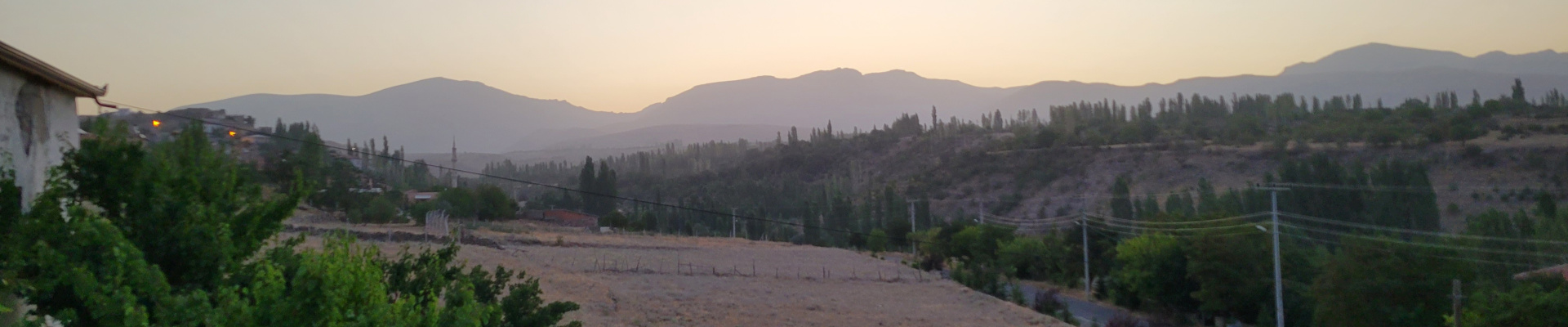
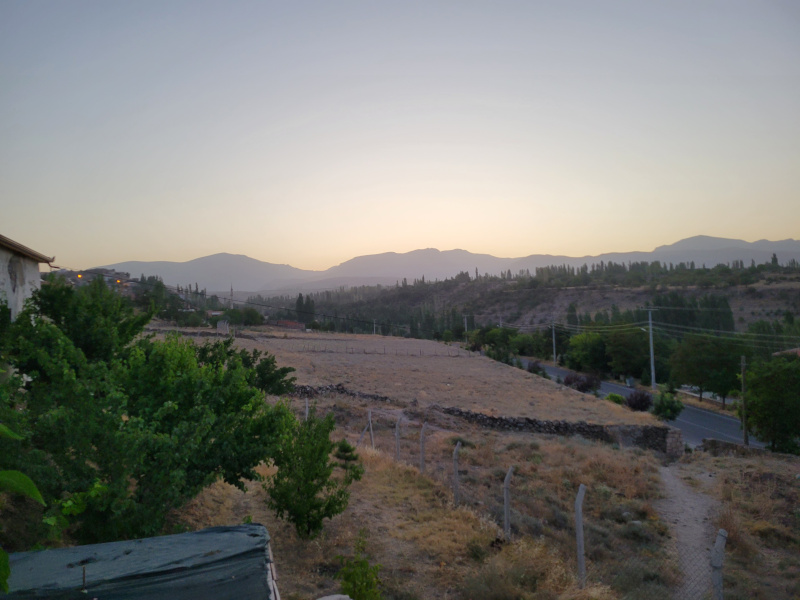
This year, thanks to the generosity of Charles Steinmetz and the help of ASOR, I was able to return to the excavations at Kınık Höyük in Niğde province, Turkey after two years missed due to the pandemic and the birth of my first child. Unfortunately, this season was also shortened by delays in acquiring our excavation permit and research visas, but even so, it was wonderful to be back on the site and at the dig house, and back with friends and colleagues that I hadn’t seen in such a long time. Not to mention, back to such a wonderful morning view before heading to the field.

A lovely morning sunrise at Kınık Höyük.

Nathan holding the fragmentary bronze bowl.

My work this year focused on continued excavations in a Late Iron Age room (ca. 7th-6th c. BCE), which I began to expose in 2017. This entailed excavating a Late Hellenistic occupation layer and Achaemenid period deposits – about two meters of earth – before secure Iron Age contexts were reached. While most of these intervening layers lack a well-defined context, they did produce several interesting finds. One such discovery was a crushed and fragmentary, but mostly complete, bronze bowl found resting on a loosely structured external surface of beaten earth. The bowl awaits restoration to allow for further analysis, but we were quite happy for the discovery in the field.

As for the Late Iron Age room itself, we opened a southern extension of the previously excavated space hoping to better understand its connection with adjacent rooms. The space is particularly interesting in its final phase of use (or perhaps disuse?), when it served as the locus for a midden heap rich in anthropic materials – the collection of these materials has become even more urgent in the last year, as the robust ceramic assemblage is now the focus of PhD research of a colleague at the University of Pavia, Italy. Additionally noteworthy are the peculiar faunal assemblage suggestive of ritual activity in the vicinity – presented at ASOR 2021 – and the recent identification of bone horse bridles, of which we have three – so at least definitely more than a single pair! The new materials collected this year require further analysis before any conclusions can be made, but from impressions made in the field, they appear consistent with past discoveries. One entirely new discovery from the room in the same period as the midden heap was a well-structured oven composed of stones, mud-bricks, and large ceramic sherds – apparently debris collected for reuse. The chamber of the oven sloped downwards to allow for heating without direct exposure to the fire, and the innermost part of the chamber was entirely full of burnt ashy remains of the fuel used for cooking.

A Late Iron Age oven composed of stone, mud-brick, and ceramic sherds.

In all, the season felt way too short, but we all made the best of the time we had. Materials still need to be studied, and more excavations will be needed next year, but the campaign still feels like a success. And in the end, even if we hadn’t been able to put a single trowel to the earth, the renewed collegiality and rekindled friendships with scholars and students from across the globe would have made the short season worth every effort anyway. Thanks again to ASOR, Charles Steinmetz, and the Universities of New York, Pavia, and Florence for facilitating my research and participation in the excavations of Kınık Höyük this year.

Nathan Lovejoy is in the final year of his PhD at the Institute for the Study of the Ancient World at New York University, where he is writing a dissertation on institutional change and identity maintenance in the northeast Mediterranean during the Iron Age. He is a US Army veteran, a father to his amazing son Arthur, and husband to his ever-supportive wife Maggie.

Read more about the Kınık Höyük Archaeological Project.

Want to help more students and early career archaeologists get into the field? Donate to the cause today by selecting “Student Support” as your gift purpose!
Geraty Grant Report Update

A Children’s Book, A Local History Book, Summer Camps, and a Maintenance Agreement: An Update on the Lawrence T. Geraty Community Archaeology Endowment, 2022

In 2020 Andrews University partnered with the American Society of Overseas Research to establish the Lawrence T. Geraty Endowment to foster and serve as an accelerant for the development of know-how and innovative approaches for local community engagement with the custody and care of archaeological sites. The first distribution from the endowment happened in 2021 (read the 2021 report here). A second distribution from the endowment took place this past summer, and here is a brief update on how the funds were spent.

Karam and Hesban is the English translation of a children’s book in Arabic about Hisban authored by Rasha Dababneh and illustrated by Safa Abudoush. The book, which was published in 2021, tells the story of a little boy, Karam, who visits Hisban and while there, meets a local shepherdess, who becomes his guide while also grazing her sheep on the slopes of the tell. The project of producing the book was initiated and supervised by the writer and AlRaqeem,  with funding provided in part by the ASOR Geraty Endowment. Copies of the book have been distributed for free to children living in Hisban. The book is part of the book series “Discover Jordan with Karam.” The sale of the book in local bookstores supports the protection of the site.

Husban Culture and Heritage is a local history book authored by Abdullah Abdulazeese Al-Masha’lah. It was published in 2022 in Arabic and English and offers a local account of the agricultural know-how, crafts, and wisdom of past generations of the contemporary Ajarmah families of Hisban. The book also offers a local perspective on archaeological discoveries at the site. As with the above-mentioned children’s book, the project of producing the book was initiated and supervised by the writer and AlRaqeem,  with funding provided in part by the ASOR Geraty Endowment. The book has been distributed for free to local residents and is available for purchase in local bookstores.

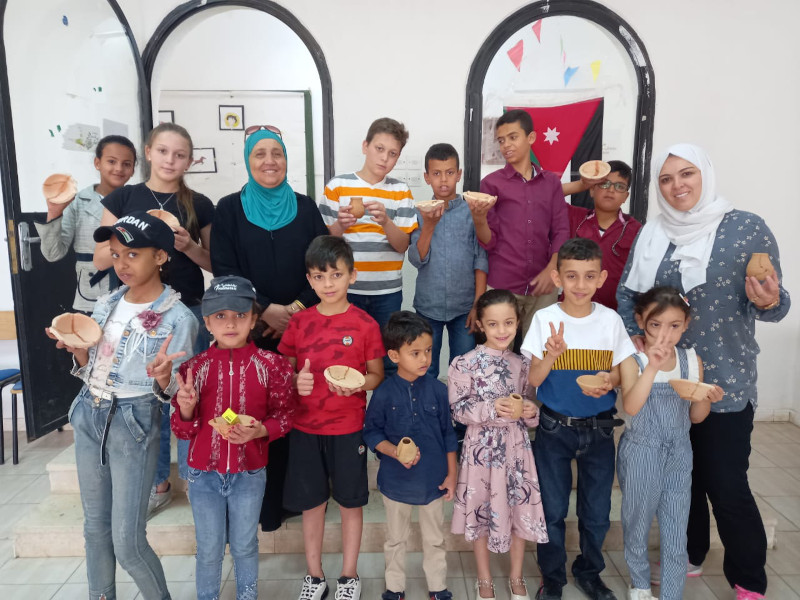
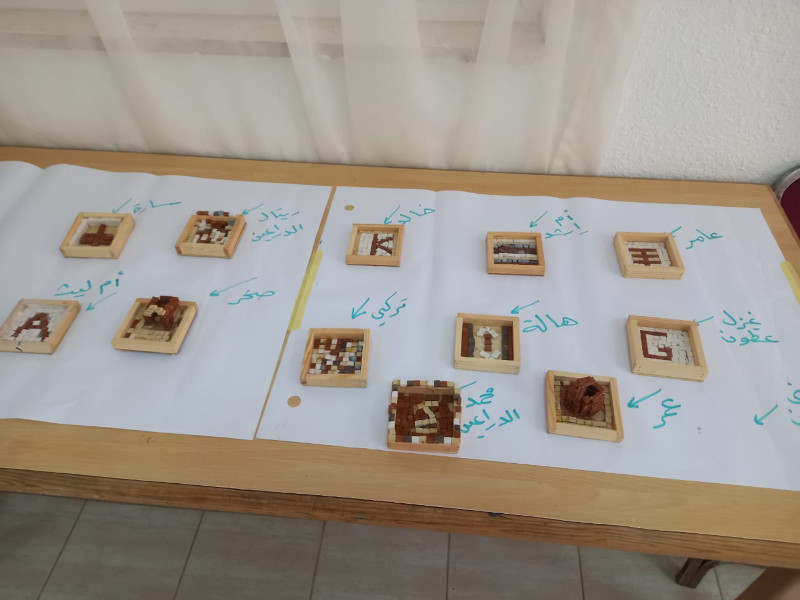
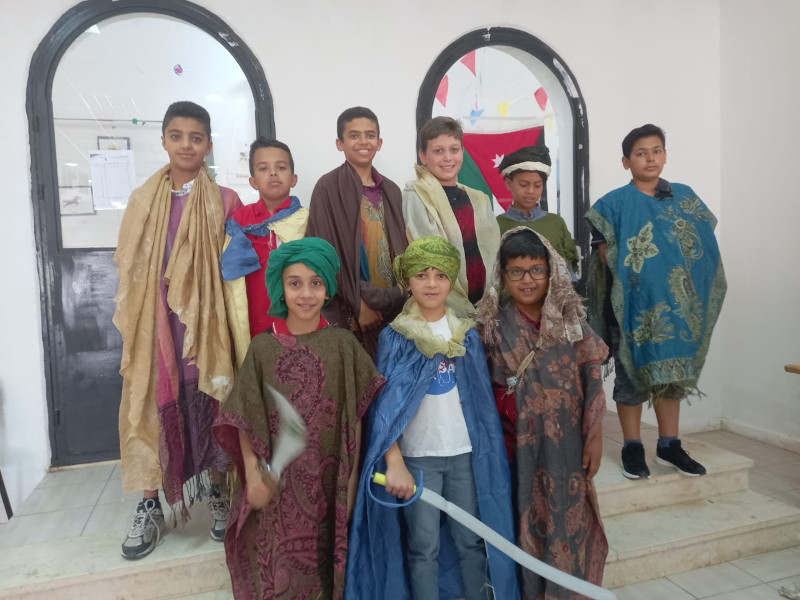
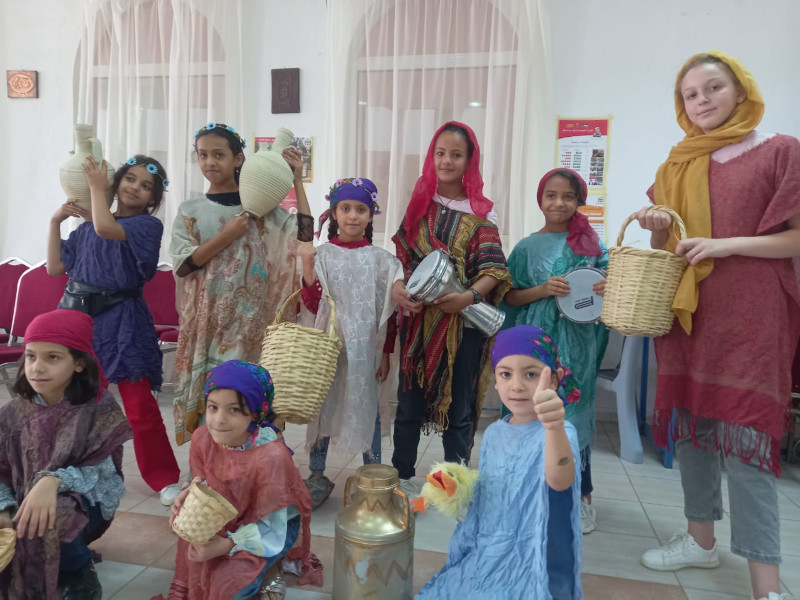
Another archaeology summer camp for Hisban community children and others was organized and supervised on the hill of Hisban by our Sela/AlRaqeem.  The leader was Amr Awawdah, a teacher in the local schools who also is a veteran of more than two decades of excavations at Hisban. Activities for the children—most of whom are elementary level–include learning about stratigraphy, pottery, excavation techniques, and documentation. A capstone activity is a play produced by the children that tell a story that ties in some way to the history of the site . Funding for these camps was provided by the Geraty Endowment.

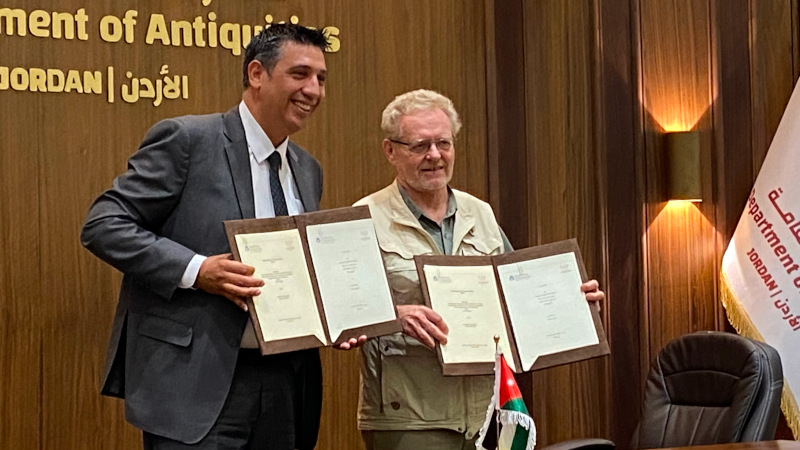
A Memorandum of Understanding between Andrews University and the Department of Antiquities represents a major milestone on the road toward a sustainable future for the Hisban Archaeological Park. The agreement commits our team to provide funding for an archaeologist to supervise four local workers for 12 weeks spread throughout each of the next three years: 2 weeks in November, 2 in February, 4 in May, 2 in July, and 2 in September. The salary of the archaeologist supervisor will be paid by the Geraty Endowment, while the local workmen’s salaries will be paid by the Department of Antiquities. The overall arrangement and work will be supervised by AlRaqeem and will provide proof of concept for such a partnership involving a foreign university and the Department of Antiquities. The agreement, which was signed in June 2022, also allows time for raising funds to sustain the arrangement into the future.

We are excited about the many ways in which the ASOR Geraty Endowment is proving to be a powerful accelerant for learning about ways to engage host communities as partners in caring for archaeological sites such as Hisban in Jordan. You can help sustain and further grow the impact of the Endowment by selecting “Geraty Endowment Fund” from the drop-down menu at the following link.

Fieldwork Report: Margarita Apffel

If Rocks Could Talk

Margarita Apffel, 2022 Strange/Midkiff Families Scholarship Recipient

Karak, Jordan is the home of the Iron I and II Moabite site of Khirbat al-Balu’a, an ASOR affiliated archaeological project that I joined through La Sierra University in Riverside, CA. At the Balu’a Regional Archaeological Program (BRAP) I was appointed as square supervisor, my first archaeological supervisory role due in part to my previous excavation experience and for my being a full season student. This was made possible thanks to the generosity of the 2022 Strange/Midkiff Families scholarship.

The Qasr wall directly above this season’s square

The first week at any excavation site is always the hardest, which I say with complete confidence since this is not my first time attending an archaeological field school or a regular excavation project. Leaving family and the comfort of one’s home behind for the pursuit of education in another country is not for the faint of heart, one must quickly acclimate to a whole new landscape, work schedule, language, culture, time zone, and cuisine. This can be physically challenging and emotionally taxing, but a very rewarding experience, nonetheless.

During the first and hardest week of the season, we received our assigned area of excavation, the Qasr (Castle), and got to meet our team members and team leaders. We had to prepare the area before excavations could begin, we first set up the soil sifts and made sure they were facing the Wadi Mujib and its fantastic sunrises to make the weeks to come more pleasant. Then came the arduous task of clearing the area of inter-seasonal debris and piles upon piles of rocks and tumble. We were lucky enough to have a constant breeze blowing from the west; the Jordanian desert was kind to the team. Once we cleared most of the rocks from our area, set up balk lines, and assigned individual tasks, we were ready to begin excavations.

The Qasr view from the west

The team clarified walls, cobbled surfaces, and doorways and found pottery sherds, stone artifacts, and faunal remains by the buckets. Any artifacts found in situ were immediately recoded using Global Positioning System (GPS), then collected for processing and laboratory analysis, though some of the stone artifacts excavated were too big to carry and were left in the field. The teams washed and sorted the excavated pottery sherds in preparation for the pottery readings, we took notes on pottery types and periods then sent the diagnostic pot sherds for publishing and the nondiagnostic sherds back to the field. We also completed daily and weekly reports in which we reviewed the strategy, implementation, and outcome of each project. And did I mention we moved more rocks?

On weekends, we had the opportunity to go on field trips to learn about castles such as Karak and Ajlun as well as other archaeological sites like Jerash and Tall al-Umayri. The highlight of the season was a weekend spent in Petra, a Nabatean city in the Wadi Musa. In Petra, we visited features such as the Treasury, the Highest Sacrificial Place, and the Monastery. We also had the opportunity to have sweet tea with many Bedouin women and men, haggled for prices at the various shops in the city, and rode a camel and a mule. This was a bit precarious for someone who is not accustomed to riding beasts of burden.

Bedouin tents in the distance

Our days in Jordan were never dull, at the site we were visited daily by large herds of sheep, goats, donkeys, and camels all being led by our worker’s friends or family who’d stop by from time to time to say hello. The Bedouin were very friendly and hospitable, they often shared Arabic sweet tea and sang songs for us, which made us feel very welcomed. The diversity of our team, their knowledge and sense of humor were the best part of the season. I said that the first week is always the hardest, but so is the last week when we have to say goodbye to the people with whom we discovered commonalities, developed friendships, and shared inside jokes for the past four to seven weeks. These relationships are the rewards we get to treasure when we leave our comfort zone in pursuit of knowledge and adventure in faraway places.

Margarita Apffel was born in Culiacan Sinaloa, Mexico but moved to California to study English and became the first in her family to go to college. She is a master’s student of Near Eastern Archaeology in the H. M. S. Richards Divinity School at La Sierra University in Riverside, California, and received a B.A. in Cultural Anthropology from California State University, San Bernardino. She has participated in various excavations projects in Menorca, Spain; Riverside, California; Karak, Jordan, and completed Museum Studies in Rome, Italy. Her goals are to further her education in the field of archaeology and museum studies and to continue to travel the world for as long as she can.

Read more about the Balu’a Regional Archaeological Project (BRAP).

Want to help more students and early career archaeologists get into the field? Donate to the cause today by selecting “Student Support” as your gift purpose!
Shepard Grant Report: Roman Bath House in Petra, Jordan

2022 Shepard Urgent Action Grant Report: Conservation of the Roman Bath House in Petra, Jordan

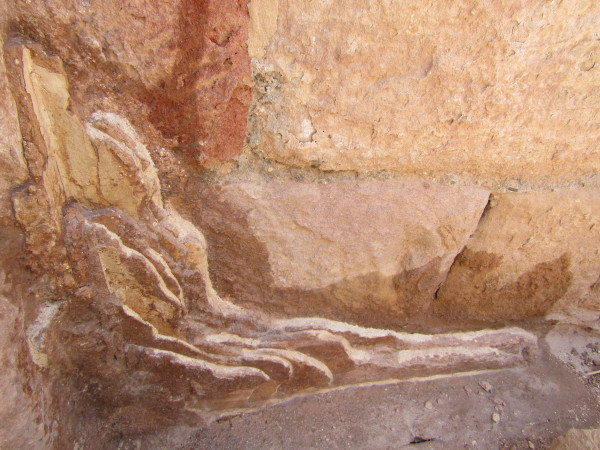
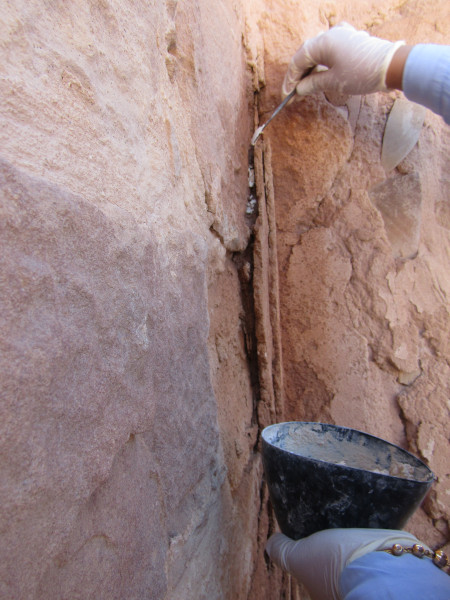
ASOR Editorial Note: The ASOR Team is pleased to share a report from a Shepard Urgent Action Grant awarded to Sela for Training and Protection of Heritage for repairs and conservation work to the Roman bath house at Petra, Jordan. These grants are intended to provide emergency funds to carry out critical stabilization, excavation, or documentation projects. Because time is of the essence with these proposals, funds for the grants can be disbursed 4-6 weeks after an application is received. The mortar, wall plaster, and structures themselves within many of the rooms of the bath house were in need of emergency consolidation and restoration after many years of continued exposure to the elements as well as vandalization of standing structures.

Thanks to the Shepard Urgent Action Grant, Sela for Training and Protection of Heritage was able to conduct important emergency conservation works at the Roman Bath house in Petra.

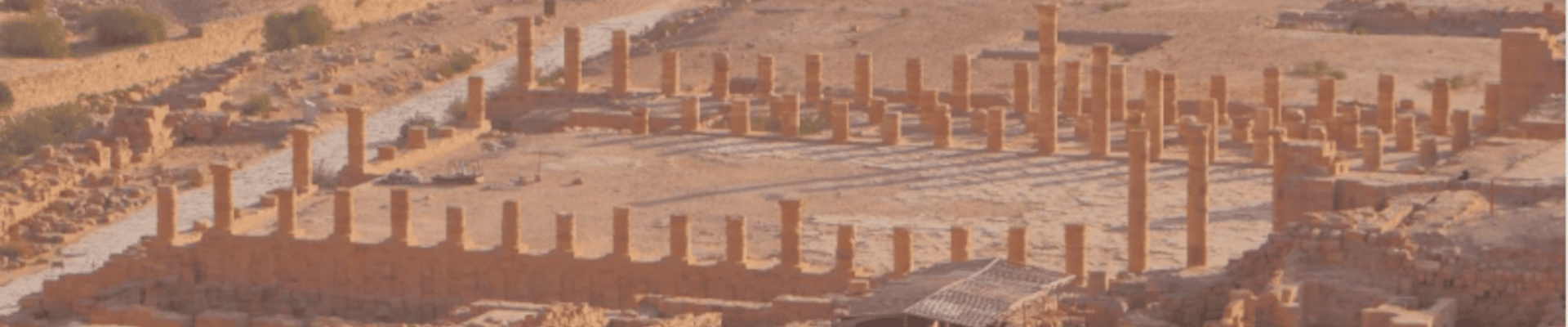
The Bath house was built between 106 AD and 113/114 AD and represents one of the first Roman interventions aiming at the “Romanization” of Petra after the annexation in 106 AD. It stayed in use for over four centuries before being abandoned after the 551 AD earthquake. It is unique for its small size and elegant structure and its architectural features combining the mastery of Nabatean water engineering with the Roman Pompeian bathhouse style. With its 22 rectangular and square rooms with a row of windowed parallel rectangular rooms overlooking the palaestra to the west, this balneum covers an area of almost 1000 sqm.

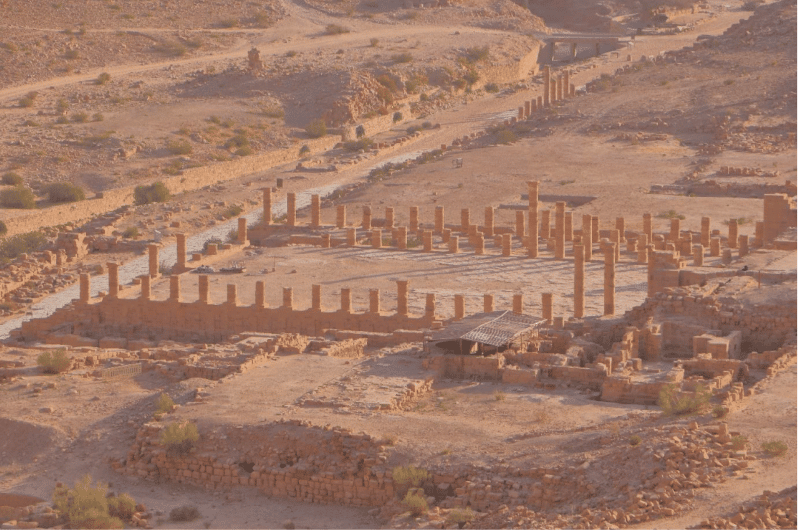
An overhead view of the Roman Bath house in Petra (Photo credit: Mohammad Albdoul).

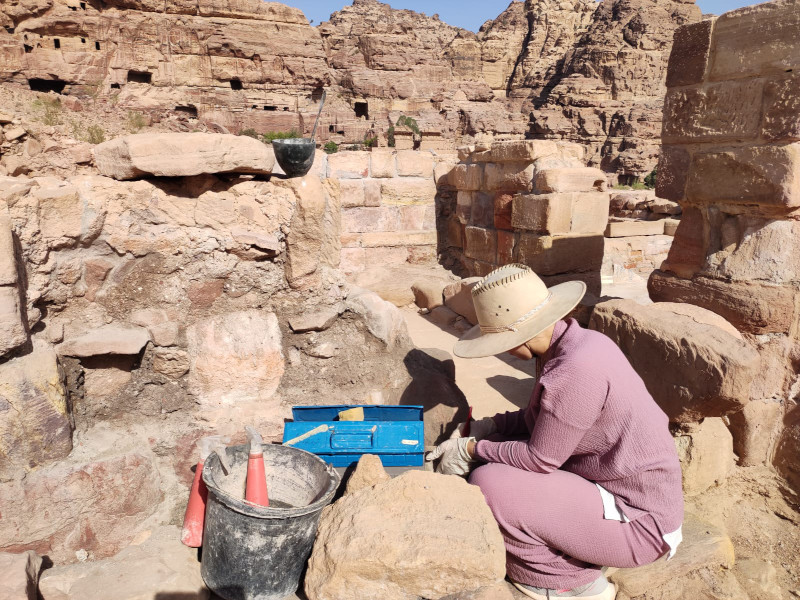
The grant supported the work of a senior conservator, Dr. Fatma Marii, and a conservation technician, Ms. Nesreen Albdoul and involved interventions aiming at: (a) the emergency conservation of the standing structures (Cleaning – Salt removal – Mortar repair); (b) the consolidation of the wall plaster and the stone pavements (repair of detached plaster from the walls and stone slabs from the pavements); (c) anastylosis of the vandalized structures of the calidarium.

Map of the Roman Bath house (Source: Joukousky, M. (2009) – Surprises at the Great Temple: A retrospective in Studies on the History and Archaeology of Jordan X, 2009 – pp. 291-311)

The monument was documented in 2021 and a preliminary assessment was conducted in November 2021 and again in February 2022. In May 2022 after the awarding of the Shepard Grant a new assessment was conducted to determine the emergency interventions to prioritize for the preservation of the monument. The following interventions were identified:

Vestibule (B): This room presents bricks in a fragile state of conservation in need of consolidation. The mortar presented several horizontal and vertical cracks and required consolidation and repair.

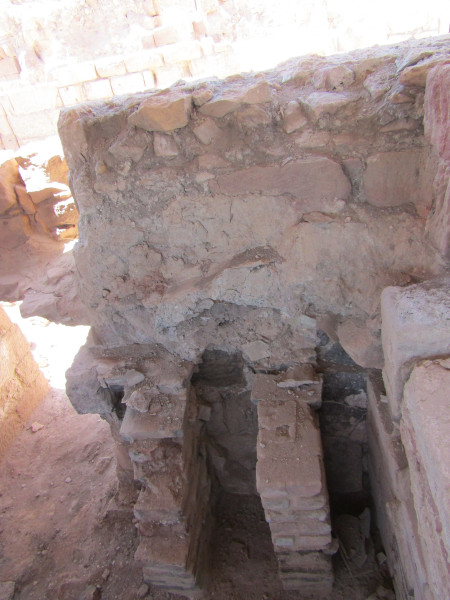
Caldarium (C): This room presents several extremely deteriorated bricks. Walls needed salt removal and mortar consolidation and repair. After the assessment, it was concluded that anastylosis of vandalized structures was not appropriate since most of the collapsed structures were the result of previous interventions of reconstruction occurred in the 90s. All fragments from the original structure were numbered, removed, cleaned, consolidated and arranged in Room F for future interventions.

Loutron (D): The floor mortar of this room is made of lime-based mortar and required cleaning.

Vestibule (E): The mortar of the Eastern wall was extremely fragile and needed cleaning and consolidation.

Praefurnium (F): Mortar on the doorway between Room F and Room C required consolidation.

Service Passage (G): This small corridor on the eastern side of the bath presents plaster remains on the Eastern wall that needed consolidation and reinforcement.

Vestibule (H): The room presented several plaster remains in need of cleaning, consolidation and reinforcement.

Caldarium (I): The caldarium presented mortar in extremely fragile conditions that needed consolidation and repair.

Tepidarium (J): The Southern wall presents some plaster fragments and mortar relatively stable condition. The plaster needed cleaning and surface consolidation.

Ornamental Pool (L): The room presented plaster fragments on the Southern wall in need of reinforcement and consolidation. There are traces of copper alloy hangers on the Northern and Southern walls.

Vestibule (M): Plaster and mortar remains in the niches needed cleaning, reinforcement, consolidation, and repair.

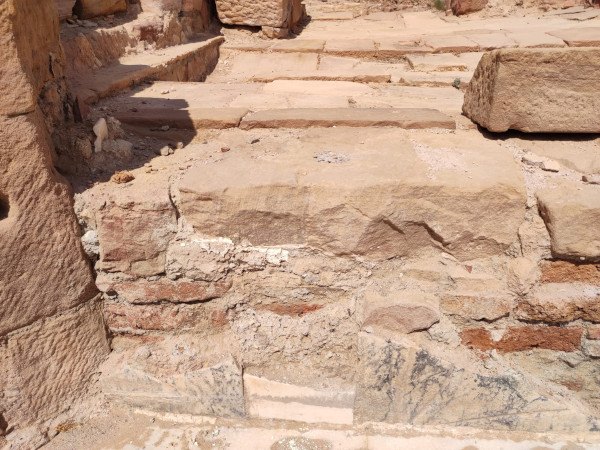
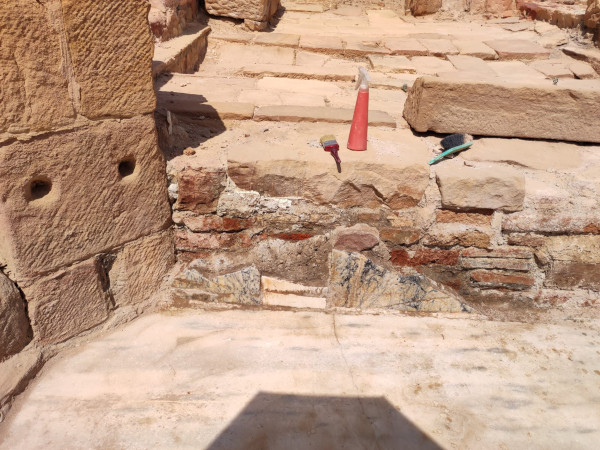
The vestibule (M) before cleaning and repair of the mortar.
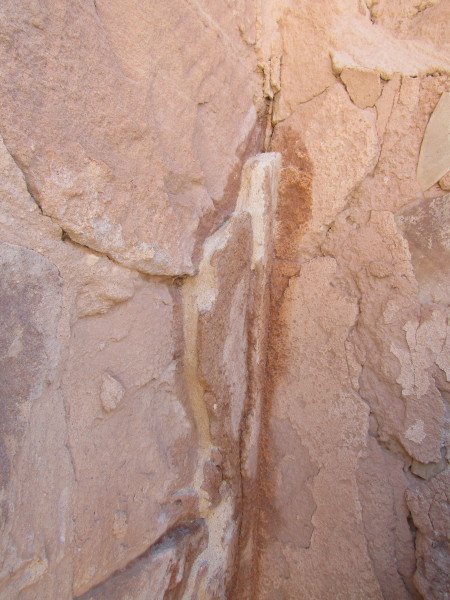
The vestibule (M) after cleaning and repair of the mortar.

Frigidarium (N): The walls presented plaster remains in fragile, but stable conditions that needed cleaning, reinforcement, and consolidation. Mortar both on the walls and on the pavement bedding needed cleaning and consolidation.

Small Cistern (P): The thick plaster lining the walls of the cistern needed reinforcement and consolidation.

Bathroom (Q): Plaster fragments in the niche of the Eastern wall required cleaning, reinforcement, and consolidation. The niche wall behind the plaster required mortar repair.

Anteroom (R): Plaster fragments on the Western and Southern walls required reinforcement and consolidation. Before proceeding with the interventions on the plaster, the Western wall required cleaning and consolidation.

Apodyterium (S): Plaster fragments at the corners of the southern wall needed reinforcement and consolidation. The walls needed mortar repair.

Well (T): A plaster fragment at the east corner of the southern east corner and one on the north niche needed reinforcement and consolidation. There are remains of lead alloy at the bottom of the water channel.

Colonnaded Corridor (U): There is a broken stone at the floor (a step), as well there is a fallen mortar require cleaning and consolidation. At the northern wall corner there are missing stones and broken, that the wall requires to be reconstructed.

Palaestra (W): On the eastern wall of this room the plaster is red painted. The plaster and the painting appeared stable. It required cleaning and reinforcement.

Plaster in the well (T) before repair and consolidation.
Plaster in the well (T) after repair and consolidation.

1. Emergency conservation of the standing structures

Standing walls are made of sandstone cut blocks, mostly affected by granular disintegration and erosion (caused by wind and rainfall). The standing walls were cleaned, salts efflorescence was removed and the surface was consolidated by spraying a protein based consolidant (calcium caseinate) in order to slow down and minimize the deterioration process. The choice of calcium caseinate as consolidant is crucial for the sustainability of the intervention since chemical and water based consolidants are not available in Jordan. Calcium caseinate can be locally produced and therefore sustainable for future interventions.

The original lime mortar has disintegrated and crumbled. Mortar consolidation and repair were implemented using calcium caseinate for consolidation and a lime-based mortar made of slaked lime, limestone powder and basalt powder (to increase water resistance) and crushed granite (to make the mortar recognizable as modern) for mortar repairs.

Mortar remains were mechanically cleaned using brushes and wooden sticks, and then using brushes and water. Mortar was consolidated either by spraying a filtered solution of water and calcium caseinate or by injecting a solution of water and acrylic emulsion.

Gaps and cracks in the mortar were filled using a mixture of 1 part of slaked lime, 0.5 parts of acrylic emulsion, 1 part of yellow sand and 1.5 parts of basalt powder.

The mortar mixture used for mortar repairs was made of 1 part of lime, 1 part of stone powder, 0.5 parts of crushed granite and 1.5 parts of basalt powder. All materials used in the mortar are locally available and easy to procure for future maintenance interventions.

Working hard to restore the mortar of the court (V).
The caldarium (C) before consolidation and repair of the mortar.
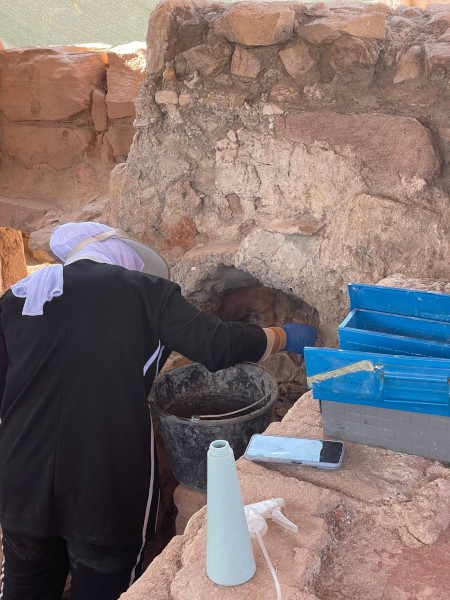
Repairing the mortar of the caldarium (C).

2. Consolidation of wall plaster and stone pavements

Several rooms presented remains of plaster and mortar pavement beddings.

The main process for conserving the plaster fragments and the mortar beddings involved:

  • Mechanical cleaning of accumulated soil and other materials on the plaster surface and edges using soft brushes, toothbrushes, toothpicks, wooden stick, and blower.
  • Chemical cleaning using water, distilled water, and ethanol (as needed) with sponges, brushes, toothpicks, or sprayers.
  • Filling the gaps and reinforcement of the edges using a mixture of 1 part of yellow sand, 1 part of slaked lime, 0.25 parts of acrylic emulsion (Primal), and 0.25 parts of water. Wet clothes or burlap were used to keep it wet during hot hours to assure a slow hardening process.
  • Consolidation was implemented either using a filtered solution of water and acrylic emulsion applied with syringes or spraying a solution of water and calcium caseinate.

Stone surfaces were cleaned and consolidated with calcium caseinate.

-Maria Elena Ronza, Vice President, Sela for Training and Protection of Heritage

The corner of the frigidarium (N) in the midst of repairs.
The same corner of the frigidarium (N) with its wall plaster now repaired.

Fieldwork Report: Allison Densel

The Beginning of My Archaeology Journey

Allison Densel, 2022 Strange-Midkiff Scholarship Recipient

The weeks leading up to the project were some of the longest of my life. Ever since Kara Larson, a PhD student as well as my academic mentor at the University of Michigan, told me she needed undergraduates to come with her to Israel last fall, I could barely contain my excitement! This was finally my chance to go out and conduct archaeological research in the field, something I had desired for as long as I could remember. Naturally, then, it was difficult for me to wait for the trip. On the chalkboard in my bedroom, I counted down the days until my flight to Tel Aviv.

As excited as I was, however, I remember worrying about what it would be like. I had never been in the field before, let alone traveled internationally, so I had no idea what to expect. How was I going to feel if actually doing archaeology did not hold the same fascination as reading about it all of these years?

Working at Tell el-Hesi was hot, dirty, and absolutely exhausting. We faced scorpions, jackals, and distant rocketfire. I loved every second of the experience.

Michigan students in front of the Treasury in Petra, Jordan.

Our project, A Multi-Survey Exploration of Residences Near Tell el-Hesi, Israel, consisted of two studies. The primary objective of these surveys was to identify areas with high potential for occupation by Early Bronze Age (EBA) pastoralists. This is the focus of Kara’s PhD dissertation.

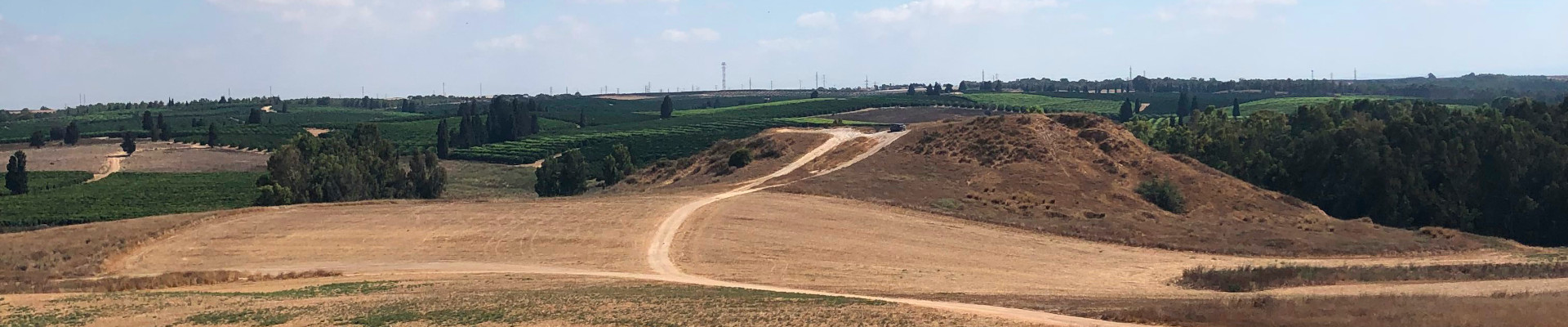
We began our fieldwork with a brief exploration of the region around the site. From a previous survey from several years ago, we started with a set of GPS points that had a high potential EBA yield. We spent the first few days of the trip driving to these points (sometimes on real roads, sometimes not) and conducting a basic cardinal survey at each one. Based on the quantity of EBA artifacts we found on the surface, such as characteristic potsherds and lithics, we will now be able to identify the most promising locations for potential EBA settlements. In total, we surveyed more than 30 individual sites using this method. This also served as a wonderful opportunity to see the Israeli countryside, which is absolutely beautiful.

The main pedestrian survey took place at the Tell itself. In the field at the base of the mound, we set up a grid of 86 squares, each 20 by 20 meters in size. These squares were then divided into 5 by 5 meter units. Kara would assign each of us undergraduates, myself and two others, a unit, and then set a timer for 5 minutes. In that time, we would carefully patrol our squares, collecting any artifacts we found on the surface. Over the course of the trip, we surveyed over 600 of these 5 by 5s, approximately 15,000 square meters!

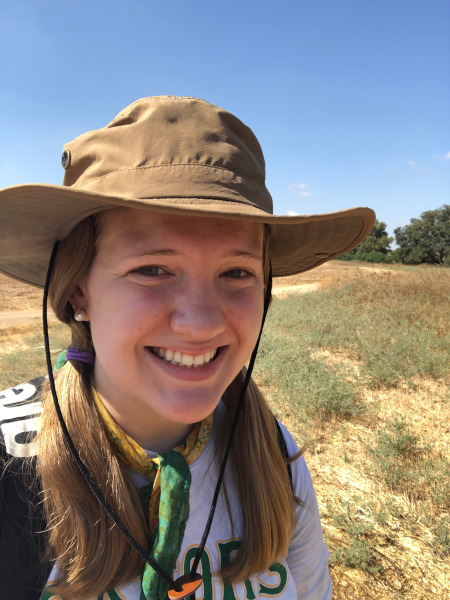
Allison enjoying her time in the field.
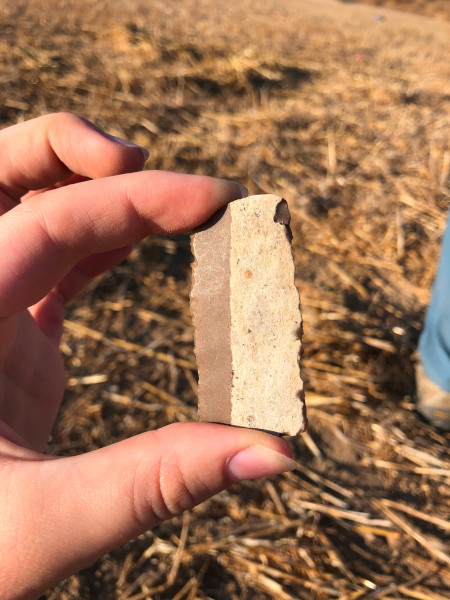
A fragment of a stone sickle found at the site.

By far, my favorite artifact was a fragment of a stone sickle that I found during our main survey. It is a rather intact piece, made from a light brown chert and most likely EBA in origin. The blade edge has a slight sheen to it, indicating that it was used to harvest grain or other crops. Its size (about 2 inches in length) and condition are just spectacular given its age. This is my go-to answer whenever someone asks me what kinds of things we found!

I am beyond grateful for the fieldwork I participated in this summer. Not only did I learn a lot about the process of archaeological research, but I also grew as a student and person, as cliché as that sounds. Because of the work our team accomplished, Kara will be able to excavate at Hesi next summer. I plan on being there as a junior staff member. I’m already looking forward to it! This was truly a life-changing experience, and I would like to extend my most sincere gratitude to Carolyn Midkiff-Strange, ASOR, the University of Michigan, and to Kara Larson. Without all of your support, I would not have had such an amazing and transformative experience.

Allison Densel was born and raised in Sudbury, Massachusetts. After enrolling at the University of Michigan, she began to get involved with archaeological research, working with Dr. Natalie Abell and Kara Larson. It is her dream to be able to pursue archaeology into her professional life, hopefully as faculty at an institution of higher education.

Want to help more students and early career archaeologists get into the field? Donate to the cause today by selecting “Student Support” as your gift purpose!

2022 Nominees for ASOR Board Elections

2022 Nominees for ASOR Board Elections

The ASOR Trustee Nominations Committee has selected five highly qualified members to stand for election for four open positions on the Board of Trustees. The Board sets the direction for ASOR and provides oversight for our organization. Among other responsibilities, members of the Board agree to attend two meetings each year, to participate thoughtfully in the governance process, and to contribute financially to ASOR.

There are three candidates running for two openings as Member-elected Trustees for 3-year terms (Sarah Kielt Costello, Paul Flesher, and Robert Mullins). There are two candidates for two openings as Institutionally-elected Trustees for 3-year terms (Kathryn Grossman and Michael Hasel).  All ASOR members are eligible to vote in the Member-elected Trustee Election, while only Institutional Representatives of the 60 ASOR-member schools may vote in the Institutionally-elected Trustee Election.

ASOR will conduct the elections by online ballot, and all members and Institutional Representatives will receive the appropriate ballot(s) via email on or around October 11, 2022. We will send out two reminders, and all ballots must be completed by 12:00 PM Eastern Time on Friday, November 11. If you have difficulties completing the online ballot (once they are distributed), please contact Marta Ostovich at programs@asor.org.

Nominees for Membership-elected Trustees
(two to be elected)

Sarah Kielt Costello

Sarah Kielt Costello (MA Classical and Near Eastern Archaeology, Bryn Mawr College; Ph.D. Anthropology, Binghamton University) is Associate Professor of Art History at the University of Houston – Clear Lake, a Hispanic-serving regional university dedicated to educating a broad community of scholars, including first-generation, working-class and incarcerated students. She has won two University-wide teaching awards. At UHCL, she recently completed four years on Faculty Senate, including a leadership position in which she oversaw the creation of a new, equitable workload policy for faculty. She has been active in archaeological fieldwork since 1995, working in Israel, Turkey, Greece and Cyprus. In her research, Costello specializes in seals and related artifacts; ethics and museum practices; Neolithic imagery; and archaeological theory. Her recent publications include Object Biographies, Selections from the Art of the Ancient World in the Menil Collection (Menil/Yale 2021), a volume that takes on the ethical challenges of unprovenienced museum collections. She is in the final stages of co-editing a volume on Ethics for the ASOR Annual (AASOR).

Mission Statement: In the approximately 25 years that I’ve been involved with ASOR, I’ve seen its membership grow significantly and its members develop far-ranging research agendas. In recent years, ASOR members have forged research pathways into areas such as ancient dress, sensorial archaeology, climate, bioarchaeology and cultural heritage, and have been on the forefront of developing cutting edge digital and technological approaches to archaeology. Geographically, ASOR has had the opportunity to expand beyond its traditional emphasis on the archaeology of the Bible Lands as its members have engaged in projects in Central Asia, Kurdistan, Egypt, and the Gulf states. It is vital that ASOR continue to embrace new areas of research, and at the same time, confront the ethical challenges of our time by setting agendas and policies that move us forward and establish models of best practices. As a Trustee, I would support the work the organization is doing on ethical issues from equity to climate change. I would also help develop and support outreach efforts that further connect ASOR with students from a range of backgrounds, interests and means.

Paul Flesher

Paul Flesher is a Professor of Religious Studies at the University of Wyoming and presently directs the American Heritage Center, a large archive whose holdings extend from American history and literature to the Ancient Near East. Trained as a historian of ancient Judaism, with expertise ranging from the Second Temple to the early Byzantine periods, he has excavated on the staff of Tel Miqne-Ekron, Huqoq and Legio as a computer technician and an area supervisor. In 2016, he held the Seymour Gitin Distinguished Professorship at the Albright and began his current research reconstructing the acoustics of ancient Galilean synagogues.

Mission Statement: The heart of ASOR is archaeological excavation. Indeed, fieldwork provides the fastest growing body of knowledge about the ancient Near East. For more than a century, ASOR has provided support structures and a strong disciplinary environment that have advanced American archaeological work in the region.

With excavation at its core, ASOR’s primary activities feature dissemination and preservation. With regard to the former, ASOR’s strategic plan lays out a multi-pronged strategy that focuses on publication, outreach and education. This plan continues to build on activities the Society has pursued for more than a century, now expanding into digital publication and social media.

With regard to preservation, new technology provides challenges the field is only beginning to address. GIS, GPR, and Lidar provide a wealth of new information about architectural sites, but how is this born-digital data preserved as part of the coherent excavation record for future researchers? Even the photogrammetric recording of daily top plans brings on preservation challenges not faced by their hand-drawn predecessors. ASOR needs to provide leadership in addressing these matters.

As the head of national archive, I have begun to tackle these issues by providing the ASOR archive with a permanent home and by offering a place to other archaeological records from excavations, organizations and other sources. If reelected as a membership trustee, I will continue to work within ASOR to meet these preservation challenges so that the results of the field’s advanced site analyses are not lost to future generations.

Robert Mullins

Robert Mullins is a professor of Biblical Studies and Archaeology at Azusa Pacific University in Los Angeles where he is also Chair of the Department of Biblical and Religious Studies. He received his Ph.D. in Archaeology from the Hebrew University of Jerusalem where he supervised areas at Tel Beth Shean and Tel Rehov under the direction of Prof. Amihai Mazar with whom he also worked as a research assistant. Outside of Israel, he worked for two projects in southeastern Turkey at Tell Atchana (Alalakh) and Zinçirli Höyük (Samal) under the auspices of the University of Chicago. Bob currently co-directs the excavations at Abel Beth Maacah in northern Israel with two long-time friends and colleagues from the Hebrew University of Jerusalem. His interests encompass Egyptian-Canaanite interaction during the Late Bronze Age, the Late Bronze/Iron Age I transition, and cross-cultural interaction in the Levant and Eastern Mediterranean. In addition to publications related to the Abel Beth Maacah, Tel Beth-Shean, and Tel Rehov projects, Bob also wrote “The Late Bronze Age” with Eli Yannai in Volume 3 of The Pottery of Ancient Israel and Its Neighbors, and the Atlas of the Biblical World with Mark Vitalis Hoffman.
Mission Statement: I have been a member of ASOR since 1996 and would like to renew my service on the Board of Trustees. Over the years, I have witnessed ASOR’s growth into a creative, vibrant, and diverse organization that better serves its members and instills a greater appreciation of our profession to the public. I remain committed to our mission regarding the history, people, and cultures of the Near East. I will continue to support policies that foster growth, sustainability, diversity, and inclusiveness. I will continue to advocate for a culture of inquiry, scholarship, and collegiality that engages students and encourages international involvement, especially among students and professionals from underrepresented regions. This includes ASOR’s cultural heritage initiatives in North Africa, Syria, and other regions where we regard heritage documentation and preservation as a professional responsibility. As the co-director of an archaeological project that has benefited from student access to ASOR-funded excavation scholarships, I want to ensure that our membership does not lessen its financial and professional commitment to our younger scholars. ASOR has much to gain from a vision that articulates a clear purpose, demonstrates a high level of integrity, maintains fiscal stability, and promotes organizational structures and processes that effectively fulfill its purposes.

Nominees for Institutionally-elected Trustees
(two to be elected):

Kathryn Grossman

Kathryn Grossman is Assistant Professor of Anthropology in the Department of Sociology and Anthropology at North Carolina State University. She is an archaeologist with expertise in the Chalcolithic and Bronze Age cultures of Cyprus and Mesopotamia and a methodological specialty in zooarchaeology. She is Director of the ASOR-affiliated Makounta-Voules Archaeological Project, as well as zooarchaeologist for the Kani Shaie Archaeological Project (Iraqi Kurdistan), the Wadi el-Hudi Expedition (Egypt), the Petra North Ridge Project (Jordan), and the Temple of the Winged Lions Cultural Resource Management Project (Jordan). She is currently co-editing, with Jesse Casana and Eric Jensen, the final report on the excavations at Tell Qarqur, Syria.

Mission Statement: I have been involved with ASOR for fourteen years. I began attending and presenting at the annual meeting as a graduate student, and my engagement has deepened over time. I served on the Committee on Archaeological Policy for two terms, and during that time I also chaired the CAP Fellowships Subcommittee. In 2018, I presented the work of the Fellowships Subcommittee at that year’s Legacy Dinner, and last year I received an ASOR Service award for my work on the CAP Fellowships Subcommittee. I am currently co-chairing, with Caroline Sauvage, the Archaeology of Syria sessions at the Annual Meeting, and I serve as the institutional representative for ASOR at North Carolina State University. In my time as an ASOR member, I have watched the organization grow dramatically in its geographic scope and evolve to meet the demands of 21st-century scholarship. In serving as an Institutionally-elected member on the ASOR Board of Trustees, I look forward to helping ASOR move forward with the issues that loom before us, including addressing our climate impact, increasing our outreach to diverse audiences, and promoting the preservation of tangible and intangible cultural heritage.

Michael G. Hasel

Michael G. Hasel is Director of the Institute of Archaeology and Lynn H. Wood Archaeological Museum at Southern Adventist University, where he also serves as Professor of Near Eastern Studies and Archaeology since 1998.

Hasel has participated and served in administrative capacities on eleven different excavations in the Middle East, including Gezer, Ashkelon, Dor, Miqne-Ekron, Masada, and Hazor, in Israel; Idalion, Cyprus; and Jalul in Jordan. He has directed excavations and surveys at Khirbet Qeiyafa and Socoh and currently is co-director of The Fourth Expedition to Lachish. As curator of the Lynn H. Wood Archaeological Museum, Hasel was responsible for planning and displaying art and objects from the ancient Near East in a state-of-the-art exhibit entitled “Vessels in Time: A Journey into the Biblical World” and several temporary exhibits including “Peace and War: The Assyrian Conquest of Lachish” (2023-2025).

Hasel, an ASOR member since 1989, has chaired several ASOR sessions and served on the Agenda Committee. He held the Samuel H. Kress Fellowship at the W. F. Albright Institute for Archaeological Research (AIAR) in 1995-96 and a Fulbright at the Cyprus American Archaeological Research Institute (CAARI) in 2005. He is also a fellow of the Institute for Biblical Research.

Hasel joined the ASOR Board in January 2014.

Mission Statement:Over the past 33 years of my involvement with ASOR, I have watched ASOR grow into a strong society representing a wide variety of interests and research foci in the ancient Near Eastern and Mediterranean worlds. During that same period, I have been actively involved in excavations in Israel, Jordan, and Cyprus while also engaged in Egyptological research. As an excavator I am interested in encouraging the archaeological interplay between text and material culture. This integration has been one of the historic strengths of of ASOR and I believe it remains vital as ASOR continues to position itself as an important and relevant voice to a large segment of North America. As a museum director part of my vision is to make our field relevant for future generations through popularizing archaeological discoveries and making it accessible to a larger segment of society. This would include encouraging young scholars who are searching for direction and belonging to get involved in ASOR while fostering connections in the regions it serves. To accomplish these goals, I would welcome the opportunity to continue to support and serve as a member of the Board of Trustees for another term.

Fieldwork Report: Rebekah Ross

Illuminating the Invisible

Rebekah Ross, 2022 Member-Supported Scholarship Recipient

This summer, I had the privilege of spending my seventh excavation season in Cyprus with the Kourion Urban Space Project under the direction of Drs. Tom Davis and Laura Swantek. Our goal for the season was to reach floor level and better define the relationship between the 5×5 meter trenches of Building 4, a building we began excavating in 2013. Our first week of work consisted of pulling weeds and cleaning the site. We had 4-6 years of brush growth to clear away. During our second week of work, we removed the baulks between the trenches, which was very enlightening. We discovered that “rooms” were not rooms, and walls bound spaces we thought were open. We also found that one area of the building was entirely paved by mosaic and marble floors and featured vine and floral painted plaster motifs. We also had an exciting discovery of a marble statue of a boy with a duck.

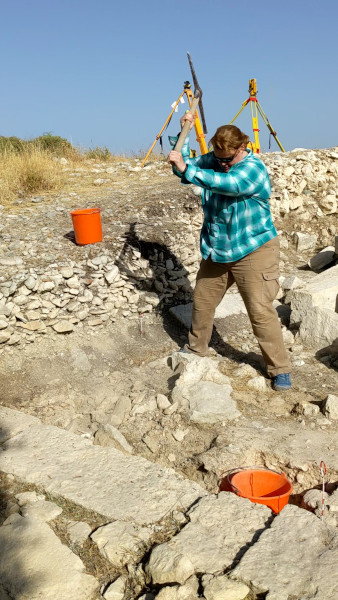
Rebekah hard at work in the field.
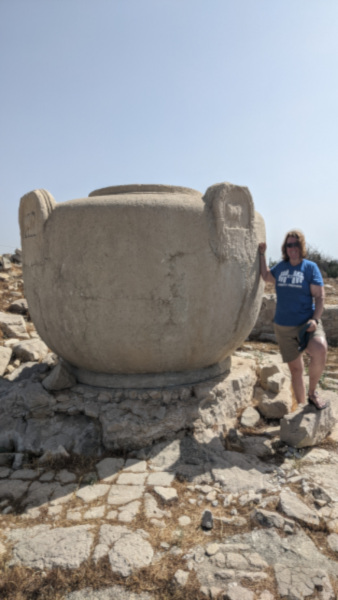
In front of the stone vase at Amathus, Cyprus.

I had a few personal research goals that I wanted to persue while I was in Cyprus. My dissertation focuses on using exterior lights in the ancient world, and I’m using Kourion as a test subject. While it will be possible to test light and distance with a mathematical formula and computer model, there is something to be said about seeing is believing. So I attempted a little experimental archaeology; with my scholarship money, I was able to purchase equipment and supplies to experiment with light, distance, moonlight, and visibility.   


The first experiment on the beach.

My initial theory was that I would be able to see and measure the amount of light visible from the cliff to the beach. I had project members stand on the cliff, don’t worry, they were on a paved overlook, and a partner and I went down to the beach. Unfortunately, the first time we tried it, the wind was blowing too hard and blew out the candles. And we started too early in the evening before it was suitably dark. On our second attempt a few days later, we went to the cliff and beach after dark; there was less wind this time. I could see the candlelight from the beach; however, my light meter was too far away to pick up a reading. I made one final attempt at the end of the season late at night, around midnight to 1 A.M.  It was just past a full moon, so I had plenty of natural light. This time I decided to see the base brightness level and how dim the light declined as I moved further away from my light source. I set up my candles and my tape measure, and I took a reading of one burning candle every 10 cm.


The final, and successful, attempt.

On my final attempt, I got a scaled measurement of a burning candle in bright moonlight! My first two attempts were failures, but as Thomas Edison said, “the light bulb was an invention with 1000 steps.” I’ll be able to plug this information into a formula and calculate how much light Kourion’s ancient inhabitants would require to be visible from the sea. My next experimental archaeology step will be to create torches and measure how much light they provide. 

So why is this important? Light is easy for us. We flip a switch, turn on our phones, clap, light a match, or wave a hand. We are constantly in artificial light, so we do not think about the work that goes into illuminating a space. But there are drawbacks to working with light. For example, ancient light sources existed to be destroyed. Oil reservoirs burn out; wicks turn to ash; torches are made of wood and do not survive. So in some respects, I am chasing the invisible, but life did not stop for ancient people when the sun went down, and everybody went home and went to bed. There is too much evidence that this is untrue. But were people illuminating their cities? I think they were. People use light to establish their presence: Eifel Tower, city skylines, Las Vegas, or Jesus’ reference in Matthew of “a city on a hill” (Matthew 5:14). People use light to see and to be seen; they had to illuminate their city with artificial light. It was a statement of power, wealth, and a marker of civic identity. And for Kourion, I think this is key for understanding why they built on the acropolis where there was no natural water source.

Rebekah Ross is a senior Ph.D. student at Lipscomb University. She has been working with the Kourion Urban Space Project since its inception in 2012. Her research interests include light, illumination, lamps, and ancient glass.

Press release for the 2022 Kourion Urban Space Project Field Season. 

Want to help more students and early career archaeologists get into the field? Donate to the cause today by selecting “Student Support” as your gift purpose!