Fieldwork Report: Emily Yankura

[vc_row fullwidth=”true” attached=”true” css=”.vc_custom_1496247803139{padding-top: 0px !important;padding-right: 0px !important;padding-bottom: 0px !important;padding-left: 0px !important;}”][vc_column][vc_single_image image=”96202″ img_size=”1000×300″ alignment=”center”][/vc_column][/vc_row][vc_row fullwidth=”true” css=”.vc_custom_1496682730308{padding-top: 10px !important;padding-right: 0px !important;padding-bottom: 0px !important;padding-left: 0px !important;}”][vc_column width=”1/12″ css=”.vc_custom_1496683820796{margin-right: 10px !important;}” offset=”vc_hidden-md vc_hidden-sm vc_hidden-xs”][vc_column_text]

 SHARE

[/vc_column_text][mk_image src=”http://www.asortest.org/wp-content/uploads/2017/01/social-fb-icon4.jpg” image_width=”42″ image_height=”42″ hover=”false” custom_url=”https://www.facebook.com/ASOResearch/” margin_bottom=”0″][mk_image src=”http://www.asortest.org/wp-content/uploads/2017/01/social-tw-icon4.jpg” image_width=”42″ image_height=”42″ hover=”false” custom_url=”https://twitter.com/ASOResearch?ref_src=twsrc%5Egoogle%7Ctwcamp%5Eserp%7Ctwgr%5Eauthor” margin_bottom=”0″][mk_image src=”http://www.asortest.org/wp-content/uploads/2017/01/social-in-icon4.jpg” image_width=”42″ image_height=”42″ hover=”false” custom_url=”https://www.linkedin.com/company/american-schools-of-oriental-research” margin_bottom=”0″][mk_image src=”http://www.asortest.org/wp-content/uploads/2017/01/social-ml-icon_7.jpg” image_width=”42″ image_height=”42″ hover=”false” custom_url=”mailto:info@asor.org” margin_bottom=”0″][mk_image src=”http://www.asortest.org/wp-content/uploads/2017/01/blog-icon3.jpg” image_width=”42″ image_height=”42″ hover=”false” custom_url=”http://asor.org/blog” margin_bottom=”0″][/vc_column][vc_column border_color=”rgba(255,255,255,0.01)” width=”1/6″ css=”.vc_custom_1496683923840{margin-right: 20px !important;border-left-width: 2px !important;padding-right: 20px !important;padding-left: 20px !important;border-left-color: #99422f !important;}”][mk_divider divider_color=”rgba(255,255,255,0.01)” thickness=”1″ margin_top=”3″ margin_bottom=”3″][vc_widget_sidebar sidebar_id=”ca-sidebar-39801″][/vc_column][vc_column border_color=”rgba(170,170,170,0.01)” width=”1/2″ css=”.vc_custom_1487276122024{margin-right: 10px !important;margin-bottom: 30px !important;border-right-width: 2px !important;border-bottom-width: 2px !important;padding-top: 30px !important;padding-right: 30px !important;padding-left: 20px !important;background-color: #ffffff !important;border-right-color: rgba(227,228,228,0.75) !important;border-bottom-color: rgba(227,228,228,0.75) !important;}”][vc_column_text responsive_align=”left”]

Petra: A Long-Expected Journey

Emily Yankura, P.E. MacAllister Scholarship for Fieldwork Participation[/vc_column_text][mk_divider][vc_wp_text]My field experience in Jordan this past summer was one which was both long awaited and highly anticipated. I was originally scheduled to participate in the 2020 field season but, for obvious reasons, was unable to go until this past summer. It was an experience that was well worth the wait!

To be honest, I was initially very nervous to be finally leaving for Jordan. This trip had already been delayed so many times that a part of me thought I would graduate before I could go, and the prospect of now actually having to face the challenges I knew were coming was daunting, to say the least. I would be surrounded by a new language and culture, working outdoors in a desert climate, and hiking to site every day in said climate. There would be new food, new physical challenges, new customs – and that wasn’t even touching on the new tools and strategies I was going to have to learn for archaeological field work.

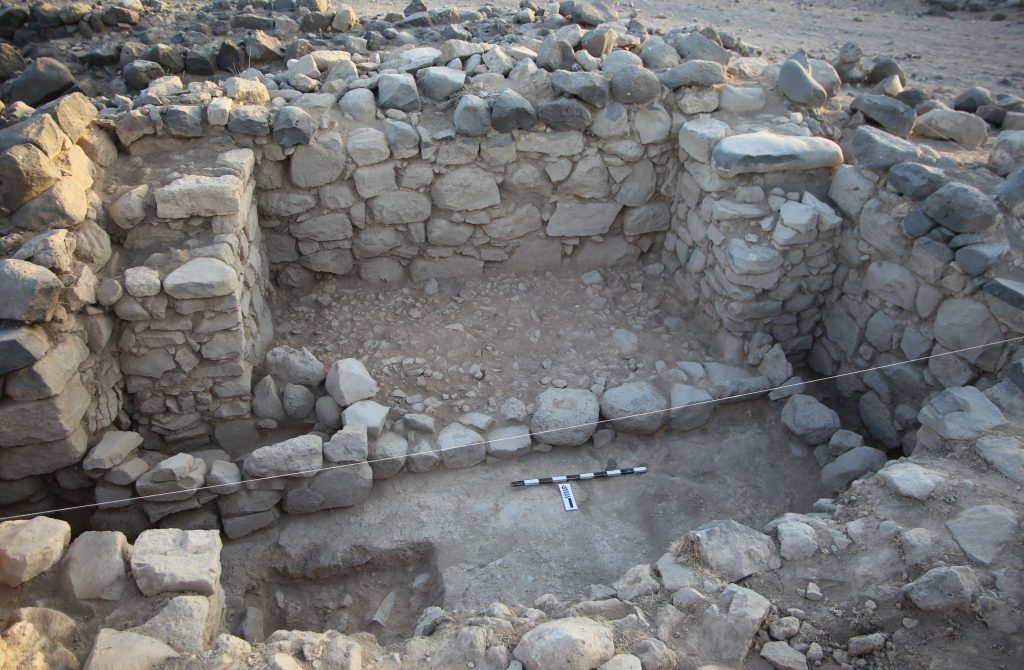
Now, though, I am so glad I went, and so glad I was able to go! I was able to acclimate relatively quickly and soon found myself appreciating the language and culture of Jordan. There were so many differences, large and small, as well as similarities, that had me thinking twice about my own cultural biases. And, once we began excavations, I was relieved to find myself up to the challenge.[/vc_wp_text][vc_row_inner][vc_column_inner][vc_single_image image=”96195″ img_size=”full” add_caption=”yes” alignment=”center” onclick=”img_link_large” img_link_target=”_blank” css=”.vc_custom_1711999521877{padding-right: 10px !important;}”][/vc_column_inner][/vc_row_inner][mk_padding_divider][vc_wp_text]I spent the first three weeks of my time in Jordan excavating in Wadi Mataha with Dr. David Johnson, and then an additional two weeks excavating on the Ad Deir Plateau with Dr. Cynthia Finlayson, under the direction of Dr. Allison Lee as crew chief. Throughout our two months in Jordan our group also had the opportunity to visit various historical and cultural sites. All of these experiences together were an invaluable learning opportunity and opened my eyes to the incredible nature and value of Middle Eastern culture. I gained an appreciation for both the ancient and modern inhabitants of this area by visiting the sites, and through daily interactions with local residents and workers.[/vc_wp_text][vc_single_image image=”96196″ img_size=”full” add_caption=”yes” alignment=”center” onclick=”img_link_large” img_link_target=”_blank” css=”.vc_custom_1711999639735{padding-right: 10px !important;}”][mk_padding_divider][vc_wp_text]My favorite aspect of archaeology is the connection it allows me to feel with the past. I have experienced this before with written reports and theory, but I was thrilled to experience it in actual hands-on fieldwork as well. While excavating, Dr. Lee would often ‘quiz’ us on what we were seeing in the soil – ashy lenses, certain types of artifacts, soil composition – and challenge us to connect those smaller details with a larger picture. These brainstorming sessions were meant as field theories and first impressions, to be checked against further research and site reports later on, but it helped me personally to see how several sherds of coarseware pottery could connect me to the lived experience of ancient Nabataeans at a specific moment in time. It also helped me to better understand how archaeologists transition from digging and uncovering artifacts to using them for analysis. These artifacts we were uncovering would help us to build a picture of the ancient civilization that had left them behind. Archaeologists are actively reconstructing ancient cultures in an attempt to better understand them – and, by extension, ourselves.

At Ad Deir, I learned the value of archaeological context. The area I was assigned to work in was a portion of the Great Circle, which was a water feature/pool on the plateau. In ancient times it would have been filled by seasonal rains; this meant that many of the artifacts we were recovering there had been washed in by water and erosion. Before beginning, I did not fully understand how context could still be derived from objects which had been so clearly taken out of theirs. Now, I know that even these types of objects have value: the different stratigraphic units (SUs) of the Great Circle provide a relative chronology, and within that the types of pottery we find (coarseware, fineware, painted wares, etc.) can help us to know what was being used when. For example, one of our SUs showed a large concentration of pottery and burned bone, along with multiple ashy lenses. This could be an indicator of a cooking and/or eating space, which would mean that the Great Circle was already out of use as a water collector at that time.

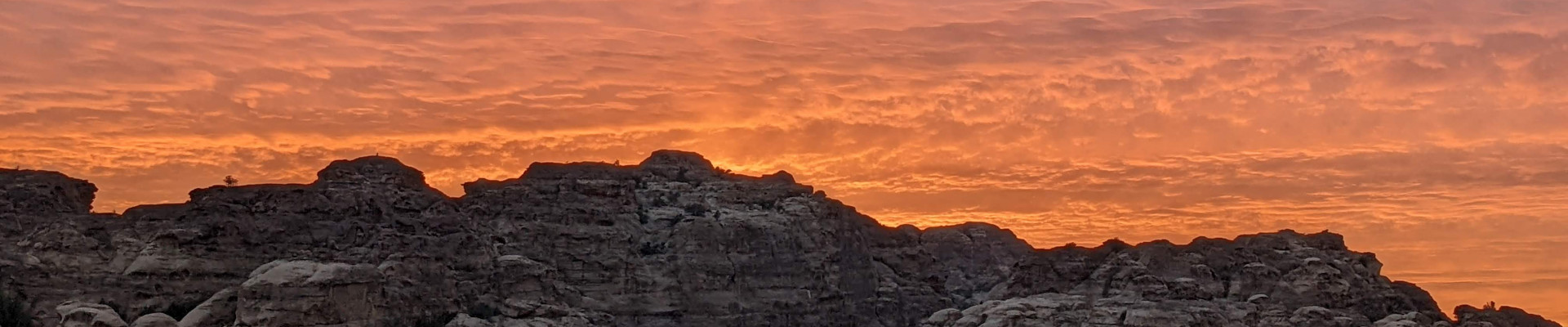
The trips we went on were also very educational. They exposed us to other parts of Nabataean culture that were either not present at either of our sites or else still under excavation. Dr. Johnson took us on a tour of Wadi Mataha that showed us the broader context of the tomb complex that we had been excavating. We saw a sprawling network of dozens of other tombs, cisterns, and water channels, most of which remain unexcavated. On a later trip to Little Petra and a High Place we saw what Nabataean worship may have looked like. These glimpses into the broader scope of Nabataean society helped me to better understand the objects and features we were finding back on site.[/vc_wp_text][vc_single_image image=”96200″ img_size=”full” add_caption=”yes” alignment=”center” onclick=”img_link_large” img_link_target=”_blank” css=”.vc_custom_1711999979902{padding-right: 10px !important;}”][mk_divider][vc_wp_text]The most exciting moment of the entire two months, for me, was finding an amethyst bead at the Wadi Mataha site. My Master’s thesis research has been on jewelry found in burial contexts, so when I saw an amethyst bead in the screen it felt almost unreal – I had spent so much time reading about objects like these and looking at small, black-and-white photos of them, that it was hard to believe I now had one right in front of me! There was an inexplicable feeling of connection as I dusted it off to reveal the carefully drilled holes on either side. Someone, a long time ago, had taken the time to take a beautiful stone and shape it into something that could be worn. A human being had created beauty for the sake of beauty (and possibly profit), and it had survived two thousand years to end up in my hand.

My experiences in Jordan are ones which I will never forget. It is a country rich in history and culture, and I hope that one day I will be able to work there as an archaeologist once again![/vc_wp_text][vc_single_image image=”96202″ img_size=”full” add_caption=”yes” alignment=”center” onclick=”img_link_large” img_link_target=”_blank” css=”.vc_custom_1712000520030{padding-right: 10px !important;}”][mk_divider][vc_wp_text]Emily Yankura is a Master’s student at Brigham Young University studying archaeology and museum studies. Her main areas of interest are the history of the ancient Near East and the portrayal of archaeology in popular media.[/vc_wp_text][mk_divider][vc_wp_text]Want to help more students and early career archaeologists get into the field? Donate to the cause today by selecting “Excavation Scholarships” as your gift purpose!

[/vc_wp_text][mk_padding_divider][/vc_column][vc_column border_color=”rgba(170,170,170,0.01)” width=”1/6″ css=”.vc_custom_1496684098866{margin-right: 5px !important;margin-bottom: 20px !important;border-right-width: 2px !important;border-bottom-width: 2px !important;padding-top: 30px !important;padding-right: 10px !important;padding-left: 10px !important;background-color: #ffffff !important;border-right-color: rgba(227,228,228,0.75) !important;border-bottom-color: rgba(227,228,228,0.75) !important;}”][vc_wp_posts title=”BROWSE THE NEWS ARCHIVE” number=”4″][/vc_column][vc_column border_color=”rgba(170,170,170,0.01)” width=”1/6″ css=”.vc_custom_1496684008271{margin-right: 10px !important;margin-bottom: 30px !important;border-right-width: 2px !important;border-bottom-width: 2px !important;padding-top: 30px !important;padding-right: 20px !important;padding-left: 20px !important;background-color: #ffffff !important;border-right-color: rgba(227,228,228,0.75) !important;border-bottom-color: rgba(227,228,228,0.75) !important;}”][vc_column_text] [/vc_column_text][/vc_column][/vc_row]
Fieldwork Report: Alice Kligerman

Something Old, Something New, Something Borrowed, Something Blue 

Alice Kligerman 

Something Old

Landing in Larnaca, Cyprus this summer was the final exhale from the inhale I took leaving in 2019. My undergraduate field school had come to an end, but I knew I was going to see Makounta – Voules again. Participating in the Makounta – Voules Archaeological Project run by Dr. Grossman and Dr. Paulette, both professors at North Carolina State University, was my first experience with archaeological excavation. As the weeks went on, I found myself falling in love with all aspects of Polis Crysochous. Coming back in 2022 felt like the most natural decision. The museums, exhibits, and sites we had visited in 2019 made their appearances this time too, but I had new questions and observations. I still had the same awe filled reaction to all the sites, however. It was almost comforting to walk through the sites flooded with memories of previous photos backdrops, the best views, and the cool spots around the island. Learning from the first time I was here, I made sure to get gelato as often as possible. The biggest full circle moment occurred when I first saw the open trenches. Being a bit more comfortable with moving fast but delicately, I was reacquainted with the architecture I uncovered and detailed in 2019. However, this time I was removing the buckets of dirt we had put back in at the end of the season on the top of the tarp. I could not merely sit back and watch as they pulled the tarp back and revealed “my” archaeology baby: an in-situ pot smash. I am beyond grateful that the directors let me continue to work on it again. As a young archaeologist, it is beyond thrilling to feel the excitement of finding something new and later being able to work intimately with it again.

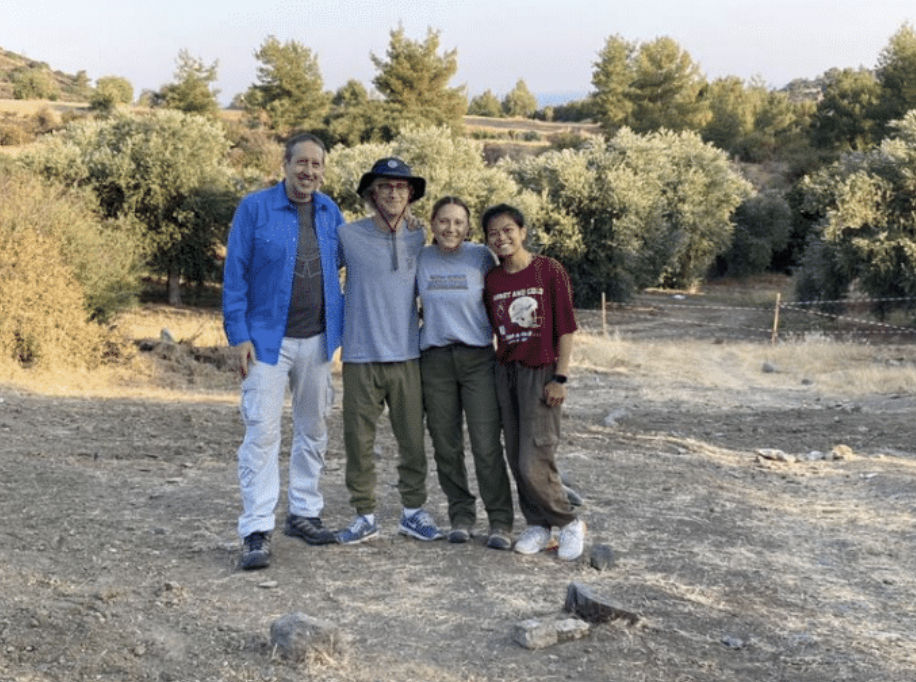
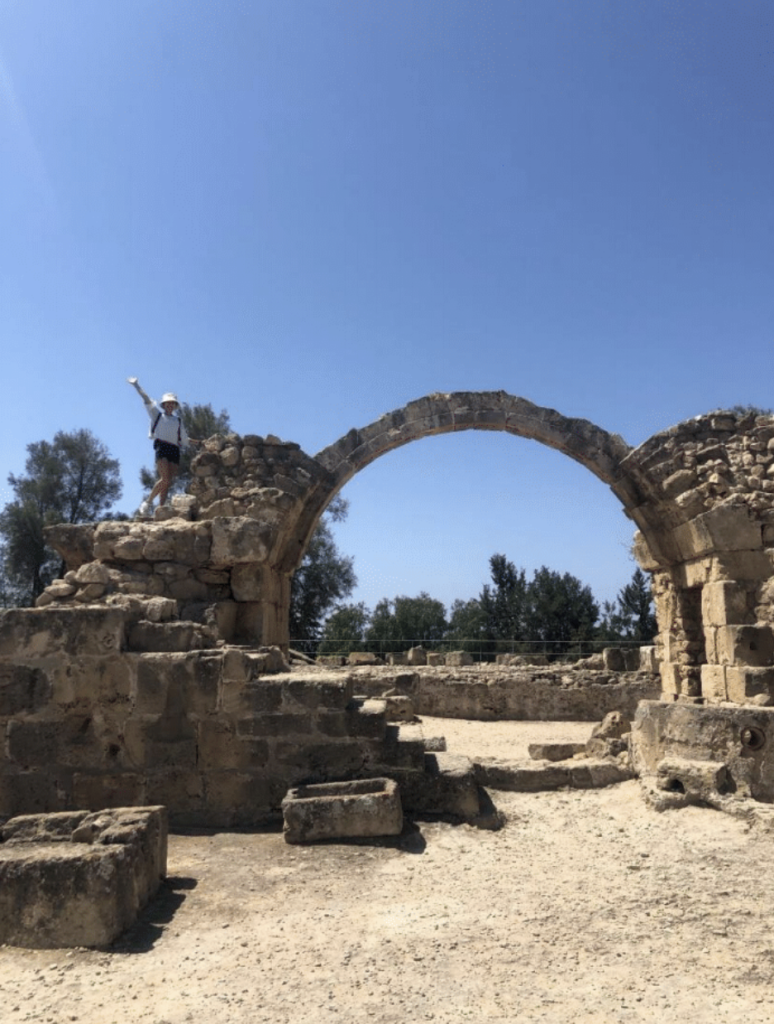
Me at Nea Paphos

Something New

While I was coming back to familiar land, I was entering a whole new chapter in my career. I was bestowed a supervisory position, rather than a field student. A big learning curve came when I had to learn how to sit back and let someone else dig ‘your’ trench, one I was strongly attached to from 2019 as it was the trench I had worked in. It was a new perspective of field notes and final reports. Additionally, I had to let new archaeologists do the tasks that were my favorite (i.e. balk walk cleaning, articulating, and detailing). Being confronted with this invisible expectation I had, that field excavation roles would be the same as 2019, was something I would never have predicted to be difficult to navigate. Also, since this is a field school, I had to learn to be okay with there being accidents, mistakes, and archaeological contexts fudged on accident. These new perspectives on leading a dig only added to the knowledge and experience basket this summer.

Me and my trenchmates! (left to right) Trench supervisor Eric, Students Shane and Olivia, and me!

Something Borrowed

This year, one of my main emphases was gathering background research for my upcoming master’s thesis. This included traveling around the island to find people to talk to, specific documentation, and other minutia of research. Additionally, some days in the field I had to step out to make sure I was writing and reading. I am very luck to have gotten to know, very well, the directors of the field school. Dr. Grossman and Dr. Paulette are from my undergraduate institution of North Carolina State University (Go Pack!). I owe my love of anthropology and drive for field excavation to these two. Simultaneously, Dr. McCarthy and Dr. Graham (assistant directors of MVAP and primary directors of the Prastio Mesorotsos Archaeological Expedition) are a wealth of information and kindness. What I consider borrowed here is their time, expertise, and mentorship. In addition to the sheer number of credit hours I dedicated to Dr. Grossman and Dr. Paulette, they have always been the source of advice regarding steps towards my professional career. This summer, I was watching how they ran the field school more than last. Not only did this expose me to the process of excavations, but I also listened to the methodological reasons behind specific decisions in the field. MVAP 2019 was my first archaeological field school experience, and I was more interested in excavation and hitting the beach. This year, I found it more interesting to understand more about the archaeology of the site we are excavating and history of the island, specifically in archaeological context to the site. Additionally, they directed me towards the best resources for my thesis research. They helped us get permission to go to the CAARI library, and I gathered a wealth of information. Starting my master’s thesis has been infinitely helped because of the archaeological knowledge I was gaining from them. I consider this borrowed because I will always have the intention to return the favor by learning and using what they taught me in my future as an archaeologist.

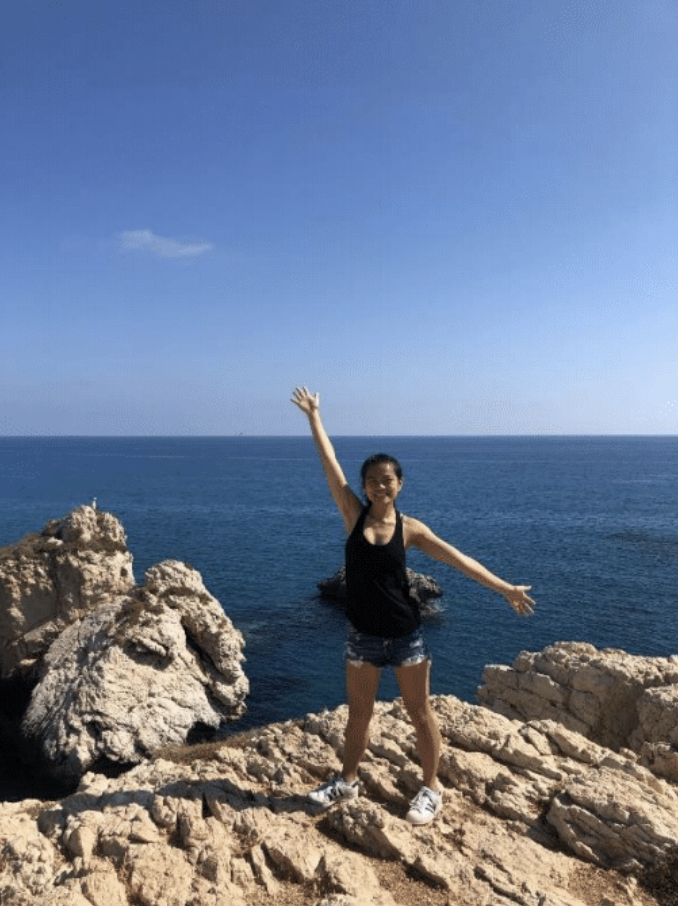
Alice Kligerman on top of Aphrodite's Rock, Cyprus.

Something Blue

Now let’s not forget . . . the site is located on Cyprus, an island in the Mediterranean. Aside from the work that went into the archaeological aspect of this trip, I was fully intending on enjoying the island while I could. Trips to the beach were a must. Many times, I would end up doing my work in settings near the water for the pure relaxation. Fridays were field trip days and, on top of seeing the sites around the island and learning about their significance, there was always a beach stop before heading home. Being reacquainted with the clear, blue gradient waters of the Mediterranean was some of my favorite moments from the trip. I swam to different parts of the beaches than last time, even adventuring into the water-carved caves of Aphrodite’s Rock. I felt like I could breathe clearer than above water while swimming. In conjunction with the blue of the sea, there was the clear blue of the sky. There were a few days of overcast, but the blue sky was present for most of the day, creating an almost ‘light’ feeling. The weather on the island throughout this summer, specifically in the area of Polis Crysochous, was ideal for both fieldwork and leisure.

My summer was filled with new and old experiences in the beloved location of Polis Crysochous, Cyprus. After a COVID-19 break of 2 summer excavations, I was finally able to witness excavation continuity. Seeing the opening of the trenches was very exciting, and the closing of the trenches just as heartbreaking. I was also researching for my thesis, so I was gaining more knowledge about the island’s pre-history, culture, and social dynamics throughout the years. Thus, while I was prepared for there to be new experiences, and expected there to be, I would never have predicted what type. While not in a nuptial setting, I believe this popular saying was appropriate when describing the moving parts of the summer and the many memories made.

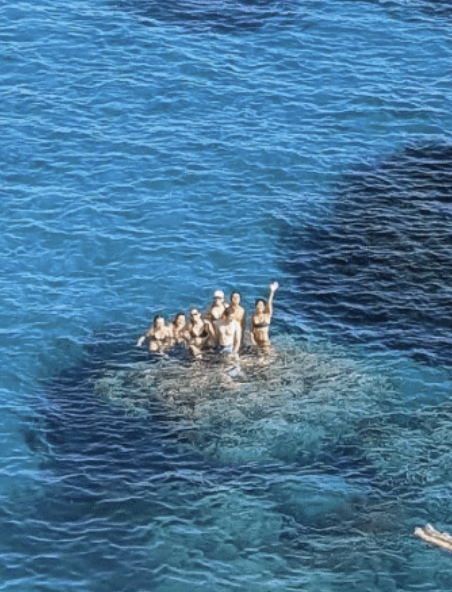
Very pixelated, but taken from the top of Aphrodite's Rock to us below

Alice Kligerman is a second-year master’s student at Florida State University. She received her B.A. in Anthropology in 2018 from North Carolina State University. Currently, she is working on her master’s thesis to defend in the spring of 2023. Her interests lie in the prehistory of Cyprus (7000 BC – ~2500 BC, specifically). She is interested in emergent complex societies and the archaeological evidence of increased social differentiation.

Instagram: @alvkh

Email: ak21y@fsu.edu

Want to help more students and early career archaeologists get into the field? Donate to the cause today by selecting “Excavation Scholarships” as your gift purpose!

Fieldwork Report: Sofia Kane

A Typical Day with the Vayots Dzor Fortress Landscapes Project

Sofia Kane, 2022 Strange-Midkiff Scholarship Recipient

Thanks to the support of the Strange-Midkiff Scholarship for Fieldwork Participation, I was able to travel to Vayots Dzor, Armenia, in July of 2022 to participate in archaeological fieldwork. I joined the Vayots Dzor Fortress Landscapes Project, directed by Dr. Tiffany Earley-Spadoni, Dr. Arthur Petrosyan, and Dr. Boris Gasparyan.

The Vayots Dzor Fortress Landscapes Project is a multi-period project consisting both of survey and excavation, with concentrations of material from the Late Bronze/Early Iron Age as well as the medieval period.

This was my first field season in Armenia. For four weeks in July, I lived in the town of Areni while surveying and excavating. I greatly enjoyed working on a multi-period excavation, since my own focus is the late medieval period. It was interesting to collaborate with students focusing on other time periods and to discover more about the landscape from a diachronic perspective.

So, what does a typical day with the Vayots Dzor Fortress Landscapes Project look like?

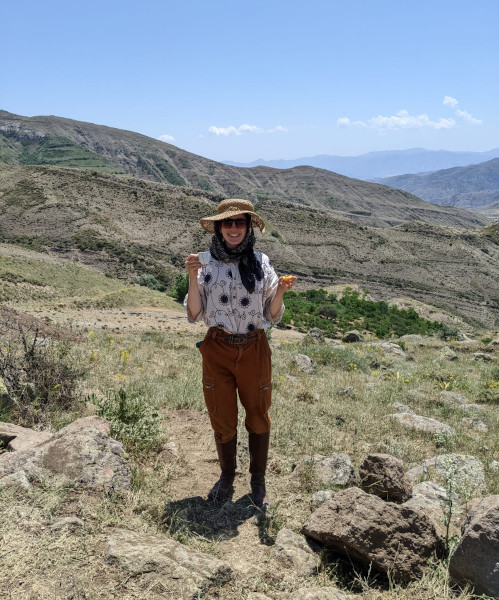
Sofia Kane participating on the Vayots Dzor Fortress Landscapes Project in Armenia.

In the morning, we would wake up and have a filling breakfast prepared by our host. This started with lavash (soft flatbread), cheese, and fresh herbs such as basil and chives, which were combined together into a rolled sandwich. This staple of Armenian cuisine was accompanied by eggs, tea, and honey.

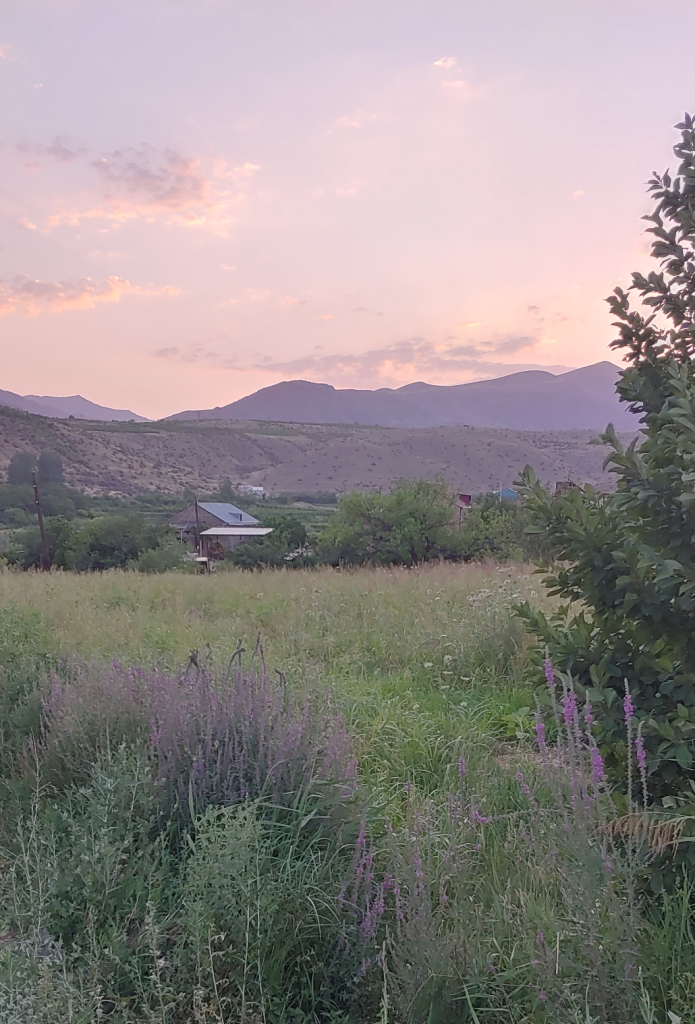
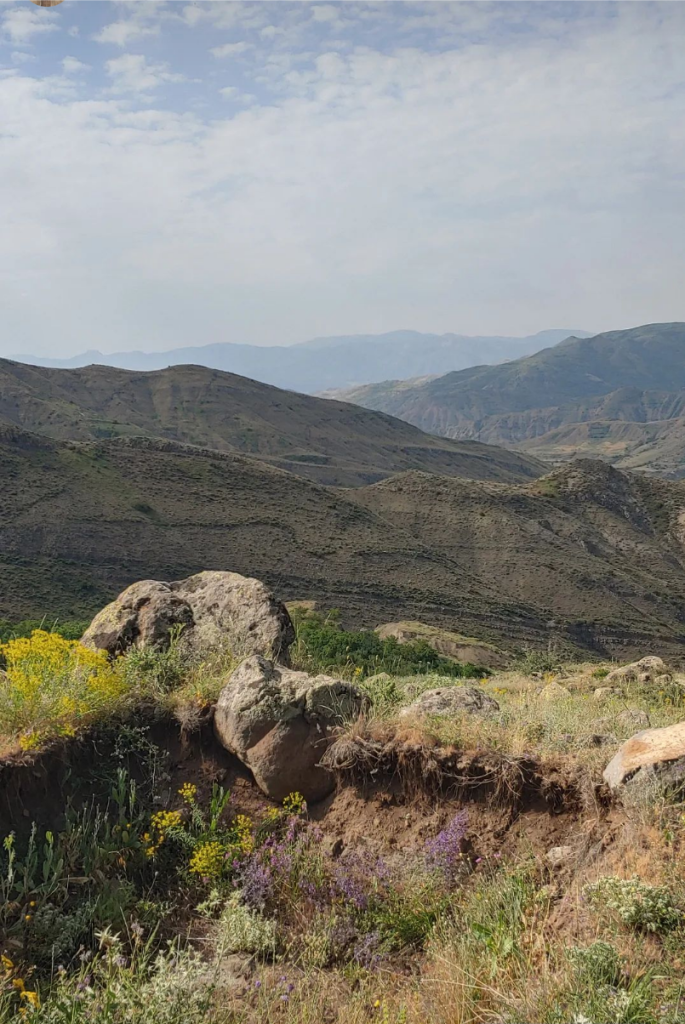
Next, we would split into two teams: one for the excavation, and one for survey. I was usually excavating, although on some days, I stayed at the dig house to illustrate finds, and on other days, I joined the survey team. The drive to the excavation featured beautiful glimpses of the Armenian countryside and a winding final stretch up into the hills. At the end of the drive, we unloaded the van and carried picks, buckets, trowels, and other tools up to the trench.

Once we got to the site, my role was to record sketches of the trench and daily summaries on the record-keeping sheets, and to excavate with pick and trowel. The area we were excavating had already been excavated in a previous season; our goal was to expand the pre-existing trench and to reach bedrock, thereby documenting all layers of habitation of the site.

Lorem ipsum dolor sit amet, consectetur adipiscing elit. Ut elit tellus, luctus nec ullamcorper mattis, pulvinar dapibus leo.

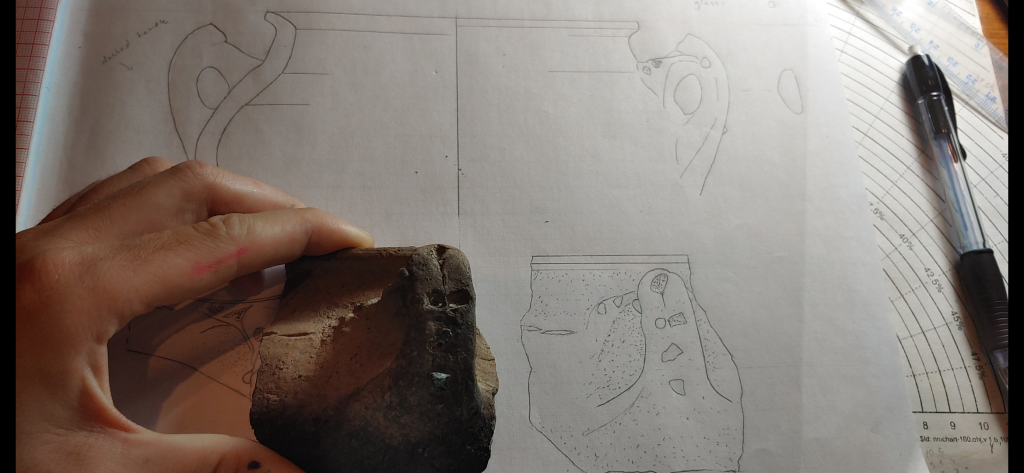
We ate lunch in the field and ended fieldwork in the mid-afternoon. After returning to the dig house and having our daily break, lab work commenced. My lab job was to illustrate the artifacts, mostly ceramics. I illustrated new ceramic finds by pencil, and digitally inked scans of penciled drawings from a previous season. I also had the opportunity to teach other students how to illustrate archaeological artifacts.

One question I am often asked is, why illustrate artifacts at all, when photography is faster? One answer is that illustration makes it possible to show objects in section. If one were to slice a vessel from top to bottom, the section is what the slice would look like. The section makes it easier to compare vessels from multiple sites and publications to see whether they are similar. Trying to record a vessel’s section with a photograph would result in a distorted image, and it would require damaging the vessel.

Illustration also makes it possible to re-create what a complete, or nearly complete, vessel would look like from only a few sherds. If one were to simply photograph a sherd, it would not reveal much about what the vessel looked like as a whole.

Meanwhile, photography has complementary uses: it can show the colors of glazes and surface decorations, and close-up photographs are able to show the composition of the clay. Together, photography and illustration create a balanced visual record of an archaeological artifact.

Towards the end of the season, we took final photos of the trench in the early-morning light, and I drew a top-plan of the trench. Drawing the top plan required about five hours of carefully measuring and sketching, because every rock and other feature of the trench needed to be plotted accurately in relation to the rest of the trench.

After wrapping up fieldwork, we carefully packed the artifacts for storage, transported them to the storage facility, and left for the capital city of Yerevan. Although this was my first summer in Armenia, I certainly hope it will not be my last.

Sofia Kane is a master’s student at the University of Crete in Rethymno, Crete in the Department of History and Archaeology, supervised by Dr. Antonis Anastasopoulos. Her research interests include archaeological illustration, medieval through Ottoman material culture, and the Ottoman-European scientific and intellectual networks of the 16th century.

Read more about Vayots Dzor Fortress Landscapes Project here.

Want to help more students and early career archaeologists get into the field? Donate to the cause today by selecting “Student Support” as your gift purpose!

Harris Grant Report: Khirbat al-Balu‘a, Jordan

2022 Harris Grant Report: Khirbat al-Balu‘a, Jordan

The ASOR Charles Harris Project Grant helped to fund the first season of excavations in the Islamic period village at Khirbat al-Balu‘a on the northern Karak Plateau in central Jordan. This excavation is part of the Balu‘a Regional Archaeology Project (BRAP), directed by Kent Bramlett, Monique Roddy, and Friedbert Ninow.

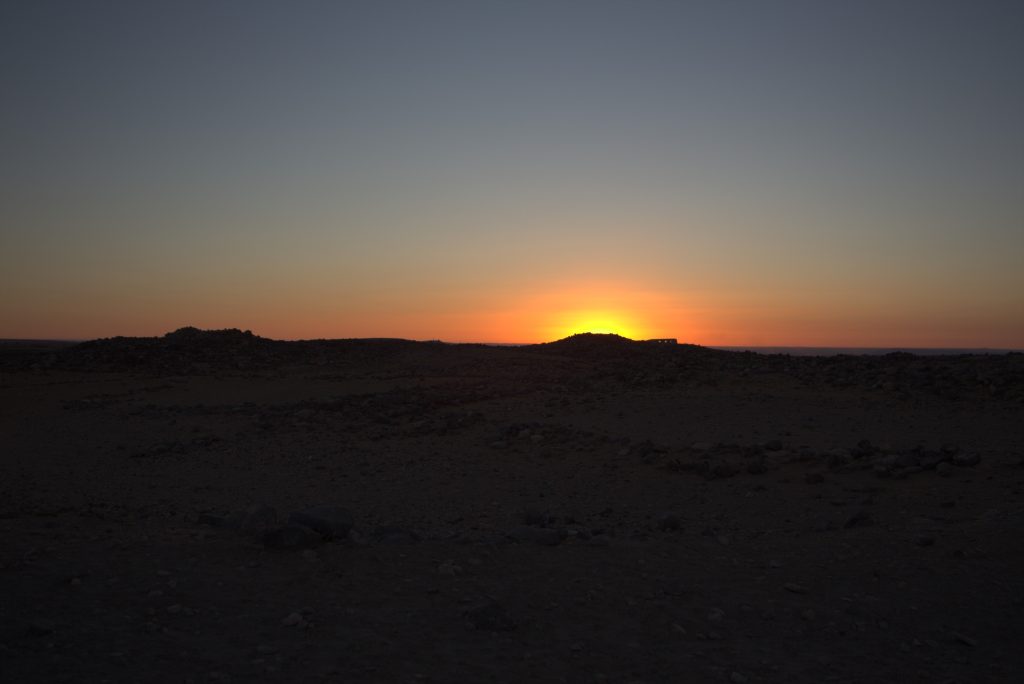
Morning arrival at Khirbat al-Balu‘a, looking east from the Khan
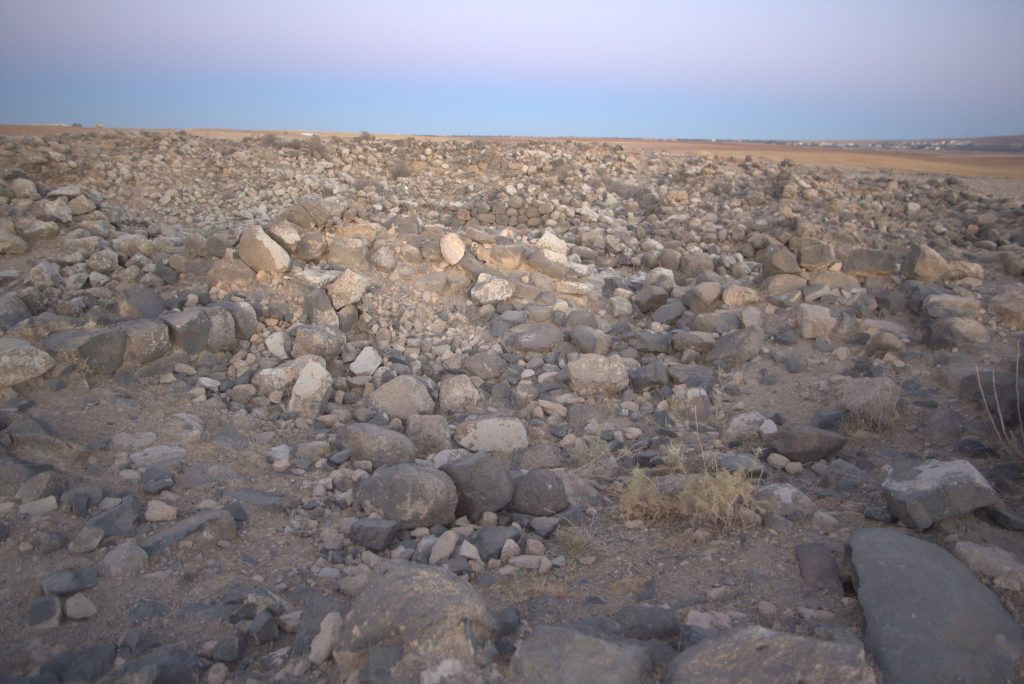
The Khan prior to excavation

Prior to this season, BRAP has focused on investigation of the impressive Iron Age remains in the northern and eastern portions of the site, which remain a research priority. This season, the Harris Grant allowed the project to expand investigations to the Middle (ca. 1000-1400 AD) and Late (post-1400 AD) Islamic period village in the southwestern portion of the site. Much remains unknown about the village, including its name and the exact chronology of its occupation. Its location and the presence of a large (ca. 40 x 40 m) square structure, which we tentatively identify as a khan/road inn, on its western edge, however, seem to suggest that it served as a stopping point for people travelling to and from the regional capital of Karak, perhaps including caravans of hajj pilgrims during the Middle Islamic period. Other features identifiable on the surface of the village, including grain threshing floors and a small olive press, point to the village’s agricultural economy.

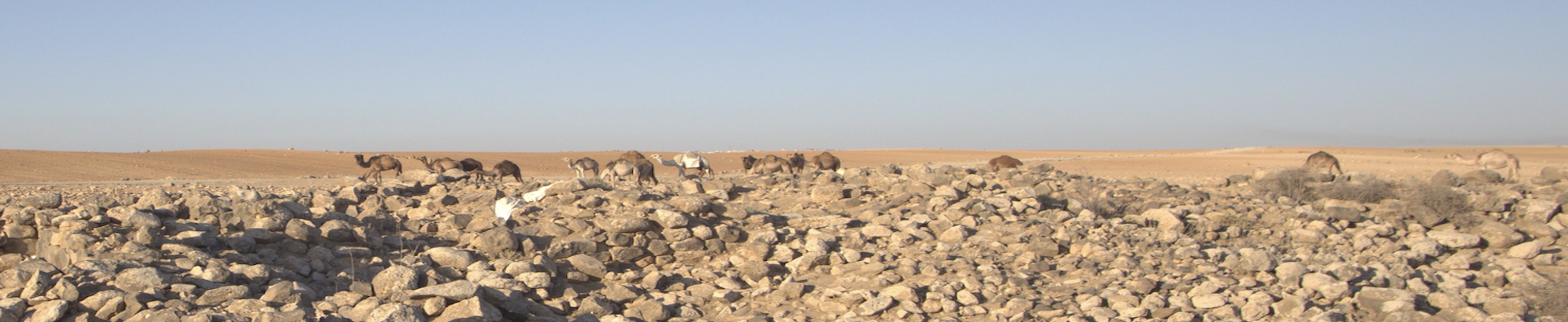
Taking a break to watch a herd of camels cross the road near the Khan.

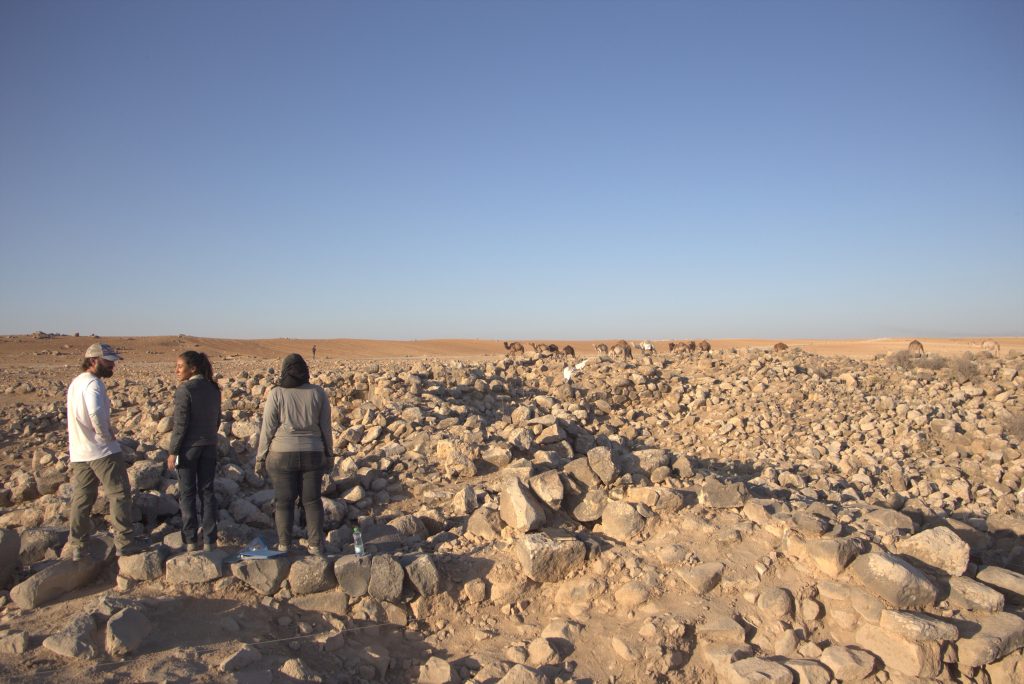
Team Khan (Jadah Ryan, Peter Tucci, Saraa Myran, London Perlis, Roma Aatifi, and ‘Ammar Hijazin) hard at work

The BRAP Islamic Village Excavations will investigate these economic aspects of the site, as well as the social structure of the village, the daily lives of the site’s residents, and the environment of the Karak Plateau. We chose to begin our work in the Khan, however, in order to more accurately determine the original function of the building and to better understand its relationship to the village itself. The excavations this season revealed remodeling and reuse of the Khan early in the Late Islamic period (probably the 16th or 17th century AD) as a living space, storeroom, or both. The Khan may have gone out of use as a result of the eastward shift of the hajj route under the Ottomans in the 16th century, but its reuse not long after this shows that the village maintained a thriving agricultural economy.

The Late Islamic reuse phase of the Khan at the end of the season.

We plan to continue investigating this economic transition in future BRAP season, and we thank ASOR for supporting the establishment of our long-term research into the Islamic period on the Karak Plateau, an important but understudied facet of the archaeology of Jordan.

-Ian Jones, Field Director of the Middle Islamic Village,
University of California, San Diego

2022 ASOR Honors & Awards

2022 ASOR HONORS & AWARDS


Each year at the Annual Meeting, ASOR recognizes individuals who have performed outstanding service for the organization, those who have published exceptional academic work, and those who made significant contributions to our field. The following award recipients were honored at the 2022 Annual Meeting in Boston. Awards were presented by Lynn Welton, Chair of ASOR’s Honors and Awards Committee.

The W. F. Albright Award. This award honors an individual who has shown special support or made outstanding service contributions to one of the overseas centers, ACOR, AIAR, CAARI, or to one of the overseas committees – the Baghdad Committee and the Damascus Committee. This award is given when such an individual is identified.

ACOR: Awarded to John P. Oleson, Distinguished Professor Emeritus at University of Victoria; Member of ACOR’s Board of Trustees.

The Charles U. Harris Service Award. This award is given in recognition of long term and/or special service as an ASOR officer or Trustee (one award is given annually).

Awarded to Richard L. Coffman, Managing Director at the Coffman Law Firm; outgoing Chair of ASOR’s Board of Trustees.

The P. E. MacAllister Field Archaeology Award. This award honors an archaeologist who, during his/her career, has made outstanding contributions to ancient Near Eastern and eastern Mediterranean archaeology (one award is given annually).

Awarded to Glenn Schwartz, Whiting Professor of Archaeology at Johns Hopkins University.

ASOR Membership Service Award. This award recognizes individuals who have made special contributions on behalf of the ASOR membership, through committee, editorial, or office services.

Awarded to Helen Dixon, Assistant Professor of History, East Carolina University; outgoing Co-Chair of the ASOR Program Committee.


Awarded to Ann-Marie Knoblauch, Associate Professor of Art History and Associate Director of the School of Visual Arts, Virginia Tech University; Secretary, ASOR’s Board of Trustees and Executive Committee.

ASOR Community Outreach and Public Engagement. This award recognizes individuals, teams, and organizations who have initiated outstanding educational, informational, or practical projects (including but not limited to classes, programs, exhibits, resources, events, platforms) with the goal of making subjects and information about the ancient world accessible to wider (particularly non-academic) audiences.

Awarded to Melissa Cradic and Samuel Pfister, for their virtual exhibit, Unsilencing the Archives: Laborers of the Tell en-Nasbeh Excavations (1926-1935).

To view the virtual exhibit, click here.

The G. Ernest Wright Award. This award is given to the editor/author of the most substantial volume(s) dealing with archaeological material, excavation reports and material culture from the ancient Near East and eastern Mediterranean. This work must be the result of original research published within the past two years (one award is given annually).

Awarded to Andrea De Giorgi, Associate Professor, Florida State University; and Asa Eger, Associate Professor, University of North Carolina at Greensboro; for Antioch: A History.

The Frank Moore Cross Award. This award is presented to the author/editor of the most substantial volume(s) related to the history and/or religion of the ancient Near East and Eastern Mediterranean. Primary consideration will be given to historical, epigraphic, textual, and comparative literary studies; or to works that advance and/or evaluate new methodological approaches to the literary record(s). This work must be the result of original research published during the past two years (one award is given annually).

Awarded to Carolina López Ruíz, Professor, University of Chicago Divinity School and Department of Classics, for Phoenicians and the Making of the Mediterranean. 

The Nancy Lapp Popular Book Award. This award is presented to the author/editor of a book published in the last two years that offers a new synthesis of archaeological or textual evidence intended to reach an audience of scholars as well as students and the broader public (one award is given annually).

Awarded to Paul Collins, Keeper of the Middle East at the British Museum, for The Sumerians. 

The Joy Ungerleider Poster Award. This award is conferred upon the author(s) of the poster presenting the results of a study about ancient Near Eastern societies in a clear, legible fashion using original graphic content. Subject matter may be based in archaeological sciences, history, anthropology, epigraphy, ethnography, heritage or other scholarly approaches to understanding ancient people in the areas covered by ASOR (one award is given annually).

Awarded to Brady Liss, Matthew Howland, Anthony Tamberino, Mohammad Najjar, and Thomas E. Levy, University of California San Diego, for the poster: “Digitally Cleaning the Section: Using Archived Photographs to Reconstruct Stratigraphic Sections in Faynan, Jordan.”

Student Paper Award. This award is conferred upon the author(s) of a paper presented during the Annual Meeting that conveys the results of a study about ancient Near Eastern and wider Mediterranean societies in a clear, understandable and convincing fashion. The first author and presenter of the paper must be a registered student at the time of presentation in order to be eligible for consideration for this award.

Awarded to Alia Fares, University of Cologne, Germany and Landward Research, Ireland, for the paper “Archaeology at Your Doorstep-Building Heritage Awareness on the Lebanon Mountain Trail and for Beirut’s Traumatized Youth.”

Click here to watch the pre-recorded paper presentation. 

Fieldwork Report: Nathan Lovejoy

Kınık Höyük 2022: Short but Sweet

Nathan Lovejoy, 2022 Steinmetz Scholarship for Active/Reserve Military or Veterans Recipient

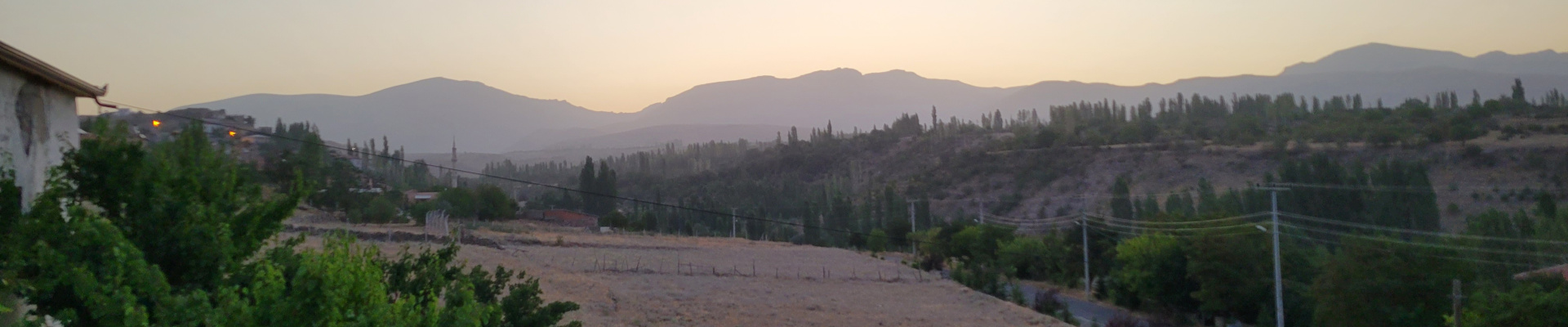
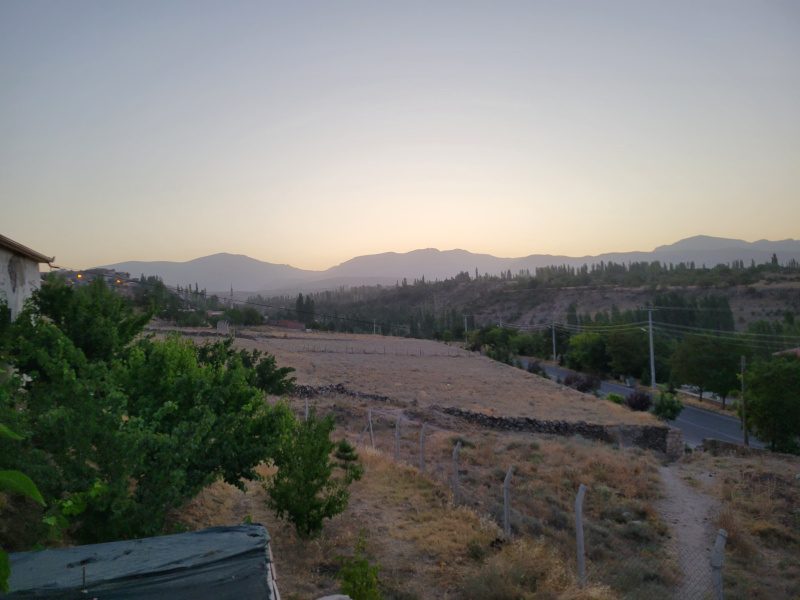
This year, thanks to the generosity of Charles Steinmetz and the help of ASOR, I was able to return to the excavations at Kınık Höyük in Niğde province, Turkey after two years missed due to the pandemic and the birth of my first child. Unfortunately, this season was also shortened by delays in acquiring our excavation permit and research visas, but even so, it was wonderful to be back on the site and at the dig house, and back with friends and colleagues that I hadn’t seen in such a long time. Not to mention, back to such a wonderful morning view before heading to the field.

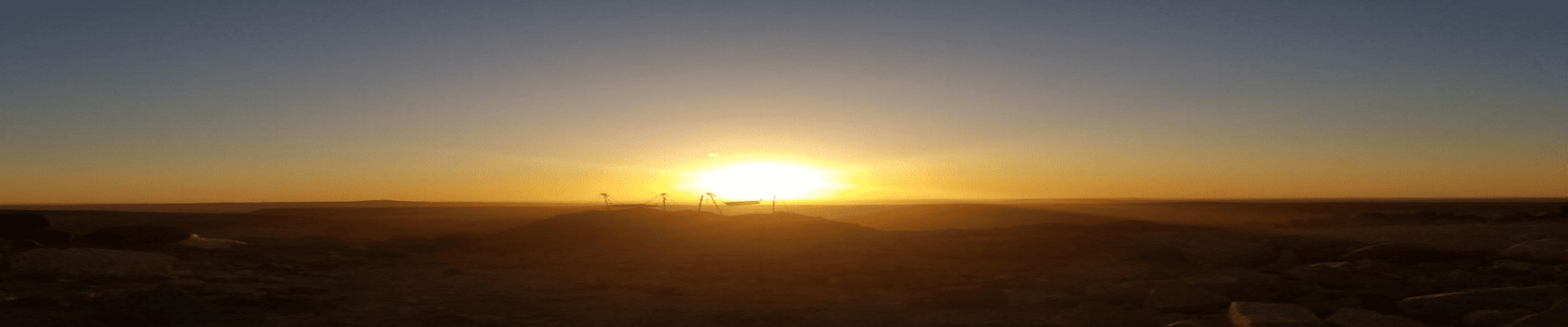
A lovely morning sunrise at Kınık Höyük.

Nathan holding the fragmentary bronze bowl.

My work this year focused on continued excavations in a Late Iron Age room (ca. 7th-6th c. BCE), which I began to expose in 2017. This entailed excavating a Late Hellenistic occupation layer and Achaemenid period deposits – about two meters of earth – before secure Iron Age contexts were reached. While most of these intervening layers lack a well-defined context, they did produce several interesting finds. One such discovery was a crushed and fragmentary, but mostly complete, bronze bowl found resting on a loosely structured external surface of beaten earth. The bowl awaits restoration to allow for further analysis, but we were quite happy for the discovery in the field.

As for the Late Iron Age room itself, we opened a southern extension of the previously excavated space hoping to better understand its connection with adjacent rooms. The space is particularly interesting in its final phase of use (or perhaps disuse?), when it served as the locus for a midden heap rich in anthropic materials – the collection of these materials has become even more urgent in the last year, as the robust ceramic assemblage is now the focus of PhD research of a colleague at the University of Pavia, Italy. Additionally noteworthy are the peculiar faunal assemblage suggestive of ritual activity in the vicinity – presented at ASOR 2021 – and the recent identification of bone horse bridles, of which we have three – so at least definitely more than a single pair! The new materials collected this year require further analysis before any conclusions can be made, but from impressions made in the field, they appear consistent with past discoveries. One entirely new discovery from the room in the same period as the midden heap was a well-structured oven composed of stones, mud-bricks, and large ceramic sherds – apparently debris collected for reuse. The chamber of the oven sloped downwards to allow for heating without direct exposure to the fire, and the innermost part of the chamber was entirely full of burnt ashy remains of the fuel used for cooking.

A Late Iron Age oven composed of stone, mud-brick, and ceramic sherds.

In all, the season felt way too short, but we all made the best of the time we had. Materials still need to be studied, and more excavations will be needed next year, but the campaign still feels like a success. And in the end, even if we hadn’t been able to put a single trowel to the earth, the renewed collegiality and rekindled friendships with scholars and students from across the globe would have made the short season worth every effort anyway. Thanks again to ASOR, Charles Steinmetz, and the Universities of New York, Pavia, and Florence for facilitating my research and participation in the excavations of Kınık Höyük this year.

Nathan Lovejoy is in the final year of his PhD at the Institute for the Study of the Ancient World at New York University, where he is writing a dissertation on institutional change and identity maintenance in the northeast Mediterranean during the Iron Age. He is a US Army veteran, a father to his amazing son Arthur, and husband to his ever-supportive wife Maggie.

Read more about the Kınık Höyük Archaeological Project.

Want to help more students and early career archaeologists get into the field? Donate to the cause today by selecting “Student Support” as your gift purpose!

Geraty Grant Report Update

A Children’s Book, A Local History Book, Summer Camps, and a Maintenance Agreement: An Update on the Lawrence T. Geraty Community Archaeology Endowment, 2022

In 2020 Andrews University partnered with the American Society of Overseas Research to establish the Lawrence T. Geraty Endowment to foster and serve as an accelerant for the development of know-how and innovative approaches for local community engagement with the custody and care of archaeological sites. The first distribution from the endowment happened in 2021 (read the 2021 report here). A second distribution from the endowment took place this past summer, and here is a brief update on how the funds were spent.

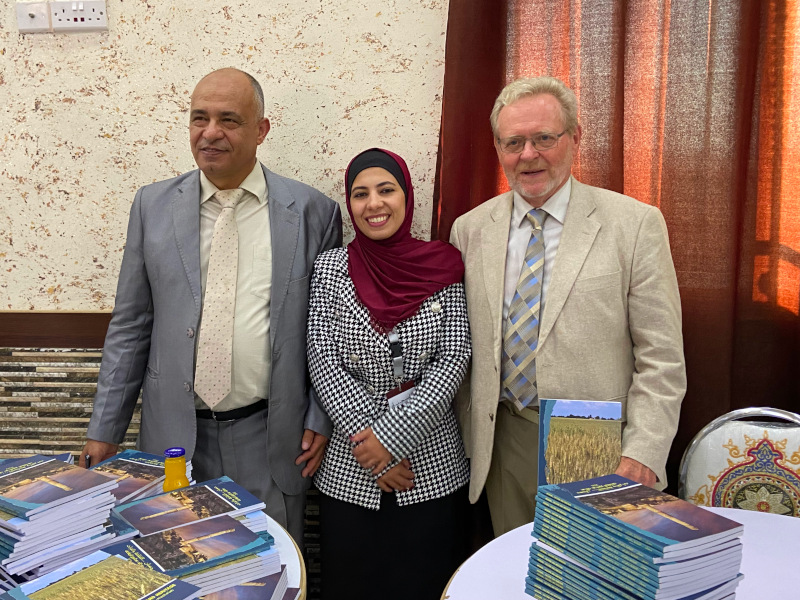
Karam and Hesban is the English translation of a children’s book in Arabic about Hisban authored by Rasha Dababneh and illustrated by Safa Abudoush. The book, which was published in 2021, tells the story of a little boy, Karam, who visits Hisban and while there, meets a local shepherdess, who becomes his guide while also grazing her sheep on the slopes of the tell. The project of producing the book was initiated and supervised by the writer and AlRaqeem,  with funding provided in part by the ASOR Geraty Endowment. Copies of the book have been distributed for free to children living in Hisban. The book is part of the book series “Discover Jordan with Karam.” The sale of the book in local bookstores supports the protection of the site.

Husban Culture and Heritage is a local history book authored by Abdullah Abdulazeese Al-Masha’lah. It was published in 2022 in Arabic and English and offers a local account of the agricultural know-how, crafts, and wisdom of past generations of the contemporary Ajarmah families of Hisban. The book also offers a local perspective on archaeological discoveries at the site. As with the above-mentioned children’s book, the project of producing the book was initiated and supervised by the writer and AlRaqeem,  with funding provided in part by the ASOR Geraty Endowment. The book has been distributed for free to local residents and is available for purchase in local bookstores.

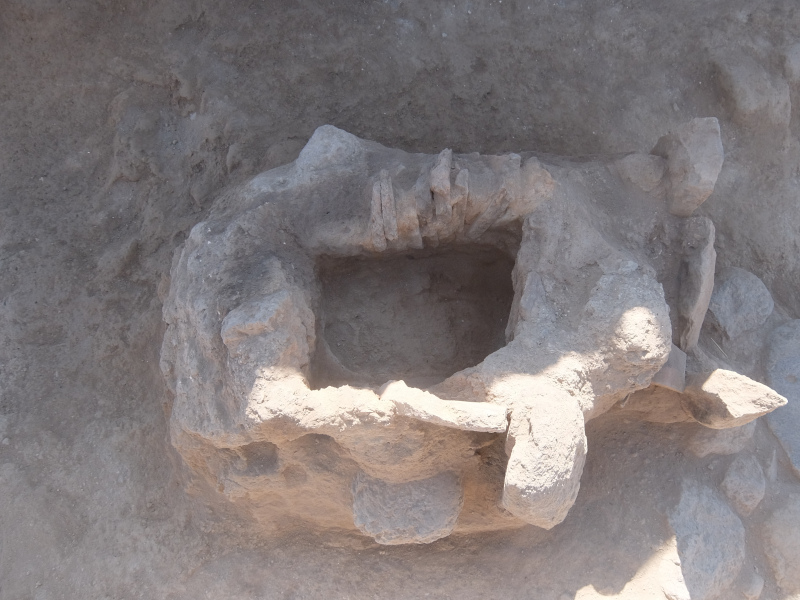
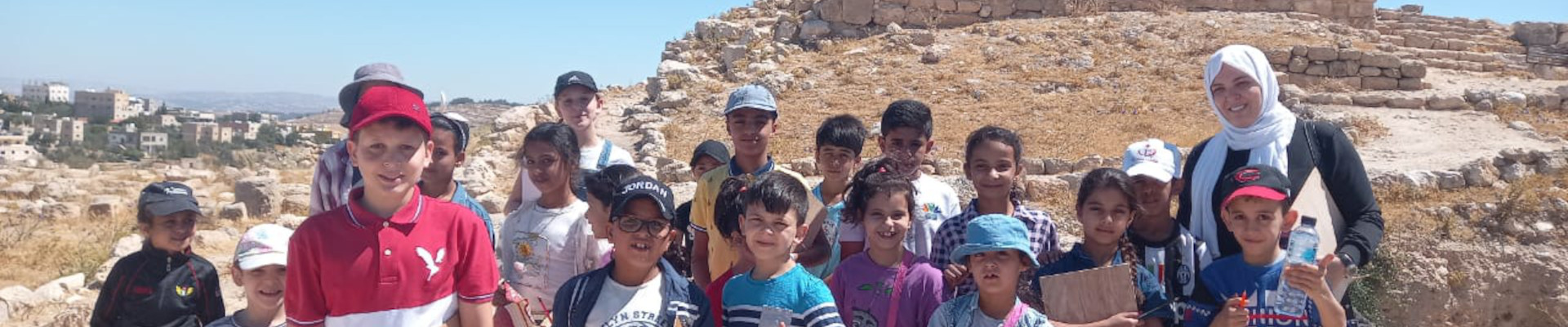
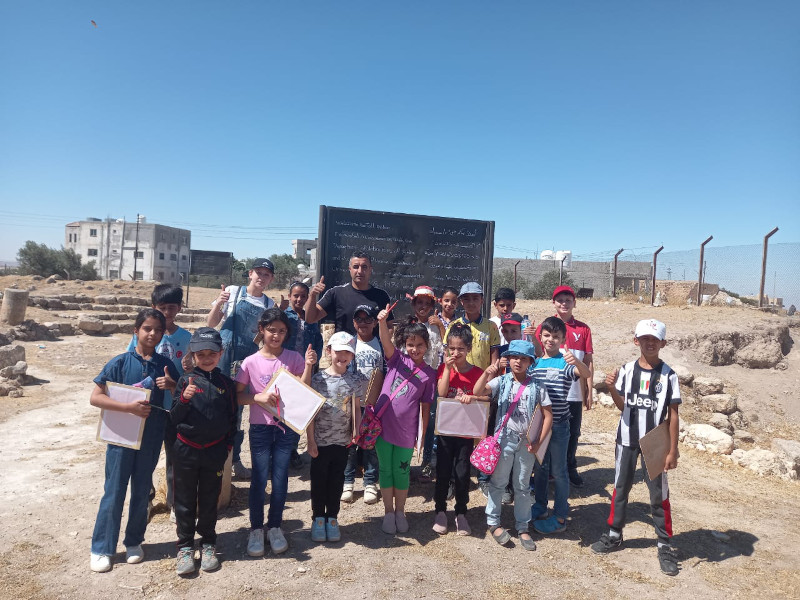
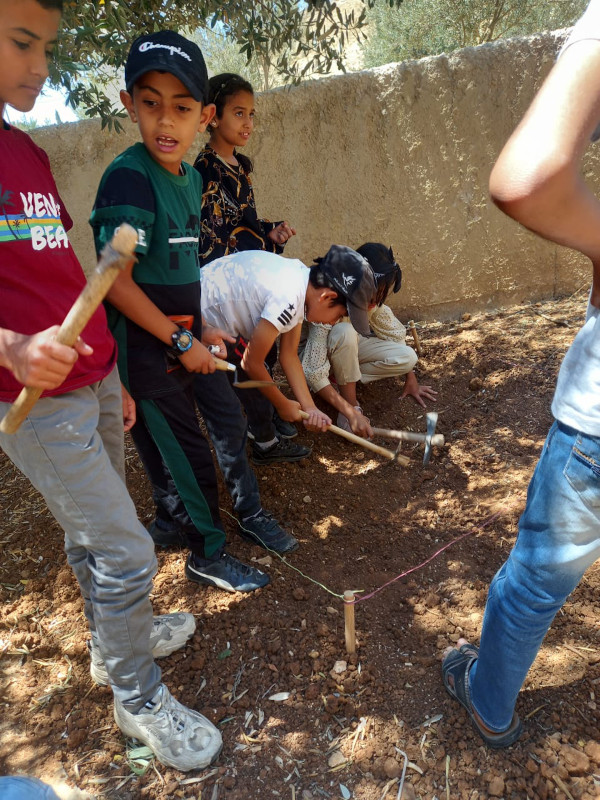
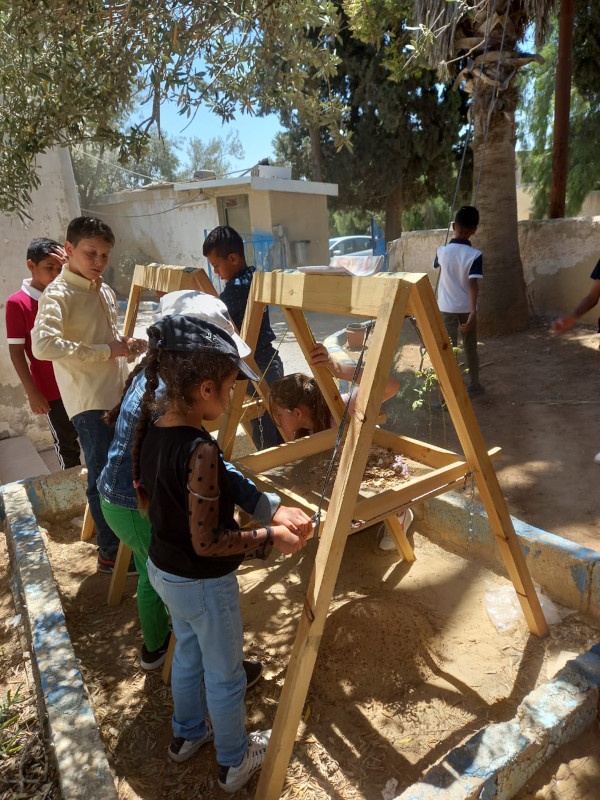
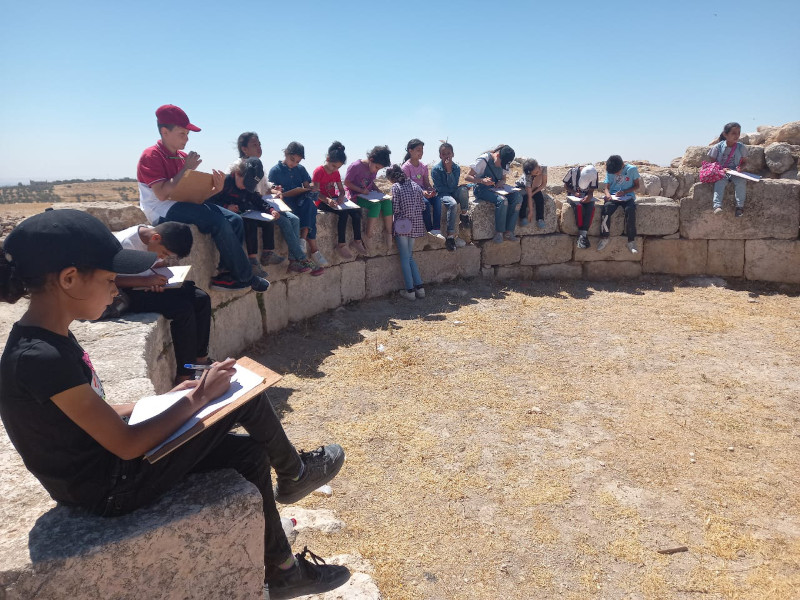
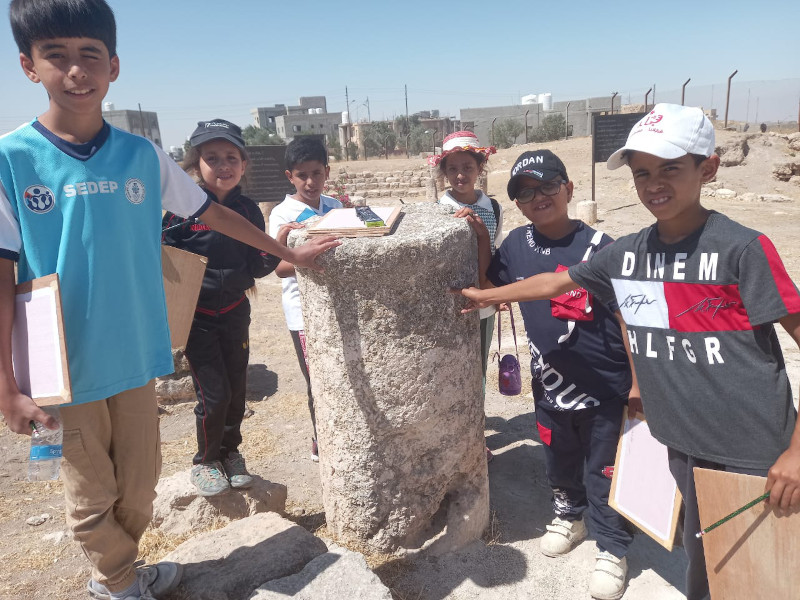
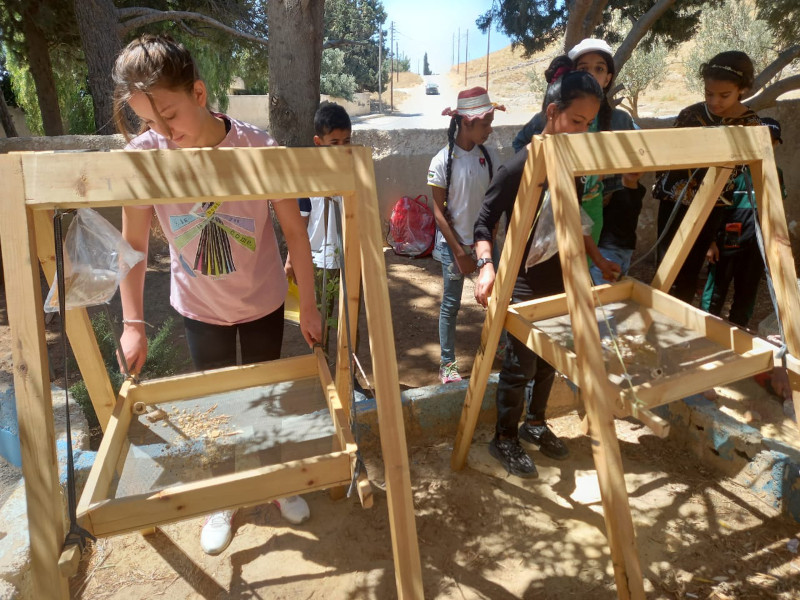
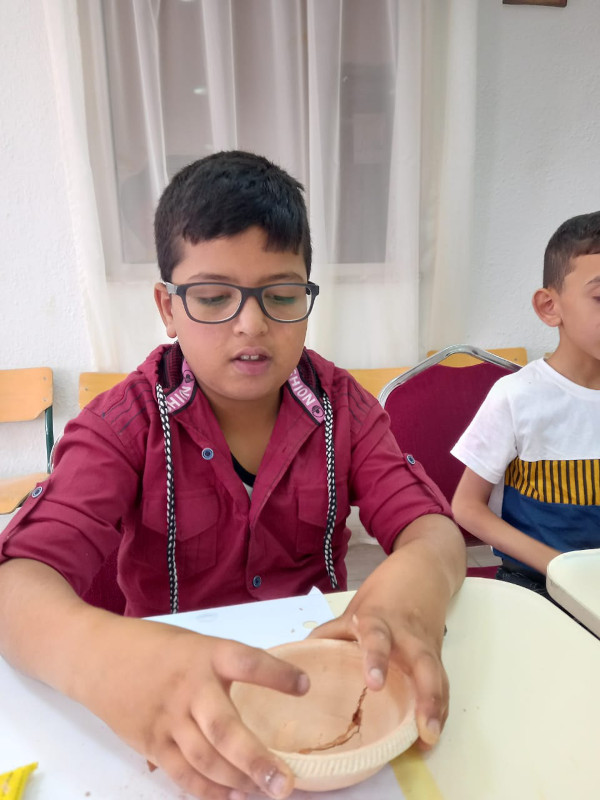
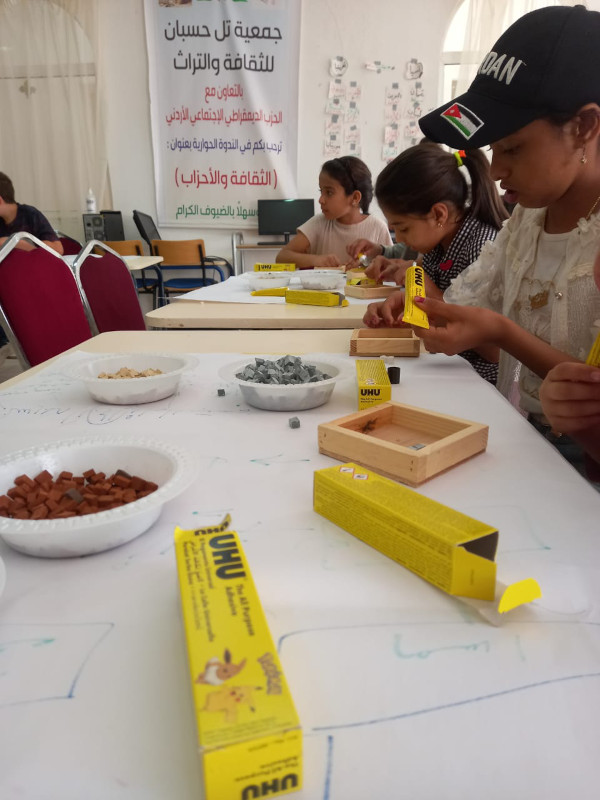
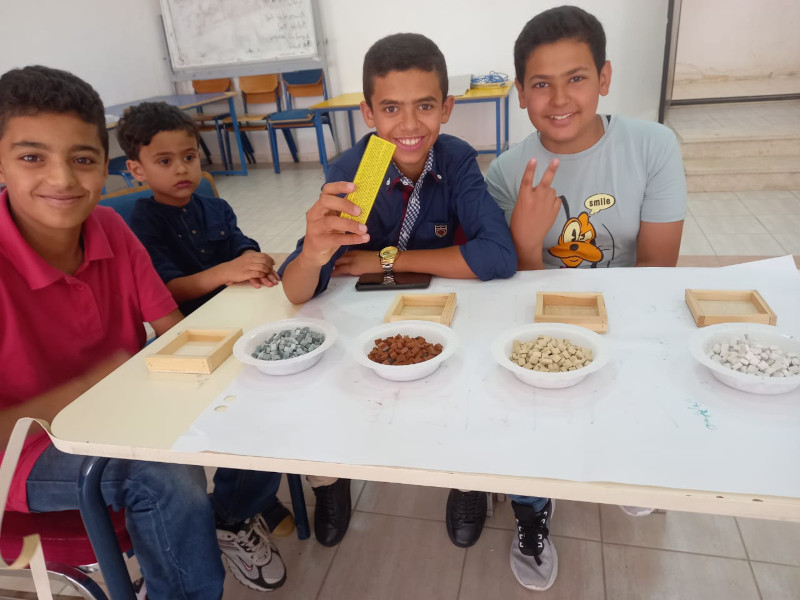
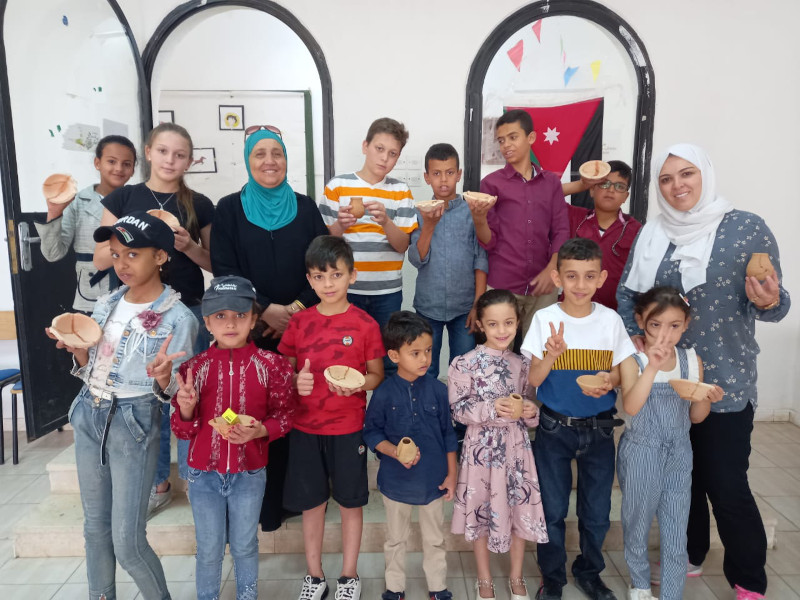
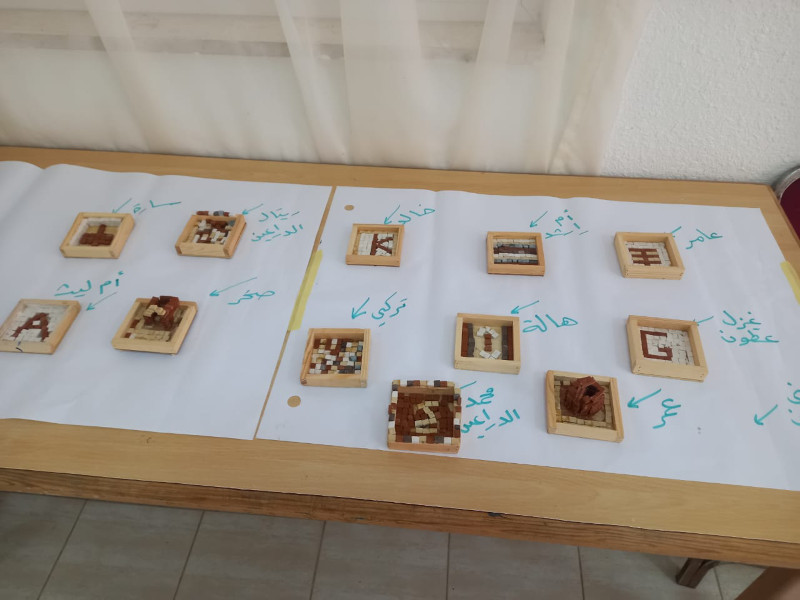
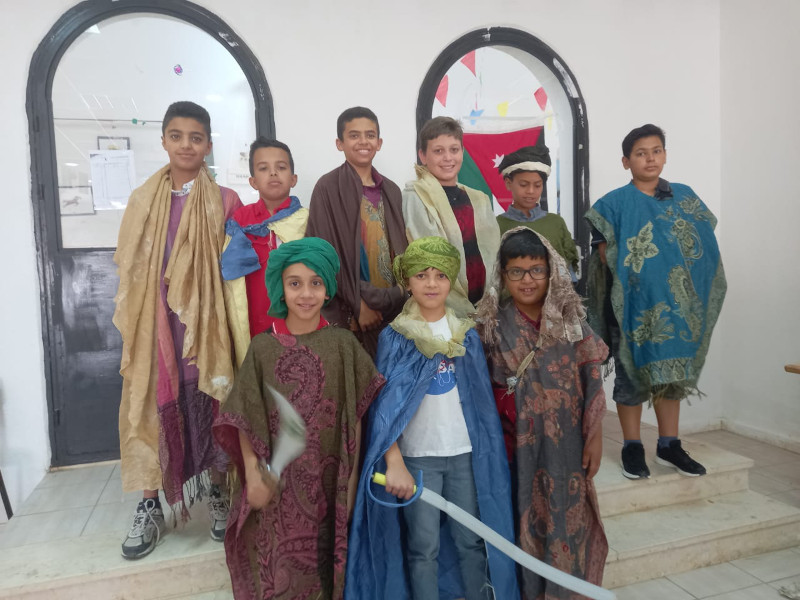
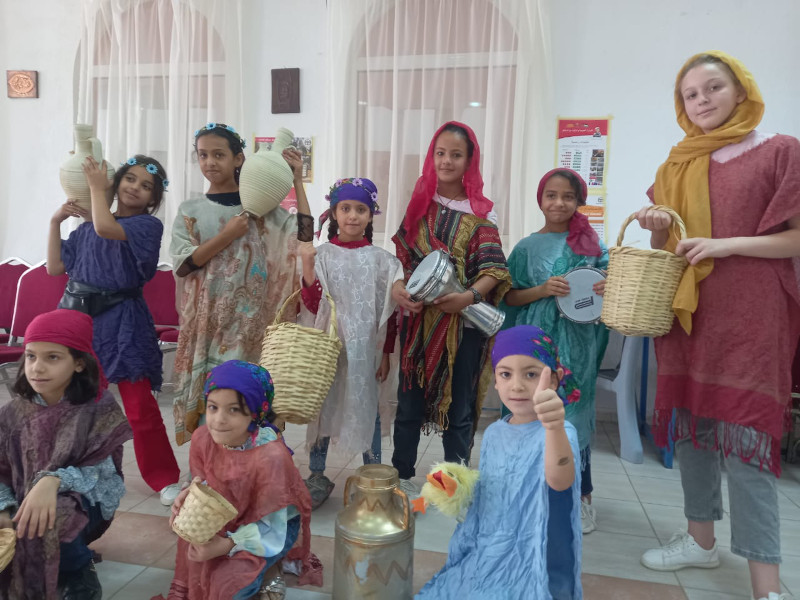
Another archaeology summer camp for Hisban community children and others was organized and supervised on the hill of Hisban by our Sela/AlRaqeem.  The leader was Amr Awawdah, a teacher in the local schools who also is a veteran of more than two decades of excavations at Hisban. Activities for the children—most of whom are elementary level–include learning about stratigraphy, pottery, excavation techniques, and documentation. A capstone activity is a play produced by the children that tell a story that ties in some way to the history of the site . Funding for these camps was provided by the Geraty Endowment.

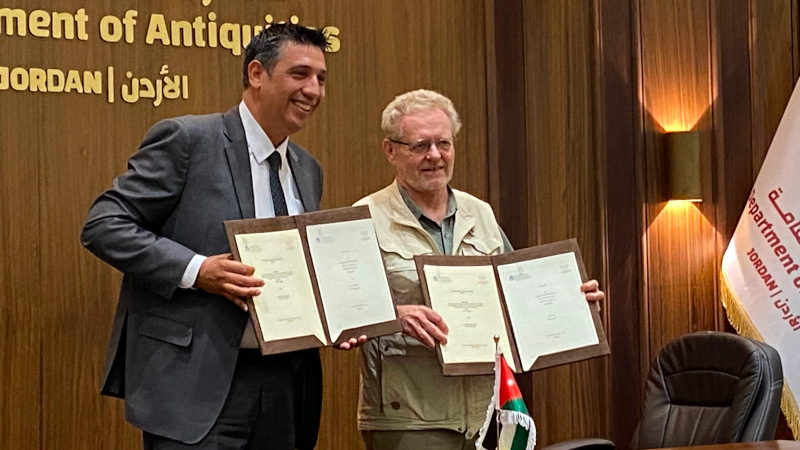
A Memorandum of Understanding between Andrews University and the Department of Antiquities represents a major milestone on the road toward a sustainable future for the Hisban Archaeological Park. The agreement commits our team to provide funding for an archaeologist to supervise four local workers for 12 weeks spread throughout each of the next three years: 2 weeks in November, 2 in February, 4 in May, 2 in July, and 2 in September. The salary of the archaeologist supervisor will be paid by the Geraty Endowment, while the local workmen’s salaries will be paid by the Department of Antiquities. The overall arrangement and work will be supervised by AlRaqeem and will provide proof of concept for such a partnership involving a foreign university and the Department of Antiquities. The agreement, which was signed in June 2022, also allows time for raising funds to sustain the arrangement into the future.

We are excited about the many ways in which the ASOR Geraty Endowment is proving to be a powerful accelerant for learning about ways to engage host communities as partners in caring for archaeological sites such as Hisban in Jordan. You can help sustain and further grow the impact of the Endowment by selecting “Geraty Endowment Fund” from the drop-down menu at the following link.

Fieldwork Report: Margarita Apffel

If Rocks Could Talk

Margarita Apffel, 2022 Strange/Midkiff Families Scholarship Recipient

Karak, Jordan is the home of the Iron I and II Moabite site of Khirbat al-Balu’a, an ASOR affiliated archaeological project that I joined through La Sierra University in Riverside, CA. At the Balu’a Regional Archaeological Program (BRAP) I was appointed as square supervisor, my first archaeological supervisory role due in part to my previous excavation experience and for my being a full season student. This was made possible thanks to the generosity of the 2022 Strange/Midkiff Families scholarship.

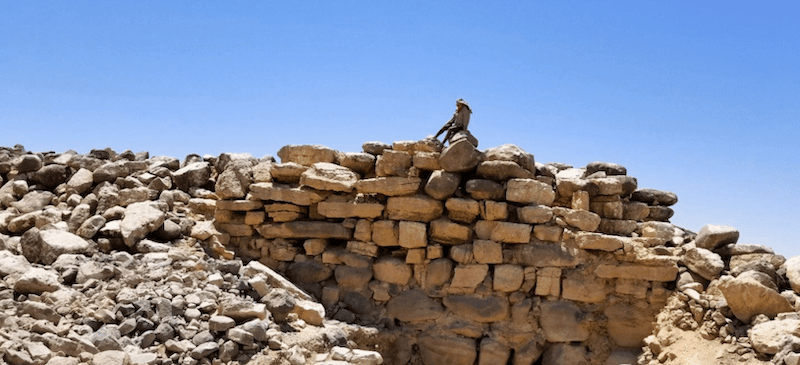
The Qasr wall directly above this season’s square

The first week at any excavation site is always the hardest, which I say with complete confidence since this is not my first time attending an archaeological field school or a regular excavation project. Leaving family and the comfort of one’s home behind for the pursuit of education in another country is not for the faint of heart, one must quickly acclimate to a whole new landscape, work schedule, language, culture, time zone, and cuisine. This can be physically challenging and emotionally taxing, but a very rewarding experience, nonetheless.

During the first and hardest week of the season, we received our assigned area of excavation, the Qasr (Castle), and got to meet our team members and team leaders. We had to prepare the area before excavations could begin, we first set up the soil sifts and made sure they were facing the Wadi Mujib and its fantastic sunrises to make the weeks to come more pleasant. Then came the arduous task of clearing the area of inter-seasonal debris and piles upon piles of rocks and tumble. We were lucky enough to have a constant breeze blowing from the west; the Jordanian desert was kind to the team. Once we cleared most of the rocks from our area, set up balk lines, and assigned individual tasks, we were ready to begin excavations.

The Qasr view from the west

The team clarified walls, cobbled surfaces, and doorways and found pottery sherds, stone artifacts, and faunal remains by the buckets. Any artifacts found in situ were immediately recoded using Global Positioning System (GPS), then collected for processing and laboratory analysis, though some of the stone artifacts excavated were too big to carry and were left in the field. The teams washed and sorted the excavated pottery sherds in preparation for the pottery readings, we took notes on pottery types and periods then sent the diagnostic pot sherds for publishing and the nondiagnostic sherds back to the field. We also completed daily and weekly reports in which we reviewed the strategy, implementation, and outcome of each project. And did I mention we moved more rocks?

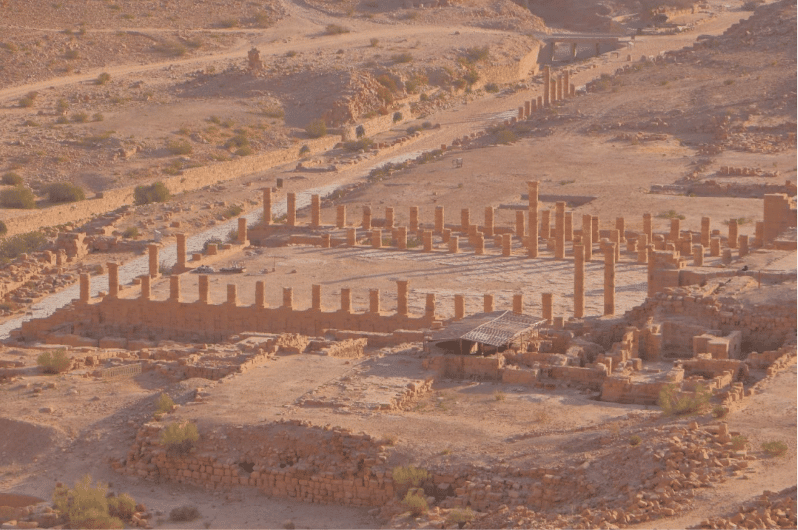
On weekends, we had the opportunity to go on field trips to learn about castles such as Karak and Ajlun as well as other archaeological sites like Jerash and Tall al-Umayri. The highlight of the season was a weekend spent in Petra, a Nabatean city in the Wadi Musa. In Petra, we visited features such as the Treasury, the Highest Sacrificial Place, and the Monastery. We also had the opportunity to have sweet tea with many Bedouin women and men, haggled for prices at the various shops in the city, and rode a camel and a mule. This was a bit precarious for someone who is not accustomed to riding beasts of burden.

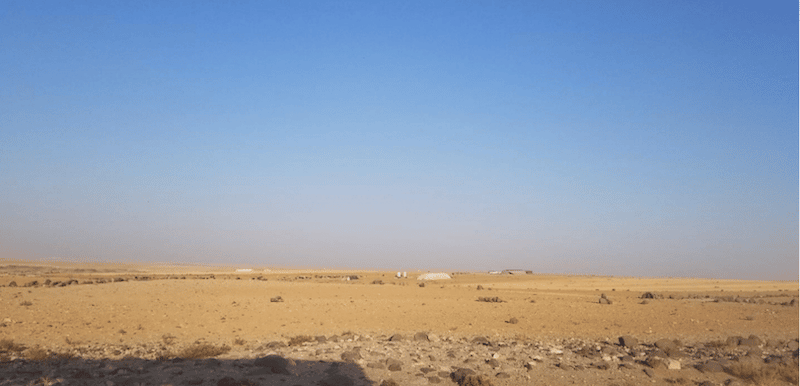
Bedouin tents in the distance

Our days in Jordan were never dull, at the site we were visited daily by large herds of sheep, goats, donkeys, and camels all being led by our worker’s friends or family who’d stop by from time to time to say hello. The Bedouin were very friendly and hospitable, they often shared Arabic sweet tea and sang songs for us, which made us feel very welcomed. The diversity of our team, their knowledge and sense of humor were the best part of the season. I said that the first week is always the hardest, but so is the last week when we have to say goodbye to the people with whom we discovered commonalities, developed friendships, and shared inside jokes for the past four to seven weeks. These relationships are the rewards we get to treasure when we leave our comfort zone in pursuit of knowledge and adventure in faraway places.

Margarita Apffel was born in Culiacan Sinaloa, Mexico but moved to California to study English and became the first in her family to go to college. She is a master’s student of Near Eastern Archaeology in the H. M. S. Richards Divinity School at La Sierra University in Riverside, California, and received a B.A. in Cultural Anthropology from California State University, San Bernardino. She has participated in various excavations projects in Menorca, Spain; Riverside, California; Karak, Jordan, and completed Museum Studies in Rome, Italy. Her goals are to further her education in the field of archaeology and museum studies and to continue to travel the world for as long as she can.
Read more about the Balu’a Regional Archaeological Project (BRAP).

Want to help more students and early career archaeologists get into the field? Donate to the cause today by selecting “Student Support” as your gift purpose!

Shepard Grant Report: Roman Bath House in Petra, Jordan

2022 Shepard Urgent Action Grant Report: Conservation of the Roman Bath House in Petra, Jordan

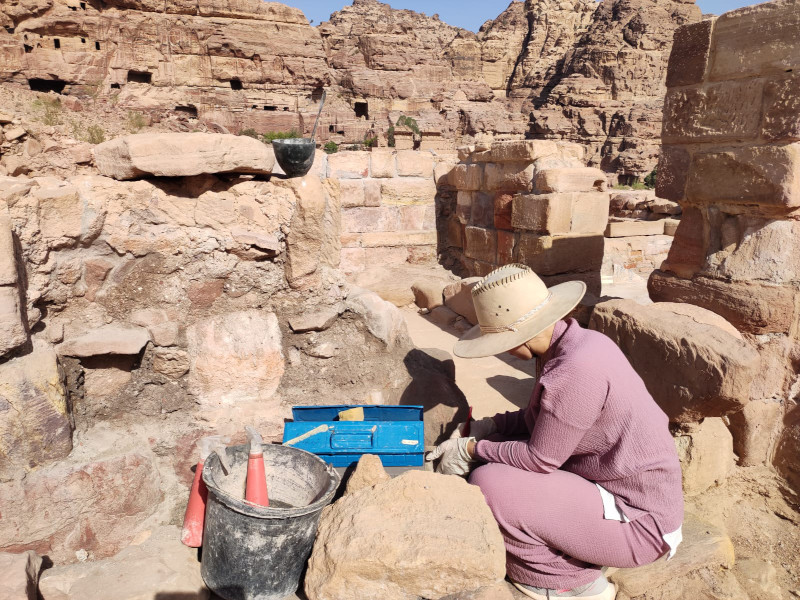
ASOR Editorial Note: The ASOR Team is pleased to share a report from a Shepard Urgent Action Grant awarded to Sela for Training and Protection of Heritage for repairs and conservation work to the Roman bath house at Petra, Jordan. These grants are intended to provide emergency funds to carry out critical stabilization, excavation, or documentation projects. Because time is of the essence with these proposals, funds for the grants can be disbursed 4-6 weeks after an application is received. The mortar, wall plaster, and structures themselves within many of the rooms of the bath house were in need of emergency consolidation and restoration after many years of continued exposure to the elements as well as vandalization of standing structures.

Thanks to the Shepard Urgent Action Grant, Sela for Training and Protection of Heritage was able to conduct important emergency conservation works at the Roman Bath house in Petra.

The Bath house was built between 106 AD and 113/114 AD and represents one of the first Roman interventions aiming at the “Romanization” of Petra after the annexation in 106 AD. It stayed in use for over four centuries before being abandoned after the 551 AD earthquake. It is unique for its small size and elegant structure and its architectural features combining the mastery of Nabatean water engineering with the Roman Pompeian bathhouse style. With its 22 rectangular and square rooms with a row of windowed parallel rectangular rooms overlooking the palaestra to the west, this balneum covers an area of almost 1000 sqm.

An overhead view of the Roman Bath house in Petra (Photo credit: Mohammad Albdoul).

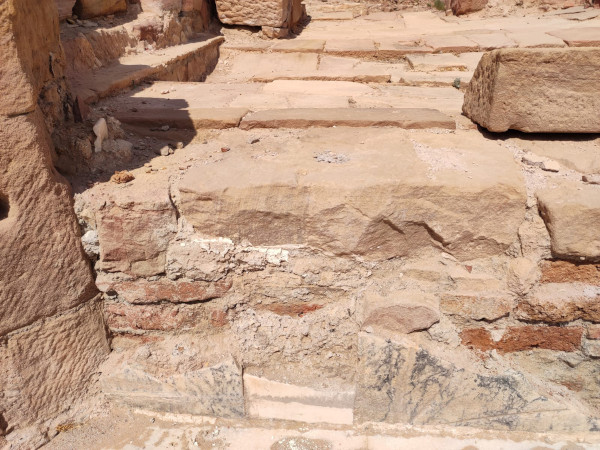
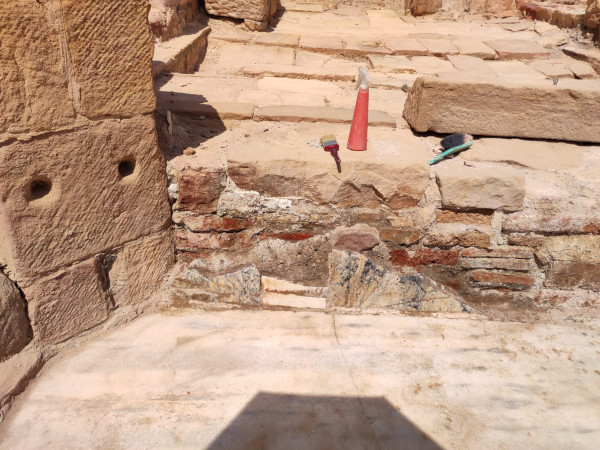
The grant supported the work of a senior conservator, Dr. Fatma Marii, and a conservation technician, Ms. Nesreen Albdoul and involved interventions aiming at: (a) the emergency conservation of the standing structures (Cleaning – Salt removal – Mortar repair); (b) the consolidation of the wall plaster and the stone pavements (repair of detached plaster from the walls and stone slabs from the pavements); (c) anastylosis of the vandalized structures of the calidarium.

Map of the Roman Bath house (Source: Joukousky, M. (2009) – Surprises at the Great Temple: A retrospective in Studies on the History and Archaeology of Jordan X, 2009 – pp. 291-311)

The monument was documented in 2021 and a preliminary assessment was conducted in November 2021 and again in February 2022. In May 2022 after the awarding of the Shepard Grant a new assessment was conducted to determine the emergency interventions to prioritize for the preservation of the monument. The following interventions were identified:

Vestibule (B): This room presents bricks in a fragile state of conservation in need of consolidation. The mortar presented several horizontal and vertical cracks and required consolidation and repair.

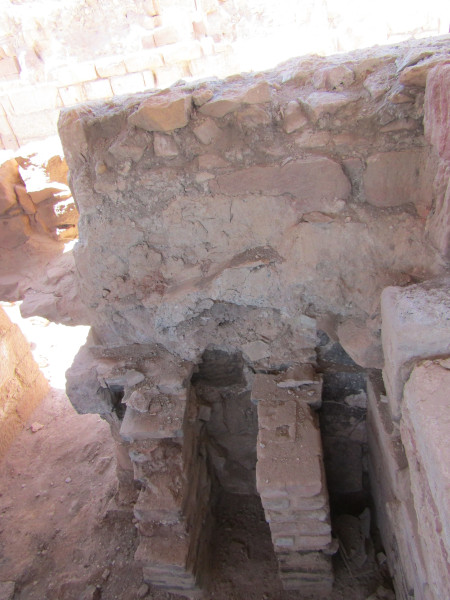
Caldarium (C): This room presents several extremely deteriorated bricks. Walls needed salt removal and mortar consolidation and repair. After the assessment, it was concluded that anastylosis of vandalized structures was not appropriate since most of the collapsed structures were the result of previous interventions of reconstruction occurred in the 90s. All fragments from the original structure were numbered, removed, cleaned, consolidated and arranged in Room F for future interventions.

Loutron (D): The floor mortar of this room is made of lime-based mortar and required cleaning.

Vestibule (E): The mortar of the Eastern wall was extremely fragile and needed cleaning and consolidation.

Praefurnium (F): Mortar on the doorway between Room F and Room C required consolidation.

Service Passage (G): This small corridor on the eastern side of the bath presents plaster remains on the Eastern wall that needed consolidation and reinforcement.

Vestibule (H): The room presented several plaster remains in need of cleaning, consolidation and reinforcement.

Caldarium (I): The caldarium presented mortar in extremely fragile conditions that needed consolidation and repair.

Tepidarium (J): The Southern wall presents some plaster fragments and mortar relatively stable condition. The plaster needed cleaning and surface consolidation.

Ornamental Pool (L): The room presented plaster fragments on the Southern wall in need of reinforcement and consolidation. There are traces of copper alloy hangers on the Northern and Southern walls.

Vestibule (M): Plaster and mortar remains in the niches needed cleaning, reinforcement, consolidation, and repair.

The vestibule (M) before cleaning and repair of the mortar.
The vestibule (M) after cleaning and repair of the mortar.

Frigidarium (N): The walls presented plaster remains in fragile, but stable conditions that needed cleaning, reinforcement, and consolidation. Mortar both on the walls and on the pavement bedding needed cleaning and consolidation.

Small Cistern (P): The thick plaster lining the walls of the cistern needed reinforcement and consolidation.

Bathroom (Q): Plaster fragments in the niche of the Eastern wall required cleaning, reinforcement, and consolidation. The niche wall behind the plaster required mortar repair.

Anteroom (R): Plaster fragments on the Western and Southern walls required reinforcement and consolidation. Before proceeding with the interventions on the plaster, the Western wall required cleaning and consolidation.

Apodyterium (S): Plaster fragments at the corners of the southern wall needed reinforcement and consolidation. The walls needed mortar repair.

Well (T): A plaster fragment at the east corner of the southern east corner and one on the north niche needed reinforcement and consolidation. There are remains of lead alloy at the bottom of the water channel.

Colonnaded Corridor (U): There is a broken stone at the floor (a step), as well there is a fallen mortar require cleaning and consolidation. At the northern wall corner there are missing stones and broken, that the wall requires to be reconstructed.

Palaestra (W): On the eastern wall of this room the plaster is red painted. The plaster and the painting appeared stable. It required cleaning and reinforcement.

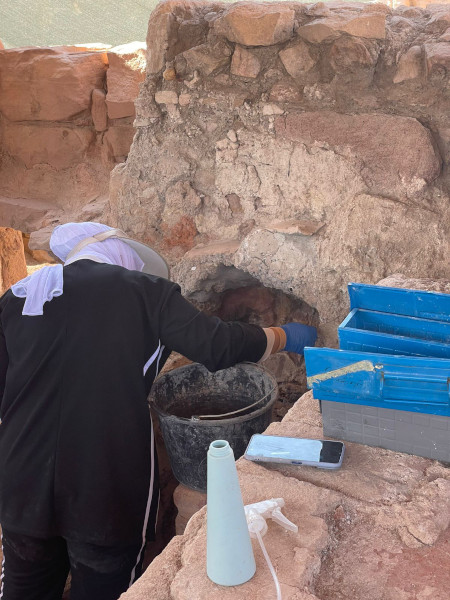
Plaster in the well (T) before repair and consolidation.
Plaster in the well (T) after repair and consolidation.

1. Emergency conservation of the standing structures

Standing walls are made of sandstone cut blocks, mostly affected by granular disintegration and erosion (caused by wind and rainfall). The standing walls were cleaned, salts efflorescence was removed and the surface was consolidated by spraying a protein based consolidant (calcium caseinate) in order to slow down and minimize the deterioration process. The choice of calcium caseinate as consolidant is crucial for the sustainability of the intervention since chemical and water based consolidants are not available in Jordan. Calcium caseinate can be locally produced and therefore sustainable for future interventions.

The original lime mortar has disintegrated and crumbled. Mortar consolidation and repair were implemented using calcium caseinate for consolidation and a lime-based mortar made of slaked lime, limestone powder and basalt powder (to increase water resistance) and crushed granite (to make the mortar recognizable as modern) for mortar repairs.

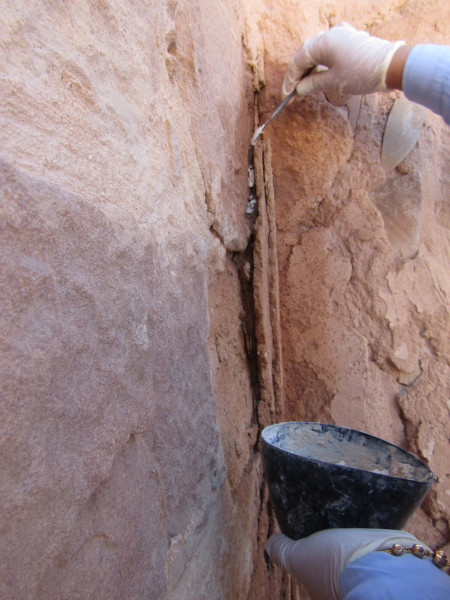
Mortar remains were mechanically cleaned using brushes and wooden sticks, and then using brushes and water. Mortar was consolidated either by spraying a filtered solution of water and calcium caseinate or by injecting a solution of water and acrylic emulsion.

Gaps and cracks in the mortar were filled using a mixture of 1 part of slaked lime, 0.5 parts of acrylic emulsion, 1 part of yellow sand and 1.5 parts of basalt powder.

The mortar mixture used for mortar repairs was made of 1 part of lime, 1 part of stone powder, 0.5 parts of crushed granite and 1.5 parts of basalt powder. All materials used in the mortar are locally available and easy to procure for future maintenance interventions.

Working hard to restore the mortar of the court (V).
The caldarium (C) before consolidation and repair of the mortar.
Repairing the mortar of the caldarium (C).

2. Consolidation of wall plaster and stone pavements

Several rooms presented remains of plaster and mortar pavement beddings.

The main process for conserving the plaster fragments and the mortar beddings involved:

  • Mechanical cleaning of accumulated soil and other materials on the plaster surface and edges using soft brushes, toothbrushes, toothpicks, wooden stick, and blower.
  • Chemical cleaning using water, distilled water, and ethanol (as needed) with sponges, brushes, toothpicks, or sprayers.
  • Filling the gaps and reinforcement of the edges using a mixture of 1 part of yellow sand, 1 part of slaked lime, 0.25 parts of acrylic emulsion (Primal), and 0.25 parts of water. Wet clothes or burlap were used to keep it wet during hot hours to assure a slow hardening process.
  • Consolidation was implemented either using a filtered solution of water and acrylic emulsion applied with syringes or spraying a solution of water and calcium caseinate.

Stone surfaces were cleaned and consolidated with calcium caseinate.

-Maria Elena Ronza, Vice President, Sela for Training and Protection of Heritage

The corner of the frigidarium (N) in the midst of repairs.
The same corner of the frigidarium (N) with its wall plaster now repaired.

Fieldwork Report: Allison Densel

The Beginning of My Archaeology Journey

Allison Densel, 2022 Strange-Midkiff Scholarship Recipient

The weeks leading up to the project were some of the longest of my life. Ever since Kara Larson, a PhD student as well as my academic mentor at the University of Michigan, told me she needed undergraduates to come with her to Israel last fall, I could barely contain my excitement! This was finally my chance to go out and conduct archaeological research in the field, something I had desired for as long as I could remember. Naturally, then, it was difficult for me to wait for the trip. On the chalkboard in my bedroom, I counted down the days until my flight to Tel Aviv.

As excited as I was, however, I remember worrying about what it would be like. I had never been in the field before, let alone traveled internationally, so I had no idea what to expect. How was I going to feel if actually doing archaeology did not hold the same fascination as reading about it all of these years?

Working at Tell el-Hesi was hot, dirty, and absolutely exhausting. We faced scorpions, jackals, and distant rocketfire. I loved every second of the experience.

Michigan students in front of the Treasury in Petra, Jordan.

Our project, A Multi-Survey Exploration of Residences Near Tell el-Hesi, Israel, consisted of two studies. The primary objective of these surveys was to identify areas with high potential for occupation by Early Bronze Age (EBA) pastoralists. This is the focus of Kara’s PhD dissertation.

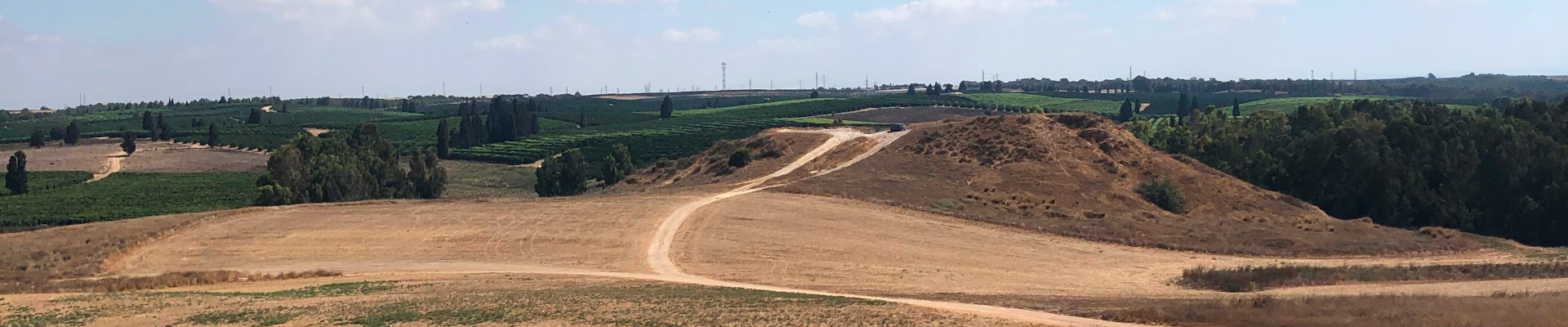
We began our fieldwork with a brief exploration of the region around the site. From a previous survey from several years ago, we started with a set of GPS points that had a high potential EBA yield. We spent the first few days of the trip driving to these points (sometimes on real roads, sometimes not) and conducting a basic cardinal survey at each one. Based on the quantity of EBA artifacts we found on the surface, such as characteristic potsherds and lithics, we will now be able to identify the most promising locations for potential EBA settlements. In total, we surveyed more than 30 individual sites using this method. This also served as a wonderful opportunity to see the Israeli countryside, which is absolutely beautiful.

The main pedestrian survey took place at the Tell itself. In the field at the base of the mound, we set up a grid of 86 squares, each 20 by 20 meters in size. These squares were then divided into 5 by 5 meter units. Kara would assign each of us undergraduates, myself and two others, a unit, and then set a timer for 5 minutes. In that time, we would carefully patrol our squares, collecting any artifacts we found on the surface. Over the course of the trip, we surveyed over 600 of these 5 by 5s, approximately 15,000 square meters!

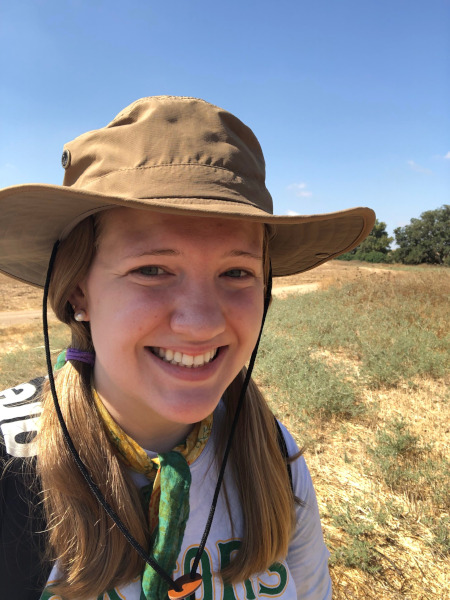
Allison enjoying her time in the field.
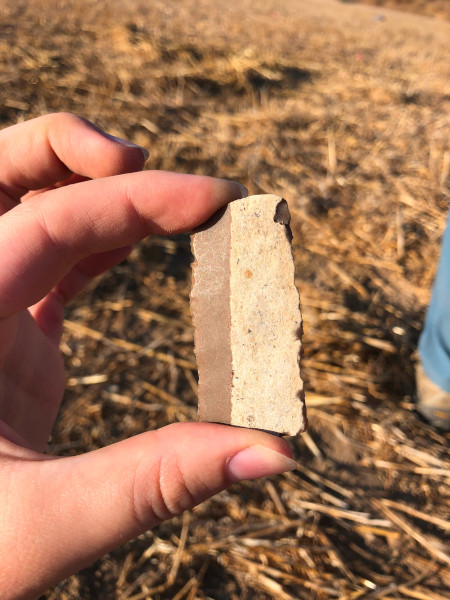
A fragment of a stone sickle found at the site.

By far, my favorite artifact was a fragment of a stone sickle that I found during our main survey. It is a rather intact piece, made from a light brown chert and most likely EBA in origin. The blade edge has a slight sheen to it, indicating that it was used to harvest grain or other crops. Its size (about 2 inches in length) and condition are just spectacular given its age. This is my go-to answer whenever someone asks me what kinds of things we found!

I am beyond grateful for the fieldwork I participated in this summer. Not only did I learn a lot about the process of archaeological research, but I also grew as a student and person, as cliché as that sounds. Because of the work our team accomplished, Kara will be able to excavate at Hesi next summer. I plan on being there as a junior staff member. I’m already looking forward to it! This was truly a life-changing experience, and I would like to extend my most sincere gratitude to Carolyn Midkiff-Strange, ASOR, the University of Michigan, and to Kara Larson. Without all of your support, I would not have had such an amazing and transformative experience.

Allison Densel was born and raised in Sudbury, Massachusetts. After enrolling at the University of Michigan, she began to get involved with archaeological research, working with Dr. Natalie Abell and Kara Larson. It is her dream to be able to pursue archaeology into her professional life, hopefully as faculty at an institution of higher education.

Want to help more students and early career archaeologists get into the field? Donate to the cause today by selecting “Student Support” as your gift purpose!