News from ASOR’s President and Looking for Your Input

News from ASOR’s President and Looking for Your Input

October 5, 2026

Dear All,

As our profession grows and changes, one of my highest priorities as ASOR president is to involve you, our members, directly in the discussion and decision-making about ASOR’s important policies and initiatives. With the Annual Meeting approaching, I want to share some information about what to expect there and what has been happening at ASOR over the summer.

Please take a look at the Annual Meeting schedule and find the exciting talks that interest you most. I want to draw your attention to two new parts of the meeting:

Meet Your Board Members: On Friday, November 20, at 10:20 am, ASOR’s Board members will be in the Grand Ballroom to informally talk to you and hear your thoughts and ideas about all things ASOR-related. Grab your coffee or tea and come say hello.

Share Your Thoughts: Later that day at the Members’ Meeting (12:55-1:55 pm, Waldorf Room), I have set aside time for members of the Taskforce on the Review of the Code of Professional Conduct to answer questions from members. This Code, a guide for all Board and committee actions, serves as the foundation for how ASOR members contribute to ASOR’s mission and steers the actions on extremely complex and timely issues. It is also intended to be updated on a regular basis, which the Taskforce has been asked to consider. While I have initiated discussion at this level, I know that we will need time and lots more input from ASOR members before we are ready to bring a revised document to the Board. 

I am looking to you for help. Please read the Code of Professional Conduct and send us your thoughts in the anonymous survey that was sent via email today. I hope the Taskforce can get as many questions answered as possible during the meeting, but if not there, we can set up another venue to discuss the issues with ASOR members.

Here are a couple of other things that happened at ASOR over the summer:

Title IX Changes: As ASOR president, I signed a letter to the US Department of Education suggesting that the proposed changes eliminating peer review in the Title IX grant application reviews were not needed nor helpful. Both of ASOR’s overseas centers apply and receive Title IX funding. If you would like to see the letter, please let me know. I decided that writing this letter was not a contradiction of ASOR’s policy of not making political statements, as ASOR could offer expertise on this particular issue.

“Orphaned” Objects: I also signed a letter in collaboration with the Archaeological Institute of America suggesting that the proposed changes to policies on the publication of “orphaned” objects (those with no known history after 1970) was contrary to ASOR policies, which were put in place to help combat illegal excavations. This proposal was made within UNIDROIT (an international independent organization that helps to create uniform legal standards for global commerce). If you are interested in the joint letter, I can also share that with you.

ASOR Website: If you have had a chance to look at the website, please thank Jared, Moni, Marta and the committee that has been cleaning up the pages to make them more useful. The committee is also working with other ASOR committees to expand the usefulness of the site and you will see more changes in the coming months.

I’m looking forward to seeing many of you in Chicago,
Jane DeRose Evans, ASOR President

Mesopotamian Fellowship Report: Ella Egberts

The Iraqi Western Desert PLACES Project: Pleistocene Landscapes and Early Human Behavior in the Shbicha Region

Dr. Ella Egberts, Vrije Universiteit Brussel, 2025/2026 Mesopotamian Fellowship Recipient

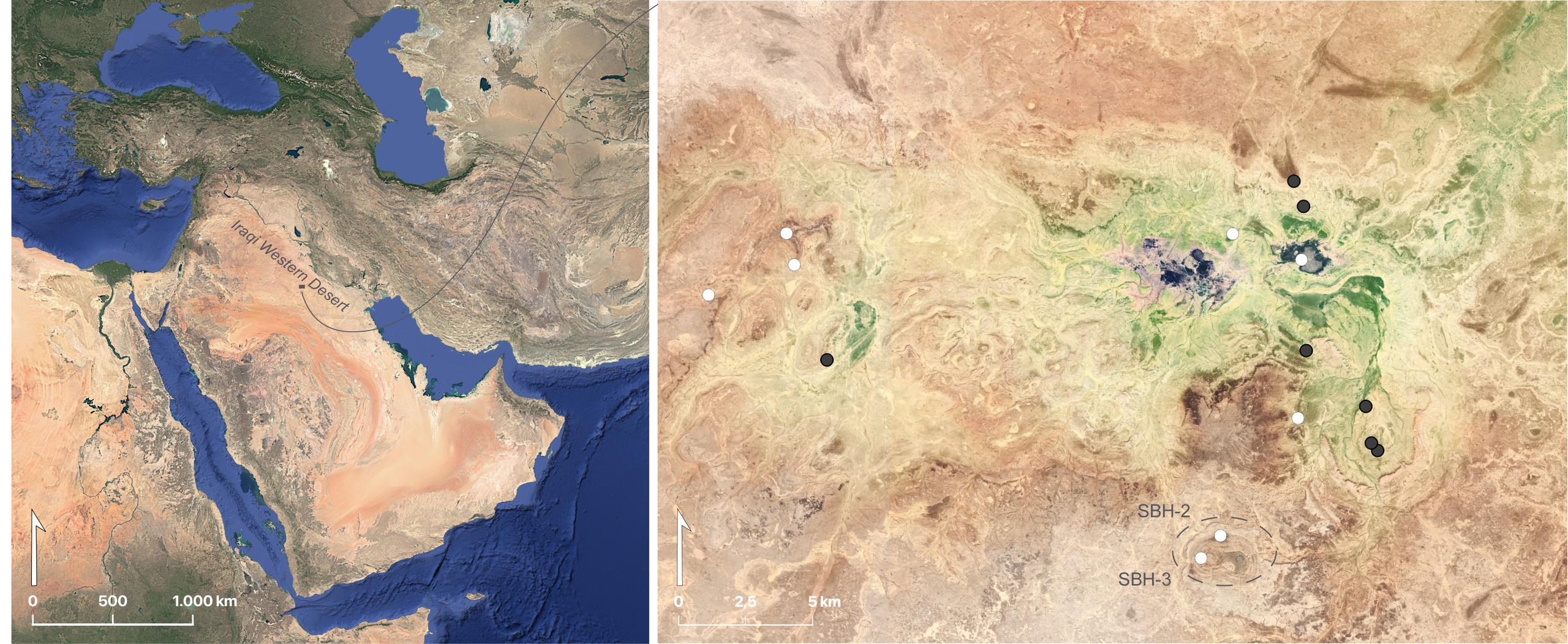
At the heart of southwest Asia, in the north of the Arabian Peninsula, lies the Iraqi Western Desert (Figure 1). Southwest Asia has long been recognized as a key region for studying human evolution and behavioral adaptation (Solecki 1963; Hershkovitz et al. 2018; Grouchett et al. 2021). Repeated climatic fluctuations during the Pleistocene (ca. 2.58 million–11,700 years ago) shifted the landscapes of southwest Asia between wetter and drier environments, shaping early human presence, dispersals and adaptations. It is here that we find early evidence of Homo sapiens outside Africa, and where they most likely first encountered Neanderthals. Increasingly complex and diverse technologies — and the connections between the human groups who made them — can be traced across this large region and beyond. In other words, some pivotal steps in our human story played out here, and over a hundred years of Paleolithic research in the Levant, Zagros and the Arabian Peninsula has done much to reveal them. Yet, sitting right in the middle of this well-studied arc, the Iraqi Western Desert has remained largely unexplored. 

Figure 1. Location and topographical setting of the study area. Left, a map of southwest Asia showing the location of the Iraqi Western Desert along the northern extent of the Arabian Desert. The location of Shbicha region is also indicated. The map on the right shows a Google satellite image overlain with a FABDEM digital elevation model, to illustrate the topography of the Shbicha region. Dark dots represent the location of sites identified during the 2024 fieldwork; white dots represent the sites identified during the 2025 fieldwork (© E. Egberts).

The Geomorphological and Paleolithic Survey of the Western Desert of Iraq addresses this gap by assessing the presence of Paleolithic material, establishing its landscape context, and recontextualizing historic finds. Given the vast expanse of the desert, the survey currently employs a targeted reconnaissance approach. The multi-scale multi-method survey consists of broadly reconstructing the geomorphological history (how the landscape formed and changed over time) of various regions of the desert based on high-resolution satellite images, elevation data, and geological datasets, before zooming in on a regional landscape survey, investigating areas of archaeological potential and paleoenvironmental interest. This includes potential paleo-lakes, wadis, stratigraphic profiles, springs, potential raw material sites, and high-points in the landscape. Selected points of interest are visited and surveyed through fieldwalking, and selected sites are subjected to intensive, systematic survey.

This ASOR Mesopotamian Fellowship built on results from a Pilot Project funded by the British Institute for the Study of Iraq (BISI). With the identification of seven new Paleolithic findspots and several paleo-lakes, the BISI supported pilot study (conducted in 2024) identified the Shbicha (Al-Shabakah) region (Figure 1) as having a high potential for preserving Paleolithic material and Pleistocene landscape features (Egberts et al. 2025). With this Fellowship, the aim was to identify and investigate additional sites, conduct in-depth technological and typological artefact analyses, develop hypotheses regarding Pleistocene landscape preservation and Paleolithic findspots, and train Iraqi students through fieldwork participation, workshops and lectures.

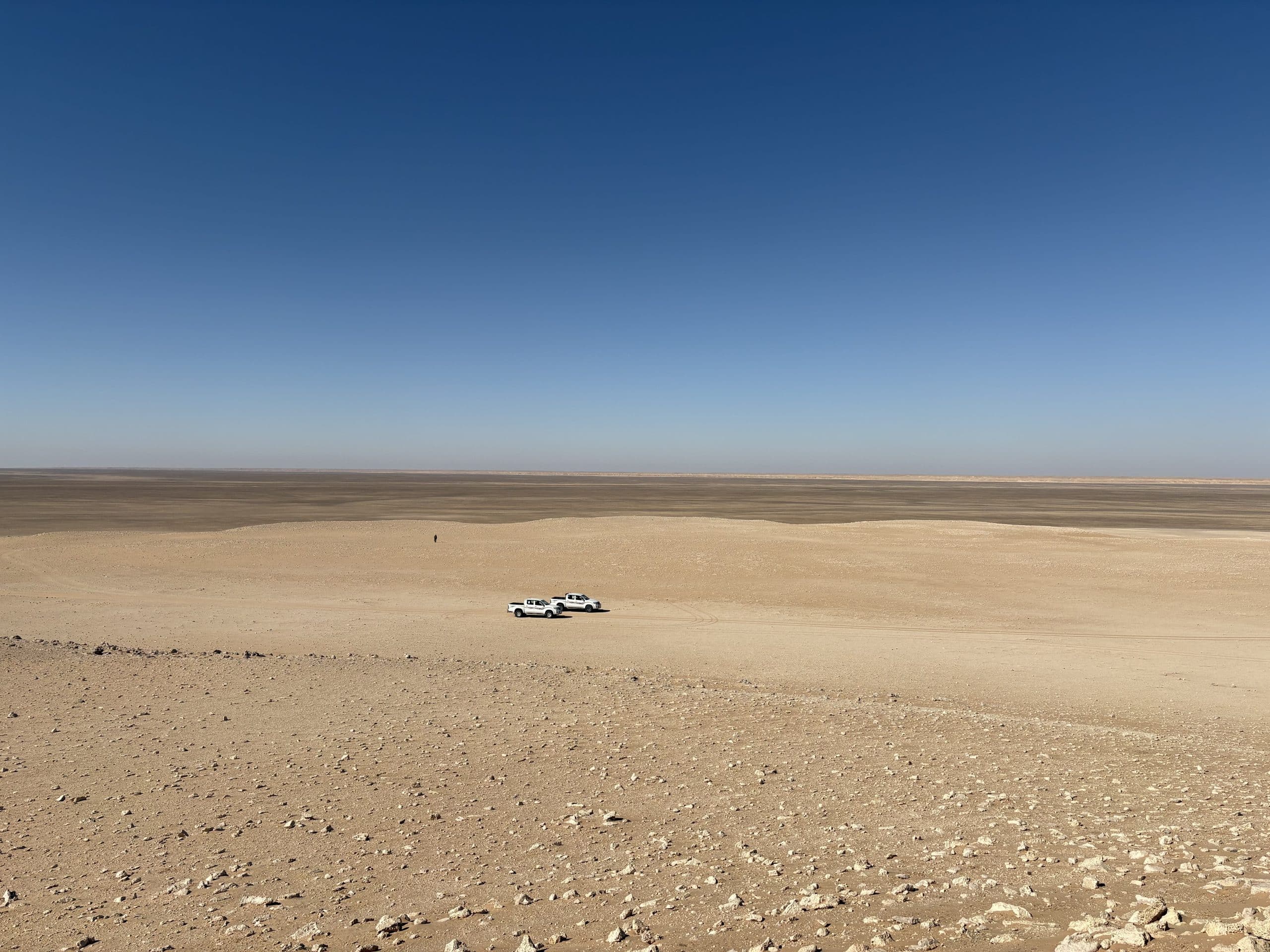
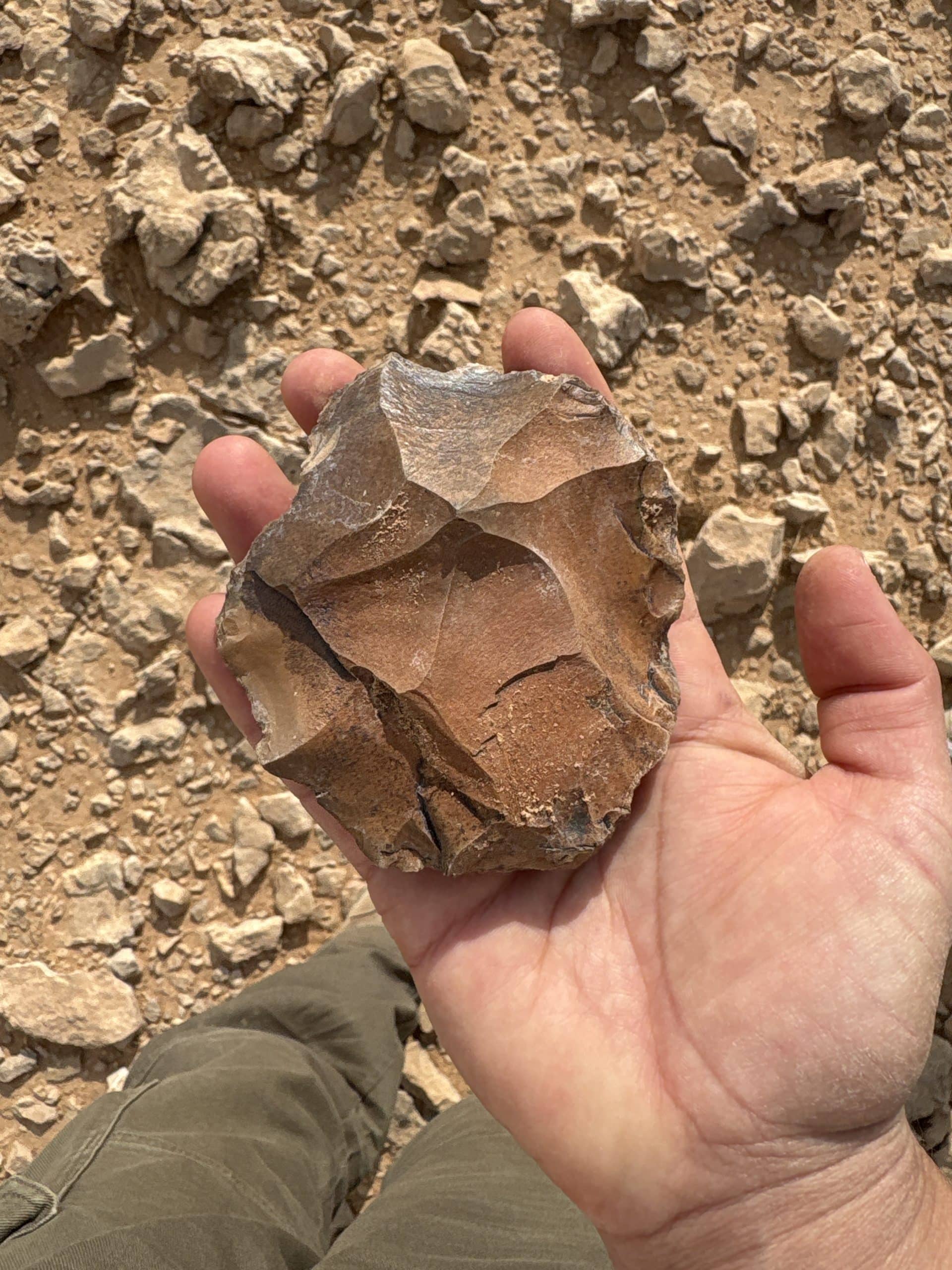
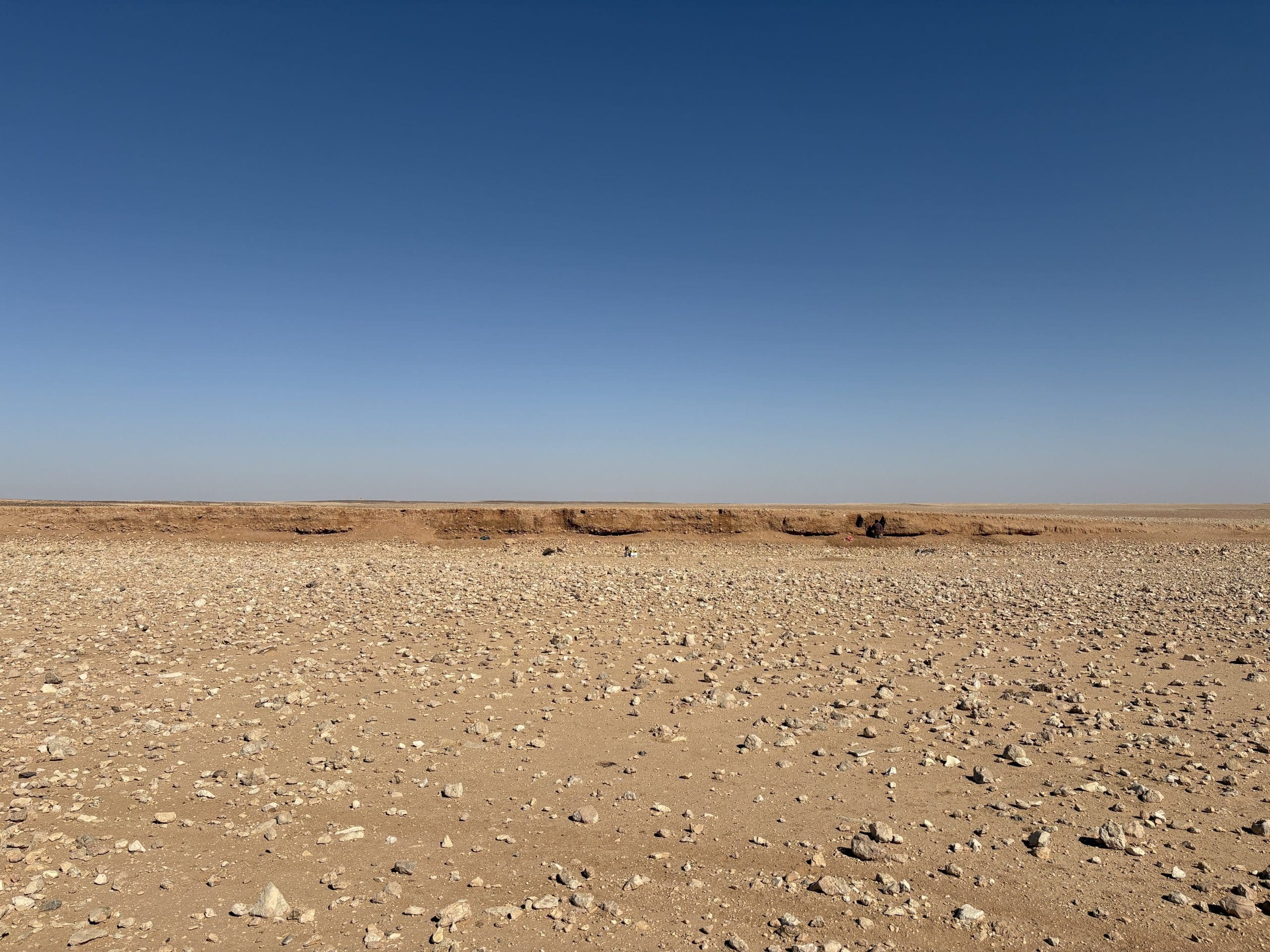
The fieldwork, carried out in November 2025, identified eight new Paleolithic sites (Figures 1 and 2). These consist of mostly mixed assemblages with sporadic Lower Paleolithic finds and substantial Middle Paleolithic material (Figure 3).

Figure 2. The landscape of the Iraqi Western Desert around Shbicha (© E. Egberts).

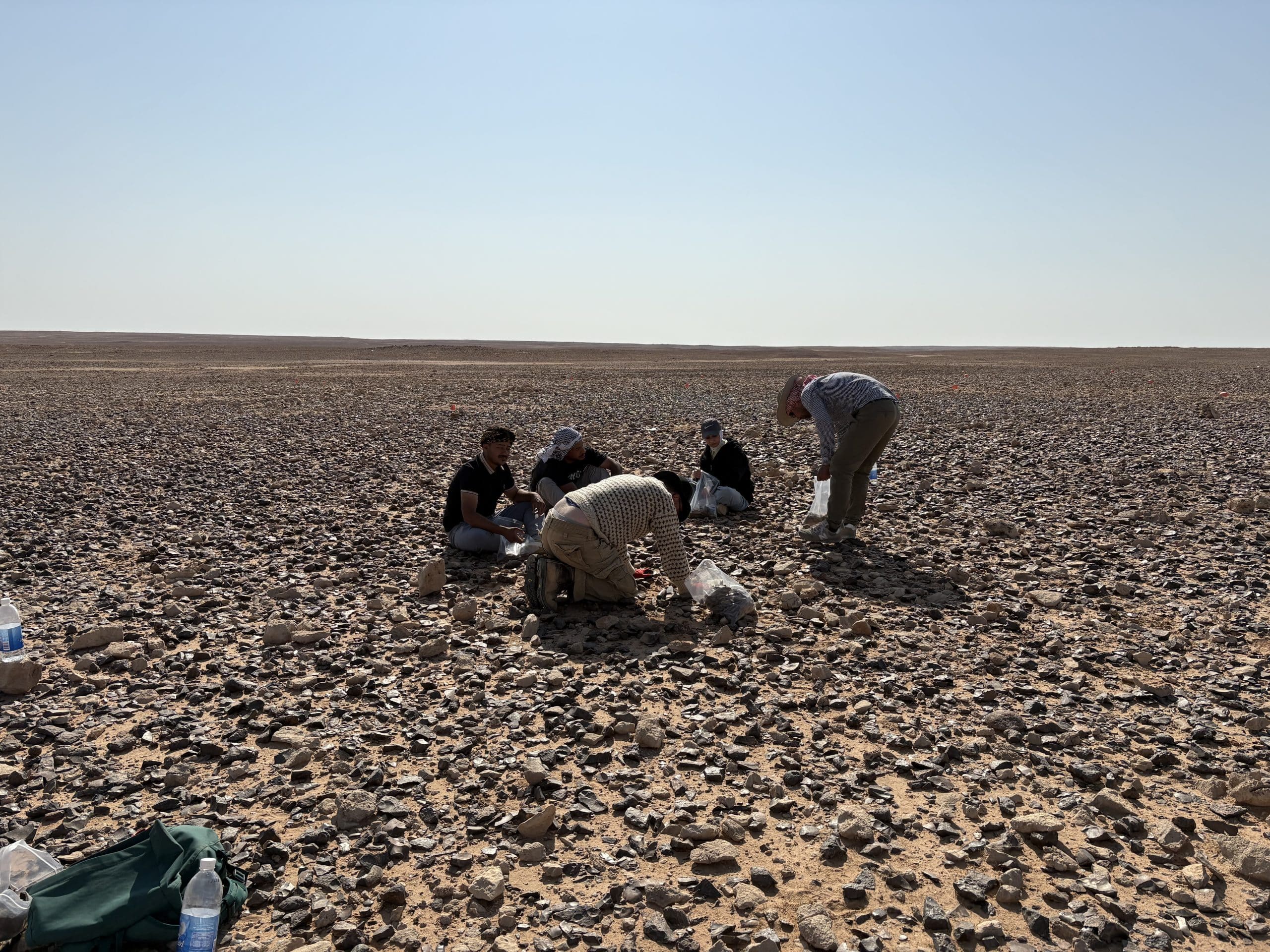
Remarkable is the discovery of several (Initial) Upper Paleolithic lithic concentrations. Two sites, Shbicha 2 and 3, were selected for more detailed investigations, including systematic collection of lithics (Figure 4), detailed technological and typological artefact analyses, and integration of these results with hypotheses of Pleistocene landscape preservation.

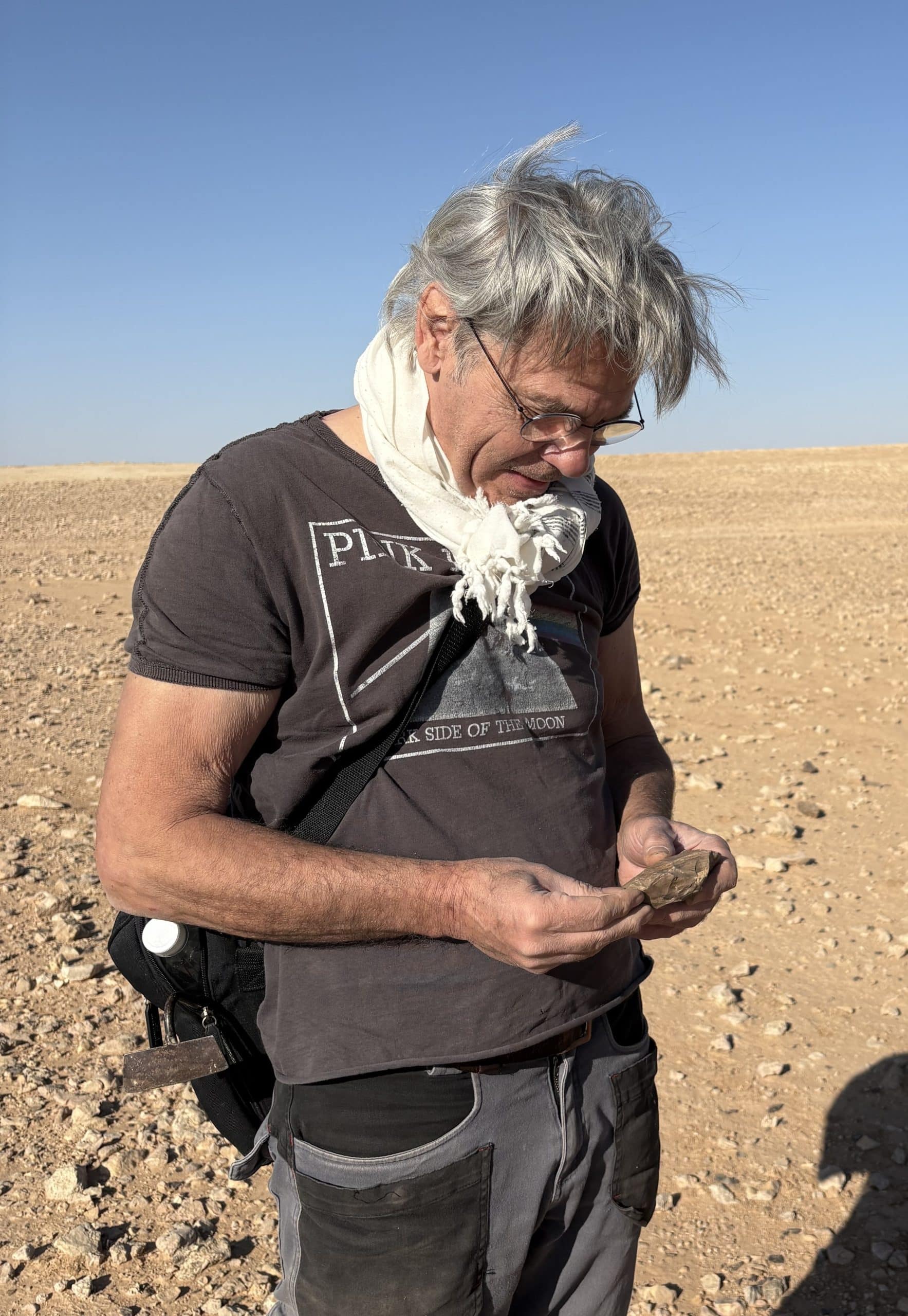
Figure 3. Me picking up a piece (left), and professor Philip van Peer examining lithics in the field (right).
These photos illustrate that wow-moment when you find a particularly interesting artefact during survey (© E. Egberts).
Figure 4. Some taking a break during the systematic survey whilst others can’t stop (© E. Egberts).

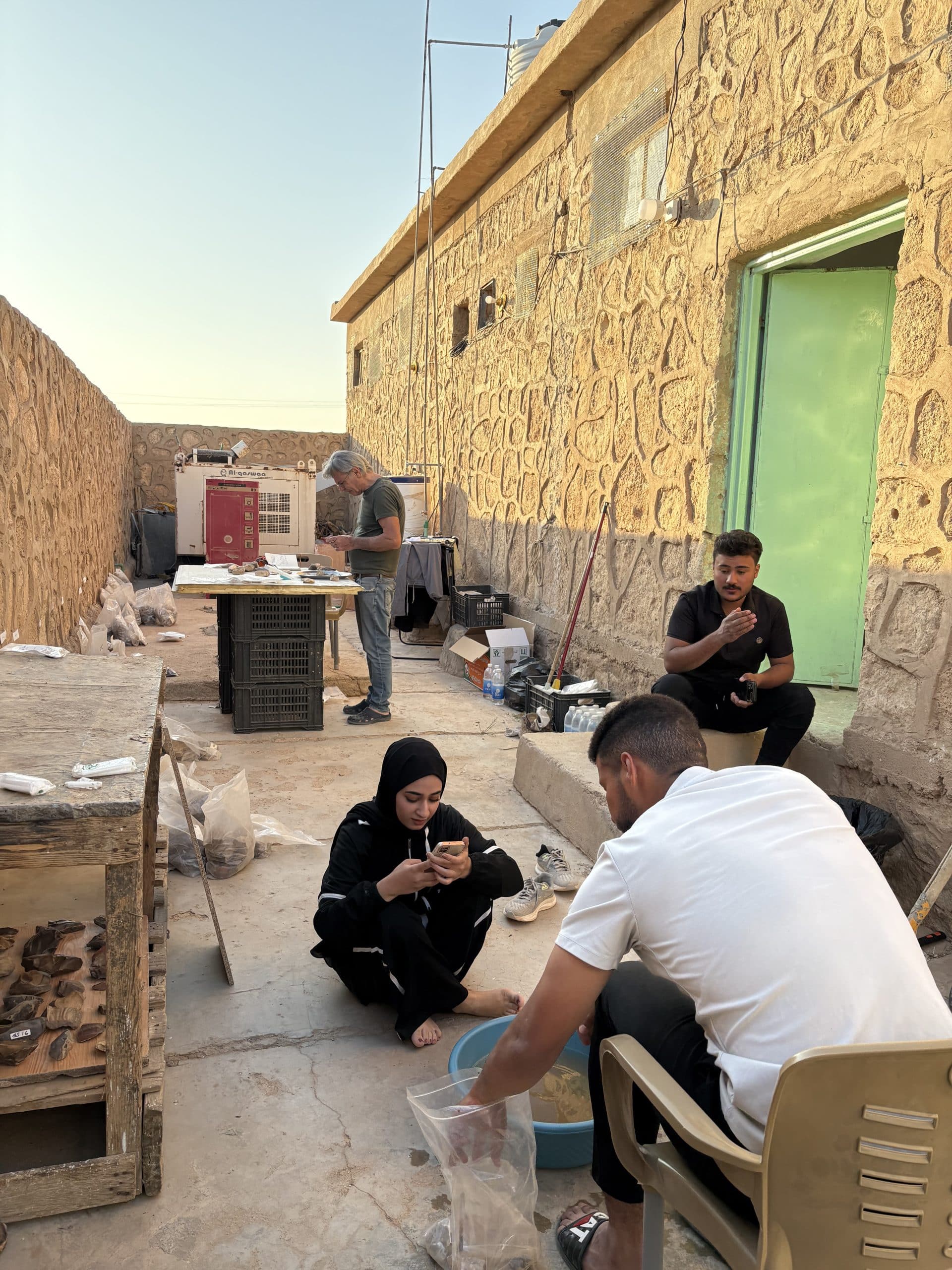
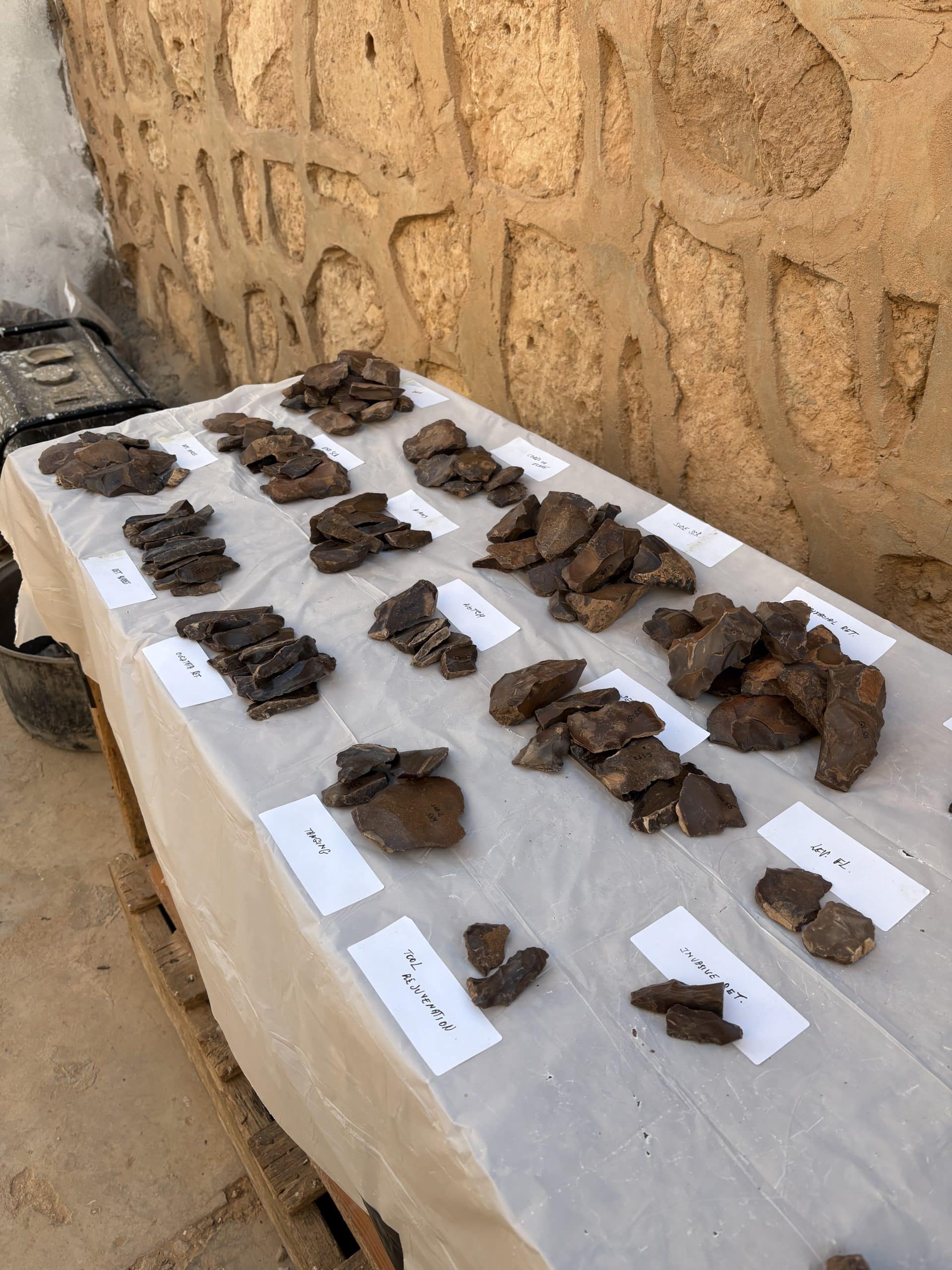
Focusing on these sites proved to be an excellent decision. In a wadi, alongside the surface finds of Shbicha 3, we discovered a recently eroded sediment profile with lithics in stratigraphy (Figure 5). The rich Paleolithic surface assemblages provide large and easily accessible datasets for technological and typological analyses of lithics, providing insights into broad age ranges and technological and typological affinities between lithic assemblages across the wider region (Figures 6-9). However, absolute dating of these important archaeological records requires stratified finds. The discovery of this profile, with lithics preserved in stratigraphy, offers an exciting opportunity to build the first absolute chronological framework for Palaeolithic material from the Iraqi Western Desert — and, more broadly, the first direct dating of such material from inland northern Arabia.

Figure 5. The sedimentary sequence bearing lithic artefacts (© E. Egberts).
Figure 6. Archaeology students washing and processing lithics (© E. Egberts).
Figure 7. A table full of classified lithic artefacts (© E. Egberts).
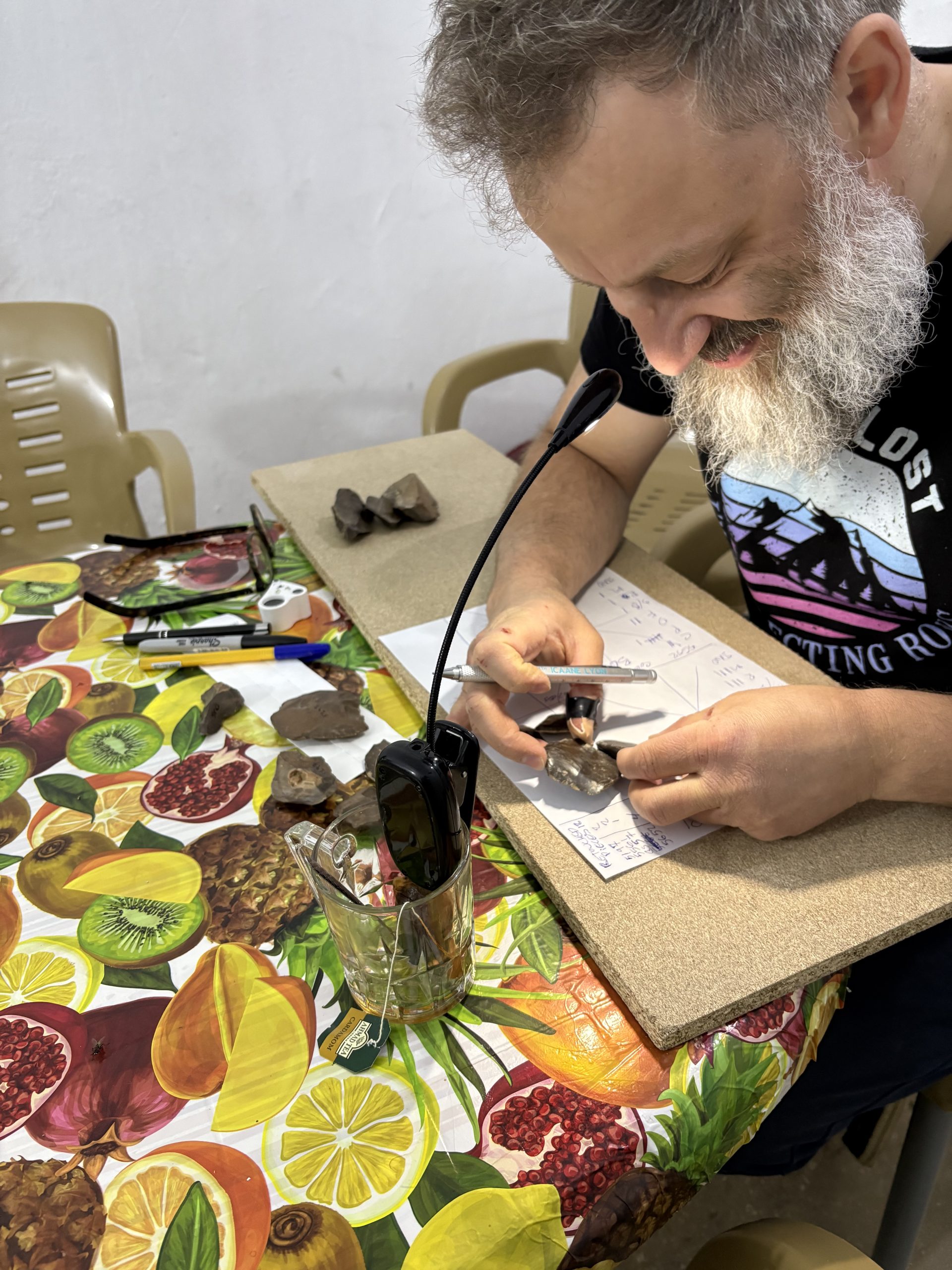
Figure 8. Dr Andreas Nymark conducting lithic analysis by a make-shift desk lamp in the excavation house (© E. Egberts).
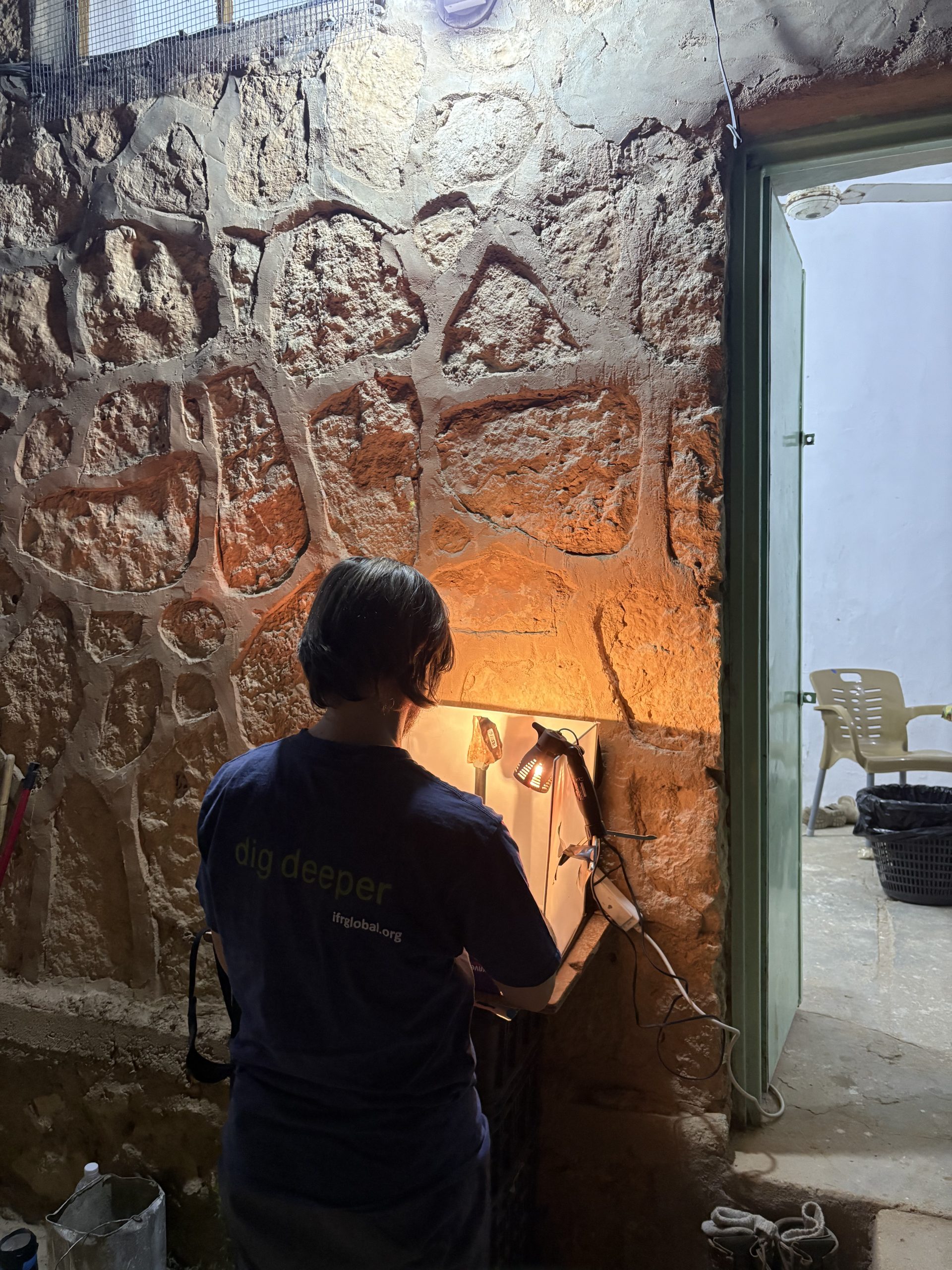
Figure 9. Dr Stefan Smith photographing lithic artefacts using his home-made rotational device for 3D recording (© E. Egberts).

The discovery of these stratified lithics is a major step forward: it confirms that Pleistocene deposits capable of preserving Palaeolithic archaeology survive in the region, and feeds directly into our hypotheses on landscape preservation. Excavating this profile in the future could recover an in-situ assemblage. We’re extremely grateful to ASOR for making this discovery possible. The results underscore the region’s major research potential, and this Fellowship has given us exactly the evidence needed to direct future work.

We are grateful to the Iraqi State Board of Antiquities and Heritage for the research permit and for their support of the work. 

Egberts, E., et al. 2025. New evidence for Pleistocene hominin presence in the north-east Arabian Desert, Iraq. Antiquity, 99(408), p. e51. doi:10.15184/aqy.2025.10171.

Groucutt H.S., et al. 2021. Multiple hominin dispersals into Southwest Asia over the past 400,000 years. Nature, 597(7876), 376–380. https://doi.org/10.1038/s41586-021-03863-y

Hershkovitz I., et al. 2018. The earliest modern humans outside Africa. Science 359, 456-459. DOI:10.1126/science.aap8369

Solecki, R.S., 1963. Prehistory in Shanidar Valley, Northern Iraq: Fresh insights into Near Eastern prehistory from the Middle Paleolithic to the Proto-Neolithic are obtained. Science139, 179-193.

Fieldwork Report: Sydney Pickens

pickens-banner

A Day in the Life at Çadır Höyük

Sydney A. Pickens, 2026 Strange/Midkiff Families Scholarship Recipient

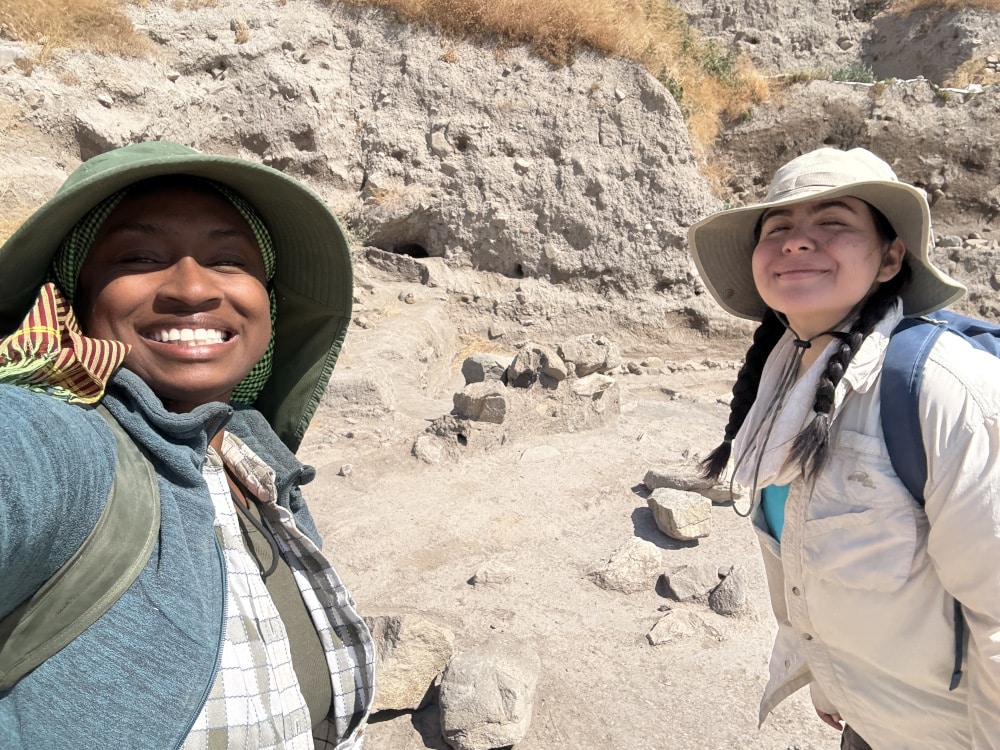
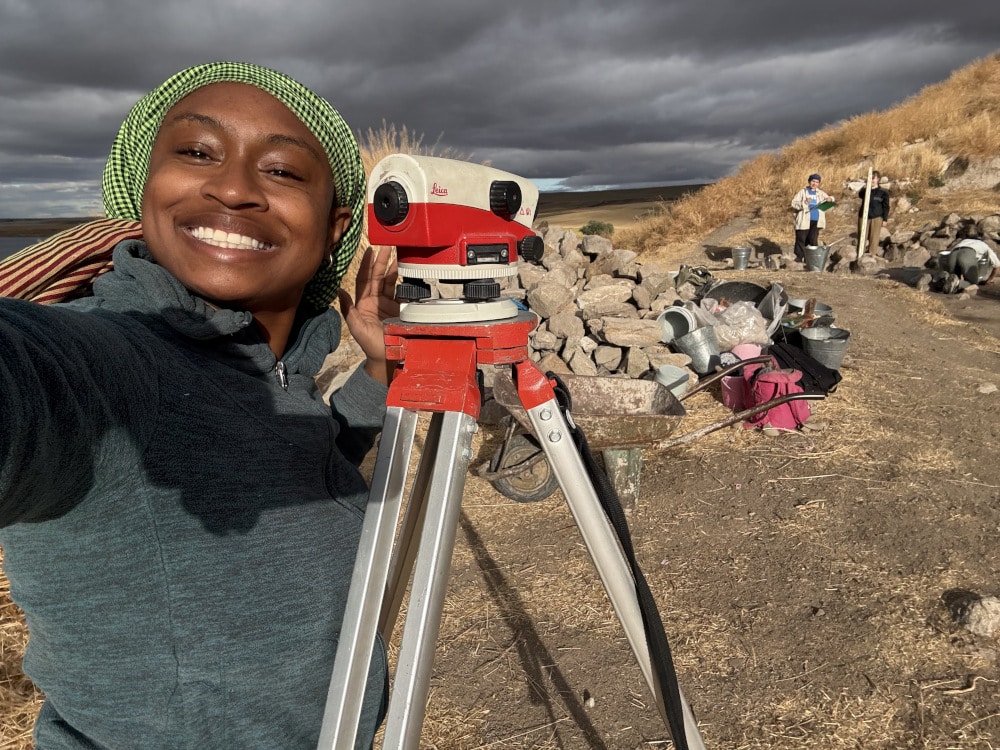
I spent the month of July in Türkiye as a member of the Çadır Höyük Archaeological Excavation Project, located near Peyniryemez Village in Sorgun, Yozgat Province. Çadır Höyük is a tell, or artificial mound, in central Türkiye that was formed by 6,000 years of human settlement. The project explores how small rural communities adapted their subsistence strategies in response to environmental change and imperial control. During my time at the site, I supported this exploration through systematic excavation, documentation, and laboratory analysis.  

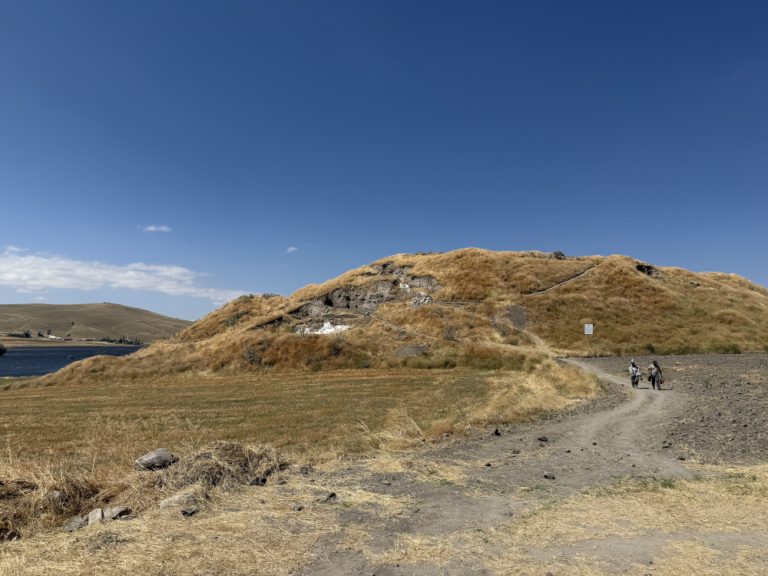
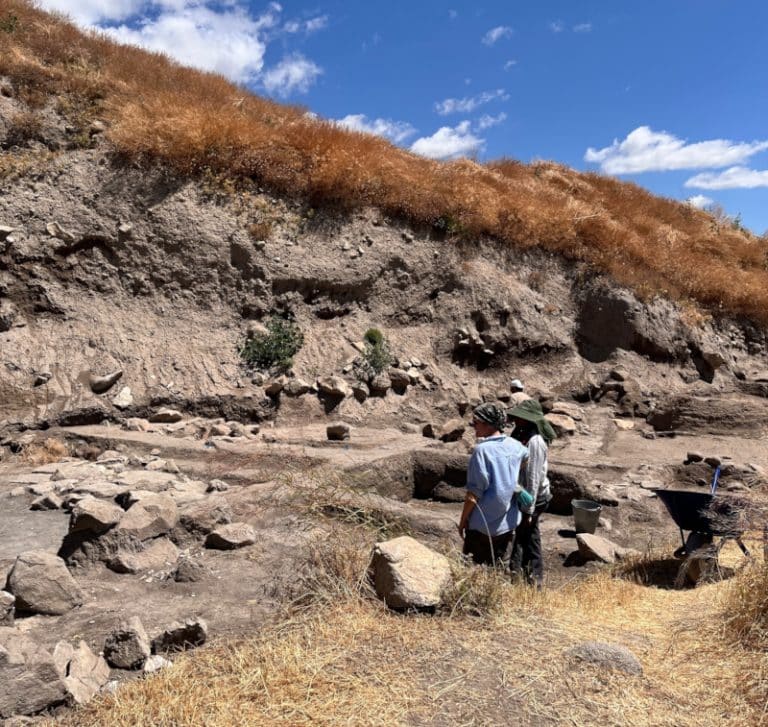
The Çadir Höyük Archaeological Mound, facing south.

Up With the Sun 

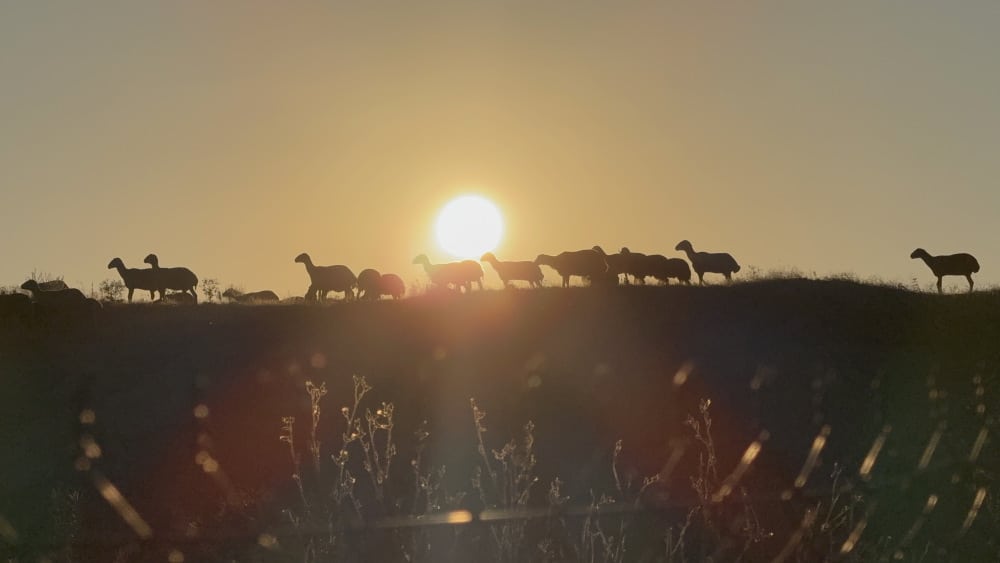
Most mornings, my eyes would flutter open at 5:15am in response to the familiar cadence of Donnie Trumpet’s Nothing Came to Me. On other days, it was the 5:00am recitation of the Adhan—the Islamic call to prayer—reverberating throughout the village. Yet on other days—and by far my favorite—it was the jangling bells of bleating sheep being herded across the central Anatolian hills.  

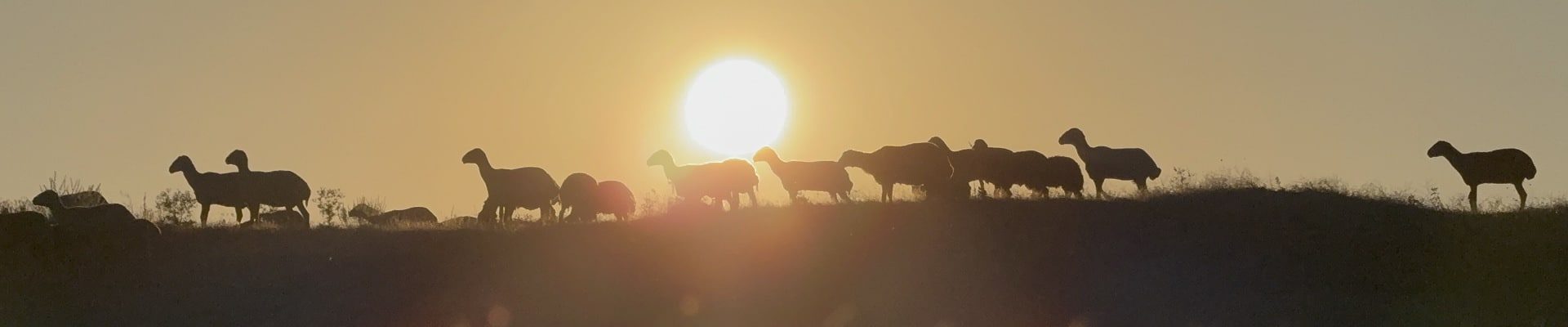
Sheep at sunrise.
Sheep at sunrise.

My subsequent morning routine was the same most days: drag self out of bed, wash face, brush teeth, get dressed, indulge in Çocokrem spread on bread—sometimes with a sprinkle of granola for an added flare—out the door and in the van by 6:00am, on site ready to work by 6:15am.  

On Site 

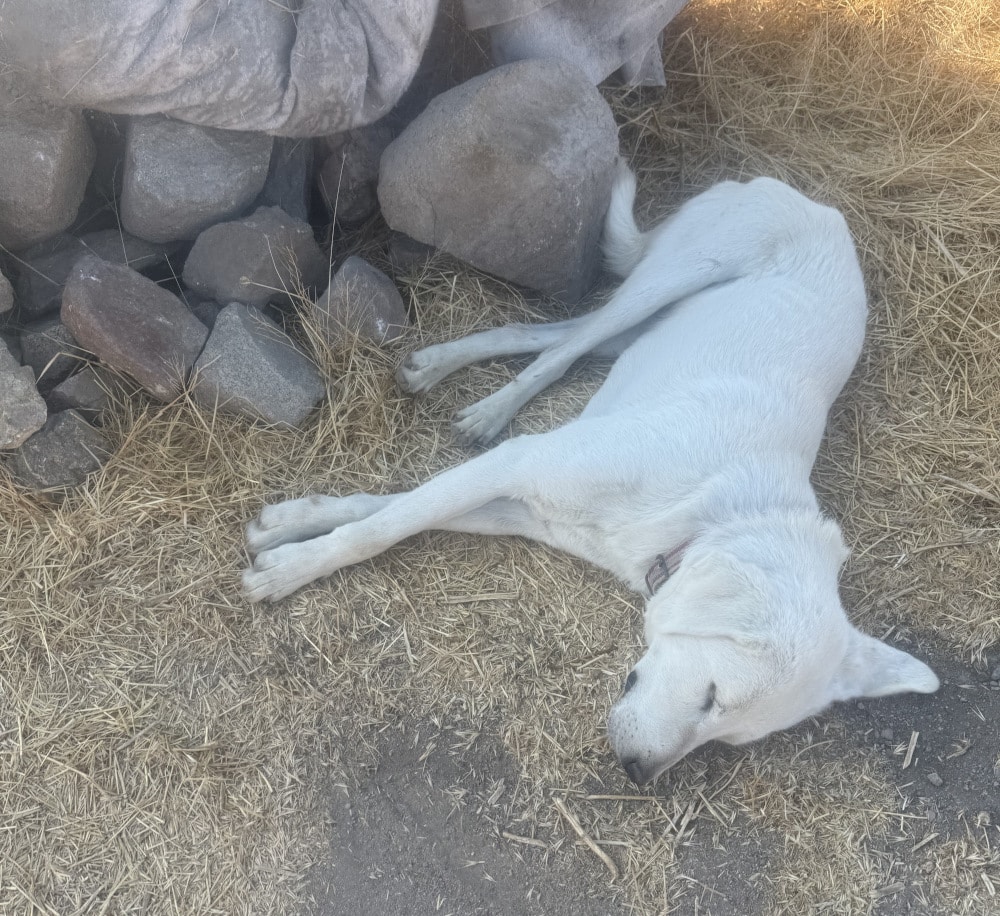
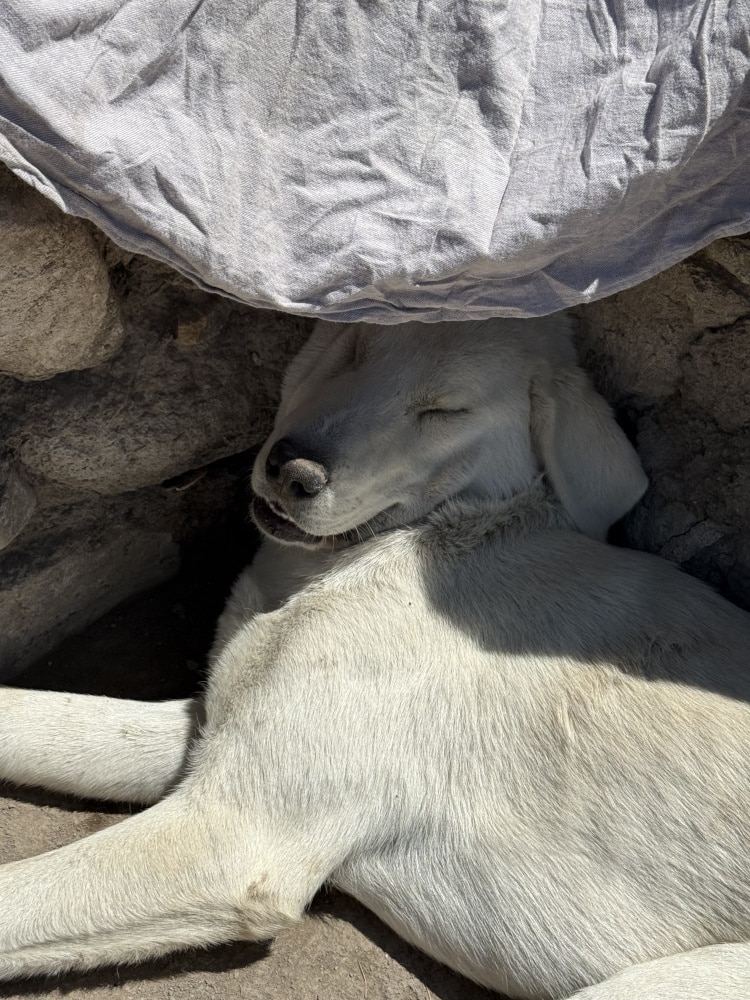
The arrival at the Çadır Höyük Archaeological Mound is stunning. My first morning on site and each morning thereafter, I beamed as I watched the sun dance across the lake. Making its first reappearance at the site in nearly a decade, the lake foreshadowed a productive field season and simultaneously affirmed the project’s emphasis on the impacts of environmental change. On our hike up and around the mound each morning, we were greeted by the wagging tail of Paşa, our friendly neighborhood Anatolian Shepard and adopted mascot for the project. More often than not, he would follow us up the mound, find a nice shady spot, and oversee excavation progress.  

Paşa, trench overlord.

Paşa, trench overlord.

I spent the first two weeks of the project working in the Late Chalcolithic Period (ca. 4250–3000 BCE) trenches SES-1, SES-2, and LSS-5 training intensively under the supervision of my advisor, Dr. Laurel Darcy Hackley. Working at the bottom of the mound demanded that I move slowly, work carefully, and notice the most minute changes in soil textures and colors because removing the smallest 1–2cm layer could destroy hundreds of years of the occupational record. It taught me to look intently, ask questions, and make possible meaning out of potential traces until additional evidence appeared to support or contrast it. It activated my imagination, pushing me to see what was, and served as great archaeological skills training.  

Darcy and I discussing the plan of action in LSS-5.

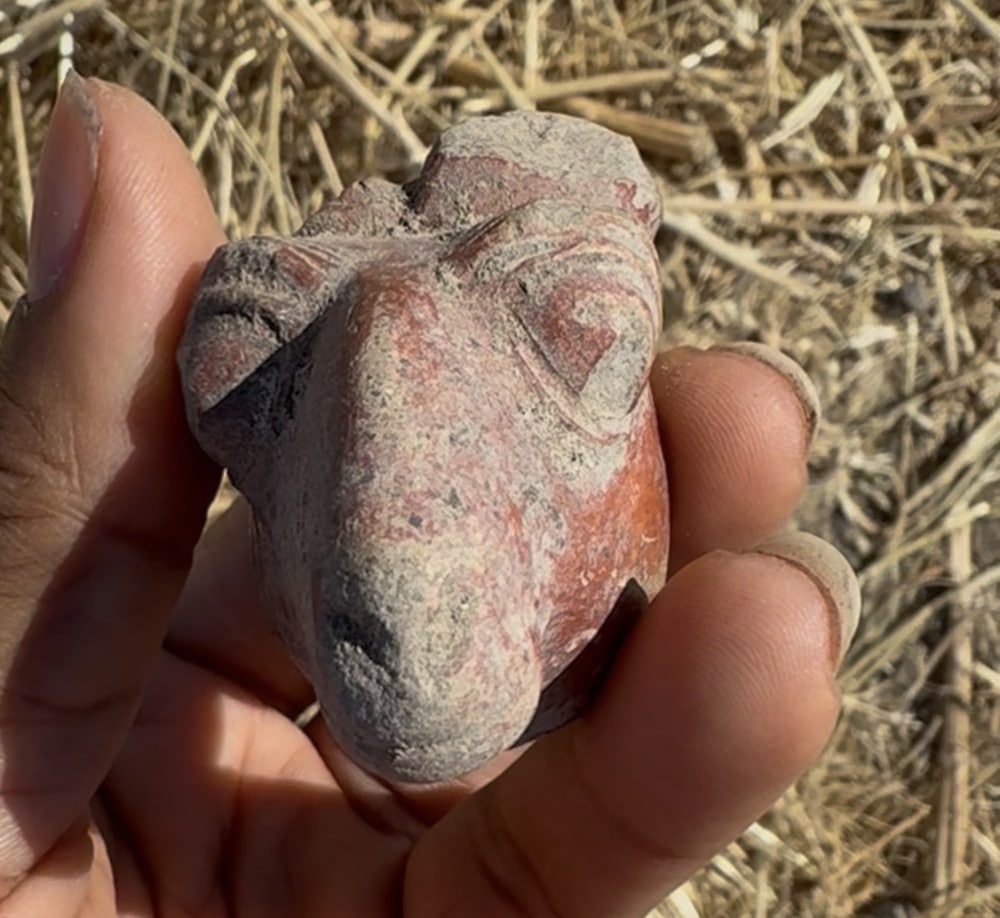
When week three rolled around and I was catapulted into the role of co-trench supervisor with my colleague Haleigh Keane, I was nervous, but ready. We resumed excavations of LSS-8, a previously opened 4×10 meter trench in southwestern corner of the tell spanning the Late Chalcolithic and Early Bronze Ages. Our primary goals were to investigate a pit feature in the northwest corner of the trench and to remove walls that had been previously documented in hopes of beginning excavations of the next occupation phase. Our most exciting find came from that pit—a small ceramic sheep’s head, dated firmly to the Hittite period by its wide eyes, pronounced nose, and quirky smile. 

Haleigh and I showing our work in LSS-8 on my last day in the field, after partially removing feature walls.
Hittite sheep head recovered from the pit in LSS-8.

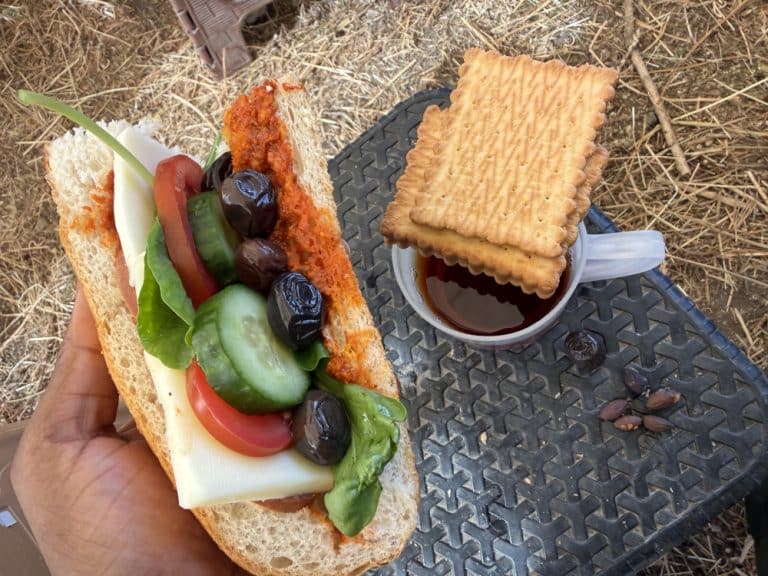
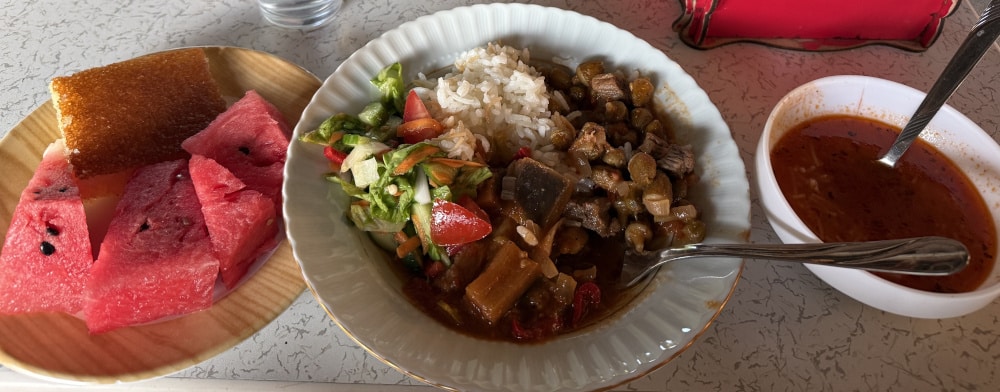
At 9am, the call for paydos! would reverberate around the site as the message spread like wildfire from trench to trench. Time to head down the mound to the break tent for second breakfast, the cherished mid-morning meal following hours of heavy physical labor. The project Bekçi, Ali, orchestrated the production, circulating all the sandwich fixings around the massive circle of excavators. First came the bread, followed by the spreads—mustard, mayo, and tomato. I always opted for a mustard and tomato combo. Next came the sliced salami and cheese, followed by tomato, cucumber, and leafy greens, and finally, the star of the show, black olives. YUM.  

The Second Breakfast of Champions.

After second breakfast, we’d hike back up the mound to resume fieldwork until 12:30pm. Thereafter we’d give the trench a good sweep, clean up the site, and end the field day by 1pm. I’d customarily take the van home, hop in the shower, and squeeze in a pre-lunch nap if I could manage it. 

After the Field 

“Yemeeeeek!” Music to my ears. Like clockwork, people would begin filing out of their rooms and into the kitchen to help carry out food and set tables. At some point during lunch, the Project Director, Dr. Sharon Steadman would communicate any announcements for the day and reveal what time lab hours would begin: 4:30 or 5pm. We all hoped for 5pm; the fate of our post-lunch naps depended on it. When 4:30 or 5pm rolled around, we’d head to the lab to receive our assignments and begin work. I rotated lab tasks during the first two weeks or so to get oriented to the project. Pottery washing became a welcome rest and respite from the late afternoon heat. Seated beneath the shade of plum trees and laundry hanging on the line, I chatted with team members with the backdrop of cows on the move walking through the village streets. 

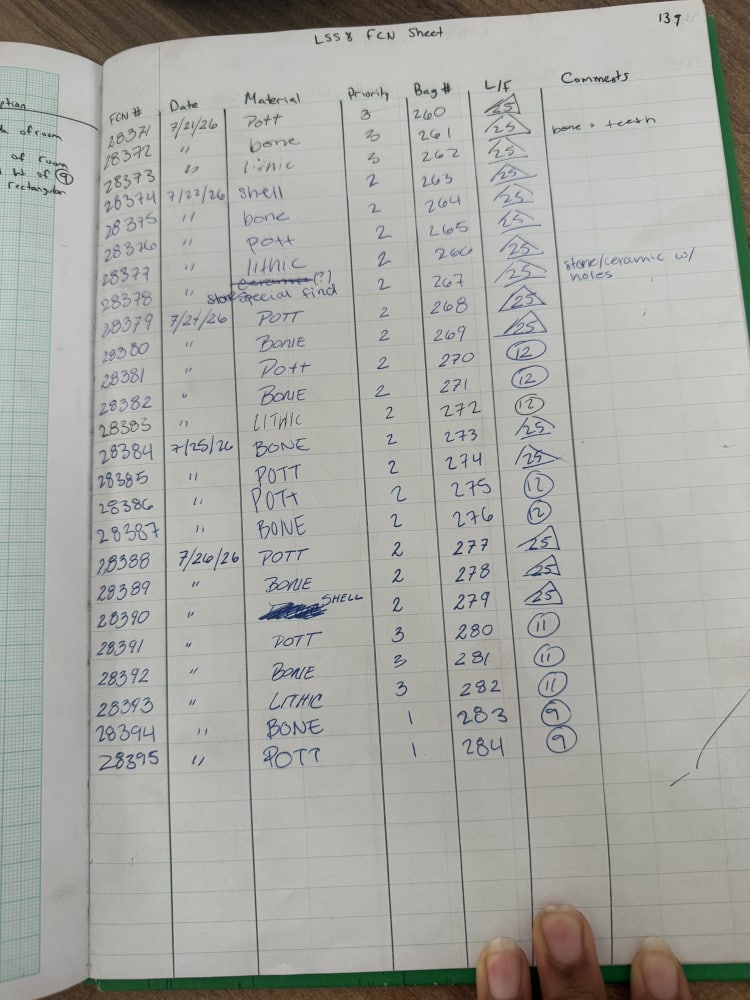
Once I assumed the role of trench supervisor, lab hours took the shape of completing the day’s field notes, documenting field catalog numbers (FCNs) and objects on feature and locus sheets and making plans for the next day’s excavations. 

FCN sheet for LSS-8.

The evening call for dinner came at 7pm. Again, the entire dig site would burst with excited energy, looking forward to the culinary creations of our dig chef, Tuğba, and the pastry stylings of her daughter and sous chef, Buğlem. The meals were by far the best I’ve ever had on any excavation project.  

Examples of Tuğba and Buğlem’s culinary creations.

We’d end the night with laughs over çay, board and/or card games, and sometimes even a Tango, a Lindy Hop, or two. By 10pm, I was in bed and ready to start it all again the next morning.  

Sydney A. Pickens graduated from the University of Memphis in August with Master’s degree in Art History, concentrating in Egyptian Art and Archaeology. She has since matriculated as a doctoral student at the University of California, Los Angeles (UCLA), where she is pursuing a PhD in Ancient Egyptian and Nubian Studies.  

Want to help more students and early career archaeologists get into the field? Donate to the cause today by selecting “Fieldwork Scholarships” as your gift purpose!

Vice President’s Report to ASOR Members

Vice President’s Report to ASOR Members

September 2026

Dear ASOR Friends,

I hope you all had a wonderful summer, perhaps having had the opportunity to get into the field, and hopefully some kind of relaxing break. As many of us gear up to return to school (and some in the United States already have), I have been filling out various “Doodle Polls” and setting up meetings with various committees leading up to the Annual Meeting in November.

One of my roles, as Vice-President of ASOR, is to lead the Chair Coordinating Council (CCC), which is explicitly charged with “monitoring the activities” of ASOR’s standing committees. While this is technically true, I prefer to think of the CCC as a means of facilitating conversations between the different committees, and an opportunity for each committee chair to share the exciting and important work that ASOR members are doing. It is a real privilege to chair the CCC, and I have a difficult time limiting our monthly meetings to just the one hour I promise everyone. The reports and discussions are so interesting and there is just so much good work that goes on.

Volunteering through one of the eight standing committees is one of major ways that ASOR members can play a role in the organization. In thinking about my own participation in ASOR, I remembered how I had been encouraged by other members throughout my career. As an undergraduate, David Hopkins and Larry Herr asked me to compile an index for Biblical Archaeologist, Tim Harrison suggested that I become more involved in ASOR Canada, Jeff Blakeley reached out to me to become a monographs editor, and Chuck Jones nudged me to take over as chair of the Publications Committee and then follow after him as Vice President. I am not sure that it ever would have occurred to me to volunteer for any of this work without having been explicitly asked by another member. So, I thought I would write to all of you, to give all of you a nudge to consider volunteering for one of the standing committees.

The committees really do very different kinds of work, and it may not be clear to all ASOR members what that work is, or even that these committees exist. More information about these committees, including current chairs and members, can be found on the ASOR website. Beyond these standing committees, ASOR also benefits from the work of affiliated research centers, our overseas committees, ASOR Canada, boards of our various publications, and ad hoc committees that are established by the President to achieve specific goals.

If you read ASOR’s newsletters (and if you are reading this, you probably do), or follow our social media, you’ll notice periodic requests for volunteers for these committees. If service on any of these sounds interesting to you, please answer those calls. But you also don’t have to wait for such a call. If you want to get more involved with ASOR, please reach out to any of the committee chairs, or to me as Vice President, either over email or in person at the Annual Meeting. Different bylaws and mandates govern the committees, some of which also include instructions on membership. Reaching out directly is really helpful, since even if there isn’t room on a committee at the moment you express interest, there likely will be soon.

I hope that you will consider participating in one of these committees. We are always looking for people with different kinds of experiences, backgrounds, and specialization. Regardless, I look forward to seeing you all at the Annual Meeting in Chicago this November.

With best wishes,

Kevin McGeough
Vice President

Fieldwork Report: Zainab Hweij

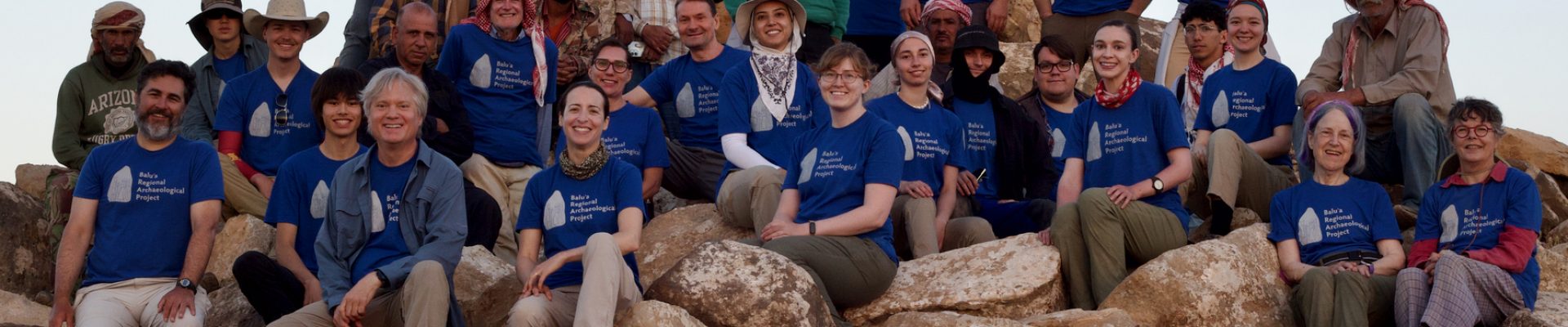
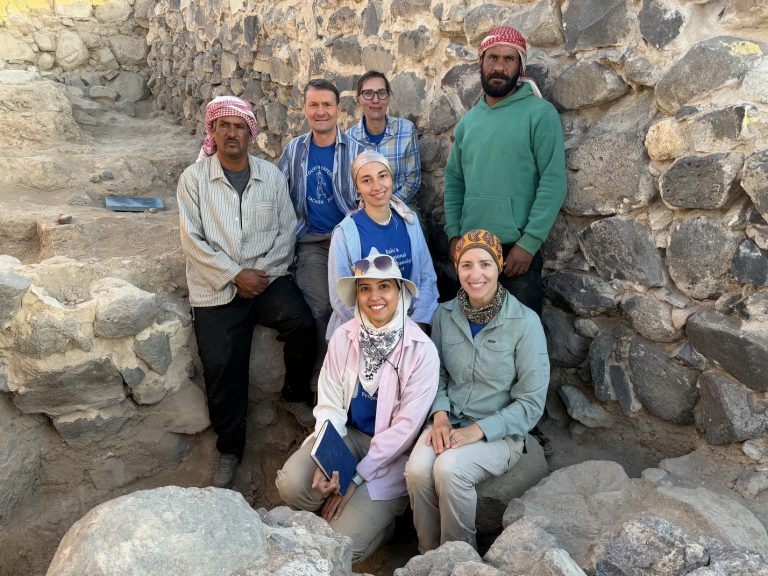
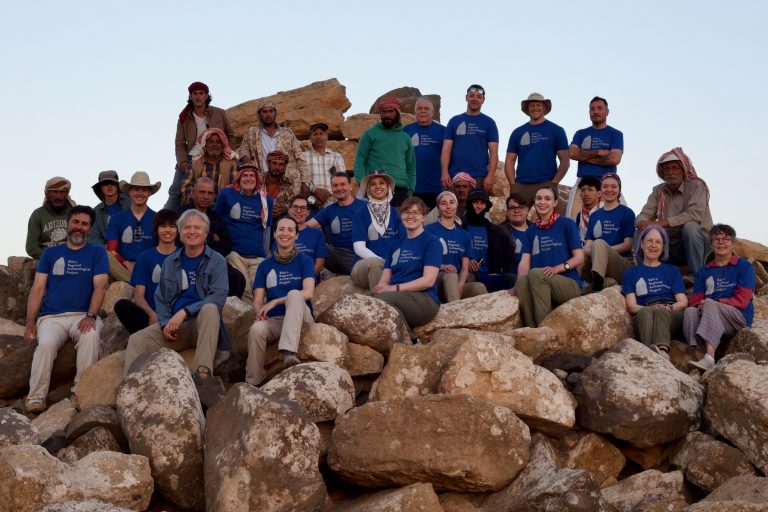
pic 7-group photo

From Research to Reality: My Journey to the Balu’a Regional Archaeological Project

Zainab O. Hweij, 2026 Strange/Midkiff Families Fieldwork Scholarship

For months, I wasn’t sure this excavation season would happen.

Like many archaeologists working in the Middle East, our plans were overshadowed by the uncertainty created by the regional political situation. Every week seemed to bring new questions about whether the field season would be postponed or canceled. Yet throughout this period, Dr. Monique Roddy (co-director of the project ) remained remarkably optimistic, encouraging the team and continuing to prepare for the season. Her confidence gave me hope that I would soon have the opportunity I had been working toward for months.

When I finally arrived at the Mujeb Hotel and met the team members, all of that uncertainty disappeared. The excitement of beginning another excavation season quickly replaced months of anticipation. Looking back now, that first evening feels like the beginning of one of the most rewarding archaeological experiences of my career.

My name is Zainab O. Hweij, and I am a Jordanian archaeologist with master’s degree from the University of Jordan. My research focuses on the visual culture and religious iconography of the Iron Age southern Levant, and I hope to pursue doctoral research on Iron Age stamp seals and visual communication. Because of these interests, participating in an excavation at Khirbat al-Balu’a was a perfect opportunity to gain firsthand experience with Iron Age archaeology.

The Balu’a Regional Archaeological Project (BRAP) investigates Khirbat al-Balu’a, one of Jordan’s significant archaeological sites in the ancient kingdom of Moab. Directed by Drs. Kent Bramlett, Monique Roddy, and Friedbert Ninow, the project brings together specialists and students from around the world to investigate the site’s long occupational history, in the Iron Age and later periods. Working within such an international and multidisciplinary team provided an inspiring environment in which to learn.

Interestingly, I first discovered BRAP while researching a completely different site. During my master’s research and while preparing ideas for my future PhD, I spent considerable time reading about Tall al-‘Umayri and the Madaba Plains Project. As I explored publications and project websites, I came across BRAP and became fascinated by the work being conducted at Khirbat al-Balu’a.

I applied to join the project, but there was one significant obstacle: funding. As an early-career archaeologist, the costs associated with international fieldwork were beyond what I could afford on my own. Receiving a 2026 Strange/Midkiff Families Fieldwork Scholarship transformed what seemed like an impossible opportunity into reality. The scholarship removed the financial barrier that would otherwise have prevented me from participating, and for that I am deeply grateful.

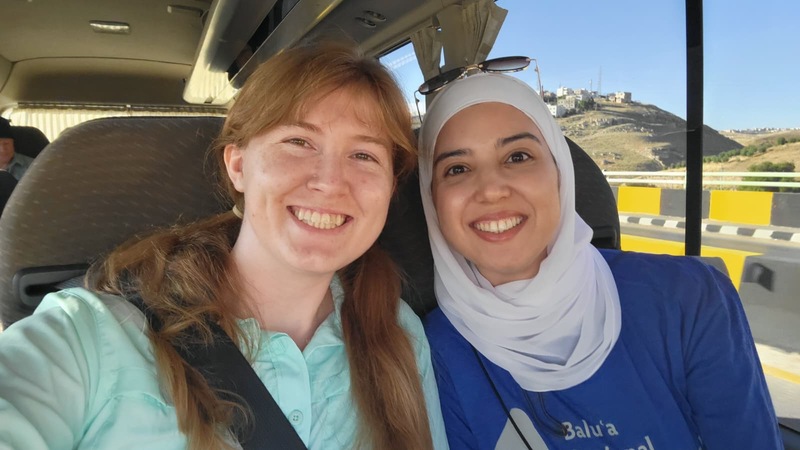
The excavation began with new friendships. At the Mujeb Hotel, I met archaeologists from different countries, each bringing their own experiences and perspectives. My roommate, Sarah Watson, immediately made me feel welcome, and before long our conversations continued from breakfast to the end of each excavation day. These friendships became one of the highlights of the season.

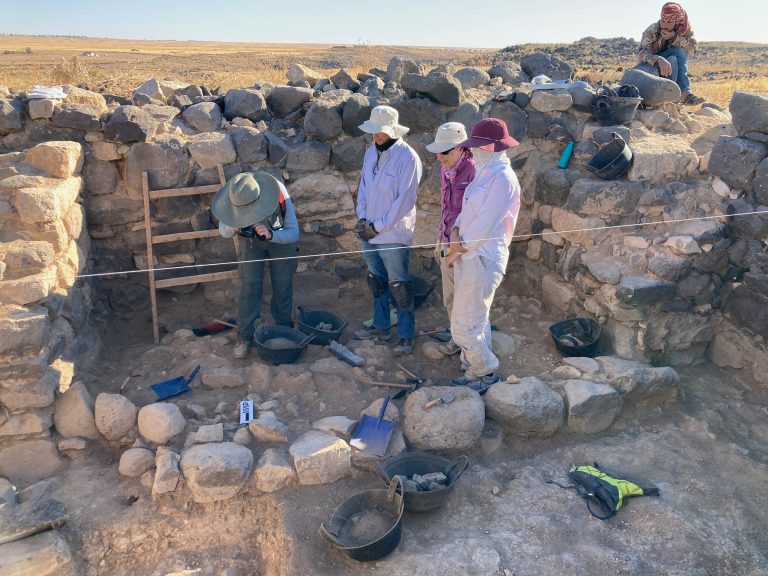
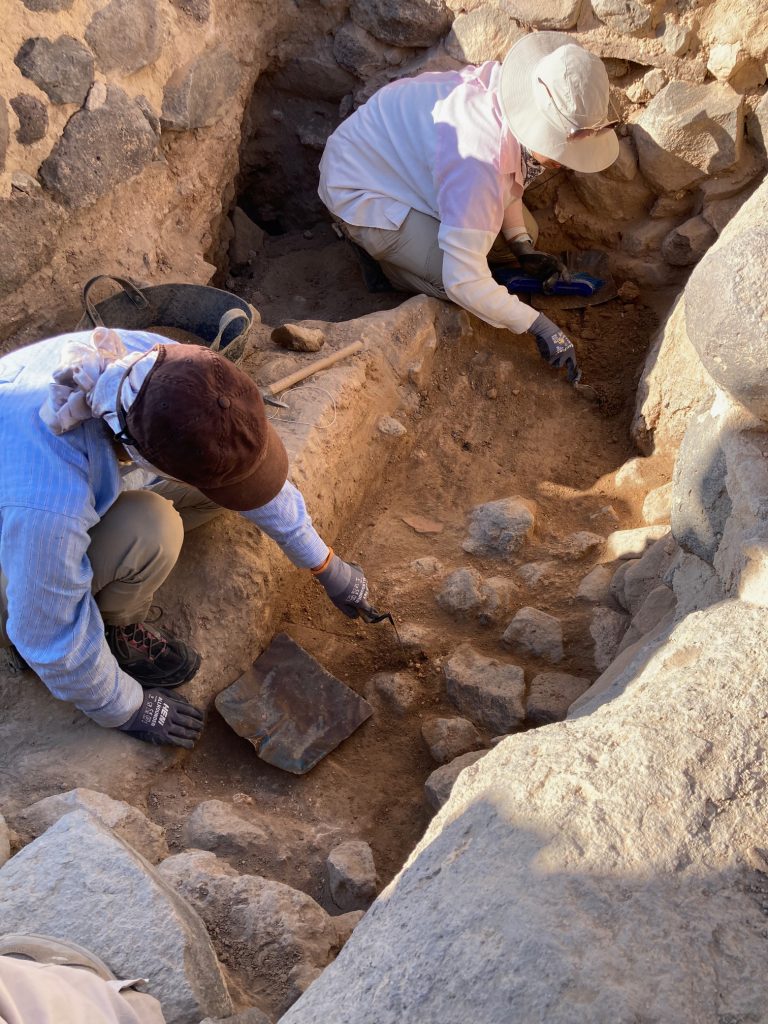
For much of the excavation, I worked as a square supervisor in the Khan area alongside Omar and Mary, while Amar and Salam worked with us in the field every day. Supervising a square required balancing excavation with careful documentation, recording contexts, directing excavation strategies, and constantly discussing interpretations with colleagues. Archaeology is often imagined as the discovery of spectacular artifacts, but I learned once again that it is really about patience, observation, and teamwork. Every layer removed, every stone recorded, and every pottery sherd documented contributed another piece to the history of the site.

Because my academic research focuses on the Iron Age, I hoped to gain direct experience excavating Iron Age architecture. I spoke with Dr. Ian Jones about my research interests, and he immediately supported the idea. Thanks to his encouragement and the generosity of the project directors, I was given the opportunity to spend a week excavating in the Iron Age domestic area alongside the German team that joined the project later in the season.

That week was especially meaningful. Instead of studying Iron Age material only through publications and museum collections, I was able to excavate architectural remains and contexts firsthand.

Beyond the archaeology itself, BRAP reminded me that fieldwork is built on community. Every day involved cooperation, shared problem-solving, and learning from people with different backgrounds and areas of expertise. Whether discussing pottery after excavation, comparing interpretations in the field, or simply sharing stories over dinner, I left the project with new knowledge, lasting friendships, and renewed motivation for my future career.

The Strange/Midkiff Families Fieldwork Scholarship made all of this possible. It did more than provide financial support, it opened the door to an experience that strengthened my archaeological skills, connected me with an incredible international team, and brought me one step closer to my goal of becoming a specialist in Iron Age archaeology. I will always be grateful for the opportunity to be part of the 2026 Balu’a Regional Archaeological Project, and I look forward to carrying the lessons I learned there into my future research.

Zainab O. Hweij has a Master’s in Archaeology from the University of Jordan, with research interests in the visual culture and religious iconography of the Iron Age southern Levant.

Want to help more students and early career archaeologists get into the field? Donate to the cause today by selecting “Fieldwork Scholarships” as your gift purpose!

Fieldwork Report: Leticia Rodriguez

rodriguezbanner-1920x400

Fieldwork Report: Leticia Rodriguez

Leticia Rodriguez, 2025 Strange/Midkiff Families Scholarship Recipient

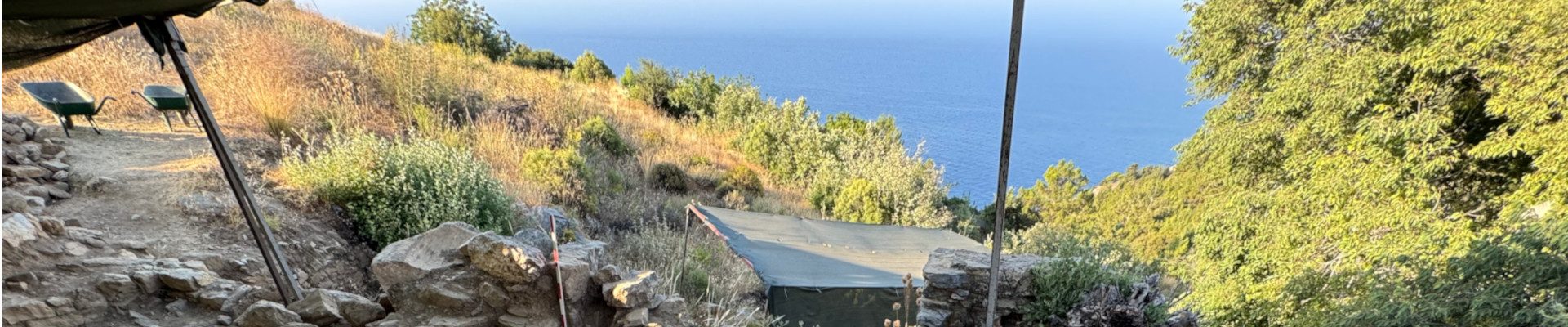
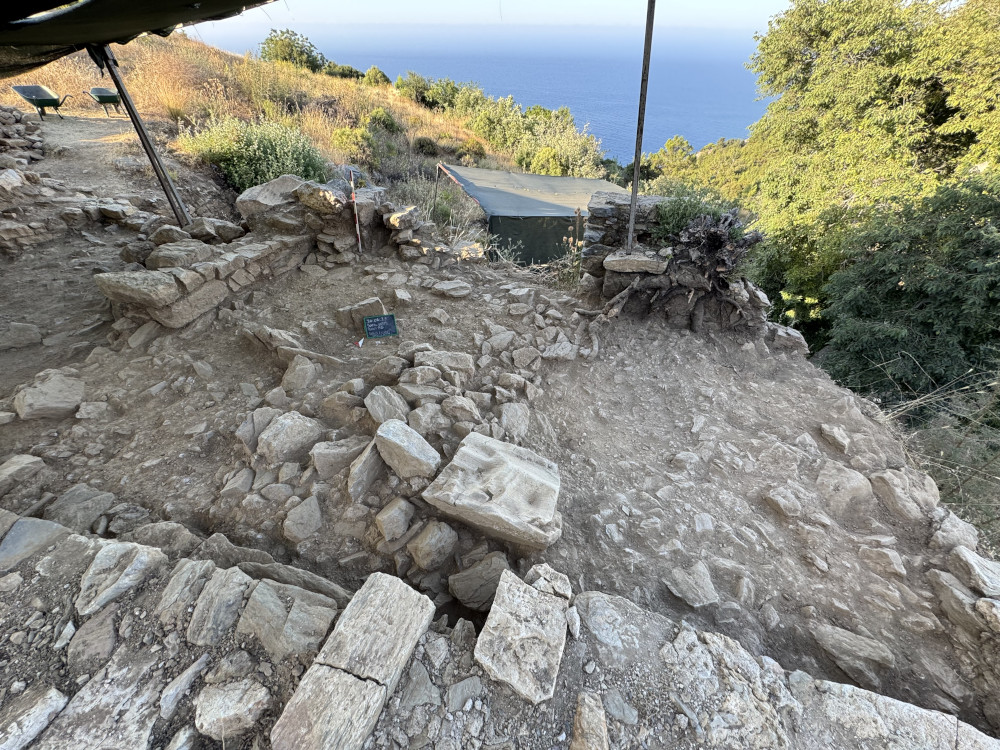
In 2005, excavations began at the site of Antiochia ad Cragum, a city founded in the mid-first century CE and located along the rugged coastline of western Rough Cilicia (modern Türkiye). Among other civic and religious structures, Antiochia ad Cragum is home to three baths: a poorly preserved bath at the foot of the Anticragus, the Great Bath located within the city, and the Small Bath. The Small Bath, dated to the second century CE, is located about 50 meters east from the main entry point to the city, and just off the ancient, primary coastal road. In a 1967 survey of buildings at Antiochia ad Cragum, Gerhard Huber recorded a bath complex with a central hall, and banks of rooms on the north and south sides: this type of bath complex is one known from other sites in Rough Cilicia, such as at Anamur and Syedra.

With Huber’s plan as a guide, we began excavations at the Small Bath in 2018. In seven seasons of excavation, we have begun to understand the bath in its original form, adding to, and in some cases correcting Huber’s plan, and we have revealed evidence that provides a picture of how the complex was used in later periods when it no longer acted as a bathing facility, and how these functions contributed to Antiochia’s role in the later Roman economy in the region.

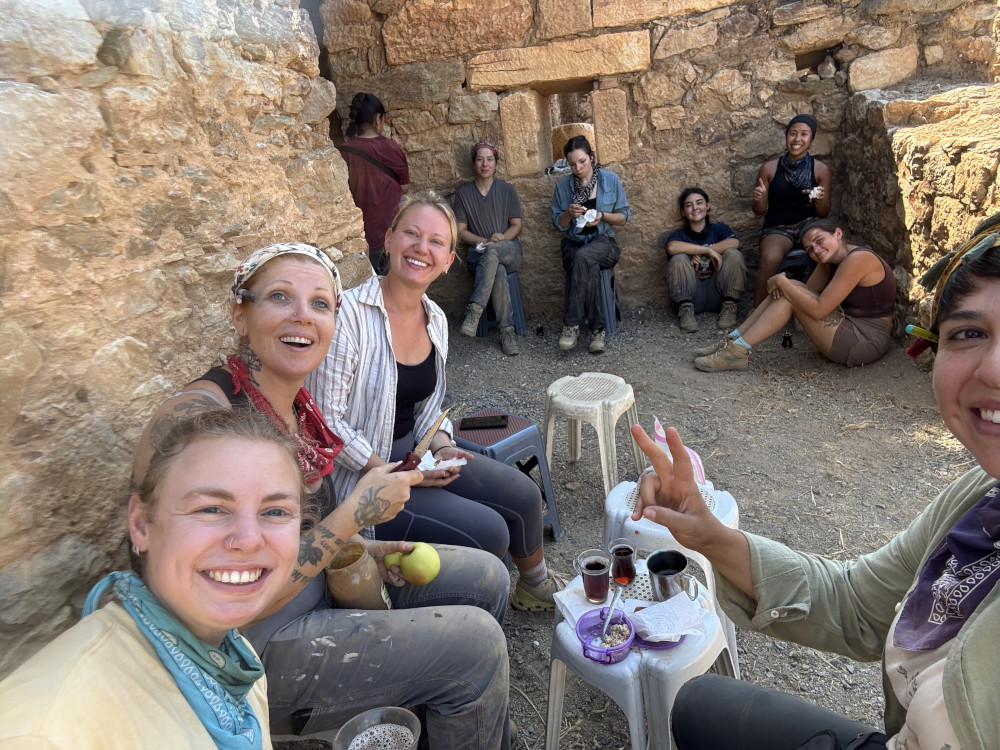
Tea break in the Small Bath.

Indeed, the 2025 season focused primarily on exploring the bath’s later industrial phases. In previous seasons we discovered a ceramic kiln built adjacent to the bath’s main entrance corridor, and evidence for wine and olive oil production within the walls of the bath’s main hall and cold rooms (explored in an article by this author and Emlyn Dodd, in preparation); in the 2024 season we discovered in the south bank of rooms a glass furnace. The goals of this summer were to complete excavation of the glass furnace, and open the westernmost room on the south bank (Room 8), the room in closest proximity to the presumed location of the bath’s praefurnium. Investigations here did not disappoint as we uncovered what appear to be a series of small kilns built seemingly in succession. With a small team and the season coming to end, however, we were not able to complete excavation of this particular area, but we look forward to doing so next year.

Room 8 prior to exposure of kilns.

Antiochia ad Cragum is a field school that has historically brought in students and volunteers from North America, Europe, Asia and Australia. As acting supervisor of the Small Bath excavations since 2021, and now Field Director of the site, I have had the privilege of teaching students field techniques and recording. It has been rewarding to guide undergraduates and graduate students as they explore their own research questions related to our excavations at the Small Bath through poster projects and papers, while also exploring my own research interests in collaboration with Turkish and non-Turkish colleagues in the form of publications and lectures for the public and academic communities. 

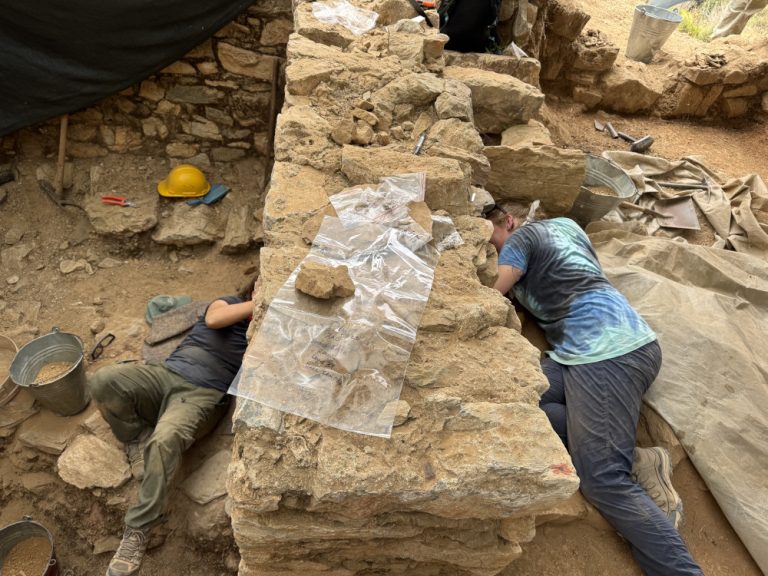
Students excavating a presumed flue of the glass furnace.
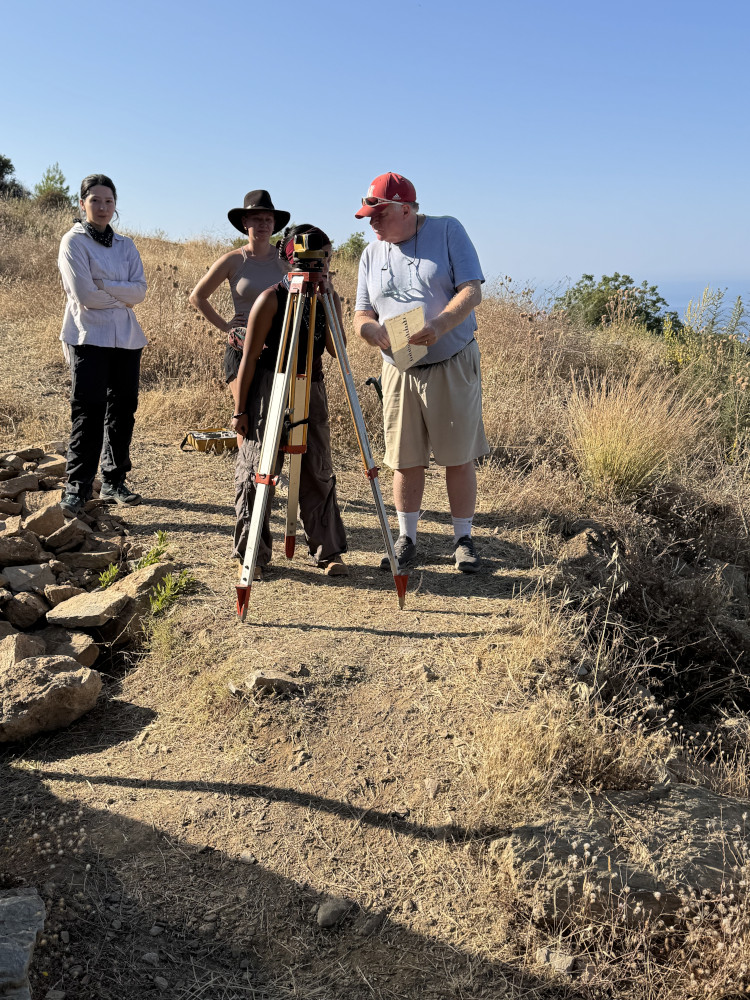
Students learning how to take elevations with the help of Project Director Dr Michael Hoff.

While I have done this in my official roles with the project, I am also a mom with two small children who has had to bring my kids with me to Türkiye every season. I have many colleagues who can identify with this position, and who know well that it can be quite complicated for many reasons, including financial. ASOR recognizes that such personal factors should not be a barrier to academic research and growth, especially to early-career scholars such as myself; I am grateful to ASOR and a summer fieldwork scholarship made possible by the late Mrs. Carolyn Midkiff Strange for the support that allowed me to continue my work at Antiochia ad Cragum for the 2025 season and, I hope, many seasons to come.          

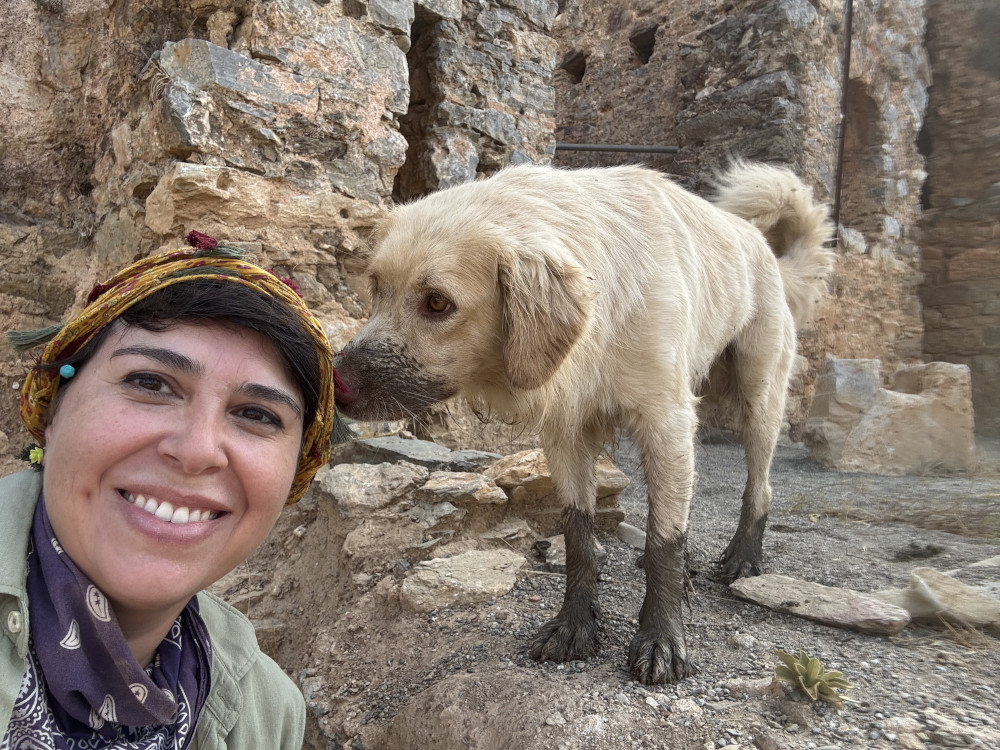
With the other Small Bath supervisor.

Leticia R. Rodriguez is an Assistant Professor of Art History, Ancient Mediterranean and Middle East at the University of Houston. She has excavated at Antiochia ad Cragum since 2019.

Want to help more students and early career archaeologists get into the field? Donate to the cause today by selecting “Fieldwork Scholarships” as your gift purpose!

Membership and Outreach Committee Seeks New Members

Membership and Outreach Committee Seeks New Members

The Membership and Outreach Committee seeks nominations (including self-nominations) from ASOR members who are interested in serving on the committee. Committee members will serve a three-year term (January 1, 2027 – December 31, 2029) with the option to renew for a second term. Committee members are expected to attend monthly meetings via Zoom and an in-person meeting at the ASOR Annual Meeting each year. Nominees must fill out the online form by October 16, 2026.

The Committee on Membership and Outreach takes responsibility for discussing matters regarding ASOR institutional and individual memberships, including (but not limited to) strategies for membership growth, appropriate membership benefits, the most fitting way to categorize individual memberships (student, recent graduate, etc.), greater enfranchisement of ASOR’s international members, and resources that members might like ASOR to provide. The committee also oversees ASOR’s outreach efforts. In addition, it advises the ASOR staff about the presentation and content of several of ASOR’s digital platforms, including ASOR social media, the ASOR LinkedIn page, ASORTv, and ASOR’s e-magazine News@ASOR.

In order to receive full consideration by the committee, the online form must be submitted by noon ET on October 16, 2026. For questions and concerns, please contact Laura Mazow, Committee Chair (mazowl@ecu.edu).

Join ASOR’s Board of Trustees

CALL FOR TRUSTEE NOMINATIONS

The Trustee Nominations Committee announces an open call for nominations and self nominations for the ASOR Board of Trustees (Class of 2029). Trustees will serve a three-year term, starting January 1, 2027. There are three primary responsibilities of the members of the Board of Trustees:

  • Governance: Being aware of issues brought forward to the Board, attending two meetings per year (at your own expense), and bringing issues of concern to the Board.
  • Fundraising and financial management: Leading in development by thinking of new opportunities, leading in giving, and providing oversight on the audited financial statements. We ask that individual trustees aspire to contribute $500 or more annually.
  • Strategic planning and policy development: Leading especially in measures that accord with ASOR’s mission.

We anticipate two openings for Membership-Elected Trustees. Any full ASOR member may be considered for nomination as an Membership-Elected Trustee. If there is someone that you would like the committee to consider—including yourself—please send the person’s name and email address to Marta Ostovich in the ASOR office. Please check with the nominee as to whether they are interested in serving on the ASOR Board of Trustees before sending in their name. If you have any questions about the responsibilities and satisfactions of being a board member, please email Kathryn Grossman, Chair of the Trustee Nominations Committee.

The ASOR office, or a representative from the Nominations Committee, will contact all nominees to describe the responsibilities in greater detail, and to make sure that the nominee is willing to have his or her name discussed by the Trustee Nominations Committee. Please note that nominees will need to submit a brief biography and a mission (or vision) statement for what they would like to accomplish as a trustee to be considered by the Nominations Committee. A sample of these statements can be found in last year’s “Meet Your Board Nominees” webpage. Brief biographies and mission statements should be ca. 200 words each and submitted via e-mail to Marta Ostovich by noon EDT on Monday, September 21, 2026.

After receiving the names of nominees, the Nominations Committee will vote on which individuals will stand for election, and the election will take place by electronic ballot over four consecutive weeks in October and November. ASOR is once again conducting online voting to ensure that more of our members are able to participate in this important process. The ASOR office will work with any person who is not able to complete an electronic ballot to ensure that everyone is included.

Collections Fellowship Report: Irene Romano

2026 Study of Collections Fellowship Report

Irene Bald Romano, School of Art and School of Anthropology, University of Arizona

I am pleased to present this final report of the results of my research funded in part by ASOR’s Study of Collections Fellowship during the summer of 2026. This research project is focused on a group of Late Hellenistic (2nd or early 1st centuries BCE) Greek marble sculptures excavated between 2016 and 2021 in a large Parthian administrative building or manor house (Area E Building) in Qalatga Darband, a fortified ancient town in northern Mesopotamia (eastern Iraqi Kurdistan). In November 2023, I was invited by the excavator, Dr. John MacGinnis, to study and publish these sculptures, now housed in Rania and in the Slemani Museum in Sulaymaniyah, Kurdistan, and in October 2025, I had the opportunity to travel to Kurdistan to examine the material.

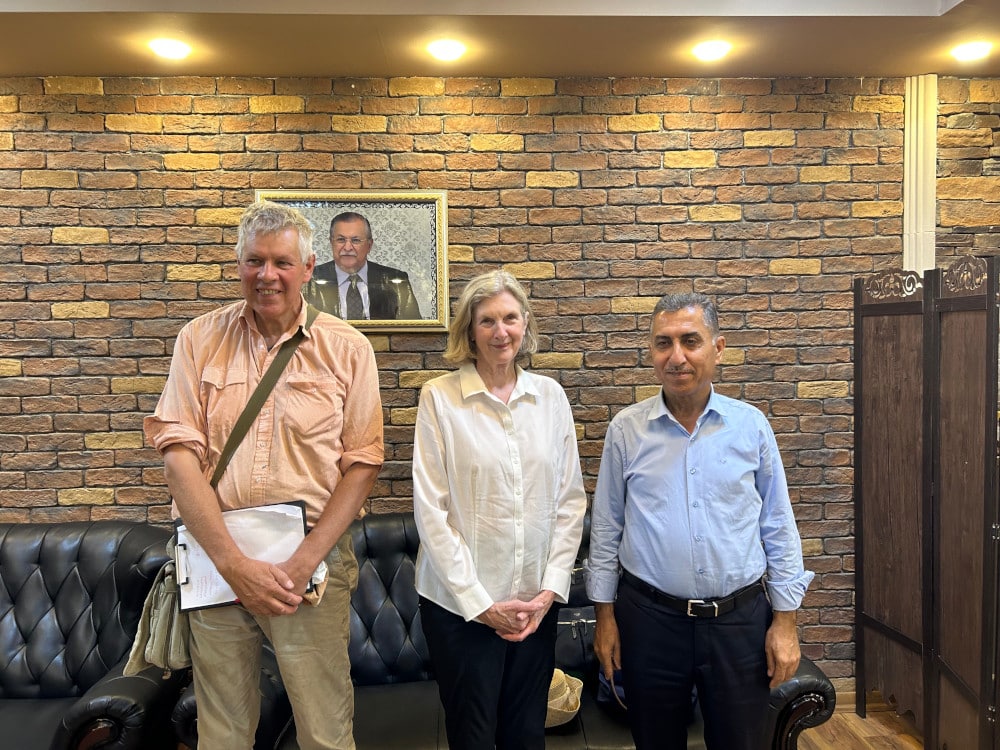
Dr. John MacGinnis, Dr. Irene Bald Romano, Dr. Hashim Hama Abdullah, Director Slemani Museum Oct 2025.
Dr. John MacGinnis, Dr. Irene Bald Romano, and Dr. Hashim Hama Abdullah, Head of the Directorate of Antiquities of Sulaymaniyah, Iraqi Kurdistan, October 2025.

The group includes around 70 marble fragments, comprising at least 10-11 statuettes that are purely Greek in style, scale, themes, material (white marble), and manufacturing techniques, forming a consistent corpus that was likely acquired on a single occasion. It is very rare to find such a large group of Greek sculptures in this part of the ancient world, and key research questions relate to where and by whom were they manufactured, how did they come to be in this particular town and building, and how were they used. There is evidence from parallel examples of sculptures of this period that these statuettes were probably manufactured in the Greek islands, possibly Rhodes or Delos, and transported east. They may have been booty taken during the wars between the Seleucid Greeks and the Parthians in the 2nd century BCE or collected by a philhellenic Parthian elite (a royal family member or governor or the like) who resided in the Area E Building.

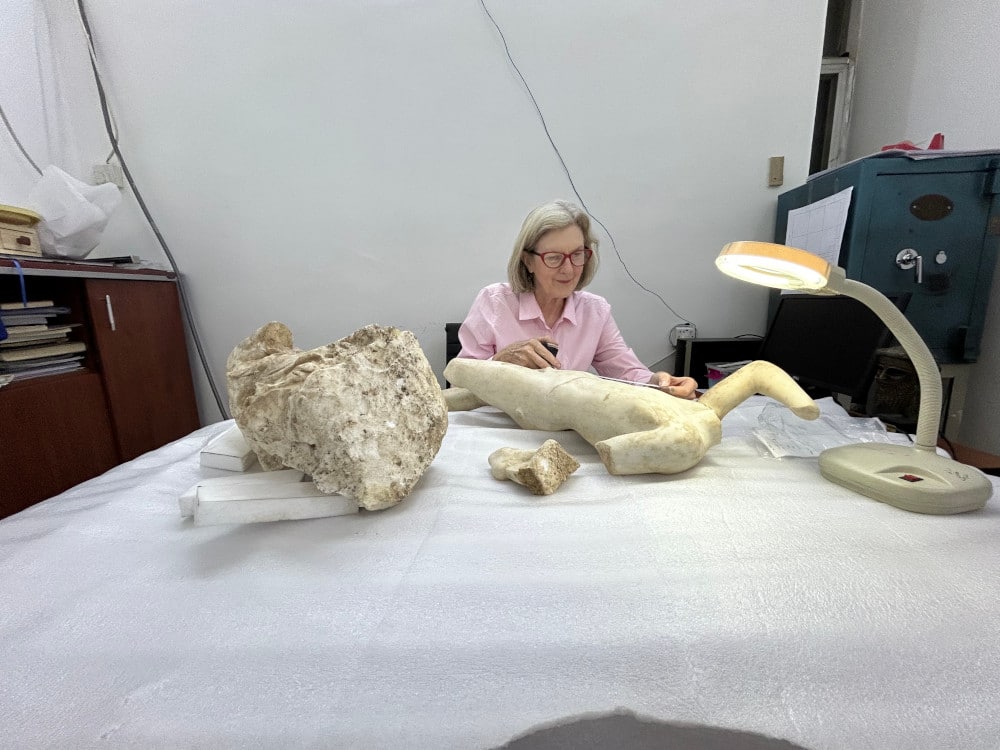
Irene Bald Romano study sculptures from Qalatga Darband in Slemani Museum October 2025.
Irene Bald Romano studies sculptures from Qalatga Darband in the Slemani Museum, Sulaymaniyah, October 2025.

Critical at this stage of my research leading to the final publication of these sculptures are: 1) analysis of the marble which is now being conducted by scientists at the Austrian Academy of Sciences in Vienna; 2) examination of similar sculptures of this period in key places such as Delos, Rhodes, and Kos, which I conducted in fall 2025 and this past summer; and 3) library research to identify comparable Greek material. For the latter, with my travel to and living expenses in Athens largely supported by the ASOR Fellowship, I used the unparalleled Blegen Library of the American School of Classical Studies at Athens. I have completed a draft of a manuscript for a long article or book-length publication, to be co-authored with Dr. MacGinnis. We are awaiting the results of the analysis of the marble from colleagues at the Austrian Academy of Sciences which will be integrated into the manuscript with an appendix added with the full scientific information. We hope to submit the manuscript to a press before the end of the calendar year.

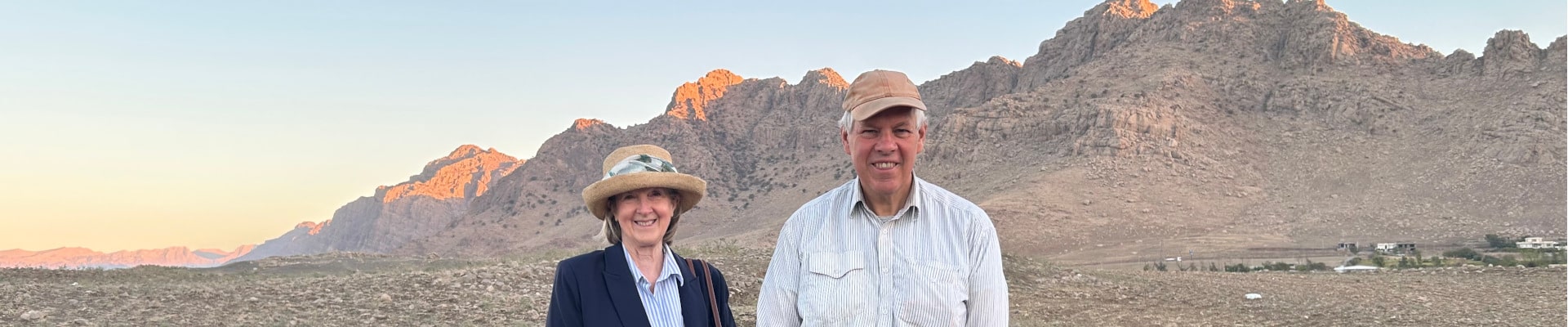
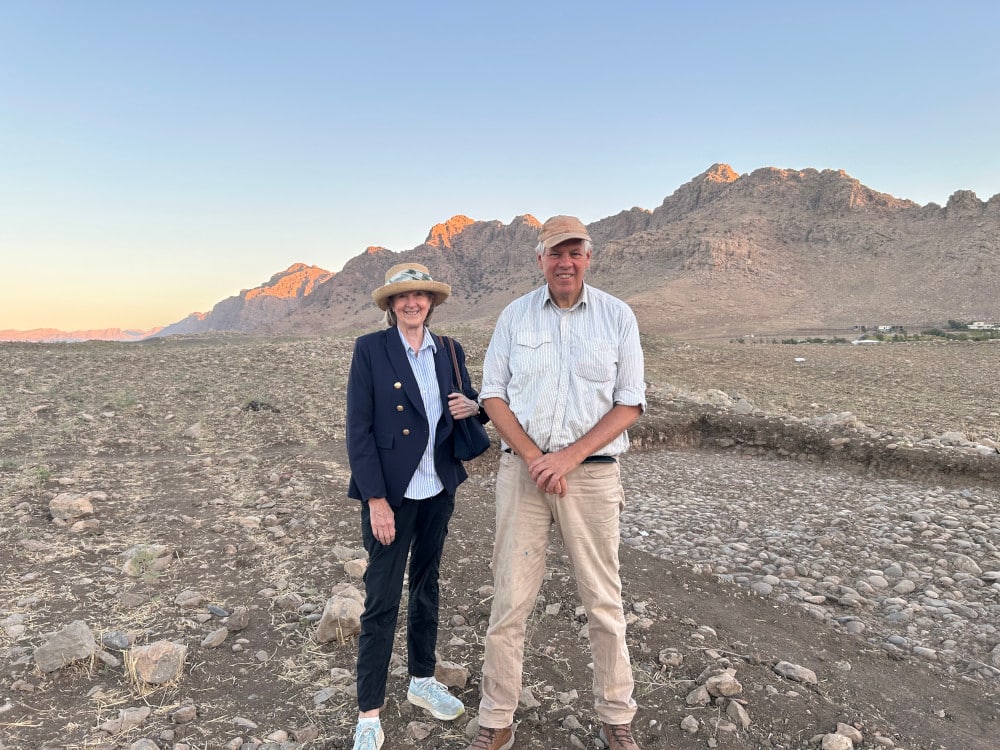
Irene Bald Romano and John MacGinnis at Qalatga Darband, Kurdistan October 2025.
Irene Bald Romano and John MacGinnis at Qalatga Darband, Iraqi Kurdistan, October 2025.

I am extremely grateful to ASOR and its donors for awarding me this fellowship to further my research on a topic that I believe is important from many perspectives. These finds lie at the nexus of critical moments in Late Hellenistic and Roman history in the East, adding to our picture of cultural interactions among minority Greek populations, the Parthians and their vassal kingdoms, and the Romans in the region. I am also deeply appreciative to John MacGinnis and many colleagues who have assisted me with this project, including those in Kurdistan who provided overwhelmingly enthusiastic support. 

Position Announcement: Director, Albright Institute of Archaeological Research

Position Announcement: Director, Albright Institute of Archaeological Research

The W. F. Albright Institute of Archaeological Research (AIAR) in East Jerusalem, an ASOR-Affiliated Overseas Research Center, invites applications for the position of Dorot Director. The Director serves as chief executive officer of the Institute, overseeing operations, financial strategy, academic programming, development, and institutional relationships with local academic, cultural, diplomatic and governmental institutions.

Candidates should hold a graduate degree, have familiarity with the region, and demonstrate leadership in Near Eastern studies or a related field (such as but not limited to archaeology, anthropology, biblical studies, history, museology, religious studies), along with experience in fundraising and institutional administration. The appointment is for up to five years, and includes a renovated three-bedroom Director’s residence on the AIAR campus.

Applications (letter, CV, and three references) are due 1 September 2026, though review will continue until the position is filled. More details and the application portal can be found here: https://aiar.org/archives/director_cfa_2026/

Please submit inquiries to the search committee chair, Prof. Eric H. Cline (ehcline@email.gwu.edu).