Accepting Applications for Black Scholars Matter Initiative
Applications for the Black Scholars Matter Initiative are now open!
Humans Against Poor Scholarship, in partnership with ASOR, is offering grants of $1,000 to Black undergraduate students in their junior or senior year of study, in order to help cover the costs of attending the ASOR annual meeting (Chicago, November 17th-20th 2021). Two grants of $1,000 are available (one provided from H.A.P.S. funds, and one matched by ASOR). In addition, thanks to a generous partnership with ASOR, one year’s conference registration, and a two-year student membership to ASOR will also be awarded to the two successful applicants.
To help students navigate what can be a deeply daunting experience, successful applicants will also be paired with Ph.D. students or early career scholars who will act as a mentor during the conference. This grant not only provides financial aid for conference attendance, but gives Black students the opportunity to start forming professional networks that are so crucial for developing an academic career.
Applications can be submitted via that H.A.P.S. website, and will be accepted until May 14th 2021: https://www.hapsfund.com/applybsm
Update April 5: $14,000 raised towards diversity challenge campaign
Progress towards $20,000 March Goal
Update April 5, 2021
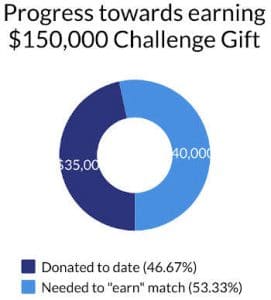
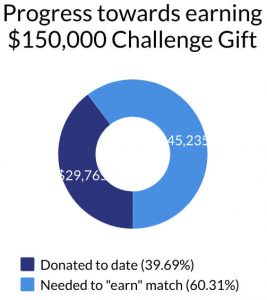
Thanks to 63 ASOR members, March Fellowship Madness 2021 was a success. We didn’t reach our goal of $20,000, but we made tremendous progress ($14,000) towards earning the $150,000 challenge gift to endow BIPOC fellowships.
Since 2007, ASOR has awarded over 830 fellowships, grants, dig scholarships, and travel awards totaling more than $900,000. During the past month, we focused on raising $20,000 for BIPOC scholarships and our diversity challenge campaign. Thanks to an extraordinary challenge gift, every dollar of the $14,000 contributed during March will be matched with two dollars. We thus raised a total of $42,000 in March towards endowing BIPOC fellowships in perpetuity.
The generous 2-for-1 challenge gift by ASOR Trustee Carolyn Midkiff Strange means that a contribution of $25 will be matched with $50; a gift of $100 will be matched with $200; a gift of $1,000 will be matched with $2,000; and so forth. The $14,000 contributed by ASOR members during March Fellowship Madness goal moved ASOR much closer towards raising the $75,000 that is needed to fully “earn” this transformative $150,000 challenge gift. Thank you to all 63 people who contributed! If you have not yet contributed, or if you are in a position to make another gift, there is still time. We have until June 30, 2021 to raise the remaining $40,515 to earn the entire $150,000 challenge gift.
In addition to supporting BIPOC stipends and scholarships in 2021, ASOR will use these gifts to endow research scholarships, internships, and travel fellowships dedicated to BIPOC students and early career scholars. These fellowships and grants will be a foundation for future efforts, and will serve as a tangible sign of ASOR’s commitment to long-term change.
Extending social equity and equal opportunity throughout all sectors of our world is one of the foremost imperatives facing us today. You can join ASOR in making a lasting difference. Consider a gift of any amount to help us earn this extraordinary challenge gift.
Please choose “Diversity Initiatives” from the drop-down menu in the online donation module to designate your gift to this 2-for-1 Challenge Campaign.
تعلن ASOR CHI بفخر عن مبادرات التراث الثقافي في أفريقيا اليوم، وهي ندوة مجانية مدتها ثلاثة أيام تسلط الضوء على عمل المتخصصين في التراث المحلي والأكاديميين ومنظمات المجتمع المدني لحماية التراث الثقافي والحفاظ عليه وتعزيزه في شمال أفريقيا ومنطقة الساحل. ترحب بكم ASOR لحضور الندوة عبر تطبيق ZOOM في الفترة الممتدة من 11 إلى 13 أبريل/نيسان، والتي ستتضمن نشاطات التراث الثقافي في ليبيا (11 أبريل/نيسان)، والمغرب العربي (12 أبريل/نيسان)، ومنطقة الساحل (13 أبريل/نيسان).ستستمر كل جلسة من الساعة 11:00 إلى الساعة 13:00 بتوقيت شرق الولايات المتحدة.
لا يشترط التسجيل لحضور هذا الحدث. يرجى العودة إلى صفحة الويب هذه في كل يوم من أيام الندوة للوصول إلى رابط Zoom.
سيتم توفير ترجمة فورية باللغات العربية والإنجليزية والفرنسية.
د. مفتاح الحداد هو أستاذ في الآثار والتاريخ القديم بجامعة الزيتونة في ترهونة، ليبيا. حصل على الدكتوراه في علم الآثار من جامعة ليستر عام 2010. وفي عام 2012، أصبح أول مدير لمركز توثيق ورقمنة التراث الثقافي التابع لإدارة الآثار الليبية. وقد شارك منذ ذلك الحين في عدد من المشاريع التعاونية بين دائرة الآثار والبعثات والمؤسسات الأثرية الأجنبية، بما في ذلك EAMENA، التدريب على العمل والشراكة من أجل التراث
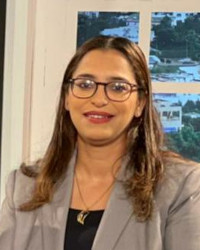
عواطف بحرون هي مستشارة في التراث وحافظة في متحف القائد الحبيب بورقيبة. هي طالبة دكتوراه في علوم التراث في جامعة منوبة وموضوع اطروحتها هي: “الجماعة اليهودية في مدينة نابل وتأثيرها على يهود الكاب بون في تونس”.
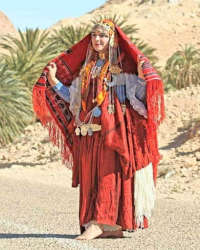
رهينا بالارابي، وُلدت في نيامي، النيجر، ووقعت في حب رواية القصص في سن مبكرة جدًا. في عام 2007، ظهرت لأول مرة في مجال السرد القصصي وبحلول عام 2008 أسست شركتها المسرحية. وهي تدير حاليًا المنظمة الفنية والثقافية ORALITÉ PLUS
ايسوف بليمة، يعمل في IKAM BURKINA SARL وهي منظمة غير ربحية متخصصة في التدريب على ريادة الأعمال الثقافية، على الإدارة والإدارة الثقافية. تعمل IKAM كمركز موارد للصناعات الثقافية والإبداعية في بوركينا فاسو.
جمال الدين بن سعيدان هو عضو في الأقلية الأمازيغية التونسية. هو شغوف بالتاريخ ويشارك في مبادرات مختلفة تهدف إلى حماية التراث التونسي وتوثيقه وتعزيزه. جمال هو عضو في جمعية قرطاجينا التونسية.
د. أحمد محمد بوزيان هو باحث مشارك في مشروع EAMENA في كلية الآثار والتاريخ القديم، جامعة ليسستر، المملكة المتحدة. كما عمل محاضرًا متفرغًا في علم الآثار الكلاسيكية بقسم الآثار بجامعة بنغازي من عام 1994 إلى عام 2012، بما في ذلك دورات تدريس الفخار الروماني وعلم الآثار الميدانية وتقنيات التنقيب الأثري، بالإضافة إلى مهارات ما بعد التنقيب. أدار الدكتور بوزيان العديد من المشاريع الميدانية بما في ذلك أعمال التنقيب في مدينة توشيرا القديمة (توكرا الحديثة) من عام 1994 إلى عام 2012، وحفريات جامعة عمر المختار التدريبية في موقع بالاجراي القديم (البيضاء حاليًا) من عام 2001 إلى عام 2006، وكان المدير المشارك للحفريات الأنجلو/ليبية في أوسبيريدس من عام 1995 الى عام 2006.
لسعد دنداني، أستاذ مساعد بالمعهد العالي للصناعات التراثية بتونس. دكتور في التاريخ المعاصر وباحث في السياحة والتراث في تونس والمغرب العربي. كاتب العديد من المقالات حول تاريخ السياحة في تونس. نشر كتاب حول “سياحة السيارات في تونس”.
نوال الدريسي، أستاذة مساعدة في كلية الآداب والفنون والعلوم الإنسانية بمنوبة. طالبة دكتوراه (السنة النهائية) في السياسة الأمريكية والعلاقات الدولية. تحمل درجة الماجستير في السياسة الخارجية الأمريكية من جامعة ليستر بالمملكة المتحدة. هي أيضًا سفيرة السلام لمنظمة اليونسكو
عايدة م. الجروشي، مهندسة معمارية من ليبيا، حصلت على درجة الدكتوراه في استخدام الأراضي والتخطيط والإدارة والتصميم مع تخصص في الحفاظ على التاريخ من كلية الهندسة المعمارية في جامعة تكساس التقنية. تتمحور أبحاث الجروشي حول التخطيط للحفاظ على التراث التاريخي، وتاريخ التخطيط، والتخطيط والتنمية الدوليين، والنظرية النقدية، والتنمية غير المتكافئة، ودراسات العلوم والتكنولوجيا. د. الجروشي تدرس التقاطع بين الحفاظ على التاريخ والتحضر.
جيف إمبرلينج هو عالم آثار وأمين متحف متخصص في منطقة الشرق الأوسط وشمال أفريقيا. منذ عام 2016، يعمل مع فريق من علماء الآثار السودانيين والدوليين وأخصائيي الترميم لإشراك المجتمعات في التعليم والحفاظ على موقع التراث العالمي لليونسكو “جبل البركل ومواقع منطقة نبتان” في شمال السودان. امتد هذا العمل خلال ثورة شعبية، وانقلاب عسكري، والآن حرب أهلية في السودان.
د. أحمد إمراج هو أستاذ مشارك بقسم الآثار بكلية الآداب جامعة بنغازي. حصل على البكالوريوس والماجستير في الآثار من جامعة بنغازي. وفي عام 2014، حصل على درجة الدكتوراه من كلية الآثار والتاريخ القديم، جامعة ليستر في المملكة المتحدة. خلال العام الدراسي 2019-2020، حصل إمراج على منحة فولبرايت لتدريس دورات حول التراث الثقافي الليبي في كلية أوبرلين (أوهايو، الولايات المتحدة الأمريكية).
بصفته ممثل ASOR لأنشطة التراث في ليبيا، يدير د. إمراج منح وأنشطة التراث الثقافي لASOR في ليبيا.
حصل ماكي غاربا على الماجستير المهني في إدارة الثقافة التراثية من جامعة سنجور بالإسكندرية في مصر. وهو رئيس ومؤسس جمعية الثقافة والفنون والإنسانية (CAH). يعمل غاربا من أجل التراث الثقافي على الأراضي النقابية والجماهيرية في النيجر. يقوم غاربا بتنسيق العديد من المشاريع في المجالات الثقافية والتنمية والتماسك الاجتماعي في النيجر من خلال بوابة التنوع الثقافي https://niger.spla.pro
ولد بيير جويندو في نومبوري (باندياجارا) في مالي. حصل على درجة الماجستير في التاريخ والجغرافيا من المدرسة العليا للأساتذة في باماكو-مالي عام 1999، ودبلوم في الدراسات المهنية المتقدمة (يعادل درجة الماجستير الثاني) في إدارة التراث الثقافي من جامعة سنجور بالإسكندرية في مصر حصل عليه عام 2005
هو محترف في مجال التراث الثقافي، وبعد عامين من الخدمة في عالم المنظمات غير الحكومية، عمل ويستمر في العمل من أجل الحفاظ على القيم الثقافية وتعزيزها على مستوى البعثة الثقافية في باندياجارا حيث يتولى منصب المدير. يشغل منصب رئيس القسم منذ عام 2013
د. خالد الهدار هو أستاذ مشارك في علم الآثار بجامعة بنغازي شرق ليبيا. منذ الثورة الليبية عام 2011، لعب دورًا فعالًا في التوثيق ورفع مستوى الوعي حول الاتجار غير المشروع بالممتلكات الثقافية الليبية. وفي عام 2022، نشرت هيئة المدن التاريخية الليبية كتابه، “كنز بنغازي المفقود: دراسة توثيقية”، تتناول بالتفصيل اختفاء المجموعة الأثرية المهمة التي كانت موجودة في البنك الوطني للتجارة في بنغازي.
أبوتو كوناتي خريج درجة الماجستير في الثقافة والتنمية من جامعة العلوم الاجتماعية والإدارة في باماكو، مالي. يعمل كوناتي حاليًا كعالم آثار ومدرس في كلية التاريخ والجغرافيا بجامعة العلوم الاجتماعية والإدارة في باماكو، بالإضافة إلى كونه مستشار ومنسق محلي لمبادرات التراث الثقافي لASOR في منطقة الساحل.
جان بول كودوجو تدرب كمؤرخ ومحاور معتمداً وسائط متعددة ومستشار في إدارة التراث الثقافي. استفاد من سلسلة من الدورات التدريبية رفيعة المستوى في إدارة التراث الثقافي. شغل تدريجيًا مناصب عليا في مجال إدارة المتاحف ولديه معرفة جيدة بسياسات المتاحف الأفريقية. يشغل حالياً منصب رئيس التحالف الإقليمي لأفريقيا في جمعية المجلس الدولي للمتاحف ICOM أفريقيا. ويعمل أيضا كمستشار لASOR في منطقة الساحل.
ولد جمال المغيوزي بوادي دادس بتنغير بالمغرب. حصل على الإجازة في اللغة الإنجليزية من جامعة القاضي عياض بمراكش. كان دائمًا مهتمًا بالثقافة والتراث. أصبح منسقًا ثقافيًا ميدانيًا في برنامج USAIDـDAKIRA لمؤسسة الأطلس الكبير وفي برنامج مبادرات التراث الثقافي لASOR في المغرب بين عامي 2021 و2023. خلال هذه التجارب، طور اهتماماته في الإثنوغرافيا والأنثروبولوجيا والتراث المحلي والثقافات المشتركة.
جوليا نيكولاوس هي عالمة آثار متخصصة في شمال أفريقيا، في مجال الاستشعار عن بعد وحماية التراث خاصة في ليبيا ومصر وتونس. تتمحور أبحاثها حول التغييرات طويلة المدى في المواقع الأثرية والمناظر الطبيعية، والتي تتضمن استكشاف التحديات الحديثة التي تواجه التراث مثل التحضر والتوسع الزراعي والتأثيرات المرتبطة بالمناخ.
عبد الكريم أوكيناز حاصل على شهادة الدكتوراه، لديه خبرة 8 سنوات في نظم المعلومات الجغرافية، متمكن من إدارة قواعد البيانات المكانية وإنشاء الخرائط لتنفيذ مشاريع التخطيط الحضري والريفي. كمهندس نظم المعلومات الجغرافية عمل في العديد من المكاتب والمنظمات غير الحكومية. وكان أيضًا مستشارًا مستقلاً. وتشمل واجباته جمع البيانات وتحليلها مستخدماً الاستشعار عن بعد لمعالجة صور الأقمار الصناعية وإنشاء خرائط تفاعلية على منصات الإنترنت، بالإضافة لإتقان برامج نظم المعلومات الجغرافية ArcGIS ، QGIS،GOOGLE EARTH PRO ،SAS PLANET بالإضافة إلى ذلك، لديه خبرة في المعالجة التصويرية للصور الرقمية وتوليد بيانات مكانية ثلاثية الأبعاد لاستخدامها في تطبيقات نظم المعلومات الجغرافية وتوثيق التراث الثقافي.
يرتكز كينتيجا بينجدويندي جيرار (المعروف أيضا باسم KPG) على مهنته كحداد من بوركينا فاسو بناءً على المعرفة التي نقلها والده عن أسلافه. تدرب أيضا في الفن المسرحي في واغادوغو وأسس نفسه كقاص مشهور، مما قاده إلى الفوز بالميدالية الفضية في دورة الألعاب الفرانكفونية السادسة عشرة لعام 2009 في بيروت. إن نقل التراث الثقافي غير المادي يقع في قلب رؤيته؛ ولهذا السبب، أنشأ في عام 2008 مركز كومبي الثقافي في أربولي، قريته الأصلية، لتدريب الشباب على ممارسات رواية القصص والرقص والموسيقى.
رتيبة ريجالما أستاذة بجامعة ابن زهر متخصصة في الآثار والتراث. وهي خريجة المعهد الوطني للآثار والتراث ورئيسة قسم سابقة بوزارة الثقافة المغربية. لدى د. ريجالما عدة مقالات حول علم الآثار والتراث وشاركت أيضا في ندوات على المستوى الوطني والدولي.
كادياتو سو هي من غرب مالي، وبالتحديد من منطقة نيورو في منطقة الساحل. تشغل منصب رئيسة جمعية رابطة الطلاب والمتعاطفين من أجل حماية التراث الثقافي AESPAT. كادياتو شغوفة بالثقافة، والقراءة، والسفر، والاكتشاف.
ولد بوريما تيمي في يندوما سوغول، إقليم دوجون في مالي. حصل على درجة الماجستير في التاريخ والآثار عام 2011 بعد مناقشة أطروحته حول موضوع السيغوي وتعاليمه في منطقة تورو. يعمل حاليا مع الجمعية غير الحكومية جمعية مبادرات دوجون (ADI)، منذ مارس/آذار 2016 كمدير برنامج في قسم الثقافة.
صفوان التليلي مصور فوتوغرافي متخصص في توثيق التراث المادي وغير المادي لتونس، خاصة في جزيرة جربة. أقام العديد من المعارض الفنية وهو ناشط مدني في العديد من الجمعيات الحقوقية والثقافية.
ASOR CHI est fier d’annoncer les Initiatives du patrimoine culturel en Afrique aujourd’hui, un symposium gratuit de trois jours qui met en lumière le travail des professionnels du patrimoine local, des universitaires et des organisations de la société civile pour protéger, préserver et promouvoir le patrimoine culturel en Afrique du Nord et au Sahel. ASOR vous invite à assister au symposium via Zoom du 11 au 13 avril, qui présentera des travaux en Libye (11 avril), au Maghreb (12 avril) et au Sahel (13 avril). Chaque session durera de 11h00 à 13h00 EDT/Heure de l’Amérique de l’Est.
Aucune inscription n’est nécessaire pour assister à cet événement. Veuillez revenir sur cette page Web chaque jour du symposium pour accéder au lien Zoom.
Une traduction simultanée en arabe, anglais et français sera fournie.
Cimetières de la minorité juive en Tunisie entre conception patrimoniale et emploi touristique : finalisation d’une carte interactive des cimetières juifs
Préserver le patrimoine matériel du Maroc : évaluation et cartographie effectuées par la Fondation du Haut Atlas et l’American Society of Overseas Research (ASOR)
La valorisation et la revitalisation des cultures et savoir-faire traditionnels au Niger : le cas de la transmission pratique des femmes potières du Boubon
Dr. Mftah Alhddad est professeur d’archéologie et d’histoire ancienne à l’université Azzaytuna de Tarhuna, en Libye. Il a obtenu son doctorat en archéologie de l’Université de Leicester en 2010. En 2012, il est devenu le premier directeur du Centre de documentation et de numérisation du patrimoine culturel du Département libyen d’archéologie. Depuis, il a été impliqué dans un nombre de projets de collaboration entre le DoA (Département d’Antiquités) et des missions et institutions archéologiques étrangères, notamment EAMENA, Training in Action et Partnership for Heritage.[/vc_wp_text][mk_divider divider_width=”one_third” thickness=”1″][vc_wp_text]
Awatef Bahroun est consultante en patrimoine et conservatrice au musée Habib Bourguiba. Elle est doctorante en sciences du patrimoine à l’université de Manouba et le sujet de sa thèse est : « La communauté juive de la ville de Nabeul et son impact sur les juifs du Cap Bon en Tunisie ».[/vc_wp_text][mk_divider divider_width=”one_third” thickness=”1″][vc_wp_text]
Rahina Balarabé, née à Niamey au Niger. Rahina est tombée amoureuse du conte dès son plus jeune âge. En 2007, elle fait ses débuts dans le conte et en 2008 et fonde sa compagnie de théâtre. Elle dirige actuellement l’organisme artistique et culturel Oralité Plus.[/vc_wp_text][mk_divider divider_width=”one_third” thickness=”1″][vc_wp_text]
Issouf Balima travaille avec IKAM Burkina Sarl, une association à but non lucratif spécialisée dans la formation à l’entrepreneuriat culturel (Maaya), au management et à l’administration culturelle. IKAM sert de centre de ressources pour les industries culturelles et créatives du Burkina Faso.
Jamel Eddine Ben Saidane est membre de la minorité amazighe de Tunisie. Il est passionné d’histoire et participe à diverses initiatives visant à protéger, documenter et promouvoir le patrimoine tunisien. Jamal est membre de l’Association tunisienne Carthagina.
Dr Ahmed M. A. Buzaian est chercheur associé à l’EAMENA, à l’école d’archéologie et d’histoire ancienne à l’université de Leicester, Royaume-Uni. Il a également été chargé de cours à temps plein en archéologie classique au département d’archéologie de l’université de Benghazi, de 1994 à 2012, y compris des cours sur la poterie romaine, l’archéologie de terrain et les techniques de fouilles archéologiques, ainsi que les compétences post-fouille. Dr Buzaian a dirigé de nombreux projets de terrain, notamment des fouilles dans l’ancienne ville de Teucheira (aujourd’hui Tocra) de 1994 à 2012, des fouilles de formation de l’université Omar al-Mukhtar sur l’ancien site de Balagrae (aujourd’hui al-Beida) de 2001 à 2006. Il a aussi co-dirigé les fouilles anglo-libyennes à Euesperides (1995-2006).
Lassaad Dandani, Maitre-Assistant à l’Institut Supérieur des Métiers du Patrimoine de Tunis. Docteur en Histoire contemporaine et chercheur en tourisme et patrimoine en Tunisie et au Maghreb. Auteur de plusieurs articles sur l ’histoire du tourisme en Tunisie. Il a publié un livre sur « Le tourisme automobile en Tunisie ».[/vc_wp_text][mk_divider divider_width=”one_third” thickness=”1″][vc_wp_text]
Nawel Driss est chargée de cours à la Faculté des Lettres, Arts et Sciences Humaines de la Manouba. Chercheure doctorante (dernière année) en politique américaine et relations internationales. Titulaire d’un master en politique étrangère américaine de l’Université de Leicester, au Royaume-Uni. Elle est également ambassadeur de la paix à l’UNESCO.[/vc_wp_text][mk_divider divider_width=”one_third” thickness=”1″][vc_wp_text]
Dr. Aida M. Ejroushi, une architecte libyenne, a obtenu son doctorat en aménagement du territoire, planification, gestion et conception avec une spécialisation en préservation historique du Collège d’architecture de la Texas Tech University aux Etats-Unis. Les recherches d’Ejroushi portent sur la planification de la préservation historique, l’histoire de la planification, la planification et le développement internationaux, la théorie critique, le développement inégal et les études scientifiques et technologiques. Dr. Ejroushi examine aussi l’intersection entre la préservation historique et l’urbanisation.[/vc_wp_text][mk_divider divider_width=”one_third” thickness=”1″][vc_wp_text]
Geoff Emberling est archéologue et conservateur de musée spécialisé du Moyen-Orient et de l’Afrique du Nord. Depuis 2016, il travaille avec une équipe d’archéologues et de conservateurs soudanais et internationaux pour impliquer les communautés dans l’éducation et la préservation du site du patrimoine mondial de l’UNESCO de « Gebel Barkal et sites de la région de Napatan » dans le nord du Soudan. Ce travail a eu lieu durant une révolution populaire, un coup d’État militaire et actuellement une guerre civile au Soudan.[/vc_wp_text][mk_divider divider_width=”one_third” thickness=”1″][vc_wp_text]
Dr. Ahmad S. M. Emrage est professeur associé au département d’archéologie de la Faculté des arts de l’Université de Benghazi. Il est aussi titulaire d’une licence et d’une maîtrise en archéologie de l’Université de Benghazi. En 2014, il a obtenu un doctorat à l’école d’archéologie et d’histoire ancienne de l’Université de Leicester, au Royaume-Uni. Au cours de l’année universitaire 2019-2020, Emrage a obtenu une bourse Fulbright pour donner des cours sur le patrimoine culturel libyen à Oberlin College (Ohio, États-Unis).
En tant que représentant d’ASOR pour les activités patrimoniales en Libye, Dr. Emrage gère les subventions et les activités du patrimoine culturel d’ASOR en Libye.[/vc_wp_text][mk_divider divider_width=”one_third” thickness=”1″][vc_wp_text]
Maki Garba est titulaire d’un Master professionnel en gestion du patrimoine culturel de l’Université Senghor d’Alexandrie en Égypte. Il est président et fondateur de l’Association Culture, Art et Humanité (CAH). Garba travaille pour le patrimoine culturel sur les terrains associatifs et publics au Niger. Garba coordonne plusieurs projets dans les domaines de la culture, du développement et de la cohésion sociale au Niger à travers le Portail de la Diversité Culturelle https://niger.spla.pro[/vc_wp_text][mk_divider divider_width=”one_third” thickness=”1″][vc_wp_text]
Belgacem Guemri est ingénieur en mécanique et photographe indépendant qui s’intéresse aux méthodes et techniques de documentation et de préservation du patrimoine culturel et civilisationnel.[/vc_wp_text][mk_divider divider_width=”one_third” thickness=”1″][vc_wp_text]
Pierre Guindo est né à Nombori (Bandiagara) au Mali. Il est titulaire d’une Maîtrise en Histoire-Géographie de l’Ecole Normale Supérieure de Bamako-Mali obtenue en 1999, et d’un Diplôme d’Etudes Professionnelles Approfondies (équivalent d’un Master II) en Gestion du Patrimoine Culturel de l’Université Senghor d’Alexandrie en Egypte obtenu en 2005.
Professionnel donc dans le domaine du patrimoine culturel, après deux ans de service dans le monde des ONG, il a œuvré et continue d’œuvrer pour la préservation et la promotion des valeurs culturelles au niveau de la Mission Culturelle de Bandiagara où il est gestionnaire, occupant le poste de chef de service depuis 2013.[/vc_wp_text][mk_divider divider_width=”one_third” thickness=”1″][vc_wp_text]
Dr. Khaled el Haddar est professeur associé d’archéologie à l’Université de Benghazi, dans l’est de la Libye. Depuis la révolution libyenne de 2011, il a joué un rôle déterminant dans la documentation et la sensibilisation au trafic illicite de biens culturels libyens. En 2022, l’Autorité libyenne des villes historiques a publié son livre, « The Missing Benghazi Treasure : a Documentary Study », détaillant la disparition de l’importante collection archéologique qui avait été conservée à la Banque nationale du commerce de Benghazi.[/vc_wp_text][mk_divider divider_width=”one_third” thickness=”1″][vc_wp_text]
Aboutou Konate est diplômé d’un Master en Culture et Développement de l’Université des Sciences Sociales et de Gestion de Bamako, Mali. Actuellement, il est archéologue et instructeur à la Faculté d’histoire et de géographie de l’Université des sciences sociales et de gestion, ainsi que consultant coordonnateur local d’ASOR au Mali dans le cadre des initiatives du patrimoine culturel au Sahel.[/vc_wp_text][mk_divider divider_width=”one_third” thickness=”1″][vc_wp_text]
Jean-Paul Koudougou a suivi une formation d’histoire et de communication multimédia. En tant que consultant en gestion du patrimoine culturel, il a bénéficié d’une série de formations de haut niveau en gestion du patrimoine culturel. Il a progressivement occupé des postes à responsabilité dans le domaine de la gestion des musées et a gagné une bonne connaissance des politiques muséales africaines. Il est président de l’Alliance régionale ICOM Afrique (ICOM-Afrique) et consultant pour ASOR.[/vc_wp_text][mk_divider divider_width=”one_third” thickness=”1″][vc_wp_text]
Jamal Maghiouzi est né dans la vallée du Dadès, à Tinghir, au Maroc. Il est titulaire d’une licence en anglais de l’université Kaddi Ayyad de Marrakech. Il a toujours été intéressé par la culture et le patrimoine. Il est devenu coordinateur culturel de terrain au programme USAID-Dakira/Programme des minorités religieuses et ethniques de la Fondation High Atlas et au programme des Initiatives du Patrimoine Culturel d’ASOR entre 2021 et 2023. Au cours de ces expériences, il a développé ses intérêts pour l’ethnographie, l’anthropologie, le patrimoine local et pour les dialogues interculturels.
Julia Nikolaus est une archéologue spécialisée en Afrique du Nord, avec une expertise en télédétection et en protection du patrimoine notamment en Libye, en Égypte et en Tunisie. Ses recherches se concentrent sur les changements à long terme des sites et paysages archéologiques, et comprennent l’exploration des défis les plus récents du patrimoine tels que l’urbanisation, l’expansion agricole et les impacts liés au climat.[/vc_wp_text][mk_divider divider_width=”one_third” thickness=”1″][vc_wp_text]
Abdelkarim Ouguinaz est titulaire d’un doctorat. Expert en SIG avec 8 ans d’expérience dans le domaine des SIG. Il est capable de gérer des bases de données spatiales et de créer des cartes pour entreprendre des projets d’aménagement urbain et rural. En tant qu’ingénieur SIG, il a travaillé dans divers bureaux et ONG. Il a également été consultant indépendant. Ses tâches incluent la collecte et l’analyse des données, l’utilisation de la télédétection pour traiter des images satellitaires et créer des cartes interactives sur des plateformes en ligne. Il maîtrise les logiciels SIG tels qu’ArcGIS, QGIS, Google Earth Pro, SasPlanet. De plus, il a de l’expérience dans le traitement photogrammétrique d’images numériques et dans la génération de données spatiales 3D à utiliser dans les applications SIG et la documentation du patrimoine culturel.[/vc_wp_text][mk_divider divider_width=”one_third” thickness=”1″][vc_wp_text]
Kientega Pingdewindé Gérard (alias KPG) ancre son métier de forgeron burkinabè sur un savoir ancestral transmis par son père. Il est également formé à l’art théâtral à Ouagadougou et s’mpose comme un conteur renommé, ce qui lui vaut de remporter la médaille d’argent aux XVIes Jeux de la Francophonie de 2009 à Beyrouth. La transmission du patrimoine culturel immatériel est au cœur de sa vision ; pour cela, il crée en 2008 le Centre Culturel Koombi à Arbollé, son village natal, pour former les jeunes aux pratiques du conte, de la danse et de la musique.[/vc_wp_text][mk_divider divider_width=”one_third” thickness=”1″][vc_wp_text]
Ratiba Rigalma est professeure à l’université Ibn Zohr, spécialisée en archéologie et patrimoine. Elle est diplômée de l’Institut national d’archéologie et du patrimoine et ancienne chef de service au ministère marocain de la Culture. Dr. Rigalma a publié plusieurs articles sur l’archéologie et le patrimoine et a participé à des séminaires au niveau national et international.[/vc_wp_text][mk_divider divider_width=”one_third” thickness=”1″][vc_wp_text]
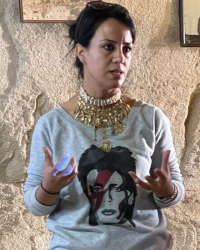
Assia Sabri est titulaire d’un diplôme universitaire en comptabilité et finance. Elle est également artisane de bijoux traditionnels et militante de la société civile.[/vc_wp_text][mk_divider divider_width=”one_third” thickness=”1″][vc_wp_text]
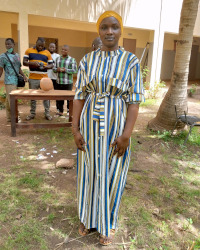
Ibtissem Sabri est militante de la société civile à Tataouine dans le sud tunisien. Elle est également représentante au conseil local de Tataouine Sud à Douiret.[/vc_wp_text][mk_divider divider_width=”one_third” thickness=”1″][vc_wp_text]
Kadiatou Sow est originaire de l’ouest du Mali, plus précisément de la région de Nioro dans la région du Sahel. Elle est présidente de l’Association des étudiants et sympathisants pour la protection du patrimoine culturel (AESPAT). Kadiatou est passionnée de culture, de lecture, de voyages et de découvertes.[/vc_wp_text][mk_divider divider_width=”one_third” thickness=”1″][vc_wp_text]
Boureima Teme est né à Yendouma Sogol, Pays Dogon au Mali. Il a obtenu son master en Histoire et Archéologie en 2011 après avoir soutenu sa thèse sur le thème du sigui et de ses enseignements dans le domaine du Tôôrô. Actuellement, il travaille au sein de l’ONG Association Dogon Initiatives (ADI) depuis mars 2016 dans le volet culture en tant que chargé de programme.[/vc_wp_text][mk_divider divider_width=”one_third” thickness=”1″][vc_wp_text]
Safouane Tlili est photographe spécialisé dans la documentation du patrimoine matériel et immatériel de la Tunisie, notamment sur l’île de Djerba. Il a organisé plusieurs expositions d’art et est un militant civil au sein de plusieurs associations culturelles ou de défense des droits de l’homme.[/vc_wp_text][mk_padding_divider][/vc_column][vc_column border_color=”rgba(170,170,170,0.01)” width=”1/6″ css=”.vc_custom_1496684098866{margin-right: 5px !important;margin-bottom: 20px !important;border-right-width: 2px !important;border-bottom-width: 2px !important;padding-top: 30px !important;padding-right: 10px !important;padding-left: 10px !important;background-color: #ffffff !important;border-right-color: rgba(227,228,228,0.75) !important;border-bottom-color: rgba(227,228,228,0.75) !important;}”][vc_wp_posts title=”BROWSE THE NEWS ARCHIVE” number=”4″][/vc_column][vc_column border_color=”rgba(170,170,170,0.01)” width=”1/6″ css=”.vc_custom_1496684008271{margin-right: 10px !important;margin-bottom: 30px !important;border-right-width: 2px !important;border-bottom-width: 2px !important;padding-top: 30px !important;padding-right: 20px !important;padding-left: 20px !important;background-color: #ffffff !important;border-right-color: rgba(227,228,228,0.75) !important;border-bottom-color: rgba(227,228,228,0.75) !important;}”][/vc_column][/vc_row]
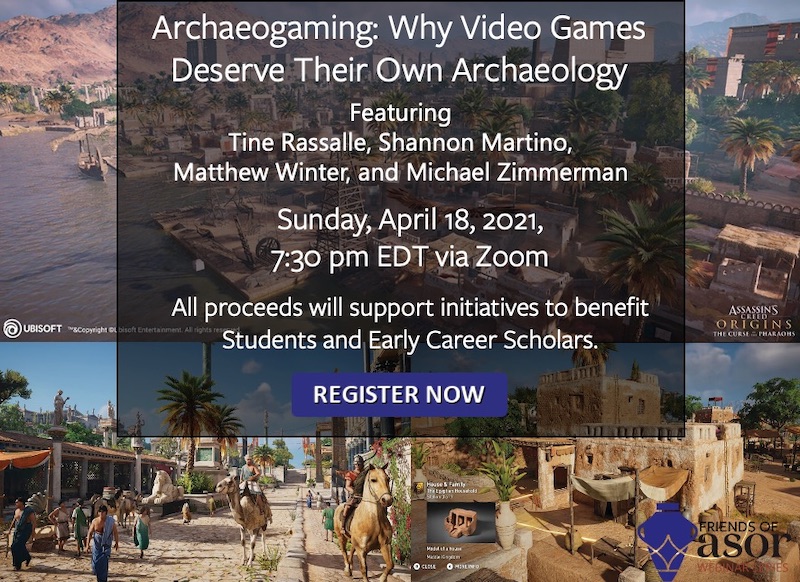
Archaeogaming: Why Video Games Deserve Their Own Archaeology
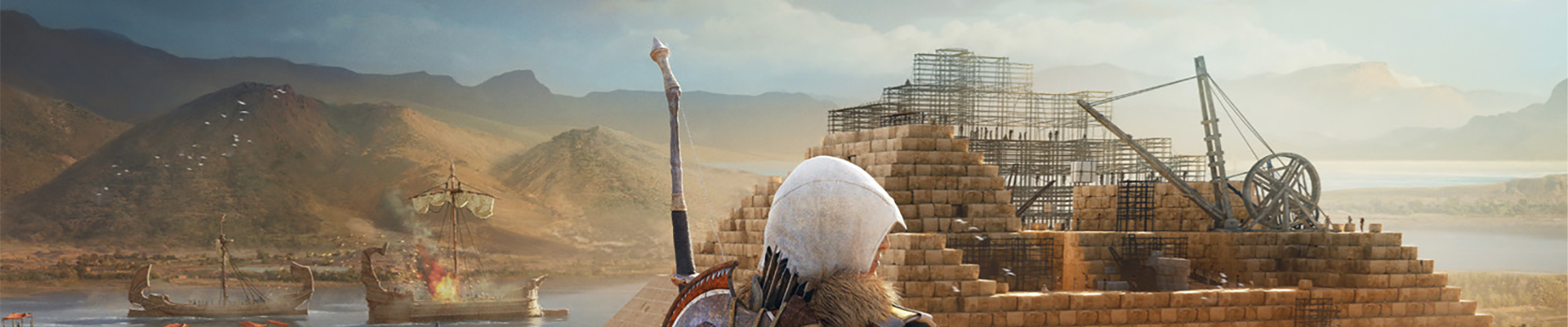
Friends of ASOR presents the next webinar in our monthly series on April 18, at 7:30 pm EDT. Ever wonder how archaeology “plays” into the world of video games? Following the publication of the March 2021 issue ofNear Eastern Archaeology, this webinar and a panel of four scholars will introduce you to the key concepts of “archaeogaming,” or the intersection of archaeology and video games. A rapidly emerging field, archaeogaming studies the representation of archaeology in video games, the historical narratives in video games, the use of video games as pedagogical tools in the archaeological classroom, and so much more. The discussants will seek to demonstrate how video games can no longer be overlooked as tools to communicate with a general audience and how video games are intriguing new subjects and places for archaeologists to study. Digital games are the new archaeological sites, landscapes, and artifacts. Please join us for this exciting and relevant discussion where we will delve into the world of gaming: no previous experience required! The webinar will conclude with a live Q&A session with the panel that will give you the opportunity to ask questions about this exciting new field.
Tine Rassalle is a PhD candidate in the Religious Studies department at the University of North Carolina at Chapel Hill. She has an MA in Archaeology of the ancient Near East from Gent University (Belgium) and another BA in Hebrew and Aramaic Languages and Cultures from Leiden University (the Netherlands). Her main research focuses on the material culture of ancient Judaism and early Christianity in Palestine. She is currently finishing up her dissertation project: a digital database of coin deposits found in ancient synagogues from Late Antique Palestine. Tine is the field supervisor of the Horvat Kur excavations in the Galilee, an executive staff member of SASA (Save Ancient Studies Alliance), and a member of the ASOR Early Career Scholars Committee. Her main hobby, however, is playing video games, which has now started to influence her scholarly work. She has been writing articles and has given talks on archaeogaming, and she recently guest-edited a special issue of ASOR’s Near Eastern Archaeology journal, focused entirely on archaeogaming.
Shannon Martino is an archaeologist and art historian living in Chicago, Illinois, who specializes in archaeological ceramic illustration and ceramic analysis. Shannon graduated from the University of Chicago with an honors BA in Anthropology and earned her PhD from the University of Pennsylvania in Art History. Her work focuses on Chalcolithic ceramics and clay figurines from the eastern Balkans and Turkey and she is currently a member of the Yalburt Yaylası archaeological team and a faculty member of Morton College in Cicero, IL.
Matthew Winter is an archaeologist, with a PhD in Anthropology from the University of Arizona with a focus on the archaeology of the ancient Mediterranean and Near East. In addition to archaeogaming, his research interests focus on archaeological and anthropological theory, social network analysis, ancient urbanism, approaches to the archaeology of religion and identity, and the archaeology and anthropology of food. He has been involved in several different archaeological projects in Italy, Israel, and Jordan.
Michael Zimmerman is an archaeologist, with a PhD from the Joukowsky Institute for Archaeology and the Ancient World at Brown University. He also holds an MA in Classical Languages from the University of Florida. He has been involved in the past ten years in the analysis and publication of pottery, lamps and other ceramic material from the Joint Expeditions to Caesarea Maritima in Israel. His graduate work, centered on the analysis of Hellenistic and Roman period pottery from ‘Iraq al-Amir in Jordan, was published by ASOR in late 2019. He has excavated at a number of archaeological sites, including Caesarea Maritima in Israel, the Petra Great Temple Project in Jordan, and the Middleboro Little League Site in Massachusetts, as he expanded into the field of North American archaeology. His other work and research interests include archaeogaming in pedagogical contexts, antiquities trafficking, cultural heritage law and public policy, pottery studies, the archaeology of the Near East, and the prehistoric archaeology of Northeastern America. He teaches introductory and upper level archaeology courses, Middle Eastern cultures, and myth and folklore courses.
To receive your ASOR member discount, log into the online store. If you are new to ASOR, please click on the “New Visitor Registration” link to register your e-mail address and choose a password for our online store. Once logged in, navigate to “Meeting and Event Registration” to register for the webinar and pay the fee. Each paid registrant will receive a confirmation e-mail when you pay for the webinar. If you do not receive this e-mail, then you are not registered. Please e-mail membership@asor.org with any questions or issues with registering.
You will be e-mailed the Zoom Webinar link in the week prior to the lecture on April 18, 2021. If you do not receive the link by the close of business on the Thursday before the webinar, please e-mail membership@asor.org immediately. All webinars are recorded and all paid registrants will be sent a link to view the recording.
All proceeds will support initiatives to benefit Students and Early Career Scholars.
WHY SPONSOR A WEBINAR?
Several levels of support from $50-$1,000 are available. Proceeds go towards membership scholarships and towards increasing ASOR’s virtual resources. Each sponsorship is tax-deductible and you can give your friends free registrations to a webinar!
Bronze Level ($50): up to 2 guest registrations Silver Level ($100): up to 5 guest registrations Gold Level ($500): up to 20 guest registrations Platinum Level ($1,000): up to 50 guest registrations
After you sign up for a sponsorship online or over the phone, email the names and email addresses of your guests to Felice Herman at membership@asor.org, who will send your guests a confirmation and the Zoom link before the webinar.
WANT TO SAVE $5.00 ON THE NEXT WEBINAR?
Join ASOR as a member! Click here for more details about discounts for events and other benefits of membership. Memberships start at $40 for the year as an Associate Member.
You can now purchase the link to the recording of any webinar. You can also purchase the bundle packages of all webinars from the 2020-2022 seasons. Please e-mail membership@asor.org for purchase details.
To see a printable pdf of the webinar titles from the 2020-2021 season, please click here. To see a printable pdf of the webinar titles from the 2021-2022 season, please click here.
Where Are They Now?: A Preview of 2022 ASOR-Affiliated Fieldwork Projects Michael Given (University of Glasgow), Xenia-Paula Kyriakou (Florida Gulf Coast University), Stephen Batiuk (University of Toronto), Monique Roddy (Walla Walla University), Kent Bramlett (La Sierra University), Friedbert Ninow (La Sierra University), and Michael Hoff (University of Nebraska-Lincoln) | March 8, 2022
Tel Rehov: A Major Bronze and Iron Age City in the Jordan Valley Amihai Mazar (Hebrew University of Jerusalem), Nava Panitz-Cohen ( Hebrew University of Jerusalem), Nota Kourou (Athens University), Naama Yahalom-Mack (Hebrew University of Jerusalem), Robert Mullins (Azusa Pacific University) | February 10, 2022
Archaeogaming: Why Video Games Deserve Their Own Archaeology Tine Rassalle (University of North Carolina at Chapel Hill), Shannon Martino (Morton College), Matthew Winter (University of Arizona), Michael Zimmerman (Rhode Island) | April 18, 2021
James Mellaart was one of the most important archaeologists of the 20th century. So why would the man who discovered Neolithic Çatalhöyük invent wall paintings and inscriptions? Read More[/vc_column_text][mk_divider thickness=”1″ margin_top=”10″][vc_column_text]
Defacing statues became a familiar sight in 2020 but the practice has a very ancient history. Egyptian history suggests that the motives of statue mutilation are rarely obvious. Read More[/vc_column_text][mk_divider thickness=”1″ margin_top=”10″][vc_column_text]
The Hebrew Bible is filled with references to eating and drinking, but gluttony and drunkenness are not emphasized. Can the story of the Rebellious Son tell us more about what was and was not permissible? Read More[/vc_column_text][mk_divider thickness=”1″ margin_top=”10″][vc_column_text]
Best known as a Biblical rival of Solomon, Sheshonq (or Shishak) gets blamed for destroying a slew of cities in the Levant. A closer look suggests otherwise. Read More[/vc_column_text][mk_divider thickness=”1″ margin_top=”10″][vc_column_text]
The Gospels mention inscriptions countless times. How can a better understanding of documents found outside the New Testament inform us about early Christianity? Read More[/vc_column_text][mk_divider thickness=”1″ margin_top=”10″][/vc_column_inner][/vc_row_inner][/vc_column][/vc_row]
As you consider your long term financial and estate plans, we hope that you will consider ASOR. Please be sure to include ASOR’s correct legal name in all of your legal documents: “American Society of Overseas Research (ASOR), 209 Commerce Street, Alexandria, VA 22314, a nonprofit corporation or its successor, Federal Tax Identification Number: 23–1352617.”
Click here for a list of those who are part of the Legacy Circle (those who have made a planned gift to benefit ASOR).
Please contact ASOR Executive Director Andy Vaughn for more information. The following does not represent a commitment by ASOR to accept any gift, and it is provided for informational and illustrative purposes only. Please consult your attorney and estate planning professional as you consider any planned gift.
Wills: If your estate is subject to the federal estate tax, a charitable bequest may save significant tax dollars. ASOR can be named as a beneficiary in your will in any number of ways.
Outright Bequest: You can specify an outright gift of cash, securities, real estate, or tangible personal property. If you bequeth dollars, you may wish to bequeath a certain fractional interest, or percentage, of your estate to ASOR, rather than a fixed amount. This technique hedges against inflation and unforeseen shrinkage, and assures your heirs their proportionate share.
Sample language: “I, [name], of [city, state, zip], give, devise and bequeth to the American Society of Overseas Research (ASOR), 209 Commerce Street, Alexandria, VA 22314, a nonprofit corporation or its successor, Federal Tax Identification Number: 23–1352617, [written amount or percentage of the estate or description of property] for its unrestricted use and purpose [or specify purpose].”
Residual Bequest: A residual bequest provides that, after specific bequests are made to named individuals, ASOR receives the amount (or a percentage) that remains in the estate.
Contingent Bequest: A contingent bequest means that ASOR will receive certain assets only if a named individual (i.e., a spouse or a sibling) does not survive you.
Testamentary Trust: Such a trust can provide income for another person or persons for list with the principal ultimately passing to ASOR. In the alternative, you could designate that the income come to ASOR for a certain number of years and the principal ultimately pass to family members or others.
Codicil: If you already have a valid, up-to-date will, your attorney can prepare a codicil to your will naming ASOR as a beneficiary without having to re-write the entire will.
Charitable Gift Annuity (CGA): offers the simplicity and security of a steady income stream accompanied by a gift that ASOR can use immediately. There is no complicated trust agreement and the donor is entitled to an income tax deduction. The annuity payment is a direct obligation of ASOR and is not dependent on the assets of the finite trust. ASOR is not able to provide this product in all states.
Charitable Lead Trust (CLT): is a good vehicle for providing income to ASOR for a set number of years, with the assets in the trust ultimately passing on to your children or grandchildren. Under this arrangement, you transfer assets to a trustee who would then make annual payments to ASOR for a specified number of years. There is no minimum or maximum payout requirement. CLTs are typically created by those in higher estate tax brackets with significant charitable interests who wish to pass assets to younger generations with little or no estate or transfer tax.
Charitable Remainder Trust: With a Charitable Remainder Unitrust or Charitable Annuity Trust, you can make a life income gift that allows you to continue to receive a guaranteed income while also donating to ASOR. Your gift is administered separately as a trust and at the end of your lifetime, the balance of your Unitrust or Annuity Trust goes directly to ASOR. The income and tax advantages can be significant—avoidance or reduction of capital gains tax, personal tax deductions, and estate tax deductions. These types of trusts make sense for those own stock with a low cost basis.
Charitable Remainder Unitrust: You make a donation to ASOR, and we pay you a fixed percentage of the assets held in trust. Your income varies annually with the market. You decide, within certain limitations, the rate of return you will receive on the trust’s assets.
Charitable Remainder Annuity Trust: You make a donation to ASOR, and we pay you a guaranteed fixed income for life based on the amount you designate. The rate of return varies according to your age at the time of donation.
Donor Advised Funds (DAF): Any individual or family with assets that wants to have control over how charitable dollars are spent—without the hassle and expense of setting up a family foundation—should consider a DAF. With a DAF, you make a gift to the host charity, usually a community foundation. Because the host charity is recognized by the IRS as a tax-exempt organization, you get a fair market value tax deduction in the year of the gift. Assets are deposited into an investment account where they can grow tax-free. You retain the right to advise the host charity in administering the affairs of the DAF, such as naming the fund, managing investments, recommending grants and selecting a replacement adviser at death.
Gifts of Life Insurance: Life insurance provides another excellent means for making a gift to ASOR. You can designate ASOR as a beneficiary, and at the time of your death, your estate would receive a charitable deduction. To receive the federal income tax charitable deduction, you would need to designate ASOR as both the owner and beneficiary of the policy. When such a gift is made, the deduction will be equal to the cash value of the policy at the time of the gift. If you decide to continue to pay the premiums on the policy after the gift is made, the additional premium payments will be tax deductible each year.
Retirement Plan Assets: Your retirement plan serves as an important building block for future financial security. To preserve your retirement assets after your lifetime—rather than possibly relinquish a large portion to taxes—consider the benefits of using them as a source for charitable giving. Retirement accounts are particularly suited to charitable contributions because such accounts may be exposed to income and estate taxes. Yet, many of these taxes can be avoided or reduced through a carefully planned charitable gift. Consult with your attorney and tax adviser, because tax law changes as of January 1, 2020, require that many beneficiaries of retirement assets must accept the assets as taxable income over a period not exceeding 10 years.
Charitable Bequest—Direct or Deferred: Your retirement account can pass directly to ASOR as your primary beneficiary (or as a beneficiary who receives a specific amount or percentage). It also can be transferred to a deferred giving arrangement that will pay an income for life to a family member, after which the remaining assets pass to ASOR. You might even consider a deferred gift of your retirement benefits that is designed to pay a life income to yourself.
Charitable IRA Rollover: As of 2013, laws permit lifetime charitable gifts from IRAs—so long as the donor is over 70 1/2 and does not give more than $100,000 per year. The donor benefits by not having to report the IRA distribution as taxable income, although the donor will not be able to claim a charitable income tax deduction for the gift. Such gifts also avoid beneficiaries (after 2020) being required to take accelerated payments over a period of 10 years. Note: Information on IRA Rollovers and gifts believed to be current as of 2013; please consult your tax adviser and attorney for for up-to-date information.
[/vc_column_text][vc_single_image image=”95724″ img_size=”full” alignment=”center” onclick=”custom_link”][mk_padding_divider size=”20″][vc_column_text]ASOR CHI est fier d’annoncer la tenue des Initiatives du patrimoine culturel en Afrique aujourd’hui, un symposium gratuit de trois jours qui met en lumière le travail des professionnels du patrimoine locaux, des universitaires et des organisations de la société civile pour protéger, préserver et promouvoir le patrimoine culturel en Afrique du Nord et au Sahel. Le symposium aura lieu du 11 au 13 avril et présentera des travaux en Libye (11 avril), au Maghreb (12 avril) et au Sahel (13 avril). Chaque session durera de 11h00 à 13h00 EDT. Une interprétation simultanée en arabe, anglais et français sera assurée.
Le programme complet et les détails supplémentaires seront annoncés prochainement.[/vc_column_text][mk_padding_divider size=”20″][/vc_column][vc_column border_color=”rgba(170,170,170,0.01)” width=”1/6″ css=”.vc_custom_1496684098866{margin-right: 5px !important;margin-bottom: 20px !important;border-right-width: 2px !important;border-bottom-width: 2px !important;padding-top: 30px !important;padding-right: 10px !important;padding-left: 10px !important;background-color: #ffffff !important;border-right-color: rgba(227,228,228,0.75) !important;border-bottom-color: rgba(227,228,228,0.75) !important;}”][vc_wp_posts title=”BROWSE THE NEWS ARCHIVE” number=”4″][/vc_column][vc_column border_color=”rgba(170,170,170,0.01)” width=”1/6″ css=”.vc_custom_1496684008271{margin-right: 10px !important;margin-bottom: 30px !important;border-right-width: 2px !important;border-bottom-width: 2px !important;padding-top: 30px !important;padding-right: 20px !important;padding-left: 20px !important;background-color: #ffffff !important;border-right-color: rgba(227,228,228,0.75) !important;border-bottom-color: rgba(227,228,228,0.75) !important;}”][/vc_column][/vc_row]
Update March 31: $13,690 raised towards $20,000 goal[/vc_column_text][mk_divider][mk_skill_meter title=”Progress towards $20,000 March Goal” percent=”68″ title_color=”#000000″ progress_bar_color=”#27d2f4″ track_bar_color=”#b2b2b2″][mk_divider][vc_wp_text]
Update March 17, 2021
Since ASOR launched March Fellowship Madness 2021 on March 1, the support of donors has helped us move almost halfway towards our goal. Through the generous support of our members, we have been able to raise $9,095 in the first 17 days of March. With the 2-for-1 match, this means ASOR has received a total of $27,285 for this endowment. Thank you!
This is exceptional progress towards setting up a permanent scholarship fund for BIPOC students and scholars. ASOR still needs the help and support of our members and donors to reach our $20,000 fundraising goal for March Fellowship Madness. Please consider a donation today to help ASOR reach our March goal and to enable us to “earn” all of this incredible $150,000 gift.[/vc_wp_text][mk_divider][vc_wp_text]
Since 2007, ASOR has awarded over 830 fellowships, grants, dig scholarships, and travel awards totaling more than $900,000. In 2021, ASOR plans to award at least 25 summer stipends, six to eight excavation project grants, two Mesopotamian Fellowships, and more than a dozen Annual Meeting Travel Scholarships.
Every year in March, we launch a targeted campaign called March Fellowship Madness to support scholarships. This March we are focusing our efforts on raising $20,000 for BIPOC scholarships. We have received $9,095 through March 17, so we need $10,905 more to reach our goal.
Our $20,000 March goal is part of a larger campaign to support broader ASOR diversity initiatives. Thanks to a generous 2-for-1 challenge gift by ASOR Trustee Carolyn Midkiff Strange, every dollar contributed will be matched with two dollars. A contribution of $25 will be matched with $50; a gift of $100 will be matched with $200; a gift of $1,000 will be matched with $2,000; and so forth.
In addition to supporting BIPOC stipends and scholarships in 2021, ASOR will use these gifts to endow research scholarships, internships, and travel fellowships dedicated to BIPOC students and early career scholars. These fellowships and grants will be a foundation for future efforts, and will serve as a tangible sign of ASOR’s commitment to long-term change.
The $20,000 March Fellowship Madness goal will move ASOR much closer towards raising the $75,000 that is needed to fully “earn” this transformative $150,000 challenge gift. Extending social equity and equal opportunity throughout all sectors of our world is one of the foremost challenges facing us today. You can join ASOR in making this change happen. Consider a gift of any amount to help us earn this extraordinary challenge gift.
[/vc_wp_text][mk_divider][vc_wp_text]
Please choose “Diversity Initiatives” from the drop-down menu in the
online donation module to designate your gift to this 2-for-1 Challenge Campaign.
[/vc_column_text][mk_divider][vc_wp_text]ASOR’s members come from all over the world. In 2020, more than 45% of ASOR Annual Meeting presenters were from countries other than the United States. We are committed to providing inclusive opportunities for all colleagues to share research, collaborate, and engage.
As part of our commitment to fostering inclusivity for all of our members, the 2021 Annual Meeting will have both in-person and virtual components. As long as it is safe and possible, the in-person component will take place in Chicago, November 17-20. The virtual component will take place online, December 9-12, and will feel much like the 2020 virtual meeting. Here some of the key features of the dual component Annual Meeting:[/vc_wp_text][vc_column_text]
Meeting registration includes both components.
Scholarships are available: Due to COVID-19, and thanks to our generous members, current ASOR members with a need may request a 25%, 50%, or full Annual Meeting scholarship. Email your scholarship request to programs@asor.org before you purchase registration.
In-person papers will be presented live during the sessions in Chicago.
Virtual paper presentations will be recorded and uploaded to ASOR’s virtual platform in November.
Many sessions and workshops are being hosted as part of both components.
A member may present the same paper both in-person and online and this will count as 1 program appearance.
Make sure to submit your abstract via both the In-Person AND Virtual proposal forms if you would like to present your paper as part of both components.
March 15 is the Call for Papers deadline to propose a paper or workshop presentation.
ASOR is watching the pandemic and following health and safety guidelines as we make plans to hold a safe in-person meeting. ASOR attendees will enjoy an iconic downtown location at the Hilton Chicago. The hotel overlooks Grant Park and Lake Michigan, and is located within walking distance of museums, restaurants, shopping, and many of Chicago’s top attractions. Read more about the hotel and Chicago here.
The academic program will include an opening plenary address, paper sessions, workshops, and posters. In addition, attendees will have access to exhibitors, receptions and networking opportunities.
Program participants may choose to share their work with those who are not able to attend in person by preparing the same paper or poster for presentation during the virtual component. ASOR is not planning to live stream or record presentations in Chicago, however, presenters may prepare a recording to upload to the virtual component platform.
The second component of ASOR’s 2021 Annual Meeting will take place online, December 9-12. As was the case for the 2020 Virtual Annual Meeting, the online session time will be used for discussion of presentations. Pre-recorded paper presentations and digital posters will be available to view on demand before the virtual component takes place. Those presenting a paper as part of the virtual component will need to pre-record their presentation and upload the .mp4 file to ASOR’s virtual platform in November. This format will allow scholars who presented in Chicago to share their work with virtual attendees, and vice versa.
A Note About Virtual Workshops: The format for workshops is different from a traditional paper session. Whereas paper presentations for the virtual component will be pre-recorded, workshops will take place live and do not include pre-recorded content or paper presentations. Workshop presentations are limited to 10 minutes maximum.
March 15 is the deadline to submit a paper or workshop presentation proposal for the virtual component: Virtual Abstract Submission Form (Online, December 9-12)[/vc_wp_text][/vc_column][vc_column border_color=”rgba(170,170,170,0.01)” width=”1/6″ css=”.vc_custom_1496684098866{margin-right: 5px !important;margin-bottom: 20px !important;border-right-width: 2px !important;border-bottom-width: 2px !important;padding-top: 30px !important;padding-right: 10px !important;padding-left: 10px !important;background-color: #ffffff !important;border-right-color: rgba(227,228,228,0.75) !important;border-bottom-color: rgba(227,228,228,0.75) !important;}”][vc_wp_posts title=”BROWSE THE NEWS ARCHIVE” number=”4″][/vc_column][vc_column border_color=”rgba(170,170,170,0.01)” width=”1/6″ css=”.vc_custom_1496684008271{margin-right: 10px !important;margin-bottom: 30px !important;border-right-width: 2px !important;border-bottom-width: 2px !important;padding-top: 30px !important;padding-right: 20px !important;padding-left: 20px !important;background-color: #ffffff !important;border-right-color: rgba(227,228,228,0.75) !important;border-bottom-color: rgba(227,228,228,0.75) !important;}”][vc_column_text]Tweets by ASOResearch [/vc_column_text][/vc_column][/vc_row]
 To help students navigate what can be a deeply daunting experience, successful applicants will also be paired with Ph.D. students or early career scholars who will act as a mentor during the conference. This grant not only provides financial aid for conference attendance, but gives Black students the opportunity to start forming professional networks that are so crucial for developing an academic career.

 The generous
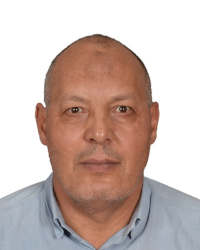
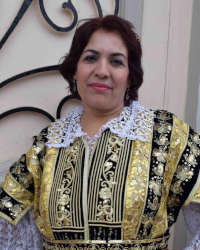
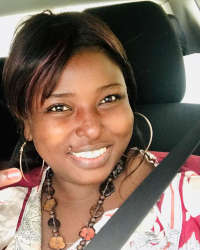
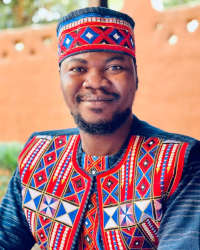
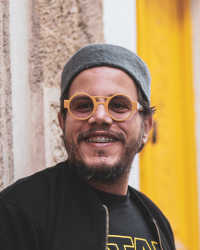
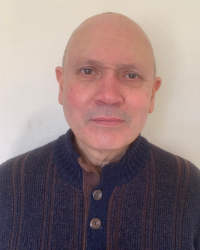
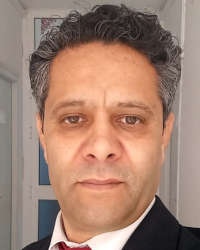

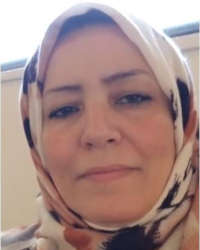
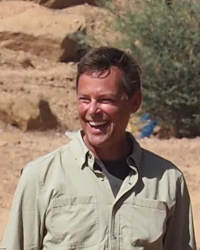
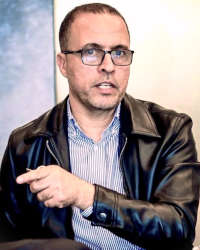
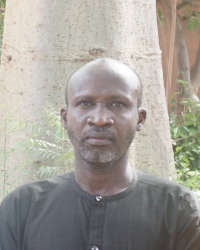
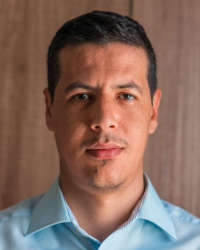
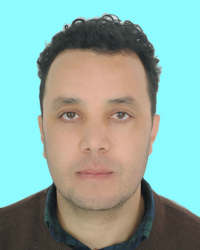
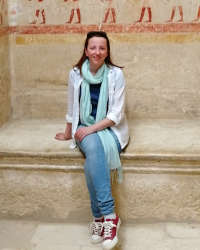
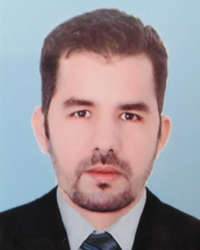
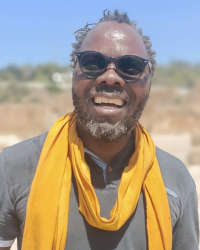
 Tine Rassalle is a PhD candidate in the Religious Studies department at the University of North Carolina at Chapel Hill. She has an MA in Archaeology of the ancient Near East from Gent University (Belgium) and another BA in Hebrew and Aramaic Languages and Cultures from Leiden University (the Netherlands). Her main research focuses on the material culture of ancient Judaism and early Christianity in Palestine. She is currently finishing up her dissertation project: a digital database of coin deposits found in ancient synagogues from Late Antique Palestine. Tine is the field supervisor of the Horvat Kur excavations in the Galilee, an executive staff member of SASA (Save Ancient Studies Alliance), and a member of the ASOR Early Career Scholars Committee. Her main hobby, however, is playing video games, which has now started to influence her scholarly work. She has been writing articles and has given talks on archaeogaming, and she recently guest-edited a special issue of
 Shannon Martino is an archaeologist and art historian living in Chicago, Illinois, who specializes in archaeological ceramic illustration and ceramic analysis. Shannon graduated from the University of Chicago with an honors BA in Anthropology and earned her PhD from the University of Pennsylvania in Art History. Her work focuses on Chalcolithic ceramics and clay figurines from the eastern Balkans and Turkey and she is currently a member of the Yalburt Yaylası archaeological team and a faculty member of Morton College in Cicero, IL.
 Matthew Winter is an archaeologist, with a PhD in Anthropology from the University of Arizona with a focus on the archaeology of the ancient Mediterranean and Near East. In addition to archaeogaming, his research interests focus on archaeological and anthropological theory, social network analysis, ancient urbanism, approaches to the archaeology of religion and identity, and the archaeology and anthropology of food. He has been involved in several different archaeological projects in Italy, Israel, and Jordan.
 Michael Zimmerman is an archaeologist, with a PhD from the Joukowsky Institute for Archaeology and the Ancient World at Brown University. He also holds an MA in Classical Languages from the University of Florida. He has been involved in the past ten years in the analysis and publication of pottery, lamps and other ceramic material from the Joint Expeditions to Caesarea Maritima in Israel. His graduate work, centered on the analysis of Hellenistic and Roman period pottery from ‘Iraq al-Amir in Jordan, was published by ASOR in late 2019. He has excavated at a number of archaeological sites, including Caesarea Maritima in Israel, the Petra Great Temple Project in Jordan, and the Middleboro Little League Site in Massachusetts, as he expanded into the field of North American archaeology. His other work and research interests include archaeogaming in pedagogical contexts, antiquities trafficking, cultural heritage law and public policy, pottery studies, the archaeology of the Near East, and the prehistoric archaeology of Northeastern America. He teaches introductory and upper level archaeology courses, Middle Eastern cultures, and myth and folklore courses.


 Our $20,000 March goal is part of a larger campaign to support broader ASOR diversity initiatives. Thanks to a generous