UNEARTHING THE PAST SINCE 1900

Fieldwork Report: Allison Densel

The Beginning of My Archaeology Journey

Allison Densel, 2022 Strange-Midkiff Scholarship Recipient

The weeks leading up to the project were some of the longest of my life. Ever since Kara Larson, a PhD student as well as my academic mentor at the University of Michigan, told me she needed undergraduates to come with her to Israel last fall, I could barely contain my excitement! This was finally my chance to go out and conduct archaeological research in the field, something I had desired for as long as I could remember. Naturally, then, it was difficult for me to wait for the trip. On the chalkboard in my bedroom, I counted down the days until my flight to Tel Aviv.

As excited as I was, however, I remember worrying about what it would be like. I had never been in the field before, let alone traveled internationally, so I had no idea what to expect. How was I going to feel if actually doing archaeology did not hold the same fascination as reading about it all of these years?

Working at Tell el-Hesi was hot, dirty, and absolutely exhausting. We faced scorpions, jackals, and distant rocketfire. I loved every second of the experience.

Michigan students in front of the Treasury in Petra, Jordan.

Our project, A Multi-Survey Exploration of Residences Near Tell el-Hesi, Israel, consisted of two studies. The primary objective of these surveys was to identify areas with high potential for occupation by Early Bronze Age (EBA) pastoralists. This is the focus of Kara’s PhD dissertation.

We began our fieldwork with a brief exploration of the region around the site. From a previous survey from several years ago, we started with a set of GPS points that had a high potential EBA yield. We spent the first few days of the trip driving to these points (sometimes on real roads, sometimes not) and conducting a basic cardinal survey at each one. Based on the quantity of EBA artifacts we found on the surface, such as characteristic potsherds and lithics, we will now be able to identify the most promising locations for potential EBA settlements. In total, we surveyed more than 30 individual sites using this method. This also served as a wonderful opportunity to see the Israeli countryside, which is absolutely beautiful.

The main pedestrian survey took place at the Tell itself. In the field at the base of the mound, we set up a grid of 86 squares, each 20 by 20 meters in size. These squares were then divided into 5 by 5 meter units. Kara would assign each of us undergraduates, myself and two others, a unit, and then set a timer for 5 minutes. In that time, we would carefully patrol our squares, collecting any artifacts we found on the surface. Over the course of the trip, we surveyed over 600 of these 5 by 5s, approximately 15,000 square meters!
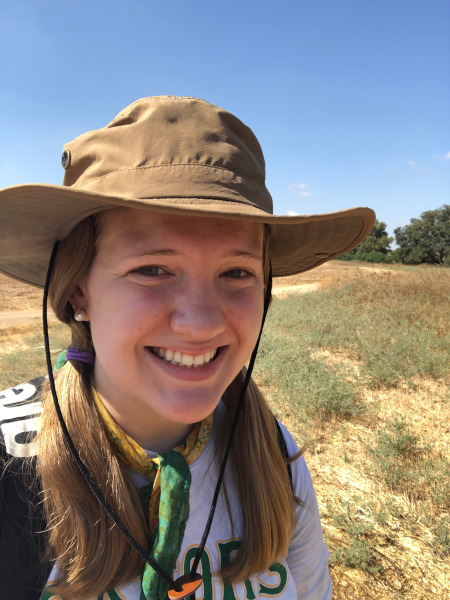
Allison enjoying her time in the field.
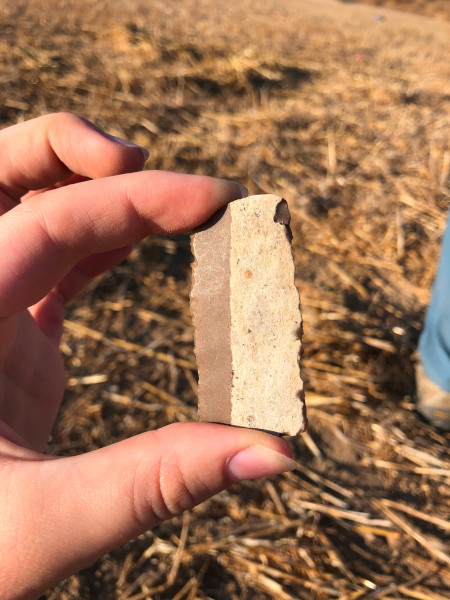
A fragment of a stone sickle found at the site.

By far, my favorite artifact was a fragment of a stone sickle that I found during our main survey. It is a rather intact piece, made from a light brown chert and most likely EBA in origin. The blade edge has a slight sheen to it, indicating that it was used to harvest grain or other crops. Its size (about 2 inches in length) and condition are just spectacular given its age. This is my go-to answer whenever someone asks me what kinds of things we found!

I am beyond grateful for the fieldwork I participated in this summer. Not only did I learn a lot about the process of archaeological research, but I also grew as a student and person, as cliché as that sounds. Because of the work our team accomplished, Kara will be able to excavate at Hesi next summer. I plan on being there as a junior staff member. I’m already looking forward to it! This was truly a life-changing experience, and I would like to extend my most sincere gratitude to Carolyn Midkiff-Strange, ASOR, the University of Michigan, and to Kara Larson. Without all of your support, I would not have had such an amazing and transformative experience.

Allison Densel was born and raised in Sudbury, Massachusetts. After enrolling at the University of Michigan, she began to get involved with archaeological research, working with Dr. Natalie Abell and Kara Larson. It is her dream to be able to pursue archaeology into her professional life, hopefully as faculty at an institution of higher education.

Want to help more students and early career archaeologists get into the field? Donate to the cause today by selecting “Student Support” as your gift purpose!

Fieldwork Report: Rebekah Ross

Illuminating the Invisible

Rebekah Ross, 2022 Member-Supported Scholarship Recipient

This summer, I had the privilege of spending my seventh excavation season in Cyprus with the Kourion Urban Space Project under the direction of Drs. Tom Davis and Laura Swantek. Our goal for the season was to reach floor level and better define the relationship between the 5×5 meter trenches of Building 4, a building we began excavating in 2013. Our first week of work consisted of pulling weeds and cleaning the site. We had 4-6 years of brush growth to clear away. During our second week of work, we removed the baulks between the trenches, which was very enlightening. We discovered that “rooms” were not rooms, and walls bound spaces we thought were open. We also found that one area of the building was entirely paved by mosaic and marble floors and featured vine and floral painted plaster motifs. We also had an exciting discovery of a marble statue of a boy with a duck.

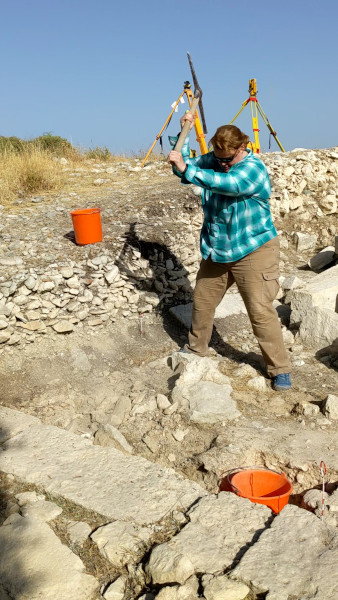
Rebekah hard at work in the field.
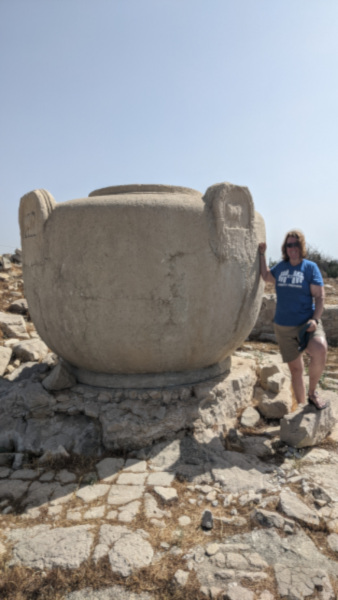
In front of the stone vase at Amathus, Cyprus.

I had a few personal research goals that I wanted to persue while I was in Cyprus. My dissertation focuses on using exterior lights in the ancient world, and I’m using Kourion as a test subject. While it will be possible to test light and distance with a mathematical formula and computer model, there is something to be said about seeing is believing. So I attempted a little experimental archaeology; with my scholarship money, I was able to purchase equipment and supplies to experiment with light, distance, moonlight, and visibility.   


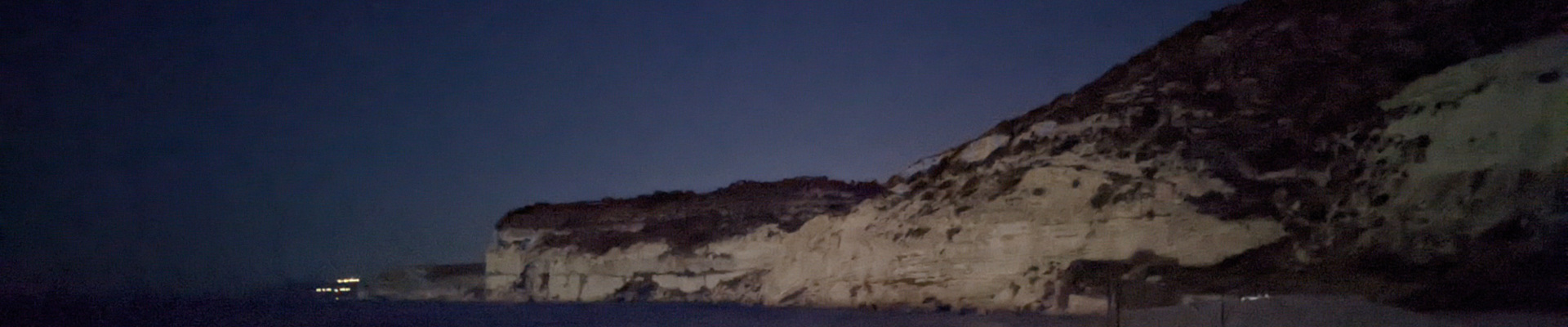
The first experiment on the beach.

My initial theory was that I would be able to see and measure the amount of light visible from the cliff to the beach. I had project members stand on the cliff, don’t worry, they were on a paved overlook, and a partner and I went down to the beach. Unfortunately, the first time we tried it, the wind was blowing too hard and blew out the candles. And we started too early in the evening before it was suitably dark. On our second attempt a few days later, we went to the cliff and beach after dark; there was less wind this time. I could see the candlelight from the beach; however, my light meter was too far away to pick up a reading. I made one final attempt at the end of the season late at night, around midnight to 1 A.M.  It was just past a full moon, so I had plenty of natural light. This time I decided to see the base brightness level and how dim the light declined as I moved further away from my light source. I set up my candles and my tape measure, and I took a reading of one burning candle every 10 cm.


The final, and successful, attempt.

On my final attempt, I got a scaled measurement of a burning candle in bright moonlight! My first two attempts were failures, but as Thomas Edison said, “the light bulb was an invention with 1000 steps.” I’ll be able to plug this information into a formula and calculate how much light Kourion’s ancient inhabitants would require to be visible from the sea. My next experimental archaeology step will be to create torches and measure how much light they provide. 

So why is this important? Light is easy for us. We flip a switch, turn on our phones, clap, light a match, or wave a hand. We are constantly in artificial light, so we do not think about the work that goes into illuminating a space. But there are drawbacks to working with light. For example, ancient light sources existed to be destroyed. Oil reservoirs burn out; wicks turn to ash; torches are made of wood and do not survive. So in some respects, I am chasing the invisible, but life did not stop for ancient people when the sun went down, and everybody went home and went to bed. There is too much evidence that this is untrue. But were people illuminating their cities? I think they were. People use light to establish their presence: Eifel Tower, city skylines, Las Vegas, or Jesus’ reference in Matthew of “a city on a hill” (Matthew 5:14). People use light to see and to be seen; they had to illuminate their city with artificial light. It was a statement of power, wealth, and a marker of civic identity. And for Kourion, I think this is key for understanding why they built on the acropolis where there was no natural water source.

Rebekah Ross is a senior Ph.D. student at Lipscomb University. She has been working with the Kourion Urban Space Project since its inception in 2012. Her research interests include light, illumination, lamps, and ancient glass.

Press release for the 2022 Kourion Urban Space Project Field Season. 

Want to help more students and early career archaeologists get into the field? Donate to the cause today by selecting “Student Support” as your gift purpose!

Collections Fellowship Report: Michael Press

2022 Study of Collections Fellowship Report: The Antiquities Market in Late Ottoman Palestine

Michael Press, University of Agder

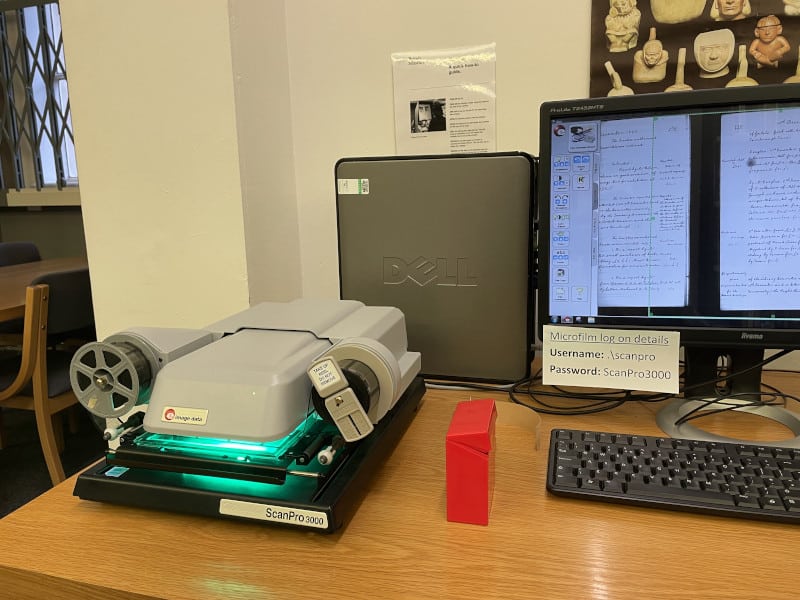
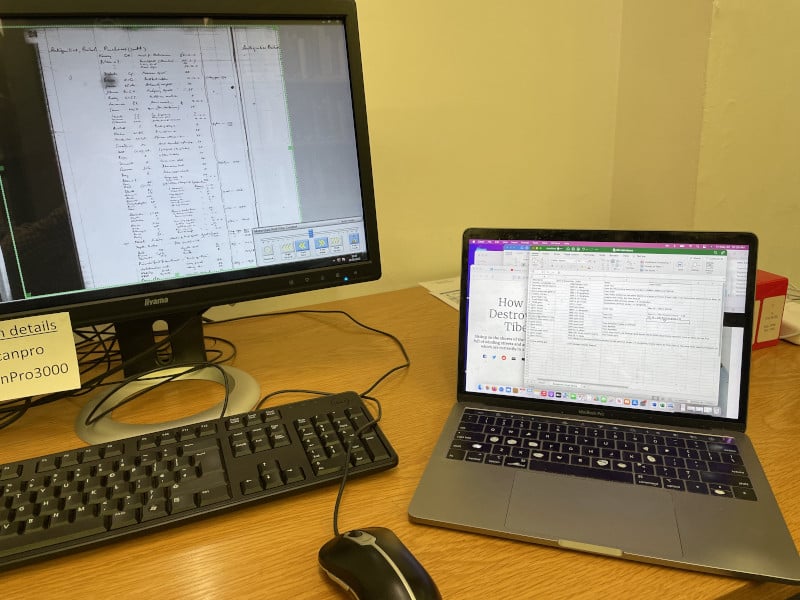
How did people buy and sell antiquities in Palestine in the 19th century? This is the question I’ve been trying to answer since the fall of 2020. Because of COVID, I was confined for a year and a half to online and library research. This wasn’t a problem initially: there is a huge amount of relevant material online, especially because things published in the 19th century are in the public domain. I have been lucky to be able to access so many travelers’ accounts, newspaper and journal articles, business directories, travel guides, and even some archival material online. But many relevant letters or reports or inventories or meeting minutes – not to mention the objects themselves! – lay beyond my reach.

Finally, thanks to the ASOR Study of Collections Fellowship, I was able to make my first research trip for this project, to England in May 2022. Visiting several collections, I could piece together bits of evidence into a larger picture of the trade.

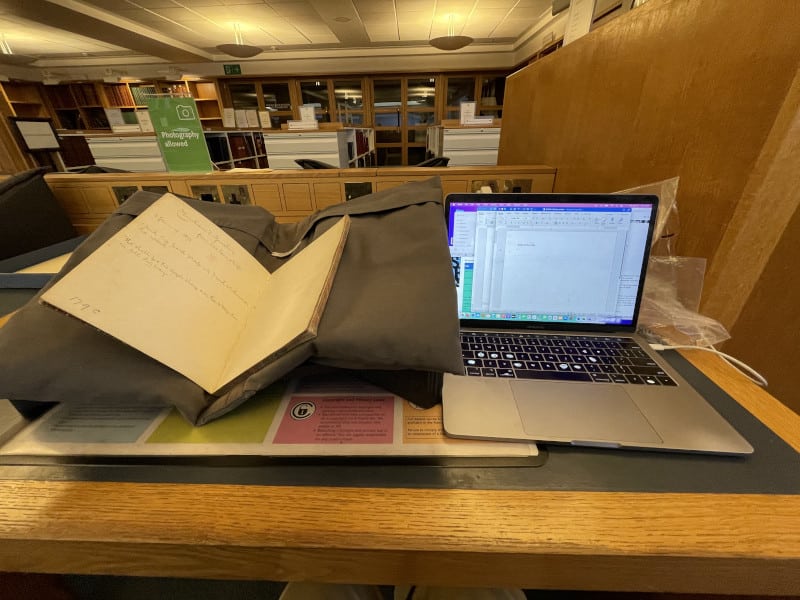
Take for example the notorious bookseller and antiquarian Moses Shapira. In the 1870s, Shapira sold the infamous Moabite pottery, consisting of thousands of fake clay vessels and figurines, and tried to sell an even more infamous Deuteronomy manuscript denounced as a fake in 1883. At the British Library, I was able to read letters written by Shapira himself, as well as journal entries and newspaper articles giving people’s impressions of him at the time. At the British Museum’s central archive, I was able to see the amounts the museum paid for authentic medieval and early modern manuscripts offered by Shapira in the 1870s and 1880s.

Research at the British Library.
My research setup at the British Museum.

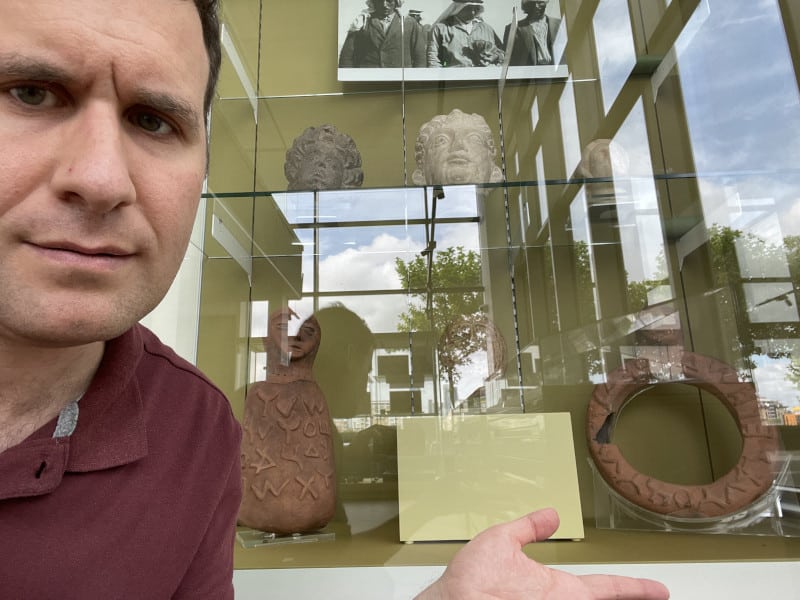
But most of my time was spent at the Palestine Exploration Fund. Their officers, who were mapping and excavating in Palestine at just the time that Shapira was most active, wrote back detailed letters and reports to London. One of the Fund’s officers, Herbert Kitchener – long before he became famous as Lord Kitchener – purchased two of the Moabite pots in Jerusalem and brought them back to the PEF in London. I was fortunate enough to see these, as well as other forgeries probably offered for sale by Shapira.

My time in London was so productive that I am still processing all the information I collected!

With the PEF’s “Moabite Pottery”.

Fieldwork Report: Bruno Barros

Bringing Azekah’s Walls into the Light

Bruno Barros, 2022 G.E. Wright/Shirlee Meyers Fellowship Recipient


Sunrise in Area N1.

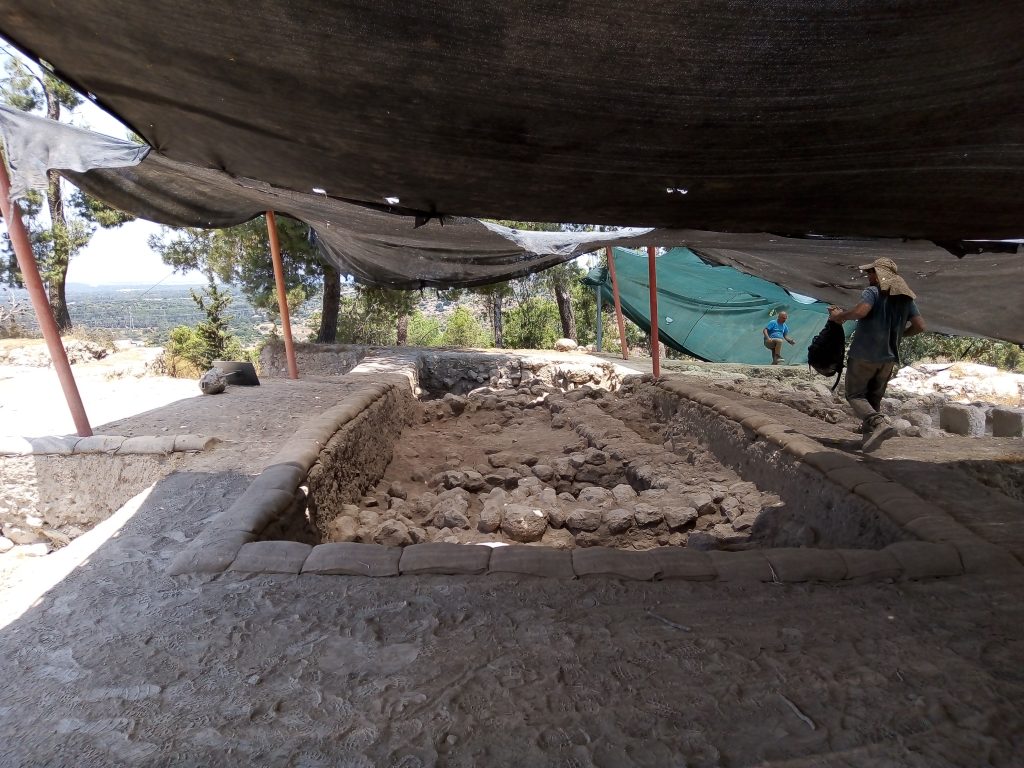
Yalla, Yalla! That was the call to jump on the bus around 4:50 in the morning. Half awake and half asleep, we prepared ourselves for another day of excavating at Tel Azekah in Israel. The days that any volunteer or staff member spends on a dig are far from ordinary as there is always something to keep you occupied! After arriving at the site while it was still a bit dark, we would carry the tools all the way up to our area and get started on the day’s activities. Among all the areas of the site, I was selected to work in area N1, an extensive area where you can find Middle/Late Bronze walls and floors in some squares and Iron Age/Persian structures in others. In previous seasons, an olive oil press dating to Iron Age IIC was found in area N1. This olive oil press is the best preserved in Israel from this period. After 701 B.C.E. and Sennacherib’s invasion of the Shephelah region of ancient Judah—which comprises the Judean mountains and the coastal plain—more local installations for the production of olive oil are found. There are around three different periods of olive oil production in the Shephelah affected by the Assyrian Empire. In the period before the 701 invasion, production was private, and the olive oil went to the city of Lachish, which was the center for collecting olive oil and paying taxes. After 701, the production center was moved to Ekron, and after the Assyrians left, Judah returned to the Shephelah and redeveloped the Judean olive oil production centers. Our task in area N1 was to open a new square adjacent to the Iron Age IIC olive oil press so we could search for the continuation of the Iron Age walls and possibly also a new press.

The new square, opened this field season, after three weeks of work.

Dr. Lipschits supervising the volunteers.

Joining an archaeological dig is more than just “doing science”; it is also therapy. It is therapy because you do not have any option other than being patient about what will come out of your square, especially when you open a new one. During the first few days the big pickaxes dominated the scene without much result. Our group was a bit disappointed at first, but the rewards started to come during the second week. Big pickaxes began to be replaced by smaller ones, and the volunteers began excavating around the rocks in order to find possible contexts. Were those rocks part of the wall or part of its collapse? It took three weeks to expose most of the walls along with a few rooms that belonged respectively to the Iron Age IIC and Persian periods, not to mention a strange structure. We are still not sure of this structure’s exact function, but according to the directors it is most likely a silo from the Persian Period, though its construction and shape are unusual. The upcoming seasons hopefully will bring more answers for this particular square in N1

My primary goal this summer was to join the Lautenschläger Azekah Expedition and look for answers for my Ph.D. research in the Neo-Assyrian expansion in the Southern Levant. I am grateful for many of the questions answered during the season and for being part of the 2022 team. I would like to express my gratitude to ASOR and the scholarship’s donors. They made this exciting experience possible and have significantly contributed to my research. I also thank the Azekah administration and Prof. Oded Lipschits for having hosted me and clarifying many of my questions.

Bruno Barros is a Ph.D. candidate in the department of Assyriology and Hebrew Studies at Eötvös Loránd University, Budapest. His research interests include Neo-Assyrian Art History and Levantine Archaeology particularly in the Iron Age.

Want to help more students and early career archaeologists get into the field? Donate to the cause today by selecting “Student Support” as your gift purpose!

Fieldwork Report: Rosemary Hanson

The Colors of the Badia

Rosemary Hanson, 2022 Platt Fieldwork Scholarship Recipient

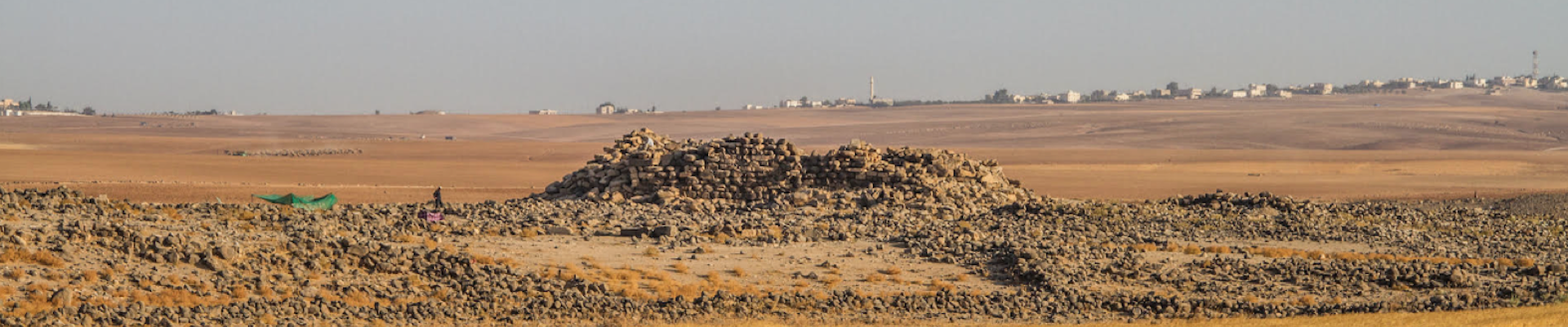
From the sky, the kites of the Jordanian Steppe are easy to spot. The low walls of piled basalt stone stand out against the tan landscape in vivid, dark lines that continue off into the distance. The theory goes that these are the remains of ancient animal traps, guiding prey along the straight lines of the two arms and into the danger of an enclosed area.

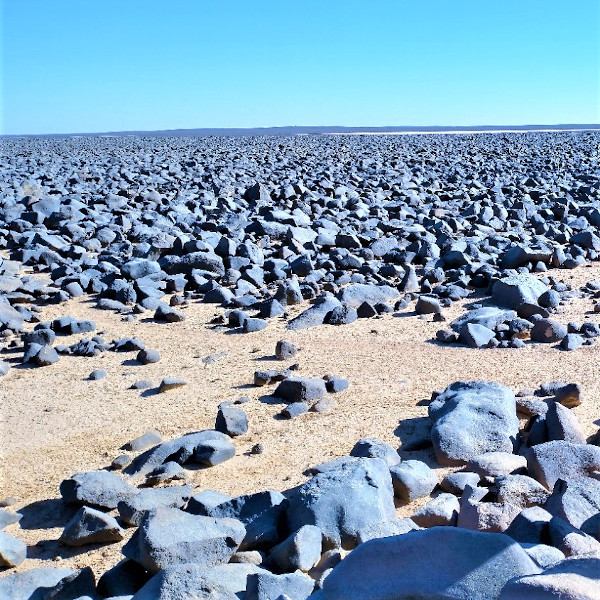
As we walked up to site each morning, I couldn’t help feeling a little bit like one of these ancient ruminants. Like unlucky gazelles, the members of the ‘Kites in Context’ project followed these arms across the basalt fields toward the excavation site. When I had been shown the landscape from above, I had assumed that this route would make for an easy journey – we were following a wall, after all. Yet to my surprise, the unmistakable lines of black on beige that I had seen in the aerial photographs were, on the ground, far less distinct. From ground level, the wall was an uneven gray line in a gray sea of stone. Looking up at the hill, it was only barely possible to pick up the darker shades of a low wall running along it – and even then, only once I was pointed in the right direction – but the closer we got, the more it seemed to vanish into the landscape around it. How on earth was I supposed to follow this every day?

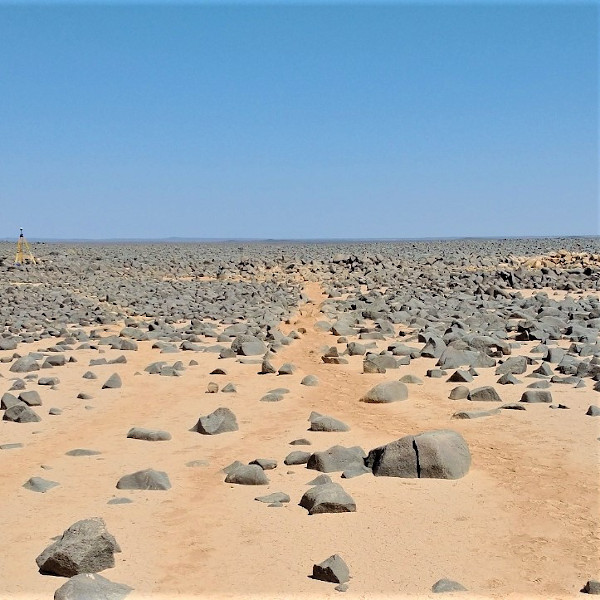
Dusty trails across the basalt.
As your eyes adjust, gray stones suddenly look blue.

Truth be told, I never did get the hang of following walls, but in the end, I did not need to. As we walked the same paths every day, our shoes disturbed the fawn-colored dirt and tracked it across the pewter-colored stones, leaving a little ribbon of sepia across the landscape. Before long, these ephemeral lines of powdery dust criss-crossed the camp, the hills, and the kite enclosure where we were working. Paths between excavation sections, paths over walls to the sieve, paths off into the desert to the bathroom, straight, efficient paths to the tea tent for our afternoon break. Everywhere we went, we trailed dust behind us and this is how I came to know my way around, following the slippery footpaths like an ant follows a scent trail. Had it rained, I would have been totally lost.


Down in the section getting dustier and dustier. Photo credit Quinn Comprosky.

Indeed, it seemed like everything we touched was turning that same dusty-brown hue. When we arrived, everything was colorful. The truck pulled up full of reds and blues and yellows and greens. But in the onslaught of sun and sand and sweat, everything took on a decidedly desert patina. Our clothes were beige, our tents were beige, our notebooks, gear, and pens were beige. No matter how often we washed, our hair and skin were beige. When we sneezed, it was beige. In photos, we all look like the survivors of an explosion in a powder foundation factory.

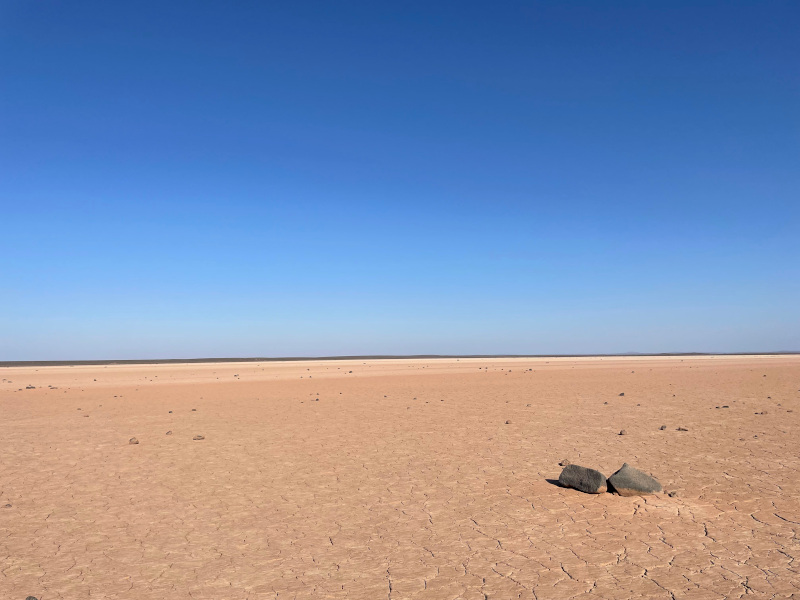
But the more monochrome we became, the more I started to notice new shades in the world around me. My early sketches of the desert are all the same: blue streak, gray streak, tan streak. Above is a wide, expansive blue sky, below is the dusty tan of the local soil, and dividing the two is a line of basalt gray. It’s the same in the high-quality photographs taken by Chad:  the world is black and tan and blue as far as the eye can see. But as my eyes adjusted to this new tritone palette, I began to see new colors in the landscape – shades that I had never imagined could be there. Against the warm tones of the everpresent dirt, the harsh tones of the basalt took on cooler notes.  As we stamped across ancient lava fields, shimmering and shifting in the heat, the oppressive grays began to bloom into a spectrum of muddy blues and dusty purples. In the section, the buried stones seemed to emerge like dusty shards of hazy blue sky. Hot and filthy and tired, I saw the desert differently than when I had arrived, cool and clean and full of energy.

A landscape of blue on grey on tan. Photo credit Jennifer Feng.

For all the horrible heat and the terrible dirt and the wind that blows away anything not nailed down, I like being out in the desert. I like the way that this harsh place makes me see things differently – to see color where I had once seen sepia and trails where I had once seen empty plains of stone. It lets me see with the objective eye of a tape measure and a camera lens, but also with the fallible human eye of someone too hot, too tired, and too frustrated to spot the wall they’re standing on. Of course, it also helps me see the benefit of cold water and air conditioning, but that’s a useful lesson, too, I think.

Rosemary Hanson is a freelance archeological illustrator working out of Sweden. In her normal life, she does not like being hot, dirty, or outside, which is why it is so odd that she absolutely loves working in the Jordanian Desert. There’s just no helping some people.

Want to help more students and early career archaeologists get into the field? Donate to the cause today by selecting “Student Support” as your gift purpose!

Stipend Report: Kacey Garcia

Khirbet al-Balu’a 2021 Study Season: Pottery and Figurines

Kacey Garcia, 2021 Shirlee Meyers-G. Ernest Wright Summer Stipend Recipient

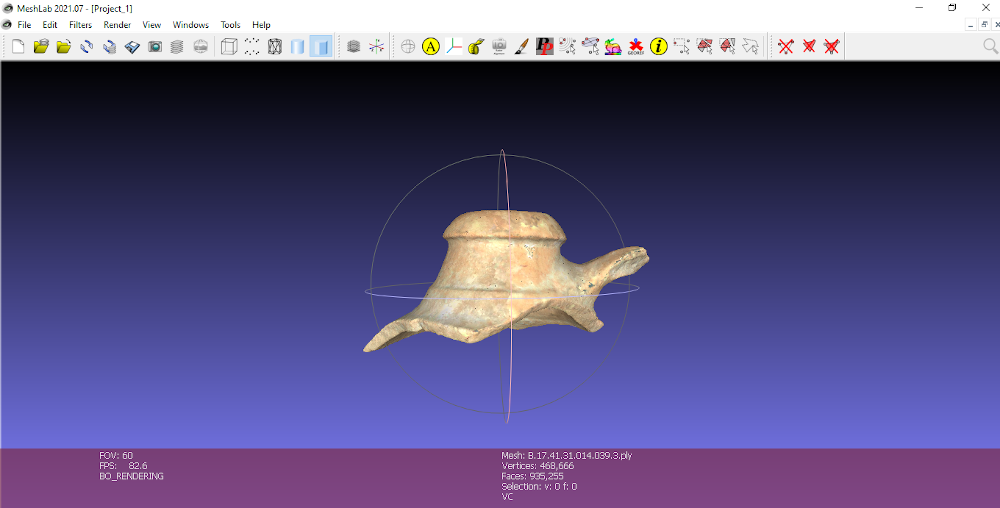
I would like to thank the Shirlee Meyers-G. Ernest Wright Scholarship donors and ASOR for providing me with an amazing opportunity to participate in the 2021 study season at La Sierra University. I assisted in processing loaned, diagnostic ceramic samples for publication of 2012-2019 excavation seasons at Khirbet al-Balu’a. I organized and sorted these samples according to occupational phases utilizing the data collected from the loci. Relying on my skills with Next Engine’s software ScanStudio and Meshlab, I was able to create plates for all of these diagnostic samples to prepare them for the Khirbet al-Balu’a publication. The next step will be creating a ceramic seriation for Central Jordan by applying C14 data.

Meshlab of an aligned diagnostic sample from 2017.

Scanning set up at La Sierra University.

I was also able to conduct research on the figurines found in the main occupational strata at Khirbet al Balu’a as part of a class on household archaeology. I discussed the figurines’ purposes while providing contextual evidence from Iron Age Khirbet al-Balu’a. I read articles in household archaeology methodology and theory and applied what I’ve learned to the archaeological dataset from Khirbet al-Balu’a. A total of 19 figurines were found at Khirbet al-Balu’a during the 2012 to 2019 excavations. While both anthropomorphic and zoomorphic figurines were found, the majority were zoomorphic (13 figurines). This assumes that the demonstrated figures are animals since many are difficult to interpret due to their poor condition.

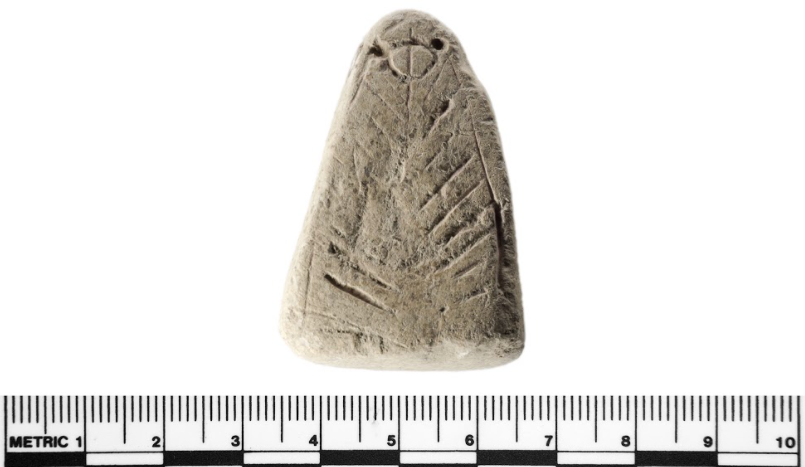
When analyzing figurines there are 3 main categories: zoomorphic, anthropomorphic and theriomorphic. Zoomorphic figurines resemble an animal, anthropomorphic figurines resemble humans, and theriomorphic figurines are thought to have depicted gods in animal form. In the ancient near east, theriomorphic figurine can be either an animal with humanistic traits that identify with gods or as part animal and human. Phase 2 at Balu’a did not have any female depictions, despite female figurines being the most common anthropomorphic archetype. Female figurines are often correlated to fertility, and were possibly used to enhance the chances of bearing children or giving birth safely. Most of Balu’a figurines are zoomorphic, and the ones from the Iron Age II house are identified as bovine, birds, and horses. Two of the figurines were ceramic and another two were made of plaster and clay. For example, B190010 was a plaster, conical-shaped zoomorphic figurine with incised eyes, beak, feathers and wings. There is a line design originating from the center of the figure. It is thought to be a bird of some sort owl or a hawk. This figurine was a part of the Phase 2 post-collapse rubble layer located in room A4. While learning about these figurines I couldn’t help but feel connected to the occupants of the Iron Age II house. I wondered what I would leave behind in my home long after I am gone for others to find. Figurines are initially interpreted as cultic objects. This is my favorite theory because it shows that ancient peoples needed something to believe in when life got too unpredictable and difficult. There is an unspoken beauty and a sense of humanity to the concept of hope thriving through these figurines during what may have been a desperate time.

Zoomorphic figurine of a bird from Balu'a Iron II house. Artifact #B190010 (Used with permission of Balu'a Regional Archaeological Project, BRAP)

Kacey Garcia is a senior undergraduate at La Sierra University majoring in archaeology. She first encountered archaeology while studying classics in Italy and has since fallen in love with it. Kacey knew right away this was what she wanted to do for the rest of her life. For the past two years, Kacey has been working as a student research assistant at the Center for Near Eastern Archaeology on projects pertaining to Khirbet al-Balu’a and Tell al-Umayri.
Balu’a Regional Archaeological Project (BRAP)

Center for Near Eastern Archaeology, La Sierra University

During the summer of 2021, ASOR supported 27 undergraduate and graduate students through the Summer Stipend Program. These students undertook non-fieldwork archaeological research projects led by ASOR-affiliated project directors. They also took part in monthly cohort group meetings hosted via zoom. Read a summary of these cohort meetings here.

Stay tuned for more updates from the 2021 Summer Stipend recipients!

Stipend Report: Annissa Malvoisin

Generating Jebel Barkal: Metadata Organization from the Field Diaries of Dr. George A. Reisner at Jebel Barkal

Annissa Malvoisin, Archival Researcher for the Jebel Barkal Archaeological Project, 2021 Strange/Midkiff Families Summer Stipend Recipient

Jebel Barkal.

The Jebel Barkal Archaeological Project directed by Dr. Geoff Emberling investigates the royal Egyptian–Nubian site of Jebel Barkal – a central religious locality that emphasized the omnipresence of Amun, linking Egyptian and Nubian ideological thought in one dedicated area. The site was occupied first by Egypt in the New Kingdom and was established as the “cultic duplicate” of Luxor in Nubia (Kendall, 2010). It had since been ruled by various Egyptian and Napatan kings, who also contributed to the Temple of Amun and administrative buildings up until the Meroitic period. Prior to Dr. Emberling, and Dr. Timothy Kendall, Dr. George A. Reisner excavated the site and did not publish his findings in an official site report. Recordings of his work from between 1916 and 1920, sponsored by theMuseum of Fine Arts, Boston where he served as Curator of Egyptian Art, as well as Harvard University, have since been transcribed (unpublished) by Dr. Emberling and Nami Kaneko. Dows Dunham, who became Curator Egyptian Art at the Museum of Fine Arts, Boston after Reisner, has also published a series of 5 volumes covering the excavation of royal Kushite cemeteries upon which they worked together. Much of the information on the objects discovered at these sites, including photography, contextual findspot, and provenance, are accessible on the richly comprehensive Museum of Fine Arts, Boston website.

The section of the project that I oversaw as an archival researcher involved reading through the transcription from his archaeological excavations at Jebel Barkal and Nuri between 1919 and 1920. The purpose of this research was to locate, organize, and import the information recorded in the field diaries into an online metadatabase titled Omeka. Omeka organizes the metadata into a searchable website which aids scholars and researchers to easily search interrelated individuals, terms, materials, and buildings that relate to the site of Jebel Barkal which have not been previously organized or transcribed.

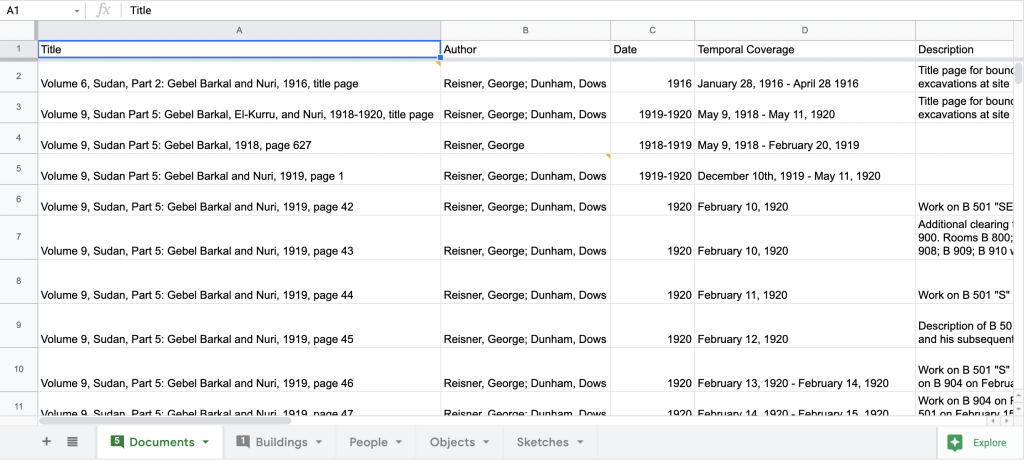
Prepping for import into Omeka required working with directly with Reisner’s field diaries, the transcription and a detailed spreadsheet with specialized fields according to specific data.
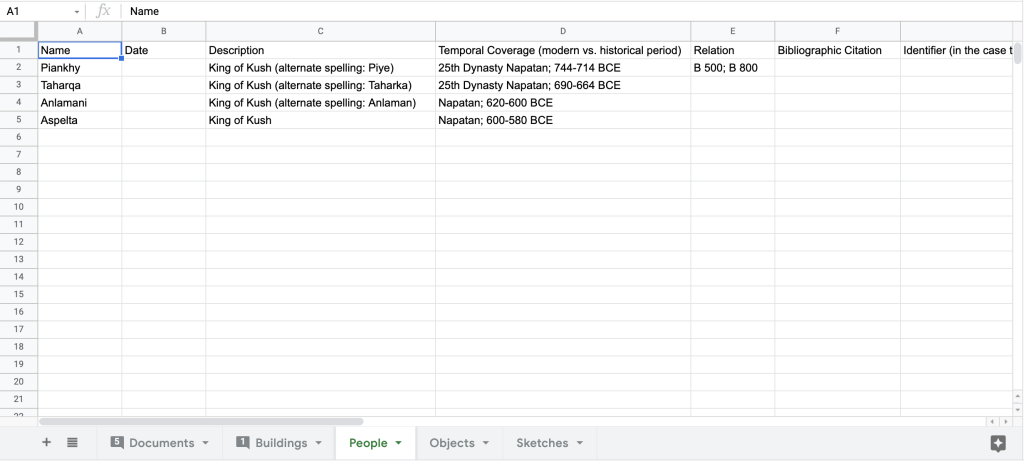
The metadata is relational, by which the spreadsheet helped to organize different sets of information in a way that efficiently connected it all together.
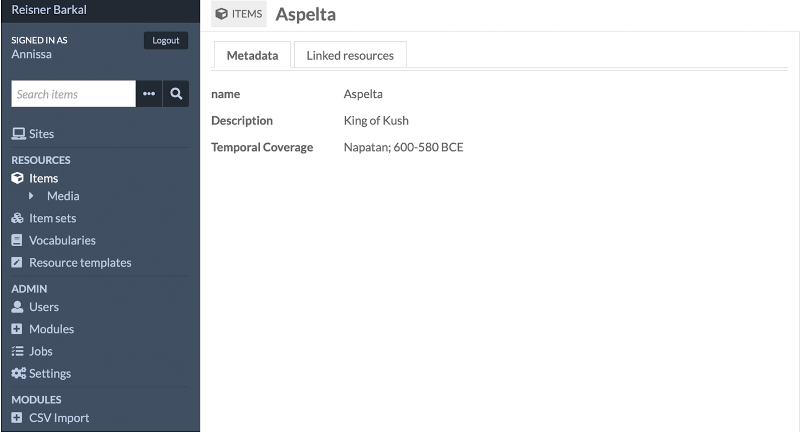
The backend of Omeka required the organization of the metadata from the spreadsheet into readable pages that will appear on the site.

The process of learning Omeka was a fantastic experience which challenged and heightened my knowledge of online data processing on a parallel level, in addition to building expertise in curating the site for both the specialized and general public. Led by the Information Technology team at the University of Michigan, Joe Bauer and Matthew Carruthers, once the data from the transcription is organized by the desirable entry format was decided, it was imported and organized according to Omeka translation. The process is ongoing. This was a seamless experience which contributed to what will become a valuable resource for current and future archaeology at the site.


Annissa is a PhD candidate at the University of Toronto and the Bard Graduate Center/Brooklyn Museum Postdoctoral Fellow in the Arts of Africa. Her doctoral thesis investigates the ceramic production and trade industry during Meroitic Nubia and its potential far-reaching networks linking the Nile Valley to Iron Age West African cultures.

During the summer of 2021, ASOR supported 27 undergraduate and graduate students through the Summer Stipend Program. These students undertook non-fieldwork archaeological research projects led by ASOR-affiliated project directors. They also took part in monthly cohort group meetings hosted via zoom. Read a summary of these cohort meetings here.

Stay tuned for more updates from the 2021 Summer Stipend recipients!

Stipend Report: Hanna Erftenbeck

Summer Research at the Carnegie Museum of Natural History

Hanna Erftenbeck, 2021 Strange/Midkiff Families Summer Stipend Recipient

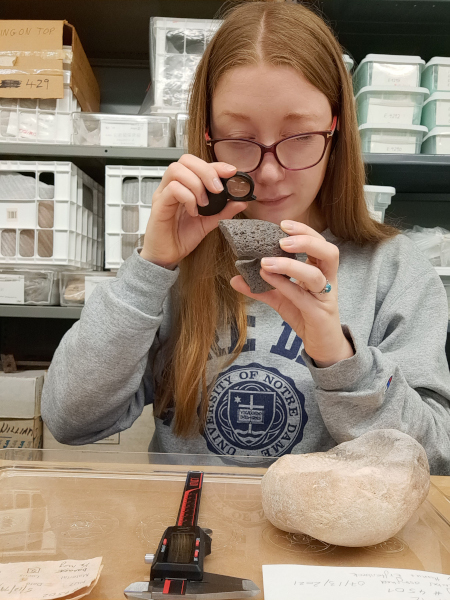
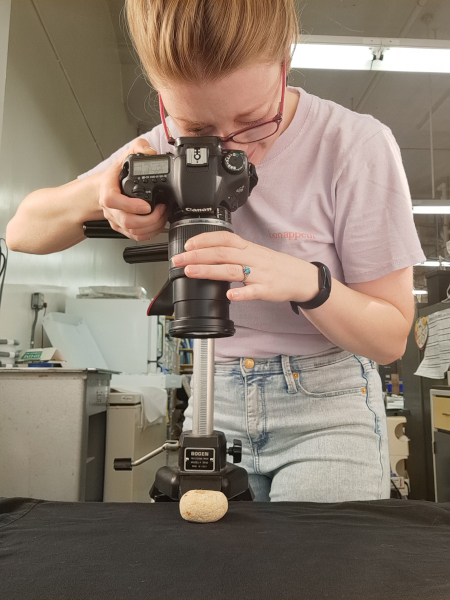
The term fieldwork is mostly associated with working on excavations, but this summer I spent three weeks conducting my fieldwork at the Carnegie Museum of Natural History in Pittsburgh, PA. There I worked with the groundstone tool assemblage from the Early Bronze Age (EBA) site of Numayra, located in modern day Jordan, which is one of the early proto-urban settlements in the region. Numayra was excavated as part of the Expedition to the Dead Sea Plain Project (EDSP) in the 1970s and 1980s. The goal of EDSP is to investigate how people lived and died during the EBA to study the emergence of the regions earliest small-scale urban society. As part of my dissertation project, I am investigating how the people at Numayra prepared their food in their day to day lives, and how their food practices connected them to their new urban community. This summer I was able to catalogue, describe, draw, and photograph the stone objects in the Numayra collection.

Measuring and describing groundstone objects before drawing them.
Taking detailed pictures of the groundstone objects.

Inspecting the groundstone objects under a microscope for possible use-wear.

While I did not get my hands dirty – at least not as dirty as I usually do when I excavate – I was able to learn so much about EBA daily life by working with the Numayra collection, almost fifty years after these objects were excavated. Legacy collections are often underutilized in our efforts to understand the past, but they are a treasure trove of information, and working with them is part of an ethical and sustainable archaeological practice. I would like to thank ASOR and the generous donors who supported the summer stipend program for making this research possible, and the project directors Meredith Chesson and Morag Kersel for their support and providing me with access to the material. I am deeply grateful to Deborah Harding, Amy Covell-Murthy, and Gretchen Anderson at the Carnegie Museum for Natural History for welcoming me this summer and providing me with the support and access I needed to successfully conduct my research.

Hanna is a PhD candidate at the Department of Anthropology at the University of Notre Dame. In her dissertation research she investigates the role of food related practices in the creation and transmission of early urban communities during the Early Bronze Age in the southern Levant. Hanna holds a BA and MA degree in Near Eastern Archaeology from Freie Universität Berlin and a MA degree in Anthropology from the University of Notre Dame. Since 2012 she have participated in archaeological projects in Germany, Greece, Turkey, Jordan, Israel, and the United States.

During the summer of 2021, ASOR supported 27 undergraduate and graduate students through the Summer Stipend Program. These students undertook non-fieldwork archaeological research projects led by ASOR-affiliated project directors. They also took part in monthly cohort group meetings hosted via zoom. Read a summary of these cohort meetings here.

Stay tuned for more updates from the 2021 Summer Stipend recipients!

Stipend Report: Alexis Greene

Tell al-Judaidah Publication Project 

Alexis Greene, 2021 Summer Stipend Recipient

In May, I was awarded a grant to allow me to join the Tell al-Judaidah Publication Project which is directed by Lynn Dodd at the University of Southern California. Tell al-Judaidah is notable among excavated sites in the agricultural region around Antioch /Antakya. It’s a tall site that has a water source at the foot of the mound, and there are traces of occupation from the 7th millennium BCE into the 1st millennium CE. Our project is focused on the levels of the site dating from about 2000 BCE and later. We have roughly 3000 years to analyze and document.

Working on this project has allowed me to expand my knowledge of archaeology, stratigraphy, ceramics, and artifacts, and database use. When I started working on this project, I did not have any experience in archaeology, but I had a high degree of interest in the ancient world from which biblical traditions emerged. My involvement in this project allowed me to gain skills and to explore new possibilities for my future.

Our team includes the project director, Lynn Dodd, a faculty member at USC, and post-doctoral scholar Michael Johnson. Mike has extensive field experience working at Tell Atchana/Alalakh, a site with Bronze Age palaces (and much more), and that site is an easy day’s walk from Tell al-Judaidah. Another team member, Onur Hasan Kirman, is a doctoral student of Assoc. Prof. Dr. Murat Akar of the Mustafa Kemal University, Hatay, Turkey. He brings expertise in the material culture of the region and is contributing to the analysis of the Bronze Age pottery. Also, I am working in collaboration with undergraduate students at USC, including Lauren Malkoun. All last year, Lauren worked to find solid comparisons for some of the finds that are located in the collection of the Oriental Institute Museum at the University of Chicago. Now, I have joined her in this effort and I continue to learn the ins and outs of this database system that organizes all the details from Tell al-Judaidah that were brought to light by the 1930s era excavation team from Chicago’s Syro-Hittite Expedition.

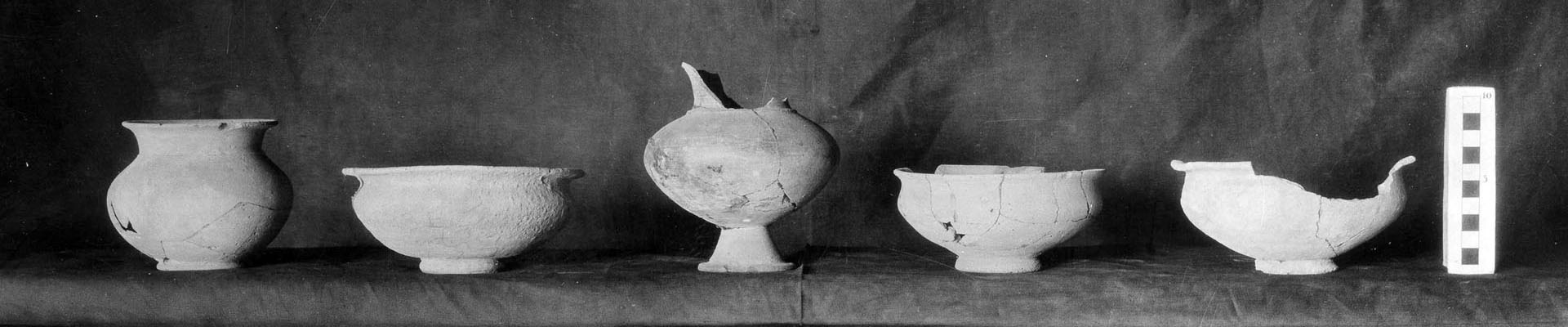
The records, drawings, photographs and other material from that field project are now physically stored and cared for at the University of Chicago Oriental Institute Museum. All data about the excavation and its finds are coordinated in OCHRE, a relational, hierarchical database system that is accessible by team members around the world. Via the Internet, I have access to the records of that storied expedition’s work at Tell al-Judaidah, including its black and white photos, field notebooks, pottery drawings, and more.

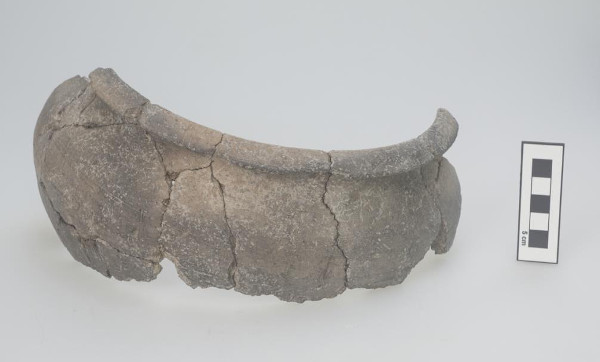
Through reading and discussions with team members, I have learned about key concepts in archaeology. The treasures of the past relate less to gold and more to the clues that a wide range of left-behind materials preserve as we try to piece together the human story (Renfrew & Bahn, 2018). I’ve learned the basics of typology, which refers to the study, analysis, or classification of categories of things, and this can apply to symbols, people, religions, or any category of material culture (Horowitz, 2015). An example of a typological category is simple ware (or plain ware), which is one of several terms used for the Bronze Age plain wheel-made pottery that was produced and consumed in the coastal regions of the Cilician and Amuq Plains and in parts of north-west inland Syria (Pucci, 2019). Another pottery category that I encounter has a distinctive temper and form, as shown in this image of a cook pot with its folded external rim.

Folded external rim. Photo credit: Michael Johnson and Onur Hasan Kirman.

My work on this project has allowed me to become more familiar with the region of Tell al-Judaidah, which includes its relations to neighboring sites and resources (rivers, springs, trade routes, agriculture, and bridges), and broader regimes of political control. For instance, in the late Bronze Age (latter half of the second millennium BCE) the changes that occurred from the 16th to 13th centuries at Alalakh likely would have had an impact on Tell al-Judaidah which was strategically located along trade routes leading to and from the inland cities. During part of this time, the Egyptians and the Hittites vied for control and influence over the smallish kingdoms that were located across the region now known as Syria, Lebanon, Israel, and Gaza, with names that evoke places such as Tyre and Jerusalem, and others names such as Mukish that refer to the area around Tell al-Judaidah.

After my Summer, 2021 ASOR fellowship ended, I decided to accept the invitation to continue working on this project. Lynn Dodd was able to find a way to extend my participation, and I was hired for a part-time research position through USC. My fellow researcher at USC (Lauren) and I are working systematically through each stratigraphic level, identifying available information, finding comparative examples for Judaidah artifacts, noting missing information, and recording errors. We will create a draft report that summarizes our preliminary research and submit this for inclusion in a cited, online publication that continues to grow. I am very grateful to ASOR for supporting me in my first steps on this path of learning about the past and contributing to the creation of new information and understanding.

About Alexis: she moved from her home state of Alabama to San Diego in 2019 after working as a teacher for seven years in private schools in the United States and international schools in Ghana, Macau, and Saudi Arabia. Alexis received a Bachelor of Science in Education from the University of South Alabama in 2010 and a Master of Science in Education from Spring Hill College in 2012. In May 2021, Alexis received a Master of Arts in International Higher Education from Boston College. Alexis’ research interests center around the internationalization of higher education in American society and economics of human capital theory. Through her experiences as an expatriate, Alexis developed a passion for helping international students navigate the waters of higher education. Alexis is a member of the Junior League of San Diego and Women on Course San Diego. 
References

Horowitz, M. T. (2015). The Evolution of Plain Ware Ceramics at the Regional Capital of Alalakh in the 2nd Millennium BC. In Plain Pottery Traditions of the Eastern Mediterranean and Near East 1st Edition (pp. 1–30). Routledge.

Pucci, M. (2019). Excavations in the Plain of Antioch III: Stratigraphy, Pottery, and Small Finds from Chatal Höyük in the Amuq Plain. OIP 143. Oriental Institute Press.

Renfrew, C., & Bahn, P. G. (2018). Archaeology essentials: theories, methods, practice. Thames & Hudson Ltd.

During the summer of 2021, ASOR supported 27 undergraduate and graduate students through the Summer Stipend Program. These students undertook non-fieldwork archaeological research projects led by ASOR-affiliated project directors. They also took part in monthly cohort group meetings hosted via zoom. Read a summary of these cohort meetings here.

Stay tuned for more updates from the 2021 Summer Stipend recipients!

Stipend Report: Julian Hirsch

Using Experimental Wear to Study Early Bronze Age Wearers

Julian Hirsch, 2021 Eric and Carol Meyers Summer Stipend Recipient


The cemeteries of the Dead Sea Plain (Map by Austin “Chad” Hill).

During the Early Bronze Age I (c. 3700-3100 BCE), the eastern Dead Sea Plain was home to three massive cemeteries at Bab adh-Dhra’, es-Safi, and Fifa. The Bab adh-Dhra’ cemetery in particular has been extensively studied by scholars who have elucidated mortuary rituals carried out at the site and discussed the origins and potential functions of objects found in its tombs. While certain object categories such as pottery and basalt bowls have been extensively studied, research on the hundreds of beads found at each of the Dead Sea Plains cemeteries sites has been far more limited. My research employs a use-wear approach to better understand the use of beads found in different family’s tombs at Fifa. These beads appear to primarily be made out of carnelian and glazed steatite.

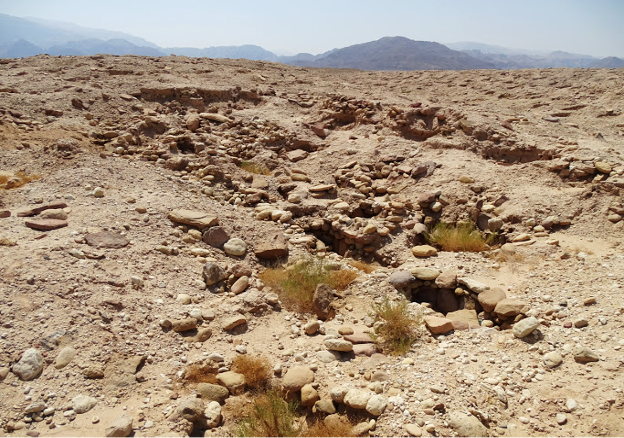
Tombs excavated at Fifa by Mohammad Najjar under the auspices of the Department of Antiquities in Jordan. (All photos by author).

Photo of the author reducing a bead blank to the proper size on a basalt slab (Photo by Author).

Use-wear analysis uses optical microscopy to look for regularly appearing patterns on archaeological objects. These patterns might say something about how the object was made, how it was used, or even how long it was used for. To understand these patterns however, it is crucial that use-wear analysts conduct a variety of archaeological experiments that focus on reproducing the same types of patterns found on archaeological examples. Since carnelian has already been the subject of several use-wear studies, I decided to focus my research this summer on reproducing steatite beads of the size and shape of those found at Fifa, and then wearing those beads to see if I could observe any changes over time.

Starting with a chunk of steatite, I used flint and metal blades to fashion a long cuboid. I then rolled the cuboid on grinding slabs made of basalt and sandstone. This transformed the steatite cuboid into a long tube. From there, I used either a flint or metal blade to saw off thin bead blanks. These were then drilled with either a bone drill, a flint drill, or a drill made out of copper wire. Lastly, I reduced the diameter and length of my bead to the size of those found in the archaeological record the same grinding stones. Each material I used to create my steatite beads was carefully chosen to be similar to ones that could have been used to produce the beads during the Early Bronze Age.

After creating my beads, I began wearing a group of them in a necklace, regularly observing how their surfaces changed over time. As steatite is very soft, it did not take long for manufacturing marks left behind from their slicing, grinding, and perforation to disappear.

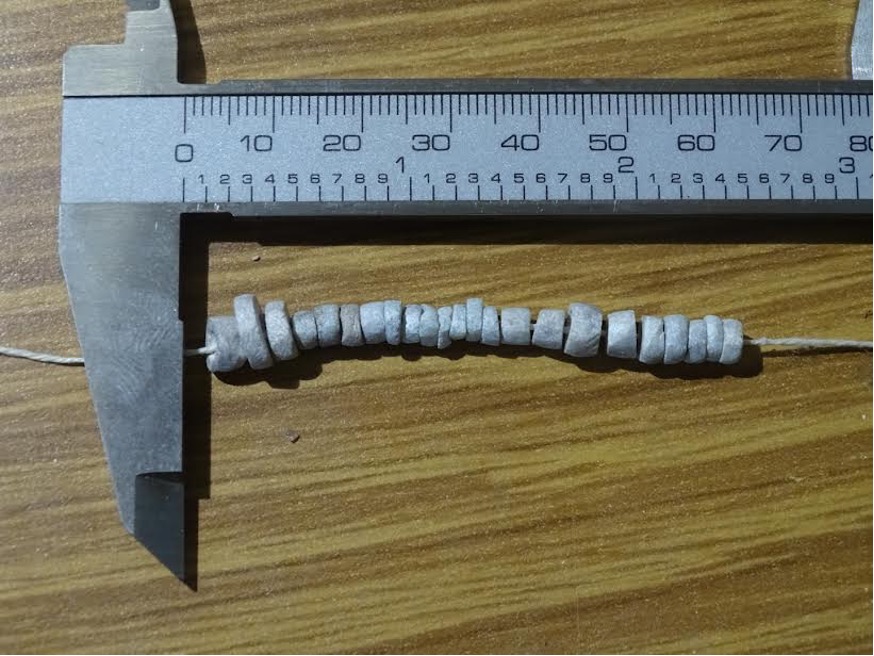
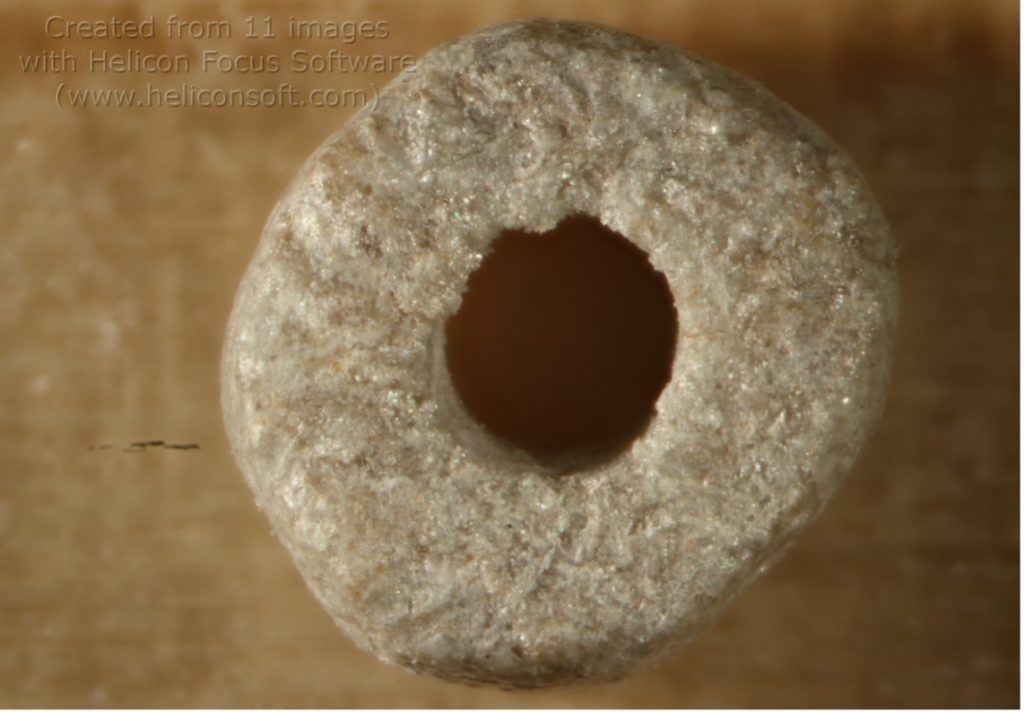
A set of newly made unworn steatite beads.
The same set of beads after being worn for two months.

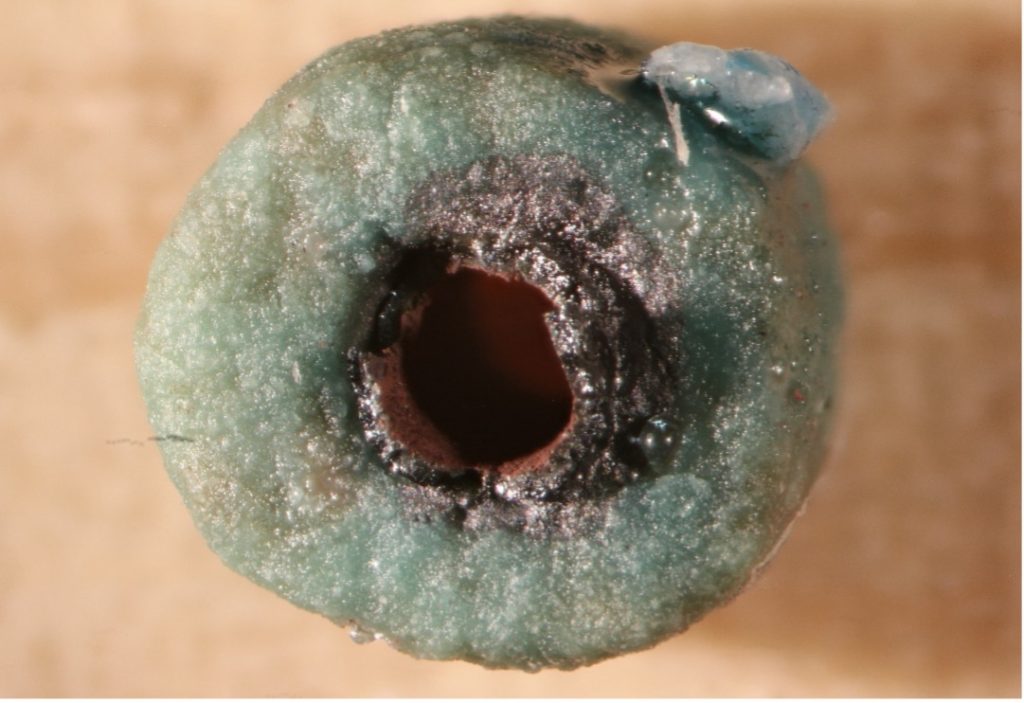
Once I established a baseline for understanding the development of wear on unglazed steatite beads, I turned my attention towards conducting a new set of experiments focused on replicating glazing techniques used in predynastic Egypt. To ensure I cast a wide enough net to replicate the patterns found on the beads found at Fifa, I used several different glazing recipes and methods. Despite following already published recipes, I unfortunately was only able to achieve success with one glazing method. In the coming months, I will observe the development of wear on this set of beads that I believe most closely correlate to those found at Fifa.


Beads covered with glazing mixture made of natron and malachite prior to being placed in a kiln (photo by author).

Bead prior to glazing.
Bead after glazing.

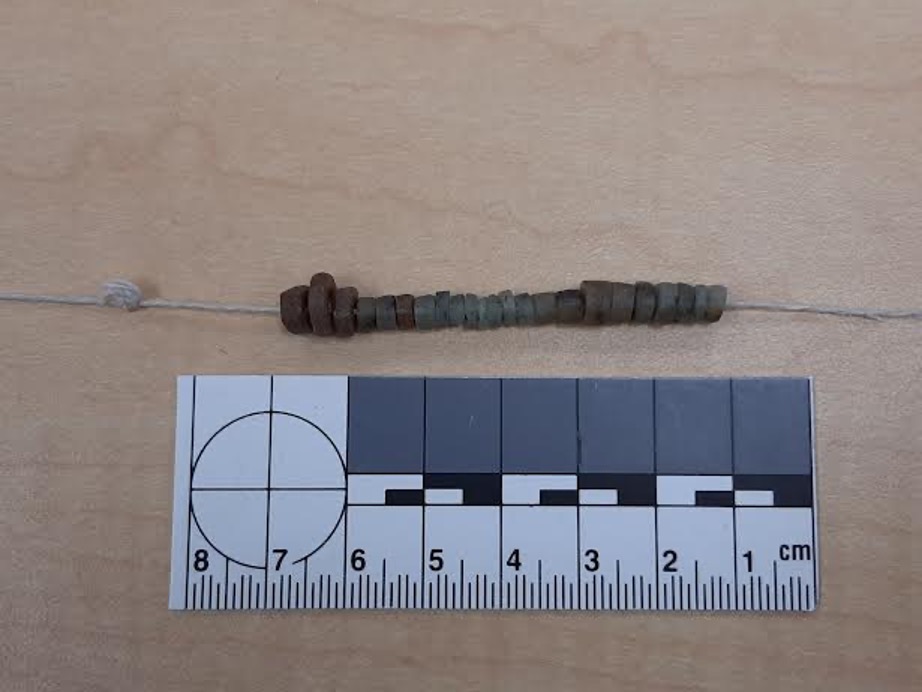
A strand of partially glazed beads that will be worn and observed in the coming months (photo by author).

My experimental research this summer, made possible by ASOR’s generous summer stipend program, has given me a chance to explore experimental archaeology, something entirely new to my archaeological toolkit. Despite the challenges posed by numerous broken beads, unsuccessful glazing attempts, and all too much time alone in a windowless room accompanied by only a kiln and large blocks of steatite, the experimental work I’ve done this summer will without a doubt allow me to better understand Fifa’s excavated bead assemblage. In turn, I believe that it will allow me use to use wear to better understand the bead’s wearers.

Julian Hirsch is a master’s student in Anthropological Archaeology at Trent University. His current research focuses on using use-wear to better understand the life histories of ornaments found in Early Bronze Age tombs. Julian also maintains an active research interest in the history of Biblical Archaeology.  

During the summer of 2021, ASOR supported 27 undergraduate and graduate students through the Summer Stipend Program. These students undertook non-fieldwork archaeological research projects led by ASOR-affiliated project directors. They also took part in monthly cohort group meetings hosted via zoom. Read a summary of these cohort meetings here.

Stay tuned for more updates from the 2021 Summer Stipend recipients!