ARS 30: Tel Kedesh I

NEW ARCHAEOLOGICAL REPORTS PUBLICATION

University of Michigan and University of Minnesota Excavations at Tel Kedesh I: The Hellenistic Archive and its Sealings

by Sharon C. Herbert

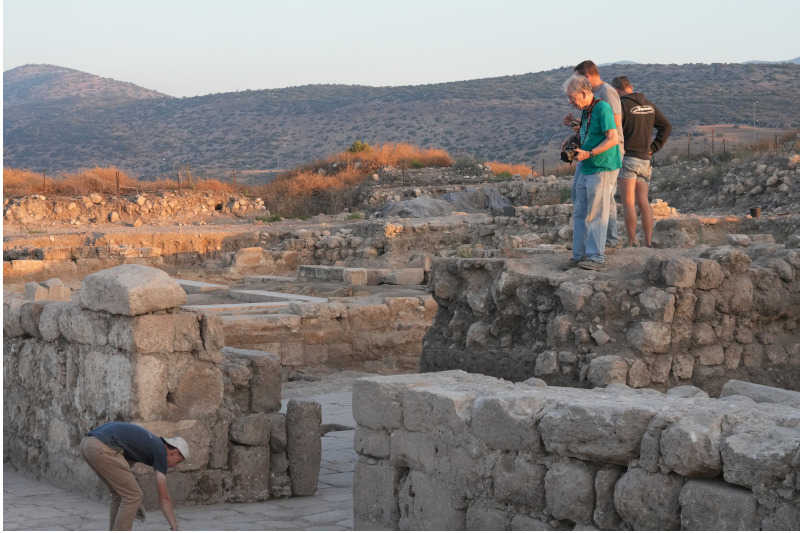
This is the first volume in a projected series of final reports on the 1997-2012 University of Michigan/University of Minnesota excavations at Tel Kedesh, located in the Upper Galilee of modern Israel and the hinterland of ancient Tyre. It presents the 2nd century BCE Hellenistic archive and the 2000+ sealings found there. The Kedesh archive complex was situated within a large, multipurposed administrative building, first constructed under Persian rule in the late 6th century BCE and then modified under Ptolemaic and Seleucid rule in the 3rd and 2nd centuries BCE. The sealings in the archive date to the final Seleucid phase of occupation in the first half of the 2nd century BCE. The first part of the volume situates the Kedesh archive within the context of excavated Hellenistic archives from Carthage in the west to Selucia-on-the-Tigris in the east and reflects on the varieties of archives, clienteles, and sealing practices so far known from the Hellenistic world. The second part presents an annotated illustrated catalog of the images and iconography of the 1,733 readable impressions found on the sealings. The subject matter of the 1,293 seal rings that produced the impressions was for the most part Greek.

With contributions by Donald T. Ariel, Andrea M. Berlin, Paul Lesperance, and Anastasia Shapiro.

ASOR Archaeological Reports, Volume 30, September 2023, 584 pages, 285 b/w figures, 106 b/w plates, 978-0-89757-118-0, $99.95.

Special Offer for ASOR Members

ASOR members (with a mailing address in the USA) can purchase a copy of ARS 30 at the discounted price of $40.00 (ca. 65% discount off the list price + $6.00 US media mail shipping) through November 30, 2023, while supplies last. Purchases are restricted to one volume per member. We are unable to offer this discount to members without a US mailing address due to international shipping costs, but you can purchase and ship a copy through the ISD link below. Please contact programs@asor.org with any questions. Click here to purchase your discounted copy in the online store in ASOR’s Portal.

Available from ISD — Distributor of Scholarly Books
www.isdistribution.com

Fieldwork Report: Megan Nishida

Kites in Context and Khirbat Iskandar 2023: Two Projects, Both Alike in Dignity

Megan Nishida, 2023 Strange-Midkiff Fieldwork Scholarship Recipient

This year, thanks to the Strange-Midkiff Fieldwork Scholarship awarded by ASOR, I was able to participate in two projects in Jordan, Kites in Context and Khirbat Iskandar. This was my first field season in Jordan, so I was thankful to be able to experience two unique projects, in different landscapes and contexts, each with important contributions to the story of the human experience in Jordan.

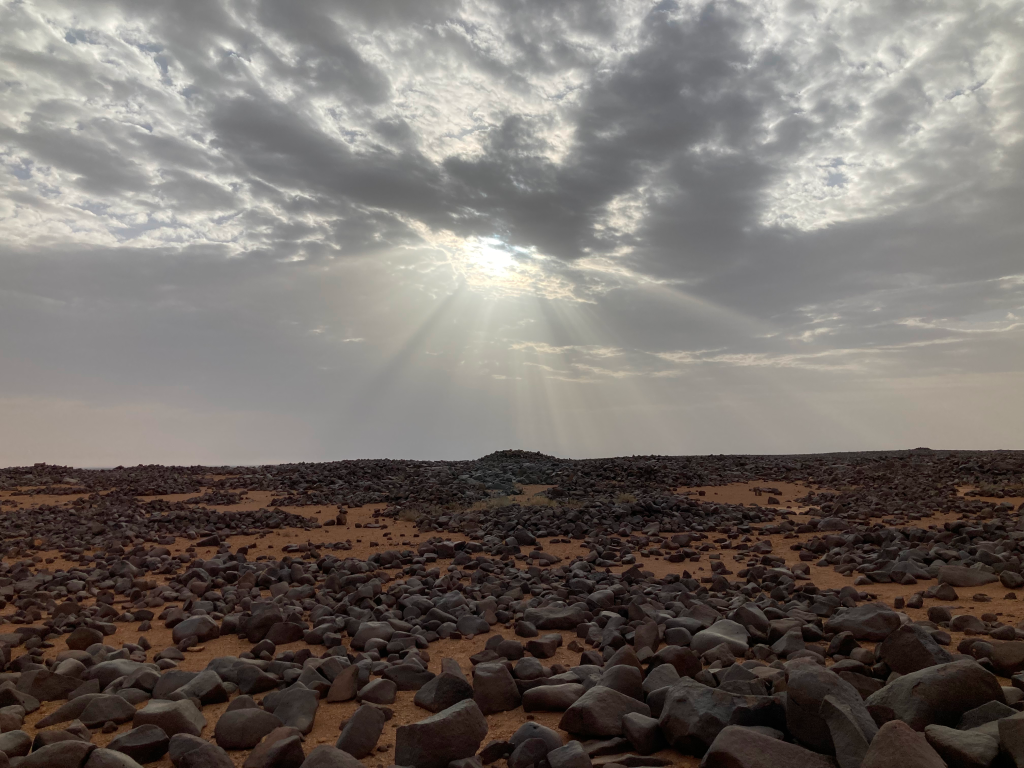
Photo 1: The intensity of the sun shining down onto the archaeological landscape in the black desert meant the group took a break at lunch time to escape the worst of the heat. Photo by Megan Nishida.

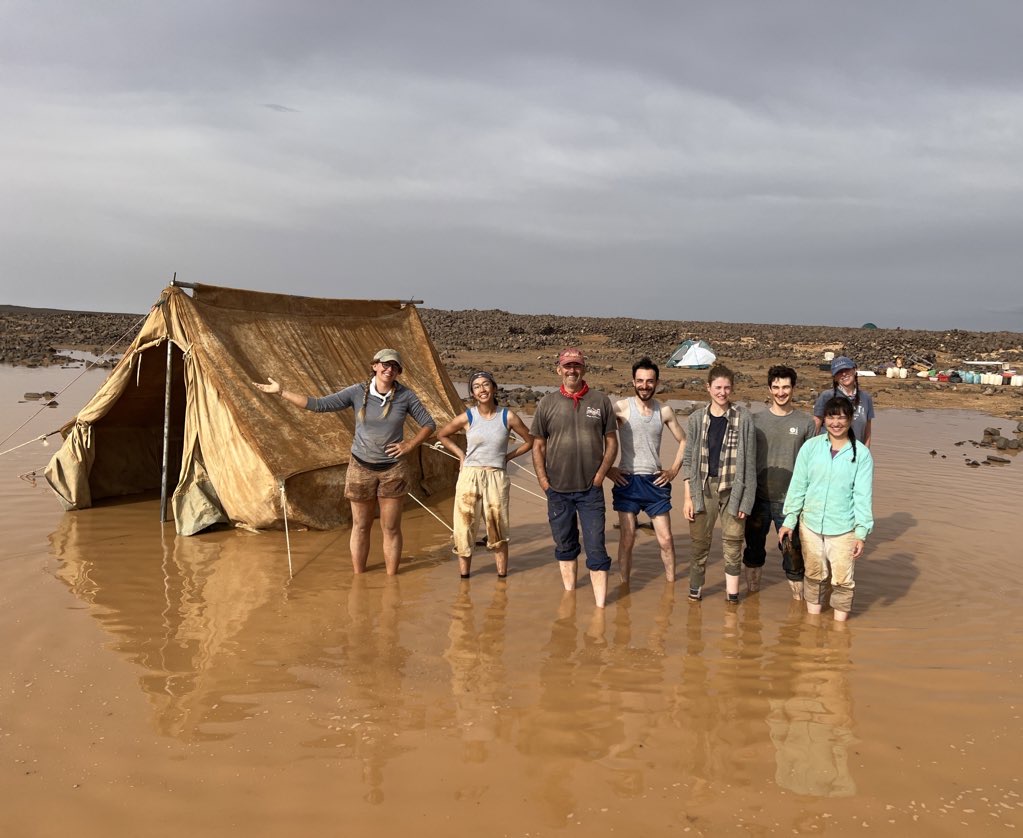
Kites in Contexts saw our team of nine drive five hours into the eastern desert – the badia – to investigate Neolithic hunting traps known as kites and the structures and landscapes associated with them. Before I left for Kites in Context, I had believed I would experience four weeks of beating sun, fierce winds, ancient landscapes, and relaxed camaraderie (Photo 1). Within the first two weeks, our camaraderie was fierce, cemented not because of the heat, but because of the unexpected rainstorm and subsequent flood that laid waste to our camp and our route out of the desert (Photo 2). Our camp’s location at the bottom of a catchment basin meant the two days of rain all eventually flowed into the wadi, or river, near where we made camp.

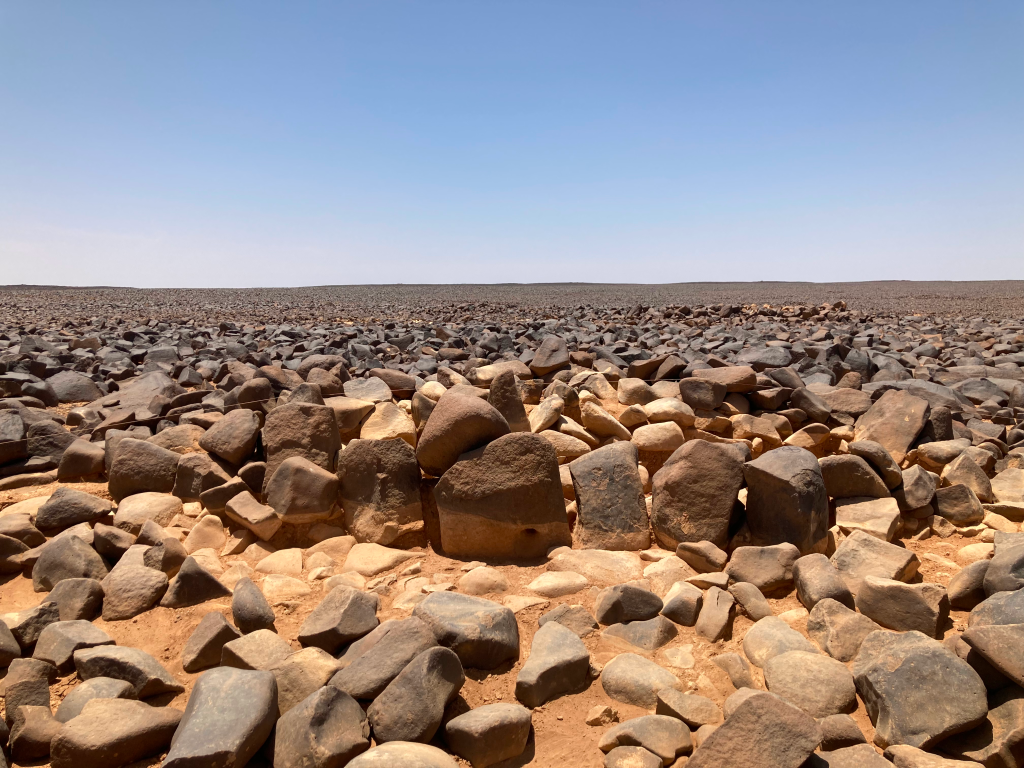
Although tumultuous, the weather did not dampen our spirits and our work continued after a couple days of drying out. All told, the team excavated two cells of a kite and two structures in the vicinity of the kite. It took a while to train my eye to understand the story written in the layers of stratigraphy we pulled back (Photo 3). Generations of communities inhabiting this landscape have continuously altered the landscape, each moving basalt stones to suit their needs for shelter or to control animals, in the process obfuscating the remnants of the more ancient past. It was a valuable experience in an archaeological context and landscape completely new to me. I am thankful to have had this absolutely unforgettable experience and to have forged such close bonds with the team.

Photo 2: The flood that followed after over two inches of rain fell in the desert meant we had to quickly, but successfully, evacuate the kitchen tent before our food stores were ruined. Photo by Dr. Chad Hill, Kites in Context.
Photo 3: The vagaries of time and preservation mean that the only thing left of the Neolithic communities who originally created these structures are the large stones they moved into place. Photo by Megan Nishida.

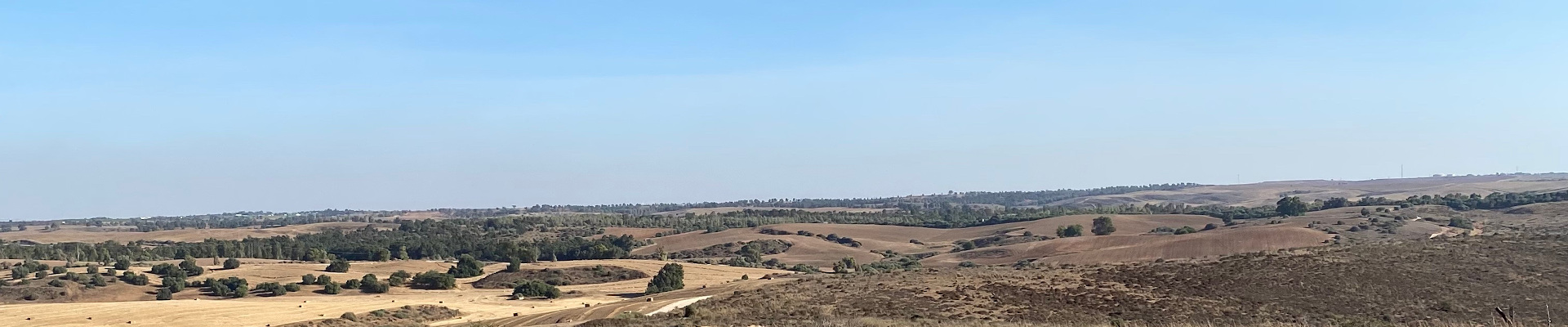
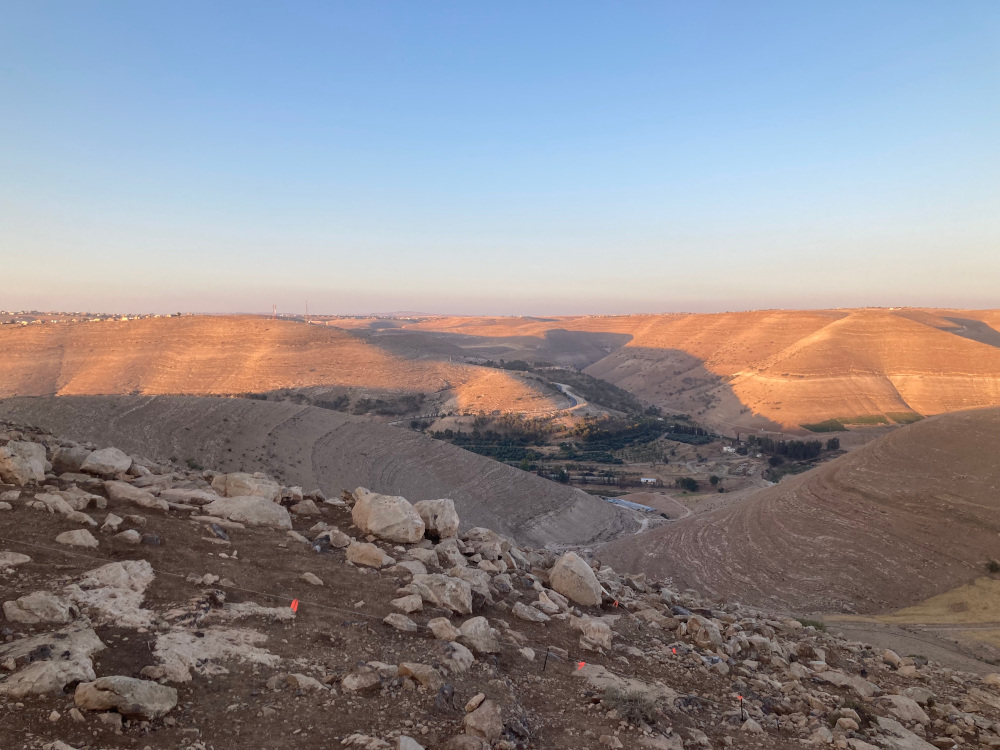
After Kites in Context concluded, I joined another team working at Khirbat Iskandar. Khirbat Iskandar is an Early Bronze Age III/IV tell site, notable for the continuity of urban identity into the EB IV, at a time when other communities were abandoning their urban centers. Unlike previous field seasons focused on the tell site, the goal of this season was to better understand the use of the landscape around the site, including around the large hill, Umm el-Idham, to the north of the site (Photo 4).

Photo 4: The first megalithic feature was excavated on the west side of Umm el-Idham and although we had to wake up early to beat the heat, we were treated to a beautiful sunrise everyday when we got to site.

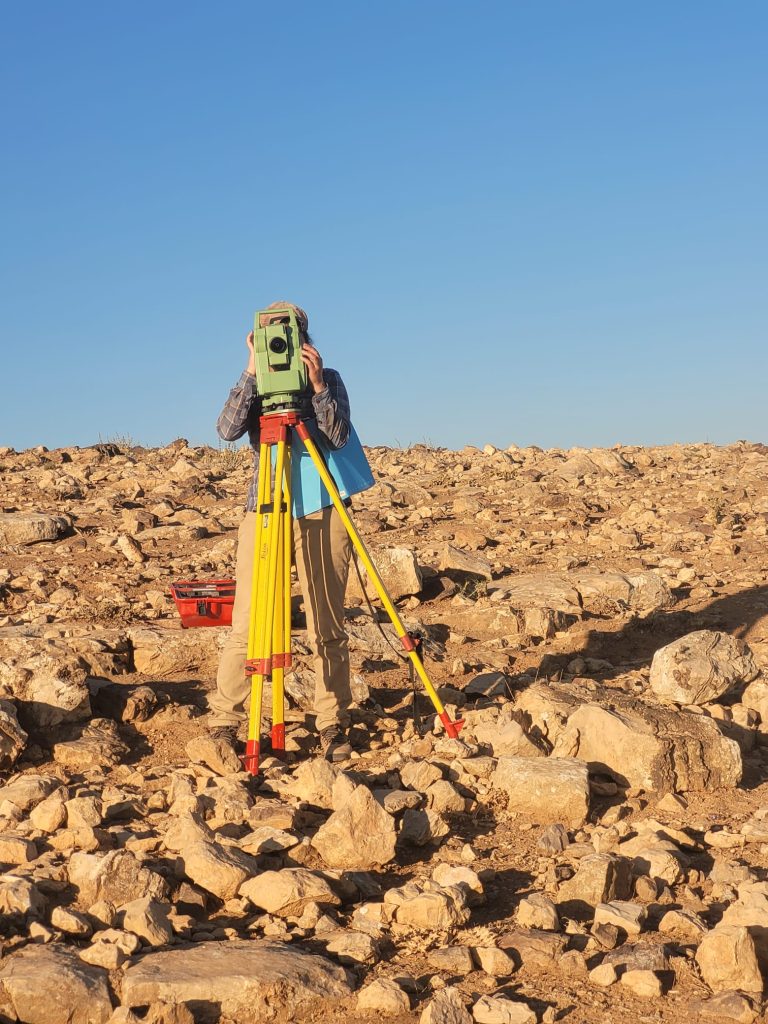
Over the course of this work, I helped conduct excavations at three megalithic features and record archaeological features identified through a pedestrian survey of Umm el-Idham (Photo 5). When not out in the field, the team worked to keep on top of the thousands of artifacts we identified and collected. As someone with a background in primarily North American archaeology, I was daunted at first by wholly different archaeological world I found myself in. However, I was lucky to be amongst a supportive team of experienced project directors, field supervisors, and fellow excavators, who were more than happy to share their hard-earned wisdom and insights into the archaeology of the Early Bronze Age. I am extremely thankful for the crash course in pottery – I gained valuable experience in identifying pottery typology and chronology and in drawing objects and pottery profiles.

Both projects were unique and rewarding experiences. I am thankful for the opportunity to have worked in Jordan and been able to get to know the country, its people, and its archaeology. I know what I learned on these projects will be extremely beneficial as I build a regional and chronological framework for my dissertation research on the EBA site of Bab adh-Dhra’. A most sincere thank you to Carolyn Midkiff Strange, ASOR, Drs. Yorke Rowan, Chad Hill, Suzanne Richard, Jesse Long, and Marta d’Andrea for allowing me to have an unforgettable summer participating on the Kites in Context and Khirbat Iskandar projects.

Photo 5: One of the new techniques I was able to learn this field season was how to operate a dumpy level and total station. Photo by Natalia Handziuk.

Megan Nishida is currently a second year PhD student at the University of Notre Dame. Her PhD research focuses on the mortuary practices at the Early Bronze Age site of the Bab adh-Dhra’.

Want to help more students and early career archaeologists get into the field? Donate to the cause today by selecting “Student Support” as your gift purpose!

In Memoriam: Younis Ali al Kawash

Fteah Olive Press Facilities

IN MEMORIAM: YOUNIS ALI AL KAWASH (1977-2023)

With deep regret, we share the news that Younis al Kawash, a long-time contributor to ASOR’s projects in Libya, was killed along with his family during the recent flooding of storm Daniel. Born and raised in the city of Derna, situated on the eastern coast between Benghazi and Tobruk, Younis studied archaeology at the local university and became the director of the local office of the Libyan Department of Antiquities, where he served from 2005-2015.

During this period, he participated in site documentation training workshops run by the American Archaeological Mission to Libya at the UNESCO World Heritage site of Cyrene and eventually helped lead similar courses in Leptis Magna and the Jebel Nafusa. As ASOR expanded its Cultural Heritage Initiatives to Libya in 2017, Younis and his colleagues in the Derna office assisted in the documentation and reporting on damage to local cultural heritage sites.

According to Salah Sadullah, Museums Director for Eastern Libya, when Derna was seized by ISIS forces in 2014, armed extremist soldiers searched the local Department of Antiquities office. Younis was asked if he had any antiquities, and he deflected the question, saying that there had been some basic ethnographic collections and Islamic tomb stones once stored at the office, but that they had already been sent to the storerooms of Cyrene for safekeeping. In fact, Younis had secretly removed the entire collection of Roman antiquities from the office, which doubled as a local museum, and hidden them in hole he dug in the floor of his brother’s home goods store located on the ground floor of the apartment building shared by the Kawash family. After the city was liberated from ISIS, the entire collection was recovered intact.

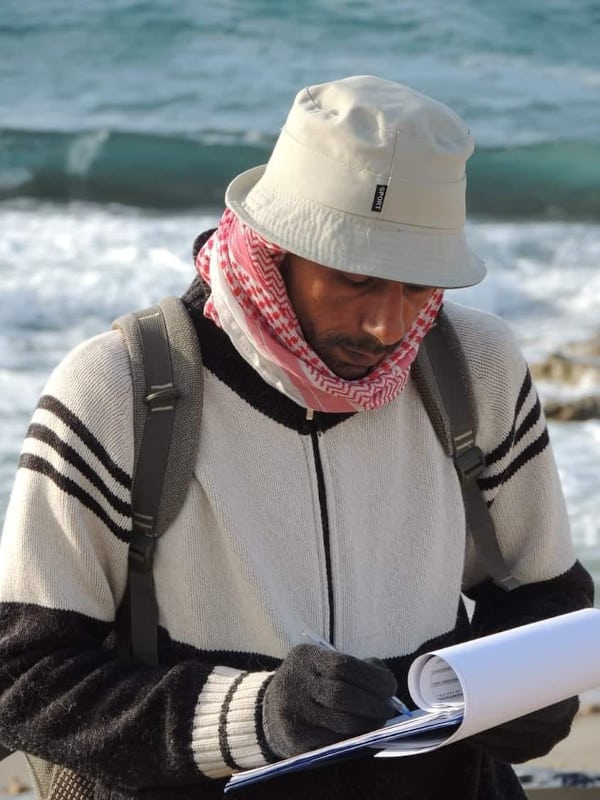
Younis, pictured here on during a survey of the coast near Leptis Magna, contributed to many field surveys in both eastern and western Libya.

“In the eyes of the entire archaeological community in Libya, Younis is considered a hero for his actions during this difficult period,” reflected Dr. Ahmad Emrage, ASOR’s representative in eastern Libya. While his actions are emblematic of a broader community of dedicated civil servants who work to protect Libyan cultural heritage every day, he and his family went above and beyond to protect the rich history of Derna at a time of mortal threat.

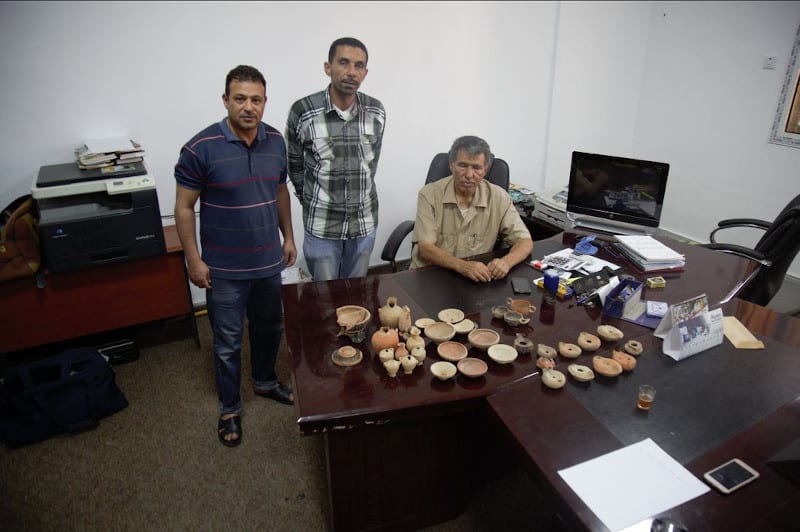
Younis and Salah Sadullah with a portion of the archaeological collection hidden in the home of the Al Kawash family while the city was occupied by ISIS and returned safely to the Department of Antiquities in 2018. (DoA Shahat)

In recognition of his exceptional service, Younis was promoted in 2018 to the position of the Director of the Office of Archaeological Protection for the entire eastern region of Libya. In this capacity, he helped with many public outreach activities, and facilitated the safe return of approximately 1,800 objects to the Department of Antiquities from ordinary citizens. Salah Sadullah fondly remembers working alongside Younis during this period: “He was energetic, he loved his work, and he was always what we would call a gentleman. He participated in many training workshops and he was always seeking new tools to make our work easier. He would even spend his own money to get something like a drone, and then Younis would become a go-to guy for drone documentation.”

Younis was also a welcome addition to any field team. Dr. Emrage shared his recollection of fieldwork with Younis: “He was always a pleasure to work with on a survey because he was such a friendly guy. In 2021, he contributed to the survey that ASOR sponsored in the area surrounding the UNESCO World Heritage site of Cyrene with the support of the Ambassadors Fund for Cultural Preservation. He was also very dedicated to his family. While most of the team stayed in a rented house, Younis would drive home to Derna every night and then wake up early the next morning to drive back to our survey area. He would always be the first one on site, and the first one to greet us in the morning.”

Younis (far left), seen here during ASOR's AFCP project in 2021, also made regular contributions to heritage outreach efforts in eastern Libya.

According to Dr. Ahmed Hossein, former Chairman of the Department of Antiquities of the Provisional Government of Abdullah al-Thinni. “Younis was one of the most talented and dedicated members of our staff. What can I say? May God have mercy on him and his family.”

On the night of September 10, he was on the rooftop of his apartment building live streaming images from Wadi Derna, where the floods already threatened to wash out a nearby bridge. The rains had subsided and members of the neighborhood on both sides of the wadi had come outside to witness the torrent flowing through the riverbed. Sometime in the following hours, two dams upstream of Derna failed and a monstrous wave washed through the city, killing Younis, his family and thousands of others.

ASOR shares its profound condolences with the remaining members of the Al Kawash family, and all our friends and colleagues in Libya who have suffered from this disaster. We will continue the heritage protection work that Younis held so dear, but we recognize that this work will only be more difficult without him.

ASOR Seeks JCS Editor

ASOR SEEKS JOURNAL OF CUNEIFORM STUDIES EDITOR

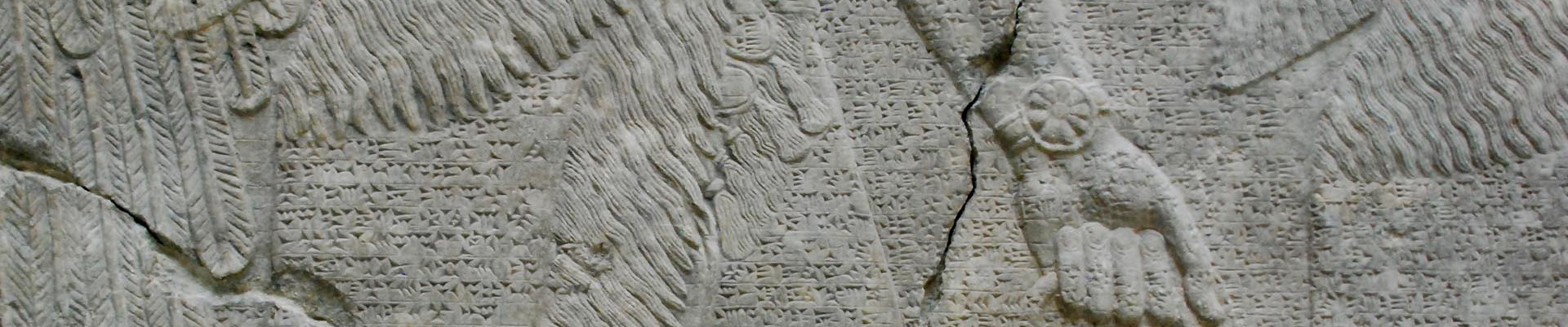
The Journal of Cuneiform Studies (JCS), a publication of the American Society of Overseas Research (ASOR) and published in partnership with the University of Chicago Press, is seeking a new Editor (or Co-Editors). We anticipate an appointment for an initial six-year period (consisting of two three-year terms) with the possibility of renewal for one additional three-year term. During this period, the Editor(s) will be responsible for one journal issue per annum. Beginning in January 2024, current editor Piotr Michalowski will work closely with the new Editor(s) to facilitate the transition, with the new Editor(s) assuming full responsibility by July 2024.

JCS is a peer-reviewed, illustrated publication including technical articles covering the entire ancient Middle East and eastern Mediterranean world from the beginning to the end of cuneiform culture. The principal subject areas of the journal include the texts, histories, cultures, and archaeology of the cuneiform cultures of the ancient Middle East and Mediterranean. JCS is published on paper and online through a publishing partnership with the University of Chicago Press.

The duties of the position include the following: maintenance of an editorial office for the journal (remote location is expected); solicitation and acquisition of manuscripts; implementation of a peer-review process; collaboration with the ASOR managing editor and staff; actively promoting the journal; and editing and proofreading each annual issue. One of the most important responsibilities of the Editor(s) is the chairing of an editorial board which is actively engaged in the production of the journal. Duties also include timely publication of journal issues, providing annual reports to the Chair of the ASOR Publications Committee, serving on the Committee on Mesopotamian Civilization (the Baghdad Committee), and attending the ASOR Annual Meetings including the meeting of the ASOR Committee on Publication, held on location. The new Editor(s) will be required to gain familiarity with the Editorial Manager software program which is currently used in the publication of the journal (training provided by University of Chicago Press).

The Editor(s) of JCS will have editorial control over the journal within the parameters of the editorial mission established for JCS by ASOR and the Baghdad Committee. The Editor(s) must have expertise in at least one of the languages used to write cuneiform (preferably Akkadian, Sumerian, or Hittite); they would be expected to collaborate with specialists in the languages with which they are less familiar. The Editor(s) should be able to engage with authors writing in English, German, French, but also be prepared to deal with authors with imperfect command of these languages. Ideally, the Editor(s) should have knowledge of the production and distribution processes common to print and electronic journals.

The search committee requests proposals from applicants outlining a vision for the journal within the changing realities of academic publishing. Applications from a single editor, co-editors, or an editorial team will be considered and accepted until the position is filled. All applications received by November 3 are guaranteed to receive full consideration, but applications will be accepted until the position is filled. The candidate’s application package should consist of the aforementioned vision statement and a current CV. These materials should be submitted via e-mail to Marta Ostovich in the ASOR Office. Any inquiries may be directed to Kevin McGeough, Chair of the ASOR Publications Committee, or Jay Crisostomo, Chair of the Baghdad Committee.

Fieldwork Report: Thomas Barrett

Uncovering Untold “Vignettes” of History at Huqoq

Thomas Barrett, 2023 Katherine Barton Platt Fellowship Recipient

With special thanks to the Katherine Barton Platt Fellowship, I had the privilege of participating in the 2023 excavation season of the Huqoq Excavation Project, an archaeological excavation of a Late Roman period Jewish synagogue in the lower Galilee. This project was led by Jodi Magness of the University of North Carolina at Chapel Hill and marked their final excavation season at Huqoq.

The author adjusting the metric stick and sign for Jim Haberman, project photographer before a photoshoot of an area. Photo courtesy of David Adel.


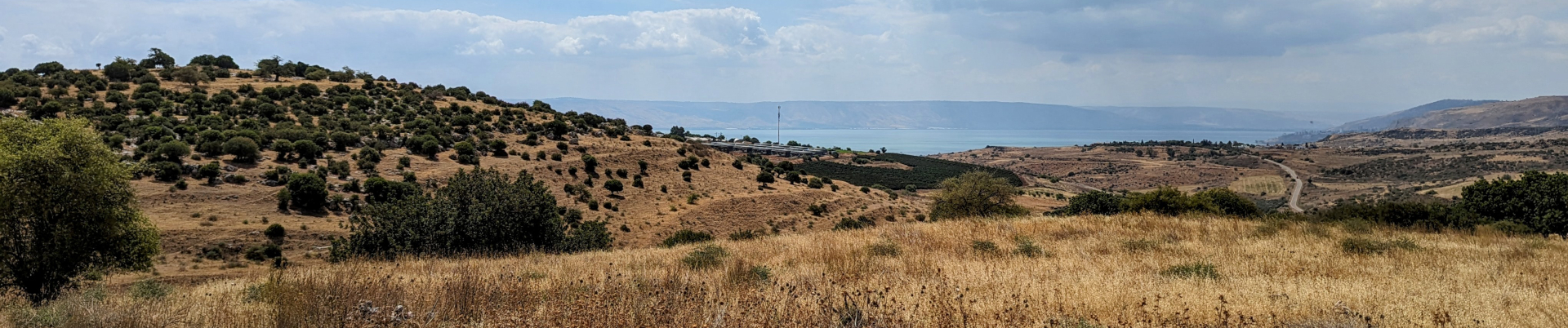
A view of the Sea of Galilee from the excavation site. Photo courtesy of the author.

This project was a singular experience because it allowed us to participate in a traditional archaeological field school while tailoring this phenomenal experience to our particular interests. I was able to approach the project from a unique angle—I am a Geography student at Brigham Young University with a minor in History. My primary area of interest lies in the religious history of Judaism and early Christianity. Thus, this opportunity presented itself as the perfect way for me to intimately study religious experience up close and in the Holy Land, not just in a book or in a class. It likewise allowed me to, at least for a moment, fulfill my childhood dream of one day being an archaeologist.

While my experience differed from the “archaeology” I was exposed to in popular media as a child, I came away from my experience at Huqoq having been taught numerous valuable lessons. Above all,our excavations at Huqoq led me to have a shift in my understanding of the importance of archaeology.

Prior to participating in the dig, I had a preconceived notion that archaeology was simply the method used to produce information required for scholars and archaeologists to draw conclusions about the past. In a way, it was the best way for them to preserve a small snapshot of the past, if you will. While that has an element of truth to it, I also began to understand that archaeology additionally provided the opportunity for us as scholars to capture a fresh perspective of the historical world. History is multi-faceted, and not a one-dimensional “snapshot,” after all. It is for this reason that archaeology is such an appropriate means to better understand the past, as it allows us to uncover additional “vignettes” of the past and explore another aspect of the historical narrative that deserves to be shared.

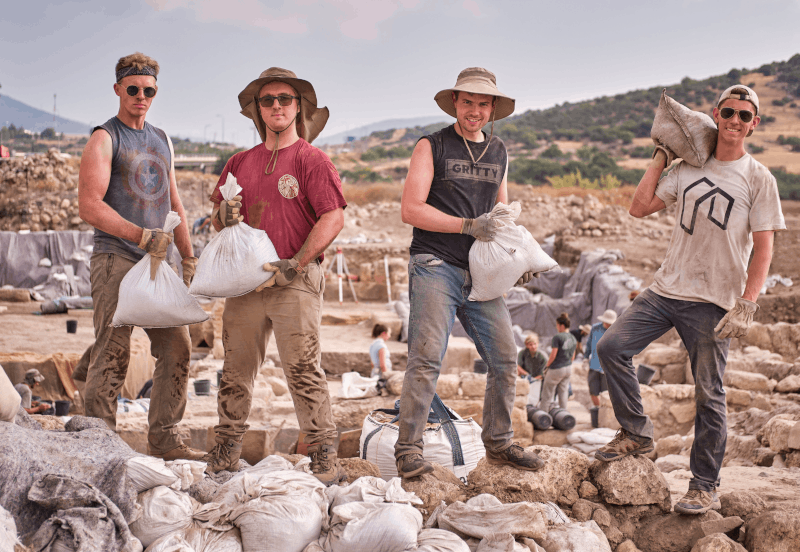
The author moving sandbags with other BYU students during the final week of excavation. Photo courtesy of Andrej Zeman.

This certainly was the case at Huqoq. Our efforts there centered on uncovering a Late Roman period Jewish synagogue similar to other Galilean-type synagogues, but one that stands out as drastically different and unique compared to other similar synagogues in the area. Not only is its adjacent courtyard unique due to its large size, but the actual synagogue floor is covered in exceptional mosaics depicting various biblical scenes. I was assigned to work in the “3000 East” area, where we were given the task of uncovering a large portion of the adjacent courtyard to determine its true dimensions. Over the course of the dig, all of us were surprised to come across finds that reshaped our initial conceptions of the courtyard, making our site at Huqoq even more exceptional than other synagogues constructed in the same period. While all these finds and details initially raised additional questions, over time we all began to realize how crucial they were and how they painted a new picture of Jewish worship in this particular synagogue. Indeed, our efforts over the course of the dig provided sufficient data to expose a new perspective on Jewish worship spaces and capture that previously untold “vignette” of history.

In short, it was the exceptional privilege for me to participate in the Huqoq Excavation Project for their final year, not only because it supplemented my academic studies and offered me a close-up view of the Holy Land, but also because it augmented my understanding of the significance of archaeology. For this reason, I am profoundly grateful for those individuals whose assistance made my participation in the Huqoq Excavation Project possible, as well as all the directors, team leaders, and fellow members who made it such an unforgettable and phenomenal experience.

Thomas Barrett is a Senior at Brigham Young University in Provo, Utah. He is currently studying Geography with an emphasis in Geospatial Science & Technology and is minoring in History, with an emphasis in Religious History.

Read more about the Huqoq Excavation Project here. 

Want to help more students and early career archaeologists get into the field? Donate to the cause today by selecting “Student Support” as your gift purpose!

Fieldwork Report: Hélène Maloigne

There is Mud EVERYWHERE!

Hélène Maloigne, 2023 Strange/Midkiff Families Fellowship Recipient

I have been working as object registrar and collections manager at Tell Atchana, Alalakh Excavations in Turkey since 2014. During excavation seasons my work usually consists of recording objects and samples on our database, organising our storage facility and making sure all objects are where they are supposed to be. When specialists come to visit, for example bioarchaeologists, zooarchaeologists, palaeobotanists, or our bead or lithics specialists, I help them find their objects or samples and advise them on recording methods according to our system. I also teach our international group of students object handling and recording skills. For the last ten years I have therefore spent most of my time during season at our research centre where we store our finds and where our offices are, and not in the field. This year I decided to venture out into the great unknown and spend one day a week in the field. Reader, let me tell you: It was muddy!

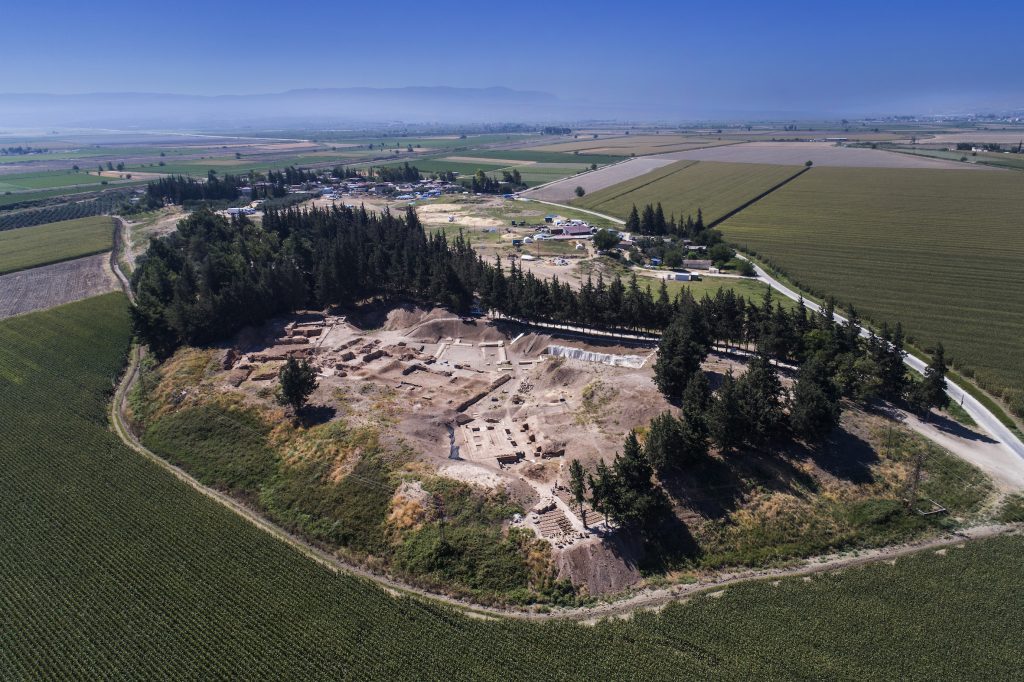
Figure 1: Tell Atchana, ancient Alalakh viewed from the northwest. In the foreground is the Level VII City Gate, where mudbricks are being dried in the sun. The palace and temple area excavated in the 1930s and 1940s is surrounded by trees, beyond which lie further excavation areas, and modern-day farms and villages.

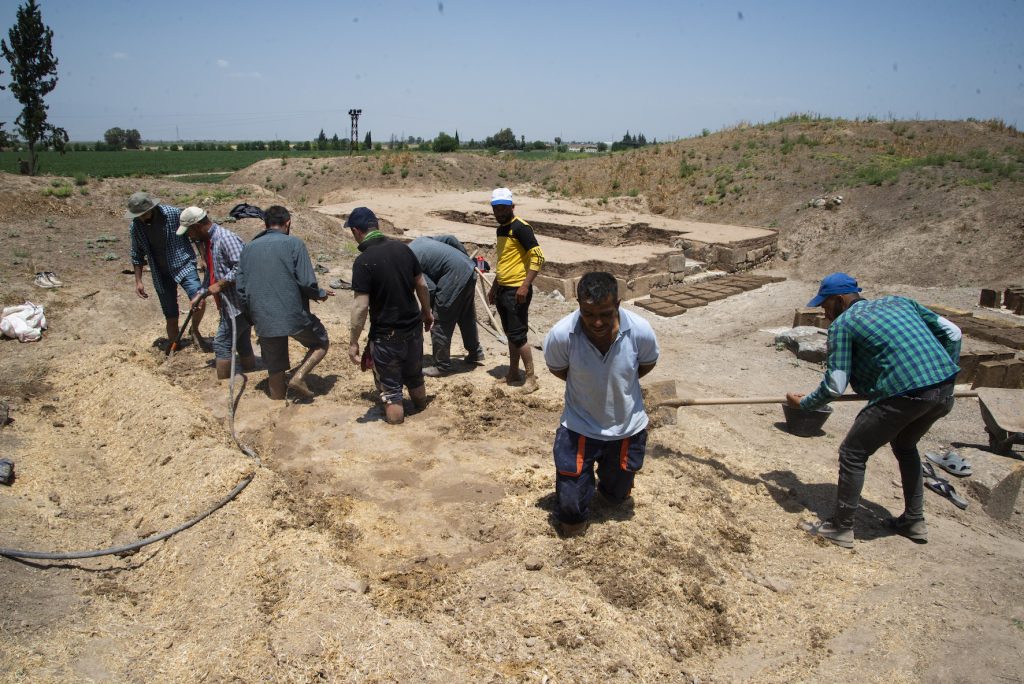
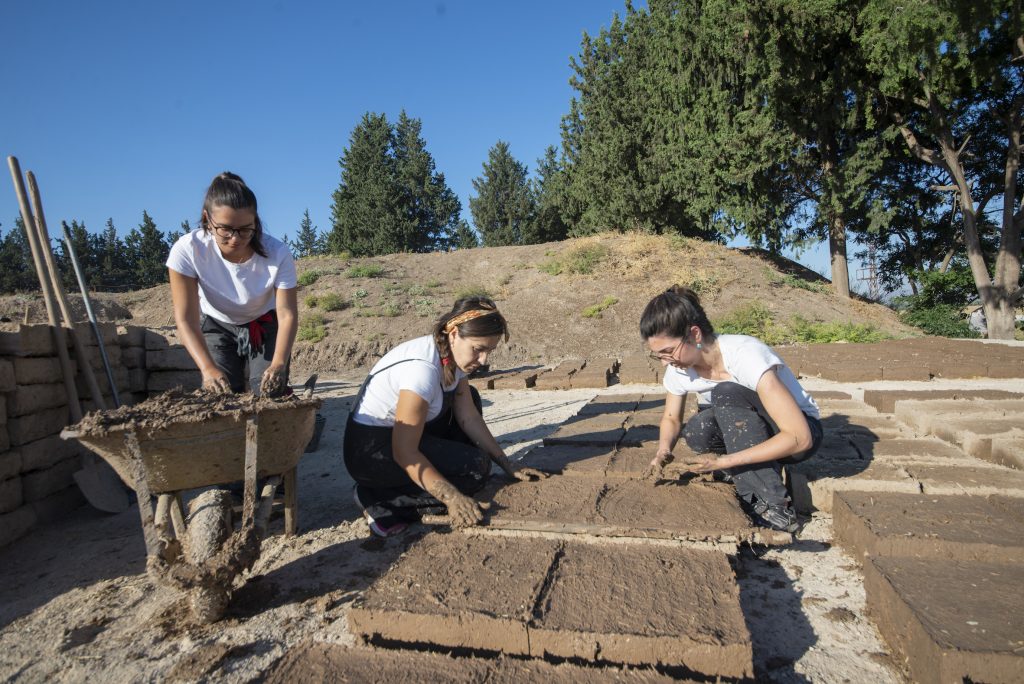
Over the last four years our team has produced nearly 4,000 mudbricks using a traditional recipe mixing straw, soil and water. As you can see (figure 2), this mixing is done by hand or rather by foot. The mixture is left to mature over night and the following day we make the bricks using custom-made metal frames that reproduce the shape and size of the bricks used in ancient Alalakh (figure 3).

Figure 2: The team preparing the mixture of soil, water, and straw.
Figure 3: Team members Defne Bilgili, Gamze Alkan, and Zeynep Türker make mudbricks in metal frames.

They are turned regularly to expose all sides to as much sunlight as possible for about a week. While the constant bending over and pushing the wheelbarrows and water buckets during mudbrick production was bad enough for the back, I had not been prepared for what followed.

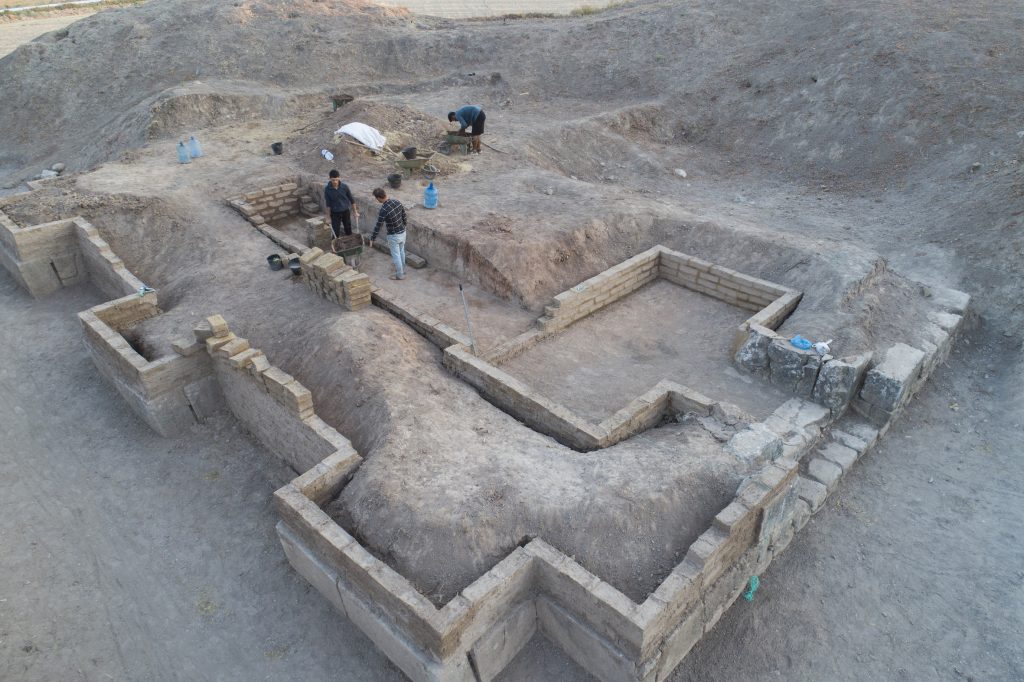
Each of these bricks weigh 30 kg. We use them to reinforce existing walls or surround fragile walls with an additional layer. Layers are joined by mortar, which is sometimes enforced with gravel or additional straw. We then seal the walls by additional mud plastering (figure 4).

Figure 4: The tripartite city gate during preservation. Level VII (Middle Bronze Age).

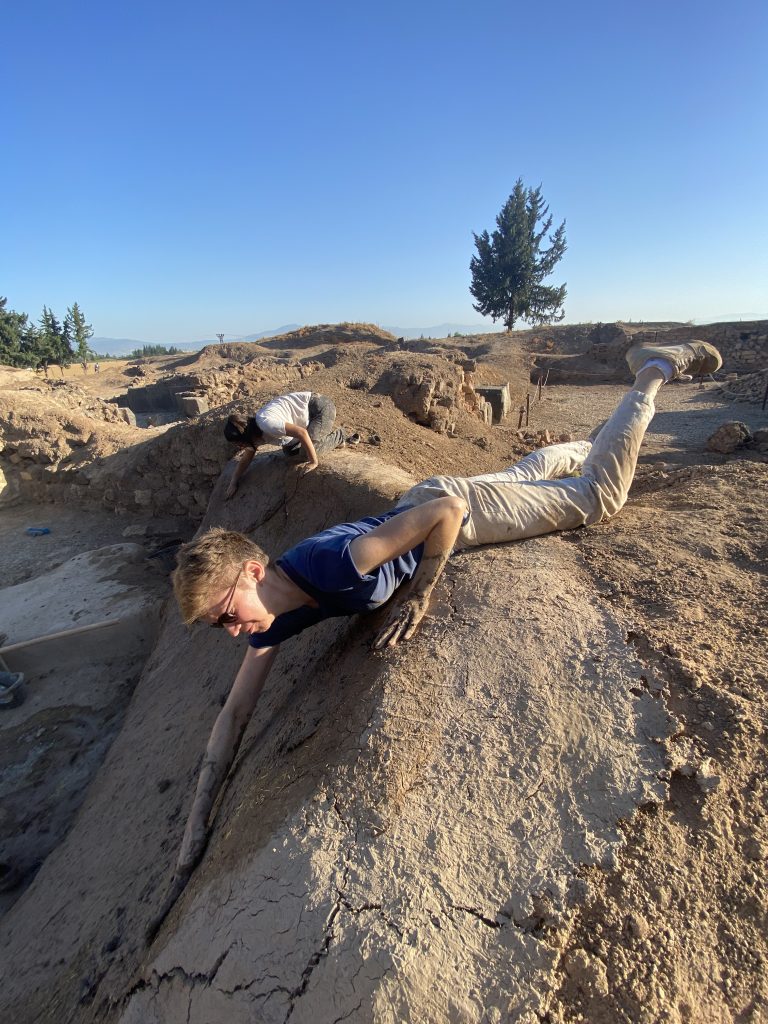
That meant: carry a brick (or in my case asking someone to help me carry it), placing it correctly, adding gravel or straw as temper (which of course also had to be brought in buckets or wheelbarrows), covering the row of bricks with mortar, repeat. From 5:30 in the morning until 1 pm crouching, sitting, getting up, carrying buckets, lifting bricks, pushing wheelbarrows, bending over, being upside down, getting into mud fights, wiping mud off your face, cursing the heat and the mud, and wishing it was lunch time so that you can go to your room and stretch out on your bed…and yet, enjoying every minute of this backbreaking work because you get to do it with your friends.

The author plastering a wall in the Level IV palace (Late Bronze Age).

One of my favourite things about archaeology is being part of a community forged through hard work, friendship, collegiality and mutual support. There is almost no better feeling than being covered in mud from head to toe, exhausted, hot, thirsty and hungry and yet somehow finding the energy for a race to the car for the best seat for the ride home while laughing all the way. Being part of this kind of family – a chosen family some might say – is a real privilege and one I look forward to every year.

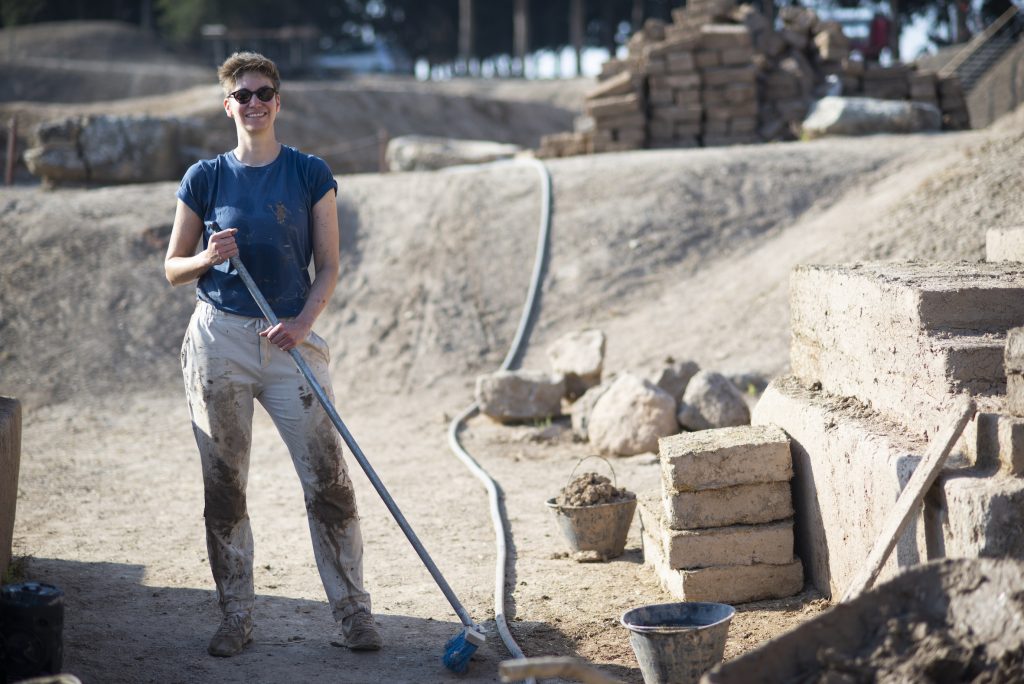
Figure 6: The author at Tell Atchana after a looooooong day of laying mudbricks.

Hélène Maloigne is a lecturer in History at the School of Humanities & Social Sciences, University of Greenwich. They research the history of archaeology in the Middle East in the 19th/20th century and are Associate Editor for the Bulletin of the History of Archaeology and object registrar at Tell Atchana/Alalakh Excavations (Turkey).

All images © Tell Atchana, Alalakh Excavations Project. Murat Akar, 2023
www.alalakh.org
Instagram:@TellAtchana
https://helenemaloigne.wordpress.com/
Twitter: @HMaloigne

Want to help more students and early career archaeologists get into the field? Donate to the cause today by selecting “Student Support” as your gift purpose!

Call for Trustee Nominations

CALL FOR TRUSTEE NOMINATIONS 2023

The Trustee Nominations Committee announces an open call for (self) nominations for the ASOR Board of Trustees (Class of 2026). There are three primary responsibilities of the members of the Board of Trustees:

  • Governance: Being aware of issues brought forward to the Board, attending two meetings per year (at your own expense), and bringing issues of concern to the Board.
  • Fundraising and financial management: Leading in development by thinking of new opportunities, leading in giving, and providing oversight on the audited financial statements. We ask that individual trustees aspire to contribute $500 or more annually.
  • Strategic planning and policy development: Leading especially in measures that accord with ASOR’s mission.

We anticipate two openings for Membership-Elected Trustees. Any full ASOR member may be considered for nomination as an Membership-Elected Trustee. If there is someone that you would like the committee to consider—including yourself—please send the person’s name and email address to Marta Ostovich in the ASOR office. Please check with the nominee as to whether they are interested in serving on the ASOR Board of Trustees before sending in their name. If you have any questions about the responsibilities and satisfactions of being a board member, please email Kathryn Grossman, Chair of the Trustee Nominations Committee.

The ASOR office, or a representative from the Nominations Committee, will contact all nominees to describe the responsibilities in greater detail, and to make sure that the nominee is willing to have his or her name discussed by the Trustee Nominations Committee. Please note that nominees will need to submit a brief biography and a mission (or vision) statement for what they would like to accomplish as a trustee to be considered by the Nominations Committee. A sample of these statements can be found in last year’s “Meet Your Board Nominees” webpage. Brief biographies and mission statements should be ca. 200 words each and submitted via e-mail to Marta Ostovich by noon EDT on September 25, 2023.

After the Committee selects individuals for nomination, the election will take place by electronic ballot during October. ASOR is once again conducting online voting to ensure that more of our members are able to participate in this important process. The ASOR office will work with any person who is not able to complete an electronic ballot to ensure that everyone is included.

In order to receive full consideration by the committee, nominations (including supporting documents) should be submitted to programs@asor.org by noon EDT on September 25, 2023.

Fall Internships at ASOR

[vc_row fullwidth=”true” attached=”true” css=”.vc_custom_1496247803139{padding-top: 0px !important;padding-right: 0px !important;padding-bottom: 0px !important;padding-left: 0px !important;}”][vc_column][vc_single_image image=”91124″ img_size=”full” alignment=”center”][/vc_column][/vc_row][vc_row fullwidth=”true” css=”.vc_custom_1496682730308{padding-top: 10px !important;padding-right: 0px !important;padding-bottom: 0px !important;padding-left: 0px !important;}”][vc_column width=”1/12″ css=”.vc_custom_1496683820796{margin-right: 10px !important;}” offset=”vc_hidden-md vc_hidden-sm vc_hidden-xs”][vc_column_text]

 SHARE

[/vc_column_text][mk_image src=”http://www.asortest.org/wp-content/uploads/2017/01/social-fb-icon4.jpg” image_width=”42″ image_height=”42″ hover=”false” custom_url=”https://www.facebook.com/ASOResearch/” margin_bottom=”0″][mk_image src=”http://www.asortest.org/wp-content/uploads/2017/01/social-tw-icon4.jpg” image_width=”42″ image_height=”42″ hover=”false” custom_url=”https://twitter.com/ASOResearch?ref_src=twsrc%5Egoogle%7Ctwcamp%5Eserp%7Ctwgr%5Eauthor” margin_bottom=”0″][mk_image src=”http://www.asortest.org/wp-content/uploads/2017/01/social-in-icon4.jpg” image_width=”42″ image_height=”42″ hover=”false” custom_url=”https://www.linkedin.com/company/american-schools-of-oriental-research” margin_bottom=”0″][mk_image src=”http://www.asortest.org/wp-content/uploads/2017/01/social-ml-icon_7.jpg” image_width=”42″ image_height=”42″ hover=”false” custom_url=”mailto:info@asor.org” margin_bottom=”0″][mk_image src=”http://www.asortest.org/wp-content/uploads/2017/01/blog-icon3.jpg” image_width=”42″ image_height=”42″ hover=”false” custom_url=”http://asor.org/blog” margin_bottom=”0″][/vc_column][vc_column border_color=”rgba(255,255,255,0.01)” width=”1/6″ css=”.vc_custom_1496683923840{margin-right: 20px !important;border-left-width: 2px !important;padding-right: 20px !important;padding-left: 20px !important;border-left-color: #99422f !important;}”][mk_divider divider_color=”rgba(255,255,255,0.01)” thickness=”1″ margin_top=”3″ margin_bottom=”3″][vc_widget_sidebar sidebar_id=”ca-sidebar-39801″][/vc_column][vc_column border_color=”rgba(170,170,170,0.01)” width=”1/2″ css=”.vc_custom_1487276122024{margin-right: 10px !important;margin-bottom: 30px !important;border-right-width: 2px !important;border-bottom-width: 2px !important;padding-top: 30px !important;padding-right: 30px !important;padding-left: 20px !important;background-color: #ffffff !important;border-right-color: rgba(227,228,228,0.75) !important;border-bottom-color: rgba(227,228,228,0.75) !important;}”][vc_column_text responsive_align=”left”]

FALL INTERNSHIPS AT ASOR

[/vc_column_text][mk_divider][vc_column_text responsive_align=”left”]August 29 Update: Thank you to all who applied for an ASOR internship this fall. At this time we are not accepting any new applications. Additional internship opportunities may be available for the Spring Semester.[/vc_column_text][mk_divider][vc_column_text]The American Society of Overseas Research (ASOR) seeks candidates for part-time internship positions to begin on or around September 5th. These compensated internships are for the fall semester (September-December) with the possibility of renewal for the spring semester. Interns are expect to work 10–15 hours per week at ASOR’s headquarters—The James F. Strange Center, 209 Commerce St., in historic Old Town Alexandria, VA. Hours and schedule are flexible depending on school or other commitments.

Founded in 1900, the ASOR is a 501(c)(3) non-profit whose mission is to initiate, encourage, and support research into, and public understanding of, the history and cultures of the Near East and wider Mediterranean world, from the earliest times. Please visit www.asor.org for more information.

Primary Responsibilities:

  • Maintain high-quality customer service for ASOR’s members and friends
  • Answer the general ASOR telephone and information e-mail account
  • Assist with ASOR’s Annual Meeting in Chicago (happening in November) by providing off-site administrative support including but not limited to, processing registration and exhibitor payments, answering attendee questions, and promoting the Annual Meeting on the ASOR website and social media platforms.
  • Provide general office support (e.g., scanning, copying, ordering supplies, and processing mail, orders, and bills)
  • Process membership dues, donations, and event registrations in organizational database
  • Assist with membership and donation mailings
  • Perform other office duties as assigned

Qualifications / Skills Desired:

  • General office management
  • Customer service
  • Microsoft Office
  • Database management
  • Familiarity with social media platforms (Instagram, Facebook, TikTok, and Twitter)
  • Graphic and image design and editing (Adobe Photoshop, Canva, etc.)
  • Website management (WordPress or similar)
  • Excellent communication and interpersonal skills
  • Attention to detail; ability to multitask and to prioritize

Compensation: $15/hr

How To Apply: E-mail your resume and a brief statement of interest to Marta Ostovich at programs@asor.org. Please include your name and “ASOR Internship” in the subject line.

Review of applications will begin immediately and continue until the positions are filled.


ASOR is an equal opportunity employer and all qualified applicants will receive consideration for employment without regard to race, color, gender, religion, national origin, disability, veteran status, age, marital status, sexual orientation, gender identity, genetic information, or any other class protected by federal or state law (EEO/AA).[/vc_column_text][/vc_column][vc_column border_color=”rgba(170,170,170,0.01)” width=”1/6″ css=”.vc_custom_1496684098866{margin-right: 5px !important;margin-bottom: 20px !important;border-right-width: 2px !important;border-bottom-width: 2px !important;padding-top: 30px !important;padding-right: 10px !important;padding-left: 10px !important;background-color: #ffffff !important;border-right-color: rgba(227,228,228,0.75) !important;border-bottom-color: rgba(227,228,228,0.75) !important;}”][vc_wp_posts title=”BROWSE THE NEWS ARCHIVE” number=”4″][/vc_column][vc_column border_color=”rgba(170,170,170,0.01)” width=”1/6″ css=”.vc_custom_1496684008271{margin-right: 10px !important;margin-bottom: 30px !important;border-right-width: 2px !important;border-bottom-width: 2px !important;padding-top: 30px !important;padding-right: 20px !important;padding-left: 20px !important;background-color: #ffffff !important;border-right-color: rgba(227,228,228,0.75) !important;border-bottom-color: rgba(227,228,228,0.75) !important;}”][vc_column_text] [/vc_column_text][/vc_column][/vc_row]

2023 Fieldwork Updates

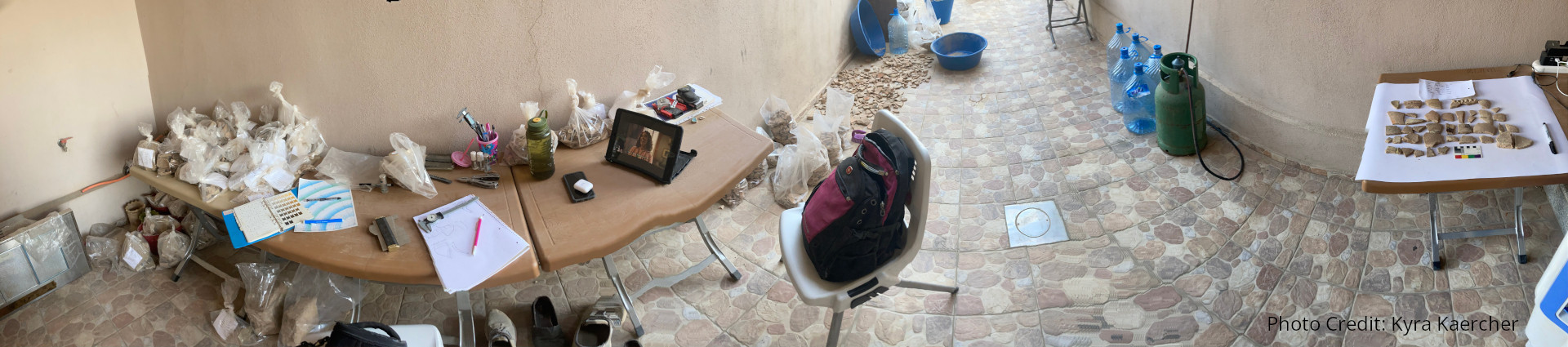
pottery yard photo by Kyra Kaercher

ASOR IN THE FIELD: 2023 FIELDWORK UPDATES

Virtual Archaeology Initiative: @ASOR_Research is now on TikTok

Thanks to the Membership & Outreach Committee, ASOR launched the Virtual Archaeology Initiative this summer. One of the purposes of this initiative is to allow people who cannot or would not be able to participate in actual excavations to feel as if they are still can. The goal is to create digital assets that illustrate or teach various steps involved in the archaeological process. Students who received 2023 fieldwork scholarships have volunteered to document their experiences in the field. These videos will be appearing over the next couple of month’s on ASOR’s newly created TikTok and also eventually on ASOR’s YouTube channel. If you are interested in contributing to the Virtual Archaeology Initiative and having your fieldwork videos on ASOR’s TikTok, please email Marta Ostovich.

Updates from ASOR-Affiliated Projects

Check out the latest updates from the field on the social media pages of these ASOR-affiliated projects and see what ASOR members and students have been up to this summer. If you’d like to include updates from your ASOR-affiliated project on this page, please email Marta Ostovich. Interested in affiliating your project with ASOR? Learn more here. 

Stay tuned in the upcoming months for updates in News@ASOR from students who participated on these projects. 

Shepard Urgent Action Grant Report: Cham Pashaya II

Overview

2023 SHEPARD URGENT ACTION GRANT: RESCUE OPERATIONS AT THE SITE OF CHAM PASHAYA II, DUHOK PROVINCE, KURDISTAN REGION OF IRAQ

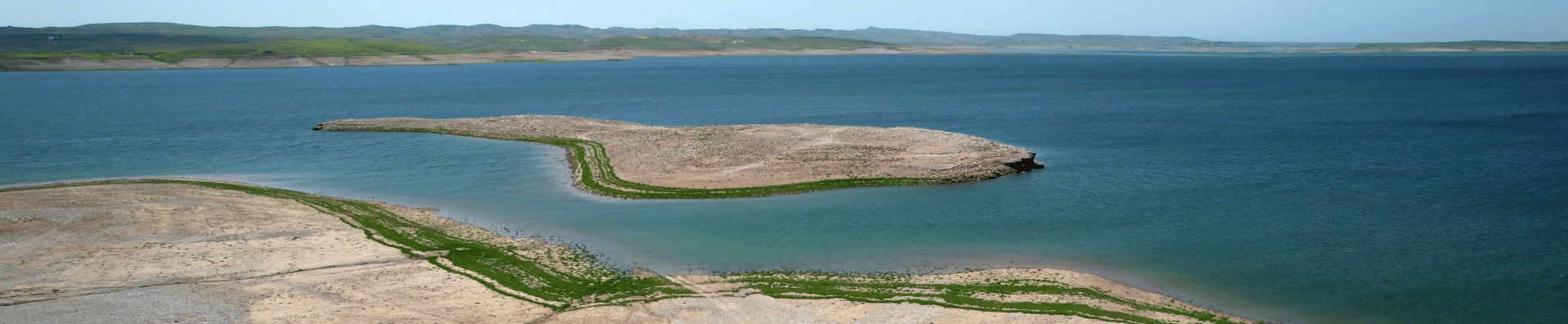
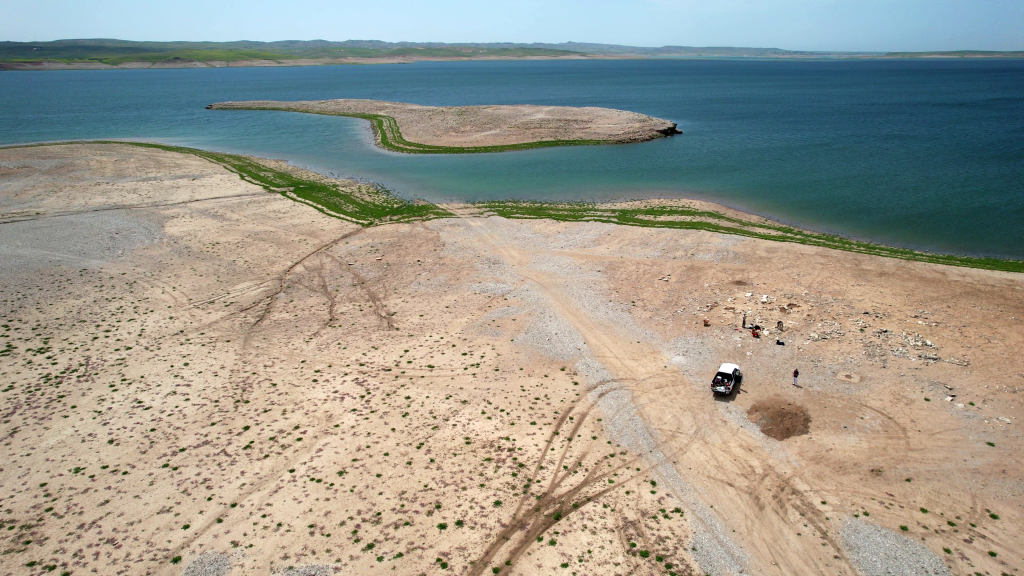
Along with natural catastrophes and destruction during conflict, artificial dam construction and the consequent water impact are primary causes of the loss of archaeological heritage. Once submerged, most flooded sites do not re-emerge. Others periodically resurface due to the reservoir’s exceptional or cyclical water fluctuation processes, and once again reveal the evidence of their past. One such site is Cham Pashaya II, located in the Kurdistan Region of Iraq on the shore of the Mosul Dam reservoir (Fig. 1).

Cham Pashaya
Fig. 1: View of Cham Pashaya with the Mosul Lake in the background.

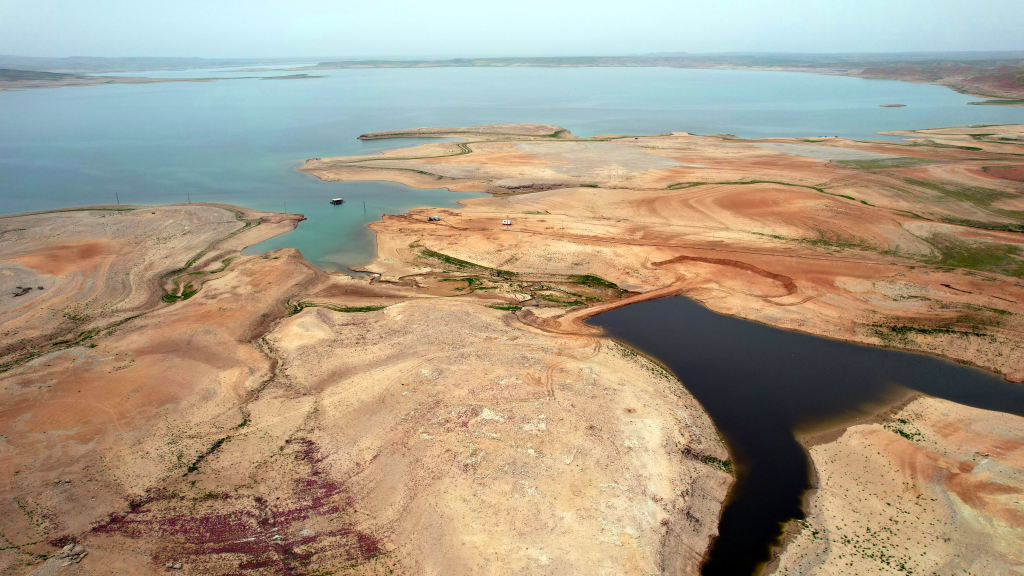
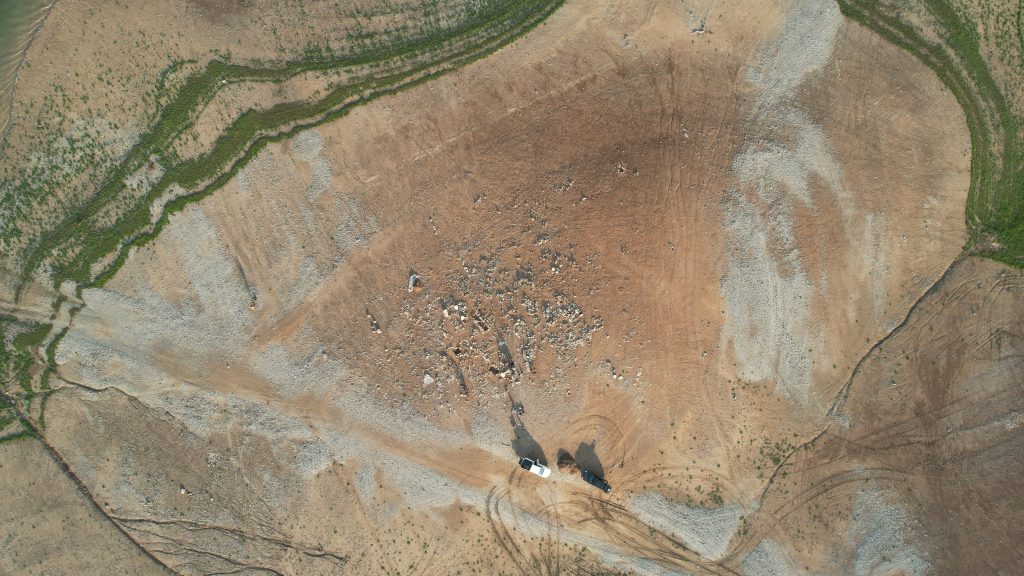
Cham Pashaya II is a large cemetery (ca. 2 ha) that extends across two adjacent hillocks (Fig. 2). The site contains over 50 visible cist graves that are threatened by destruction, looting, and vandalism when the water levels of the lake drop and the site is accessible. Since the closing of the dam in 1988, the site has remained mostly underwater, resurfacing only twice: once in 2018 and again in winter 2022.

Water level in the dam area is affected by a number of connected factors including normal dam management, increasing population pressure, the region’s aridification which is driven by global climate change, as well as political strife between countries for control of the dammed basins.

Fig. 2A: Aerial view of the site with visible graves.
View of Cham Pashaya with the Mosul Lake in the background.
Fig. 2B: View of the cemetery Cham Pashaya with the main tell already partially submerged in the background

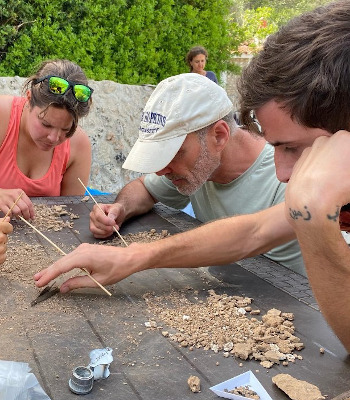
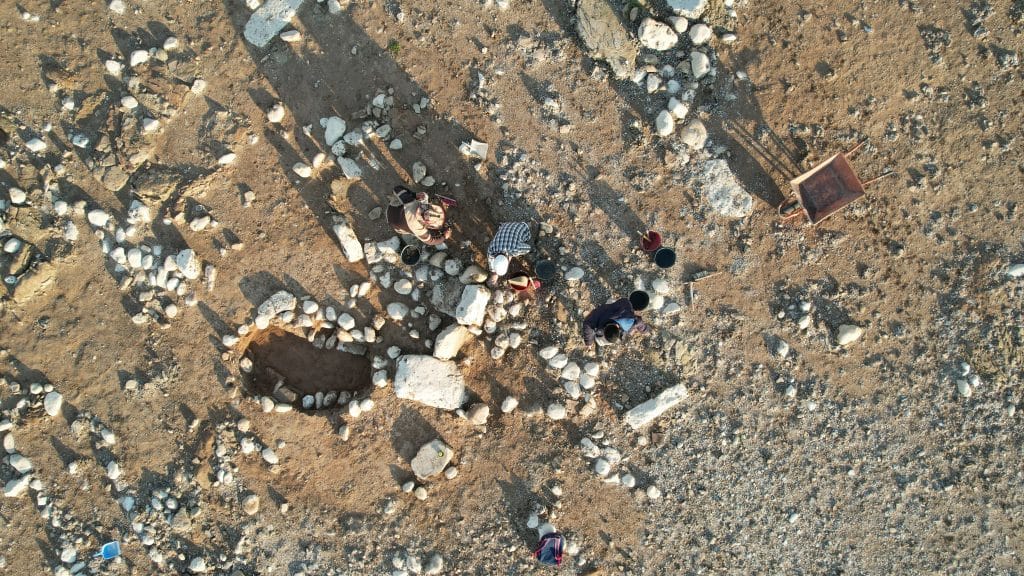
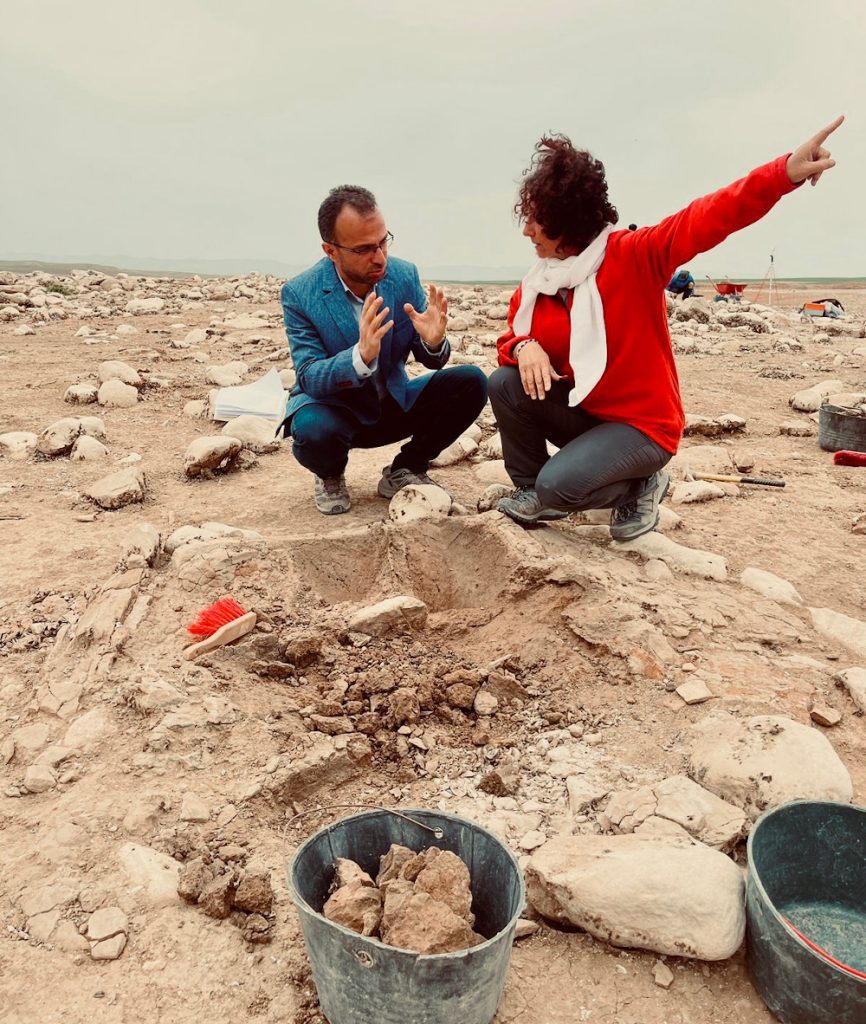
Thanks to a Shepard Urgent Action Grant, a three-week salvage mission was carried out at the site in April 2023 by a Kurdish-Italian team led by the University of Palermo in cooperation with the Duhok Directorate of Antiquities and Heritage (Fig. 3). This was a multi-disciplinary mission that included salvage excavations, archaeological survey, high-resolution documentation of the site’s state of preservation, and monitoring of damage and looting to the cultural resources.

People at work
Fig 3: The team at work.

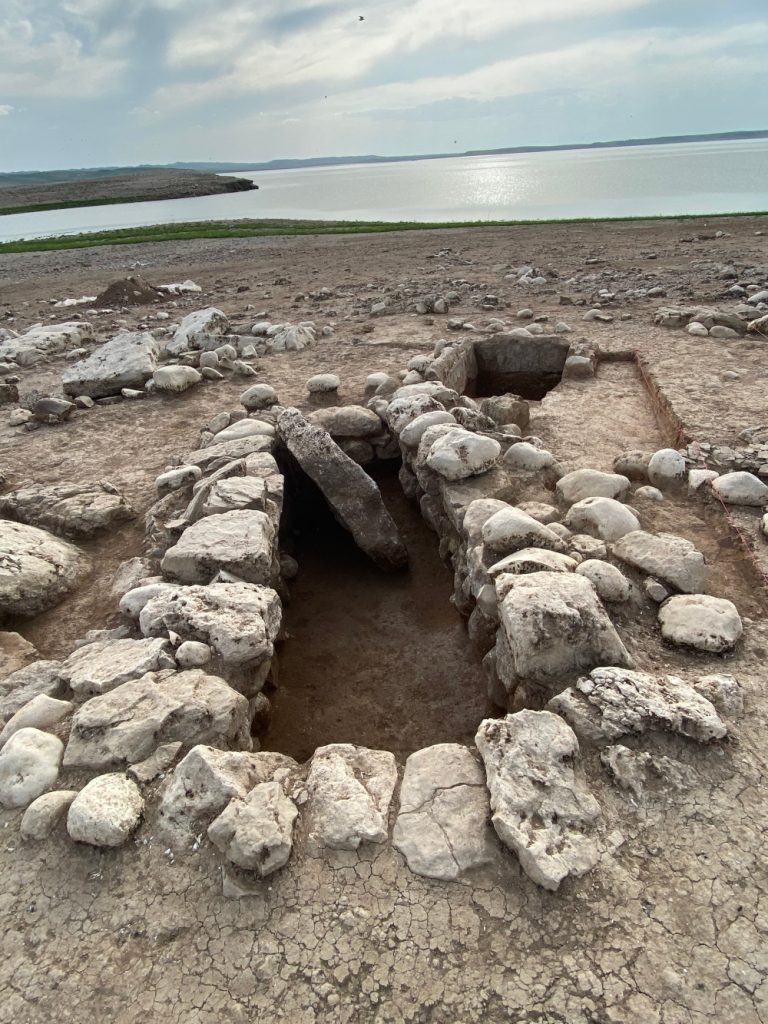
An area of 150 square meters was cleared and 25 graves were exposed to investigate the spatial relationships between them. These graves are primarily stone cists of different sizes ranging from over 3 m in length to only 40 cm in diameter. The majority of the graves are rectangular (Fig. 4), but there are also oval and round graves. The team determined that the Cham Pashaya II cemetery has graves from multiple phases based on their spatial relationships. The variety of sizes and forms also supports this interpretation.

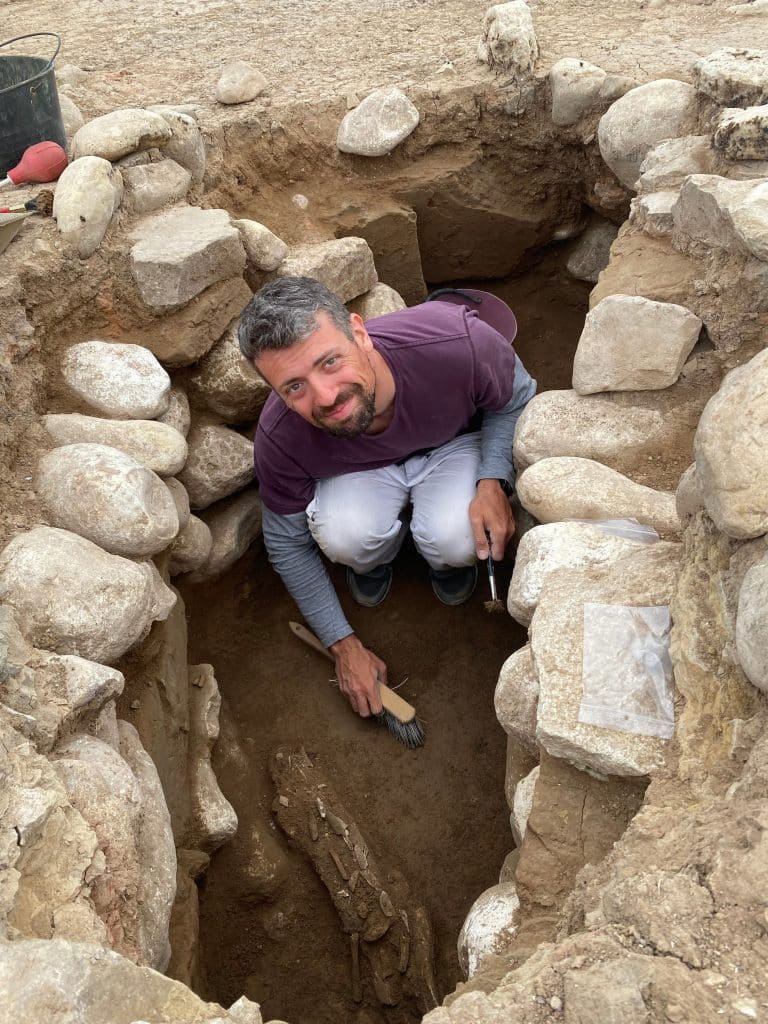
We decided to further investigate and fully excavate 5 graves, choosing a selection of the different typologies and sizes (Fig. 5).

Despite widespread ancient and modern looting and the very poor state of preservation of the bone material due to the water-logged environment, we found that it was still possible to reconstruct some of the funerary practices and to establish a chronological framework for the cemetery. Graves were meant to host one or more individuals. The larger ones were apparently used for longer periods, and had evidence to show that they were re-opened many times.

One of the largest graves.
Fig. 4: One of the largest graves.
Our anthropologist at work
Fig. 5: Our anthropologist at work.

Our current interpretation is that Cham Pashaya II was a burial ground for the community living at the adjacent multi-period mound of Cham Pashaya I during the first half of the third millennium BC. This was a critical time that saw the establishment of the first “urban model” in Upper Mesopotamia—a focal point of research on the archaeology of Southwest Asia in recent decades.

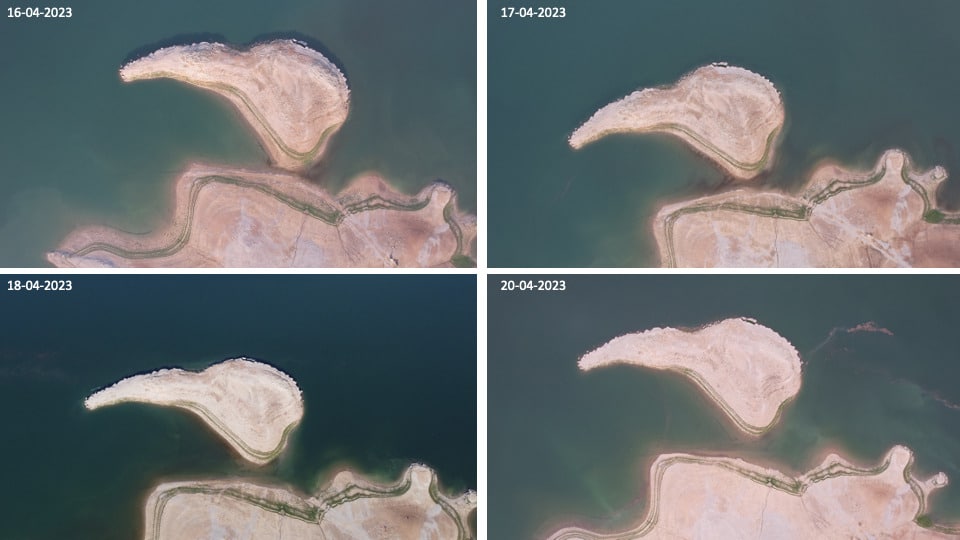
Cham Pashaya II disappeared again under the lake water a few days after the end of our fieldwork (Fig. 6). It is hard to predict if and when it will re-emerge.

Rising of the water level in the days before our departure.
Fig. 6: Rising of the water level in the days before our departure.
Dr. Sconzo consults with a one of the project's partners from the Duhok Directorate of Antiquities and Heritage.
Dr. Sconzo consults with the project's partner, Dr. Bekas Jamaluddin Hasan Al-Brifkany, from the Duhok Directorate of Antiquities and Heritage.


-Dr. Paola Sconzo, University of Palermo

The Cham Pashaya salvage excavation is part of a larger monitoring, survey, and rescue activities project called ReLand (Resurfacing Landscapes: Mosul Dam Archaeological Project).

Established in 2020 with annual contributions, the Shepard Urgent Action Grants program was created to support emergency and rapid response activities on archaeological sites in the greater Mediterranean region. Shepard Grants have provided $59,625 in support of projects with urgent need since the program began. While preference is given to projects and teams with current ASOR affiliation, applications will be considered from all projects. All 2023 grant funds have been awarded, and ASOR plans to resume accepting applications for Shepard Grants in 2024. Read more about the grant program here.