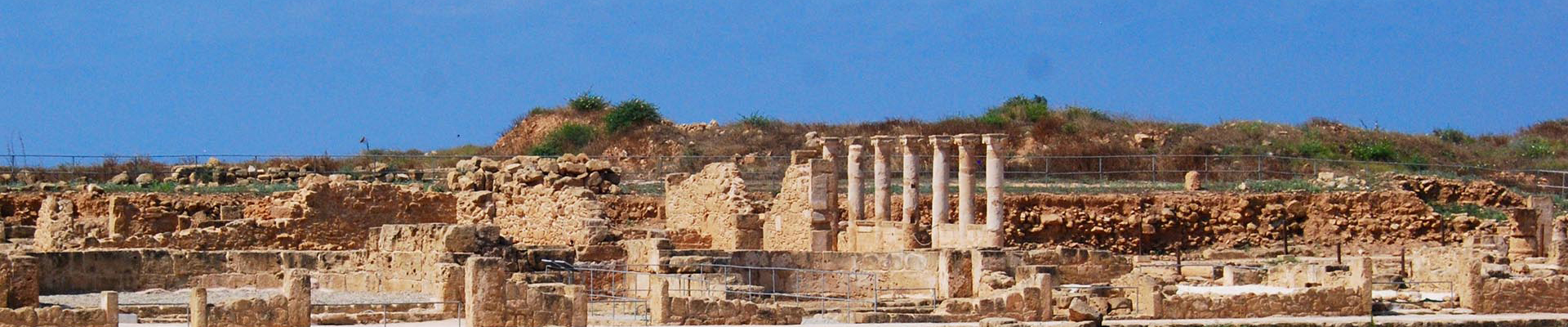
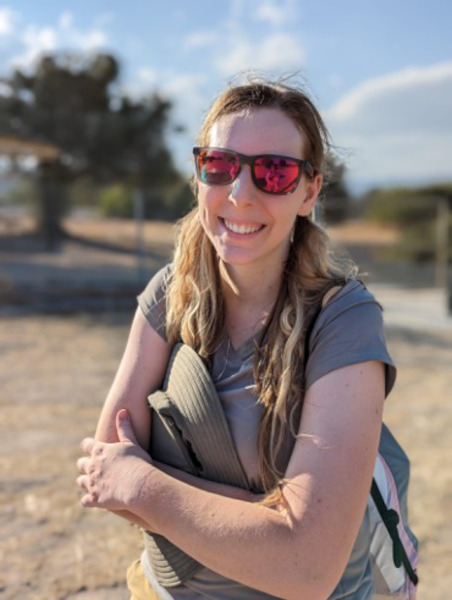
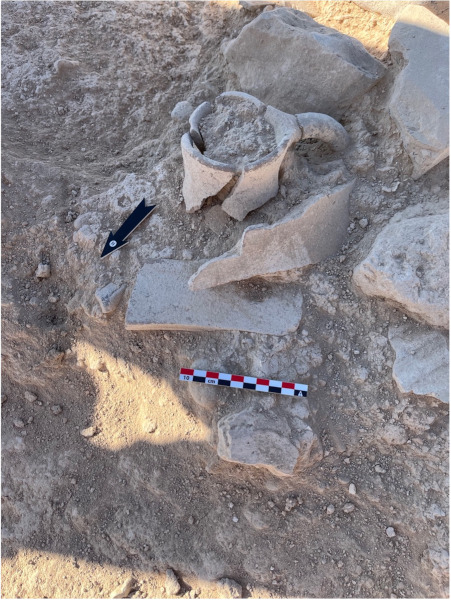
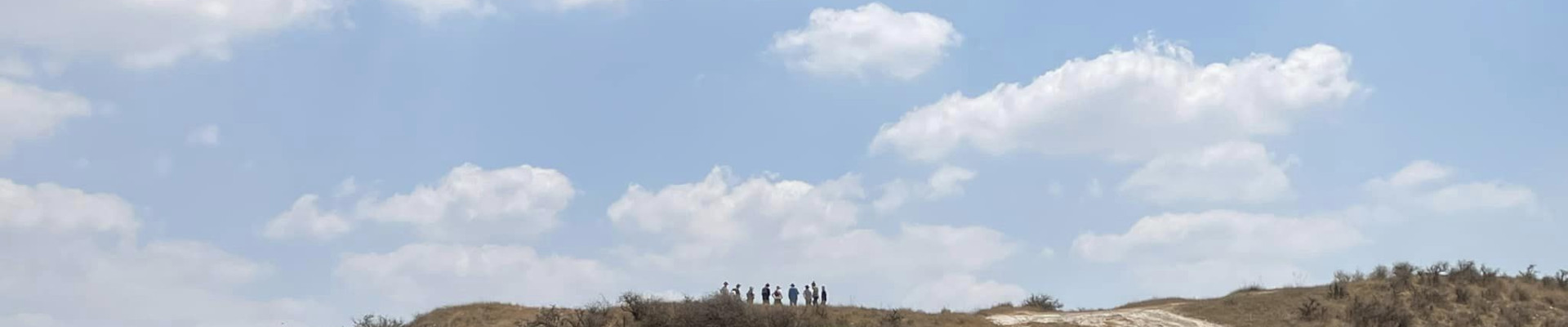
This past summer afforded me the extraordinary privilege of participating in fieldwork at Tell el-Hesi, collaborating with University of Michigan PhD candidate Kara Larson in her research for her doctoral dissertation, as well as joining the Mississippi State University Field School to conclude excavations at Khirbet Summeily. During the initial phase of the field season, we broke ground with the first excavations at Tell el-Hesi since the 1970s, with plans for continued excavation over multiple seasons. This archaeological site had undergone extensive previous excavations, with projects dating back to 1890-1892 and another in 1970-1977 conducted by the Joint Archaeological Expedition to Tell el-Hesi with these prior endeavors primarily concentrated on the Tell and the upper city of the site; however, the 1970 expedition conducted a probe off the Tell in field IV, delving into the site’s broader stratigraphy to achieve a holistic understanding of the ancient city. It was the findings from this probe that influenced our selection of the excavation site for our work.
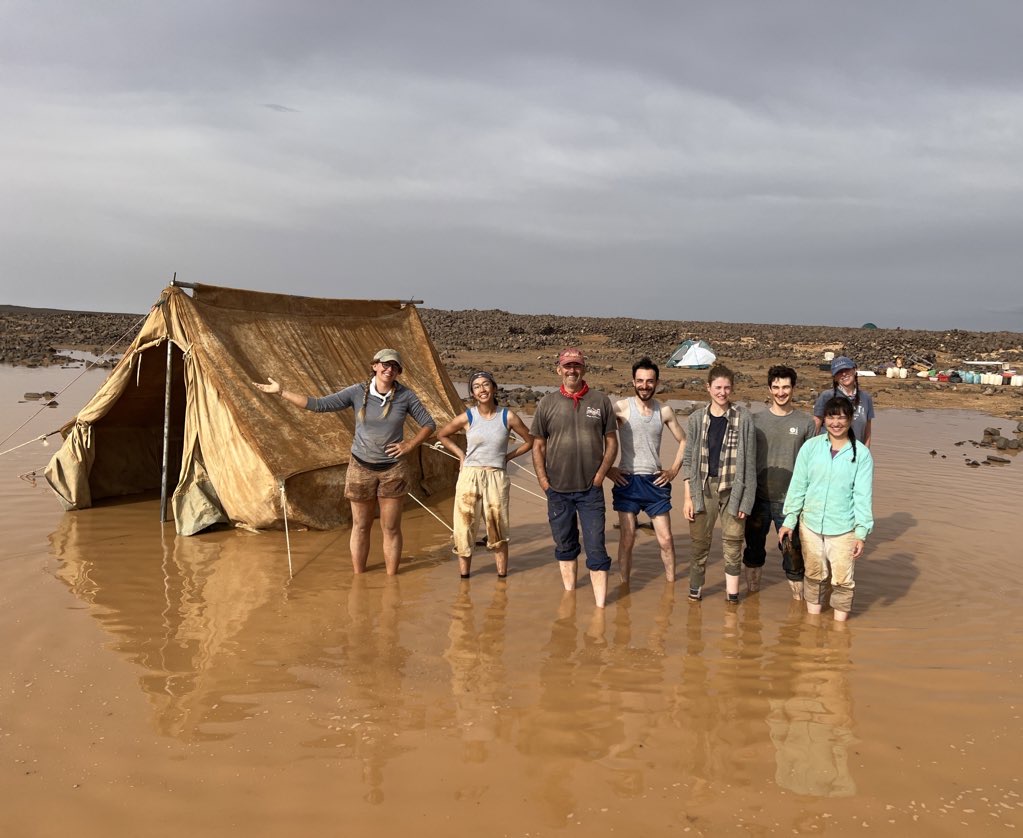
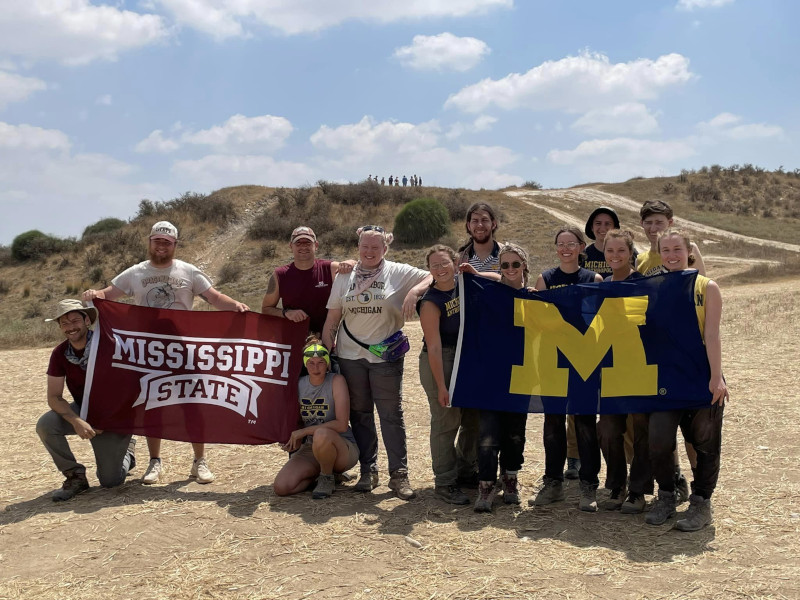
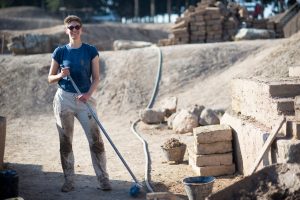
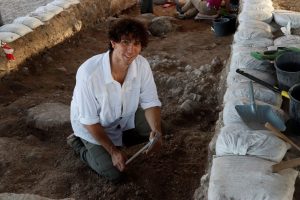
The Tell el-Hesi team!
In the latter part of my field season, I participated in excavations at Khirbet Summeily, an Iron Age administrative and trade outpost. Collaborating with the Mississippi State University crew provided not only invaluable archaeological experience but also the opportunity to establish meaningful connections within our shared field of study and a collective camaraderie forged beneath the blazing sun.
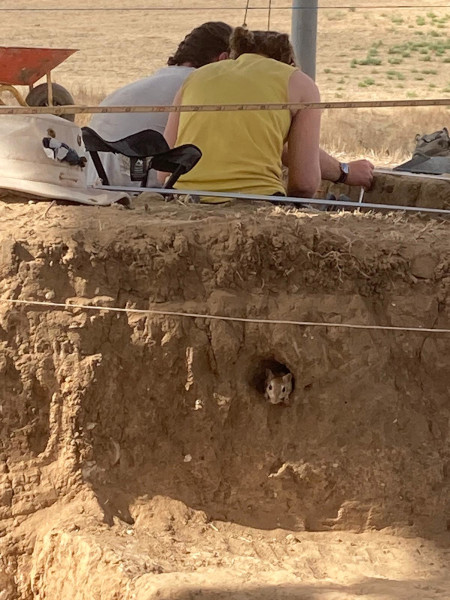
An unexpected excavation volunteer.
A typical field day began by aiming to beat the scorching heat. Ideally, we woke at 4 a.m., prepared breakfast, and ensured we had enough water before heading to the site by 5 a.m. More often than not, the allure of the snooze button prevailed, leading to a rush to get ready and make it to the vehicles on time. Upon arrival at the site, our initial tasks included setting up shade cloths, unloading tools, and beginning excavation. Throughout the day, we took short breaks for morning coffee, a mid-morning breakfast, and a refreshing fruit break toward the end, vital after long hours when it was beginning to heat up. Around 12:15 p.m., as the temperature climbed, we finished our excavation activities, cleaned up, and left the site by 12:30 p.m., eagerly returning for lunch and a much-needed shower. The midday break allowed for short naps which many of our crew took frequent advantage of. After this afternoon break, while most other students washed pottery, I had the privilege of illustrating notable sherds found during excavation. As an interdisciplinary art and archaeology student, this role allowed me to refine my skills and define my niche.
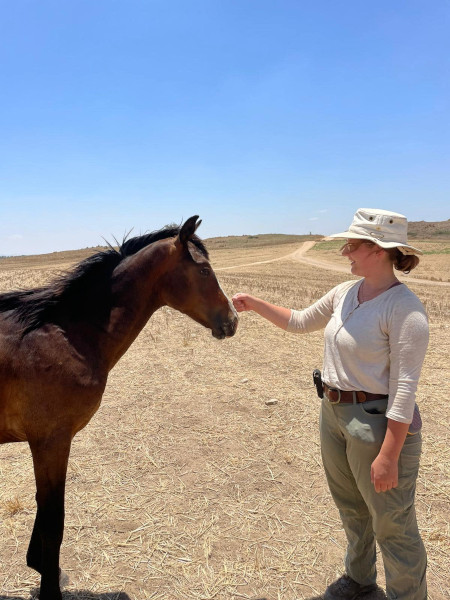
Saying hello to a visitor to the site.
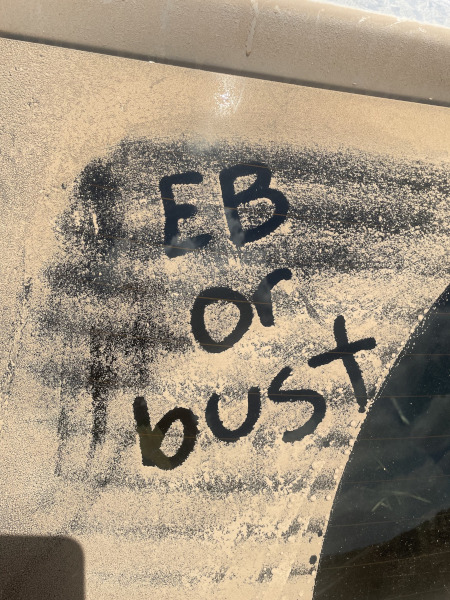
Words of motivation!
Weekends provided a welcome respite with trips to explore renowned archaeological sites, culturally significant locations, and the region’s must-see attractions. Among the memorable highlights were the experience of floating in the Dead Sea (a word of caution – avoid getting the water in your eyes, trust me, it’s not pleasant), visiting Masada, where some of our team braved climbing the snake path while others took in views from the gondola, swimming in the Mediterranean Sea, and my personal favorite was the opportunity to explore Jerusalem’s Old City.
In summary, my journey of working and learning at Tell el-Hesi and Khirbet Summeily during the summer has been profoundly transformative. The experiences, knowledge, and friendships I acquired have enriched both my academic and personal growth. As I reflect upon the early mornings, sweltering days, and the discoveries we unearthed together, I am deeply moved by the generosity of ASOR and the donors to the Katherine Barton Platt Fellowships for making this journey possible. The opportunity to collaborate with fellow scholars and engage in interdisciplinary research that fuses art and archaeology has solidified my love for this field. I am unwavering in my commitment to carry forward the knowledge and experiences from this fieldwork season in my academic pursuits, aspiring to make meaningful contributions to the field of archaeology. I extend my heartfelt gratitude once more for this extraordinary opportunity, which has unquestionably shaped my future aspirations and goals.
Danielle (Dani) Tutak is a senior pursuing dual degrees in art and design and anthropological archaeology at the University of Michigan. She is passionate about the potential of interdisciplinary research using insights and methods from diverse fields of study and experimenting with unexpected methods of science communication and documentation. Her upcoming projects and goals include finishing her anthropology honors thesis in archaeological research, completing her senior art thesis exploring historical and modern approaches to understanding the past, and graduating and moving on to the next adventure.
Want to help more students and early career archaeologists get into the field? Donate to the cause today by selecting “Excavation Scholarships” as your gift purpose!
[/vc_column_text][mk_divider][vc_wp_text]Currently, 137 projects are affiliated with ASOR. This includes 108 field projects and 29 publication projects. Seven new projects have received ASOR affiliation since last summer. Read more about these new ASOR-affiliated projects below!
Paths to Urban Growth in the Nineveh Plain (PUG) explores the origins of early urbanism in Northern Iraq during the 5th and 4th millennia BC through excavations at the sites of Tepe Gawra and Tell ‘Arna/Gogjeli. Tepe Gawra has been the hallmark site for the development of complexity during the Ubaid and Late Chalcolithic periods in the ancient Near East. Past excavations at the site revealed a local development of a sophisticated infrastructure manifest in construction of temples, monumental architecture, and elaborate administrative technologies. Due to these features, Tepe Gawra has been characterized as an administrative centre atop of a regional polity. However, recent survey carried out by our team at Tepe Gawra has identified the presence of a lower town, potentially indicative of the presence of domestic occupation. Further, due to the lack of excavated sites of the same time period in the surrounding region, it is difficult to determine if the features identified at Tepe Gawra are unique, or if the features that characterize it are common at other sites in the Nineveh Plain, such as Tell ‘Arna/Gogjeli. Excavations at Tell ‘Arna/Gogjeli allow us to compare the processes occurring at the two sites, test regional assumptions on the centrality of Tepe Gawra, assess networks of interactions within the region, and build a more complete picture on the process of urban developments in northern Iraq.
A Clash of Kings — South-central Anatolian political geography between Phrygia and Assyria, Cappadocia, Turkey (Michele Massa)
Carved depiction of Great King Hartapu, who ruled in the 8th century BCE in the Konya Plain.
This three-year project aims to reconstruct the political geography of the Tabalian confederation, a group of small kingdoms in south-central Anatolia (Türkiye) that existed during the late 9th-early 7th centuries BCE squeezed in between the two major powers of the time, Phrygia and Assyria. While we have extensive written sources (including Assyrian annals and local Luwian monumental inscriptions) and significant archaeological data (excavated and surveyed settlements and forts, landscape monuments) covering this period, very little interdisciplinary research has been done to synthesize them into a coherent picture.
Our goal is to reassess this varied evidence within an integrative analytical environment where we can combine conceptual frameworks and methods stemming from history, philology, landscape archaeology and digital archaeology. We plan in particular to (a) create high-resolution 3D and RTI models of key Luwian inscriptions; which in turn (b) provide improved translations of these monuments, particularly those shedding light on relations between different Tabalian rulers; and (c) integrate textual-borne evidence with a GIS-led analysis of human and natural landscapes to sketch the diachronically changing Tabalian power networks and map them onto real-world geographies.
Çadır Höyük is located on the north central Anatolian plateau. There has been continuous occupation at Çadır for at least 6,000 years (late 6th millennium BCE to the 13th century CE). Excavations commenced in 1994, continuing to the present time. Steadman is the fourth project director, preceded by Gorny (1994-2009), McMahon (with whom she co-directed, 2010-2019), and Şerifoğlu (2020-2021). Excavations include (trenches are 10 x 10 m): ten trenches exposing the Chalcolithic occupation (lower S slope); over ten trenches dedicated to Byzantine occupation (summit); six trenches focused on Hittite/Bronze Age occupation (N and E slope); four trenches dedicated to the Iron Age (various areas); previous excavations and a few current trenches having investigated the Classical/Hellenistic periods.
We have a housing/research compound which comfortably houses 30 people. A four room-lab provides ample research area. A newly-built conservation lab is separate. We have a two-room equipment storage facility, and a three-room storage depot for archaeological materials. A guard lives at this compound year-round.
Our senior research team has been with the project for a decade or more. Each year we train undergrad/grad students, from Türkiye and elsewhere, in field and lab methods. We have a strong and inclusive publication history.
[/vc_wp_text][mk_divider][vc_wp_text]
Horvat Midras Excavation Project, Israel (Orit Peleg-Barkat, Gregg E. Gardner)
[/vc_wp_text][vc_row_inner][vc_column_inner width=”1/2″][vc_wp_text]This project aims to enhance our understanding of rural life in the Southern Levant by excavating Horvat Midras, Israel, the site of an ancient village with several phases of occupation over two millennia. We are especially interested in understanding the village’s social and religious character, how it changed, its daily life, and the impact of military conflicts, migration, and resettlement efforts. Located between Jerusalem and the Mediterranean coast, in the Shephelah or Judean Foothills region, Horvat Midras was inhabited by several different groups from the 4th century BCE to 16th century CE, including Idumeans, Jews, Roman polytheists, Byzantine Christians, and Muslims under the Umayyads, Mamluks, and Ottomans. Our initial surveys and excavations suggest that the site was profoundly transformed following the Roman suppression of the Second Jewish Revolt in 132-136 CE, which was followed by Roman resettlement of the village and construction projects that would have an enduring impact. This project began in 2015 with the Hebrew University of Jerusalem’s Institute of Archaeology and since 2018 has been a joint-venture together with the University of British Columbia (Canada).[/vc_wp_text][/vc_column_inner][vc_column_inner width=”1/2″][mk_padding_divider][vc_single_image image=”96589″ img_size=”medium” add_caption=”yes” alignment=”center”][mk_padding_divider size=”20″][vc_single_image image=”96590″ img_size=”medium” add_caption=”yes” alignment=”center”][/vc_column_inner][/vc_row_inner][mk_divider][vc_wp_text]
Exploring Continuity and Transition in Southern Jordan (Jennifer Ramsay, Bjorn Anderson, Craig Harvey)
The Exploring Continuity and Transition in Southern Jordan (CTSJ) project is a multi-disciplinary group of American and Canadian collaborators that plan to conduct a survey focusing on sites previously identified as having evidence of multiperiod occupation between Petra and Humayma in southern Jordan. The main aim of this survey is to investigate these archaeological sites for signs of continuity or shifts in cultural practices over time, specifically between the Iron Age and the Nabataean period. While several sites in the region have undergone preliminary surveys noting material culture from various periods, only a few have been extensively excavated. Many of the sites identified have very limited information and no chronological verification from excavations. Therefore, our primary interest lies in enhancing our understanding of Nabataean prehistory, particularly regarding cultural activities (ritual, funerary, agriculture, engineering) during the Iron Age and their continuity or transition into the Nabataean period. There is a significance gap in our understanding of this period (approx. 539-300 BCE) in the prehistory of Jordan, which needs to be addressed. A review of published archaeological findings in the area has revealed this gap in our comprehension of this period, which has prompted new research inquiries that can only be addressed initially through a survey of specific sites in the region.
Since 1977, the University of Palermo has led research at the site of ancient Motya, an island city in western Sicily founded by Phoenician colonists in the 8th century BCE that grew into a strategic Carthaginian center. This project made several noteworthy contributions to the scholarship of the Mediterranean in its early years, including the documentation of a large pottery workshop that features kilns of Levantine tradition and the revelation of the world-renowned “Youth of Motya” statue, a mid-5th century BCE masterpiece crafted of Parian marble. After 2013, the Palermo Archaeological Mission has grown to become a multinational project with active collaborations with the University of Pennsylvania and the University of Tübingen. Current research foci at Motya include the excavation of pre-Phoenician contexts to understand Bronze Age land use and settlement, excavation of Punic monumental buildings and public spaces, excavation of the archaic necropolis coupled with bio-archaeological and genetic research, and extensive geophysical prospection, surface survey, and test excavations to understand the development of Motya’s urban structure and changes in the ethnic identities of its residents over time. These ongoing research efforts are integrated with education including a field school where students from the University of Palermo and elsewhere come together to gain experience in all facets of archaeological fieldwork.
The Sebittu Project is a long-term study of the agrarian economies and environmental impacts of imperial expansion during the Iron Age of Iraqi Kurdistan. Centered on a cluster of seven villages, hamlets, and farmsteads in the Erbil Plain, the Sebittu Project looks at Neo-Assyrian imperial economy through a “bottom-up” perspective. The Sebittu Project focuses on the collection and intepretation of paleobotanical, zooarchaeological, and environmental data from primary contexts to address broad research questions regarding models of Assyrian imperial expansion, internal organization of agrarian settlements, regional economies, paleoenvironment conditions, and human impacts on the landscape.
The Publications Committee of the American Society of Overseas Research announces a call for nominations (self-nominations welcome) for the position of Editor of Near Eastern Archaeology for a term to begin January 1, 2025. ASOR Journal Editors serve a three-year term (eligible to be renewed once).
Near Eastern Archaeology, the more popular publication of ASOR, brings to life the ancient world from Mesopotamia to the wider Mediterranean with authoritative analyses and vibrant images. NEA (ISSN 1094-2076) is published four times each year (quarterly) in March, June, September, and December.
The Editor of Near Eastern Archaeology currently receives an annual stipend of $13,000. The Editor—working with an Assistant Editor, Editorial Board, the Publications Committee, and ASOR’s publishing partner The University of Chicago Press—holds full editorial control ofNear Eastern Archaeology. The editor works remotely but is expected to attend the ASOR Annual Meeting to attend both the annual Committee on Publications meeting and the annual meeting of the NEA Editorial Board.
Self-nominations are preferred and should include the following items: 1) a one-paragraph academic biography; 2) a brief statement describing why the candidate is interested in the position; and 3) contact information (including e-mail and telephone number). If a candidate is being nominated by another person, we seek the candidate’s name, a short academic history, a brief statement describing why the candidate would be appropriate for the position, contact information, and, most importantly, a statement from the candidate that she or he agrees to being nominated.
Candidates are also encouraged to contact the current editor, Stephanie Budin (nea-editor@asor.org), or the Chair of the Publications Committee, Kevin McGeough (kmcgeough@gmail.com), for more information about the position and its responsibilities. Nominations for the position should be directed to the ASOR Office c/o Marta Ostovich (programs@asor.org).
Review of applications will begin on September 15, 2024, and will continue until the position is filled. The Publications Committee intends to recommend a candidate to the ASOR Executive Committee of the Board of Trustees and the full ASOR Board before the Annual Meeting in Boston in November 2024.
An Archaeological Survey of the Iraqi Western Desert
Dr. Jaafar Jotheri, Department of Archaeology, University of Al-Qadisiyah
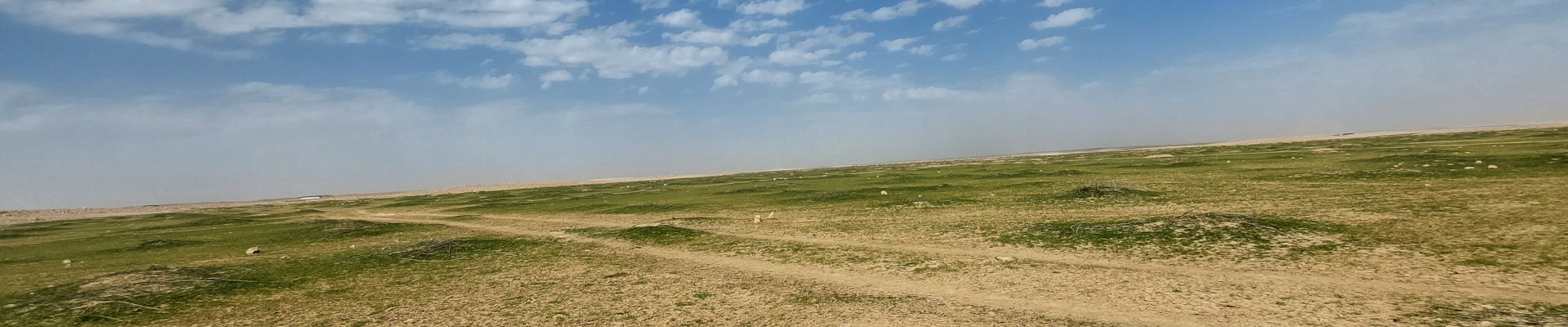
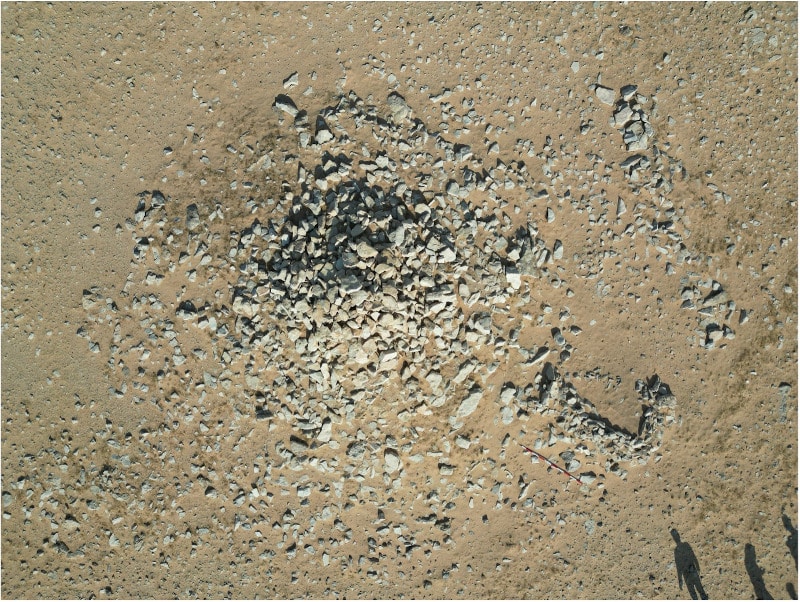
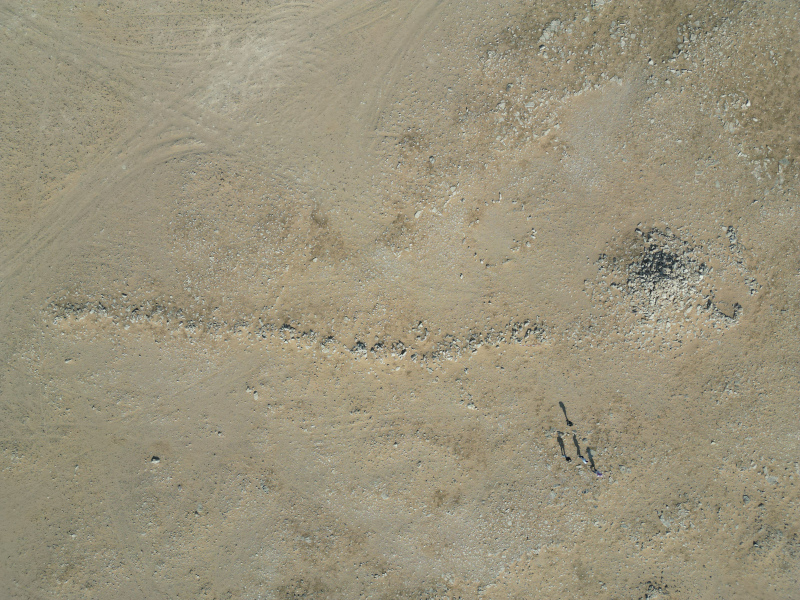
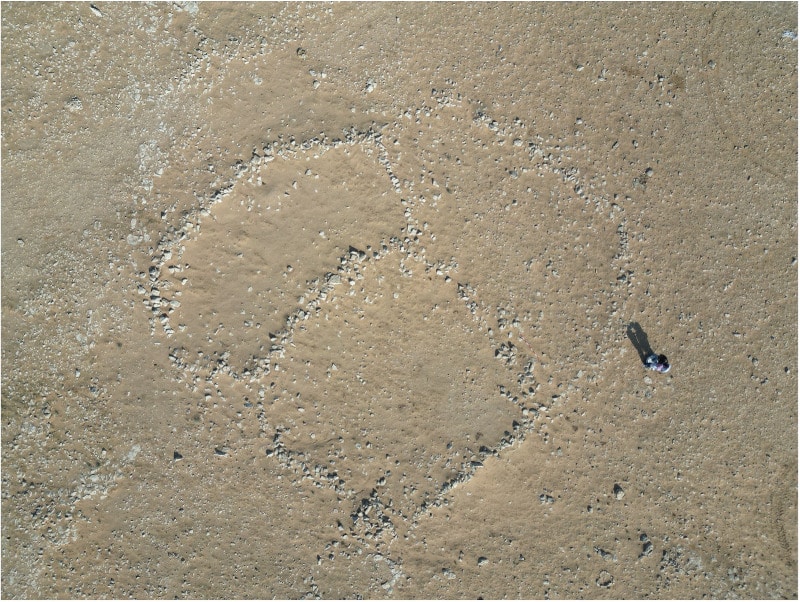
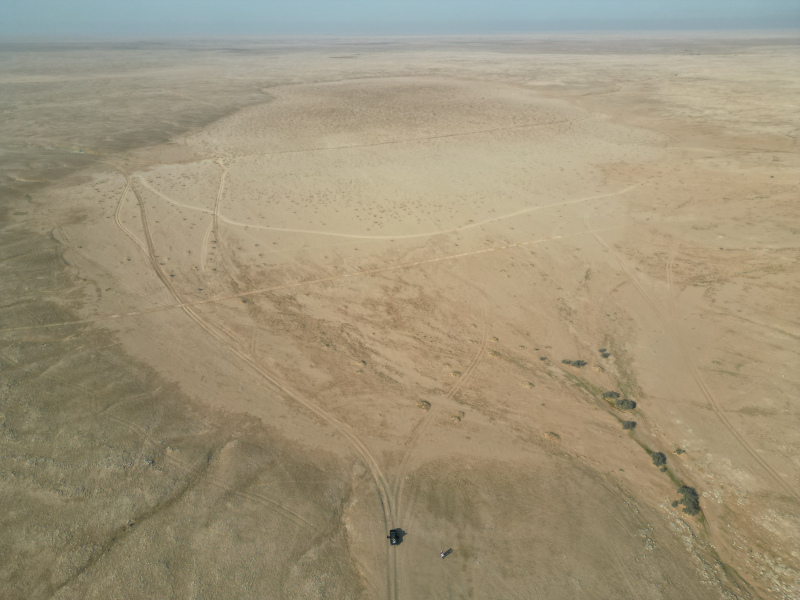
The Iraqi Western Desert has finally been archaeologically surveyed. For decades, this part of Iraq was ignored by both local and international archaeologists. Most Iraqi and international projects focus on Mesopotamia’s floodplain, steppe, and mountains, but not its western desert. One side effect of this project, funded by an ASOR Mesopotamian Fellowship, is that the Iraqi Western Desert is now attracting more local and international researchers. Local postgraduate students have started to take archaeological projects in this area for their theses, and scholars have begun visiting the desert for potential future research projects. More importantly, the Iraqi Official Heritage Authorities have started to create new records and databases for the archaeological sites in this part of Iraq. This project has put the archaeology of this desert in the spotlight and sparked much interest in future research. The dissemination of every step of this project has helped other stakeholders follow its progress and wait with interest for its outcome.
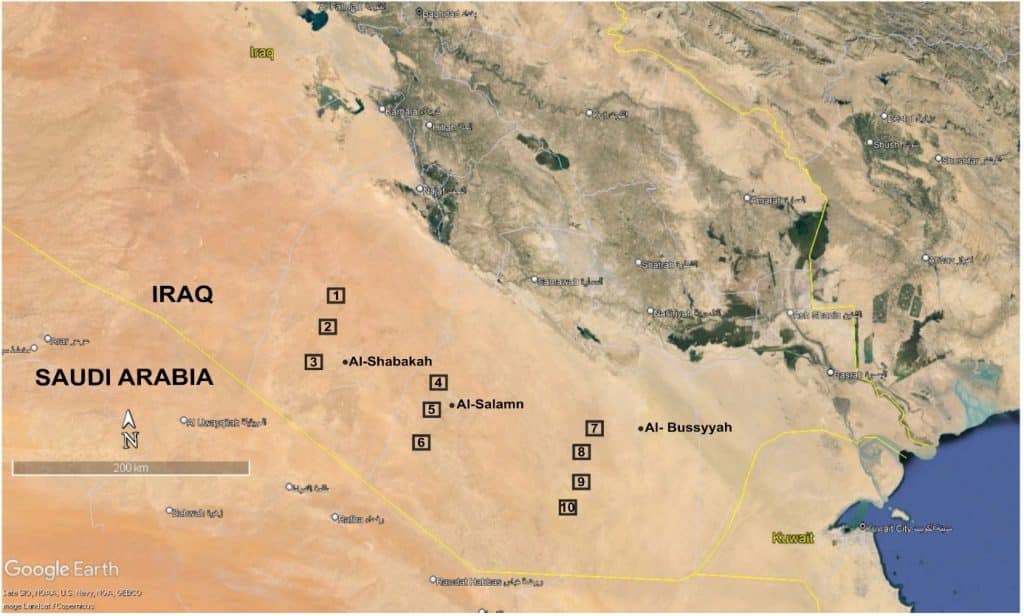
Figure 1: Location map of the ten field trip locations.
The combination of research methods this project followed has benefited the Iraqi university students and staff. For example, 16 Iraqi students (from Al-Qadisiyah, Kufa, and ThiQar Universities) have been trained in the techniques of remote sensing and GIS to identify more archaeological sites in the desert. We managed to locate and map more than 300 potential sites (enclosures, pendants, and tombs-graves-burials) in the desert using systematic and inclusive remote-sensing surveys.
Figure 2: A drone image shows a tomb-grave-burial in the Iraqi Western Desert in December 2023.
Figure 3: A drone image shows a pendant in the Iraqi Western Desert in December 2023.
Figure 4: A drone image shows Jaafar Jotheri standing close to an enclosure feature in the Iraqi Western Desert in December 2023.
Figure 5: A drone image shows a palaeolake in the Iraqi Western Desert in December 2023.
After completing the office work, we conducted fieldwork, which consisted of ten trips, each to a different part of the desert. Locations were selected based on the remote sensing results. We took five students for fieldwork training that involved identifying the sites that had already been mapped, drawing sketches of the sites, collecting lithics, taking photos, and using drone images. More than 500 lithic samples have been collected, classified, and photographed. These samples will be studied more in the university lab as they show a mix of ages from Palaeolithic to Neolithic. We used two 4×4 cars to travel in the desert, and we were accompanied by guides from the local Bedouin people who knew the roads well. Optically Stimulated Luminescence (OSL) samples were collected from the sediments under the rocks of clusters of enclosures to determine the age of construction of these features. These samples are on their way to the OSL lab. We were lucky to have Dr. Stefan Smith from the University of Helsinki and Dr. Ella Egberts from the University of Leicester with us on two field trips to the desert.
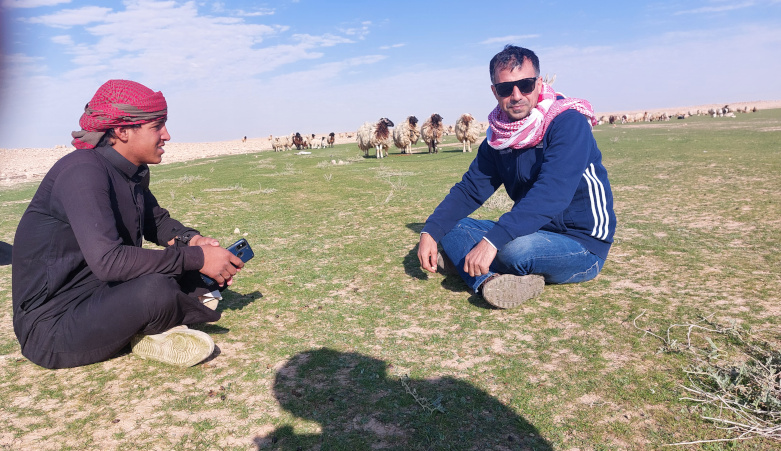
Figure 6: Jaafar Jotheri interviewed some local bedouins about their interpretation of the archaeological features in the Iraqi Western Desert in December 2023.
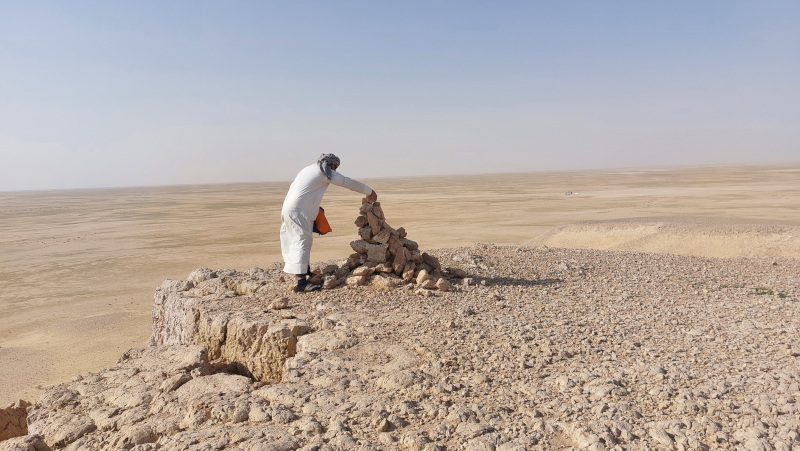
Figure 7: A local bedouin volunteered to repair a tomb-grave-burial feature in the Iraqi Western Desert in December 2023.
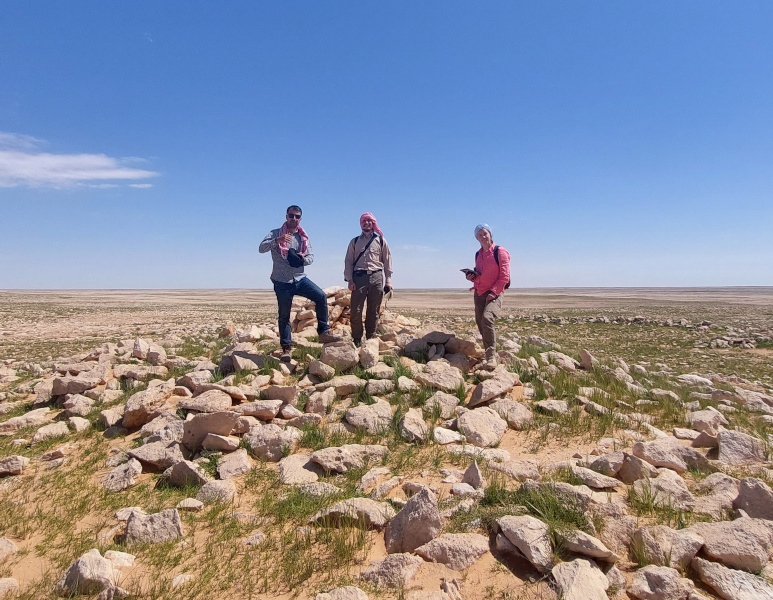
Jaafar Jotheri (recipient of a Mesopotamian Fellowship),, Stefan Smith and Ella Egberts in one of the field trips in the Iraqi Western Desert in March 2024.
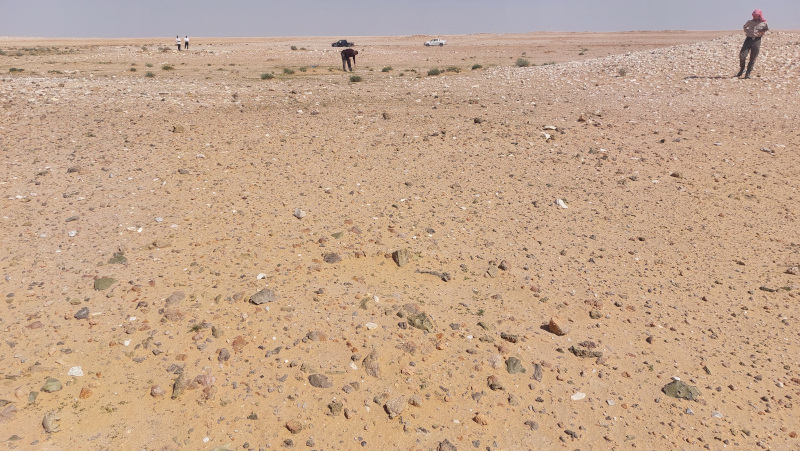
Figure 9: Collecting lithics in the Iraqi Western Desert in March 2024.
Figures 10 and 11: Some ceramics and lithics collected during fieldwork.
Although the results have not been finalized yet, I delivered three talks about the preliminary findings of this project at international conferences. The first was entitled “What Archaeology and Heritage do we have in the Iraqi Western Desert?” at the British Association of the Near Eastern Archaeology conference January 3–5 in Glasgow. The second paper, “The Natural and Cultural Heritage of the Water Springs in the Iraqi Desert,” was part of an online workshop on bioarchaeology in Mesopotamia at Kiel University, Germany. The third was “Archaeological Features from the Iraqi Western Desert,” which was delivered in person at the 5th International Scientific Conference of the Mesopotamian Archaeology held on March 6th at the University of Al-Qadisiyah. A portion of the results are being prepared for publication in an international journal, and more will be published in a local Iraqi journal. I also submitted an abstract to the ASOR annual conference that will be held this November, which I plan to attend in person.
CCAP 2023: Searching for the Islamic History of Herod’s Great City
Veronica Morriss, 2023 Eric and Carol Meyers Fieldwork Scholarship Recipient
Caesarea is one of the best known and most researched sites in Israel. It’s famous for Herod the Great’s imposing harbor, the Roman hippodrome and theater, the grand Byzantine octagonal church, and its massive Crusader walls. Caesarea has an extensive history of groundbreaking archaeological research, and numerous excavation teams are usually working at the site at once, uncovering the ancient city, one meter at a time.
While the extensive Roman, Byzantine, and Crusader remains at the site have captured popular imagination and been the primary target for most excavations, the city’s role during the early Islamic era is not well understood—and the port played a more important role in Islamic history than it is given credit for.
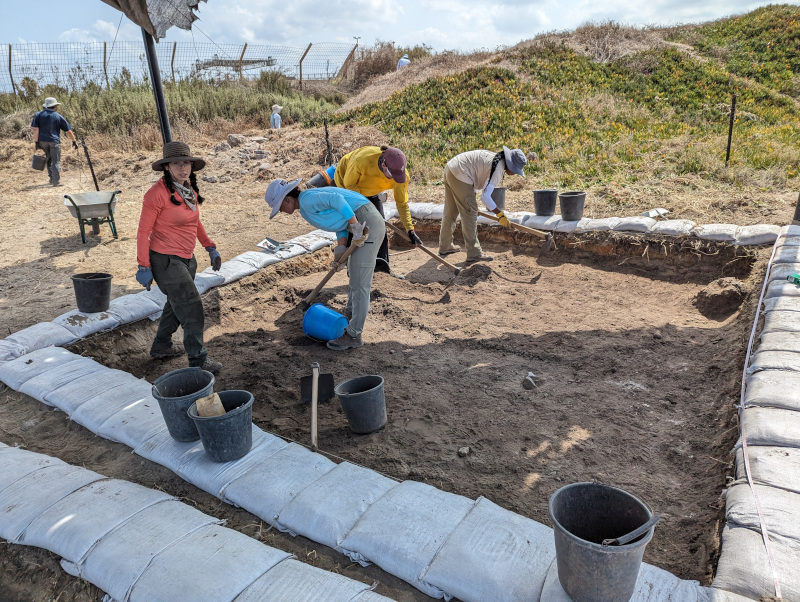
First day on site.
The situation at Caesarea mirrors that of research throughout the Levantine coast. The archaeology of the early Islamic period is often neglected due to a combination of factors, including a bias in site selection and a predilection for Classical sites. These biases and gaps in the data have led to debates about the nature of settlement and trade along the coastal region and whether they declined following the Islamic conquest in the 7th century CE. However, over the last several decades, scholars working throughout the region have begun to question the evidence underlying decline narratives and have produced new evidence that creates a more nuanced and dynamic picture of the era.
In part, this reimagining of the Byzantine-Islamic tradition has inspired our research at Caesarea. According to historical sources, Caesarea played an important role during the Islamic conquest and was targeted by the early caliphs and their forces due to the city’s port and its prominent role in Byzantine trade and logistics. Though Caesarea lost its role as capital of the Byzantine province Palaestina Prima after its capture in 640/1 CE, it continued to be inhabited and was tied into the eastern Mediterranean trade networks and the defense of the coast.
First day of digging.
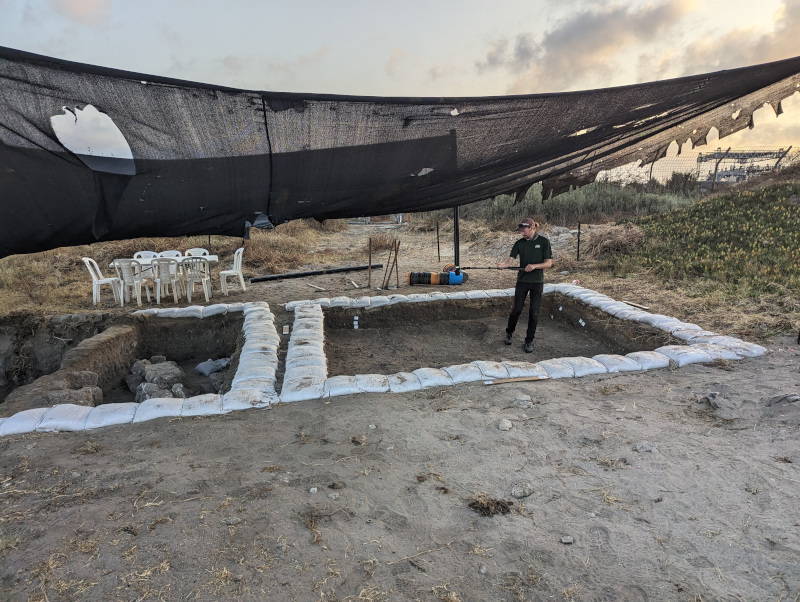
As part of the Caesarea Coastal Archaeology Project, our team has been exploring several regions of the ancient city, with a primary focus on those that might have Islamic-era remains. My work has been focused on the area south of the Roman theater, just outside of the park. We chose this area (Area FZ) to get a stratigraphic record of the southernmost end of the city near the Byzantine wall. We were also hoping to find traces of the Byzantine-Islamic fortress that was identified during the mid-20th century Italian excavation in the defunct theater.
Gaming dice.
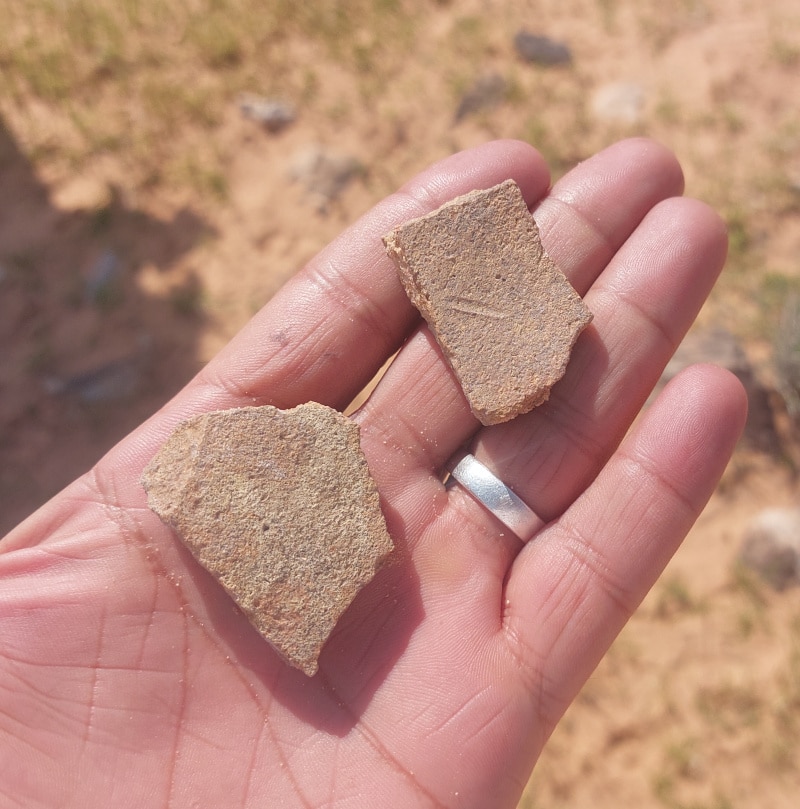
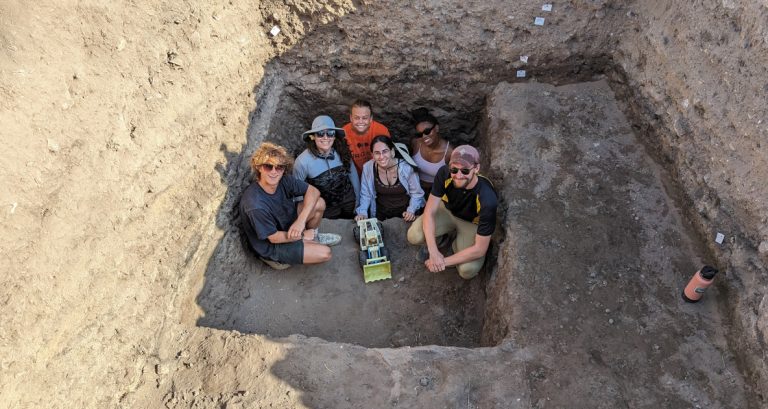
Last year, we uncovered structural remains and material culture that attest to a complex history of mixed use for the area. While we cannot discuss everything that we discovered prior to publication and reporting to the Israel Antiquities Authority, the finds this year point to significant Crusader-era use of this section of the city, as well as Byzantine-Islamic transitional layers, and a thick deposit of amphorae and storage jars. Tantalizing finds from earlier periods include six-sided gaming dice, carved bone hair pins, spindle whorls, dozens of coins, and even a horse skeleton—which many of the students were excited to uncover, having taken zooarchaeology courses at their universities.
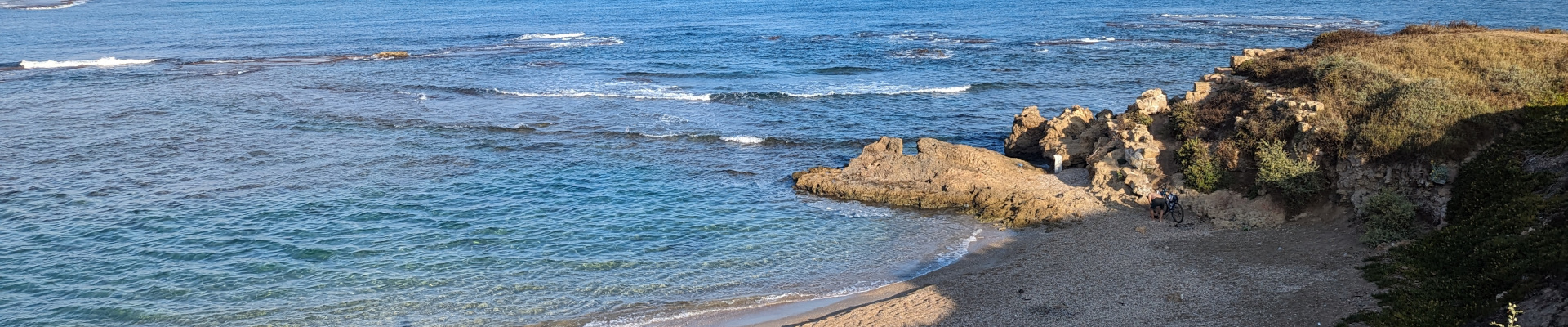
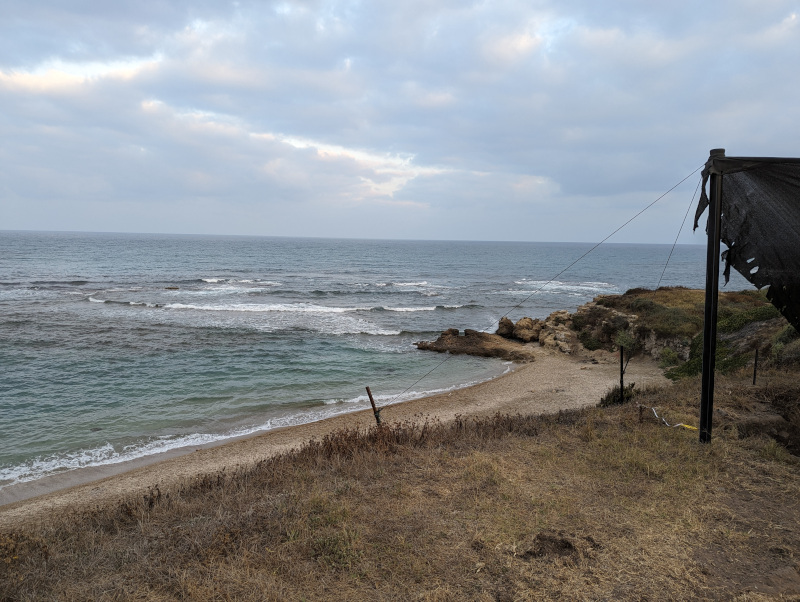
In addition to searching for evidence of an under-represented portion of Israel’s history, our project is focused on training the next generation of archaeologists. Students had a chance to practice careful excavation methods in the field, tagging and recording artifacts, making section drawings, creating 3D models using photogrammetry, and conducting off-shore underwater surveys—which for many of the students was the highlight of the season. Considering it was hot and humid, it was a luxury to be digging a stone’s throw from the Mediterranean!
View from the trenches.
End of field shot.
It was a great season, and we look forward to returning with our team next year to further explore Caesarea’s lost history.
Veronica Morriss earned a PhD in Islamic Archaeology from the Department of Near Eastern Studies at the University of Chicago. She is a maritime archaeologist, and her research focuses on the development of the Islamic/Byzantine maritime frontier of Syria-Palestine and the cross-cultural interactions that characterized the Eastern Mediterranean and its shores during the Early Islamic Period. She co-manages a digital archaeology company with her husband in Hawaii, and when she is not in the field, she writes fantasy romance novels.
Want to help more students and early career archaeologists get into the field? Donate to the cause today by selecting “Excavation Scholarships�? as your gift purpose!
*This internship has been filled. Thank you for your interest.*
The American Society of Overseas Research (ASOR) seeks candidates for a part-time internship position to begin in May. This compensated internship is for the summer (May-August) with start and end dates negotiable. The intern is expected to work 20–25 hours per week. This position is primarily remote, but the successful applicant will need to come into ASOR’s headquarters—The James F. Strange Center, 209 Commerce St., in historic Old Town Alexandria, VA—occasionally to meet with other ASOR staff.
Founded in 1900, the ASOR is a 501(c)(3) non-profit whose mission is to initiate, encourage, and support research into, and public understanding of, the history and cultures of the Near East and wider Mediterranean world, from the earliest times. Please visit www.asor.org for more information.
Primary Responsibilities:
Assist with updating and reconfiguring the ASOR website
Migration and back-up of data
Other projects as assigned by the Information and Website Manager
Qualifications / Skills Desired:
Knowledge of WordPress is a must
Microsoft Office
Database management
Graphic and image design and editing (Adobe Photoshop, Canva, etc.)
Website management (WordPress or similar)
Excellent communication and interpersonal skills
Attention to detail; ability to multitask and to prioritize
Compensation: $15-$20/hr based on experience
How To Apply: E-mail your resume and a brief statement of interest to Jared Koller at jaredkoller@asor.org. Please include your name and “ASOR Digital Humanities Internship” in the subject line.
Review of applications will begin immediately and continue until the position is filled.
ASOR is an equal opportunity employer and all qualified applicants will receive consideration for employment without regard to race, color, gender, religion, national origin, disability, veteran status, age, marital status, sexual orientation, gender identity, genetic information, or any other class protected by federal or state law (EEO/AA).
[/vc_column_text][mk_divider][vc_row_inner][vc_column_inner width=”2/3″ css=”.vc_custom_1706024108985{padding-right: 10px !important;}”][vc_column_text]March Fellowship Madness 2024 has officially come to a close. Thanks to our wonderful donors, ASOR raised $4,750 for Excavation Scholarships. While we did not fully meet our goal, thanks to your gifts ASOR has made tremendous progress toward sending additional students into the field this summer. We are so grateful for the generosity of our donors in supporting the next generation of archaeologists.
Each year, ASOR sponsors many Fieldwork Scholarships for students and volunteers to take part in ASOR Affiliated Projects. ASOR is able to provide these scholarships with the partnership of you, our many members and donors. Your gifts truly make a difference in the lives of students and volunteers interested in fieldwork.
Thank you to each and every one of the donors, members, and Friends of ASOR who contributed this March Fellowship Madness. Read below to see how previous scholarship recipients have been impacted by our generous members.[/vc_column_text][/vc_column_inner][vc_column_inner width=”1/3″][vc_wp_text][/vc_wp_text][/vc_column_inner][/vc_row_inner][mk_divider][vc_column_text]
Hear what past scholarship recipients have to say about their experiences in the field:
“Being on a dig isn’t just that three week or six-week session. It turns into a life experience. Not just the memory aspect of it. It can motivate you to care more about your physical condition and health. You make friends from all over the world and stay in contact on social media. It makes you more interesting to your family and friends, having unique stories to tell and pictures to share. If you read the Bible or history books it gives you “I was there” pictures in your mind of the real thing.
One of my favorite pictures from this summer at Tel Hazor Lower City is of me standing above the “hole” I helped dig in six weeks. By itself, the picture isn’t amazing. But when I tell the people I show it to that we started at ground level in the year 2023, and six weeks and nine feet later it was the year 1750 BC more than 3,700 years ago–it becomes amazing! Lots of people like movies and books about time travel; sitting comfortably watching a movie or reading a book. I was there. I touched the stones and artifacts. I time traveled. Words cannot adequately express this phenomenon. You’ll just have to go to a dig one of these summers and see for yourself.”
-John Rinks, 2023 Stevan B. Dana Fieldwork Scholarship Recipient
“What an exciting season in the field! It was fun to make new friends, learn from many capable archaeologists, and excavate such an interesting and historically significant site. It was inexpressibly rewarding to get back into field work after several years away. I am grateful to ASOR and the P.E. MacAllister Scholarship for making it possible for me to return to the field.“
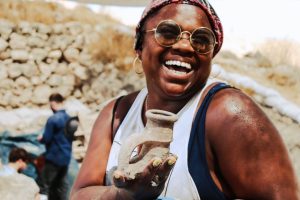
“As an archaeology student, my education is all about developing my archaeological understandings and perfecting my craft. This is why we all go to school. But there is just something so special and amazing about the moments in our educational journeys when what we have worked to learn evolves from mere theory to applied practice.“
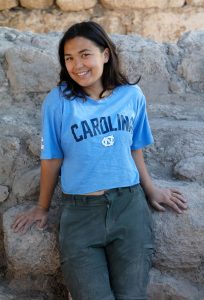
“Overall, this was an unforgettable experience where I got to learn new skills in the field, make meaningful connections, and see new things. I am grateful to Dr. Kevin Fisher and Sheri Pak for organizing this trip and to Dr. Eric and Dr. Carol Meyers for their generous scholarship. Without all your support, my participation in this project would not have been possible!“
-Isabelle Sauvé, 2023 Eric and Carol Meyers Fieldwork Scholarship Recipient
“I can’t say that I didn’t expect how talented, hardworking, and experienced the professors I worked under were; the knowledge they imparted to us students was extraordinary just like their CVs would tell you. What I did not expect was the level of personal support and kindness they extended. I will never forget how these experts at the top of their field still made time to guide me, an undergraduate fresh out of my first year in college. They didn’t just lead by example; they also provided invaluable mentorship. Months later, I am still brushing off the dust from my work clothes, yet what remains even more vividly from this experience than the dust on my belongings or the treasured trowel displayed on my shelf are the wonderful memories of my first adventure in archaeology!“
-Hania Kantzer, 2023 Stevan B. Dana Fieldwork Scholarship Recipient
“It was the exceptional privilege for me to participate in the Huqoq Excavation Project for their final year, not only because it supplemented my academic studies and offered me a close-up view of the Holy Land, but also because it augmented my understanding of the significance of archaeology. For this reason, I am profoundly grateful for those individuals whose assistance made my participation in the Huqoq Excavation Project possible, as well as all the directors, team leaders, and fellow members who made it such an unforgettable and phenomenal experience.“
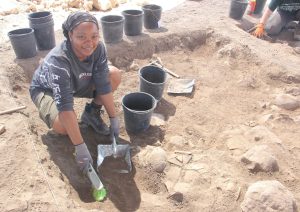
“This July I was fortunate enough to travel to Israel for the first time and participate in the archaeological dig at Tel Abel Beth Maacah, near Metula in Galilee, and it was an unforgettable experience. As an Old Testament student much of my time is focused on the literary and linguistic areas of biblical studies, but on the recommendation from one of my professors I applied to be a participant in the excavation at ABM. This experience, although brief, has given me a practical perspective on my current academic endeavors. Thank you to ASOR and the scholarship donors who made this trip possible.”
“My first excavation season at Gird-I Matrab was a wonderful experience, full of surprising discoveries. I had the opportunity to work with an amazing international team and to discover more about Kurdish culture. I visited places and I met people that contributed to my personal and academic growth. I really look forward to being back in Gird-I Matrab next year!“
“One of my favorite things about archaeology is being part of a community forged through hard work, friendship, collegiality and mutual support. There is almost no better feeling than being covered in mud from head to toe, exhausted, hot, thirsty and hungry and yet somehow finding the energy for a race to the car for the best seat for the ride home while laughing all the way. Being part of this kind of family–a chosen family some might say–is a real privilege and one I look forward to every year.“
-Hélène Maloigne, 2023 Strange and Midkiff Families Fieldwork Scholarship Recipient
“In sum, the hands-on learning at Tel Dan helped me better understand the concepts I learned in my archaeology seminars (especially pottery typology!), the tools and methods used on archaeological digs, and how archaeologists make decisions in real time about what they are finding. Overall, I learned many things about archaeology and archaeological methods while on the dig that I never could have learned in the classroom.“
-Andrew Bock, 2022 Stevan B. Dana Fieldwork Scholarship Recipient
“In addition to all of the fieldwork, spending time with all of the individuals with the same passion for archaeology was amazing. I will have future colleagues and friends for life.“
-Zachary Griffith, 2022 Eric and Carol Meyers Fieldwork Scholarship Recipient
[/vc_column_text][mk_divider][vc_row_inner][vc_column_inner width=”2/3″ css=”.vc_custom_1706024108985{padding-right: 10px !important;}”][vc_column_text]As of April 10, we have raised $4,750 of our $6,000 goal for March Fellowship Madness. Each year, ASOR sponsors many Fieldwork Scholarships for students and volunteers to take part in ASOR Affiliated Projects. Currently, there are funds to provide scholarships for 40 students, but with your help, we aim to raise $6,000 during March Fellowship Madness to send three additional students into the field during summer 2024.
Thanks to our generous members, we are almost to our goal, which is why we have decided to extend March Fellowship Madness into April. 100% of your gift will go towards Fieldwork Scholarships for students this summer. Please support archaeology’s next generation by making a gift today and selecting “Excavation Scholarships” as the designation for your gift.[/vc_column_text][vc_wp_text][/vc_wp_text][/vc_column_inner][vc_column_inner width=”1/3″][vc_wp_text][/vc_wp_text][mk_padding_divider][/vc_column_inner][/vc_row_inner][vc_row_inner][vc_column_inner width=”1/3″ css=”.vc_custom_1712000838400{padding-right: 20px !important;}”][vc_single_image image=”88991″ img_size=”medium” add_caption=”yes” alignment=”center”][mk_padding_divider size=”30″][vc_single_image image=”85816″ img_size=”medium” add_caption=”yes” alignment=”center”][mk_padding_divider size=”30″][vc_single_image image=”95577″ img_size=”medium” add_caption=”yes” alignment=”center”][mk_padding_divider size=”30″][/vc_column_inner][vc_column_inner width=”1/3″ css=”.vc_custom_1712000851462{padding-right: 20px !important;}”][vc_single_image image=”96194″ img_size=”medium” add_caption=”yes” alignment=”center”][mk_padding_divider size=”30″][vc_single_image image=”96178″ img_size=”medium” add_caption=”yes” alignment=”center”][mk_padding_divider size=”30″][vc_single_image image=”94775″ img_size=”medium” add_caption=”yes” alignment=”center”][mk_padding_divider size=”30″][/vc_column_inner][vc_column_inner width=”1/3″][vc_single_image image=”95213″ img_size=”medium” add_caption=”yes” alignment=”center”][mk_padding_divider size=”30″][vc_single_image image=”85077″ img_size=”medium” add_caption=”yes” alignment=”center”][mk_padding_divider size=”30″][vc_single_image image=”93897″ img_size=”medium” add_caption=”yes” alignment=”center”][mk_padding_divider size=”30″][/vc_column_inner][/vc_row_inner][mk_table]
Wall Brackets, Deer Bones, and Sling Bullets Oh My! Excavating the Built Environment of Kalavasos-Ayios Dhimitrios
Isabelle Sauvé, 2023 Eric and Carol Meyers Fieldwork Scholarship Recipient
This report describes my participation in the fieldwork led by Dr. Kevin Fisher at the site of Kalavasos-Ayios Dhimitrios on the island of Cyprus during the 2023 summer season. Kalavasos-Ayios Dhimitrios is an urban center dating to the Late Cypriot (LC) II period (c. 1450-1200 BCE), reaching its peak in the Late Cypriot IIC before being abandoned. Previous investigations by Alison South from 1979-1998 revealed that this urban center was used for a multitude of both ritual and economic activities. The fieldwork undertaken this past summer was a continuation of excavations conducted by Dr. Kevin Fisher to the south-west of South’s original site.
A view of the Neolithic site of Tenta from our dig site.
Kalavasos-Ayios Dhimitrios is one of the two main sites that are part of the Kalavasos and Maroni Built Environment Project (KAMBE). This project is an interdisciplinary investigation of the relationships between urban landscapes, social interaction, and social change on Cyprus during the Late Bronze Age. As a collaboration between the University of British Columbia, Cornell University, the University of Chicago, and the University of Southhampton, I had the opportunity to meet a number of scholars and students from these different institutions and make meaningful connections.
I was very grateful for the opportunity to join Dr. Kevin Fisher on this project since my research interests include the study of built environments in the Mediterranean Bronze Age. I was also especially thankful to join this dig as it was my first time excavating in the Mediterranean. Needless to say, I was super excited to start this new adventure!
During the field season, we stayed in the beautiful village of Kalavasos. Only a 10-minute drive away from the site, this little town was nestled in the hills and had amazing views of the surrounding scenery. Our team was fortunate enough to stay in tourist apartments that were so cozy and comfortable. Each night we would have dinner together at one of the local tavernas and get to try a variety of authentic Greek-Cypriot dishes. Everyone in Kalavasos was so friendly and welcoming, making my stay that much more special. It definitely helped me settle into my new surroundings for the month and ease my anxieties about being in a foreign place.
A picture from the streets of Kalavasos.
Even though we got to stay in luxurious accommodations, working in the field was not always so luxurious. We worked long hours in the dust and heat. A typical day included a 6:30 a.m. start, working until 9:30-10:00 a.m. and then having a 30-minute breakfast break. We then continued working until lunch time which was around 12:45-1:00 p.m. Luckily, we were spoiled by our directors and were given a 3-hour siesta period in the afternoon. Many of us would nap and lounge by the pool before going back into the field around 3:00 p.m. The day ended around 6:00-6:30 p.m. and we would come back to the village and have a nice dinner in the plateia.
Despite the long hours in the heat, I loved working in the field and had a chance to uncover so many interesting artifacts. I was working in Unit 7, which was a trench that had been opened in previous seasons. Here, another structure was uncovered and seemed to have been used for ritual activities. This trench yielded elite fine-ware pottery, large pithoi, and inscribed pottery. However, the most interesting finds this season were a wall bracket, deer bones, and hundreds of sling bullets. According to Dr. Fisher and colleagues, all these artifacts suggest ritual activity. Wall brackets are objects that consist of a long vertical shaft with a rounded top that is pierced by a suspension hole and a bowl at the bottom. These objects were likely used for lighting or burning incense and are found in cult, mortuary, and domestic contexts (Fisher et al. 2019). Likewise, the large deposit of deer bones points to ritual feasting as deer is rare in Late Cypriot diets and therefore points to a “luxury commodity” (Fisher et al. 2019: 487). The sling bullet deposit was the most interesting find in my opinion, where I spent hours carefully extracting hundreds of these ovoid, unfired clay objects from the ground. It is still unclear what their purpose in this context was, but they may have been deposited in this building as part of a ritual practice. Although I was tired, dirty, and hot at the end of the day, I was so happy to have gotten to dig and feel accomplished after each bucket of dirt that I filled.
Isabelle Sauvé.
Artifacts from the field: A juglet and a wall bracket.
Aphrodite’s Rock.
Yet, my time in Cyprus did not just involve dirt and trowels. I had the chance to see so many parts of the island thanks to the field trips that the directors organized. I got to lounge by the Mediterranean on the beach, go shopping in Nicosia, see Taming of the Shrew in the ancient amphitheatre at Kourion, and tour so many ancient and historic sites. My favorite memory is picnicking with new friends at Aphrodite’s Rock and listening to waves hit the shore.
Overall, this was an unforgettable experience where I got to learn new skills in the field, make meaningful connections, and see new things. I am grateful to Dr. Kevin Fisher and Sheri Pak for organizing this trip and to Dr. Eric and Dr. Carol Meyers for their generous scholarship. Without all your support, my participation in this project would not have been possible!
Isabelle Sauvé is a graduate of the M.A. Classical and Near Eastern Archaeology program from the University of British Columbia, Canada. Her research focuses on architectural analysis and gender theory in the European and Mediterranean Bronze Age. Isabelle has previously excavated at Horvat Midras in Israel, making this her second archaeological excavation during her graduate studies. She hopes to get her PhD and continue conducting excavations of Bronze Age built environments.
For more information about the Kalavasos and Maroni Built Environment Project visit the project website: https://kambe.cnrs.ubc.ca/
Bibliography:
Fisher, K.D., S.W. Manning and T.F. Urban. 2019. New approaches to Late Bronze Age urban landscapes on Cyprus: Investigations at Kalavasos-Ayios Dhimitrios, 2012–2016. American Journal of Archaeology 123(3): 473-507.
Want to help more students and early career archaeologists get into the field? Donate to the cause today by selecting “Excavation Scholarships” as your gift purpose!
This is the final week of ASOR’s March Fellowship Madness. Each year, ASOR sponsors many Fieldwork Scholarships for students and volunteers to take part in ASOR Affiliated Projects. Currently, there are funds to provide scholarships for 40 students, but with your help, we aim to raise $6,000 during March Fellowship Madness to send three additional students into the field during Summer 2024. As of March 28, we have raised $4,300 of our $6,000 goal. [/vc_column_text][vc_wp_text][/vc_wp_text][vc_column_text]Thank you to everyone who has already donated this month. We owe so much to our generous members; even a small donation of just $10 can add up to make a big difference. 100% of your gift will go towards Fieldwork Scholarships for students. Please support archaeology’s next generation by making a gift today and selecting “Excavation Scholarships” as the designation for your gift.[/vc_column_text][/vc_column_inner][vc_column_inner width=”1/3″][vc_wp_text][/vc_wp_text][mk_padding_divider][/vc_column_inner][/vc_row_inner][mk_table]

 Danielle (Dani) Tutak is a senior pursuing dual degrees in art and design and anthropological archaeology at the University of Michigan. She is passionate about the potential of interdisciplinary research using insights and methods from diverse fields of study and experimenting with unexpected methods of science communication and documentation. Her upcoming projects and goals include finishing her anthropology honors thesis in archaeological research, completing her senior art thesis exploring historical and modern approaches to understanding the past, and graduating and moving on to the next adventure.


 Veronica Morriss earned a PhD in Islamic Archaeology from the Department of Near Eastern Studies at the University of Chicago. She is a maritime archaeologist, and her research focuses on the development of the Islamic/Byzantine maritime frontier of Syria-Palestine and the cross-cultural interactions that characterized the Eastern Mediterranean and its shores during the Early Islamic Period. She co-manages a digital archaeology company with her husband in Hawaii, and when she is not in the field, she writes fantasy romance novels.
 [/vc_wp_text][/vc_column_inner][/vc_row_inner][mk_divider][vc_column_text]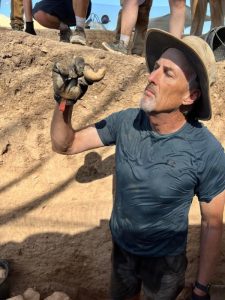
 “
“ “
“ “This July I was fortunate enough to travel to Israel for the first time and participate in the archaeological dig at Tel Abel Beth Maacah, near Metula in Galilee, and it was an unforgettable experience. As an Old Testament student much of my time is focused on the literary and linguistic areas of biblical studies, but on the recommendation from one of my professors I applied to be a participant in the excavation at ABM. This experience, although brief, has given me a practical perspective on my current academic endeavors. Thank you to ASOR and the scholarship donors who made this trip possible.”
 “
“ “
“