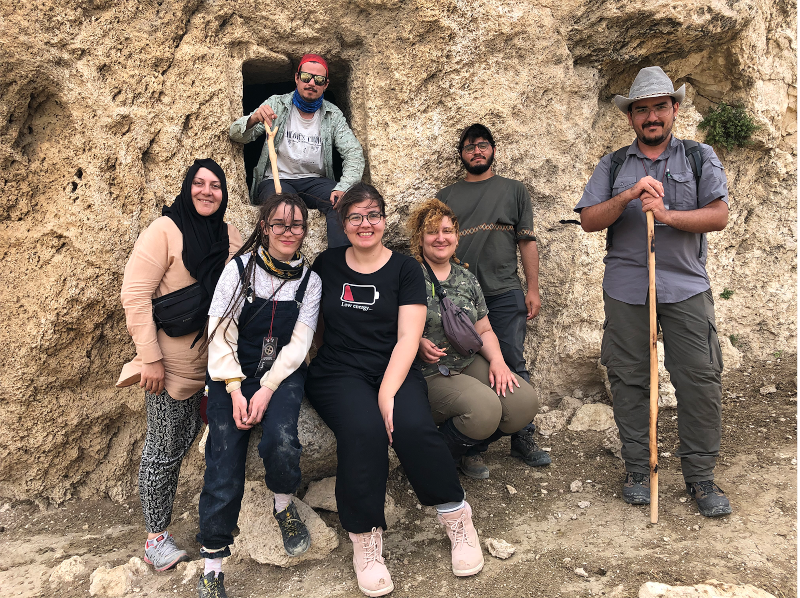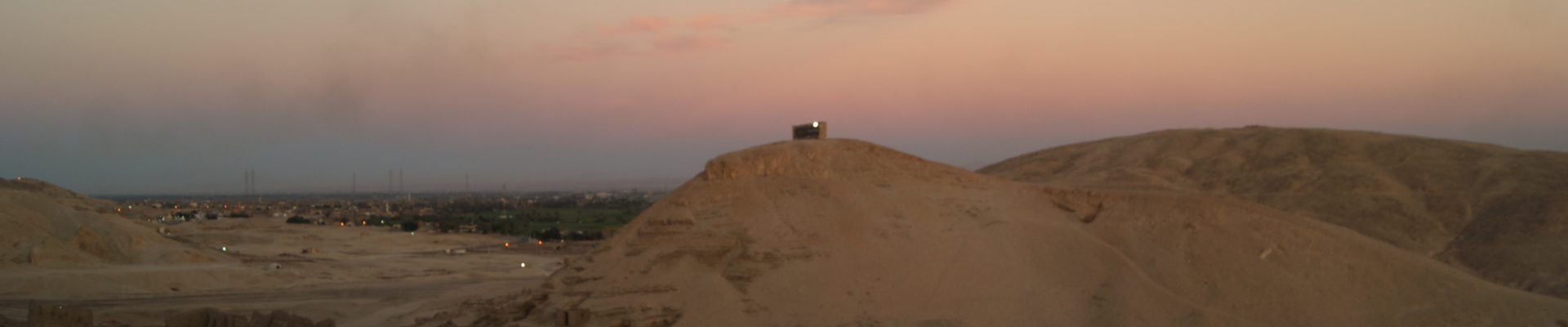
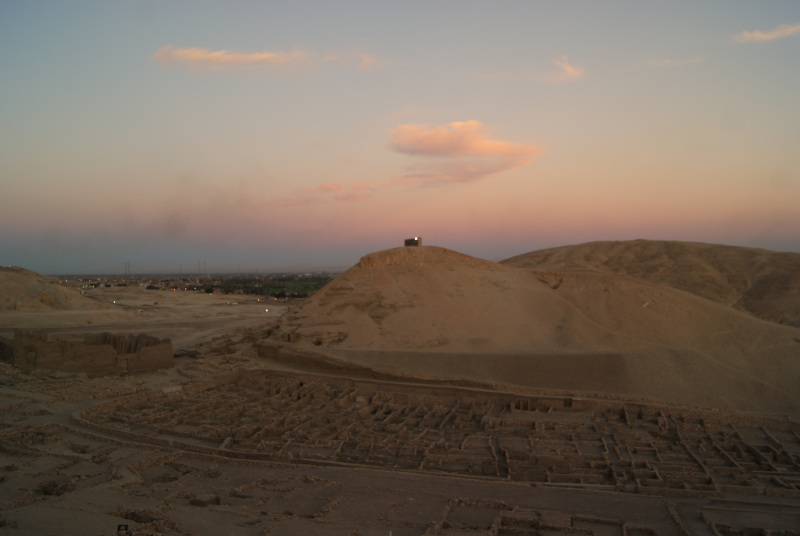



Sunrise at the kibbutz.
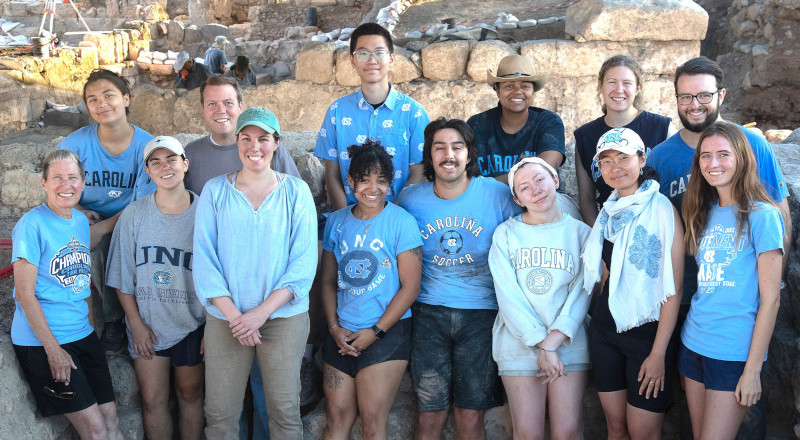
On the first day of the dig, right after getting introduced to our fellow team members, we dove straight into work. That routine carried us through the next five weeks. My alarm was always set for 4:11, which gave me precisely 19 minutes to change into my work clothes, splash my face with cold water, fill my water bottle, apply sunscreen, have a quick bite of a cracker, and catch the bus. During the bus ride, we’d all exchange groggy glances, then trek down a dusty road to reach our excavation site. We’d hurriedly set up our shade cloths just as the sun started to rise. Witnessing the sunrises every morning became one of my most cherished memories of the excavation. Orange light from the east and the cool morning air made me forget any reluctance I had about getting up early. It was during this time that our area supervisor would brief us on the day’s tasks.
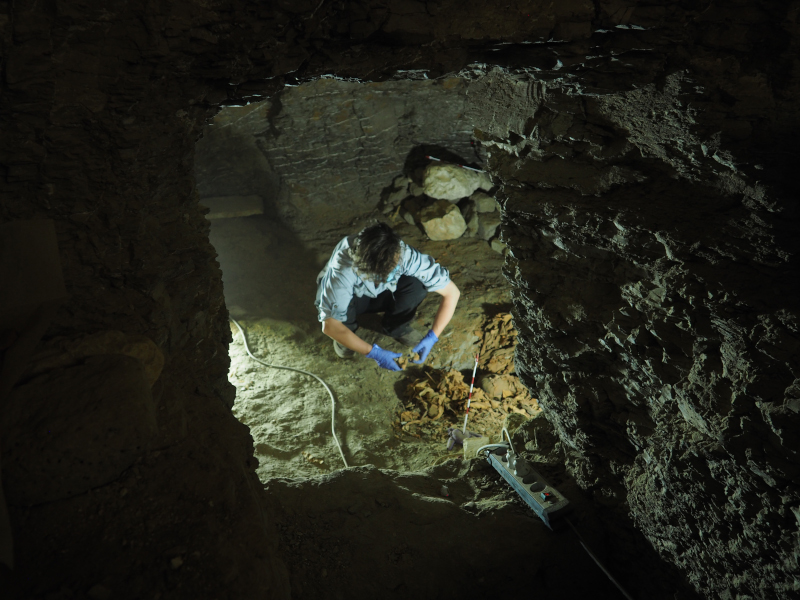
In the beginning, I started with relatively simpler tasks like carrying buckets or sweeping exposed pavement. Gradually, I progressed to more complex responsibilities, such as sifting for artifacts. After a minor hand injury, I was temporarily assigned breakfast duty. However, I soon returned to the field, where I tackled tasks like articulating walls and revealing plaster. I even learned how to take elevations and document our finds. The variety of assignments the area supervisors had for us ensured that we kept gaining experience and improving our archaeological skills. Boredom was certainly never an issue! We worked closely with professors and experts in different materials who patiently explained concepts as we advanced.

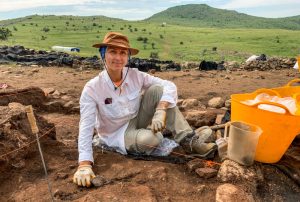
Me working on site (Photo credit: Jim Haberman).
Following our 8 a.m. breakfast and a refreshing watermelon break around 11 a.m., with plenty of water breaks in between to stay hydrated, we would dismantle the shade cloths and make our way back for a lengthy, comprehensive shower, followed by an even more lengthy and comprehensive lunch. Postlunch, our tasks typically involved cleaning potsherds and organizing our finds. Often, later in the afternoon, we were able to attend lectures delivered by experts specializing in conservation, pottery, mosaics, plasters, and glass. They had already been invaluable resources during our working hours, but listening to them delve deeper into their expertise was truly fascinating. After supper, we were free to play pickup basketball games on the kibbutz’s court, hike up a nearby mountain to watch the sun set, or simply enjoy card games in the courtyard. Our evenings usually wrapped up around 8 p.m., as I prepared to turn in for the night, knowing that come the next morning, the familiar schedule would resume.
Once or twice a week, we had the opportunity to visit other excavation sites, both ongoing and completed. This was such a cool way to contextualize our own work! Halfway through our dig, we embarked on a weekend trip to Jordan, with stops at remarkable sites like Machaerus and the Madaba map. It was a fantastic chance for us to unwind for a couple of days, be tourists, and immerse ourselves in the local culture of the region we had been diligently working in for an extended period.
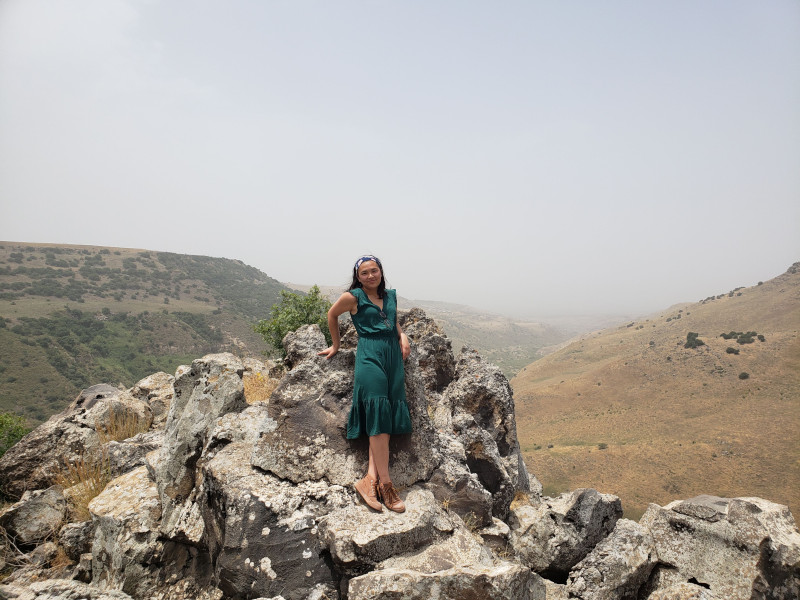
 Hania Kantzer is a sophomore at the University of North Carolina at Chapel Hill studying chemistry and Asian studies. This past summer, she was a grateful recipient of the Stevan B. Dana Fieldwork Scholarship through ASOR, and was able to work as a student researcher on the Huqoq Excavation Project.
For more information about the Huqoq Excavation Project visit the project website:
This an old post from March 21st. Please click here for the most recent update on March Fellowship Madness.
Each year, ASOR sponsors many Fieldwork Scholarships for students and volunteers to take part in ASOR A
ffiliated Projects. Currently, there are funds to provide scholarships for 40 students, but with your help, we aim to raise $6,000 during March Fellowship Madness to send three additional students into the field during Summer 2024. As of March 21, we have raised $3,000 of our $6,000 goal.

ASOR is able to provide these scholarships with the partnership of you, our many membe
rs and donors. You are enabling ASOR to establish new scholarships and grants through endowed funds, but your gift during this March will allow ASOR to send more eager
students and early career scholars into the field. Please support archaeology’s next generation by making a gift today and selecting “Excavation Scholarships” as the designation for your gift.

We owe so much to our generous members; even a small donation of just $10 can add up to make a big difference. 100% of your gift will go towards Fieldwork Scholarships for students. Read about the experiences of past recipients below to see just how great of an effect a scholarship can have on someone.
Please spread the word and don’t hesitate to contact us if you have any questions (e-mail or call [703-789-9233]).
-The ASOR Team
| DONATE BY PHONE | DONATE BY MAIL | MAKE A PLEDGE (DONATE LATER) |
|---|---|---|
| Call ASOR: 703-789-9229 | ASOR 209 Commerce St. Alexandria, VA 22314 | E-mail ASOR |
“Being on a dig isn’t just that three week or six-week session. It turns into a life experience. Not just the memory aspect of it. It can motivate you to care more about your physical condition and health. You make friends from all over the world and stay in contact on social media. It makes you more interesting to your family and friends, having unique stories to tell and pictures to share. If you read the Bible or history books it gives you “I was there” pictures in your mind of the real thing.
One of my favorite pictures from this summer at Tel Hazor Lower City is of me standing above the “hole” I helped dig in six weeks. By itself, the picture isn’t amazing. But when I tell the people I show it to that we started at ground level in the year 2023, and six weeks and nine feet later it was the year 1750 BC more than 3,700 years ago–it becomes amazing! Lots of people like movies and books about time travel; sitting comfortably watching a movie or reading a book. I was there. I touched the stones and artifacts. I time traveled. Words cannot adequately express this phenomenon. You’ll just have to go to a dig one of these summers and see for yourself.”
-John Rinks, 2023 Stevan B. Dana Fieldwork Scholarship Recipient
“What an exciting season in the field! It was fun to make new friends, learn from many capable archaeologists, and excavate such an interesting and historically significant site. It was inexpressibly rewarding to get back into field work after several years away. I am grateful to ASOR and the P.E. MacAllister Scholarship for making it possible for me to return to the field.”
-John Harmon, 2022 P.E. MacAllister Fieldwork Scholarship Recipient
“As an archaeology student, my education is all about developing my archaeological understandings and perfecting my craft. This is why we all go to school. But there is just something so special and amazing about the moments in our educational journeys when what we have worked to learn evolves from mere theory to applied practice.”
-Erika Brown, 2022 BIPOC Fieldwork Scholarship Recipient
“Overall, this was an unforgettable experience where I got to learn new skills in the field, make meaningful connections, and see new things. I am grateful to Dr. Kevin Fisher and Sheri Pak for organizing this trip and to Dr. Eric and Dr. Carol Meyers for their generous scholarship. Without all your support, my participation in this project would not have been possible!”
-Isabelle Sauvé, 2023 Eric and Carol Meyers Fieldwork Scholarship Recipient
“I can’t say that I didn’t expect how talented, hardworking, and experienced the professors I worked under were; the knowledge they imparted to us students was extraordinary just like their CVs would tell you. What I did not expect was the level of personal support and kindness they extended. I will never forget how these experts at the top of their field still made time to guide me, an undergraduate fresh out of my first year in college. They didn’t just lead by example; they also provided invaluable mentorship. Months later, I am still brushing off the dust from my work clothes, yet what remains even more vividly from this experience than the dust on my belongings or the treasured trowel displayed on my shelf are the wonderful memories of my first adventure in archaeology!”
-Hania Kantzer, 2023 Stevan B. Dana Fieldwork Scholarship Recipient
“It was the exceptional privilege for me to participate in the Huqoq Excavation Project for their final year, not only because it supplemented my academic studies and offered me a close-up view of the Holy Land, but also because it augmented my understanding of the significance of archaeology. For this reason, I am profoundly grateful for those individuals whose assistance made my participation in the Huqoq Excavation Project possible, as well as all the directors, team leaders, and fellow members who made it such an unforgettable and phenomenal experience.”
-Thomas Barrett, 2023 Platt Fieldwork Scholarship Recipient
“This July I was fortunate enough to travel to Israel for the first time and participate in the archaeological dig at Tel Abel Beth Maacah, near Metula in Galilee, and it was an unforgettable experience. As an Old Testament student much of my time is focused on the literary and linguistic areas of biblical studies, but on the recommendation from one of my professors I applied to be a participant in the excavation at ABM. This experience, although brief, has given me a practical perspective on my current academic endeavors. Thank you to ASOR and the scholarship donors who made this trip possible.”
-Ashley Jemmott, 2023 BIPOC Fieldwork Scholarship Recipient
“My first excavation season at Gird-I Matrab was a wonderful experience, full of surprising discoveries. I had the opportunity to work with an amazing international team and to discover more about Kurdish culture. I visited places and I met people that contributed to my personal and academic growth. I really look forward to being back in Gird-I Matrab next year!”
-Marta Doglio, 2023 P.E. MacAllister Fieldwork Scholarship Recipient
“One of my favorite things about archaeology is being part of a community forged through hard work, friendship, collegiality and mutual support. There is almost no better feeling than being covered in mud from head to toe, exhausted, hot, thirsty and hungry and yet somehow finding the energy for a race to the car for the best seat for the ride home while laughing all the way. Being part of this kind of family–a chosen family some might say–is a real privilege and one I look forward to every year.”
-Hélène Maloigne, 2023 Strange and Midkiff Families Fieldwork Scholarship Recipient
“In sum, the hands-on learning at Tel Dan helped me better understand the concepts I learned in my archaeology seminars (especially pottery typology!), the tools and methods used on archaeological digs, and how archaeologists make decisions in real time about what they are finding. Overall, I learned many things about archaeology and archaeological methods while on the dig that I never could have learned in the classroom.”
-Andrew Bock, 2022 Stevan B. Dana Fieldwork Scholarship Recipient
“In addition to all of the fieldwork, spending time with all of the individuals with the same passion for archaeology was amazing. I will have future colleagues and friends for life.”
-Zachary Griffith, 2022 Eric and Carol Meyers Fieldwork Scholarship Recipient
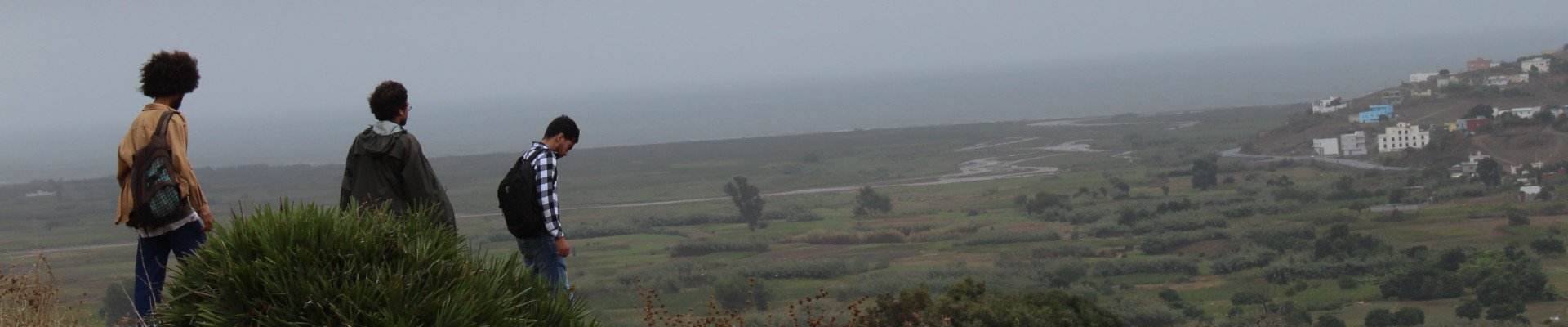
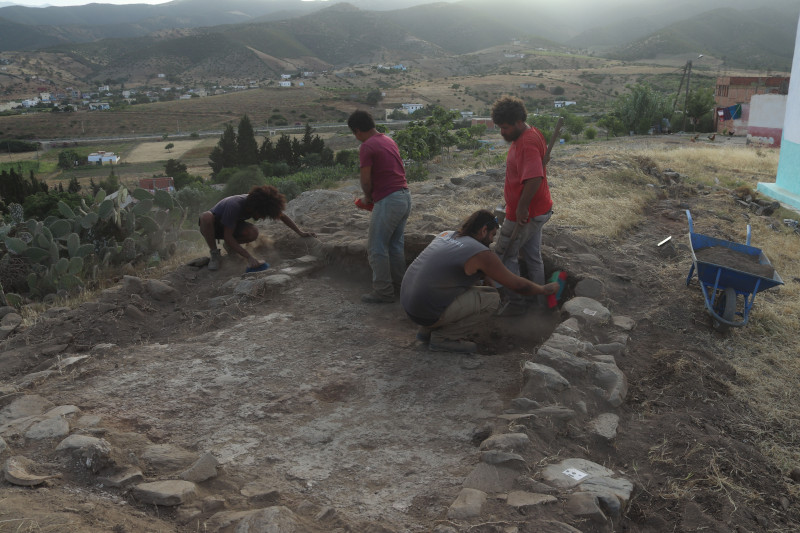
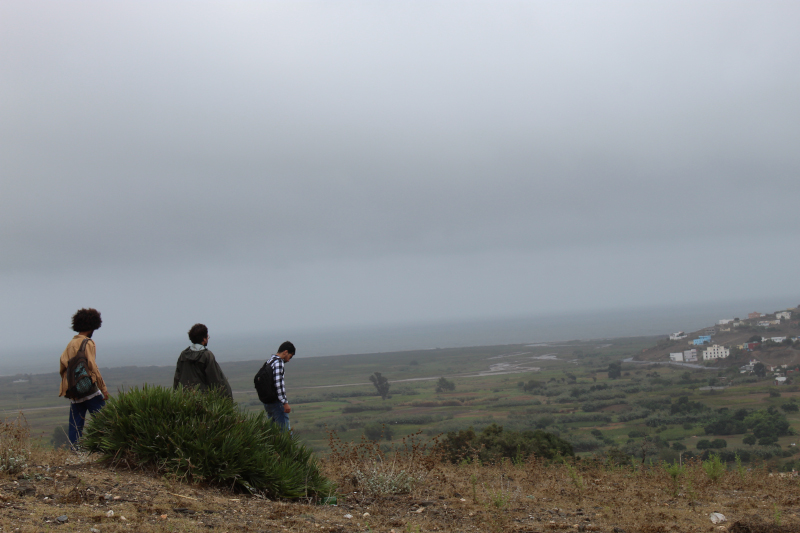
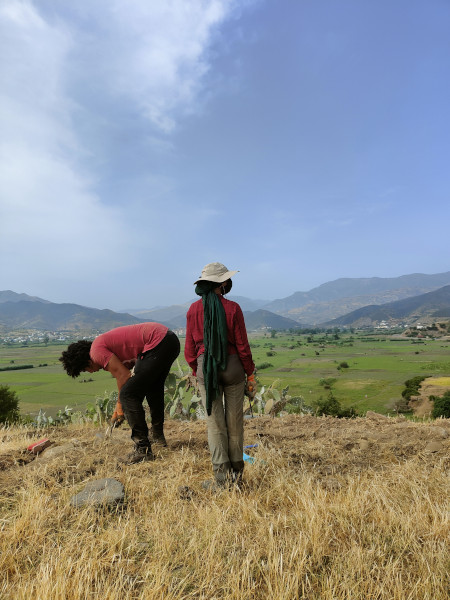
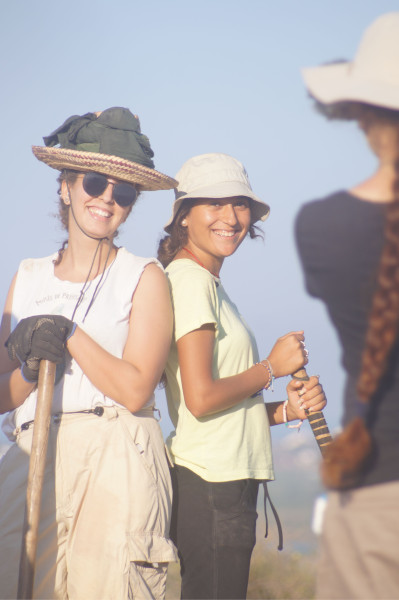
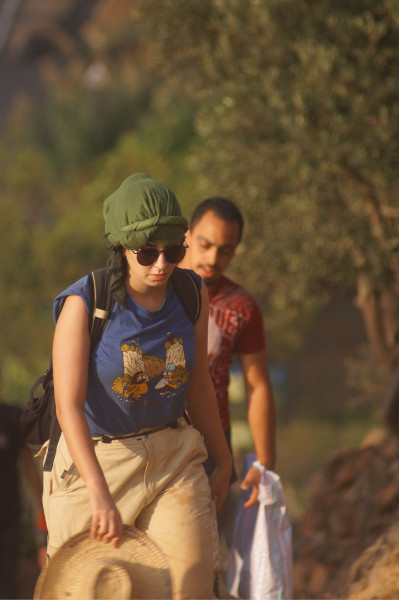
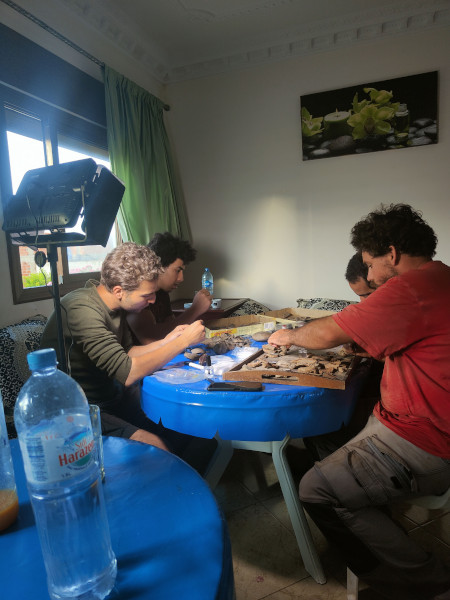
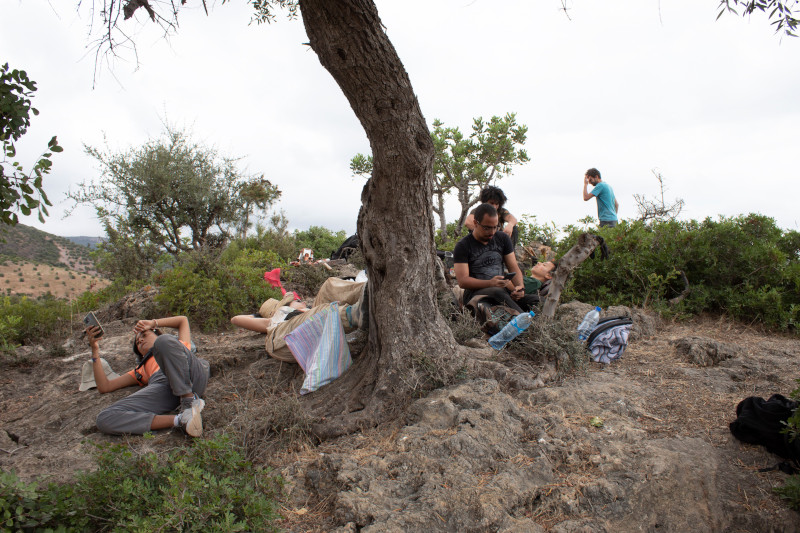
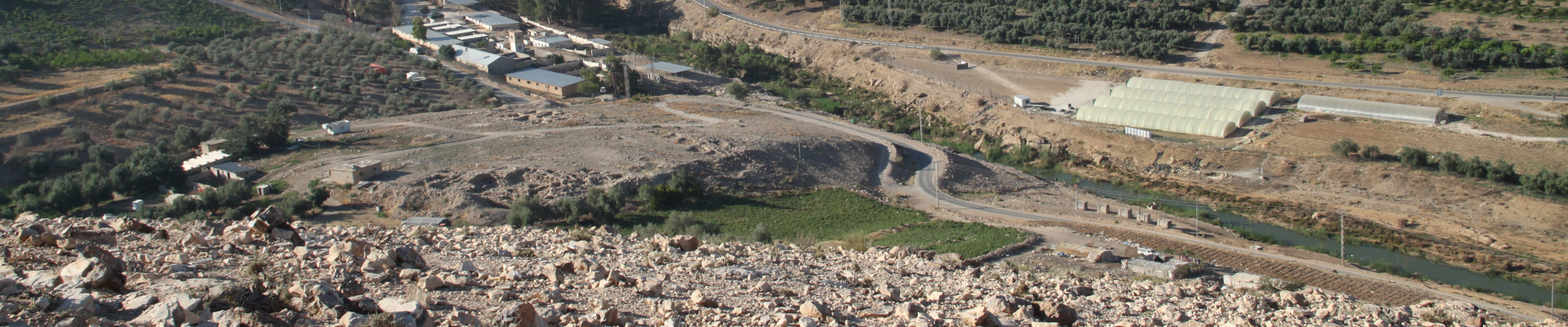
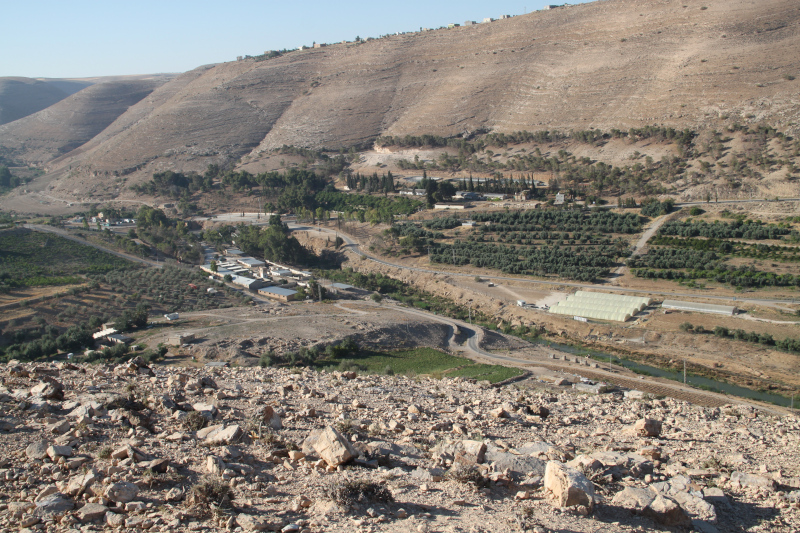
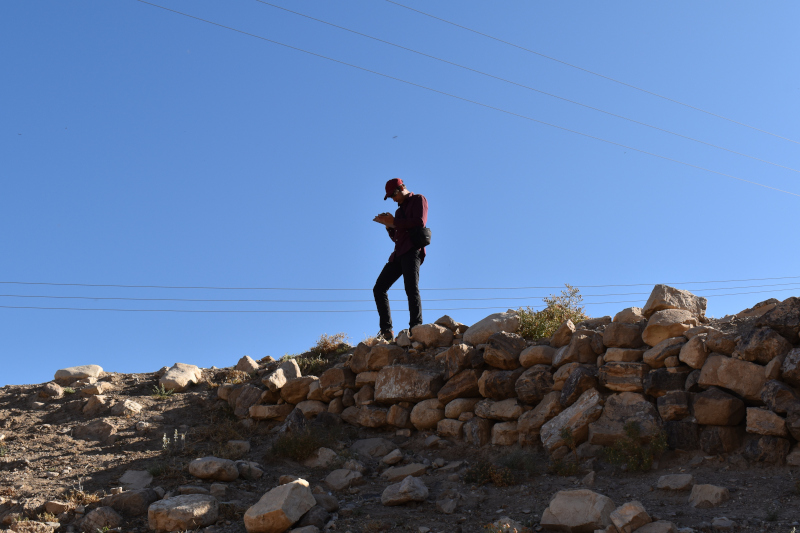
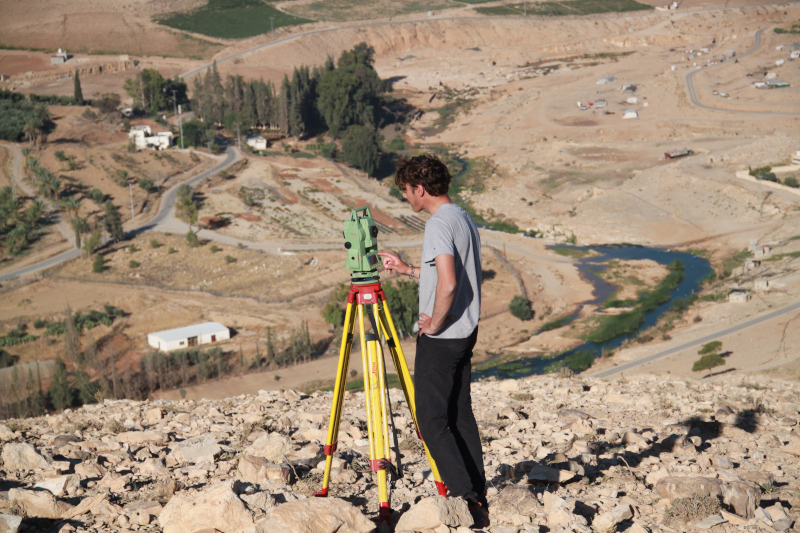
 During this season, I was also in charge of producing the photogrammetric record of the probes and the road cut sections. Therefore, sometimes I also worked on the acquisition of the photographic dataset and measurements with a total station to produce a 3D model of the endangered southern and southeast sectors of the site of Khirbat Iskandar. On such days, I would join the survey team for the rest of the day after completing my work on photogrammetry. To take the photographic dataset as first operation in the morning is an important step because it allowed me to take advantage of the best light before the sun rises. In fact, direct sunlight provides uneven lighting around an object and casts hard shadows, this can lead to errors during the photo processing or produce a bad quality texture. So, it is necessary for us to take photo when the light is diffused, like cloudy days or during the sunset/sunrise.
Personally, I consider this task a necessary step of my work and I am proud of the results I obtained. The use of new technology as photogrammetry in the collection and elaboration of data is an important step, necessary in most of modern survey operations. All the 3D models we produced are scaled; this allows us to take remote measurements and have a three-dimensional point of view over the subject without being in the field and all in one file. In few words: scholars can virtually come back to the site whenever they want.
After the lunch break my work restarted in the afternoon. Usually in the second part of the day I worked on the processing of data we collected in the morning; this operation consists most of the time in the massive data entry into our geodatabase. Maybe this part of the work is a bit boring compared to the fieldwork but it is necessary and it so exciting to see the results of all our hard work summarized on maps that show us a big picture. When we took photographic data for photogrammetry, I used to work on the elaboration of the 3D model with appropriate software such as Metashape. Usually this process is mostly automatized except for the uploading of photos and coordinates collected with the total station. It can be time consuming just in case of problems, for example the presence of one or more bad photograms in the dataset, bad light or other technical issues that can be resolved with a bit of human work. When a 3D model was completed I produced some orthophotos, which will be necessary to generate floor plans or frontal elevations through the use of other software as Autocad.
 Nicola Lanzaro obtained his BA degree in Eastern Archaeology at L’Orientale University of Naples. He is currently a MA student at the Sapienza University of Rome. He is currently member of two missions in Levant: the Lebanese-Italian Project in the Region of Tyre, Lebanon (from 2022) and the Archaeological Expedition to Khirbet Iskander, Jordan (from 2023). Nicola’s areas of interest include landscape archaeology, GIS, and the Early Bronze Age routes of the Southern Levant.
Want to help more students and early career archaeologists get into the field? Donate to the cause today by selecting “Student Support” as your gift purpose!

This an old post from March 14th. Please click here for the most recent update on March Fellowship Madness.

This year ASOR is awarding more than $250,000 in fellowships, scholarships, and grants! This extraordinary commitment to support fieldwork and research has been made possible by you, our members and donors, who have established endowments or made an
nual contributions to these programs.
we aim to raise $6,000 to send three additional students into the field during Summer 2024.

ASOR is able to provide these scholarships with the partnership of you, our many members and donors. You are enabling ASOR to establish new scholarships and grants through endowed funds, but your annual support (i.e., gifts this year) will allow ASOR to send more eager students and early career scholars into the field. Please support archaeology’s next generation by making a gift today and selecting “Excavation Scholarships” as the designation for your gift.
You may also make a designated gift by choosing any category from the drop-down menu on the donations module.
We owe so much to our generous members; even a small donation of just $10 can add up to make a big difference. 100% of your gift will go towards Fieldwork Scholarships for students. Keep track of our March Fellowship Madness 2024 donation progress here!
Please spread the word and don’t hesitate to contact us if you have any questions (e-mail or call [703-789-9233]).
-The ASOR Team

[vc_row fullwidth=”true” attached=”true” css=”.vc_custom_1496247803139{padding-top: 0px !important;padding-right: 0px !important;padding-bottom: 0px !important;padding-left: 0px !important;}”][vc_column][vc_single_image image=”94772″ img_size=”1920×400″ alignment=”center”][/vc_column][/vc_row][vc_row fullwidth=”true” css=”.vc_custom_1496682730308{padding-top: 10px !important;padding-right: 0px !important;padding-bottom: 0px !important;padding-left: 0px !important;}”][vc_column width=”1/12″ css=”.vc_custom_1496683820796{margin-right: 10px !important;}” offset=”vc_hidden-md vc_hidden-sm vc_hidden-xs”][vc_column_text]
SHARE
[/vc_column_text][mk_image src=”http://www.asortest.org/wp-content/uploads/2017/01/social-fb-icon4.jpg” image_width=”42″ image_height=”42″ hover=”false” custom_url=”https://www.facebook.com/ASOResearch/” margin_bottom=”0″][mk_image src=”http://www.asortest.org/wp-content/uploads/2017/01/social-tw-icon4.jpg” image_width=”42″ image_height=”42″ hover=”false” custom_url=”https://twitter.com/ASOResearch?ref_src=twsrc%5Egoogle%7Ctwcamp%5Eserp%7Ctwgr%5Eauthor” margin_bottom=”0″][mk_image src=”http://www.asortest.org/wp-content/uploads/2017/01/social-in-icon4.jpg” image_width=”42″ image_height=”42″ hover=”false” custom_url=”https://www.linkedin.com/company/american-schools-of-oriental-research” margin_bottom=”0″][mk_image src=”http://www.asortest.org/wp-content/uploads/2017/01/social-ml-icon_7.jpg” image_width=”42″ image_height=”42″ hover=”false” custom_url=”mailto:info@asor.org” margin_bottom=”0″][mk_image src=”http://www.asortest.org/wp-content/uploads/2017/01/blog-icon3.jpg” image_width=”42″ image_height=”42″ hover=”false” custom_url=”http://asor.org/blog” margin_bottom=”0″][vc_column_text][/vc_column_text][/vc_column][vc_column border_color=”rgba(255,255,255,0.01)” width=”1/6″ css=”.vc_custom_1496683923840{margin-right: 20px !important;border-left-width: 2px !important;padding-right: 20px !important;padding-left: 20px !important;border-left-color: #99422f !important;}”][vc_widget_sidebar sidebar_id=”ca-sidebar-39801″][/vc_column][vc_column border_color=”rgba(170,170,170,0.01)” width=”1/2″ css=”.vc_custom_1487276122024{margin-right: 10px !important;margin-bottom: 30px !important;border-right-width: 2px !important;border-bottom-width: 2px !important;padding-top: 30px !important;padding-right: 30px !important;padding-left: 20px !important;background-color: #ffffff !important;border-right-color: rgba(227,228,228,0.75) !important;border-bottom-color: rgba(227,228,228,0.75) !important;}”][vc_column_text responsive_align=”left”]
Annalise Whalen, 2023 P.E. MacAllister Fieldwork Scholarship Recipient
[/vc_column_text][mk_divider][vc_column_text responsive_align=”left”]
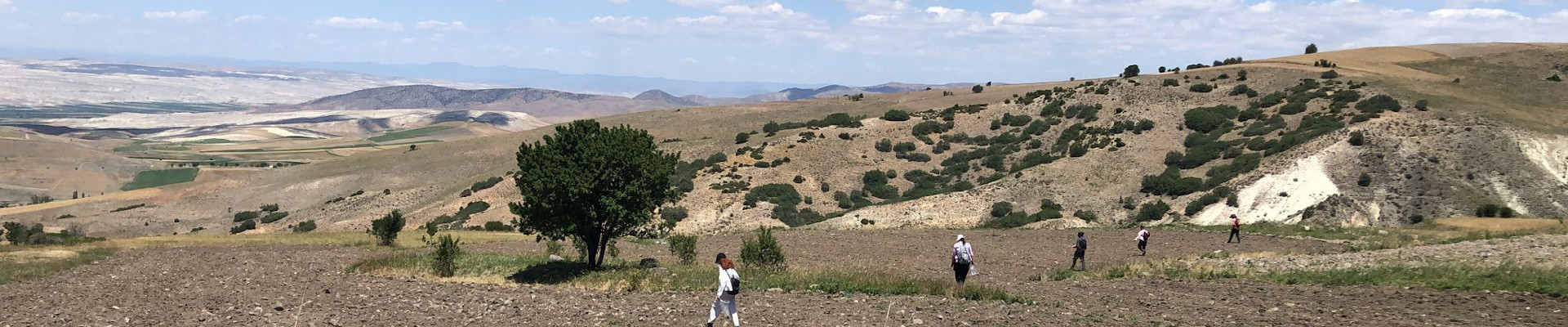
Mid-way through excavation, the highest point of the site can be seen in the background near where the Cappadocia Gate and the Palatial Complex are located.
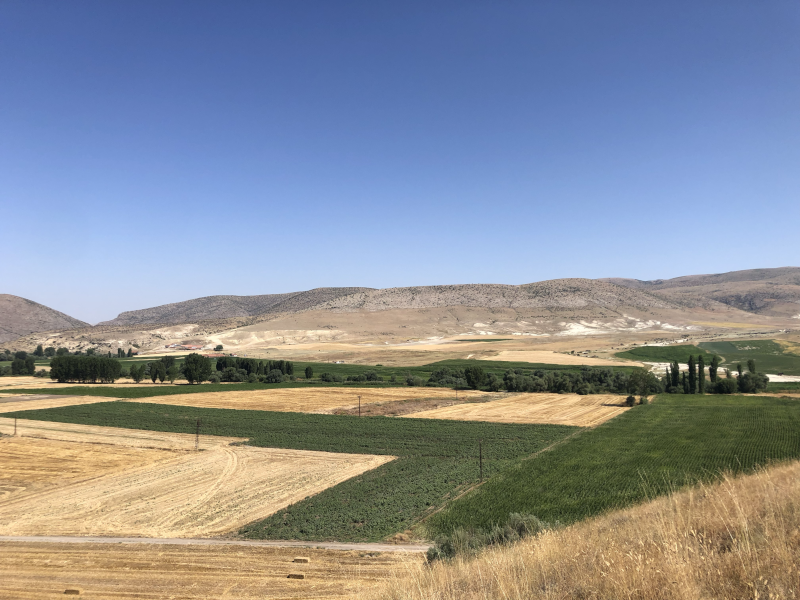
Welcome to Kerkenes, a sprawling Iron Age site located in central Anatolia. This megacity is mysterious as it is vast; Kerkenes was only briefly inhabited for less than a century, before a battle and catastrophic fire caused it to become abandoned. Although the site has been suggested to be that of which Herodotus identifies as Pteria, this description is unconfirmed, and much is left to be learned about the city and its former inhabitants.
Here I joined the ASOR-affiliated Kerkenes Project with the University of Central Florida, where I started my PhD this year working with Kerkenes project director Dr. Scott Branting. Despite a sobering earthquake and busy election season in Turkey preluding our excavation, this year’s field season took place from May until July 2023. Thanks to the generous support of the P.E. MacAllister Fieldwork Scholarship, I was fortunate to participate in an advantageous initial season on the site before starting my PhD program.
[/vc_column_text][vc_wp_text]
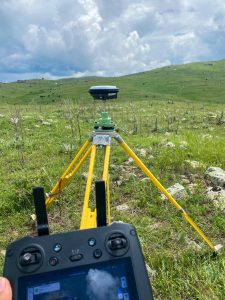
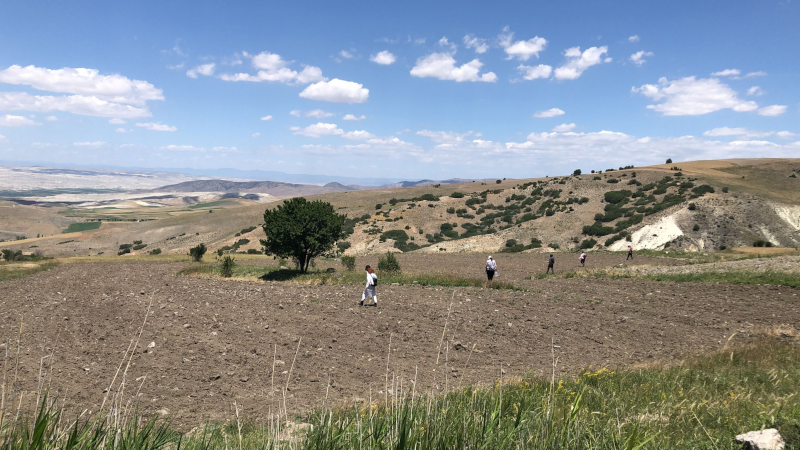
The drone (somewhere up in the sky) and GPS in action.
Kerkenes is located in central Anatolia, in the province of Yozgat. This year the Kerkenes team was lucky to be among the first to experience the opening of the new high-speed rail system that now runs from Ankara to Yozgat (yes, the same name as the province), a city within an hour of the field site. I find the Kerkenes Project unique on account of the variety of research methods and experts that collaborate on the single site. This year we conducted geophysical surveys, drone surveys, and excavation in the field, in addition to ongoing material analysis carried out by conservators, zooarchaeologists, paleobotanists, and ceramicists in the nearby compound’s facilities. Digitalization of previous years’ finds is carried out in any spare time the team has, creating a valuable archive of 3D data about the site.
[/vc_wp_text][vc_single_image image=”94777″ img_size=”large” add_caption=”yes” alignment=”center”][mk_padding_divider][vc_wp_text]
The timing of the field season in Kerkenes is particularly suited to the wide range of surveys and research that is conducted there. Weather in the first few weeks of the season is typically wet and rainy, the moist ground conducive to resistivity surveys. Perhaps thanks in part to El Niño, we had an unusually rainy year that allowed for resistivity to carry on into nearly mid-June. As the spring rain cleared up, excavation began on Urban Block 8, a section of the city located along the northern edge of the city wall. This block is one of the longest-excavated sections of the site and has yielded valuable data concerning urban development and planning of the city and its perimeter defensive wall.
Over June and July, the excavation team successfully excavated new rooms of this block, providing the project with more data that will help us understand the purposes of the specific structures in Urban Block 8. Based upon the 2022 season’s excavation in adjoining rooms of the block, we anticipated the need for accompanying zooarchaeologist researchers to develop a system by which to differentiate bone fragments from ivory in the field. This system expedited the identification process of many materials and made our work in the trench more efficient.
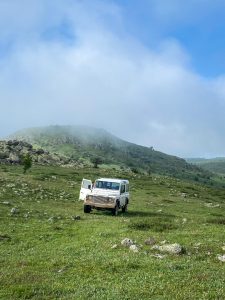
The project’s trusty all-terrain transportation.
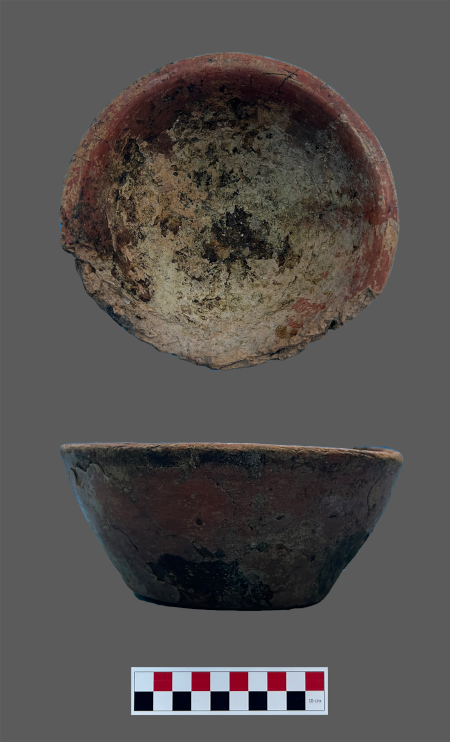
Sure enough, this summer’s excavation yielded data which will help us understand the functionality of Urban Block 8’s structures, in addition to the potential diet, animal husbandry practices, storage systems, and art production of the urban block’s residents. Many materials found in Urban Block 8 this year showed evidence of contact with extreme temperatures, serving as further evidence of the reach and intensity of the destructive fire that enveloped the city. The team conducted wet sieving and flotation on many soil samples from this year’s trench, but due to the large volume of soil collected, work from 2023 samples will continue into next year and keep us very busy!
Finds from previous years of the Kerkenes project can be viewed by the public at the nearby Yozgat Museum, as well as in Ankara at the Museum of Anatolian Civilizations. The Kerkenes site will continue to be a source of incredible information about the central Anatolian Iron Age and ancient megacities. Recent work on the site investigates urban planning, pedestrian modeling, and shared social spaces that can be applied to cities anywhere, ancient or modern. I look forward to joining the project in the coming years during my doctoral program to help uncover more of this incredible field site.
[/vc_wp_text][vc_single_image image=”94784″ img_size=”full” add_caption=”yes” alignment=”center”][mk_padding_divider][vc_wp_text]
Annalise Whalen is a PhD student at the University of Central Florida, where she focuses on digital archaeology of the Middle East. She earned her MTS from Hellenic College Holy Cross Greek Orthodox School of Theology, and received her BA from the University of Massachusetts Amherst. You can find Annalise Whalen on Twitter @AnnaliseWhalen
For more information about the Kerkenes Project visit:
Website https://sciences.ucf.edu/anthropology/kerkenes/
[/vc_wp_text][mk_divider][vc_wp_text]Want to help more students and early career archaeologists get into the field? Donate to the cause today by selecting “Student Support” as your gift purpose!
 [/vc_wp_text][/vc_column][vc_column border_color=”rgba(170,170,170,0.01)” width=”1/6″ css=”.vc_custom_1496684098866{margin-right: 5px !important;margin-bottom: 20px !important;border-right-width: 2px !important;border-bottom-width: 2px !important;padding-top: 30px !important;padding-right: 10px !important;padding-left: 10px !important;background-color: #ffffff !important;border-right-color: rgba(227,228,228,0.75) !important;border-bottom-color: rgba(227,228,228,0.75) !important;}”][vc_wp_posts title=”BROWSE THE NEWS ARCHIVE” number=”4″][/vc_column][vc_column border_color=”rgba(170,170,170,0.01)” width=”1/6″ css=”.vc_custom_1496684008271{margin-right: 10px !important;margin-bottom: 30px !important;border-right-width: 2px !important;border-bottom-width: 2px !important;padding-top: 30px !important;padding-right: 20px !important;padding-left: 20px !important;background-color: #ffffff !important;border-right-color: rgba(227,228,228,0.75) !important;border-bottom-color: rgba(227,228,228,0.75) !important;}”][vc_column_text]Tweets by ASOResearch [/vc_column_text][/vc_column][vc_column][vc_column_text][/vc_column_text][/vc_column][/vc_row][vc_row][vc_column][/vc_column][/vc_row][vc_row][vc_column][/vc_column][/vc_row][vc_row][vc_column][/vc_column][/vc_row]