
Virginia Archaeology Month: Arc-tober Fest

Virginia Archaeology Month: Arc-tober Fest

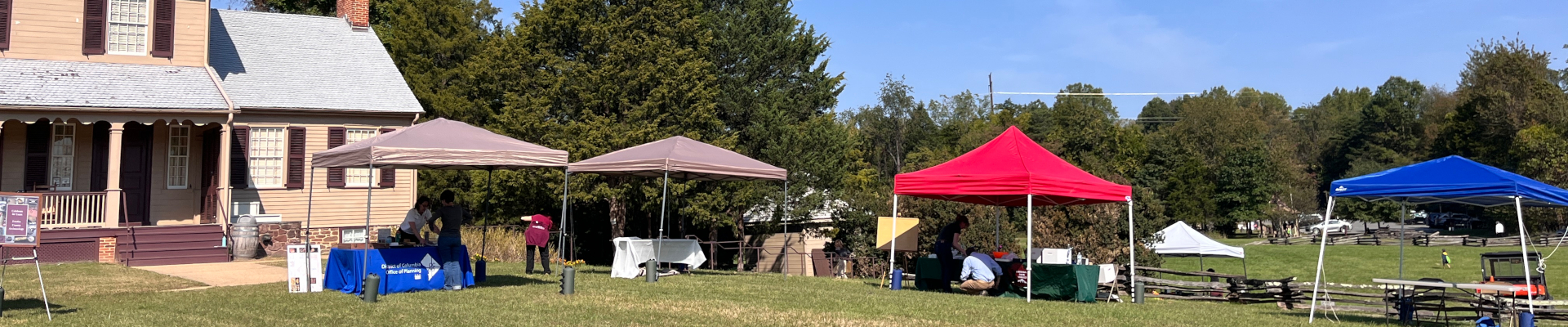
On Saturday, October 12, ASOR was pleased to participate in the inaugural Arc-tober Fest organized by Fairfax County Park Authority’s County Archaeological Research Team in celebration of Virginia Archaeology Month. With more than a dozen organizations, the event gathered archaeological organizations & departments around the DMV area at Sully Historic Site in Chantilly, VA for a day of public outreach and learning of the profession and the archaeological resources found in Fairfax County. Visitors were able to learn about a wide variety of archaeological organizations, career opportunities in the field, the history of Sully Historic Site, and engage in interactive, hands-on activities led by real archaeologists. Tours of the Sully House were offered as well as a presentation about the archaeology of the reconstructed Quarter Cabin, believed to be the quarters of enslaved people of the Lee family.

ASOR staff with the ASOR table.
Sully House, a nationally registered historic place in Chantilly, VA.

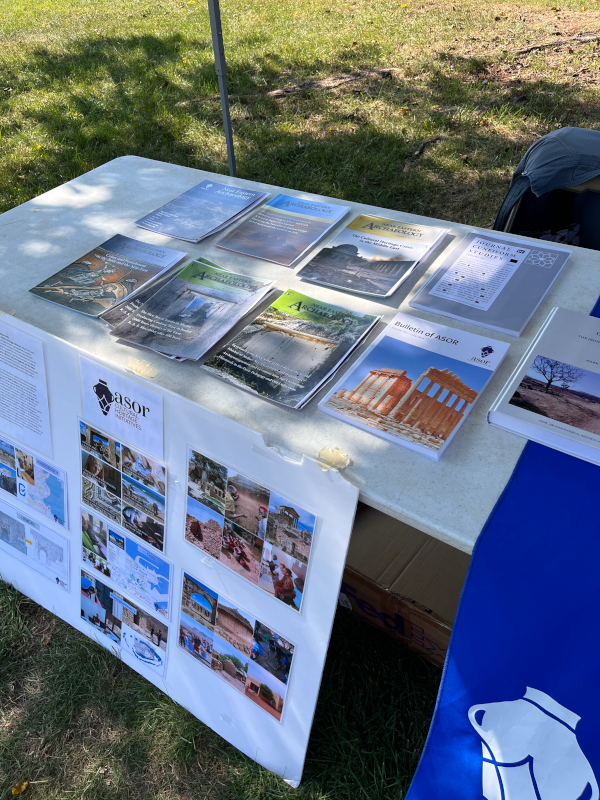
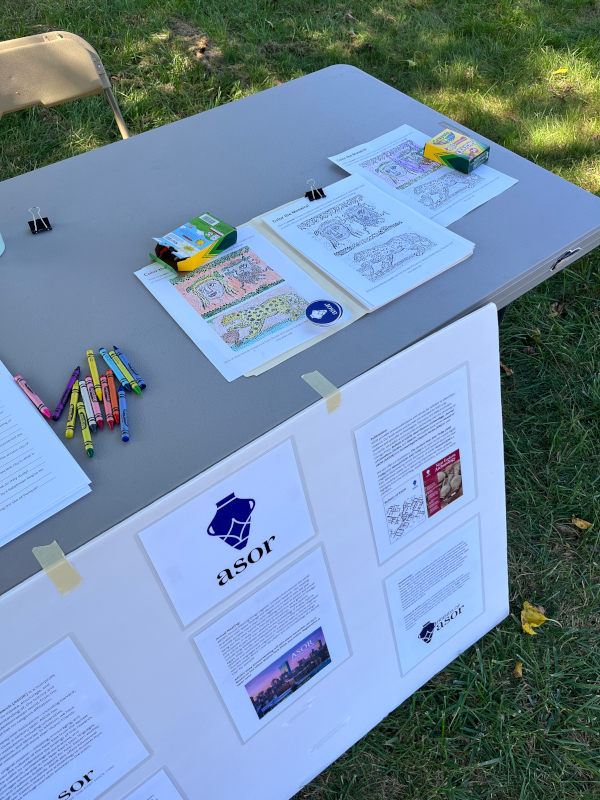
ASOR’s table included informative posters about our organization and Cultural Heritage Initiatives, plus a few activities for children and adults. For children, we provided coloring sheets of mosaics from the El Jem Archaeological Museum in Tunisia as well as ASOR stickers. Additionally, we had trivia sheets geared towards adults with questions that covered the basics of archaeology (“What archaeological dating method uses tree rings to determine the age of wooden artifacts?”) as well as specialized questions about the Near East (“In the 9th century BCE, the Phoenicians founded what ancient city in what is now modern-day Tunisia?”). We also had a selection of our publications, including several Near Eastern Archaeology journals that we gave away for free to visitors.

The various ASOR publications available for visitors to look at.
A mosaic coloring activity for kids.

ASOR is proud to have supported Arc-tober Fest as part of Virginia Archaeology Month. Thank you to Fairfax County Park Authority for hosting this event and we look forward to participating in future Arc-tober Fests!

2024 Nominees for ASOR Board Elections

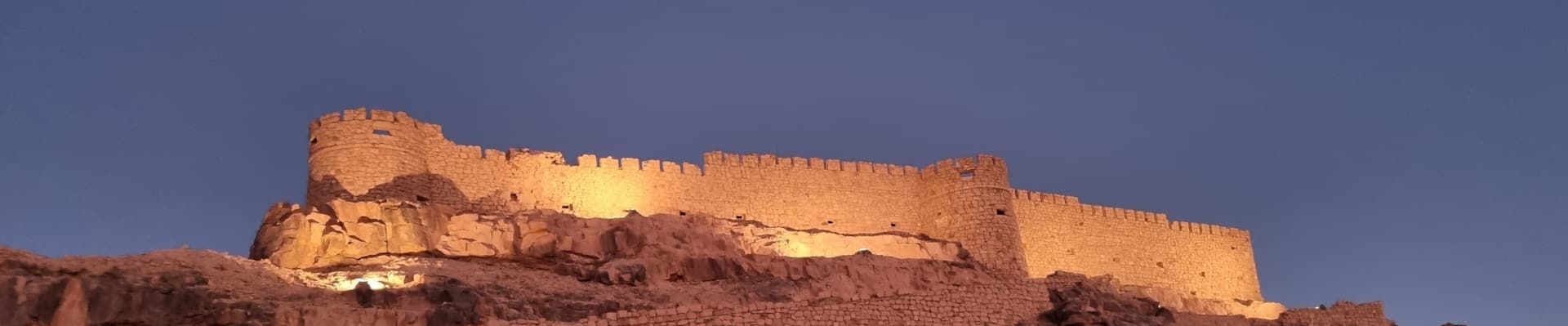
A photo of Ghat Fort in Libya, taken at night.

2024 NOMINEES FOR ASOR BOARD ELECTIONS

The ASOR Trustee Nominations Committee has selected six highly qualified members to stand for election for four open positions on the Board of Trustees. The Board sets the direction for ASOR and provides oversight for our organization. Among other responsibilities, members of the Board agree to attend two meetings each year, to participate thoughtfully in the governance process, and to contribute financially to ASOR.

There are four candidates running for two openings as Member-elected Trustees for 3-year terms (Helen Dixon, Asa Eger, Paul Flesher, and Emily Hammer). There are two candidates for two openings as Institutionally-elected Trustees for 3-year terms (Andrea Berlin and Lynn Swartz Dodd).  All ASOR members are eligible to vote in the Member-elected Trustee Election, while only Institutional Representatives of the 60 ASOR-member schools may vote in the Institutionally-elected Trustee Election.

ASOR will conduct the elections by online ballot, and all members and Institutional Representatives will receive the appropriate ballot(s) via email on or around October 16, 2024. We will send out two reminders, and all ballots must be completed by 12:00 PM Eastern Time on Monday, November 18. If you have difficulties completing the online ballot (once they are distributed), please contact Marta Ostovich at programs@asor.org.
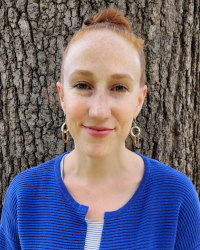
Nominees for Membership-elected Trustees
(two to be elected)

Helen Dixon
Helen Dixon

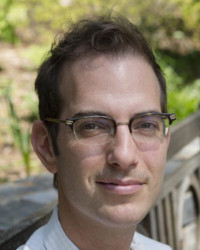
Helen Dixon serves as Assistant Professor of History at East Carolina University in the University of North Carolina system, where she teaches ancient Near Eastern, Greek, and Roman history, in addition to Public History and Museum Studies. As a specialist in Phoenician history, culture, and religion, she has conducted archaeological, museum, and archive research in Lebanon, Syria, Israel, Palestine, Jordan, Cyprus, Turkey, Malta, Egypt, and Tunisia.  Her work on Phoenician sacred space was recognized by the J. Paul Getty Foundation, which named her 2021 Villa Residential Scholar, and she currently serves as public historian on both an NSF and NEH grant aimed at studying historic African American cemeteries in eastern North Carolina from a restorative justice perspective. Prior to her current appointment, she held positions as Assistant Professor of Religious Studies at Wofford College in South Carolina, as Postdoctoral Researcher in the Faculty of Theology at the University of Helsinki, and as Postdoctoral Teaching Fellow in the History Department at North Carolina State University, following her PhD in Near Eastern Studies (2013) from the University of Michigan.

Mission Statement: ASOR is my academic family. I have been an attendee since first sneaking in from SBL in 2007 (sorry Andy!) and have found support and mentorship here that was not always present in my home institution. Some of this support has been financial: I’ve been the recipient of ASOR student travel grants (2008 and 2009) and the Study of Collections Award (2023), and I have begun to give back to the organization as I am able. In terms of service to ASOR, I have chaired member-organized sessions periodically since the 2010 “Death and Burial in the Ancient Near East,” facilitated several standing sessions including “Archaeology of Lebanon,” and was an early member of the Junior Scholars (now Early Career Scholars) Committee, followed by serving as a member and then co-chair of the ASOR Program Committee (2016-2022), for which I was granted the ASOR Membership Service Award in 2022. I am fiercely devoted to ASOR even as I recognize that we suffer from the problems shared by many organizations who rely on donor support, government permits, very few (marvelous) staff, and lots of volunteer labor. My goal would be to push ASOR to be a more active ally to scholars, institutions, and regions that are doing excellent work without the financial and political assets that shape power in our field. I am especially interested in amplifying the work of our partners in the Middle East in places where we do not currently have an American research center, considering the work ASOR’s network already does as a group of dedicated scholar-administrators.

Asa Eger
Asa Eger

Asa Eger is Professor of the Islamic World in the Departments of History and Ancient Mediterranean Studies and Archaeology at the University of North Carolina at Greensboro. His research focuses on Islamic and Byzantine history and archaeology of the eastern Mediterranean, with a focus on frontiers and the relationship between cities and hinterlands. He is the author of The Islamic-Byzantine Frontier: Interaction and Exchange Among Muslim and Christian Communities and co-author of Antioch: A History, both winners of ASOR’s G. Ernest Wright Book Award in 2015 and 2022. He has directed excavations and surveyed all around southeast Turkey since 2001, as well as Israel, Cyprus, and Greece. He currently co-directs excavations at Caesarea, Israel, surveys with the Kozkalesi Archaeological Project in the Hatay, and studies the 1930s Antioch collections at Princeton University and the 1970s survey material from the Tell Rifa’at Survey, the hinterland of Aleppo, at the Louvre.

He has been a member of ASOR for 20 years and served on the Program Committee for 6 of those years (2013-2019). He has co-chaired 4 multi-year sessions: “The Byzantine and Early Islamic Near East” (2006-2008), “Islamic Frontiers and Borders in the Near East and Mediterranean” (2011-13), “The Archaeology of Monasticism” (2014-16), “Islamic Seas and Shores: Connecting the Medieval Maritime World” (2021, 2023), plus “Field Schools in Practice: A Round-Table Discussion” (2019). He also has received the 2023 ASOR Stevan B. Dana Project Grant and Heritage Grant twice.

Mission Statement:

From my first ASOR meeting exactly 20 years ago, I have always felt a sense of belonging to this organization that serves many functions, but among them, a home away from our various temporary homes abroad, where we can continue the conversations left in the field. I love this organization for its intimacy. Small meetings without too many concurrent sessions and no job interviews make the annual conference a pleasure to attend. As compared to AIA or SAA, one can see this in the quality of papers and the strong ability for people to network – an essential component for archaeologists who conduct research largely through collaborative means. I feel strongly about maintaining these principles, but deepening and expanding the scholarship that ASOR supports both from within, through grants, publications, and meetings, and externally by encouragement and recruitment throughout the academic and public community.

If I were to give my vision of ASOR 8 years ago, I would have had a lot to say about reorganizing and reprioritizing the annual meetings and publications and grants to represent archaeologists working on all periods and breaking away from the traditional Biblical and Levant centered hold. However, ASOR has confidently evolved. My vision would be to maintain this breadth of scope even more comprehensively and in a balanced fashion. I would work to insure that these periods are adequately represented and spaced appropriately in the annual meetings within ASOR but also actively recruit scholars and students to present and publish with ASOR. Geographically, I would also insure that the Near East is more broadly defined and that cultural spheres in later periods (Roman, Byzantine, Islamic) included areas towards Central Asia, the Caucasus, North Africa, islands of the Mediterranean, and the Balkans. Shifting current political conflict poses challenges for fieldwork and such areas have opened up where others closer to the central lands have closed.  I would love to see dialogue across individual periods and regions. Diachronic studies of single regions framed by landscape, environment, and settlement; comparisons on the role of empires and other political systems, trans-spatial examinations of interregional trade are but a sampling of potential original research that advances how we envision the Near East and truly benefit from one another’s work by stepping outside of our individual fields. Apart from meetings, this can also manifest in ASOR becoming more financially active in helping new projects get underway and disseminating the breadth of its scholarship in academic and public circles.

Paul Flesher
Paul Flesher

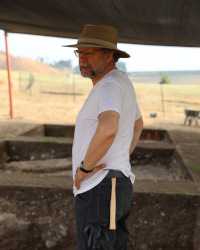
Paul Flesher began his academic career by studying the history and religion of Judaism and the ancient Near East with degrees from Rochester and Oxford before earning a PhD from Brown University. Currently, he is Professor of Religious Studies at the University of Wyoming and the director of the American Heritage Center, the nationally ranked archive where the ASOR records reside.

An expert in the Jewish writings of the Hellenistic and Roman eras, Paul draws upon archaeological and textual data to reconstruct the ancient past. In the early 1990s, he began working in scholarly partnerships to translate, edit and publish works that brought the two perspectives together.

In 1986, as a graduate student, Paul got involved with the Albright Institute of Archaeological Research in Jerusalem, and ultimately excavated at Tel Miqne, the Huqoq synagogue, and now Legio, home of Rome’s VI Legion. In 2016, he served as the Albright’s Seymour Gitin Distinguished Professor, and more recently as an ASOR trustee.

His research specialty focuses on synagogues, particularly those in Galilee, and the rites practiced in them. The excavated synagogue structures there provided the ritual locations for the Judaism described in and supported by the Roman-era Rabbinic writings. His publications include three written and nine edited volumes in addition to numerous articles. In recent years, Paul helped edit The Old Testament in Archaeology and History (Ebeling, et al., 2017) and he has been writing and speaking on the archeo-acoustics of ancient synagogues

Mission Statement: The heart of ASOR is field research. While its activities include publication, dissemination and education, everything starts with excavation. Covid and the ongoing war has significantly interfered with that. By 2025, our members will have been unable to dig for four of six years. How will we revive that activity and reinvigorate the discipline?

Our discipline and its future is shaped by our field research and the people who work with us and support us: our students, our colleagues, and our friends. Restarting excavation is not merely (!) a practical concern, but one of human connections and moral considerations. How will we re-enter a region where people are filled with fear, anger, hardship, and grief?

Our current excavation model relies heavily on undergraduates. Can we interest them in coming back, persuade them it is safe? Will it be safe?  What about training new faculty-level practitioners in near eastern archaeology? They need experience to become competent excavators, gain skills in reading pottery and lithics, and hone their ability to lead an excavation—to say nothing of other skills and abilities.

ASOR will need to lead and provide guidance in this revival. Its research centers will need to provide on-the-ground assessment of circumstances. Its members will need to advise each other and shape our society’s approach. If elected a trustee, I will use my decades of experience on the ground to work with ASOR’s membership and leadership to negotiate the challenges facing our discipline and strive to bring about its renewal.

Emily Hammer
Emily Hammer

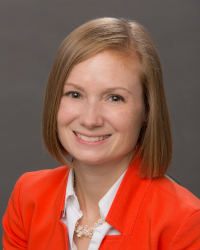
Emily Hammer is Assistant Professor of Archaeology and Digital Humanities at the University of Pennsylvania. She is an anthropological archaeologist interested in the development of urbanism and the history of mobile pastoralism in greater Mesopotamia, including the highland peripheries of the north and the alluvial plains of the south. She has surveyed and excavated in Iraq, Azerbaijan, Turkey, and the United Arab Emirates. Professionally she is known for her technical expertise in spatial analysis and both quantitative and visual analysis of remote sensing imagery, especially newly-declassified sources of archival imagery (including imagery from U-2 spy planes and Hexagon spy satellites). Her forthcoming book, The Archaeology of Pastoralism, Mobility, and Society: Beyond the Grass Paradigm (Cambridge, early 2025) weaves together often-segregated literature on Middle Eastern, African, and Central Asian pastoralism. As a participant in the global collaborative project “LandCover6K,” she works with other historians and archaeologists to reconstruct land use over the last 6000 years across southwest Asia for inclusion in models of long-term climate and anthropogenic land cover change. Emily holds a PhD in Anthropology from Harvard University (2012) and a BA both in Mathematics and Classical & Near Eastern Archaeology from Bryn Mawr College (2006).

Mission Statement:  

ASOR has been central to my professional life from the beginning of graduate school continuing until today. I value the knowledge that I gain and the networks that I build at each annual meeting. In recent years I have contributed to the life of the organization through service on several standing committees, the Committee on Archaeological Research and Policy (CAP, two terms, including terms on the Fellowships Committee) and the Cultural Heritage Committee. I have further had the opportunity to participate in shaping ASOR’s evolving current directions through service on the Ad Hoc Committee on ASOR’s Name and the Ad Hoc Committee for ASOR’s Code of Conduct for Fieldwork Projects. Additionally, I co-chaired the “Landscapes of Settlement in the Ancient Near East” annual meeting session each year from 2015-2022. As a parent of young children, I have become active in efforts to make field archaeology and ASOR itself more friendly to those with caregiving responsibilities.

ASOR has grown tremendously in the 17 years that I have been a member, and I have been excited to witness it expand to include both a more diverse group of members and scholarship concerned with a broader geographic area. As a Board Member, I would advocate for initiatives that help sustain and capitalize on this growth in the diversity of our membership and research interests. Furthering the important work of existing ASOR committees such as Early Career Scholars, Diversity, Equity, and Inclusion, and Initiative on the Status of Women is key for ASOR to adapt to meet the sometimes-disparate needs of members with various goals at different career stages. I hope to advocate for more ASOR programming targeted at supporting members in challenges we all face with ever-changing workplace, classroom, and research funding environments, as all aspects of our professional lives are reshaped by AI and by declining resources for the humanities. As a primarily North American-based organization, I believe that we must do much more to encourage and support truly equal collaborative partnerships with our local colleagues abroad. We must continue to confront the colonialist legacies of our disciplines, recruit diverse students to our fields, and find creative ways to communicate our research to a broader audience—in part through digital innovations.

Nominees for Institutionally-elected Trustees
(two to be elected):

Andrea Berlin
Andrea M. Berlin

Andrea M. Berlin is the James R. Wiseman Chair in Classical Archaeology at Boston University. She is an active field archaeologist who has been excavating in the eastern Mediterranean for over forty years, working on projects from Troy in Turkey to Coptos in southern Egypt to Paestum, in Italy. Her specialty is the Near East from the time of Alexander the Great through the Roman era, about which she has written/edited six books and over 70 articles. She is especially interested in studying the realities of daily life, and in exploring the intersection of political and cultural change in antiquity.

Andrea is the founder of the Levantine Ceramics Project, which began as a “light bulb” idea in 2011, and is now an established research tool with over 600 contributors from over 30 countries around the world.

She is a past winner of ASOR’s P.E. MacAllister Field Archaeology Award for outstanding contributions to ancient Near Eastern and Eastern Mediterranean archaeology. This year her contributions to the field were recognized by the Archaeological Institute of America, which awarded her the 2025 Gold Medal for Distinguished Archaeological Achievement.

Mission Statement: ASOR has been instrumental to my career from the start, beginning with the award of a Samuel H. Kress Pre-Doctoral Fellowship back in 1984. Over the many years since then, I have attended annual meetings, served on the board and as a member of CAP and COP, and published in its journals. I have watched with pleasure as ASOR’s intellectual vitality and professional footprint have continually expanded, solidifying its standing among the wider consortium of international scholarly organizations. ASOR has held fast to high standards in the dissemination of research while also broadening its sphere to accommodate an array of new initiatives, including especially ones focused on cultural heritage preservation and digital publication. Of the latter, the one closest to my heart is the Levantine Ceramics Project (LCP; levantineceramics.org), a crowd-sourced application devoted to archaeological ceramics covering 7000 years of life in the Levant. I founded the LCP in 2011; it now flourishes under the umbrella of ASOR projects. In common with all members and friends of ASOR, I believe that study of the history and archaeology of the Near East and eastern Mediterranean creates knowledge that is meaningful, valuable, and relevant to us today. I know that to ensure ASOR’s continued ability to support that study, we must all contribute as we can to the organization and its mission. As a member of the Board of Trustees, I hope to pay back some of what ASOR has done for the field and for me, and to help keep it strong for the next generation of scholars and students.

Lynn Swartz Dodd
Lynn Swartz Dodd

Lynn Swartz Dodd is Professor of the Practice of Religion and Spatial Sciences at the University of Southern California’s Dornsife College of Letters, Arts and Sciences. She serves as Director of the Archaeology Research Center and Extended Reality Lab, and Director of the Interdisciplinary Archaeology Undergraduate Program. She has been designated as a USC Dornsife Distinguished Faculty Fellow and received a Mellon Mentoring Award.

Dodd’s research centers on archaeology and politics, particularly the ways that beliefs about the past are visible in tangible materials or socio-political change. As Curator of USC’s Archaeology Research Center, she is engaged in technical material studies, provenance research, and the development of virtual experiences that support both preservation and wider access to heritage materials. As a grad student, she worked in archaeological projects on land in Egypt and Syria, and underwater in Oman. She then spent more than a decade working in southeastern Turkey on surveys and excavations, including Kenan Tepe in the upper Tigris River region. She is advancing publication of the University of Chicago’s excavations at Tell al-Judaidah (Amuq).

Mission Statement: I have had the honor of serving ASOR for two terms as Secretary of the Board of Trustees, for multiple terms on the Committee on Archaeological Policy, the Committee on Publications, as Chair of CAP’s Fellowships Committee, and as Chair of the Ad Hoc Ethics Working Group during the time when ASOR developed its first holistic professional conduct policy. Presently, I serve on the Finance Committee, Cultural Heritage Committee, and Trustee Development Committee.

I understand ASOR’s significant growth as a reflection of the generosity and commitment of our members to research, publication, inspiring teaching, public communication, and transformative heritage projects. I support ASOR’s on-going efforts to encourage diversity of participation and perspectives and to be a civil forum in which scholars and others from a wide geographic area of interaction can engage and learn from one another.

I serve as the Institutional Representative at the University of Southern California. As an Institutional Representative to the ASOR Board of Trustees, I am committed to enhancing the visible, reciprocal benefits for Institutional and Individual ASOR members. I will encourage ASOR to pursue initiatives that support relevance, diversity, mutual respect, and expanded professional opportunities for ASOR members, including partnerships with non-profits and other organizations that amplify ASOR members’ efforts in research, documentation, publication, and community heritage investment. I will continue to support ASOR personally
with financial resources while I also encourage others to support ASOR’s mission as Chair of the Development Committee. I want to see expanded resources available to all our members for the support of impactful heritage projects, novel research, and wider public understanding of the history and cultures of the Near East and wider Mediterranean.

Shepard Urgent Action Grant Report: Rescue Excavation in SW Georgia

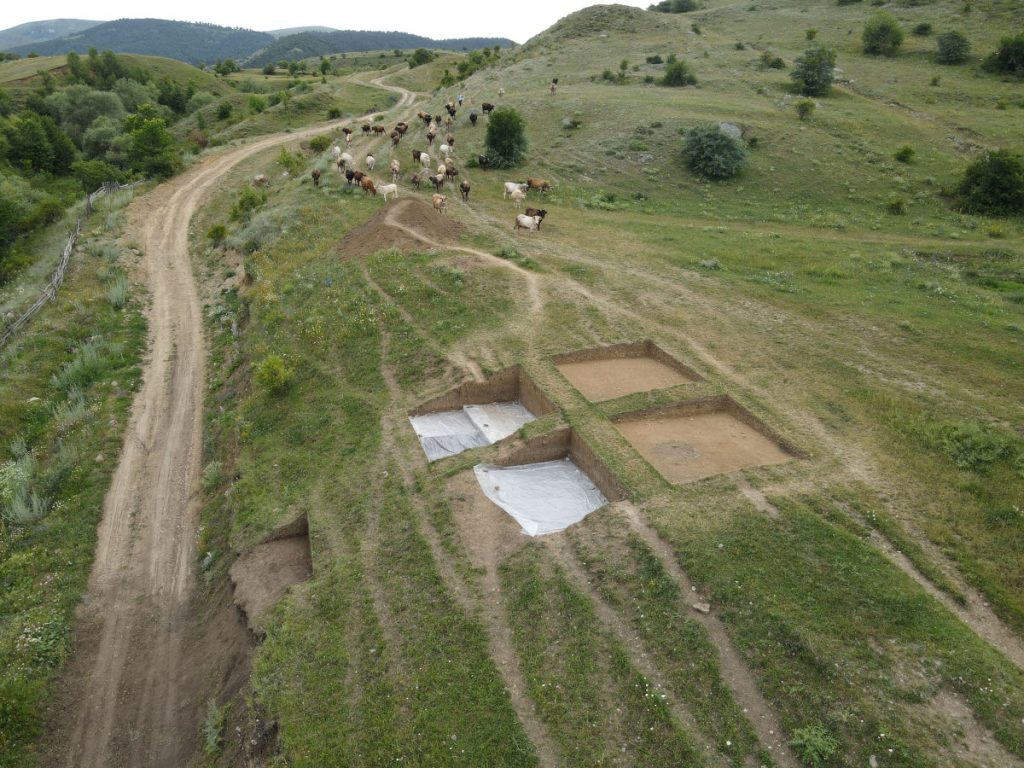
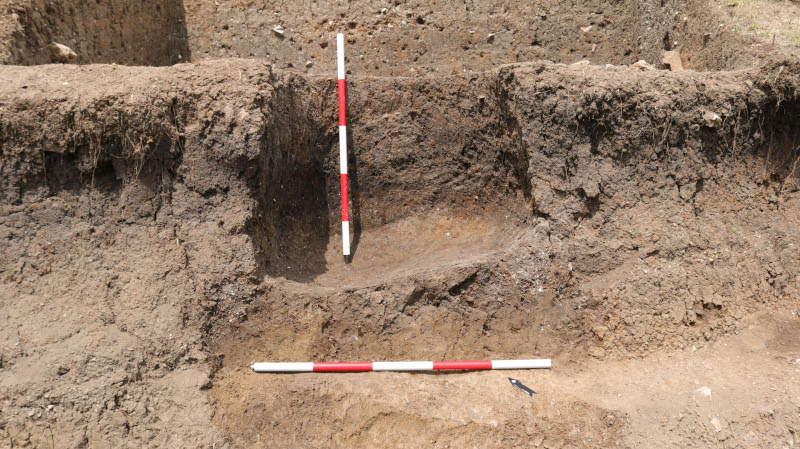
Excavation area view near Pkhero in Georgia.

2024 Shepard Urgent Action Grant: Rescue Excavation of a Chalcolithic Settlement in Southwest Georgia

Gia Chilingarashvili, Ivane Javakhishvili Tbilisi State University and Georgian National Museum

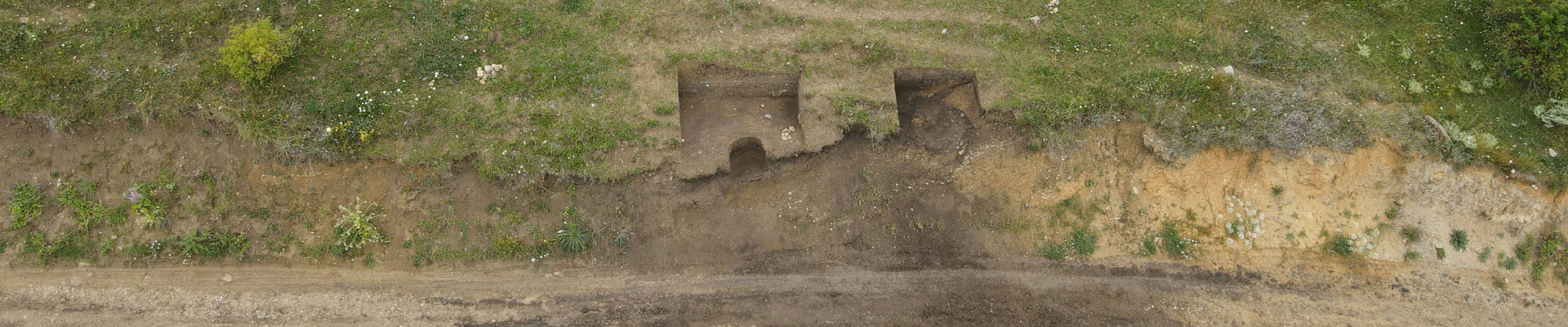
Thanks to a 2024 Shepard Urgent Action Grant,  our project team conducted a 20-day small-scale excavation at a recently discovered Chalcolithic site in the village of Pkhero in southwest Georgia. This site has suffered damage from both natural and human activities. Urgent excavations became necessary after a portion of the settlement was destroyed during road construction, resulting in a 1-2-meter-high section that continued to collapse periodically. Ongoing erosion, exacerbated by heavy rainfall, threatened to destroy the remaining archaeological layers. Immediate intervention was essential to prevent further loss of the settlement.

The aim of the rescue operation was to collect primary data to determine the nature of the monument by examining its stratigraphy and collecting samples. This data will enable us to develop a long-term strategy for research and conservation of the site. Additionally, the results will help us implement plans to protect the site from further damage.

Archaeological sites from the Chalcolithic period are extremely sparse in Georgia. This site holds significant scientific potential for understanding various aspects of late prehistory in the South Caucasus. The settlement’s location is noteworthy, as it is situated near the Persati Plateau, an alpine pastoral zone that serves as one of the region’s primary pastures and economic resources. Geographically, this area represents the only natural pathway connecting the still-active alpine pastures (Fig.1).

Archaeological site and access pathway to the pastures.
Fig.1 “Tradition Echoes” Archaeological site and access pathway to the pastures.

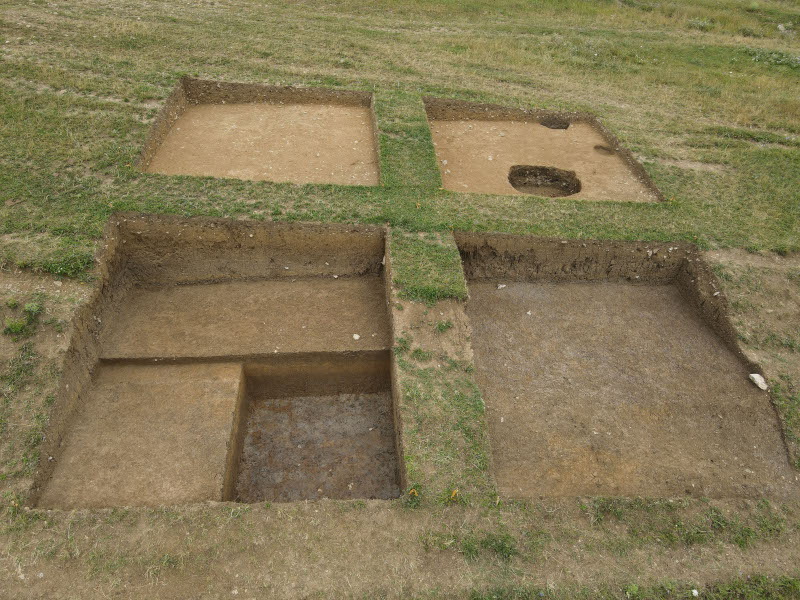
According to the plan, a 10 x 10-meter trench designated as E3 was excavated in the selected area and divided into four equal squares by 1-meter-wide bulkheads. In square E3.2, a classical pit and two early medieval pits were uncovered near the surface, containing an abundance of pottery sherds.

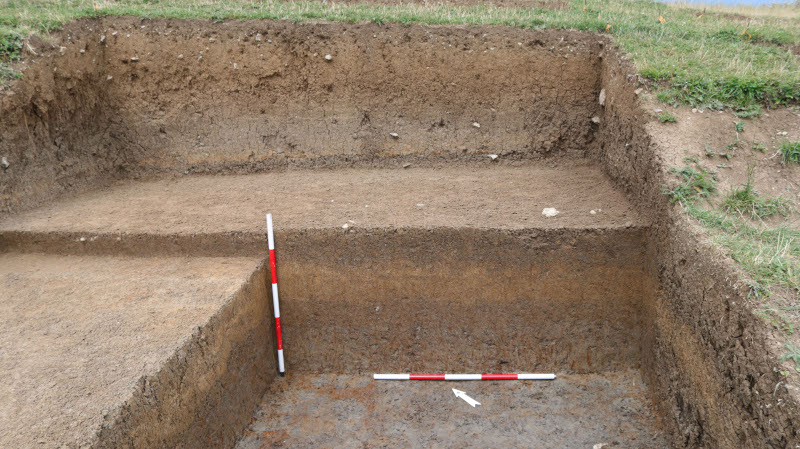
After 20 days of fieldwork, we determined that the site features clay layers measuring 3 meters in height, overlaying the Chalcolithic horizon. Evidence of subsequent activities from the Classical and Medieval periods is present within the upper levels of this clay (Fig.2). The genesis of the intense clay remains unclear; however, stratigraphy indicates that sedimentation occurred repeatedly over time. The alternating loam layers vary in color, and in some cases, they are separated by thin, brownish granular layers (Fig.3). This suggests that accumulation was not a one-time event and likely occurred after the Late Chalcolithic, rather than before the Classical era. Samples from each clay layer were collected for sedimentological and palynological analysis.

The main excavation area, Square E3.
Fig. 2 The main excavation area, Square E3.
Clay deposits in Square E3.
Fig.3 Clay deposits in Square E3.

It is important to note that the clay sediments were not sterile. Even at a depth of 2 meters, they contained abundant charcoal inclusions, along with a small quantity of obsidian fragments and ceramic sherds. This trench reached a maximum depth of 2.5 meters in square E3.3, and we were unable to access the Chalcolithic layer due to the thickness of the clay and time constraints. It can, however, be assumed that the Chalcolithic layer does exist beneath it, and that activities from later periods did not penetrate down to this layer.

This assumption is supported by two small trenches (N1 and N2) located adjacent to the main excavation, positioned above an artificial cut associated with road construction (Fig.4). The purpose of excavating these features was to investigate the disturbed pits containing prehistoric material observed in the profile.

View of the Excavation Area.
Fig. 4 View of the Excavation Area, showing area disturbed by road construction.

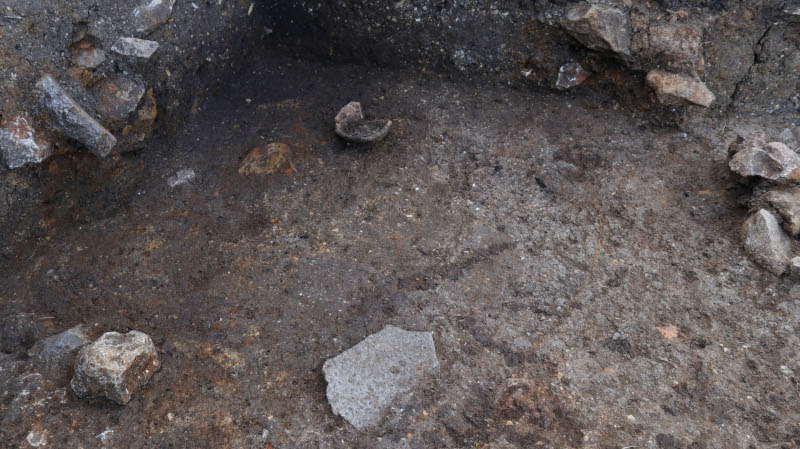
In the small trenches located approximately two meters from the main excavation, we confirmed the presence of the Chalcolithic layer. This layer contained a substantial amount of archaeological material, including a small vessel and a grinding stone, both of which were recorded in situ in Trench N1 (Fig.5). Although the context of these findings remains unclear, the associated feature extends into the unexcavated area toward Square E3. We did not widen the trench, as the primary focus was a half-destroyed pit, the excavation of which yielded a wide variety of materials. In the second trench, a Chalcolithic pit was identified, along with an intensive cultural layer that extends beneath the clay deposits toward Square E3.

During our work in the Chalcolithic layers, we noted that all layers from this period, including those within the pits and the bottoms of the pits, slope toward the west (Fig.6) It is noteworthy that the clay layers above and the later pits do not exhibit a similar slope. This noted slope is attributed to a natural event that occurred in the late prehistoric period, which caused the settlement to incline toward the west. This event may have contributed to the abandonment of the settlement.

Chalcolithic vessel and grinding stone.
Fig. 5 Chalcolithic vessel and grinding stone.
Excavated pit in Trench N2, showing the sloped bottom of the pit.
Fig.6 Excavated pit in Trench N2, showing the sloped bottom of the pit.

In summary, our excavation has yielded valuable insights into this significant Chalcolithic site. Moving forward, the analysis of the collected materials will enhance our understanding of late prehistory in the South Caucasus.

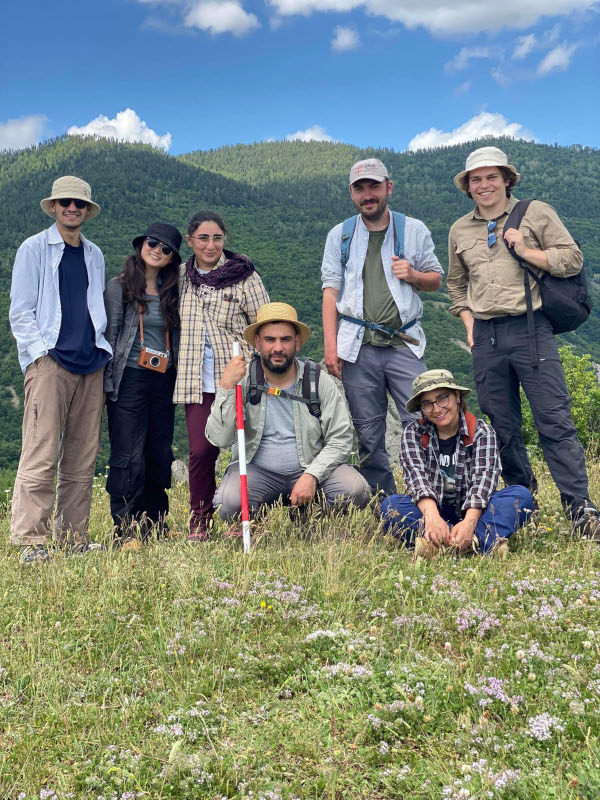
The expedition team for rescue excavations of a chalcolithic settlement in southwest Georgia.
The expedition team.

Established in 2020 with annual contributions, the Shepard Urgent Action Grants program was created to support emergency and rapid response activities on archaeological sites in the greater Mediterranean region. Shepard Grants have provided over $74,000 in support of projects with urgent need since the program began. While preference is given to projects and teams with current ASOR affiliation, applications will be considered from all projects. All 2024 grant funds have been awarded, and pending the receipt of funds, ASOR plans to resume accepting applications for Shepard Grants in 2025.

Read more about the grant program here.

ASOR Receives AFCP Grant for Ksar Douiret, Tunisia from U.S. Department of State


ASOR Receives AFCP Grant for Ksar Douiret, Tunisia from U.S. Department of State

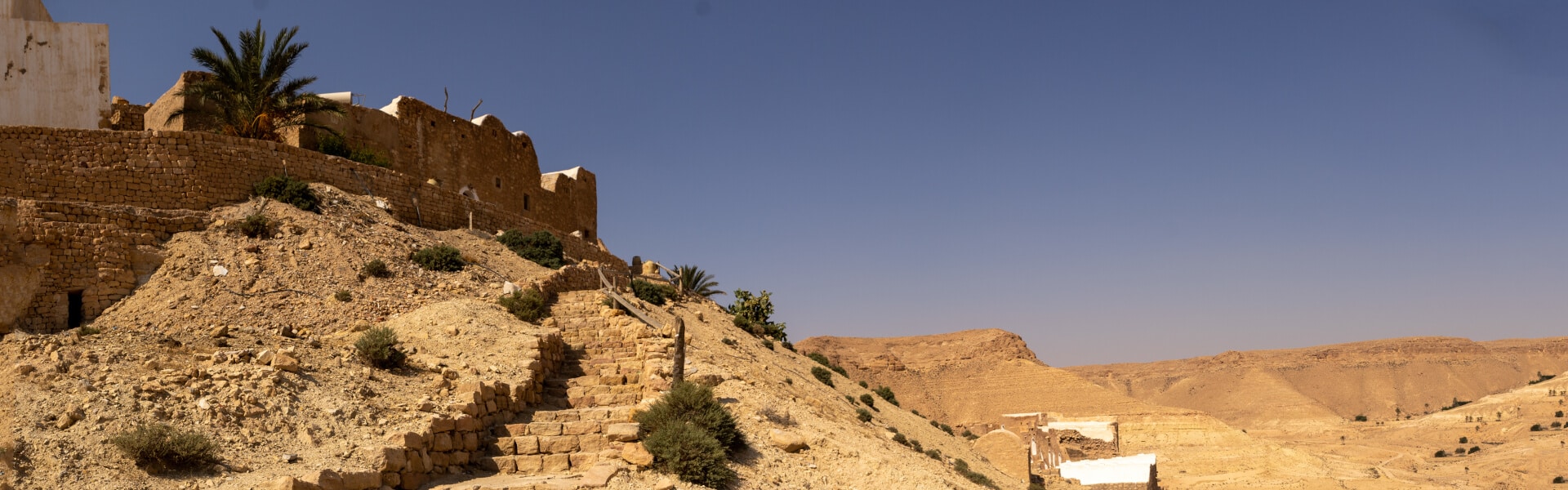
We are pleased to announce that ASOR has received a $245,000 grant from the U.S. Department of State’s Ambassador’s Fund for Cultural Preservation (AFCP) for a heritage restoration and outreach project at the site of Ksar Douiret in Tataouine Governorate, Tunisia. Ksar Douiret is one of the most iconic fortified ksour of southern Tunisia. For at least a thousand years, it was a critical stopping point on a trans-Saharan trade route stretching from the Mediterranean to the Niger River valley. Compared to other ksar communities nearby, Douiret is characterized by an exceptionally large concentration of troglodyte homes and public structures carved into a particularly thick horizontal band of high-quality limestone. The ksar and village are in the Tataouine Governorate, and this iconic heritage is known to much of the world through the Star Wars movies. However, the importance of Amazigh culture and heritage has also been obscured by the Star Wars brand.

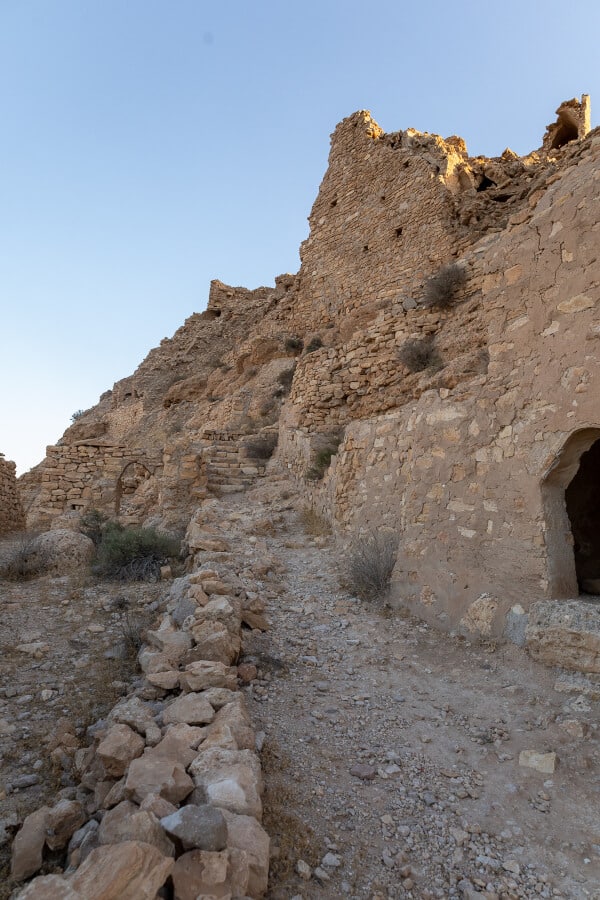
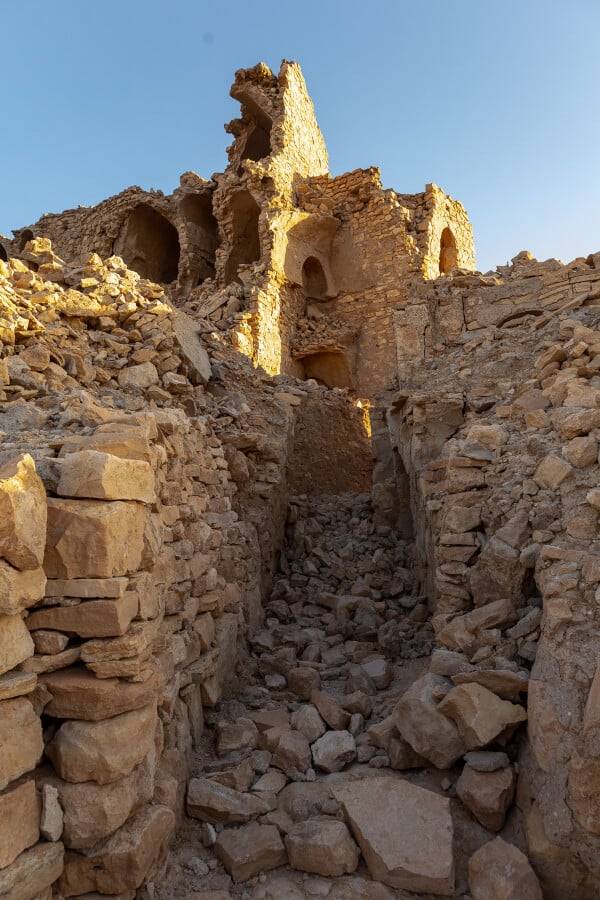
The condition of the access path and architecture on the upper level of the ksar. Photo Credit: ASOR.

Since the movement of the local community from the ancient ksar to the modern-day village of Douiret nearby, the important built heritage in the ksar has deteriorated due to lack of regular maintenance. As part of a previous grant, ASOR worked with the Douiret Women’s Collective in developing heritage awareness and documentation programs. This AFCP grant is a follow-on activity that will build upon and expand the previous work. As part of this award, ASOR will partner with members of the Douiret Women’s Collective and the Tunisian Scouts to stabilize historic architecture, improve site access, and promote Amazigh (Berber) cultural heritage to Tunisian and international audiences. The project will run from October 1, 2024, to September 30, 2026.

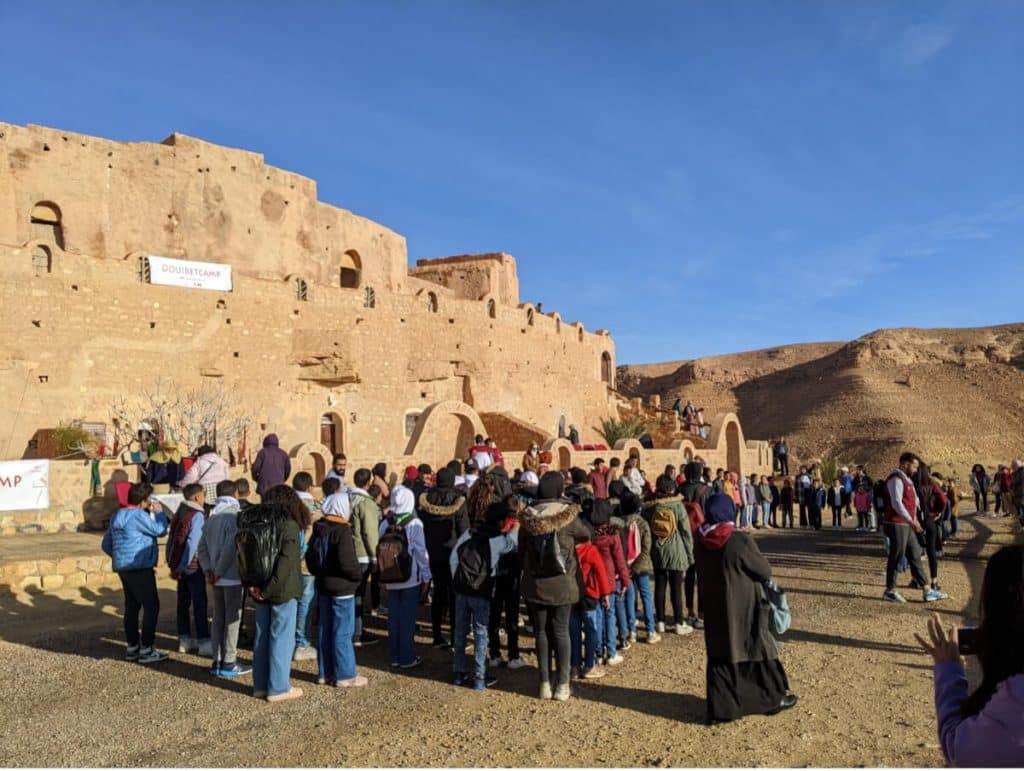
Members of the Tunisian Scouts visit Douiret. Photo Credit: ASOR.

Fieldwork Report: Lorenzo Guardiano

Between River and Desert: September in Aswan

Lorenzo Guardiano, 2024 Katherine Barton Platt Fieldwork Scholarship Recipient

Since 2022, I have been part of the EIMAWA (Egyptian-Italian Mission at West Aswan) archaeological mission, directed by Prof. Patrizia Piacentini and Prof. Fahmy el-Amin, which sees cooperation between the University of Milan and the Egyptian Ministry of Tourism and Antiquities. The mission operates in the necropolis surrounding the Mausoleum of the Aga Khan on the western bank of Aswan and started in 2017 as an archaeological preservation and excavation mission in an area affected by looting. The necropolis contains more than 400 tombs dating from the 7th century BC to 2nd century AD.

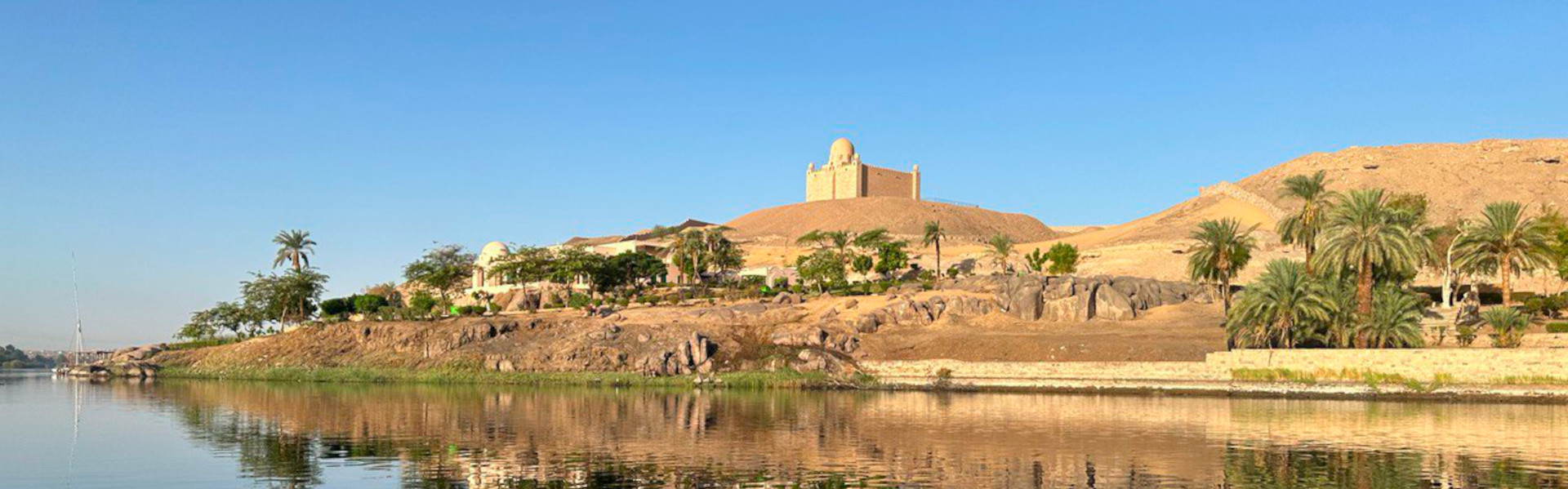
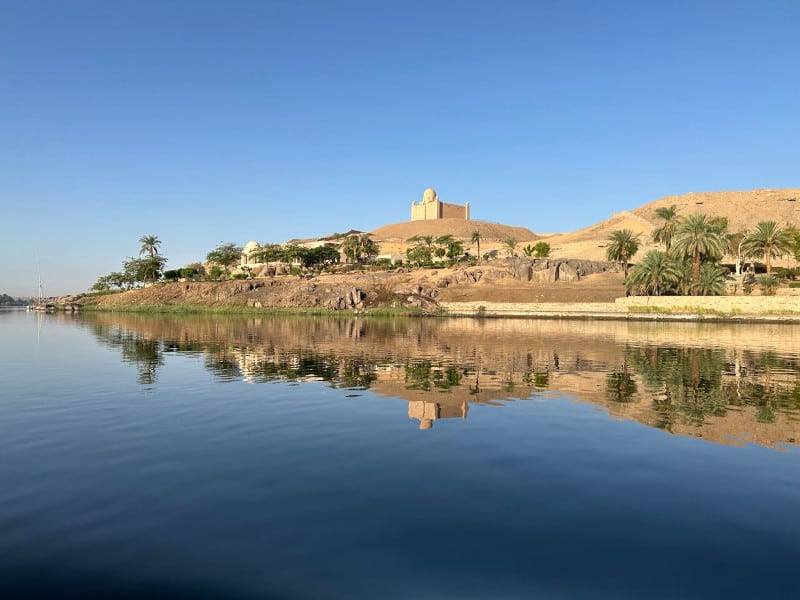
Figure 1: The mausoleum of Aga Khan, next to the necropolis excavated by EIMAWA
The mausoleum of Aga Khan, next to the necropolis excavated by EIMAWA.

I specialized in Egyptian epigraphy of the New Kingdom and Graeco-Roman Period by working initially on the critical edition of all astronomical ceilings of New Kingdom temples and tombs in Egypt during my Ph.D. years. During my research fellowship at University of Milan, I worked on the preparation of a volume of the Cairo Museum’s Catalogue Général on private statuary of the Late and Graeco-Roman Period – the core of which is a manuscript by Bernard V. Bothmer, housed in the Archives of Egyptology at the University of Milan, which I revised, updated and supplemented with the edition of texts that Prof. Bothmer had left out. Participating therefore in the EIMAWA Mission as epigraphist of the team is a most valuable opportunity for me to work in the field with Egyptian epigraphy, particularly from the Graeco-Roman Period.

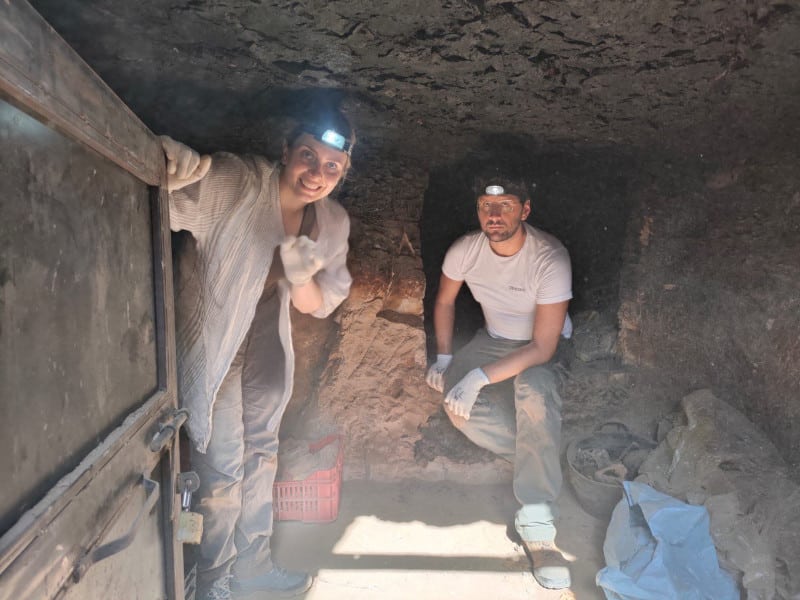
My unquiet face as I help anthropologist Alice study mummies
My unquiet face as I help anthropologist Alice study mummies.

That is why I decided to send in my application for a Scholarship for Fieldwork Participation from ASOR in order to join the EIMAWA mission of September. When, on May 3, 2024, I received an email from ASOR with the news that I had won a Katherine Barton Platt Fieldwork Scholarship I literally jumped for joy! Indeed, this scholarship gave me the opportunity to continue and complete, together with Prof. Piacentini, the epigraphic study of all the inscriptions found on the site from 2019 to the present.

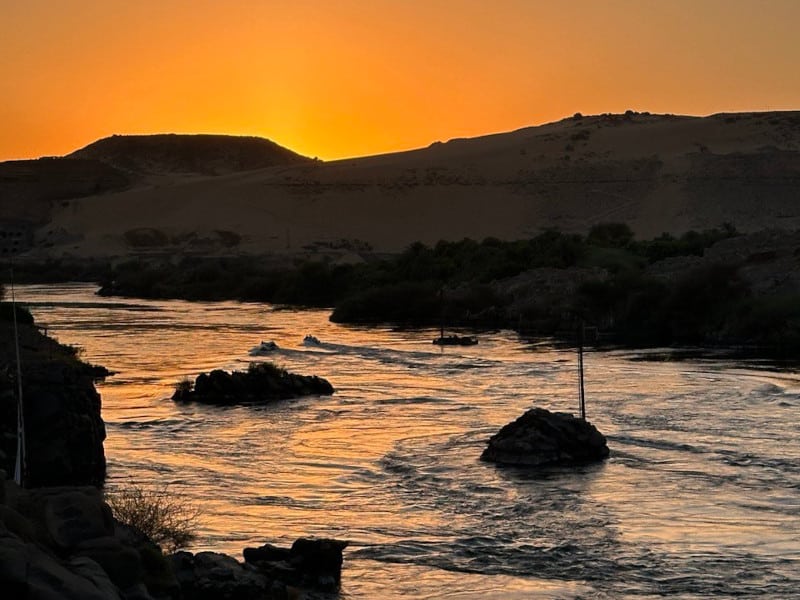
Figure 4: The setting of the sun from our house in Sehel Island
The setting of the sun from our house in Sehel Island.

So, on September 10 I left for Aswan with a team of scholars from various disciplines: Egyptologists, anthropologists, radiologists, chemists, restorers, engineers, etc. The first few days challenged us with extreme weather conditions (temperatures of about 44 degrees!) and the site being in the middle of the desert! But even these temperatures failed to discourage us from doing our work and so, from our home on Sehel Island, we took the boat each morning to the site where, together with the Egyptian team, we discovered and excavated a tomb between two previously excavated ones. Back home, we would spend the afternoon working on the collected data, which we presented each day at the 6:30 p.m. meeting.

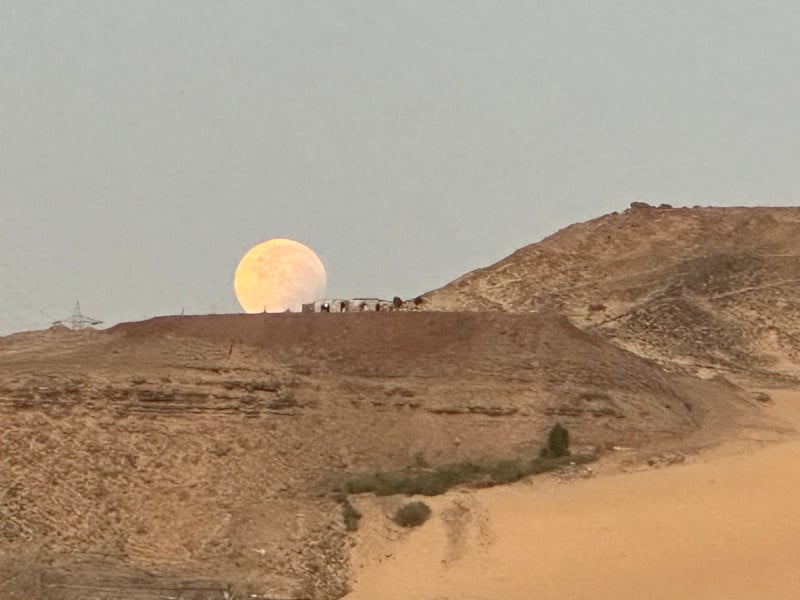
This very afternoon meeting was the most awaited moment of the day since it took place in the veranda of our house in Sehel Island. Before our eyes (and our data-filled computers), the sky was ablaze with the setting sun that descended just behind two knolls drawing the perfect hieroglyph of akhet (“horizon”). There was no fatigue or worry that did not fade away as we walked out of our rooms and were dazzled by the setting sun or moon between the river and the desert, smiling at the song of the ibis that perched on the cliff in front of the house or admiring the elegant flight of the hawk Horus that often passed over our heads. The poignant beauty of Egypt is shown in all its moving power on the first cataract of the Nile, the natural boundary of ancient Egypt.

Figure 5: And to make sure we don’t miss anything...the setting of the moon!
And to make sure we don’t miss anything...the setting of the moon!

Beyond the beauty that filled our eyes, taking part in the September mission gave me the opportunity to complete together with Prof. Piacentini the study and edition of all the hieroglyphic texts unearthed in recent years. The resulting paper has been sent to an international Egyptological journal (Aegyptus 104) and has already been accepted for publication in December. But this mission not only allowed me to refine my epigraphic field studies – working with experts from other disciplines allowed me to enrich my cultural background. I was able to follow every step of the excavation of a new tomb and learn a lot about archaeological methodologies (especially in extreme environmental conditions such as those of the Aswan Desert), I lent a hand to anthropologists in their reconnaissance of human remains, learning a lot from their discipline, and I listened to the timely reports of the restorer and chemist on the treatment of materials.

But the main enrichment was the human one. Working and living side by side with many people for three weeks was a really good experience. I made new friendships and consolidated existing ones. I interacted with the local community and became, along with the other mission members, a resident of Aswan! And for all this, I have to thank the mission director Prof. Piacentini, ASOR who gave me the opportunity to join the team, and, finally, Egypt for the beauty with which it continues to fill our lives every day.

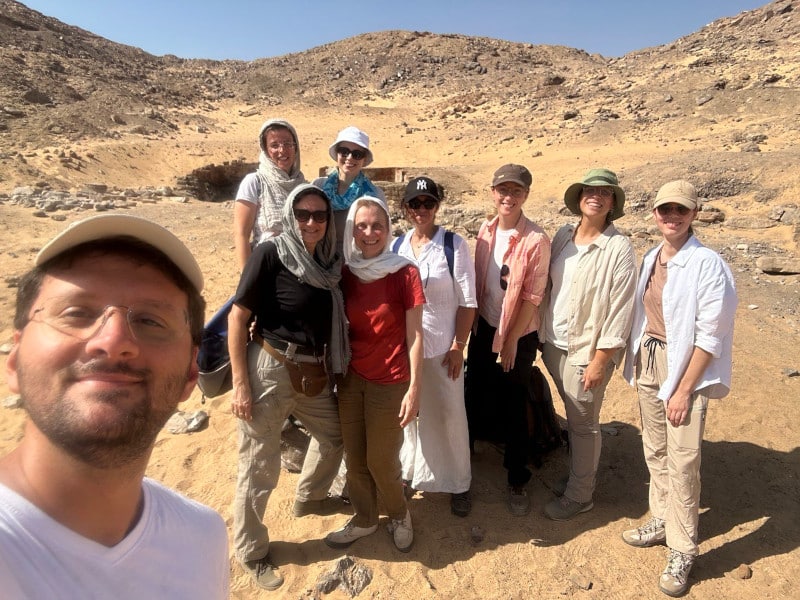
Figure 2: The EIMAWA team
Lorenzo Guardiano and the 2024 Egyptian Italian Mission at West Aswan team.

Lorenzo Guardiano is a research fellow in Egyptology at the University of Milan where he obtained his PhD in 2022. His areas of research are Egyptian astronomy and cosmology and the hieroglyphic epigraphy of the New Kingdom and the Ptolemaic Period. His book “Il Cielo dei Faraoni. I soffitti astronomici nell’Egitto del Nuovo Regno” was published in 2024 by Milano University Press.

Want to help more students and early career archaeologists get into the field? Donate to the cause today by selecting “Fieldwork Scholarships” as your gift purpose!

Fieldwork Report: Louis Mainwaring Foster

Stumbling Over Rocks

Louis Mainwaring Foster, 2024 BIPOC Fieldwork Scholarship Recipient

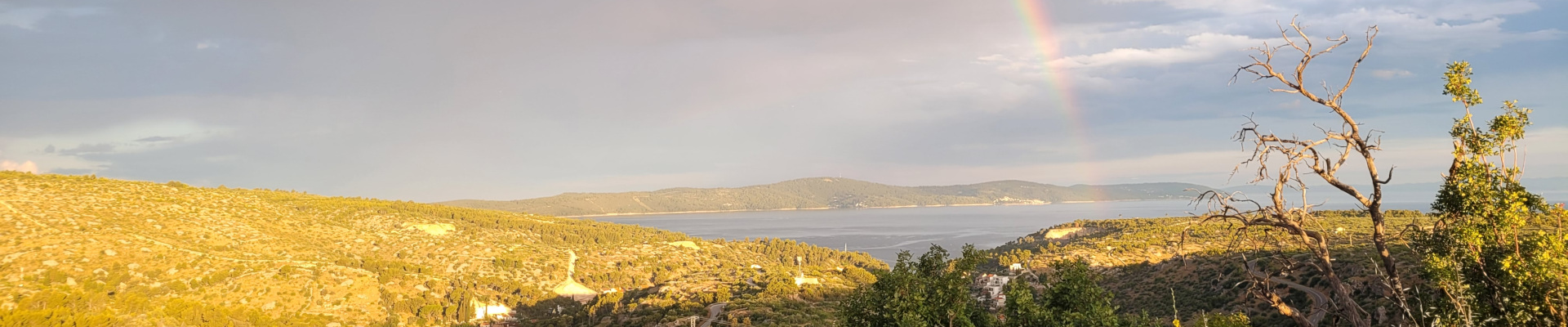
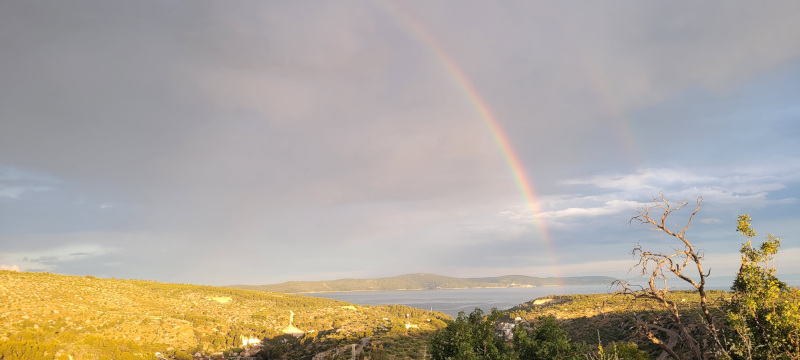
Thanks to this scholarship, I spent part of my summer working on the Brač Island Project along with a mixed team of students from University of Colorado Boulder, England, and Croatia. This summer was the last full season of excavation before a study season in 2025, thus there were a lot of objectives.

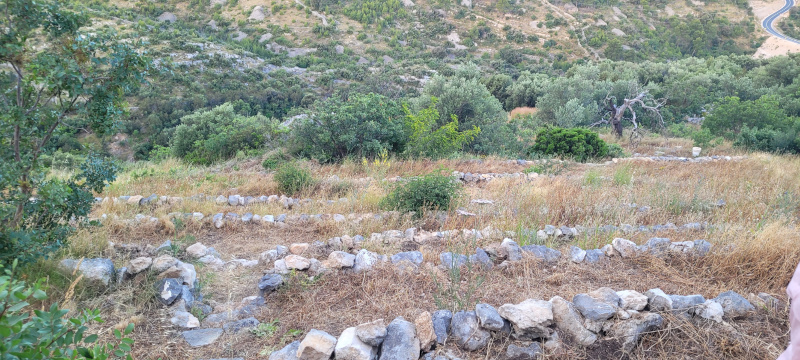
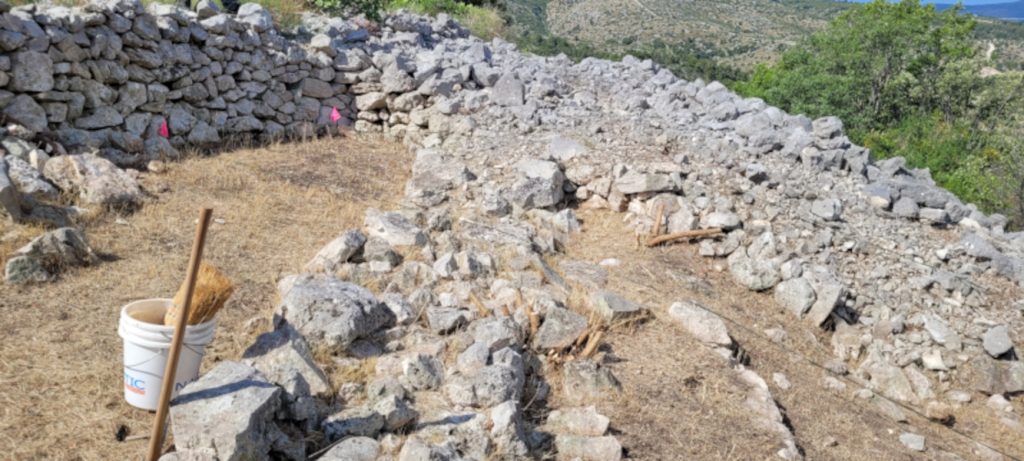
For the sake of the brevity of this report, my discussion of my time on the project will focus on Areas 1: the new terrace trench on the steep southern slope of Gradina Rat. This terrace trench’s aim was twofold, the first being to give a greater context to activity on the site during the Iron age and second to analyze the variety of finds from the large-pottery rich erosional deposit down this slope. After spending some time clearing away plants and other debris, a 3×5 meter trench was laid out across 3 terraces, with focus being placed on the fifth and sixth trenches from the top 19th century terrace walls. The excavation proceeded smoothly despite the islands attempts to impede us, Brač being known for being covered in lots and lots of rocks. The terrace trench produced material and soil ranging from the topsoil that accumulated above the 19th century terrace fill all the way down to fill from around the late 9th to 6th century BCE.

The methodology of our excavation process involved adapting the details and instructions from the Corinth Excavations Archaeological Manual by Alicia Carter Johnson, Guy D. R. Sanders, and Sarah A. James. This manual really aided me when I was trying to make sense of the material we were excavating. Details in the manual helped delineate soil layers based on composition, finds, and color change. We were often rotating between excavating, filling forms, and sieving in order to give us a big picture perspective all the while being guided by our trench supervisors. Being part of filling in the detailed forms for each layer helped me understand ways to break down the process of appraising the information that was being uncovered on site. Many of the details present in the Corinth manual along with the guidance of my trench supervisors will be crucial tools for helping me on future excavations.

The layer of the deposit in the terrace trench that I really enjoyed excavating was the 1st century BCE Erosional Deposit 2. This stratum was distinguishable by the compact, light yellowish brown, sandy/clayey silt. As is usual on Brač, about half of the inclusions were small boulders and cobbles, but there was also a large sample of pottery. There were also other types of inclusions along with this soil, namely charcoal, animal bones, shell, and a few chunks of building materials (clay and daub).  I have never seen daub in person, so the presence of white and yellow clay might indicate a large presence of a decomposing wattle and daub construction. In my experience, these sorts of finds are the best since the information and building techniques that we learn about in class come to life in the field.

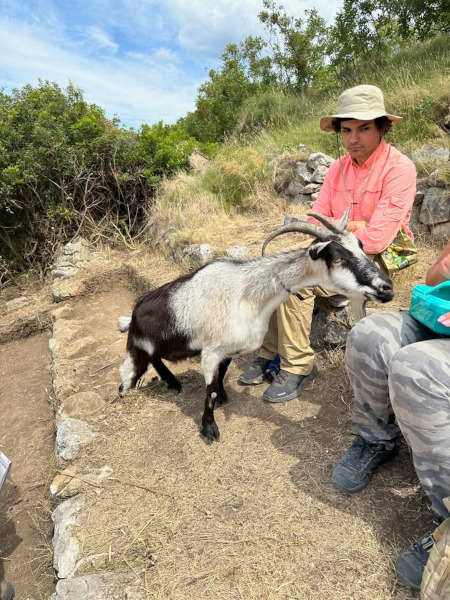
A variety of interesting finds, learning new excavation methodology, and enjoying the Mediterranean sun are some of the reasons I love to excavate. Every couple of days, a local visitor, in the form of a playful goat, Lola, dropped by the trenches to say hello and remind us to stay hydrated. Other fauna visitors included a snake that was trapped beneath one of the backfill tarps, which I luckily managed to extract without any bites.

After a hard days work on site and afternoon duties like pottery wash or pottery sorting, one could find me either in a local pub watching the pre-tournament matches for the 2024 Euros, relaxing at the beach, or eating lots of bakery items. I really enjoyed getting the opportunity to sort pottery since I find it very challenging and I always marvel at how easily experts can distinguish types of pottery that looks completely the same to my eye. It was also interesting to notice the presence of pottery from local sources, Rome, and Greece from a variety of periods all in one site and wonder how and why that might occur. I learned so much during this season of the Brač Island Project and I am grateful to ASOR for aiding me with this experience.

Louis Mainwaring Foster is currently a Master’s student in the Classical Art and Archaeology track of the Classics department at the University of Colorado Boulder. His thesis is focused on questions of identity and cross cultural influence in Hellenistic Bactria. When he is not buried in the books, one can often find him dancing to Afrobeats and reggaeton music or training for a marathon. Louis is always eager for the opportunity to travel to other countries and immerse himself in other cultures and make more international friends.

For more information about the Brač Island Archaeological Project, visit their website: https://bracislandproject.com/

Want to help more students and early career archaeologists get into the field? Donate to the cause today by selecting “Fieldwork Scholarships” as your gift purpose!

Call for Early Career Scholars Committee Members

Early Career Scholars: Call for New Members of the Community & Advocacy Subcommittee

The Early Career Scholars (ECS) Committee is looking for new members for our Community & Advocacy Subcommittee. The current mission of the subcommittee is to create opportunities for community building and social engagement among our members, as well as outreach and improved visibility of ECS’s activities and members’ work through online platforms. The committee requires a commitment to two hour-long meetings and 2-3 hours of outside work per month. We especially seek those who enjoy creative approaches to online social engagement for our virtually-based community.

If you wish to be considered by the committee, please fill out the application form here. Review of applications will begin on October 25th, 2024.

Please fill out this online form if you are interested in being part of the Early Career Scholars Committee. 

Membership and Outreach Committee Seeks New Members

Membership and Outreach Committee Seeks New Members

The Membership and Outreach Committee seeks nominations (including self-nominations) from ASOR members who are interested in serving on the committee. Committee members will serve a three-year term (January 1, 2025 – December 31, 2027) with the option to renew for a second term. Committee members are expected to attend monthly meetings via Zoom and an in-person meeting at the ASOR Annual Meeting each year. Nominees must fill out the online form by November 1, 2024.

The Committee on Membership and Outreach takes responsibility for discussing matters regarding ASOR institutional and individual memberships, including (but not limited to) strategies for membership growth, appropriate membership benefits, the most fitting way to categorize individual memberships (student, recent graduate, etc.), greater enfranchisement of ASOR’s international members, and resources that members might like ASOR to provide. The committee also oversees ASOR’s outreach efforts. These include, preeminently, the Friends of ASOR program (a program for individuals who share ASOR members’ interest in the archaeology and history of the Near East and wider Mediterranean but who are not themselves members). In addition, it advises the ASOR staff about the presentation and content of several of ASOR’s digital platforms, including ASOR social media, the ASOR LinkedIn page, ASORTv, and ASOR’s e-magazine News@ASOR.

In order to receive full consideration by the committee, the online form must be submitted by noon EST on November 1, 2024. For questions and concerns, please contact Regan Baker (membership@asor.org).

Seger Grant Report: Phoenix Archaeological Project

2024 Seger Grant Report: Phoenix Archaeological Project (PAP), Turkey

Dr. Asil Yaman, Director, Phoenix Archaeological Project (PAP)

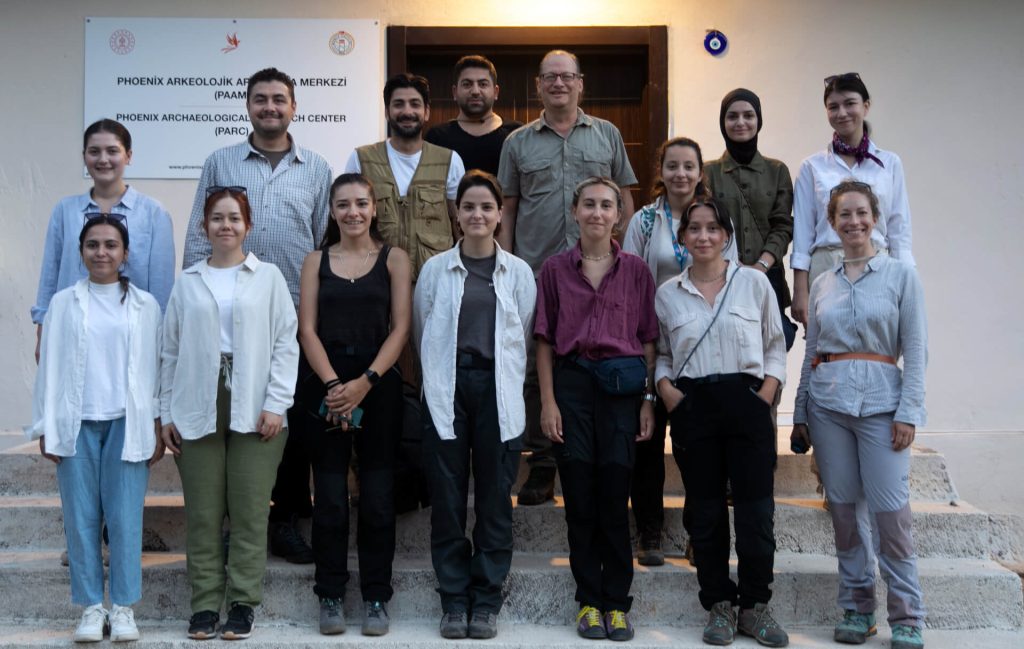
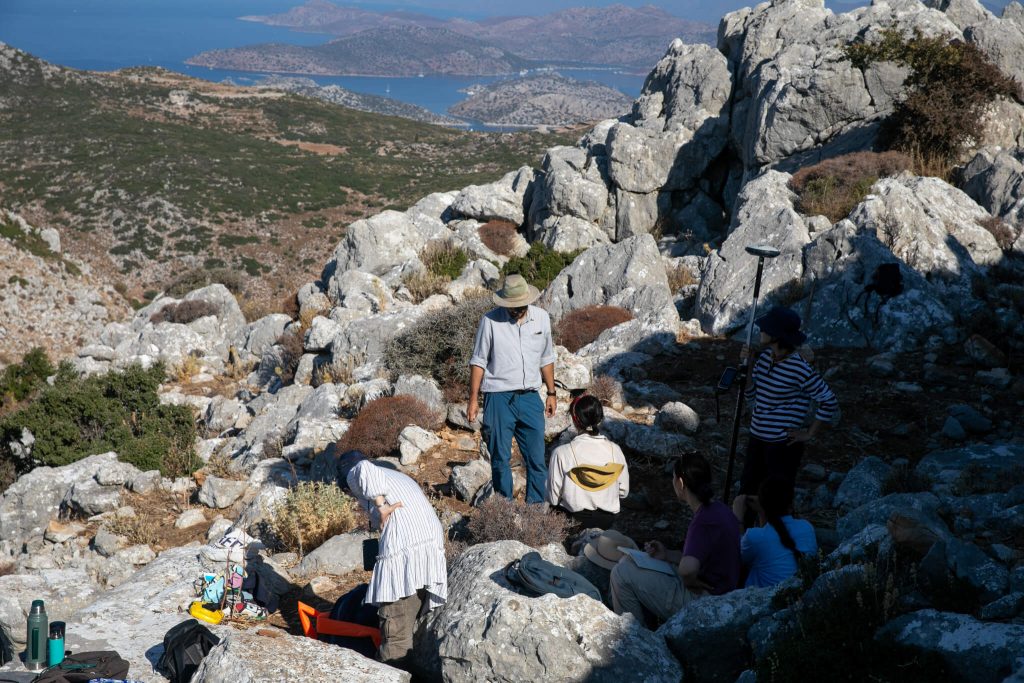
The Phoenix Archaeological Project (PAP), established in 2021 under the direction of Dr. Asil Yaman, is an interdisciplinary research initiative with permits from the Ministry of Culture and Tourism of Turkey. Based in Muğla province’s Marmaris district, the project focuses on the archaeological survey of ancient Phoenix and neighboring sites such as Thysannous and Casara. Supported by the Joe D. Seger Project Grant, PAP aims to document the region’s tangible and intangible cultural heritage while contributing to the preservation of its landscape. The project’s diverse international team includes experts in Archaeology and other disciplines (Fig. 1-2).

Fig. 1. PAP Team, 2024 (PAP Archive)
Fig. 2. A footage from the fieldwork (PAP Archive)

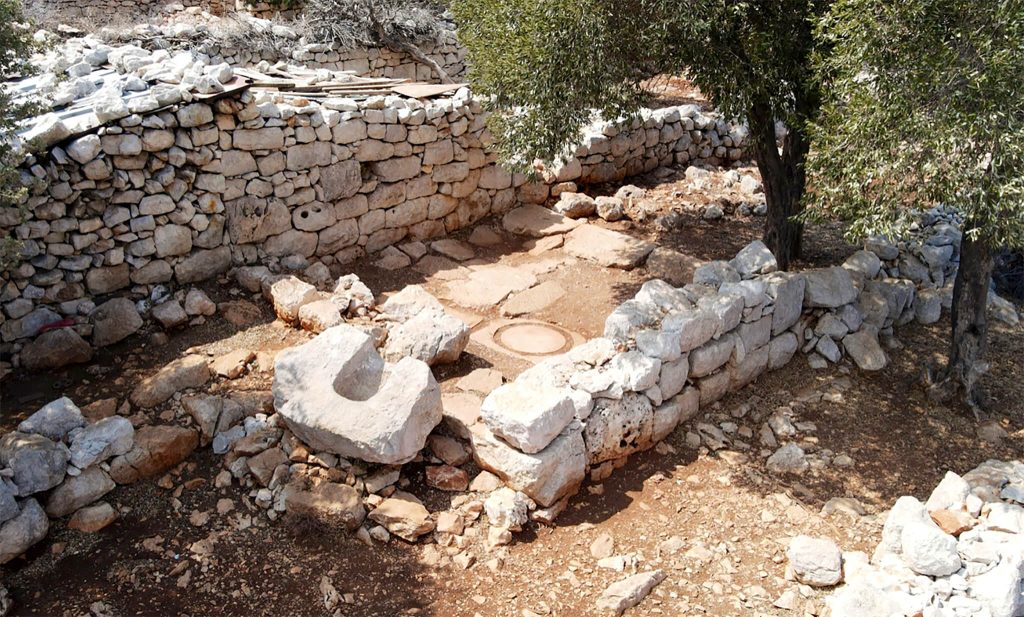
The 2024 field season focused on documenting previously unexplored heritage in Phoenix’s eastern and northern chora. The team uncovered in-situ farmsteads and olive oil workshops from the 4th century BCE, along with agricultural terraces, rock-cut cisterns, and stepped-base pyramidal tombs. PAP team also discovered ancient roads linking the farmsteads to Serçe Liman, Phoenix’s commercial harbor, offering new insights into Hellenistic agricultural practices (Fig. 3). 

Fig. 3. An olive oil workshop at Phoenix (PAP Archive)

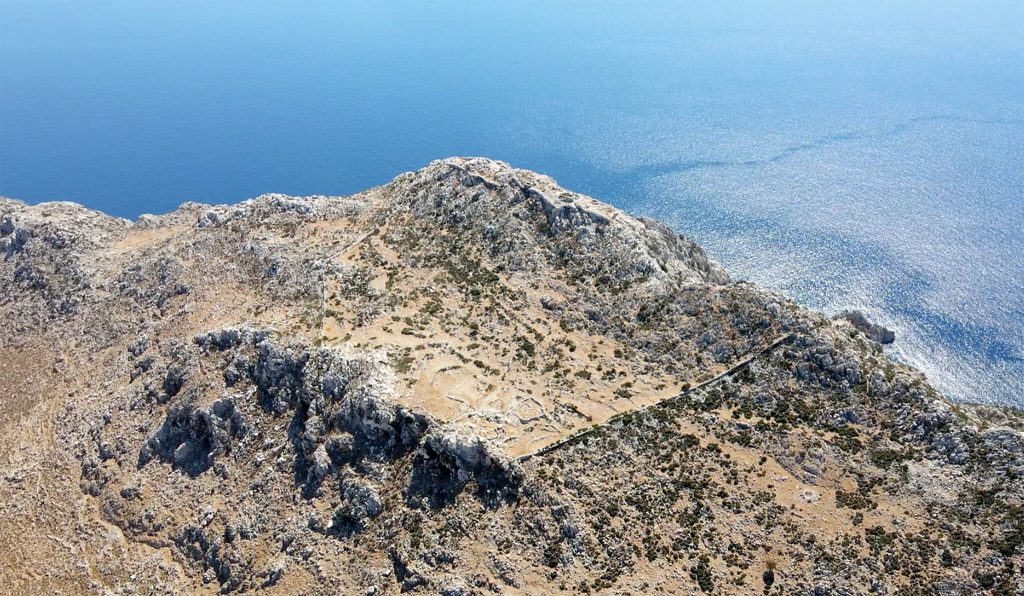
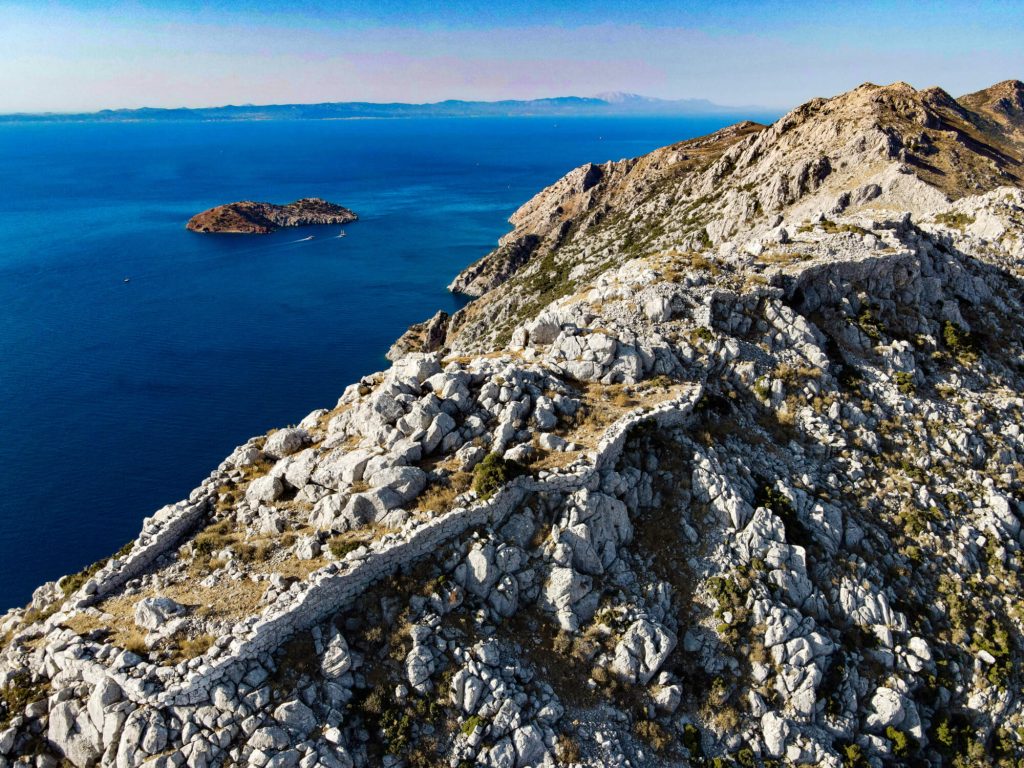
A major exploration took place in the northeastern chora, where the team identified a second acropolis surrounded by polygonal walls. Below it, we discovered a settlement enclosed by geländemauer-type walls and uncovered a rock-cut sacred space possibly dedicated to Cybele. Another settlement, with Cyclopean-walled dwellings, was also discovered, shedding light on Phoenix’s Early Iron Age development, settlement patterns, and local cult practices (Fig. 4–5). 

Fig. 4. Acropolis and the lower settlement (PAP Archive)
Fig. 5. Acropolis at Kaledağ (PAP Archive)

The team’s discoveries also included basilicas and chapels from the Early and Middle Byzantine periods, which highlight the medieval sacred organization of Phoenix. Additionally, the discovery of an abandoned village and windmills dating to the Late Ottoman Period underscores the continuity of Phoenix’s rural lifestyle over 2800 years.

PAP’s 2024 season also involved flora studies, documenting new fig types and previously unidentified plant species, contributing to a better understanding of the region’s biodiversity. The project further incorporated oral history interviews with elders from Taşlıca village, which captured local stories and traditional knowledge, enriching the documentation of Phoenix’s intangible heritage.

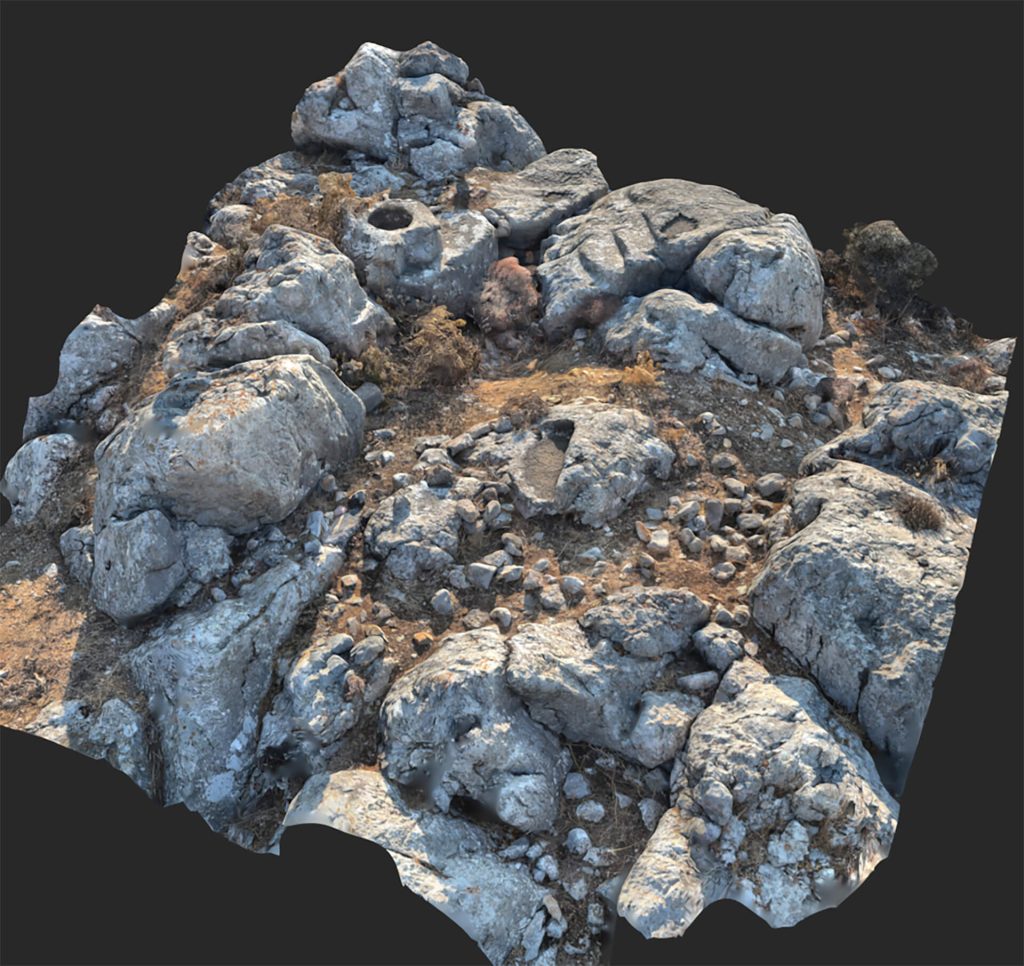
The team produced detailed site plans and architectural drawings of the newly discovered buildings, creating essential records for future preservation. We also developed a comprehensive 3D digital map of the 1-million-hectare area using Real Time Kinetic (RTK) aerial vehicles. LiDAR scans and photogrammetry were conducted on the settlements and artifacts, and all data was meticulously recorded in a web-based database (Fig. 6).

Fig. 6. Lidar scanning of Cybele Open Air Rock-Cut Sacred Space (PAP Archive)

The Phoenix Archaeological Project expresses its deep gratitude to ASOR and the Joe D. Seger Project Grant for their generous support. Special thanks go to the Ministry of Culture and Tourism of Turkey, the General Directorate of Cultural Assets and Museums, as well as the project’s main sponsor, Söktaş A.Ş., Kayhan Family and the Historic Phoenix Archaeological Association (HPAA). The invaluable contributions of the entire team and interns were crucial to the success of the 2024 field season.

Learn more about the Phoenix Archaeological Project (PAP) here.

ASOR plans to award two Seger Project Grants of $2,500 each during 2025. Apply by February 24, 2025 for consideration.

Join ASOR’s DEI Committee

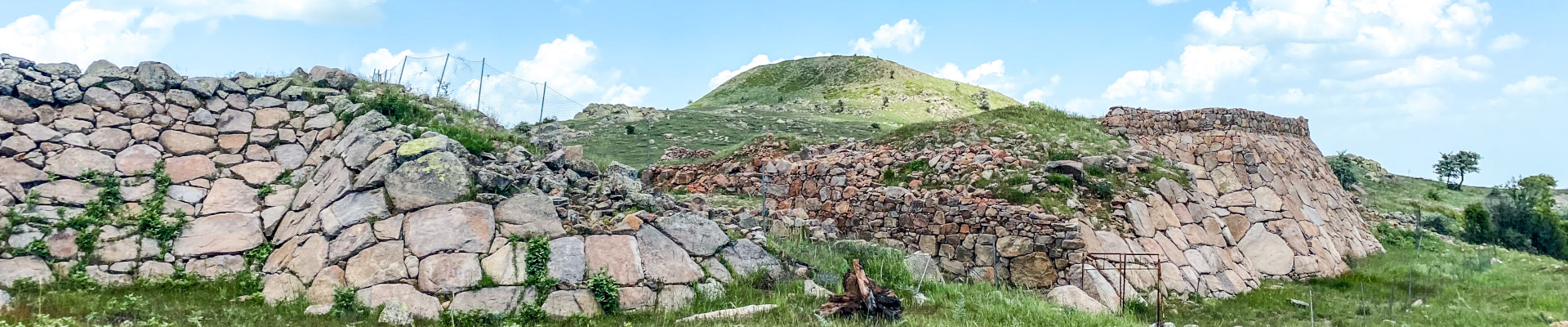
The palatial complex, an impressive feature of the site that is already excavated and viewable to the public.

Join ASOR’s DEI Committee

The Diversity, Equity, and Inclusion (DEI) Committee serves as a resource and advocate for social justice and equity issues within ASOR and its membership, in order to expand access to the history and cultures of the ancient Near East and Mediterranean world. For more information about the committee and its current members, click here.

DEI Committee members volunteer to serve one term (3 years) with the possibility to renew for a second term. We have space for 3 new members in the Class of 2027 (January 1, 2025—December 31, 2027). If the time is not right for you now, this open call will be held every year.

Please fill out the committee application form, by Sunday, November 3, 2024 to be considered for the DEI Committee Class of 2027. Your responses and materials will be reviewed and considered by the current members of the DEI Committee, the Chairs Coordinating Council, and select ASOR Staff.