ASOR is excited to announce that the 2023 ASOR Annual Meeting is going hybrid!
Instead of holding a separate virtual component in October, ASOR will hold a hybrid meeting with both virtual and in-person participation, November 15–18, at the Hilton Chicago. Feedback from members on the survey circulated by the ad hoc Committee on Climate Impact (Ad Hoc Climate Impact Committee Report) and discussion with many members at the Boston meeting led us to make this change for 2023.
What this means is that all sessions (and workshops, when feasible) will be able to include both in-person presentations in Chicago and virtual presentations online via Zoom. Virtual attendees will have the ability to view and listen to in-person and virtual speakers in real time. Virtual presenters will speak in real time when presenting; if they have a PowerPoint presentation, that will be projected by the session room’s ASOR facilitator to appear on the screen in the meeting room and online via Zoom (virtual presenters will be able to advance their own slides). All presenters (in-person and virtual) will be asked to send in their PowerPoint file (only slides, not a pre-recorded presentation) by Sunday, November 12. Sessions will be recorded and available online for a limited time after the meeting.
The meeting rooms in Chicago will not be set for a fully two-way hybrid experience, meaning that there will not be a view of the room/audience or synchronous discussion between virtual and in-person attendees. Virtual attendees will need to submit their post-presentation questions via the Zoom chat feature and the ASOR facilitator will read them to the presenter.
Program participants and meeting attendees have told us that scheduling time for ASOR two months in a row is difficult, but also that it is important to continue offering an option for virtual participation for those who can’t attend the meeting in person. We hope that offering a hybrid format will be an inclusive and welcomed option for all. If you have questions or concerns about the format, Arlene Press (meetings@asor.org) and Jared Koller (jaredkoller@asor.org) are here to help. You can also reach out to the Program Committee Co-Chairs, Allison Thomason and Kiersten Neumann (pc.chairs@asor.org), if you have questions pertaining to the academic program
With great excitement, all of us at ASOR look forward to seeing you in November online and/or in Chicago.
2022 William G. Dever Fellowship Report: Krysta Fauria
My first summer as a PhD student proved to be one of the most enriching summers I have had. I traveled to Israel for my first archaeological dig in May, and then spent a month at the W.F. Albright Institute of Archaeological Research in Jerusalem. These experiences were made possible through my funding from ASOR’s Dever Fellowship, which is designed for biblical scholars seeking to gain experience in archaeology. I did fully not comprehend the importance of studying material culture until I began my doctoral program in religion at the University of Southern California last year. As I began to recognize the need for scholars of Early Christianity to understand and, when possible, participate in archaeology, I sought ways to find funding to gain this experience. I discovered that Mark Letteney, a postdoctoral fellow at USC at the time, was on staff at the Jezreel Valley Regional Project. JVRP was leading an excavation in May through their Legio Project, which sought to uncover an amphitheater at the military base once occupied by the Roman VIth Ferrata Legion.
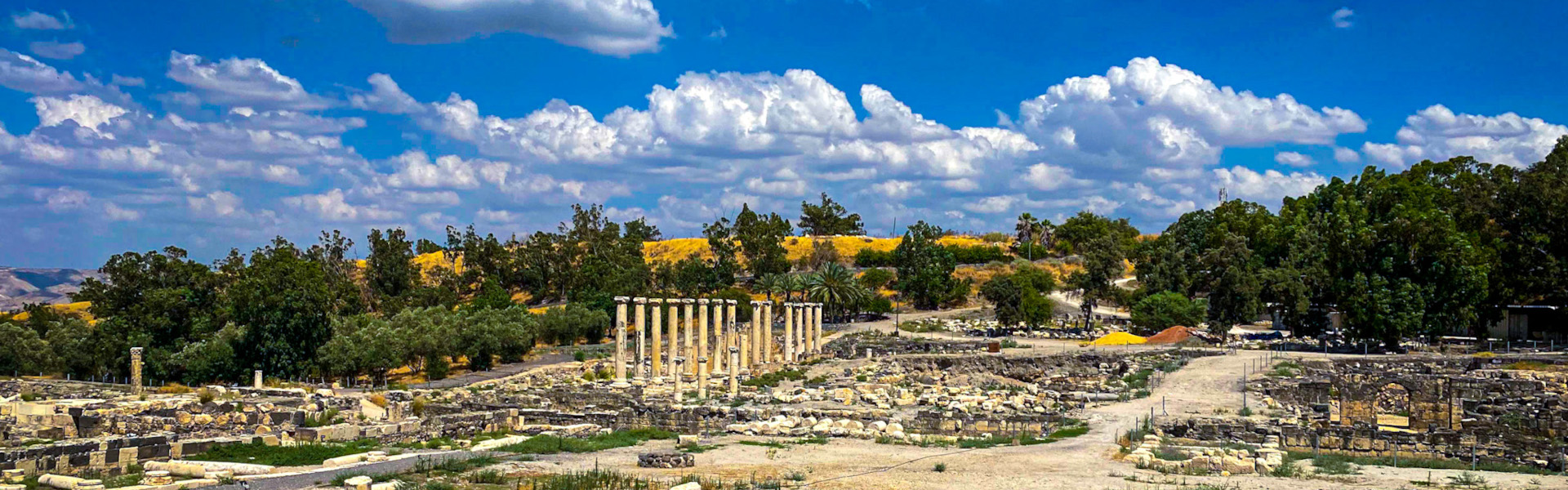
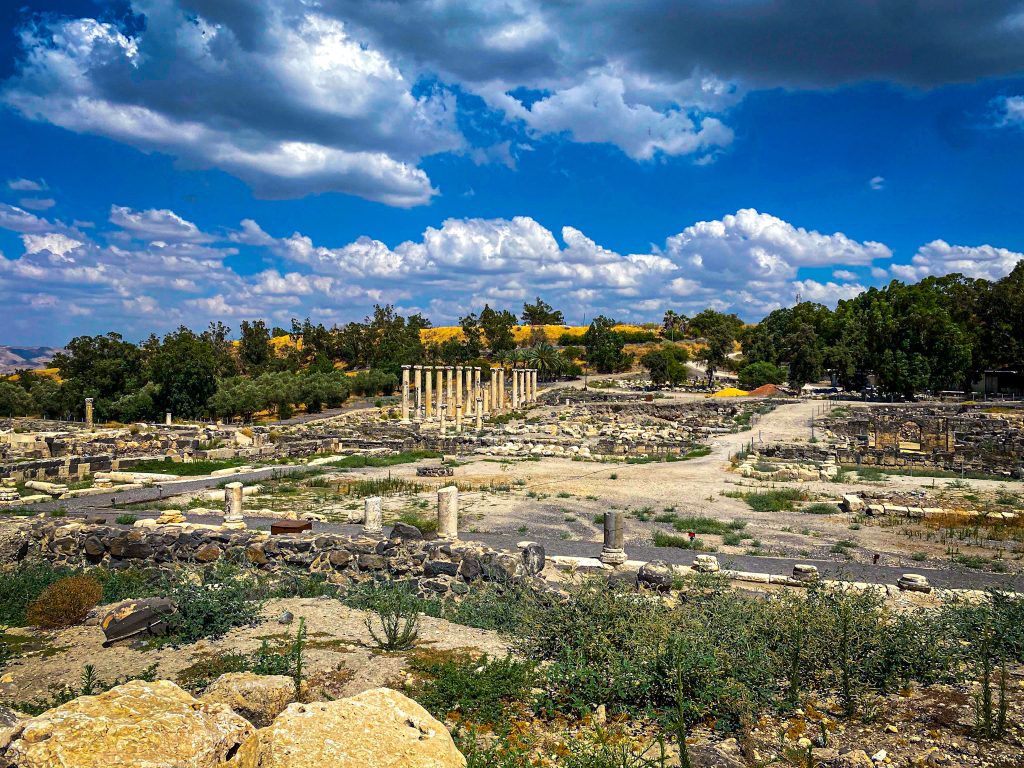
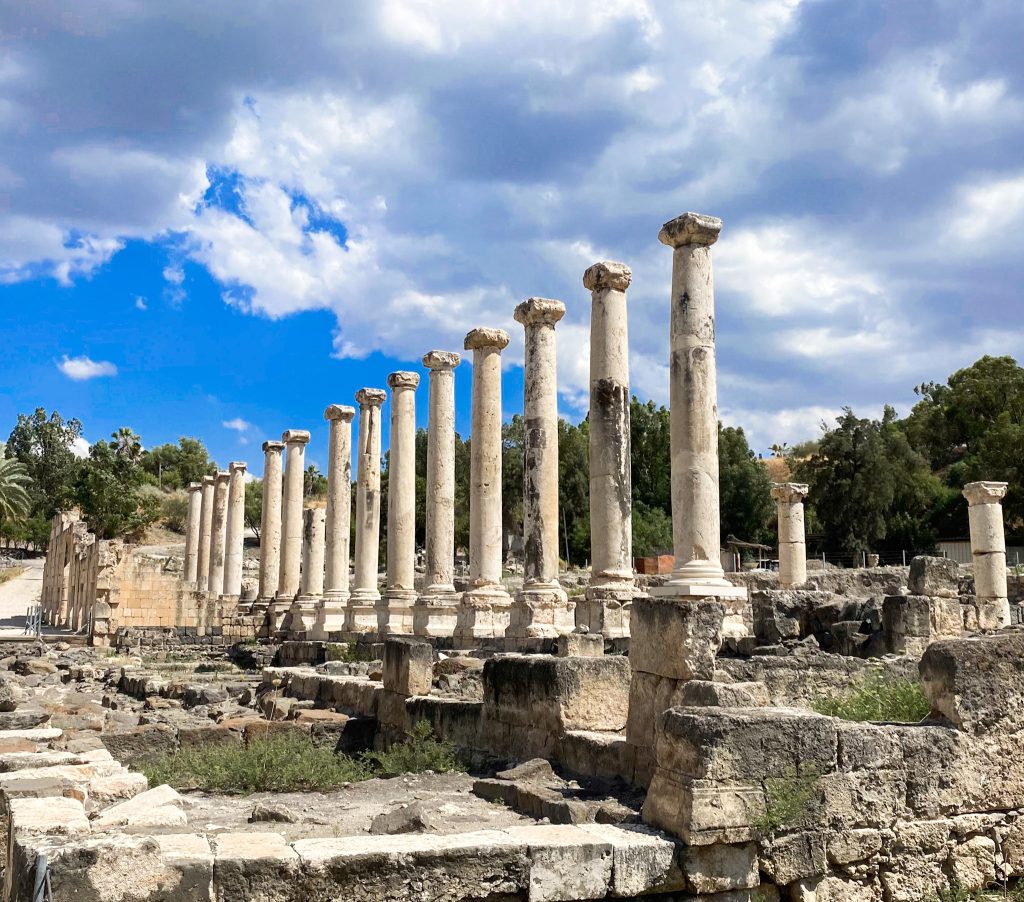
Beit She'an
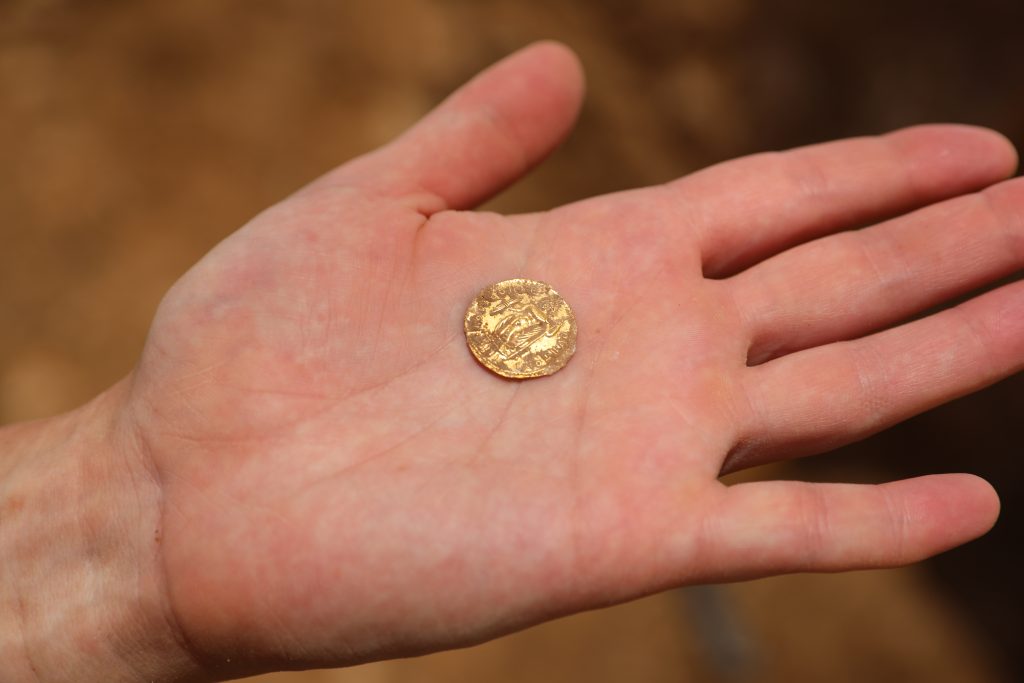
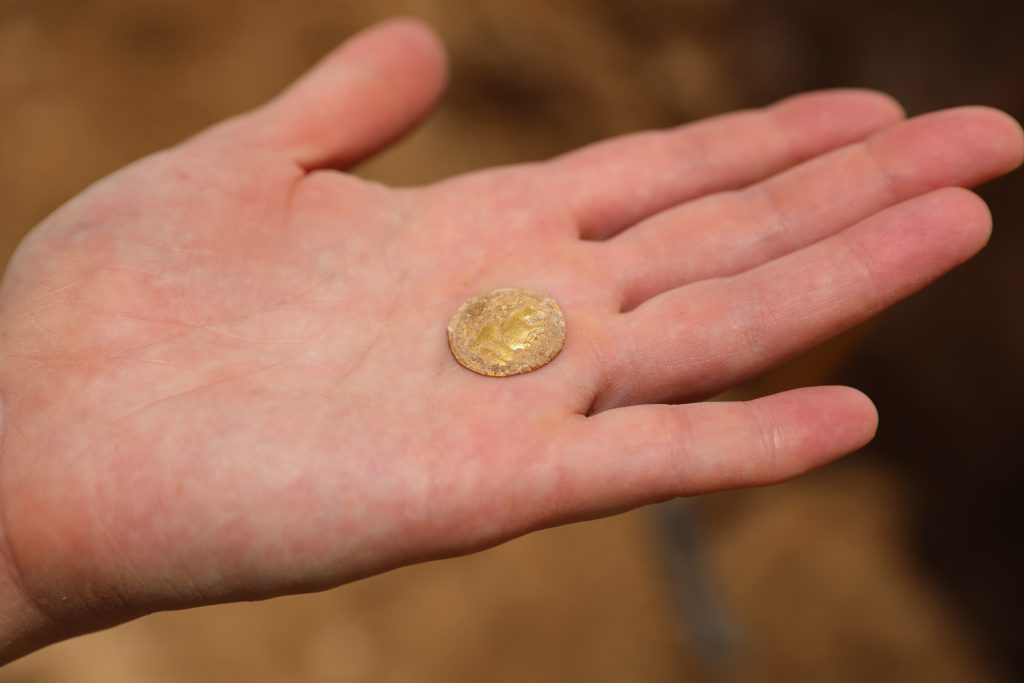
The dig was even more enriching than I anticipated. I gained a robust understanding of the methodology and tools used, as well as the post-excavation processing of artefacts. Moreover, I assisted the area directors with some of the more technical aspects of the excavation, including conducting photogrammetry and operating the total station. These experiences helped me gain a more thorough understanding of archaeological modeling and analysis. I personally uncovered a handful of significant finds, including an intact perfume vessel made from Roman glass, as well as a gold coin in near-perfect condition. The coin was minted under Diocletian in 295 CE and was the first dated item we found on the dig.
Coin found from 295 mentioned in the report (side 1)
Coin found from 295 mentioned in the report (side 2)
Krysta Fauria holding a Roman perfume vessel
Close up of the Roman perfume vessel
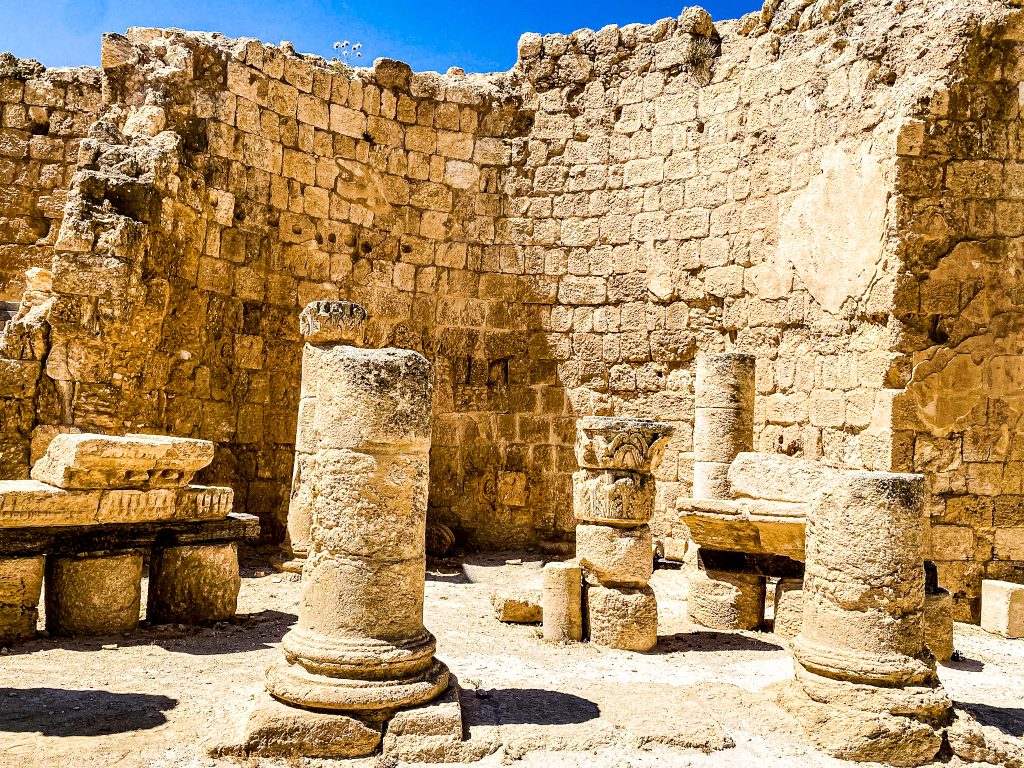
I also spent a significant amount of time visiting additional archaeological sites across the country and Palestine. Some of the sites that stood out as being particularly informative for my research were Megiddo, Beit She’an, Qumran, Herodion, and Caesarea, as well as the remains of the Second Temple and the City of David in Jerusalem.
It is difficult to overstate the ways in which my scholarship will benefit from this trip. For example, one way that studying the material remains informed my current understanding of the Second Temple and Roman Period is that it illustrated the ways in which the Judeans of this time were deeply entrenched in so-called Greco-Roman culture. While recent scholarship has had no shortage of critiques on conceptions of Hellenistic Judaism, I was able to comprehend this critique in new ways after seeing how Jewish people in antiquity co-existed with other Mediterranean inhabitants.
Herodion
This experience gave me an appreciation for the diverse areas of expertise needed to make an excavation possible. In a time when scholarship is seeking to become more collaborative and interdisciplinary, it seems prudent to look to the field of archaeology, which has long relied on scholars from a variety of disciplines and specializations. I hope to return to Israel and to hopefully go on another dig soon.
Beit She'an
Krysta Fauria is a second-year PhD student at the University of Southern California studying early Christianity and the Synoptic Gospels. Prior to beginning her program at USC, Krysta was a journalist covering politics and breaking news for The Associated Press in Washington, DC and Los Angeles.
Dig Cyprus: A Story of Cherishment, Craziness, and Cats
Noah Barton, Undergraduate University Student[/vc_column_text][mk_divider][vc_wp_text]
This summer I had the pleasure of attending an archaeological field school in Cyprus with North Carolina State University. The program – Cyprus Archaeological Field School – is directed by two of my past professors and has been occurring yearly since 2017. I arrived in Cyprus on May 20, 2022. The island is beautiful; every turn has a clear blue ocean, incredible mountains and hillsides, or luscious forests. A pleasant surprise was that Cyprus is loaded with wild cats – there are more cats on the island than humans, in fact – and most of them are friendly. The only downside is that it was very humid, but that’s to be expected for an island near the Middle-East in June.
The archaeological site I helped excavate is called Makounta-Voules, which appears to have been the home of a copper-mining group between 5000 and 7000 years ago. They used stone tools and had a large interest in picrolite – a bright green stone – which they sculpted into figurines and pendants. In addition to picrolite, our team also searched for evidence of stone tools and pieces of pottery (also known as sherds), bone (human and non-human), and shells that were used to create jewelry.[/vc_wp_text][vc_row_inner][vc_column_inner][vc_single_image image=”96093″ img_size=”full” add_caption=”yes” alignment=”center” onclick=”img_link_large” img_link_target=”_blank” css=”.vc_custom_1711651992536{padding-right: 10px !important;}”][/vc_column_inner][/vc_row_inner][mk_padding_divider][vc_wp_text]
Every morning, I woke up at 4:20 am and got on a bus with all the other students. We went straight to the site and started working right away. The entire team was divided into groups of four, with three students and one supervisor. The archaeological method of digging is very systematic; each group dug a hole that was square-shaped and 4 meters wide, known as a trench. We usually dug five centimeters down at a time across the entire surface of the trench before digging any farther. In each group, the students worked together to break up the compact dirt with a pickaxe, shovel up all the newly-made piles of loose dirt, and sift through that dirt to find artifacts. We also straightened out the walls of the trench, known as balk walls. After the team got back to the hotel and ate lunch, we spent an hour or two washing the artifacts that we dug up. This was done by scrubbing them with a toothbrush and soaking them in water. About three nights per week, we also had a lecture that was given by one of the supervisors. The topics ranged from the entire history of Cyprus to different processes and ethics in archaeology.
Every Friday we took a break from digging and went on field trips. During each trip, we visited at least one excavated archaeological site, one museum, and one local beach (except Nicosia). In Nea Paphos, we visited Kissonerga and Lemba, the Paphos museum, and Vardas beach. In Palaepaphos, we visited Prastio and Souskiou, Aphrodite’s temple, and Petra Tou Romeou beach, which is the legendary birthplace of Aphrodite. In Kourion we visited Kolossi, the Kourion museum, and Kourion beach. While in Nicosia we visited the Cyprus Museum, which was the most expansive museum of all.
Every Saturday was a free day for the students to do whatever they wanted. On the first free day, my friends and I went on a cruise, where we saw incredible views on the ocean and swam in the clear blue Mediterranean sea. On another free day, my friends and I hiked up Aphrodite’s trail, revealing the best views of the entire trip. I didn’t make any excursions on my fourth free day. Our fifth free day was spent in Nicosia, the country’s capital. My friends and I explored the city and later celebrated one friend’s birthday at bars and clubs.
On the final day, most students took a final exam; I did not as I didn’t need credit for an Anthropology major, and instead wrote two research essays to get credit for my History major. I left Cyprus on June 25, 2022, ending a wonderful five weeks of excavation and adventure.
Noah Barton is a senior at North Carolina State University, double-majoring in International Studies and History and minoring in Latin. He lives in Raleigh, North Carolina and enjoys history, music, and traveling.
[/vc_wp_text][mk_divider][vc_wp_text]Want to help more students and early career archaeologists get into the field? Donate to the cause today by selecting “Excavation Scholarships” as your gift purpose!
The Honors and Awards Committee seeks nominations to serve on the G. Ernest Wright Book Award and Frank Moore Cross Book Award sub-committees. ASOR invites nominations, including self-nominations, from ASOR members who are interested in being considered by the committee for these openings. Committee members will serve a three-year term with the possibility of two consecutive terms. Nominees must fill out the online form by February 17, 2023. The Honors and Awards Committee takes responsibility for determining the awardees for the three book awards, the field archaeology award, the “best poster” award, and the multiple membership service awards that ASOR gives annually; conducting the awards ceremony during the Members’ Meeting at the ASOR Annual Meeting; and discussing and advising the ASOR Board of Trustees about ASOR’s awards, including recommending to the Board the creation of new awards as deemed appropriate.
One candidate is sought for the Frank Moore Cross Award sub-committee. This award is presented to the author/editor of the most substantial volume(s) related to the history and/or religion of the ancient Near East and Eastern Mediterranean. Primary consideration will be given to historical, epigraphic, textual, and comparative literary studies; or to works that advance and/or evaluate new methodological approaches to the literary record(s). This work must be the result of original research published during the past two years. (One award is given annually.)
One candidate is sought for the G. Ernest Wright Award sub-committee. This award is given to the author/editor of the most substantial volume(s) dealing with archaeological material, excavation reports and material culture from the ancient Near East and Eastern Mediterranean. This work must be the result of original research published within the past two years. (One award is given annually.)
In order to receive full consideration by the committee the online form must be submitted by noon EST on February 17, 2023. For questions and concerns, please contact Marta Ostovich (programs@asor.org)
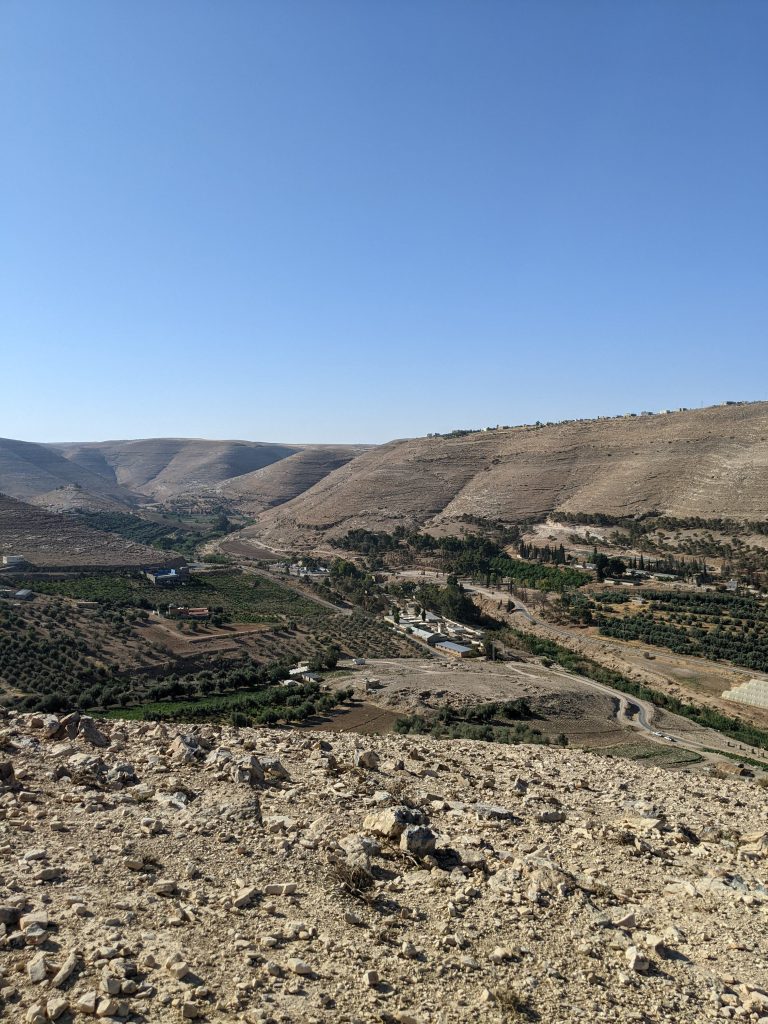
Driving south from the bustling town of Madaba, the sun rises over the rolling plains of the plateau. As we descend into the Wadi al-Wala canyon, the Khirbat Iskandar (KI) mound comes into view. Its position provides visual access east and west along the wadi and south to the slopes that lead into Dhiban. It is easy to see the importance of its position in the landscape. As we climb the gravely path to the site, the sun crests the hill to the east and the light slowly begins to illuminate the EB III and IV contexts in which we have been meticulously working this season.
Khirbat Iskandar and the Wadi al-Wala from above.
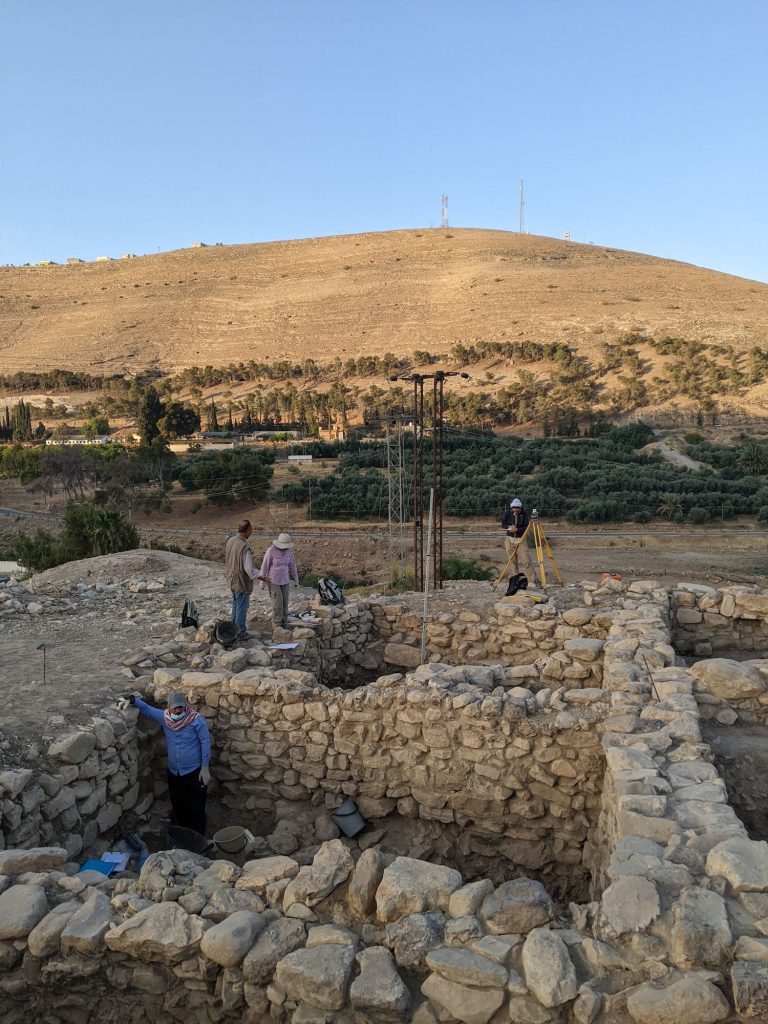
Excavations at KI have been ongoing since the 1980s, each season further revealing the site’s significance as an urban settlement during a time often marked by trends of ruralization in the southern Levant. The 2022 field season at KI shed new light on the pivotal Early Bronze III/IV nexus and provided new contexts that help expose the continuation of habitation at the site. We began the season with a clear set of goals divided between three excavation units. With a team of only 10, we were limited in what we could achieve in a set period of time. But with the experience at hand we were able to efficiently and effectively answer questions lingering from seasons before and build upon existing theories about KI’s role during the later EBA. The main objective was to continue to define the phasing for Area C, an excavation field in the southeastern corner of the tell. We aimed to do this by linking loci between trenches with known and new architectural and material phasing. In doing so, we could gain a more well-rounded picture of the associated phasing of the EB IV within Area C and in turn, the EB III/IV horizon.
We were successful in all our excavation goals, but archaeology is about more than just digging. My dissertation research focuses on micro and macro scales of the KI landscape and this field season provided the opportunity to not only develop my understanding of the EB III/IV at the site, but it also allowed me to garner a better appreciation of KI’s position in the greater region. KI’s setting along a possible route of travel is what initially inspired me to explore the connections between EBA sites in the Central Moab area. One of my personal goals this season was to take time to visit other regional sites and the spaces in between to better understand KI’s physical connections to neighboring locales. I was able to do so, moving at my own pace and experiencing these distances between sites, which caused me to think more about other aspects that impact movement and connections between spaces. A visit to the Chalcolithic and EB IA site of Murayghat was particularly impactful. Its position on a plateau surrounded on three sides with slopes covered in dolmens and the fourth side, a sweeping view into the valley below and hilltops beyond, provided a unique context by which to think about the relationships of spaces dedicated to both mortuary and domestic settings and how they could be perceived by visitors. A stop at Bab adh-Dhra’ was likewise a highlight and furthered my interest in the topic of the intersection of the living and dead spaces and how the various uses and perceptions of these spaces may have been communicated throughout the EBA. While I have studied these sites individually and tried to assess their spatial and social proximities digitally, I still lacked the ability to grasp what travel across some of these landforms and distances meant in reality. As I continue to develop my research on landscape-based approaches to the spatial and social connections in the southern Levant, field seasons like this greatly improve my ability to accurately contextualize and represent movement at the time.
Tucker Deady is currently a PhD student at the University of Toronto in the Department of Near and Middle Eastern Civilizations. Tucker’s areas of interest include landscape archaeology, GIS, and the Early Bronze Age of the Southern Levant.
Want to help more students and early career archaeologists get into the field? Donate to the cause today by selecting “Student Support” as your gift purpose!
2022 Study of Collections Fellowship Report: The Unpublished Materials of Charles Clermont-Ganneau
Matthew J. Suriano, University of Maryland
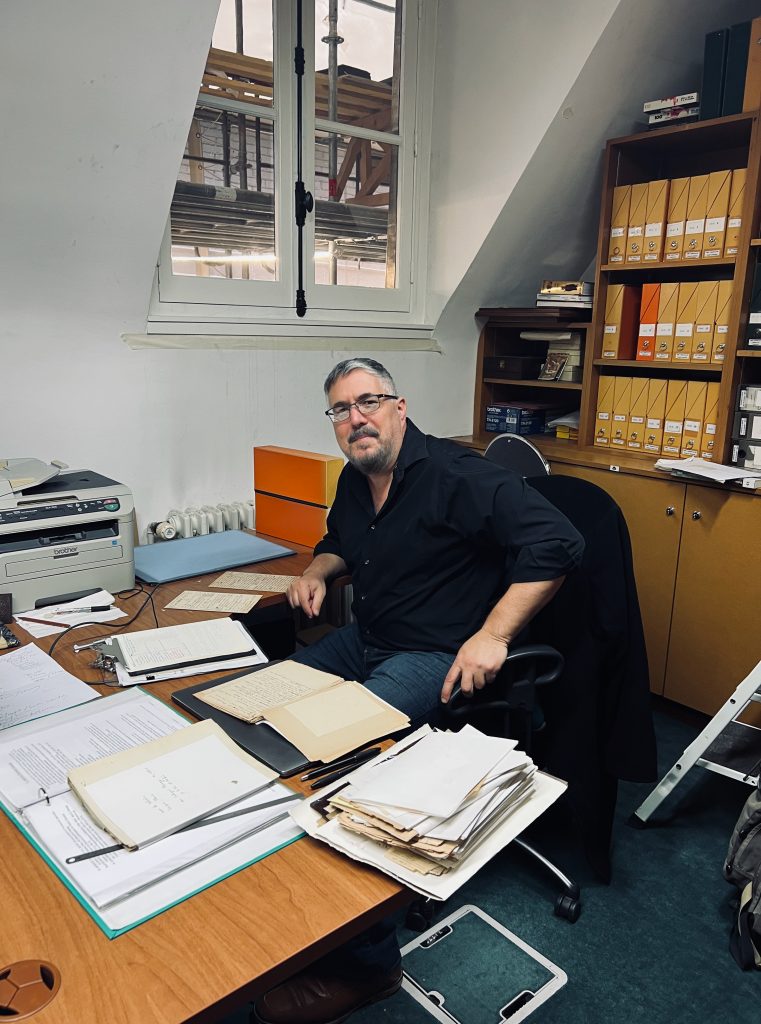
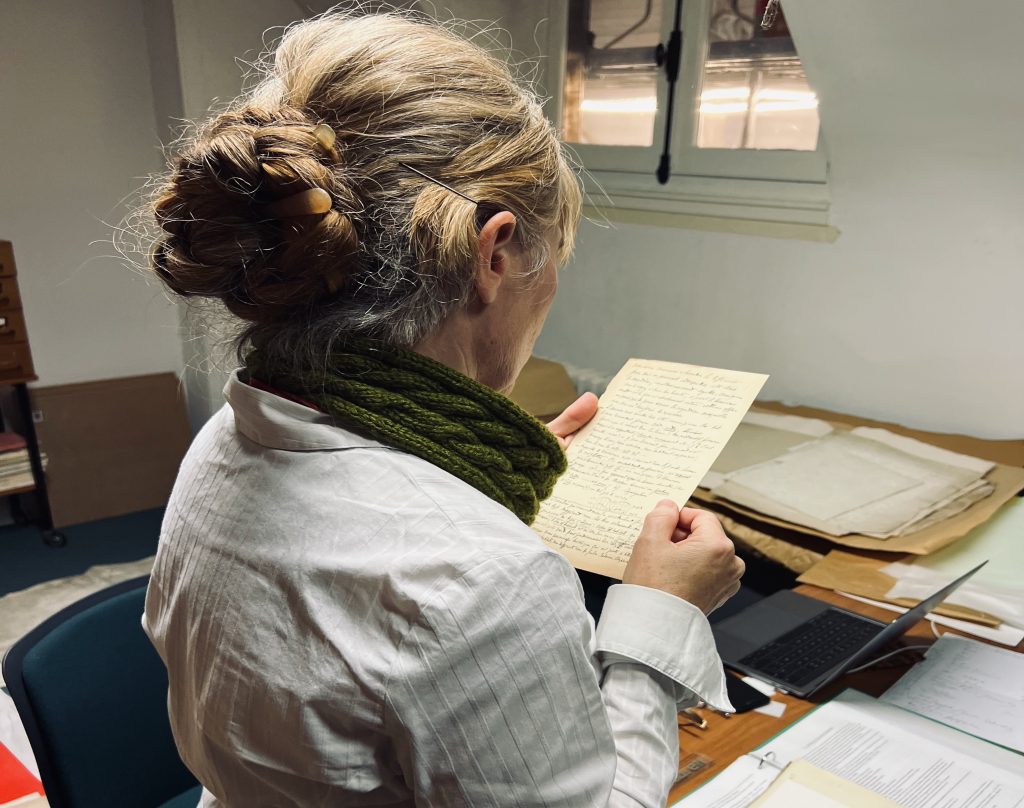
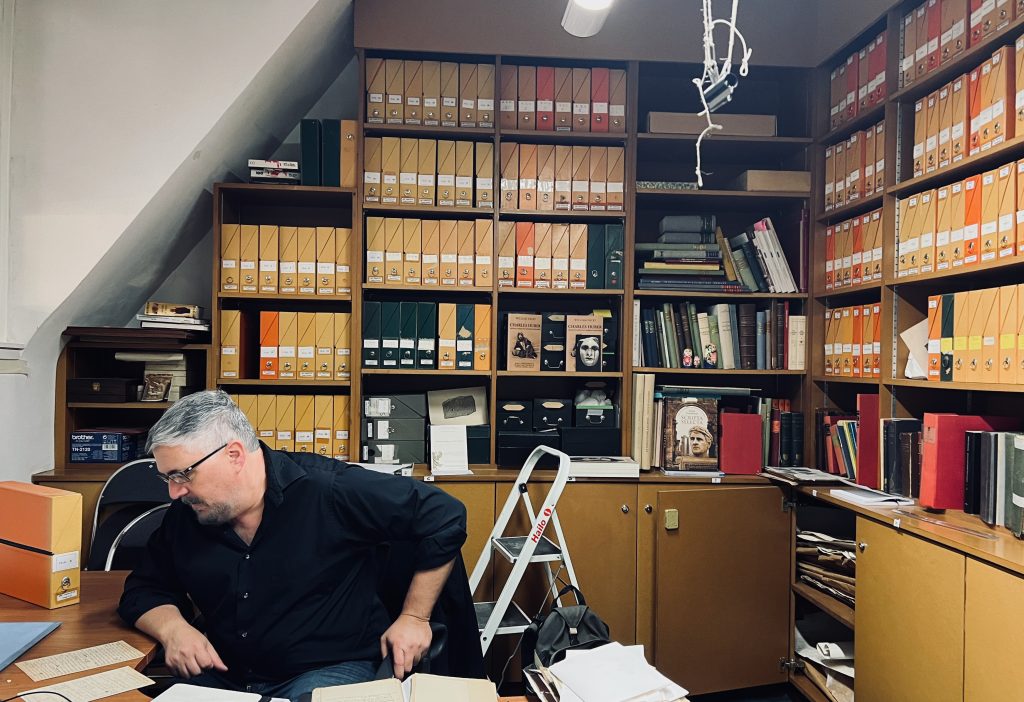
Through the support of the Collections Fellowship I was able to spend several days in Paris working at the Institut de France in the Académie des inscriptions et belles-lettres (AIBL). There, I studied the unpublished materials of Charles Clermont-Ganneau that are in the Cabinet du Corpus Inscriptionum Semiticarum (CIS). Access to this collection was granted by the kind permission of Christian Robin, the AIBL’s director. In Paris, I worked with Maria Gorea, the director of the Cabinet du CIS, where I benefited from her knowledge of Clermont-Ganneau and her ability to decipher his difficult handwriting. Dr. Gorea and her student Noémie Carpentier also were of great assistance with French technical terms that I came across in Clermont-Ganneau’s writings.
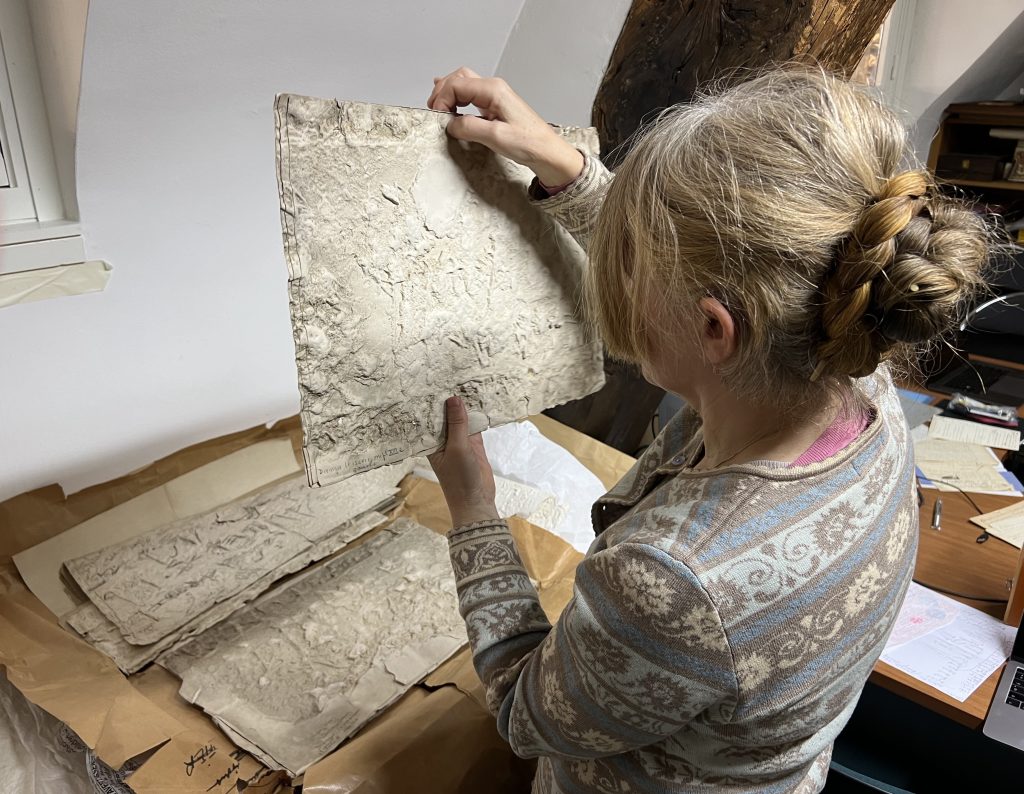
The research is part of my larger project on the Hebrew funerary inscriptions from Silwan, which include the Royal Steward Inscription. That inscription together with a shorter inscription were first documented by Clermont-Ganneau in Silwan in 1870. He eventually purchased them for the British Museum, where they reside today. This summer in London I was able to study Clermont-Ganneau’s correspondence with the British Museum in the museum’s archives. My work in Paris, supported by the ASOR Collections Fellowship, continued my investigation into the acquisition of the artifacts. Clermont-Ganneau’s papers in the Cabinet du CIS shed important light on two aspects involving the Hebrew epigraphic sources. First his papers describe the French diplomat / archaeologist’s efforts to buy the inscriptions from the Arab homeowner in Silwan, including details on how the inscriptions were extracted. Much of this information was left out of his 1899 published account of his discovery. Second, his notes, drawings, squeezes and casts (plaster and papier-mâché) reveal the extent of his work to translate the inscriptions, as well as his plans –ultimately unfilled– plans to publish them.
Access to Clermont-Ganneau’s papers was critical for my project, which seeks to publish the first comprehensive edition of the funerary inscriptions from Silwan. My collections study in Paris will allow me to write a chapter on the history of research that provides insight into the events that led to the acquisition of a famous Hebrew artifact from Jerusalem that is today prominently displayed in the British Museum.
Interested in applying for a 2023 Study of Collections Fellowship? The deadline is February 28.
Find One — Fund One: 2023 ASOR Scholarships and Grants
ASOR plans to celebrate our 123rd year (2023) by awarding more than $223,000 in fellowships, scholarships, and grants! This extraordinary commitment to our members has been made possible by you, our members and donors, who have established endowments or made annual contributions to these programs.
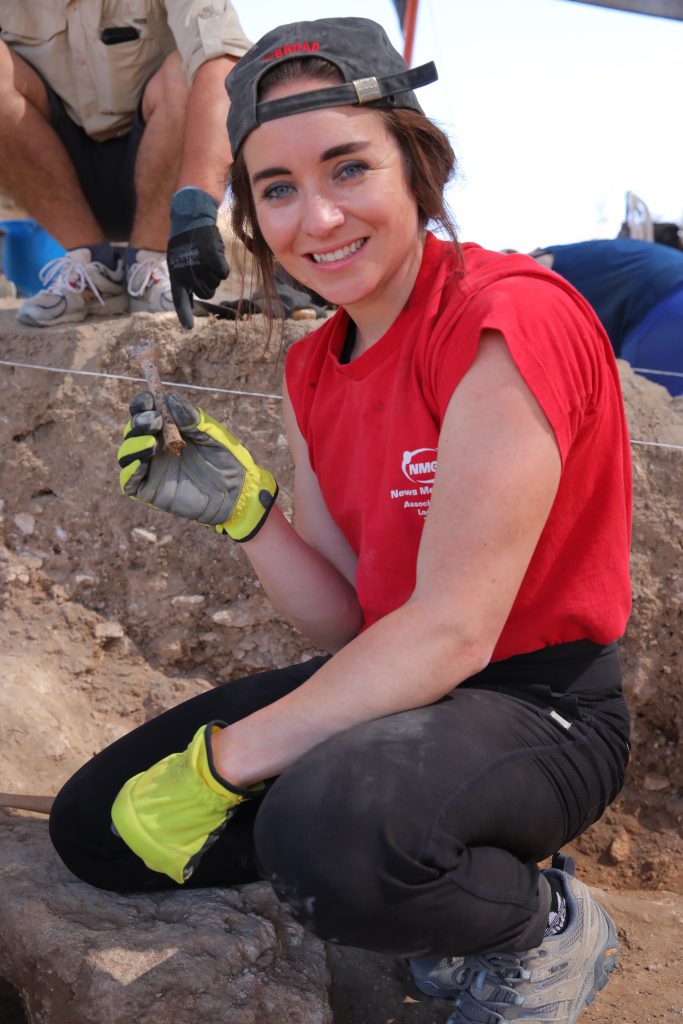
2022 William G. Dever Fellow, Krysta Fauria, at Legio, Israel.
We invite you to FIND ONE (a scholarship, fellowship, or grant) or to help FUND ONE (designated gifts to enable us to award even more, or unrestricted gifts to help with the costs of administering and distributing the awards).
The deadline to apply for fieldwork scholarships and grants is a little over a month away (February 15 for scholarships, February 28 for grants). We invite you to apply and to share the word through your social media and other networks (please share this post).
Scholarship recipient Kathleen Forste teaches Menorca Archaeological Project (Spain) team members how to recover plant remains and microartifacts through flotation.
ASOR is able to provide these scholarships with the partnership of you, our many members and donors. You are enabling ASOR to establish new scholarships and grants through endowed funds, but your annual support (i.e., gifts this year) will allow ASOR to send more eager students and early-career scholars into the field. Please support archaeology’s next generation by making a gift today.
Because of the ongoing pandemic, your gifts are especially needed this year (2023) to fund membership and annual meeting scholarships. Your gifts to the Annual Fund (unrestricted) help defray the costs of administering and distributing the growing number of scholarships and grants. You may also make a designated gift by choosing any category from the drop-down menu on the donations module.
Please spread the word and don’t hesitate to contact us if you have any questions (e-mail or call [703-789-9233]).
In the fall of 2021 ASOR President Sharon Herbert formed an Ad Hoc Committee on the Climate Impact of ASOR activities with particular attention to the Annual Meeting. That committee presented its report to the Board of Trustees at its 2022 November meeting in Boston. The committee outlined various alternatives for reducing ASOR’s carbon footprint. ASOR’s standing committees will be studying the report over next three months and recommending actions to the Board at its April 2023 meeting. We would welcome comments from our members. Please email your comments to info@asor.org.
A Typical Day with the Vayots Dzor Fortress Landscapes Project
Sofia Kane, 2022 Strange-Midkiff Scholarship Recipient
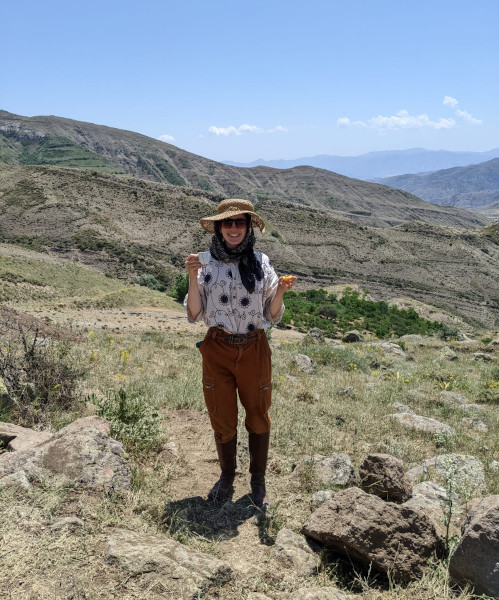
Thanks to the support of the Strange-Midkiff Scholarship for Fieldwork Participation, I was able to travel to Vayots Dzor, Armenia, in July of 2022 to participate in archaeological fieldwork. I joined the Vayots Dzor Fortress Landscapes Project, directed by Dr. Tiffany Earley-Spadoni, Dr. Arthur Petrosyan, and Dr. Boris Gasparyan.
The Vayots Dzor Fortress Landscapes Project is a multi-period project consisting both of survey and excavation, with concentrations of material from the Late Bronze/Early Iron Age as well as the medieval period.
This was my first field season in Armenia. For four weeks in July, I lived in the town of Areni while surveying and excavating. I greatly enjoyed working on a multi-period excavation, since my own focus is the late medieval period. It was interesting to collaborate with students focusing on other time periods and to discover more about the landscape from a diachronic perspective.
So, what does a typical day with the Vayots Dzor Fortress Landscapes Project look like?
Sofia Kane participating on the Vayots Dzor Fortress Landscapes Project in Armenia.
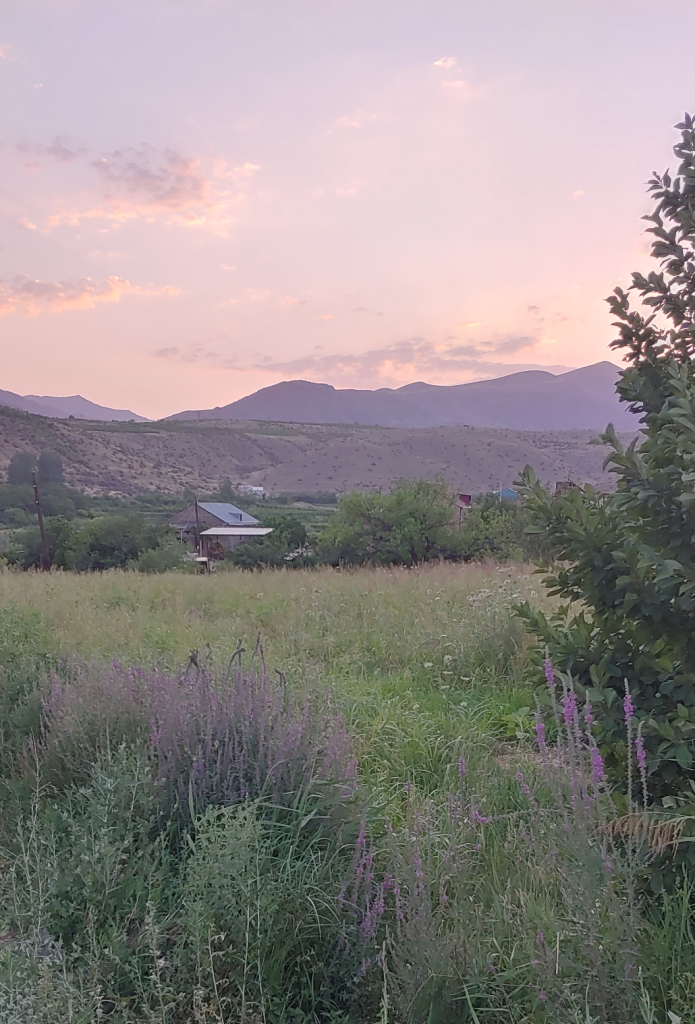
In the morning, we would wake up and have a filling breakfast prepared by our host. This started with lavash (soft flatbread), cheese, and fresh herbs such as basil and chives, which were combined together into a rolled sandwich. This staple of Armenian cuisine was accompanied by eggs, tea, and honey.
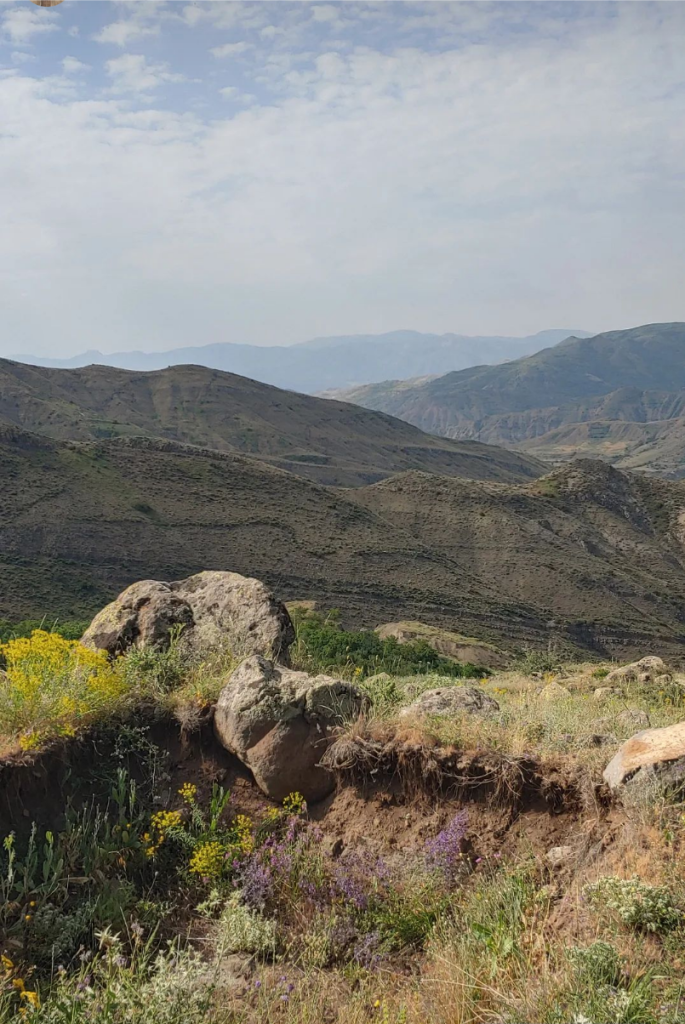
Next, we would split into two teams: one for the excavation, and one for survey. I was usually excavating, although on some days, I stayed at the dig house to illustrate finds, and on other days, I joined the survey team. The drive to the excavation featured beautiful glimpses of the Armenian countryside and a winding final stretch up into the hills. At the end of the drive, we unloaded the van and carried picks, buckets, trowels, and other tools up to the trench.
Once we got to the site, my role was to record sketches of the trench and daily summaries on the record-keeping sheets, and to excavate with pick and trowel. The area we were excavating had already been excavated in a previous season; our goal was to expand the pre-existing trench and to reach bedrock, thereby documenting all layers of habitation of the site.
Lorem ipsum dolor sit amet, consectetur adipiscing elit. Ut elit tellus, luctus nec ullamcorper mattis, pulvinar dapibus leo.
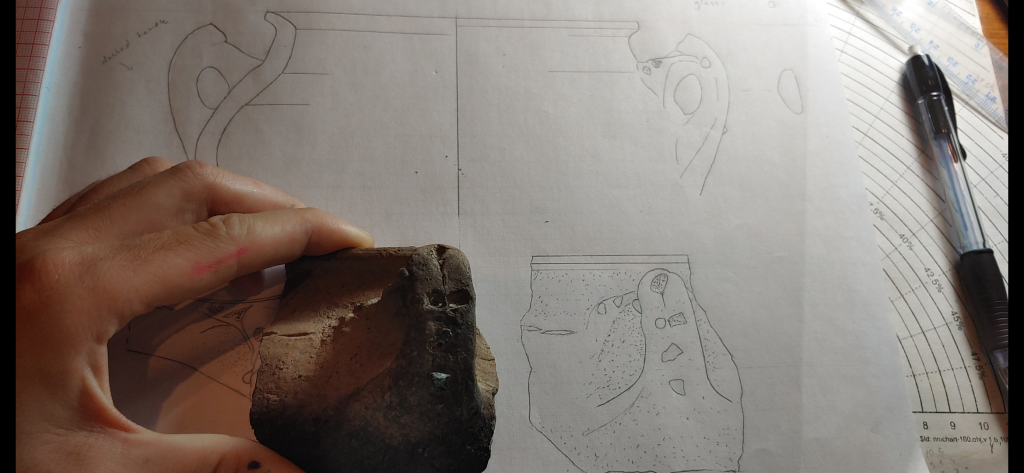
We ate lunch in the field and ended fieldwork in the mid-afternoon. After returning to the dig house and having our daily break, lab work commenced. My lab job was to illustrate the artifacts, mostly ceramics. I illustrated new ceramic finds by pencil, and digitally inked scans of penciled drawings from a previous season. I also had the opportunity to teach other students how to illustrate archaeological artifacts.
One question I am often asked is, why illustrate artifacts at all, when photography is faster? One answer is that illustration makes it possible to show objects in section. If one were to slice a vessel from top to bottom, the section is what the slice would look like. The section makes it easier to compare vessels from multiple sites and publications to see whether they are similar. Trying to record a vessel’s section with a photograph would result in a distorted image, and it would require damaging the vessel.
Illustration also makes it possible to re-create what a complete, or nearly complete, vessel would look like from only a few sherds. If one were to simply photograph a sherd, it would not reveal much about what the vessel looked like as a whole.
Meanwhile, photography has complementary uses: it can show the colors of glazes and surface decorations, and close-up photographs are able to show the composition of the clay. Together, photography and illustration create a balanced visual record of an archaeological artifact.
Towards the end of the season, we took final photos of the trench in the early-morning light, and I drew a top-plan of the trench. Drawing the top plan required about five hours of carefully measuring and sketching, because every rock and other feature of the trench needed to be plotted accurately in relation to the rest of the trench.
After wrapping up fieldwork, we carefully packed the artifacts for storage, transported them to the storage facility, and left for the capital city of Yerevan. Although this was my first summer in Armenia, I certainly hope it will not be my last.
Sofia Kane is a master’s student at the University of Crete in Rethymno, Crete in the Department of History and Archaeology, supervised by Dr. Antonis Anastasopoulos. Her research interests include archaeological illustration, medieval through Ottoman material culture, and the Ottoman-European scientific and intellectual networks of the 16th century.
Want to help more students and early career archaeologists get into the field? Donate to the cause today by selecting “Student Support” as your gift purpose!
2022 Harris Grant Report: Khirbat al-Balu‘a, Jordan
The ASOR Charles Harris Project Grant helped to fund the first season of excavations in the Islamic period village at Khirbat al-Balu‘a on the northern Karak Plateau in central Jordan. This excavation is part of the Balu‘a Regional Archaeology Project (BRAP), directed by Kent Bramlett, Monique Roddy, and Friedbert Ninow.
Morning arrival at Khirbat al-Balu‘a, looking east from the Khan
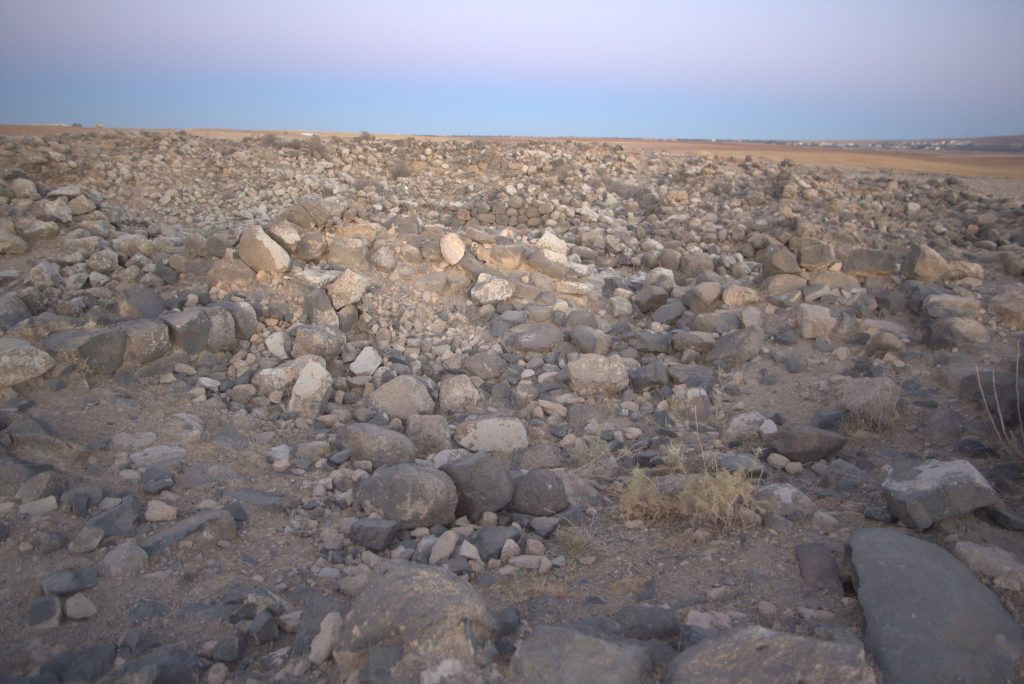
The Khan prior to excavation
Prior to this season, BRAP has focused on investigation of the impressive Iron Age remains in the northern and eastern portions of the site, which remain a research priority. This season, the Harris Grant allowed the project to expand investigations to the Middle (ca. 1000-1400 AD) and Late (post-1400 AD) Islamic period village in the southwestern portion of the site. Much remains unknown about the village, including its name and the exact chronology of its occupation. Its location and the presence of a large (ca. 40 x 40 m) square structure, which we tentatively identify as a khan/road inn, on its western edge, however, seem to suggest that it served as a stopping point for people travelling to and from the regional capital of Karak, perhaps including caravans of hajj pilgrims during the Middle Islamic period. Other features identifiable on the surface of the village, including grain threshing floors and a small olive press, point to the village’s agricultural economy.
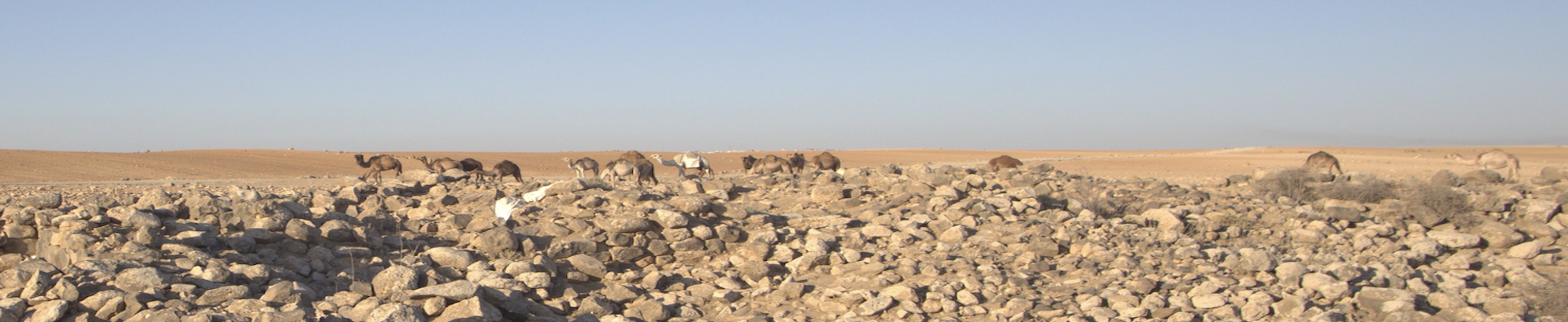
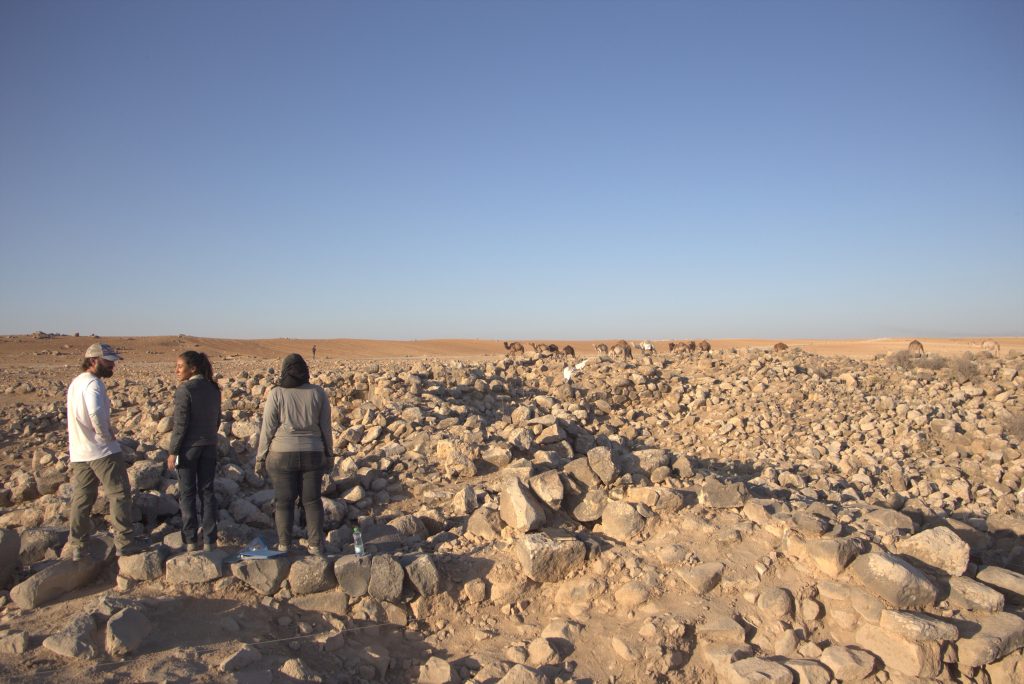
Taking a break to watch a herd of camels cross the road near the Khan.
Team Khan (Jadah Ryan, Peter Tucci, Saraa Myran, London Perlis, Roma Aatifi, and ‘Ammar Hijazin) hard at work
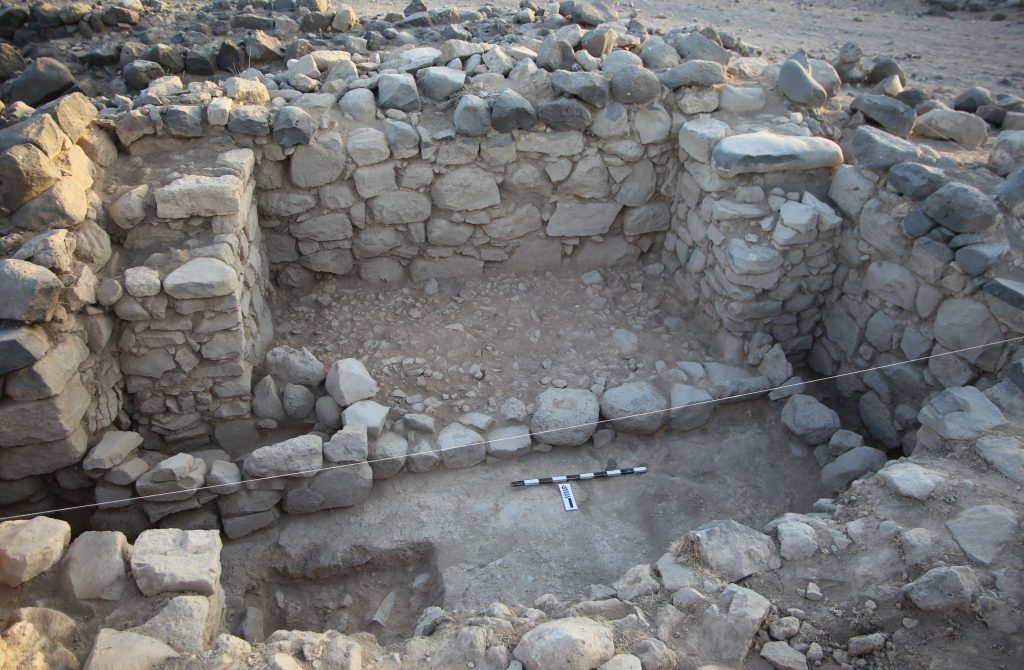
The BRAP Islamic Village Excavations will investigate these economic aspects of the site, as well as the social structure of the village, the daily lives of the site’s residents, and the environment of the Karak Plateau. We chose to begin our work in the Khan, however, in order to more accurately determine the original function of the building and to better understand its relationship to the village itself. The excavations this season revealed remodeling and reuse of the Khan early in the Late Islamic period (probably the 16th or 17th century AD) as a living space, storeroom, or both. The Khan may have gone out of use as a result of the eastward shift of the hajj route under the Ottomans in the 16th century, but its reuse not long after this shows that the village maintained a thriving agricultural economy.
The Late Islamic reuse phase of the Khan at the end of the season.
We plan to continue investigating this economic transition in future BRAP season, and we thank ASOR for supporting the establishment of our long-term research into the Islamic period on the Karak Plateau, an important but understudied facet of the archaeology of Jordan.
-Ian Jones, Field Director of the Middle Islamic Village, University of California, San Diego





 The
The 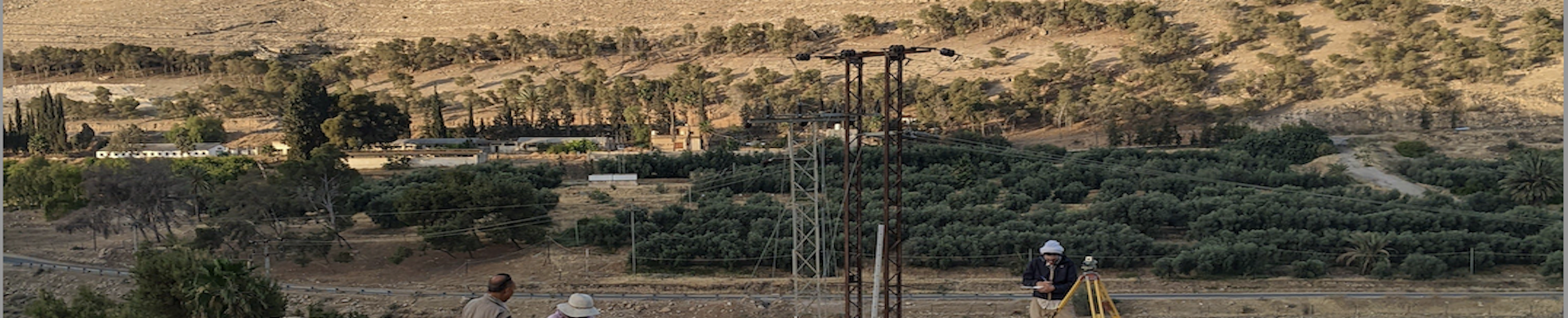
 Tucker Deady is currently a PhD student at the University of Toronto in the Department of Near and Middle Eastern Civilizations. Tucker’s areas of interest include landscape archaeology, GIS, and the Early Bronze Age of the Southern Levant.