2023 Seger Grant Report: The Middle Cypriot Hilltop Site at Kalavasos-Laroumena, Cyprus
Dr. Mara T. Horowitz, Director, Kalavasos-Laroumena and Arkhangelos Archaeological Research Project
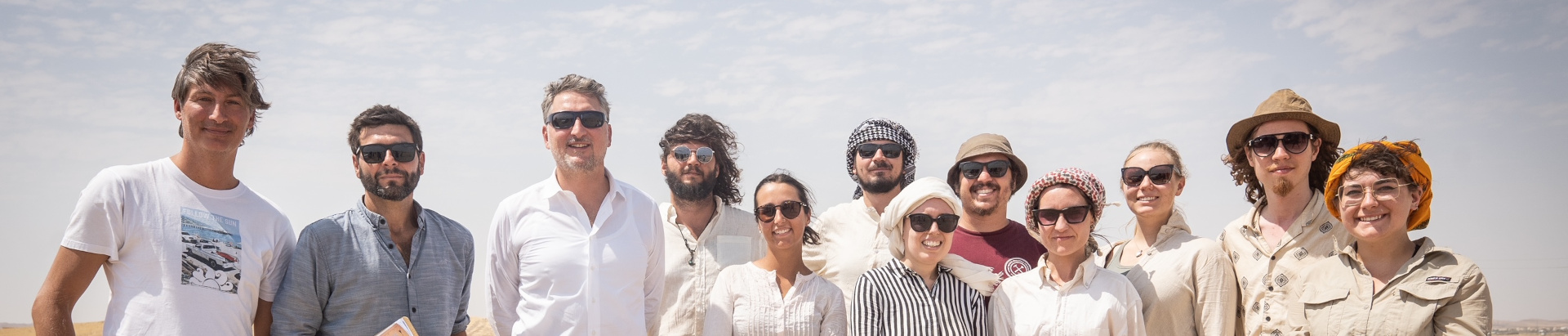
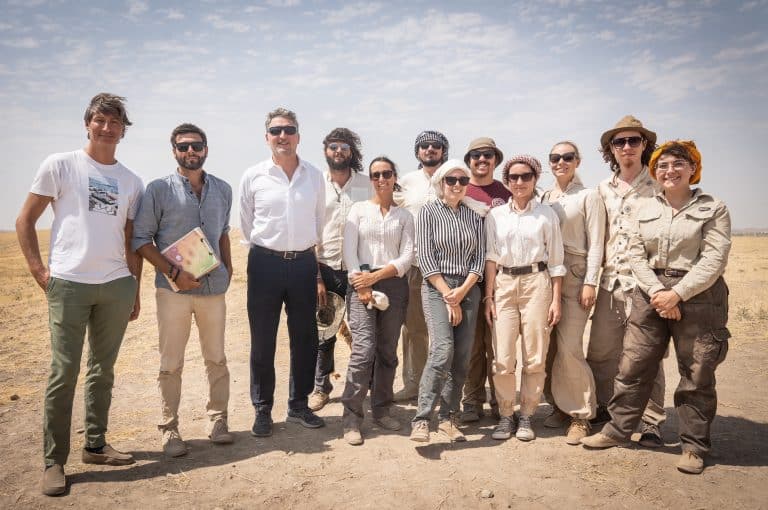
With the assistance of the Joe D. Seger Grant, the first season of excavations took place at Laroumena as part of the Kalavasos-Laroumena and Arkhangelos Archaeological Research Project (K-LAARP). The excavation was sponsored by Purchase College SUNY, and further supported by the Rust Family Foundation, the Curtiss T. & Mary G. Brennan Foundation, and the University of Western Washington. Crucial support and logistics were provided by the Cyprus-American Archaeological Research Institute (CAARI).

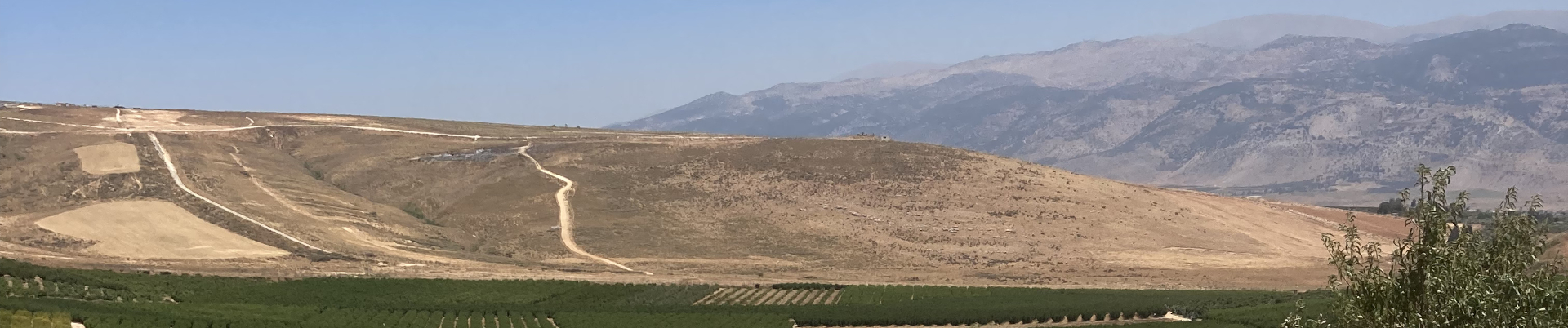
The Kalavasos area is famous for its rich archaeological record and history of excavation. The K-LAARP project targets the poorly known Middle Cypriot (MC, c.2000-1650BC) period in the valley. Our goal is to study the transition from simple to complex societies on Cyprus that may have originated with prestige competition and communal surplus storage among local families. Laroumena is a clifftop promontory adjacent to a 60-hectare terrace complex above the Vasilikos River with many MC surface finds indicating a large settlement. Abundant surface finds of exceptionally large Red Polished storage jar fragments on Laroumena, also seen in our excavations, indicate significant storage capacity.
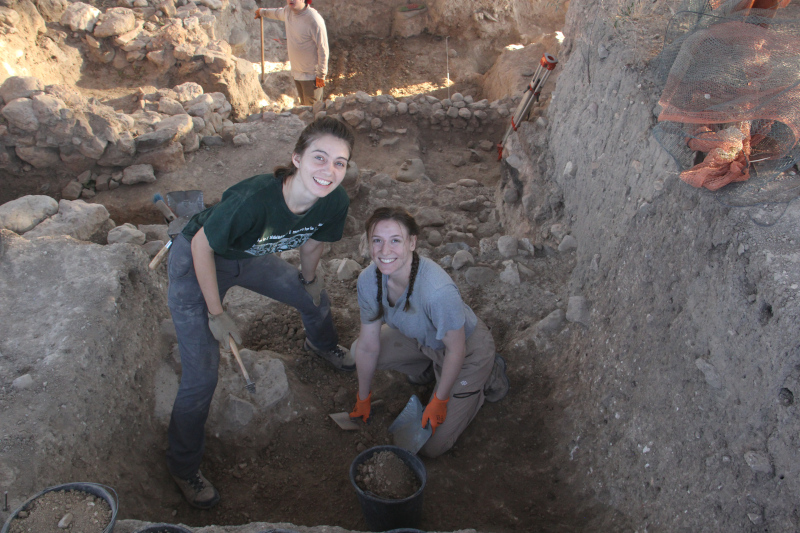
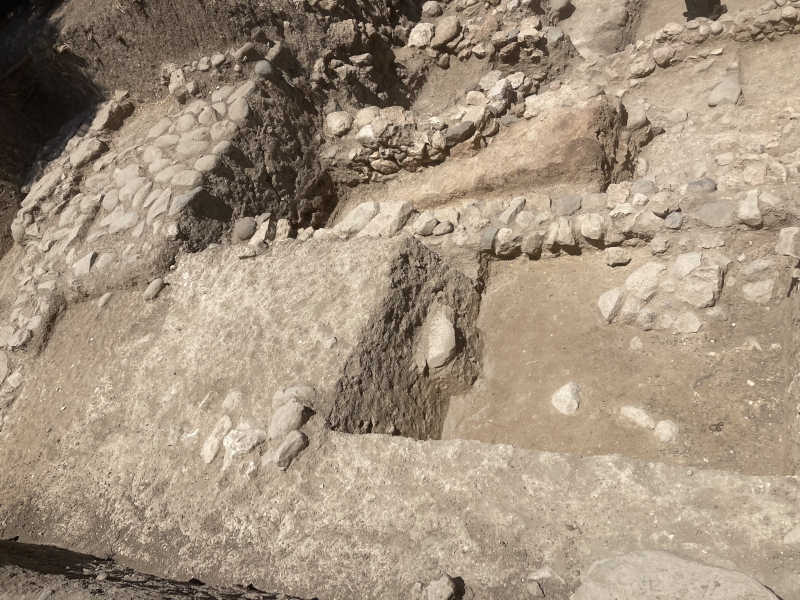
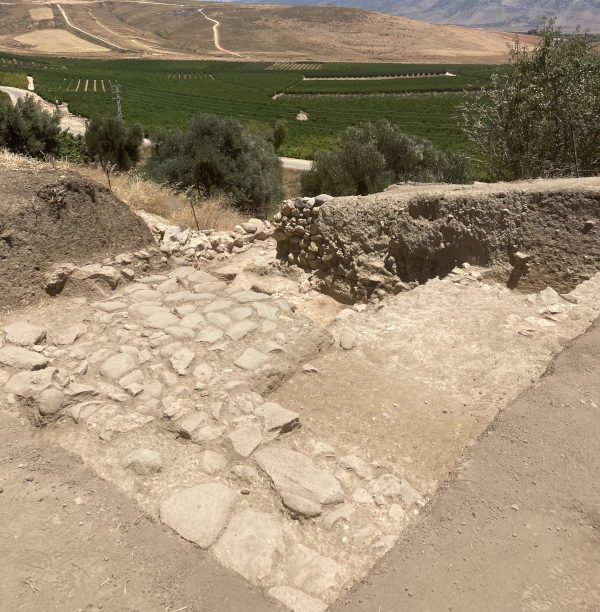
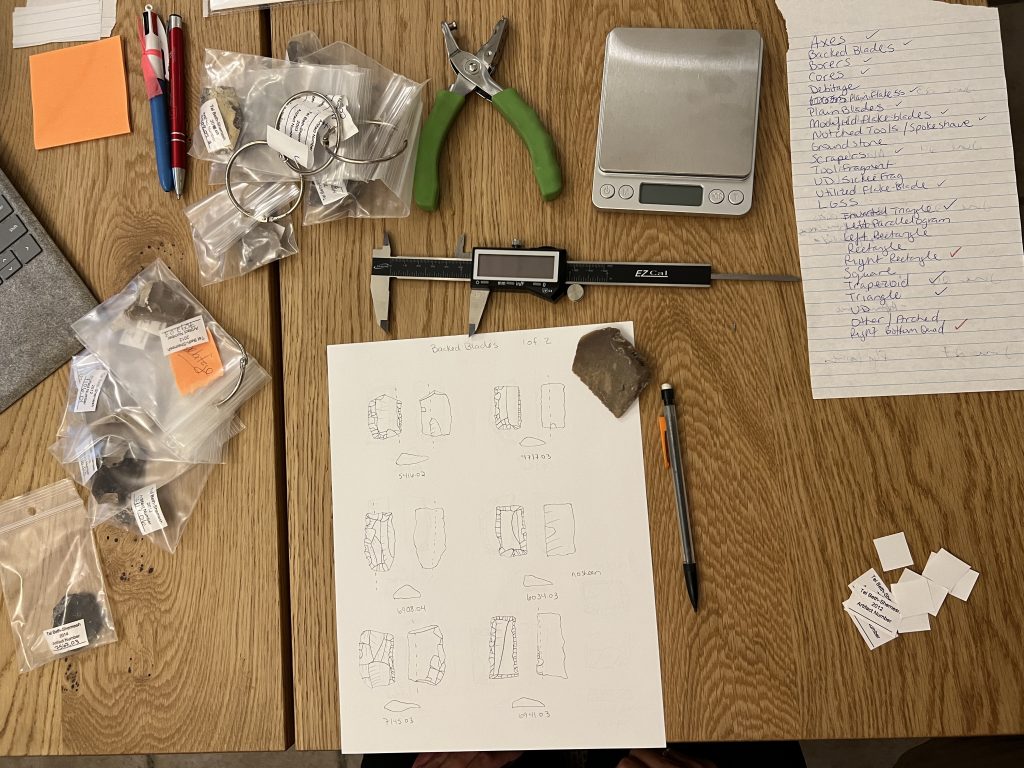
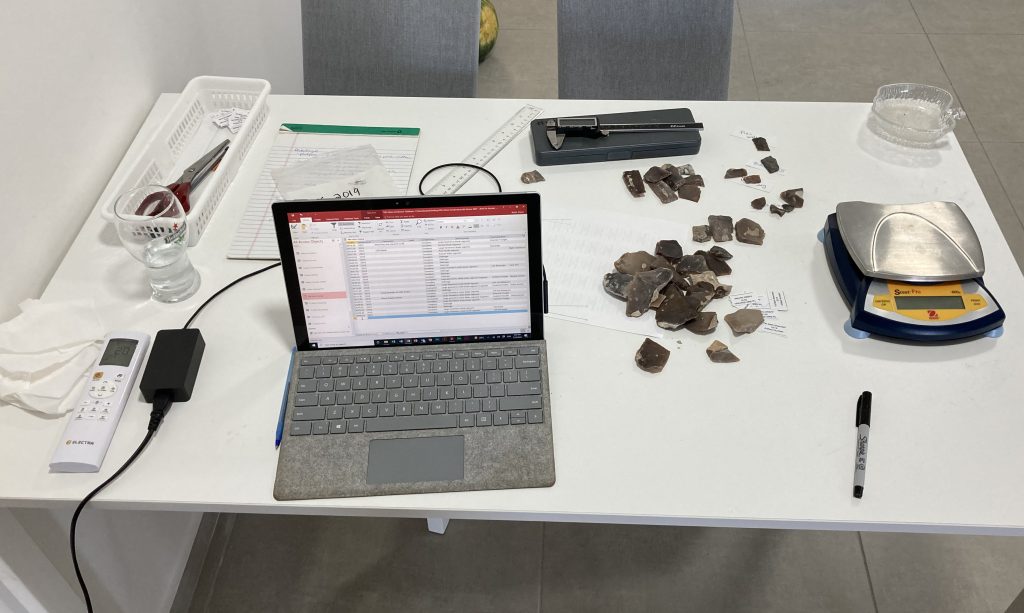
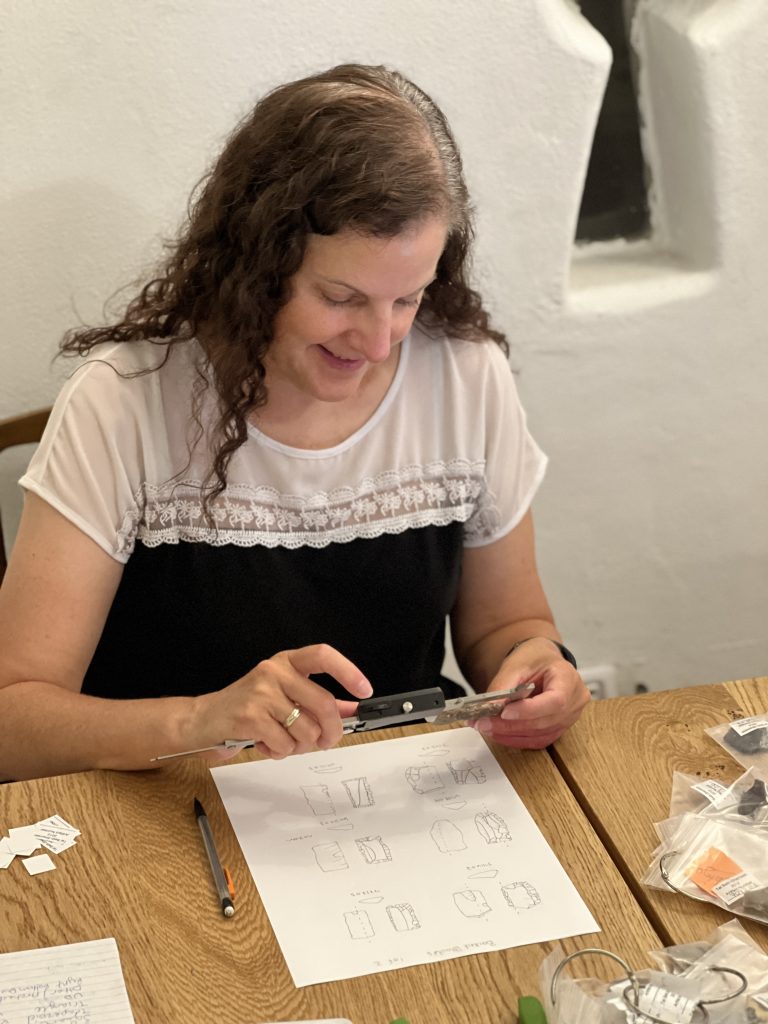
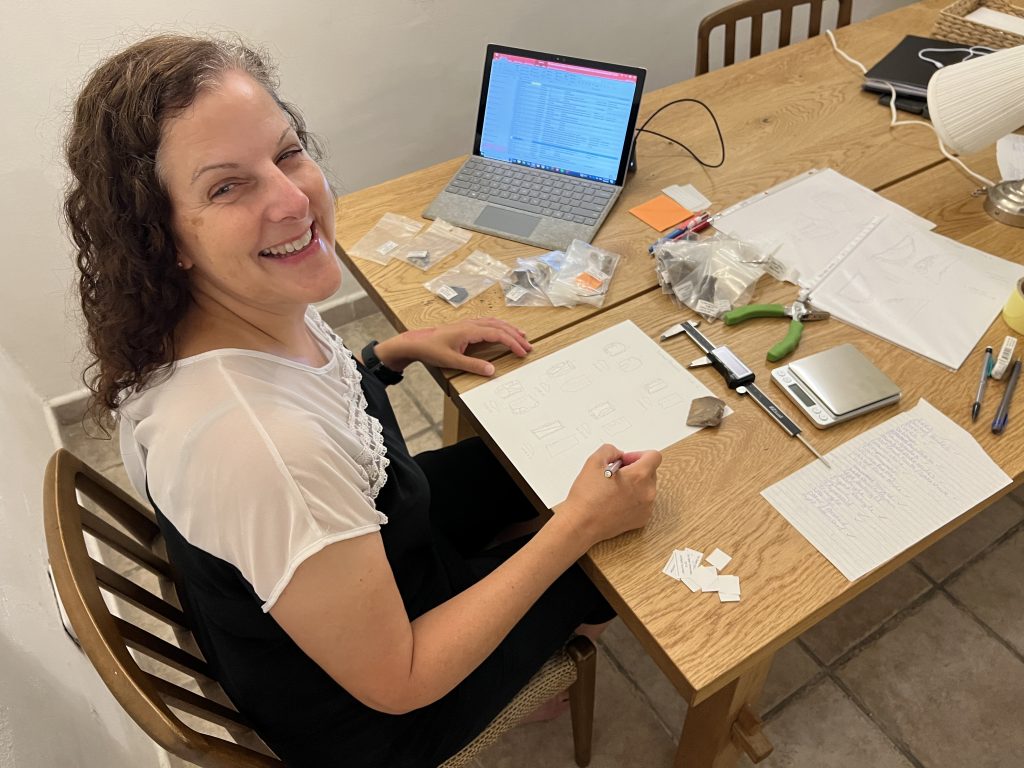
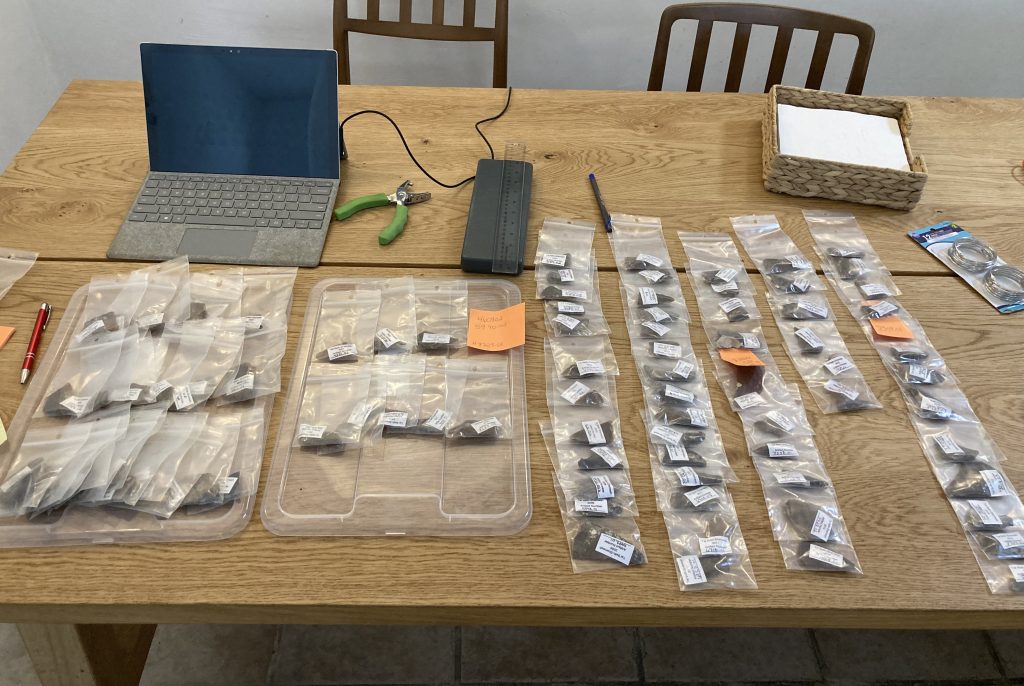
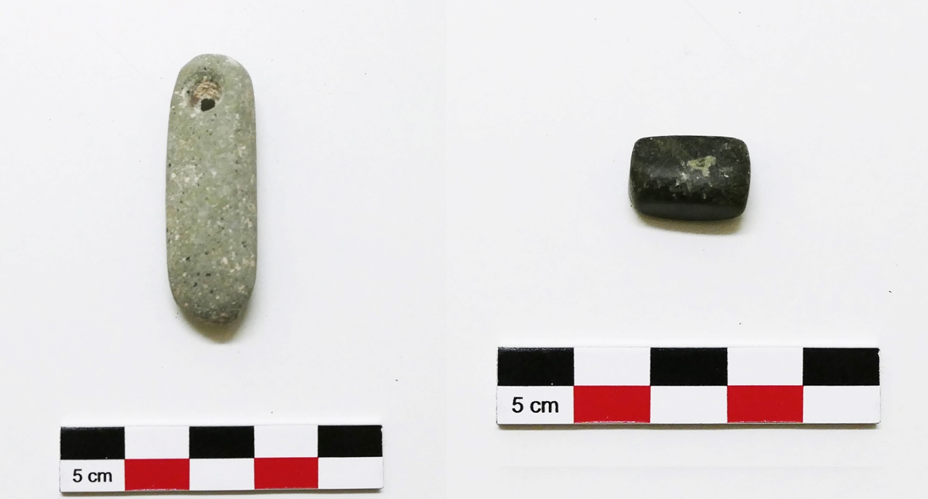
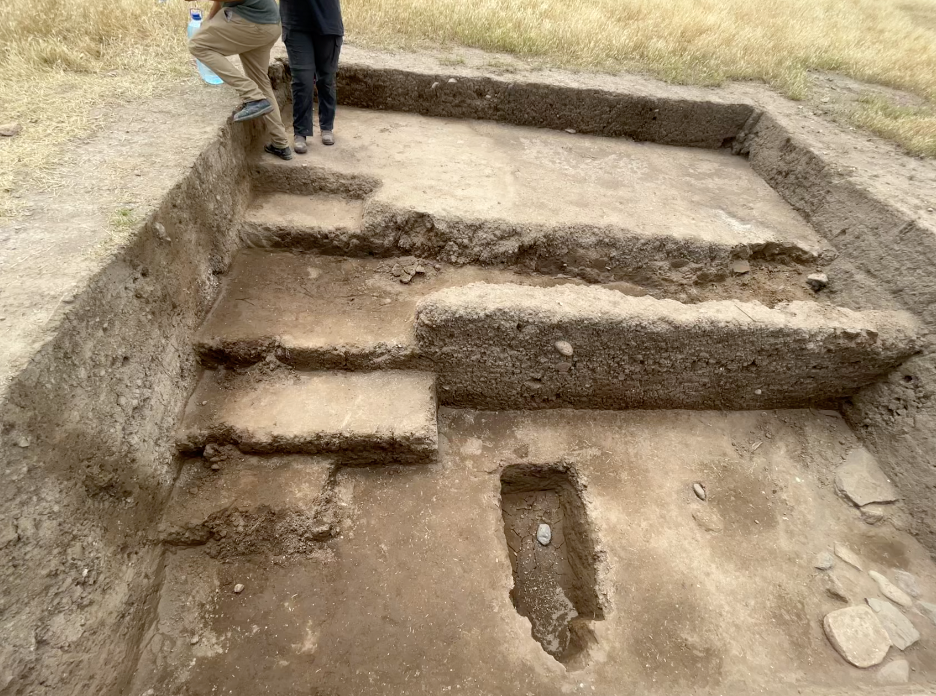
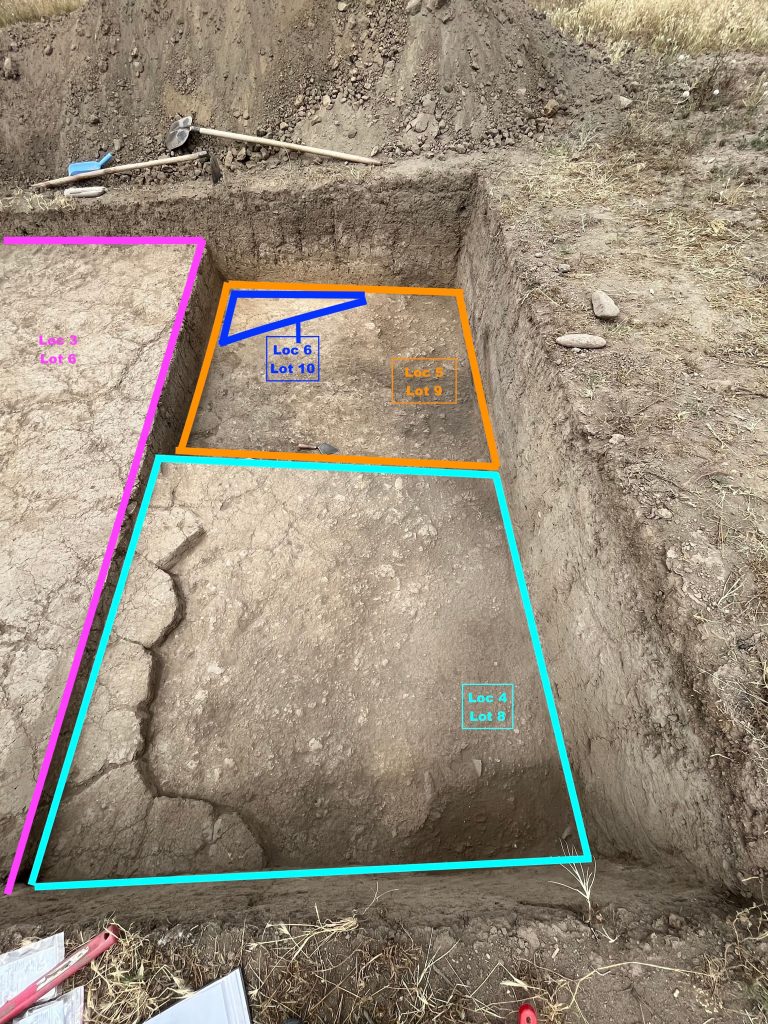
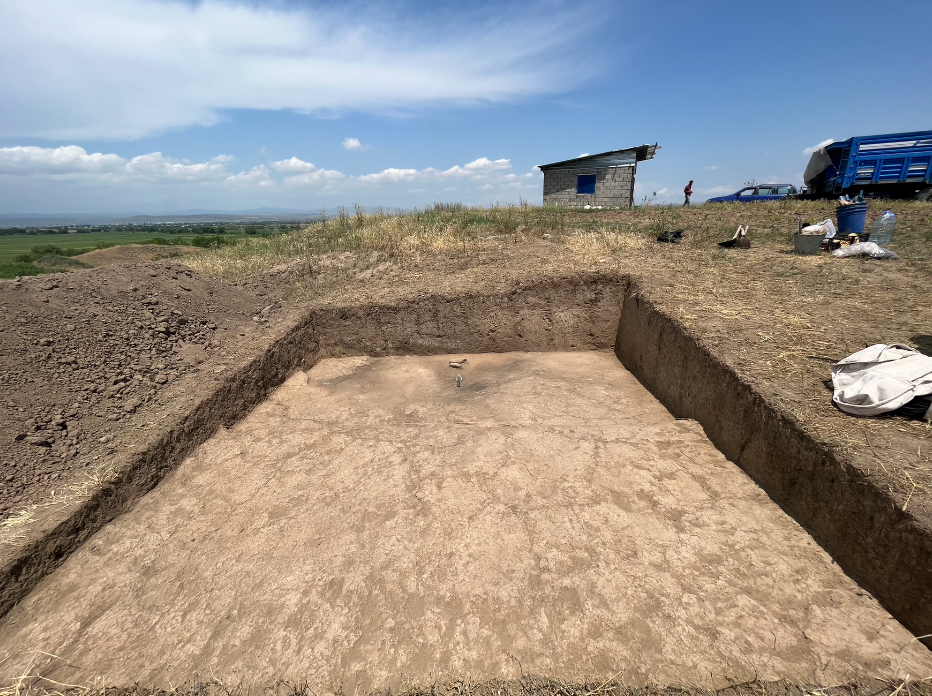
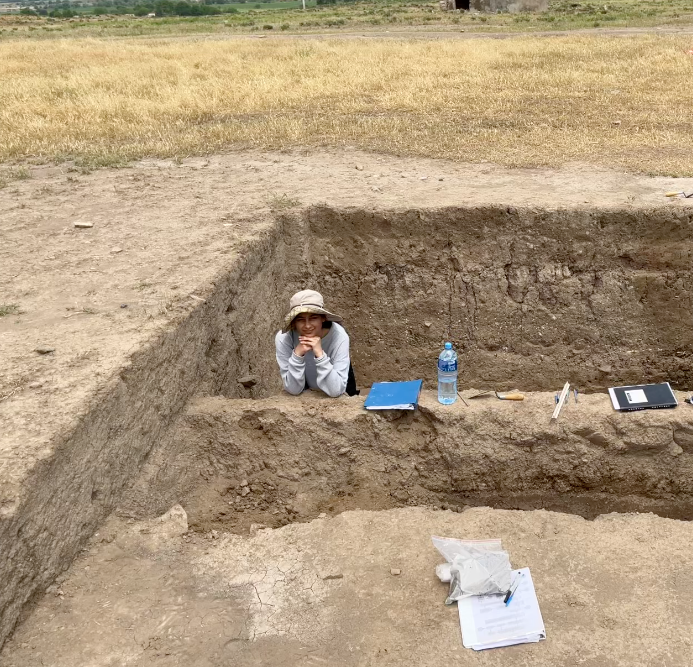
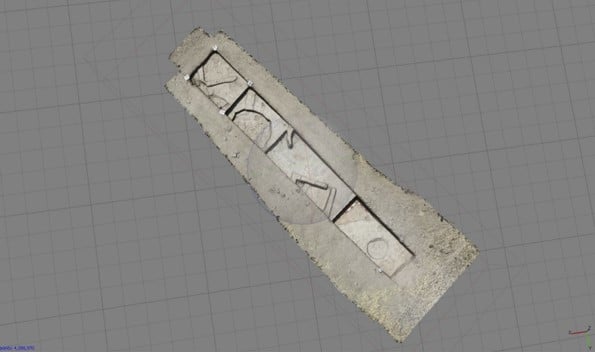
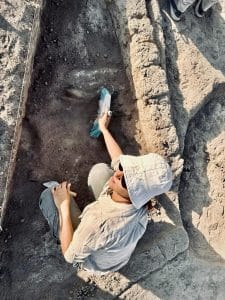
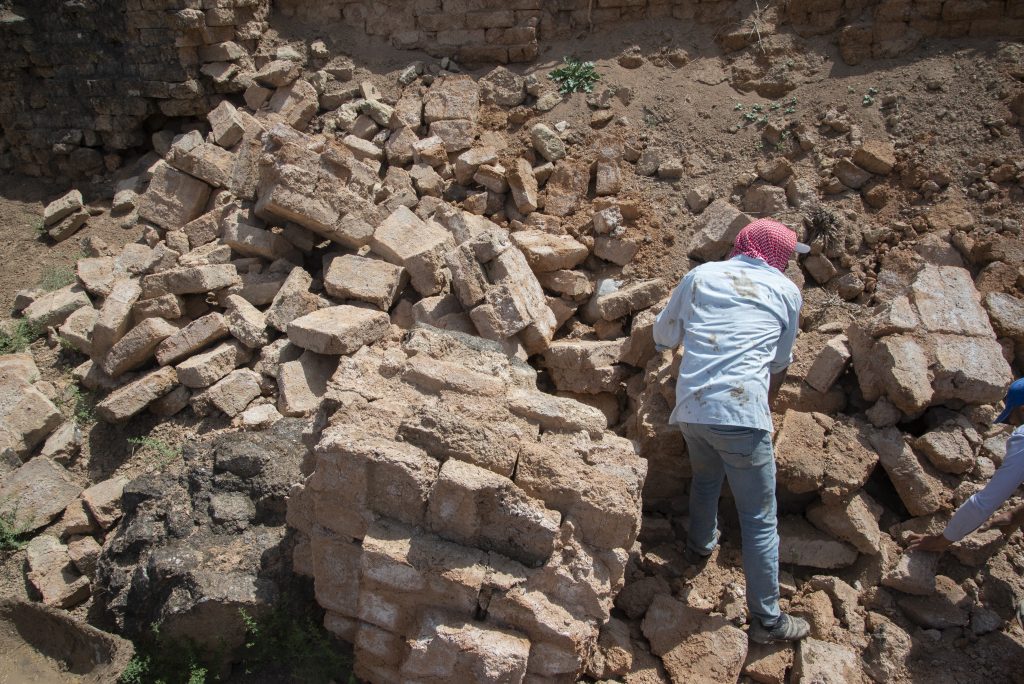
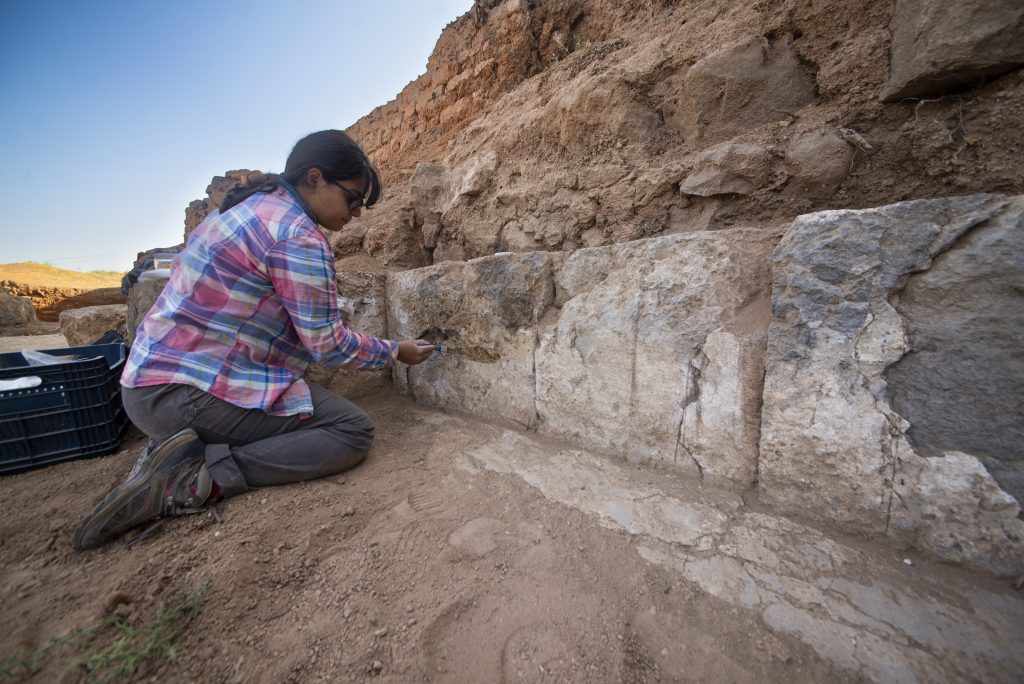
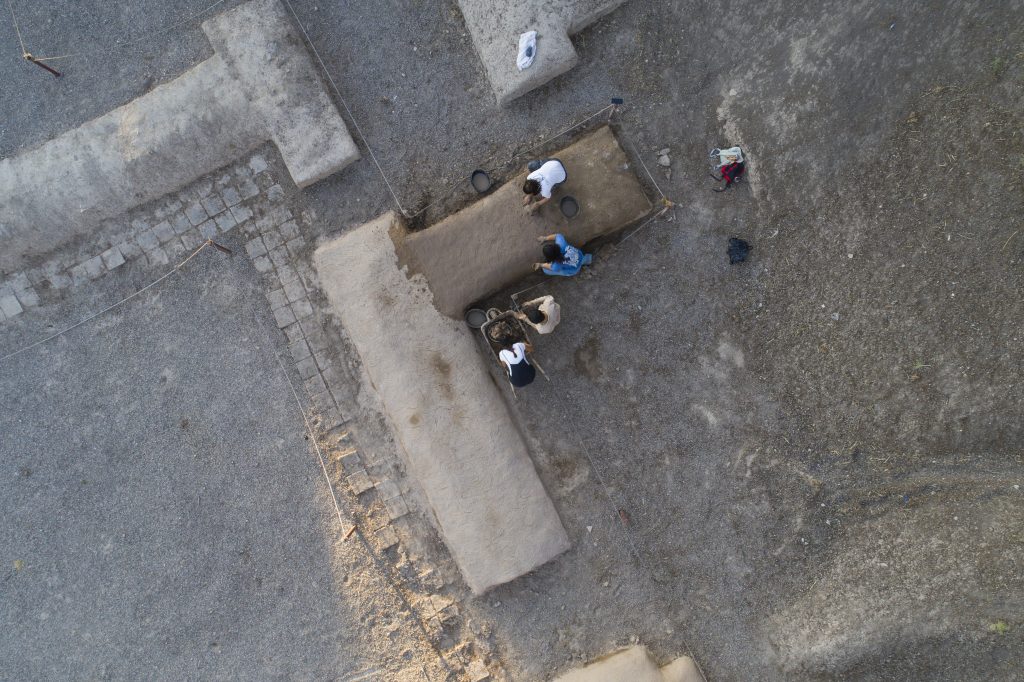
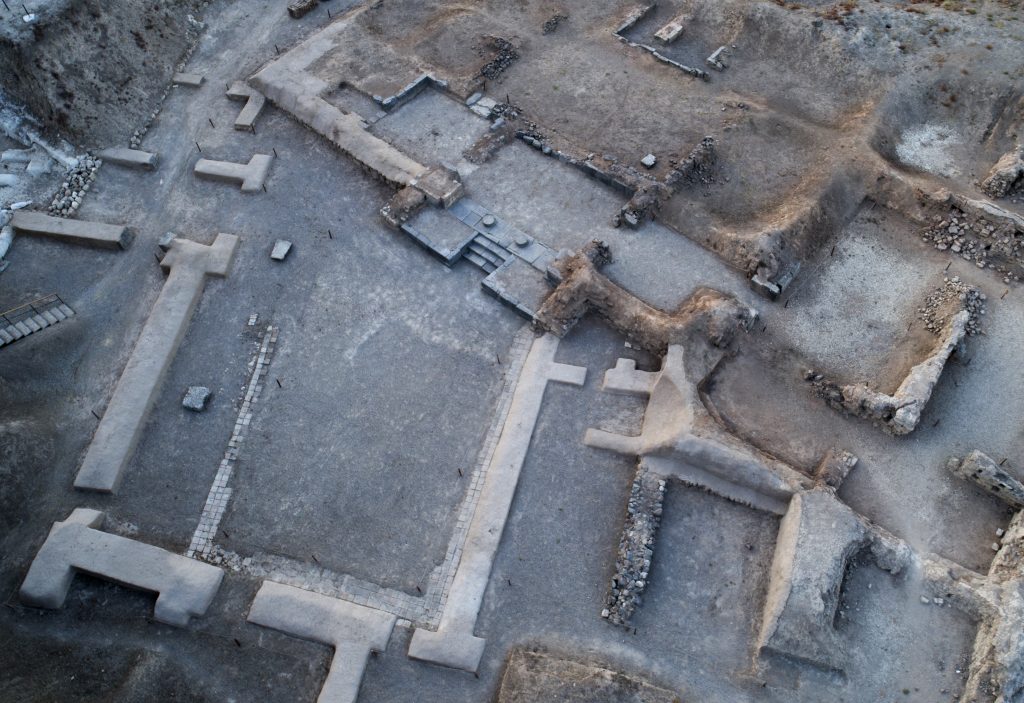
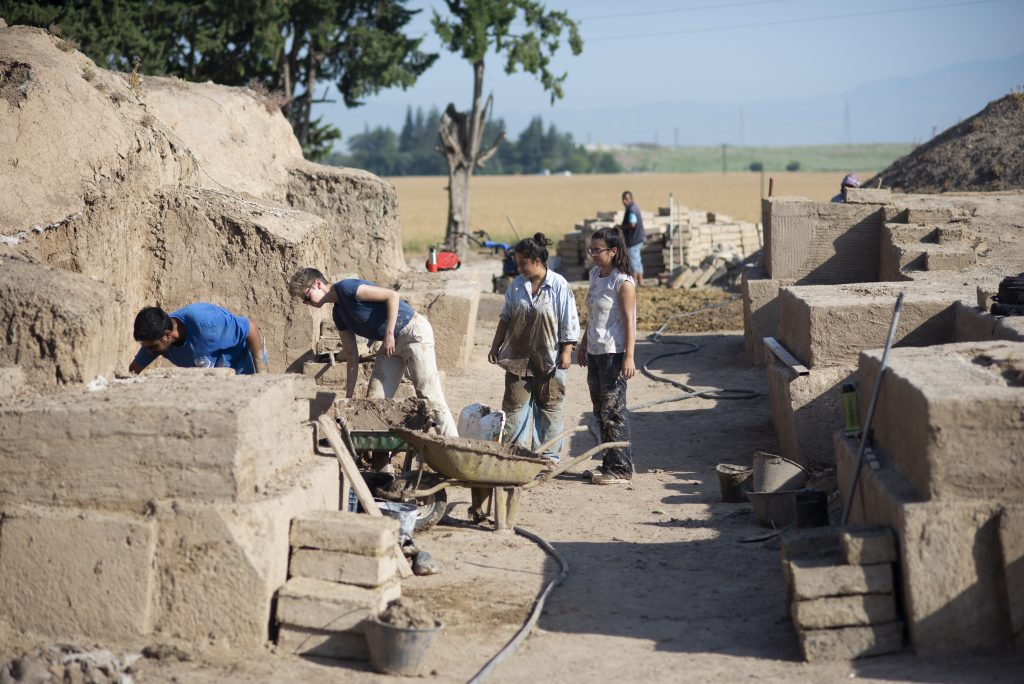
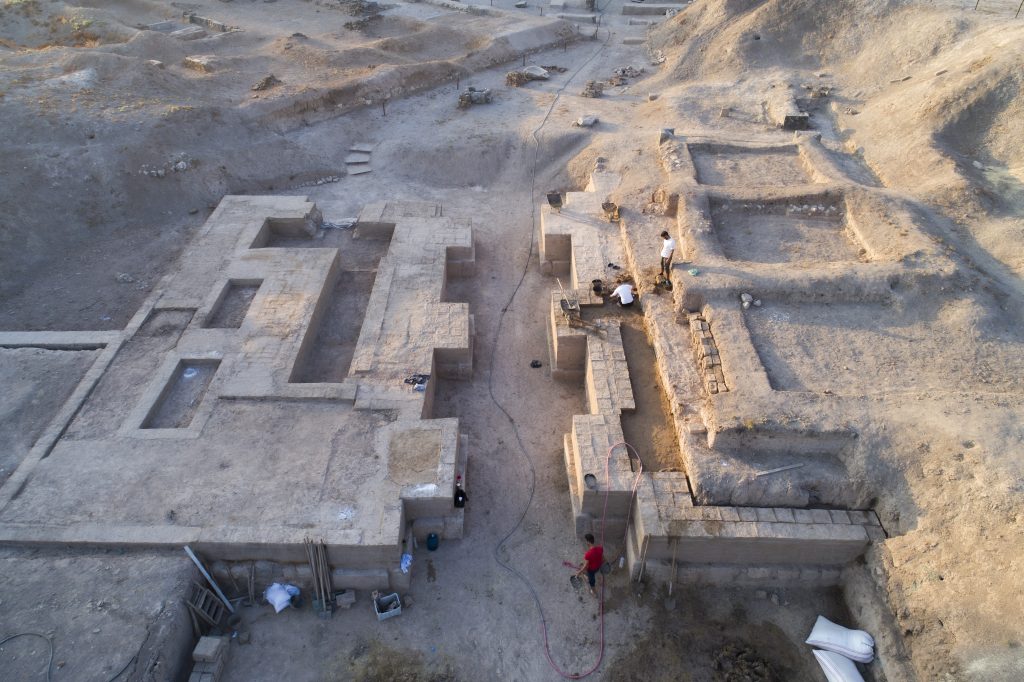
We placed two 4x4m squares on a terrace above a bulldozed road cut where multiple large drystone walls were visible in a section originally cleaned by Ian Todd of the Vasilikos Valley Project survey in 1993. Both squares yielded secure deposits. Items of domestic character, probably related to food production and stone tool-making, were recovered alongside shell beads and a stone pendant. Square 4N-4b quickly revealed multiple walls and a small room filled with burn deposits. Square 4M-25b passed through a deep deposit of slopewash and reached a dense, unstable layer of gravel and pebbles rich in MC artifacts, likely indicating more MC activity on the adjacent uphill terrace. Below the stone later was revealed a single large wall of unusual thickness (up to 0.9m) and associated floors. An exciting find is a small black stone ground into a trapezoid, possibly a balance pan weight. A single piece of bronze was also recovered. Ceramic finds date these deposits to the MC.


In future seasons we will work to determine the character and function of these features and how they may relate to the adjacent settlement’s social organization and economic basis. We are particularly interested in the possibility of public architecture and boundary walls of the type that mark the late MC at other sites. The 2023 season’s assistant director was Christine Johnston and the field director was Enrico de Benedictis.
ASOR plans to award two Seger Project Grants of $2,500 each during 2024. Apply by February 26, 2024 for consideration.

 Syeda Sukena Zehra is an undergraduate student at the University of Toronto specializing in archaeology with a keen interest in South-Asian and Near and Middle Eastern civilizations. Sukena aims to explore the transnational interrelationships which build culture and politics.




 The American Society of Overseas Research (ASOR) is a non-profit organization whose mission is to initiate, encourage, and support research into, and public understanding of, the history and cultures of the Near East and wider Mediterranean world, from the earliest times. Founded in 1900, ASOR has 54 consortium institutions, more than 2,200 individual members, and over 16,500 Friends. When the tangible remains of history and cultures are lost due to theft, war, climate change, and other catastrophes, ASOR’s ability to fulfill its mission is diminished. Therefore, ASOR developed the Cultural Heritage Initiatives (ASOR CHI) to protect, preserve, and present to the public the historic and cultural heritage and to raise awareness of its degradation. Through cooperative agreements with the U.S. Department of State, and generous support of non-federal organizations and donors, current ASOR CHI projects include education and stewardship programs in North Africa and the Middle East.