President-elect Jane DeRose Evans’s Vision Statement

PRESIDENT-ELECT JANE DEROSE EVANS’S VISION STATEMENT

Jane DeRose Evans was elected as ASOR’s next President by the Board of Trustees during the Annual Meeting in November 2024. Jane will serve as the President-elect during 2025 as current President Sharon Herbert finishes her term. Below is her vision statement for ASOR:

ASOR is in a very healthy place overall – we have an active annual meeting where important information is shared and discussed; we produce excellent publications; we provide support for fieldwork of different kinds; and we have strong support in terms of development from a host of members. Because of ASOR’s health and size, we have been able to shift out of crisis mode and into long-range planning mode. I suggest that this long-term planning would include broadening ASOR’s audience for its programs, publications, and outreach. This includes scholars of ancient history, archaeology, Biblical studies, cultural heritage, digital humanities, and philology, as well as serious laypersons who are interested in these same topics. We can ensure the long-term viability of ASOR by bringing younger members into positions of responsibility, making sure that they have a voice in the future of ASOR, and that we readily acknowledge their contributions of time, thought, and work to the organization. We do not need to, nor should we, replicate other learned societies, but we need to provide programming and member opportunities to learn about and work in regions or areas of specialty that are specific and of interest to the membership.
2024—Impact of ASOR Fellowships and Grants

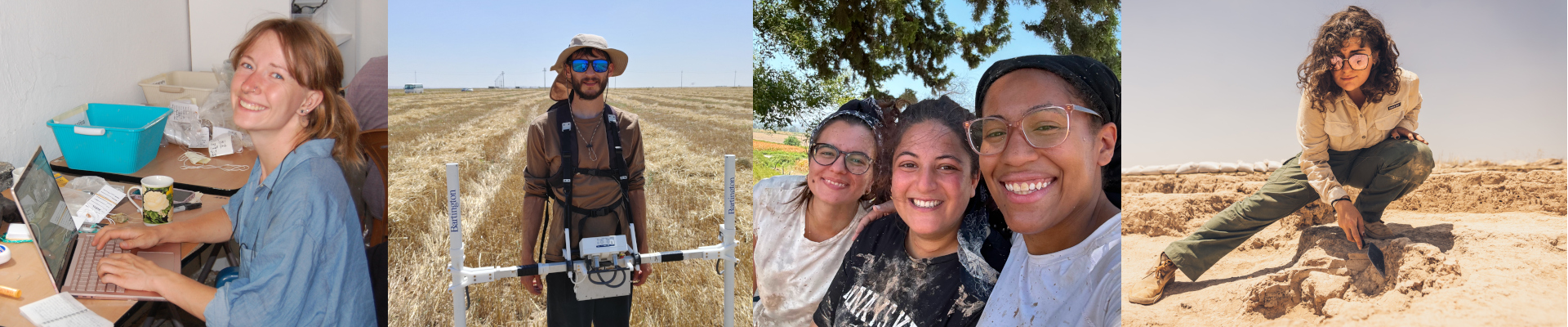
Banner showing images of students doing archaeological fieldwork.

2024—IMPACT OF ASOR FELLOWSHIPS AND GRANTS

See how ASOR supported our members in the field in 2024 with more than $250,000 in scholarships, fellowships, and grants. ASOR provided $30,000 in membership and annual meeting scholarships, and $220,000 in fieldwork participation scholarships, research fellowships, and project grants.

Click on the PDFs below to read about how each ASOR fund impacted the research of students and scholars in 2024.

Scholarships for Fieldwork Participation:

BIPOC Fieldwork Scholarships (PDF)
Eric and Carol Meyers Fieldwork Scholarships (PDF)
Shirlee Meyers/G. Ernest Wright Fieldwork Scholarships (PDF)
Harva L. Sheeler Fieldwork Scholarships (PDF)
Steinmetz Fieldwork Scholarships (PDF)
Stevan B. Dana Fieldwork and AM Scholarships (PDF)
Strange-Midkiff Fieldwork Scholarships (PDF)

Grants for Archaeological Projects:

Joe D. Seger Project Grants (PDF)
Stevan B. Dana Project Grants (PDF)
Shepard Urgent Actions Grants (PDF)


Research Fellowships for Members:

Study of Collections Fellowships (PDF)

Thank you, ASOR donors, for continuing to support ASOR members’ research and for encouraging young scholars in the field.

2024 Annual Meeting Recap

ASOR 2024 Annual Meeting Recap

Boston and Hybrid | November 20-23

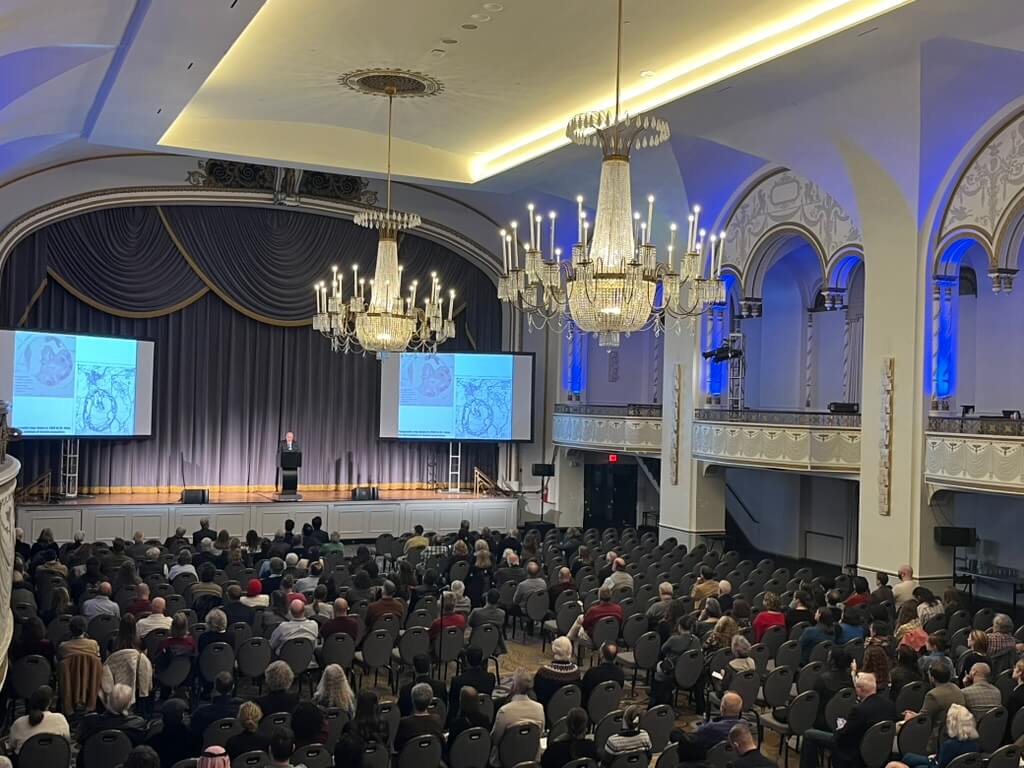
ASOR held its second hybrid meeting last month, November 20-23, at the Hilton Boston Park Plaza and online. More than 1,000 people were registered for the meeting with approximately 850 attending in Boston.

The hybrid format of the meeting offered a way for attendees in Boston and online to share their research on an international platform. There were more than 600 paper, poster, and workshop presentations given on the academic program. ASOR’s Annual Meeting Mobile App (powered by Guidebook) provided means for in-person and virtual attendees to connect and to build personalized schedules.

If you attended the 2024 Annual Meeting in Boston or online, please complete the 2024 Annual Meeting Evaluation to provide valuable feedback that will be considered as we plan for 2025 and beyond.

Read on for a summary of the 2024 Annual Meeting, including features from the academic program, the business schedule, special events, and the 2024 ASOR Honors & Awards.

The 2024 Hybrid ASOR Annual Meeting opened on Wednesday, November 20, with the Plenary Address by Dr. Fikri Kulakoğlu (Professor of Archaeology at Ankara University and director of the Kültepe excavations since 2006) titled, Transition from Early Bronze Age to Middle Bronze Age at Kültepe: Architecture, Figurines and Seals. The presentation generated a lot of discussion and enthusiasm which continued throughout the evening at the Welcome Reception. View the Opening Remarks from ASOR’s Executive Director and President, as well as the Plenary Address by Dr. Fikri Kulakoğlu here.

ASOR provided laptops for each meeting room so that presentations could be pre-loaded and tested and Zoom connections were set-up in advance.

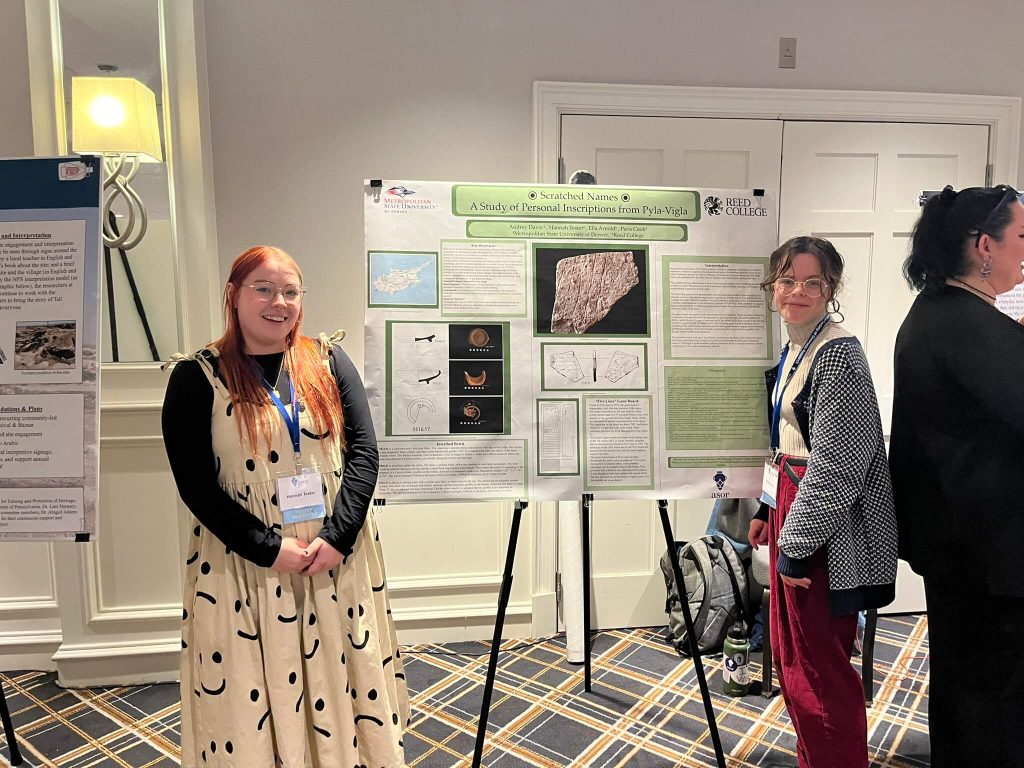
The sessions, workshops, and posters on the academic program took place Thursday-Saturday, November 21-23, over 127 time-slots with presenters representing 32 countries. The Poster Session featured 30 projects shared in Boston, as well a virtual poster gallery. Online attendees could join sessions and workshops via Zoom from the 2024 ASOR Online Schedule. Session and workshop organizers were supported by assistants who were trained to facilitate the hybrid logistics of the meeting.

The recorded content of the Annual Meeting is being edited and will be available to registered attendees via the ASOR Online Portal / 2024 Online Schedule through July of 2025. Registration include access to past Annual Meeting content in the ASOR Online Library. Register for the 2025 ASOR Annual Meeting or purchase access to the ASOR Online Library in the ASOR Online Portal.

The Exhibit Hall at the Hilton Boston Park Plaza included publishers, book sellers, an antiquarian, and booths by 2024 Annual Meeting sponsors, Chicago University Press (Platinum Sponsor), ISD (Platinum Sponsor), and Kiosk (Silver Sponsor). Attendees browsed the exhibits on the centrally located Mezzanine foyer between sessions and during sponsored coffee breaks.

Attendees in Boston enjoyed several special events at the Hilton Boston Park Plaza, as well as complimentary access to the Museum of Fine Arts and the Harvard Museum of the Ancient Near East. Events at the Hilton Boston Park Plaza included the Early Career Scholars brown-bag lunch panel, Roundtable Discussions, and the Exhibit Raffle. Receptions were hosted during the event by ASOR, the W. F. Albright Institute for Archaeological Research (AIAR), and the Cyprus American Archaeological Research Institute (CAARI). The Harvard Museum of the Ancient Near East (HMANE)  hosted a private reception for ASOR attendees on Saturday evening after the meeting ended.

ASOR would like to thank everyone who participated and contributed to the success of the 2024 Annual Meeting. Please enjoy some of the memorable moments captured in the photo album below, and we hope you will continue to enjoy the recorded content from the meeting through June 2025.

Please mark your calendars for ASOR’s 2025 Annual Meeting at the Hilton Boston Park Plaza and online, November 19–22. The Call for Member-Organized Session & Workshop proposals will be open from December 15, 2024 – January 15, 2025.

Fieldwork Report: Madeline Conigliaro-Nguyen

Sun, Sweat, and Sheep Bones: Zooarchaeology at Gird-I Matrab

Madeline Conigliaro-Nguyen, 2024 Eric and Carol Meyers Scholarship for Fieldwork Participation

My second season at the Gird-I Matrab project from May to June 2024 was an opportunity to continue to develop my in-field experience and zooarchaeology-related skills, thanks to the wonderful support of Dr. Eric and Dr. Carol Meyers, ASOR, director Prof. Rocco Palermo (Bryn Mawr College) and co-director Prof. Nathalie Brusgaard (Leiden University). My primary responsibility on the team for the 2024 season was to continue as the zooarchaeology assistant. Under the instruction and mentorship of Prof. Brusgaard (who was remote this year), I cared for and managed the faunal remains collected on-site. This included processing and cataloging the faunal material for later study seasons.

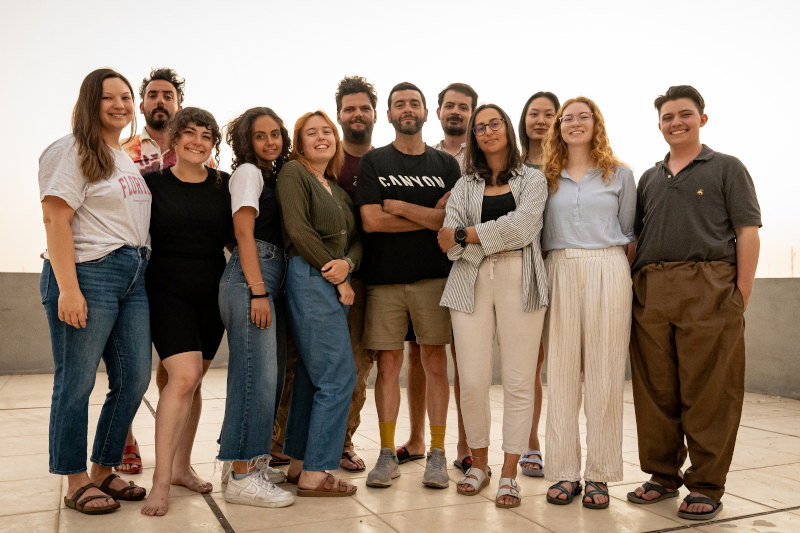
Fig. 1. GMAP 2024 project team in Ankawa, Erbil. (©Federico Dalla Battista)

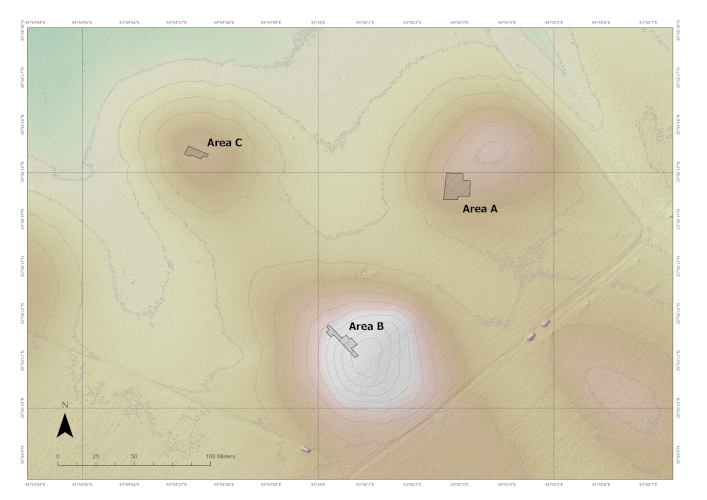
Gird-I Matrab, located in the Erbil Plains of Kurdistan Region of Iraq, is a site consisting of multiple low mounds with two major phases of occupation, the Late Chalcolithic period and the Seleucid period. Excavation in areas A and B, begun during the previous two seasons, continued in 2024. This season Gird-I Matrab also expanded operations with the goal of doing a sounding and determining the stratigraphic sequence at Area C. Early subsurface findings changed our plans, resulting in more intense excavation of Area C than originally intended.

Fig. 2. GMAP 2024 site topographic map. (©GMAP)

The saying ‘The early bird gets the worm’ rings true for both our avian friends and archaeologists in the heat of Southwest Asia. Everything begins bright and early, with a 3:30 am wake-up for breakfast, and a 4:30 am departure to reach the field within the hour. Most of my time was spent in Area A as a trench assistant. When needed I would assist in extracting particularly fragile remains, identification, and updating in-field bone logs. Generally, I worked per the direction of trench supervisors excavating, cleaning, bagging, and tagging, and discussing stratigraphic context. One thing no one prepares you for is the challenge of distinguishing crumbling mudbricks from dirt, especially with the sun’s glare making it feel nearly impossible most days. Thanks to the patience of my trench supervisors and a good pair of sunglasses, however, I ended this season feeling much more confident in identifying features, a goal I had set for myself this year.

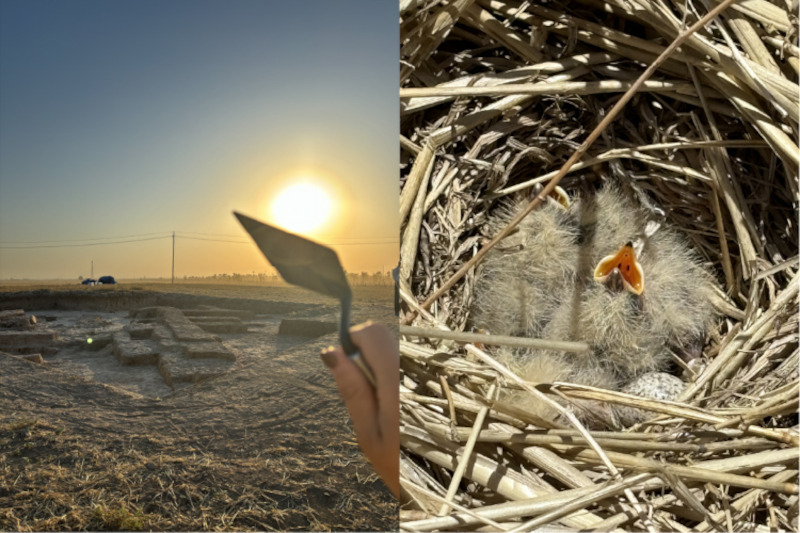
Fig. 3 . Sunrise photo at area A (Left) Baby birds nested on project site between areas (Right)
Fig. 3. Sunrise photo at Area A (Left). Baby birds nested on project site between areas (Right).

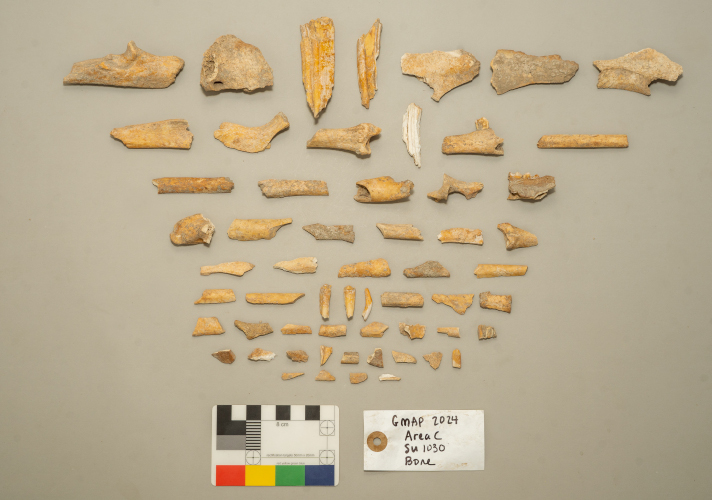
I processed the faunal remains for all three areas once they were brought back to the field house. Though a bit tedious, it is incredibly rewarding to understand human history one fragment at a time. Bones were cleaned carefully and laid out to dry over a minimum of 24 hours. Identifiable bones were recorded with species, bone type, side, and taphonomic markings when applicable. The common animals identified remained consistent with previous seasons’ findings, including sheep (Ovis aries), goat (Capra hircus), pig (Sus scrofa domesticus), equids (Equus sp.), and cattle (Bos taurus). After a unit was closed, all faunal materials were counted, weighed, and photographed as necessary. Bone samples for carbon-14 dating were selected by collaborative effort between directors and trench supervisors. At the end of the season, I wrote the preliminary faunal findings for the 2024 season field report.

Fig. 4 . Selection o f faunal remains from Area C ( SU 1030 ). (©GMAP)
Fig. 4. Selection of faunal remains from Area C (SU 1030). (©GMAP)

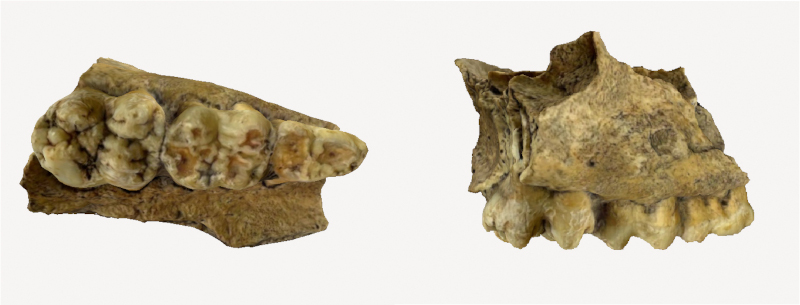
This year, I wanted to explore 3-D modeling during my free time as I felt it would be worthwhile to create an accessible and digitized reference collection of diagnostic pieces that were best preserved or particularly notable. Using Polycam, a photogrammetry modeling mobile application, I took detailed photos from all angles which were stitched together using the program to create 3-D models. This process was a lot of trial and error from figuring out how to make sure the background wasn’t incorporated in the result, to finding proper lighting for the bone details to show. I hope to continue building this digitized reference collection for future teaching and project-related applications. I also would like to use this newfound skill to continue creating bone models for zooarchaeological purposes. I am incredibly passionate about accessible and open-access resources, and I believe the digitization of collections is one of the most attainable ways to do so.

Fig. 5 . 3D model of right maxilla with DP3 - M1 dentition of a sub - adult pig ( Sus scrofa domesticus ), from Area A ( SU 1221 ).
Fig. 5. 3D model of right maxilla with DP3-M1 dentition of a sub-adult pig (Sus scrofa domesticus), from Area A (SU 1221).

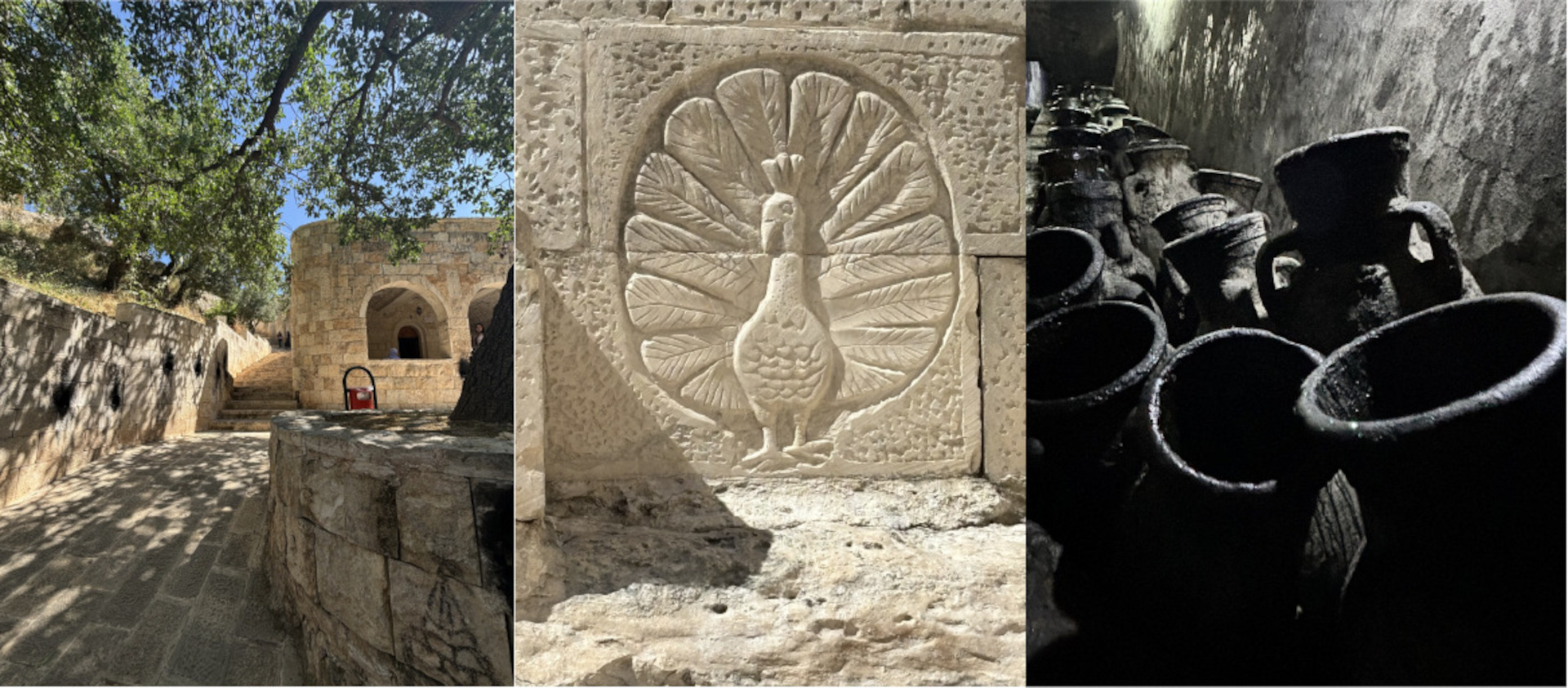
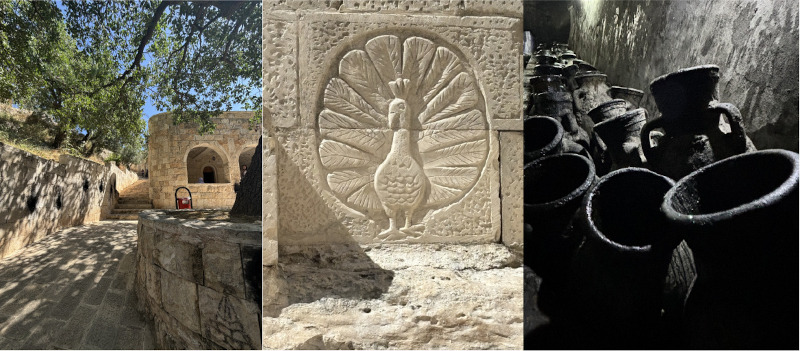
Of course, as hard as this team worked on-site, we equally had fun off-site! We explored an assortment of different places including spending a night in Duhok, visiting the Faida rock reliefs, exploring the bazaar, and a special tour inside the Erbil citadel. My favorite place to date that I visited is the Lalish Temple. Located in a mountain valley in the Nineveh province, the Lalish temple has a sacred significance and is an important pilgrimage site for the Yazidi religion. I felt a sense of peace while walking through the village, along with the kindness of the devotees who had come to worship. We got the opportunity to sit for chai and tour parts of the temple, taking time to experience the diversity of religion and culture.

Fig. 6 . General photo of Lalish (Left) Depiction of peacock angel Tawûsî Melek (Middle) Olive Oil Jars (Right) .
Fig. 6 . General photo of Lalish (Left). Depiction of peacock angel Tawûsî Melek (Middle). Olive Oil Jars (Right).

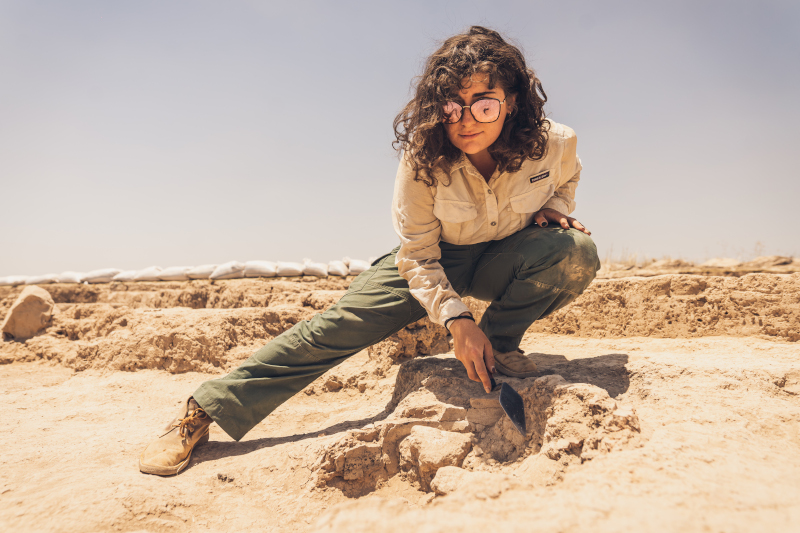
My time spent with the Gird-I Matrab project over the past two seasons has been essential in my development as an archaeologist and for my excavation skills. I have been able to learn so much about the Northern Mesopotamian region and participate in an excavation project that has supported my developing interest in zooarchaeology. Thanks to our incredible international collaborative group of researchers, the 2024 season had another year of successful excavation. I am committed to utilizing all I have learned while on-site for my future academic pursuits in archaeology and want to extend a final thank you to all those who have supported and shaped my journey during the 2024 season at Gird-I Matrab.

Fig. 7 . Photo of Madeline Conigliaro - Nguyen on Area A. (©Federico Dalla Battista)
Fig. 7. Photo of Madeline Conigliaro-Nguyen on Area A. (©Federico Dalla Battista)

Madeline Conigliaro-Nguyen graduated with her MA from the University of Chicago in 2023. She continues to participate in several archaeology projects in the Kurdistan Region with the intention of applying for graduate school this year. Her primary research interest is in zooarchaeology in Southwest Asia, with a focus on human-animal relationships, particularly as they pertain to ancient ontologies, subsistence strategies, and the social and ritual roles of animals. To learn more about the project, follow @gmap_erbil on Instagram!

Want to help more students and early career archaeologists get into the field? Donate to the cause today by selecting “Excavation Scholarships” as your gift purpose!

Fieldwork Report: Emilie Nordhues

The Other Side of Fieldwork

Emilie Nordhues, 2023 G. E. Wright Scholarship Recipient

This past summer I had the opportunity to participate in a study season for the Tel Dan excavation, a site at which I excavated in 2022. The aim of most study seasons is to work toward the publication of excavated material; a study season also provides time to re-examine the finds and stratigraphy from excavation and so test the interpretation of the data which was formed during excavation.

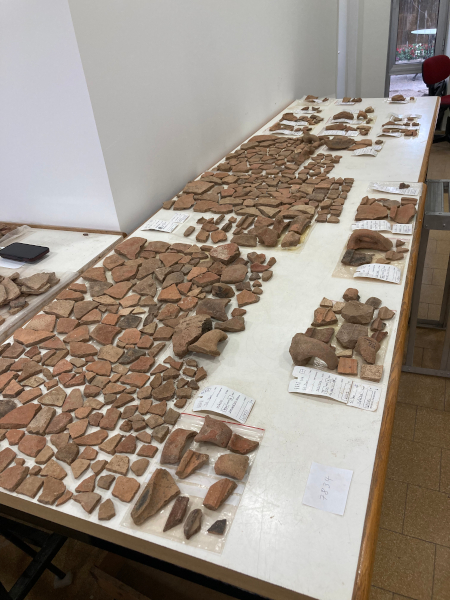
One of the main tasks of this study season was laying out all pottery from the same stratum (material of roughly the same time period at the site) and checking if any of the loci (a stratigraphic excavation unit, like a floor or a pit) contained unexpected material. Certain forms of pottery change more quickly, making them good indicators of date. Since we were working with material from the Late Bronze Age-Iron 1 transition we paid close attention to the cooking pots – in the Late Bronze Age these have an everted rim and in the Iron 1 they have a vertical rim. Thus, cooking pots were a good type of pottery to watch for anything unexpected within a locus or stratum. In an ideal world, all the pottery from the same stratum should reflect the same date.

Some of the pottery which we laid out – it frequently covered more than one table!

There were many instances where the information gained from laying out the pottery matched our initial interpretations. In this case, it was good to have confirmation and it provided a great opportunity for me to grow more familiar with pottery forms. Other times we needed to adjust our interpretation when we reexamined the data. For example, we realized that part of one locus was mixed with later material from a pit which had been missed in excavation. When we returned to the field notes, this also matched observations about an area with a slightly different soil composition. While the pottery was out, several pieces were also selected for illustration.

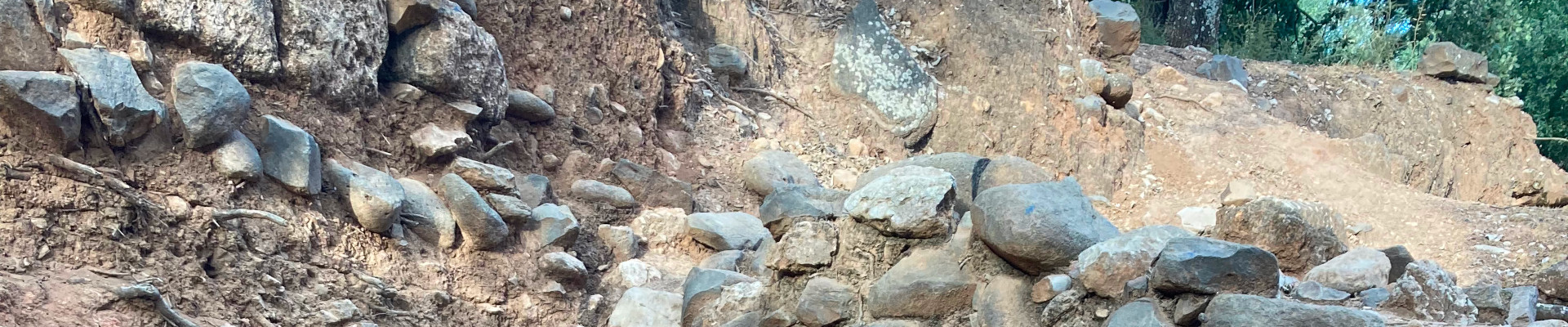
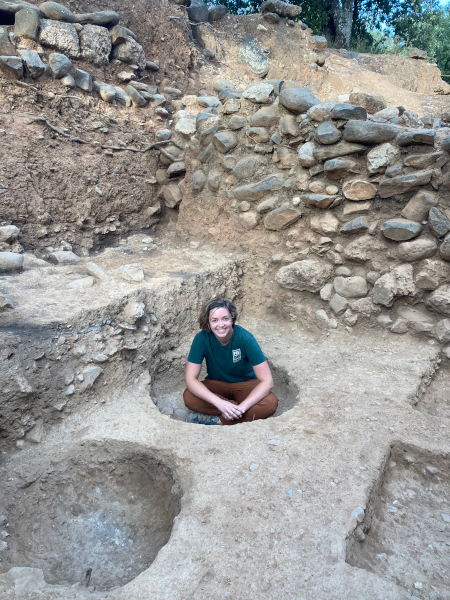
A picture of me from the 2022 excavation season, featuring some of the pits which we did not miss. Photo credit: Sarah Harrington.

Although much of the study season was spent looking over tables filled with pottery, this did not account for the entire study season. One of the more fun and satisfying things we got to do after laying out the pottery was restoration. Sometimes, excavations will recover a large portion of a vessel; if it is broken when it is discovered (which is very often the case), you do not always know how much of it was preserved. Restoration, then, is a three-dimensional puzzle to fit together pieces that belong to the same vessel. Depending on how many pieces the item was in, this can also clarify the original shape of the object.

Finally, work was also done to lay out other artifacts – excavations may also uncover figurines, tools, beads, and many other items that people used in the past. These can frequently reveal a lot about daily life. During the study season, we made sure that all these artifacts were accounted for and took photographs and measurements of many of them. Decisions were also made about whether the Tel Dan team would be able to adequately research and publish this material or if an expert (e.g., in metalworking) would need to be called in to work with the material.

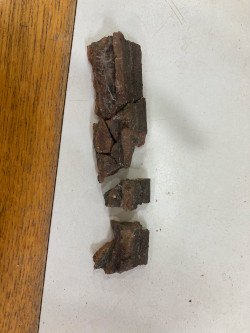
Partway through the restoration of a cooking pot rim – one of the first steps was always to figure out which pieces connected to each other; the color of the rim is due to char from the use of the cooking pot.
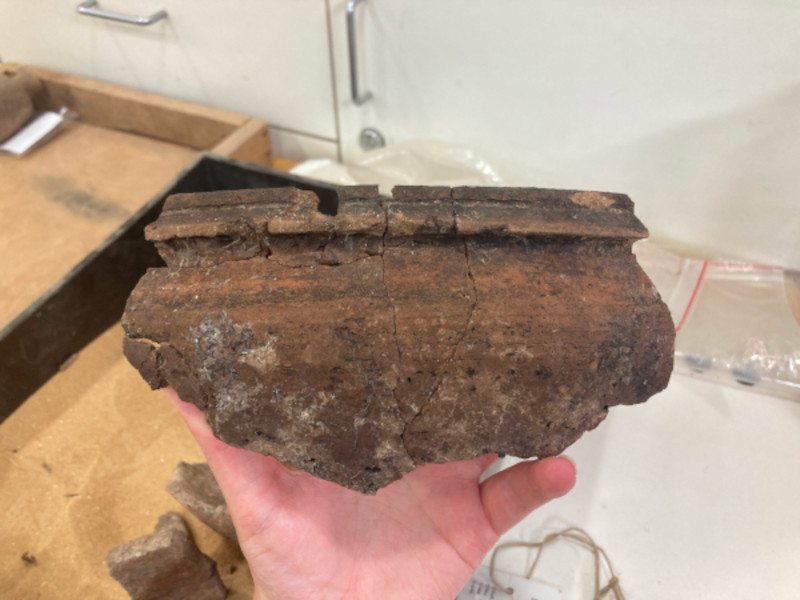
The same cooking pot, with restoration completed, representing all of the pieces which were found during excavation.
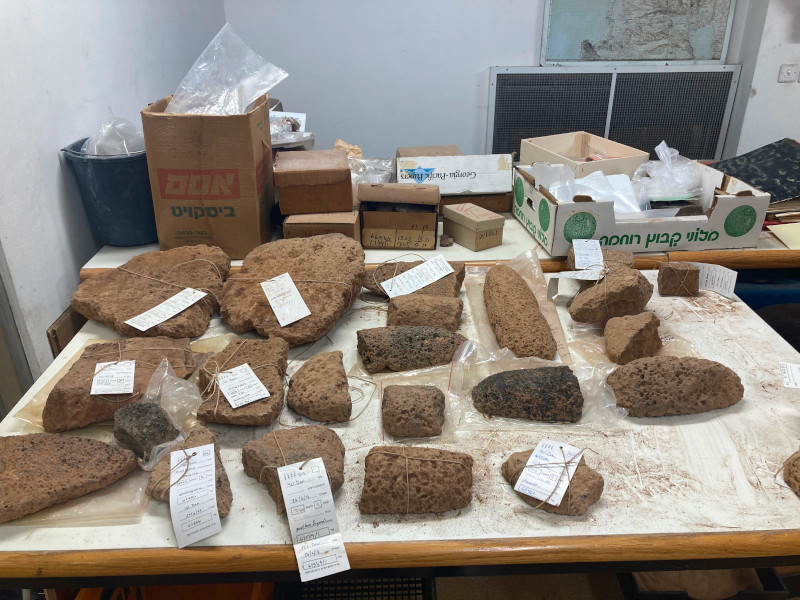
An example of other objects we looked at this summer – these are some of the grinding stone pieces from Tel Dan, which would have been used to grind grain.

All this work has helped move some of the Tel Dan material toward publication. After all, without a solid understanding of the stratigraphy and the artifacts from the site, it is very challenging to write a final report. I look forward to the eventual publication of this material! It will be very cool to see the next stage of the process when I know something of its excavation and study season work.


Emilie Nordhues is a graduate student in the Near Eastern Languages & Cultures Department at UCLA. Her research interests lie in the Achaemenid period and include dealing with identity formation, the impact of empire on daily life and religious practices, and the mobility and impact of various communities of practice (such as craftsmen).


Want to help more students and early career archaeologists get into the field? Donate to the cause today by selecting “Excavation Scholarships” as your gift purpose!

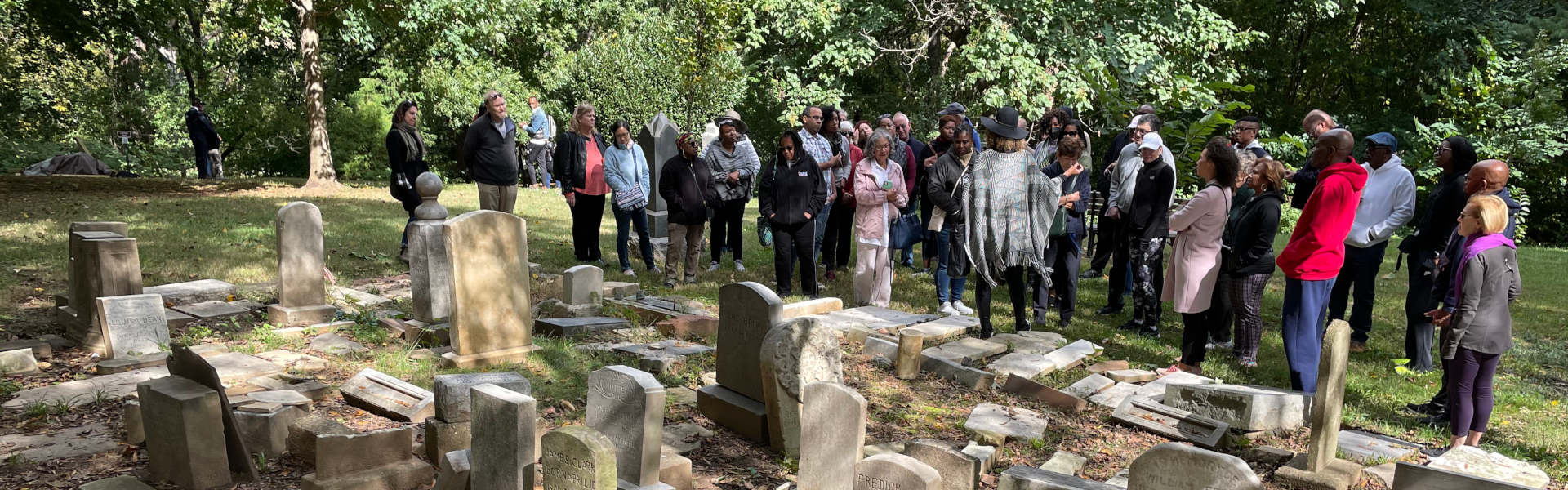
Mount Zion – Female Union Band Society Cemetery Documentation Event

Mount Zion – Female Union Band Society Cemetery Documentation Event

Ever wanted to learn the art of preserving history? Curious about the stories etched in the stones of local cemeteries? Here’s your chance to dive into the fascinating world of cemetery documentation!

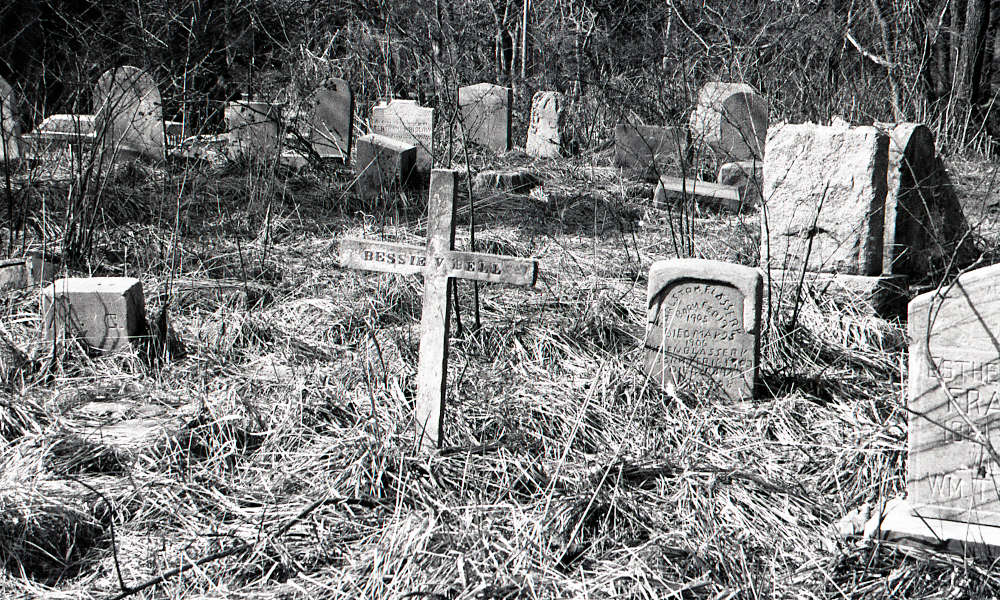
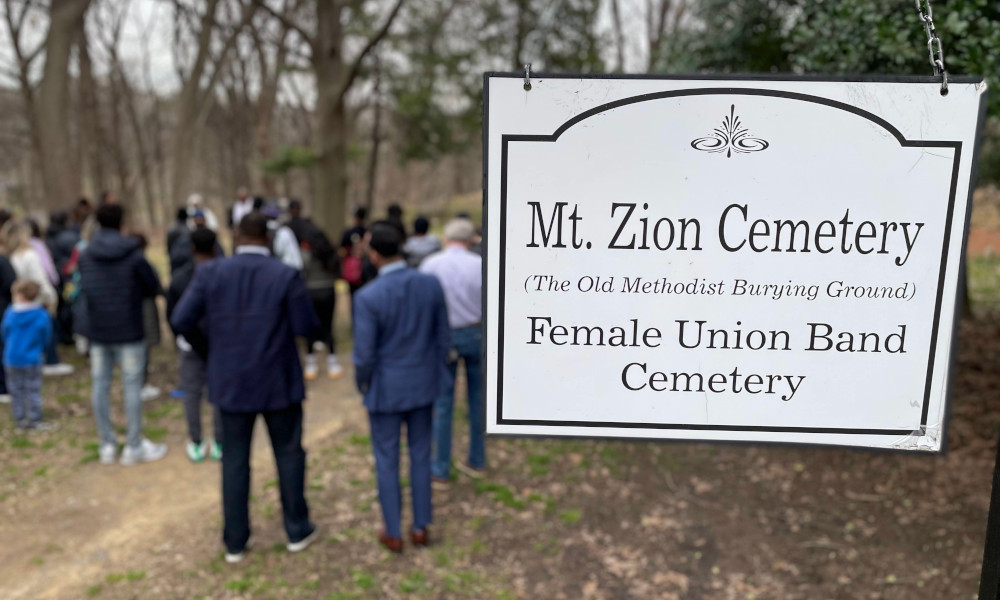
The Mount Zion – Female Union Band Society Cemetery is a historic cemetery located in the Georgetown neighborhood of Washington, D.C.  The three-acre cemetery is composed of two roughly equal-sized halves, the Mount Zion Cemetery on the east and the Female Union Band Society Cemetery on the west, separated along a subtle north-south ridge in the center of the property.

Historically called the Old Methodist Burying Ground, the cemetery originated as a churchyard burial ground. It was established by the Montgomery Street Methodist Church in 1808, which gathered at the Montgomery Street Meeting House, formerly located on Twenty-Eighth Street between M and Olive Streets, N.W. (formerly Montgomery Street between Bridge and Olive Streets), approximately one-half mile southwest of the cemetery. The Montgomery Street Methodist Church was one of the few churches at the time that accepted white and black members, though on a segregated basis. Nearly half of the congregation consisted of former slaves and free blacks in the years leading up to 1816, when a group of 125 black members, dissatisfied with segregation, established their own congregation under the supervision of the parent church.

The congregation, now called the Mount Zion United Methodist Church and located at 1334 Twenty-Ninth Street, N.W., is thought to be the oldest black congregation in the District of Columbia, as well as the first black Methodist church in the area. The cemetery is the only remaining in D.C. used to inter a significant number of former slaves.

On October 19, 1842, a tract of land along the western border of the Old Methodist Burying Ground was sold for $250 to Joseph Mason in trust for the Female Union Band Society, a cooperative benevolent society founded in the same year by a group of free African American and Native American women. The Female Union Band Society purchased the western lot of Mount Zion to establish a secular burying ground for African Americans, which remained a prominent cemetery for the region’s African American community until 1950.

Continue reading the full history of the cemetery here.

Black Georgetown Foundation, Archaeology in the Community (AITC) & the American Society of Overseas Research (ASOR) are proud to host a free 3-day hybrid workshop on cemetery documentation.

📅 Dates: June 27, 29, & 30, 2024
📍 Location: Mount Zion – Female Union Band Society Cemetery, 2501 Mill Rd NW, Washington, D.C. 20007 & Via ZOOM

ℹ️ Open to the Public – No Prior Experience Needed! Familiarity with computers is recommended, but not required.

ℹ️ What to Expect:

  • Guided training sessions on cemetery documentation techniques
  • Hands-on experience in cataloging tombstones and historical markers
  • Insights into the rich history and cultural significance of Mount Zion – Female Union Band Society Cemetery
  • Opportunities to connect with fellow history enthusiasts and preservationists
  • Don’t miss out on this unique opportunity to contribute to the preservation of our heritage! Whether you’re a seasoned historian or simply curious about the past, all are welcome to join us.

Kindly register here to secure your spot.

For inquiries, contact Jared Koller (jaredkoller@asor.org).

Let’s come together to honor the past and pave the way for future generations to cherish and learn from the legacies of the Mount Zion – Female Union Band Society Cemetery!

Program Schedule

Click on the session links below to view the schedule for each day.


Introduction to Heritage Documentation

THURSDAY, June 27, 2024

7:00 – 9:00pm EDT

Via Zoom

This training will introduce foundational concepts in heritage documentation for historic cemeteries:

  1. Cemetery documentation fundamentals
  2. Data collection: Kobotoolbox
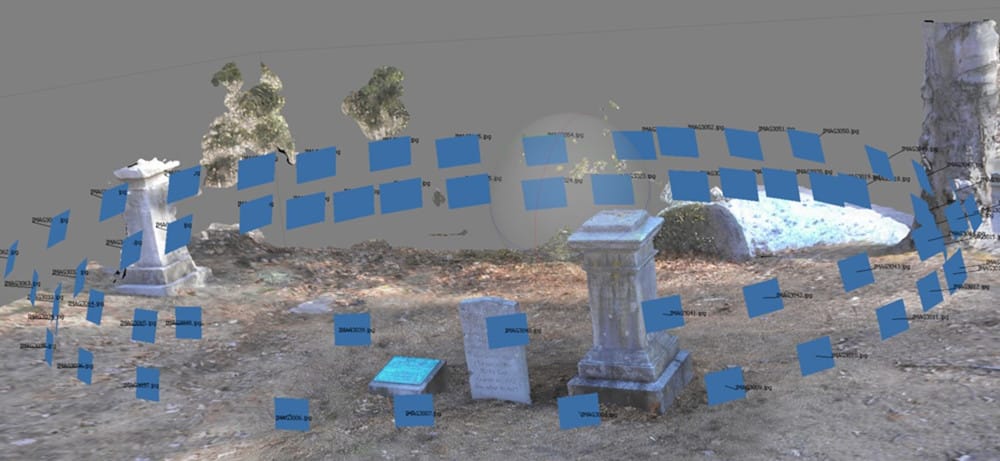
  3. Basics of Photogrammetry

KoBoToolbox is a free and open source software package for location and descriptive data collection. Information can be collected at heritage sites through tablets and phones using the KoBoCollect app or through the web browser interface, even when those devices are offline. Location and descriptive data recorded in the field can then be synched up with GIS software once an internet connection has been reestablished.

Photogrammetry is the use of two dimensional (2D) images to provide measurement data. Measurement data includes the creation of 3D models for heritage documentation and preservation. Processing heritage data through photogrammetry offers a transformative lens into the past. By meticulously capturing and analyzing images, we unveil hidden dimensions of cemeteries and tombs. This method not only preserves archaeological sites digitally but also facilitates precise measurements and reconstructions, fostering deeper insights into the legacies of African Americans in the Washington D.C. area.

On-site Training at Mount Zion – Female Union Band Society Cemetery

SATURDAY, June 29, 2024

10:00am – 4:00pm EDT (Attend for as long as you wish)

2501 Mill Rd NW, Washington D.C. 20007

We will convene on Saturday at the Mount Zion – Female Union Band Society Cemetery, located in the Georgetown neighborhood of Washington, D.C. (2501 Mill Rd NW, Washington, DC 20007). Attendees are welcome to join at any point between 10am and 4pm to gain practical experience in cemetery documentation techniques:

  1. Insights into the rich history and cultural significance of Mount Zion – Female Union Band Society Cemetery
  2. Hands-on experience in cataloging tombstones and historical markers using free online databases (Kobotoolbox)
  3. Photographic strategies for heritage preservation

* AITC and ASOR will provide the equipment needed during the training.

Data Processing

SUNDAY, June 30, 2024

1:00 – 4:00pm EDT

Via Zoom

On the final day of training we will process and examine the data collected at Mount Zion – Female Union Band Society Cemetery. Attendees will learn how to edit and publish their data stored in Kobotoolbox. They will also have a chance to build 3D models through photogrammetry of gravestones and tombs located at the cemetery.

ASOR Announces Regan Baker as New Membership Coordinator

ASOR ANNOUNCES REGAN BAKER AS NEW MEMBERSHIP COORDINATOR

ASOR is pleased to announce Regan Baker as ASOR’s new Membership Coordinator! Regan Baker graduated from The George Washington University with a Bachelor’s of Art in Archaeology in May 2023. In February, Regan accepted the role of Office Coordinator and has excelled in her position working with ASOR members and staff at the James F. Strange Center.

This announcement comes with news of Katherine Schmitt’s departure from ASOR as Membership Coordinator. Katherine will be leaving to travel the United States and will be replaced by Regan Baker as the new contact for all ASOR Membership inquiries on May 24, 2024.

It has been a joy to work for ASOR and Katherine would like to thank the ASOR community. She will greatly miss all of the amazing members and staff she was able to meet and work with during her past 2 years at ASOR.

As Membership Coordinator, Regan will be responsible for the growth of both the membership and Friends of ASOR programs, handling membership processing and fulfillment, supporting the Annual Meeting, and website maintenance. Regan looks forward to continuing to work with ASOR’s members and donors!

ASOR Welcomes Moni Islam as New Office Coordinator

ASOR WELCOMES MONI ISLAM AS NEW OFFICE COORDINATOR

Moni Islam joined ASOR on April 29 as the new Office Coordinator. He has a Master’s of Arts in Archaeology from Durham University in the United Kingdom, as well as a Bachelor’s of Arts in Anthropology and Global Affairs from George Mason University in Fairfax, Virginia. He has been familiar with ASOR for many years, including having won a 2021 ASOR Summer Stipend Award to work remotely on the Jezreel Expedition Publication Project where he helped organize the project’s open database, conduct research on a Palestinian village, and compile relevant photos and resources.

Moni participated in his first archaeological field school in 2019 in Jordan at Tell Dhiban, a site which was the capital of the Biblical kingdom of Moab from the Iron Age. While finishing up his undergrad at Mason, he also undertook archaeology internships at the Smithsonian’s National Museum of Natural History and Fairfax County Park Authority in 2019. Moni was grateful to be selected as a 2021-22 Fulbright-UK Postgraduate scholar to study his Master’s at Durham University. At Durham, his research focused on the settlement patterns of pre-Islamic Arabia from the 3rd to 7th centuries CE, including studying sites like Mada’in Salih, Qaryat al-Faw, Dumat al-Jandal, Mleiha, and Ma’rib.

Most recently, Moni was working as an Associate Archaeologist with Chronicle Heritage in the Kingdom of Saudi Arabia. In this role, he provided archaeological supervision on various heritage projects in Al ‘Ula and also participated in the first excavations of the historical district of Ghasibah in Diriyah, the origin of the Saudi royal family and the capital of the first Saudi dynasty from 1727 to 1818.

ASOR is pleased to welcome Moni as he begins the role of Office Coordinator where he will be responsible for assisting the office staff with all administrative tasks, website maintenance, and being the first point of contact for ASOR members. Moni looks forward to interacting with the entire ASOR community!

This announcement also comes with news of Katherine Schmitt’s departure from ASOR as Membership Coordinator. Katherine will be leaving to travel the United States and will be replaced by Regan Baker as the new contact for all ASOR Membership inquiries on May 24, 2024.

FOA Webinar: Allison Thomason

FRIENDS OF ASOR WEBINARS

Sensing the Past: Sensorial Experiences in Ancient Mesopotamia

Friends of ASOR present the next webinar in the 2023-2024 season on May 9, 2024, at 3:00 pm EDT, presented by Dr. Allison Thomason.

We are all sensing people, and the basic physical structure of our sensing organs has not changed for many thousands of years. But how did ancient humans perceive and experience sensory stimuli in their environment differently than we do today? Dr. Thomason sets out to explore this topic for the ancient Mesopotamians in particular. The history of the senses and explorations of sensory experiences in the ancient world have been increasingly the focus of scholarly research. Archaeologists, art historians and textual scholars have tried to recreate past sensory environments and experiences by using evidence from images, artifacts and ancient texts of all kinds.

​​​​​​​In this lecture, Dr. Thomason, a specialist in ancient Mesopotamian material culture, explores how ancient Mesopotamian perceptions of sensory experiences can be compared to our own modern ones, by trying to understand the way that Mesopotamians sensed their environment and material culture and what perceptions they had of certain types of objects, such as metal bowls, wooden gates, and textiles.

This webinar will be recorded and all paid registrants will be sent a link to view the recording.​​​​​​​​​​​​​​

​​​​​​​Dr. Allison Thomason is Professor and Chair of the history department at Southern Illinois University Edwardsville, and serves as their ancient historian. She received her PhD in Art History and Archaeology from Columbia University in 1999 and has taught at SIUE ever since. Her first book, Luxury and Legitimation: Royal Collecting in Ancient Mesopotamia (2005) is still available in print and as an e-book from Routledge Press. She has contributed numerous articles and chapters in books, lectures, and presentations on the material culture of Mesopotamia and the ancient Near East. Recent research interests include dress in the Ancient Near East and she has co-edited (with Kiersten Neumann) an extensive anthology, A Handbook of Senses in the Ancient Near East (Routledge Press 2022). Dr. Thomason is also the co-chair of ASOR’s Program Committee, which plans the Annual Meeting.


This webinar will be recorded and all paid registrants will be sent a link to view the recording.​​​​​​​​​​​​​​​​​​​​​


*Please log in to the Online Portal BEFORE registering for the webinar. Once you have logged in, you will be able to register under our Events page linked above.


ASOR Sustaining Members: $0 | ASOR Members: $6.50 | Public: $13
Season Pass: ASOR Sustaining Members: $0 | ASOR Members: $75 | Public: $155
Buy one here!

Please e-mail membership@asor.org with any questions or issues with registering.

All proceeds from this webinar are used to fund scholarships for members as well as increasing ASOR’s online resources, which are free to the public.

SPONSOR A WEBINAR!

Several levels of support from $50-$1,000 are available. Proceeds go towards membership scholarships and towards increasing ASOR’s virtual resources. Each sponsorship is tax-deductible and you can give your friends free registrations to a webinar! Sponsor a webinar here. 

Bronze Level ($50): up to 2 guest registrations
Silver Level ($100): up to 5 guest registrations
Gold Level ($500): up to 20 guest registrations
Platinum Level ($1,000): up to 50 guest registrations

WHY SPONSOR ONLY ONE?

Season Sponsorships are also available from the ASOR Online Store here! 

Bronze level: $750
Silver level: $1,500
Gold level: $2,500
Platinum level: $5,000
Diamond level: $10,000

Click here for more information on the benefits of becoming a season sponsor or sponsoring a single webinar.

After you sign up for a sponsorship online or over the phone, email the names and email addresses of your guests to Katherine Schmitt at membership@asor.org, who will send your guests a confirmation and the Zoom link before the webinar.

WANT TO SAVE $6.00 ON THE NEXT WEBINAR?

Join ASOR as a member! Click here for more details about discounts for events and other benefits of membership. Memberships start at $40 for the year as an Associate Member.
Not ready to join yet? Become a Friend of ASOR for FREE!

Click here for more details about our online resources.

FOA Webinar: Aaron Burke

FRIENDS OF ASOR WEBINARS

Amorites, Their Origins, and Their Legacy

Friends of ASOR present the next webinar in the 2023-2024 season on April 18, 2024, at 3:00 pm EDT, presented by Dr. Aaron Burke.

The Amorites, an ancient Near Eastern group, are infamous in the Bible, where they are remembered among Canaan’s inhabitants at the time of its conquest by Israel. Yet, in Near Eastern studies the Amorite’s origins are only poorly understood. As a collective identity, they are best known for their encounters with the military establishments of Akkad and Ur in the late third millennium, and their alleged role as pastoralists par excellence. However, the shaping of this collective identity must be set against the backdrop of both Akkadian imperial intervention and the declining environmental conditions of this period in the marginal zones of the Fertile Crescent. Tracing the migration of Amorite refugees from agropastoral communities into nearby regions, mercenarism and militarism are seen to play a crucial role in the acquisition of economic and political power by Amorites between 2100 and 1900 BC. Members of this group became founders of well-known Amorite dynasties from Bahrain in the Persian Gulf to the Egyptian Delta. In the wake of the emergence of these dynasties in the early second millennium, traditional means of legitimation served to consolidate their power. Driven by a shared interest in the legitimation of their control, they patronized long-distance trade, construction projects, religious orders, the arts, warfare, fortification building, and standardizations of law. The extensive nature of these efforts have led some to refer to this as “the age of Amorites,” and it may be argued that the material effects of this contributed to the construction of an Amorite koine. This lecture explores the origins of Amorite identity, why it spread, and why it was remembered in later Near Eastern traditions.


​​​​​​​Aaron A. Burke received his Ph.D. in Near Eastern Archaeology from The University of Chicago. He is Professor of the Archaeology of Ancient Israel and the Levant, and the Kershaw Chair of the Ancient Eastern Mediterranean Studies in the Department of Near Eastern Languages and Cultures at The University of California, Los Angeles. He is also a member of UCLA’s Cotsen Institute of Archaeology, serving as its editor-in-chief since 2016.

Since 1994, he has excavated in Israel but also Egypt and Turkey, and travelled extensively throughout the Levant from Syria to Lebanon, Jordan, Cyprus, and in Greece, collaborating in field research at Jerusalem, Jaffa, and Tel Dan. He directs The Jaffa Cultural Heritage Project since 2007 and has co-edited three volumes resulting from research in Jaffa, Israel. Expanding upon this research, in 2017 he inaugurated Turning Points, an initiative aimed at exploring the context out of which ancient Israel emerged during the Early Iron Age in the southern Levant, ca. 1200–1000 B.C.

Burke’s research focuses on the social history of the Levant and Eastern Mediterranean during the Bronze and Iron Ages with a particular interest in identity transformations surrounding warfare, forced migration, and long-distance exchange. His first monograph, “Walled Up to Heaven”: The Evolution of Middle Bronze Age Fortification Strategies in the Levant, addressed warfare during a period of Amorite political hegemony. He is also author of The Amorites and the Bronze Age Near East (CUP 2021), which seeks to reconstruct a social history of the Amorites from 2500 to 1500 BC. Since 2021, he is also the series editor for Elements in the Archaeology of Ancient Israel (CUP).

This webinar will be recorded and all paid registrants will be sent a link to view the recording.​​​​​​​​​​​​​​​​​​​​​


*Please log in to the Online Portal BEFORE registering for the webinar. Once you have logged in, you will be able to register under our Events page linked above.


ASOR Sustaining Members: $0 | ASOR Members: $6.50 | Public: $13
Season Pass: ASOR Sustaining Members: $0 | ASOR Members: $75 | Public: $155
Buy one here!

Please e-mail membership@asor.org with any questions or issues with registering.

All proceeds from this webinar are used to fund scholarships for members as well as increasing ASOR’s online resources, which are free to the public.

READY FOR A WEBINAR SEASON PASS?

Buy a season pass for all the webinars* of the 2023-2024 FOA Webinar Season! With a season pass, you will automatically be registered for every webinar in the season, and you will receive the recording of each webinar automatically after the event.

If you have missed webinars earlier in the season and still want to buy the pass, you will receive the links to the recordings of the webinars you missed in your automatic confirmation email after you buy the pass.

*Special symposiums may be excluded from the season pass price.

No more registering for a year if you buy your pass today!

Pricing:

ASOR Sustaining Members: $0 (automatic registration for each webinar)
Members: $75
Public: $150

Not a member yet? Click here to join as a member and receive the 50% off a season pass!

Please e-mail membership@asor.org if you have any questions or issues.

SPONSOR A WEBINAR!

Several levels of support from $50-$1,000 are available. Proceeds go towards membership scholarships and towards increasing ASOR’s virtual resources. Each sponsorship is tax-deductible and you can give your friends free registrations to a webinar! Sponsor a webinar here. 

Bronze Level ($50): up to 2 guest registrations
Silver Level ($100): up to 5 guest registrations
Gold Level ($500): up to 20 guest registrations
Platinum Level ($1,000): up to 50 guest registrations

WHY SPONSOR ONLY ONE?

Season Sponsorships are also available from the ASOR Online Store here! 

Bronze level: $750
Silver level: $1,500
Gold level: $2,500
Platinum level: $5,000
Diamond level: $10,000

Click here for more information on the benefits of becoming a season sponsor or sponsoring a single webinar.

After you sign up for a sponsorship online or over the phone, email the names and email addresses of your guests to Katherine Schmitt at membership@asor.org, who will send your guests a confirmation and the Zoom link before the webinar.

WANT TO SAVE $6.00 ON THE NEXT WEBINAR?

Join ASOR as a member! Click here for more details about discounts for events and other benefits of membership. Memberships start at $40 for the year as an Associate Member.
Not ready to join yet? Become a Friend of ASOR for FREE!

Click here for more details about our online resources.