WHERE ARE THEY NOW? ROBBYN LANNING

[vc_row fullwidth=”true” css=”.vc_custom_1490224714943{padding-top: 0px !important;padding-right: 0px !important;padding-bottom: 0px !important;padding-left: 0px !important;}”][vc_column][vc_single_image image=”30814″ img_size=”full” alignment=”center”][/vc_column][/vc_row][vc_row][vc_column][vc_column_text][/vc_column_text][/vc_column][/vc_row][vc_row fullwidth=”true” css=”.vc_custom_1490225468623{padding-top: 0px !important;padding-right: 0px !important;padding-bottom: 0px !important;padding-left: 0px !important;}”][vc_column width=”1/12″ css=”.vc_custom_1490225195470{margin-right: 10px !important;}” offset=”vc_hidden-sm vc_hidden-xs”][vc_column_text]

  SHARE

[/vc_column_text][mk_image src=”http://www.asortest.org/wp-content/uploads/2017/01/social-fb-icon4.jpg” image_width=”42″ image_height=”42″ hover=”false” custom_url=”https://www.facebook.com/ASOResearch/” margin_bottom=”0″][mk_image src=”http://www.asortest.org/wp-content/uploads/2017/01/social-tw-icon4.jpg” image_width=”42″ image_height=”42″ hover=”false” custom_url=”https://twitter.com/ASOResearch?ref_src=twsrc%5Egoogle%7Ctwcamp%5Eserp%7Ctwgr%5Eauthor” margin_bottom=”0″][mk_image src=”http://www.asortest.org/wp-content/uploads/2017/01/social-in-icon4.jpg” image_width=”42″ image_height=”42″ hover=”false” custom_url=”https://www.linkedin.com/company/american-schools-of-oriental-research” margin_bottom=”0″][mk_image src=”http://www.asortest.org/wp-content/uploads/2017/01/social-ml-icon_7.jpg” image_width=”42″ image_height=”42″ hover=”false” custom_url=”mailto:asor@bu.edu” margin_bottom=”0″][mk_image src=”http://www.asortest.org/wp-content/uploads/2017/01/blog-icon3.jpg” image_width=”42″ image_height=”42″ hover=”false” custom_url=”http://asorblog.org/” margin_bottom=”0″][/vc_column][vc_column border_color=”rgba(255,255,255,0.01)” width=”1/6″ css=”.vc_custom_1490365673198{margin-right: 20px !important;border-left-width: 2px !important;padding-right: 20px !important;padding-left: 20px !important;border-left-color: #99422f !important;}” el_class=”sticky-sidenav”][mk_divider divider_color=”rgba(255,255,255,0.01)” thickness=”1″ margin_top=”3″ margin_bottom=”3″][vc_widget_sidebar sidebar_id=”ca-sidebar-38739″ el_class=”.widget { overflow: hidden; margin-bottom: 0; }”][/vc_column][vc_column border_color=”rgba(170,170,170,0.01)” width=”1/2″ css=”.vc_custom_1490225606852{margin-right: 10px !important;margin-bottom: 30px !important;border-right-width: 2px !important;border-bottom-width: 2px !important;padding-top: 30px !important;padding-right: 30px !important;padding-left: 20px !important;background-color: #ffffff !important;border-right-color: rgba(227,228,228,0.75) !important;border-bottom-color: rgba(227,228,228,0.75) !important;}”][vc_column_text responsive_align=”left”]

ASOR FELLOWSHIP RECIPIENTS: WHERE ARE THEY NOW?

ROBBYN LANNING

A photograph of Robbyn behind the lens of her camera near the Humayma site, taken by Swelem al Manaja’a, June 2007.

What was your most memorable moment during the excavation season you participated in?

The most memorable moment of my Platt-supported graduate fieldwork was arriving at the excavation site in Humayma, Jordan and meeting Swelem al Manaja’a. Under the auspices of Dr. John P. Oleson, I had worked with Swelem in 2004 and 2006 as part of my role as photographer and co-curator for exhibitions at the Aqaba Museum and Humayma Visitor Centre; in 2007, Swelem had again agreed to collaborate with me.

When I arrived on site, Swelem excitedly showed me a large stone near the Roman wall he had discovered and saved (disguising it for months as his regularly-used seat at tea-time while he was working consolidating the wall for the Department of Antiquities). When we flipped the stone over it became obvious that this was no ordinary stone – I would soon learn the stone held the longest most substantial Nabataean inscription found at Humayma to date. Details about this event are featured in my thesis resulting from this field work, Inverting the Lens: Insider photography by the Manaja’a family, Humayma, Jordan. In addition, an article in the Journal of Semitic Studies (2010, 55(2), 497–507) about the inscription written by George Bevan and M. Barbara Reeves, entitled A New Nabataean Funerary Inscription from Humayma, credits Swelem for his excellent discovery.

What advice would you give a fellow recipient?

My best advice to a fellow recipient is to challenge yourself, take risks in your work, and do what you love whenever possible.

Are you still affiliated with ASOR as a member?

I am not still affiliated with ASOR, though I follow on twitter (@AmerSchOrietRes) and often find myself reading ASOR’s blog. My career trajectory has shifted away from the Near East, and so it is just too much to keep up with on a formal basis.

What is the current status of your career or education (or other project)?

Currently I am the Administrator at the University of Victoria Centre for Studies in Religion in Society (CSRS). The CSRS is the leading centre in Canada for scholarly interdisciplinary research on topics at the intersection of religion and public life. We host several national public policy research networks, sponsor visiting fellowships for senior and junior scholars and members of the community, and produce a dynamic annual program of public lectures and seminars. Building from my research, curatorial and administrative experience, I am pursuing a path into the field of Library and Information Science to become an academic librarian. I am currently a first year Master’s of Library and Information Science student at the University of Washington’s iSchool – and I am loving it.

How did the scholarship/grant help you with your career?

Receiving the Platt Fellowship provided me with both an incredible honour and the real-world financial means to conduct my thesis research. The fellowship provided me the freedom to undertake a creative, collaborative and interdisciplinary project and to contribute (however minutely!) to discussions about the formation of cultural and national identities through the use of visual symbols and imagery. In addition, the hands-on experience I gained in the field as a result of the Platt Fellowship informs my daily work as the administrator of a well renowned interdisciplinary and globally-focused research centre.

Learn more about ASOR Excavation Fellowships[/vc_column_text][/vc_column][vc_column border_color=”rgba(170,170,170,0.01)” width=”1/6″ css=”.vc_custom_1490571214409{margin-right: 10px !important;margin-bottom: 30px !important;border-right-width: 2px !important;border-bottom-width: 2px !important;padding-top: 30px !important;padding-right: 20px !important;padding-left: 20px !important;background-color: #ffffff !important;border-right-color: rgba(227,228,228,0.75) !important;border-bottom-color: rgba(227,228,228,0.75) !important;}”][vc_wp_posts title=”BROWSE THE NEWS ARCHIVE” number=”4″][/vc_column][vc_column border_color=”rgba(170,170,170,0.01)” width=”1/6″ css=”.vc_custom_1490225688999{margin-right: 10px !important;margin-bottom: 30px !important;border-right-width: 2px !important;border-bottom-width: 2px !important;padding-top: 30px !important;padding-right: 30px !important;padding-left: 20px !important;background-color: #ffffff !important;border-right-color: rgba(227,228,228,0.75) !important;border-bottom-color: rgba(227,228,228,0.75) !important;}”][vc_column_text] [/vc_column_text][/vc_column][/vc_row][vc_row][vc_column][vc_column_text] [/vc_column_text][/vc_column][/vc_row]

WHERE ARE THEY NOW? RUSSELL GENTRY

[vc_row fullwidth=”true” css=”.vc_custom_1490224714943{padding-top: 0px !important;padding-right: 0px !important;padding-bottom: 0px !important;padding-left: 0px !important;}”][vc_column][vc_single_image image=”30814″ img_size=”full” alignment=”center”][/vc_column][/vc_row][vc_row][vc_column][vc_column_text][/vc_column_text][/vc_column][/vc_row][vc_row fullwidth=”true” css=”.vc_custom_1490225468623{padding-top: 0px !important;padding-right: 0px !important;padding-bottom: 0px !important;padding-left: 0px !important;}”][vc_column width=”1/12″ css=”.vc_custom_1490225195470{margin-right: 10px !important;}” offset=”vc_hidden-sm vc_hidden-xs”][vc_column_text]

  SHARE

[/vc_column_text][mk_image src=”http://www.asortest.org/wp-content/uploads/2017/01/social-fb-icon4.jpg” image_width=”42″ image_height=”42″ hover=”false” custom_url=”https://www.facebook.com/ASOResearch/” margin_bottom=”0″][mk_image src=”http://www.asortest.org/wp-content/uploads/2017/01/social-tw-icon4.jpg” image_width=”42″ image_height=”42″ hover=”false” custom_url=”https://twitter.com/ASOResearch?ref_src=twsrc%5Egoogle%7Ctwcamp%5Eserp%7Ctwgr%5Eauthor” margin_bottom=”0″][mk_image src=”http://www.asortest.org/wp-content/uploads/2017/01/social-in-icon4.jpg” image_width=”42″ image_height=”42″ hover=”false” custom_url=”https://www.linkedin.com/company/american-schools-of-oriental-research” margin_bottom=”0″][mk_image src=”http://www.asortest.org/wp-content/uploads/2017/01/social-ml-icon_7.jpg” image_width=”42″ image_height=”42″ hover=”false” custom_url=”mailto:asor@bu.edu” margin_bottom=”0″][mk_image src=”http://www.asortest.org/wp-content/uploads/2017/01/blog-icon3.jpg” image_width=”42″ image_height=”42″ hover=”false” custom_url=”http://asorblog.org/” margin_bottom=”0″][/vc_column][vc_column border_color=”rgba(255,255,255,0.01)” width=”1/6″ css=”.vc_custom_1490365673198{margin-right: 20px !important;border-left-width: 2px !important;padding-right: 20px !important;padding-left: 20px !important;border-left-color: #99422f !important;}” el_class=”sticky-sidenav”][mk_divider divider_color=”rgba(255,255,255,0.01)” thickness=”1″ margin_top=”3″ margin_bottom=”3″][vc_widget_sidebar sidebar_id=”ca-sidebar-38739″ el_class=”.widget { overflow: hidden; margin-bottom: 0; }”][/vc_column][vc_column border_color=”rgba(170,170,170,0.01)” width=”1/2″ css=”.vc_custom_1490225606852{margin-right: 10px !important;margin-bottom: 30px !important;border-right-width: 2px !important;border-bottom-width: 2px !important;padding-top: 30px !important;padding-right: 30px !important;padding-left: 20px !important;background-color: #ffffff !important;border-right-color: rgba(227,228,228,0.75) !important;border-bottom-color: rgba(227,228,228,0.75) !important;}”][vc_column_text responsive_align=”left”]

ASOR FELLOWSHIP RECIPIENTS: WHERE ARE THEY NOW?

RUSSELL GENTRY

Russell swapping head-wear with one of the elders of the Bedouin tribe  with whom he has continually worked at Ayn Gharandal. This picture is from last summer, the AGAP 2013 season, when Russell served as a trench supervisor.

In 2010, Russell was awarded a Heritage Fellowship and participated in the Ayn Gharandal Archaeological Project in southern Jordan.

What was your most memorable moment during the excavation season you participated in?

The most memorable moment of that season for me was when we discovered ancient Greek graffiti in the bathhouse which we were excavating near the Roman fort. I had been digging over a meter of unstratified sand for a week and was feeling somewhat discouraged when I looked over at the plaster wall we’d uncovered and saw a probable Chi-Rho symbol as well as other Greek writing and images including a sailboat.

What advice would you give a fellow recipient?

After the excavation in 2010, I took some time to travel around Jordan and Egypt while I was in the Middle East. I strongly advice fellowship recipients to maximize the value of their trip with extra travel if they can, since getting to Jordan and back can be very expensive.

Are you still affiliated with ASOR as a member?

I was an ASOR member last year and presented a paper at the 2013 Annual Meeting. I plan to renew again this year hopefully and look forward to continuing my membership throughout my career.

What is the current status of your career or education (or other project)?

I am planning on completing my MA at NC State in May and I hope to advance to a doctoral program in classical archaeology next year, though I am currently in the process of interviewing and awaiting admissions decisions.

How did the scholarship/grant help you with your career?

The fellowship allowed me to continue archaeological work in Jordan which has lead to my appointment on the Ayn Gharandal Archaeological Project as a square supervisor as well as my assignment as a trench supervisor at the Petra North Ridge Project in 2012 and area supervisor for this project in 2014.

Learn more about ASOR Excavation Fellowships[/vc_column_text][/vc_column][vc_column border_color=”rgba(170,170,170,0.01)” width=”1/6″ css=”.vc_custom_1490571214409{margin-right: 10px !important;margin-bottom: 30px !important;border-right-width: 2px !important;border-bottom-width: 2px !important;padding-top: 30px !important;padding-right: 20px !important;padding-left: 20px !important;background-color: #ffffff !important;border-right-color: rgba(227,228,228,0.75) !important;border-bottom-color: rgba(227,228,228,0.75) !important;}”][vc_wp_posts title=”BROWSE THE NEWS ARCHIVE” number=”4″][/vc_column][vc_column border_color=”rgba(170,170,170,0.01)” width=”1/6″ css=”.vc_custom_1490225688999{margin-right: 10px !important;margin-bottom: 30px !important;border-right-width: 2px !important;border-bottom-width: 2px !important;padding-top: 30px !important;padding-right: 30px !important;padding-left: 20px !important;background-color: #ffffff !important;border-right-color: rgba(227,228,228,0.75) !important;border-bottom-color: rgba(227,228,228,0.75) !important;}”][vc_column_text] [/vc_column_text][/vc_column][/vc_row][vc_row][vc_column][vc_column_text] [/vc_column_text][/vc_column][/vc_row]

WHERE ARE THEY NOW? JUAN MANUEL TEBES

[vc_row fullwidth=”true” css=”.vc_custom_1490224714943{padding-top: 0px !important;padding-right: 0px !important;padding-bottom: 0px !important;padding-left: 0px !important;}”][vc_column][vc_single_image image=”30814″ img_size=”full” alignment=”center”][/vc_column][/vc_row][vc_row][vc_column][vc_column_text][/vc_column_text][/vc_column][/vc_row][vc_row fullwidth=”true” css=”.vc_custom_1490225468623{padding-top: 0px !important;padding-right: 0px !important;padding-bottom: 0px !important;padding-left: 0px !important;}”][vc_column width=”1/12″ css=”.vc_custom_1490225195470{margin-right: 10px !important;}” offset=”vc_hidden-sm vc_hidden-xs”][vc_column_text]

  SHARE

[/vc_column_text][mk_image src=”http://www.asortest.org/wp-content/uploads/2017/01/social-fb-icon4.jpg” image_width=”42″ image_height=”42″ hover=”false” custom_url=”https://www.facebook.com/ASOResearch/” margin_bottom=”0″][mk_image src=”http://www.asortest.org/wp-content/uploads/2017/01/social-tw-icon4.jpg” image_width=”42″ image_height=”42″ hover=”false” custom_url=”https://twitter.com/ASOResearch?ref_src=twsrc%5Egoogle%7Ctwcamp%5Eserp%7Ctwgr%5Eauthor” margin_bottom=”0″][mk_image src=”http://www.asortest.org/wp-content/uploads/2017/01/social-in-icon4.jpg” image_width=”42″ image_height=”42″ hover=”false” custom_url=”https://www.linkedin.com/company/american-schools-of-oriental-research” margin_bottom=”0″][mk_image src=”http://www.asortest.org/wp-content/uploads/2017/01/social-ml-icon_7.jpg” image_width=”42″ image_height=”42″ hover=”false” custom_url=”mailto:asor@bu.edu” margin_bottom=”0″][mk_image src=”http://www.asortest.org/wp-content/uploads/2017/01/blog-icon3.jpg” image_width=”42″ image_height=”42″ hover=”false” custom_url=”http://asorblog.org/” margin_bottom=”0″][/vc_column][vc_column border_color=”rgba(255,255,255,0.01)” width=”1/6″ css=”.vc_custom_1490365673198{margin-right: 20px !important;border-left-width: 2px !important;padding-right: 20px !important;padding-left: 20px !important;border-left-color: #99422f !important;}” el_class=”sticky-sidenav”][mk_divider divider_color=”rgba(255,255,255,0.01)” thickness=”1″ margin_top=”3″ margin_bottom=”3″][vc_widget_sidebar sidebar_id=”ca-sidebar-38739″ el_class=”.widget { overflow: hidden; margin-bottom: 0; }”][/vc_column][vc_column border_color=”rgba(170,170,170,0.01)” width=”1/2″ css=”.vc_custom_1490225606852{margin-right: 10px !important;margin-bottom: 30px !important;border-right-width: 2px !important;border-bottom-width: 2px !important;padding-top: 30px !important;padding-right: 30px !important;padding-left: 20px !important;background-color: #ffffff !important;border-right-color: rgba(227,228,228,0.75) !important;border-bottom-color: rgba(227,228,228,0.75) !important;}”][vc_column_text responsive_align=”left”]

ASOR FELLOWSHIP RECIPIENTS: WHERE ARE THEY NOW?

JUAN MANUEL TEBES

At the Wadi Khalid copper mines (Iron Age), Faynan, Jordan, 2013.

What was your most memorable moment during the excavation season you participated in?

Some people may say the most memorable moments are those when you unearth some astonishing ancient artifact. For me, the greatest moments are those shared with your fellow diggers, while chatting at the excavation or enjoying some drinks in the evening.

What advice would you give a fellow recipient?

There will be times before traveling to a dig when you will be overwhelmed by strong emotions of anxiety and – why not? – fear. Don’t panic, those feelings are completely normal and believe me, everyone has them the first time one goes to the field. In the field you will know people like you and, after a few days, you will feel this is one of the most awesome experiences in your life!

Are you still affiliated with ASOR as a member?

Yes, I am still affiliated. I am involved as a member and I plan to attend the 2014 Annual Meeting in San Diego.

What is the current status of your career or education (or other project)?

I was awarded my PhD in 2010; right now I am an Adjunct Professor at the Catholic University of Argentina, Assistant Professor at the University of Buenos Aires, and Researcher at the National Research Council (CONICET, Argentina).

How did the scholarship/grant help you with your career?

It would have been impossible for me to participate in archaeological excavations without the ASOR grants. Participating in such projects is key for pursuing an academic career, because it is in the field where you actually learn real archaeology and where you meet and interact with archaeologists.

Learn more about ASOR Excavation Fellowships[/vc_column_text][/vc_column][vc_column border_color=”rgba(170,170,170,0.01)” width=”1/6″ css=”.vc_custom_1490571214409{margin-right: 10px !important;margin-bottom: 30px !important;border-right-width: 2px !important;border-bottom-width: 2px !important;padding-top: 30px !important;padding-right: 20px !important;padding-left: 20px !important;background-color: #ffffff !important;border-right-color: rgba(227,228,228,0.75) !important;border-bottom-color: rgba(227,228,228,0.75) !important;}”][vc_wp_posts title=”BROWSE THE NEWS ARCHIVE” number=”4″][/vc_column][vc_column border_color=”rgba(170,170,170,0.01)” width=”1/6″ css=”.vc_custom_1490225688999{margin-right: 10px !important;margin-bottom: 30px !important;border-right-width: 2px !important;border-bottom-width: 2px !important;padding-top: 30px !important;padding-right: 30px !important;padding-left: 20px !important;background-color: #ffffff !important;border-right-color: rgba(227,228,228,0.75) !important;border-bottom-color: rgba(227,228,228,0.75) !important;}”][vc_column_text] [/vc_column_text][/vc_column][/vc_row][vc_row][vc_column][vc_column_text] [/vc_column_text][/vc_column][/vc_row]

WHERE ARE THEY NOW? MICHELE STILLINGER

[vc_row fullwidth=”true” css=”.vc_custom_1490224714943{padding-top: 0px !important;padding-right: 0px !important;padding-bottom: 0px !important;padding-left: 0px !important;}”][vc_column][vc_single_image image=”30814″ img_size=”full” alignment=”center”][/vc_column][/vc_row][vc_row][vc_column][vc_column_text][/vc_column_text][/vc_column][/vc_row][vc_row fullwidth=”true” css=”.vc_custom_1490225468623{padding-top: 0px !important;padding-right: 0px !important;padding-bottom: 0px !important;padding-left: 0px !important;}”][vc_column width=”1/12″ css=”.vc_custom_1490225195470{margin-right: 10px !important;}” offset=”vc_hidden-sm vc_hidden-xs”][vc_column_text]

  SHARE

[/vc_column_text][mk_image src=”http://www.asortest.org/wp-content/uploads/2017/01/social-fb-icon4.jpg” image_width=”42″ image_height=”42″ hover=”false” custom_url=”https://www.facebook.com/ASOResearch/” margin_bottom=”0″][mk_image src=”http://www.asortest.org/wp-content/uploads/2017/01/social-tw-icon4.jpg” image_width=”42″ image_height=”42″ hover=”false” custom_url=”https://twitter.com/ASOResearch?ref_src=twsrc%5Egoogle%7Ctwcamp%5Eserp%7Ctwgr%5Eauthor” margin_bottom=”0″][mk_image src=”http://www.asortest.org/wp-content/uploads/2017/01/social-in-icon4.jpg” image_width=”42″ image_height=”42″ hover=”false” custom_url=”https://www.linkedin.com/company/american-schools-of-oriental-research” margin_bottom=”0″][mk_image src=”http://www.asortest.org/wp-content/uploads/2017/01/social-ml-icon_7.jpg” image_width=”42″ image_height=”42″ hover=”false” custom_url=”mailto:asor@bu.edu” margin_bottom=”0″][mk_image src=”http://www.asortest.org/wp-content/uploads/2017/01/blog-icon3.jpg” image_width=”42″ image_height=”42″ hover=”false” custom_url=”http://asorblog.org/” margin_bottom=”0″][/vc_column][vc_column border_color=”rgba(255,255,255,0.01)” width=”1/6″ css=”.vc_custom_1490365673198{margin-right: 20px !important;border-left-width: 2px !important;padding-right: 20px !important;padding-left: 20px !important;border-left-color: #99422f !important;}” el_class=”sticky-sidenav”][mk_divider divider_color=”rgba(255,255,255,0.01)” thickness=”1″ margin_top=”3″ margin_bottom=”3″][vc_widget_sidebar sidebar_id=”ca-sidebar-38739″ el_class=”.widget { overflow: hidden; margin-bottom: 0; }”][/vc_column][vc_column border_color=”rgba(170,170,170,0.01)” width=”1/2″ css=”.vc_custom_1490225606852{margin-right: 10px !important;margin-bottom: 30px !important;border-right-width: 2px !important;border-bottom-width: 2px !important;padding-top: 30px !important;padding-right: 30px !important;padding-left: 20px !important;background-color: #ffffff !important;border-right-color: rgba(227,228,228,0.75) !important;border-bottom-color: rgba(227,228,228,0.75) !important;}”][vc_column_text responsive_align=”left”]

ASOR FELLOWSHIP RECIPIENTS: WHERE ARE THEY NOW?

MICHELE STILLINGER

What was your most memorable moment during the excavation season you participated in?

This would be toss-up between taking a long relaxing float in the Dead Sea or finding a Nile perch fish otolith (inner ear bone) while screening.  A rare and small find with potentially big implications.

What advice would you give a fellow recipient?

Have people take pictures of you working in the field.  It is a nice reminder of how happy you are while you are doing your research and great for webpages and articles!

Are you still affiliated with ASOR as a member?

Yes.  Currently working on my dissertation based on my ASOR-funded field research.

What is the current status of your career or education (or other project)?

I will be finalizing my field research this summer and hope to complete my dissertation by 2016.

How did the scholarship/grant help you with your career?

The Heritage Fellowship not only allowed me to travel to Israel to collect my very first field samples, but my continued involvement with the ASOR affiliated schools in charge of the excavation has resulted in new professional contacts, future research collaborations, and the opportunity to present my research in a welcoming environment at the ASOR convention and other venues.  I have made life-long friends with the colleagues from the excavation and feel a part of the ASOR community despite my primarily geological research.

Learn more about ASOR Excavation Fellowships[/vc_column_text][/vc_column][vc_column border_color=”rgba(170,170,170,0.01)” width=”1/6″ css=”.vc_custom_1490571214409{margin-right: 10px !important;margin-bottom: 30px !important;border-right-width: 2px !important;border-bottom-width: 2px !important;padding-top: 30px !important;padding-right: 20px !important;padding-left: 20px !important;background-color: #ffffff !important;border-right-color: rgba(227,228,228,0.75) !important;border-bottom-color: rgba(227,228,228,0.75) !important;}”][vc_wp_posts title=”BROWSE THE NEWS ARCHIVE” number=”4″][/vc_column][vc_column border_color=”rgba(170,170,170,0.01)” width=”1/6″ css=”.vc_custom_1490225688999{margin-right: 10px !important;margin-bottom: 30px !important;border-right-width: 2px !important;border-bottom-width: 2px !important;padding-top: 30px !important;padding-right: 30px !important;padding-left: 20px !important;background-color: #ffffff !important;border-right-color: rgba(227,228,228,0.75) !important;border-bottom-color: rgba(227,228,228,0.75) !important;}”][vc_column_text] [/vc_column_text][/vc_column][/vc_row][vc_row][vc_column][vc_column_text] [/vc_column_text][/vc_column][/vc_row]

WHERE ARE THEY NOW? ALEX RATZLAFF

[vc_row fullwidth=”true” css=”.vc_custom_1490224714943{padding-top: 0px !important;padding-right: 0px !important;padding-bottom: 0px !important;padding-left: 0px !important;}”][vc_column][vc_single_image image=”30814″ img_size=”full” alignment=”center”][/vc_column][/vc_row][vc_row][vc_column][vc_column_text][/vc_column_text][/vc_column][/vc_row][vc_row fullwidth=”true” css=”.vc_custom_1490225468623{padding-top: 0px !important;padding-right: 0px !important;padding-bottom: 0px !important;padding-left: 0px !important;}”][vc_column width=”1/12″ css=”.vc_custom_1490225195470{margin-right: 10px !important;}” offset=”vc_hidden-sm vc_hidden-xs”][vc_column_text]

  SHARE

[/vc_column_text][mk_image src=”http://www.asortest.org/wp-content/uploads/2017/01/social-fb-icon4.jpg” image_width=”42″ image_height=”42″ hover=”false” custom_url=”https://www.facebook.com/ASOResearch/” margin_bottom=”0″][mk_image src=”http://www.asortest.org/wp-content/uploads/2017/01/social-tw-icon4.jpg” image_width=”42″ image_height=”42″ hover=”false” custom_url=”https://twitter.com/ASOResearch?ref_src=twsrc%5Egoogle%7Ctwcamp%5Eserp%7Ctwgr%5Eauthor” margin_bottom=”0″][mk_image src=”http://www.asortest.org/wp-content/uploads/2017/01/social-in-icon4.jpg” image_width=”42″ image_height=”42″ hover=”false” custom_url=”https://www.linkedin.com/company/american-schools-of-oriental-research” margin_bottom=”0″][mk_image src=”http://www.asortest.org/wp-content/uploads/2017/01/social-ml-icon_7.jpg” image_width=”42″ image_height=”42″ hover=”false” custom_url=”mailto:asor@bu.edu” margin_bottom=”0″][mk_image src=”http://www.asortest.org/wp-content/uploads/2017/01/blog-icon3.jpg” image_width=”42″ image_height=”42″ hover=”false” custom_url=”http://asorblog.org/” margin_bottom=”0″][/vc_column][vc_column border_color=”rgba(255,255,255,0.01)” width=”1/6″ css=”.vc_custom_1490365673198{margin-right: 20px !important;border-left-width: 2px !important;padding-right: 20px !important;padding-left: 20px !important;border-left-color: #99422f !important;}” el_class=”sticky-sidenav”][mk_divider divider_color=”rgba(255,255,255,0.01)” thickness=”1″ margin_top=”3″ margin_bottom=”3″][vc_widget_sidebar sidebar_id=”ca-sidebar-38739″ el_class=”.widget { overflow: hidden; margin-bottom: 0; }”][/vc_column][vc_column border_color=”rgba(170,170,170,0.01)” width=”1/2″ css=”.vc_custom_1490225606852{margin-right: 10px !important;margin-bottom: 30px !important;border-right-width: 2px !important;border-bottom-width: 2px !important;padding-top: 30px !important;padding-right: 30px !important;padding-left: 20px !important;background-color: #ffffff !important;border-right-color: rgba(227,228,228,0.75) !important;border-bottom-color: rgba(227,228,228,0.75) !important;}”][vc_column_text responsive_align=”left”]

ASOR FELLOWSHIP RECIPIENTS: WHERE ARE THEY NOW?

ALEX RATZLAFF

My 2007 Heritage Fellowship helped fund my work at the Roman Fort at Yotvata, Israel, as a senior staff member. And my 2008 Heritage/Platt Fellowship was used to support my participation as a senior staff member at Tel Kabri, Israel.

What was your most memorable moment during the excavation season you participated in?

Every season in the field is filled with countless memorable experiences. The long days and hard work are always made worthwhile with an amazing discovery, a new understanding of the development of the site, or simply the satisfaction of a having uncovered a lost piece of history.

The easy answer to what my most memorable experience was from my work on these two digs would be to say it was one of the many remarkable discoveries we’ve made: an ostracon at Yotvata, the earliest occupation under the palace at Tel Kabri, etc. But what stands out the most is a moment with one of my student participants at Yotvata in 2007. During the season, this particular student worked hard and was interested but never really felt connected to the significance of what he was doing at the site. In the last week of the dig as I was supervising the excavation of the fort’s postern gate (think back door), I had this same student working on the removal of material around the gate which had several layers of plaster with the faint remains of red paint. After we finished recording all the information regarding the plastered surface; it had been drawn, photographed, measured, described, etc., I asked the student to continue and remove a portion of the plastered section. He looked at me dumbed-founded and said he couldn’t because it had finally dawned on him that a Roman soldier had put that plaster up and now he, almost 1,700 years later, was going to remove it. It took all season but the student finally had the realization that he was directly interacting with the past in a place far removed from his daily life, he had the rare opportunity to be part of a shared history and work first-hand with the physical remains of antiquity.

This moment was more meaningful to me than all of the discoveries we made that season because I remembered when I first had that same realization years earlier and now I playing a part in introducing students to archaeology and how it felt it to interact with the past. While I obviously love excavating and the thrill of discovering something whether an unique artifact or understanding how the site developed, it has become truly rewarding teaching a new group of students each year.

What advice would you give a fellow recipient?

Recipients of these fellowships are given a valuable opportunity to either participate in an archaeological excavation for the first time or to continue their work at sites they have been participated in the past. For new participants I would advise that they take advantage of everything about the experience: meeting new people, really learning about the site and methodology if you plan to make a career of archaeology, don’t be afraid to learn from the people you are working with, have fun, travel around the area when you have time off, and just in general take advantage of everything the experience has to offer. For those returning to sites there isn’t much advice to give – you know what you’re doing just enjoy it, especially the time together with good friends.

Are you still affiliated with ASOR as a member?

Currently I am transitioning from being an student at an Institutional Member, a benefit I always took advantage of as a graduate student at Boston University, to a Professional Member.

What is the current status of your career or education (or other project)?

I recently completed my Ph.D. at Boston University, Department of Archaeology. Following my completion I was awarded a two-year (2013-2015) Post-Doctoral Fulbright Fellowship with an appointment as a Post-Doctoral Research Fellow in the Department of Maritime Civilizations, University of Haifa. My research focuses on the Roman development along the coast of the Western Galilee and the implications for cultural identity, specifically focused on the site of Achziv.

How did the scholarship/grant help you with your career?

The Heritage and Platt Fellowships allowed me to continue working at both Yotvata and Tel Kabri, alleviating some of the financial strain of traveling abroad as a graduate student. My continued participation in these excavations led to authoring chapters in the final and ongoing excavation volumes for both sites. My work at Yotvata directly influenced my dissertation research and my continued work on the Roman army. And I am still a senior staff member at Tel Kabri where we continue to make interesting new discoveries such as the Canaanite wine cellar we uncovered this past season.

Learn more about ASOR Excavation Fellowships[/vc_column_text][/vc_column][vc_column border_color=”rgba(170,170,170,0.01)” width=”1/6″ css=”.vc_custom_1490571214409{margin-right: 10px !important;margin-bottom: 30px !important;border-right-width: 2px !important;border-bottom-width: 2px !important;padding-top: 30px !important;padding-right: 20px !important;padding-left: 20px !important;background-color: #ffffff !important;border-right-color: rgba(227,228,228,0.75) !important;border-bottom-color: rgba(227,228,228,0.75) !important;}”][vc_wp_posts title=”BROWSE THE NEWS ARCHIVE” number=”4″][/vc_column][vc_column border_color=”rgba(170,170,170,0.01)” width=”1/6″ css=”.vc_custom_1490225688999{margin-right: 10px !important;margin-bottom: 30px !important;border-right-width: 2px !important;border-bottom-width: 2px !important;padding-top: 30px !important;padding-right: 30px !important;padding-left: 20px !important;background-color: #ffffff !important;border-right-color: rgba(227,228,228,0.75) !important;border-bottom-color: rgba(227,228,228,0.75) !important;}”][vc_column_text] [/vc_column_text][/vc_column][/vc_row][vc_row][vc_column][vc_column_text] [/vc_column_text][/vc_column][/vc_row]

WHERE ARE THEY NOW? KATIE KEARNS

[vc_row fullwidth=”true” css=”.vc_custom_1490224714943{padding-top: 0px !important;padding-right: 0px !important;padding-bottom: 0px !important;padding-left: 0px !important;}”][vc_column][vc_single_image image=”30814″ img_size=”full” alignment=”center”][/vc_column][/vc_row][vc_row][vc_column][vc_column_text][/vc_column_text][/vc_column][/vc_row][vc_row fullwidth=”true” css=”.vc_custom_1490225468623{padding-top: 0px !important;padding-right: 0px !important;padding-bottom: 0px !important;padding-left: 0px !important;}”][vc_column width=”1/12″ css=”.vc_custom_1490225195470{margin-right: 10px !important;}” offset=”vc_hidden-sm vc_hidden-xs”][vc_column_text]

  SHARE

[/vc_column_text][mk_image src=”http://www.asortest.org/wp-content/uploads/2017/01/social-fb-icon4.jpg” image_width=”42″ image_height=”42″ hover=”false” custom_url=”https://www.facebook.com/ASOResearch/” margin_bottom=”0″][mk_image src=”http://www.asortest.org/wp-content/uploads/2017/01/social-tw-icon4.jpg” image_width=”42″ image_height=”42″ hover=”false” custom_url=”https://twitter.com/ASOResearch?ref_src=twsrc%5Egoogle%7Ctwcamp%5Eserp%7Ctwgr%5Eauthor” margin_bottom=”0″][mk_image src=”http://www.asortest.org/wp-content/uploads/2017/01/social-in-icon4.jpg” image_width=”42″ image_height=”42″ hover=”false” custom_url=”https://www.linkedin.com/company/american-schools-of-oriental-research” margin_bottom=”0″][mk_image src=”http://www.asortest.org/wp-content/uploads/2017/01/social-ml-icon_7.jpg” image_width=”42″ image_height=”42″ hover=”false” custom_url=”mailto:asor@bu.edu” margin_bottom=”0″][mk_image src=”http://www.asortest.org/wp-content/uploads/2017/01/blog-icon3.jpg” image_width=”42″ image_height=”42″ hover=”false” custom_url=”http://asorblog.org/” margin_bottom=”0″][/vc_column][vc_column border_color=”rgba(255,255,255,0.01)” width=”1/6″ css=”.vc_custom_1490365673198{margin-right: 20px !important;border-left-width: 2px !important;padding-right: 20px !important;padding-left: 20px !important;border-left-color: #99422f !important;}” el_class=”sticky-sidenav”][mk_divider divider_color=”rgba(255,255,255,0.01)” thickness=”1″ margin_top=”3″ margin_bottom=”3″][vc_widget_sidebar sidebar_id=”ca-sidebar-38739″ el_class=”.widget { overflow: hidden; margin-bottom: 0; }”][/vc_column][vc_column border_color=”rgba(170,170,170,0.01)” width=”1/2″ css=”.vc_custom_1490225606852{margin-right: 10px !important;margin-bottom: 30px !important;border-right-width: 2px !important;border-bottom-width: 2px !important;padding-top: 30px !important;padding-right: 30px !important;padding-left: 20px !important;background-color: #ffffff !important;border-right-color: rgba(227,228,228,0.75) !important;border-bottom-color: rgba(227,228,228,0.75) !important;}”][vc_column_text responsive_align=”left”]

ASOR FELLOWSHIP RECIPIENTS: WHERE ARE THEY NOW?

KATIE KEARNS


Helping  Dr. Maria Iacovou on the Palaepaphos Urban Landscape Project, in 2012, on Cyprus

What was your most memorable moment during the excavation season you participated in?

I spent the Heritage award traveling to Cyprus, to participate in a geophysical survey of two important Late Bronze Age cities, to better understand their layout and development.  I learned the method of magnetometry survey and data collection, as well as how to interpret the results. As it was my first time on Cyprus, the 2-week trip was full of exciting and interesting discoveries, especially in visiting sites around the island and experiencing their great cuisine.  One memorable moment came when our team got to travel to the capital, Nicosia, and see its historic center and still-standing monuments, such as the famous Venetian walls.

What advice would you give a fellow recipient?

I would encourage any students who use these grants for archaeological fieldwork to have an open mind and to try to experience as much as they can during their time in another country, and to take in its culture. Try new foods!  In terms of fieldwork, volunteer to try new methods or learn new skills, which will be invaluable as you continue your research and build your own ideas about how to do archaeology.

Are you still affiliated with ASOR as a member?

I am an ASOR member who has gone to the last few Annual Meetings (Baltimore, San Francisco) as well as stayed at ASOR institutions, namely the Cyprus American Archaeological Research Institute (CAARI) in Nicosia, Cyprus.

I’ve given a few papers at the Annual Meetings as well as organized a session.  I was a Fulbright student at CAARI in 2012-2013.

What is the current status of your career or education (or other project)?

I am currently finishing my PhD in classical archaeology at Cornell University, writing a dissertation on human-environment relationships in Iron Age Cyprus that uses a combination of scientific and archaeological methods to explore landscape and social change.  I continue to work on Cyprus in the summers doing the same geophysical project (KAMBE) as well as archaeological survey.

How did the scholarship/grant help you with your career?

The Heritage scholarship helped me travel to Cyprus in 2010, which instilled in me a great fascination for the island, its history, and its people.  I have kept coming back to do fieldwork and to visit new friends and colleagues, and I look forward to my next visit.  Scholarships such as this one are incredibly important for providing students with experiences like mine.

Learn more about ASOR Excavation Fellowships[/vc_column_text][/vc_column][vc_column border_color=”rgba(170,170,170,0.01)” width=”1/6″ css=”.vc_custom_1490571214409{margin-right: 10px !important;margin-bottom: 30px !important;border-right-width: 2px !important;border-bottom-width: 2px !important;padding-top: 30px !important;padding-right: 20px !important;padding-left: 20px !important;background-color: #ffffff !important;border-right-color: rgba(227,228,228,0.75) !important;border-bottom-color: rgba(227,228,228,0.75) !important;}”][vc_wp_posts title=”BROWSE THE NEWS ARCHIVE” number=”4″][/vc_column][vc_column border_color=”rgba(170,170,170,0.01)” width=”1/6″ css=”.vc_custom_1490225688999{margin-right: 10px !important;margin-bottom: 30px !important;border-right-width: 2px !important;border-bottom-width: 2px !important;padding-top: 30px !important;padding-right: 30px !important;padding-left: 20px !important;background-color: #ffffff !important;border-right-color: rgba(227,228,228,0.75) !important;border-bottom-color: rgba(227,228,228,0.75) !important;}”][vc_column_text] [/vc_column_text][/vc_column][/vc_row][vc_row][vc_column][vc_column_text] [/vc_column_text][/vc_column][/vc_row]

WHERE ARE THEY NOW? CHRIS HAYS

[vc_row fullwidth=”true” css=”.vc_custom_1490224714943{padding-top: 0px !important;padding-right: 0px !important;padding-bottom: 0px !important;padding-left: 0px !important;}”][vc_column][vc_single_image image=”30814″ img_size=”full” alignment=”center”][/vc_column][/vc_row][vc_row][vc_column][vc_column_text][/vc_column_text][/vc_column][/vc_row][vc_row fullwidth=”true” css=”.vc_custom_1490225468623{padding-top: 0px !important;padding-right: 0px !important;padding-bottom: 0px !important;padding-left: 0px !important;}”][vc_column width=”1/12″ css=”.vc_custom_1490225195470{margin-right: 10px !important;}” offset=”vc_hidden-sm vc_hidden-xs”][vc_column_text]

  SHARE

[/vc_column_text][mk_image src=”http://www.asortest.org/wp-content/uploads/2017/01/social-fb-icon4.jpg” image_width=”42″ image_height=”42″ hover=”false” custom_url=”https://www.facebook.com/ASOResearch/” margin_bottom=”0″][mk_image src=”http://www.asortest.org/wp-content/uploads/2017/01/social-tw-icon4.jpg” image_width=”42″ image_height=”42″ hover=”false” custom_url=”https://twitter.com/ASOResearch?ref_src=twsrc%5Egoogle%7Ctwcamp%5Eserp%7Ctwgr%5Eauthor” margin_bottom=”0″][mk_image src=”http://www.asortest.org/wp-content/uploads/2017/01/social-in-icon4.jpg” image_width=”42″ image_height=”42″ hover=”false” custom_url=”https://www.linkedin.com/company/american-schools-of-oriental-research” margin_bottom=”0″][mk_image src=”http://www.asortest.org/wp-content/uploads/2017/01/social-ml-icon_7.jpg” image_width=”42″ image_height=”42″ hover=”false” custom_url=”mailto:asor@bu.edu” margin_bottom=”0″][mk_image src=”http://www.asortest.org/wp-content/uploads/2017/01/blog-icon3.jpg” image_width=”42″ image_height=”42″ hover=”false” custom_url=”http://asorblog.org/” margin_bottom=”0″][/vc_column][vc_column border_color=”rgba(255,255,255,0.01)” width=”1/6″ css=”.vc_custom_1490365673198{margin-right: 20px !important;border-left-width: 2px !important;padding-right: 20px !important;padding-left: 20px !important;border-left-color: #99422f !important;}” el_class=”sticky-sidenav”][mk_divider divider_color=”rgba(255,255,255,0.01)” thickness=”1″ margin_top=”3″ margin_bottom=”3″][vc_widget_sidebar sidebar_id=”ca-sidebar-38739″ el_class=”.widget { overflow: hidden; margin-bottom: 0; }”][/vc_column][vc_column border_color=”rgba(170,170,170,0.01)” width=”1/2″ css=”.vc_custom_1490225606852{margin-right: 10px !important;margin-bottom: 30px !important;border-right-width: 2px !important;border-bottom-width: 2px !important;padding-top: 30px !important;padding-right: 30px !important;padding-left: 20px !important;background-color: #ffffff !important;border-right-color: rgba(227,228,228,0.75) !important;border-bottom-color: rgba(227,228,228,0.75) !important;}”][vc_column_text responsive_align=”left”]

ASOR FELLOWSHIP RECIPIENTS: WHERE ARE THEY NOW?

CHRIS HAYS

Chris teaching at Qumran on a Fuller trip to Israel in 2012

What was your most memorable moment during the excavation season you participated in?

Finding a Neo-Assyria ballista stone in the square where I was excavating at Tell Halif. It was really amazing to stand at the top of the tell and imagine the Assyrian army marching through the valley toward it. The whole experience really helped to bring the history of the period alive for me.

What advice would you give a fellow recipient?

Immerse yourself in your excavations, but also make time to tour around and see other sites. There’s so much to absorb all over Israel and the Middle East.

Are you still affiliated with ASOR as a member?

Yes, I am still an ASOR member. I attend meetings, and I donate to its fundraising campaigns. Archaeology is more important to me now than ever. It seems to me that the public and my students really need guidance in interpreting what has been found and how it actually impacts our interpretation of sacred texts. They’re certainly not being well served by mass media in any form.

What is the current status of your career or education (or other project)?

About a year after my grant, I accepted the D. Wilson Moore chair of Ancient Near Eastern Studies at Fuller Seminary in Pasadena, Ca. Here, I teach ancient languages such as Hebrew, Aramaic, Ugaritic, and Akkadian, and I direct master’s and doctoral programs in ANES. I get to teach seminars on Historiography and on ANE Religion, which make a lot of reference to archaeological data.

How did the scholarship/grant help you with your career?

I could never have been an effective teacher of ANE Studies, or even the Hebrew Bible alone, without a firsthand understanding of where archaeological data comes from — how a dig works, how finds are processed, the politics in the field, etc. My time on the ASOR fellowship was an indispensable part of my education in those areas. Now that I take students to the Middle East myself, I tell them the same thing: It will transform the way you teach.

Learn more about ASOR Excavation Fellowships[/vc_column_text][/vc_column][vc_column border_color=”rgba(170,170,170,0.01)” width=”1/6″ css=”.vc_custom_1490571214409{margin-right: 10px !important;margin-bottom: 30px !important;border-right-width: 2px !important;border-bottom-width: 2px !important;padding-top: 30px !important;padding-right: 20px !important;padding-left: 20px !important;background-color: #ffffff !important;border-right-color: rgba(227,228,228,0.75) !important;border-bottom-color: rgba(227,228,228,0.75) !important;}”][vc_wp_posts title=”BROWSE THE NEWS ARCHIVE” number=”4″][/vc_column][vc_column border_color=”rgba(170,170,170,0.01)” width=”1/6″ css=”.vc_custom_1490225688999{margin-right: 10px !important;margin-bottom: 30px !important;border-right-width: 2px !important;border-bottom-width: 2px !important;padding-top: 30px !important;padding-right: 30px !important;padding-left: 20px !important;background-color: #ffffff !important;border-right-color: rgba(227,228,228,0.75) !important;border-bottom-color: rgba(227,228,228,0.75) !important;}”][vc_column_text] [/vc_column_text][/vc_column][/vc_row][vc_row][vc_column][vc_column_text] [/vc_column_text][/vc_column][/vc_row]

ASOR FELLOWSHIP RECIPIENTS: WHERE ARE THEY NOW?

[vc_row fullwidth=”true” css=”.vc_custom_1490224714943{padding-top: 0px !important;padding-right: 0px !important;padding-bottom: 0px !important;padding-left: 0px !important;}”][vc_column][vc_single_image image=”30814″ img_size=”full” alignment=”center”][/vc_column][/vc_row][vc_row][vc_column][vc_column_text][/vc_column_text][/vc_column][/vc_row][vc_row fullwidth=”true” css=”.vc_custom_1490225468623{padding-top: 0px !important;padding-right: 0px !important;padding-bottom: 0px !important;padding-left: 0px !important;}”][vc_column width=”1/12″ css=”.vc_custom_1490225195470{margin-right: 10px !important;}” offset=”vc_hidden-sm vc_hidden-xs”][vc_column_text]

  SHARE

[/vc_column_text][mk_image src=”http://www.asortest.org/wp-content/uploads/2017/01/social-fb-icon4.jpg” image_width=”42″ image_height=”42″ hover=”false” custom_url=”https://www.facebook.com/ASOResearch/” margin_bottom=”0″][mk_image src=”http://www.asortest.org/wp-content/uploads/2017/01/social-tw-icon4.jpg” image_width=”42″ image_height=”42″ hover=”false” custom_url=”https://twitter.com/ASOResearch?ref_src=twsrc%5Egoogle%7Ctwcamp%5Eserp%7Ctwgr%5Eauthor” margin_bottom=”0″][mk_image src=”http://www.asortest.org/wp-content/uploads/2017/01/social-in-icon4.jpg” image_width=”42″ image_height=”42″ hover=”false” custom_url=”https://www.linkedin.com/company/american-schools-of-oriental-research” margin_bottom=”0″][mk_image src=”http://www.asortest.org/wp-content/uploads/2017/01/social-ml-icon_7.jpg” image_width=”42″ image_height=”42″ hover=”false” custom_url=”mailto:info@asor.org” margin_bottom=”0″][mk_image src=”http://www.asortest.org/wp-content/uploads/2017/01/blog-icon3.jpg” image_width=”42″ image_height=”42″ hover=”false” custom_url=”http://asor.org/blog” margin_bottom=”0″][/vc_column][vc_column border_color=”rgba(255,255,255,0.01)” width=”1/6″ css=”.vc_custom_1490365673198{margin-right: 20px !important;border-left-width: 2px !important;padding-right: 20px !important;padding-left: 20px !important;border-left-color: #99422f !important;}” el_class=”sticky-sidenav”][mk_divider divider_color=”rgba(255,255,255,0.01)” thickness=”1″ margin_top=”3″ margin_bottom=”3″][vc_widget_sidebar sidebar_id=”ca-sidebar-38739″ el_class=”.widget { overflow: hidden; margin-bottom: 0; }”][/vc_column][vc_column border_color=”rgba(170,170,170,0.01)” width=”1/2″ css=”.vc_custom_1490225606852{margin-right: 10px !important;margin-bottom: 30px !important;border-right-width: 2px !important;border-bottom-width: 2px !important;padding-top: 30px !important;padding-right: 30px !important;padding-left: 20px !important;background-color: #ffffff !important;border-right-color: rgba(227,228,228,0.75) !important;border-bottom-color: rgba(227,228,228,0.75) !important;}”][vc_column_text responsive_align=”left”]

ASOR FELLOWSHIP RECIPIENTS: WHERE ARE THEY NOW?

We asked some former recipients of ASOR exacavation fellowships how their lives and careers were impacted by their experience in the field. Click on the names below to learn more. More profiles coming soon![/vc_column_text][mk_divider divider_color=”#d8d8d8″ thickness=”1″ margin_top=”10″ margin_bottom=”10″][vc_column_text responsive_align=”left”]Chris Hays “Now that I take students to the Middle East myself, I tell them the same thing: It will transform the way you teach.”[/vc_column_text][mk_divider divider_color=”#d8d8d8″ thickness=”1″ margin_top=”10″ margin_bottom=”10″][vc_column_text responsive_align=”left”]Katie Kearns “The Heritage scholarship helped me travel to Cyprus in 2010, which instilled in me a great fascination for the island, its history, and its people.”[/vc_column_text][mk_divider divider_color=”#d8d8d8″ thickness=”1″ margin_top=”10″ margin_bottom=”10″][vc_column_text responsive_align=”left”]Alex Ratzlaff “This moment was more meaningful to me than all of the discoveries we made that season because I remembered when I first had that same realization years earlier and now I playing a part in introducing students to archaeology and how it felt it to interact with the past.”[/vc_column_text][mk_divider divider_color=”#d8d8d8″ thickness=”1″ margin_top=”10″ margin_bottom=”10″][vc_column_text responsive_align=”left”]Michele Stillinger “[I found] a Nile perch fish otolith (inner ear bone) while screening.  A rare and small find with potentially big implications.”[/vc_column_text][mk_divider divider_color=”#d8d8d8″ thickness=”1″ margin_top=”10″ margin_bottom=”10″][vc_column_text responsive_align=”left”]Juan Manuel Tebes “It would have been impossible for me to participate in archaeological excavations without the ASOR grants.”[/vc_column_text][mk_divider divider_color=”#d8d8d8″ thickness=”1″ margin_top=”10″ margin_bottom=”10″][vc_column_text responsive_align=”left”]Russel Gentry “The fellowship allowed me to continue to work in Jordan which has lead to my appointment on the Ayn Gharandal Archaeological Project as a square supervisor.”[/vc_column_text][mk_divider divider_color=”#d8d8d8″ thickness=”1″ margin_top=”10″ margin_bottom=”10″][vc_column_text responsive_align=”left”]Robbyn Lanning “The hands-on experience I gained in the field as a result of the Platt Fellowship informs my daily work as the administrator of a well renowned interdisciplinary and globally-focused research centre.”[/vc_column_text][mk_divider divider_color=”#d8d8d8″ thickness=”1″ margin_top=”10″ margin_bottom=”10″][vc_column_text responsive_align=”left”]Caroline Carter “Experience is essential for everyone pursuing a career in the field of archaeology. Sometimes we need a little help to get there.”[/vc_column_text][mk_divider divider_color=”#d8d8d8″ thickness=”1″ margin_top=”10″ margin_bottom=”10″][vc_column_text responsive_align=”left”]Adam Bean “There is no substitute for being ‘on the ground,’ amidst the material remains of the ancient cultures we try to understand.”[/vc_column_text][mk_divider divider_color=”#d8d8d8″ thickness=”1″ margin_top=”10″ margin_bottom=”10″][vc_column_text responsive_align=”left”]Zeljko Rezek “It was a very nice experience to find and see contexts of other periods and influences in the same area, offering an insight into the deep-time changes in the culture, behavior and adaptation to the environment of human societies during the last 15,000 years.”[/vc_column_text][mk_divider divider_color=”#d8d8d8″ thickness=”1″ margin_top=”10″ margin_bottom=”10″][vc_column_text responsive_align=”left”]Sarah Costello “I had never driven on the left side of the road, and the windy, narrow Troodos roads were a trial by fire. Now I’m a seasoned Cypriot driver!”[/vc_column_text][mk_divider divider_color=”#d8d8d8″ thickness=”1″ margin_top=”10″ margin_bottom=”10″][vc_column_text responsive_align=”left”]Monique Vincent “I had taken some Arabic courses before the 2011 season, so one of the more memorable experiences during that season was having discussions with some of our workers at ‘Umayri.”[/vc_column_text][mk_divider divider_color=”#d8d8d8″ thickness=”1″ margin_top=”10″ margin_bottom=”10″][vc_column_text responsive_align=”left”]Patrick Clark “Archaeologists can serve as ambassadors of their country in Jordan and as ambassadors of Jordan and its people back home.”[/vc_column_text][mk_divider divider_color=”#d8d8d8″ thickness=”1″ margin_top=”10″ margin_bottom=”10″][vc_column_text responsive_align=”left”]Robert Stark “The experience of lowering myself down into and excavating in the crypt is the most memorable moment of my time at Mt. Nebo.”[/vc_column_text][mk_divider divider_color=”#d8d8d8″ thickness=”1″ margin_top=”10″ margin_bottom=”10″][vc_column_text responsive_align=”left”]Heather Pillette “Although my emphasis is not in archaeology, this trip served as a critical and foundational turning point in my scholarship, one which will have lasting effects.”[/vc_column_text][mk_divider divider_color=”#d8d8d8″ thickness=”1″ margin_top=”10″ margin_bottom=”10″][vc_column_text responsive_align=”left”]Emily Wilson “My most memorable moment was when we finally were able to identify the building we had been digging – a temple!”[/vc_column_text][mk_divider divider_color=”#d8d8d8″ thickness=”1″ margin_top=”10″ margin_bottom=”10″][vc_column_text responsive_align=”left”]Paul Michael Kurtz ” I would say digging—in the heat of summer especially—is a love–hate relationship, depending on the day.”[/vc_column_text][mk_divider divider_color=”#d8d8d8″ thickness=”1″ margin_top=”10″ margin_bottom=”10″][vc_column_text responsive_align=”left”]Allison Mickel “It was the feeling of a challenge even within my comfort zone, of being around experts, and of the uncertainty and hope that I’d become one of them.”[/vc_column_text][mk_divider divider_color=”#d8d8d8″ thickness=”1″ margin_top=”10″ margin_bottom=”10″][vc_column_text responsive_align=”left”]Amanda Lanham “I continue to participate by attending the Annual Meetings and hope to present my own research later this year.”[/vc_column_text][mk_divider divider_color=”#d8d8d8″ thickness=”1″ margin_top=”10″ margin_bottom=”10″][vc_column_text responsive_align=”left”]Check back often for new fellowship recipient interviews![/vc_column_text][mk_divider divider_color=”#d8d8d8″ thickness=”1″ margin_top=”10″ margin_bottom=”10″][vc_column_text]

Want to help more students and young archaeologists get into the field? Donate to the cause today by selecting “Excavation Scholarships” as your gift purpose!

[/vc_column_text][/vc_column][vc_column border_color=”rgba(170,170,170,0.01)” width=”1/6″ css=”.vc_custom_1490571214409{margin-right: 10px !important;margin-bottom: 30px !important;border-right-width: 2px !important;border-bottom-width: 2px !important;padding-top: 30px !important;padding-right: 20px !important;padding-left: 20px !important;background-color: #ffffff !important;border-right-color: rgba(227,228,228,0.75) !important;border-bottom-color: rgba(227,228,228,0.75) !important;}”][vc_wp_posts title=”BROWSE THE NEWS ARCHIVE” number=”4″][/vc_column][vc_column border_color=”rgba(170,170,170,0.01)” width=”1/6″ css=”.vc_custom_1490225688999{margin-right: 10px !important;margin-bottom: 30px !important;border-right-width: 2px !important;border-bottom-width: 2px !important;padding-top: 30px !important;padding-right: 30px !important;padding-left: 20px !important;background-color: #ffffff !important;border-right-color: rgba(227,228,228,0.75) !important;border-bottom-color: rgba(227,228,228,0.75) !important;}”][vc_column_text] [/vc_column_text][/vc_column][/vc_row][vc_row][vc_column][vc_column_text] [/vc_column_text][/vc_column][/vc_row]

HARRIS PROJECT GRANTS

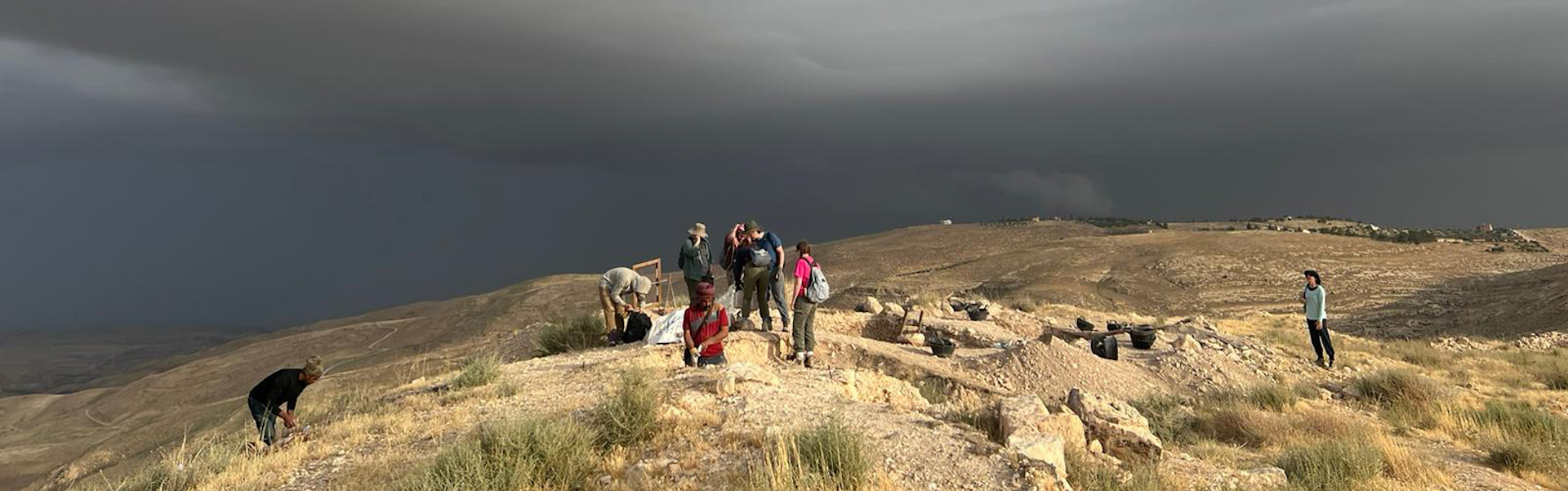
Excavations at Khirbet al Mukhayyat in Jordan

CHARLES HARRIS PROJECT GRANTS

ASOR plans to award two Harris Grants of $5,000 each during 2026.

The Harris Endowment provides modest grants to worthy projects that are ASOR-affiliated, particularly to newer and smaller projects, to help them get started, and to discrete components of larger projects that can be completed with an award.

Universal Grant Application Form

Application Deadline: February 23, 2026

Previous Recipients

If you have any questions, please email Marta Ostovich.


Guidelines

1. Applications are restricted to directors of ASOR/CAP-affiliated projects or senior staff members of affiliated projects. Applications by staff members other than the director must be accompanied by a letter of endorsement from the project director.

2. Only one application from a single project will be considered in any given year. Awards are usually not made to the same individual or project in successive years. Only direct expenses are permitted, and no indirect or overhead may be charged.

3. Harris Project Grants are not designed to fund travel for student volunteers or junior staff members (see Scholarships for Fieldwork Participation).

4. Funds will be made available from the ASOR office, and recipients may receive a Form 1099 for the funds received. Only direct expenses are permitted, and no indirect or overhead may be charged.

Apply for ASOR Affiliation for a Project

Disclaimer: If for any reason many archaeological excavations cannot take place during 2026, ASOR may at its sole discretion decide not to offer project grants. If ASOR deems such a decision as necessary, applicants may reapply for non-fieldwork summer stipends if ASOR can offer stipends for 2026. Regrettably, applicants and successful applicants may not postpone project grants to another year if the applicant or ASOR decides that project grants will not be awarded in 2026. If the pandemic or any other reason causes a cancellation of fieldwork in 2026, applicants must reapply for funding in 2027 (or for stipends if they can be made available in 2026).

Previous Grant Recipients: $114,010 awarded

2026: $10,000 awarded
  • Carlo Ceretti, University of California-Irvine, “MAIKI, the Italian Historical-Archaeological Mission in Kurdistan”
  • Sharon Steadman, SUNY-Cortland, “Climate and Economy at Late Chalcolithic Çadır Höyük”
2025: $10,000 awarded
  1. Jacob Lauinger and Zeynep Türker, Johns Hopkins University, “Tell Atchana/Alalakh Excavations”
  2. Claire Padovani, CNRS Archéorient, “Crafting Landscape: Resources Exploitation and Production Strategies in Iraqi Kurdistan during Urbanisation and State Formation (CraftLand)”
2024: $5,000 awarded
  1. Alexander J. Smith, SUNY-Brockport, Menorca Archaeological Project
2023: $10,000 awarded
  1. Andrew Danielson, The University of British Columbia, “Khirbat al-Mukhayyat Archaeological Project”
  2. Müge Durusu-Tanriover, Temple University, “Polatlı Landscape Archaeology and Survey Project”
2022: $10,000 awarded
  1. Ian W. N. Jones, University of California-San Diego, “Balu’a Regional Archaeology Project”
  2. Rocco Palermo, University of Pisa, “Gird-i Matrab Archaeological Project”
2021: $10,000 awarded
  1. Steven Falconer, University of North Carolina, Charlotte, “Zahrat adh-Dhra’ 1: Middle Bronze Age Settlement on the Dead Sea Plain”
  2. Meghan Strong, Cleveland Museum of Natural History, “Analysis of Queen Yeturow’s paintings from the Royal Pyramids and Necropolis of Nuri”
2020: $5,000 awarded
  1. Kate Liszka, California State University, San Bernardino, “The Wadi el-Hudi Expedition“
2019: $5,000 awarded
  1. James Fraser, University of Sydney, “Khirbet Ghozlan Excavation Project”
2018: $5,000 awarded
  1. Megan Perry, East Carolina University, “Petra North Ridge Project”
2017: $5,000 awarded
  1. Bruce Routledge, University of Liverpool, “Dhiban Excavation and Development Project”
2016: $10,000 awarded
  1. Suzanne Richard, Gannon University
  2. Jennifer Gates-Foster, University of North Carolina at Chapel Hill
2015: $3,900 awarded
  1. Oded Borowski, Emory University
  2. Lorenzo d’Alfonzo, New York University
  3. Andrea Trameri, New York University
2014: $5,350 awarded
  1. Oded Borowski, Emory University, “Lahav Research Project: Phase IV”
  2. Stephanie Brown, University of California, Berkeley, ” Documenting the Town Plan of a Levantine Capital City: A Geophysical Survey of Iron Age Busayra”
  3. Annlee Dolan, Wilfrid Laurier University, ” Khirbat al-Mukhayyat Archaeological Project”
  4. Mark Green, Johnson University, “Luminescence Dating of Samples taken at Khirbat al-Mudaybi, in Central Jordan”
  5. Brandon Olson, Indiana University of Pennsylvania, “The Pyla-Koutsopetria Archaeological Project”
  6. Steve Renette, University of Pennsylvania/University of Coimbra, “Kani Shaie Archaeological Project”
  7. Bethany Walker, University of Bonn, “Laser Mapping and Water Simulations of Subterranean Systems at Tall Hisban”
2013: $9,560 awarded
  1. Russell Adams, University of Waterloo, Canada, “Barqa Landscape Project”
  2. Darren Ashby, Boston University, “Qalaat Mudjesir Excavations”
  3. Leigh-Ann Bedal, Pennsylvania State University, The Behrend College, “Petra Garden and Pool Complex”
  4. Erin Darby and Robert Darby, University of Tennessee, Knoxville, “‘Ayn Gharandal Archaeological Project”
  5. Jennie Ebeling, University of Evansville, and Norma Franklin, University of Haifa, “Jezreel Expedition”
  6. Alan Farahani, University of California, Berkeley, “Agricultural Intensification in Late Antique Dhiban, Jordan”
  7. Michael Given, University of Glasgow, Scotland, “Excavations at Kourion’s Amathous Gate Cemetery – Kourion, Cyprus”
  8. Natalia Handziuk, University of Toronto, “Tell Madaba Archaeological Project”
  9. Morag Kersel, DePaul University, “Landscapes of the Dead: Pedestrian Site Survey at Fifa, an Early Bronze Age Cemetery on the Dead Sea Plain, Jordan”
  10. Robert Mullins, Azusa Pacific University, “The Archaeology of Borderlands: Arameans, Israelites, and Phoenicians at Abel Beth Maacah”
  11. Barbara Reeves, Queen’s University, “Humayma CBM Typology”
  12. Yorke Rowan and Austin Hill, The Oriental Institute, University of Chicago, “Experimental Aerial Survey Applications to Excavations at Marj Rabba”
  13. John Rucker, University of Missouri, Kansas City, “Wadi ‘Araba Earthquake Project Qasr at Tilah Excavation”
  14. Andrew Smith, The George Washington University, “Bir Madhkur Project”

No Harris Grants were awarded from 2009-2012.

2008: $7,000 awarded
  1. Steven Falconer: “Bronze Age Rural Ecology and Landscape Formation in Cyprus”
  2. Andrew Smith: “Bir Madhkur, Jordan”
  3. Eric Cline: “Aegean Interactions with the Levant”
  4. Leigh-Ann Bedal: “Petra Garden and Pool Complex”
  5. Elizabeth S. Greene: “Iron Age Shipwreck at Kekova Asasi”
  6. Michael Given: “Kourion’s Amathus Gate Cemetery”
2007: $3,200 awarded
  1. William R. Caraher: “Pyla-Koutsopetria Archaeological Project”
  2. Nancy Lapp: “Publication of the Early Persian and Hellenistic Pottery”
  3. Jonathan Ferguson: “Salvage Excavations at Khirbat az-Zona”
  4. Garth Gilmour: “Lahav Research Project”

MEMBER-SUPPORTED SCHOLARSHIPS FOR FIELDWORK PARTICIPATION

Member-Supported Scholarships for Fieldwork Participation

ASOR’s Member-Supported Scholarships are funded by contributions from our members. Many of these gifts are made during March Fellowship Madness, and other members make contributions (ranging from $10 to $2,000) throughout the year. Whenever the gifts are made, ASOR segregates these donations into a special fund reserved for scholarships for fieldwork that support our student and early-career members. Applicants should be participating in any ASOR-affiliated project. Scholarship support for 2027 will be $2,000 per scholarship; the number of scholarships is dependent on the amount contributed by our members.

Application Deadline
February 22, 2027

Application Form (application will open in December 2026)

Grant Ginson working with the Khirbat al-Mukhayyat Archaeological Project, Jordan.

Eligibility

Applicants must be members of ASOR or be enrolled as students at an ASOR-member school (see list of Institutional Members). Applicants from underrepresented groups may request a membership waiver in order to apply. Applicants are encouraged to use the Uniform Fieldwork Scholarships Application to apply for all of the named and unnamed Fieldwork Participation Scholarships. Some of the named grants are designated for particular excavations (e.g., Hazor or Tell el-Hesi), for particular groups (e.g., veterans), and for particular countries (e.g., Israel or Jordan). Please check the appropriate boxes on the Uniform Application so that you can be considered for as many different scholarships sources as possible. In order to be eligible, applicants are required to participate in an ASOR-affiliated excavation (see list).

Upon completion of the field season, a report of 250-350 words and three appropriate photos (500 dpi resolution or higher) on site must be submitted to the ASOR office by September 1, 2027. Reports and photos should be sent via email.

Scholarship recipients will be required to sign a waiver indicating that ASOR is not responsible for any injuries they might sustain during their time at the excavation in which they participate.  They will also be required to sign a release of rights to ASOR for the inclusion of their report and photographs in one of ASOR’s publications (including online publications). This award may only be used for allowable direct expenses. Indirect and/or overhead expenses are not permitted.

Disclaimer: If archaeological excavations are significantly disrupted or canceled in 2027, ASOR may, at its sole discretion, decide not to offer fieldwork scholarships. Fieldwork scholarships cannot be deferred; applicants may reapply either for fieldwork funding in 2028 or for non-fieldwork summer stipends if ASOR offers such stipends in 2027.

Previous Recipients