Fieldwork Report: Aidan Gregg

Learning to Lead in the Heart of Athens

Aidan Gregg, 2025 Katherine Barton Platt Fellowship Recipient 

In the bustling center of metropolitan Athens, the sounds of city life blend with those of pickaxes striking the earth, brushes revealing beautiful artifacts, and—of course—ceaseless debate as to whether the soil is indeed greyish-brown or brownish-grey. For nearly 100 years, the American School of Classical Studies at Athens has helmed the excavations of the Athenian Agora. Each year, students and professionals from across the world flock to Athens to excavate one of the most important sites in the Greek world. This year, I had the opportunity to work at the Agora as an assistant supervisor and take an important step in my career as an archaeologist. 

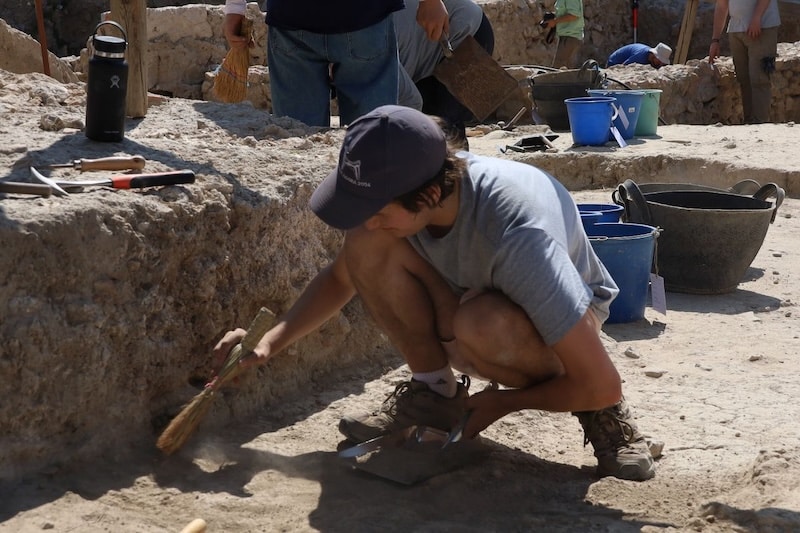
The most important part of excavation is sweeping... though perhaps not the most exciting. Photo by Luis Rodriguez-Perez (UCLA).

I excavated at the Agora for the first time as a volunteer in the summer of 2024, just before beginning the final year of my undergraduate education. While I had prior excavation experience, I could never imagine how impactful it would be on my development as an archaeologist. As a site that practices total collection of material—even plastic—I gained a breadth of archaeological experience. In addition to dry sieving all of the excavated material, we took samples for archaeobotanical flotation. We placed the soil we collected in a basin of water, so we can keep even the smallest seeds. The emphasis on professional skill development and intellectual growth at the Agora made me fall in love with the site, the project, and the people. But the most important lesson came this year, when I learned to be a leader.

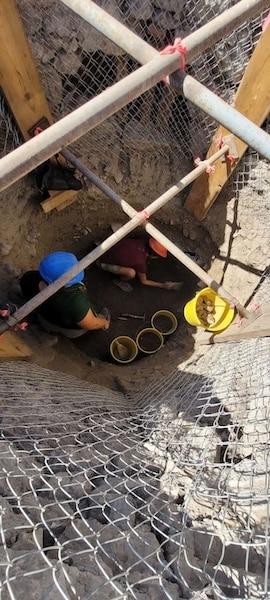
My supervisor, Katrina Kuxhausen-DeRose (UCLA), and I excavate in a pit deep beneath the surface. Photo by Luis Rodriguez-Perez.

When I was invited to return to the Athenian Agora as an assistant supervisor, I knew there was nothing I would rather do with my summer. As excited as I was, I was also quite nervous to enter a leadership position like this for the first time. I was younger and had less field experience than many of the volunteers. For the first few weeks, I maintained a perpetual state of anxiety about making a mistake or revealing to others that I was unsure of myself. In the field, we have to pay close attention to changes in the soil to determine whether the deposit we are excavating has changed. In the particular Ottoman context we were excavating, we battled these soil changes ferociously, having to remain eagle-eyed for even the slightest change in color or texture—not an easy task. For the first time, I found myself in a position where people around me asked what I thought was happening; often, I had no clue. As a born perfectionist and someone deeply invested in the work I do, this was frequently anxiety-inducing—as I’m sure anyone starting a new job has experienced. But, as is often the case, this discomfort provided an outlet for growth.

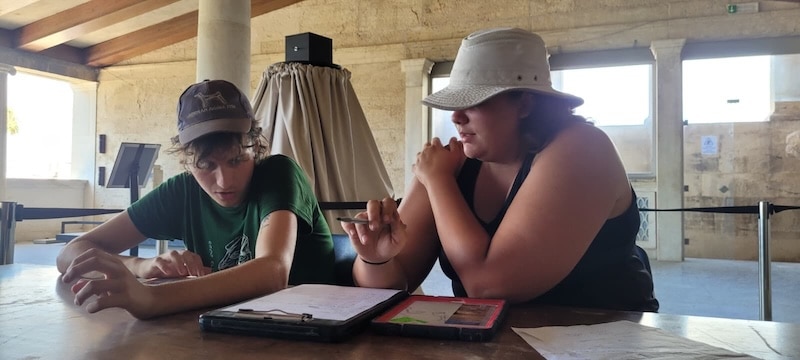
Katrina shows me the logistics of processing finds at the end of the season. Photo by Luis Rodriguez-Perez.

Perhaps the most important thing I learned was to be comfortable being wrong, not knowing the answers, and owning mistakes. In turn, letting go of the need to be right and the fear of making a mistake allowed others at every level of experience and every age the space to be wrong too; it allowed us all to be able to learn from each other. At the Agora, our field director, Dr. Debby Sneed, consistently emphasized to us that mistakes are an opportunity to grow, not a source of shame. This summer, learning to be wrong made me more confident in myself, more able to learn from others, and a better archaeologist altogether.

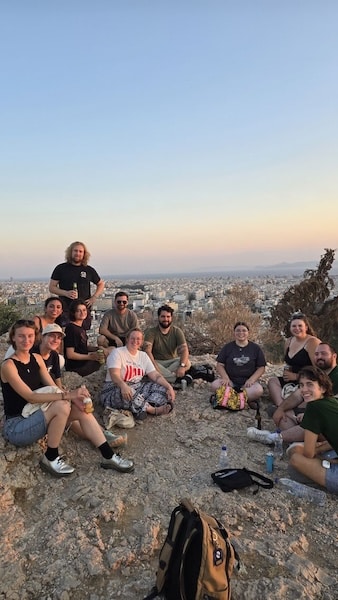
My friends and I celebrate our last night in Athens atop Philopappos Hill, or the Hill of the Muses. Photo by Daisy Wang.

Anyone who has participated in archaeological fieldwork knows that it is an opportunity for personal discovery just as much as it is for professional growth. Over two short months, I grew like a wild herb nurtured by the Greek sun, soil, and incredible archaeologists around me. I am forever grateful for my time at the Athenian Agora, and look forward to what comes next.

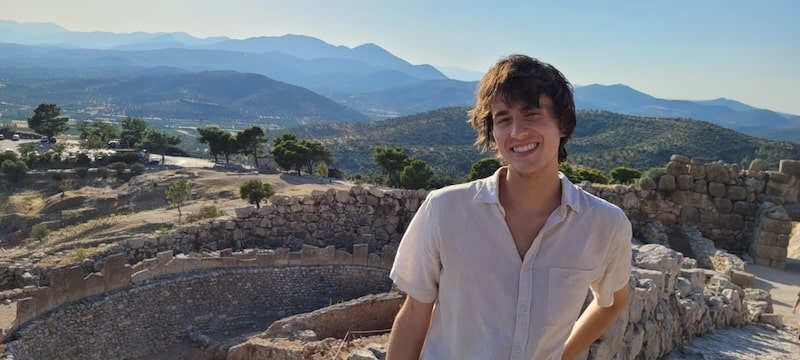
Next to Grave Circle A at Mycenae, I am reminded of why I love what I do so much. Photo by Luis Rodriguez-Perez.

Aidan Gregg is a first-year PhD student in Classical Archaeology at the University of California, Berkeley, and a graduate of Butler University. He is interested in the archaeology of burial, gender, and archaeological theory in the Aegean Bronze Age. He has participated in excavations at Ancient Nemea and the Athenian Agora and worked on material from Petsas House at Mycenae, the Bronze Age cemetery at Aidonia, and the Northeastern cemetery of Thebes.

Want to help more students and early career archaeologists get into the field? Donate to the cause today by selecting “Fieldwork Scholarships” as your gift purpose!


Fieldwork Report: Anjuli Latchmansingh

All That Remains at Çadır Höyük

Anjuli Latchmansingh, 2025 Strange-Midkiff Families Fieldwork Scholarship Recipient 

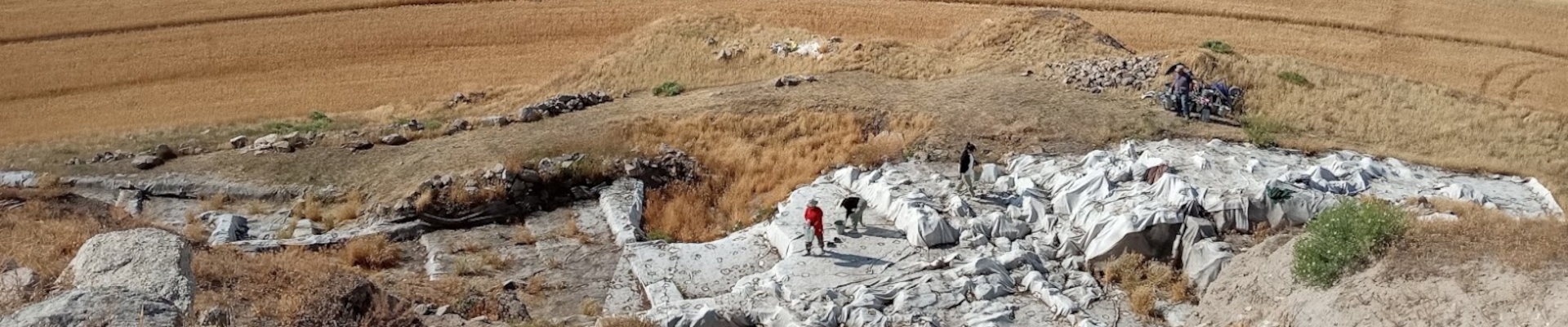
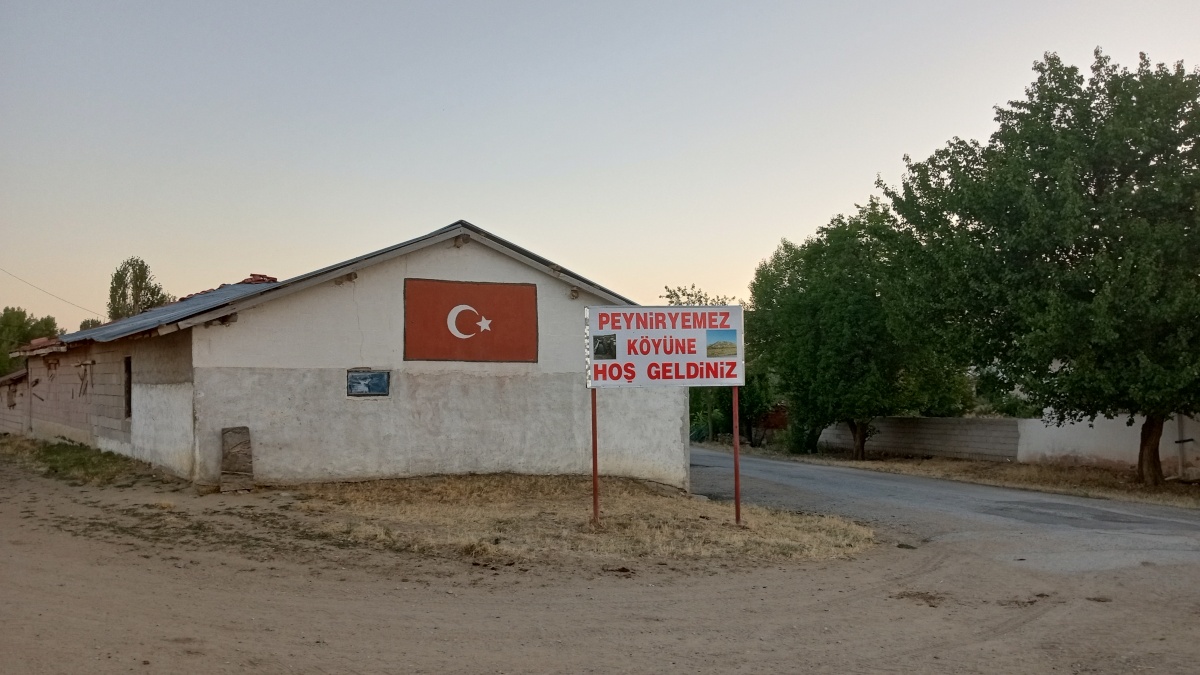
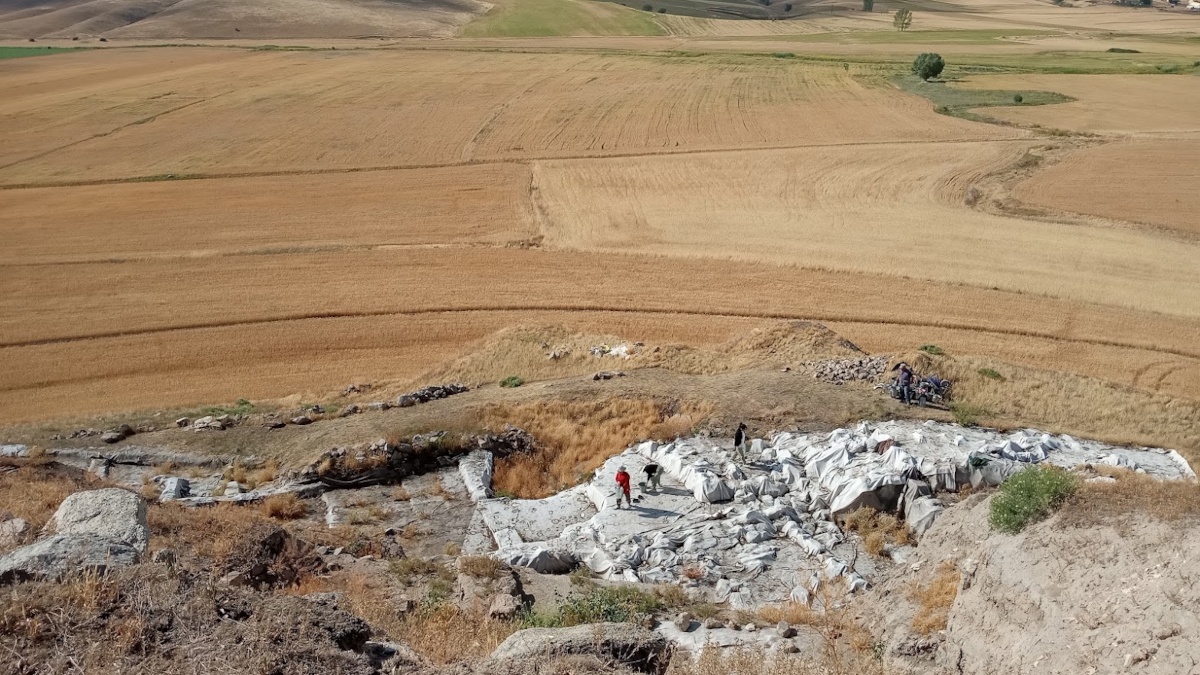
Within the village of Peynir Yemez in Türkiye is an archaeological excavation site named Çadır Höyük – an artificial mound that boasts roughly 7,000 years of human history. Evidence of human occupation on the mound comes in many forms. From pottery sherds, burials, and stone walls to glass beads and lithics, this site was once full of human activity. Yet the mound was populated by more than just homo sapiens. Animals of a wide variety were present, and their bones help tell us the human story.

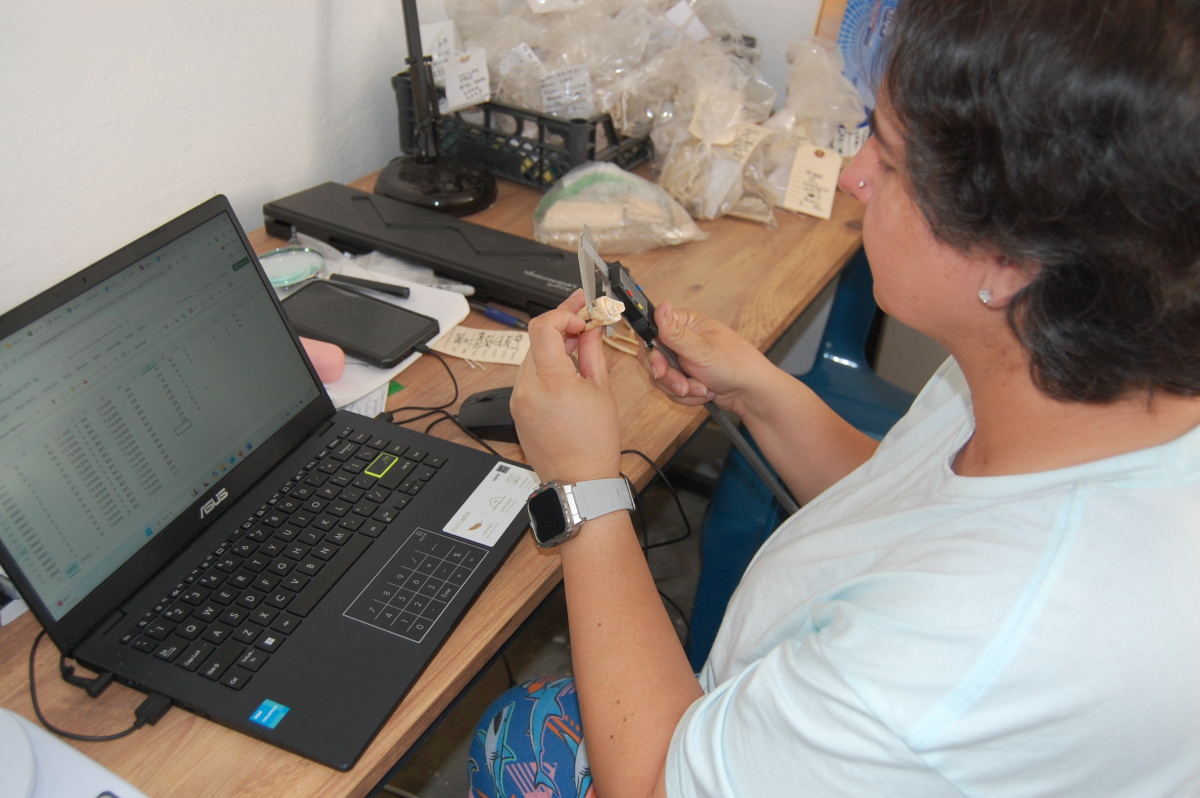
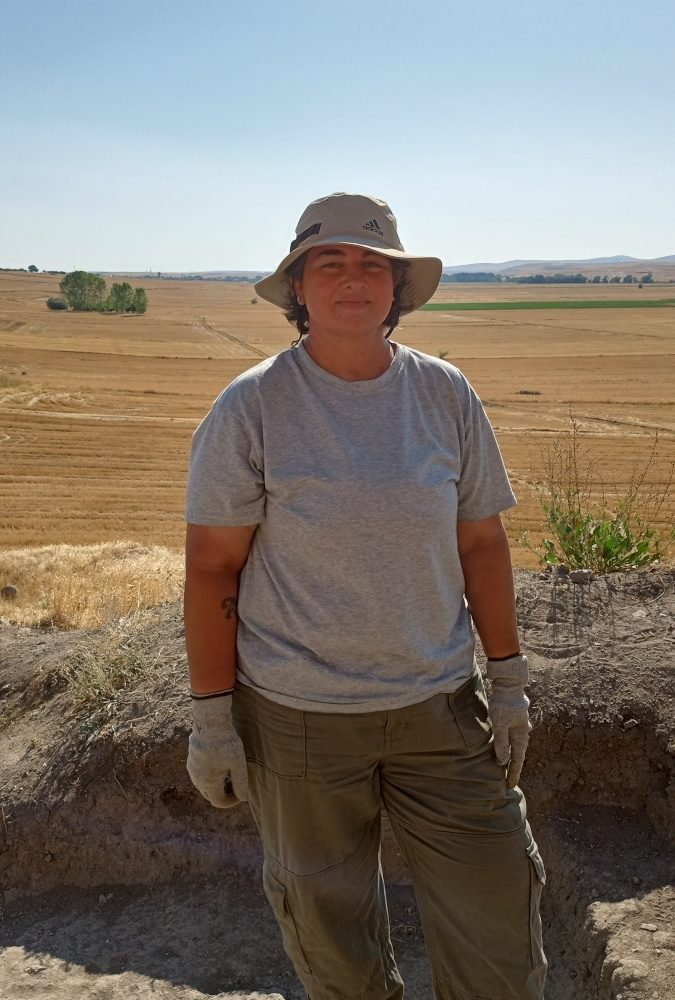
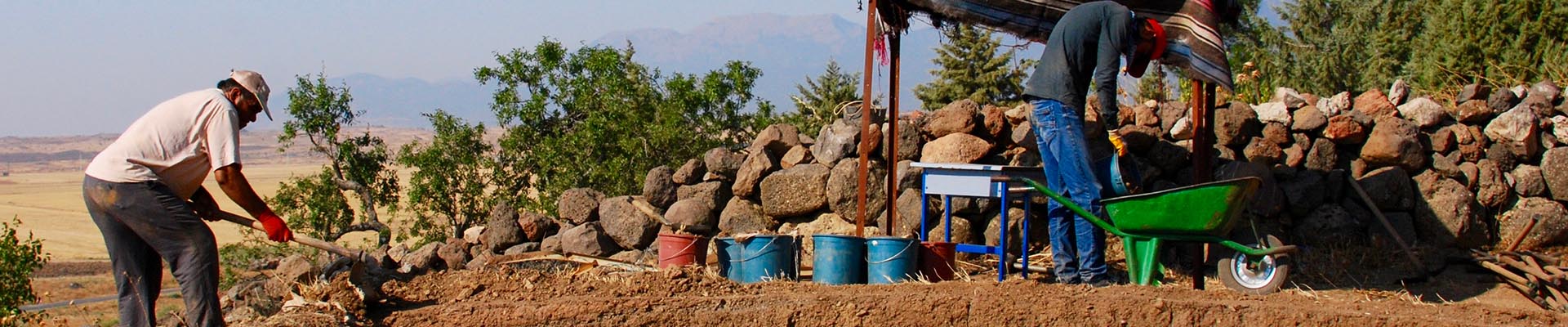
During the summer of 2025, I had the privilege of working at Çadır Höyük with Dr. Sharon R. Steadman (my professor, advisor, and the Project Director of Çadır Höyük) and a wonderful team of specialists, professors, researchers, students, and Turks for about six weeks. We worked six days a week and had Thursdays off – although many of us still found ourselves seated at our lab stations attempting to make the most of our fleeting time there. The days were long and hot. I spent my mornings in the field excavating and my afternoons in the lab analyzing faunal remains. For the season, I would be working by myself with faunal remains. I had spent the beginning of the year teaching myself about animal anatomy and specifically researching the species of animals that have been previously recorded at the site in preparation for this project.

Excavating at Çadır Höyük was a unique experience. I was there with three other students from SUNY Cortland, and we were some of the first people to arrive. We opened many of the trenches for the season and I learned a great many skills and techniques. For instance, we took elevations from the trenches using an auto level on a tripod with a level rod and we learned to avoid bug bites by tucking our pants into our socks. Sometimes, it was the not-so-technical training that would prove most useful. There were, in fact, a lot of large bugs and spiders.

Not long after arriving at the site, a database and its recording protocol was sent to me created by Dr. Benjamin Arbuckle who published several works regarding faunal analyses at Çadır Höyük. Dr. Arbuckle has been an integral part of the project as the Assistant Director since 2009. His publications and the recording sheets he sent were extremely helpfulbecause I did not even know where to start or what to look for in terms of documenting. My education has been solely focused on human bones – identifying, classifying, measuring, determining pathology and trauma, and so forth. This summer, I excavated and evaluated hundreds of bones, but the vast majority of them were from animals. The exciting thing about animal bones is that not only are they all so incredibly different from kingdoms down to specific species, but even within species so much variation still exists. I honestly do not know how zooarchaeologists are able to store all thatinformation in their heads. It is quite impressive! Taking on Dr. Arbuckle’s database was challenging, important work for which I have great respect.

Animal bones differ from human bones in many ways. To give you an idea, animals tend to have many of the same bones that humans have but the shapes of those bones vary. This is in part because some become fused together, like a radius and ulna. Also, some animal bones are more curved or twisted because their muscles attach differently. Bird bones are mostly hollow, making them light enough to take flight. There are caudal vertebrae which make up animal tails, phalanges of hoofed animals, tusks, and a wide array of tooth types. Then there are horns or antlers or carapaces and plastrons to consider – because when you study the nonliving EVERY remnant is an important clue. All these unique traits are actually little hints that zooarchaeologists find and put together to create a complete picture of the animals that were present. 

Identifying the animal is only the first step. From this information, we can find MNI, NISP, look for age, sex, signs of trauma, and pathology. Then we can infer much more, such as butchering methods, husbandry, and timelines of domestication and agriculture. All of this informs archaeologists of the people of the past. Much of my time in the lab was spent interpreting the remains and recording the data. Despite my best efforts, there are still a lot of bones to be identified and recorded. So, next summer, the work will continue.

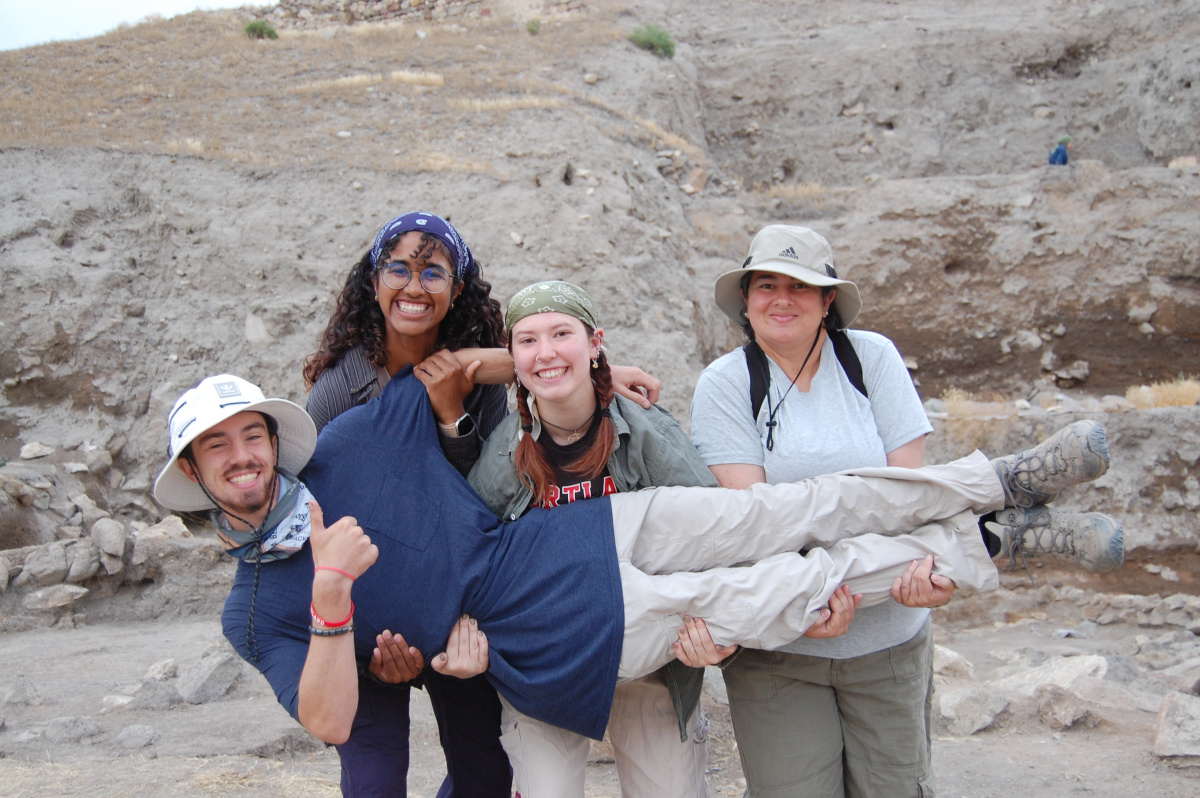
Team members at Çadır Höyük, Turkey.

From beginning to end, I had the opportunity to work with a wide range of people from all over the world, each driven bydifferent motivations. All had gravitated to this same small spot on our planet to come together for a season in a small village in central Türkiye to dig. And though I hope to meet and network with many of these professionals in the future, the Turkish people hold a special place in my heart. My time in Peynir Yemez was certainly a unique experience and I will cherish the friends and memories I have made. I will take with me the lessons I learned both in the field and the lab and use them in my next excavation experience. Understanding animal remains and being able to identify them will prove useful in my future endeavors by allowing me to understand relationships between persons and pets and sacrifices. It is my hope that the work I completed at the site proves useful in the future. I am grateful to have played a part in the research at ÇadırHöyük in the summer of 2025.

Anjuli Latchmansingh is a senior at SUNY Cortland majoring in archaeology with a minor in forensic anthropology. Her focus is on bioarchaeology with a special interest in mortuary archaeology. Anjuli has served as Archaeology Club president at Cortland, has been inducted into three national honor societies, and is currently working on her honors thesis.

Want to help more students and early career archaeologists get into the field? Donate to the cause today by selecting “Fieldwork Scholarships” as your gift purpose!
Join ASOR’s Board of Trustees

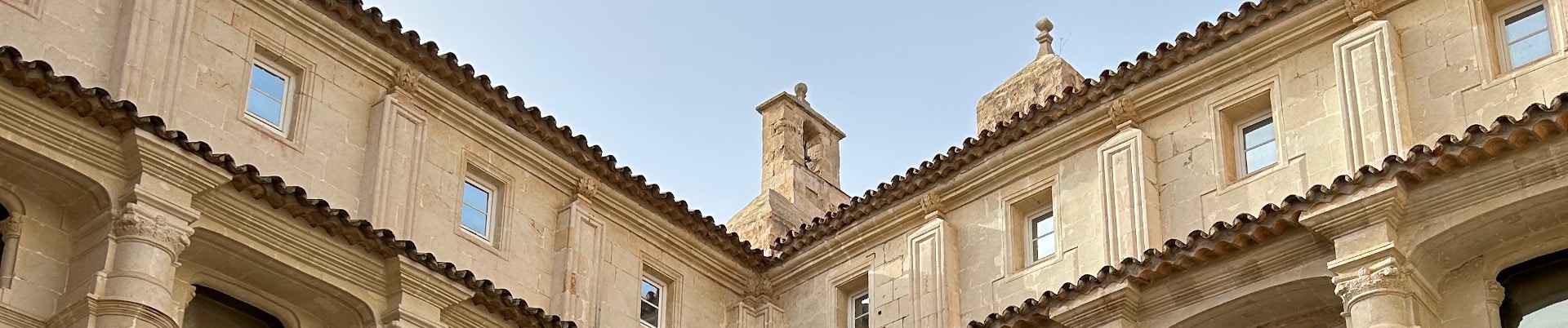
Interior courtyard of the Museum of Menorca, Spain.

CALL FOR TRUSTEE NOMINATIONS

The Trustee Nominations Committee announces an open call for (self) nominations for the ASOR Board of Trustees (Class of 2028). Trustees will serve a three-year term, starting January 1, 2026. There are three primary responsibilities of the members of the Board of Trustees:

  • Governance: Being aware of issues brought forward to the Board, attending two meetings per year (at your own expense), and bringing issues of concern to the Board.
  • Fundraising and financial management: Leading in development by thinking of new opportunities, leading in giving, and providing oversight on the audited financial statements. We ask that individual trustees aspire to contribute $500 or more annually.
  • Strategic planning and policy development: Leading especially in measures that accord with ASOR’s mission.


We anticipate two openings for Membership-Elected Trustees. Any full ASOR member may be considered for nomination as an Membership-Elected Trustee. If there is someone that you would like the committee to consider—including yourself—please send the person’s name and email address to Marta Ostovich in the ASOR office. Please check with the nominee as to whether they are interested in serving on the ASOR Board of Trustees before sending in their name. If you have any questions about the responsibilities and satisfactions of being a board member, please email Kathryn Grossman, Chair of the Trustee Nominations Committee.

The ASOR office, or a representative from the Nominations Committee, will contact all nominees to describe the responsibilities in greater detail, and to make sure that the nominee is willing to have his or her name discussed by the Trustee Nominations Committee. Please note that nominees will need to submit a brief biography and a mission (or vision) statement for what they would like to accomplish as a trustee to be considered by the Nominations Committee. A sample of these statements can be found in last year’s “Meet Your Board Nominees” webpage. Brief biographies and mission statements should be ca. 200 words each and submitted via e-mail to Marta Ostovich by noon EDT on Monday, September 22, 2025.

After the Committee selects individuals for nomination, the election will take place by electronic ballot during October. ASOR is once again conducting online voting to ensure that more of our members are able to participate in this important process. The ASOR office will work with any person who is not able to complete an electronic ballot to ensure that everyone is included.

In order to receive full consideration by the committee, nominations (including supporting documents) should be submitted to programs@asor.org by noon EDT on September 22, 2025.

Shepard Urgent Action Grant Report: The Al Haniyah Emergency Documentation Project

2025 Shepard Urgent Action Grant: The Al Haniyah Emergency Documentation Project

Julia Nikolaus (Ulster University), Nick Ray (Ulster University), Ahmad Emrage (University of Benghazi)

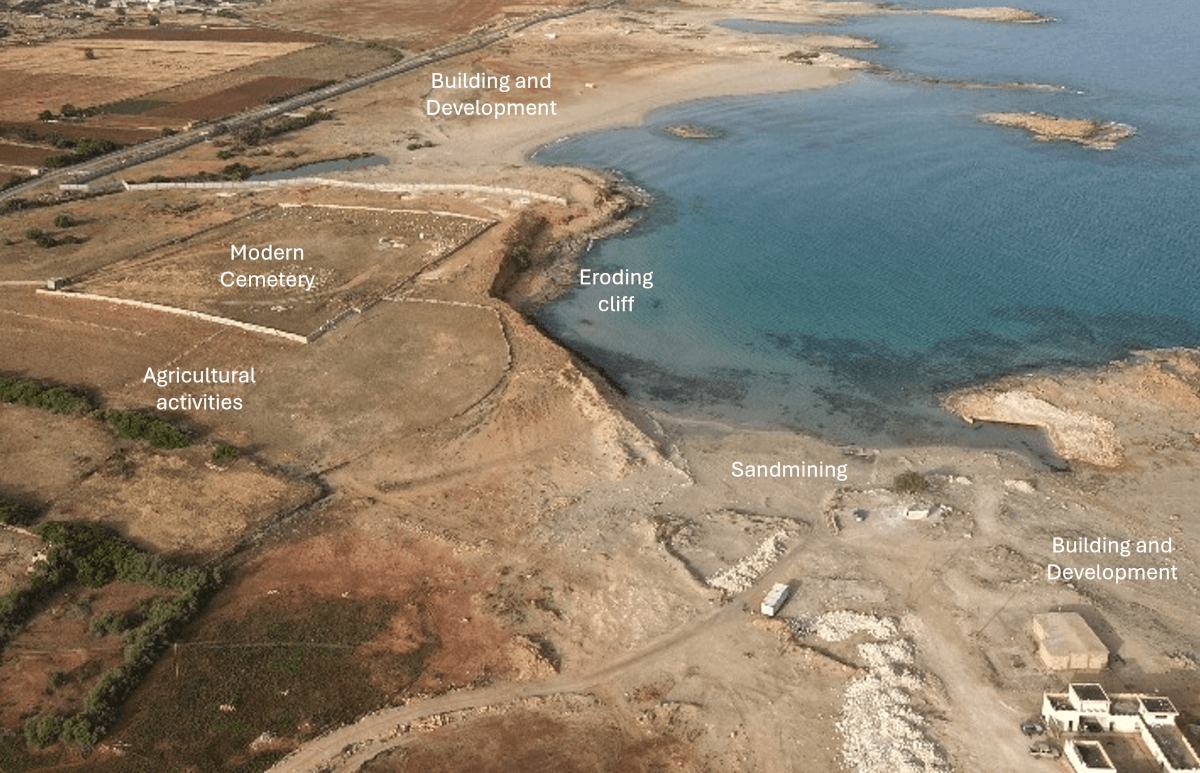
In 2025, with the support of the Shepard Urgent Action Grant, an international team of archaeologists completed a critical emergency documentation project at the endangered site of Al Haniyah (ancient Aptouchus), on the Cyrenaican coast of Libya. This urgent initiative responded to escalating threats from coastal erosion, unregulated agricultural development, and expanding infrastructure—pressures that have already caused widespread and irreversible damage to the site (Figure 1).

Figure 1: Drone image of Aptouchus showing threats and damages to the site.

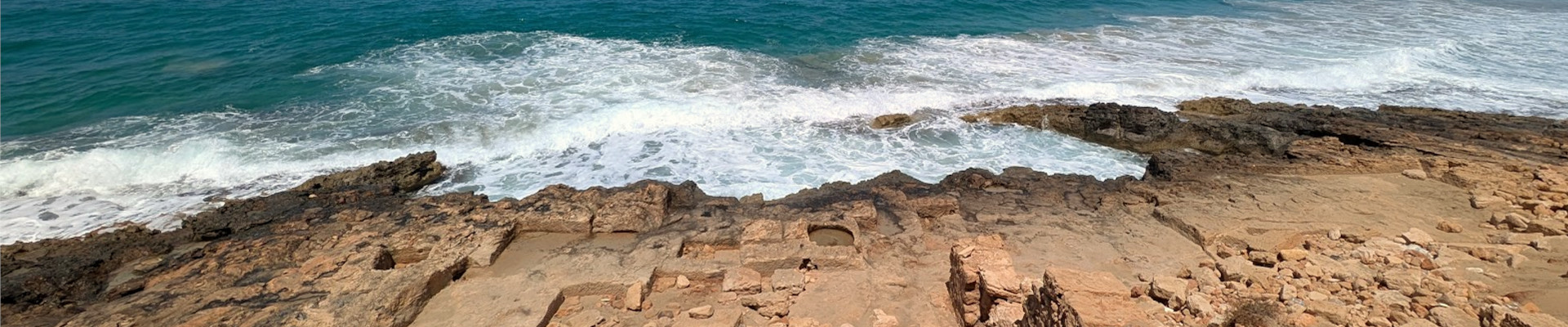
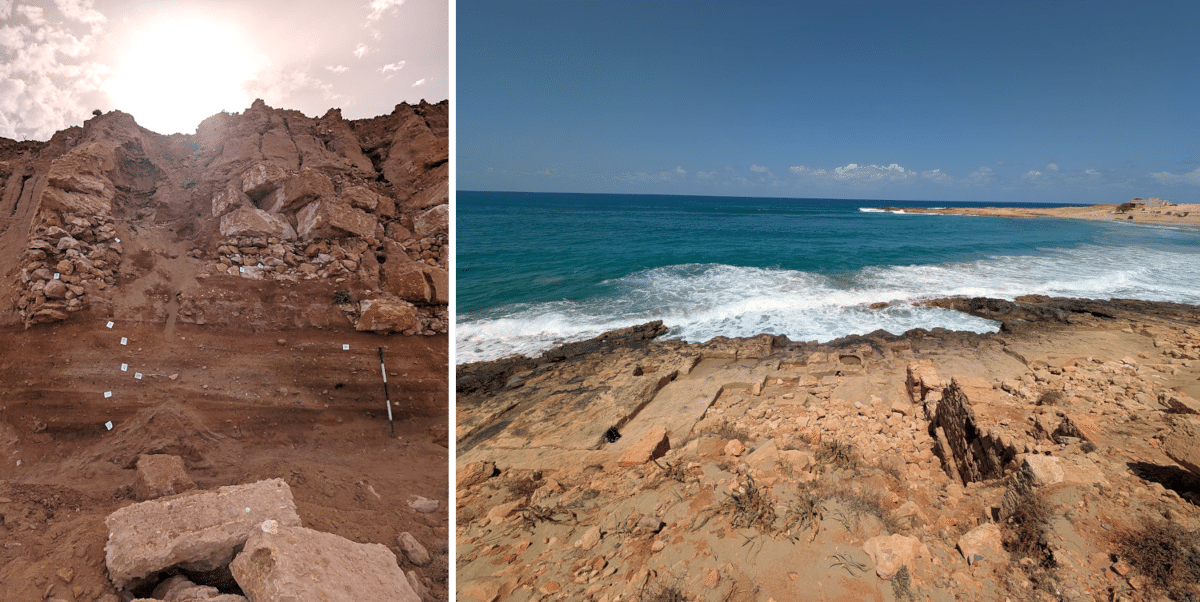
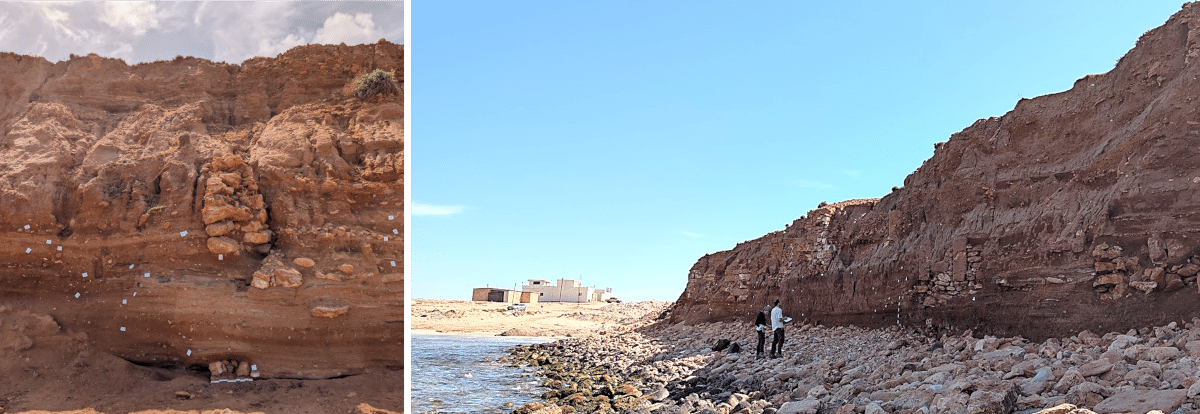
Aptouchus is a coastal harbour settlement dating to the Greek,Roman, and Late Antique periods. Though modest in size, covering approximately four hectares, the site played an important role in regional maritime activity and trade. Archaeological remains include Roman-period industrial features such as vats, tanks, and large building foundations, as well as domestic structures with plastered walls and finely worked stone masonry. These are now visible along an actively eroding cliff edge (Figure 2). Ceramic finds, including fragments of black-glazed pottery, point to activity as early as the Archaic period. In antiquity, the harbour was naturally sheltered by a rocky outcrop connected to a central islet, creating a protected anchorage for vessels. Today, parts of the ancient settlement lie beneath modern buildings and an Islamic cemetery, adding further complexity to the site’s preservation.

Figure 2: Left - walls protruding from the eroding cliff face; Right - industrial installations and buildings.

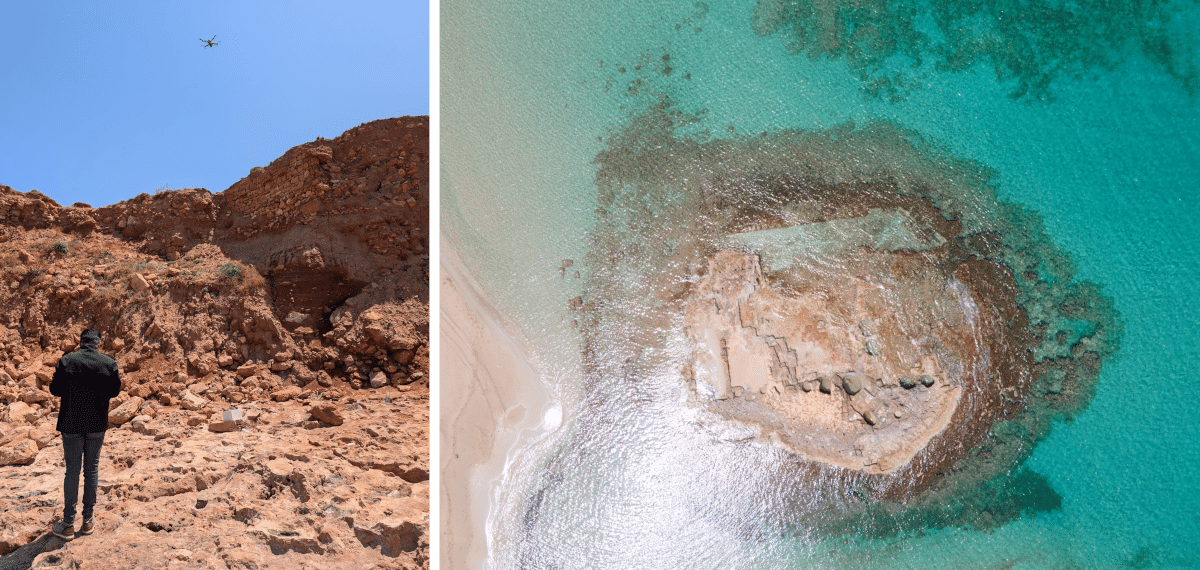
During the 2025 field season, a team of specialists from Ulster University (UK), the University of Benghazi (Libya), the Libyan Department of Antiquities, and the Alexandria Centre for Maritime Archaeology & Underwater Cultural Heritage (Egypt),undertook a multi-faceted programme of recording and documentation. The team began with a detailed site survey, identifying and mapping architectural features as well as recently disturbed areas. High-resolution drone photography was used to create 3D digital models of the site and surrounding terrain, including the vulnerable cliff face (Figure 3). These models will serve both as an archival record and as a baseline for monitoring ongoing change.

Figure 3: Left - our drone pilot at work; Right: drone shot of one of the islets with industrial features that formed part of the harbour.

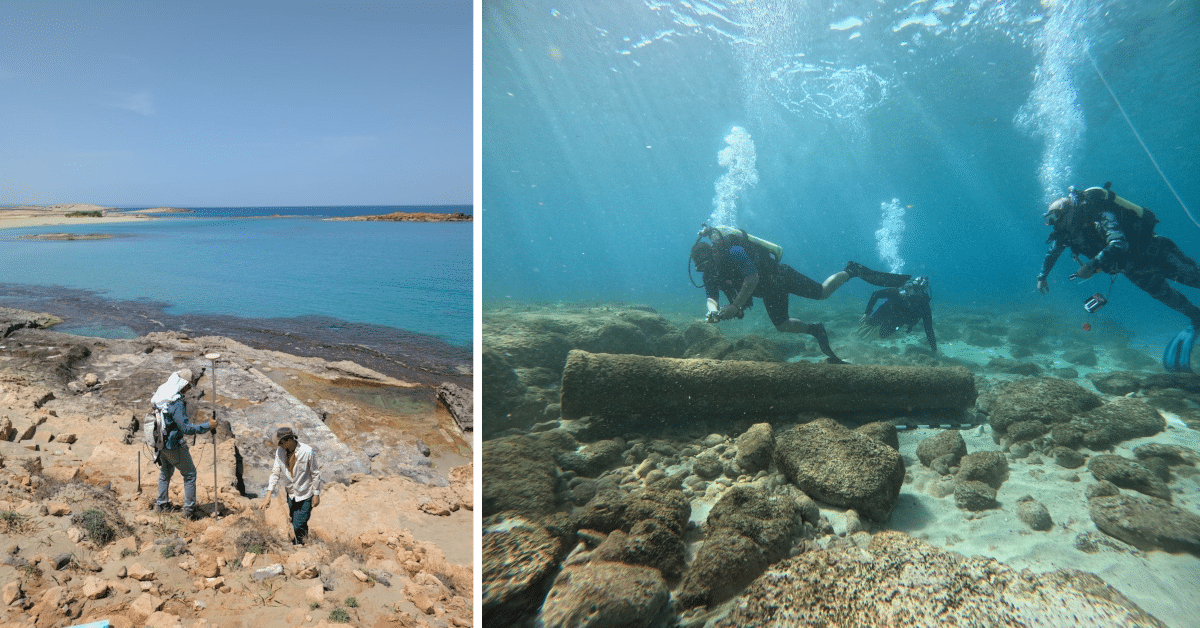
Terrestrial documentation focused on areas under the most immediate threat, especially where bulldozing had exposed ancient structures. These were recorded using differential GPS and photogrammetry, ensuring accurate spatial documentation. In parallel, a preliminary underwater survey examined submerged archaeological features of the harbour(Figure 4). Several stone blocks and cut features were identified, consistent with ancient maritime use.

Figure 4: Left - DGPS recording of visible architectural features; Right - Underwater survey of harbour area with submerged broken granite column.

A key component of the work involved recording the exposed stratigraphy of the eroding cliff. Here, archaeological layers are visibly collapsing into the sea at an alarming rate. Detailed photographic and written records were made of these sections before they are lost (Figure 5). Pottery recovered from these layers will contribute to establishing a more precise understanding of the site’s chronology.

Figure 5: Recording the visible stratigraphic layer of the 120 m long cliff face.

This emergency project represents a crucial step in preserving the cultural heritage of Aptouchus. It has produced a lasting record of a site under immediate threat and drawn attention to the broader challenges facing Libya’s coastal archaeology. The documentation gathered will not only support future research into the economic and social dynamics of smaller ancient harbours but also underline the importance of protecting vulnerable heritage landscapes across the region.

2025 Call for Vice President

ASOR SEEKS NOMINATIONS FOR VICE PRESIDENT

The Officers Nominations Committee of ASOR announces a general call for nominations and applications for individuals to be considered for the position of Vice President of the Corporation. This is a three-year term of office beginning on January 1, 2026 and ending on December 31, 2028. A general description of the Office of Vice President and its responsibilities is in the ASOR Bylaws, available on the ASOR website (see Article IV, Section 4.7). Nominating an officer is an important way for members to participate in the governance of their organization, and we encourage you to self-nominate or nominate others. All ASOR Members in good standing are eligible for nomination as Vice President.

The Vice President’s primary responsibilities are to chair the Chairs Coordinating Council and serve on ASOR’s Executive Committee. The Vice President will also perform additional duties as the Board of Trustees, the Executive Committee, the President, or the Board Chair may prescribe from time to time. In the event that both the President and Chair of the Board are unable to be present to discharge the duties of the President, the Vice President shall perform the duties of the President until a new President can be elected. The Vice President agrees to attend three meetings each year at his/her own expense: the ASOR Board of Trustees meetings in November and May, and the Executive Committee retreat in January or February. General information on ASOR’s mission statement, bylaws, and strategic plan can be found on the ASOR website.

Submit inquiries and nominations via Google Form to Bob Mullins (ramullins@apu.edu), Chair of the Officers Nominations Committee. Review of applications and nominations will begin on August 15, 2025 and continue until the position is filled. The Officers Nominations Committee expects to present a nominee for Vice President to the ASOR Board of Trustees for a vote during the November 23, 2025 Board meeting in Boston, MA. Nominations should include the candidate’s name, a one-paragraph academic biography – including membership and activities in ASOR, a brief statement as to why the candidate would be appropriate for the position, and the candidate’s contact information. Self-nominations including the same information are encouraged. The Officers Nominations Committee will ask semi-finalists to submit a CV and vision statement.

ASOR is an Equal Opportunity Employer. ASOR affirms its commitment to equality of opportunity and pledges that it will not practice or permit discrimination in employment on the basis of race, color, gender, national origin, age, religion, creed, disability, veteran’s status, sexual orientation, or gender identity. The Board actively seeks candidates who represent the diversity within its membership for positions of leadership.

Virtual Archaeology Initiative: 2025 Dig Diaries

Virtual Archaeology Initiative: 2025 Dig Diaries

As you embark on fieldwork and research this summer, ASOR invites you to make Dig Diaries and submit them to our Virtual Archaeology Initiative.

Dig Diaries can be any of the following (coordinate with your project director(s) to ensure their permission):

1) a short teaching video that explains a specific process or element of an excavation/survey, how that element fits within the overall objective of the project, and/or how it fulfills some responsibility that we as archaeologists have to study, preserve, document, and make accessible the materials we excavate;

2) a video field diary recording in which you discuss research questions for your given project/season along with progress reports throughout the season to show how those research questions are met and/or how they change;
3) a digital image with explanation of the pictured stratigraphy/object/etc.

Check out our current submissions on YouTube or TikTok for examples. We are also open to other kinds of virtual assets, so if you have a great idea, please feel free to share it with us. We hope that you choose to join us in developing Virtual Archaeology at ASOR. Submissions and any questions can be directed to info@asor.org.

Developed by ASOR’s Membership & Outreach Committee, the Virtual Archaeology Initiative is a growing collection of digital resources that illustrate or teach various steps involved in the archaeological process. In addition to creating teaching tools that will benefit students/educators and generate interest in archaeology, this will allow people who cannot or would not participate in actual excavations to feel as if they still can. Read more about the Virtual Archaeology Initiative here.

Fieldwork Report: Aayush Umesh

Banner Image for Aayush Umesh 2025 Fieldwork Report

Finding My Path

Aayush Umesh, 2025 Eric and Carol Meyers Fieldwork Scholarship Recipient 

A year ago today, I had no idea that I would become an Islamic archaeologist. My path has been full of twists and turns. In the last four years at the University of Georgia, I have completed a bachelor’s degree with double majors in theatre and communication studies and a minor in Arabic. I entered college with ambitions to attend law school. Eventually, however, I found archaeology, and tried my hand at excavation last summer at Antiochia ad Cragum, Türkiye. I fell in love and attended both the ASOR and AIA Annual Meetings in 2024 and 2025, respectively. At the ASOR Annual Meeting, I met Professor Bethany Walker, the head of the Islamic Archaeology Research Unit at the University of Bonn. Upon meeting her and listening to the work of her graduate students, the next segment of my path had been illuminated. I decided to pursue the MA in Islamic Archaeology at the University of Bonn and to accompany the university for fieldwork at Tall Hisban, Jordan, from May 18-29, 2025.

Photo of Aayush Umesh in Tall Hisban
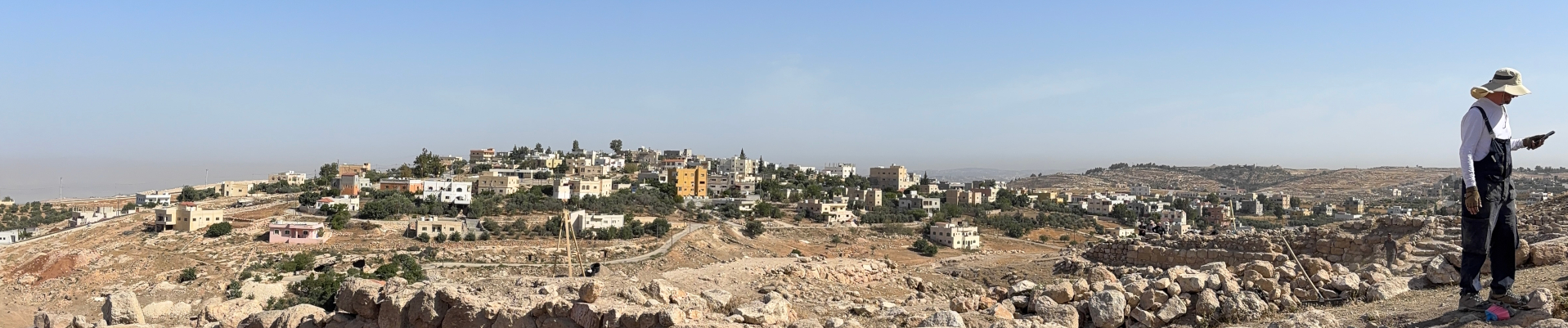
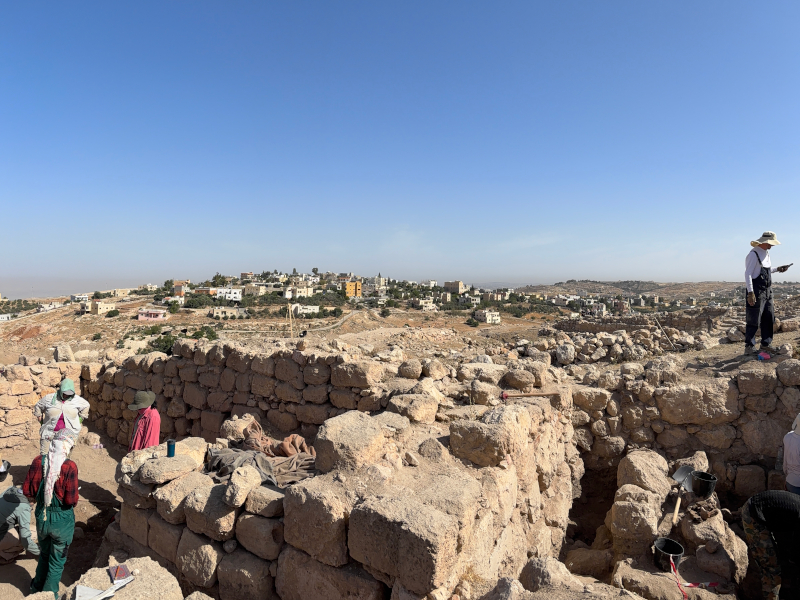
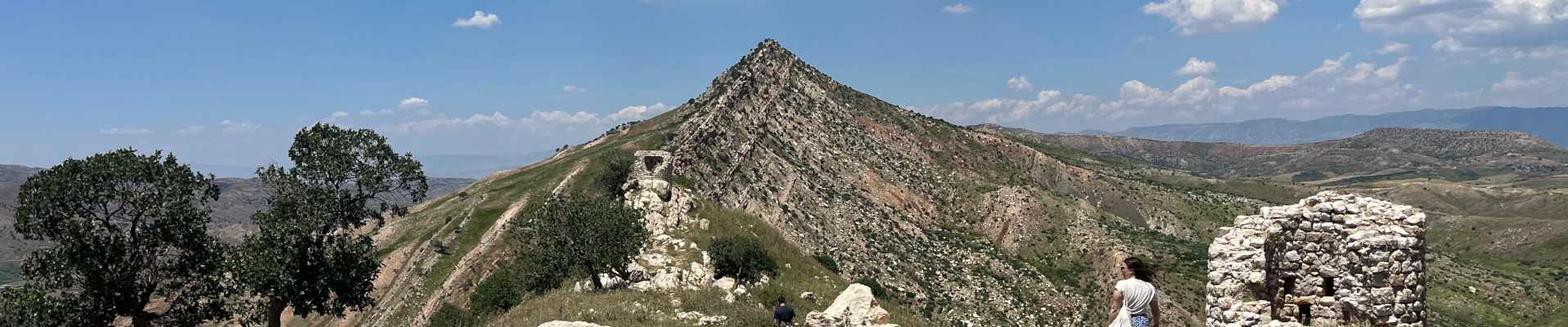
A panoramic view from Tall Hisban.
Photo from Aayush Umesh in Tall Hisban
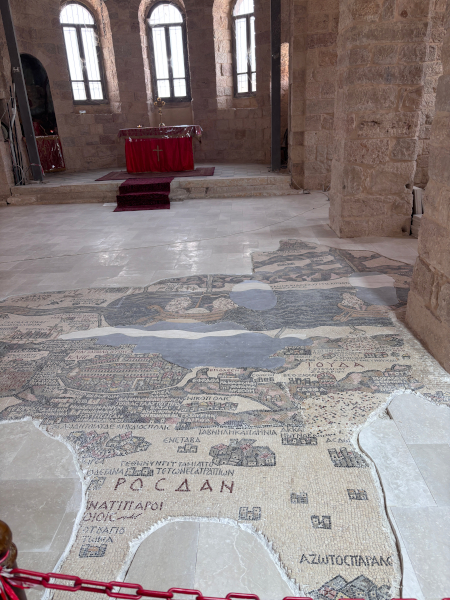
Madaba Map on the floor of the St. George Greek Orthodox Church.

Tall Hisban is around a 30-minute drive from Madaba, the “City of Mosaics” that houses the Madaba Map (the oldest surviving cartographic depiction of the Holy Land as a large floor mosaic on the floor of the St. George Greek Orthodox Church). Madaba today is a vibrant city boasting harmonious Christian and Muslim communities, spectacular archaeology, delicious Jordanian cuisine, talented mosaic artisans, and proximity to the capital city of Amman (which is less than an hour’s drive). Our team stayed at Salome Hotel, a gorgeous accommodation for guests in Madaba with simple yet beautiful amenities and a kind, hospitable staff.

Tall Hisban is a breathtaking site with millennia of occupation, with excavated material culture representing periods from Paleolithic to Late Islamic. A stroll through the site takes one up Roman stairs to Byzantine houses, through Islamic bathhouses reusing Christian baptismal basins to the entrances of previously settled underground cave systems. Old and new are engaged in a remarkable dance at Tall Hisban, best captured by the abundant spolia utilized in its diverse features’ constructions as well as in the tell’s modern residential surroundings.

Photo from Aayush Umesh in Tall Hisban
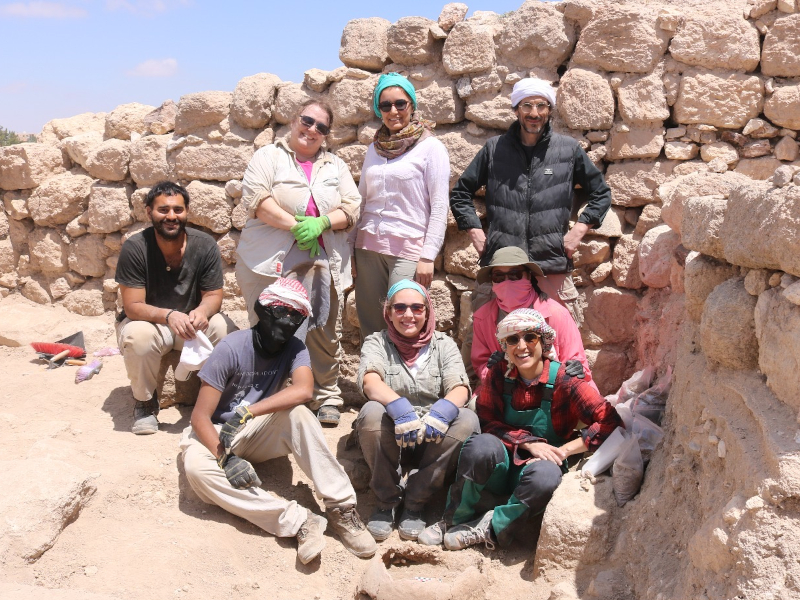
Me and some teammates in our square.

I was assigned to a square which had been identified in a previous season as an Ayyubid-era kitchen. Our goal was to continue excavating this square, passing the Ayyubid layer and investigating those beneath to determine the usage of the space in earlier Islamic eras. Our objective this excavation season was to gain a better understanding of the dietary practices of the inhabitants of Tall Hisban by comparing data procured at the tell to data procured at a nearby wadi (valley) that had been historically used for agricultural purposes. As such, many soil samples were taken during excavation for botanical analysis, particularly in areas high in charcoal or surrounding excavated cookwares. Some of the most outstanding discoveries were tabuns, or traditional clay ovens, which contain a multitude of data.

Photo from Aayush Umesh in Tall Hisban
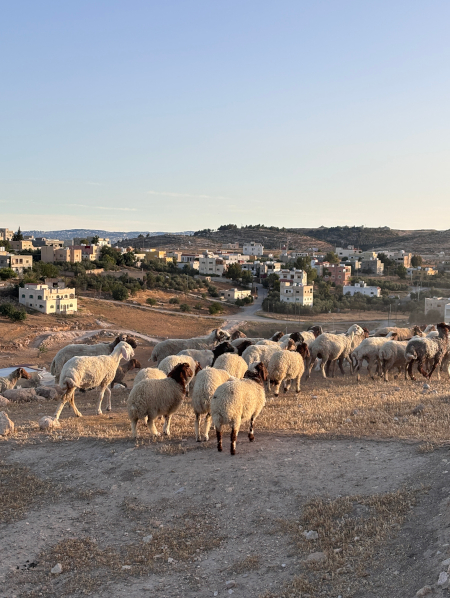
Sheep would greet us each morning at the site.

Upon returning to the hotel each afternoon, the group would reconvene for pottery washing and counting after a nap. It was inspiring watching Prof. Walker identify the period or region of any given sherd in seconds! Pottery washing was a great educational experience because I was able to acquaint myself with many types and periods of wares including Byzantine, Umayyad, Abbasid, Ayyubid, Mamluk, and Fatimid.


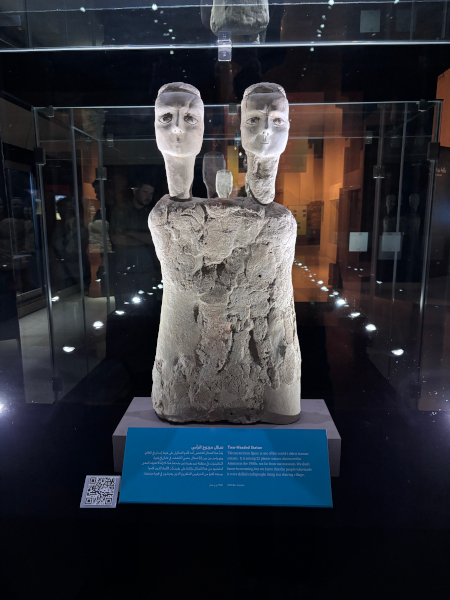
Having completed a minor in Arabic at UGA, I was thrilled to have this opportunity to develop my skills in spoken Arabic, particularly in the Jordanian dialect. I learned many helpful field vocabulary words from Jordanian workmen onsite including the words for trowel, pottery, shovel, dustpan, glass, pickaxe, and more! The team had one free weekend, and while most used this time to visit Petra, I decided to visit Amman instead with Prof. Walker and another teammate. We spent some time at the Jordan Museum, where I was able to stand just inches away from both the Dead Sea Scrolls and the Ain Ghazal statues. We then visited the Amman Citadel as well. The Jordan Archaeological Museum is located on the citadel, and features excavated artefacts from Tall Hisban and many other sites in Jordan.

Photo from Aayush Umesh in Tall Hisban
The Ain Ghazal statues at the Jordan Museum.

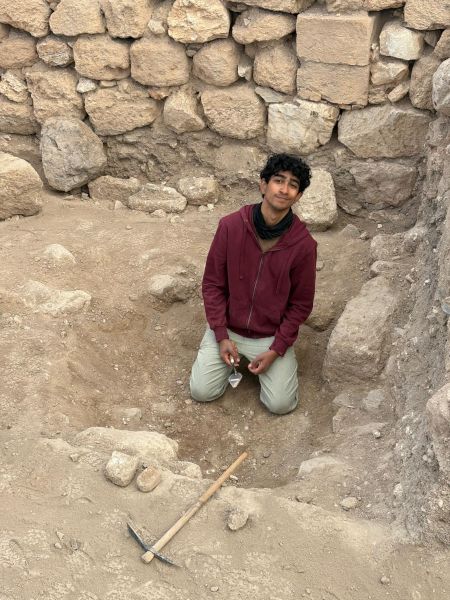
My time at Tall Hisban was nothing short of life-changing. Through this experience, I made over a dozen friends at the University of Bonn, which will make my transition far easier as I relocate to Germany this fall. I am thrilled that I have found my path—Islamic archaeology—and have been given the opportunity to study with one of the world’s leading Islamic archaeologists. I look forward to returning to Tall Hisban in future excavation seasons and continuing the work that we did this summer.

Photo from Aayush Umesh in Tall Hisban
Me in the field!

Aayush Umesh is a recent graduate of the University of Georgia with a Bachelor of Arts in Theatre and Communication Studies. He hopes to become a professor in Islamic archaeology at a major research university, focusing in the Levant and/or South Asia. He will soon begin a Master of Arts degree in Islamic Archaeology at the University of Bonn, supervised by Prof. Bethany Walker.

Want to help more students and early career archaeologists get into the field? Donate to the cause today by selecting “Fieldwork Scholarships” as your gift purpose!
2025 Fieldwork Updates

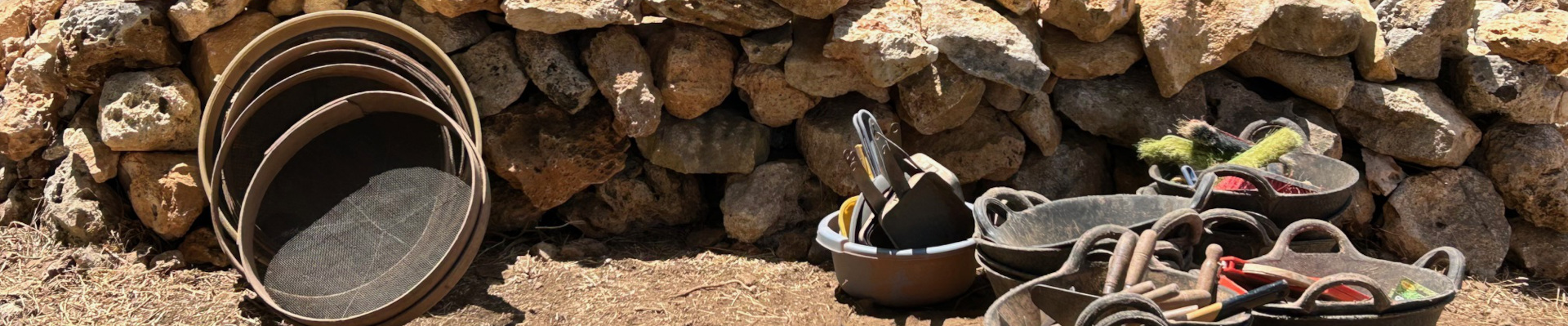
image of sifters, buckets, and other tools on the Menorca Archaeological Project

2025 UPDATES FROM THE FIELD

It is a busy and exciting time of year for many ASOR-affiliated projects. Below are some links to updates and stories from the field on social media. Click to read the latest edge-of-the-trowel news from the field. Survey, excavation, processing artifacts, conservation, visiting other sites, talking to the public, hosting outreach events—these accounts offer a slice-of-life picture of archaeology in action.

Photo from Aayush Umesh in Tall Hisban
Aayush Umesh, 2025 Eric and Carol Meyers fieldwork scholarship recipient, and team members excavating at Tall Hisban, Jordan.

Projects with Upcoming Fieldwork

Stay tuned from more news from students and researchers later this summer and fall both on the ASOR website and social media.

If you’d like to include updates from your ASOR-affiliated project on this list, email Marta Ostovich at programs@asor.org.

Interested in affiliating your project with ASOR? Learn more here.  

Fieldwork Report: Lonnie Reid

Banner photo for Lonnie Reid.

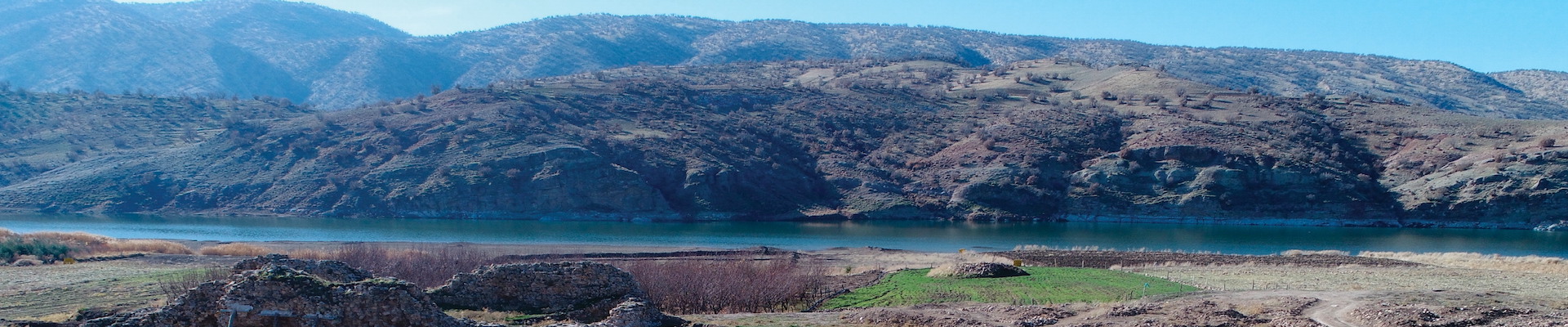
Magnetometry in the Erbil Plain

Lonnie Reid, 2024 Fieldwork Scholarship Recipient. 

My name is Lonnie Reid and thanks to ASOR’s scholarship, I had the opportunity to go to the Kurdistan Region of Iraq as a part of the Rural Landscapes of Iron Age Mesopotamia Project (RLIIM), run by Dr. Petra Creamer. For my report, instead focusing just on a specific trench, as we had multiple open this season, I will talk mainly about our main survey method, magnetometry.

But before we jump in, Qach Rresh is a Neo-Assyrian site in the Erbil plain that appears to be a transition center for goods going in and out of the major nearby city. Due to this, there are items of everyday transport on site such as pottery and arrowheads, and some things that you wouldn’t see everyday, but that’s a topic for another time.

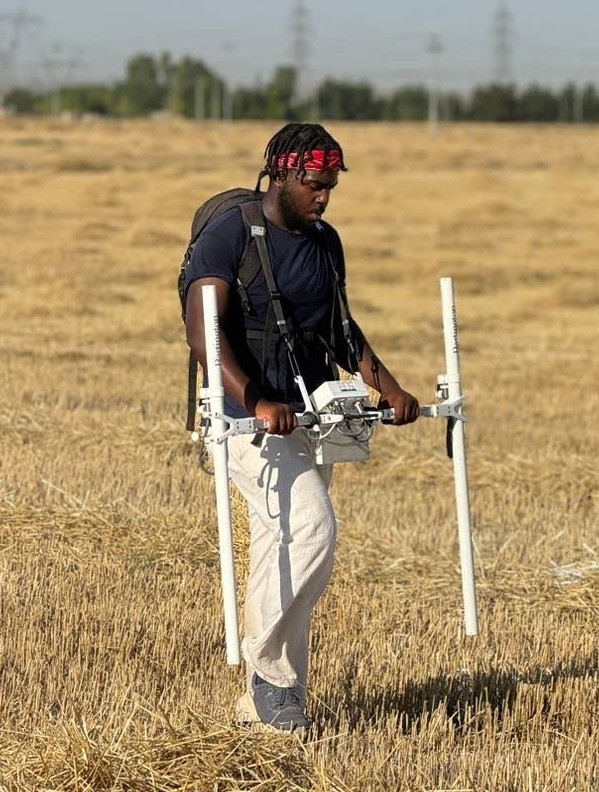
A magnetometer is a survey device that senses the slight magnetic changes in the atmosphere using the poles on either side of the device. The poles sense magnetic fields for about a meter in every direction. The device is so sensitive that the person operating it cannot wear any amount of magnetic clothing or have electronic devices on them. So sadly, while we were marching up and down rows of wheat for an hour or two at a time, we couldn’t have music or a podcast going.

A magnetometer works by taking a reading of the magnetic field every second. So to keep the readings from overlapping, we would have to walk at a constant pace of a meter per second, up and down a tape measure grid, so that we would know we are walking straight and at pace at all times. Funnily enough, the technology for magnetometers has remained fairly consistent over the years, meaning it’s old, so there’s a bit of manual adjusting we had to do before every use. The poles that measure magnetism can come off for easier transportation, meaning that we had to level them before each use to make sure that the poles were reading at the same height. Also to make sure the readings are stable, we had to hold the magnetometer out in front of us, which was also just as draining as walking. It appears light as parts are made of PVC material, but I promise, balancing those sensors on the sides is no joke.

Photo of Lonnie Reid operating a magnetometer.

The magnetometry team was always comprised of three people, one person holding the device and walking, and the other two would set up and move the grid system, so that as soon as one twenty by twenty square block was done, another could immediately start. I think the record for the most blocks done in a day was 16. Once you get into a groove, it’s pretty zen. But as I mentioned before, the lack of music does make it a long endeavor.

But why is magnetometry important? It’s a non-destructive survey method that allows archaeologists to plan out where they want to set up trenches, without needing to make an initial trench. This allows for areas with potential interest to be found sooner than just by choosing a spot based on the topsoil or by location near previous trenches.

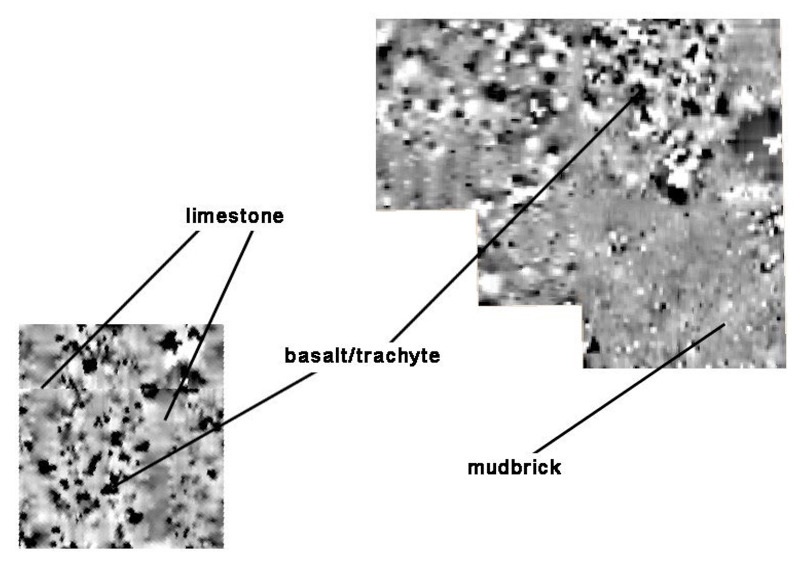
Magnetometer reading of limestone, basalt/trachyte, and mud brick.

Finally, I mentioned that the magnetometer has not really had a technological update in a few decades, so how do we process the data? Well the magnetometer itself does not know where it is within space, so that’s why we have to time out our steps at a meter per second. The machine does know that we walk up and down a grid in a zigzag pattern and whichever direction we face to begin with, must be the same direction for all of the squares to keep the data consistent. When uploading the raw data to the computer, it comes out as pixels, some shade of grey between black and white. The more white an area is, the more magnetic it is and the darker an area is, the less magnetic it is. Different types of stones and other materials will have their own magnetic signature. For example, basalt shows up black as it has little magnetism, whereas limestone is a medium gray, but mudbrick appears white. So eventually, you get a magnetic map of the area that shows where potential buildings used to lie due to the magnetic presence of the building materials.

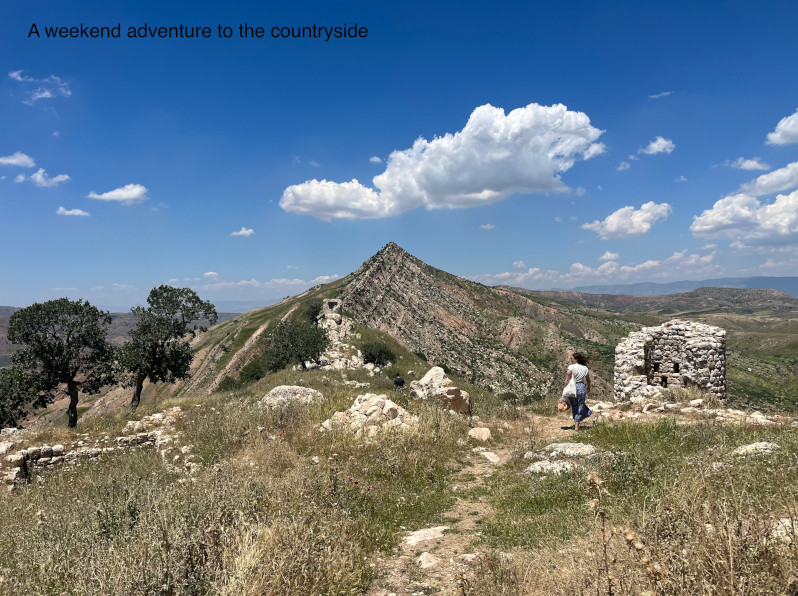
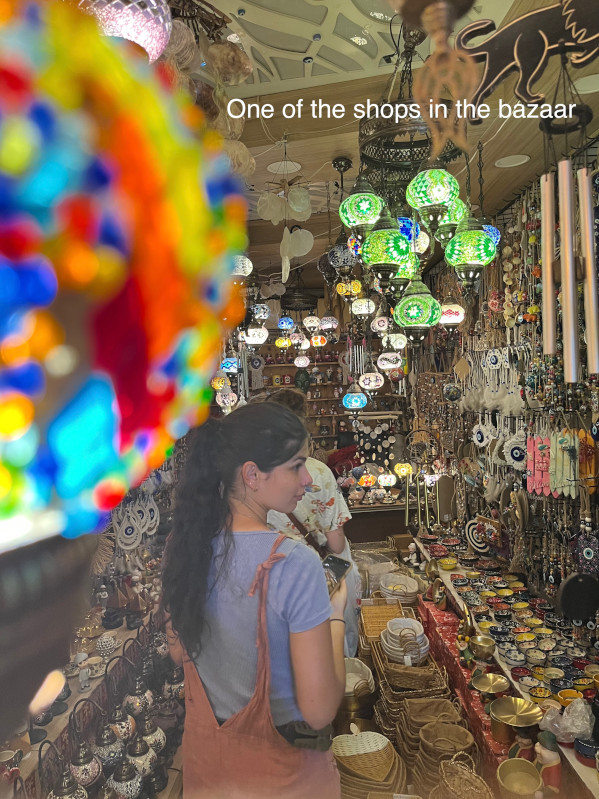
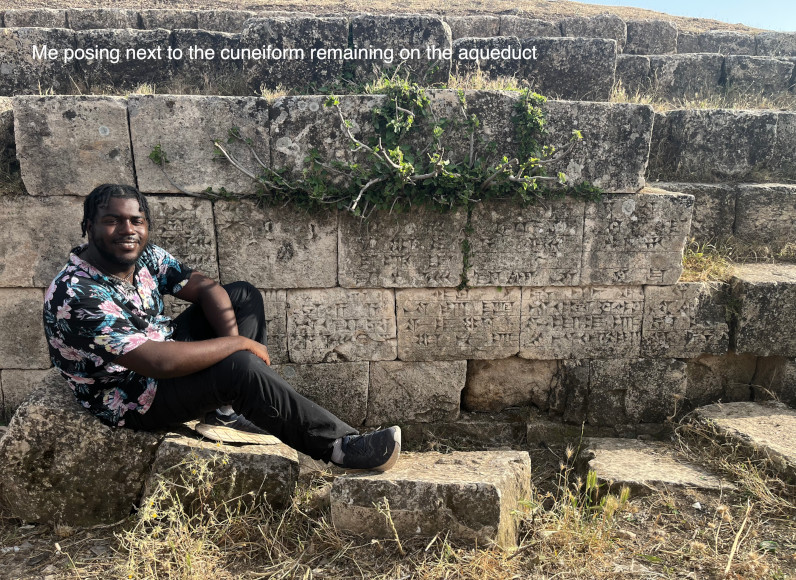
Magnetometry might have been the most intensive yet fun part of my fieldwork this past summer. But the trip wasn’t just all digging and marching. On the weekends we would make day trips to other archaeological sites in the greater Erbil area, and mingle with some of the locals and friends of the project. Our adventures included visiting Shanidar Cave, the bazaar, and a still standing aqueduct in Jerwan.

A shop in the bazaar.
Photo of Lonnie Reid sitting next to cuneiform remains on the aqueduct.

Lonnie Reid is a recent graduate of Emory University who studied math and art history. Currently a high school math teacher at Rabun Gap-Nacoochee School, Lonnie enjoys using both sides of his brain, and hopes to be able to discover more in the field for years to come.

Want to help more students and early career archaeologists get into the field? Donate to the cause today by selecting “Fieldwork Scholarships” as your gift purpose!

Thank You Fiscal Year 2025 Donors

Banner Image for Dominique Langis-Barsetti Post

Thank You Fiscal Year 2025 Donors

We did it (once again)!

This fiscal year (July 1, 2024–June 30, 2025) was a resounding success for ASOR. The reason? You, our members and donors!

While participation has always been high with ASOR members, the percentage of members who have donated $5 or more above their membership dues sharply increased during the past two years. This is in part thanks to a new membership module that makes it easier to include a “add-on” gift or credit card fee contribution when making any ASOR purchase. Because membership dues and subscription fees account for only about 25% of ASOR’s annual revenue, these additional gifts are transformative.

This year, a record 924 people made a gift of $5 or more! Another 211 people made a gift of less than $5 (primarily donations to help with credit card fees), making for a total of 1135 donors. Moreover, the total of all donations in FY 2025 was more than $500,000. Please click on the FY 2025 Honor Roll of Donors to see a list of people who gave at all levels. We are in the process of updating the Lifetime Honor Roll of Donors, so please check it now (and next month) to see the amazing list of lifetime supporters. We are updating and checking these lists, so please contact us with any corrections or comments (info@asor.org).

Benefactor ($20k+) – 8
Patron ($10,000–19,999) – 8
Friend ($5,000–9,999) – 12
Sponsor ($1,000–4,999) – 33
Sustainer ($500–999) – 27
Supporter ($250–499) – 34
Contributor ($100–249) – 196
Donor ($25–99.99) – 107
Ally ($5–24.99) – 499
Gifts under $5 – 211

Donor Participation Since 2016

0 200 400 600 800 1000
405
402
457
461
377
509
363
456
905
924
FY16 FY17 FY18 FY19 FY20 FY21 FY22 FY23 FY24 FY25

Number of Donors

Why does high donor participation matter?

Nearly half of ASOR’s membership contributed this year—an achievement that sets ASOR apart from nearly every other learned society. Moreover, the high level of donor participation from our membership is viewed positively by foundations and major donors outside ASOR and helps ASOR attract support from them.

Your donations also enable ASOR to carry out our mission. Subscriptions and memberships only account for about a quarter of our annual budget, so we rely on grants and donations from our members and friends. Every contribution, no matter the size, helps sustain our work. Thank you again for your support. Truly, every donor is important, and every gift is meaningful.


Fiscal Year 2025 Honor Roll

ASOR Legacy Circle Members

OTHER WAYS TO DONATE

DONATE BY PHONEDONATE BY MAILMAKE A PLEDGE
(DONATE LATER)
Call ASOR:
(703) 789-9229
ASOR
209 Commerce Street
Alexandria, VA 22314
E-mail ASOR