A Reflection on 3 Years of Occupation by ISIL

[vc_row fullwidth=”true” attached=”true” css=”.vc_custom_1496247803139{padding-top: 0px !important;padding-right: 0px !important;padding-bottom: 0px !important;padding-left: 0px !important;}”][vc_column][mk_image src=”http://www.asor.org/wp-content/uploads/2017/11/DGC_0036.jpg” image_width=”1920″ image_height=”400″ hover=”false” margin_bottom=”0″][/vc_column][/vc_row][vc_row fullwidth=”true” css=”.vc_custom_1496682730308{padding-top: 10px !important;padding-right: 0px !important;padding-bottom: 0px !important;padding-left: 0px !important;}”][vc_column width=”1/12″ css=”.vc_custom_1496683820796{margin-right: 10px !important;}” offset=”vc_hidden-md vc_hidden-sm vc_hidden-xs”][vc_column_text]

 SHARE

[/vc_column_text][mk_image src=”http://www.asortest.org/wp-content/uploads/2017/01/social-fb-icon4.jpg” image_width=”42″ image_height=”42″ hover=”false” custom_url=”https://www.facebook.com/ASOResearch/” margin_bottom=”0″][mk_image src=”http://www.asortest.org/wp-content/uploads/2017/01/social-tw-icon4.jpg” image_width=”42″ image_height=”42″ hover=”false” custom_url=”https://twitter.com/ASOResearch?ref_src=twsrc%5Egoogle%7Ctwcamp%5Eserp%7Ctwgr%5Eauthor” margin_bottom=”0″][mk_image src=”http://www.asortest.org/wp-content/uploads/2017/01/social-in-icon4.jpg” image_width=”42″ image_height=”42″ hover=”false” custom_url=”https://www.linkedin.com/company/american-schools-of-oriental-research” margin_bottom=”0″][mk_image src=”http://www.asortest.org/wp-content/uploads/2017/01/social-ml-icon_7.jpg” image_width=”42″ image_height=”42″ hover=”false” custom_url=”mailto:asor@bu.edu” margin_bottom=”0″][mk_image src=”http://www.asortest.org/wp-content/uploads/2017/01/blog-icon3.jpg” image_width=”42″ image_height=”42″ hover=”false” custom_url=”http://asorblog.org/” margin_bottom=”0″][/vc_column][vc_column border_color=”rgba(255,255,255,0.01)” width=”1/6″ css=”.vc_custom_1496683923840{margin-right: 20px !important;border-left-width: 2px !important;padding-right: 20px !important;padding-left: 20px !important;border-left-color: #99422f !important;}”][mk_divider divider_color=”rgba(255,255,255,0.01)” thickness=”1″ margin_top=”3″ margin_bottom=”3″][vc_column_text]

ASOR BLOG

NEWS@ASOR

ANCIENT NEAR EAST TODAY

PAST ASOR NEWS, MONTH BY MONTH

FY16 HONOR ROLL OF DONORS

ASOR ANNUAL MEETING

[/vc_column_text][/vc_column][vc_column border_color=”rgba(170,170,170,0.01)” width=”1/2″ css=”.vc_custom_1487276122024{margin-right: 10px !important;margin-bottom: 30px !important;border-right-width: 2px !important;border-bottom-width: 2px !important;padding-top: 30px !important;padding-right: 30px !important;padding-left: 20px !important;background-color: #ffffff !important;border-right-color: rgba(227,228,228,0.75) !important;border-bottom-color: rgba(227,228,228,0.75) !important;}”][vc_column_text responsive_align=”left”]

A REFLECTION ON THREE YEARS OF OCCUPATION BY ISIL

By Dr. Ali. Y. Aljuboori
Dean of the College of Archaeology, Mosul University
Sr. Cultural Heritage Adviser, ASOR CHI
June 10. 2017
[/vc_column_text][vc_column_text]I am writing this article on June 10, 2017. Exactly three years ago, Mosul fell into the hands of ISIL.

On June 10, 2014, Mosul University was in the middle of final exams. At noon, the University ordered everyone to go home before the army and police began to enforce a curfew. At that time we heard that ISIL had entered western Mosul. By midnight they controlled the mayor’s office, the central bank, and all of the other major government buildings.

Over the course of the next morning, I saw many people leaving, including soldiers from the local military base who had thrown off their military uniforms and equipment in order to blend in with civilians. I told my son to flee with his wife and two children. My wife and I stayed behind.

At first, ISIL did not change much. Then, around a month after the conquest, they began to impose Shari’a law. ISIL treated different faiths in different ways. Sunni Muslims had to pay new Islamic taxes while Shi’a Muslims were killed. Other religious groups had three choices: convert to Islam, pay special taxes, or be killed. Every Friday at noon ISIL held public executions by decapitation or hanging as punishment for any resistance or disorder. In this cruel way, they controlled the people of Mosul.[/vc_column_text][mk_image src=”http://www.asor.org/wp-content/uploads/2017/07/ali-juboori-map-destruction2.jpg” image_width=”800″ image_height=”534″ hover=”false”][vc_column_text]

Density of Cultural Heritage Sites in Nineveh Province (Susan Penacho, ASOR CHI)

[/vc_column_text][vc_column_text]

Under ISIL, education and culture in Mosul and Nineveh Province suffered terribly. Shortly after they took over, ISIL began to blow up mosques, churches, and Yezidi shrines. This included Nebi Yunus Mosque, which they destroyed with explosives in July 2014.

[/vc_column_text][vc_column_text]In 2015 they started to erase our ancient heritage. In addition to the destruction of the Neo-Assyrian palace at Nimrud, they demolished the Nergal, Adad, and Mashki gates in the city wall of Nineveh as well as looted and smashed the collections of the Mosul Museum. They also started to dig tunnels into the mound below Nebi Yunus Mosque, which contained the remains of a Neo-Assyrian palace. In these tunnels they discovered inscribed stone reliefs of the Neo-Assyrian king Esarhaddon, a relief depicting a series of ladies, bull colossi, and other small finds from the Neo-Assyrian period.[/vc_column_text][mk_image src=”http://www.asor.org/wp-content/uploads/2017/07/ali-juboori-ratio-destruction2.jpg” image_width=”960″ image_height=”540″ hover=”false” margin_bottom=”5″][vc_column_text]

Ratio of Intentional Destruction of Cultural Heritage in Iraq and Syria (Susan Penacho, ASOR CHI)

[/vc_column_text][vc_column_text]ISIL also attempted to eliminate access to any knowledge that they considered un-Islamic. Schools and universities remained closed after the conquest. They burned the collections of the Public Library of Mosul and the Central Library of Mosul University.[/vc_column_text][mk_image src=”http://www.asor.org/wp-content/uploads/2017/07/ali-juboori-map-destruction-1.jpg” image_width=”919″ image_height=”652″ hover=”false” margin_bottom=”5″][vc_column_text]

Damage to Cultural Heritage Sites in Mosul (Susan Penacho, ASOR CHI)

[/vc_column_text][vc_column_text]However, knowledge persevered. Many teachers and professors fled to Dohuk, Erbil, and Kirkuk. Once there, they began to teach again. By October 2014, Mosul University had secondary locations in Dohuk and Kirkuk so that students could continue to learn.

Since January 15, eastern Mosul has been free from ISIL control. Life is beginning to gradually flourish once again. In February, the University of Mosul began classes for those who live in eastern Mosul. By July 1, all staff and faculty in the territory of the Kurdistan Regional Government will be back in Mosul and the secondary locations of Mosul University will be closed. The University intends to begin regular classes in October.

I have lived through many violent events in Iraq’s history. The destruction of the ancient and modern cultural heritage in Nineveh Province was an astonishing and sad moment that is impossible for me to describe. Now that ISIL is gone, my colleagues and I will do our best to restore what our nation has lost.

Editorial Comment: Dr. Ali Aljuboori is the Dean of the College of Archaeology of Mosul University and acts as a Senior Cultural Heritage Adviser for Iraq with ASOR CHI. Dr. Aljuboori is currently coordinating an ASOR CHI digital preservation initiative in the Mosul area to preserve textual collections. The project, funded by the Whiting Foundation, brings together the Hill Museum and Manuscript Library (HMML) and the Centre Numérique des Manuscrits Orientaux (CNMO) to preserve thousands of years of writing, Dr. Aljuboori is an expert in the ancient languages of Iraq and has most recently published the first Arabic-Sumerian dictionary.[/vc_column_text][vc_column_text]
Additional Images of Mosul and Surrounding Areas

[/vc_column_text][mk_image_slideshow images=”31270,31276,31277,31273,31271,31272,31280,31281″ image_width=”600″ image_height=”400″][/vc_column][vc_column border_color=”rgba(170,170,170,0.01)” width=”1/6″ css=”.vc_custom_1496684098866{margin-right: 5px !important;margin-bottom: 20px !important;border-right-width: 2px !important;border-bottom-width: 2px !important;padding-top: 30px !important;padding-right: 10px !important;padding-left: 10px !important;background-color: #ffffff !important;border-right-color: rgba(227,228,228,0.75) !important;border-bottom-color: rgba(227,228,228,0.75) !important;}”][vc_wp_posts title=”BROWSE THE NEWS ARCHIVE” number=”4″][/vc_column][vc_column border_color=”rgba(170,170,170,0.01)” width=”1/6″ css=”.vc_custom_1496684008271{margin-right: 10px !important;margin-bottom: 30px !important;border-right-width: 2px !important;border-bottom-width: 2px !important;padding-top: 30px !important;padding-right: 20px !important;padding-left: 20px !important;background-color: #ffffff !important;border-right-color: rgba(227,228,228,0.75) !important;border-bottom-color: rgba(227,228,228,0.75) !important;}”][vc_column_text] [/vc_column_text][/vc_column][/vc_row]

Letter from the ASOR President Regarding Proposed Federal Budget

[vc_row fullwidth=”true” attached=”true” css=”.vc_custom_1496247803139{padding-top: 0px !important;padding-right: 0px !important;padding-bottom: 0px !important;padding-left: 0px !important;}”][vc_column][mk_image src=”http://www.asortest.org/wp-content/uploads/2017/06/103InteriorStadium2ndcCEPerge.JPG.jpg” image_width=”1920″ image_height=”600″ crop=”false” hover=”false” margin_bottom=”0″][/vc_column][/vc_row][vc_row fullwidth=”true” css=”.vc_custom_1496682730308{padding-top: 10px !important;padding-right: 0px !important;padding-bottom: 0px !important;padding-left: 0px !important;}”][vc_column width=”1/12″ css=”.vc_custom_1496683820796{margin-right: 10px !important;}” offset=”vc_hidden-md vc_hidden-sm vc_hidden-xs”][vc_column_text]

 SHARE

[/vc_column_text][mk_image src=”http://www.asortest.org/wp-content/uploads/2017/01/social-fb-icon4.jpg” image_width=”42″ image_height=”42″ hover=”false” custom_url=”https://www.facebook.com/ASOResearch/” margin_bottom=”0″][mk_image src=”http://www.asortest.org/wp-content/uploads/2017/01/social-tw-icon4.jpg” image_width=”42″ image_height=”42″ hover=”false” custom_url=”https://twitter.com/ASOResearch?ref_src=twsrc%5Egoogle%7Ctwcamp%5Eserp%7Ctwgr%5Eauthor” margin_bottom=”0″][mk_image src=”http://www.asortest.org/wp-content/uploads/2017/01/social-in-icon4.jpg” image_width=”42″ image_height=”42″ hover=”false” custom_url=”https://www.linkedin.com/company/american-schools-of-oriental-research” margin_bottom=”0″][mk_image src=”http://www.asortest.org/wp-content/uploads/2017/01/social-ml-icon_7.jpg” image_width=”42″ image_height=”42″ hover=”false” custom_url=”mailto:asor@bu.edu” margin_bottom=”0″][mk_image src=”http://www.asortest.org/wp-content/uploads/2017/01/blog-icon3.jpg” image_width=”42″ image_height=”42″ hover=”false” custom_url=”http://asorblog.org/” margin_bottom=”0″][/vc_column][vc_column border_color=”rgba(255,255,255,0.01)” width=”1/6″ css=”.vc_custom_1496683923840{margin-right: 20px !important;border-left-width: 2px !important;padding-right: 20px !important;padding-left: 20px !important;border-left-color: #99422f !important;}”][mk_divider divider_color=”rgba(255,255,255,0.01)” thickness=”1″ margin_top=”3″ margin_bottom=”3″][vc_column_text]

ASOR BLOG

NEWS@ASOR E-NEWSLETTER

ANCIENT NEAR EAST TODAY E-NEWSLETTER

PAST ASOR NEWS, MONTH BY MONTH

FY16 HONOR ROLL OF DONORS

ASOR ANNUAL MEETING

[/vc_column_text][/vc_column][vc_column border_color=”rgba(170,170,170,0.01)” width=”1/2″ css=”.vc_custom_1487276122024{margin-right: 10px !important;margin-bottom: 30px !important;border-right-width: 2px !important;border-bottom-width: 2px !important;padding-top: 30px !important;padding-right: 30px !important;padding-left: 20px !important;background-color: #ffffff !important;border-right-color: rgba(227,228,228,0.75) !important;border-bottom-color: rgba(227,228,228,0.75) !important;}”][vc_column_text responsive_align=”left”]

LETTER FROM THE ASOR PRESIDENT REGARDING PROPOSED FEDERAL BUDGET

Dear ASOR Colleagues,

As is well known, US President Donald Trump released his proposed federal

budget on Thursday, March 16. As is also well known, this budget recommends the elimination of several federal agencies whose support has benefitted ASOR as an organization, as well as benefitting many, many ASOR members.

These agencies include the National Endowment for the Humanities (NEH), which has been committed to fostering ASOR’s work of scholarly and personal engagement in the Near Eastern and Mediterranean worlds as part of the NEH’s larger mission of supporting research, education, preservation, and public programs in the humanities and in those social sciences that use humanistic methods. They also include the National Endowment for the Arts and the Institute of Museum and Library Services, both of which have sustained ASOR members in their work by supporting museum exhibitions, care of collections, conservation, community engagement, and education activities.

The proposed budget also recommends significant cuts in funding for the Department of Education’s International Education Programs, which include the Fulbright-Hays and Title VI programs that help support language and area studies and American Overseas Research Centers. Among these centers are ASOR’s affiliated Overseas Research Centers, the W. F. Albright Institute of Archaeological Research (AIAR) in Jerusalem, the American Center of Oriental Research (ACOR) in Amman, Jordan, and the Cyprus American Archaeological Research Institute (CAARI) in Nicosia, Cyprus.

The 28% budget cut proposed for the Department of State in addition would result in reduced funding for educational and cultural exchange programs overseen by the State Department’s Bureau of Educational and Cultural Affairs and in reduced funding for U.S. economic and development aid. In many cases, this economic and development aid supports projects in countries where ASOR members work and even, in the case of the USAID “Sustainable Cultural Heritage through Engagement of Local Communities Project” (SCHEP), a project that ACOR, ASOR’s affiliated Overseas Research in Amman, administers.

Clearly, for ASOR and for our members, much is at stake. Yet as our friends at the National Humanities Alliance remind us, “The administration’s budget blueprint is fundamentally advisory. The House and Senate will now begin their own budget and appropriations processes, starting with their own budget resolutions.” What is required of us, therefore, is to let members of Congress know that the Trump budget proposals cited above do not have our support.

ASOR thus joins with many of our sister organizations in urging our United States members to contact their representatives in Congress as soon as possible to register strong objections to the massive cuts to funding for the NEH; for museums; for foreign language education; for educational and cultural exchange programs; for economic and development aid; and for social science research.

To contact members of Congress, you can use one of these two options.

1. Make a phone call. All members of Congress can be reached through the US Capitol switchboard at 202-224-3121.

2. Write a message. The National Humanities Alliance has made this easy: ASOR’s US members should click here to send emails to their congressional delegations.

Many thanks in advance for your support in this important advocacy effort and, as always, all my thanks for everything else you all do to support ASOR.

Susan Ackerman
ASOR President[/vc_column_text][/vc_column][vc_column border_color=”rgba(170,170,170,0.01)” width=”1/6″ css=”.vc_custom_1496684098866{margin-right: 5px !important;margin-bottom: 20px !important;border-right-width: 2px !important;border-bottom-width: 2px !important;padding-top: 30px !important;padding-right: 10px !important;padding-left: 10px !important;background-color: #ffffff !important;border-right-color: rgba(227,228,228,0.75) !important;border-bottom-color: rgba(227,228,228,0.75) !important;}”][vc_wp_posts title=”BROWSE THE NEWS ARCHIVE” number=”4″][/vc_column][vc_column border_color=”rgba(170,170,170,0.01)” width=”1/6″ css=”.vc_custom_1496684008271{margin-right: 10px !important;margin-bottom: 30px !important;border-right-width: 2px !important;border-bottom-width: 2px !important;padding-top: 30px !important;padding-right: 20px !important;padding-left: 20px !important;background-color: #ffffff !important;border-right-color: rgba(227,228,228,0.75) !important;border-bottom-color: rgba(227,228,228,0.75) !important;}”][vc_column_text] [/vc_column_text][/vc_column][/vc_row]

Joint Statement of ASOR and Other Learned Societies Regarding the Executive Order on Immigration and Refugees

[vc_row fullwidth=”true” attached=”true” css=”.vc_custom_1496247803139{padding-top: 0px !important;padding-right: 0px !important;padding-bottom: 0px !important;padding-left: 0px !important;}”][vc_column][mk_image src=”http://www.asortest.org/wp-content/uploads/2017/06/103InteriorStadium2ndcCEPerge.JPG.jpg” image_width=”1920″ image_height=”600″ crop=”false” hover=”false” margin_bottom=”0″][/vc_column][/vc_row][vc_row fullwidth=”true” css=”.vc_custom_1496682730308{padding-top: 10px !important;padding-right: 0px !important;padding-bottom: 0px !important;padding-left: 0px !important;}”][vc_column width=”1/12″ css=”.vc_custom_1496683820796{margin-right: 10px !important;}” offset=”vc_hidden-md vc_hidden-sm vc_hidden-xs”][vc_column_text]

 SHARE

[/vc_column_text][mk_image src=”http://www.asortest.org/wp-content/uploads/2017/01/social-fb-icon4.jpg” image_width=”42″ image_height=”42″ hover=”false” custom_url=”https://www.facebook.com/ASOResearch/” margin_bottom=”0″][mk_image src=”http://www.asortest.org/wp-content/uploads/2017/01/social-tw-icon4.jpg” image_width=”42″ image_height=”42″ hover=”false” custom_url=”https://twitter.com/ASOResearch?ref_src=twsrc%5Egoogle%7Ctwcamp%5Eserp%7Ctwgr%5Eauthor” margin_bottom=”0″][mk_image src=”http://www.asortest.org/wp-content/uploads/2017/01/social-in-icon4.jpg” image_width=”42″ image_height=”42″ hover=”false” custom_url=”https://www.linkedin.com/company/american-schools-of-oriental-research” margin_bottom=”0″][mk_image src=”http://www.asortest.org/wp-content/uploads/2017/01/social-ml-icon_7.jpg” image_width=”42″ image_height=”42″ hover=”false” custom_url=”mailto:asor@bu.edu” margin_bottom=”0″][mk_image src=”http://www.asortest.org/wp-content/uploads/2017/01/blog-icon3.jpg” image_width=”42″ image_height=”42″ hover=”false” custom_url=”http://asorblog.org/” margin_bottom=”0″][/vc_column][vc_column border_color=”rgba(255,255,255,0.01)” width=”1/6″ css=”.vc_custom_1496683923840{margin-right: 20px !important;border-left-width: 2px !important;padding-right: 20px !important;padding-left: 20px !important;border-left-color: #99422f !important;}”][mk_divider divider_color=”rgba(255,255,255,0.01)” thickness=”1″ margin_top=”3″ margin_bottom=”3″][vc_column_text]

ASOR BLOG

NEWS@ASOR E-NEWSLETTER

ANCIENT NEAR EAST TODAY E-NEWSLETTER

PAST ASOR NEWS, MONTH BY MONTH

FY16 HONOR ROLL OF DONORS

ASOR ANNUAL MEETING

[/vc_column_text][/vc_column][vc_column border_color=”rgba(170,170,170,0.01)” width=”1/2″ css=”.vc_custom_1487276122024{margin-right: 10px !important;margin-bottom: 30px !important;border-right-width: 2px !important;border-bottom-width: 2px !important;padding-top: 30px !important;padding-right: 30px !important;padding-left: 20px !important;background-color: #ffffff !important;border-right-color: rgba(227,228,228,0.75) !important;border-bottom-color: rgba(227,228,228,0.75) !important;}”][vc_column_text responsive_align=”left”]

JOINT STATEMENT OF ASOR AND OTHER LEARNED SOCIETIES REGARDING THE EXECUTIVE ORDER ON IMMIGRATION AND REFUGEES

We, the undersigned, represent learned societies whose members include archaeologists, anthropologists, historians, linguists, and cultural heritage specialists, as well as public members whose professional expertise lies in other domains. On behalf of these societies and our members, we write to voice our opposition to the US Executive Order, “Protecting the Nation From Foreign Terrorist Entry Into the United States,” issued on January 27, 2017. This Executive Order, among other things, suspends the entry of immigrant and nonimmigrant citizens of Iran, Iraq, Libya, Somalia, Sudan, Syria, and Yemen into the United States for at least ninety days. The Executive Order also indicates that additional countries may be recommended for similar treatment.

Many of our organizations count among their members individuals who come from countries affected by, or potentially affected by, this Executive Order. Our members across the globe, moreover, have innumerable friends and colleagues in these countries. Our societies want only the warmest and most heartfelt hospitality to be extended to these friends and colleagues when they come to the United States, just as our organizations’ US members, and members elsewhere, have been extended warm and heartfelt hospitality in their time in the countries in question.

We are thus profoundly concerned by policies that might undermine our friendships and collegial relationships. Indeed, and to the contrary, we emphatically and unreservedly affirm that among our core values is the conviction that personal and cultural engagement and exchanges among all of our organizations’ members and affiliates — including members, colleagues, and friends in the United States and members, colleagues, and friends in the countries affected by the Executive Order — are of inestimable benefit in promoting peaceful relations in our often troubled world.

Moreover, we affirm our unwavering conviction that the worldwide community of archaeologists, anthropologists, historians, linguists, and cultural heritage specialists who work together in countries such as Iran, Iraq, Libya, Somalia, Sudan, Syria, and Yemen are among those global ambassadors best able to promote understanding, mutual respect, and relationships of true well-being among our many nations.

In short, we assert that security and safety for all concerned can flow from the alliances and goodwill that our members and affiliates have cultivated in our many years of working together as friends and colleagues throughout the world. We seek policies that, instead of setting the United States at odds with whole citizenries in the Middle East and Africa, will foster among these nations the partnerships and collaborations that we hold so dear, and we thus add our voices to the many others urging the US government to articulate policies consistent with these values.

Susan Ackerman
President, American Schools of Oriental Research (ASOR)

Diane Gifford-Gonzalez
President, Society for American Archaeology (SAA)

Sharon Herbert
President, W. F. Albright Institute for Archaeological Research (AIAR)

Jodi Magness
President, Archaeological Institute of America (AIA)

Jenifer Neils
Chair of the Managing Committee, American School of Classical Studies at Athens (ASCSA)

Alisse Waterston
President, American Anthropological Association (AAA)[/vc_column_text][/vc_column][vc_column border_color=”rgba(170,170,170,0.01)” width=”1/6″ css=”.vc_custom_1496684098866{margin-right: 5px !important;margin-bottom: 20px !important;border-right-width: 2px !important;border-bottom-width: 2px !important;padding-top: 30px !important;padding-right: 10px !important;padding-left: 10px !important;background-color: #ffffff !important;border-right-color: rgba(227,228,228,0.75) !important;border-bottom-color: rgba(227,228,228,0.75) !important;}”][vc_wp_posts title=”BROWSE THE NEWS ARCHIVE” number=”4″][/vc_column][vc_column border_color=”rgba(170,170,170,0.01)” width=”1/6″ css=”.vc_custom_1496684008271{margin-right: 10px !important;margin-bottom: 30px !important;border-right-width: 2px !important;border-bottom-width: 2px !important;padding-top: 30px !important;padding-right: 20px !important;padding-left: 20px !important;background-color: #ffffff !important;border-right-color: rgba(227,228,228,0.75) !important;border-bottom-color: rgba(227,228,228,0.75) !important;}”][vc_column_text] [/vc_column_text][/vc_column][/vc_row]

Special Notice Regarding US Travel Restrictions

[vc_row fullwidth=”true” attached=”true” css=”.vc_custom_1496247803139{padding-top: 0px !important;padding-right: 0px !important;padding-bottom: 0px !important;padding-left: 0px !important;}”][vc_column][mk_image src=”http://www.asortest.org/wp-content/uploads/2017/06/103InteriorStadium2ndcCEPerge.JPG.jpg” image_width=”1920″ image_height=”600″ crop=”false” hover=”false” margin_bottom=”0″][/vc_column][/vc_row][vc_row fullwidth=”true” css=”.vc_custom_1496682730308{padding-top: 10px !important;padding-right: 0px !important;padding-bottom: 0px !important;padding-left: 0px !important;}”][vc_column width=”1/12″ css=”.vc_custom_1496683820796{margin-right: 10px !important;}” offset=”vc_hidden-md vc_hidden-sm vc_hidden-xs”][vc_column_text]

 SHARE

[/vc_column_text][mk_image src=”http://www.asortest.org/wp-content/uploads/2017/01/social-fb-icon4.jpg” image_width=”42″ image_height=”42″ hover=”false” custom_url=”https://www.facebook.com/ASOResearch/” margin_bottom=”0″][mk_image src=”http://www.asortest.org/wp-content/uploads/2017/01/social-tw-icon4.jpg” image_width=”42″ image_height=”42″ hover=”false” custom_url=”https://twitter.com/ASOResearch?ref_src=twsrc%5Egoogle%7Ctwcamp%5Eserp%7Ctwgr%5Eauthor” margin_bottom=”0″][mk_image src=”http://www.asortest.org/wp-content/uploads/2017/01/social-in-icon4.jpg” image_width=”42″ image_height=”42″ hover=”false” custom_url=”https://www.linkedin.com/company/american-schools-of-oriental-research” margin_bottom=”0″][mk_image src=”http://www.asortest.org/wp-content/uploads/2017/01/social-ml-icon_7.jpg” image_width=”42″ image_height=”42″ hover=”false” custom_url=”mailto:asor@bu.edu” margin_bottom=”0″][mk_image src=”http://www.asortest.org/wp-content/uploads/2017/01/blog-icon3.jpg” image_width=”42″ image_height=”42″ hover=”false” custom_url=”http://asorblog.org/” margin_bottom=”0″][/vc_column][vc_column border_color=”rgba(255,255,255,0.01)” width=”1/6″ css=”.vc_custom_1496683923840{margin-right: 20px !important;border-left-width: 2px !important;padding-right: 20px !important;padding-left: 20px !important;border-left-color: #99422f !important;}”][mk_divider divider_color=”rgba(255,255,255,0.01)” thickness=”1″ margin_top=”3″ margin_bottom=”3″][vc_column_text]

ASOR BLOG

NEWS@ASOR E-NEWSLETTER

ANCIENT NEAR EAST TODAY E-NEWSLETTER

PAST ASOR NEWS, MONTH BY MONTH

FY16 HONOR ROLL OF DONORS

ASOR ANNUAL MEETING

[/vc_column_text][/vc_column][vc_column border_color=”rgba(170,170,170,0.01)” width=”1/2″ css=”.vc_custom_1487276122024{margin-right: 10px !important;margin-bottom: 30px !important;border-right-width: 2px !important;border-bottom-width: 2px !important;padding-top: 30px !important;padding-right: 30px !important;padding-left: 20px !important;background-color: #ffffff !important;border-right-color: rgba(227,228,228,0.75) !important;border-bottom-color: rgba(227,228,228,0.75) !important;}”][vc_column_text responsive_align=”left”]

SPECIAL NOTICE REGARDING US TRAVEL RESTRICTIONS

ASOR understands that US travel restrictions recently imposed on immigrant and non-immigrant citizens of Iran, Iraq, Libya, Somalia, Sudan, Syria and Yemen may still be in place in November and that these restrictions may be expanded to other countries in the region, making it impossible for colleagues from these countries to attend the ASOR Annual Meeting.

If you are concerned about registering in advance for the Annual Meeting because of potential travel restrictions, ASOR will work with you to permit registrations at the reduced Early Bird rate closer to the meeting dates. For more information and/or to make a request, please write to Arlene Press (asormtgs@bu.edu).[/vc_column_text][mk_divider divider_color=”#ffffff” margin_bottom=”200″][/vc_column][vc_column border_color=”rgba(170,170,170,0.01)” width=”1/6″ css=”.vc_custom_1496684098866{margin-right: 5px !important;margin-bottom: 20px !important;border-right-width: 2px !important;border-bottom-width: 2px !important;padding-top: 30px !important;padding-right: 10px !important;padding-left: 10px !important;background-color: #ffffff !important;border-right-color: rgba(227,228,228,0.75) !important;border-bottom-color: rgba(227,228,228,0.75) !important;}”][vc_wp_posts title=”BROWSE THE NEWS ARCHIVE” number=”4″][/vc_column][vc_column border_color=”rgba(170,170,170,0.01)” width=”1/6″ css=”.vc_custom_1496684008271{margin-right: 10px !important;margin-bottom: 30px !important;border-right-width: 2px !important;border-bottom-width: 2px !important;padding-top: 30px !important;padding-right: 20px !important;padding-left: 20px !important;background-color: #ffffff !important;border-right-color: rgba(227,228,228,0.75) !important;border-bottom-color: rgba(227,228,228,0.75) !important;}”][vc_column_text] [/vc_column_text][/vc_column][/vc_row]

Report from the November Executive Committee & Board of Trustees Meetings

[vc_row fullwidth=”true” attached=”true” css=”.vc_custom_1496247803139{padding-top: 0px !important;padding-right: 0px !important;padding-bottom: 0px !important;padding-left: 0px !important;}”][vc_column][mk_image src=”http://www.asortest.org/wp-content/uploads/2017/06/103InteriorStadium2ndcCEPerge.JPG.jpg” image_width=”1920″ image_height=”600″ crop=”false” hover=”false” margin_bottom=”0″][/vc_column][/vc_row][vc_row fullwidth=”true” css=”.vc_custom_1496682730308{padding-top: 10px !important;padding-right: 0px !important;padding-bottom: 0px !important;padding-left: 0px !important;}”][vc_column width=”1/12″ css=”.vc_custom_1496683820796{margin-right: 10px !important;}” offset=”vc_hidden-md vc_hidden-sm vc_hidden-xs”][vc_column_text]

 SHARE

[/vc_column_text][mk_image src=”http://www.asortest.org/wp-content/uploads/2017/01/social-fb-icon4.jpg” image_width=”42″ image_height=”42″ hover=”false” custom_url=”https://www.facebook.com/ASOResearch/” margin_bottom=”0″][mk_image src=”http://www.asortest.org/wp-content/uploads/2017/01/social-tw-icon4.jpg” image_width=”42″ image_height=”42″ hover=”false” custom_url=”https://twitter.com/ASOResearch?ref_src=twsrc%5Egoogle%7Ctwcamp%5Eserp%7Ctwgr%5Eauthor” margin_bottom=”0″][mk_image src=”http://www.asortest.org/wp-content/uploads/2017/01/social-in-icon4.jpg” image_width=”42″ image_height=”42″ hover=”false” custom_url=”https://www.linkedin.com/company/american-schools-of-oriental-research” margin_bottom=”0″][mk_image src=”http://www.asortest.org/wp-content/uploads/2017/01/social-ml-icon_7.jpg” image_width=”42″ image_height=”42″ hover=”false” custom_url=”mailto:asor@bu.edu” margin_bottom=”0″][mk_image src=”http://www.asortest.org/wp-content/uploads/2017/01/blog-icon3.jpg” image_width=”42″ image_height=”42″ hover=”false” custom_url=”http://asorblog.org/” margin_bottom=”0″][/vc_column][vc_column border_color=”rgba(255,255,255,0.01)” width=”1/6″ css=”.vc_custom_1496683923840{margin-right: 20px !important;border-left-width: 2px !important;padding-right: 20px !important;padding-left: 20px !important;border-left-color: #99422f !important;}”][mk_divider divider_color=”rgba(255,255,255,0.01)” thickness=”1″ margin_top=”3″ margin_bottom=”3″][vc_column_text]

ASOR BLOG

NEWS@ASOR E-NEWSLETTER

ANCIENT NEAR EAST TODAY E-NEWSLETTER

PAST ASOR NEWS, MONTH BY MONTH

FY16 HONOR ROLL OF DONORS

ASOR ANNUAL MEETING

[/vc_column_text][/vc_column][vc_column border_color=”rgba(170,170,170,0.01)” width=”1/2″ css=”.vc_custom_1487276122024{margin-right: 10px !important;margin-bottom: 30px !important;border-right-width: 2px !important;border-bottom-width: 2px !important;padding-top: 30px !important;padding-right: 30px !important;padding-left: 20px !important;background-color: #ffffff !important;border-right-color: rgba(227,228,228,0.75) !important;border-bottom-color: rgba(227,228,228,0.75) !important;}”][vc_column_text responsive_align=”left”]

REPORT FROM THE NOVEMBER EXECUTIVE COMMITTEE & BOARD OF TRUSTEES MEETINGS

SUSAN ACKERMAN, ASOR PRESIDENT

For ASOR members, the heart and soul of the Annual Meeting is surely its intellectual content: the papers delivered in academic sessions, the “Posters on Parade” presentations, and the conversations fostered in interactive workshops. But a lot of business gets done at the ASOR Annual Meeting as well: all of ASOR’s Standing Committees meet to discuss those aspects of ASOR’s work for which they are responsible, and the ASOR Executive Committee and Board of Trustees meet to engage in discussions and undertake items of business that concern the organization as a whole. Here, I am pleased, on behalf of the Executive Committee and the Board, to present ASOR members with a summary of these two bodies’ San Antonio deliberations.

1. ASOR’s Brand. At its November 2015 meeting, the ASOR Board of Trustees charged the ASOR Strategic Planning Task Force – because the Task Force was already deeply engaged in thinking about ASOR’s work and identity – with working first with a branding consultant and then a web designer to develop a new ASOR website, as well as updated versions of other public presentations of ASOR’s “image” (business cards, stationery, etc.). That Task Force began meeting in January 2016, and its members were very proud to present the initial results of their work to the Board – and, indeed, to the entire ASOR membership – at the 2016 Annual Meeting. Most important, at the Annual Meeting, we debuted our new ASOR logo, and we were deeply gratified by the overwhelmingly positive responses we received.

The Task Force was also able to present to the Board its proposals for a new website design, which the Board unanimously approved. We have a contractor at work building the site now, and we hope to launch it within a couple of months. In the meantime, ASOR members will see a new look for ASOR in other media: on our Facebook page, our Twitter feed, and in our print and electronic publications (including this very issue of News@ASOR!).

2. The Treasurer’s Report. A major item of business for both the Executive Committee and the Board of Trustees at each of its meetings is to hear a report on the financial health of ASOR. The news is very good. ASOR yet again ran a balanced budget for the fiscal year that ended June 30, 2016 (FY 16), just as we have run a balanced budget every year since 2007 (except for the year we sustained a loss due to the 2008-2009 financial crisis). Moreover, we ended FY 16 with a $134,259 surplus. ASOR is also in an excellent financial position in other respects, as the total value of all our financial accounts for FY 16 was $2,300,448. Just three years ago, in FY 13, that total was only $1,776,422.

3. New Governance Policies for ASOR. In addition to its by-laws, which govern the organization as a whole, ASOR has in place numerous policies that address specific governance issues: for example, a Records Retention Policy, a Whistleblower Policy, etc. (see http://www.asor.org/about/facts-figures.html). But guided by our new Board Chair, Richard Coffman, we have come to recognize that several of these policies need to be updated, while other policies need to be developed. The Executive Committee and the Board began this process at their November meetings by approving a new Travel and Entertainment Policy, which defines allowable travel and entertainment expenses for all ASOR employees (whose number has increased in the past couple of years, because of hires we have made in conjunction with our cooperative agreement with the US Department of State to document, protect, and preserve the cultural heritage of Syria and northern Iraq).

The Executive Committee and Board also reviewed an initial draft of a Gift Acceptance Policy for ASOR, which will govern ASOR’s gift solicitation programs and the acceptance of gifts, in order to insure the financial stability of the organization in a manner that is consistent with, and supports, ASOR’s Bylaws, Policies, Policy on Professional Conduct, Mission, Programs, and Strategic Plan. I anticipate that the Board will adopt a final version of this policy at its meetings in April 2017.

4. The ASOR Levantine Ceramics Project. ASOR Board members also had the opportunity in San Antonio to learn more about the Levantine Ceramics Project (LCP) — http://www.levantineceramics.org/ — which is a project run by our colleague Professor Andrea Berlin, currently through Boston University. However, ASOR has now agreed to become the hosting organization for this project. Hosting the LCP is an important way ASOR can further its mission to initiate, encourage, and support research into, and public understanding of, the history and cultures of the Near East and wider Mediterranean. Moreover, hosting the LCP — which is an open, crowdsourced tool — will allow ASOR to expand its outreach to colleagues beyond our current members and so will enhance ASOR’s international visibility and stature. Hosting the LCP also speaks to ASOR’s commitment, articulated in our recently adopted Strategic Plan, to enhance the digital resources we make available to our members and through our outreach efforts.

5. Moving House. In January 2016, Boston University announced that the university planned to sell a block of buildings in Kenmore Square, including the building – 656 Beacon Street – where the ASOR offices are housed. On August 12, 2016, we learned that the buildings have, in fact, been sold. We have been told nothing else officially, but we anticipate we will need to make arrangements for new ASOR office space by March 2018 or so. The Board thus formed a committee during our San Antonio meetings to investigate new “digs” for ASOR: this committee is chaired by our Board Chair, Richard Coffman, and it member include Board members Michael Hasel, Randy Helm, Joe Greene, Sue Laden, and B. W. Ruffner. They are already hard at work and will report to the Board in April 2017.

6. The Ad Hoc Annual Meeting Committee. At the San Antonio Members’ Meeting, ASOR members had the opportunity to hear a brief report from Gary Arbino, the chair of the Ad Hoc Annual Meeting Committee, regarding its work to evaluate the setting and timing of the ASOR Annual Meeting. As Gary explained, ASOR needs to reevaluate the timing and location of our Annual Meeting, given the reunification of the American Academy of Religion (AAR) and the Society of Biblical Literature (SBL), and the consequence—ASOR’s increasing inability to access hotel space reasonably close to the AAR/SBL meeting.

This committee is currently in the process of seeking member input about this issue, with the goal of reporting to the Board at the Board’s April 2017 meeting.

7. The Overseas Research Centers. At its meeting, the Board was
pleased to hear reports, as it always does, from the various overseas research centers: the Cyprus American Archaeological Research Institute (CAARI); the Albright Institute for Archaeological Research (AIAR) in Jerusalem; and the American Center of Oriental Research (ACOR) in Amman. Sadly, though, we said goodbye to Andrew McCarthy, the Executive Director of CAARI, whose tenure at CAARI ends in June 2017. Andrew will be replaced by Dr. Lindy Crewe, of the University of Manchester, and we look forward to welcoming her to ASOR and to the meetings of the ASOR Board.

8. Welcomes and Farewells. Speaking of welcomes and farewells, another item of business that the Board of Trustees regularly takes up in November is to say goodbye to Board members whose term of service has ended. This year, these Board members include ASOR Past President Larry Geraty, and the Board chose to make special note of the end of Larry’s term by extending to him a lifetime appointment as an ASOR Honorary Trustee.

Other Board members whose terms ended in 2016 include individual member Rachel Hallote; institutional member Steve Ortiz; and Board-designated trustee Robert A. Oden. All of these individuals have rendered tremendous services to the Board: by giving generously of their expertise and wisdom; through their work on various Board committees; through magnanimous donations and other gifts in kind; and because of their friendship and good cheer.

We will miss them all, even as we welcome new colleagues to the Board. These include Heather Dana Davis Parker, who joins the Board as a new individual trustee, and Debra Foran, who joins the Board as a new institutional trustee. Moreover, Individual Trustee Hanan Charaf was elected to another term on the Board, as was Institutional Trustee Michael Hasel. ASOR also has two new Board-designated trustees, Elizabeth Macauley-Lewis and Jeanne Marie Teutonico. In addition, Sheila Bishop and Vivian Bull were both re-elected to serve as Board-designated trustees.

I believe this is the first time — at least in the current system of Board elections — that the slate for ASOR’s four Board-designated trustees was comprised of four women: surely a milestone for ASOR! We also celebrated this year the second year of online voting for individual trustees (elected by the entire membership) and institutional trustees (elected by the representatives of ASOR’s institutional members) and the increased enfranchisement that this online voting made possible. However, only about 20% of our individual members and 40% of our institutional members voted, so we are looking for greater enfranchisement still. Thus next year, I encourage all ASOR members to vote!

Also next year: we’ll look forward to seeing you all in Boston![/vc_column_text][/vc_column][vc_column border_color=”rgba(170,170,170,0.01)” width=”1/6″ css=”.vc_custom_1496684098866{margin-right: 5px !important;margin-bottom: 20px !important;border-right-width: 2px !important;border-bottom-width: 2px !important;padding-top: 30px !important;padding-right: 10px !important;padding-left: 10px !important;background-color: #ffffff !important;border-right-color: rgba(227,228,228,0.75) !important;border-bottom-color: rgba(227,228,228,0.75) !important;}”][vc_wp_posts title=”BROWSE THE NEWS ARCHIVE” number=”4″][/vc_column][vc_column border_color=”rgba(170,170,170,0.01)” width=”1/6″ css=”.vc_custom_1496684008271{margin-right: 10px !important;margin-bottom: 30px !important;border-right-width: 2px !important;border-bottom-width: 2px !important;padding-top: 30px !important;padding-right: 20px !important;padding-left: 20px !important;background-color: #ffffff !important;border-right-color: rgba(227,228,228,0.75) !important;border-bottom-color: rgba(227,228,228,0.75) !important;}”][vc_column_text] [/vc_column_text][/vc_column][/vc_row]

Meet ASOR’s Newest Board-Appointed Trustees

[vc_row fullwidth=”true” attached=”true” css=”.vc_custom_1496247803139{padding-top: 0px !important;padding-right: 0px !important;padding-bottom: 0px !important;padding-left: 0px !important;}”][vc_column][mk_image src=”http://www.asortest.org/wp-content/uploads/2017/06/103InteriorStadium2ndcCEPerge.JPG.jpg” image_width=”1920″ image_height=”600″ crop=”false” hover=”false” margin_bottom=”0″][/vc_column][/vc_row][vc_row fullwidth=”true” css=”.vc_custom_1496682730308{padding-top: 10px !important;padding-right: 0px !important;padding-bottom: 0px !important;padding-left: 0px !important;}”][vc_column width=”1/12″ css=”.vc_custom_1496683820796{margin-right: 10px !important;}” offset=”vc_hidden-md vc_hidden-sm vc_hidden-xs”][vc_column_text]

 SHARE

[/vc_column_text][mk_image src=”http://www.asortest.org/wp-content/uploads/2017/01/social-fb-icon4.jpg” image_width=”42″ image_height=”42″ hover=”false” custom_url=”https://www.facebook.com/ASOResearch/” margin_bottom=”0″][mk_image src=”http://www.asortest.org/wp-content/uploads/2017/01/social-tw-icon4.jpg” image_width=”42″ image_height=”42″ hover=”false” custom_url=”https://twitter.com/ASOResearch?ref_src=twsrc%5Egoogle%7Ctwcamp%5Eserp%7Ctwgr%5Eauthor” margin_bottom=”0″][mk_image src=”http://www.asortest.org/wp-content/uploads/2017/01/social-in-icon4.jpg” image_width=”42″ image_height=”42″ hover=”false” custom_url=”https://www.linkedin.com/company/american-schools-of-oriental-research” margin_bottom=”0″][mk_image src=”http://www.asortest.org/wp-content/uploads/2017/01/social-ml-icon_7.jpg” image_width=”42″ image_height=”42″ hover=”false” custom_url=”mailto:asor@bu.edu” margin_bottom=”0″][mk_image src=”http://www.asortest.org/wp-content/uploads/2017/01/blog-icon3.jpg” image_width=”42″ image_height=”42″ hover=”false” custom_url=”http://asorblog.org/” margin_bottom=”0″][/vc_column][vc_column border_color=”rgba(255,255,255,0.01)” width=”1/6″ css=”.vc_custom_1496683923840{margin-right: 20px !important;border-left-width: 2px !important;padding-right: 20px !important;padding-left: 20px !important;border-left-color: #99422f !important;}”][mk_divider divider_color=”rgba(255,255,255,0.01)” thickness=”1″ margin_top=”3″ margin_bottom=”3″][vc_column_text]

ASOR BLOG

NEWS@ASOR E-NEWSLETTER

ANCIENT NEAR EAST TODAY E-NEWSLETTER

PAST ASOR NEWS, MONTH BY MONTH

FY16 HONOR ROLL OF DONORS

ASOR ANNUAL MEETING

[/vc_column_text][/vc_column][vc_column border_color=”rgba(170,170,170,0.01)” width=”1/2″ css=”.vc_custom_1487276122024{margin-right: 10px !important;margin-bottom: 30px !important;border-right-width: 2px !important;border-bottom-width: 2px !important;padding-top: 30px !important;padding-right: 30px !important;padding-left: 20px !important;background-color: #ffffff !important;border-right-color: rgba(227,228,228,0.75) !important;border-bottom-color: rgba(227,228,228,0.75) !important;}”][vc_column_text responsive_align=”left”]

MEET ASOR’S NEWEST BOARD-APPOINTED TRUSTEES

At our 2016 Annual Meeting in San Antonio, the ASOR Board elected four people as Board-Appointed Trustees: Sheila Bishop (reappointed); Vivian Bull (reappointed); Elizabeth Macaulay-Lewis (new trustee); and Jeanne Marie Teutonico (new trustee). Please see below for brief biographies, mission statements, and photos of these new trustees.[/vc_column_text][vc_row_inner][vc_column_inner][vc_column_text]

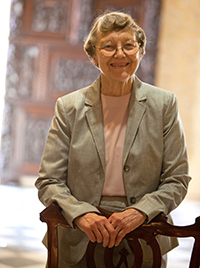
Sheila Bishop

Sheila Bishop is Founder and President of The Foundation for Biblical Archaeology.  She has been a member of ASOR since 1994 and is beginning a third term as an ASOR Board Trustee.  She has spent more than 20 years “digging,” most recently at Mount Zion and Jezreel, as well as providing funding and support  for various excavations and archaeology-related projects.
Mission Statement

Following a 15 year career in the aviation industry, the demise of Eastern Airlines (a name barely remembered these days) brought unexpected life changes. I was soon to find myself sitting in a square at Sepphoris in the Galilee wondering, “What were you thinking?”  But, I was bitten by the bug. Those were the days of dramatic cuts in funding for archaeology, elimination of graduate programs in archaeology, ASOR struggling to make its way into an uncertain future, and eventually William Dever’s article, “The DEATH of a Discipline,” which appeared in Biblical Archaeology Review in the fall of 1995. The future looked bleak, but even as a non-academic, non-specialist, I was determined to take up the mantle and do whatever I could do to help in any way. The success of archaeology in the Near East  depends on ASOR and its historic mission to foster original research, archaeological excavations and explorations, and scholarship in related fields. Over the decades, it has been my privilege to participate as ASOR has weathered the storms, growing strong and even expanding into critical new areas such as Cultural Heritage Initiatives. My mission remains the same: Keep the projects going; get the students to the field; publish the finds; and, provide that information in an accessible format to the public. That mission begins and ends with ASOR and the support and guidance it provides for a strong future for archaeology in the Near East. “Go ASOR!”[/vc_column_text][/vc_column_inner][/vc_row_inner][vc_row_inner][vc_column_inner][vc_column_text]

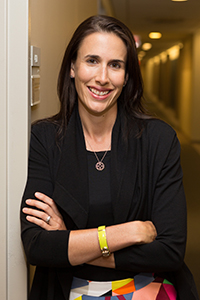
Vivian Bull

Vivian Bull, President Emerita of Linfield College and Drew University, has been involved with ASOR for more than six decades. She met her husband Bob in Jerusalem during her initial trip to the Middle East, and the two were married in 1959. In a story that parallels that of many ASOR members, Vivian and Bob were a team who led digs, taught and inspired hundreds of students, and served ASOR and its affiliated schools with distinction in myriad ways for more than half a century. They spent over 25 seasons in the field. In addition to serving as a trustee, and later Board Chair of the Albright Institute of Archaeological Research, she has served on the ASOR Board and numerous ASOR Committees (including Development, Officers Nominations, Finance, and Strategic Planning). Dr. Bull also serves on several investment committees mostly related to the work of the United Methodist Church worldwide with a special interest in social responsibility investing.
Mission Statement

I have known and worked with ASOR for many years, seeing it grow from a small organization with somewhat limited resources, reaching out to support the interest and work of American higher education in the Middle East. The organization has grown with greater outreach and new opportunities as revealed by a much more diverse membership and series of activities. But there is always more to be done and as archaeologists are working in many different areas with a variety of specialties and concerns, both personal and geographic. ASOR has become more involved and more diversified in its outreach, often led by our younger members. It seems strange to have an academic economist on your board, but with having spent many summers and years both in the field and in the office of an institution involved in archaeology, I feel I can bring some perspectives of both organizational structures and the importance of resources to carry on some of the opportunities in ASOR’s future. I look forward to serving another term on the ASOR board.[/vc_column_text][/vc_column_inner][/vc_row_inner][vc_row_inner][vc_column_inner][vc_column_text]

Elizabeth Macaulay-Lewis

Elizabeth Macaulay-Lewis is Assistant Professor of the Liberal Studies Program at the Graduate Center of The City University of New York, where she is also Acting Executive Officer in M.A. in Liberal Studies and directs the M.A. in Liberal Studies concentration in the Archaeology of the Classical, Late Antique, and Islamic Worlds. She holds an AB from Cornell University in History, Archaeology, and Classics. She holds master’s and doctoral degrees in Classical Archaeology from St. John’s College, University of Oxford. Her research focuses the material culture of the Roman, Late Antique and Islamic worlds, with particular emphasis on Roman gardens and architecture, the reception of ancient material culture in the United States, and Islamic Architecture. She has conducted research in Syria, Jordan, Egypt, and Italy. She is the author or co-author of articles published in the Journal of Roman Archaeology, Journal of the Society of Architectural Historians, Classical Receptions Journal, Levant, and The Journal of Interactive Technology and Pedagogy. She is currently the co-director of the Upper Egypt Mosque Project, which is documenting conversion sites. This project has been supported by the Barakat Trust (UK). She has served on the governing board of the Archaeological Institute of America and on its executive committee. She also serves as Deputy Director of Manar al-Athar, an open-access digital humanities resource and photo-archive for the study of the Middle East and currently is the Chairperson of Smarthistory’s Governing Board and as the Contributing Editor for Art of the Islamic World.
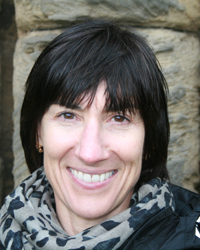
Mission Statement

As a member of the Board of Trustees, I will support ASOR’s mission to promote and strengthen the study, education, and scholarship of the Near East and wider Mediterranean (NEWM), specially in the Roman, Late Antique and Islamic periods. The archaeology of later Islamic periods, especially that of the Mamluk and Ottoman eras, often lacks a clear academic home in American and Canadian academic institutions. With its work documenting the destruction of archaeological sites of all eras in Syria, ASOR is well positioned to be a natural leader in this area. I am also particularly interested in strengthening the ties between scholars who work on the Near East and those who work in the wider Mediterranean, so that the interconnectivity of these contiguous geographic regions can be better understood. Furthermore, as a digital humanist and the deputy director of the open-access Manar al-Athar photo archive, I am interesting in supporting ASOR’s goals in digital publishing and disseminating the scholarship of its members through open-access platforms, as outlined in the Strategic Plan. Outreach is not only vital to securing the next generation of academics to study the NEWM, but to educate and cultivate the next generation of non-academic supporters of ASOR’s important mission.[/vc_column_text][/vc_column_inner][/vc_row_inner][vc_row_inner][vc_column_inner][vc_column_text]

Jeanne Marie Teutonico

Jeanne Marie Teutonico is currently Associate Director of Programs at the Getty Conservation Institute (GCI) in Los Angeles. An architectural conservator with over thirty years of experience in the conservation of buildings and sites, she was previously on the staff of the International Centre for the Study of the Preservation and the Restoration of Cultural Property (ICCROM) in Rome and later of English Heritage in London. Ms. Teutonico holds an A.B. (Hons) in art history from Princeton University and a M.Sc. in historic preservation from Columbia University, Graduate School of Architecture, Planning and Preservation. She is published widely and maintains research interests in the conservation and sustainable use of traditional building materials. She was a Resident of the American Academy in Rome in 2009, and is a Fellow of the Society of Antiquaries and the Association for Preservation Technology.
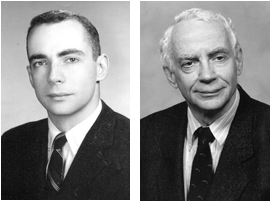
Mission Statement

In its new strategic plan, ASOR has expressly stated a desire to participate energetically in international efforts to protect, conserve and present the cultural heritage of the Near East and wider Mediterranean. This is at the core of ASOR’s mission and an area of great interest to its membership. As a member of the Board of Trustees, I hope that my expertise and long experience in the realm of heritage conservation will assist ASOR in strengthening and expanding its activities to document, preserve and advocate for cultural heritage in the region. I am already an advisor to ASOR’s Cultural Heritage Initiatives and am especially interested in ways that the project can help to build capacity and bring greater coordination to complementary international activities. More broadly, I am also interested in engaging ASOR in discussions regarding how graduate education in both conservation and archaeology can foster more effective working relationships in the field.[/vc_column_text][/vc_column_inner][/vc_row_inner][/vc_column][vc_column border_color=”rgba(170,170,170,0.01)” width=”1/6″ css=”.vc_custom_1496684098866{margin-right: 5px !important;margin-bottom: 20px !important;border-right-width: 2px !important;border-bottom-width: 2px !important;padding-top: 30px !important;padding-right: 10px !important;padding-left: 10px !important;background-color: #ffffff !important;border-right-color: rgba(227,228,228,0.75) !important;border-bottom-color: rgba(227,228,228,0.75) !important;}”][vc_wp_posts title=”BROWSE THE NEWS ARCHIVE” number=”4″][/vc_column][vc_column border_color=”rgba(170,170,170,0.01)” width=”1/6″ css=”.vc_custom_1496684008271{margin-right: 10px !important;margin-bottom: 30px !important;border-right-width: 2px !important;border-bottom-width: 2px !important;padding-top: 30px !important;padding-right: 20px !important;padding-left: 20px !important;background-color: #ffffff !important;border-right-color: rgba(227,228,228,0.75) !important;border-bottom-color: rgba(227,228,228,0.75) !important;}”][vc_column_text] [/vc_column_text][/vc_column][/vc_row]

Meet ASOR’s Newest Board Members

[vc_row fullwidth=”true” attached=”true” css=”.vc_custom_1496247803139{padding-top: 0px !important;padding-right: 0px !important;padding-bottom: 0px !important;padding-left: 0px !important;}”][vc_column][mk_image src=”http://www.asor.org/wp-content/uploads/2017/04/100CrusderSeaCastleSaide-Sidon-–-1920×600-–-REVISED-1.jpg” image_width=”1920″ image_height=”600″ crop=”false” hover=”false” margin_bottom=”0″][/vc_column][/vc_row][vc_row fullwidth=”true” css=”.vc_custom_1496682730308{padding-top: 10px !important;padding-right: 0px !important;padding-bottom: 0px !important;padding-left: 0px !important;}”][vc_column width=”1/12″ css=”.vc_custom_1496683820796{margin-right: 10px !important;}” offset=”vc_hidden-md vc_hidden-sm vc_hidden-xs”][vc_column_text]

 SHARE

[/vc_column_text][mk_image src=”http://www.asortest.org/wp-content/uploads/2017/01/social-fb-icon4.jpg” image_width=”42″ image_height=”42″ hover=”false” custom_url=”https://www.facebook.com/ASOResearch/” margin_bottom=”0″][mk_image src=”http://www.asortest.org/wp-content/uploads/2017/01/social-tw-icon4.jpg” image_width=”42″ image_height=”42″ hover=”false” custom_url=”https://twitter.com/ASOResearch?ref_src=twsrc%5Egoogle%7Ctwcamp%5Eserp%7Ctwgr%5Eauthor” margin_bottom=”0″][mk_image src=”http://www.asortest.org/wp-content/uploads/2017/01/social-in-icon4.jpg” image_width=”42″ image_height=”42″ hover=”false” custom_url=”https://www.linkedin.com/company/american-schools-of-oriental-research” margin_bottom=”0″][mk_image src=”http://www.asortest.org/wp-content/uploads/2017/01/social-ml-icon_7.jpg” image_width=”42″ image_height=”42″ hover=”false” custom_url=”mailto:asor@bu.edu” margin_bottom=”0″][mk_image src=”http://www.asortest.org/wp-content/uploads/2017/01/blog-icon3.jpg” image_width=”42″ image_height=”42″ hover=”false” custom_url=”http://asorblog.org/” margin_bottom=”0″][/vc_column][vc_column border_color=”rgba(255,255,255,0.01)” width=”1/6″ css=”.vc_custom_1496683923840{margin-right: 20px !important;border-left-width: 2px !important;padding-right: 20px !important;padding-left: 20px !important;border-left-color: #99422f !important;}”][mk_divider divider_color=”rgba(255,255,255,0.01)” thickness=”1″ margin_top=”3″ margin_bottom=”3″][vc_column_text]

ASOR BLOG

NEWS@ASOR E-NEWSLETTER

ANCIENT NEAR EAST TODAY E-NEWSLETTER

PAST ASOR NEWS, MONTH BY MONTH

FY17 HONOR ROLL OF DONORS

ASOR ANNUAL MEETING

[/vc_column_text][/vc_column][vc_column border_color=”rgba(170,170,170,0.01)” width=”1/2″ css=”.vc_custom_1487276122024{margin-right: 10px !important;margin-bottom: 30px !important;border-right-width: 2px !important;border-bottom-width: 2px !important;padding-top: 30px !important;padding-right: 30px !important;padding-left: 20px !important;background-color: #ffffff !important;border-right-color: rgba(227,228,228,0.75) !important;border-bottom-color: rgba(227,228,228,0.75) !important;}”][vc_column_text responsive_align=”left”]

MEET ASOR’S NEWEST BOARD MEMBERS

[/vc_column_text][vc_column_text]In October and November, ASOR members participated in an online election for new Individual and Institutional Representatives (two in each category) to ASOR’s Board of Trustees. Hanan Charaf (Individual) and Michael Hasel (Institutional) were elected for their second three-year terms (ending December 31, 2019). Debra Foran (Institutional) and Heather Dana Davis Parker (Individual) were elected as new trustees for terms ending December 31, 2019. Please see below for brief biographies, mission statements, and photos of these new trustees.

At our November 20 meeting, the ASOR Board also elected four people as “Board Appointed Trustees: Sheila Bishop (reappointed); Vivian Bull (reappointed); Elizabeth Macaulay-Lewis (new trustee); and Jeanne Marie Teutonico (new trustee). We will have brief biographies and vision statements for these board-appointed trustees in the next News@ASOR on December 20, 2016.[/vc_column_text][vc_column_text responsive_align=”left”]

Newly-Elected Individual Representatives to the ASOR Board

[/vc_column_text][vc_row_inner][vc_column_inner width=”1/4″ css=”.vc_custom_1503684310141{padding-right: 10px !important;}”][mk_image src=”http://www.asor.org/wp-content/uploads/2017/08/charaf.jpg” image_width=”200″ image_height=”250″ crop=”false” hover=”false”][/vc_column_inner][vc_column_inner width=”3/4″][vc_column_text]
Hanan Charaf

Hanan Charaf received her PhD in Near Eastern Art and Archaeology from the University of Paris I, Panthéon-Sorbonne, France, her MA from the University of Lyon II, France, and her BA from the Lebanese University-Section II, Beirut. She is an adjunct professor of archaeology at the Lebanese University and an associate member of the Research Unit 7041 at the University of Paris I-Sorbonne. She serves as senior field archaeologist at the excavations of Tell Arqa (ancient Irqata) and Gbeil/Byblos in Lebanon. She is the series editor of ASOR’s monographs Archaeological Reports Series (ARS) since 2015. She has been a member of ASOR since 2000 and in the last three years has served on the Board of Trustees of ASOR. She is also a member of the Honors and Awards Committee, the Publications Committee, and the Officers Nomination Committee. She guest co-edited Near Eastern Archaeology (Vol. 73.2.3, 2010) and three volumes of Journal of Eastern Mediterranean Archaeology and Heritage Studies (Vols. 3.4, 4.1, and 4.2, 2015-2016) all dedicated to the archaeology of Lebanon. Her research interests include the ceramics of the Late Bronze and Iron Age in northern Levant, the intra- and supra-regional pottery exchange in the Levant, the cultural characteristics of the end of the Late Bronze Age and the beginning of the Early Iron Age in the Northern Levant, the study of the trade patterns of the Cypriot pottery to the Levant, and raising cultural heritage awareness amongst local populations. Her publication record includes several articles and book chapters on the Middle and Late Bronze Ages from Lebanon. She is currently working on a book on the Late Bronze Age of Tell Arqa.

Mission statement: As a board member, I would continue the mission I started three years ago when I was elected to the board, and that was to bring to ASOR an indigenous perspective and an active participation in the archaeology and cultural heritage of the Middle East. Coming from and working in this region, I intimately relate to the destructions and threats endangering the heritage of many countries. I am championing an active presence and exposure of ASOR in underrepresented regions of the Middle East by establishing new contacts with local institutions and communities and by encouraging scholars to attend ASOR annual meetings and to be more active in this organization. This would not only diversify ASOR’s membership, but would also provide another venue for outreach and shared learning. Recently, the Cultural Heritage Initiative (CHI) offered ASOR a unique platform to engage in cultural heritage preservation. I would like to see ASOR continue and expand this mission, not only in Syria, but in other countries of the Middle East and Africa plagued by wars. ASOR would not only preserve and document the heritage of those countries but would efficiently help their citizens, especially the youth, preserve their past and their cultural identities, the powerful and crucial tools for rebuilding these regions. In doing this, ASOR would be fulfilling one of the goals of its mission statement. The CHI introduced also ASOR to many European archaeological circles; I would like to see this position strengthened further by forging relationships with additional European institutions, thus adhering to ASOR’s new geographical sphere of interest, the Near East and the Wider Mediterranean. ASOR premium commitment in disseminating first-hand knowledge at its annual meetings would benefit from foreign professionals. This new broadening of ASOR’s membership would richly diversify ASOR’s publications by bringing new authors and topics. Another interest of mine is to advocate for more involvement of women in archaeology in general and in ASOR in particular. Being a woman who also belongs to a minority ethnic group gives me a unique perspective on the challenges that both women and minorities face in the world of archaeology.

[/vc_column_text][/vc_column_inner][/vc_row_inner][vc_row_inner][vc_column_inner width=”1/4″ css=”.vc_custom_1503684320408{padding-right: 15px !important;}”][mk_image src=”http://www.asor.org/wp-content/uploads/2017/08/hparker.jpg” image_width=”200″ image_height=”250″ crop=”false” hover=”false”][/vc_column_inner][vc_column_inner width=”3/4″][vc_column_text]
Heather Dana Davis Parker

Heather Dana Davis Parker received her PhD in Near Eastern Studies from Johns Hopkins University (JHU) in 2013.  She is currently a lecturer for the Center for Leadership Education at JHU. She has received grants from ACOR, AIAR, and CAORC (co-recipient) for her work on the palaeography of Northwest Semitic scripts and has conducted research in museums throughout Europe and the Middle East, including the Louvre, the Vorderasiatisches Museum, the Jordan and Israel Museums, and the National (Archaeological) Museums of Cyprus, Sardinia, Athens, and Malta.  Her work on early script traditions contributes directly to the study of the origins of Levantine regional states and kingdoms. She has co-published articles on the use of digital technologies in the research, presentation, and preservation of ancient inscriptions and artifacts in BASOR, NEA, and other venues and has participated in conferences highlighting the use of modern technology in Cultural Heritage Preservation.  She is the president of the Colloquium for Biblical and Near Eastern Studies and serves on the editorial board for BASOR.  She has served ASOR on both its Strategic Planning and Branding Task Forces and currently co-chairs the session on Ancient Inscriptions at its Annual Meeting.

Mission Statement: As a member of the Board of Trustees, I would support ASOR’s leadership and members in our mission to foster exploration, education, and scholarship of the Near East and wider Mediterranean (NEWM), focusing particularly on the following key areas of our most recent strategic plan. (1) I would serve our diverse membership, particularly “next generation” scholars, by continuing to serve ASOR’s leadership as a junior-scholar consultant and by exploring opportunities for ASOR scholars in the expanded job market. (2) I would champion the study of the NEWM, showcasing its cultures, history, and value for world cultural heritage through continued public outreach, speaking to and collaborating with both lay groups and formal students at the elementary, secondary, and higher education levels. I would also promote ASOR as a key resource for knowledge and expertise pertaining to the NEWM. (3) I would assist ASOR in its Cultural Heritage Initiatives, particularly in its members’ efforts to engage and to serve the communities in which we work, via collaboration and mutual education. My personal educational mission for any community I serve is to help to shift perspectives from a “me” orientation, focused on the here and now, to a vision of “us” that incorporates our rich world heritage, both past and present, as we look toward the future.

[/vc_column_text][/vc_column_inner][/vc_row_inner][vc_column_text responsive_align=”left”]

Newly-Elected Institutional Representatives to the ASOR Board

[/vc_column_text][vc_row_inner][vc_column_inner width=”1/4″ css=”.vc_custom_1503684320408{padding-right: 15px !important;}”][mk_image src=”http://www.asor.org/wp-content/uploads/2017/08/foran.jpg” image_width=”200″ image_height=”250″ crop=”false” hover=”false”][/vc_column_inner][vc_column_inner width=”3/4″][vc_column_text]
Debra Foran

Debra Foran holds a BA in Near Eastern Archaeology from Wilfrid Laurier University, an MA and PhD in Near and Middle Eastern Civilizations from the University of Toronto, and Licence in Mediaeval Studies from the Pontifical Institute of Mediaeval Studies in Toronto. She has participated in numerous archaeological field projects in Jordan, Syria, and Tunisia. Debra has been teaching Near Eastern Archaeology at Wilfrid Laurier University since 2012. She is the Director of the Town of Nebo Archaeological Project, an active research project and undergraduate field school that is investigating the role of landscape in the religious and economic development of the site of Khirbat al-Mukhayyat (Jordan). In addition to overseeing this field project, she is also working on the final publications for the Tell Madaba Archaeological Project that she directed between 2006 and 2012. Debra has chaired several ASOR sessions on the archaeology of Jordan and the Byzantine and Early Islamic Near East. She served as Vice-President and Treasurer of ASOR-Canada from 2004 to 2007 at which time she was elected President, a position she still holds. During that time she has overseen the implementation of a student bursary program for Canadian students participating in ASOR-affiliated field projects.

Mission Statement: As a member of the Board of Trustees, I will uphold ASOR’s mandate to promote research into and public understanding of the cultures and history of the Near East. As an institutional member of the Board, I would like to seek out ways for ASOR’s current Institutional Members to become more active participants in ASOR’s programs and initiatives. I would also work on strategies to recruit more Institutional Members. My own institution recently became an Institutional Member after I demonstrated the advantages for students and faculty that an ASOR membership can afford. I also wish to foster collaboration with the local communities that are directly affected by the archaeological research of ASOR members. One way of encouraging this collaboration that is of particular interest to me is the integration of national cultural heritage into school curricula. I would like to explore how, as a foreign researchers, the work of ASOR members can contribute to this. Finally, I want to explore innovative ways of incorporating undergraduate education into active excavation and research projects. The inclusion of both North American students and students from local communities will nurture their appreciation for the cultural heritage of the Near East and help safeguard the continuation and future of our discipline.

[/vc_column_text][/vc_column_inner][/vc_row_inner][vc_row_inner][vc_column_inner width=”1/4″ css=”.vc_custom_1503684320408{padding-right: 15px !important;}”][mk_image src=”http://www.asor.org/wp-content/uploads/2017/08/hasel.jpg” image_width=”200″ image_height=”250″ crop=”false” hover=”false”][/vc_column_inner][vc_column_inner width=”3/4″][vc_column_text]
Michael G. Hasel

Michael G. Hasel is Director of the Institute of Archaeology and Lynn H. Wood Archaeological Museum at Southern Adventist University and serves as Professor of Near Eastern Studies and Archaeology since 1998. He received an MA in Archaeology from Andrews University and an MA and PhD in Near Eastern Studies and Anthropology from The University of Arizona. He has been actively involved in excavating or surveying 12 sites in Israel, Jordan, and Cyprus while also engaged in Egyptological research. He has directed excavations at Khirbet Qeiyafa (in publication phase) and currently is co-director of The Fourth Expedition to Lachish. He has held the Samuel H. Kress Fellowship at the Albright Institute (1995-96) and a Fulbright at the Cyprus American Archaeological Research Institute (2005). He has been a member of ASOR since 1989 and has chaired several ASOR sessions, served on the Agenda Committee, and recently completed his first three-year term as an ASOR board member.

Mission Statement
: I have served as an active participant of ASOR since 1989 while still an undergraduate student and have not missed a meeting since that time. I have observed ASOR grow into a strong society representing a wide variety of interests and research foci in the ancient Near Eastern world. As a director of an Institute of Archaeology and museum, part of my vision is to make our field relevant to this and future generations. There has been an increased separation of the society from an interdisciplinary historical approach which builds on the biblical interest in North America as witnessed in the historical roots of ASOR. Our field has also experienced fragmentation that can leave our younger scholars searching for direction, belonging, and a future. My concern is that without that connection we are at risk of losing an important and relevant voice to a large segment in North America. ASOR has been an important force in supporting archaeological work in the modern Middle East and I would be happy to continue to support and serve as a liaison to accomplish excavation opportunities and the work of ASOR for current and future generations.[/vc_column_text][/vc_column_inner][/vc_row_inner][/vc_column][vc_column border_color=”rgba(170,170,170,0.01)” width=”1/6″ css=”.vc_custom_1496684098866{margin-right: 5px !important;margin-bottom: 20px !important;border-right-width: 2px !important;border-bottom-width: 2px !important;padding-top: 30px !important;padding-right: 10px !important;padding-left: 10px !important;background-color: #ffffff !important;border-right-color: rgba(227,228,228,0.75) !important;border-bottom-color: rgba(227,228,228,0.75) !important;}”][vc_wp_posts title=”BROWSE THE NEWS ARCHIVE” number=”4″][/vc_column][vc_column border_color=”rgba(170,170,170,0.01)” width=”1/6″ css=”.vc_custom_1496684008271{margin-right: 10px !important;margin-bottom: 30px !important;border-right-width: 2px !important;border-bottom-width: 2px !important;padding-top: 30px !important;padding-right: 20px !important;padding-left: 20px !important;background-color: #ffffff !important;border-right-color: rgba(227,228,228,0.75) !important;border-bottom-color: rgba(227,228,228,0.75) !important;}”][vc_column_text] [/vc_column_text][/vc_column][/vc_row]

2016 ASOR Awards

[vc_row fullwidth=”true” attached=”true” css=”.vc_custom_1496247803139{padding-top: 0px !important;padding-right: 0px !important;padding-bottom: 0px !important;padding-left: 0px !important;}”][vc_column][mk_image src=”http://www.asor.org/wp-content/uploads/2017/04/100CrusderSeaCastleSaide-Sidon-–-1920×600-–-REVISED-1.jpg” image_width=”1920″ image_height=”600″ crop=”false” hover=”false” margin_bottom=”0″][/vc_column][/vc_row][vc_row fullwidth=”true” css=”.vc_custom_1496682730308{padding-top: 10px !important;padding-right: 0px !important;padding-bottom: 0px !important;padding-left: 0px !important;}”][vc_column width=”1/12″ css=”.vc_custom_1496683820796{margin-right: 10px !important;}” offset=”vc_hidden-md vc_hidden-sm vc_hidden-xs”][vc_column_text]

 SHARE

[/vc_column_text][mk_image src=”http://www.asortest.org/wp-content/uploads/2017/01/social-fb-icon4.jpg” image_width=”42″ image_height=”42″ hover=”false” custom_url=”https://www.facebook.com/ASOResearch/” margin_bottom=”0″][mk_image src=”http://www.asortest.org/wp-content/uploads/2017/01/social-tw-icon4.jpg” image_width=”42″ image_height=”42″ hover=”false” custom_url=”https://twitter.com/ASOResearch?ref_src=twsrc%5Egoogle%7Ctwcamp%5Eserp%7Ctwgr%5Eauthor” margin_bottom=”0″][mk_image src=”http://www.asortest.org/wp-content/uploads/2017/01/social-in-icon4.jpg” image_width=”42″ image_height=”42″ hover=”false” custom_url=”https://www.linkedin.com/company/american-schools-of-oriental-research” margin_bottom=”0″][mk_image src=”http://www.asortest.org/wp-content/uploads/2017/01/social-ml-icon_7.jpg” image_width=”42″ image_height=”42″ hover=”false” custom_url=”mailto:asor@bu.edu” margin_bottom=”0″][mk_image src=”http://www.asortest.org/wp-content/uploads/2017/01/blog-icon3.jpg” image_width=”42″ image_height=”42″ hover=”false” custom_url=”http://asorblog.org/” margin_bottom=”0″][/vc_column][vc_column border_color=”rgba(255,255,255,0.01)” width=”1/6″ css=”.vc_custom_1496683923840{margin-right: 20px !important;border-left-width: 2px !important;padding-right: 20px !important;padding-left: 20px !important;border-left-color: #99422f !important;}”][mk_divider divider_color=”rgba(255,255,255,0.01)” thickness=”1″ margin_top=”3″ margin_bottom=”3″][vc_column_text]

ASOR BLOG

NEWS@ASOR E-NEWSLETTER

ANCIENT NEAR EAST TODAY E-NEWSLETTER

PAST ASOR NEWS, MONTH BY MONTH

FY17 HONOR ROLL OF DONORS

ASOR ANNUAL MEETING

[/vc_column_text][/vc_column][vc_column border_color=”rgba(170,170,170,0.01)” width=”1/2″ css=”.vc_custom_1487276122024{margin-right: 10px !important;margin-bottom: 30px !important;border-right-width: 2px !important;border-bottom-width: 2px !important;padding-top: 30px !important;padding-right: 30px !important;padding-left: 20px !important;background-color: #ffffff !important;border-right-color: rgba(227,228,228,0.75) !important;border-bottom-color: rgba(227,228,228,0.75) !important;}”][vc_column_text responsive_align=”left”]

2016 ASOR AWARD WINNERS

[/vc_column_text][vc_column_text]Each year at the Annual Meeting, ASOR recognizes individuals who have performed outstanding service for the organization, or published exceptional academic work.[/vc_column_text][vc_column_text]The P. E. MacAllister Field Archaeology Award. This award honors an archaeologist who, during his/her career, has made outstanding contributions to ancient Near Eastern and Eastern Mediterranean archaeology. (One award is given annually.)

Presented to Larry Herr

[/vc_column_text][mk_image src=”http://www.asor.org/wp-content/uploads/2016/12/awards1.jpg” image_width=”600″ image_height=”399″ crop=”false” hover=”false”][vc_column_text]

The Charles U. Harris Service Award. This award is given in recognition of long term and/or special service as an ASOR officer or Trustee. (One award is given annually.)

Presented to Vivian Bull

[/vc_column_text][mk_image src=”http://www.asor.org/wp-content/uploads/2016/12/awards-clark.jpg” image_width=”600″ image_height=”399″ crop=”false” hover=”false”][vc_column_text]

The W. F. Albright Award. This award honors an individual who has shown special support or made outstanding service contributions to one of the overseas centers, ACOR, AIAR, CAARI, or to one of the overseas committees – the Baghdad Committee and the Damascus Committee. (This award is given when such an individual is identified.)

Presented to  John Spencer (AIAR) and Humi Ayoubi (ACOR)

[/vc_column_text][mk_image src=”http://www.asor.org/wp-content/uploads/2016/12/awards-cline.jpg” image_width=”600″ image_height=”399″ crop=”false” hover=”false”][vc_column_text]

ASOR Membership Service Award. This award recognizes individuals who have made special contributions on behalf of the ASOR membership, through committee, editorial, or office services. (Up to three awards are given annually.)

Presented to Eric Cline, Sheila Bishop, and Doug Clark


The G. Ernest Wright Award. This award is given to the editor/author of the most substantial volume(s) dealing with archaeological material, excavation reports and material culture from the ancient Near East and eastern Mediterranean. This work must be the result of original research published within the past two years. (One award is given annually.)

Presented to Seymour Gitin (ed), The Ancient Pottery of Israel and its Neighbors from the Iron Age through the Hellenistic Period

[/vc_column_text][mk_image src=”http://www.asor.org/wp-content/uploads/2016/12/awards-porter.jpg” image_width=”600″ image_height=”399″ crop=”false” hover=”false”][vc_column_text]

The Nancy Lapp Popular Book Award. This award is presented to the author/editor of a book published in the last two years that offers a new synthesis of archaeological or textual evidence intended to reach an audience of scholars as well as students and the broader public. (One award is given annually.)

Presented to Reinhard Pummer, The Samaritans, A Profile (Eerdmans)

[/vc_column_text][vc_column_text]The Joy Ungerleider Poster Award. This award is conferred upon the author(s) of the poster presenting the results of a study about ancient Near Eastern societies in a clear, legible fashion using original graphic content. Subject matter may be based in archaeological sciences, history, anthropology, epigraphy, ethnography, heritage or other scholarly approaches to understanding ancient people in the areas covered by ASOR. (One award is given annually.)

Presented to Robert S. Homsher, Adam B. Prins, Melissa S. Cradic and Matthew J. Adams, “New Dimensions in Digital Documentation: Tomb 50 of Megiddo”

To nominate someone for an award, please submit the following information:

  • Contact information of nominator
  • Name of nominee
  • Name of award
  • Why nominee is suitable for award

The deadlines to submit nominations are September 15, 2017 for book awards and October 2, 2017 for non-book awards.

Please send your nomination information to info@asor.org, or call 617-353-6570 with questions. Consult the list of Current and Past Awards Recipients to make sure that the person you nominate has not previously received the award.[/vc_column_text][/vc_column][vc_column border_color=”rgba(170,170,170,0.01)” width=”1/6″ css=”.vc_custom_1496684098866{margin-right: 5px !important;margin-bottom: 20px !important;border-right-width: 2px !important;border-bottom-width: 2px !important;padding-top: 30px !important;padding-right: 10px !important;padding-left: 10px !important;background-color: #ffffff !important;border-right-color: rgba(227,228,228,0.75) !important;border-bottom-color: rgba(227,228,228,0.75) !important;}”][vc_wp_posts title=”BROWSE THE NEWS ARCHIVE” number=”4″][/vc_column][vc_column border_color=”rgba(170,170,170,0.01)” width=”1/6″ css=”.vc_custom_1496684008271{margin-right: 10px !important;margin-bottom: 30px !important;border-right-width: 2px !important;border-bottom-width: 2px !important;padding-top: 30px !important;padding-right: 20px !important;padding-left: 20px !important;background-color: #ffffff !important;border-right-color: rgba(227,228,228,0.75) !important;border-bottom-color: rgba(227,228,228,0.75) !important;}”][vc_column_text] [/vc_column_text][/vc_column][/vc_row]

John S. Holladay, Jr.: An Appreciation – Janzen

[vc_row fullwidth=”true” attached=”true” css=”.vc_custom_1496247803139{padding-top: 0px !important;padding-right: 0px !important;padding-bottom: 0px !important;padding-left: 0px !important;}”][vc_column][mk_image src=”http://www.asor.org/wp-content/uploads/2017/04/100CrusderSeaCastleSaide-Sidon-–-1920×600-–-REVISED-1.jpg” image_width=”1920″ image_height=”600″ crop=”false” hover=”false” margin_bottom=”0″][/vc_column][/vc_row][vc_row fullwidth=”true” css=”.vc_custom_1496682730308{padding-top: 10px !important;padding-right: 0px !important;padding-bottom: 0px !important;padding-left: 0px !important;}”][vc_column width=”1/12″ css=”.vc_custom_1496683820796{margin-right: 10px !important;}” offset=”vc_hidden-md vc_hidden-sm vc_hidden-xs”][vc_column_text]

 SHARE

[/vc_column_text][mk_image src=”http://www.asortest.org/wp-content/uploads/2017/01/social-fb-icon4.jpg” image_width=”42″ image_height=”42″ hover=”false” custom_url=”https://www.facebook.com/ASOResearch/” margin_bottom=”0″][mk_image src=”http://www.asortest.org/wp-content/uploads/2017/01/social-tw-icon4.jpg” image_width=”42″ image_height=”42″ hover=”false” custom_url=”https://twitter.com/ASOResearch?ref_src=twsrc%5Egoogle%7Ctwcamp%5Eserp%7Ctwgr%5Eauthor” margin_bottom=”0″][mk_image src=”http://www.asortest.org/wp-content/uploads/2017/01/social-in-icon4.jpg” image_width=”42″ image_height=”42″ hover=”false” custom_url=”https://www.linkedin.com/company/american-schools-of-oriental-research” margin_bottom=”0″][mk_image src=”http://www.asortest.org/wp-content/uploads/2017/01/social-ml-icon_7.jpg” image_width=”42″ image_height=”42″ hover=”false” custom_url=”mailto:asor@bu.edu” margin_bottom=”0″][mk_image src=”http://www.asortest.org/wp-content/uploads/2017/01/blog-icon3.jpg” image_width=”42″ image_height=”42″ hover=”false” custom_url=”http://asorblog.org/” margin_bottom=”0″][/vc_column][vc_column border_color=”rgba(255,255,255,0.01)” width=”1/6″ css=”.vc_custom_1496683923840{margin-right: 20px !important;border-left-width: 2px !important;padding-right: 20px !important;padding-left: 20px !important;border-left-color: #99422f !important;}”][mk_divider divider_color=”rgba(255,255,255,0.01)” thickness=”1″ margin_top=”3″ margin_bottom=”3″][vc_column_text]

ASOR BLOG

NEWS@ASOR E-NEWSLETTER

ANCIENT NEAR EAST TODAY E-NEWSLETTER

PAST ASOR NEWS, MONTH BY MONTH

FY17 HONOR ROLL OF DONORS

ASOR ANNUAL MEETING

[/vc_column_text][/vc_column][vc_column border_color=”rgba(170,170,170,0.01)” width=”1/2″ css=”.vc_custom_1487276122024{margin-right: 10px !important;margin-bottom: 30px !important;border-right-width: 2px !important;border-bottom-width: 2px !important;padding-top: 30px !important;padding-right: 30px !important;padding-left: 20px !important;background-color: #ffffff !important;border-right-color: rgba(227,228,228,0.75) !important;border-bottom-color: rgba(227,228,228,0.75) !important;}”][vc_column_text responsive_align=”left”]

JOHN S. HOLLADAY, JR.: AN APPRECIATION

J. Gerald Janzen
[/vc_column_text][vc_column_text]Jack was one of eight of us who entered a doctoral program at Harvard in the early 1960’s, under the direction of Ernest Wright and Frank Cross. The Fall Seminar met on Thursdays from 3 to 5. In the first session, Frank gave an overview of the literary sources for our knowledge of the “Near Eastern Languages and Literatures” (the Department in those days being known as NELL), and immediately we all were intimidated. The following week Ernest gave a similar presentation, I suspect (my brain had not sufficiently recovered from the previous week for me to remember clearly), on the material grounds. The third week, a grad student who was at the dissertation stage gave a presentation on that topic—as I recall, on the Hasmonean Priesthood. He sat at one end of the long seminar table, with Cross and Wright flanking him on his left and right shoulders like two seraphim. He began to read. Shortly one of the two seraphim broke in with a question. He responded and went on. Before long the other broke in with a comment. He responded, then went on. This cycle recurred several more times, by the end of which the student would read a sentence, pause, look inquiringly left, then right, and, if there were no interposition from either side, he would go on. The following week we had the first seminar paper by one of our own number (the eight of us, Virgil Rabe, and Merton Sherman). That fall, the seminar was devoted to “The Tenth Century.” The first of our number “up” was Jack, and his topic was “The Fall Festival.”

Now, the experience of the previous week, on top of the two before that, was so unnerving that, before this next session, we put our heads together; and when the afternoon convened we petitioned Wright and Cross—would they mind if, while they took a position at one end of the long table, the presenter take a position at the other end? They readily assented, and Jack began. Now, Jack was a McCormick graduate, and, as I recall, knew Cross from those days. What astonished us, and reassured us that “there’s life after presentation,” was the way Jack was willing to argue with Cross and Wright, on the basis of the evidence—argue in a way that only Jack can argue—vigorously, yet cordially, with no personal animas but with animated love for evidence and its construal.

I think it may have been this moment that, for me, identified him as this group’s “elder brother,” forging the path for the rest of us.

My wife Eileen and I have loved him dearly. In view of his special love and vocation, may we memorialize that love in the words of Shir ha-Shirim, 8:6.[/vc_column_text][/vc_column][vc_column border_color=”rgba(170,170,170,0.01)” width=”1/6″ css=”.vc_custom_1496684098866{margin-right: 5px !important;margin-bottom: 20px !important;border-right-width: 2px !important;border-bottom-width: 2px !important;padding-top: 30px !important;padding-right: 10px !important;padding-left: 10px !important;background-color: #ffffff !important;border-right-color: rgba(227,228,228,0.75) !important;border-bottom-color: rgba(227,228,228,0.75) !important;}”][vc_wp_posts title=”BROWSE THE NEWS ARCHIVE” number=”4″][/vc_column][vc_column border_color=”rgba(170,170,170,0.01)” width=”1/6″ css=”.vc_custom_1496684008271{margin-right: 10px !important;margin-bottom: 30px !important;border-right-width: 2px !important;border-bottom-width: 2px !important;padding-top: 30px !important;padding-right: 20px !important;padding-left: 20px !important;background-color: #ffffff !important;border-right-color: rgba(227,228,228,0.75) !important;border-bottom-color: rgba(227,228,228,0.75) !important;}”][vc_column_text] [/vc_column_text][/vc_column][/vc_row]

John S. Holladay, Jr.: An Appreciation – Harrison

[vc_row fullwidth=”true” attached=”true” css=”.vc_custom_1496247803139{padding-top: 0px !important;padding-right: 0px !important;padding-bottom: 0px !important;padding-left: 0px !important;}”][vc_column][mk_image src=”http://www.asor.org/wp-content/uploads/2017/04/100CrusderSeaCastleSaide-Sidon-–-1920×600-–-REVISED-1.jpg” image_width=”1920″ image_height=”600″ crop=”false” hover=”false” margin_bottom=”0″][/vc_column][/vc_row][vc_row fullwidth=”true” css=”.vc_custom_1496682730308{padding-top: 10px !important;padding-right: 0px !important;padding-bottom: 0px !important;padding-left: 0px !important;}”][vc_column width=”1/12″ css=”.vc_custom_1496683820796{margin-right: 10px !important;}” offset=”vc_hidden-md vc_hidden-sm vc_hidden-xs”][vc_column_text]

 SHARE

[/vc_column_text][mk_image src=”http://www.asortest.org/wp-content/uploads/2017/01/social-fb-icon4.jpg” image_width=”42″ image_height=”42″ hover=”false” custom_url=”https://www.facebook.com/ASOResearch/” margin_bottom=”0″][mk_image src=”http://www.asortest.org/wp-content/uploads/2017/01/social-tw-icon4.jpg” image_width=”42″ image_height=”42″ hover=”false” custom_url=”https://twitter.com/ASOResearch?ref_src=twsrc%5Egoogle%7Ctwcamp%5Eserp%7Ctwgr%5Eauthor” margin_bottom=”0″][mk_image src=”http://www.asortest.org/wp-content/uploads/2017/01/social-in-icon4.jpg” image_width=”42″ image_height=”42″ hover=”false” custom_url=”https://www.linkedin.com/company/american-schools-of-oriental-research” margin_bottom=”0″][mk_image src=”http://www.asortest.org/wp-content/uploads/2017/01/social-ml-icon_7.jpg” image_width=”42″ image_height=”42″ hover=”false” custom_url=”mailto:asor@bu.edu” margin_bottom=”0″][mk_image src=”http://www.asortest.org/wp-content/uploads/2017/01/blog-icon3.jpg” image_width=”42″ image_height=”42″ hover=”false” custom_url=”http://asorblog.org/” margin_bottom=”0″][/vc_column][vc_column border_color=”rgba(255,255,255,0.01)” width=”1/6″ css=”.vc_custom_1496683923840{margin-right: 20px !important;border-left-width: 2px !important;padding-right: 20px !important;padding-left: 20px !important;border-left-color: #99422f !important;}”][mk_divider divider_color=”rgba(255,255,255,0.01)” thickness=”1″ margin_top=”3″ margin_bottom=”3″][vc_column_text]

ASOR BLOG

NEWS@ASOR E-NEWSLETTER

ANCIENT NEAR EAST TODAY E-NEWSLETTER

PAST ASOR NEWS, MONTH BY MONTH

FY17 HONOR ROLL OF DONORS

ASOR ANNUAL MEETING

[/vc_column_text][/vc_column][vc_column border_color=”rgba(170,170,170,0.01)” width=”1/2″ css=”.vc_custom_1487276122024{margin-right: 10px !important;margin-bottom: 30px !important;border-right-width: 2px !important;border-bottom-width: 2px !important;padding-top: 30px !important;padding-right: 30px !important;padding-left: 20px !important;background-color: #ffffff !important;border-right-color: rgba(227,228,228,0.75) !important;border-bottom-color: rgba(227,228,228,0.75) !important;}”][vc_column_text responsive_align=”left”]

JOHN S. HOLLADAY, JR.: AN APPRECIATION

Timothy P. Harrison
[/vc_column_text][vc_column_text]

I will never forget the first time I met John S. Holladay, Jr, affectionately ‘Jack’ to all of us. It was in November of 1990, more than twenty-five years ago. I was a graduate student and delivering my first conference paper at the ASOR Annual Meeting, held that year in New Orleans. My paper was on the pottery and phasing of the Early Bronze Age strata at Tall al-‘Umayri in Jordan. Less than confident about the substance and delivery of my paper, I vividly remember Jack approaching me after the session and engaging in a rigorous yet collegial discussion about the finer details of ceramic typology and comparative stratigraphy in my paper, and their broader sociocultural implications for the Early Bronze Age southern Levant. In many ways, that exchange embodied the qualities that have defined his more than half a century of distinguished scholarship: an unwavering commitment to—and mastery of—the empirical evidence, an ability to synthesize broader cultural and social patterns from this record, and an almost pastoral devotion to the mentoring of his students and junior scholars.

Jack Holladay was a product of the American Midwest, raised in rural Illinois, yet instilled with strong values of cultural diversity and difference, as the son of Presbyterian missionaries called to serve in Thailand and South Asia. Jack’s grounding in the scientific method occurred early in his education, while at the University of Illinois, where he completed a Bachelor of Science in Chemistry/Physics and Zoology. Following graduation, he enlisted in the USAF as a radar observer and flew on all-weather fighter interceptors during the Korean War, a posting he held between 1952 and 1956.

The war would change many things, most notably Jack’s career path. Returning from East Asia, he enrolled at McCormick Theological Seminary in Chicago, earning a Bachelor of Divinity in 1959. It was also at McCormick that Jack first met G. Ernest Wright and was introduced to the exciting developments then taking place in the field of Biblical Archaeology. He followed Wright to Harvard University upon graduating from McCormick, and embarked on a Th.D. under his tutelage at the Harvard Divinity School.

These were formative years, and they set the intellectual framework for the half century of productive scholarship that would follow. The Biblical Archaeology championed by Wright was heavily influenced by the positivist philosophy that dominated the social sciences in American universities during the post-war era. In archaeology, this was expressed through the development of rigorous artifact classification schemes and the reconstruction of ‘culture histories,’ with the aim of identifying broad cultural and social patterns, and ultimately, even the possibility of general ‘laws’ of human cultural behavior. Advances in the natural and physical sciences were also readily adopted and incorporated into the research designs and data collection regimes of archaeological field projects. These innovations found their way into the Shechem Expedition, and with even more enthusiasm, the pioneering Hebrew Union College Expedition to Gezer launched in 1964. However, the Biblical Archaeology advocated by Wright also sought to address historical questions, specifically biblical history, and called for an ambitious approach that involved the analysis of both material culture and textual sources. These converging intellectual trends were deeply influential in giving shape to the research agenda and field methods that would guide Jack’s research over the ensuing decades.

In 1985, following the completion of excavations at Tell el-Maskhuta, Jack’s research endeavors entered a new phase. The next three decades would be devoted to an all-consuming focus on the analysis and synthesis of the rapidly expanding archaeological record for insight into the social and economic institutions of ancient Israel, and in a succession of articles published over the past decade and a half, Jack turned his attention to one of his most abiding interests, the economic foundations of ancient Israelite society. Together, these publications present a richly textured view of the complex economic life of ancient Israel and her neighbors as diminutive nation states navigating for position—and survival—between the great geopolitical powers of the day. Drawing on a wealth of archaeological and textual evidence, Jack highlighted their important role as entrepreneurial agents in the long-distance trade networks and inter-regional economies that fueled the region’s prosperity during the Pax Assyriaca of the late Iron Age.

Perhaps most importantly, though, the exceptional breadth and depth of Jack’s scholarship were matched by a remarkable generosity of spirit. As I experienced in my first encounter, and as his many colleagues and students will attest, Jack exemplified the qualities of the gentleman scholar and teacher: rigorous and uncompromising in his pursuit of knowledge, yet ever generous with associates and nurturing in his mentorship of junior colleagues. This gained more personal meaning for me after I came to Toronto as a newly minted assistant professor. The Near Eastern Studies program in the recently amalgamated Department of Near and Middle Eastern Civilizations was being forcefully downsized at the time through mandatory faculty retirements, of whom Jack was one, in a manner that amounted to an administrative scorched earth policy. Jack provided an ever ready listening ear and much needed counsel during this difficult period of transition as we struggled to keep the program alive, for which I will always be deeply grateful.

Those of us who had the privilege of knowing and working with John S. Holladay, Jr., will be forever the better for it. Jack, may you rest in peace.

* This is an abbreviated version of an appreciation that appeared in Walls of the Prince: Egyptian Interactions with Southwest Asia in Antiquity; Essays in Honour of John S. Holladay, Jr. Leiden: Brill, 2015.[/vc_column_text][/vc_column][vc_column border_color=”rgba(170,170,170,0.01)” width=”1/6″ css=”.vc_custom_1496684098866{margin-right: 5px !important;margin-bottom: 20px !important;border-right-width: 2px !important;border-bottom-width: 2px !important;padding-top: 30px !important;padding-right: 10px !important;padding-left: 10px !important;background-color: #ffffff !important;border-right-color: rgba(227,228,228,0.75) !important;border-bottom-color: rgba(227,228,228,0.75) !important;}”][vc_wp_posts title=”BROWSE THE NEWS ARCHIVE” number=”4″][/vc_column][vc_column border_color=”rgba(170,170,170,0.01)” width=”1/6″ css=”.vc_custom_1496684008271{margin-right: 10px !important;margin-bottom: 30px !important;border-right-width: 2px !important;border-bottom-width: 2px !important;padding-top: 30px !important;padding-right: 20px !important;padding-left: 20px !important;background-color: #ffffff !important;border-right-color: rgba(227,228,228,0.75) !important;border-bottom-color: rgba(227,228,228,0.75) !important;}”][vc_column_text] [/vc_column_text][/vc_column][/vc_row]