March Fellowship Madness (2020)-Week 1

[vc_row fullwidth=”true” attached=”true” css=”.vc_custom_1496247803139{padding-top: 0px !important;padding-right: 0px !important;padding-bottom: 0px !important;padding-left: 0px !important;}”][vc_column][vc_single_image image=”58038″ img_size=”full” alignment=”center”][/vc_column][/vc_row][vc_row fullwidth=”true” css=”.vc_custom_1496682730308{padding-top: 10px !important;padding-right: 0px !important;padding-bottom: 0px !important;padding-left: 0px !important;}”][vc_column width=”1/12″ css=”.vc_custom_1496683820796{margin-right: 10px !important;}” offset=”vc_hidden-md vc_hidden-sm vc_hidden-xs”][vc_column_text]

 SHARE

[/vc_column_text][mk_image src=”http://www.asortest.org/wp-content/uploads/2017/01/social-fb-icon4.jpg” image_width=”42″ image_height=”42″ hover=”false” custom_url=”https://www.facebook.com/ASOResearch/” margin_bottom=”0″][mk_image src=”http://www.asortest.org/wp-content/uploads/2017/01/social-tw-icon4.jpg” image_width=”42″ image_height=”42″ hover=”false” custom_url=”https://twitter.com/ASOResearch?ref_src=twsrc%5Egoogle%7Ctwcamp%5Eserp%7Ctwgr%5Eauthor” margin_bottom=”0″][mk_image src=”http://www.asortest.org/wp-content/uploads/2017/01/social-in-icon4.jpg” image_width=”42″ image_height=”42″ hover=”false” custom_url=”https://www.linkedin.com/company/american-schools-of-oriental-research” margin_bottom=”0″][mk_image src=”http://www.asortest.org/wp-content/uploads/2017/01/social-ml-icon_7.jpg” image_width=”42″ image_height=”42″ hover=”false” custom_url=”mailto:info@asor.org” margin_bottom=”0″][mk_image src=”http://www.asortest.org/wp-content/uploads/2017/01/blog-icon3.jpg” image_width=”42″ image_height=”42″ hover=”false” custom_url=”http://www.asor.org/blog” margin_bottom=”0″][/vc_column][vc_column border_color=”rgba(255,255,255,0.01)” width=”1/6″ css=”.vc_custom_1496683923840{margin-right: 20px !important;border-left-width: 2px !important;padding-right: 20px !important;padding-left: 20px !important;border-left-color: #99422f !important;}”][mk_divider divider_color=”rgba(255,255,255,0.01)” thickness=”1″ margin_top=”3″ margin_bottom=”3″][vc_column_text]

NEWS@ASOR E-NEWSLETTER

ANCIENT NEAR EAST TODAY E-NEWSLETTER

PAST ASOR NEWS, MONTH BY MONTH

FY19 HONOR ROLL OF DONORS

ASOR ANNUAL MEETING

[/vc_column_text][/vc_column][vc_column border_color=”rgba(170,170,170,0.01)” width=”1/2″ css=”.vc_custom_1487276122024{margin-right: 10px !important;margin-bottom: 30px !important;border-right-width: 2px !important;border-bottom-width: 2px !important;padding-top: 30px !important;padding-right: 30px !important;padding-left: 20px !important;background-color: #ffffff !important;border-right-color: rgba(227,228,228,0.75) !important;border-bottom-color: rgba(227,228,228,0.75) !important;}”][vc_column_text responsive_align=”left”]

MARCH FELLOWSHIP MADNESS: SETTING OUR SIGHTS ON ASOR’S 120TH YEAR!

[/vc_column_text][vc_column_text]Since 2007, with the generous support of our members and donors, ASOR has awarded over 800 fellowships, grants, dig scholarships, and travel awards. These fellowships and grants total just over $850,000, and they have enabled students and scholars across the Near East and the Mediterranean to uncover the past and to broaden our knowledge of the ancient world. The list of fellowships we provide continues to grow. This year—ASOR’s 120th anniversary—our goal is provide $120,000 in dig scholarships, excavation grants, fellowships, and travel support. This $120,000 includes all of our programs: dig scholarships, excavation grants, fellowships for member research, and Annual Meeting travel awards and scholarships.

Last year we awarded $86,000—an amazing total in itself—so this $120,000 goal is ambitious. Yet, there is no better way to celebrate our anniversary than awarding a record amount in funds that will further our mission.

The good news is that we are almost there, and you can help us exceed the total during March Fellowship Madness 2020—ASOR’s 120th year.

Right now (March 3), thanks to the amazing and growing support from endowed funds and gifts already designated for student support in 2019–20, ASOR can fund 27 dig scholarships this summer (2020). With our March Fellowship Madness drive, we aspire to raise $6,000 more to send an additional three people into the field. Our goal is to raise at least an additional $4,000 from ASOR members, and $2,000 from our Friends of ASOR. With your partnership, we will award a record-breaking 30 dig scholarships in 2020.

In addition, every donation will help us exceed our already ambitious goal of awarding $120,000 in excavation grants, dig scholarship, travel support, and research fellowships in 2020![/vc_column_text][mk_divider][vc_column_text]If you donate to March Fellowship Madness, you support archaeology in a very direct way. Every gift is meaningful and matters. Small gifts of $10 or more not only add up, but they attract larger gifts. ASOR does not charge administrative or overhead fees for gifts made during March Fellowship Madness, so 100% of your contribution will support students and early career scholars.

Select “Student Support” for March Fellowship Madness.

Thank you to all our generous members and donors!

[/vc_column_text][mk_divider][mk_table]

OTHER WAYS TO DONATE

Donate By Phone Donate By Mail Make A Pledge
(Donate Later)
Call ASOR:
703-789-9229
ASOR
209 Commerce St.
Alexandria, VA 22314
E-mail ASOR

 [/mk_table][vc_column_text]

Hear what past fellowship recipients have to say about their experiences in the field:


“As a student of early Jewish and Christian literature, one of the lasting effects of my experience this summer will be a vastly improved mental image of the world behind the text, both in terms of the physical landscape and geographical features of Israel, as well as the elements of material culture that shaped daily life in the ancient Mediterranean world. If one wants to gain a better understanding of the setting in which these writings were produced, there is no substitute for the kind of firsthand experience that comes with participating in an excavation.

While excavation is hard work, it is exceedingly rewarding; from the beautiful sunrise over the Sea of Galilee and Mount Arbel and exciting discoveries throughout the day, to joking around with the other volunteers, there was never a dull moment digging at Khirbet el-‘Eika. My first archaeological excavation was an unforgettable experience, and I am enormously grateful to ASOR and its donors for making it possible.”

-Austin Richards, 2018 Platt Excavation Fellowship Recipient

“The opportunity to work on the Kerkenes Project was an unmatched experience. The relationship between the international team will remain one of my fondest memories. The feeling of support and camaraderie, the opportunity to use such incredibly cool technologies and techniques, the environment of learning and sharing, makes me excited to return to the field next season, and hopefully the season after that.”

– Jessica R. Robkin, 2019 Member-Supported Excavation Fellowship Recipient

“As a student studying both archaeology and social anthropology, I am most interested in the intersections and interactions of living and past societies in places like archaeological sites or museums. For my undergraduate honors thesis, I am researching the evolution of community-based research practices in the field of archaeology. Hisban is serving as a case study for me because, since 1996, the project has had an explicit community focus. People from the town had always been involved in the project as hired workers or foremen, and there had also been a substantial number of other Jordanian students, professors, administrators, and even royalty who have been involved in the project over time. But starting with the second phase of the project, there have been a series of community-based initiatives to increase interest in and involvement at the site as well as provide other economic and educational opportunities. The project has sponsored English classes, vocational trainings, school trips, field schools and helped to create the Hisban Cultural Association, a locally-run, non-profit organization.”

– Brittany Ellis, 2018 P. E. MacAllister Excavation Fellowship Recipient

“I think the most surprising part of this trip was the emotional impact the actual excavation had on me. There was something so powerful about holding a piece of art made four thousand years ago. Equally surprising was the fact that the art wasn’t even the most interesting finds for me, but rather the ground stone tools. Sometimes I would sit and think about what it would be like to live in that time and place.”

-Cara Hoey, 2019 Member-Supported Excavation Fellowship Recipient

“The experience and knowledge I gained through this academic adventure was invaluable. The opportunities to work in the field and in the lab on ongoing projects and my own research allowed me to learn more about archaeological techniques and research project processes. Not only did I grow as an intellectual, but as an individual as well. After being immersed in an unfamiliar place with a completely different way of life and culture, I learned a lot that wouldn’t have been possible without the generosity of ASOR and the P.E. MacAllister Fellowship.”

-Gabrielle Mace, 2019 P. E. MacAllister Excavation Fellowship Recipient

“Working at Huqoq has been integral to my growth as a student and archaeologist, and I am grateful to ASOR and the Strange and Midkiff families for their generous support of my time on the project this year. Thanks to this funding, I was afforded the opportunity to learn more than I thought possible about archaeological methodology and research, help to uncover stunning materials from the past, and work with an incredible and diverse team of staff and students. Additionally, my work at Huqoq has solidified my intent to continue in the field of archaeology, helping towards my pursuit of graduate studies which will start in the fall. I cannot thank ASOR enough for supporting my travels this summer, and I hope that I can, in some capacity, return the favor one day!”

-Emma Kerr, 2017 Strange and Midkiff Families Excavation Fellowship Recipient

“[Archaeology] provides an interesting reflection on the details of average life: how will the future humanity see us? Will someone from the future find one of my possessions and wonder what I was like, what I thought and did during the day?”

-Madeline Okkonen, 2019 Eric and Carol Meyers Excavation Fellowship Recipient

“Joining a dig felt like being welcomed into a family. I can’t express enough how lucky I feel to have received this fellowship, and can’t wait to use my newfound knowledge in my teaching and research.”

-Lisa Cleath, 2019 Dever Fellowship Recipient

“This summer working on the Hebrew University staff at Tel Lachish was a truly insightful experience. I have deepened my understanding of what an incredible amount of social organization and labor goes into the building of a city, building a nation. It has left me feeling assured that I have chosen a career path that I truly enjoy, one that has real impact on the world around me. As a prospective graduate student there are few feelings that alleviate the anxiety of taking the next step in my education the way that feeling does. To those that are kind enough to fund fellowships such as the one I was awarded, I cannot thank you enough as I would not have had a chance like this otherwise and there are many others that are in the same situation.”

– Vincent Cason, 2017 Platt Excavation Fellowship Recipient

“The highlight of this season, however, was our end-of-campaign tour and picnic on the last Friday evening of excavation. Many of the men and women from the two local towns, Altunhisar and Yeşilyurt, who work with us (some since 2010 when the project started) came out with their families and friends to hear a site tour in Turkish, offer their own perspectives on their work, and to partake in a delicious feast of lentil soup, lamb, rice and sweets on the lower terrace. It was wonderful to meet everyone’s extended families and to see the site come alive in a different way (and at a much more comfortable temperature). It was a fitting end to a great season that opened up a lot of new possibilities for the site as both a place for the team’s own research but also as site of public education and interest.”

– Nancy Highcock, 2018 Platt Excavation Fellowship Recipient

“Along with the critical research skill set I learned over the summer, I am most appreciative of being a first-hand witness to the journey of an artifact being recovered from the site to the post-field analyses, and finishing with the official write-up of the important archaeological discoveries made during the summer.”

-Kara Larson, 2019 Harva L. Sheeler Excavation Fellowship Recipient

[/vc_column_text][/vc_column][vc_column border_color=”rgba(170,170,170,0.01)” width=”1/6″ css=”.vc_custom_1496684098866{margin-right: 5px !important;margin-bottom: 20px !important;border-right-width: 2px !important;border-bottom-width: 2px !important;padding-top: 30px !important;padding-right: 10px !important;padding-left: 10px !important;background-color: #ffffff !important;border-right-color: rgba(227,228,228,0.75) !important;border-bottom-color: rgba(227,228,228,0.75) !important;}”][vc_wp_posts title=”BROWSE THE NEWS ARCHIVE” number=”4″][/vc_column][vc_column border_color=”rgba(170,170,170,0.01)” width=”1/6″ css=”.vc_custom_1496684008271{margin-right: 10px !important;margin-bottom: 30px !important;border-right-width: 2px !important;border-bottom-width: 2px !important;padding-top: 30px !important;padding-right: 20px !important;padding-left: 20px !important;background-color: #ffffff !important;border-right-color: rgba(227,228,228,0.75) !important;border-bottom-color: rgba(227,228,228,0.75) !important;}”][vc_column_text] [/vc_column_text][/vc_column][/vc_row][vc_row][vc_column][vc_column_text] [/vc_column_text][/vc_column][/vc_row]

Meet Felice Herman, ASOR’s New Membership Manager

[vc_row fullwidth=”true” attached=”true” css=”.vc_custom_1496247803139{padding-top: 0px !important;padding-right: 0px !important;padding-bottom: 0px !important;padding-left: 0px !important;}”][vc_column][mk_image src=”http://www.asor.org/wp-content/uploads/2018/12/felice-scotland-image-for-news-post.jpg” image_width=”1920″ image_height=”400″ crop=”false” hover=”false” align=”center”][/vc_column][/vc_row][vc_row fullwidth=”true” css=”.vc_custom_1496682730308{padding-top: 10px !important;padding-right: 0px !important;padding-bottom: 0px !important;padding-left: 0px !important;}”][vc_column width=”1/12″ css=”.vc_custom_1496683820796{margin-right: 10px !important;}” offset=”vc_hidden-md vc_hidden-sm vc_hidden-xs”][vc_column_text]

 SHARE

[/vc_column_text][mk_image src=”http://www.asortest.org/wp-content/uploads/2017/01/social-fb-icon4.jpg” image_width=”42″ image_height=”42″ hover=”false” custom_url=”https://www.facebook.com/ASOResearch/” margin_bottom=”0″][mk_image src=”http://www.asortest.org/wp-content/uploads/2017/01/social-tw-icon4.jpg” image_width=”42″ image_height=”42″ hover=”false” custom_url=”https://twitter.com/ASOResearch?ref_src=twsrc%5Egoogle%7Ctwcamp%5Eserp%7Ctwgr%5Eauthor” margin_bottom=”0″][mk_image src=”http://www.asortest.org/wp-content/uploads/2017/01/social-in-icon4.jpg” image_width=”42″ image_height=”42″ hover=”false” custom_url=”https://www.linkedin.com/company/american-schools-of-oriental-research” margin_bottom=”0″][mk_image src=”http://www.asortest.org/wp-content/uploads/2017/01/social-ml-icon_7.jpg” image_width=”42″ image_height=”42″ hover=”false” custom_url=”mailto:asor@bu.edu” margin_bottom=”0″][mk_image src=”http://www.asortest.org/wp-content/uploads/2017/01/blog-icon3.jpg” image_width=”42″ image_height=”42″ hover=”false” custom_url=”http://asorblog.org/” margin_bottom=”0″][/vc_column][vc_column border_color=”rgba(255,255,255,0.01)” width=”1/6″ css=”.vc_custom_1496683923840{margin-right: 20px !important;border-left-width: 2px !important;padding-right: 20px !important;padding-left: 20px !important;border-left-color: #99422f !important;}”][mk_divider divider_color=”rgba(255,255,255,0.01)” thickness=”1″ margin_top=”3″ margin_bottom=”3″][vc_column_text]

NEWS@ASOR E-NEWSLETTER

ANCIENT NEAR EAST TODAY E-NEWSLETTER

PAST ASOR NEWS, MONTH BY MONTH

FY18 HONOR ROLL OF DONORS

ASOR ANNUAL MEETING

[/vc_column_text][/vc_column][vc_column border_color=”rgba(170,170,170,0.01)” width=”1/2″ css=”.vc_custom_1487276122024{margin-right: 10px !important;margin-bottom: 30px !important;border-right-width: 2px !important;border-bottom-width: 2px !important;padding-top: 30px !important;padding-right: 30px !important;padding-left: 20px !important;background-color: #ffffff !important;border-right-color: rgba(227,228,228,0.75) !important;border-bottom-color: rgba(227,228,228,0.75) !important;}”][vc_column_text responsive_align=”left”]

MEET FELICE HERMAN, ASOR’S NEW MEMBERSHIP MANAGER

[/vc_column_text][vc_column_text]

Felice Herman began working for ASOR in December 2018 as Membership & Friends of ASOR Manager. She is the first staff member to be hired at ASOR’s new home in Alexandria, VA. Felice spent the last four years as the Assistant Director of Development at Tudor Place Historic House & Garden in Georgetown, D.C. As a native to the area, she enjoys sharing her knowledge of the historical Chesapeake tidewater region and introducing her colleagues to local cuisine and connections. Her duties as Manager of Membership & Friends of ASOR include the growth of both the membership and Friends of ASOR programs, handling membership processing and fulfillment, donor relations, planning and support for the Annual Meeting, and website maintenance.

Born in Maryland, Felice has spent the majority of her life in the Mid-Atlantic and traveling abroad. She completed her B.A. with honors in the Anthropology & Archaeology at Washington & Lee University, VA in 2011. Her undergraduate thesis (“Life and the Ruins: Exploring New Archeological Interpretations of Megalithic Monuments as Places of Life and Death in the British and Irish Neolithic Age”) tested a hypothesis about the cultural interplay of archaeological materials, astronomical orientation, and movement through the landscape on four major British and Irish prehistoric sites. Felice earned the M.A. degree in archaeology from University College Dublin, Ireland in 2014, where she continued her studies on how prehistoric megalithic sites and the landscape interacted. Her masters thesis was titled, “Approaching the Irish Sea from the East & West: Constructing Megalithic Monuments and Performative Landscapes in Neolithic Ireland and Scotland.”

Felice’s fieldwork experience includes a graduate student field school using ground-penetrating radar at the Neolithic site of the Céide Fields in Mayo, Ireland, an undergraduate student field school at Thomas Jefferson’s Monticello in Virginia, and participation in the first major excavation of the Gabii Project in Gabii, Italy in 2009. In Gabii, she was a part of the team that discovered an intact Roman cistern and the remnants of a bath that once had painted murals on its walls.

Felice has worked in non-profits for six years in addition to her archaeological education and fieldwork. She brings administrative, financial, event management, and fundraising experience to ASOR’s new home in Alexandria. Felice looks forward to developing ASOR’s membership options and benefits while sharing her passion for archaeology with members, donors, and beyond.[/vc_column_text][/vc_column][vc_column border_color=”rgba(170,170,170,0.01)” width=”1/6″ css=”.vc_custom_1496684098866{margin-right: 5px !important;margin-bottom: 20px !important;border-right-width: 2px !important;border-bottom-width: 2px !important;padding-top: 30px !important;padding-right: 10px !important;padding-left: 10px !important;background-color: #ffffff !important;border-right-color: rgba(227,228,228,0.75) !important;border-bottom-color: rgba(227,228,228,0.75) !important;}”][vc_wp_posts title=”BROWSE THE NEWS ARCHIVE” number=”4″][/vc_column][vc_column border_color=”rgba(170,170,170,0.01)” width=”1/6″ css=”.vc_custom_1496684008271{margin-right: 10px !important;margin-bottom: 30px !important;border-right-width: 2px !important;border-bottom-width: 2px !important;padding-top: 30px !important;padding-right: 20px !important;padding-left: 20px !important;background-color: #ffffff !important;border-right-color: rgba(227,228,228,0.75) !important;border-bottom-color: rgba(227,228,228,0.75) !important;}”][vc_column_text] [/vc_column_text][/vc_column][/vc_row]

S. Thomas Parker Remembrances

IN MEMORIAM:
S. THOMAS PARKER‎ (1950 – 2021)

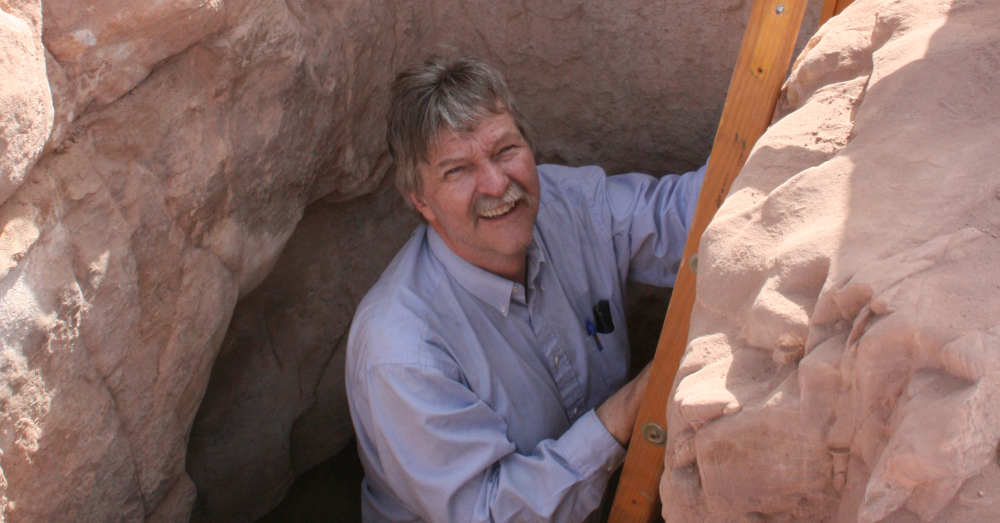
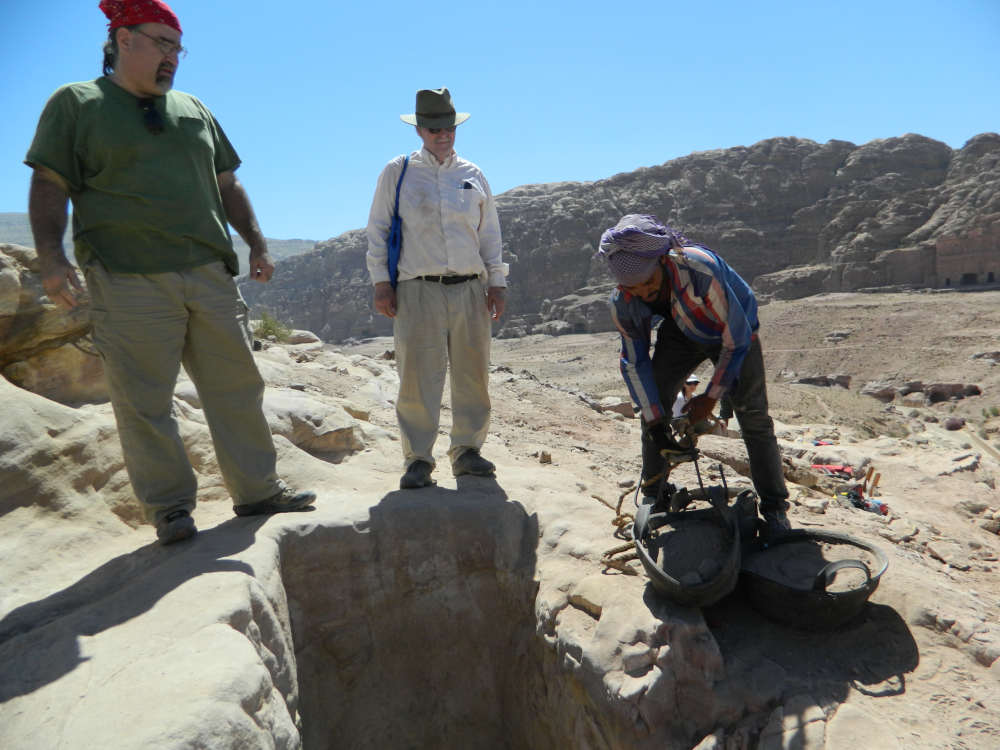
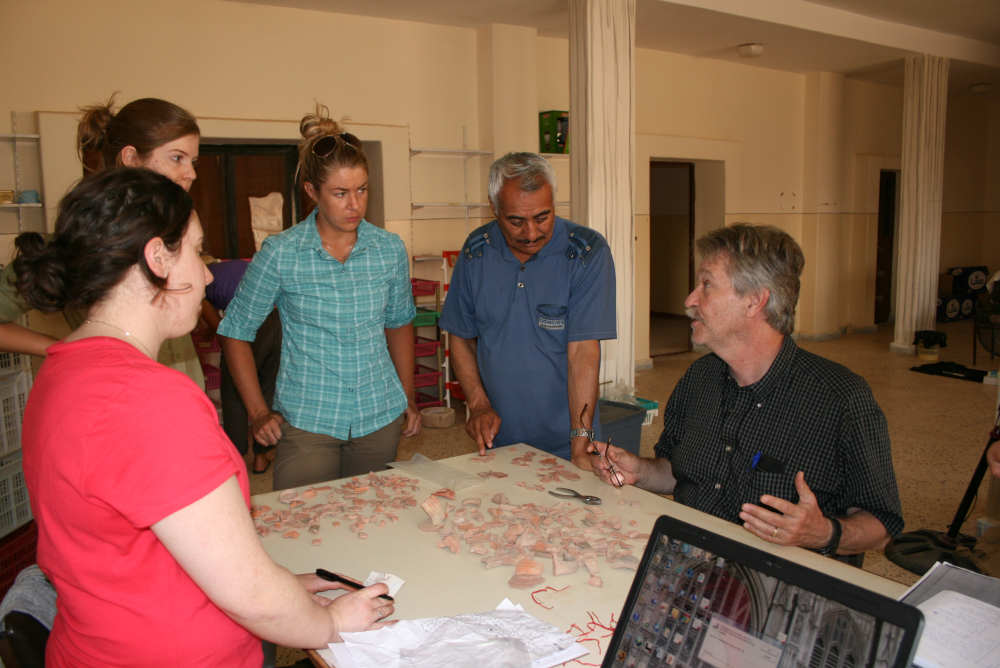
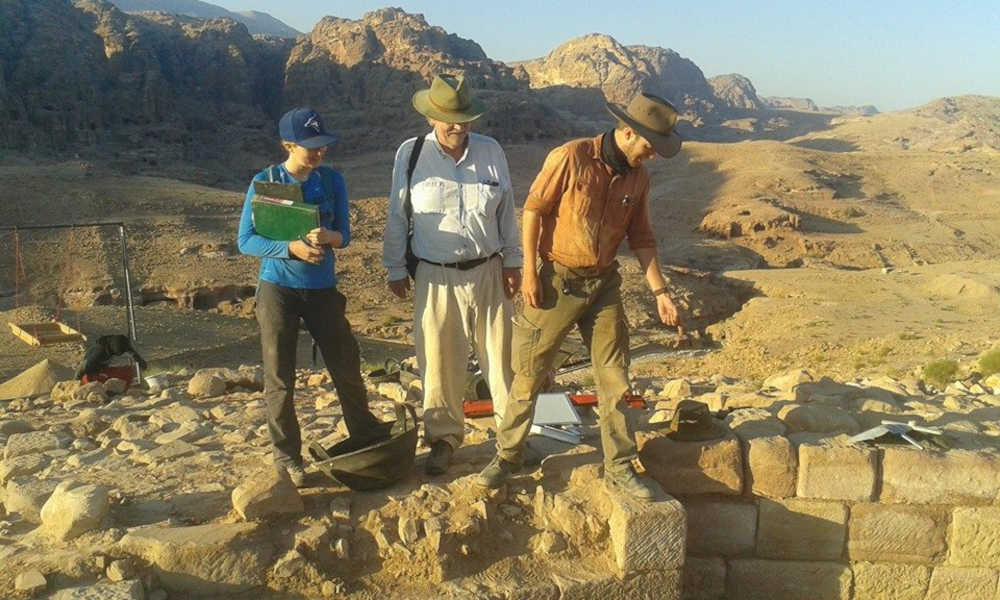
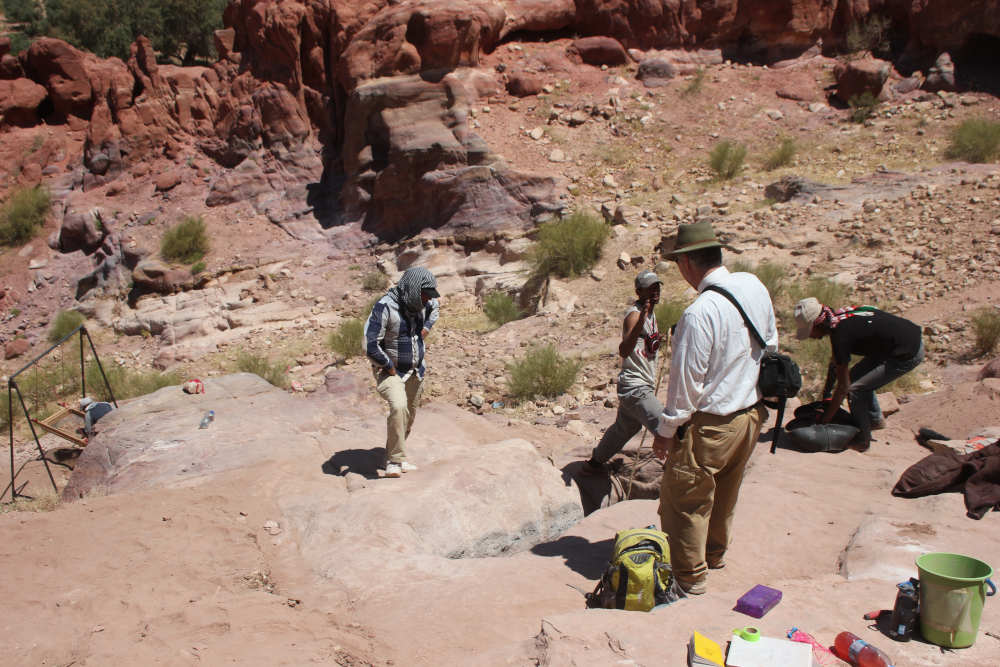
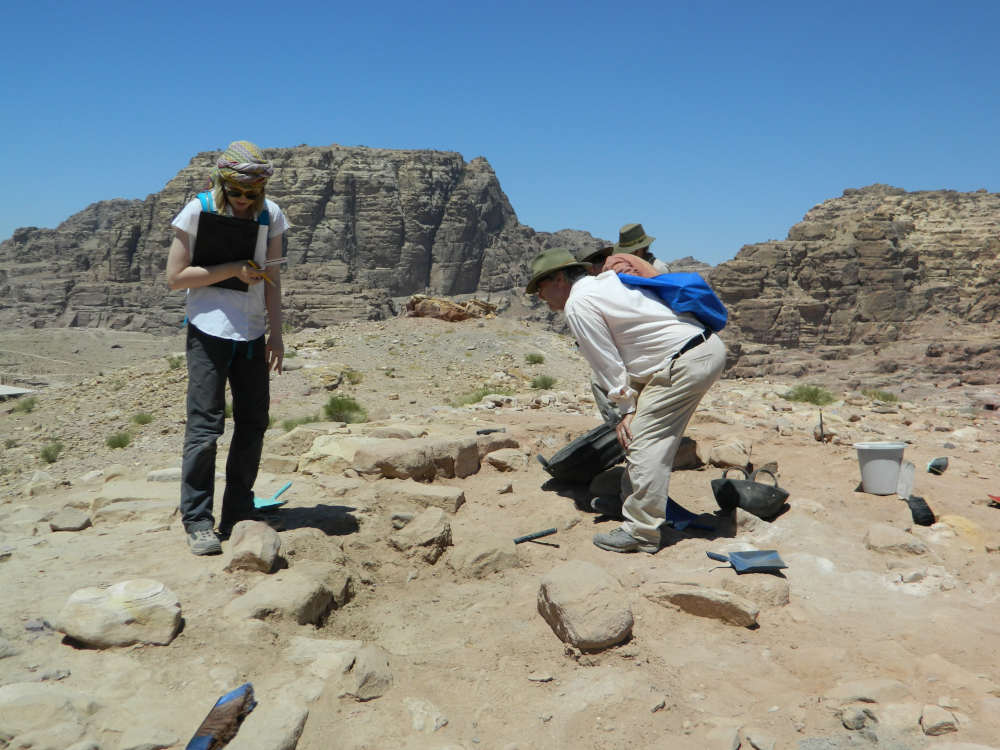
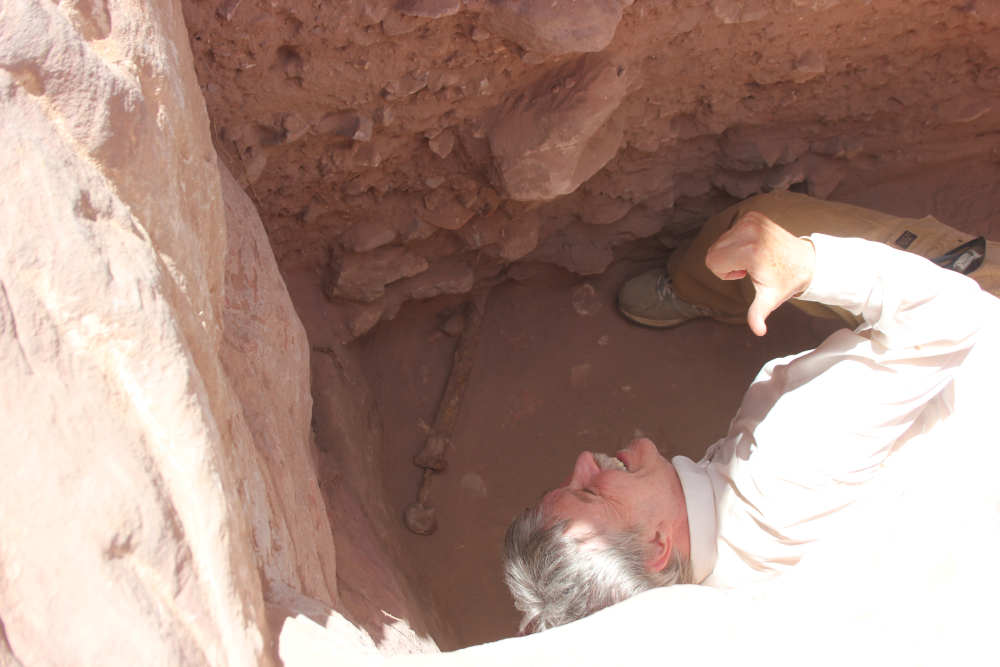
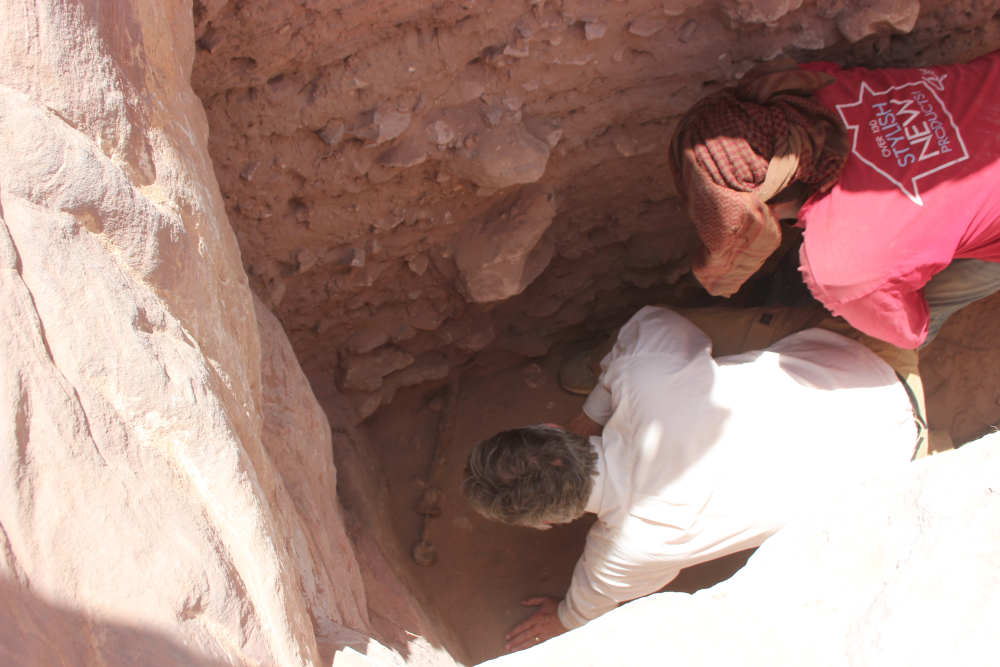
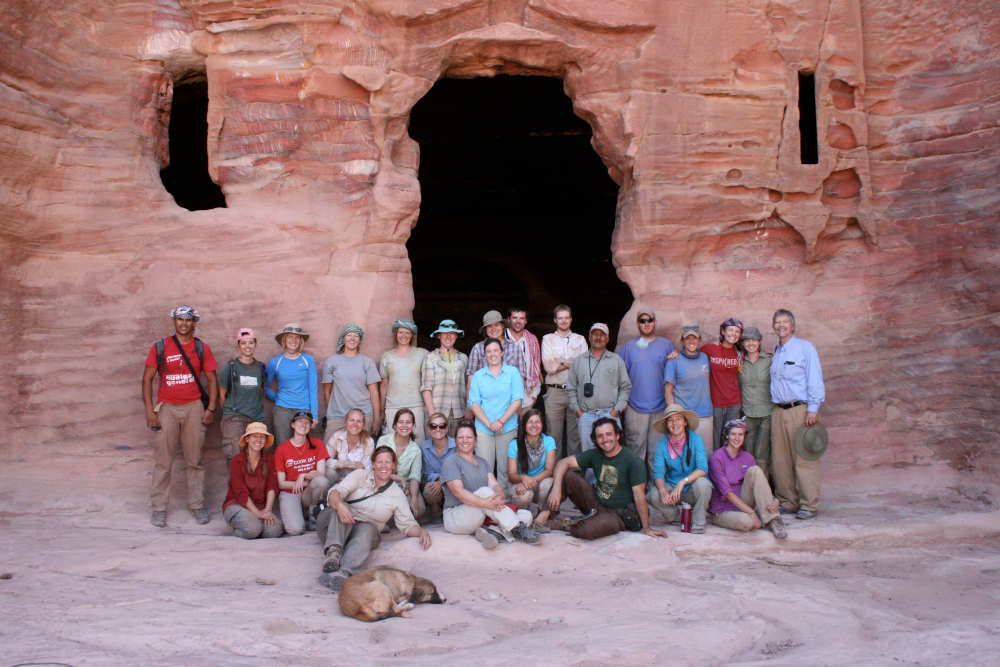
Tom emerging from a Petra North Ridge tomb during the 2012 season. (Photograph by Jennifer Ramsay)

ASOR mourns the passing of long-time member, S. Thomas Parker (1950-2021), who passed away at Duke Hospital in Durham, NC after a brief illness on September 12, at age 71. We share our condolences with Tom’s wife and daughter (Mary Mattocks and Grace Parker), and his siblings.

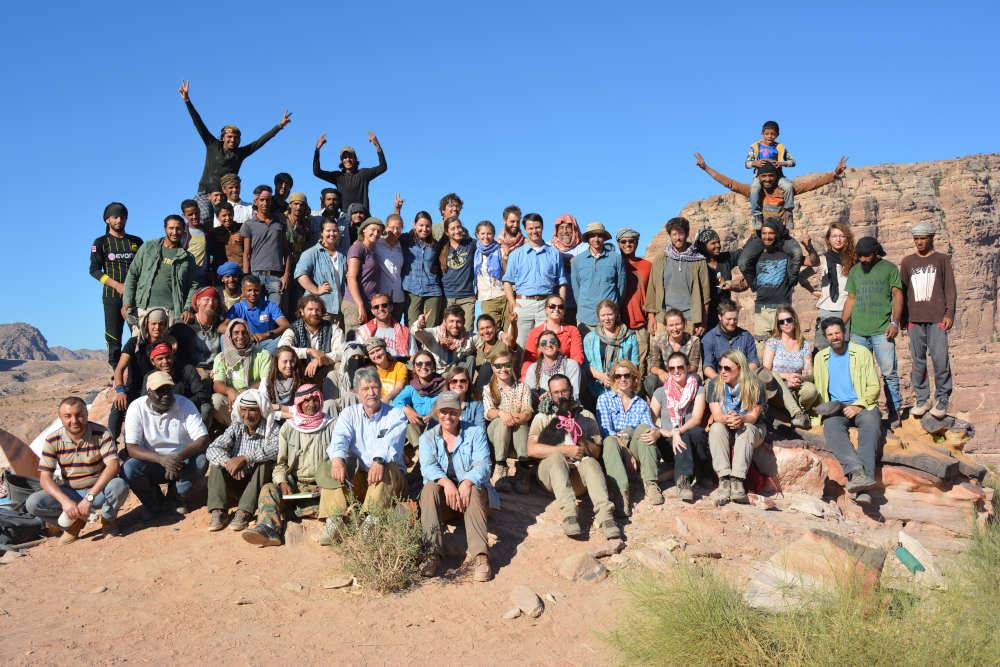
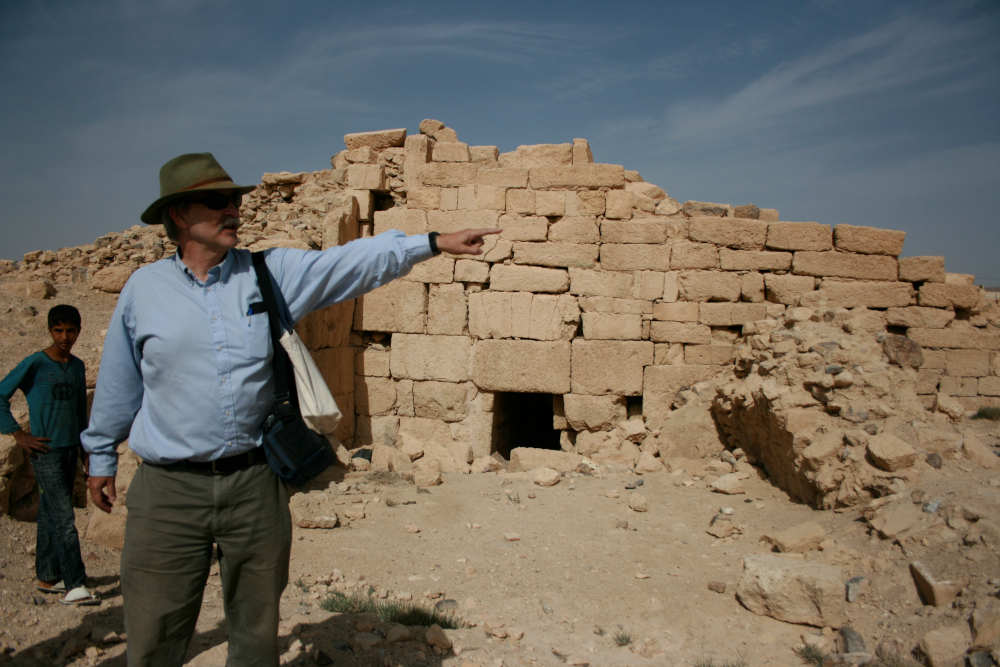
While we will miss Tom dearly, we remember and celebrate his life and many accomplishments. We have included two remembrances below: a detailed and complete remembrance by Megan Perry, and an additional remembrance by Jeffrey Blakely with additional comments from others.

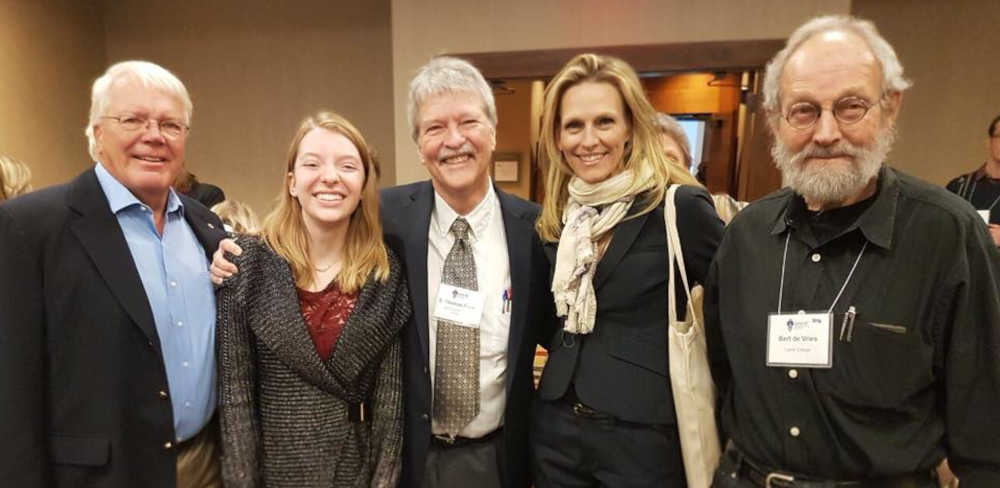
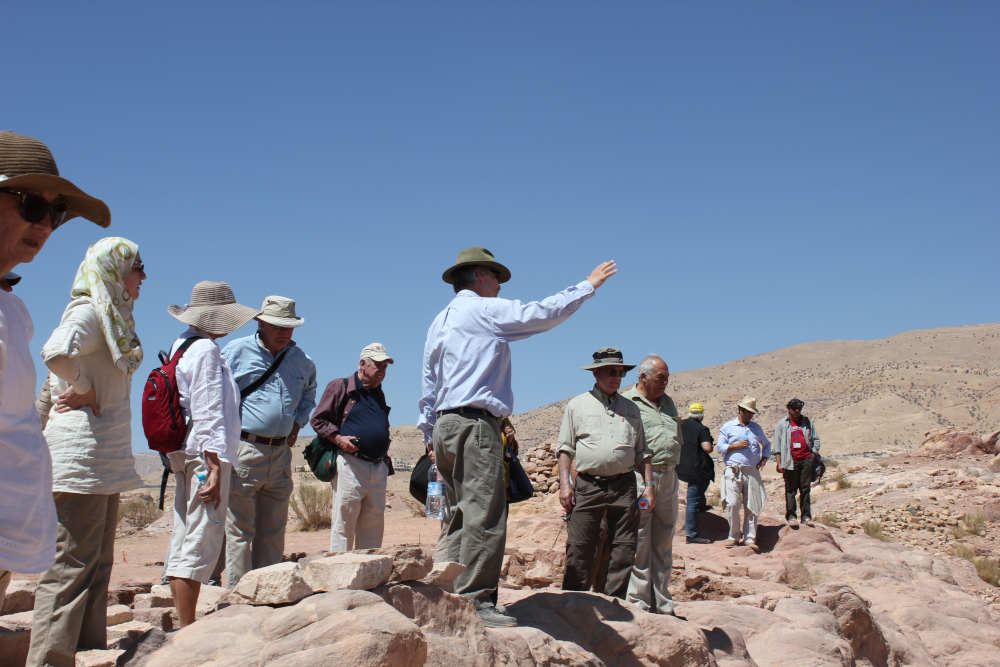
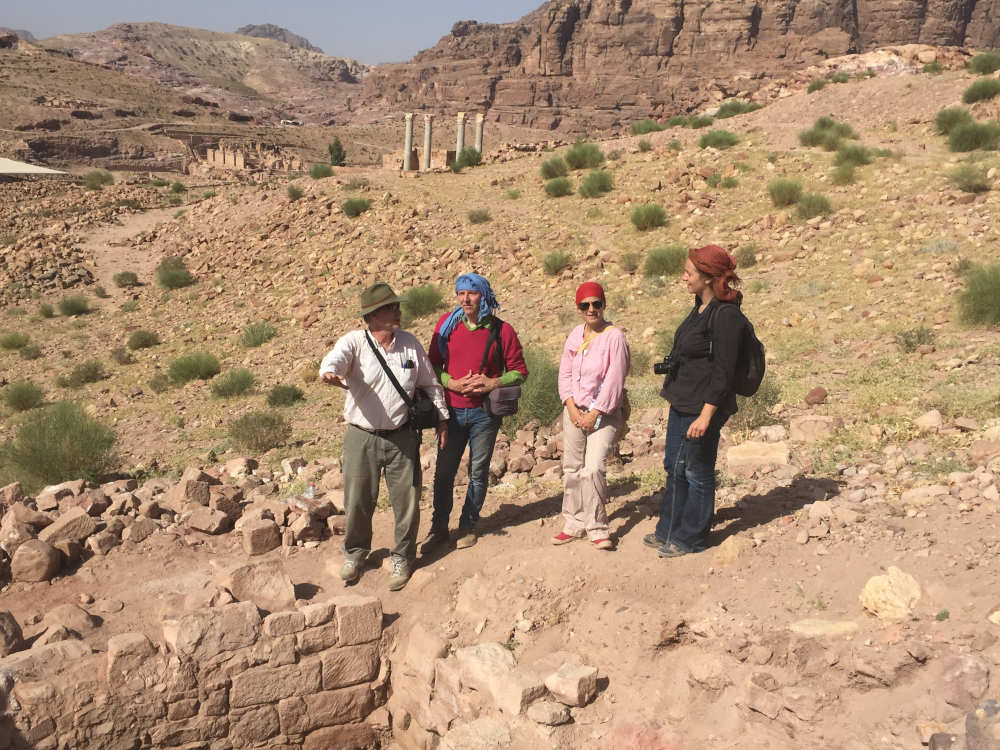
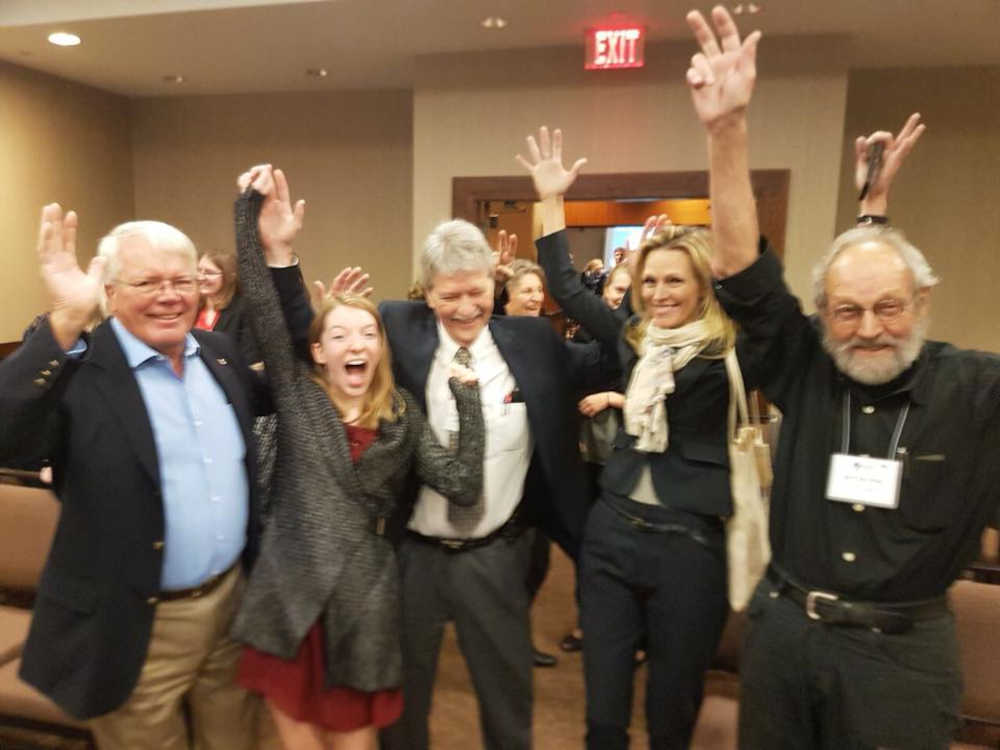
John Oleson, Grace Parker, Tom, Jenna Morton, and Bert deVries after Tom’s Festscrhift session at the 2017 ASOR meeting. (Photograph by Megan Perry)

In Memoriam: S. Thomas Parker (1950 – 2021)

Megan Perry, Professor of Biological Anthropology, East Carolina University

Thomas (Tom) Parker, well-known archaeologist of Roman Jordan and longtime ASOR supporter, passed away suddenly on September 12, 2021. Tom spent most of his childhood in the Chicago area and graduated with his bachelor’s degree in history and religion from Trinity University in 1972. He went on to doctoral studies in history at the University of California, Los Angeles, completing his dissertation in 1979 on his survey of Roman and Byzantine fortifications along the limes Arabicus in Jordan. He joined the History faculty at North Carolina State University in 1980, where he remained throughout his academic career. Tom had almost 50 years of archaeological experience in Jordan, Israel, and Cyprus, having excavated at Tell el-Hesi, Ashkelon, Idalion, Tell Hesban, and the Petra Household Excavations before directing his own field projects. The Tell el-Hesi excavation was a seminal moment for Tom, who not only met many future fellow archaeologists but also began intensively studying ceramic typology that would serve as a major focus for the rest of his career.

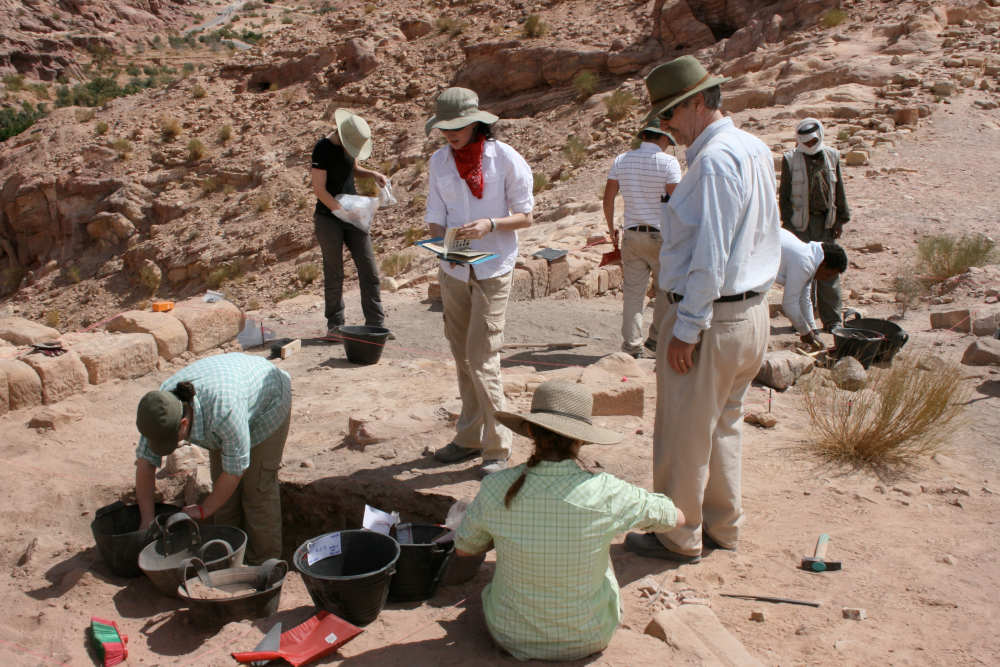
Tom directed or co-directed three multi-season excavation projects in Jordan: the Limes Arabicus Project, which expanded his PhD survey to include excavation the legionary fortress of Leijjun, the Roman Aqaba Project, recovering evidence of Nabataean, Roman, and Byzantine Aila, and the Petra North Ridge Project, which I co-directed with Tom. He served as the ceramics specialist on all of his projects, but always with the goal of mentoring students or younger scholars in the field and in the laboratory. His kindness and patience fostered many budding scholars, and he always, always “knew what was best” for them. While many of his students eventually developed careers outside of history and archaeology, their experiences and his unwavering support and pride in their accomplishments profoundly shaped their lives. In turn, many of these former students contributed to a Festscrhift in his honor, published in 2017.

I first met Tom in 1993, when he visited Tell Nimrin to, among other things, meet me as that year’s Groot fellowship recipient. Tom helped established this ACOR fellowship in honor of his dear friend and Leijjun staff member, Jennifer Groot, who sadly died in 1987 at only 36 years of age. Creating this fellowship, which serves to support first-time excavators in Jordan, exemplifies not only Tom’s generosity but also his role as a mentor to young archaeologists. In the weeks since his death, many archaeologists in the region have commented on his support of beginning and even seasoned scholars. Suzanne Richard, director of the Khirbet Iskander project, recalls, “…as a field supervisor at el-Lejjun, I was so impressed with Tom’s expertise in the field, good leadership skills, calm dealings with staff and students, yet he was always vibrant, jolly, and personable.” Tim Harrison, former ASOR director “will always remember the interest he took in what I was doing … His interest and attention, coming from a senior colleague, was a real encouragement…” Monique Roddy, co-director of the Balu’a Regional Archaeological Project, remarks that “Tom was a wonderful mentoring archaeologist, even for those of us who were never his students!”

Tom faithfully supported ACOR and ASOR throughout his career. He served on ACOR’s board since 1987 and had been Second Vice President of the board from 2002 until his death. He also was an ASOR Trustee from 1989-1992 and served on ASOR’s Committee on Archaeological Policy (1986-1987) and on the Editorial Board of BASOR (1995-1998). Tom was someone always “a great person to have on an ASOR Committee,” according to Tom Levy. I first attended the ASOR Annual Meeting in 1995, and I don’t recall a year since then without Tom’s presence at the conference. Deb Foran, director of the Khirbet al-Mukhayyat Project, commented that this is where he will most be missed, for he “always sat in the front row, listened attentively, and asked insightful questions, no matter how senior or junior the speaker was.” This was often preceded by “his characteristic head turn and raise of the hand” once the Q&A period started, followed by “the gentle laughter because everyone knew he was going to have [a question] ready,” recalls his former student Tiffany Key.

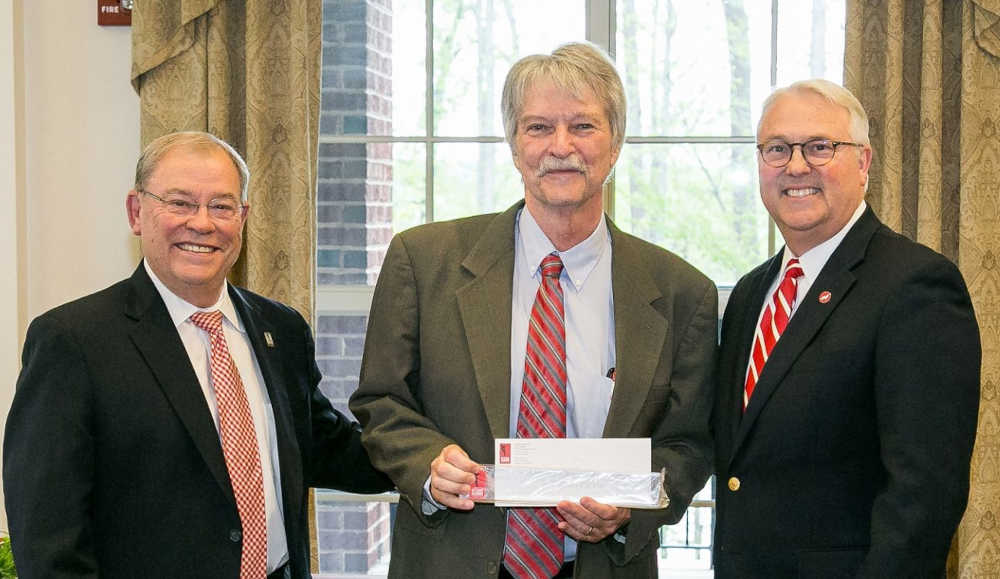
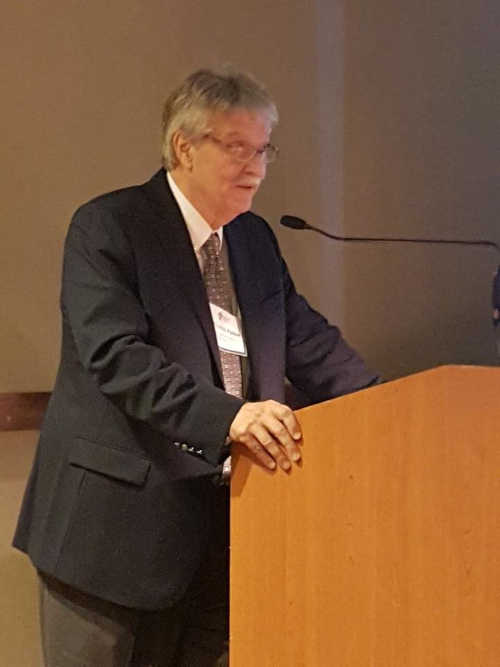
Tom receiving the NC State’s Alumni Association Outstanding Faculty Research Award in 2017. (Photograph by NC State)

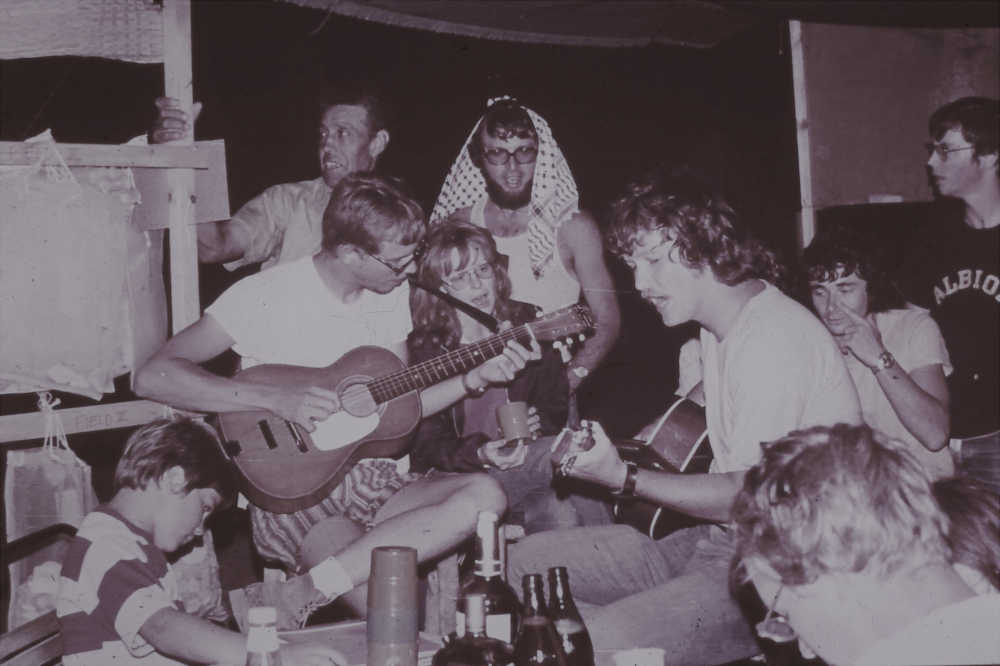
Tom will be remembered for his warmth, his conviviality, his support, his mentorship, his friendship, his scholarship, his collaborations, his laughter, and of course, his singing and guitar playing. You know wherever he is, he’s encouraging those around him to join in: “On a dark desert highway, cool wind in my hair…”

Tom is survived by his wife, Mary Mattocks, and their beloved daughter Grace Parker.

Tom entertaining his fellow Hesi crew. (Photograph by Jeff Blakely)

In Memoriam: S. Thomas Parker (1950 – 2021)

Jeffrey A. Blakely, University of Wisconsin-Madison

Tom and I were friends for just over 50 years, not close friends but good friends who shared a formative experience. In our field, half a century is simply a rounding error, but to friends it is much of our individual lifespans. The day we truly met is as clear to me as yesterday since it was the start of a life altering experience.

Tom and I each decided to participate in the archaeological field school at Tell el-Hesi in the summer of 1971. Soon after the end of the spring semester in early June 1971 we each made our way to the charter flight terminal at Kennedy Airport and boarded a Capital Airways flight for Le Bourget Airport in Paris. A bus tour of Paris and a night in a hotel saw us at Orly the next morning for a flight to Tel Aviv. It was dark when we arrived, boarding busses to our hotels in Jerusalem. After three days of orientation and extensive walking tours of the Holy City we got up and boarded the chartered busses for Hesi. We almost made it, but the drivers refused to cross a wadi so we had to shlep all of our luggage about a half a mile to Hesi’s new tent village. After finding our tents and throwing our luggage in we had to line up for work details since the camp was still a “work in progress.” Sue, the camp manager (and Larry Stager’s wife), “randomly” assigned jobs. Somehow if you were a large or muscular male you were put into one group, twelve guys. I happened to be standing next to Tom and we were paired as a work team. The new camp had not yet dug its outhouses. So we were taken down to six 1.5 x 1.5 meter probes outlined in string and told to keep straight sides and to go down 2.00 meters with picks and hoes. Yella, yella in case they were needed! So at precisely the same time Tom and I began our archaeological experience, digging a modern s****er. We had a number of hours in the hot sun to get to know each other, he from Trinity and me from Oberlin, he just having finished his Junior year and me my Freshman year. He was in history and looking at a potential career in archaeology. I was looking for a once in a lifetime experience. When we reached 2.00m one of the staff came over and noted that our balks were rather overcut … but don’t dare undercut them lest someone sitting on the throne experience a sad and memorable plunge. Once they were straight Larry Toombs hopped in and checked our balks. Below 50 cm of debris/wash we had gone through nothing but loess … no EB city here. Tom and I were friends from that point.

At Camp Hesi the chore details were daily experiences. Soon the botanist had me sorting things and others were pulled off for other recurring duties, but a core four remained unassigned, “Pope, Parker, Woodruff, and Zipris.” Somehow “randomly” Camp Manager Sue always assigned them to the crappiest jobs every day. It became a running joke around camp. In later years when Tom told the story he tended to exaggerate a bit, to wit: “the urinal is filthy, oh, we have no brushes so lick it clean”, or “the outhouses are mounding in the middle, so jump in and push the pile to the sides as you distribute the lime”, or, “I can’t think of a task so dig a big hole and then refill it.” Tom certainly got the short end here, but it was not quite as extreme as his story. Good story, though!

In 1971 Tom was assigned to a square in Field III, while I was in Field I. We both learned a lot and at the end of the season we headed back to college. By 1973 Tom was in Grad school in History and Archaeology at UCLA and I was a Junior at Oberlin. He had successfully applied to be an Area Supervisor while I had wanted to come back and dig again, but I received a field promotion so I, too, became an Area Supervisor. Tom remained in Field III digging the Iron Age fortification system and I remained in Field I digging Persian-Period pits and floors, both in 1973 and 1975. We learned how to dig and how to supervise. It served us well. Tom was also the co-writer and lead performer of the classic Hesi song “Big Mama Sift Some More” and the “permanent” host of the end of the dig parties. By 1977 he was doing his own research in Jordan. But, forever, he was a Hesi-ite at heart. He always came to the Hesi sessions at ASOR and he always would find time to sit and talk with me. His advice was always thoughtful and valued. He was a true friend of mine and of the project.

In 1996 my family and I were to spend a year in Jerusalem, and I came over early to set up school and other things for our son. In advance of this I contacted Tom. We had been friends for 25 years and in the summer of 1996 I was not doing my own research. So, I asked, can I pay my own way and come and simply dig and once again experience what drew me to the field? Tom was the only person I would ever want to work with in such a way … afterall, we were the only Hesi-ites running projects. Tom said, sure, but wouldn’t I rather supervise? No, no responsibilities, let me relive the joys of fieldwork again. Okay.

In late May 1996 after a day in the hot sun crossing the border from Elat to Aqaba I arrived at the project headquarters and I found the proper floor. I saw Tom down the hall and he motioned to me to come and talk in his room as soon as I dropped my bags in my room. I joined him and he had a grim face and he told me he had a big problem. One of his supervisors cancelled at the last minute and even though we had agreed I was to be a digger, could I supervise instead? Damn, I said sure I can do an Area, on a dig you do what is needed. But then he said, “No, you misunderstand” … it was one of the Field Supervisors and I would be overseeing six Areas; remember you just said you do what is needed. Somehow I think I fell into a well orchestrated plan, and a few years later when I actually asked if that was the case, all I got was a typical Tom Parker smile and a helpless shrug. I will always see that smile and shrug when I think of Tom.

Jeff Blakely

Comments in Remembrance of Tom Parker

“I will always remember the interest he took in what I was doing, even if it involved cultural periods much earlier than his own research focus… His interest and attention, coming from a senior colleague, was a real encouragement, and modelled a wonderful collegiality that continued over many years.” – Tim Harrison


“Even in 1980, as a field supervisor at el-Lejjun, I was so impressed with Tom’s expertise in the field, good leaderships skills, calm dealings with staff and students, yet he was always vibrant, jolly, and personable.  He became a leader in the field but was still the same wonderful Tom.” – Suzanne Richard


“From the first time we met and worked together (1976 at Tall Hisban), I could see in him a rising star in the field. From my point of view, his star has set much too soon. We will miss him.” – Doug Clark


“The study of the archaeology of Jordan and the Roman Near East will not be the same without Tom Parker, nor will ACOR. Those of us in the field have lost such a warm, gregarious, vivacious, and endlessly supportive colleague.” – Elise Friedland


“Tom was the first ‘real’ archeologist that I met in Jordan (35 years ago) – he was so unpretentious, humble, full of humor – in one word: a ‘Kumpel’! – and yet: a world class scholar.” – Friedbert Ninow


“Thomas Parker was to me Sir Thomas Parker, a world-class scholar, an enthusiastic and charismatic field archaeologist, a great teacher and mentor, and a loyal and most enjoyable companion, fellow camper and friend… His scholarly achievements as an archaeologist of the Roman Frontier in the Southern Levant will be re-visited over and over again by future generations for decades to come.” – Øystein LaBianca


“Working in Jordan will never be the same without them both [Tom and Bert deVries, who passed away in March of this year]. We will miss their presence at every ASOR Conference and at every group meal at ACOR. They were both such amazing mentors and willing to help scholars of all ages and backgrounds. God grant comfort to Tom’s family and may his legacy live on in every young scholar and colleague that we each can assist and encourage just like Tom did.” – Cynthia Finlayson


“From my first interaction with Tom in the late 1980’s I was thankful of his presence, his humanity and his love of archaeology.  Really, this is a major loss.” – Ian Kuijt


“Tom was the friendliest, most supportive colleague, and a great mentor. We will all miss him.” – Jonathan Ferguson


“Tom and I cross over more than 4 decades as active members of the Jordanian archaeological community, our mutual interest in Roman Frontier Studies, and our excavations at Petra.  A great personal loss for me and for everyone. The epitome of an ambassador for our profession.” – David Graf


“I’ll never forget when we gave him his start in Jordanian archaeology as a field supervisor at Hisban in 1974…. For the last fifty years he’s been at the forefront of Jordanian archaeology and has touched the lives for good of all of us.” – Larry Geraty


“This is indeed a tremendous loss for us all. My deepest sympathies to his family. I will miss him greatly.” – Lisa Maher


“Tom was the biggest advocate of junior archaeologists and always had a smile on his face. He will be missed.” – Leigh-Ann Bedal


“A tremendous loss to his family, his friends, his students, and to archaeology in Jordan. It’s difficult to imagine Jordan without the presence and contributions of Tom Parker.” – Gary Rollefson


“He was such a nice person and a good scholar… It is difficult to think on works and not having him somwehere in the back as advisor and friendly colleague.” – Robert Wenning


“Tom, a gentleman and collaborator in support of ACOR’s vision, supported the institution by serving on many of the board’s committees, and always calmly responded to its challenges. Tom also nurtured camaraderie with everyone he met. Always thoughtful and encouraging. Tom threw great parties. Tom’s scholarship was impeccable.” – Martha Joukowsky via her daughter Nina Köprülü


“The flood of recollections and condolences reflect the place Tom held in the ASOR/ACOR community.  STP was one of a kind, and we’ve suffered a great loss at many levels.” – Jerry & Pam Mattingly


“Everyone who knew Tom will miss him. He was a great scholar and a friend of many Jordanians. May his soul Rest In Peace.” – Moawiyah Ibrahim


“…he was a friend and colleague going back to 1975 when we first went to Jordan, and one of my daughters was a member on his digs…a strong supporter of ACOR both in his financial support and the time and effort he put into the fellowship program. We will miss him significantly and condolences to his family.” – Randy Old


“Tom was such a kind, funny, and supportive figure, and I have long admired his dedication to good and careful scholarship, his encouragement to younger scholars, and his commitment to Jordan.  I’m grateful that I had the chance to get to know him.” – Björn Anderson


“Tom was a unique individual, a good friend to just about everyone he met, and he leaves a big gap in all sorts of places, most of all in our hearts.” – John Oleson


“It is a big loss to ACOR and to the field in Jordan. I also feel lucky to have got to know him over the 4+ years I have been on the ACOR board and I am grateful for that.” – David Nichols


“Tom was not only a wonderful mentor and colleague but also a true friend, working in Jordan and attending ASOR meetings will not be the same. I count myself lucky to have had the opportunity to have learned from him and worked with him in the field. He will be truly missed by everyone who knew him and my heart goes out to his family.” – Jennifer Ramsay


“In our years at ACOR, Tom was very helpful to us in many ways. His work on the fellowship committee always led to ACOR having interesting and committed scholars. Tom was also a good colleague, ever generous with his expertise. We will miss him.” – Pierre and Patricia Bikai


“Tom Parker was a special person, and not just an amazing scholar, teacher, and leader. I will always be grateful for the ways that he supported me in my work and encouraged me a person. Neither ACOR nor ASOR would be the strong organizations that they are today without him..” – Andy Vaughn

Image Gallery

An ACOR Fellowship – the “S. Thomas Parker ACOR Memorial Fellowship” – is being established in Tom’s memory. The link below will direct you to his page. This fellowship will support students participating on archaeological projects and doing research in Jordan, continuing the tradition of mentorship so important to Tom.

https://acorjordan.org/contributions-in-honor-of-s-thomas-parker/