ASOR CHI at Cyrene:
To Everything There Is A Season
September 1, 2026 | By Darren P. Ashby | ASOR Cultural Heritage Programs Manager
This work was made possible through the generous support of Ancient Rome Live.
The summers are hot in Libya, but the work doesn’t stop. With funding from Ancient Rome Live, ASOR and its colleagues at the Libyan Department of Antiquities (DOA) have spent the past few months collaborating closely on a variety of activities at the World Heritage Site of Cyrene in the Green Mountains, which form a verdant high point in the eastern side of the country. Just as to everything there is a season, these activities move at their own pace, but the fruits of our collective labor are beginning to ripen.
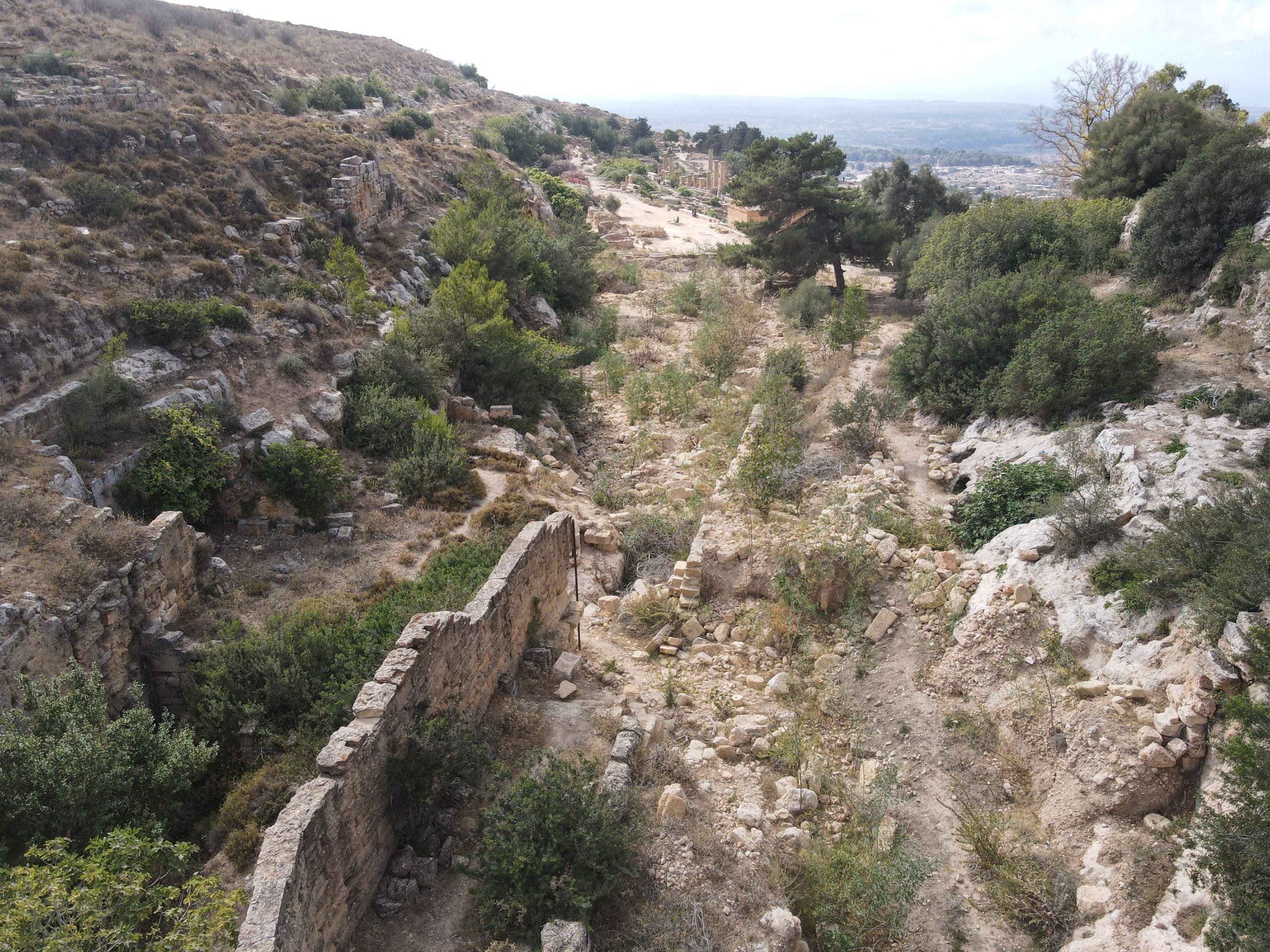
The conditions at Cyrene in Wadi Street before the start of the project. (Source: DOA)
The long summer days have made for productive work addressing damage from flooding and vegetation around the Sanctuary of Apollo Terrace. The bulk of this effort has centered on the area of Wadi Street, where a porticoed path once connected the upper city with the lower sacred terrace. As the name suggests, Wadi Street is a common pathway for water runoff from upper Cyrene as it works its way north downhill to the Mediterranean. Flooding during Storm Daniel in 2023 ripped through this area, tearing down part of the porticoed pathway and digging deeply into the subsoil. These past months, DOA’s local conservation team responsible for Cyrene has cleared flood debris deposited by Storm Daniel and partially restored the porticoed pathway. In all of these activities, DOA’s conservators have been guided by the extensive site archival records and institutional memory of its local team members.
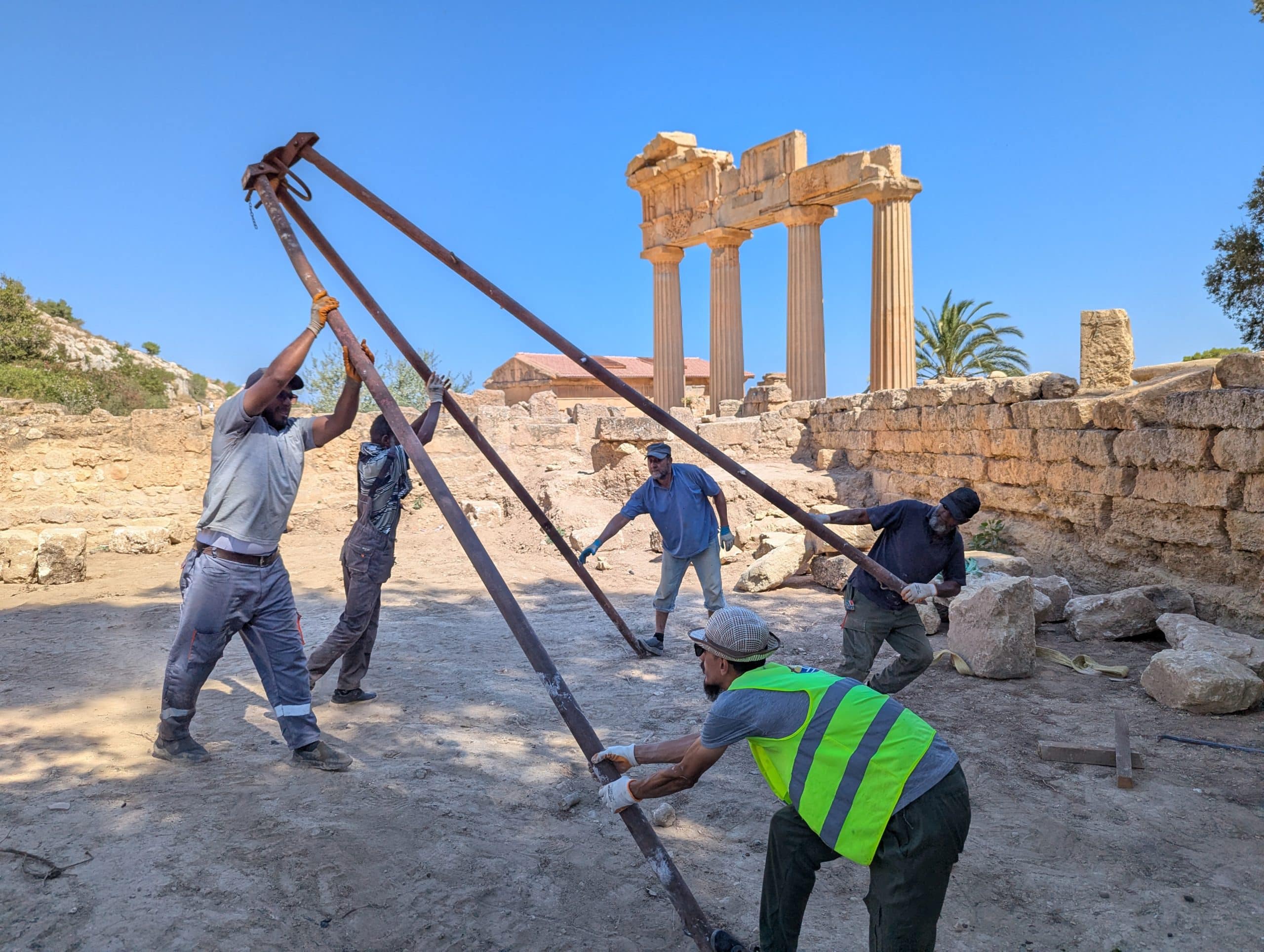
Preparation for conservation work on the Sanctuary of Apollo terrace. (Source: ASOR)
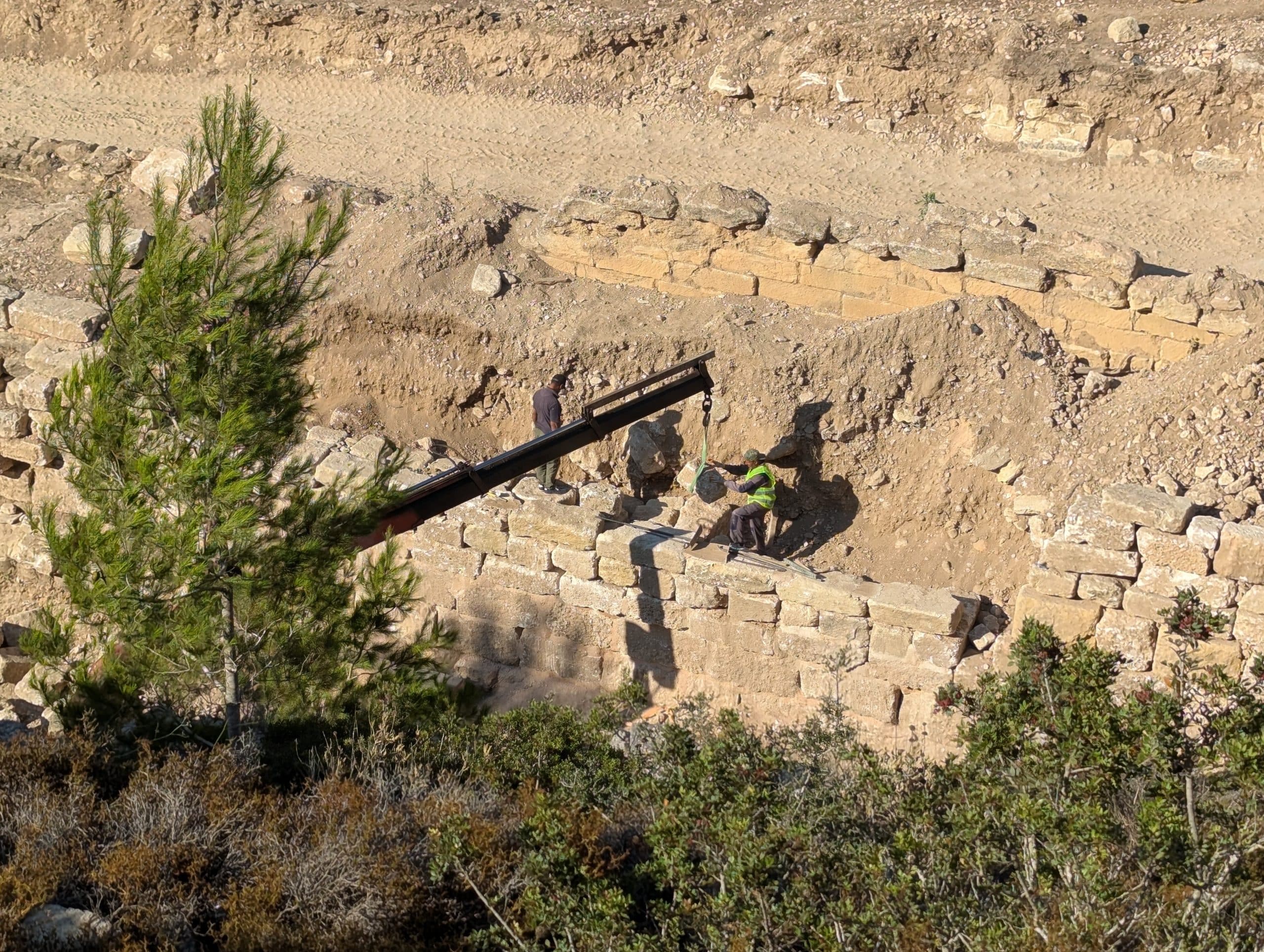
The use of a crane during conservation work on architecture in Wadi Street. (Source: ASOR)
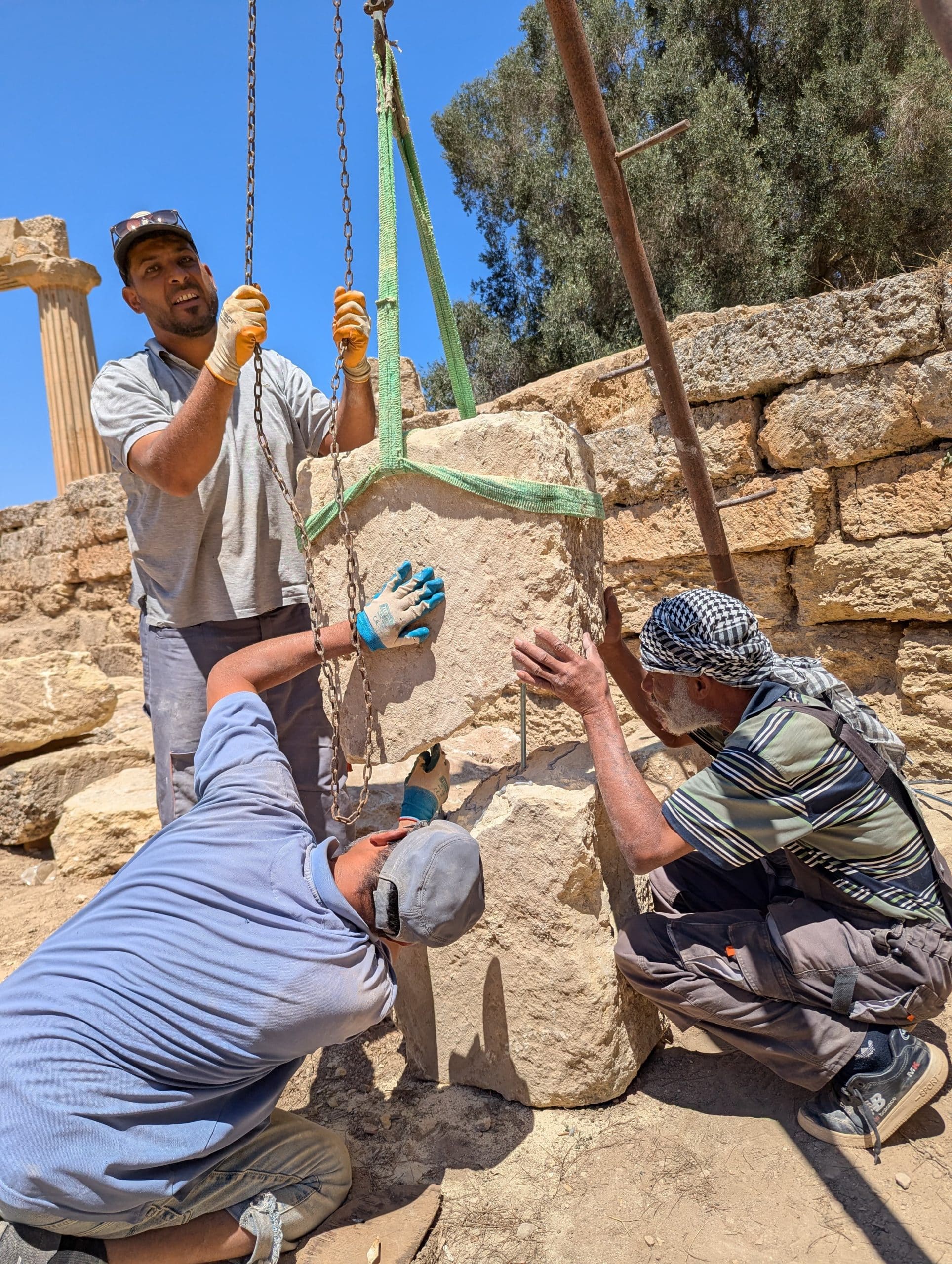
DOA conservation crew working to pin ancient stones broken by Storm Daniel. (Source: ASOR)
At the same time, DOA and ASOR worked to restore access to the Mithra Cave at the southern end of the Sanctuary terrace. As part of this activity, the team cleaned the drainage channels, removed vegetation inside and around the cave, repaired structural cracks, restored the interior basins, and strengthened the retaining wall, all using compatible, locally sourced conservation materials. Restoration activities also focused on reinforcing and repairing the lower sections of the rock-cut columns and pillars supporting the cave roof, thereby improving the structural stability of the monument while preserving its original fabric. To improve site security, the team also installed a new metal door at the cave’s entrance and a metal fence along the cave’s upper edge. Alongside these conservation interventions, the project team has also continued to work on paths, signage, and digital content that will improve the visitor experience for Libyans and international travelers.
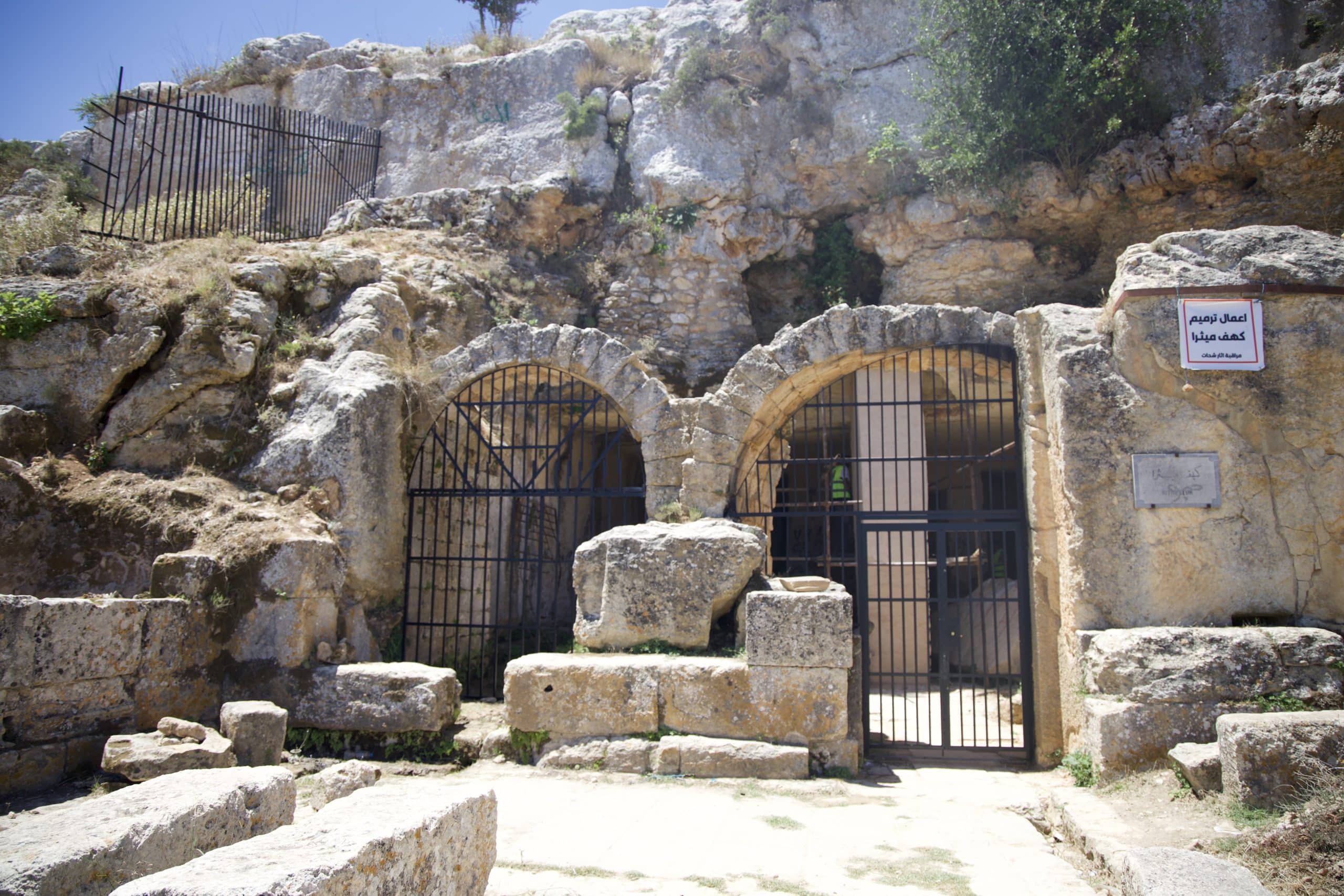
Newly installed gateway and upper security fence at the Mithra Cave. (Source: DOA)
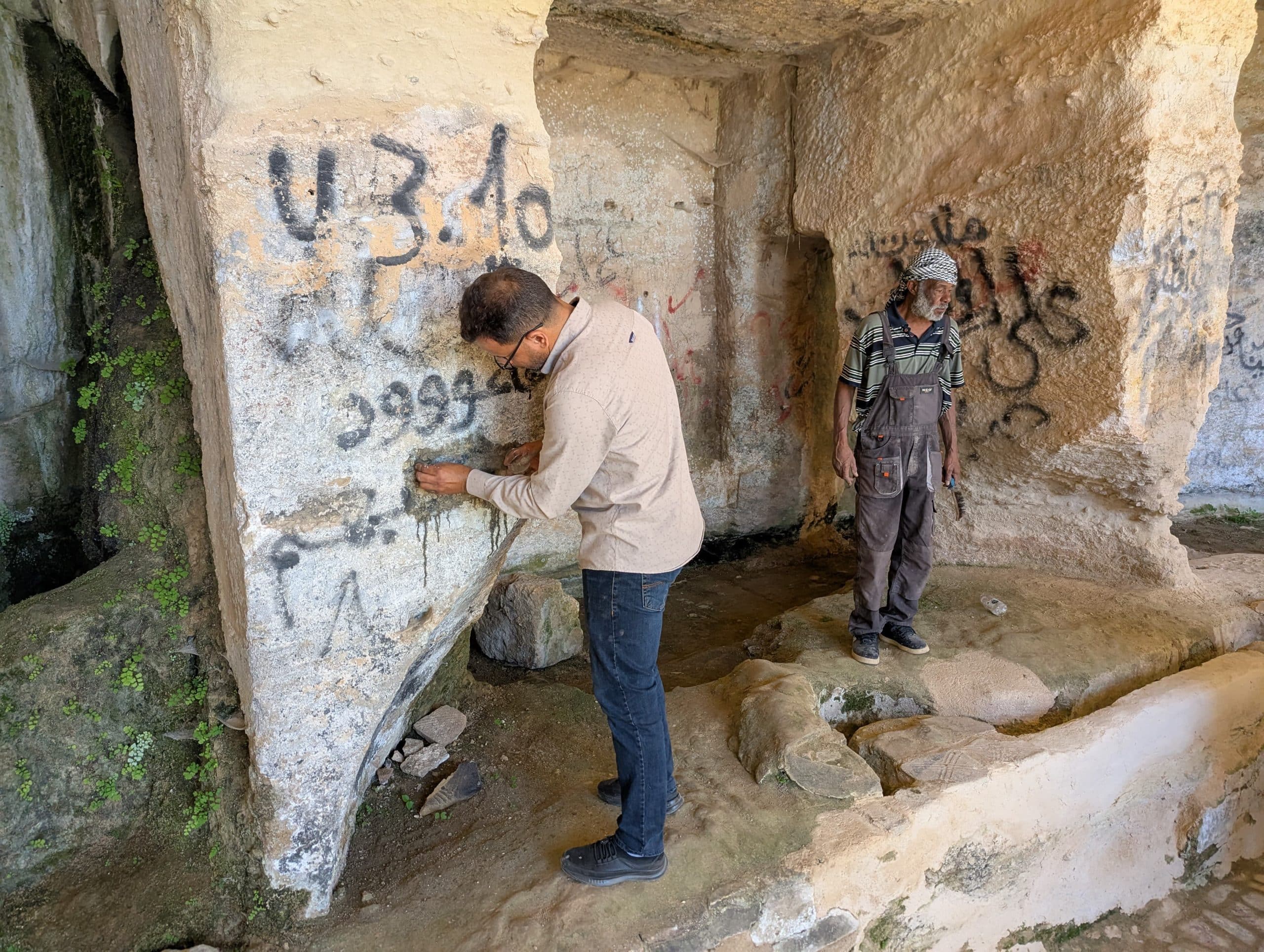
Graffiti removal inside the Mithra Cave. (Source: ASOR)
As summer turns to autumn, the work goes on and thoughts turn to the harvest. Travel to Cyrene later this year will provide another opportunity to celebrate all our colleagues at DOA have accomplished and to make plans for future site protection activities, including the establishment of regular vegetation removal and the possible reactivation of ancient drainage channels.
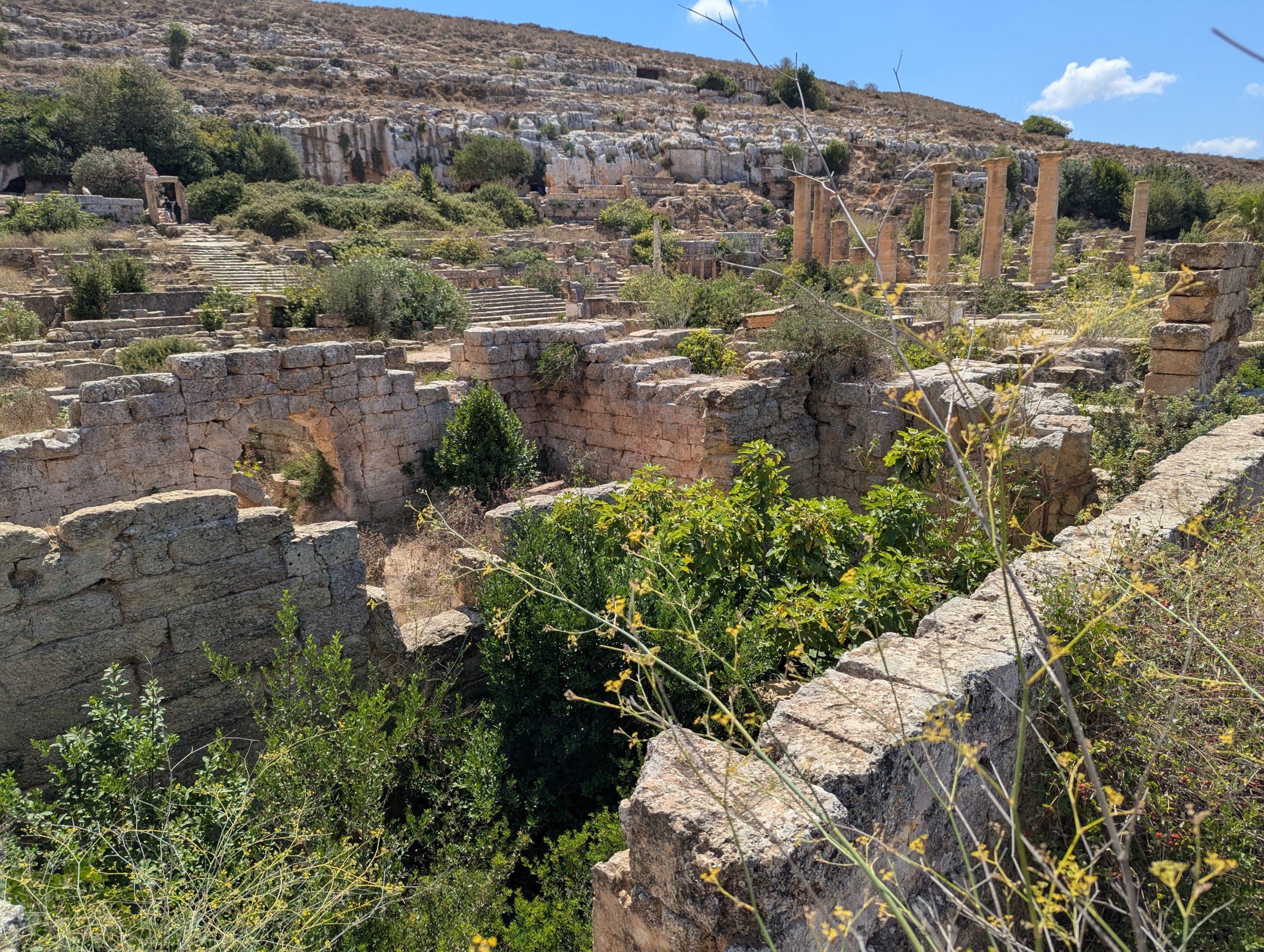
Overgrown vegetation on the Sanctuary of Apollo. Its removal will be a priority in future work. (Source: ASOR)
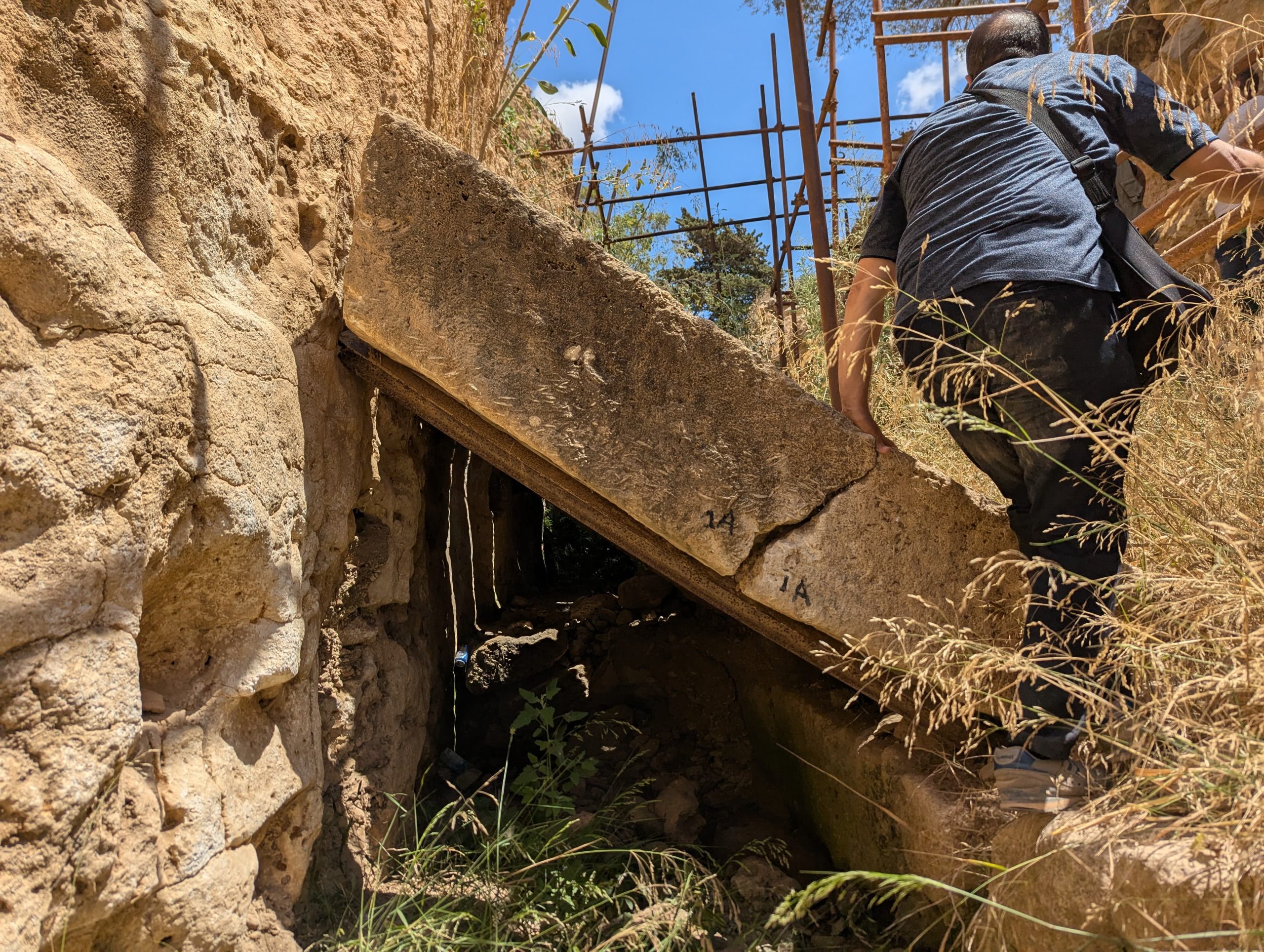
Ancient drainage system revealed by Storm Daniel. Its conservation will be a focus of future work. (Source: ASOR)