UNEARTHING THE PAST SINCE 1900

Ongoing Updates: We’re currently fixing unexpected design-related issues on our website. We apologize for any features that may be temporarily unavailable at this time. Thank you for your patience and understanding.

Mount Zion – Female Union Band Society Cemetery Documentation Workshop Recap

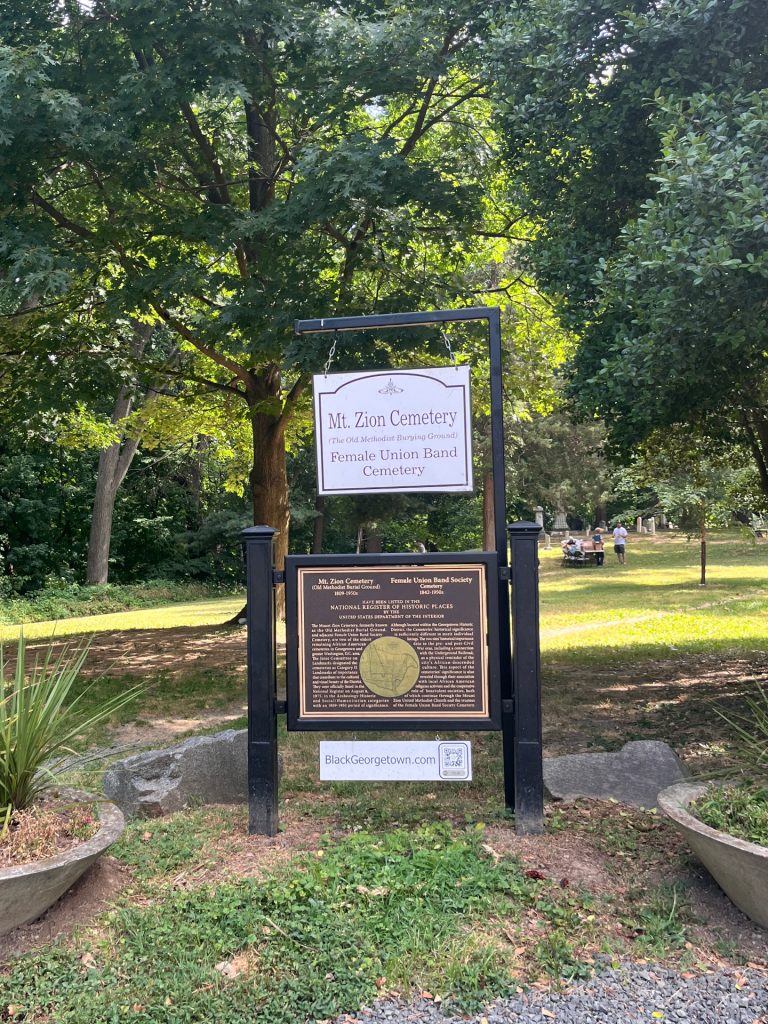
From June 27 – 30, ASOR was pleased to host the Mount Zion – Female Union Band Society Cemetery Documentation Workshop in partnership with Archaeology in the Community (AITC) and Black Georgetown Foundation. This public 3-day hybrid workshop on cemetery documentation took place online through Zoom and in-person at the Mount Zion – Female Union Band Society Cemetery in Washington, D.C.

The entrance to Mount Zion - Female Union Band Society Cemetery.

The workshop commenced with a Zoom session on June 27 covering a brief history of the cemetery, the fundamentals of cemetery documentation, and an introduction to the two heritage documentation techniques participants would use at the in-person session – KoboToolbox and photogrammetry. The session was recorded and can be viewed here.


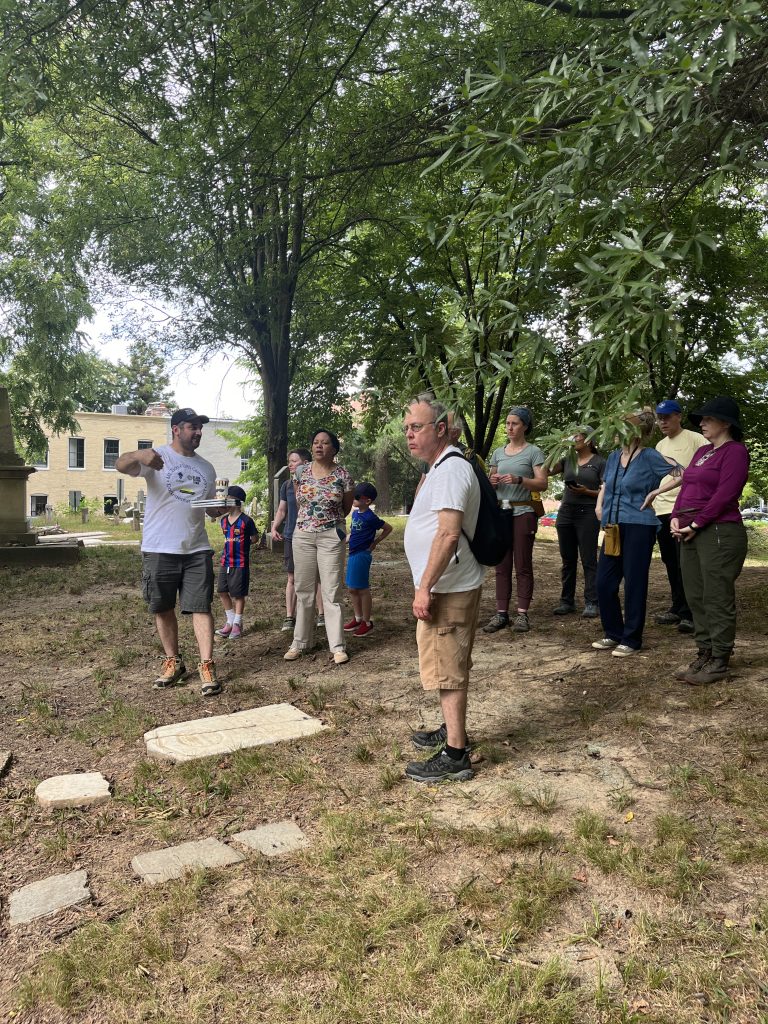
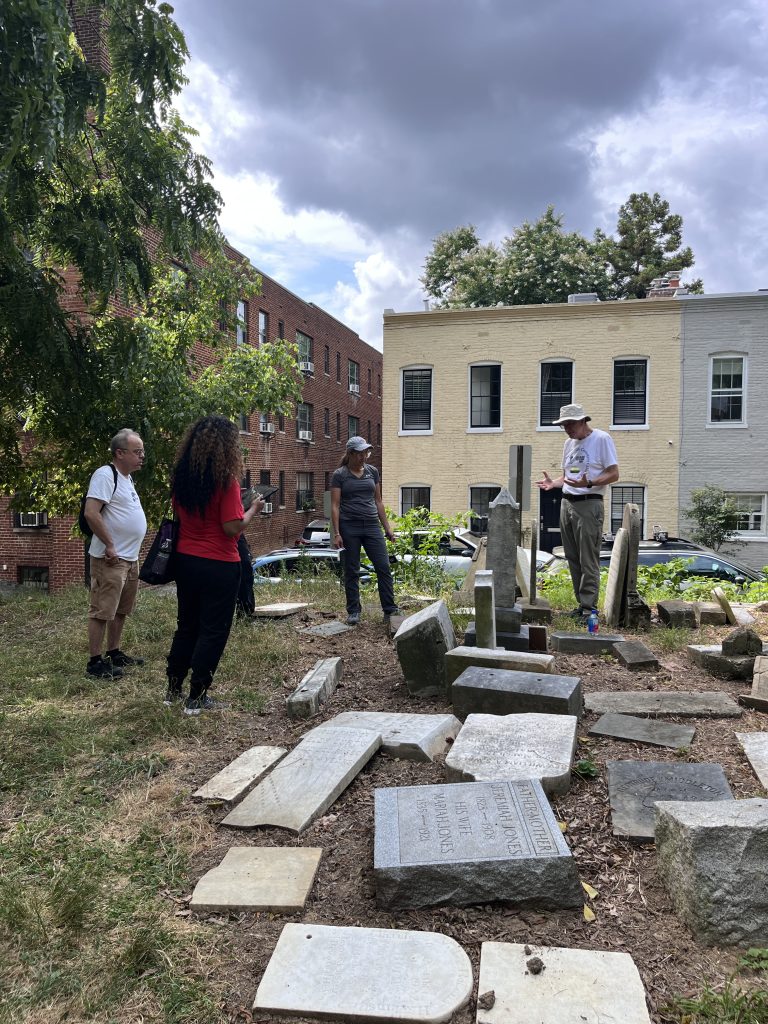
On June 29, participants joined staff from ASOR, AITC, and Black Georgetown Foundation, as well as members from the William Leo Hansberry Society, at the cemetery to engage in the on-site training session and gain valuable, practical experience in cemetery documentation techniques. This included cataloging tombstones and historical markers using KoboToolbox, a free and open source software for location and descriptive data collection. Participants were sorted into groups to practice recording different sections of the cemetery. Using tools like handheld GPS devices, tape measures, whiteboards, and photo scales, participants compiled data from the tombstones and uploaded them into a custom form on KoboToolbox.
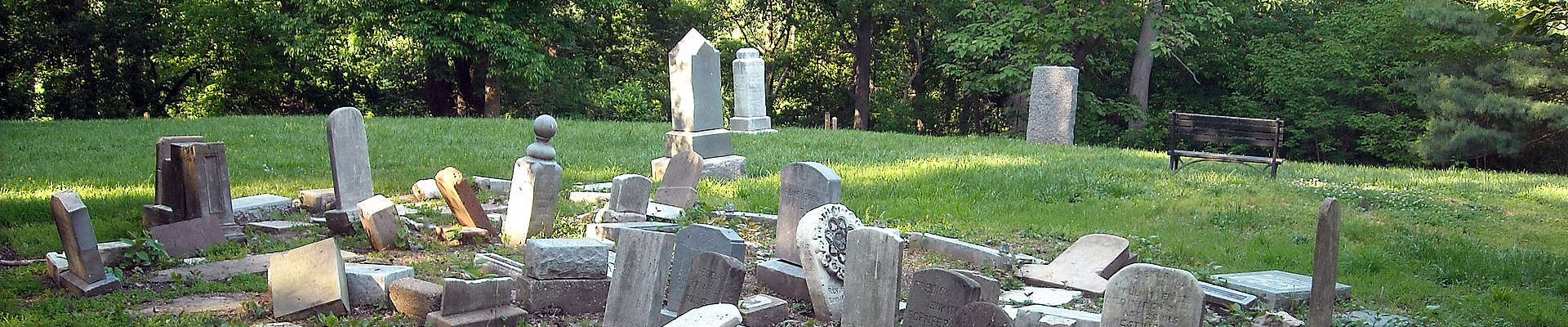
Participants attending the on-site training on June 29 at the cemetery.
ASOR staff instruct participants on how to use Kobotoolbox to collect data.
ASOR staff and participants discuss how to document a tombstone.

After collecting data via KoboToolbox, staff proceeded to instruct participants on the basics of photogrammetry. Photogrammetry is a process using two-dimensional (2D) images to provide measurement data which can then be input into photogrammetric software, such as Agisoft Metashape, to create 3D models. These 3D models can be highly useful and aid archaeologists in uncovering hidden details of objects and buildings. This method also preserves heritage sites digitally and facilitates accurate reconstructions.


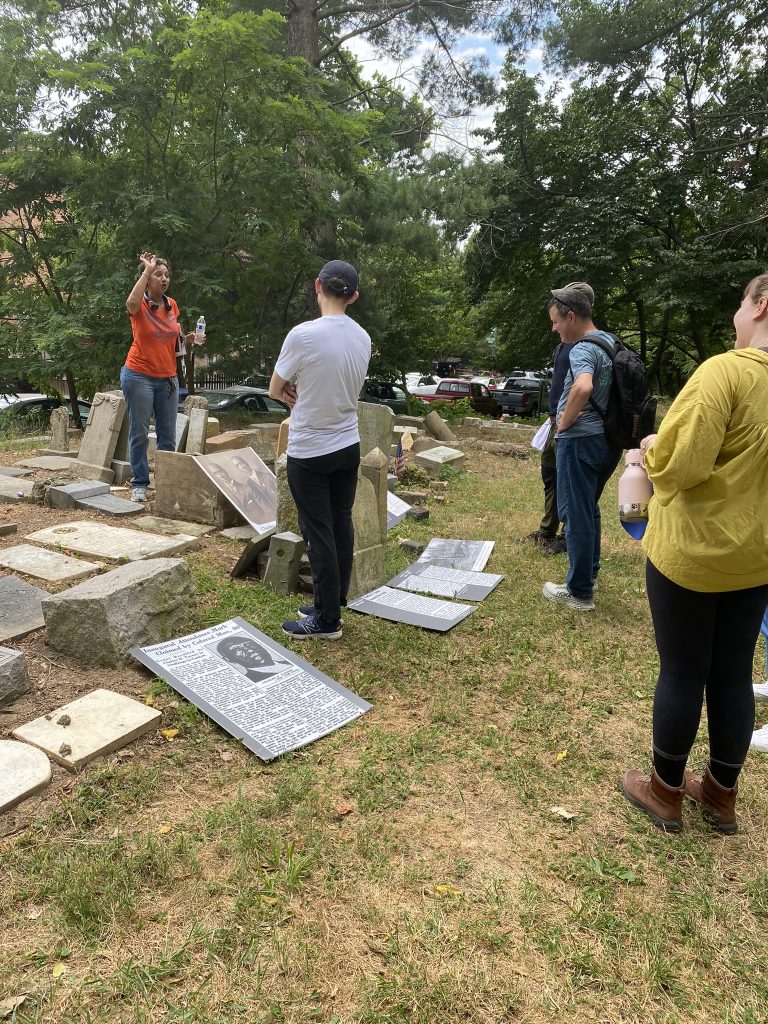
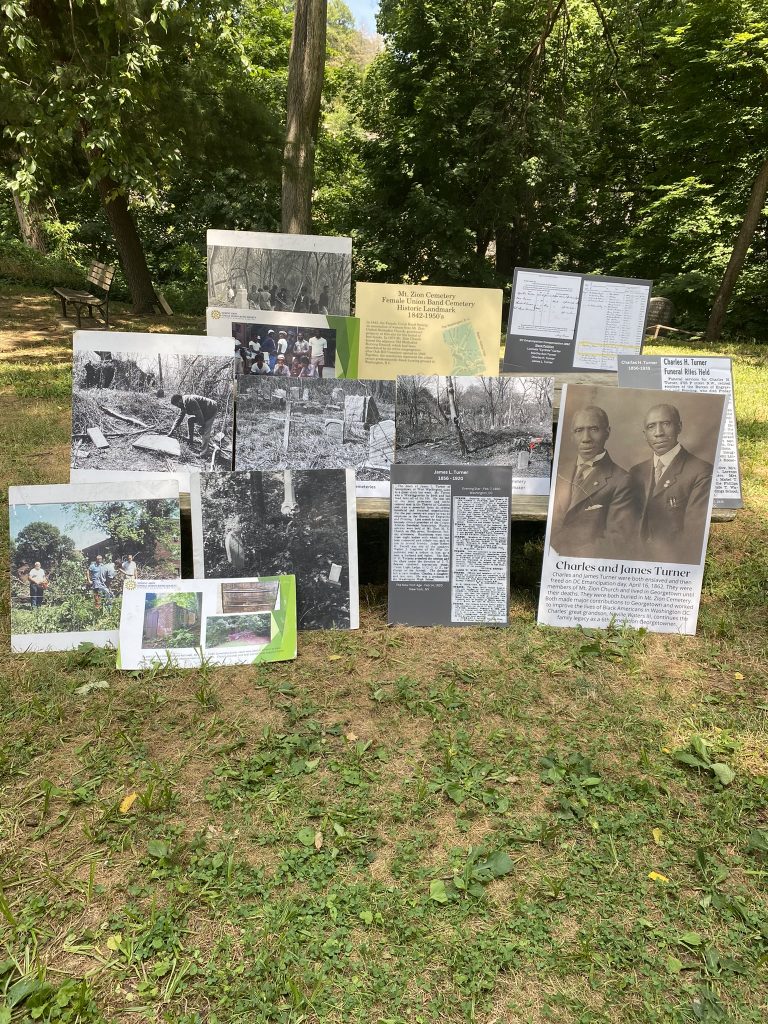
Lisa Fager, the Executive Director of Black Georgetown Foundation, was able to join the on-site training and offer an extensive and fascinating tour of the cemetery grounds. Bringing along several posters and visual aids for participants to view, Lisa described the history of African-American cemeteries in Washington, D.C., the cemetery’s association with the Underground Railroad, and the notable individuals buried on the grounds including Charles Turner, also known as “the Black Mayor of Georgetown.” Read more about the history of the cemetery here.

ASOR staff instruct participants on how to take photographs for photogrammetry.
Lisa Fager, the Executive Director of Black Georgetown Foundation, gives a tour of the cemetery.
Posters about the history of the cemetery.

The final session of the workshop on June 30 via Zoom focused on how to process & analyze data collected through KoboToolbox and how to create 3D models through photogrammetry. The session was recorded and can be viewed here. ASOR staff collected photos from participants and processed them to create 3D models; one of the models is shown below.

ASOR is proud to have hosted this successful introduction to heritage documentation workshop. Part of our core mission is to develop engaging programs of outreach for the general public, and we are grateful for all those who participated in this event. Thank you to everyone who attended, and we hope to see you at future events!

Leave a Reply