From Research to Reality: My Journey to the Balu’a Regional Archaeological Project
Zainab O. Hweij, 2026 Strange/Midkiff Families Fieldwork Scholarship
For months, I wasn’t sure this excavation season would happen.
Like many archaeologists working in the Middle East, our plans were overshadowed by the uncertainty created by the regional political situation. Every week seemed to bring new questions about whether the field season would be postponed or canceled. Yet throughout this period, Dr. Monique Roddy (co-director of the project ) remained remarkably optimistic, encouraging the team and continuing to prepare for the season. Her confidence gave me hope that I would soon have the opportunity I had been working toward for months.
When I finally arrived at the Mujeb Hotel and met the team members, all of that uncertainty disappeared. The excitement of beginning another excavation season quickly replaced months of anticipation. Looking back now, that first evening feels like the beginning of one of the most rewarding archaeological experiences of my career.
My name is Zainab O. Hweij, and I am a Jordanian archaeologist with master’s degree from the University of Jordan. My research focuses on the visual culture and religious iconography of the Iron Age southern Levant, and I hope to pursue doctoral research on Iron Age stamp seals and visual communication. Because of these interests, participating in an excavation at Khirbat al-Balu’a was a perfect opportunity to gain firsthand experience with Iron Age archaeology.
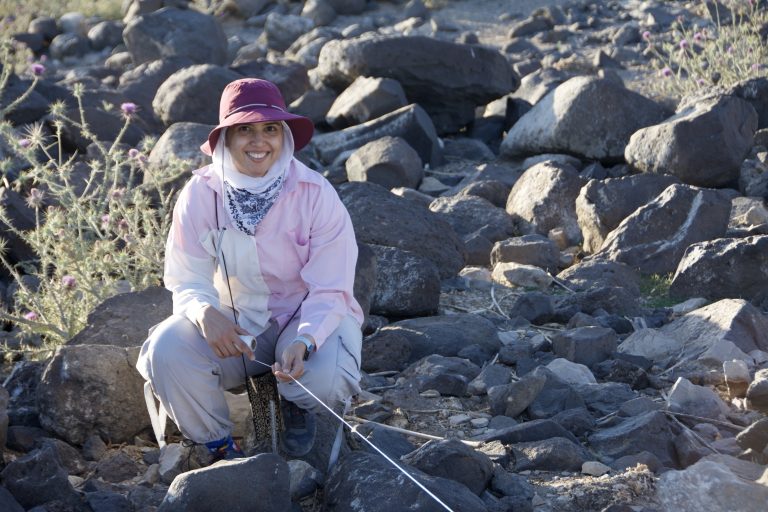
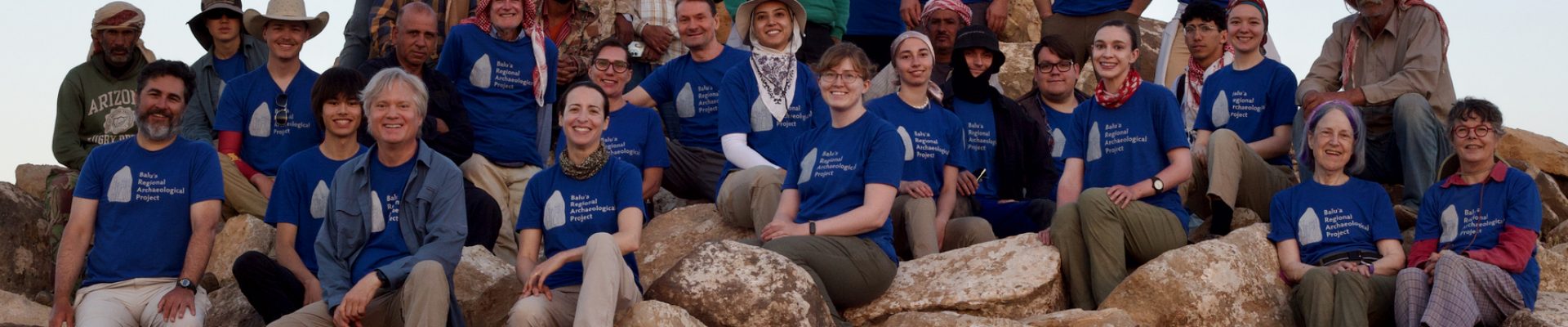
The Balu’a Regional Archaeological Project (BRAP) investigates Khirbat al-Balu’a, one of Jordan’s significant archaeological sites in the ancient kingdom of Moab. Directed by Drs. Kent Bramlett, Monique Roddy, and Friedbert Ninow, the project brings together specialists and students from around the world to investigate the site’s long occupational history, in the Iron Age and later periods. Working within such an international and multidisciplinary team provided an inspiring environment in which to learn.
Interestingly, I first discovered BRAP while researching a completely different site. During my master’s research and while preparing ideas for my future PhD, I spent considerable time reading about Tall al-‘Umayri and the Madaba Plains Project. As I explored publications and project websites, I came across BRAP and became fascinated by the work being conducted at Khirbat al-Balu’a.
I applied to join the project, but there was one significant obstacle: funding. As an early-career archaeologist, the costs associated with international fieldwork were beyond what I could afford on my own. Receiving a 2026 Strange/Midkiff Families Fieldwork Scholarship transformed what seemed like an impossible opportunity into reality. The scholarship removed the financial barrier that would otherwise have prevented me from participating, and for that I am deeply grateful.
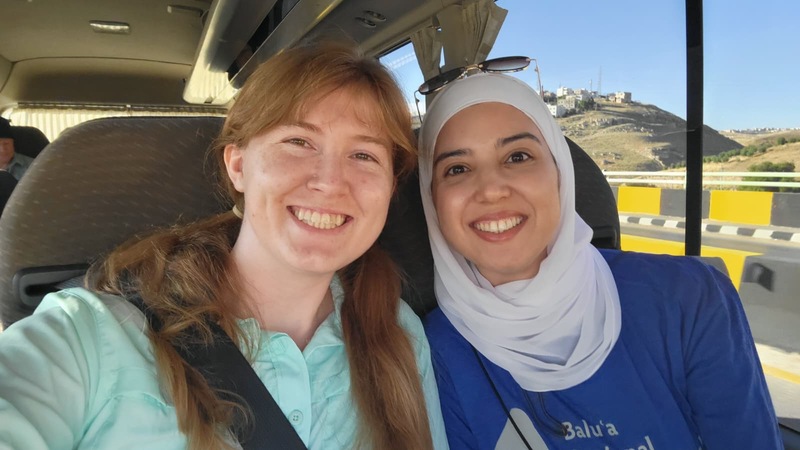
The excavation began with new friendships. At the Mujeb Hotel, I met archaeologists from different countries, each bringing their own experiences and perspectives. My roommate, Sarah Watson, immediately made me feel welcome, and before long our conversations continued from breakfast to the end of each excavation day. These friendships became one of the highlights of the season.
For much of the excavation, I worked as a square supervisor in the Khan area alongside Omar and Mary, while Amar and Salam worked with us in the field every day. Supervising a square required balancing excavation with careful documentation, recording contexts, directing excavation strategies, and constantly discussing interpretations with colleagues. Archaeology is often imagined as the discovery of spectacular artifacts, but I learned once again that it is really about patience, observation, and teamwork. Every layer removed, every stone recorded, and every pottery sherd documented contributed another piece to the history of the site.
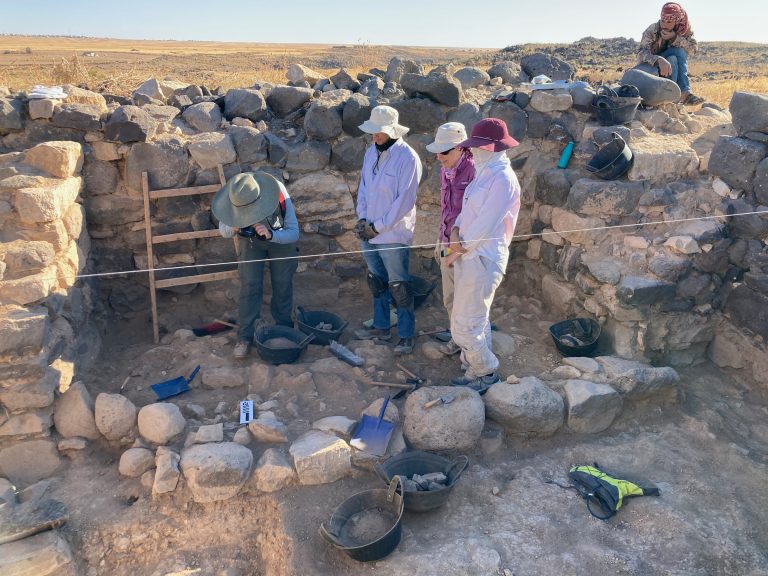
Because my academic research focuses on the Iron Age, I hoped to gain direct experience excavating Iron Age architecture. I spoke with Dr. Ian Jones about my research interests, and he immediately supported the idea. Thanks to his encouragement and the generosity of the project directors, I was given the opportunity to spend a week excavating in the Iron Age domestic area alongside the German team that joined the project later in the season.
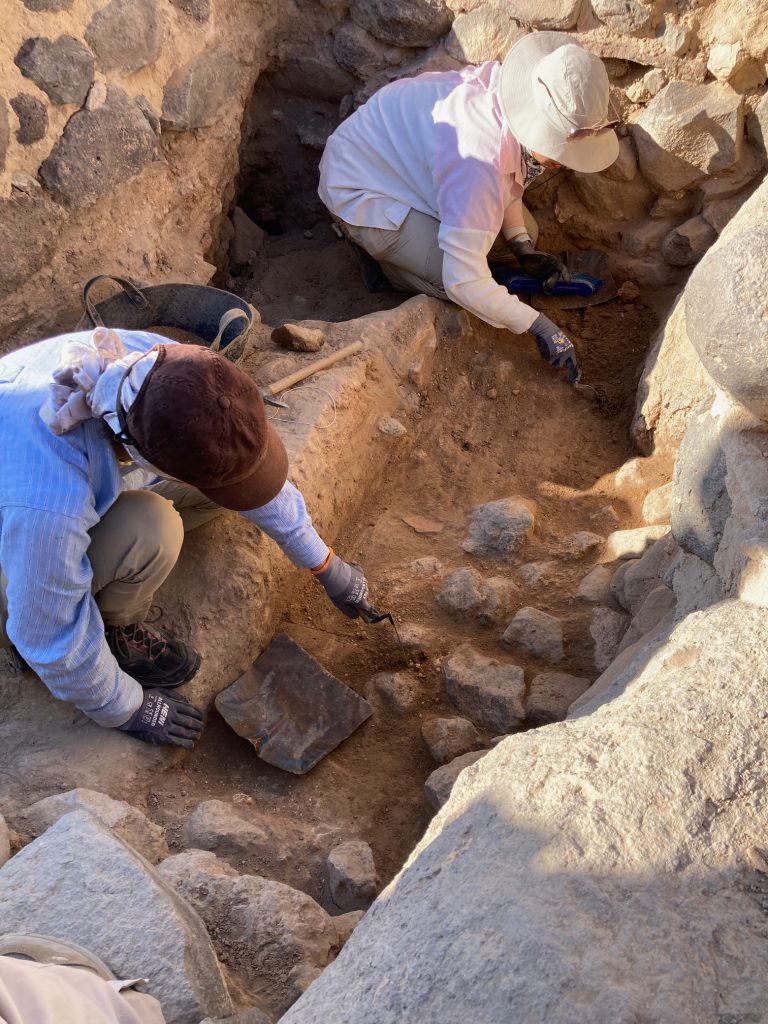
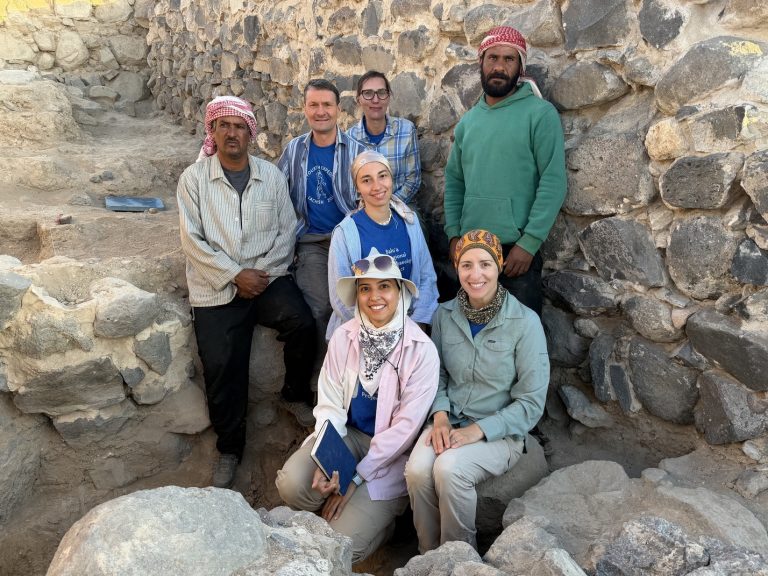
That week was especially meaningful. Instead of studying Iron Age material only through publications and museum collections, I was able to excavate architectural remains and contexts firsthand.
Beyond the archaeology itself, BRAP reminded me that fieldwork is built on community. Every day involved cooperation, shared problem-solving, and learning from people with different backgrounds and areas of expertise. Whether discussing pottery after excavation, comparing interpretations in the field, or simply sharing stories over dinner, I left the project with new knowledge, lasting friendships, and renewed motivation for my future career.
The Strange/Midkiff Families Fieldwork Scholarship made all of this possible. It did more than provide financial support, it opened the door to an experience that strengthened my archaeological skills, connected me with an incredible international team, and brought me one step closer to my goal of becoming a specialist in Iron Age archaeology. I will always be grateful for the opportunity to be part of the 2026 Balu’a Regional Archaeological Project, and I look forward to carrying the lessons I learned there into my future research.
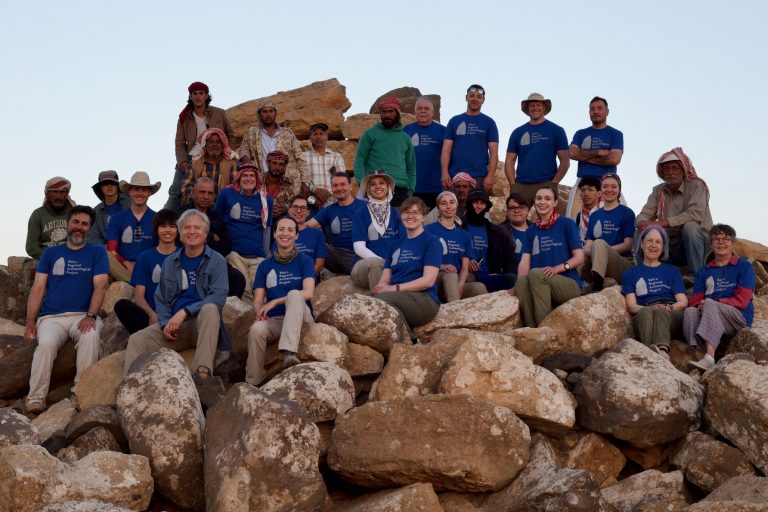
Zainab O. Hweij has a Master’s in Archaeology from the University of Jordan, with research interests in the visual culture and religious iconography of the Iron Age southern Levant.
Want to help more students and early career archaeologists get into the field? Donate to the cause today by selecting “Fieldwork Scholarships” as your gift purpose!