Kites in Context and Khirbat Iskandar 2023: Two Projects, Both Alike in Dignity
Megan Nishida, 2023 Strange-Midkiff Fieldwork Scholarship Recipient
This year, thanks to the Strange-Midkiff Fieldwork Scholarship awarded by ASOR, I was able to participate in two projects in Jordan, Kites in Context and Khirbat Iskandar. This was my first field season in Jordan, so I was thankful to be able to experience two unique projects, in different landscapes and contexts, each with important contributions to the story of the human experience in Jordan.
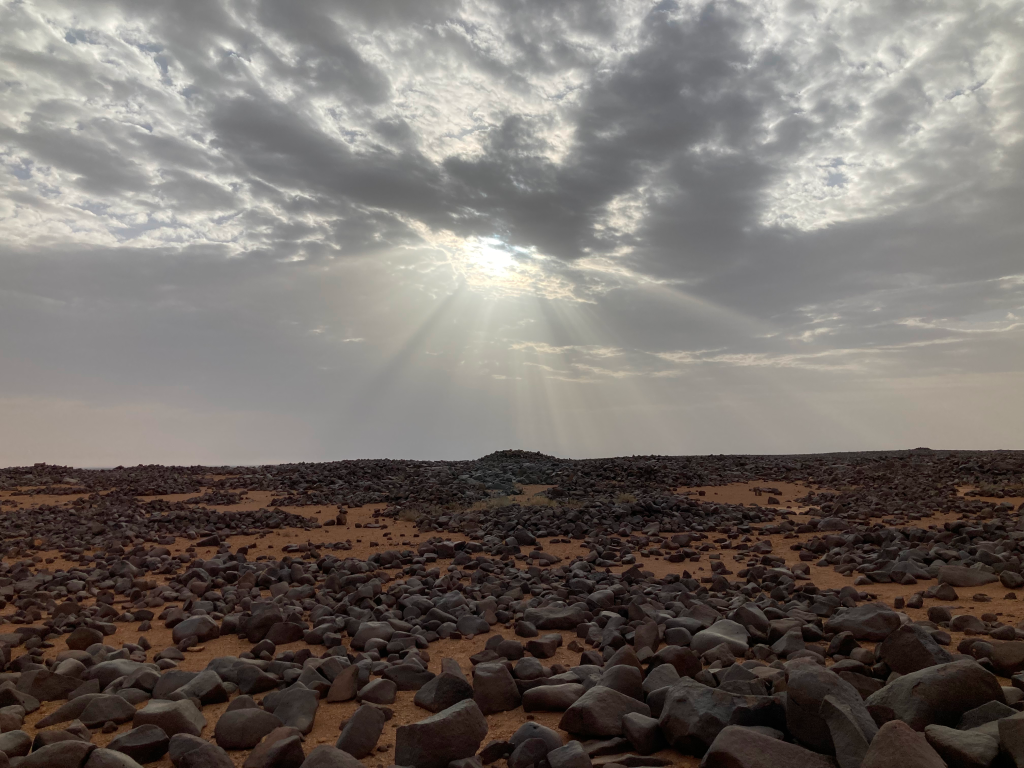
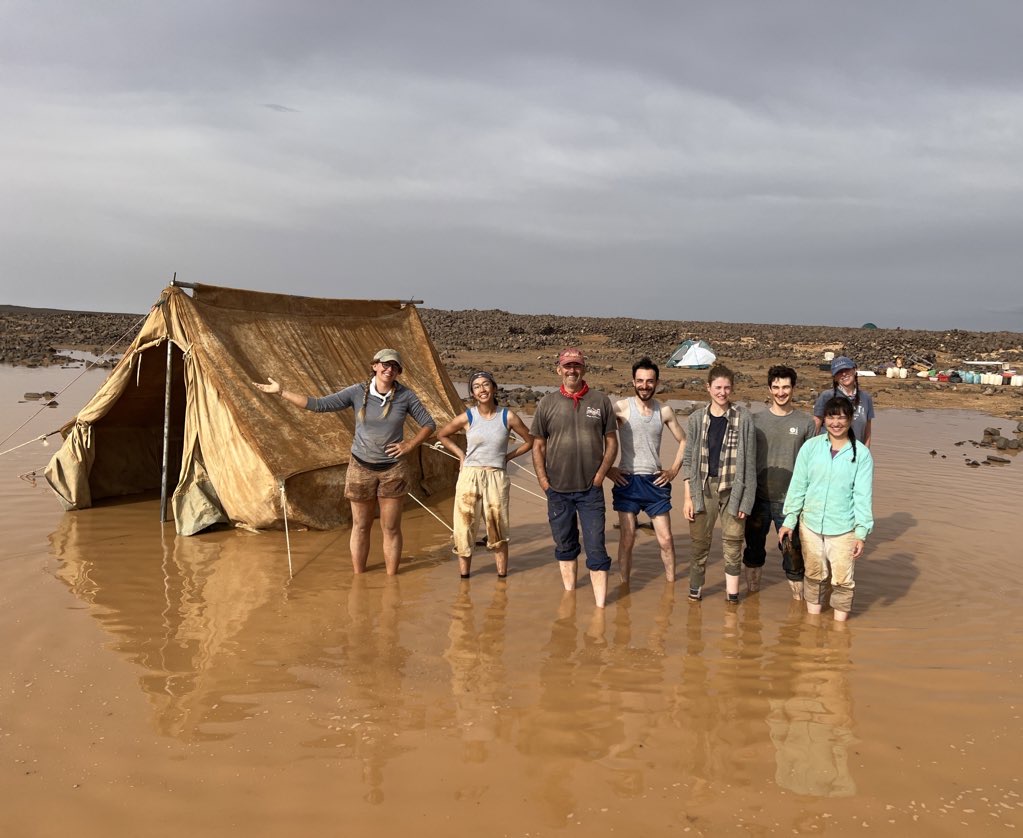
Kites in Contexts saw our team of nine drive five hours into the eastern desert – the badia – to investigate Neolithic hunting traps known as kites and the structures and landscapes associated with them. Before I left for Kites in Context, I had believed I would experience four weeks of beating sun, fierce winds, ancient landscapes, and relaxed camaraderie (Photo 1). Within the first two weeks, our camaraderie was fierce, cemented not because of the heat, but because of the unexpected rainstorm and subsequent flood that laid waste to our camp and our route out of the desert (Photo 2). Our camp’s location at the bottom of a catchment basin meant the two days of rain all eventually flowed into the wadi, or river, near where we made camp.
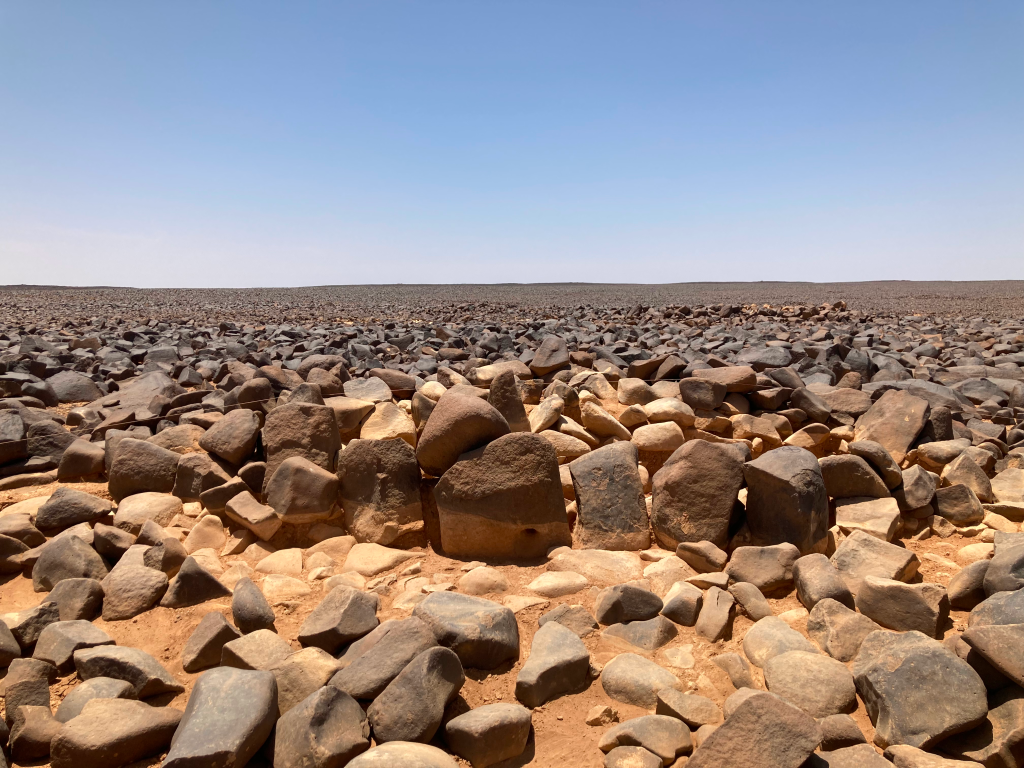
Although tumultuous, the weather did not dampen our spirits and our work continued after a couple days of drying out. All told, the team excavated two cells of a kite and two structures in the vicinity of the kite. It took a while to train my eye to understand the story written in the layers of stratigraphy we pulled back (Photo 3). Generations of communities inhabiting this landscape have continuously altered the landscape, each moving basalt stones to suit their needs for shelter or to control animals, in the process obfuscating the remnants of the more ancient past. It was a valuable experience in an archaeological context and landscape completely new to me. I am thankful to have had this absolutely unforgettable experience and to have forged such close bonds with the team.
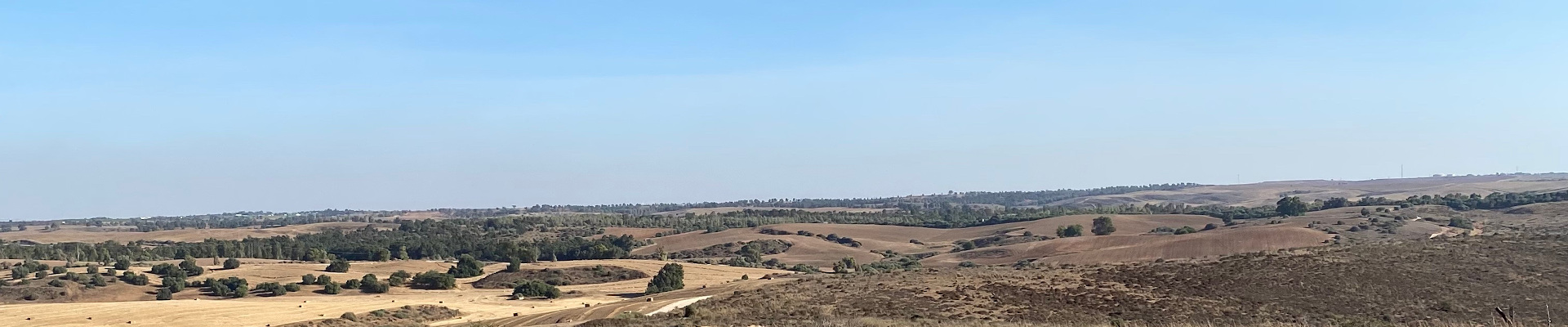
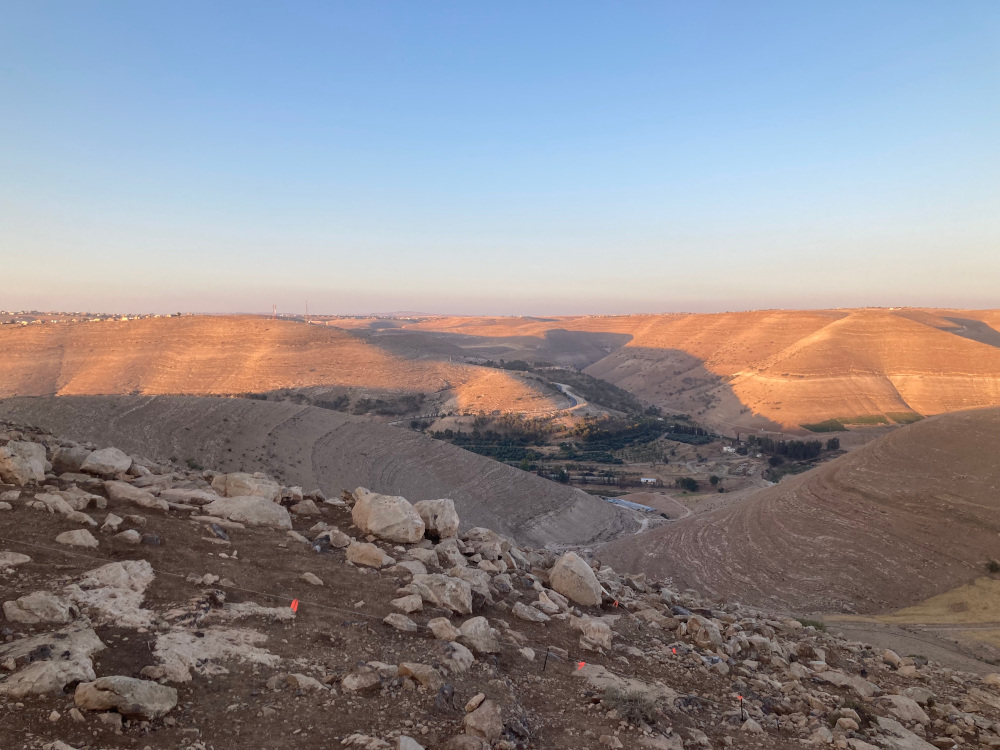
After Kites in Context concluded, I joined another team working at Khirbat Iskandar. Khirbat Iskandar is an Early Bronze Age III/IV tell site, notable for the continuity of urban identity into the EB IV, at a time when other communities were abandoning their urban centers. Unlike previous field seasons focused on the tell site, the goal of this season was to better understand the use of the landscape around the site, including around the large hill, Umm el-Idham, to the north of the site (Photo 4).
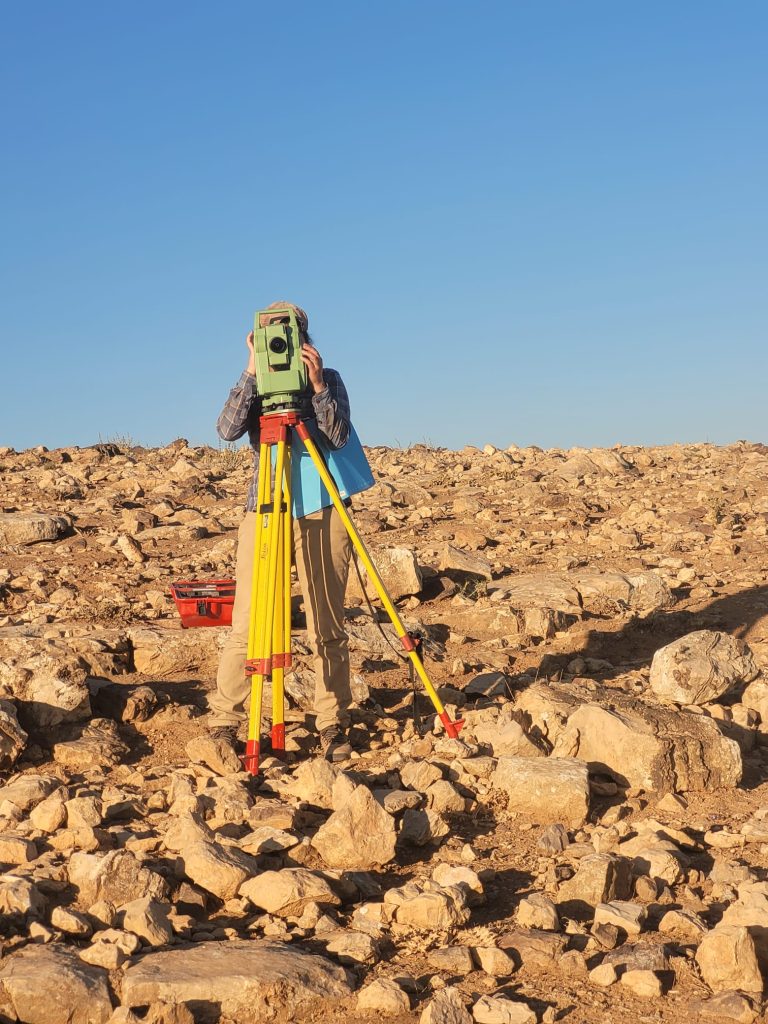
Over the course of this work, I helped conduct excavations at three megalithic features and record archaeological features identified through a pedestrian survey of Umm el-Idham (Photo 5). When not out in the field, the team worked to keep on top of the thousands of artifacts we identified and collected. As someone with a background in primarily North American archaeology, I was daunted at first by wholly different archaeological world I found myself in. However, I was lucky to be amongst a supportive team of experienced project directors, field supervisors, and fellow excavators, who were more than happy to share their hard-earned wisdom and insights into the archaeology of the Early Bronze Age. I am extremely thankful for the crash course in pottery – I gained valuable experience in identifying pottery typology and chronology and in drawing objects and pottery profiles.
Both projects were unique and rewarding experiences. I am thankful for the opportunity to have worked in Jordan and been able to get to know the country, its people, and its archaeology. I know what I learned on these projects will be extremely beneficial as I build a regional and chronological framework for my dissertation research on the EBA site of Bab adh-Dhra’. A most sincere thank you to Carolyn Midkiff Strange, ASOR, Drs. Yorke Rowan, Chad Hill, Suzanne Richard, Jesse Long, and Marta d’Andrea for allowing me to have an unforgettable summer participating on the Kites in Context and Khirbat Iskandar projects.
Megan Nishida is currently a second year PhD student at the University of Notre Dame. Her PhD research focuses on the mortuary practices at the Early Bronze Age site of the Bab adh-Dhra’.
Want to help more students and early career archaeologists get into the field? Donate to the cause today by selecting “Student Support” as your gift purpose!