SHARE
[/vc_column_text][mk_image src=”http://www.asortest.org/wp-content/uploads/2017/01/social-fb-icon4.jpg” image_width=”42″ image_height=”42″ hover=”false” custom_url=”https://www.facebook.com/ASOResearch/” margin_bottom=”0″][mk_image src=”http://www.asortest.org/wp-content/uploads/2017/01/social-tw-icon4.jpg” image_width=”42″ image_height=”42″ hover=”false” custom_url=”https://twitter.com/ASOResearch?ref_src=twsrc%5Egoogle%7Ctwcamp%5Eserp%7Ctwgr%5Eauthor” margin_bottom=”0″][mk_image src=”http://www.asortest.org/wp-content/uploads/2017/01/social-in-icon4.jpg” image_width=”42″ image_height=”42″ hover=”false” custom_url=”https://www.linkedin.com/company/american-schools-of-oriental-research” margin_bottom=”0″][mk_image src=”http://www.asortest.org/wp-content/uploads/2017/01/social-ml-icon_7.jpg” image_width=”42″ image_height=”42″ hover=”false” custom_url=”mailto:info@asor.org” margin_bottom=”0″][mk_image src=”http://www.asortest.org/wp-content/uploads/2017/01/blog-icon3.jpg” image_width=”42″ image_height=”42″ hover=”false” custom_url=”http://asor.org/blog” margin_bottom=”0″][/vc_column][vc_column border_color=”rgba(255,255,255,0.01)” width=”1/6″ css=”.vc_custom_1493004112151{margin-right: 20px !important;border-left-width: 2px !important;padding-right: 20px !important;padding-left: 20px !important;border-left-color: #99422f !important;}”][mk_divider divider_color=”rgba(255,255,255,0.01)” thickness=”1″ margin_top=”3″ margin_bottom=”3″][vc_widget_sidebar sidebar_id=”sidebar-16″ el_class=”.widget { overflow: hidden; margin-bottom: 0; }”][/vc_column][vc_column border_color=”rgba(170,170,170,0.01)” width=”8/12″ css=”.vc_custom_1487276122024{margin-right: 10px !important;margin-bottom: 30px !important;border-right-width: 2px !important;border-bottom-width: 2px !important;padding-top: 30px !important;padding-right: 30px !important;padding-left: 20px !important;background-color: #ffffff !important;border-right-color: rgba(227,228,228,0.75) !important;border-bottom-color: rgba(227,228,228,0.75) !important;}”][vc_row_inner][vc_column_inner width=”1/3″ css=”.vc_custom_1515087305797{padding-right: 20px !important;}”][mk_image src=”http://www.asor.org/wp-content/uploads/2017/12/foa-reduced-100.png” image_width=”190″ image_height=”100″ crop=”false” hover=”false”][/vc_column_inner][vc_column_inner width=”2/3″][vc_column_text responsive_align=”left”]May 2019
Vol. 7, No. 5
[/vc_column_text][/vc_column_inner][/vc_row_inner][vc_row_inner][vc_column_inner][mk_divider thickness=”1″ margin_top=”10″][vc_column_text] How Two Historians Reconstruct the Lives of Ancient Children

By Kristine Henriksen Garroway and Shawn W. Flynn
Children often seem missing from accounts of the past, including ancient Israel. Two new books describe ways to put children back in the picture and to understand their many meanings. Read More[/vc_column_text][mk_divider thickness=”1″ margin_top=”10″][vc_column_text]
 Arabic Medieval Cookbooks in English Translation: Treasure Troves for Near Eastern Material Culture
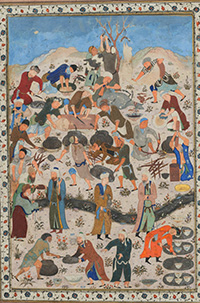
By Nawal Nasrallah
Medieval cookbooks present hundreds of recipes, including a surprising number for sparrow. But they tell us much more than about food; they provide a picture of life and manners. Read More[/vc_column_text][mk_divider thickness=”1″ margin_top=”10″][vc_column_text]
Who Are the “Best-Connected” Members of the ASOR Community?

By Steven Edwards
The annual ASOR meeting is a really big show, with hundreds of participants. But an analysis shows that those many hundreds of participants are linked in unusual ways. Read More[/vc_column_text][mk_divider thickness=”1″ margin_top=”10″][vc_column_text]
Jesus in Non-Christian Sources

By Lester L. Grabbe
Jesus is a ubiquitous figure but our textual perspectives are obviously skewed. What do non-Christian sources say about Jesus, his life and death? Read More[/vc_column_text][mk_divider thickness=”1″ margin_top=”10″][vc_column_text]
 Peqi‘in Cave— A unique Chalcolithic cemetery in the Southern Levant
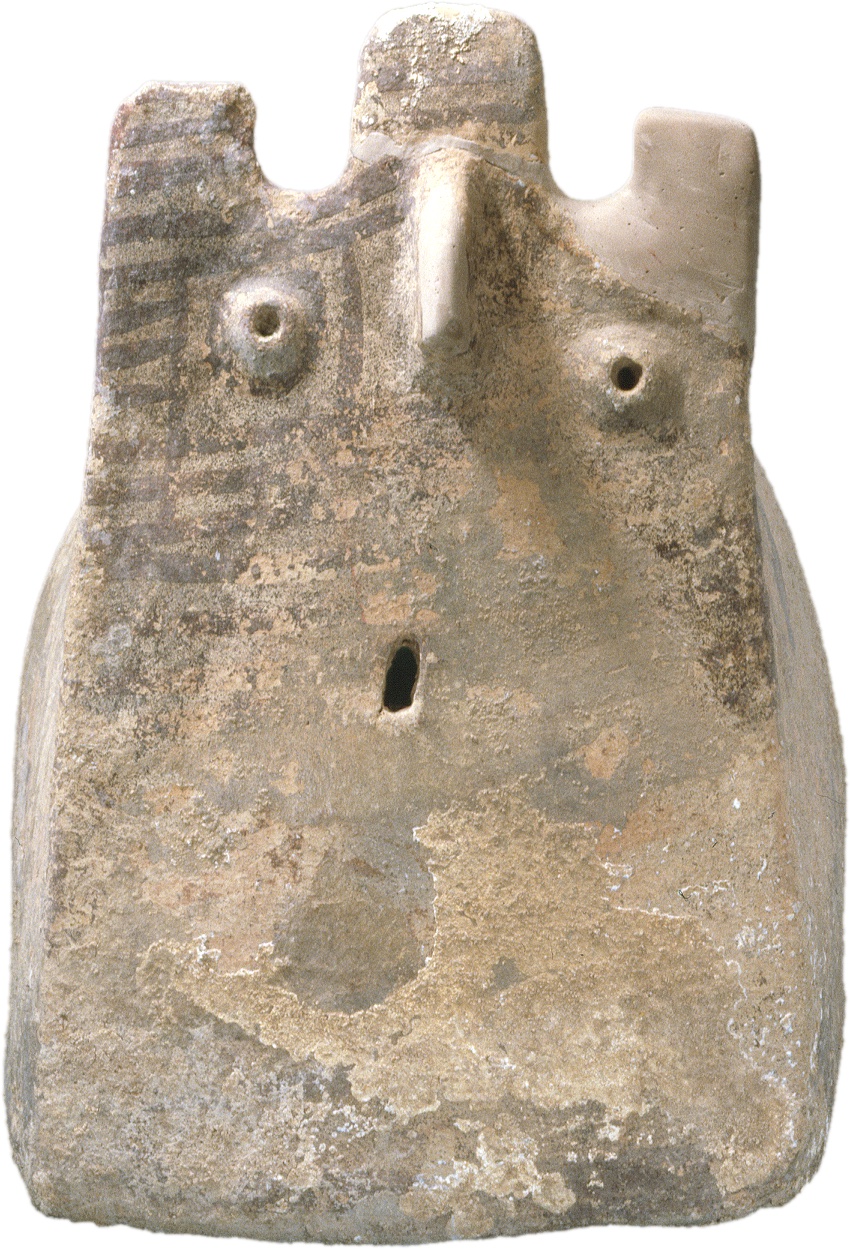
By Dina Shalem
Over the course of 500 years people brought their dead to a cave in the Galilee. But behind the decorated faces on the ossuaries are there deeper secrets about the identity of the dead and even their origins? Read More [/vc_column_text][mk_divider thickness=”1″ margin_top=”10″][/vc_column_inner][/vc_row_inner][/vc_column][/vc_row]