Currently, 150 projects are affiliated with ASOR. This includes 114 field projects and 36 publication projects. Six new projects have received ASOR affiliation since last summer. Read more about these new ASOR-affiliated projects below.
CAP is continuing to review many applications for affiliation. Stay tuned in the coming months on more newly-affiliated projects!
The Tell el-Ghaba Mission is an archaeological project supported by the Egyptian Ministry of Tourism and Antiquities. It seeks to enhance our understanding of the history and archaeology of the North Sinai and Eastern Delta regions of ancient Egypt. Since 1995, we have been engaged in the archaeological recovery of the Tell el-Ghaba site. We study the materials and structures uncovered during excavations, dedicate ourselves to their conservation, and disseminate the results.This work is of great significance, as it provides insights into lesser-known aspects of Egypt’s past, including the daily lives of its inhabitants and the strategic role this site played on the eastern frontier of the Egyptian state. The area is crucial for both land and maritime trade, linking Egypt with the Levant and the broader Mediterranean region. Our mission also strives to safeguard this heritage, which is situated in a complex and vulnerable area facing numerous conservation challenges.
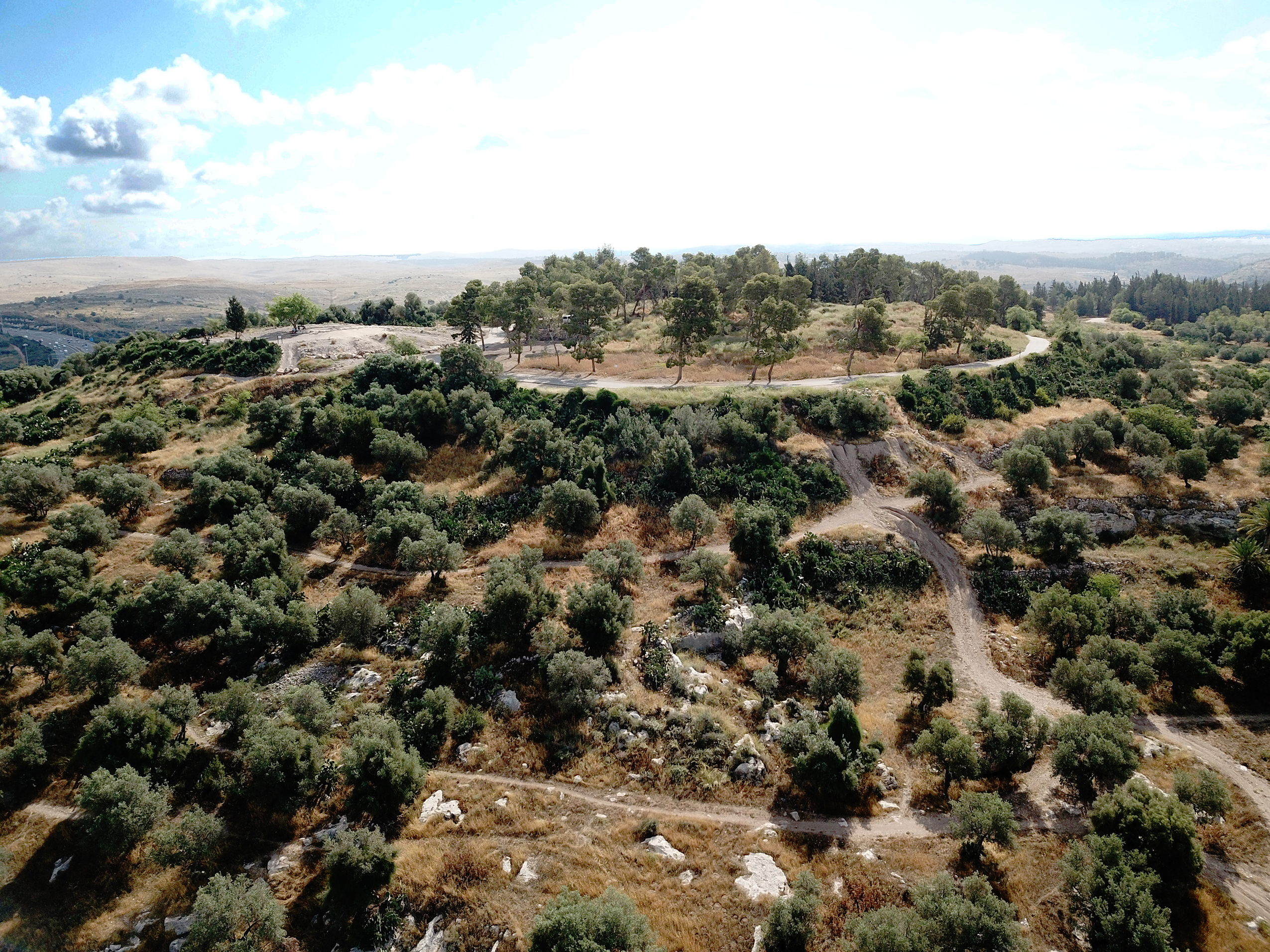
Photo by Omer Ze’evi-Berger, Tel Hadid Archaeological Project
Tel Ḥadid is a prominent archaeological mound in central Israel overlooking the coastal plain and the Ayalon Valley, along major routes connecting the Mediterranean coast with the inland highlands. The site preserves remains from multiple periods, with particularly substantial occupation during the Iron Age, the Hellenistic, Byzantine, and Modern periods. The Tel Ḥadid Archaeological Project is an Israeli–American collaboration led by Tel Aviv University and New Orleans Baptist Theological Seminary (NOBTS). Fieldwork follows rigorous scientific standards, integrating excavation, environmental sampling, and interdisciplinary analyses. Each field season includes the participation of trained supervisors and specialists who assist with the excavation and analysis of ecofacts.
All finds are processed, conserved, and curated at Tel Aviv University, where ceramics and organic materials are treated in the university’s conservation laboratory to ensure their long-term preservation and accessibility for research. The project is committed to the responsible stewardship of the archaeological record and fully opposes the illicit trade in antiquities. The project also serves as a field school that trains undergraduate and graduate students in archaeological field methods and interdisciplinary research. Particular emphasis is placed on the study of the recent past, including the documentation of the modern village of al-Haditha and other later remains at the site. The project further promotes public engagement through outreach activities and educational tours, and is committed to the timely publication and dissemination of its results.
The Landscape Archaeology of Southwest Sardinia Project is an international and multi-disciplinary project conducting a diachronic archaeological landscape study of the Sulcis region of Southwest Sardinia. The Project is particularly interested in bringing to light evidence of everyday life and in identifying settlement patterns and activity areas in order to better understand rural communities in this agriculturally fertile and mineralogically rich region over time. Such research is particularly fruitful due to the region’s complex history. Repeatedly incorporated into and then disarticulated from larger political and economic structures (from Late Bronze Age and Iron Age Mediterranean systems, via the empires of Carthage and Rome, to the Byzantine reconquest, the reorganization under the judicate and subsequent European kingdoms, and finally under the Italian state), this region of southwest Sardinia provides an ideal context in which to study the influence of changing political structures on local economic practices and social organization. Thus, the results of the LASS Project serve to balance large-scale historical narratives about the island and its position in the wider Mediterranean world with the lived experiences of local rural communities.
Kom Firin Archaeological Project (KFAP), Egypt (Luiza Osorio G. Silva, Oren Siegel)
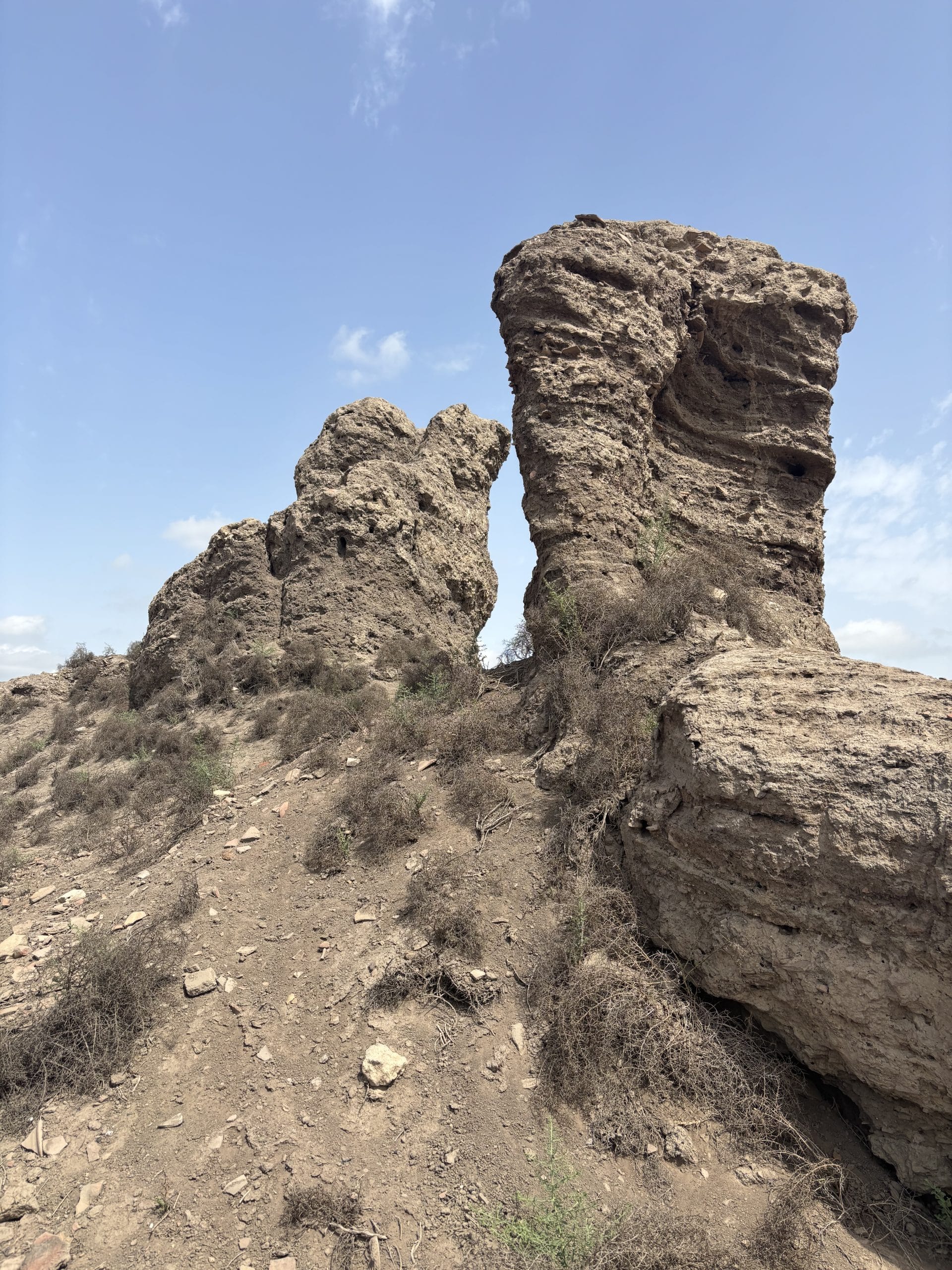
Remains of enclosure walls at Kom Firin, eastern mound (photo by Oren Siegel)
The Kom Firin Archaeological Project (KFAP), started in 2025 by Luiza Osorio G. Silva (University of California, Irvine) and Oren Siegel (University of Toronto), aims to build upon excavations conducted at the site by the British Museum from 2002–2011. Those excavations focused on investigating the remains of a fortified settlement built in the Ramesside period (New Kingdom) and a Late Period town, and established the site’s chronology. Kom Firin has enormous potential to illuminate the transition from the New Kingdom to the Third Intermediate Period, an understudied era. Around 1,500 years of near continuous occupation are preserved above the relatively low water table at the site, and KFAP seeks to focus its investigations on the sizable western occupation outside the fortified town to explore intersections between the state and the broader Egyptian population in these periods. The aim of our first season in 2026 is exploratory, primarily to survey and document the site and identify future targets for excavation, with a focus on this portion of the settlement mound. We work in close collaboration with the local inspectorate and the Egyptian Ministry of Tourism and Antiquities to preserve the ancient remains, as well as the local facilities and infrastructure.
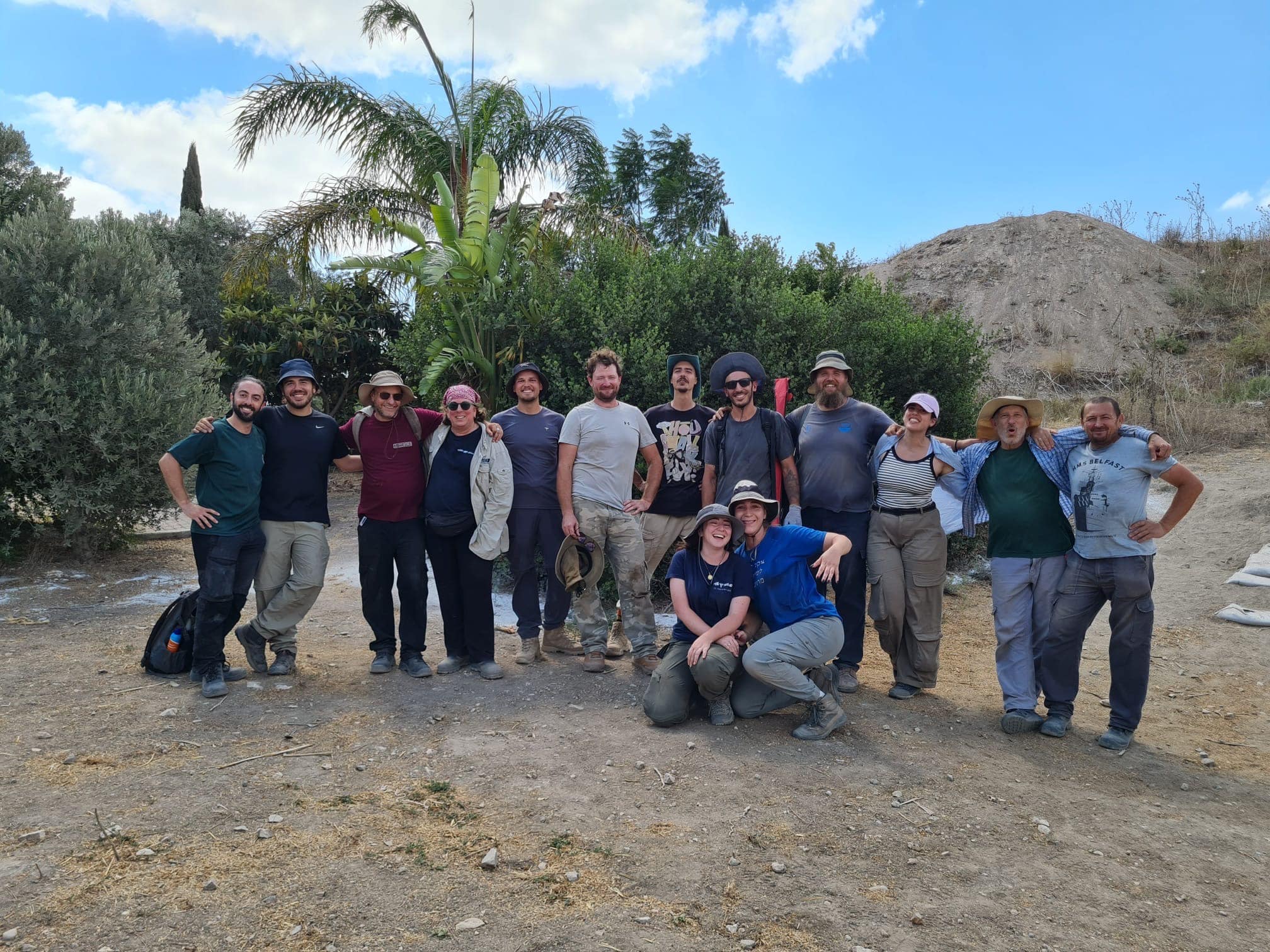
Staff members of the Tel Shaddud Archaeological Project
This project marks the beginning of a new and exciting journey into the heart of the Jezreel Valley. Our mission is to delve into the valley’s ancient history, to reconstruct its social fabric and rural hinterland across the millennia. We aim to clarify the nature of Egyptian imperial rule in the region and gain groundbreaking insights into the origins and formation of early monarchic Israel. We are not just digging a site; we are building a team. As we grow our expedition, we are thrilled to have you join us in the field to help bring these “big stories to light.”
Protecting the Archaeological Site of Umm al-Aqarib from Climate Change Impacts: Documentation, Capacity Building, and Scientific Publication (Aqeel AlMansrawe)
The archaeological site of Umm Al-Aqarib, located in southern Iraq, represents an important component of Mesopotamia’s cultural and historical heritage. Like many archaeological landscapes in arid and semi-arid regions, the site is increasingly threatened by desertification and environmental degradation driven by climate change. This project is of critical importance as it addresses both the preservation of cultural heritage and the broader environmental challenges affecting southern Iraq.In recent decades, rising temperatures, reduced rainfall, prolonged droughts, soil salinization, and increased wind activity have accelerated desertification processes across the region. These environmental changes directly impact Umm Al-Aqarib by intensifying soil erosion, sand encroachment, surface cracking, and structural instability of archaeological remains. Without systematic study and intervention, these processes may lead to irreversible loss of archaeological features and stratigraphic integrity.The importance of this project lies in its integrated assessment of climate change impacts on archaeological sites, combining environmental analysis with heritage studies. By identifying the main drivers of environmental degradation at Umm Al-Aqarib, the research contributes to understanding how climate-induced geomorphological processes affect ancient sites in southern Mesopotamia. This knowledge is currently limited, despite the region’s global archaeological significance.Furthermore, the project supports heritage protection and sustainable management strategies. Documenting current threats provides a scientific basis for developing mitigation, adaptation, and conservation plans, which can be applied not only to Umm Al-Aqarib but also to other endangered archaeological sites in Iraq. The findings may inform policymakers, heritage authorities, and international organizations concerned with cultural heritage preservation under climate stress.