UNEARTHING THE PAST SINCE 1900
Heritage protection is a fundamental part of the work of ASOR’s Cultural Heritage Initiatives. Of the many threats to heritage in Southwest Asia and North Africa, one of the most pernicious is the illicit antiquities trade. Antiquities trafficking is a universal problem, but it particularly benefits from the breakdown in management and law enforcement that occurs in conflict zones. For decades, war, economic instability, and other crises in Lebanon and Syria have created the conditions for the looting and trafficking of antiquities to thrive. Lebanese and Syrian heritage professionals, law enforcement, and civil society members have worked tirelessly throughout this time to protect their heritage, but the scale of the problem is beyond their ability to address alone with the resources they have available. Further, the trade in illicit antiquities is an international problem. It consists of source, transit, and market countries, and it requires collaboration between people and organizations in all of these countries to address this problem.
To strengthen multilateral coordination on this issue, ASOR hosted an Antiquities Trafficking Documentation workshop in Beirut, Lebanon on December 8-12, 2025, with the generous support of the U.S. Embassy in Beirut. This workshop brought together members of the Lebanese Directorate-General of Antiquities (DGA) and the Syrian Directorate-General of Antiquities and Museums (DGAM), as well as representatives from U.S. Embassy Beirut, the Bureau of Educational and Cultural Affairs at the U.S. Department of State, the FBI Art Crime Team, and Homeland Security Investigations to discuss current conditions and challenges in Lebanon and Syria, the DGA and DGAM’s priorities in the fight against antiquities trafficking, and ways for all participants to work together to achieve them. The contributions from Director General Eng. Sarkis Khoury of the DGA and Director General Dr. Anas Haj Zeidan of the DGAM were particularly helpful to all attendees.
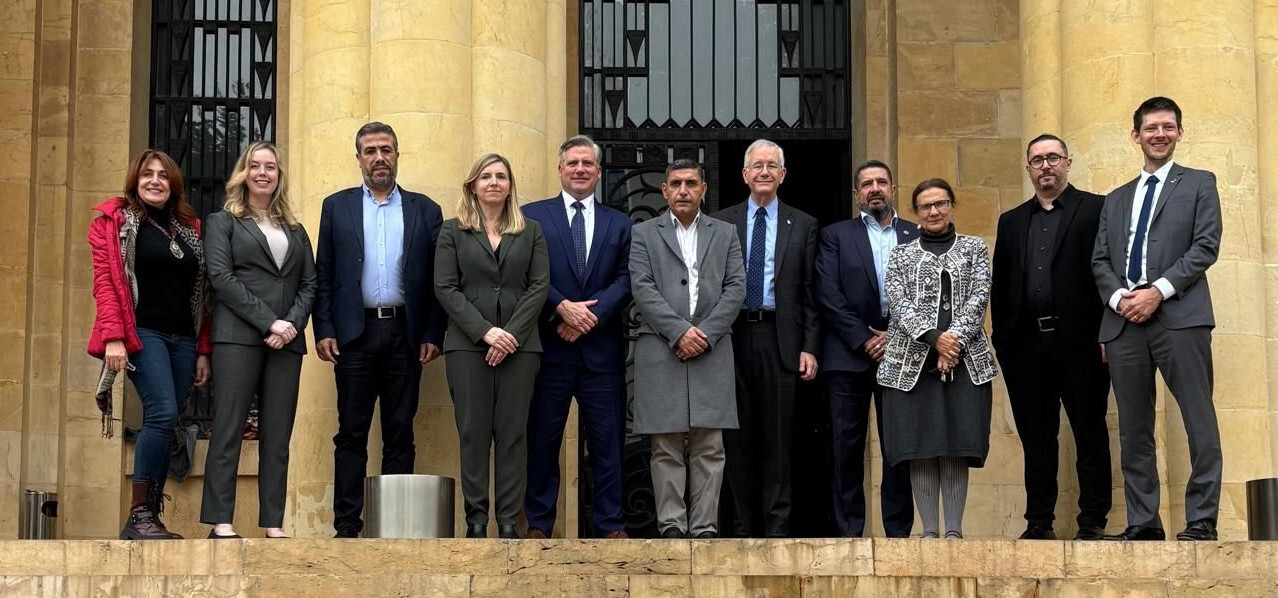
Representatives of the DGA, DGAM, U.S. Government, and ASOR outside the National Museum of Beirut (Credit: U.S. Embassy Beirut).
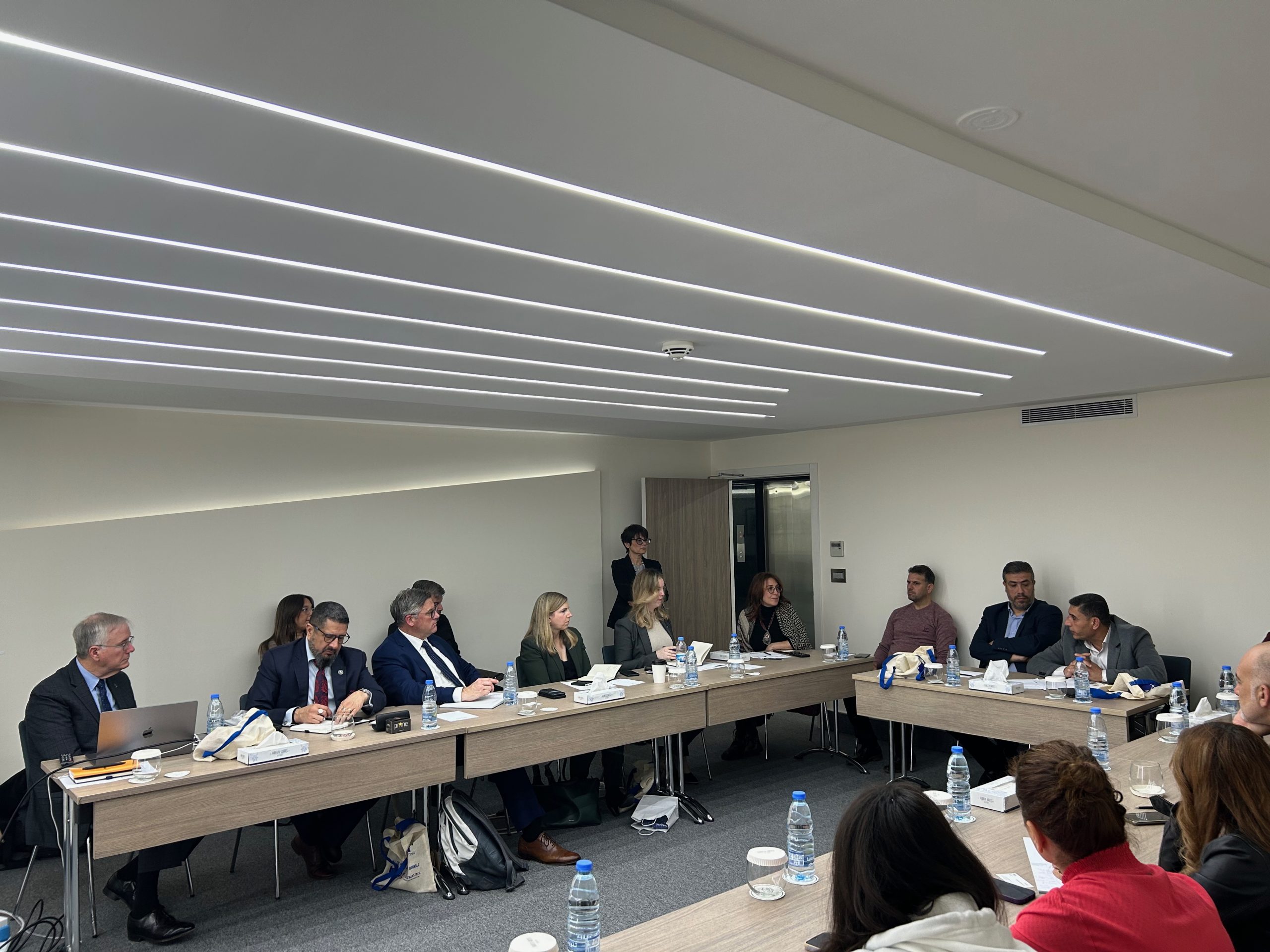
Members of the DGA, DGAM, U.S. Government, and ASOR during discussions on the protection of Lebanese and Syrian cultural property (Credit: ASOR).

Dr. Virginia Herrmann (Bureau of Educational and Cultural Affairs, U.S. Department of State) speaks to workshop participants about U.S. protection of international cultural property (Credit: ASOR).
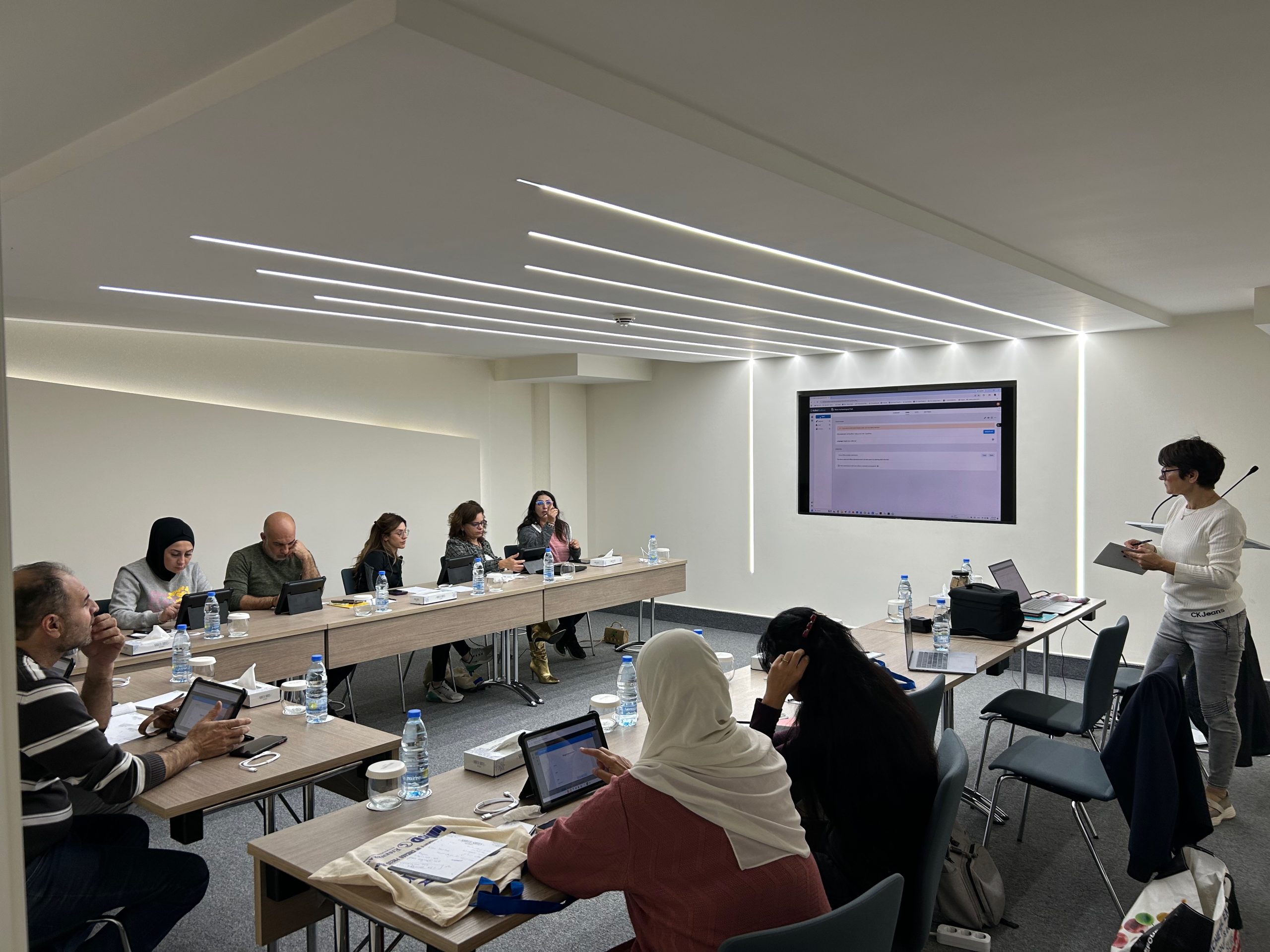
Dr. Hanan Charaf leads a training session on the use of KoboToolbox for cultural heritage documentation (Credit: ASOR).
In addition to meetings, the workshop also provided training in open-source documentation tools, including KoboToolbox and KoboCollect. Over the five days, participants from the DGA (5 attendees) and DGAM (4 attendees) completed intensive, hands-on training and applied these methods during field exercises and mock scenarios focused on site looting, the seizure of cultural property by law enforcement, and theft from museums. By the end of the workshop, participants were independently designing documentation forms, collecting and visualizing data, and producing standardized, actionable outputs aligned with international best practices for monitoring looting, theft, and illicit trafficking of cultural property. Participants from both organizations have already started to apply the results of their training to the local needs of their departments.
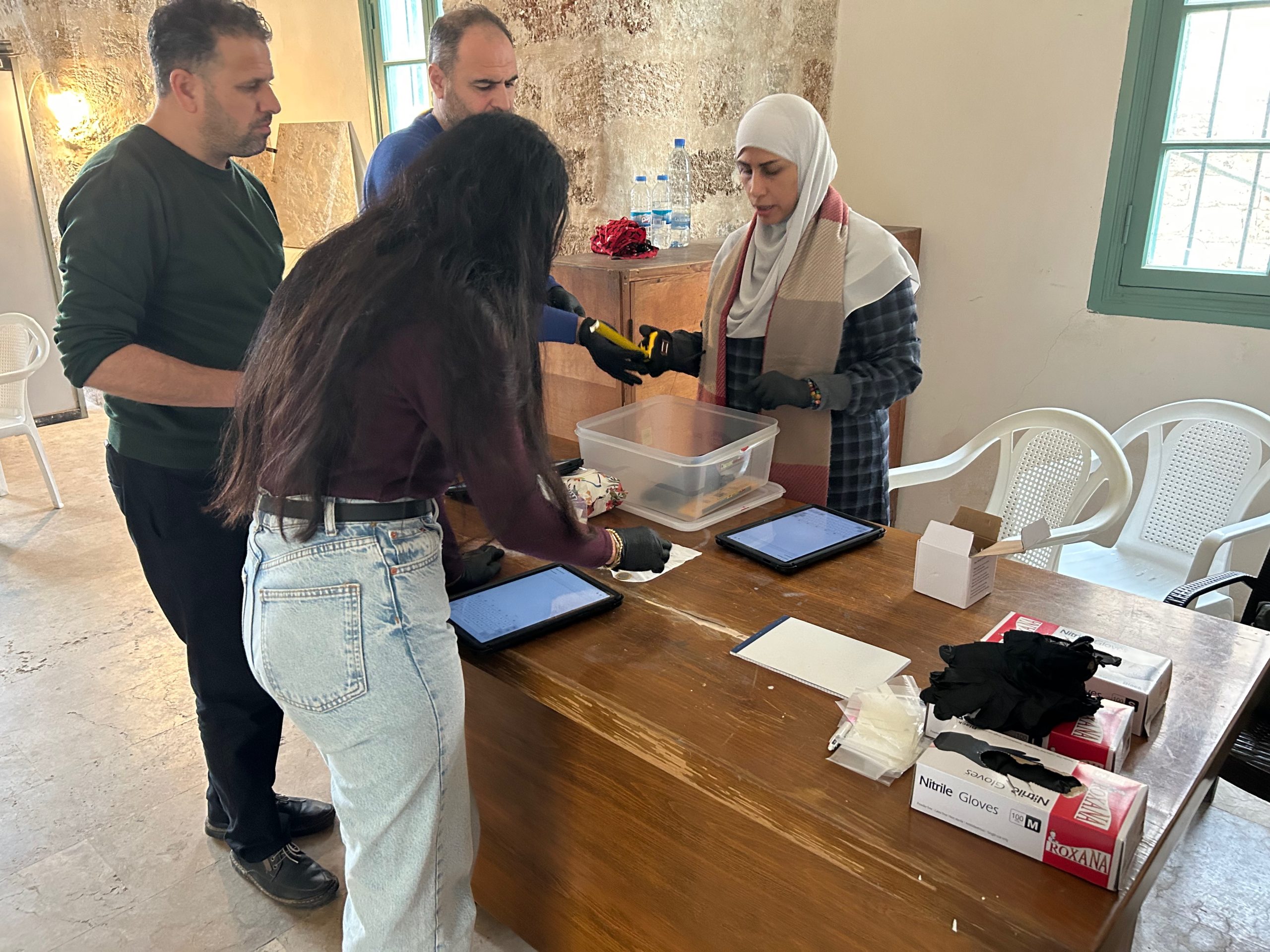
Workshop participants practice recording objects during a mock scenario on cultural property seizure (Credit: ASOR).
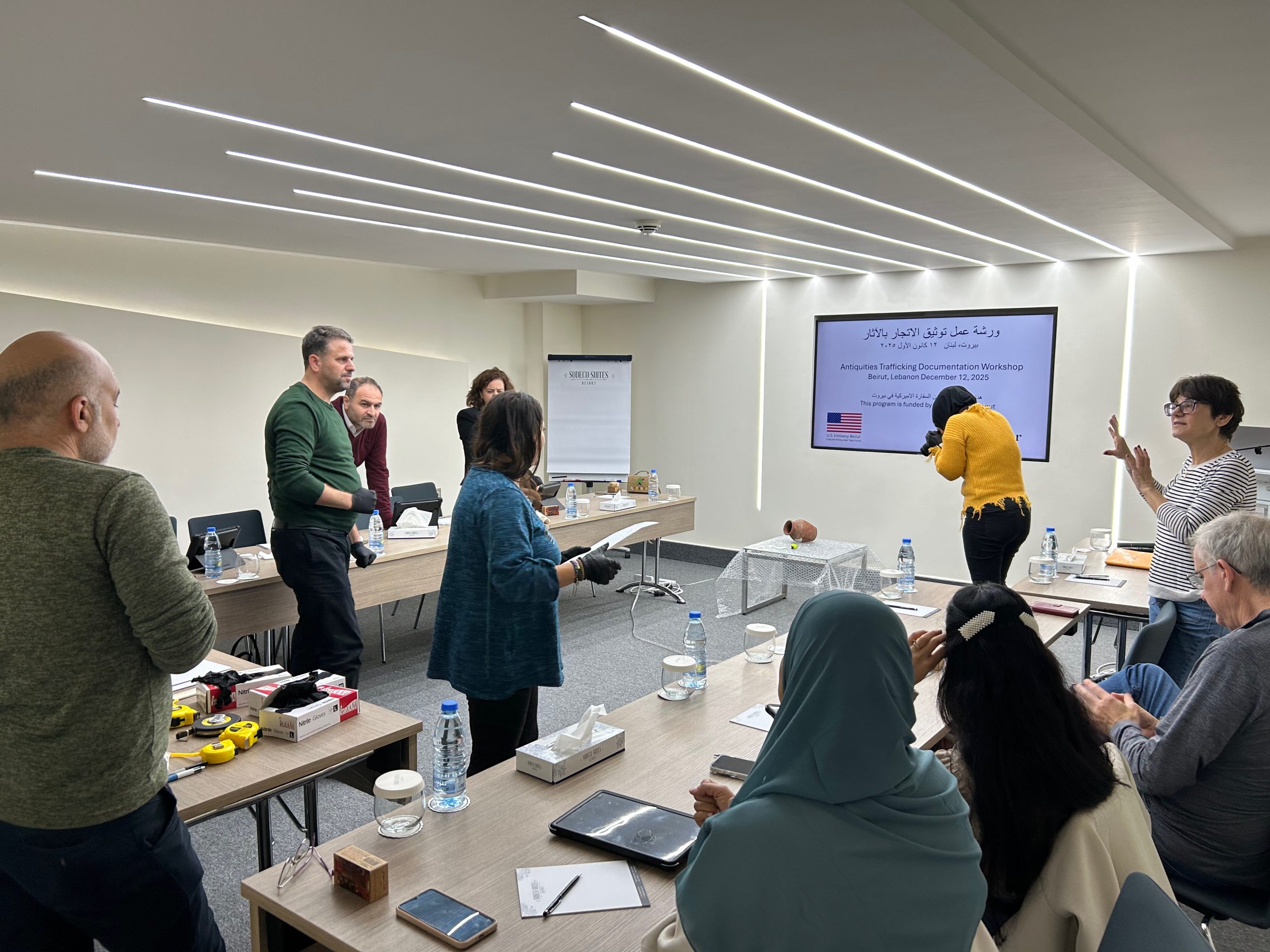
Workshop participants practice documentation during a mock scenario on theft from a museum (Credit: ASOR).
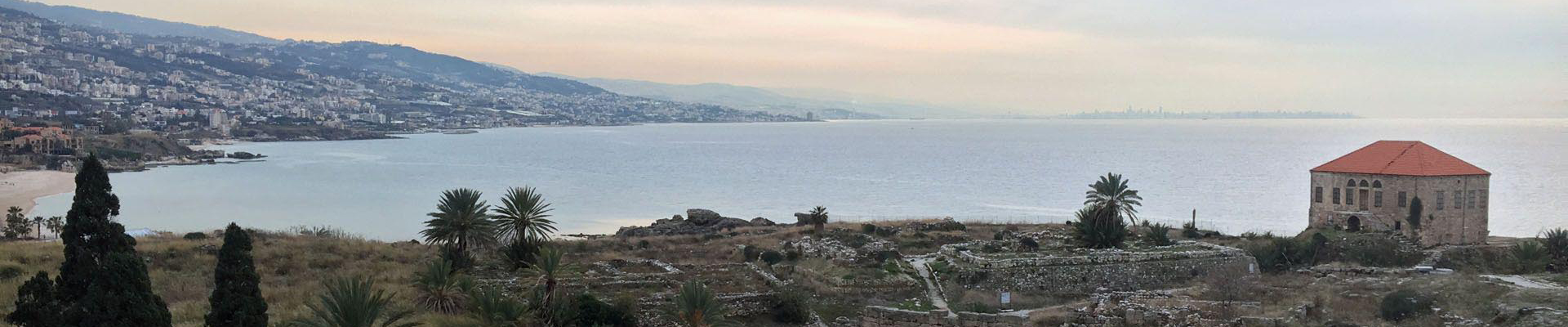
This workshop is a single contribution to an ongoing global conversation. However, it is also the first time that government representatives from the United States of America, Lebanon, and Syria have come together for trilateral discussions on how to work together to combat the illicit trade in antiquities. In this, it represents an important starting point for future collaboration on shared goals. ASOR extends its deepest gratitude to all the participants who made this event possible. ASOR especially thanks Director General Eng. Sarkis Khoury, Laure Salloum (Regional Director, Baalbek-Hermel), Dr. Tania Zaven (Regional Director, Byblos-Mount Lebanon), and the rest of our colleagues at the DGA for their accommodation of the workshop’s activities at the National Office of the DGA and the World Heritage Site of Byblos.
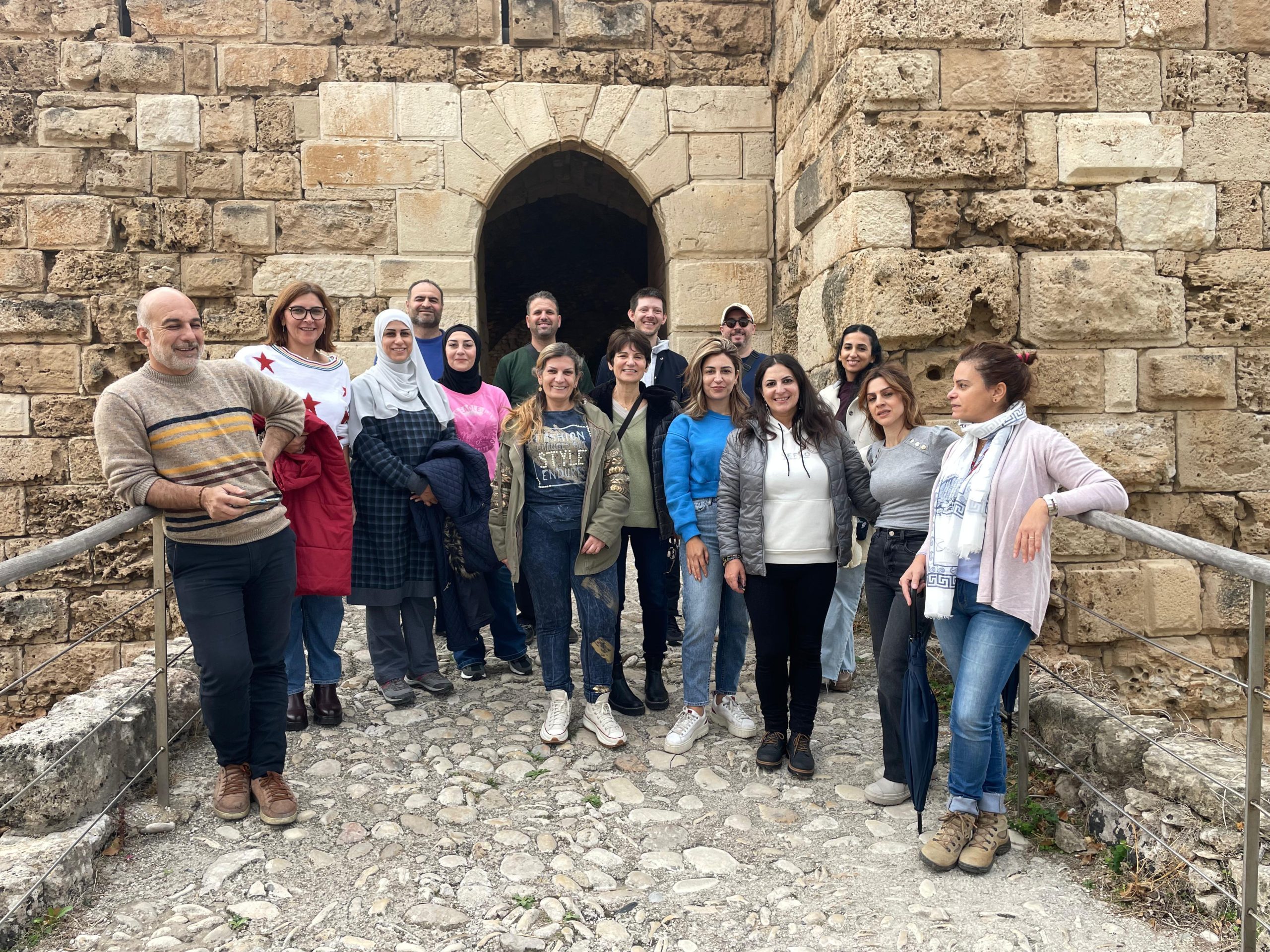
Workshop participants during a tour of Byblos generously led by local members of the DGA (Credit: U.S. Embassy Beirut).
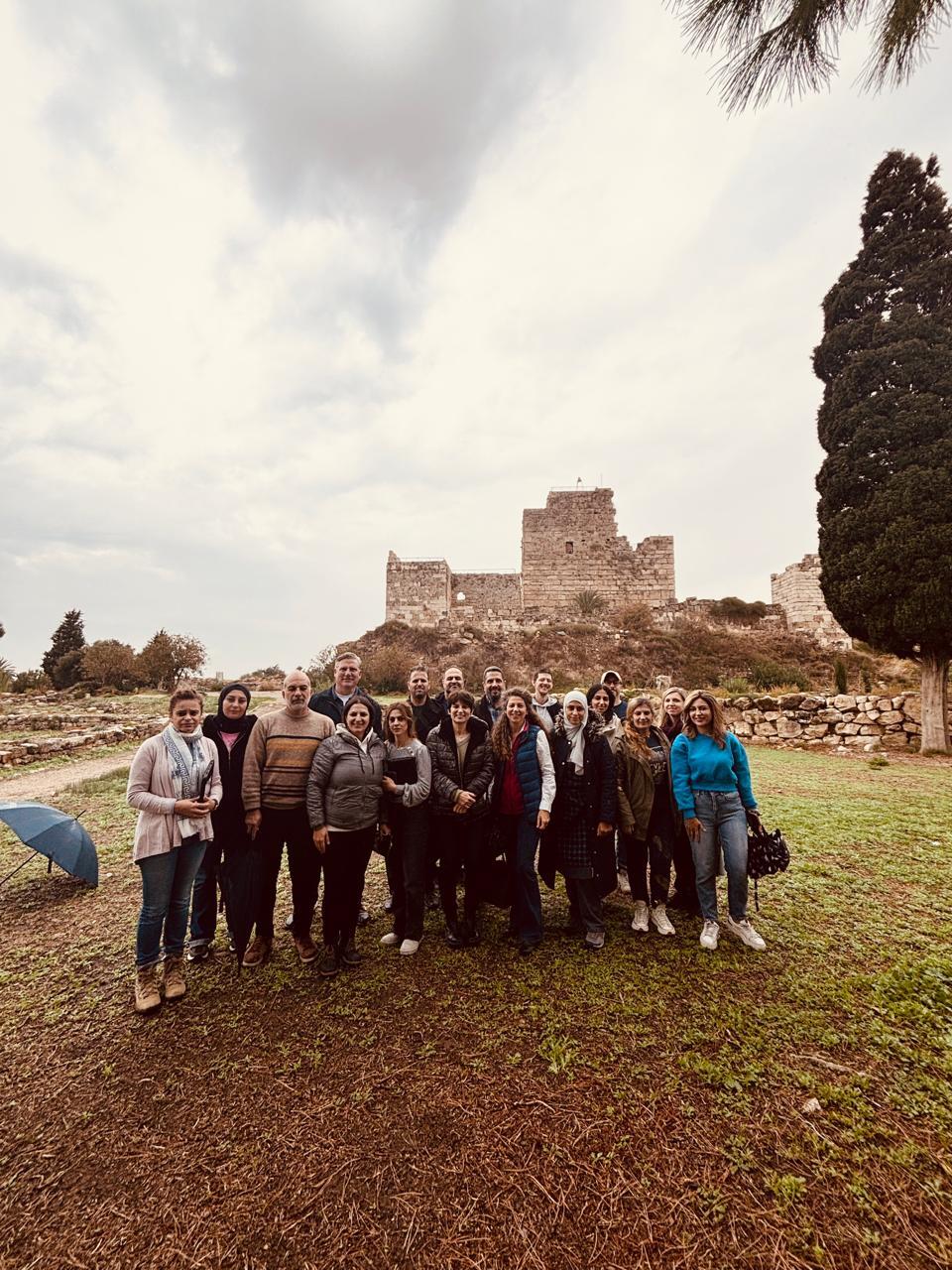
Workshop participants alongside Regional Director Dr. Tania Zaven and other members of the local DGA team at Byblos during on-site training
(Credit: U.S. Embassy Beirut).