SHARE
[/vc_column_text][mk_image src=”http://www.asortest.org/wp-content/uploads/2017/01/social-fb-icon4.jpg” image_width=”42″ image_height=”42″ hover=”false” custom_url=”https://www.facebook.com/ASOResearch/” margin_bottom=”0″][mk_image src=”http://www.asortest.org/wp-content/uploads/2017/01/social-tw-icon4.jpg” image_width=”42″ image_height=”42″ hover=”false” custom_url=”https://twitter.com/ASOResearch?ref_src=twsrc%5Egoogle%7Ctwcamp%5Eserp%7Ctwgr%5Eauthor” margin_bottom=”0″][mk_image src=”http://www.asortest.org/wp-content/uploads/2017/01/social-in-icon4.jpg” image_width=”42″ image_height=”42″ hover=”false” custom_url=”https://www.linkedin.com/company/american-schools-of-oriental-research” margin_bottom=”0″][mk_image src=”http://www.asortest.org/wp-content/uploads/2017/01/social-ml-icon_7.jpg” image_width=”42″ image_height=”42″ hover=”false” custom_url=”mailto:asor@bu.edu” margin_bottom=”0″][mk_image src=”http://www.asortest.org/wp-content/uploads/2017/01/blog-icon3.jpg” image_width=”42″ image_height=”42″ hover=”false” custom_url=”http://asorblog.org/” margin_bottom=”0″][/vc_column][vc_column border_color=”rgba(255,255,255,0.01)” width=”1/6″ css=”.vc_custom_1493004112151{margin-right: 20px !important;border-left-width: 2px !important;padding-right: 20px !important;padding-left: 20px !important;border-left-color: #99422f !important;}”][mk_divider divider_color=”rgba(255,255,255,0.01)” thickness=”1″ margin_top=”3″ margin_bottom=”3″][vc_widget_sidebar sidebar_id=”sidebar-16″ el_class=”.widget { overflow: hidden; margin-bottom: 0; }”][/vc_column][vc_column border_color=”rgba(170,170,170,0.01)” width=”8/12″ css=”.vc_custom_1487276122024{margin-right: 10px !important;margin-bottom: 30px !important;border-right-width: 2px !important;border-bottom-width: 2px !important;padding-top: 30px !important;padding-right: 30px !important;padding-left: 20px !important;background-color: #ffffff !important;border-right-color: rgba(227,228,228,0.75) !important;border-bottom-color: rgba(227,228,228,0.75) !important;}”][vc_row_inner][vc_column_inner width=”1/3″ css=”.vc_custom_1515087305797{padding-right: 20px !important;}”][mk_image src=”http://www.asor.org/wp-content/uploads/2017/12/foa-reduced-100.png” image_width=”190″ image_height=”100″ crop=”false” hover=”false”][/vc_column_inner][vc_column_inner width=”2/3″][vc_column_text responsive_align=”left”]July 2017
Vol. 5, No. 7
[/vc_column_text][/vc_column_inner][/vc_row_inner][mk_divider thickness=”1″ margin_top=”0″][vc_row_inner][vc_column_inner][vc_column_text] Silk Textiles in the Southern Levant
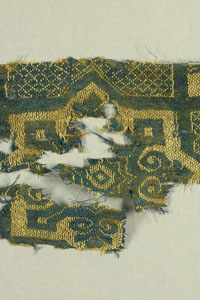
By Orit Shamir and Alisa Baginski
Silk, natural protein fibers produced by insect larvae, is first known from archaeology in China by the fourth millennium BCE. Valued for its drape, sheen, and ability to be dyed and woven into intricate patterns, silk spread widely across the Old World.
READ MORE
[/vc_column_text][/vc_column_inner][/vc_row_inner][mk_divider thickness=”1″ margin_top=”10″][vc_row_inner][vc_column_inner][vc_column_text]Göbekli Tepe: Neolithic Gathering and Feasting at the Beginning of Food Production

By Jens Notroff & Oliver Dietrich
A few kilometres northeast of modern Şanlıurfa in south-eastern Turkey, the tell of Göbekli Tepe is situated on the highest point of the otherwise barren Germuş mountain range. Rising 15 metres and with an area of about 9 hectares.
READ MORE
[/vc_column_text][/vc_column_inner][/vc_row_inner][mk_divider thickness=”1″ margin_top=”10″][vc_row_inner][vc_column_inner][vc_column_text]The Big Bad Wolves of the Ancient Near East Speak: Royal Apologetic in Context

By Andrew Knapp
There are two sides to every story—even when the public comes together to cry foul against a certain party. Take the story of the three little pigs. Every child knows that the pigs are innocent victims of the ruthless and insatiable big bad wolf. But the villain also has a tale to tell. Ancient Near Eastern kings felt the same way.
READ MORE
[/vc_column_text][/vc_column_inner][/vc_row_inner][mk_divider thickness=”1″ margin_top=”10″][vc_row_inner][vc_column_inner][vc_column_text]San Miceli in Sicily: Excavation of an early Christian Basilica and Village
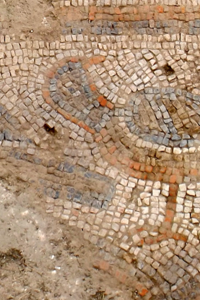
By Randall W. Younker and Élisabeth Lesnes
For decades Andrews University has undertaken long-term research projects in Jordan, at Hesban and elsewhere. But new challenges are necessary. So we decided to trade falafels for pasta and launched a new project in the town of Salemi in the province of Trapani in the northwestern “corner” of Sicily.
READ MORE
[/vc_column_text][mk_divider thickness=”1″ margin_top=”10″][/vc_column_inner][/vc_row_inner][vc_row_inner][vc_column_inner][vc_column_text] The Ancient Near East Today features contributions from diverse academics, a forum featuring debates of current developments from the field, and links to news and resources. The ANE Today covers the entire Near East, and each issue presents discussions ranging from the state of biblical archaeology to archaeology after the Arab Spring.
Take a look at the contents of this e-book!
- San Miceli in Sicily: Excavation of an early Christian Basilica and Village
- The Big Bad Wolves of the Ancient Near East Speak: Royal Apologetic in Context
- Göbekli Tepe: Neolithic Gathering and Feasting at the Beginning of Food Production
- Silk Textiles in the Southern Levant