The Iraqi Western Desert PLACES Project: Pleistocene Landscapes and Early Human Behavior in the Shbicha Region
Dr. Ella Egberts, 2025/2026 Mesopotamian Fellowship Recipient
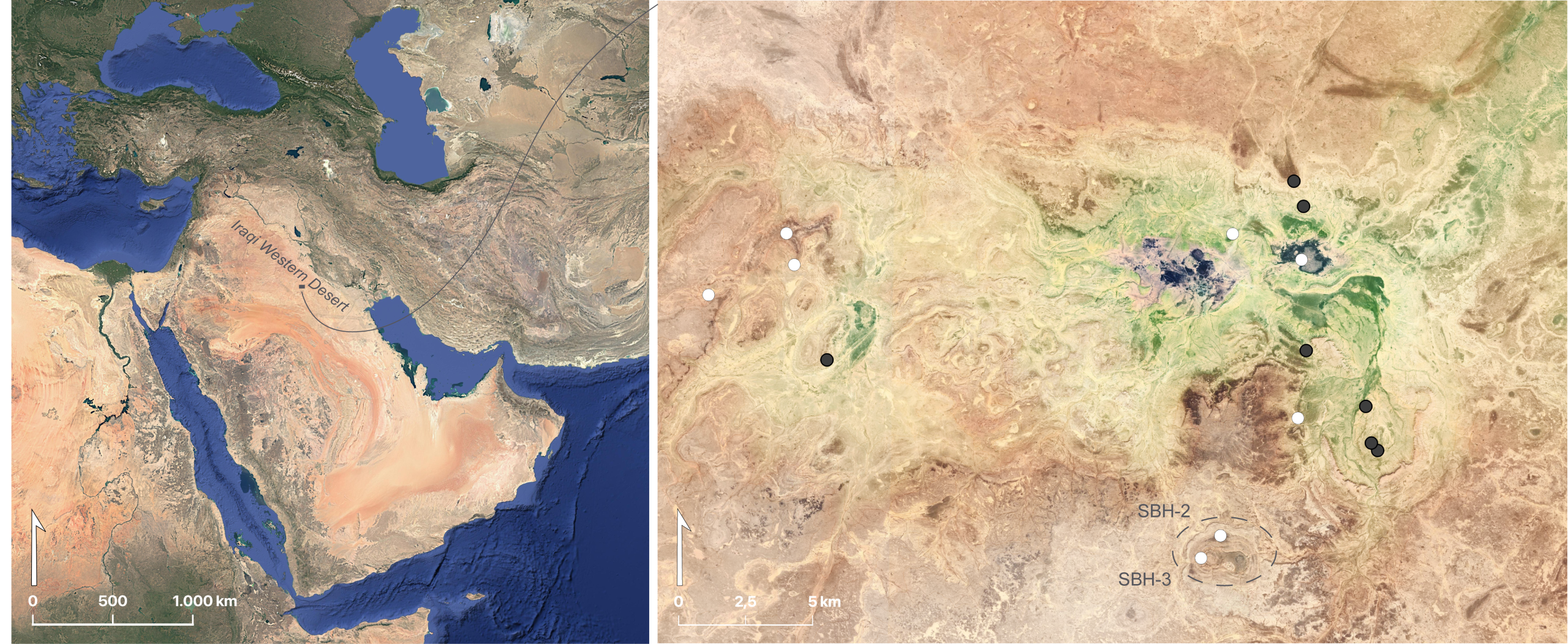
At the heart of southwest Asia, in the north of the Arabian Peninsula, lies the Iraqi Western Desert (Figure 1). Southwest Asia has long been recognized as a key region for studying human evolution and behavioral adaptation (Solecki 1963; Hershkovitz et al. 2018; Grouchett et al. 2021). Repeated climatic fluctuations during the Pleistocene (ca. 2.58 million–11,700 years ago) shifted the landscapes of southwest Asia between wetter and drier environments, shaping early human presence, dispersals and adaptations. It is here that we find the earliest evidence of Homo sapiens outside Africa, and where they most likely first encountered Neanderthals. Increasingly complex and diverse technologies — and the connections between the human groups who made them — can be traced across this large region and beyond. In other words, some pivotal steps in our human story played out here, and over a hundred years of Paleolithic research in the Levant, Zagros and the Arabian Peninsula has done much to reveal them. Yet, sitting right in the middle of this well-studied arc, the Iraqi Western Desert has remained largely unexplored.
The Geomorphological and Paleolithic Survey of the Western Desert of Iraq addresses this gap by assessing the presence of Paleolithic material, establishing its landscape context, and recontextualizing historic finds. Given the vast expanse of the desert, the survey currently employs a targeted reconnaissance approach. The multi-scale multi-method survey consists of broadly reconstructing the geomorphological history (how the landscape formed and changed over time) of various regions of the desert based on high-resolution satellite images, elevation data, and geological datasets, before zooming in on a regional landscape survey, investigating areas of archaeological potential and paleoenvironmental interest. This includes potential paleo-lakes, wadis, stratigraphic profiles, springs, potential raw material sites, and high-points in the landscape. Selected points of interest are visited and surveyed through fieldwalking, and selected sites are subjected to intensive, systematic survey.
This ASOR Mesopotamian Fellowship built on results from a Pilot Project funded by the British Institute for the Study of Iraq (BISI). With the identification of seven new Paleolithic findspots and several paleo-lakes, the BISI supported pilot study (conducted in 2024) identified the Shbicha (Al-Shabakah) region (Figure 1) as having a high potential for preserving Paleolithic material and Pleistocene landscape features (Egberts et al. 2025). With this Fellowship, the aim was to identify and investigate additional sites, conduct in-depth technological and typological artefact analyses, develop hypotheses regarding Pleistocene landscape preservation and Paleolithic findspots, and train Iraqi students through fieldwork participation, workshops and lectures.
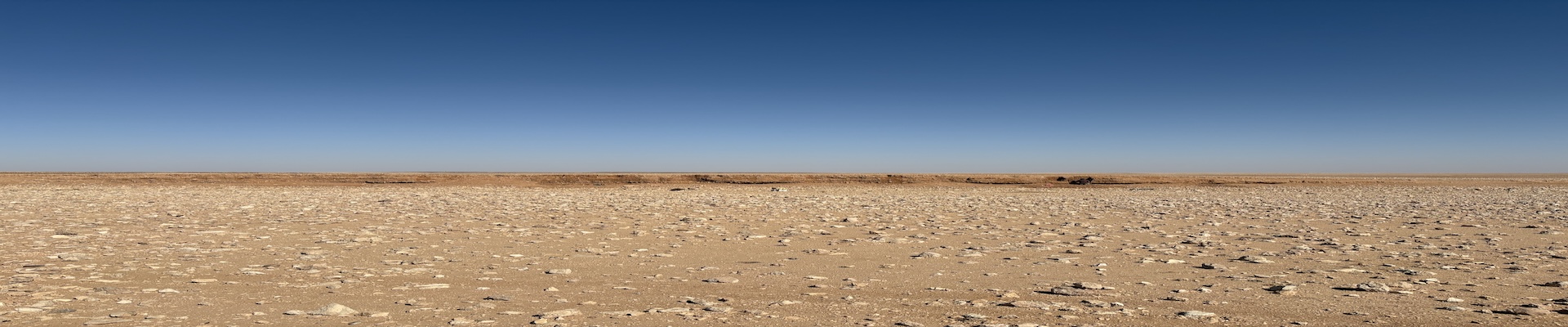
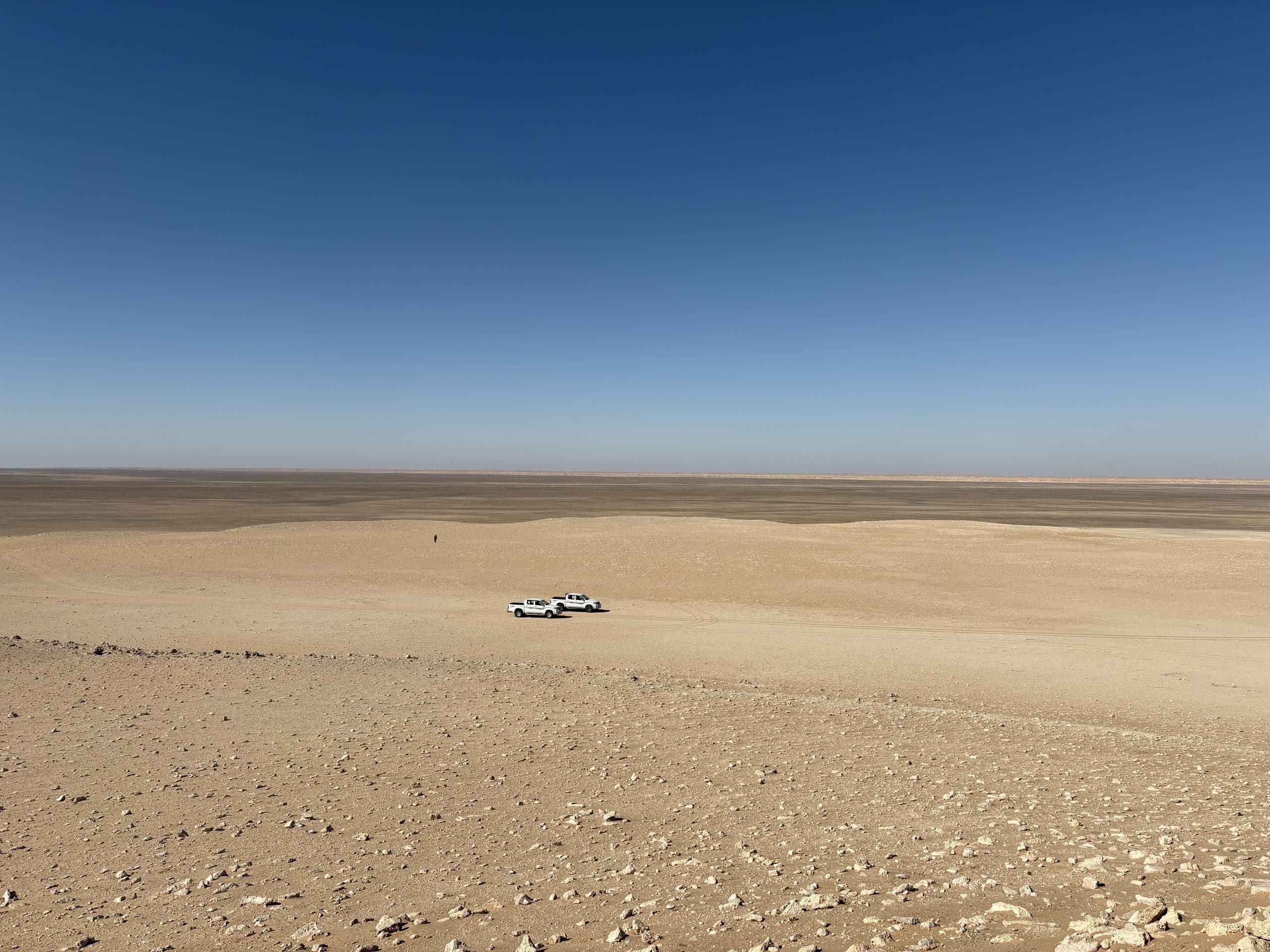
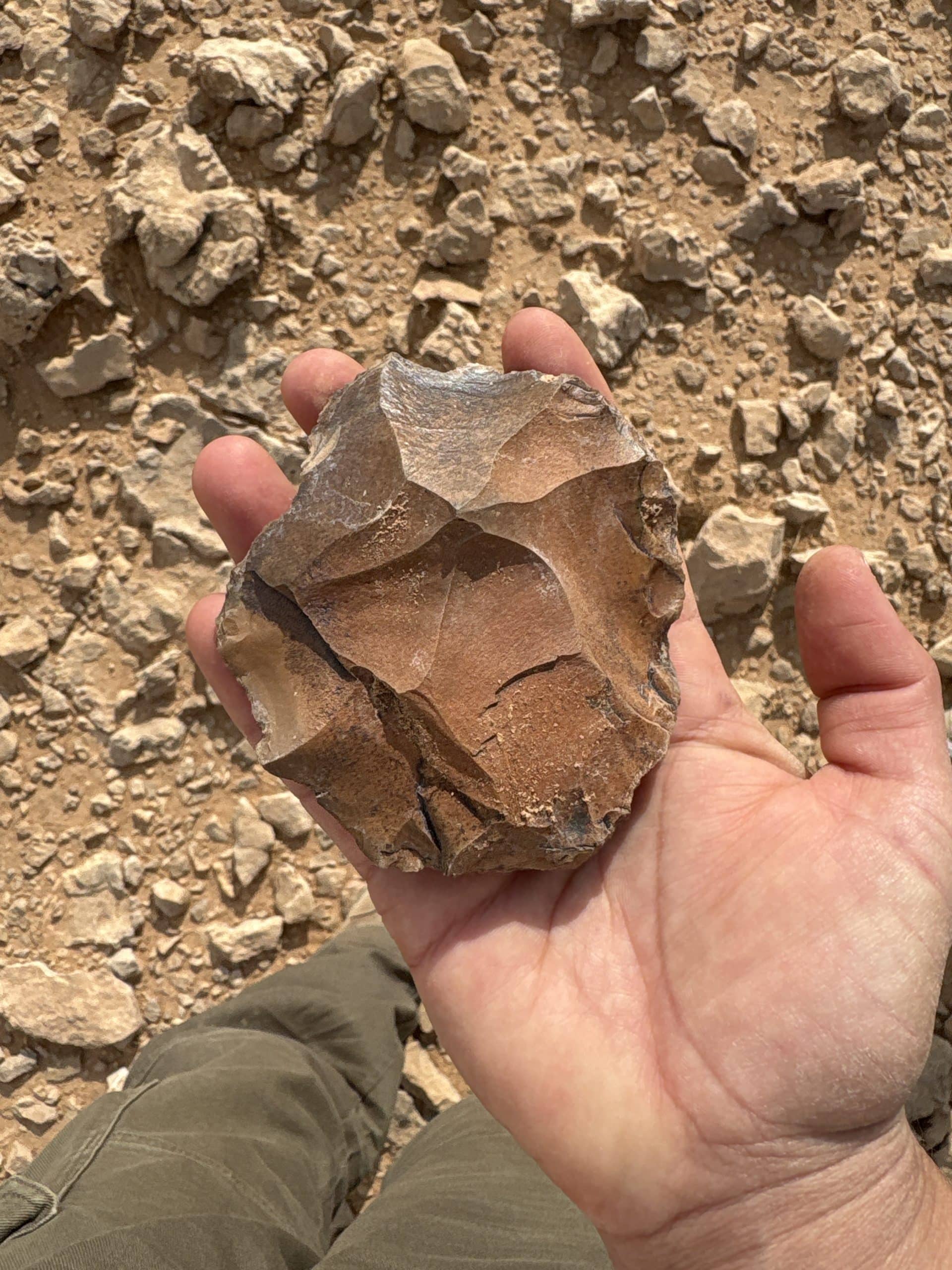
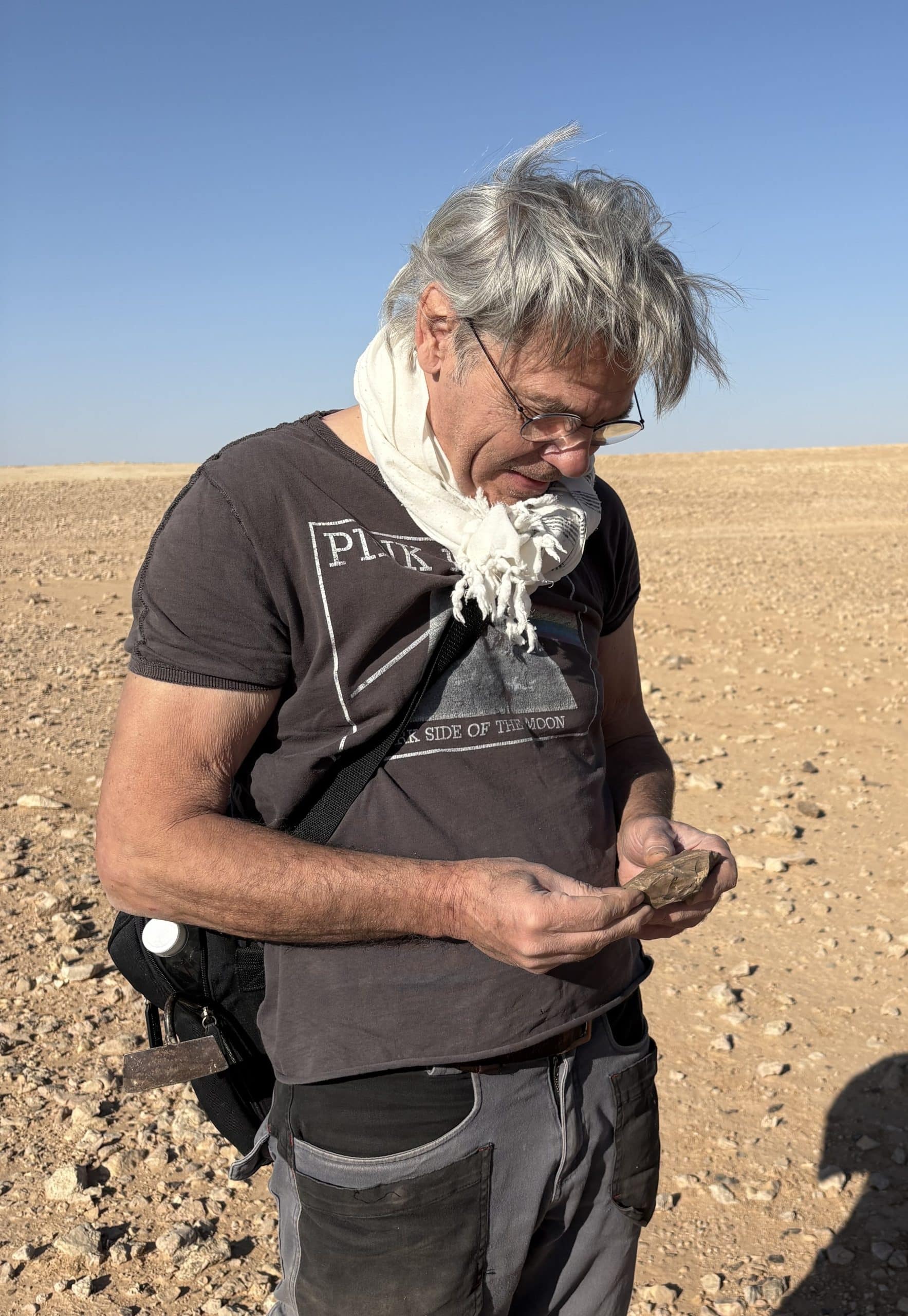
The fieldwork, carried out in November 2025, identified eight new Paleolithic sites (Figures 1 and 2). These consist of mostly mixed assemblages with sporadic Lower Paleolithic finds and substantial Middle Paleolithic material (Figure 3).
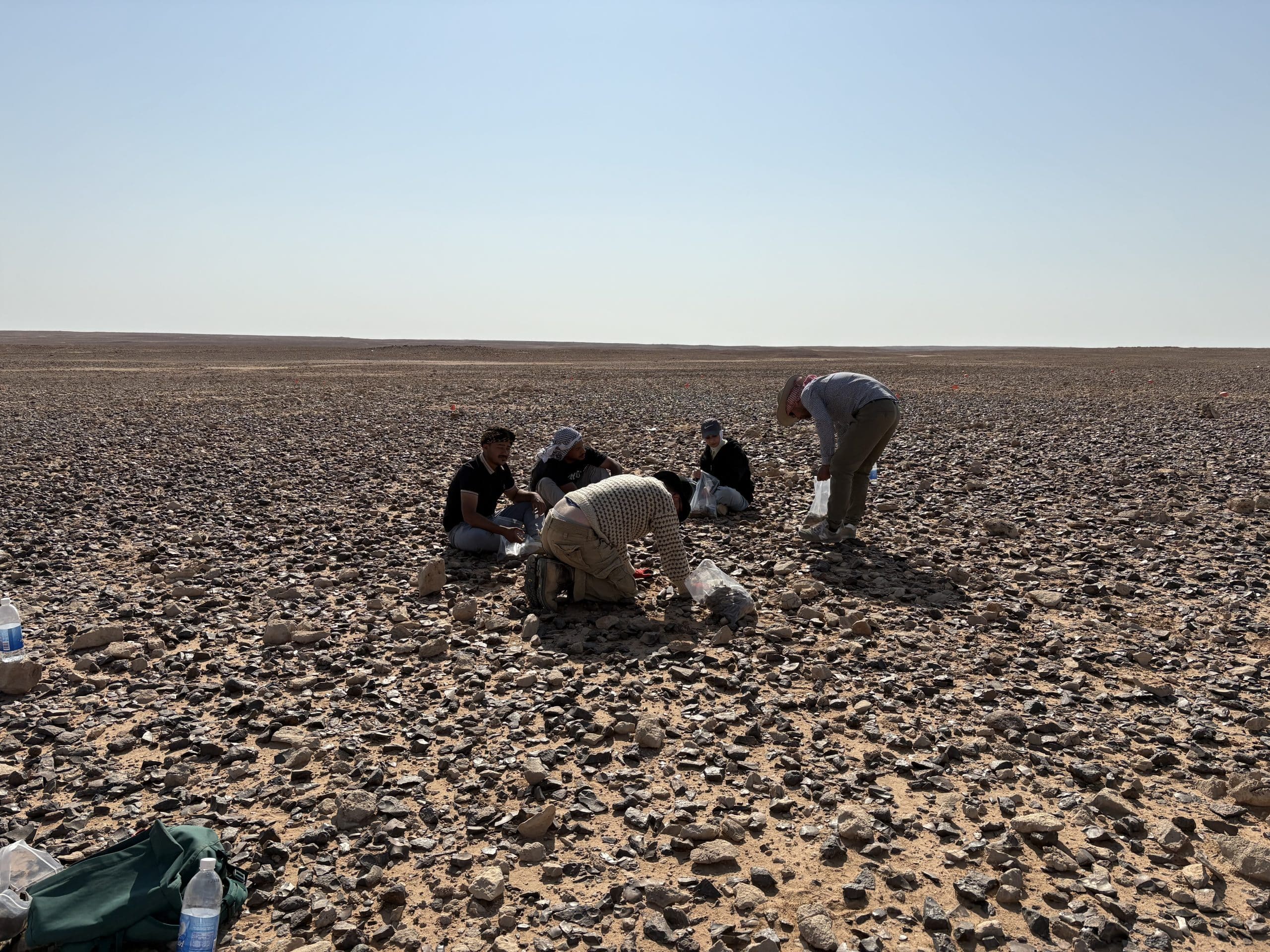
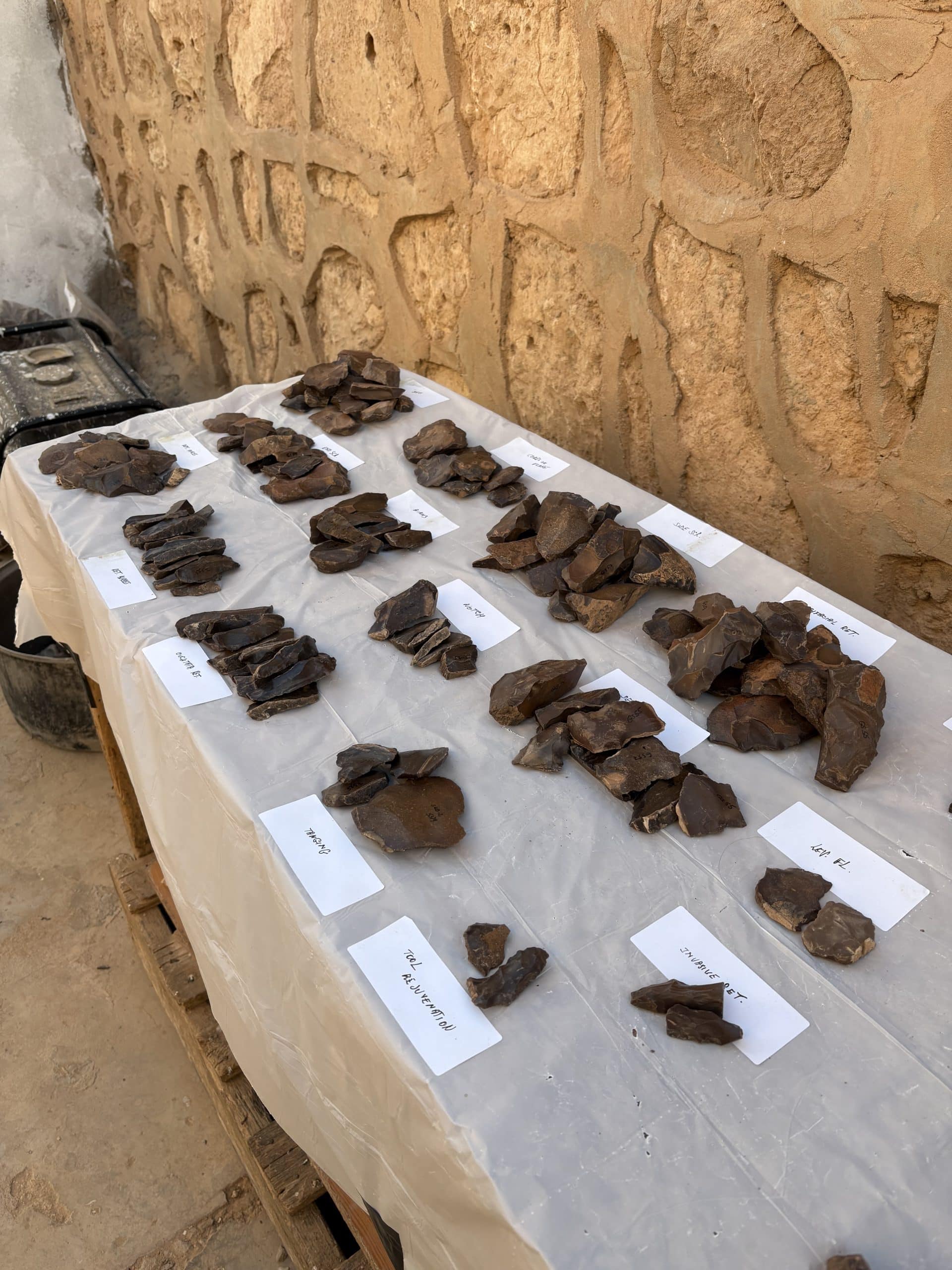
Remarkable is the discovery of several (Initial) Upper Paleolithic lithic concentrations. Two sites, Shbicha 2 and 3, were selected for more detailed investigations, including systematic collection of lithics (Figure 4), detailed technological and typological artefact analyses, and integration of these results with hypotheses of Pleistocene landscape preservation.
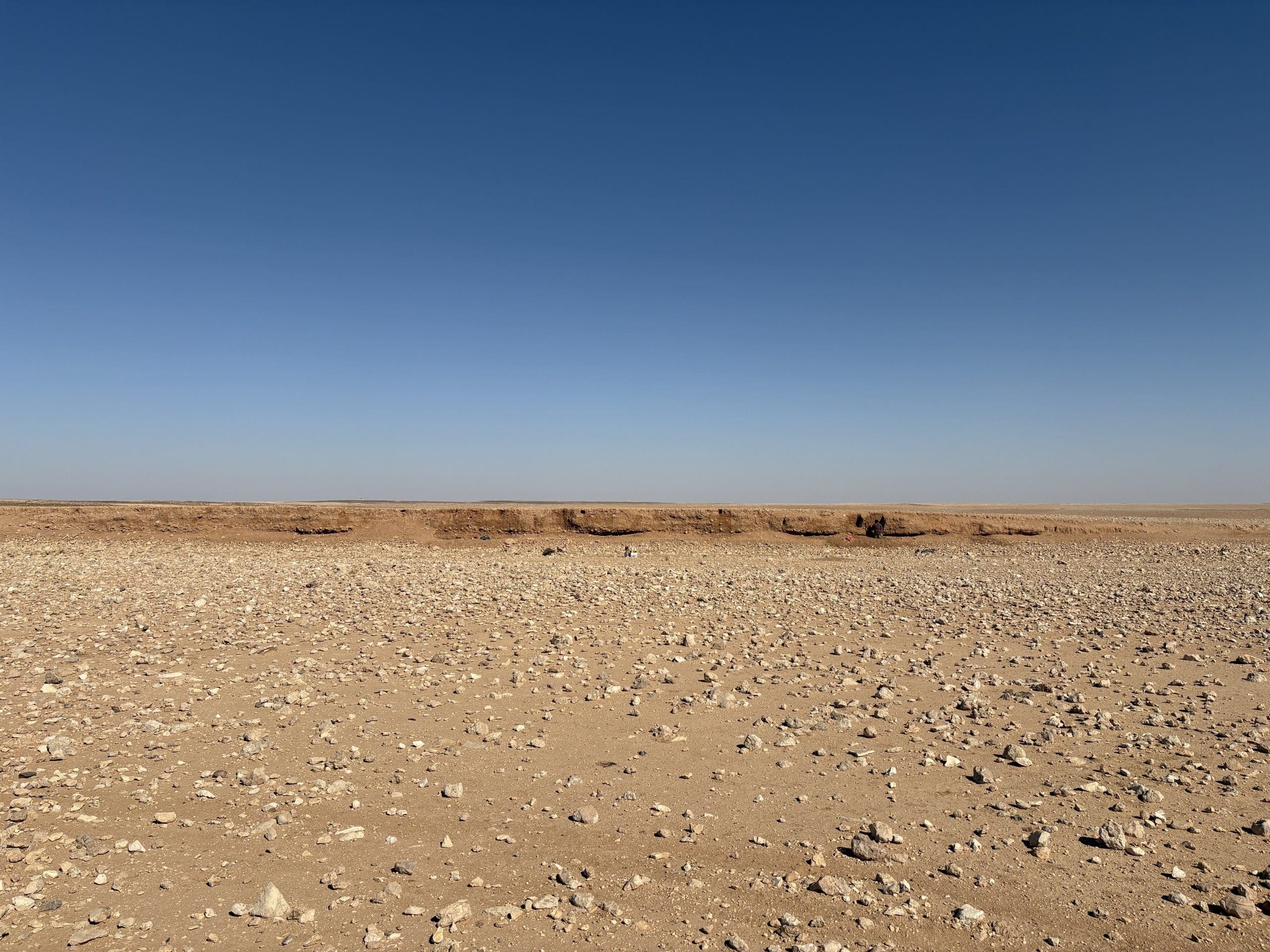
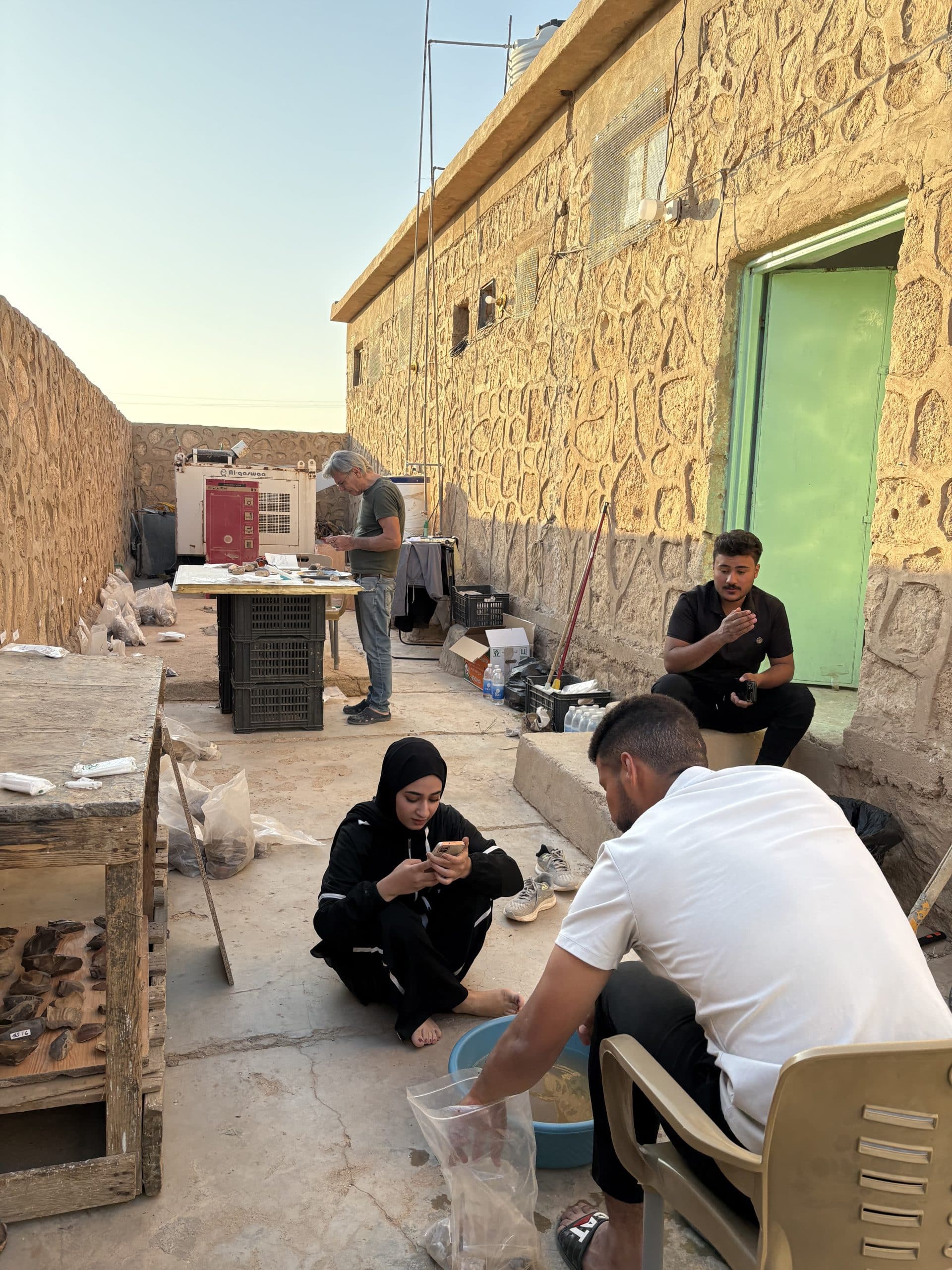
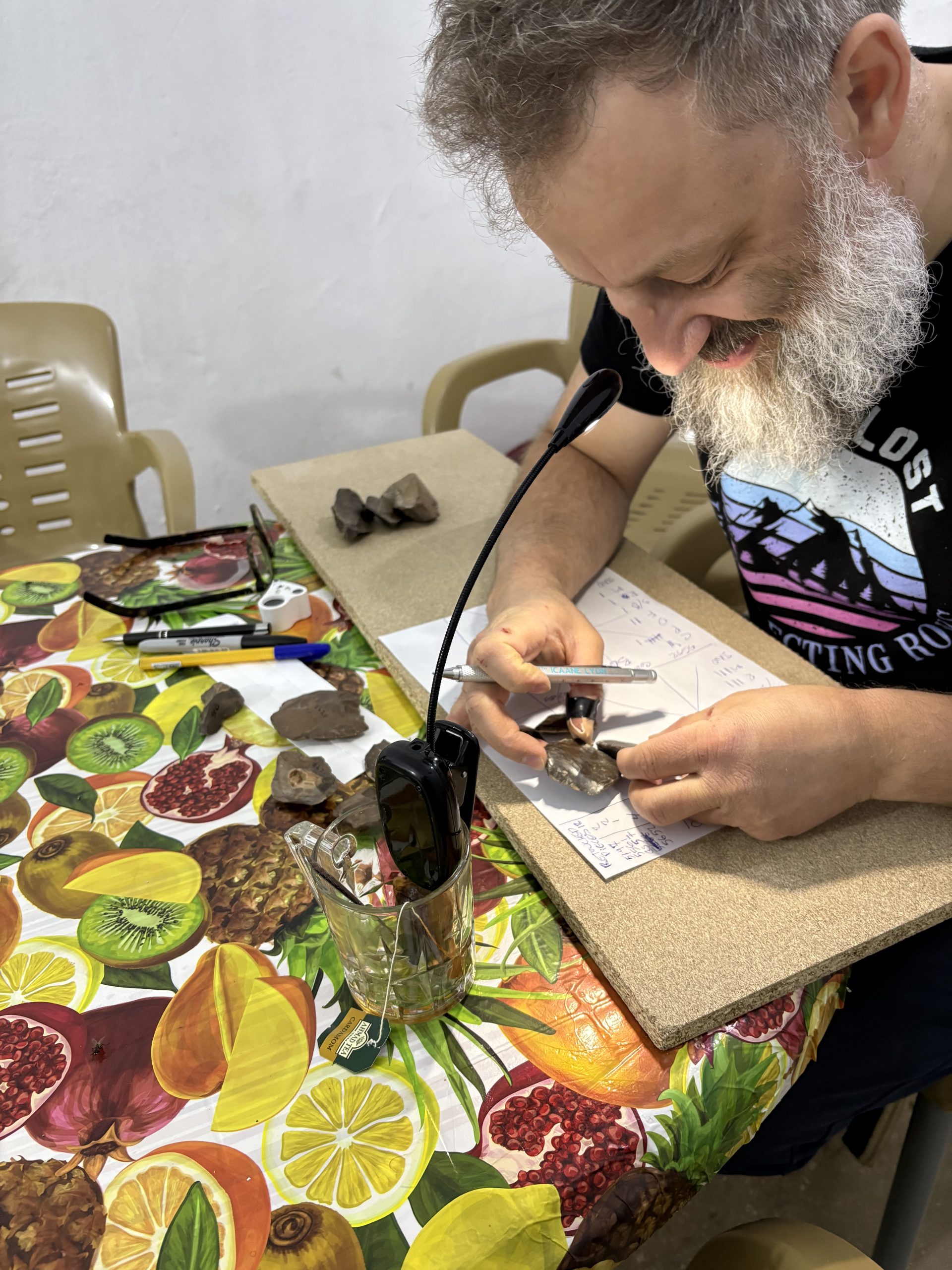
Focusing on these sites proved to be an excellent decision. In a wadi, alongside the surface finds of Shbicha 3, we discovered a recently eroded sediment profile with lithics in stratigraphy (Figure 5). The rich Paleolithic surface assemblages provide large and easily accessible datasets for technological and typological analyses of lithics, providing insights into broad age ranges and technological and typological affinities between lithic assemblages across the wider region (Figures 6-9). However, absolute dating of these important archaeological records requires stratified finds. The discovery of this profile, with lithics preserved in situ, offers an exciting opportunity to build the first absolute chronological framework for Palaeolithic material from the Iraqi Western Desert — and, more broadly, the first direct dating of such material from inland northern Arabia.
The discovery of these stratified lithics is a major step forward: it confirms that Pleistocene deposits capable of preserving Palaeolithic archaeology survive in the region, and feeds directly into our hypotheses on landscape preservation. Excavating this profile in the future could recover an in-situ assemblage. We’re extremely grateful to ASOR for making this discovery possible. The results underscore the region’s major research potential, and this Fellowship has given us exactly the evidence needed to direct future work.
We are grateful to the Iraqi State Board of Antiquities and Heritage for the research permit and for their support of the work.
Egberts, E., et al. 2025. New evidence for Pleistocene hominin presence in the north-east Arabian Desert, Iraq. Antiquity, 99(408), p. e51. doi:10.15184/aqy.2025.10171.
Groucutt H.S., et al. 2021. Multiple hominin dispersals into Southwest Asia over the past 400,000 years. Nature, 597(7876), 376–380. https://doi.org/10.1038/s41586-021-03863-y
Hershkovitz I., et al. 2018. The earliest modern humans outside Africa. Science 359, 456-459. DOI:10.1126/science.aap8369
Solecki, R.S., 1963. Prehistory in Shanidar Valley, Northern Iraq: Fresh insights into Near Eastern prehistory from the Middle Paleolithic to the Proto-Neolithic are obtained. Science139, 179-193.