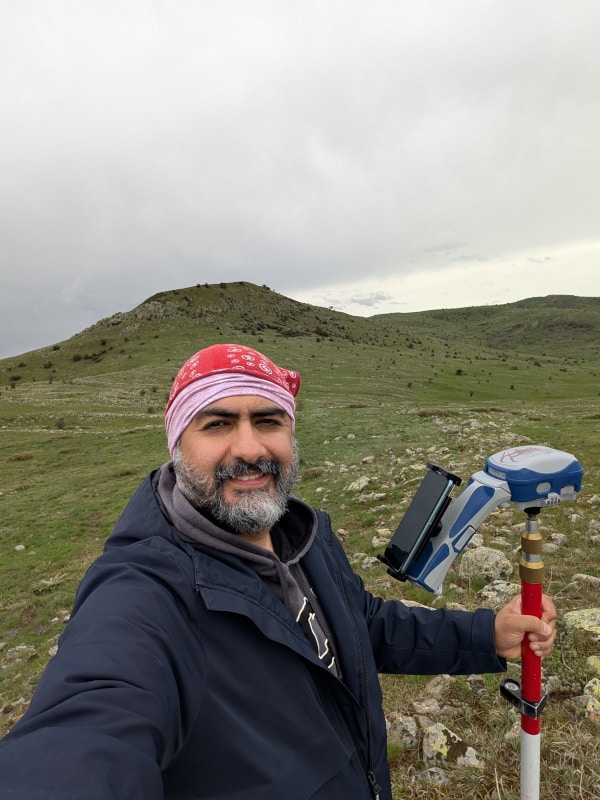
Atakan Atabas, 2025 Shirlee Meyers/G. Ernest Wright Fellowship Recipient
When I left my hometown in central Anatolia to attend university, I never imagined that my path would eventually bring me back to the same region—not as a student of technology, but as a researcher of the ancient past. My undergraduate years were spent studying computer science at one of Türkiye’s most prestigious universities, followed by professional work in the technology sector in Istanbul. Despite these achievements, I felt a growing distance from the land of my childhood. Archaeology offered me the chance to reconnect: to engage with the cultural heritage of Anatolia and, in doing so, to give something meaningful back to my community and my country.


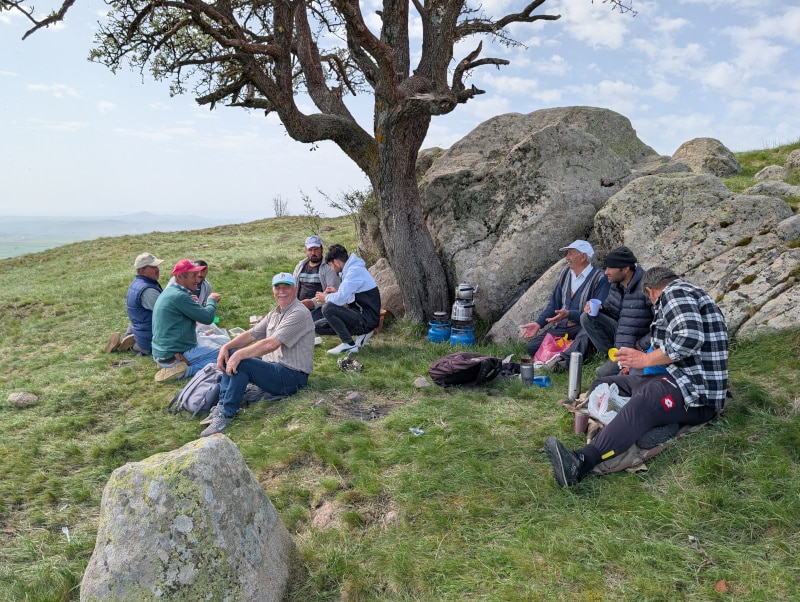
In the summer of 2025, I joined the Kerkenes Project in Yozgat, central Anatolia. For many international scholars, fieldwork in Turkey means collecting evidence, expanding networks, publishing papers, and advancing knowledge of the ancient world. For me, however, it is also deeply personal. Fieldwork is a return home: talking with workers from the village, walking the landscapes of my childhood, breathing the scent of native flowers, and tasting familiar foods that I ate growing up. At Kerkenes, I feel responsible not only for contributing to the project but also for representing the local community whose generosity sustains our work. This dual sense of responsibility reminds me that archaeology is not just scientific inquiry; it is also an ongoing dialogue between researchers and the people who live near the site today. I believe that understanding this relationship is key to understanding how academia can engage more meaningfully with society.

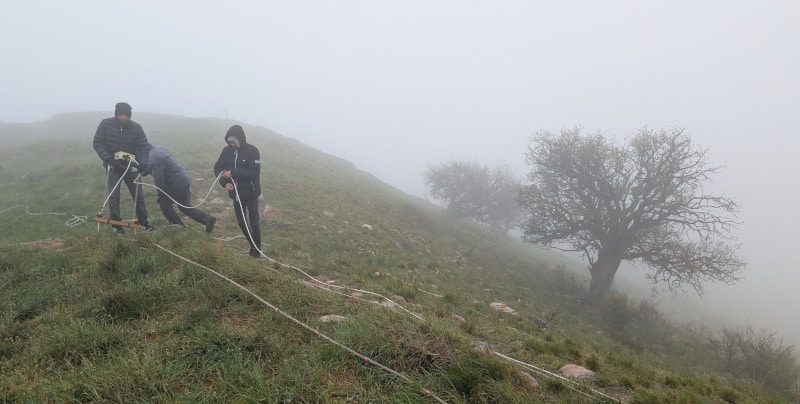
My own path—from computer science to archaeology—has taught me the importance of interdisciplinary approaches. To restrict archaeology to narrow disciplinary boundaries is to diminish its potential. Often, archaeological questions require the mind of a sociologist, the skills of an engineer, the vision of an architect, the insights of a politician, or even the calculations of an economist. At Kerkenes, I have seen how archaeology draws together these diverse ways of thinking. Fieldwork also demands practical versatility: negotiating with local bureaucrats, collaborating with villagers, and adapting to shifting roles and responsibilities. In such a dynamic environment, effective communication is essential. Each season teaches me how to engage with people of different backgrounds, perspectives, and priorities. Thus, the Kerkenes Project is not only an academic training ground but also a place of intercultural exchange, collaboration, and personal growth.
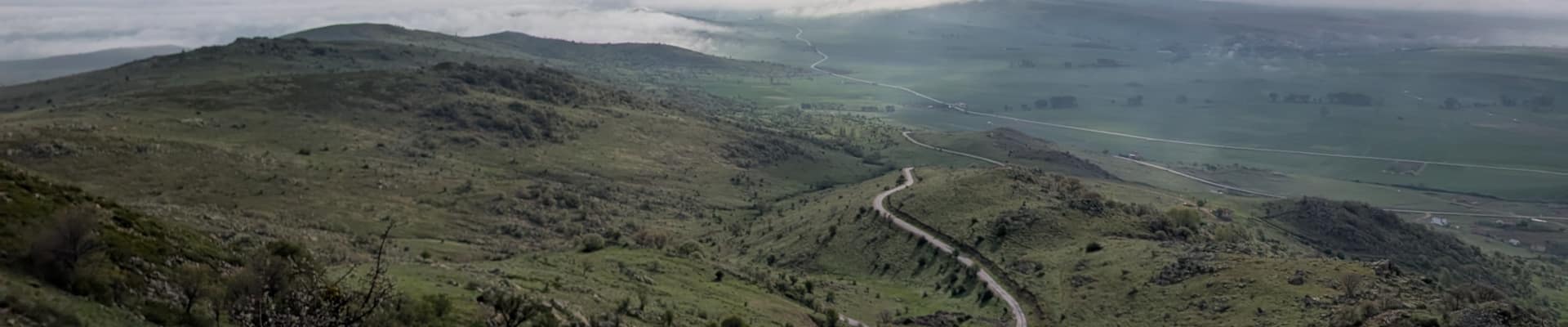
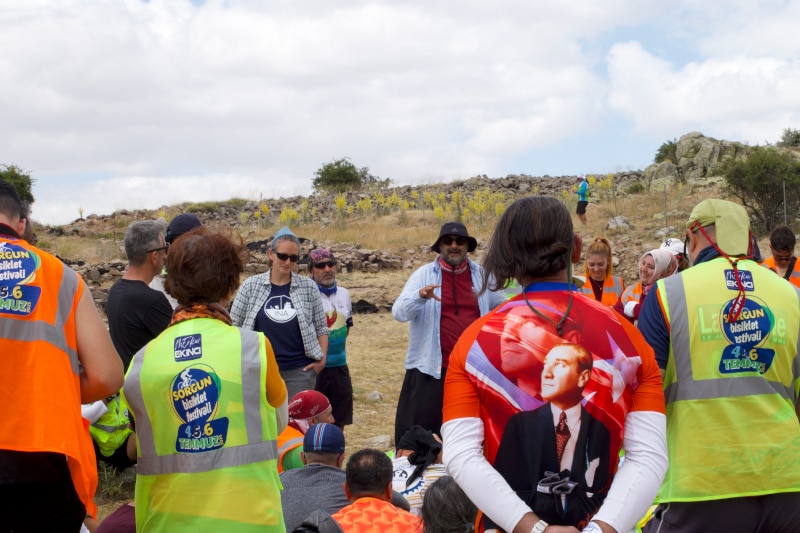
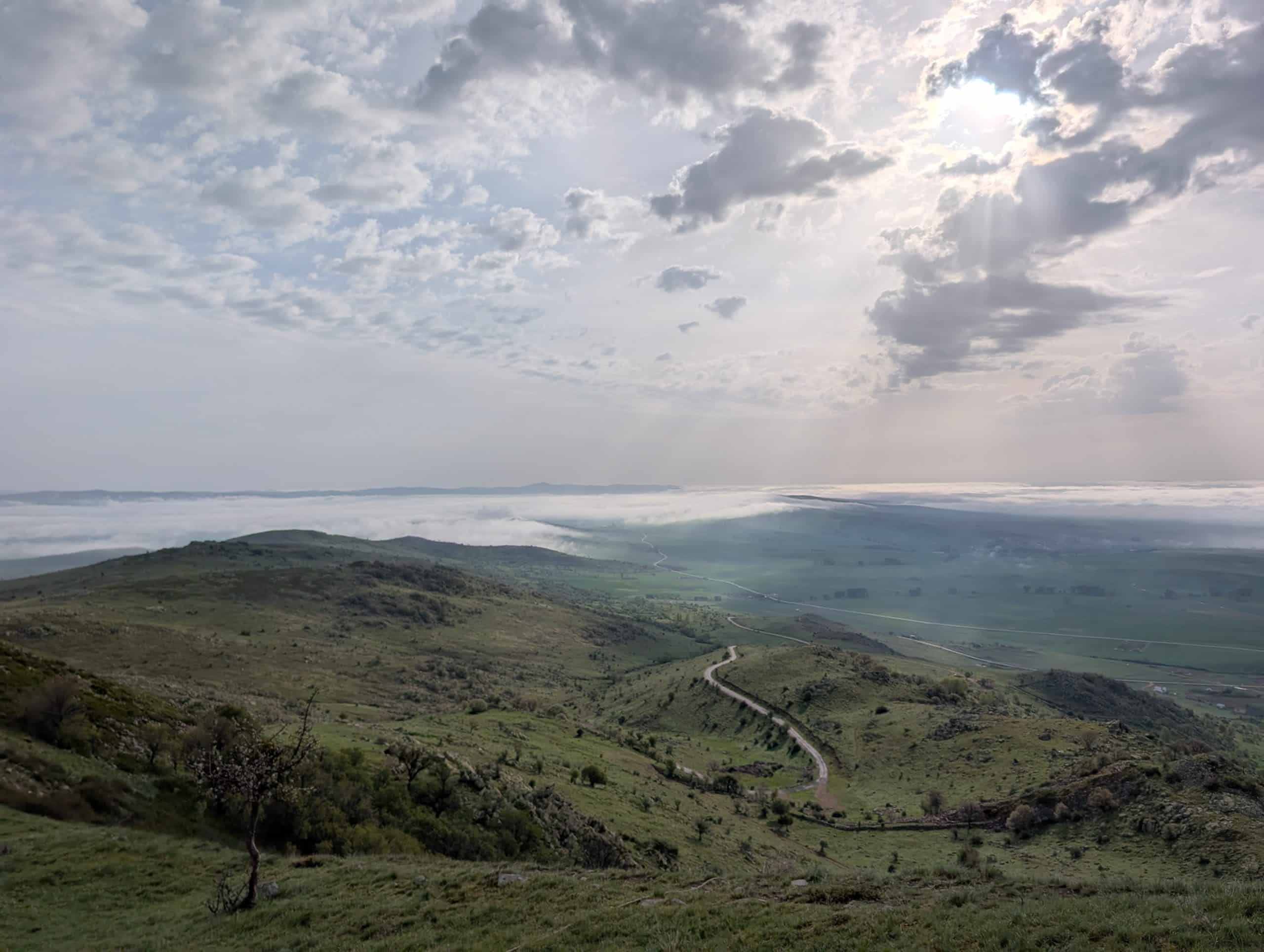
For me, archaeology is not only about answering research questions but also about building relationships—across cultures, disciplines, and generations. An excavation site is a meeting point where individuals from different nationalities, ethnicities, genders, socioeconomic classes, and educational backgrounds come together. It is also a meeting point across time, where modern researchers walk through the same landscapes that ancient inhabitants once knew. In this sense, we are not outside observers of history but participants in its unfolding narrative. We are part of the same story, shaped by the same land, only at different moments in time. Once upon a time in Anatolia… there is always a story to tell.