CHI UPDATE: OUDNA, TUNISIA WORKSHOP
A U.S. Program to Protect Cultural Heritage of Libya
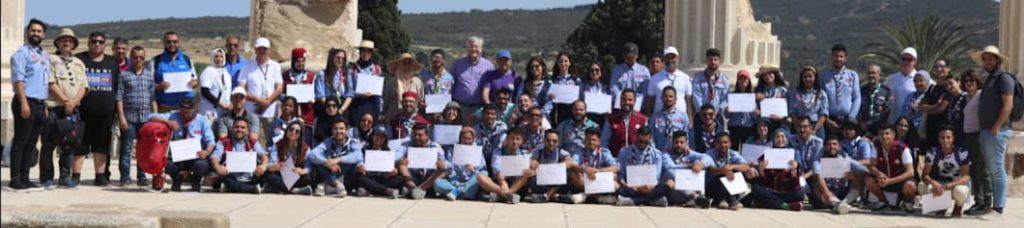
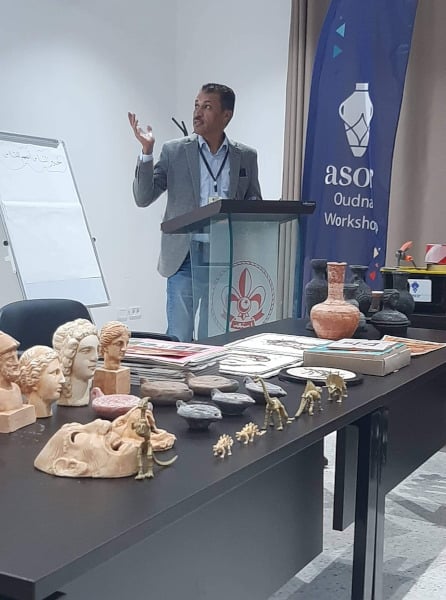
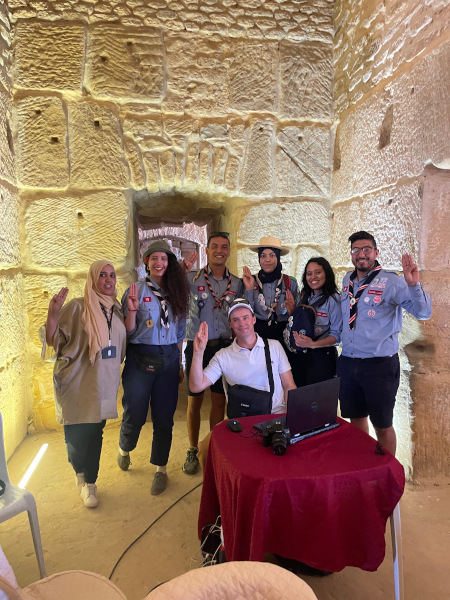
On May 20-22, ASOR partnered with Libyan Department of Antiquities, the Libyan Museum Suitcase team, the Tunisian Institute national du patrimoine, and the Tunisian Scouts to hold a three-day workshop at the archaeological site of Oudna in Tunisia. This outreach event focused on the protection of cultural heritage in Libya and the Maghreb. Given the ongoing instability in Libya, many across North Africa and the broader world simply assume that protecting Libyan heritage is too difficult in the absence of a lasting political solution. The Libyan delegation described a very different reality, sharing techniques they have deployed successfully across Libya in recent years to engage volunteers and contribute to cultural heritage protection in small ways and large. In addition to more than eighty Tunisian scouts representing all corners of the country, smaller delegations from Algeria and Morocco also attended to benefit from the Libyan experience. The workshop was sponsored by the U.S. Embassy to Libya, External Office (LEO), and it was organized by ASOR and the Tunisian Scouts within the framework of a Cultural Property Agreement Implementation Grant (CPAIG). Additional support was provided by the U.S. Embassy to Tunisia.
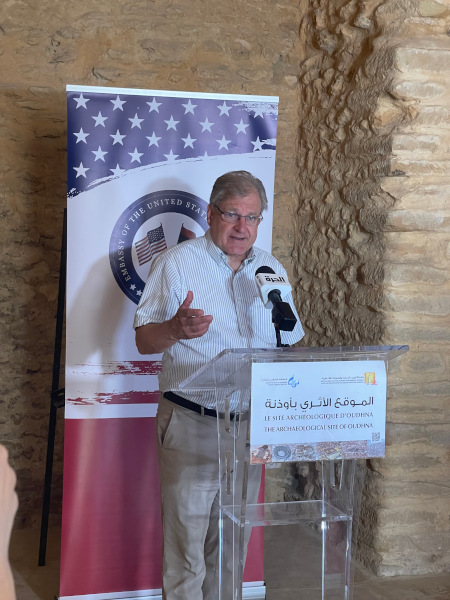
In comments to journalists on the third day of the workshop, Ambassador Richard Norland stressed the importance of similar programs and achieving stability in Libya to prevent the looting and trafficking of antiquities and preserving the rich cultural heritage in the country, while highlighting the efforts carried out by the U.S. to support cultural heritage protection throughout the region. This event provided an opportunity for ASOR volunteers from Libya to share their expertise and outreach methods with their counterparts and colleagues in Tunisia.
The workshop and interactions also will advance the major US-funded Tourath Program operated by the Tunisian Scouts with funding from the U.S. Embassy to Tunisia.
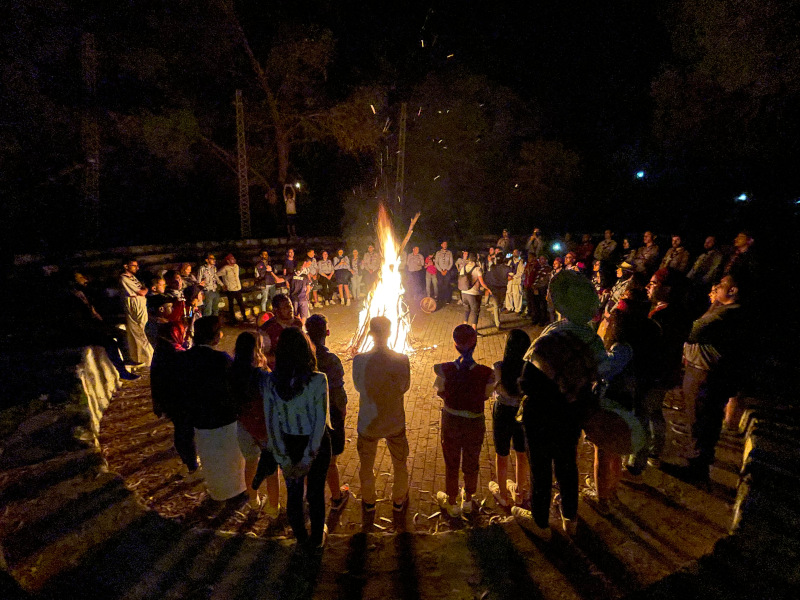
Please check out the videos below, as well as the many photographs that tell the “story” of the three-day heritage awareness event.
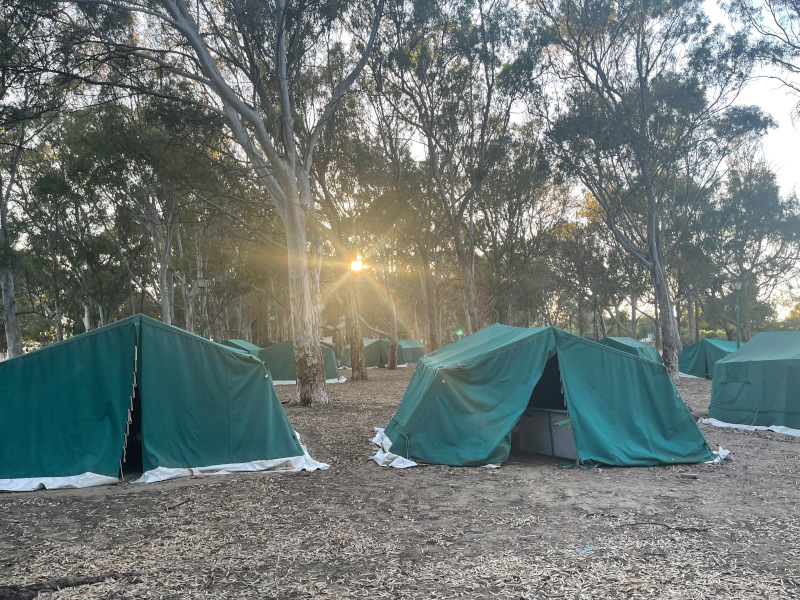
Day 1: Arrival and check-in at Borj Cedria Campsite. Welcoming remarks from ASOR and Scout leaders. Presentations on the cultural heritage of Tunisia and Libya. Introduction to ASOR’s Suitcase Museum Project.
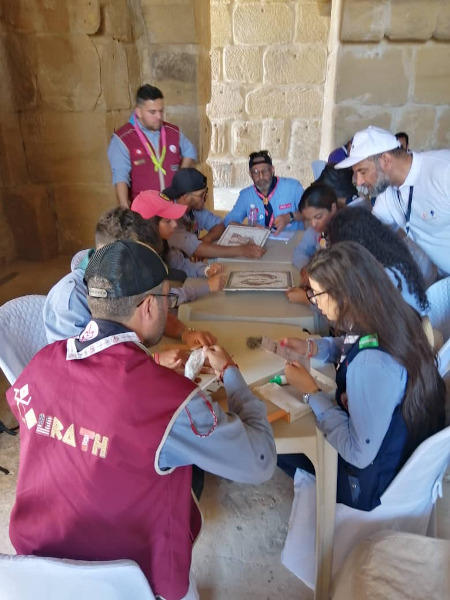
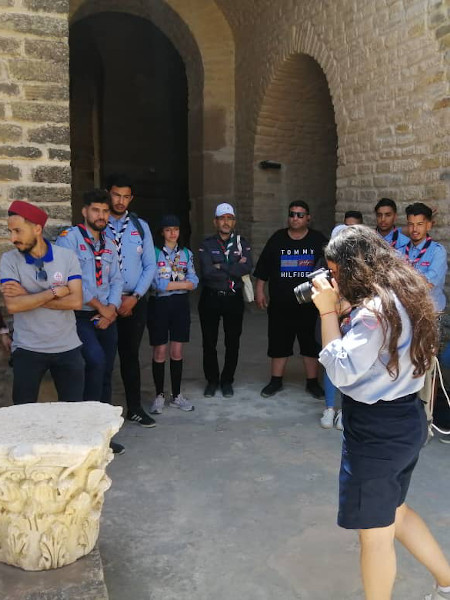
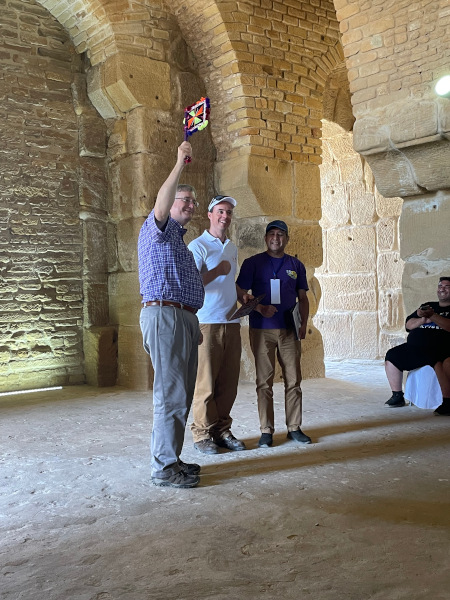
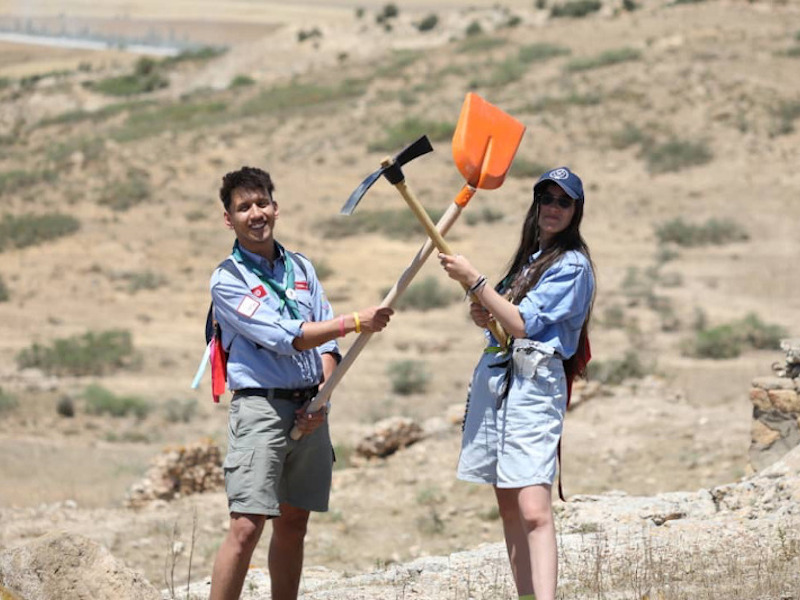
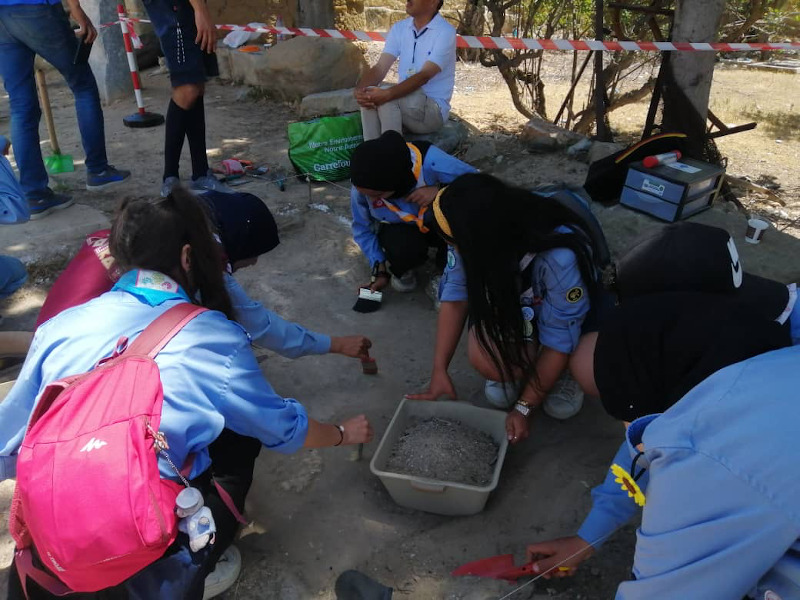
Day 2: Visit to the archaeological site of Oudna. Site cleaning and conservation. Pottery restoration demonstration. Suitcase Museum Project activities.
The multi-day workshop in Oudna, Tunisia builds on previous volunteer workshops ASOR has held in Libya. These workshops are designed to create a broader community of support for cultural heritage protection through outreach and a sense of shared cultural heritage. They highlight the incredible diversity in the cultural heritage, while also recognizing that many of these sites are under threat, whether from urban encroachment, looting, or damage from armed conflict. They also provide participants with basic training, so that volunteers can make a positive contribution towards protecting these sites.
The workshop brought together leaders of the Tunisian and Libyan scouts, ASOR’s Suitcase Museum project leaders, local government officials, museum professionals, officials from Libya’s Department of Antiquities, and a U.S. diplomatic delegation that included U.S. Ambassador to Libya, Richard Norland.
Scout volunteers participated in site cleaning and conservation, Suitcase Museum activities, and discussions on the tangible and intangible heritage of the region.
The Oudna Workshop was featured on a number of media outlets and these links can be found below. Stay tuned for more updates on ASOR’s CHI work in North Africa over the next couple of months!
Maghreb Voices (Arabic)
الحقيبة المتحفية” مبادرة أميركية لحماية المعالم الأثرية في ليبيا.. نورلاند: هناك أشخاص يسعون لتدمير هذا الإرث وسرقته وبيعه في الخارج
Al Hurra (Arabic)
تونس.. مشروع لحماية الآثار في ليبيا بدعم أميركي