SHARE
[/vc_column_text][mk_image src=”http://www.asortest.org/wp-content/uploads/2017/01/social-fb-icon4.jpg” image_width=”42″ image_height=”42″ hover=”false” custom_url=”https://www.facebook.com/ASOResearch/” margin_bottom=”0″][mk_image src=”http://www.asortest.org/wp-content/uploads/2017/01/social-tw-icon4.jpg” image_width=”42″ image_height=”42″ hover=”false” custom_url=”https://twitter.com/ASOResearch?ref_src=twsrc%5Egoogle%7Ctwcamp%5Eserp%7Ctwgr%5Eauthor” margin_bottom=”0″][mk_image src=”http://www.asortest.org/wp-content/uploads/2017/01/social-in-icon4.jpg” image_width=”42″ image_height=”42″ hover=”false” custom_url=”https://www.linkedin.com/company/american-schools-of-oriental-research” margin_bottom=”0″][mk_image src=”http://www.asortest.org/wp-content/uploads/2017/01/social-ml-icon_7.jpg” image_width=”42″ image_height=”42″ hover=”false” custom_url=”mailto:info@asor.org” margin_bottom=”0″][mk_image src=”http://www.asortest.org/wp-content/uploads/2017/01/blog-icon3.jpg” image_width=”42″ image_height=”42″ hover=”false” custom_url=”http://asor.org/blog” margin_bottom=”0″][/vc_column][vc_column border_color=”rgba(255,255,255,0.01)” width=”1/6″ css=”.vc_custom_1493004112151{margin-right: 20px !important;border-left-width: 2px !important;padding-right: 20px !important;padding-left: 20px !important;border-left-color: #99422f !important;}”][mk_divider divider_color=”rgba(255,255,255,0.01)” thickness=”1″ margin_top=”3″ margin_bottom=”3″][vc_widget_sidebar sidebar_id=”sidebar-16″ el_class=”.widget { overflow: hidden; margin-bottom: 0; }”][vc_row_inner][vc_column_inner css=”.vc_custom_1632941263398{padding-top: 10px !important;padding-right: 10px !important;padding-bottom: 5px !important;padding-left: 10px !important;background-image: url(https://www.asor.org/wp-content/uploads/2021/09/ASOR_Patterns_CMYK_Blue_Thin.jpg?id=77162) !important;}”][vc_column_text]Not a Friend of ASOR yet? Sign up here to receive ANE Today in your inbox weekly!
[/vc_column_text][/vc_column_inner][/vc_row_inner][/vc_column][vc_column border_color=”rgba(170,170,170,0.01)” width=”8/12″ css=”.vc_custom_1487276122024{margin-right: 10px !important;margin-bottom: 30px !important;border-right-width: 2px !important;border-bottom-width: 2px !important;padding-top: 30px !important;padding-right: 30px !important;padding-left: 20px !important;background-color: #ffffff !important;border-right-color: rgba(227,228,228,0.75) !important;border-bottom-color: rgba(227,228,228,0.75) !important;}”][mk_divider thickness=”1″ margin_top=”10″][vc_row_inner][vc_column_inner width=”1/3″ css=”.vc_custom_1515088776988{padding-right: 20px !important;}”][mk_image src=”http://www.asor.org/wp-content/uploads/2017/12/foa-reduced-100.png” image_width=”190″ image_height=”100″ crop=”false” hover=”false”][/vc_column_inner][vc_column_inner width=”2/3″][vc_column_text responsive_align=”left”]Read the latest exciting articles from The Ancient Near East Today
[/vc_column_text][/vc_column_inner][/vc_row_inner][vc_column_text]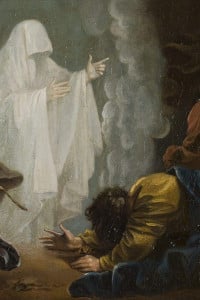
Are Possession and Other Spirit Phenomena Depicted in the Hebrew Bible?
By Reed Carlson
Many scholars rule out the presence of spirit phenomena in the Hebrew Bible. Reed Carlson explains why this is a mistake. Read More[/vc_column_text][mk_divider thickness=”1″ margin_top=”10″][vc_column_text]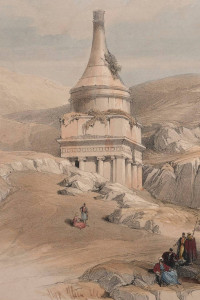
The “Tomb of Absalom”: The Earliest Judeo-Christian Place of Pilgrimage in Jerusalem
By Joe Zias
The so-called Tomb of Absalom is one of the most enigmatic monuments in Jerusalem. Can new archaeological discoveries shed light on its puzzling history? Read More[/vc_column_text][mk_divider thickness=”1″ margin_top=”10″][vc_column_text]
The Emergence of Edom: Recent Debate
By Piotr Bienkowski
It’s long been believed that the kingdom of Edom emerged in the 8th century BCE in the highlands of southern Jordan. Do recent discoveries of early Iron Age copper production change that? Read More[/vc_column_text][mk_divider thickness=”1″ margin_top=”10″][vc_column_text]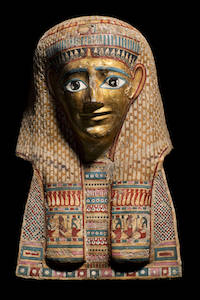
Achieving Divinity: “Golden Mummies of Egypt” at Manchester Museum
By Campbell Price
The primary purpose of the ancient Egyptian mummification ritual wasn’t to preserve the mortal body for the afterlife — it was to transform the deceased into a divine being. Read More[/vc_column_text][mk_divider thickness=”1″ margin_top=”10″][vc_column_text]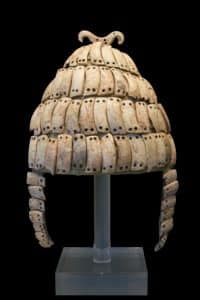
What can Mythological Narratives tell us about Mycenaean Long-Distance Trade in the Bronze Age?
By Jörg Mull
It’s still an open question among scholars whether Mycenaeans participated in long-distance metallurgical trade in the Bronze Age. The mythological narratives found in Greek literary tradition suggest they did. Read More[/vc_column_text][mk_divider thickness=”1″ margin_top=”10″][/vc_column][/vc_row]