SHARE
[/vc_column_text][mk_image src=”http://www.asortest.org/wp-content/uploads/2017/01/social-fb-icon4.jpg” image_width=”42″ image_height=”42″ hover=”false” custom_url=”https://www.facebook.com/ASOResearch/” margin_bottom=”0″][mk_image src=”http://www.asortest.org/wp-content/uploads/2017/01/social-tw-icon4.jpg” image_width=”42″ image_height=”42″ hover=”false” custom_url=”https://twitter.com/ASOResearch?ref_src=twsrc%5Egoogle%7Ctwcamp%5Eserp%7Ctwgr%5Eauthor” margin_bottom=”0″][mk_image src=”http://www.asortest.org/wp-content/uploads/2017/01/social-in-icon4.jpg” image_width=”42″ image_height=”42″ hover=”false” custom_url=”https://www.linkedin.com/company/american-schools-of-oriental-research” margin_bottom=”0″][mk_image src=”http://www.asortest.org/wp-content/uploads/2017/01/social-ml-icon_7.jpg” image_width=”42″ image_height=”42″ hover=”false” custom_url=”mailto:info@asor.org” margin_bottom=”0″][mk_image src=”http://www.asortest.org/wp-content/uploads/2017/01/blog-icon3.jpg” image_width=”42″ image_height=”42″ hover=”false” custom_url=”http://asor.org/blog” margin_bottom=”0″][/vc_column][vc_column border_color=”rgba(255,255,255,0.01)” width=”1/6″ css=”.vc_custom_1493004112151{margin-right: 20px !important;border-left-width: 2px !important;padding-right: 20px !important;padding-left: 20px !important;border-left-color: #99422f !important;}”][mk_divider divider_color=”rgba(255,255,255,0.01)” thickness=”1″ margin_top=”3″ margin_bottom=”3″][vc_widget_sidebar sidebar_id=”sidebar-16″ el_class=”.widget { overflow: hidden; margin-bottom: 0; }”][vc_row_inner][vc_column_inner css=”.vc_custom_1632944355430{padding-top: 10px !important;padding-right: 10px !important;padding-bottom: 5px !important;padding-left: 10px !important;background-image: url(https://www.asor.org/wp-content/uploads/2021/09/ASOR_Patterns_CMYK_Blue_Thin.jpg?id=77162) !important;}”][vc_column_text]Not a Friend of ASOR yet? Sign up here to receive ANE Today in your inbox weekly!
[/vc_column_text][/vc_column_inner][/vc_row_inner][/vc_column][vc_column border_color=”rgba(170,170,170,0.01)” width=”8/12″ css=”.vc_custom_1487276122024{margin-right: 10px !important;margin-bottom: 30px !important;border-right-width: 2px !important;border-bottom-width: 2px !important;padding-top: 30px !important;padding-right: 30px !important;padding-left: 20px !important;background-color: #ffffff !important;border-right-color: rgba(227,228,228,0.75) !important;border-bottom-color: rgba(227,228,228,0.75) !important;}”][vc_row_inner][vc_column_inner width=”1/3″ css=”.vc_custom_1515087305797{padding-right: 20px !important;}”][mk_image src=”http://www.asor.org/wp-content/uploads/2017/12/foa-reduced-100.png” image_width=”190″ image_height=”100″ crop=”false” hover=”false”][/vc_column_inner][vc_column_inner width=”2/3″][vc_column_text responsive_align=”left”]January 2020
Vol. 8, No. 1
[/vc_column_text][/vc_column_inner][/vc_row_inner][vc_row_inner][vc_column_inner][mk_divider thickness=”1″ margin_top=”10″][vc_column_text] Our Early Neolithic Canine Companions
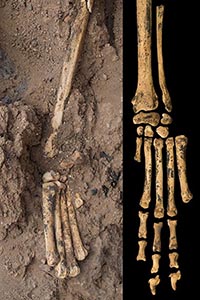
By Lisa Yeomans
Dogs have been faithful human companions for millennia. New finds from a once lush region of eastern Jordan help fill in the picture of how the relationship developed. Read More[/vc_column_text][mk_divider thickness=”1″ margin_top=”10″][vc_column_text]
Fossil Pollen and the Story of Olives in the Mediterranean Basin

By Dafna Langgut and Raphael Greenberg
Olives are among the most characteristic Mediterranean crops. Examining fossil pollen has yielded new insights on how they spread across the Mediterranean. Read More[/vc_column_text][mk_divider thickness=”1″ margin_top=”10″][vc_column_text]
 The Alphabet: The First Thousand Years

By Aaron Koller
The alphabet is probably the most important information technology ever invented. But why did it take a millennium to spread unevenly around the ancient Near East? Read More[/vc_column_text][mk_divider thickness=”1″ margin_top=”10″][vc_column_text]
Rain, Rain, Go Away: Dealing with Wastewater and Rain in Ancient Egypt
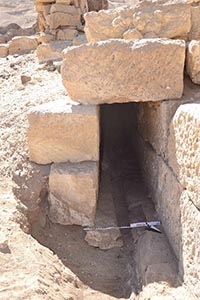
By Heidi Köpp-Junk
The problem of water isn’t just making sure there is enough, but also getting rid of it. Ancient Egyptians addressed the problem with surprisingly modern techniques. Read More[/vc_column_text][mk_divider thickness=”1″ margin_top=”10″][vc_column_text]
Vanilla in the Middle Bronze Age: New Findings from Megiddo

By Melissa S. Cradic and Vanessa Linares
There were many kinds of fragrances and flavors available in the second millennium BCE. But the recent finding of vanilla residues at Megiddo takes the idea of exotic to a whole new level. Read More[/vc_column_text][mk_divider thickness=”1″ margin_top=”10″][/vc_column_inner][/vc_row_inner][/vc_column][/vc_row]