SHARE
[/vc_column_text][mk_image src=”http://www.asortest.org/wp-content/uploads/2017/01/social-fb-icon4.jpg” image_width=”42″ image_height=”42″ hover=”false” custom_url=”https://www.facebook.com/ASOResearch/” margin_bottom=”0″][mk_image src=”http://www.asortest.org/wp-content/uploads/2017/01/social-tw-icon4.jpg” image_width=”42″ image_height=”42″ hover=”false” custom_url=”https://twitter.com/ASOResearch?ref_src=twsrc%5Egoogle%7Ctwcamp%5Eserp%7Ctwgr%5Eauthor” margin_bottom=”0″][mk_image src=”http://www.asortest.org/wp-content/uploads/2017/01/social-in-icon4.jpg” image_width=”42″ image_height=”42″ hover=”false” custom_url=”https://www.linkedin.com/company/american-schools-of-oriental-research” margin_bottom=”0″][mk_image src=”http://www.asortest.org/wp-content/uploads/2017/01/social-ml-icon_7.jpg” image_width=”42″ image_height=”42″ hover=”false” custom_url=”mailto:asor@bu.edu” margin_bottom=”0″][mk_image src=”http://www.asortest.org/wp-content/uploads/2017/01/blog-icon3.jpg” image_width=”42″ image_height=”42″ hover=”false” custom_url=”http://asorblog.org/” margin_bottom=”0″][/vc_column][vc_column border_color=”rgba(255,255,255,0.01)” width=”1/6″ css=”.vc_custom_1493004112151{margin-right: 20px !important;border-left-width: 2px !important;padding-right: 20px !important;padding-left: 20px !important;border-left-color: #99422f !important;}”][mk_divider divider_color=”rgba(255,255,255,0.01)” thickness=”1″ margin_top=”3″ margin_bottom=”3″][vc_widget_sidebar sidebar_id=”sidebar-16″ el_class=”.widget { overflow: hidden; margin-bottom: 0; }”][/vc_column][vc_column border_color=”rgba(170,170,170,0.01)” width=”8/12″ css=”.vc_custom_1487276122024{margin-right: 10px !important;margin-bottom: 30px !important;border-right-width: 2px !important;border-bottom-width: 2px !important;padding-top: 30px !important;padding-right: 30px !important;padding-left: 20px !important;background-color: #ffffff !important;border-right-color: rgba(227,228,228,0.75) !important;border-bottom-color: rgba(227,228,228,0.75) !important;}”][vc_row_inner][vc_column_inner width=”1/3″ css=”.vc_custom_1515087305797{padding-right: 20px !important;}”][mk_image src=”https://www.asor.org/wp-content/uploads/2017/12/foa-reduced-100.png” image_width=”190″ image_height=”100″ crop=”false” hover=”false”][/vc_column_inner][vc_column_inner width=”2/3″][vc_column_text responsive_align=”left”]June 2018
Vol. 6, No. 6
[/vc_column_text][/vc_column_inner][/vc_row_inner][vc_row_inner][vc_column_inner][mk_divider thickness=”1″ margin_top=”10″][vc_column_text]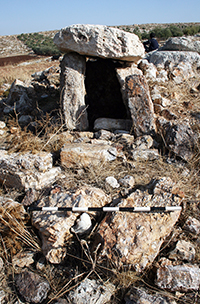
The Visible Dead: Dolmens and the Landscape in Bronze Age Levant
By James Fraser
Dolmens in the Levant always get a boost from their better-known European counterparts. But a closer look at their locations and geology show they formed an important part of the Early Bronze Age settlement landscape.
READ MORE
[/vc_column_text][mk_divider thickness=”1″ margin_top=”10″][vc_column_text]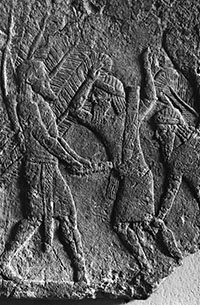
The Meanings of Suicide in the Ancient Near East
By Jan Dietrich
One of the central questions about the meaning of life is how to understand suicide. How did humans of the ancient Near Eastern world attribute meaning to suicidal acts, especially since there is no term for suicide in ancient texts?
READ MORE
[/vc_column_text][mk_divider thickness=”1″ margin_top=”10″][vc_column_text]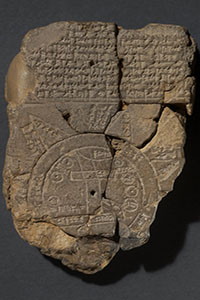
The Origins of Maps in the Near East
By Bleda S. Düring
We live in a world of which every corner has been mapped, and in which we constantly use maps to navigate our way. Yet this use of maps is relatively recent. Maps originated in the ancient Near East but why aren’t there more?
READ MORE
[/vc_column_text][mk_divider thickness=”1″ margin_top=”10″][vc_column_text]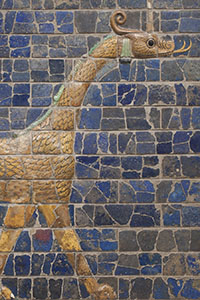
The Making of Monotheism
By Michael Hundley
The Hittites made due with a pantheon of at least 3000 gods. So how did belief in a single god develop? Yahweh rose to prominence from relative obscurity, but the trail had already been blazed by Marduk and Assur.