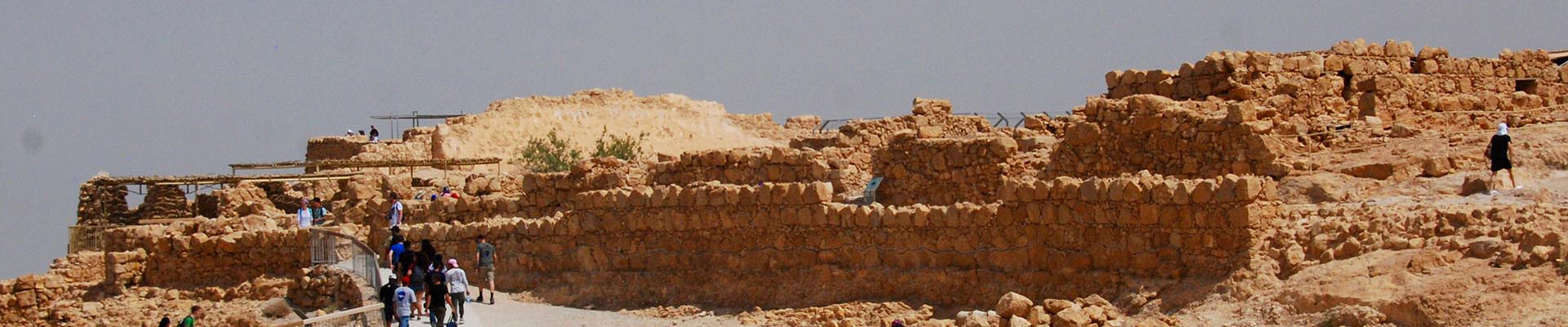
Friends of ASOR is excited to announce the launch of our first archaeological tour of Israel and Palestinian Authority areas from arrival on February 19 to departure on March 3, 2023. ASOR is partnering with a premier touring company, Mejdi Tours, to create a custom 13-day trip for the Friends of ASOR. We will be visiting famous sites and speaking with scholars, excavators, and museum curators who are currently conducting or have conducted archaeological research projects in these regions. Due to cancellations, we have two rooms left, book today!

Participant sharing a double room: $7,500 | Participant in a single room: $9,000
A $300 non-refundable tour deposit is required at the time of registration. Please see Mejdi’s terms and conditions here before paying the deposit.
Price for this tour includes a $1,000 tax-deductible donation to ASOR and supports the Friends of ASOR programming.
Price includes all accommodation, 12 breakfasts, 11 lunches, 11 dinners, 11 days of private group transportation, all tips for drivers & staff, honorariums for speakers and guides, all site/museum entrance fees, water on the bus throughout the tour, a digital booklet including maps and plans of each site sent out before the trip, a personal headset for daily use, a licensed tour expert for the entire trip, dedicated pre-trip customer service, and on-ground support.
Moderate activity level. Average walking distance 2-3 miles per day (not all at once). Expect hills, stairs, and uneven pavement and terrain, especially on archaeological sites. Please bring comfortable footwear and walking poles are recommended if needed.
Tour includes 7 nights in Jerusalem, 2 nights in Galilee, 2 nights in Haifa, and 1 night in Tel Aviv – Jaffa.
Price does not include airfare, arrival/departure transport, travel and health insurance, or transportation outside of group itinerary.
Please e-mail membership@asor.org with any questions or issues.
Sunday, February 19, 2023
Arrival at St. Andrew’s Scots Guest House, Jerusalem
Overnight in Jerusalem
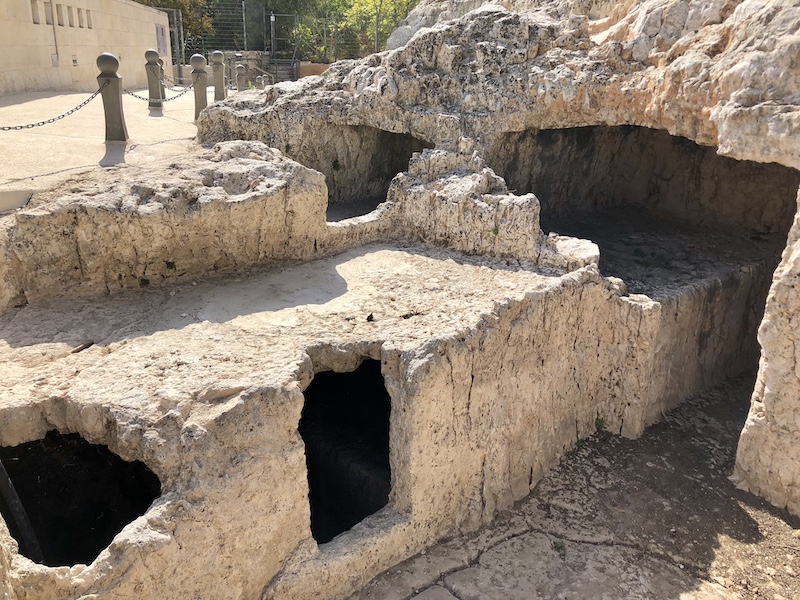 Check into the St. Andrew’s Scots Guest House. Welcome dinner and informative lecture/introduction from the ASOR Team.
Monday, February 20, 2023
Touring the City of David
Overnight in Jerusalem
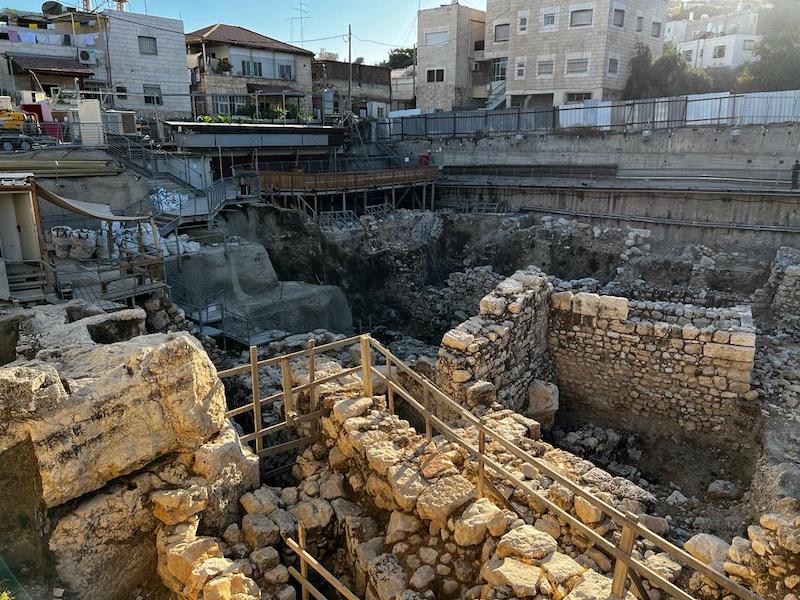 Yuval Gadot and colleagues, excavators of the City of David area of Jerusalem, will lead a behind-the-scenes tour of the current excavations. Expect moderate to heavy walking up and down stairs on this tour. Picnic lunch to follow.
Dinner will be at a local restaurant with an archaeologist as guest (TBD).
Tuesday, February 21, 2023
Touring Cardo, Western Wall Tunnels, & Israel Museum
Overnight in Jerusalem
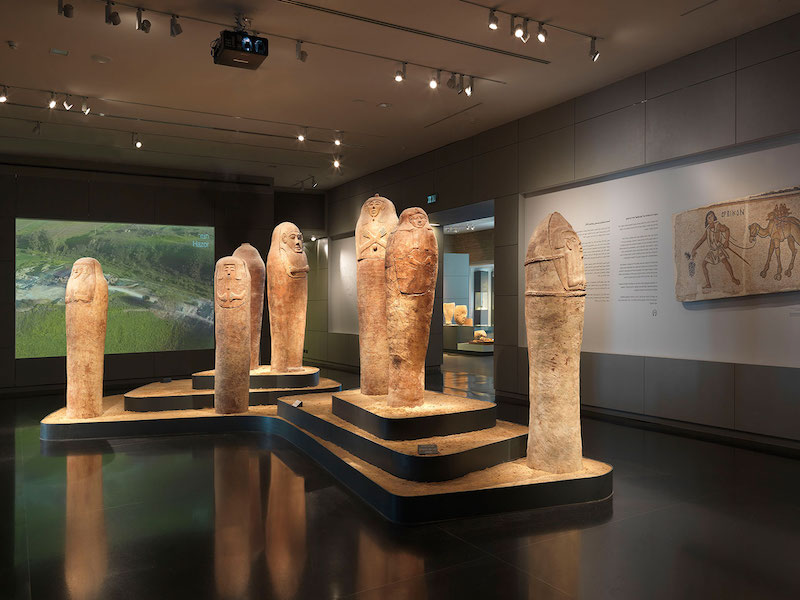 In the morning, Avi Solomon will lead the group through the new excavations in Eastern Cardo and Western Wall Tunnels. The group will have lunch in Jerusalem.
In the afternoon, the group will visit the Israel Museum and receive a behind-the-scenes tour with Joe Uziel and the team in charge of the Israel Antiquity Authority’s (IAA) Dead Sea Scrolls Unit, as well as a tour by Robert Kool, head of the IAA Coin Department.
Dinner will be at the Museum Restaurant with a curator (TBD). (Photo credit to the Israel Museum in Jerusalem)
Wednesday, February 22, 2023
Touring the Temple Mount/Haram al-Sharif, Church of the Holy Sepulcher, and the Albright Institute of Archaeology
Overnight in Jerusalem
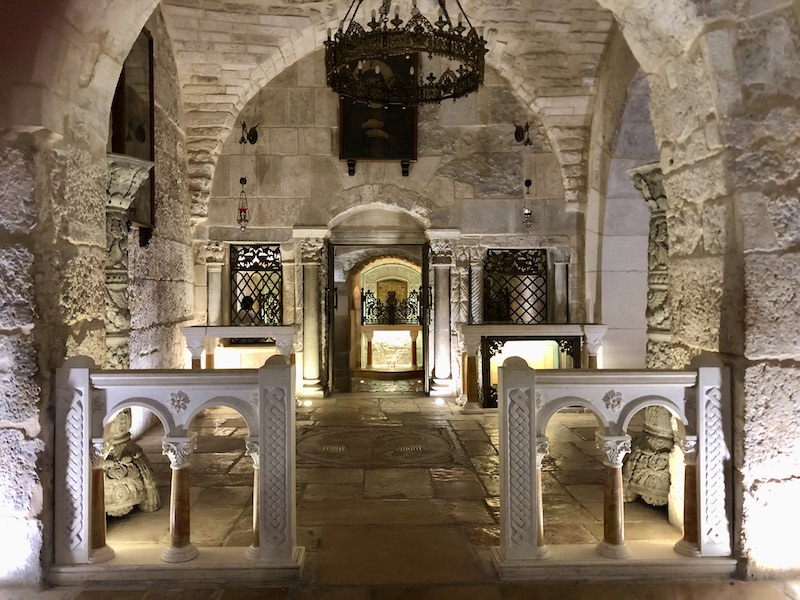 David Gurevich will guide the group on a tour of the Temple Mount/Haram al-Sharif and a behind-the-scenes tour of the Holy Sepulcher Church. Lunch to follow. The group will then continue to Christ Church to see the beautiful models of Jerusalem made by Conrad Schick.
In the late afternoon, there will be a visit to the Albright Institute of Archaeology (AIAR) to meet with the director, Katharina Schmidt, and tour the facility. We will meet and mingle with Albright resident fellows over dinner cooked by AIAR chef, Hisham (an institution himself!).
Thursday, February 23, 2023
Touring Masada, Tel Jericho/Tell es-Sultan, and Hisham’s Palace/Khirbet Al-Mafjar
Overnight in Jerusalem
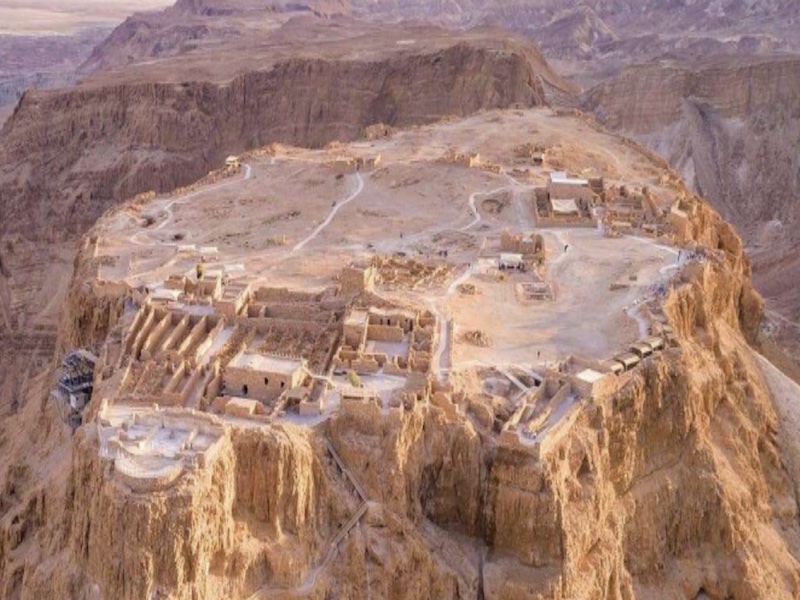 In the morning, the group will receive a guided tour of Masada with Guy Stiebel where an active excavation might be taking place. In the afternoon, Issa Sarie will guide a tour around Tel Jericho and Hisham’s Palace where his students are working. (Photo credit to the Neustadter Masada Expedition)
Friday, February 24, 2023
Touring south to Gezer, Beth Shemesh, Lachish, and Tel Beit Mirsim
Overnight in Jerusalem
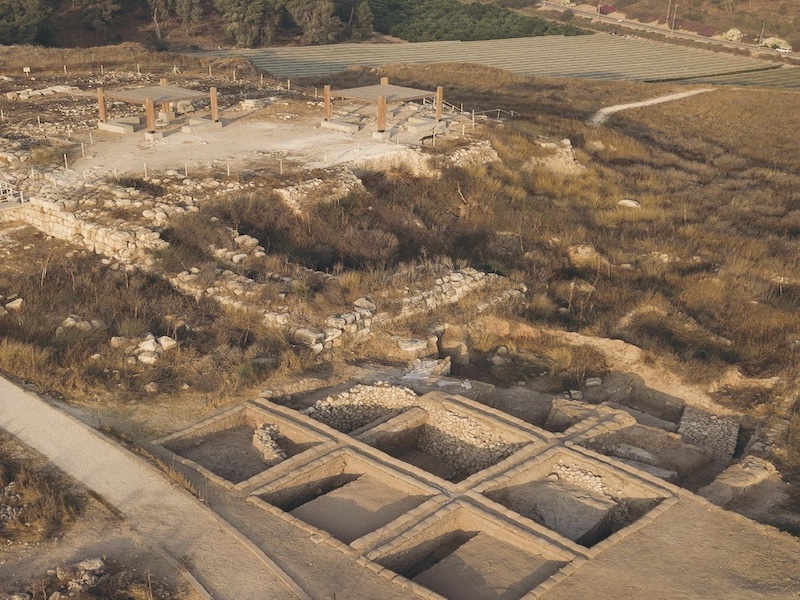 The tour will head south-east of Jerusalem to the site of Tel Beit Mirsim and Igor Kreimerman will show us his excavation and tell us the history of the site. We then go to Lachish with the current excavator Katharina Streit, who will give us the latest on this well excavated Tel. After lunch we will meet with Zvi Lederman, the excavator of Beth Shemesh and view his site. If time permits we will carry on Gezer , where Sam Wolff, its excavator, will give a guided tour.
Dinner will be spent in Bethany with the owner of Mejdi Tours, Abu Sarah, and his family. (Photo credit The Austrian Expedition to Tel Lachish & AIAR)
Saturday, February 25, 2023
Touring southeast to Herodium and Bethlehem
Overnight in Jerusalem
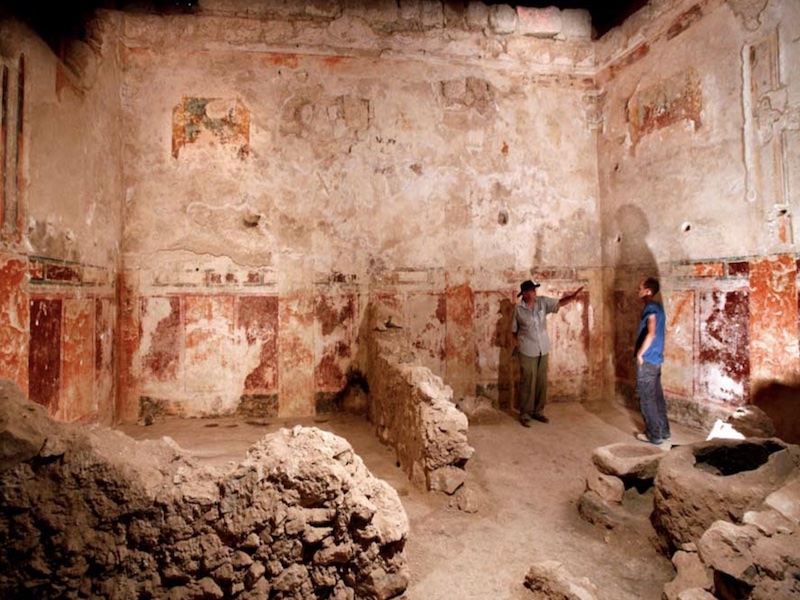 The morning will include a visit to Herodium with Yakov Kalman, who will explain the site and recent excavations and restoration work.
The group will then stop in Bethlehem for lunch and to see the restored paintings in the Church of the Nativity and areas around. Anastasia Kleshman will accompany the group on this tour.
Dinner will be on your own in Jerusalem. Recommendation for restaurants within walking distance from the hotel will be available. (Photo credit to The Herodium Expedition)
Sunday, February 26, 2023
Leaving Jerusalem to tour Mount Gerazim and Samaria-Sebastiya
Travel to and overnight in Galilee
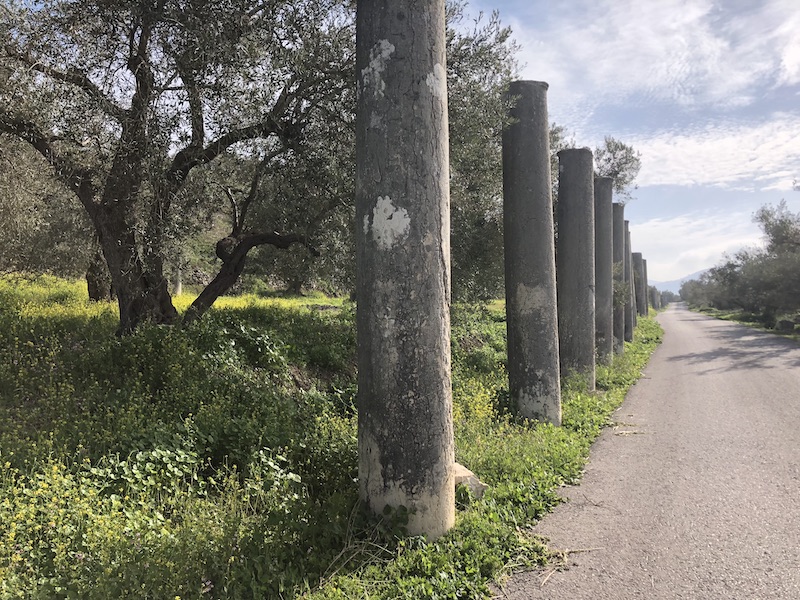 In the morning, the group will leave Jerusalem behind to travel to Mount Gerazim with expert in south Samaria sites, Aharon Tavger. The tour will then continue to the Samaritan community nearby and visit the local museum, guided by Hushney Cohen. We will also have an overview of the ancient city of Shechem.
The group will then drive to Samaria-Sebastiya to have lunch in local restaurant. Afterwards, Norma Franklin will guide a tour of the ancient Tell of Samaria to view the excavations and the restoration work in Sebastiya.
The tour will conclude the day with checking into the Olive Gilboa Hotel in Galilee and having dinner in the hotel.
Monday, February 27, 2023
Touring north to Tiberias, Hazor, and Magdala
Overnight in Galilee
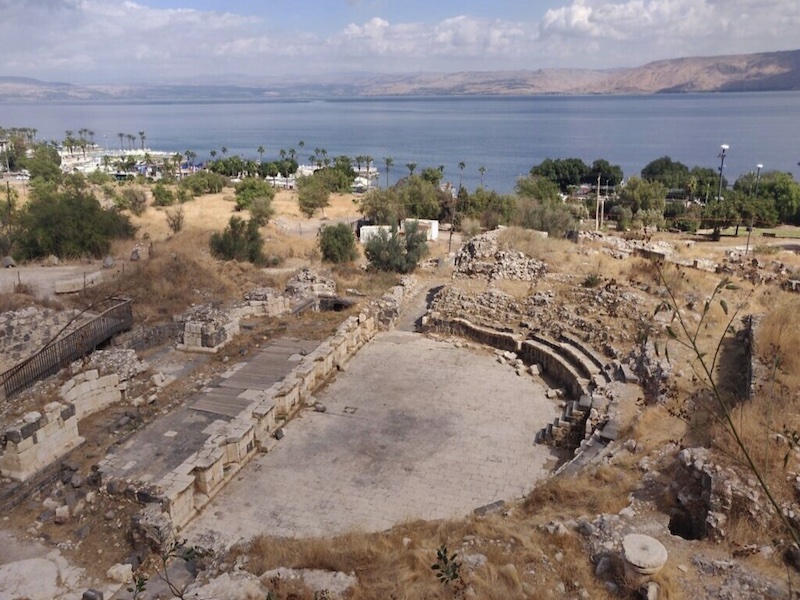 In the morning, the group will drive to Tiberias to meet with the directors from the Hebrew University and the German Institute in Jerusalem, including Katia Cytryn and Katja Soennecken. This is an active excavation where the group will possibly get their hands dirty!
Afterwards, the group will visit Hazor and meet Dr. Shlomit Bechar, a former joint director of the Selz Foundation Excavations in Memory of Y. Yadin at Hazor, and now director of a project on the lower Tel of Hazor.
In the late afternoon, the group will possibly visit the site of Magdala (traditional birthplace of Mary Magdalene) and the two synagogues that have been excavated there. Dinner will be on the way to hotel in the evening or at the hotel (TBD). (Photo credit The Times of Israel)
Tuesday, February 28, 2023
Touring Tel Jezreel & Megiddo
Travel to and overnight in Haifa
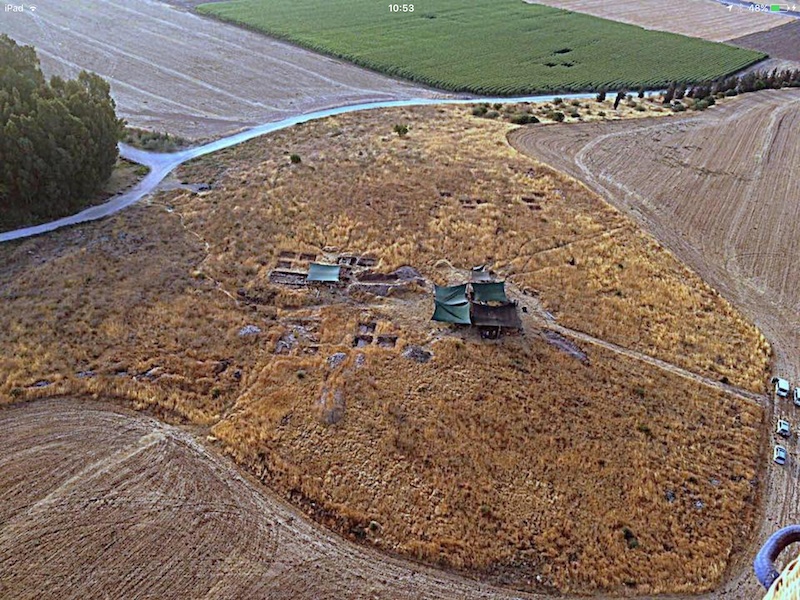 Our hotel is located next to the site of Tel Jezreel and we will have an overview of the upper and lower tels with Norma Franklin, the co-director of excavations at Jezreel. If weather conditions allow, we will also visit “Naboth’s Vineyard.”
The group will then drive to Megiddo and tour the site with Norma Franklin. Lunch will be served after this visit.
The group will then check into Dan Carmel Haifa Hotel. Dinner will be served in the hotel.
Wednesday, March 1, 2023
Touring University of Haifa and Acco
Overnight in Haifa
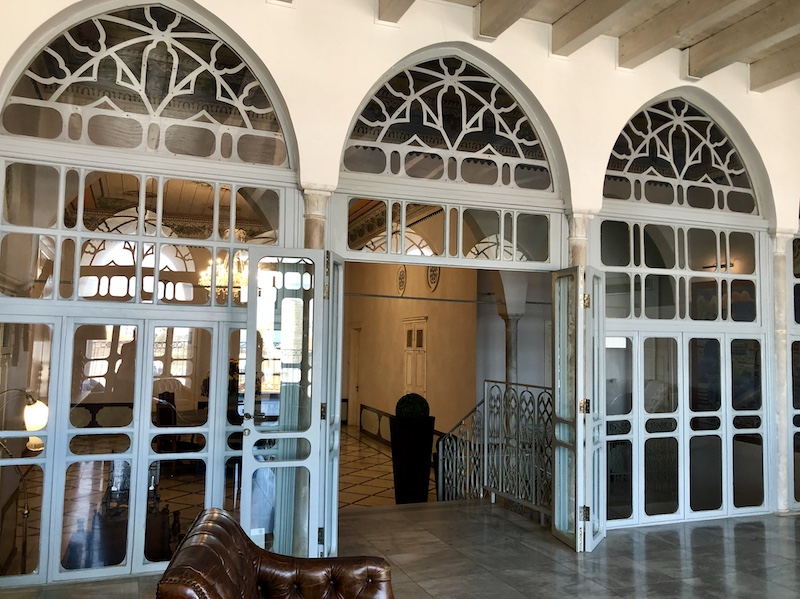 The group will visit the University of Haifa to meet with the directors of the Zinman Institute, Maritime Studies, Recanati—Adi Ehrlich, Michael Eisenberg, Meir Edrey, Assaf Yasur-Landau, and others to view the university’s diverse laboratories and projects. Lunch will be served at the university and followed by a short visit to the university’s Hecht Museum of Archaeology.
In the afternoon, the group will meet with Shelley-Ann Peleg, the former head of the conservation unit on Acco, to have a tour of the medieval and Ottoman city.
Dinner will be at the famous Uri Buri restaurant in Acco.
Thursday, March 2, 2023
Travel south to visit Caesarea Maritima, MUSA Eretz Israel Museum, and Tel of Jaffa
Travel to and overnight in Tel Aviv – Jaffa
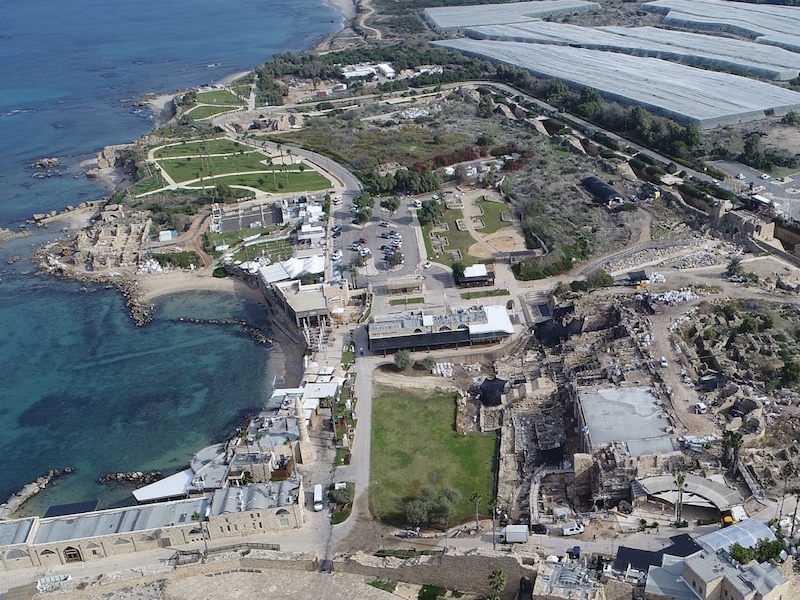 The group will leave Haifa to head south to Tel Aviv-Jaffa. The tour will continue at the famous site of Caesarea Maritima, where we will meet excavator, Peter Gendelman of the IAA, the expert on Caesarea. He will give an in-depth tour of the old and new excavations, plus the new restoration work.
Lunch will be served in Caesarea.
The group will continue on to the MUSA Eretz Israel Museum in Tel Aviv, where we will meet with Irit Ziffer, former head of the ceramics pavilion.
We will check into the Market House Hotel in Jaffa in the late afternoon. We will then take a short walking tour of ancient Jaffa, including the Tel with IAA excavator and Jaffa expert, Yoav Arbel. Dinner will be in old Jaffa. (Photo credit to Yaakov Shimdov/Israel Antiquities Authority)
Friday, March 3, 2023
Touring Old Jaffa
End of tour
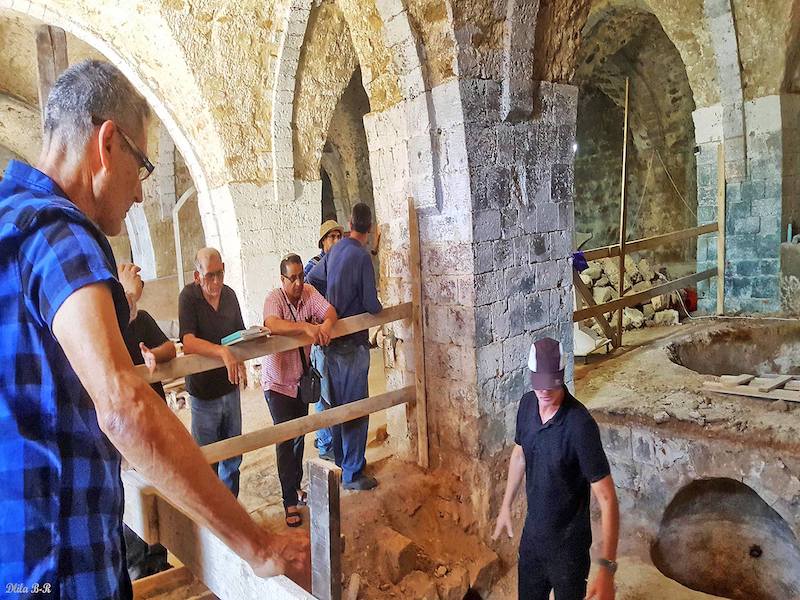 The last day includes a walk around the flea market and streets of old Jaffa with Yoav Arbel to hear about his work and the history of the city outside the walls followed by a late farewell lunch.
End of tour. (Photo credit to Dlila Bar-Ratso & Friends of Israel Antiquities Authority)
Participant sharing a double room: $7,500 | Participant in a single room: $9,000
A $300 non-refundable tour deposit is required at the time of registration. Please see Mejdi’s terms and conditions here before paying the deposit.
Please e-mail membership@asor.org with any questions or issues.
Price for this tour includes a $1,000 tax-deductible donation to ASOR and supports the Friends of ASOR programming.
Price includes all accommodation, 12 breakfasts, 11 lunches, 11 dinners, 11 days of private group transportation, all tips for drivers & staff, honorariums for speakers and guides, all site/museum entrance fees, water on the bus throughout the tour, a digital booklet including maps and plans of each site sent out before the trip, a personal headset for daily use, a licensed tour expert for the entire trip, dedicated pre-trip customer service, and on-ground support.
Moderate activity level. Average walking distance 2-3 miles per day (not all at once). Expect hills, stairs, and uneven pavement and terrain, especially on archaeological sites. Please bring comfortable footwear and walking poles are recommended if needed
Tour includes 7 nights in Jerusalem, 2 nights in Galilee, 2 nights in Haifa, and 1 night in Tel Aviv – Jaffa.
Price does not include airfare, arrival/departure transport, travel and health insurance, or transportation outside of group itinerary.
 Sharon Herbert is the Charles K. Williams II Distinguished University Professor of Classical Archaeology Emerita and Research Associate at the Kelsey Museum of Archaeology at the University of Michigan. Formerly, she served as the chair of the Department of Classical Studies and Director of the Interdepartmental Program in Classical Art and Archaeology at Michigan, where she has enjoyed a remarkable career as a field archaeologist, teacher, and academic administrator since she joined the Michigan faculty in 1973. She is also the former Curator of Greek and Hellenistic Collections and Director Emerita (1997-2013) of the University of Michigan’s Kelsey Museum.
Herbert’s research specialties include Hellenistic Egypt and the Near East and ancient ceramics. She is best known for her contributions to the archaeology of Israel, as director of the Tel Anafa excavations from 1978 to 1981 and as co-director of the Tel Kedesh excavations from 1997 to 2012. She has also conducted archaeological fieldwork in Greece, Italy, and Egypt.
Before assuming her position as ASOR’s President on January 1, 2020, Herbert served as ASOR Vice President from 2013-2019. Herbert also served as the President of the W. F. Albright Institute for Archaeological Research (AIAR) from 2013-2018. In November 2017, Herbert received ASOR’s W. F. Albright Service Award, in recognition of her work on behalf of the Albright.
 Andrew (Andy) Vaughn became ASOR’s Executive Director in 2007. Prior to this appointment, Vaughn taught at Gustavus Adolphus College in St. Peter, MN from 1997–2007, where he was Associate Professor of Hebrew Bible and later served as Chair of Department of Religion. His teaching and research interests include cultural heritage, history, archaeology, Semitic languages, and Israelite religion. He is a past recipient of the Mitchell Dahood Prize for Biblical Scholarship, and he was a Fulbright Fellow at Tel Aviv University from 1993–94. Since 2014, Vaughn has served as Co-Director of ASOR Cultural Heritage Initiatives and overseen major heritage projects in Syria, Iraq, Libya, Tunisia, Morocco, and (most recently) the Sahel (Mali, Niger, and Burkina Faso).
 Norma Franklin is a field archaeologist who is happiest with complex stratigraphy. Other interests include ancient building techniques, water systems, and technology — old and new. Her research has focused on the three key cities of the Northern Kingdom of Israel: Samaria, Megiddo and Jezreel. She took part in the previous expedition Jezreel in 1990, directed by David Ussishkin of Tel Aviv University. In 1992 she became a founding member of the Megiddo Expedition, and served as a field archaeologist, successively directing 4 of the excavation areas. She resigned in 2011 in order to launch the Jezreel Expedition. Norma is the co-director of the Jezreel Expedition and a Research Associate at the Zinman Institute of Archaeology at the University of Haifa, Israel and an Associate Fellow of the W.F. Albright Institute of Archaeological Research in Jerusalem.
 Yoav Arbel received his B.A. in Archaeology and African Studies from The Hebrew University of Jerusalem and his M.A. and Ph.D. from the UCLA, San Diego. He was a staff member in various large-scale projects at Gamla, Bet She’an, and Maresha and regional projects at the Negev. Arbel was also a member of staff in excavations in England, Germany, Turkey, Jordan and Tanzania. Many of the salvage excavations he directed with the Israel Antiquities Authority took place in and around Jaffa. Arbel’s focuses his research on Historical Archaeology, and most of his publications discuss Jaffa and Israel’s archaeology and history in the Ottoman period.
 Shlomit Bechar is a post-doctoral fellow at The Haifa Center for Mediterranean History at the University of Haifa. She also conducts ongoing research at the Institute of Archaeology at The Hebrew University of Jerusalem. Shlomit received her M.A. in 2012 and Ph.D. in 2019, both from the Hebrew University of Jerusalem. She has been digging at Tel Hazor since 2007 and became co-director of the excavations in 2015. Her book, Political Change and Material Culture in Middle to Late Bronze Age Canaan, was published in 2022 by Eisenbrauns, and she is co-author of Hazor VII and is currently co-authoring Hazor VIII.
 Katia Cytryn is Senior Lecturer at the Institute of Archaeology and Dept. of Islamic and Middle Eastern Studies at The Hebrew University of Jerusalem. She specializes in Islamic Archaeology and Material Culture and teaches a variety of courses, from introductions to specialized seminars, dealing with her main areas of expertise: Umayyads, Mamluks, Mosque Architecture and road archaeology. While her research on Mamluks and road archaeology goes back to her doctoral thesis, her interest on the Umayyads and early Islamic mosque architecture deepened following her ongoing archaeological projects at Khirbat al-Minya and at Tiberias, both on the western side of the Sea of Galilee.
 Meir Edrey is the Professional Director & Research Associate of the Leon Recanati Institute for Maritime Studies at the University of Haifa. He is also an Adjunct Lecturer and Post-doctoral fellow in the Department of Maritime Civilizations. Meir’s research focuses on the Phoenician Culture during the first millennium B.C.E. in the Orient and the Occident, dealing specifically with issues related to Phoenician terrestrial and maritime religion and cultic practices. His recent studies include different aspects of the material culture of Tel Kabri, Tel Achziv, and the underwater site of Shavei Zion. He is also the director of the Kh. es-Suwweida Excavation Project (GIF funded).
 Michael Eisenberg is a senior researcher at The Zinman Institute of Archaeology at the University of Haifa. He does research in Cultural History, Historical Anthropology, Cultural Anthropology and mainly Classical Period Archaeology. He is also the Director of the Hippos of the Decapolis Excavations Project. His other interests include military architecture, the art of fortifications, and siege warfare during the Hellenistic and Roman periods.
 Adi Erlich is a researcher at the Zinman Institute of Archaeology and a senior lecturer in the departments of Art History and Archaeology at the University of Haifa. Her Ph.D. was published as a monograph, The Art of Hellenistic Palestine (Oxford 2009). She studies art and archaeology at sites in Israel from the fifth century B.C.E. to the seventh century C.E., with a focus on terracotta figurines. She is a member of the executive board of the Association for Coroplastic Studies (ACoSt) and is the director of the Beth She’arim excavations, a main Jewish town in Galilee in the Roman period.
 Yuval Gadot is the head of the Jacob M. Alkow Department of Archaeology and Ancient Near Eastern Cultures at Tel Aviv University. Since 2013, he has directed Tel-Aviv University excavations in the ‘City of David’ and is co-directing the “Lautenschläger Azekah Expedition.” His research in Jerusalem covers the ancient urban city and an interdisciplinary study of its rural landscape. Gadot obtained his Ph.D. in 2004 from Tel-Aviv University. Gadot’s publications include The Bronze Age Cemetery at ‘Ara (2014), Ramat Rahel III – Final Publication of Yohanan Aharoni’s Excavations at Ramat-Raḥel (2016), and the co-editing of “Rethinking Israel,” an edited volume published in honor of Prof. Israel Finkelstein (2017).
 Peter Gendelman is a senior archaeologist with the Israel Antiquities Authority. Gendelman’s main research focus encompasses the area of Caesarea, a port city originally built by King Herod that served as an administrative center during the Roman Empire and the capital of a Byzantine province as well. Caesarea is considered one of the most impressive archaeological sites of Israel. As the head of excavations at Caesarea, Dr. Gendelman and his team have unearthed stunning finds like an altar dedicated to Augustus Caesar and a mother-of-pearl tablet bearing the inscription of a menorah. He also takes part in restoration and conservation efforts to preserve the area for tourists.
 David Gurevich is an archaeologist as well as a former Fulbright Post-Doctoral Fellow in 2014-2015. With both an M.A. and Ph.D. in Archaeology from the University of Haifa, Dr. Gurevich’s main academic focuses include the history and archaeology of Jerusalem and Temple Mount, particularly during the Second Temple period. He has given lectures covering more modern topics as well, including geo-politics and Israel’s role in our international world. He also founded the academic program “Ambassadors Online” through Haifa University which aims to prepare Israeli students to take part in international conversations. Along with his many academic accolades, Dr. Gurevich is a licensed tour guide in Israel.
 Yakov Kalman is an agriculturalist and archaeologist who started his career in the early 1970’s surveying and excavating various sites in the Negev Highlands. In the early 1990’s, he spent four years in the Arava, excavating at Ein Hazeva for the Israel Antiquities Authority. He has worked at Masada and Jericho, and since 1997 has worked as field supervisor at Lower Herodium, and then on the mount’s eastern slope, where he helped exposed Herod’s tomb and private theatre. He has also worked as co-director and field supervisor at Horkania (Judean Desert), and at Bet Loya (Lachish area). He is currently an MA archaeology student at the Hebrew University.
 Robert Kool is a senior Curator at the Coin Department with the Israel Antiquities Authority (IAA). Some of his research interests include medieval and crusader coinages and seals, as well as both the monetary and economic developmental history of Jerusalem in the Mamluk and Ottoman periods. Through the study of coinages, Kool has identified many rare finds, including a 2,000 year old silver coin that may have been minted in the Temple of Jerusalem during the Great Jewish Revolt against the Romans in the Second Temple period.
 Igor Kreimerman is a lecturer in the Department of Archaeology and Ancient Near Eastern Studies at The Hebrew University of Jerusalem. His research combines the use of geoarchaeology, experimental archaeology and traditional archaeological methods for the study of formation processes, especially construction and destruction, in the Bronze and Iron Age Levant. His areas of interest are the archaeology of the Bronze Age and Iron Age in Israel, ancient construction materials and techniques, architecture, urban planning, destruction by fire, the seam between archaeology and text-based disciplines. He currently serves as the director of the renewed excavations at Tel Beit Mirsim.
 Zvi Lederman is a professor of archaeology at Tel Aviv University. Dr. Lederman is also the director of excavations at Tel Beth-Shemesh, a unique border site ideal for the examination of trade, communication, and interaction between the different ethnic and cultural groups that interacted with one another during the Iron Age. As a border site, Tel Beth-Shemesh reveals much information about the interplay and conflict between the local people and the Philistines. Dr. Lederman has excavated several villages and cities within Tel Beth-Shemesh that indicate conflict and rivalry between different factions.
 Shelley-Anne Peleg is a specialist on cultural heritage, conservation procedures of cultural built heritage (archeological sites and historical cities) with a focus on the Old City of Akko. She is fellow researcher and lecturer in the Department of Israel Studies at the University of Haifa, and a lecturer at Kinneret College. Her Ph.D. dissertation was based on 25 years of work at the Israel Antiquities Authority. During that time, she served as the Director of the International Conservation Center – Citta’ di Roma (situated in the Old City of Akko). She established national and international curricula and training programs in practical conservation and cultural heritage studies at Akko.
 Issa Sarie Issa Sarie is a lecturer of anthropology and archaeology at the Institute of archaeology at Al Quds University. Sarie received his education from Birzeit University, Yarmouk University, and The Hebrew University of Jerusalem. He is also a fellow of the Albright Institute of Archaeological Research in Jerusalem. He has lectured and worked in both the U.S. and in France. His research interest is broad and multidisciplinary in that it combines archaeology and anthropology. His main research focus is the impact of agriculture invention, animal husbandry, and domestication on human health status during the Natufian and Neolithic periods.
 Katharina Schmidt recently accepted the post of the Director of the W.F. Albright Institute in Jerusalem in June 2022. From 2016 to 2022, she was the Director of the German Protestant Institute of Archaeology (GPIA) in Amman, Jordan. She studied Near Eastern Archaeology, Assyriology, and Pre-and Proto History at the Ludwig-Maximilians University in Munich (Ph.D. in 2016). Dr. Schmidt has done fieldwork throughout the Near East and Europe including Jordan, Syria, Turkey, and Germany. Since 2016, she has directed the Tall Zira´a excavation project (Jordan). She has curated a special public outreach exhibition in the Jordan National Museum and coordinated a cultural heritage project with UNESCO.
 Guy Stiebel is a senior lecturer in Department of Archaeology and Ancient Near Eastern Cultures, Tel Aviv University, Israel and leads the archaeological expedition to the World Heritage site of Masada. He earned his Ph.D. at UCL for the study of militaria in Roman Palestine. Stiebel has published extensively on military archaeology and history. The new discoveries at Masada, most notably those concerning the horticulture and viniculture of King Herod, were recognized by the Third Shanghai Archaeological Forum, being awarded one of the 10 World discoveries in Archaeology. Stiebel was recently nominated by Israel’s Minister of Culture as the Chair of the Israel Archaeological Council.
 Katharina Streit is currently a postdoctoral researcher at the Martin Buber Society of Fellows in the Humanities at The Hebrew University of Jerusalem, researching development and changes in material culture from the Middle to the Late Bronze Ages (Material Culture Project). She co-directs the Tel Lachish excavations with Felix Höflmayer and Ilan Sharon. Katharina has published extensively on chronological questions and radiocarbon dating from the Chalcolithic to the Iron Ages. Katharina began her studies at the University of Freiburg, received her undergraduate training at Oxford University, and finished her M.A. and Ph.D. studies at the Institute of Archaeology of The Hebrew University of Jerusalem.
 Aharon Tavger is currently a post-doctoral fellow at the Hebrew University of Jerusalem. Aharon received his M.A. in 2012 from Bar-Ilan University, and his Ph.D. in 2019 from Ariel University. His research combines the use of historical-geography and archaeology, focusing mainly on the highlands of Ancient Israel and Judah during the Bronze and Iron Ages and the Persian period. Since 2016, he has served as a senior staff member in the archaeological expedition to Tel Burna, and currently serves as the lab director of the project. Aharon also as the director of the Heritage Center for the Study of the Kingdom of Israel at Ariel University.
 Joe Uziel graduated with his Ph.D. from Bar-Ilan University in 2008. He has since worked for the Israel Antiquities Authority (IAA), excavating several areas in the City of David and the Western Wall Tunnels, uncovering a range of finds from the Middle Bronze Age through to the Mamluk period. Joe’s discoveries have inspired further research on the archaeology of Jerusalem, particularly relating to the Bronze and Iron Ages and Roman period. In January 2020, Joe was named head of the Dead Sea Scrolls Unit at the IAA. The Dead Sea Scroll Unit is dedicated to the conservation, curation, documentation, and research of the Dead Sea Scrolls.
 Sam Wolff received his Ph.D. from University of Chicago in 1986. He was Field Supervisor and later Assistant Director at the 1985-1990 excavations at Ashkelon (Israel). In 1991, he began a 25-year career as a field archaeologist at the Israel Antiquities Authority (IAA). He has excavated at the Iron Age I site of Ein Hagit, the multi-period site of Tel Megadim, and the Iron Age II site at Tel Hamid, a satellite of Tel Gezer. He worked as Co-Director and photographer at the 2006-2017 excavations at Tel Gezer. Since retiring from the IAA in 2017, he has been managing the Tel Gezer laboratory.
 Assaf Yasur-Landau is a professor in the Department of Maritime Civilizations at the University of Haifa, the director of the Laboratory for Coastal Archaeology and Underwater Survey, and a senior researcher at the Leon Recanati Institute for Maritime Studies. After attending Tel Aviv University for both his M.A. and Ph.D. degrees, Dr. Yasur-Landau attended Harvard University to complete his post-doctoral research. As an archaeologist interested in the connections between the Aegean and the Levant during the Bronze Age, he is involved in several archaeological projects including codirecting both the excavations at Tel Kabri and the underwater excavations at the ancient port of Tel Dor.
 Irit Ziffer is an archaeologist, art historian, and the former curator of the Ceramics and Nehushtan pavilions at the Eretz Israel Museum in Tel Aviv. She received her Ph.D. in ancient Near Eastern art from Tel Aviv University, and was an Andrew W. Mellon Fellow in Art History at the Metropolitan Museum of Art from 2007-2008. Dr. Ziffer’s academic interests lie in the methods in which the ruling class utilized art and images for political purposes. She has also taught in the Department of Archaeology and ancient Near Eastern Cultures at Tel Aviv University and took part in the Aphek-Antipatris excavations from 1976-1979 and 1981-1982.

Registration is now live on Mejdi’s website so click the button above to reserve your space! Please e-mail membership@asor.org with any questions or issues.

The tour fees include a $1,000 donation to Friends of ASOR. If you cannot attend the trip, we would deeply appreciate your support to continue programming like this in the future. Click on the button above and choose “Friends of ASOR” from the dropdown menu of designations. Thank you for all you do for ASOR.