SHARE
[/vc_column_text][mk_image src=”http://www.asortest.org/wp-content/uploads/2017/01/social-fb-icon4.jpg” image_width=”42″ image_height=”42″ hover=”false” custom_url=”https://www.facebook.com/ASOResearch/” margin_bottom=”0″][mk_image src=”http://www.asortest.org/wp-content/uploads/2017/01/social-tw-icon4.jpg” image_width=”42″ image_height=”42″ hover=”false” custom_url=”https://twitter.com/ASOResearch?ref_src=twsrc%5Egoogle%7Ctwcamp%5Eserp%7Ctwgr%5Eauthor” margin_bottom=”0″][mk_image src=”http://www.asortest.org/wp-content/uploads/2017/01/social-in-icon4.jpg” image_width=”42″ image_height=”42″ hover=”false” custom_url=”https://www.linkedin.com/company/american-schools-of-oriental-research” margin_bottom=”0″][mk_image src=”http://www.asortest.org/wp-content/uploads/2017/01/social-ml-icon_7.jpg” image_width=”42″ image_height=”42″ hover=”false” custom_url=”mailto:info@asor.org” margin_bottom=”0″][mk_image src=”http://www.asortest.org/wp-content/uploads/2017/01/blog-icon3.jpg” image_width=”42″ image_height=”42″ hover=”false” custom_url=”https://asor.org/blog” margin_bottom=”0″][/vc_column][vc_column border_color=”rgba(255,255,255,0.01)” width=”1/6″ css=”.vc_custom_1490365673198{margin-right: 20px !important;border-left-width: 2px !important;padding-right: 20px !important;padding-left: 20px !important;border-left-color: #99422f !important;}” el_class=”sticky-sidenav”][mk_divider divider_color=”rgba(255,255,255,0.01)” thickness=”1″ margin_top=”3″ margin_bottom=”3″][vc_widget_sidebar sidebar_id=”ca-sidebar-60550″ el_class=”.widget { overflow: hidden; margin-bottom: 0; }”][/vc_column][vc_column border_color=”rgba(170,170,170,0.01)” width=”8/12″ css=”.vc_custom_1490225606852{margin-right: 10px !important;margin-bottom: 30px !important;border-right-width: 2px !important;border-bottom-width: 2px !important;padding-top: 30px !important;padding-right: 30px !important;padding-left: 20px !important;background-color: #ffffff !important;border-right-color: rgba(227,228,228,0.75) !important;border-bottom-color: rgba(227,228,228,0.75) !important;}”][vc_row_inner][vc_column_inner width=”1/4″ css=”.vc_custom_1590517099925{margin-right: 20px !important;}”][vc_single_image image=”61117″ img_size=”full”][/vc_column_inner][vc_column_inner width=”3/4″][vc_wp_text]ONLINE RESOURCES
ASOR Photo Collections
[/vc_wp_text][/vc_column_inner][/vc_row_inner][mk_divider thickness=”1″ margin_top=”10″ margin_bottom=”10″][vc_row_inner][vc_column_inner width=”2/3″ css=”.vc_custom_1602082671534{padding-top: 0px !important;padding-right: 10px !important;}”][vc_wp_text]Bardo Museum Photo Collection
Description: The Bardo National Museum is located in Tunis, Tunisia and is the largest museum in Tunisia. The museum is located in Mhammed Bey’s palace which was built between 1859 and 1864 and its collections showcase all periods of Tunisia’s history. The Bardo houses the largest collection of mosaics in the world as well as collections from the World Heritage sites of Carthage, Dougga, El Djem, Kairouan, Sousse, and Tunis. One of the highlights of the collection is a Roman ship cargo of Hellenistic Greek art: bronze pieces, marble sculptures, and furniture. The ship was wrecked off the coast of Cape Africa, near the town of Mahdia.
The Bardo Museum started as the Alaoui Museum in 1885. The Tunisian Prime Minister, Kheireddine Pacha, sought to provide a national home for antiquities which might otherwise be part of private collections. The French Protectorate undertook conservation work on the Bardo palace and transformed the interior into exhibition halls intended to host national archaeological, historical, and ethnological collections. With Tunisian independence in 1956, the name changed to the Bardo Museum after the fortified city of Bardo.
The Museum underwent a series of renovations in the 2000s and introduced new departments in Prehistory, the Phoenician-Punic civilization, the Numidian world, the underwater Mahdia collection, Late Antiquity, and Islamic civilization. Today, the museum’s mission is the preservation of collections as a public service to ensure equal access to education and culture. (The Bardo Museum)[/vc_wp_text][/vc_column_inner][vc_column_inner width=”1/3″ css=”.vc_custom_1601476336236{margin-top: 20px !important;}”][vc_single_image image=”67412″ img_size=”800×530″ alignment=”center” onclick=”img_link_large” img_link_target=”_blank”][vc_wp_text](Wikimedia Commons/Whalid Mahfoudh)[/vc_wp_text][vc_single_image image=”67488″ img_size=”800×450″][/vc_column_inner][/vc_row_inner][mk_divider thickness=”1″ margin_top=”30″ margin_bottom=”30″][vc_wp_text]
Image Collection
[/vc_wp_text][vc_wp_text] [/vc_wp_text][vc_wp_text]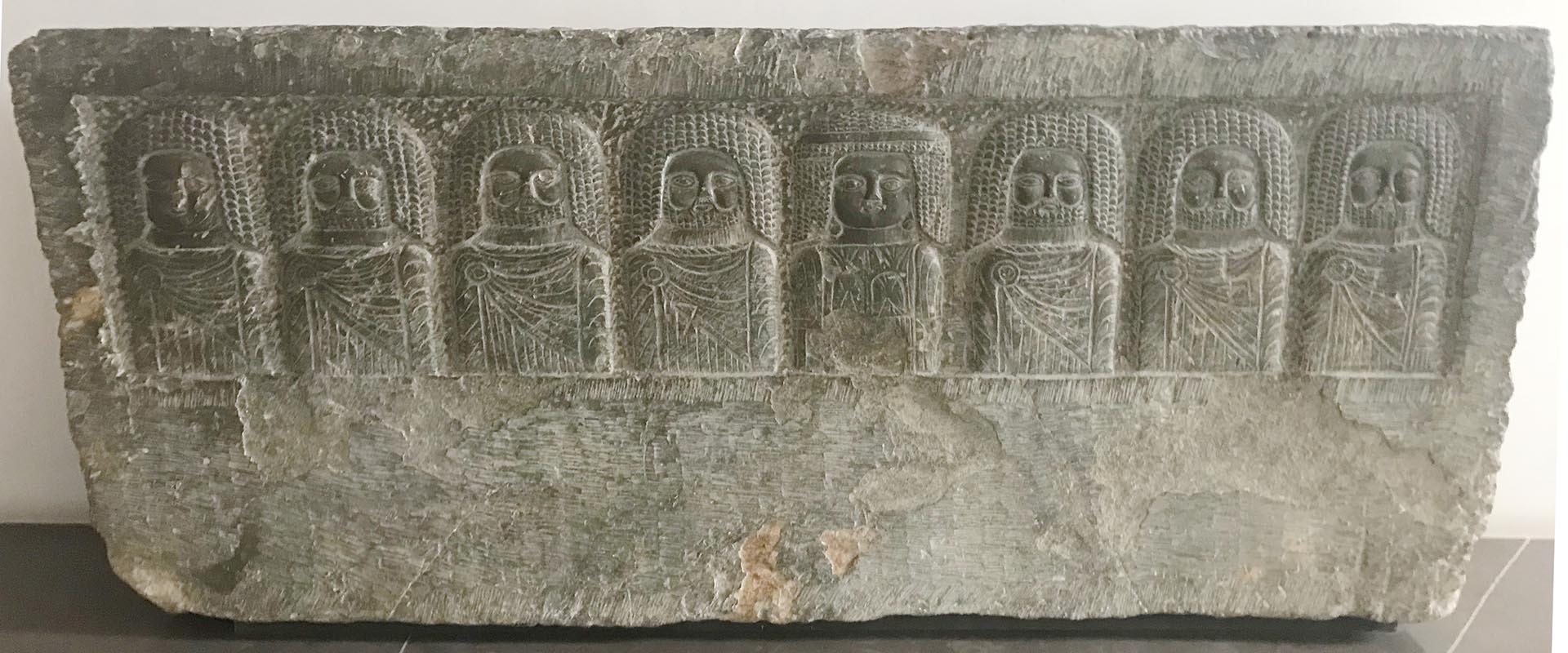 Borj Hellal, Tunisia: Stele with Bust Deities
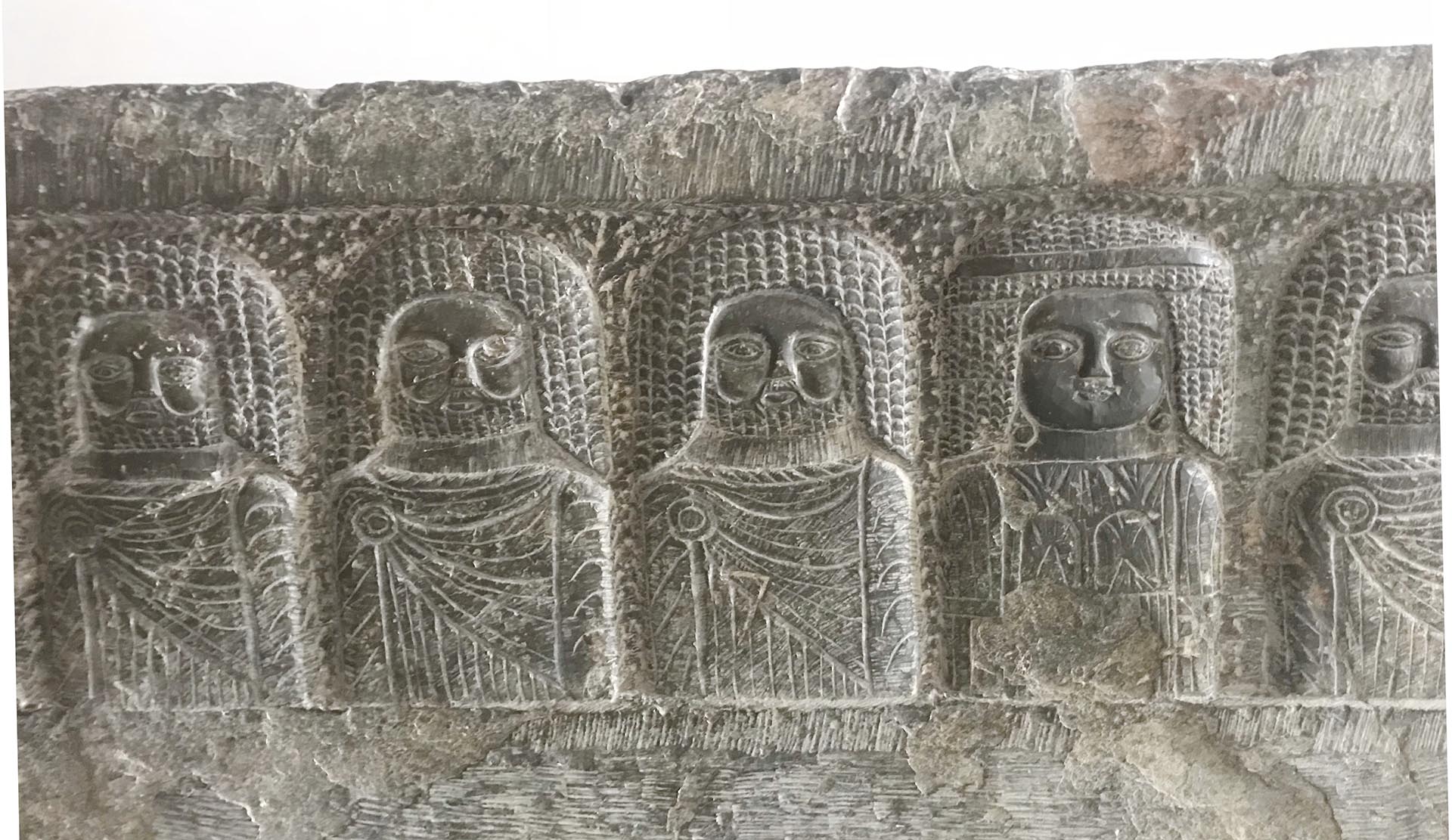 Borj Hellal, Tunisia: Stele with Bust Deities 02
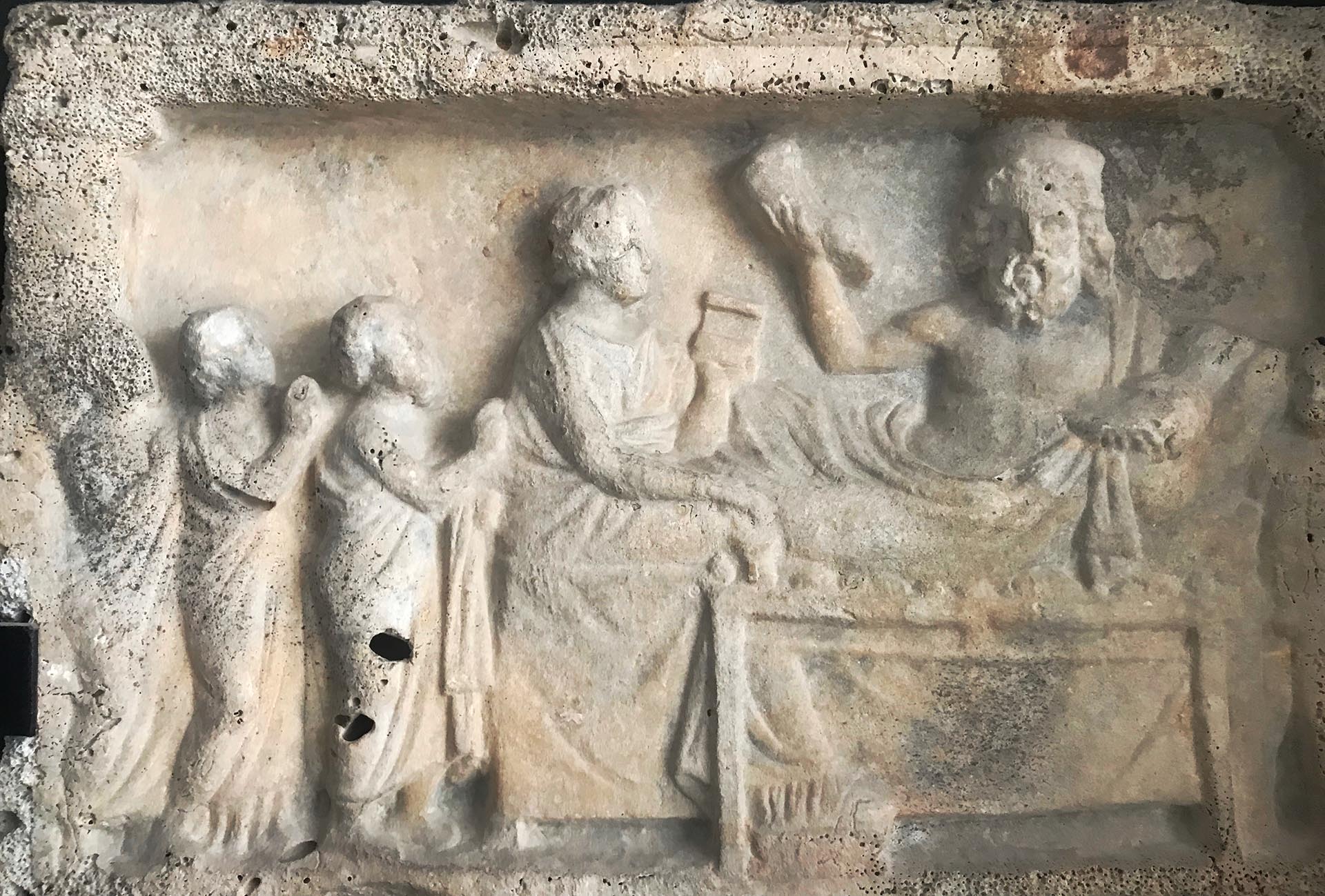 Mahdia, Tunisia: Marble Bas-relief – Offering to Asciepius and Hygeia
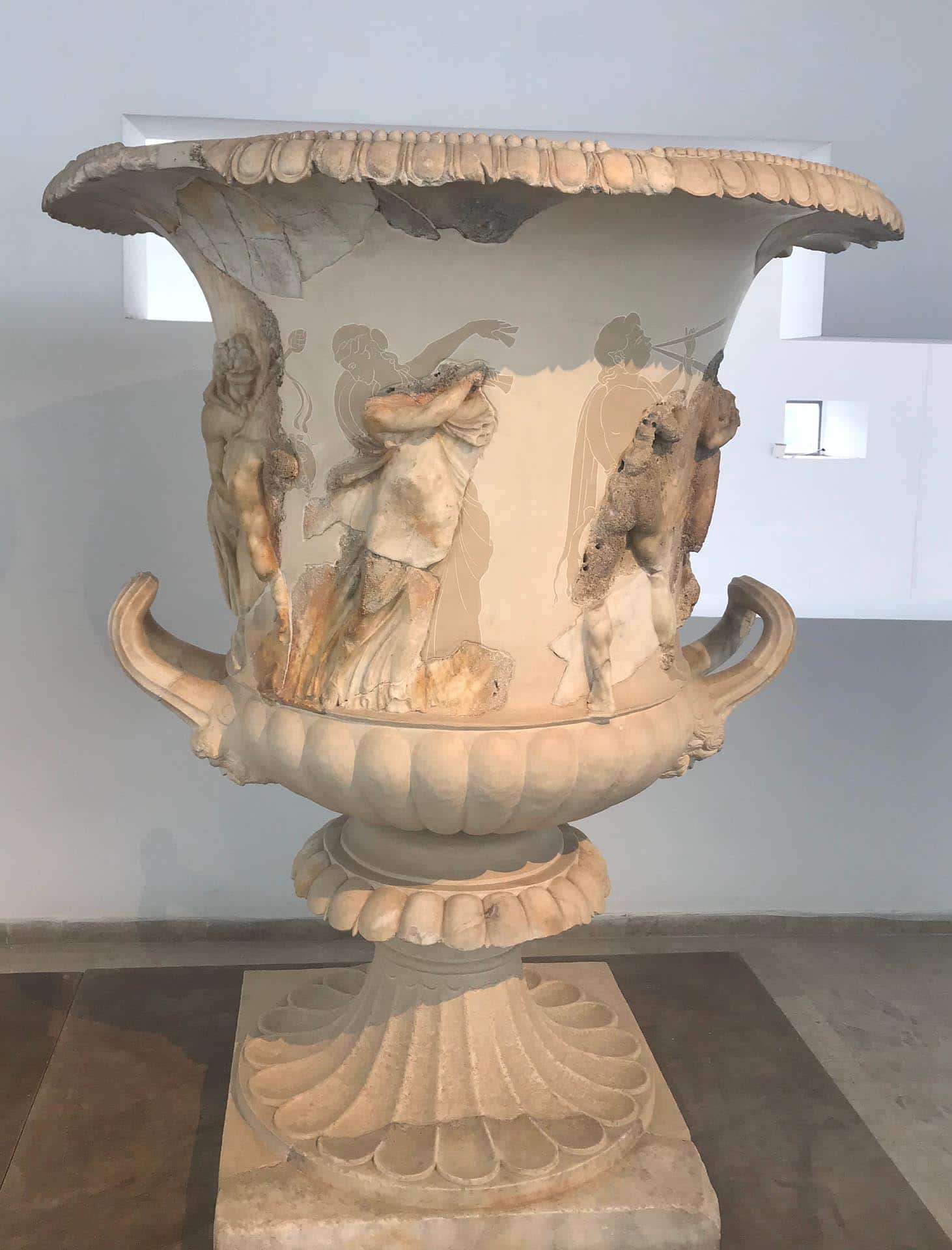 Mahdia, Tunisia: Marble Vase Drunk Dionysos Procession
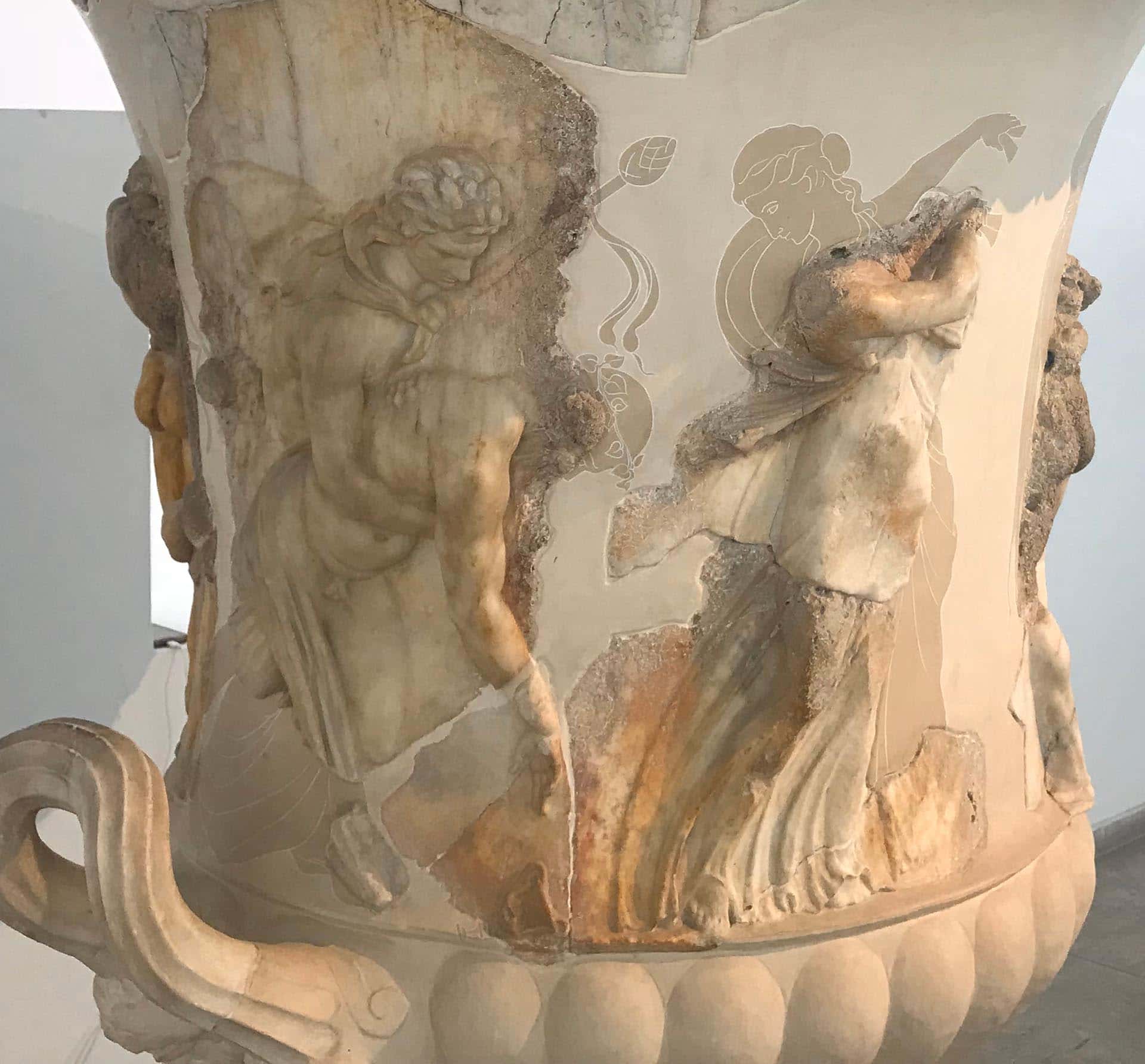 Mahdia, Tunisia: Marble Vase Drunk Dionysos Procession 02
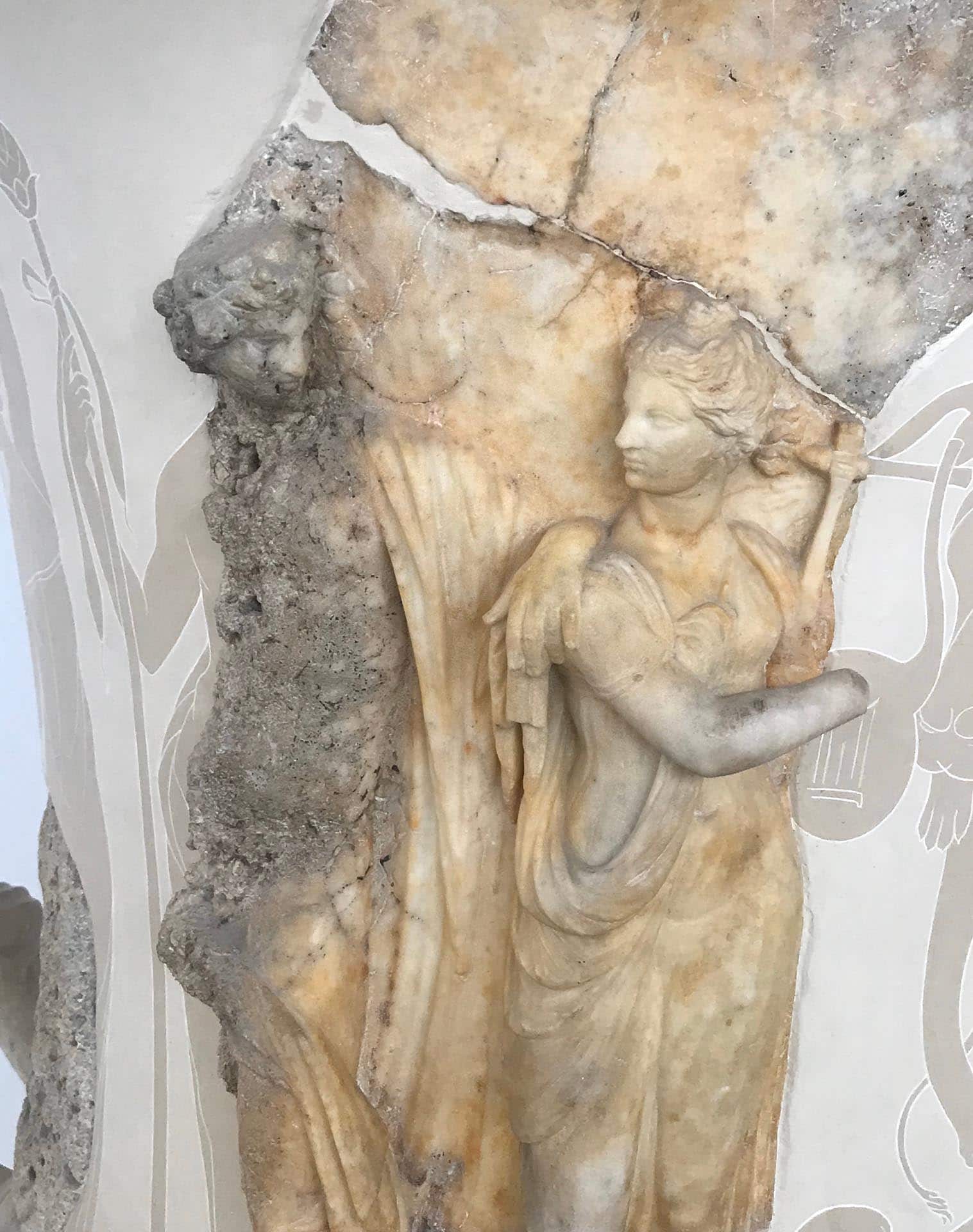 Mahdia, Tunisia: Marble Vase Drunk Dionysos Procession 03
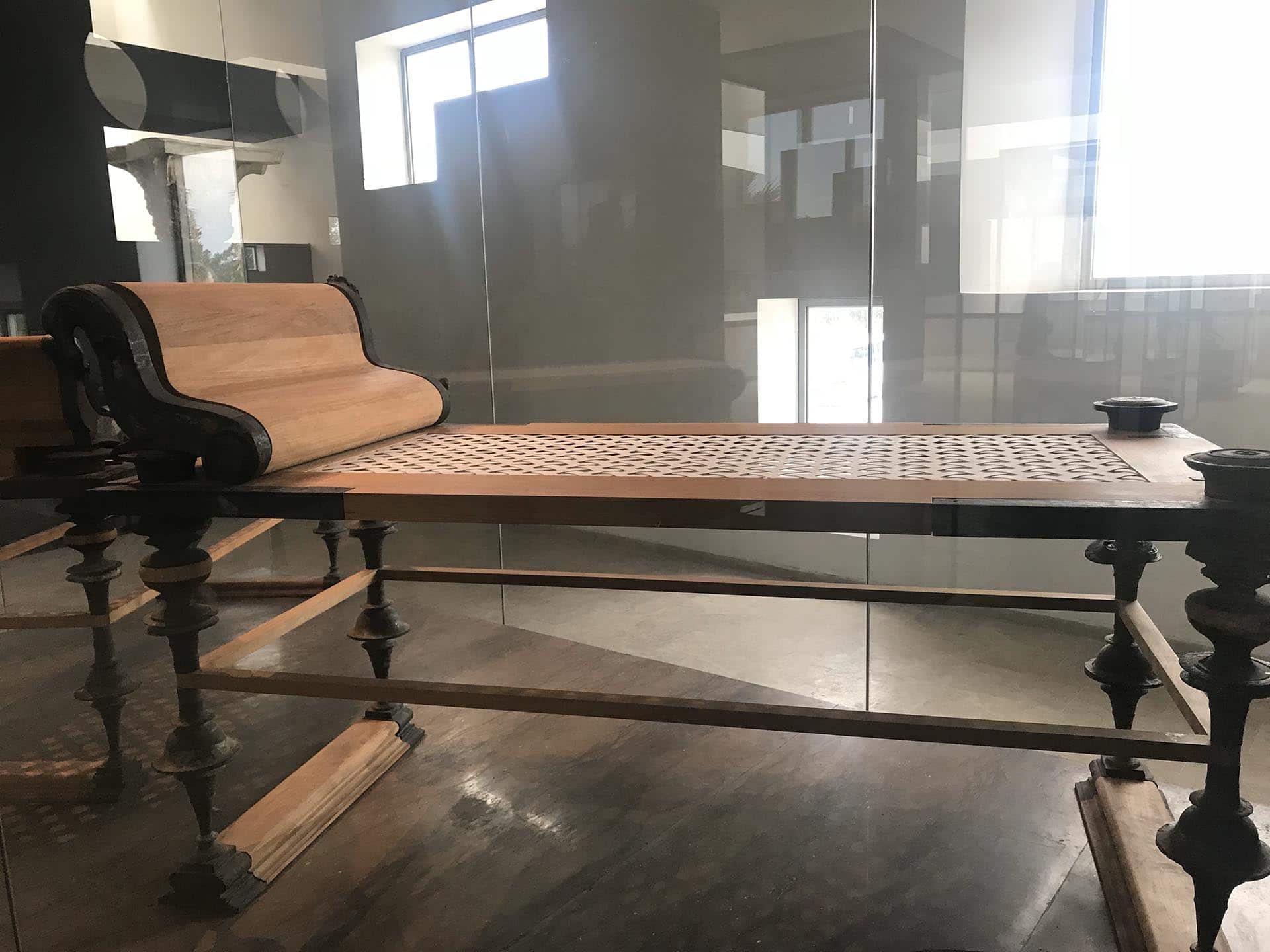 Mahdia, Tunisia: Wooden Bed Mahdia Underwater Excavations
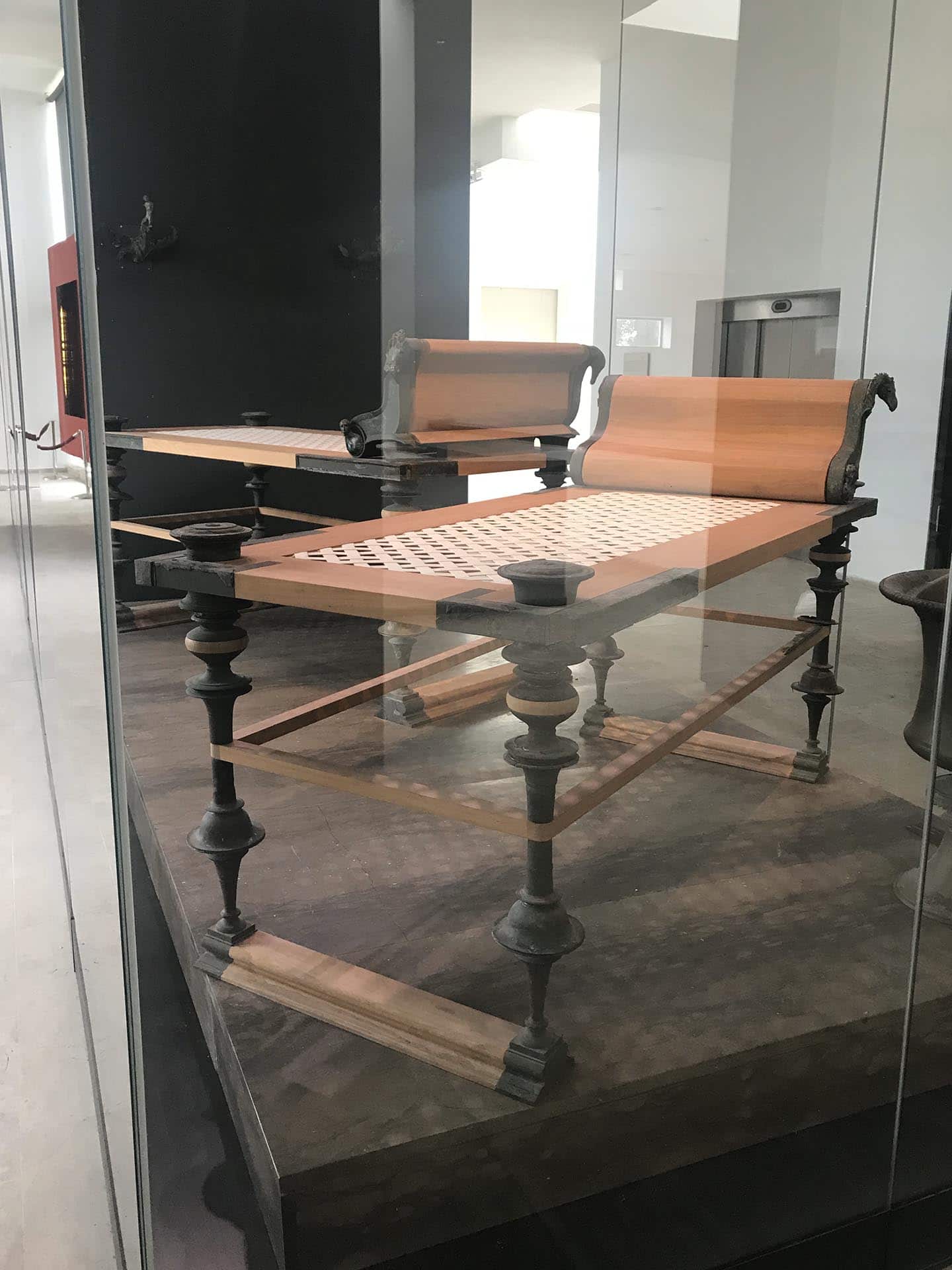 Mahdia, Tunisia: Wooden Bed Mahdia Underwater Excavations 02
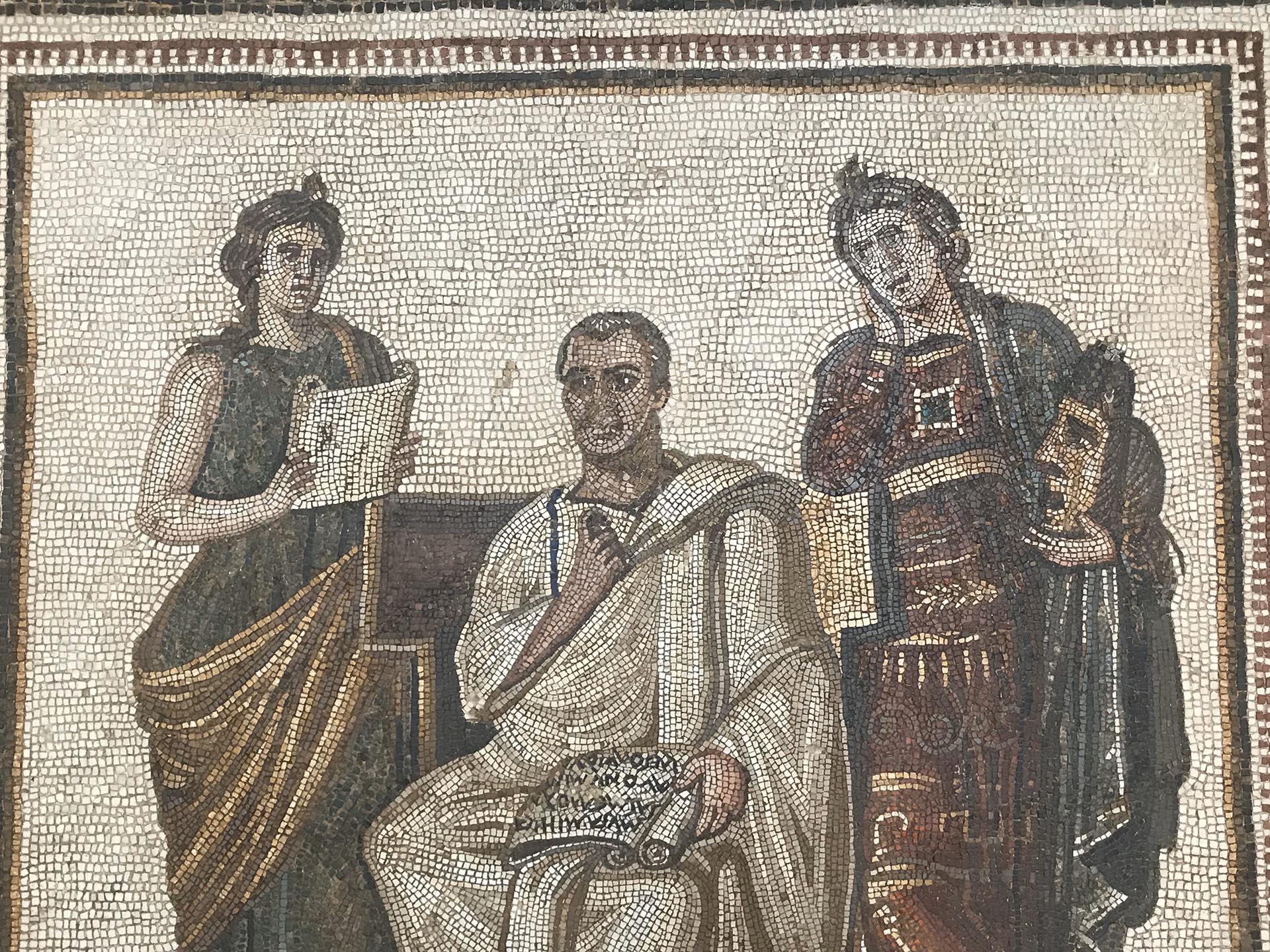 Sousse, Tunisia: Mosaic Virgil Muses
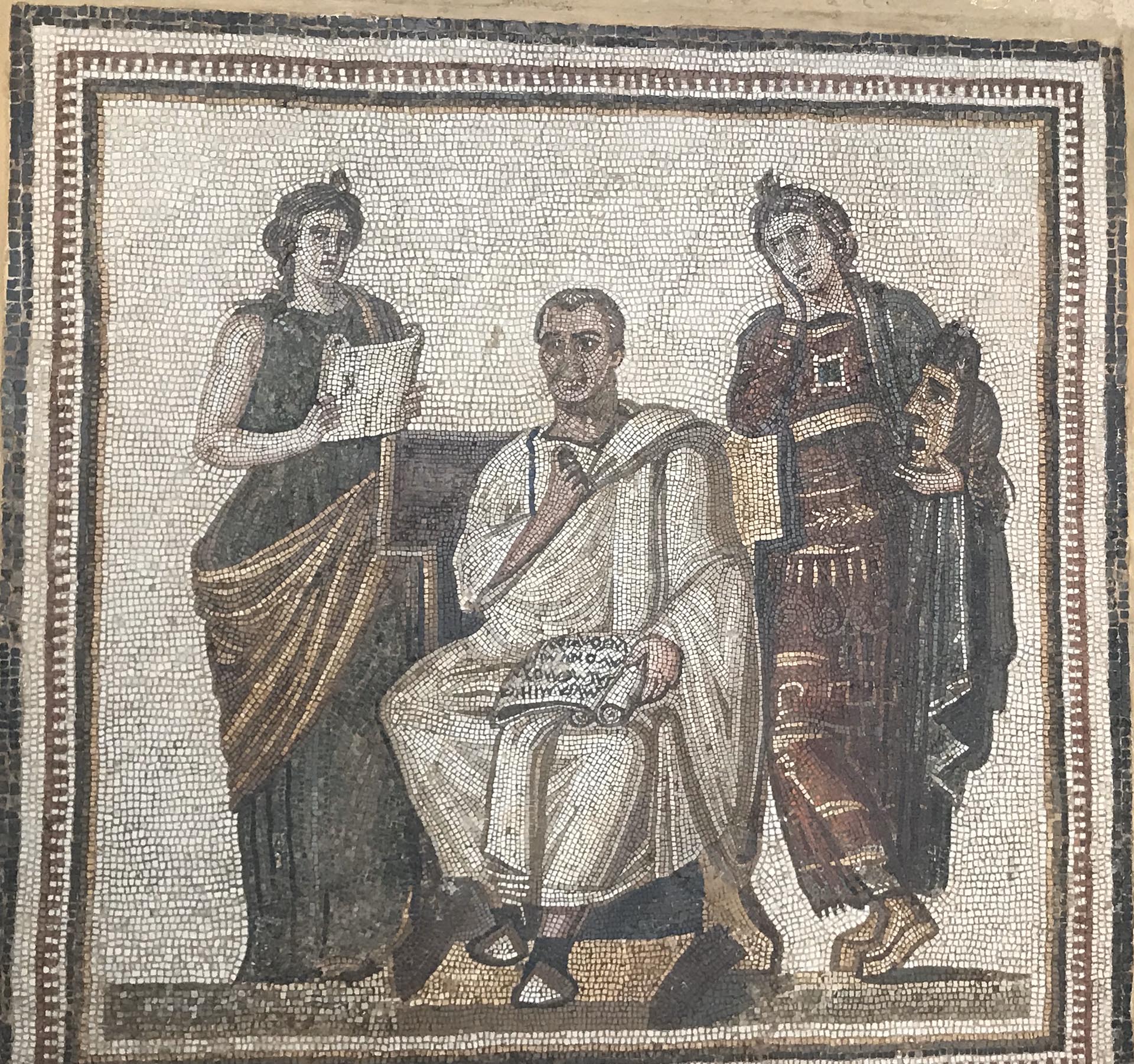 Sousse, Tunisia: Mosaic Virgil Muses 02
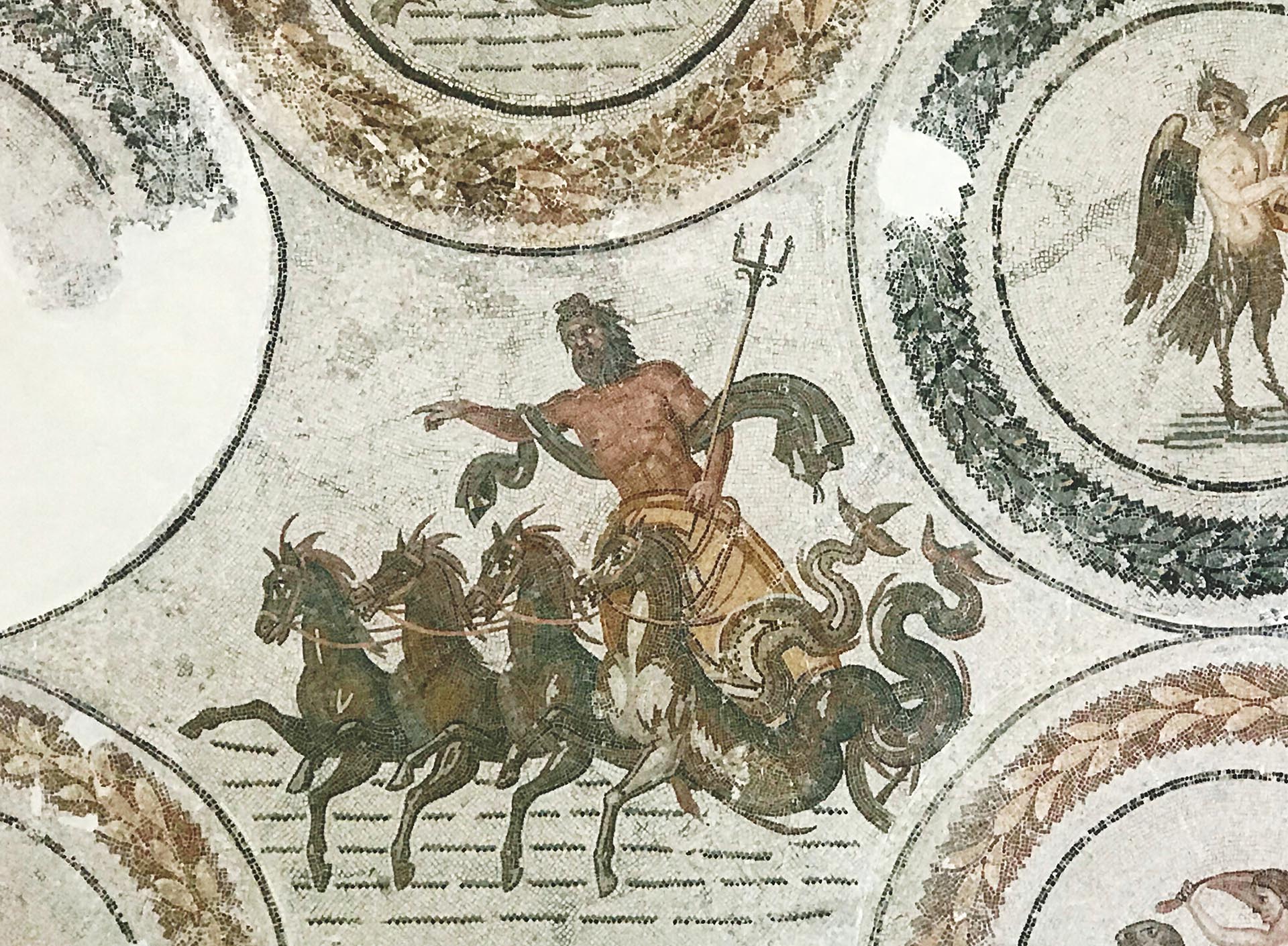 Sousse, Tunisia: Triumph of Neptune Mosaic
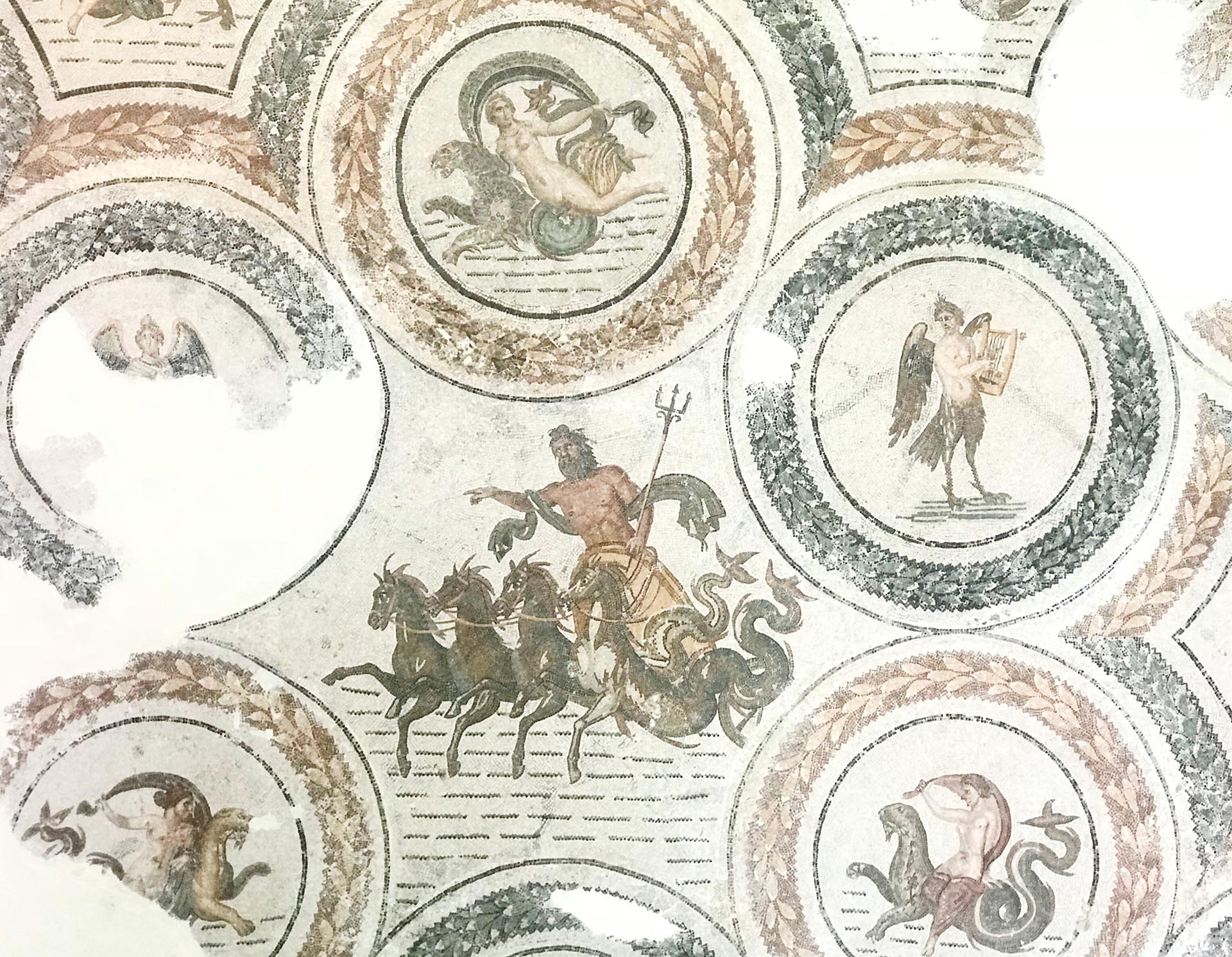 Sousse, Tunisia: Triumph of Neptune Mosaic 02
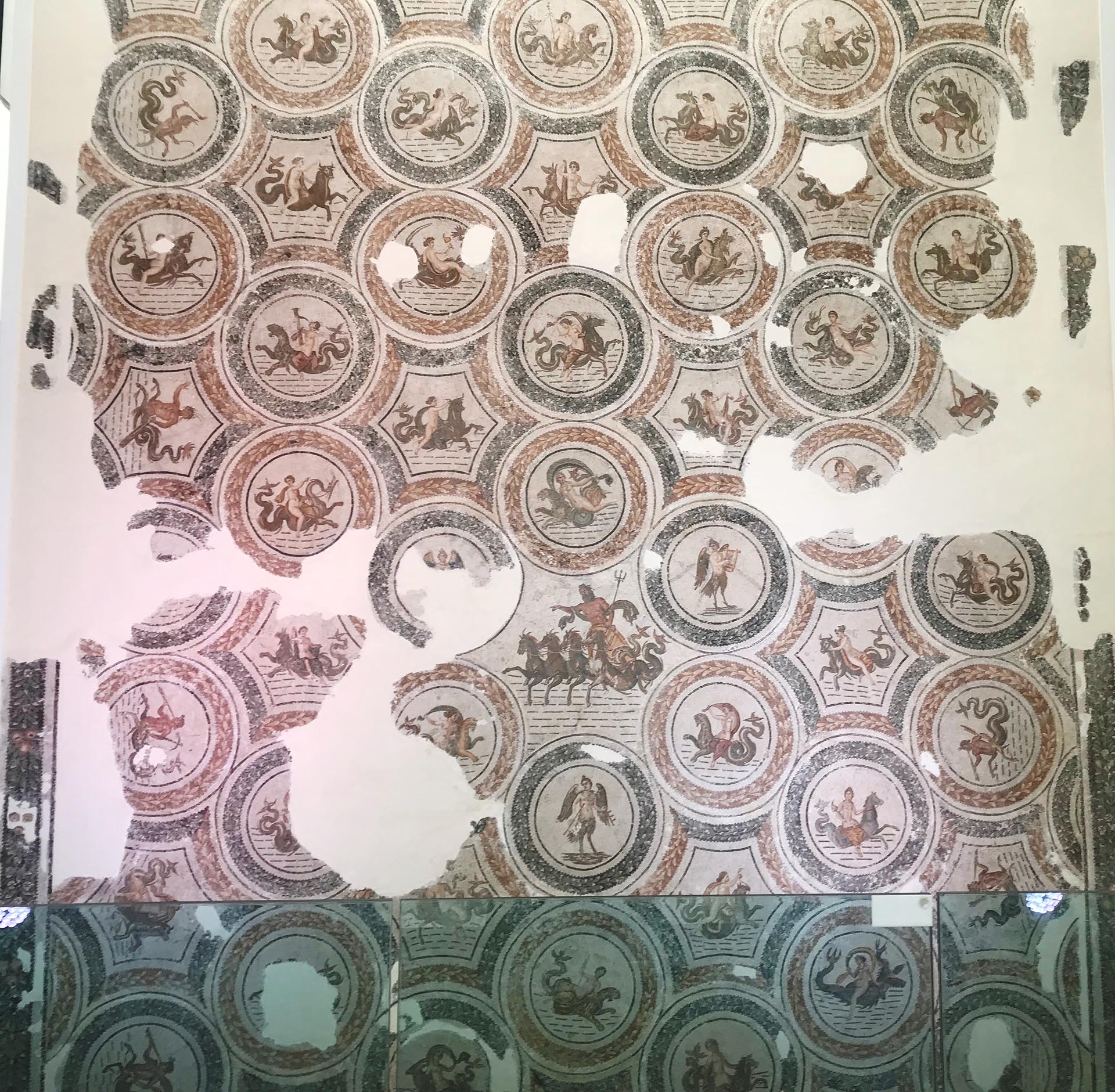 Sousse, Tunisia: Triumph of Neptune Mosaic 03
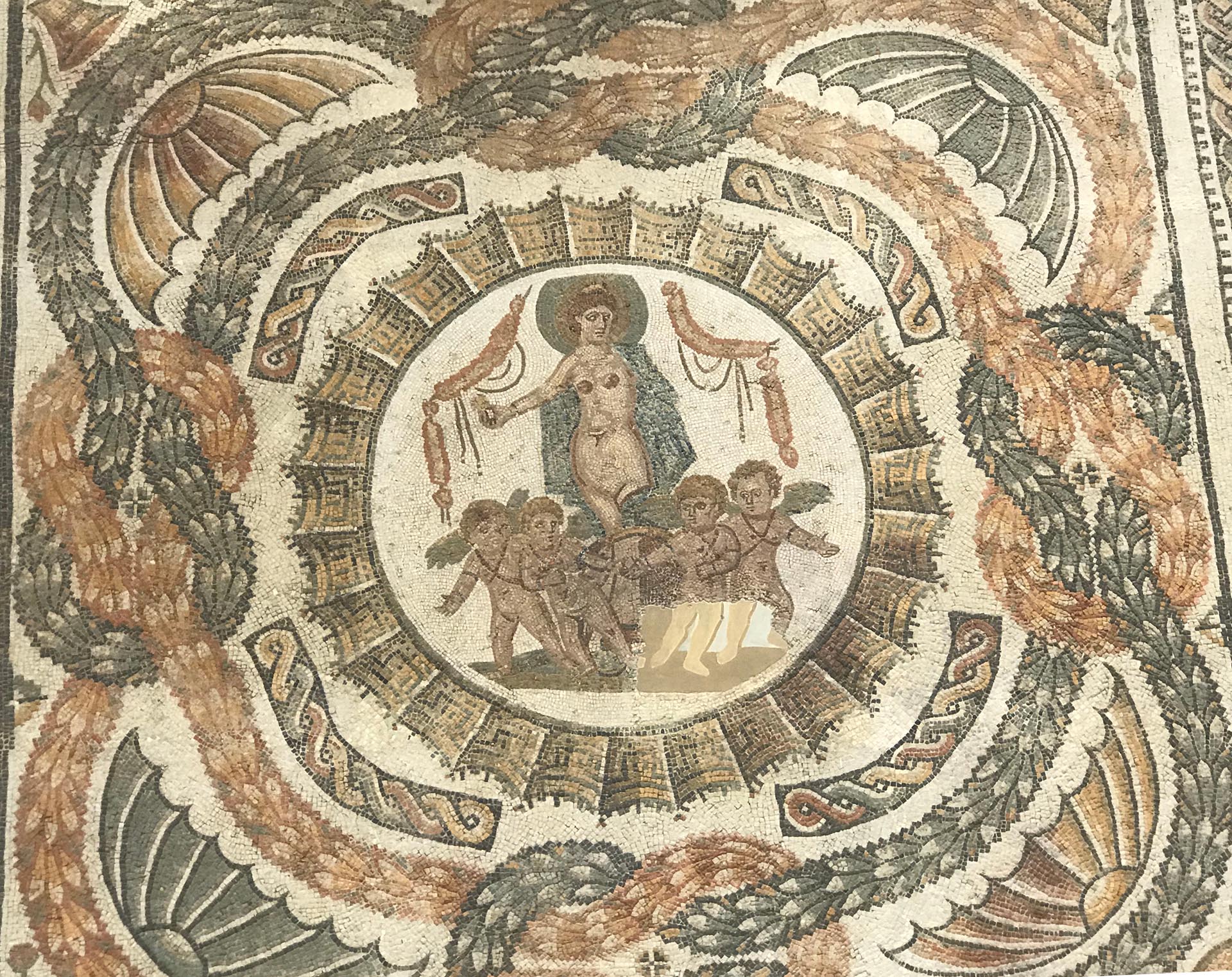 Thuburbo Majus, Tunisia: Venus on Chariot Cupids
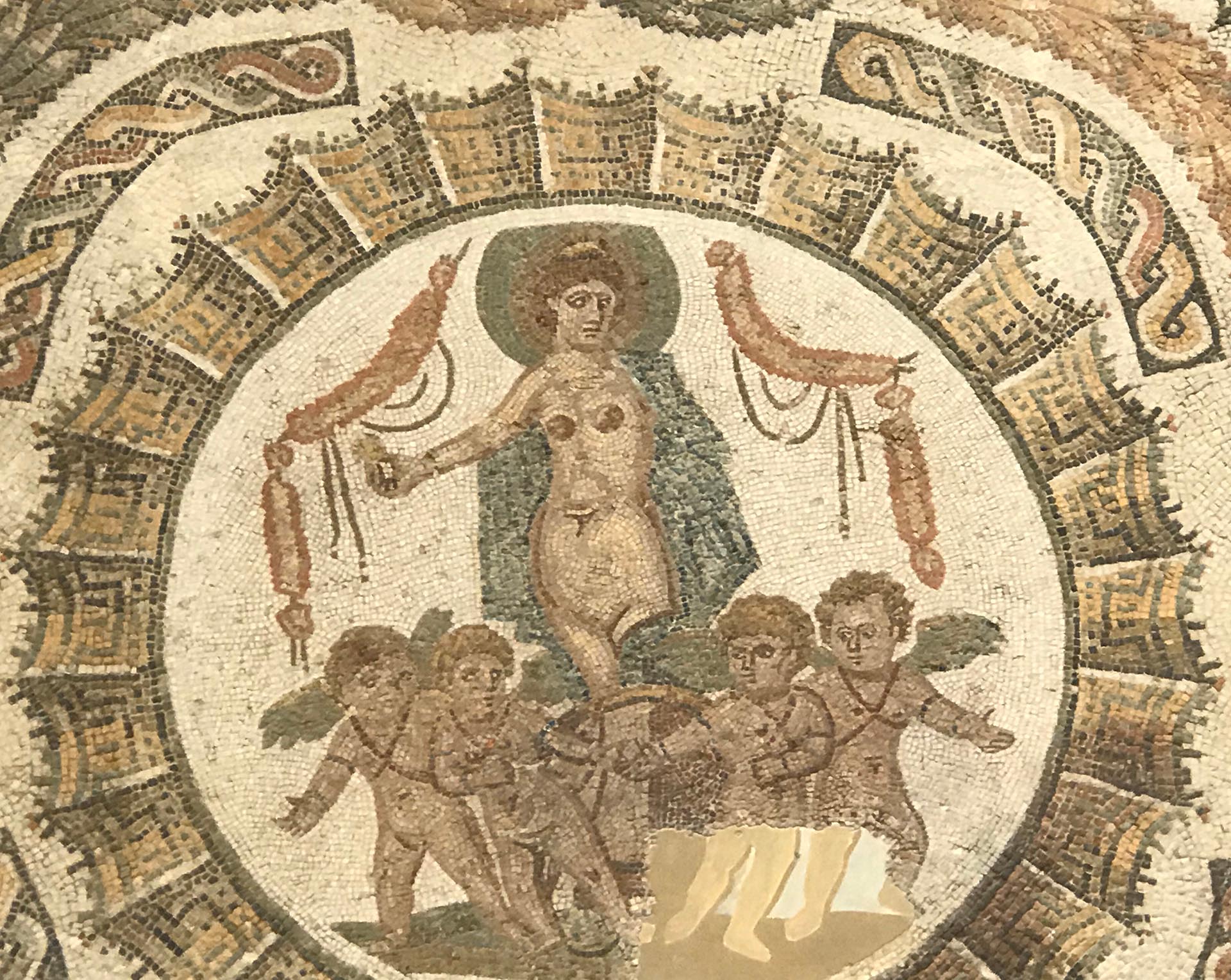 Thuburbo Majus, Tunisia: Venus on Chariot Cupids 02
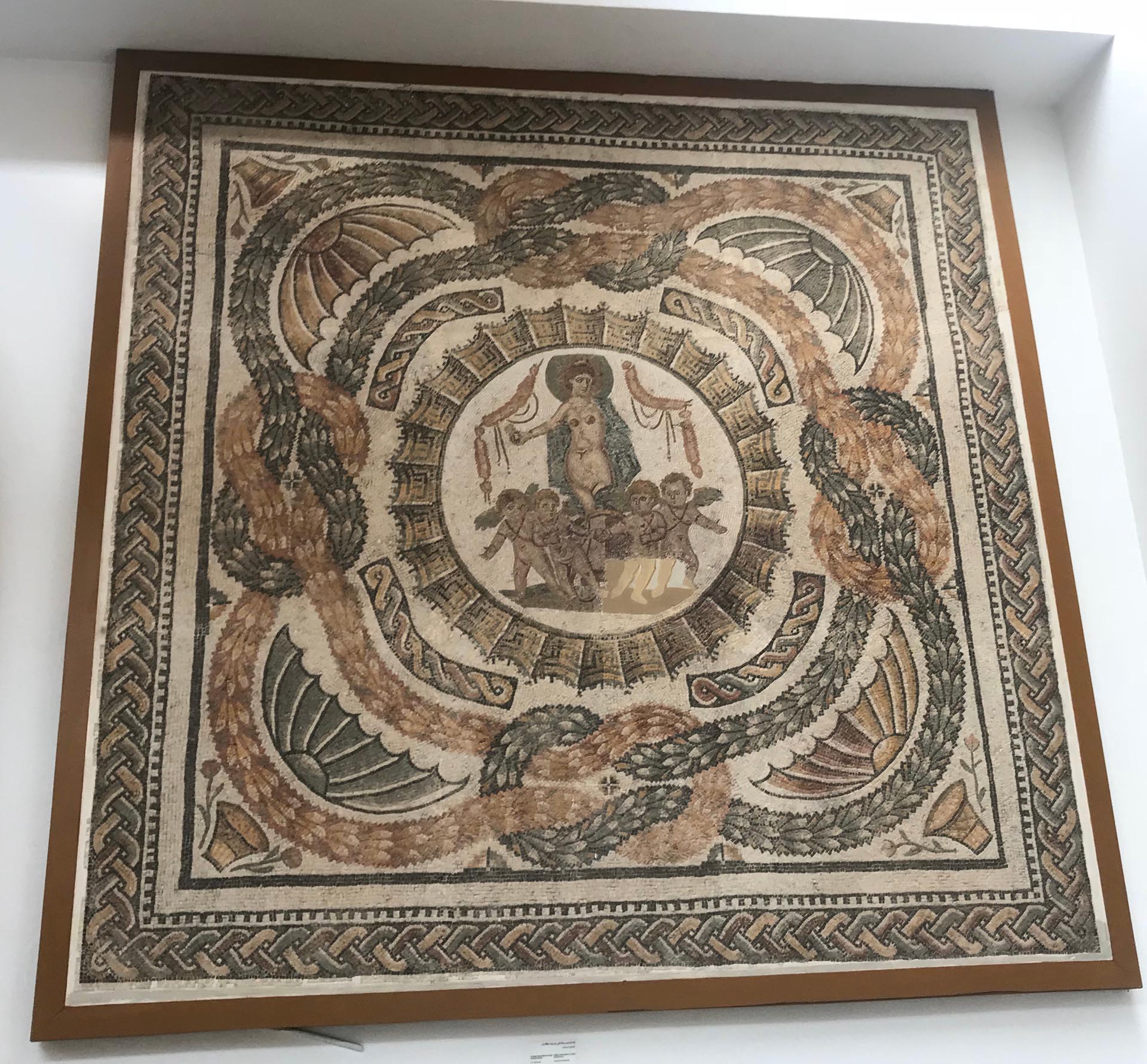 Thuburbo Majus, Tunisia: Venus on Chariot Cupids 03