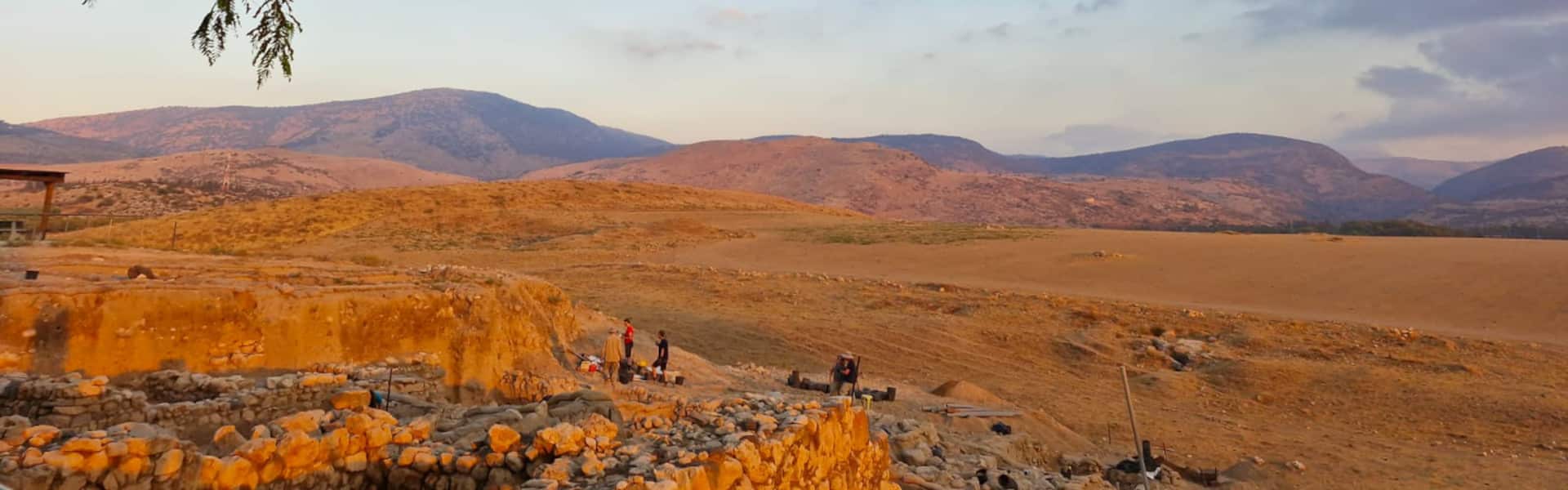
Though I often say I spent my summer “digging in the dirt” in a somewhat humorous way, the truth is I spent the summer learning that archaeology is more than a fascinating discipline to me—it is a lifestyle that I love. Waking up at 4:30 a.m. to be at the site by 5:00, we would get as much done as possible before our 7:30 “coffee pause,” a quick but necessary break. Afterward, we had a couple more hours of digging before breakfast, and then more digging until our day ended at 1:00 p.m. But that wasn’t really the end of the day, because then came pottery washing. Though tedious, it was an opportunity to hear from others about what was going on in their areas, what finds had been uncovered, and what they knew about the site—or others in the region.
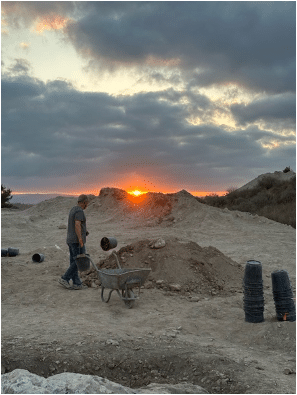
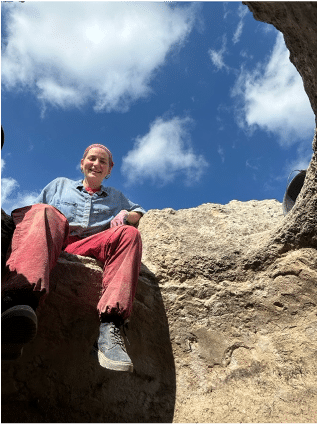
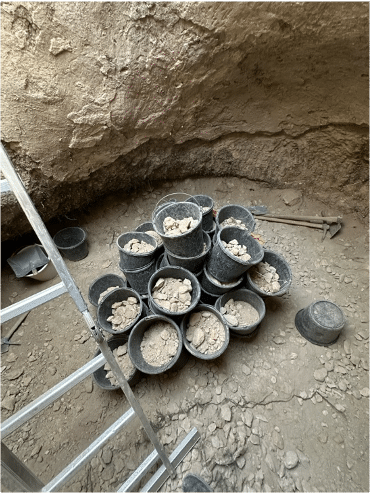
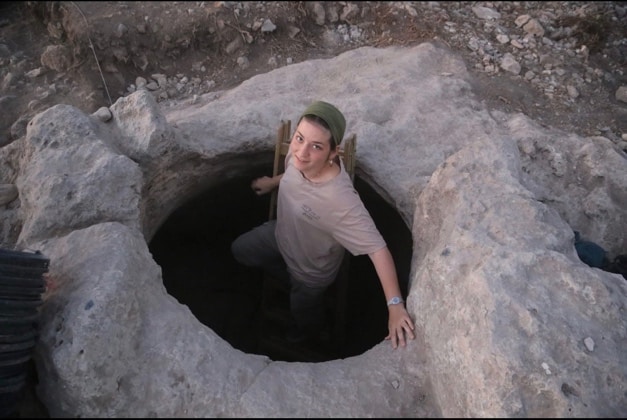
I worked in what became known as “Gadi’s Pit,” named for the assistant supervisor who oversaw its excavation. The site is Tel Azekah in the heart of the Shephelah. It’s a large area with so much left to discover, even alongside everything already uncovered. I exposed the entrance to what we initially thought was a cistern, but as we dug deeper we realized it was more than that, despite the deceptively simple first week. The Tel has a water system that has not yet been excavated, but the area I was working in seems to have some connection to it. The work was addictive. Every morning I woke up looking forward to getting back into the pit, and even during breakfast you could hear me saying how much I wanted to return. Unfortunately, I wasn’t able to reach the bottom this season, but it was not for lack of effort. If you were to meet my field supervisors, they would probably tell you they were mildly concerned at times about me ever leaving the pit. Little did they know I was just avoiding the sun in the most effective way possible—being two meters underground.
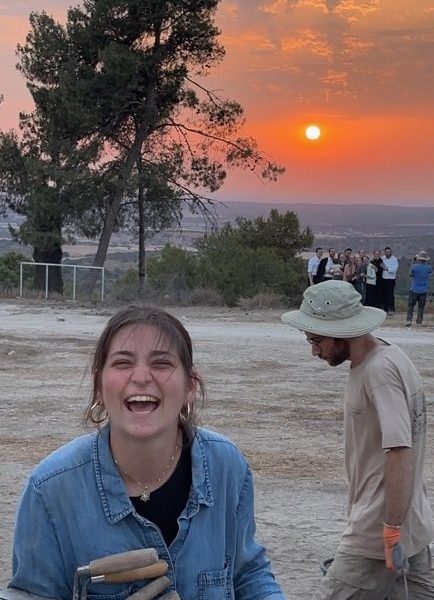
This summer had record-breaking heat day after day—so much so that we had to shorten and adjust our workdays in order to avoid it. Some days we left the site at 10 a.m. and returned at 5 p.m. to work into the evening, avoiding the harshest hours of the sun. The unusual schedule on those days made the work strangely more exhausting, even with the much-appreciated popsicle breaks meant to counteract the heat. Even then, I often found myself uninterested in truly taking a break. As strange as it may sound, among the many things I learned this summer (and there were many), the one I think is most important is how to take a break. Feeling the boost of energy it gave me—and seeing it in the team around me—I realized how valuable a ten-minute pause is. Our work in the first hour after a break always seemed to be the most productive. In general, we were quite an efficient team, with complementary skill sets, a lot of good humor, and thankfully a relatively good taste in music.
It is simply the truth to say that excavation is hard work. Pickaxes, as fun to wield as they are, get heavy. Heat is more than uncomfortable; it exhausts you in ways you don’t notice until later. Dumping hundreds of buckets a day into what becomes a mountain works muscles you didn’t even know existed. You would think all this might make you want to never return to a site, yet it has the opposite effect. The conversations you have while pickaxing away, the strength you feel at the end of a season, the information you learn every moment—it draws you in. It’s been a couple of weeks since I left Azekah, and I have to say, I miss it. Though it’s still months away, I look forward to future excavation seasons.
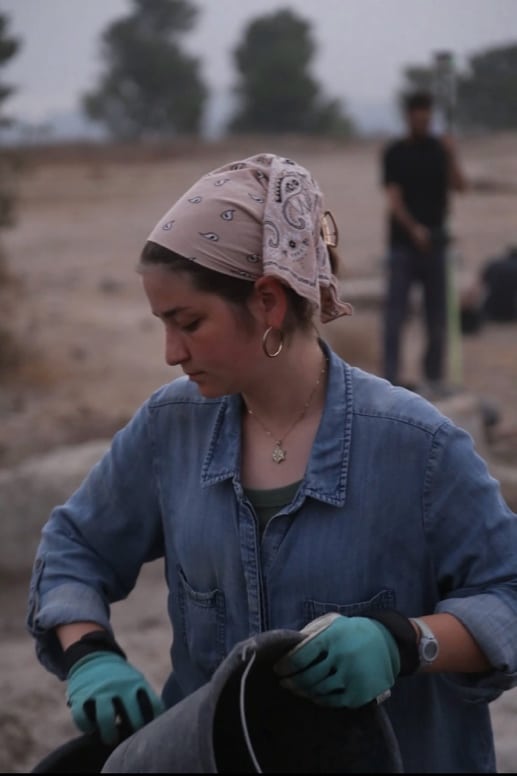
Amiella is an undergraduate student double-majoring in Archaeology and International Studies at Dickinson College in Pennsylvania. Archaeology is what she lives and breathes – she has known for a long time that this is what she wants to do with her life, and every year of learning and doing more with it only affirms that! As much as she loves the “digging-in-the-dirt” aspect of archaeology, Amiella hopes that she can build her career and make it more accessible to anyone who wants to learn more about our ancient past.
The Lautenschläger Azekah Expedition website
Facebook: The Lautenschläger Azekah Expedition
Instagram: @azekah_excavations
Want to help more students and early career archaeologists get into the field? Donate to the cause today by selecting “Fieldwork Scholarships” as your gift purpose!